





While mindfully soaking up the sun’s rays on a warm day is a delight, any sun exposure can be dangerous, particularly for extended amounts of time. Just one mild sunburn can damage skin cells, leading to accelerated aging and the potential risk of skin cancer, notes the CDC. But rather than hiding inside all year round, utilizing a handful of sunburn-prevention tips can help make protecting yourself from the sun manageable. Keep reading for everything you need to know about how to prevent a sunburn.
Sunburn 101
A sunburn is an inflammatory reaction to ultraviolet (UV) radiation damage to the skin’s outermost layers, says the Skin Cancer Foundation. And there are two forms of UV rays — UVA and UVB. UVA rays are responsible for premature aging, wrinkles, sun spots, and loss of elasticity, notes John Hopkins Hospital. UVB rays cause a much greater risk of skin cancer (but UVA also increases the damaging effects of UVB), adds John Hopkins.
While it’s tempting to think of exposure to these intense UV rays as just a summer occurrence, UVA and UVB ray damage can happen year-round, even on cloudy and cool days, adds the CDC. The Skin Cancer Foundation adds that up to 80 percent of UV rays can penetrate through clouds (meaning a cloudy day isn’t an excuse to not practice sunburn safety). This is important to remember because most skin cancers are caused by too much exposure to UV light, notes the CDC.
A good reason to stay vigilant about skin protection is that a sunburn hurts in more ways than one, says the Skin Cancer Foundation—first the short-term pain, redness, and discomfort, but also after the burn fades, potential lasting skin damage remains. “Sunburn accelerates skin aging and is a leading cause in the majority of cases of basal cell carcinoma, squamous cell carcinoma, and melanoma, the deadliest form of skin cancer,” notes the Skin Cancer Foundation.
How to Prevent a Sunburn
While a sunburn is harmful—it’s preventable. And the best time to start is today. Here is everything you need to know about preventing a sunburn.
Time of Day
The best way to protect yourself against the damaging effects of the sun is to limit exposure and protect your skin. That’s especially helpful when the sun is at its most potent. In the continental United States, UV rays tend to be strongest from 10 a.m. to 4 p.m., says the CDC. It’s a good idea to seek shade and be extra cautious during these peak sun hours, adds John Hopkins. And remember that reflective surfaces, like water and snow, can increase the damaging rays’ potency.
Check the UV Index
The US National Weather Service and the Environmental Protection Agency (EPA) have developed the UV Index, which explains how strong the UV light is in your area on any given day, on a scale from 1 to 11+. A higher number means a greater risk of exposure to UV rays and a higher chance of sunburn and skin damage.
Sunscreen!
When it comes to sun protection, nothing is more important than consistent sunscreen usage—but ensure you’re applying it correctly, storing it properly, and using enough.
SPF Number
A broad-spectrum sunscreen of 30 SPF (sun protection factor) or higher is recommended by the Cleveland Clinic.
Type
The most important type of sunscreen is the formula you enjoy wearing—whether that be mineral, chemical, or a hybrid. But, the sunscreen must specify that it is broad spectrum, meaning it filters both UVA and UVB rays, notes the CDC.
Amount
One ounce is needed to cover the entire body, says the Clinic. Don’t forget frequently forgotten spots, says the FDA, like ears, back of the neck, hands, top of feet, and the hairline. Additionally, don’t forget to protect the lips, the delicate skin can easily burn and is often overlooked. There are SPF lip balms that make application easy.
Frequency
The Clinic adds that sunscreen should be applied 30 minutes before sun exposure and every two hours afterward. Additionally, apply more after swimming or sweating.
Expiration
Most sunscreens should come with an expiration date (many are listed on the bottom of the packaging). Sunscreen without an expiration date has a shelf life of no more than three years, notes the CDC. And a sunscreen’s shelf life is shorter if it has been exposed to high temperatures.
To make sure that your sunscreen is providing the sun protection promised in its labeling, the FDA strongly recommends that you do not use sunscreen products past their expiration date (if there is one), or that have no expiration date and were not purchased within the last three years. Expired sunscreens should be discarded because there is no assurance that they remain fully effective.
Storage
To keep your sunscreen in good condition, the FDA recommends that sunscreen containers should not be exposed to direct sun. While outside on a hot day, protect sunscreen by wrapping it in towels or keeping them in the shade. Sunscreen can also be kept in coolers (how refreshing when re-applying, too!) while outside in the heat for long periods.
Other Protective Options
Sunscreen is a daily must—but it works even better when combined with other protective options, like a wide-brimmed hat, UV-protective clothing, UV-protected sunglasses, and sun protection parasols or umbrellas.
Get Skin Checks
Examine your skin regularly, suggests John Hopkins. If you notice anything changing, growing, or bleeding on your skin, see a healthcare provider immediately.
Best Sunscreens to Prevent a Sunburn
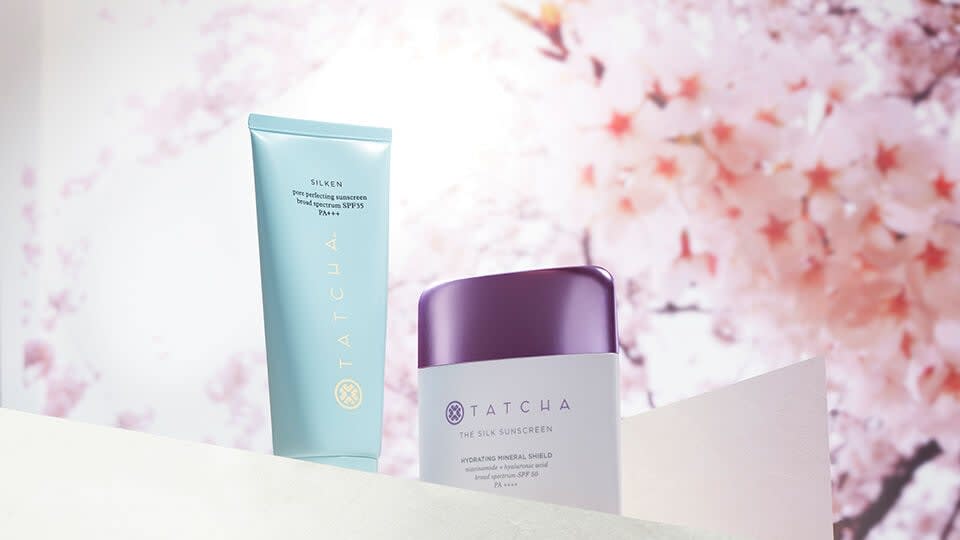
At Tatcha, we take the task of protecting your skin from UVA and UVB rays very seriously. We’ve diligently tested and perfected our broad-spectrum SPFs to ensure they not only protect but also feel great on the skin. Choose between two SPF options.
Best Mineral Sunscreen
Looking for a silky, lightweight, invisible sunscreen with 50+ mineral coverage? Grab The Silk Sunscreen, a broad-spectrum formula that protects against UVA and UVB rays with 10 percent zinc oxide for a mineral, reef-safe filter. Not only does the Silk Sunscreen feel impossibly light, but the invisible protection also impressively minimizes pollutant and allergen disruption. And as the name suggests, the formula features silk proteins, which allows the silky liquid to provide a protective veil of hydration without weighing skin down. In addition to silk extracts, niacinamide visibly evens skin tone, reduces redness, and visibly firms the look of pores and hyaluronic acid helps to immediately boost skin’s natural moisture levels, softness, and skin tone.
Best Mineral and Chemical Sunscreen
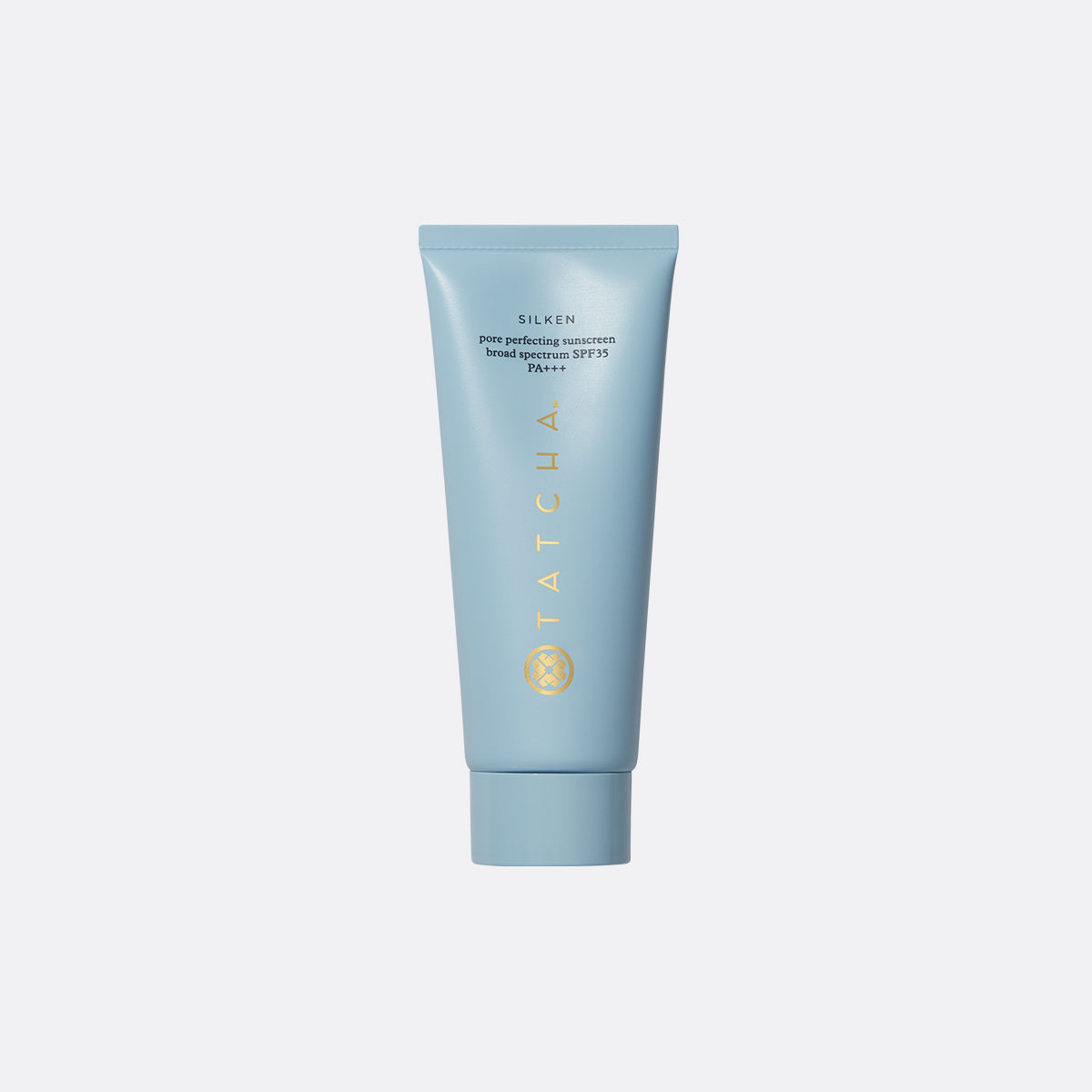
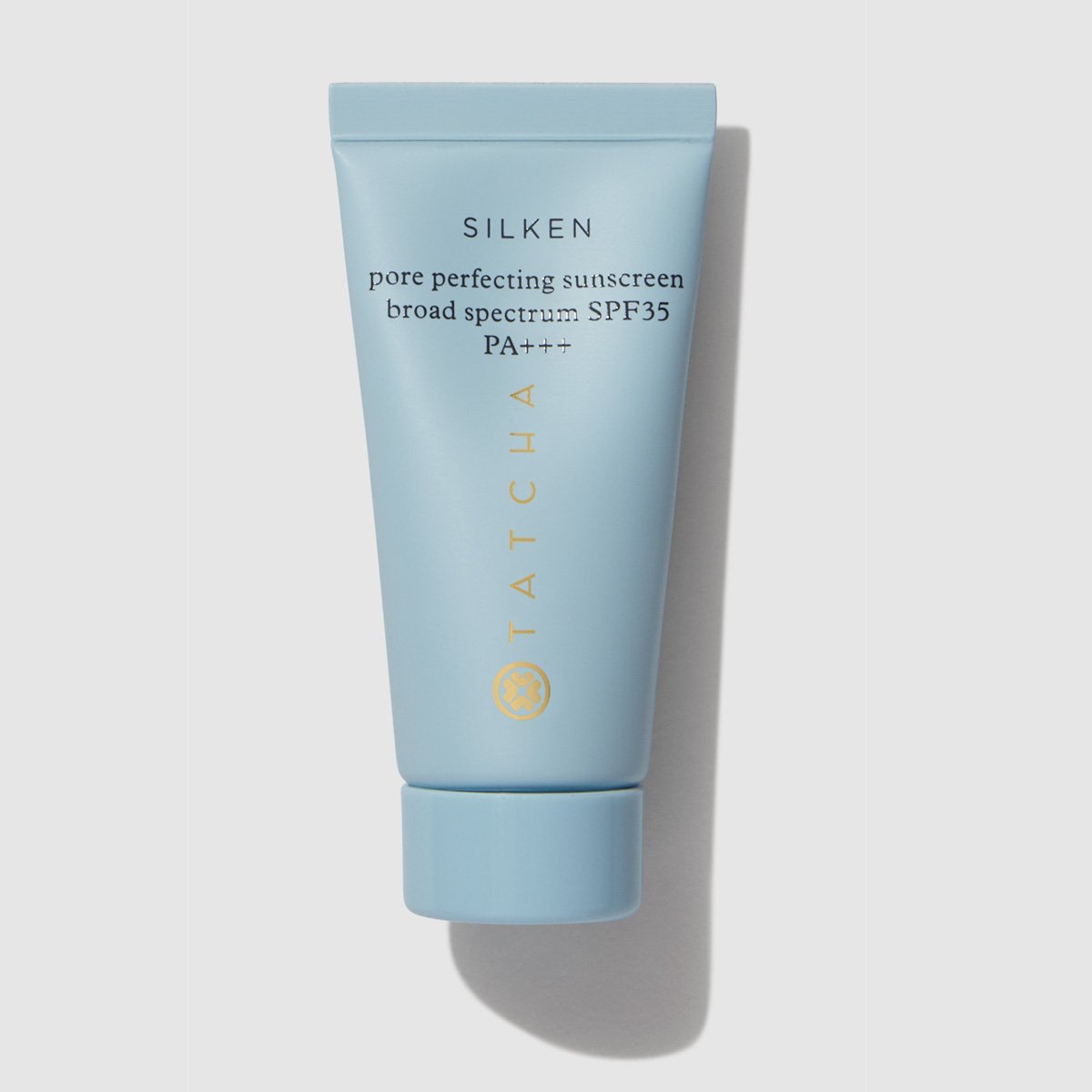
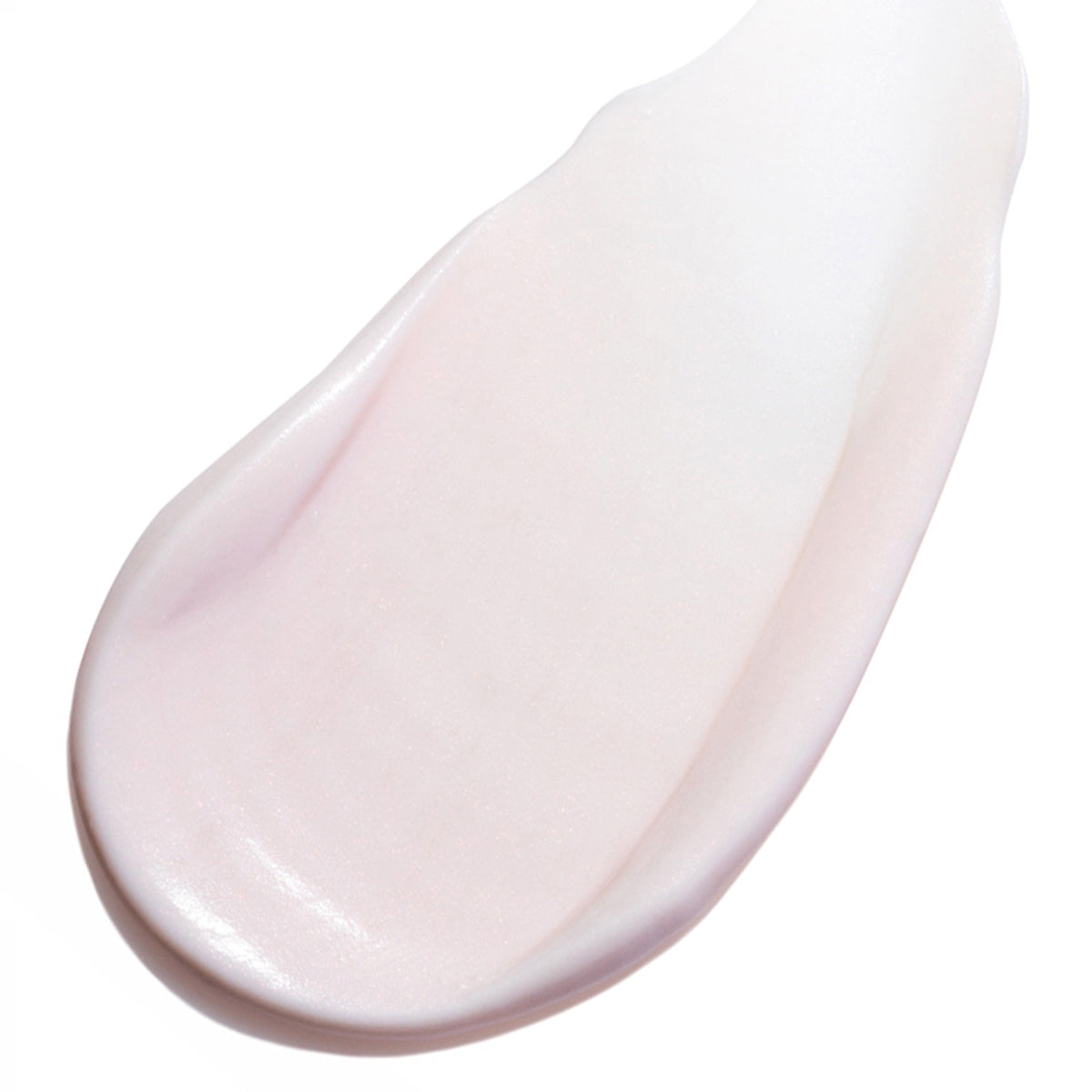
If you prefer a creamy sunscreen with both mineral and chemical protection, our bestselling Silken Pore Perfecting SPF 35 Sunscreen is a superb option. The non-comedogenic and non-irritating formula features skin-loving ingredients that not only protect the skin, but also help tighten the appearance of pores, smooth skin texture, and calm visible irritation. The Silken Pore SPF also features our beloved silk extract for a silky feel, allowing the sunscreen to apply flawlessly. Also, the formula doubles as a primer for makeup, letting you save time and effort.