If there’s one true beauty essential that exists in the world, it’s sunscreen. You probably already know this, but it bears repeating: Sun protection is an important part of your skincare routine and should be applied every day. If you’ve ever been a kid on a beach, you can understand why.
What’s more difficult to understand is how to apply sunscreen, so that it can protect skin with its intended (and rigorously-tested) efficacy. Unlike your moisturizer, a single application won’t get you very far—reapplication is key. And you may remember to wear it on exposed areas outside of the face, like the hands, neck, even the tops of the ears. SPF should be applied anywhere the sun hits, and that includes lips.
In fact, the skin on the lips is some of our most delicate skin, regardless of your skin type. No wonder it requires our protection. But once again, unlike choosing a moisturizer (which comes in many different textures and formulas) or the right sunscreen for your skin type, it’s an easy task to find adequate lip sunscreen: All you need to do is locate the best lip balm with SPF.
What sun does to skin
The sun is a powerful, sustaining life force; We wouldn’t be here without it. That power can even be felt from some 92 million miles away, if you spend a little too long outside on a bright and clear day.
The sun is an effective heater and illuminator thanks in part to ultraviolet radiation, or UV rays, which arrive to Earth in three types. UVC, the most harmful to us, is absorbed entirely by our planet’s atmosphere. Most UVB is absorbed, too, but most UVA rays reach the Earth’s surface. These UVA and UVB rays are what we’re protecting ourselves from when we apply sunblock.
What happens if we don’t? The process of photoaging, or aging as a result of sun overexposure, can occur. UV light travels from the sun directly to our skin, where it can reach the dermis and cause DNA changes at the cellular level, according to Yale Medicine. Photodamage begins as early as in our teens, though its telltale signs—sun spots from hyperpigmentation, wrinkles from structure loss—may not reveal themselves until later on. This is why sunscreen is more than just a way to skip a sunburn—it’s also one of the most effective anti-aging products in existence.
But aging, in any form, is a privilege. A more grave argument for sunscreen centers on the proven link between UV radiation from sun overexposure and skin cancer. One of the most common cancers, having five or more sunburns doubles one’s risk for developing melanoma, according to the Skin Cancer Foundation. In light of this, the idea of sun protection takes on a new urgency.
Do lips need SPF?
The skin on our lips is unlike anywhere else on the body. For one, it’s hard to imagine another patch of skin that sees more action than the one just beneath our noses. We use our mouths to breathe and communicate. We use them for expression, for sustenance, and so much more. Is it any wonder we sometimes paint them, too?
The lip vermillion, otherwise known as where you apply lipstick, borders your facial skin and the inner mucous membrane. But unlike the skin on your face, it is much thinner, and lacks glands that produce sebum—skin’s own self-moisturizing fluid. This is why lips are so prone to getting chapped, why lip balms are so beneficial, and why lip balm is its own category of product. They need all of the moisturization help they can get, which is why there are specific lip care routines for winter. They also need sunscreen.
It’s possible that your face sunscreen would make a fine SPF if applied to lips. But it also might taste unpleasant, and could certainly dry your lips out, which might keep you from using it and cause sunburned lips. Some of the formulas that make sunscreen nicer to wear on your face aren’t made to wear on your lips. An SPF lip balm, by contrast, is designed for lips’ unique skin. The best lip balms offer ample moisturization alongside sun protection. Bonus points if it adds a little tint, too.
The best SPF lip balm
Lip SPF, like anywhere-else SPF, needs to be frequently reapplied—every two hours, according to the Skin Cancer Foundation, even when you’re indoors. The best sunscreen for you is not only one that can be easily reapplied, but one that you enjoy using, which can help solidify the habit. SPF for the face can be tricky to reapply, especially over makeup. SPF for lips is easier; we already reapply it, even when SPF isn’t included.
Then there are the best tinted lip balms with SPF, which make sun protection for lips as simple as applying lipstick. These hybrid makeup-skincare products are formulated with ingredients that moisturize skin, with an added wash of wearable color. Add UV filters, and this single product condenses three different skincare steps into one slim tube.
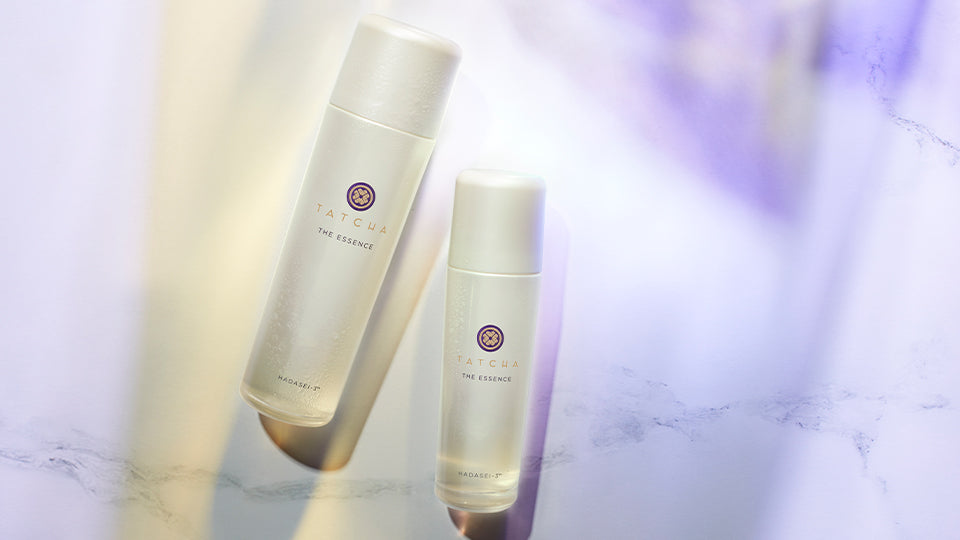
The Kissu Lip Tint SPF 25, from Tatcha, is one such multitasker. It’s foremost a skincare product, made with emollient plant-derived lanolin and silk protein for a weightless moisturizing skin finish. The shades assemble an edited wardrobe of lip tint colors, from coral pink to deep berry, and can be built up for higher intensity color. But most importantly, The Kissu Lip Tint is made with SPF 25 sun protection to help prevent photoaging while keeping lips hydrated. (In a trial, 100% of respondents reported feeling moisturized instantly and an hour after application.*)
We at Tatcha take inspiration from Japanese beauty culture, which places an emphasis on SPF. Japanese women have long understood that sun protection is essential to maintaining healthy-looking lips. This creamy, hydrating lip tint makes it easy, too.
††Based on bio-instrumentation (TEWL) clinical study of 42 panelists.