Consider sensitive skin, a skin type defined less by how it inherently is—like oily, dry, or combination types that describe skin texture—than by how it externally reacts. It’s more of an observation than a diagnosis. Sensitive skin is more reactive than other skin types, and can be more prone to irritation from the elements (sun, wind, weather) and other irritants (products, materials). Skin becomes sensitive as nerve endings in the top layer of skin become irritated, which happens when the skin barrier is damaged.
Skin can become sensitive, or sensitized, over time. It happened to Tatcha Founder Vicky Tsai: After decades of mostly problem-free skin, she noticed the back of her neck was red, bumpy, and stinging. It was no wonder her skin had become sensitized; Working in consumer product goods, she had been treating her skin like a science experiment, trying everything and anything she could find. After a certain point, it crossed a threshold. The experience inspired her to formulate skincare products with non-sensitizing ingredients that were gentle but effective enough to work on any face—even a reactive one.
She understood quickly what dermatologists and experts have been teaching us for years: Proper skin maintenance is important for all skin types, including sensitive ones. The basic steps of a skincare routine, including cleansing and moisturizing, are more than necessary for overall skin health: They shore up the skin barrier, and could keep your skin from sensitizing further. Cleansers and makeup removers are essentials for sensitive skin, and so are moisturizers, which may be some of the most crucial products of all.
How to Choose a Moisturizer for Sensitive Skin
As anyone with sensitive skin knows, choosing moisturizers can be a problem, because testing them can so often be fraught. Most dermatologists recommend a simple, consistent skincare routine for sensitive skin, since sensitive skin can react to the slightest of provocations. So how do you test new formulas and ingredients?
You can do so by patch testing, or testing a small amount of moisturizer on a small area of skin, like on the neck or beneath the arms. The key is to choose an area where the moisturizer won’t be accidentally rinsed or wiped away.
Not all ingredients will work for your sensitive skin. Even a tried-and-true ingredient can cause a sensitive skin reaction. (If you are somebody who avoids ingredients more than they embrace new ones for fear of breaking out, there’s a good chance you might have sensitive skin.) If your skin tends toward the reactive, make sure you always patch test new moisturizers, and talk to your dermatologist about the moisturizer you use. A designated notebook can also help you keep track of reactions as they occur—and what might cause them—so you can easily reference what stimuli might cause you to break out. Then, take your list to a brand that stocks a range of sensitive skin-friendly moisturizers. And then comes the fun part.
The Best Sensitive Skin Moisturizers for:
Very Sensitive Skin
If you’re prone to turning red or breaking out in eczema, it can add a heightened layer of frustration to the task of choosing a moisturizer. One wrong move, and…! The task becomes much easier when you factor in a number of plant extracts proven to soothe skin, like colloidal oatmeal, or aloe vera.
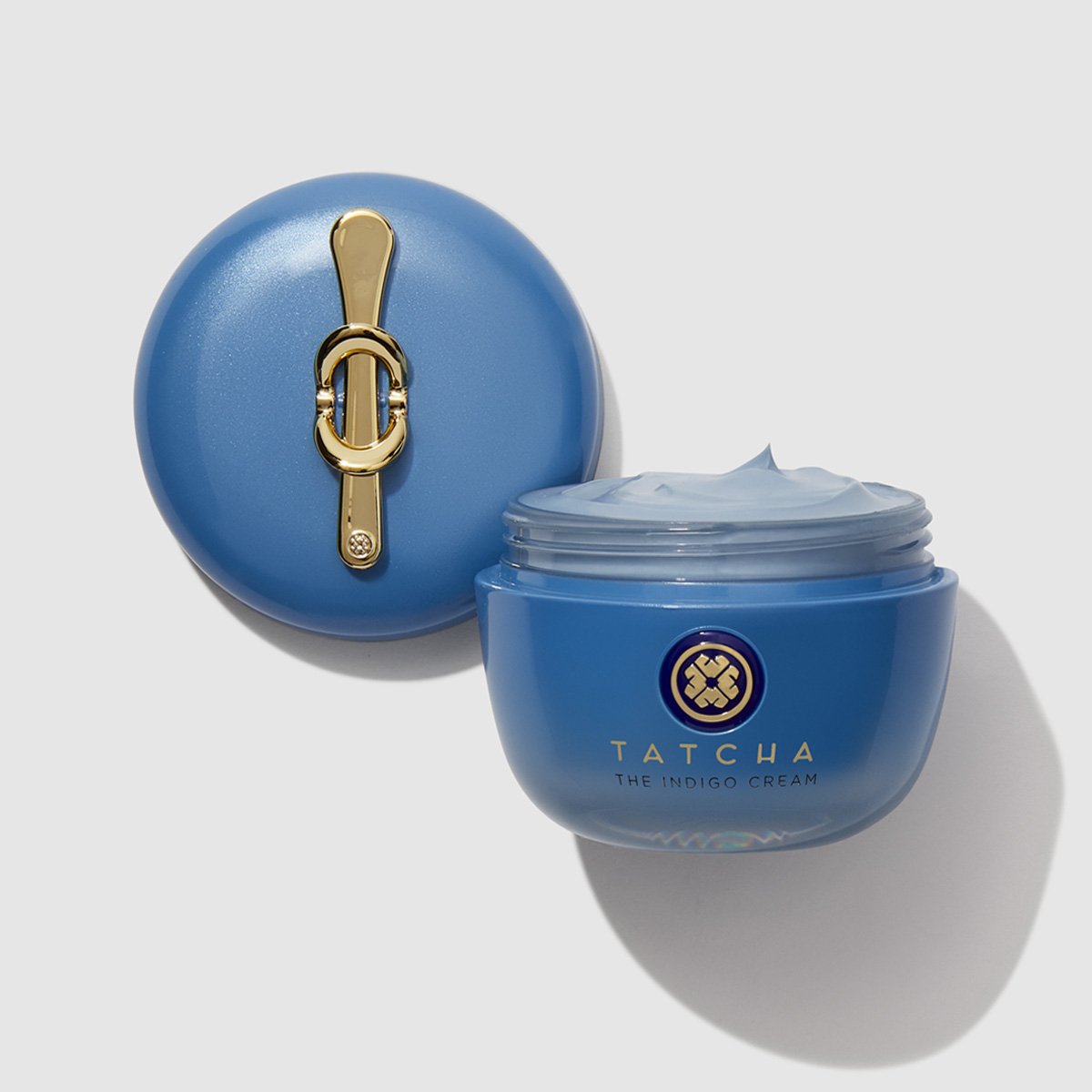
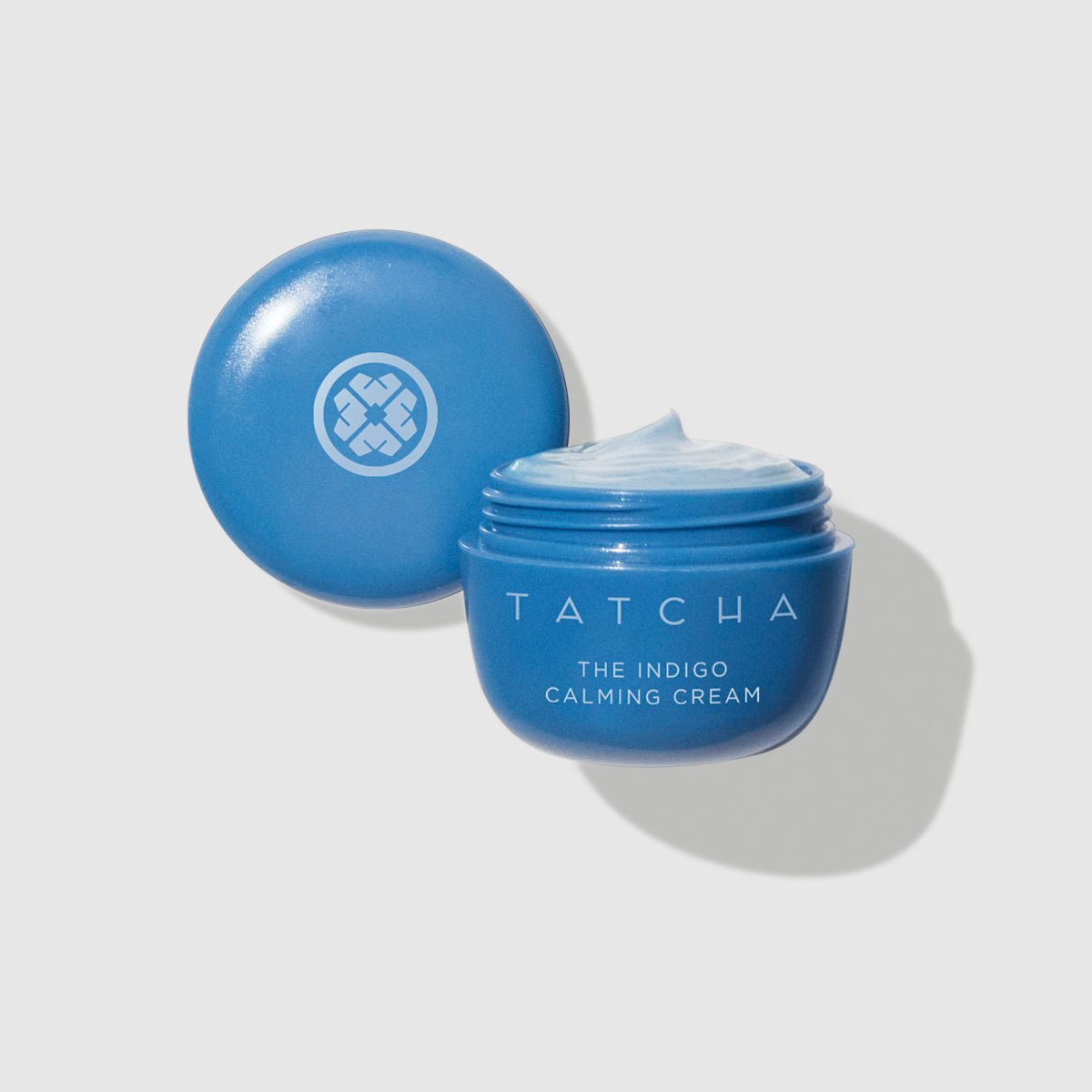
Indigo extract is another soothing ingredient with a long history of medicinal use. It’s said that during the Edo period in Japan, samurai wore a layer of indigo-dyed cotton beneath their armor to help heal injuries. Today, it's still prized for its calming effects, and forms the ingredient centerpiece for Tatcha’s sensitive skin formulas. The Indigo Calming Cream blends indigo extract with colloidal oatmeal and other skin-nourishing superplants in a velvet-rich cream. It works as a daily moisturizer or as a spot treatment for dry, irritated skin, and it holds a seal of approval from the National Eczema Association.
For sensitive faces seeking even more moisture, there’s the Indigo Overnight Repair, which mixes the calming power of indigo into a unique serum-in-cream formula. Lipids are replenished and lines are smoothed with a healthy helping of ceramides, while mondo grass root helps to balance the skin’s microbiome. As the name suggests, this moisturizer for sensitive skin works best when worn to sleep—and according to clinical trials, it’s proven to reduce redness & improve the skin barrier in 1 night.* For highly reactive sensitive skin, it can be a balm—in more ways than one.
Dry Sensitive Skin
It’s true that all face creams offer a little moisture. After all, it’s right there in the product name. But the primary function of a moisturizer isn’t to hydrate the skin as much as it’s to create a hydrating barrier on top of skin. For extra hydration, you’re going to need an ingredient capable of going deep, and accessing the thirstiest parts of your skin barrier.
This is part of the reason why hyaluronic acid is such a powerfully effective moisturizing ingredient. Not only is it already abundant in the body—it helps our joints work and our eyes maintain their round shape – but the small molecule size helps it penetrate beneath the outermost layer of skin, even when applied topically.
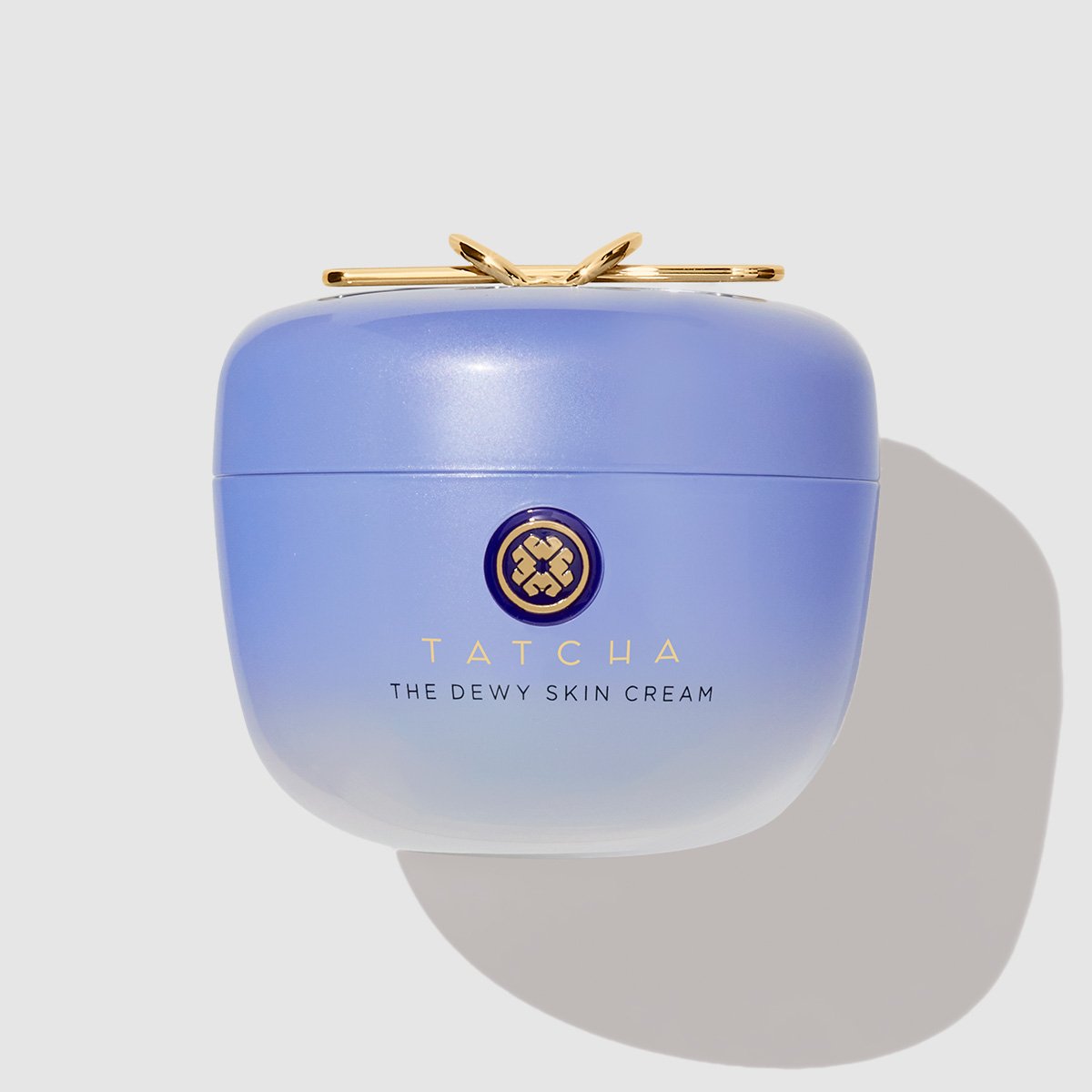
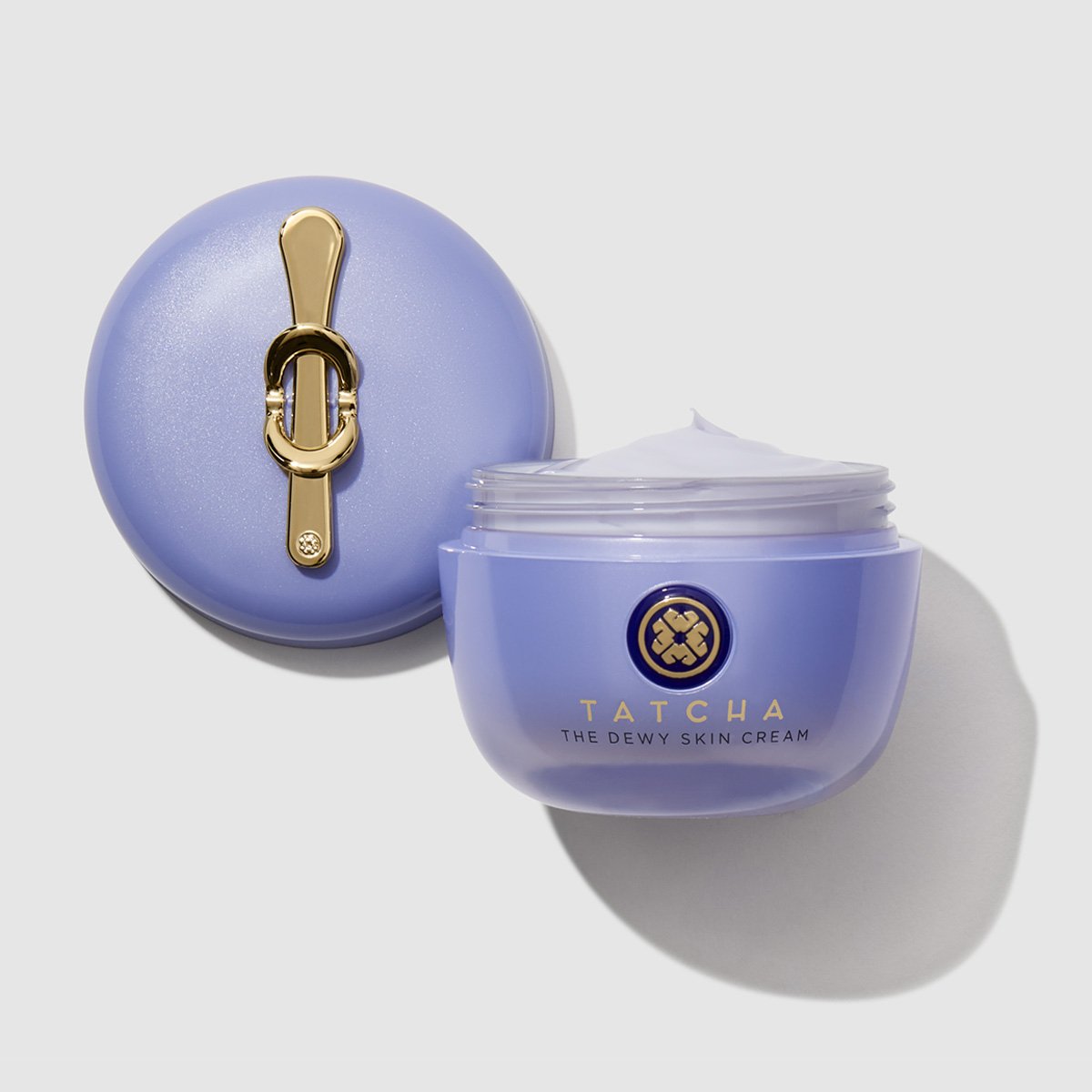
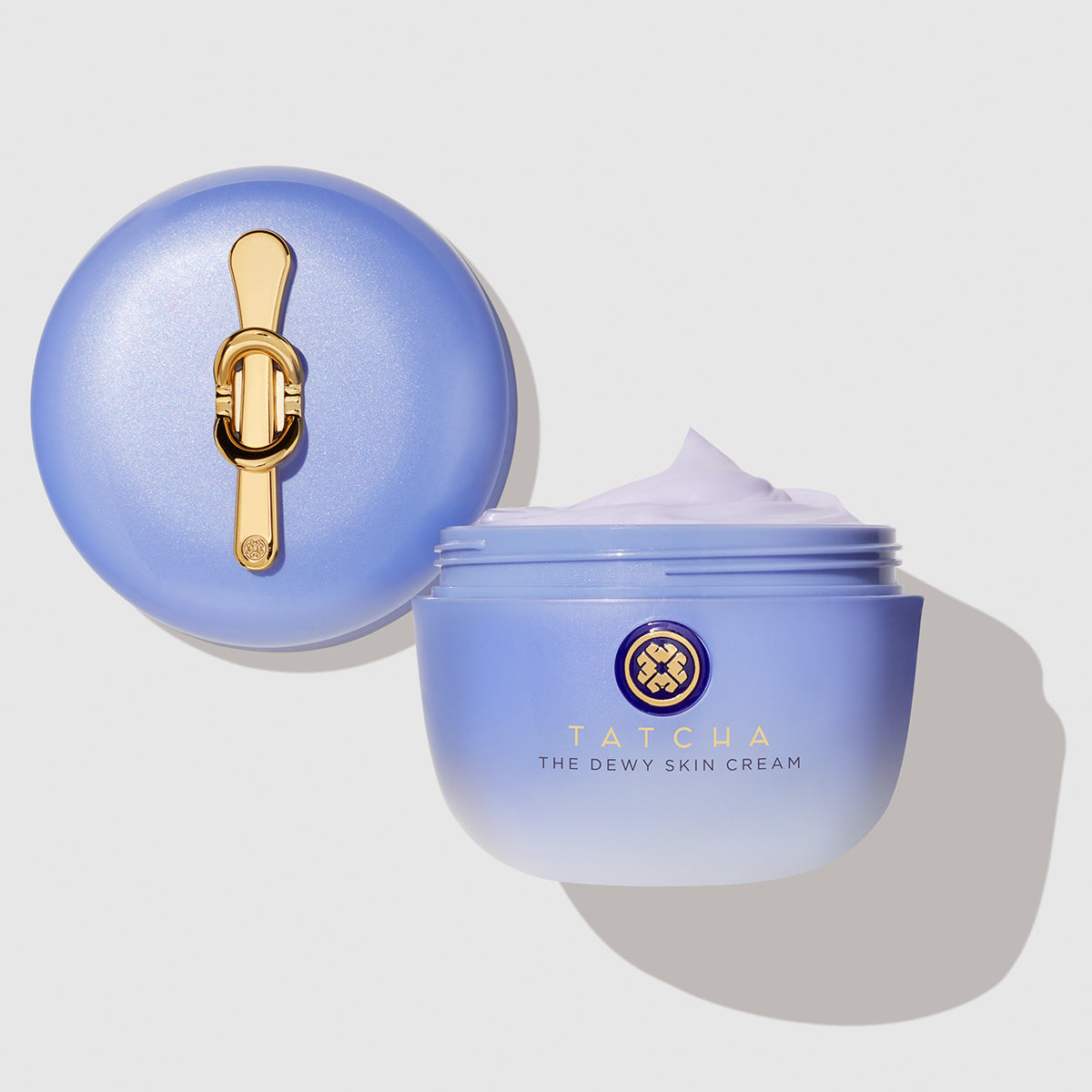
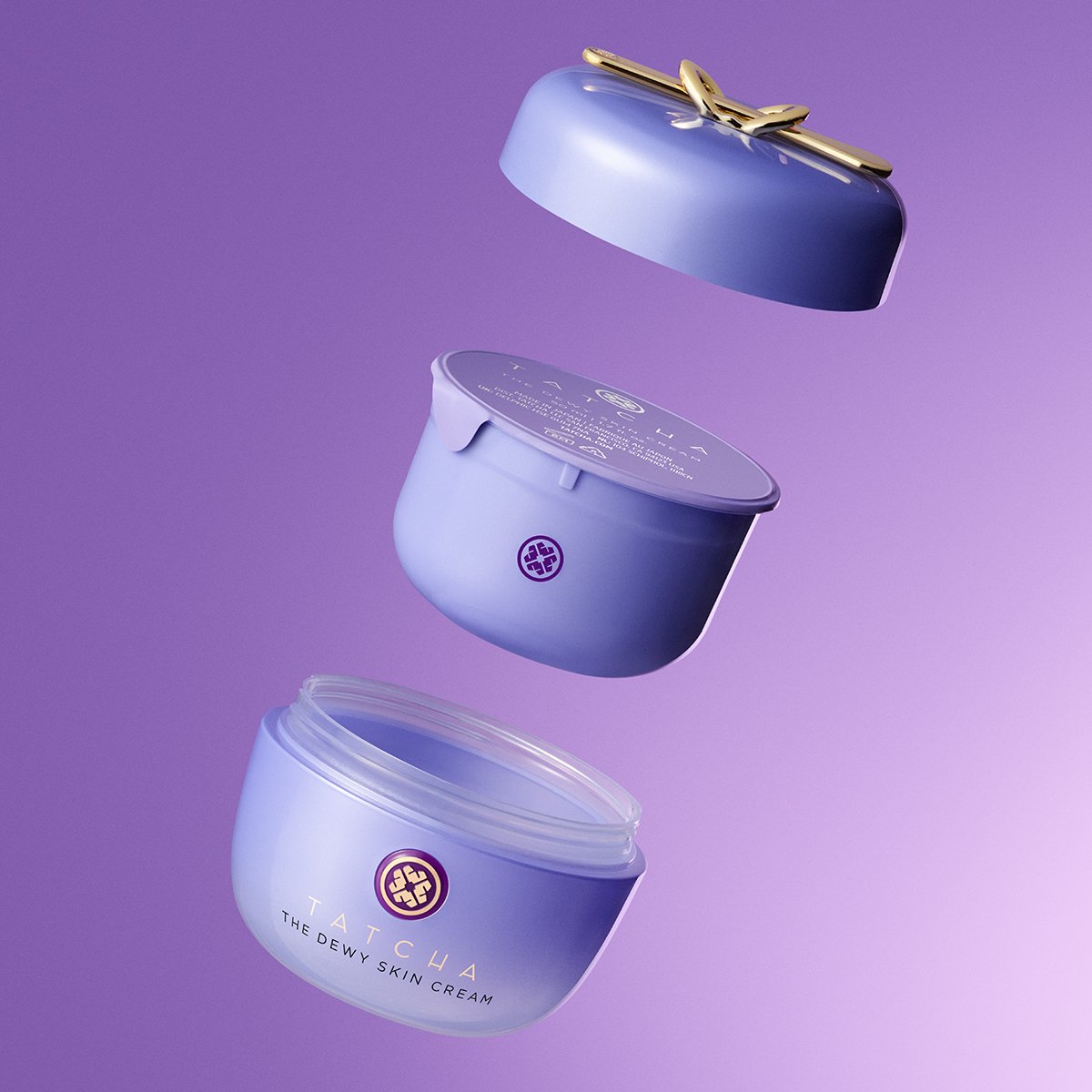
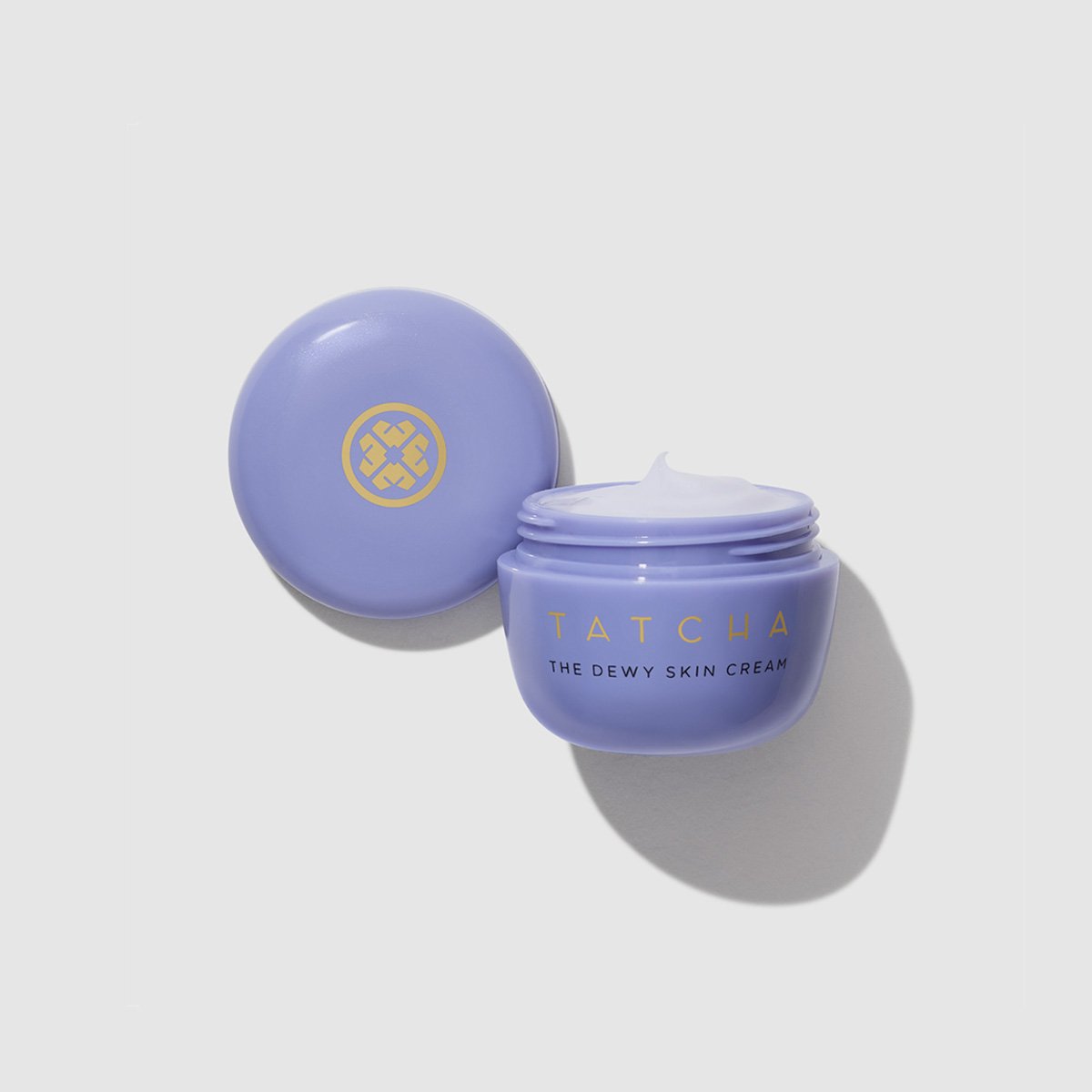
Hyaluronic acid is a humectant, meaning it binds with water, and makes for an excellent hydrator. (The ingredient is also rarely, if ever, known to cause reactions.) It’s found in Tatcha’s best-selling Dewy Skin Cream, which is basically hydration distilled in a jar. Together with a blend of algaes, it’s able to replenish both the skin’s moisture reserves as well as its ceramide content, both of which aid in preventing future water loss.
Oily or Acne-Prone Sensitive Skin
On the other end of the hydration spectrum, skin can be sensitive while also overproducing oily sebum, making the skin more prone to acne and breakouts. When our sebaceous glands overproduce oil, it may increase our chances that some of this extra oil will get trapped in pores, causing acne to form. Dermatologists advise those with acne-prone skin to regularly wash their face at least twice a day, but frequent face washing can also upset sensitive skin.
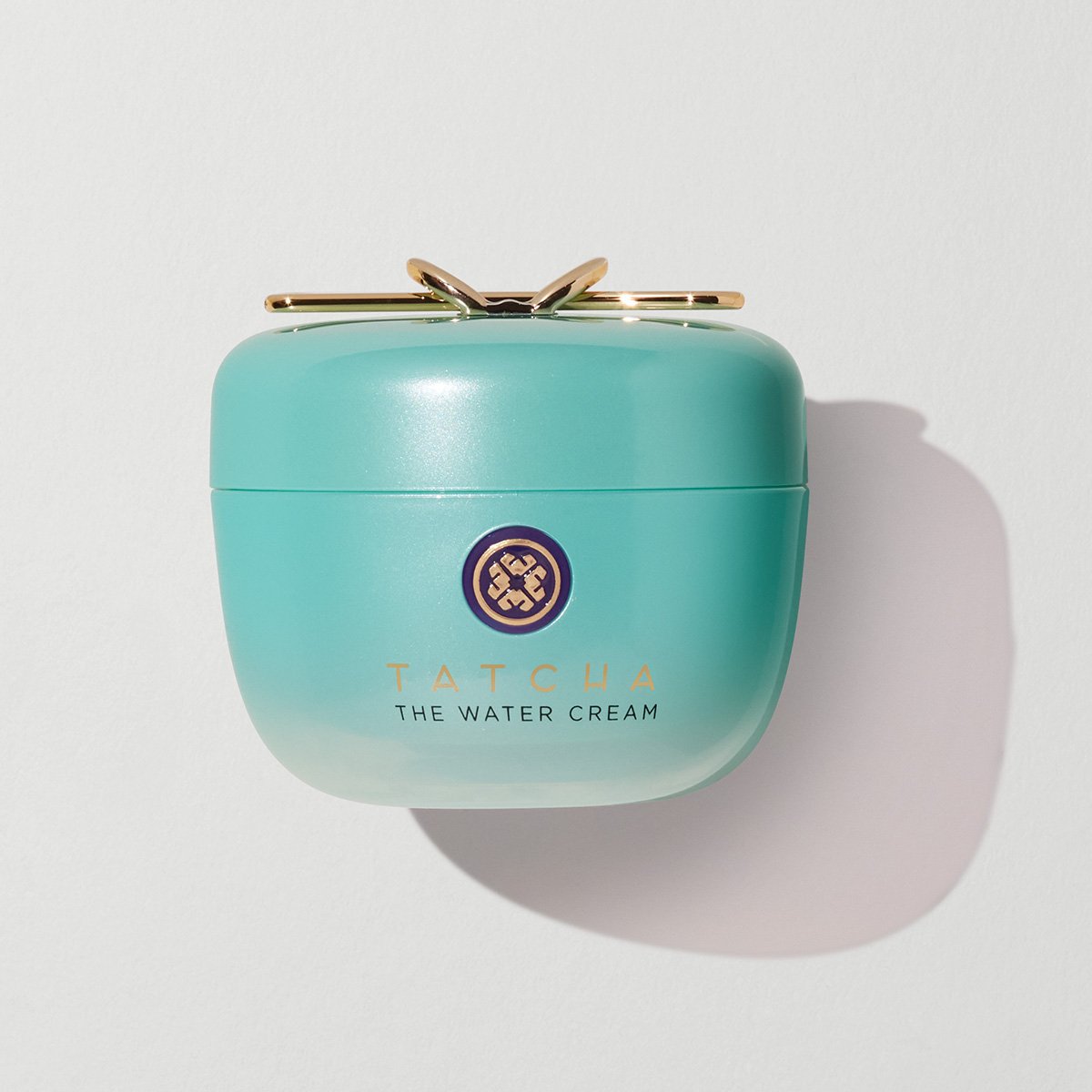
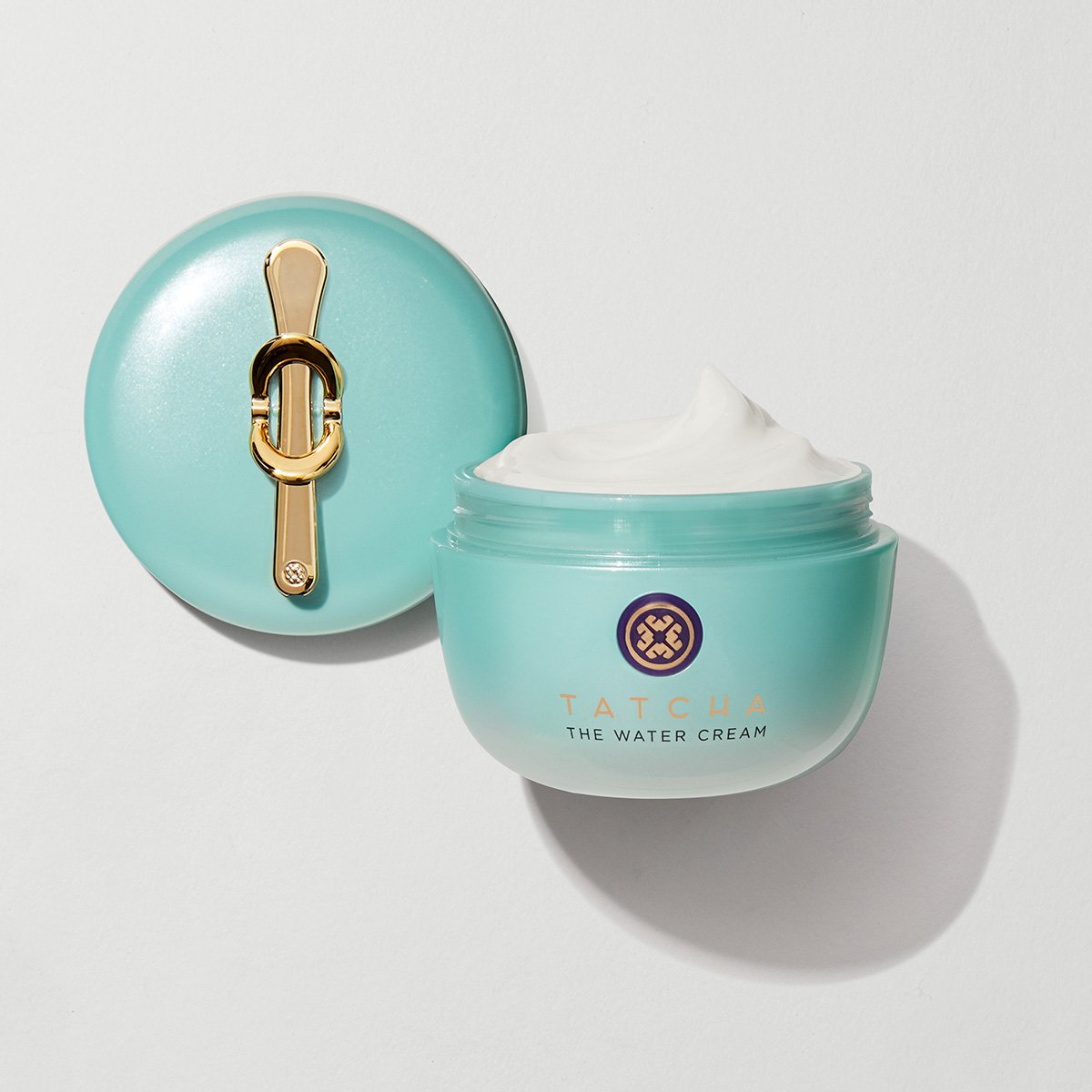
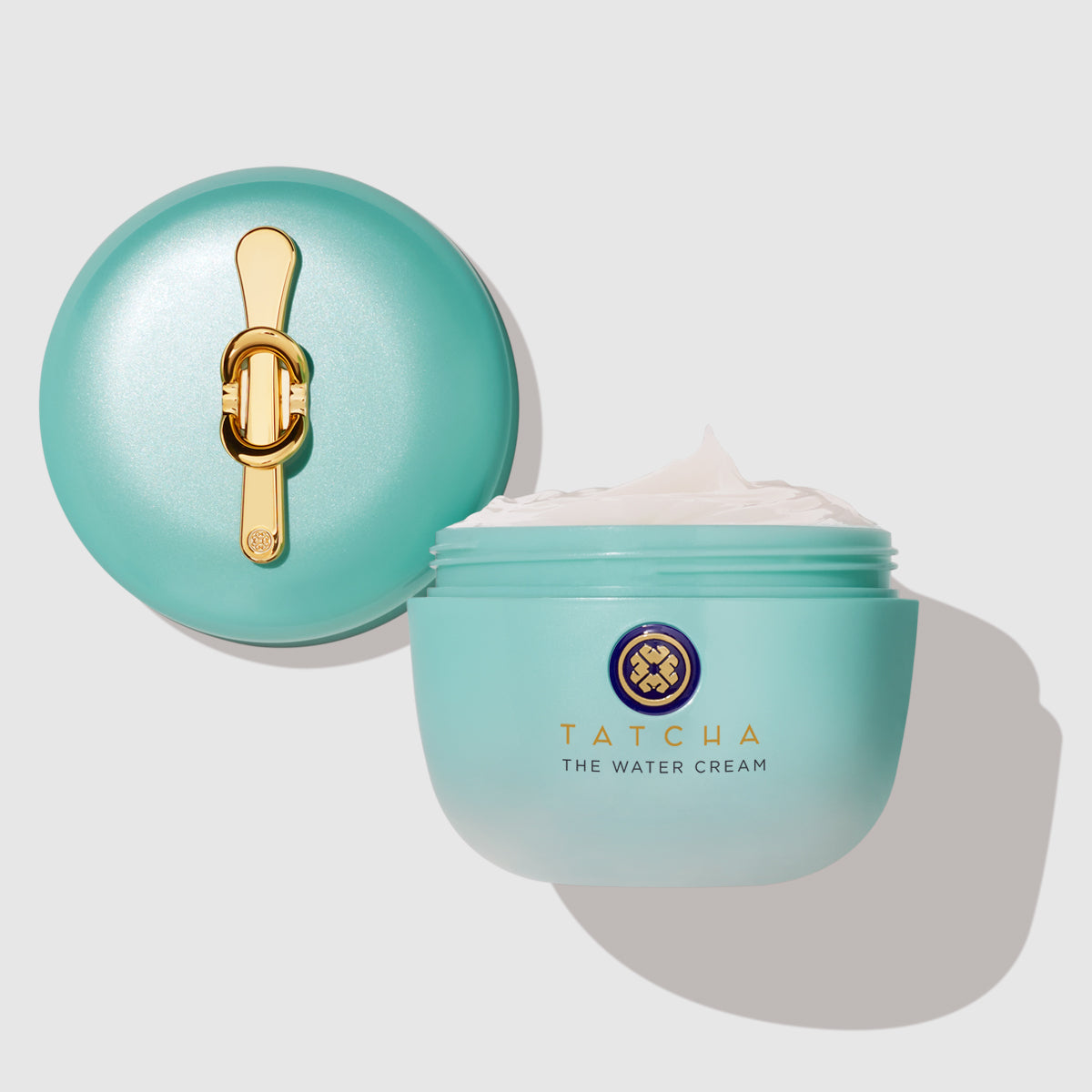
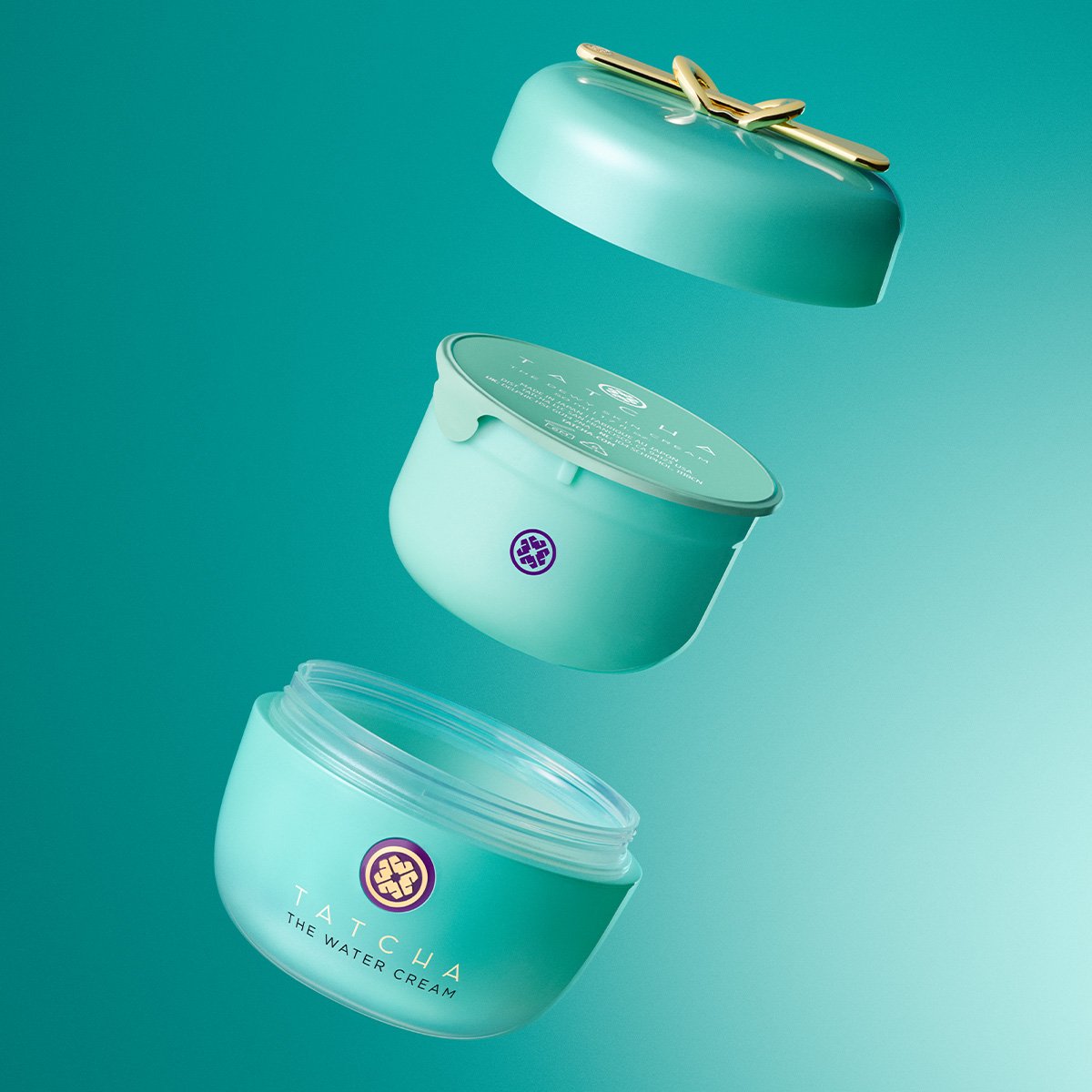
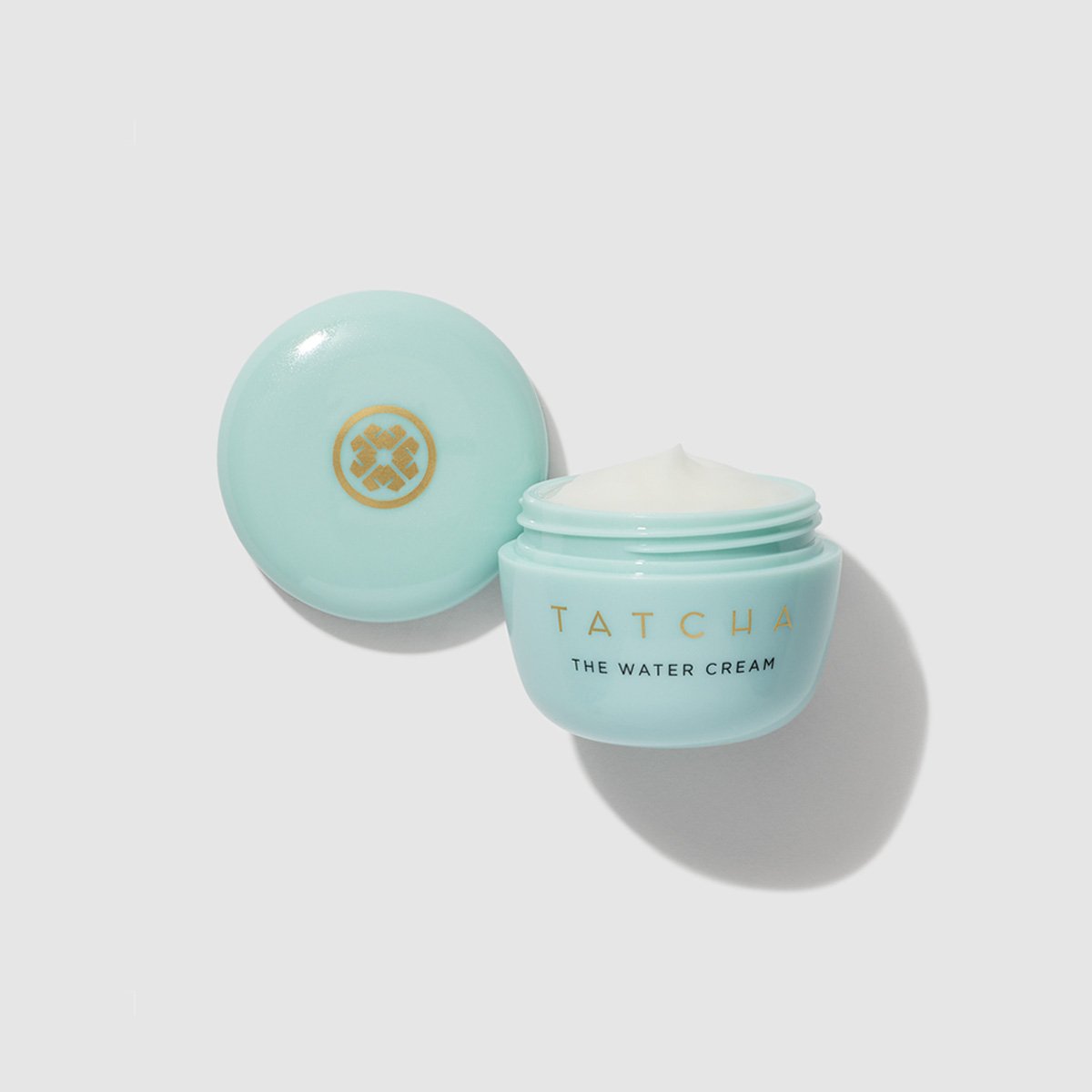
Luckily, you can get oily and acne-prone skin support from your moisturizer. In fact, Tatcha’s best-selling Water Cream was designed with these skin types in mind. The supremely lightweight cream offers a burst of moisture to skin, thanks to high-quality ingredients like multi-weight glycerin, but also smooths and refines pores, thanks to an exfoliating BHA alternative. “So hydrating, with no breakouts or clogged pores,” said one commenter, in a popular refrain. Others call out how the formula glides over pores, providing a seamless and even canvas on which to apply makeup.
Healthy-Aging Sensitive Skin
Not everybody has oily skin or dry skin or sensitive skin, but everybody has aging skin. As time passes, the elastin and collagen in our skin breaks down, and the cells that have continuously replaced them start to die off, too. It’s natural, and nothing to be afraid of. Wrinkles, fine lines, texture changes, and all other symptoms of aging skin are simply evidence of a life well lived.
The process cannot be stopped, but it can be slowed by using a moisturizer that increases cell turnover. In other words, these ingredients can help your skin’s complex systems work a little better. Tatcha’s Ageless Enriching Renewal Cream assembles a garden of gentle but powerful botanicals that work at the cellular level to add elasticity and minimize fine lines and wrinkles. But perhaps its star ingredient is Hadasei-3, Tatcha’s proprietary blend of Japanese superplants, which supplies a symphony of amino acids to promote natural skin surface turnover.
It’s not only the function of our skin that changes as we age, but the structure as well. When collagen and elastin, the main structural proteins that give our skin its bouncy texture, begin to break down, it results in a loss of volume, causing skin to sag or droop in places. If this is a top skin concern, you might be interested to learn about firming moisturizers, which work by using ingredients like peptides, strings of amino acids, to plump the top layer of skin.
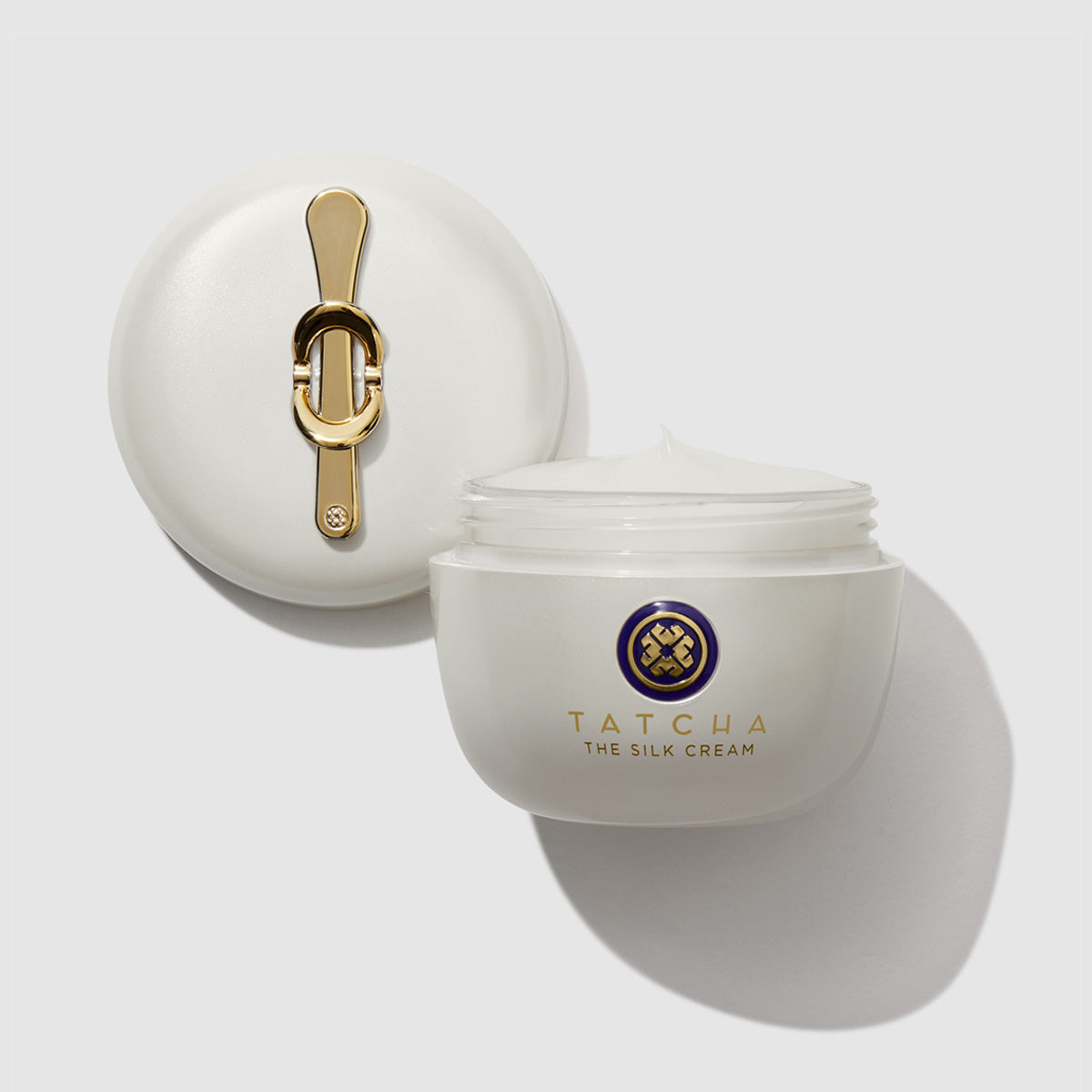
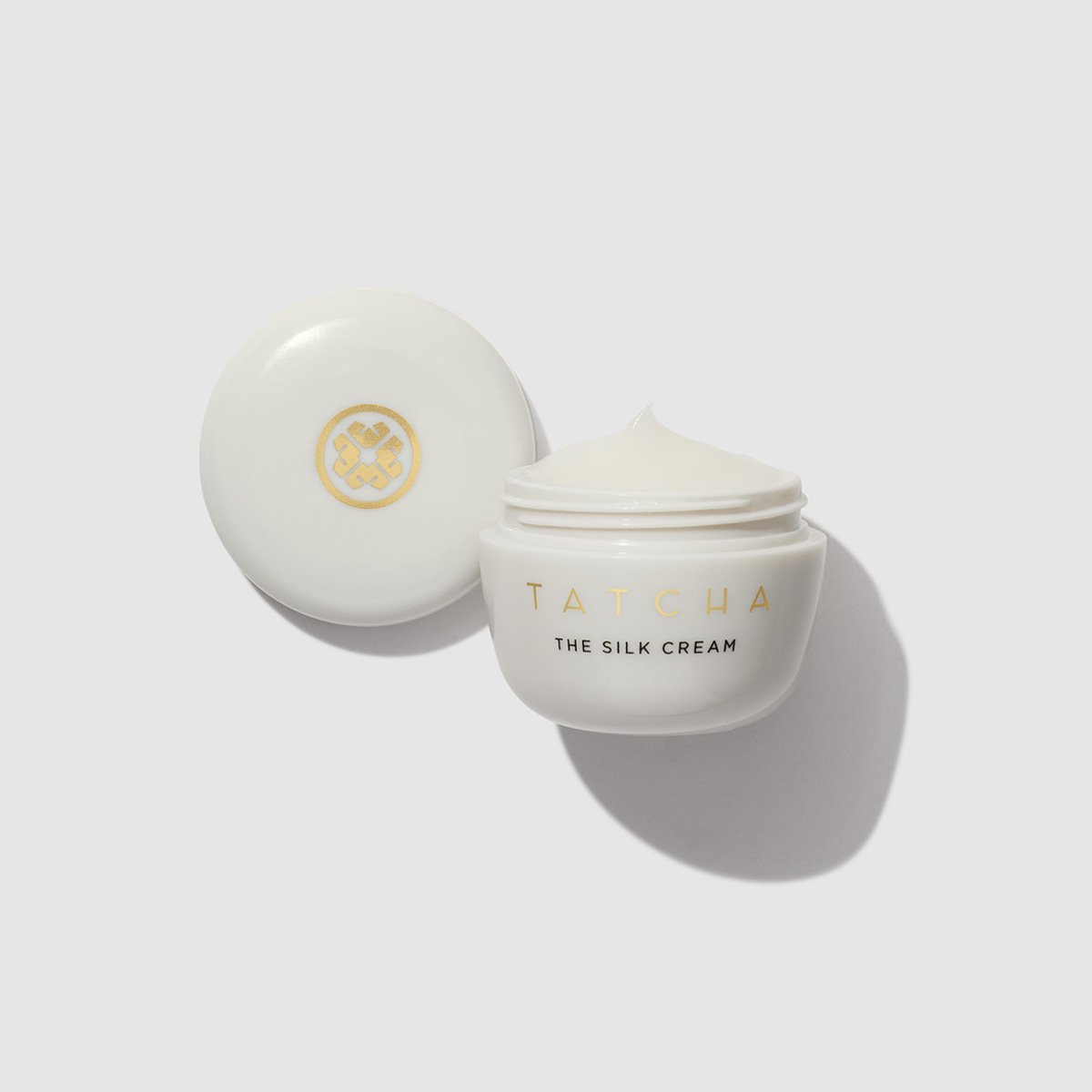
Take Tatcha’s The Silk Cream, a lightweight gel-cream with silk extracts that mimic the amino acid structure of skin. Applied topically, they help to restore essential moisture and volume. Meanwhile, Hadasei-3 gently exfoliates skin while adding another helping of amino acids.
Sensitive Combination Skin
Caring for Combination skin is a balancing act. This unique type can exhibit the entire skin spectrum, from parched and dry to slick and oily, in one face. Many of the preferred routines and ingredients of combination skin-havers try to bring these poles a little closer together. Add reactivity to the mix, and it can throw things way off.
Combination skin manifests in different ways. The most common is to have localized areas of oiliness, like in the T-zone, and dry spots elsewhere, like on the cheeks. Others report overall oiliness, but a persistent feeling of tightness that may indicate dehydration. It would be inefficient, and is not recommended, to develop two completely different skincare routines for one face. The best way to handle combination skin is to talk to your dermatologist and get their observations as to what the underlying causes might be—anything from overwashing to a damaged skin barrier.
Once you get some feedback on your unique skin, then you can choose a moisturizer that’ll soothe, hydrate, and balance. Some moisturizers are developed specifically for combination skin, although none are one-size-fits-all. Instead, think about how much moisture you need, how much dryness you have versus oiliness, and go from there. Two of Tatcha’s most popular moisturizers, the Dewy Cream and the Water Cream, are both beloved by combination faces, for different reasons—the first offers a little more hydration, while the second helps neutralize oil—and for the same, too—to restore the skin barrier and bring things closer into balance.
The Best Body Moisturizers for Sensitive Skin
If you have sensitive skin, odds are high it doesn’t stop at your chin, and you may be looking for moisture that can quench even sensitive body skin.
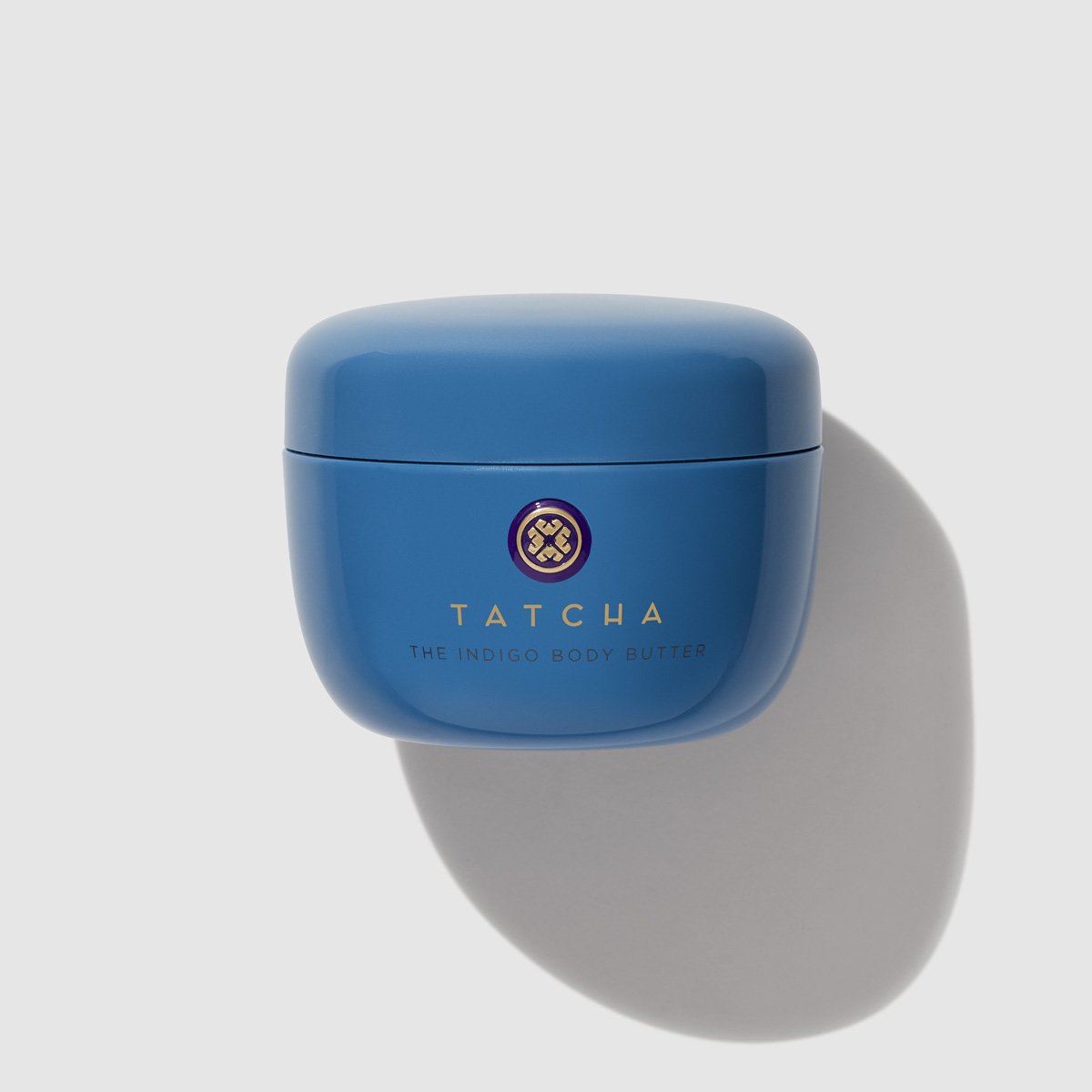
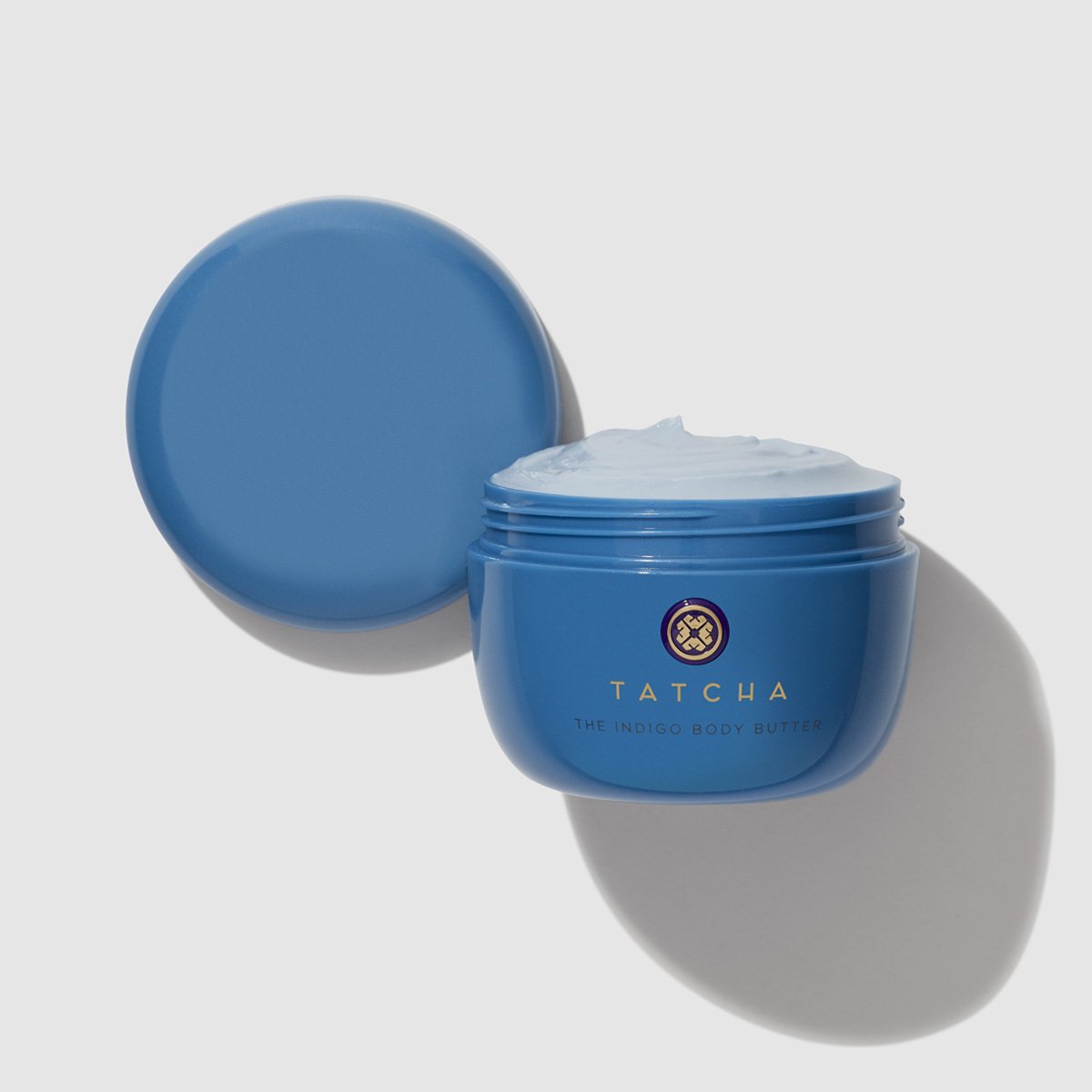
Skin that is particularly dry, reactive, or eczematic may also benefit from indigo extract, which Tatcha has distilled into two body-loving formulas. The Indigo Soothing Body Butter and Hand Cream combine the healing power of indigo with the moisturizing power of colloidal oatmeal, an ingredient prized for its nourishing properties, especially on reactive skin. These two formulas help bring a little calm to wherever you need it.
Keeping Sensitive Skin Hydrated
It’s more than just moisturizer. If you have sensitive skin, it’s critical to keep it hydrated and moisturized, to protect the integrity of your skin barrier. Here are a few considerations to keep in mind for how to hold on to hydration.
- Wash your face regularly with lukewarm water
- Apply moisturizer twice a day
- Try a serum that binds water to the skin
- Wear sunscreen and protective clothing and accessories when outside
- Use a humidifier at the office or while you sleep
- Be careful of potential irritants, like actives or fragrance
- Drink water and eat greens
Moisturizer: A Pillar of Sensitive Skin Care
If you have skin, you need to moisturize it. Plain and simple.
Think of your skin as a complex system, not unlike its own entire assembly line. Cells in the dermis reproduce to create a matrix that makes up your skin barrier, composed of water, proteins like collagen, fats like lipids, and trace minerals. Some of the fuel for this system comes from water, which our skin can have a tough time holding on to. So we use creams or lotions that “moisturize” the skin, by introducing water-binding ingredients into the skin, and forming a moisture layer over our skin barriers.
When it comes to sensitive skin, the idea of trying new products or ingredients can seem at odds with keeping reactions at bay. But moisturizers have shown to be effective in treating a variety of skin reactions, from inflammation to wound healing. They’re increasingly made with ingredients shown to bolster the skin barrier, making skin not only look good in the moment, but stronger over time. This is what makes cleansing and moisturizing, along with sunscreen, some of the building blocks not only of a skincare routine but of continued skin health.
Moisturizers are alike in function, but differ in texture. The more water is in a particular formula, the lighter and more lotion-like it’ll be; add lipids and fatty acids, and the moisturizer will take on a thicker consistency, like a cream or a balm. For many, a moisturizer’s texture is a good indication of whether or not it will work for their skin type. Someone with dry skin might, for example, prefer a thicker moisturizer for the added hydration; Someone who is prone to redness might choose a cream with calming ingredients like colloidal oatmeal. Whatever other skin goals you might have—firming, hydrating, anti-aging—there’s surely a sensitive skin moisturizer out there for you.
*Based on bio-instrumentation of 40 panelists.