Summary
- Dull skin can affect anyone, no matter your skin type or age.
- To treat dullness, it’s helpful to first uncover the root cause, whether that be under-exfoliating, over-exfoliating, environmental stress, dehydration, and more.
- From there, choose skin brightening products like a clever exfoliant, a multi-purpose antioxidant serum, and a reparative moisturizer, and apply them correctly
- An antioxidant serum, particularly one boosted with vitamin C, is the most helpful skincare product for brightening dull skin. Look for a formula that touts clinical studies, comes in airtight packaging (to ensure the formula stays potent), and doesn’t irritate your skin.
We all lose our light from time to time. In our skin, this is known as “dullness.” Dull skin may seem almost imperceptibly distinct from “normal” skin. But if you were to compare states, dull skin seems more muted and less luminous than it usually does. It’s a common trait of skin — or common enough that dullness is frequently a target of skincare products.
Enter “brightening” skin care. These products don’t endeavor to change the tone of skin as much as they treat the skin conditions that lie beneath dullness, leading to a brighter skin — among other benefits. Before you begin treating dullness, it’ll be helpful to understand exactly what a lack of luster means for your skin, and then meet the best skin brightening products that can help turn on your light.
A Brief Guide to Dull Skin Causes
Unlike other states of skin, from an overabundance of oil to inflammatory conditions like eczema that make themselves obvious to the naked eye, skin dullness requires a closer look.
The what of dry skin can be answered with a few W’s:
What Is Dull Skin?
Dull skin is skin that looks muted, lackluster, flat, or even sallow. Dullness may have a rough texture similar to dry skin, but generally is observed by what it isn’t: An absence of a natural glow or a lack of radiance.
Why We Get Dull Skin
A lack of radiance can, it turns out, come from a variety of sources, leaving a lifeless, almost gray pallor in their wake. Some causes of dull skin include:
Buildup
One of the easiest ways to get dull skin is a buildup of dead skin cells, sebum, makeup, sunscreen, and other skincare products. This can happen surprisingly fast, depending on how quickly your natural cellular turnover is, how well you cleanse your skin, and more.
Pollution
It’s hard to think that fresh air outside could be causing dullness to your skin, but unfortunately, pollution can do just that. Free radicals can break down essential proteins in the skin, causing dullness (or more permanent damage). This is why antioxidants in brightening products are so important.
Sun Damage
While we might consider sunshine as giving our skin a bronzed glow, excessive sun exposure can lead to sun damage, which can lead to dull skin (or much worse things, like melanoma). This dullness comes from the breakdown of collagen and elastin due to UVA and UVB rays and is preventable with daily sunscreen usage, avoiding sunburns, and using a broad-spectrum sunscreen with at least SPF 30.
Hormones
One of the most common causes of dullness as we age is due to our own bodies, and, more specifically, hormones. Hormone imbalances and fluctuations can directly lead to dull skin because of the changes in estrogen, progesterone, and testosterone that affect the skin’s appearance.
Stress
This might stress you out even more, but stress can cause dull skin. Stress hormones, like cortisol, can disrupt the skin and cause a bevy of issues, including dullness, dehydration, and breakouts.
Unbalanced Diet
Eating your way to glowing skin is not an old wives' tale; it is true. A diet filled with bountiful fruits and vegetables, healthy proteins, and minimal processed foods can actually make skin look more radiant. Also, drink plenty of water to keep your skin and body hydrated.
Lack of Sleep
Getting plenty of sleep is not only important for your overall health, but also for your skin’s appearance. A lack of sleep can easily lead to dull skin due to the disruption of the body’s natural repair process. Beauty sleep isn’t just a phrase: skin (and the rest of your body) repairs itself while you sleep, and it’s part of the reason we need at least seven to 10 hours of sleep a night (depending on your specific needs).
Who Gets Dull Skin
The answer is everyone, at some point. As its variety of causes indicates, dullness isn’t limited to a particular skin type, so everyone should be ready when it appears. This is why the best brightening products are designed for everyone, from early teens to mature skin.
Where Does Dull Skin Appear
Dull skin can appear anywhere. Sometimes it’s easier to spot on areas that are prone to under-exfoliation, like on knees and elbows. Since using an overabundance of skincare products can also cause dullness, high-traffic skincare areas, like our faces, are also likely sites. This is all to say that dullness can happen to anyone, anywhere. Now that you can recognize it, you can give yourself a thorough once-over for unusually dull spots and target skin with the best brightening skincare products.
When Dullness Is Most Likely
It’s possible to be dull at any time, but it tends to become more noticeable during winter months, when the air is dry (and more likely to steal moisture from the skin’s surface). This is why experts recommend switching up your skincare routine for winter to include richer textures when the seasons cool down.
How to Brighten Dull Skin
Despite a wide array of potential causes, there are only a few things your dull skin probably needs. Think about “brightening” as a multi-step process that involves hydrating and decongesting the skin at every level. You can break down how to brighten dull skin with skincare products into three necessary components:
Hydration
Dull skin – whether it’s dry or dehydrated – can't get enough water. You can (and should) be drinking the stuff, but dermatologists say that, when it comes to hydration, it’s what’s applied to the outside that counts: Creams, gels, serums, and oils are all great ways to prevent against transepidermal water loss, by leaving water-binding ingredients on the surface of the skin.
Exfoliation
Sometimes, dullness is the result of built-up dead skin, which contributes a gray tinge. Perhaps the environment is unusually dry, or maybe your cell turnover has naturally slowed, but in any case, one of the best skin brightening products is a topical exfoliant, but only when applied correctly. Whether that is a chemical exfoliant, like an acid peel, or a physical scrub, sloughing away old skin cells encourages the production of new ones.
Repair
Increased hydration and exfoliation will get you well on your way to brighter skin, but they don’t treat one of the main causes of dullness: Oxidative stress. Environmental aggravators, like UV rays from the sun or pollutants from the air, can cause free radical damage, which are reactions in the skin that age us. Our best defense against free radicals is antioxidants, like vitamin C or E, which are capable of neutralizing them. Their usefulness in slowing this vehicle of skin’s natural aging makes antioxidants popular in dermatology, and especially in products that promise brightening effects — this is why antioxidants are almost always included in the best products to brighten dull skin.
The Best Products to Brighten Dull Skin
There are many products designed to turn the wattage up on your skin by hydrating, exfoliating, or providing antioxidant protection, or a few of those tasks at once. These steps can happen at virtually any step of your skincare routine, but if you’re looking to adopt a simple but potent treatment for dull skin, there are a few places in the order of operations that are more opportune than others. Here are the best products to brighten dull skin — and how to best use them.
The Best Exfoliator for Skin Dullness
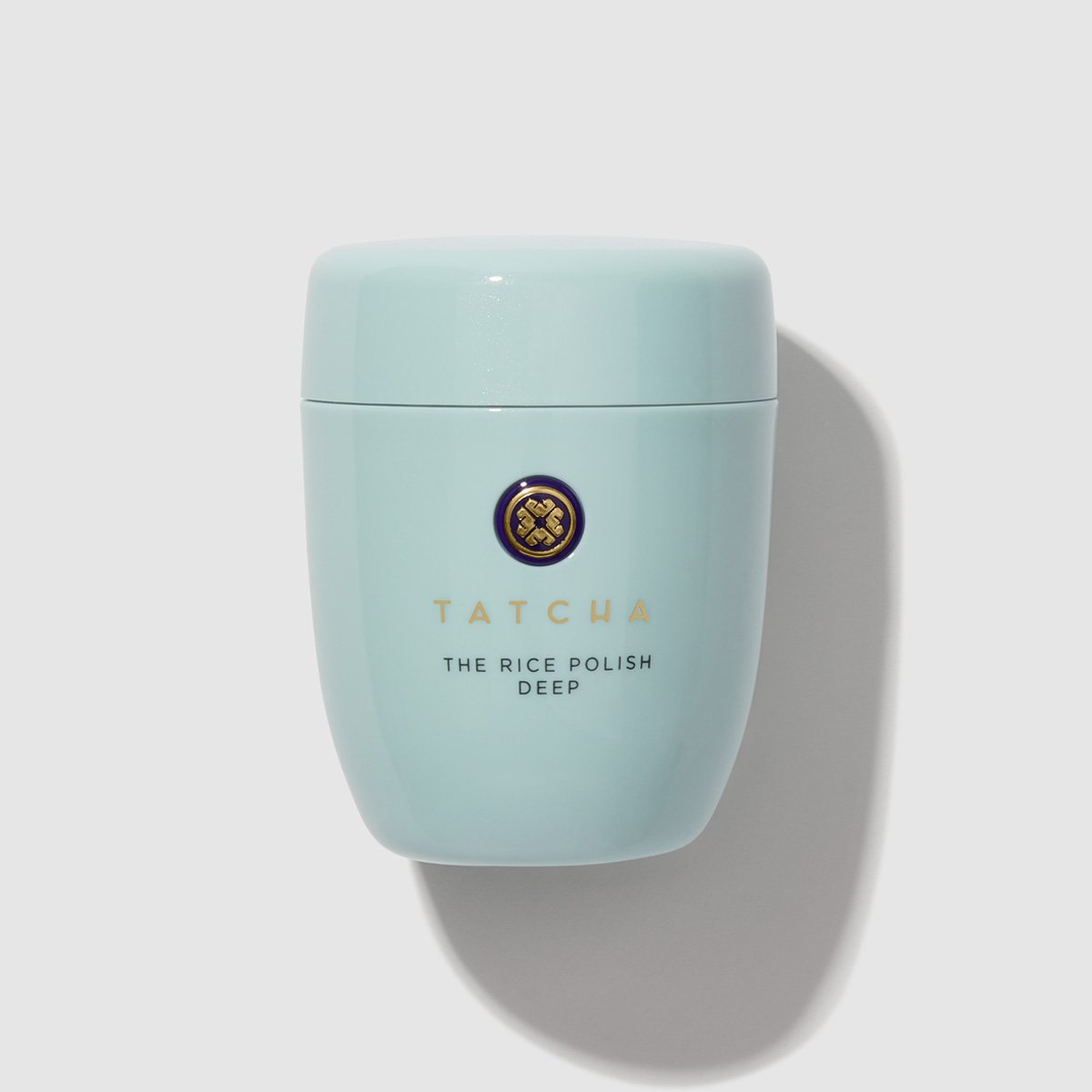
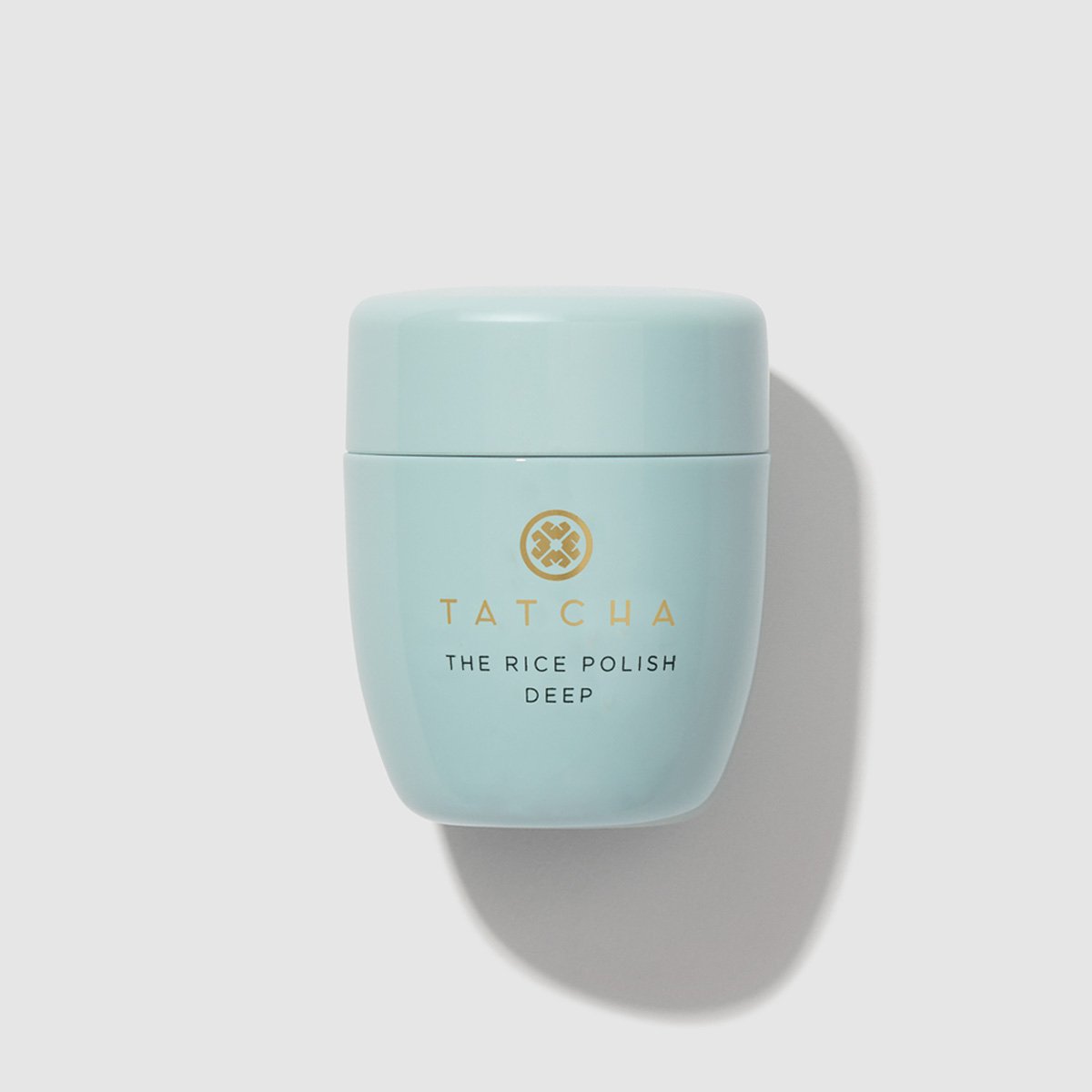
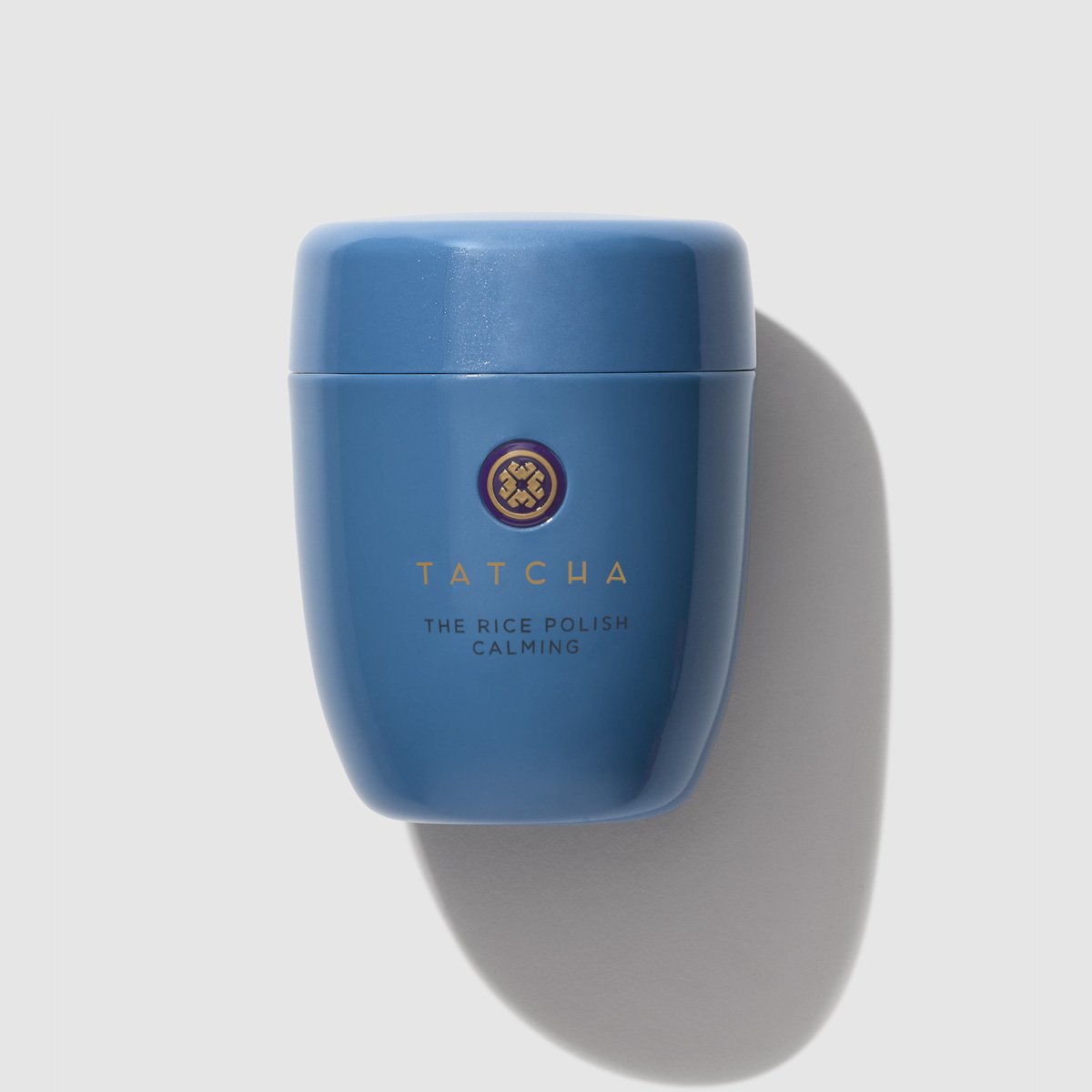
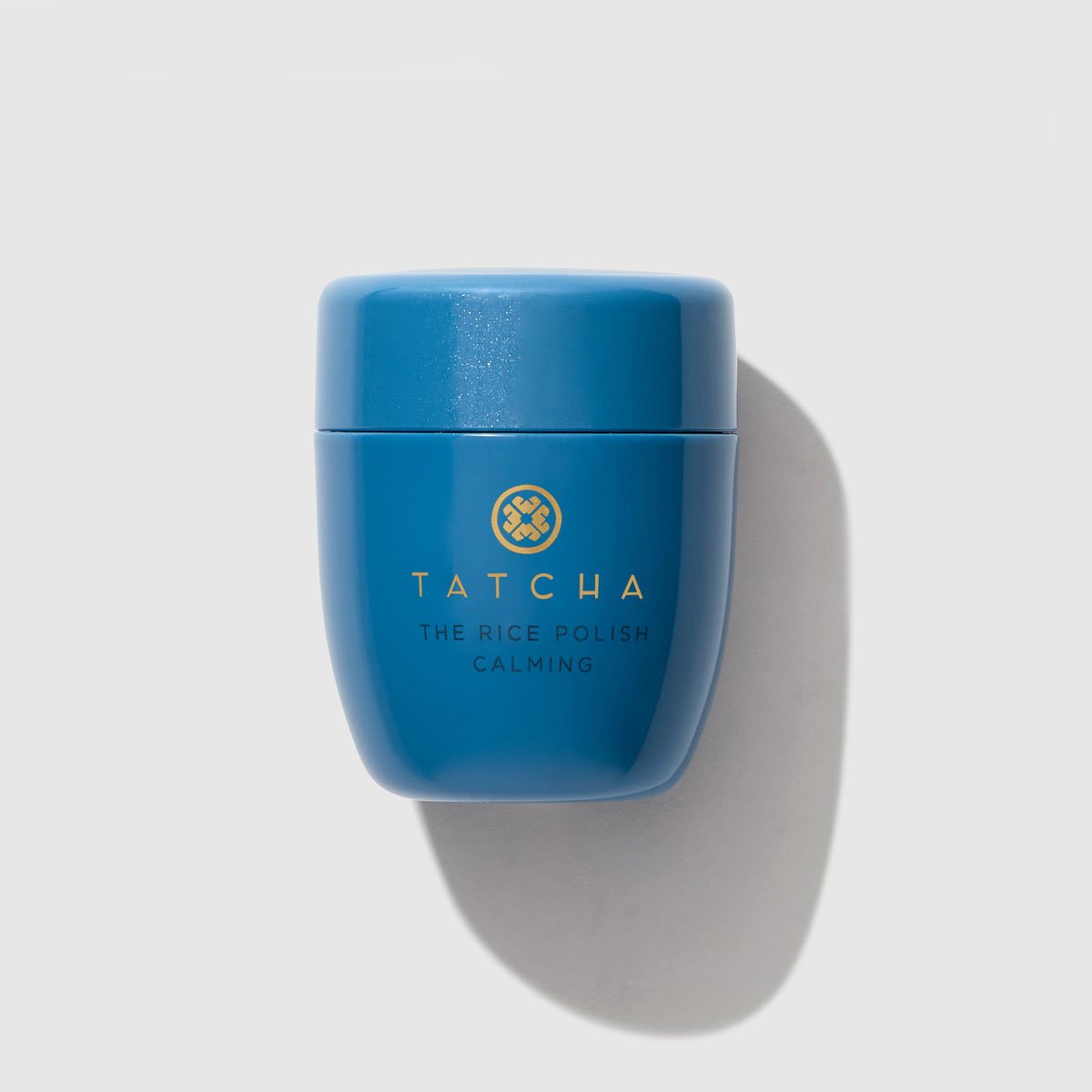
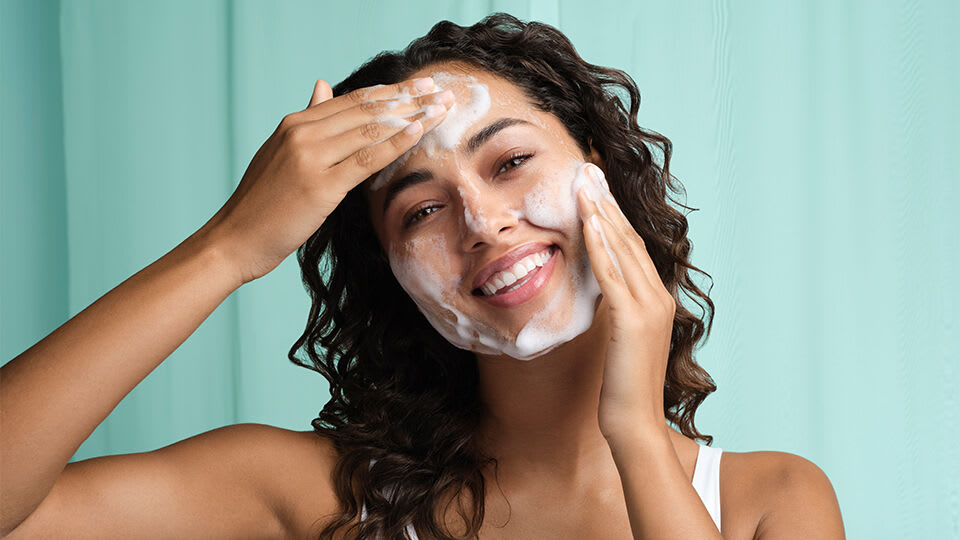
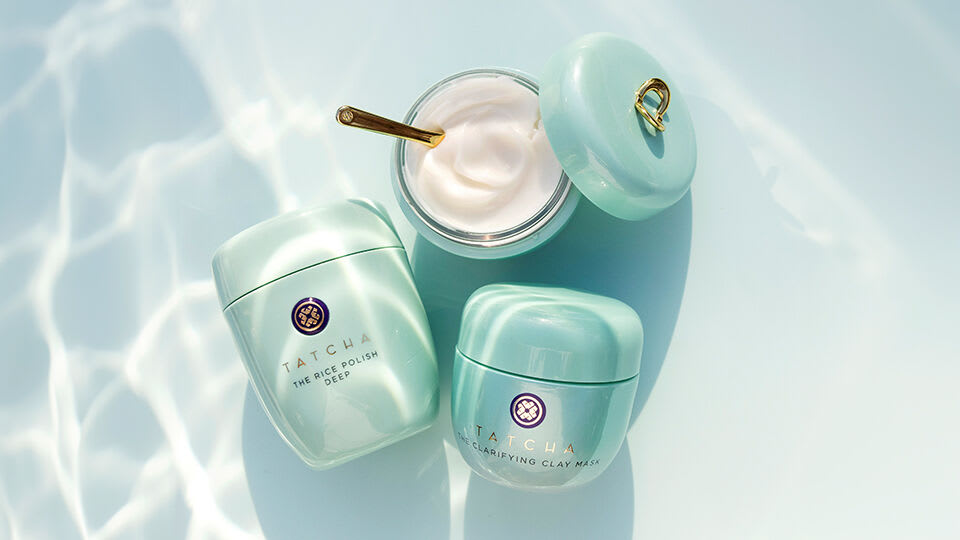
Some formulas ask consumers to choose between physical and chemical exfoliation; The Rice Polish simply offers both in one elegant jar. This bestselling polish exfoliant combines a finely milled rice bran with gentle chemical exfoliation from papaya enzymes and silk extract for a nourishing touch. Emulsified with water, it becomes a soft, downy foam that can transform dullness in 15 seconds. In clinical studies, 100 percent of users showed improvement in skin texture, radiance, softness, the appearance of pores,* and hydration.** You can also customize The Rice Polish for your specific skin type, whether you’re seeking Deep, Gentle, or Calming exfoliation.
*Based on a clinical study of 25 women after a single use.
**Based on bio instrumentation study of 25 people.
Some formulas ask consumers to choose between physical and chemical exfoliation; The Rice Polish simply offers both in one elegant jar. This bestselling polish exfoliant combines a finely milled rice bran with gentle chemical exfoliation from papaya enzymes and silk extract for a nourishing touch. Emulsified with water, it becomes a soft, downy foam that can transform dullness in 15 seconds. In clinical studies, 100 percent of users showed improvement in skin texture, radiance, softness, the appearance of pores,* and hydration.** You can also customize The Rice Polish for your specific skin type, whether you’re seeking Deep, Gentle, or Calming exfoliation.
*Based on a clinical study of 25 women after a single use.
**Based on bio instrumentation study of 25 people.
The Best Serum for Skin Dullness
A brightening serum, which is applied after cleansing and exfoliating but before moisturizing, is an excellent way to introduce active ingredients into an otherwise simple skincare routine. In fact, an antioxidant serum is one of the best skincare products for brightening, but the trick is to find a product that is clinically proven, comes in air-tight packaging, won’t cause irritation, and includes other stabilizing ingredients in the formula.
Tatcha’s new Brightening Serum has all of those requirements and so much more, too. While the potent formula addresses dullness, it’s also incredible at targeting hyperpigmentation, dark spots, post-acne marks, and uneven skin texture and tone. The groundbreaking product features 12-hour time-release vitamin C, Japanese plum, ferulic acid, and glutathione for skin that is clinically proven to be brighter and visibly firmer in just a single week.*
*Based on a clinical study of 18 panelists.
The Best Moisturizer for Skin Dullness
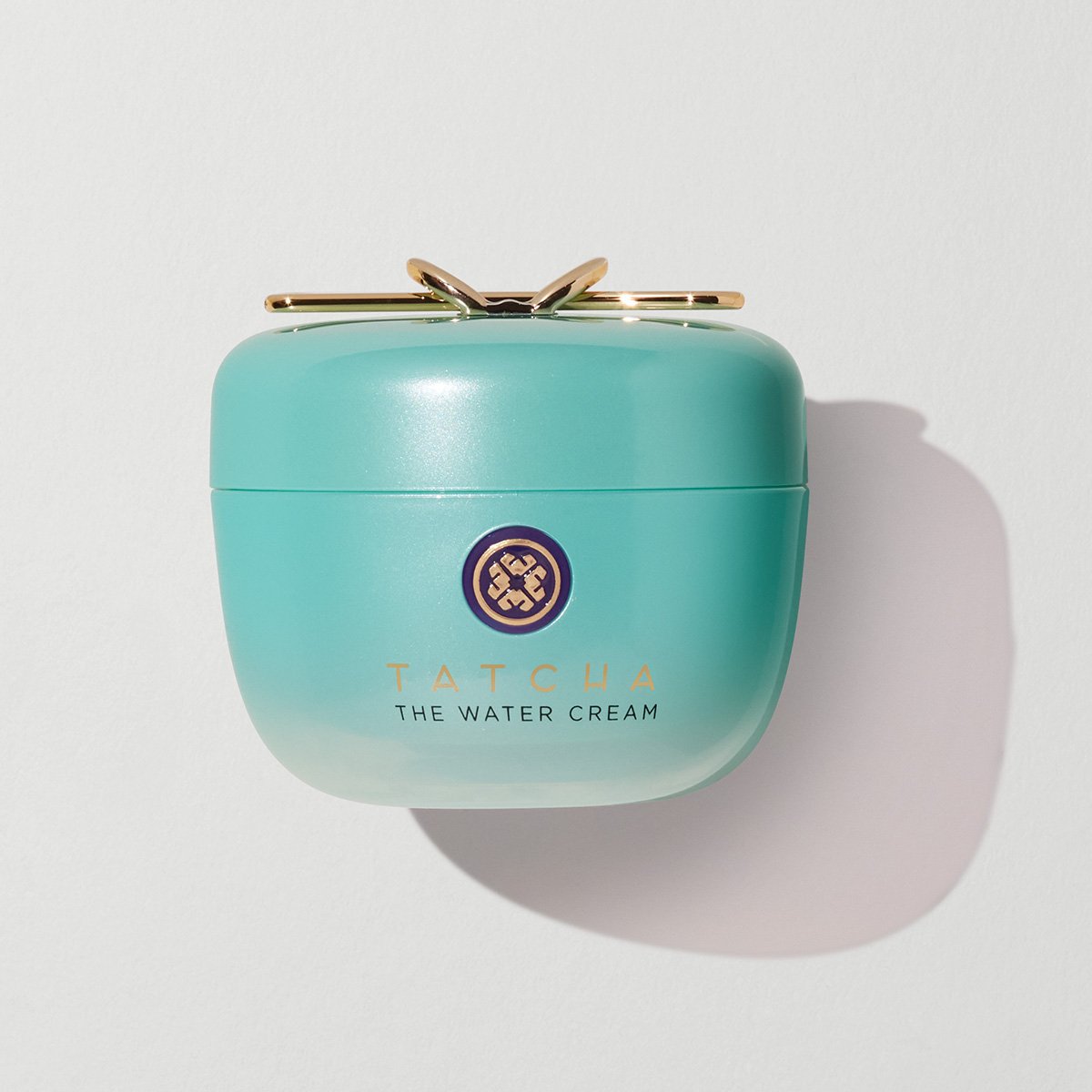
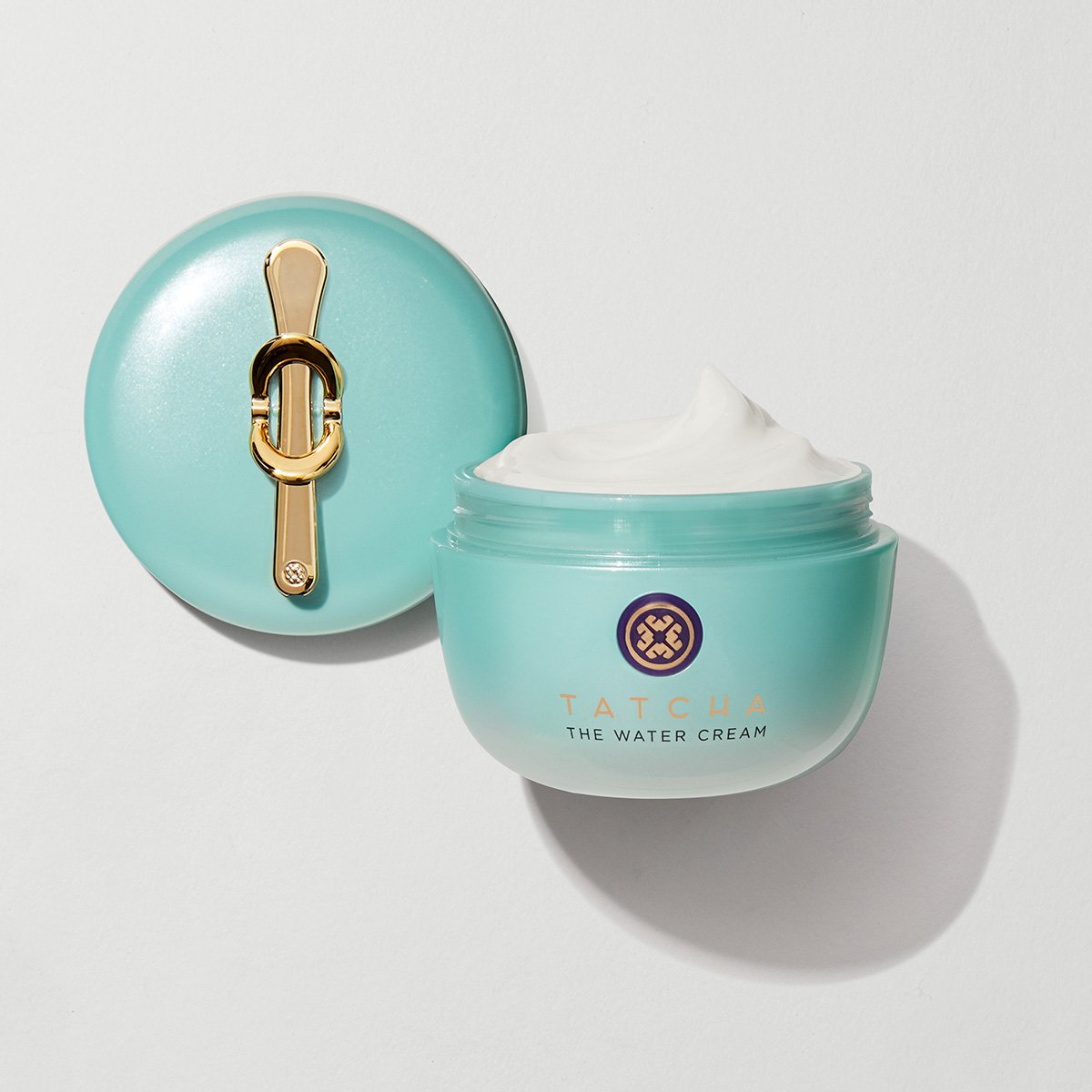
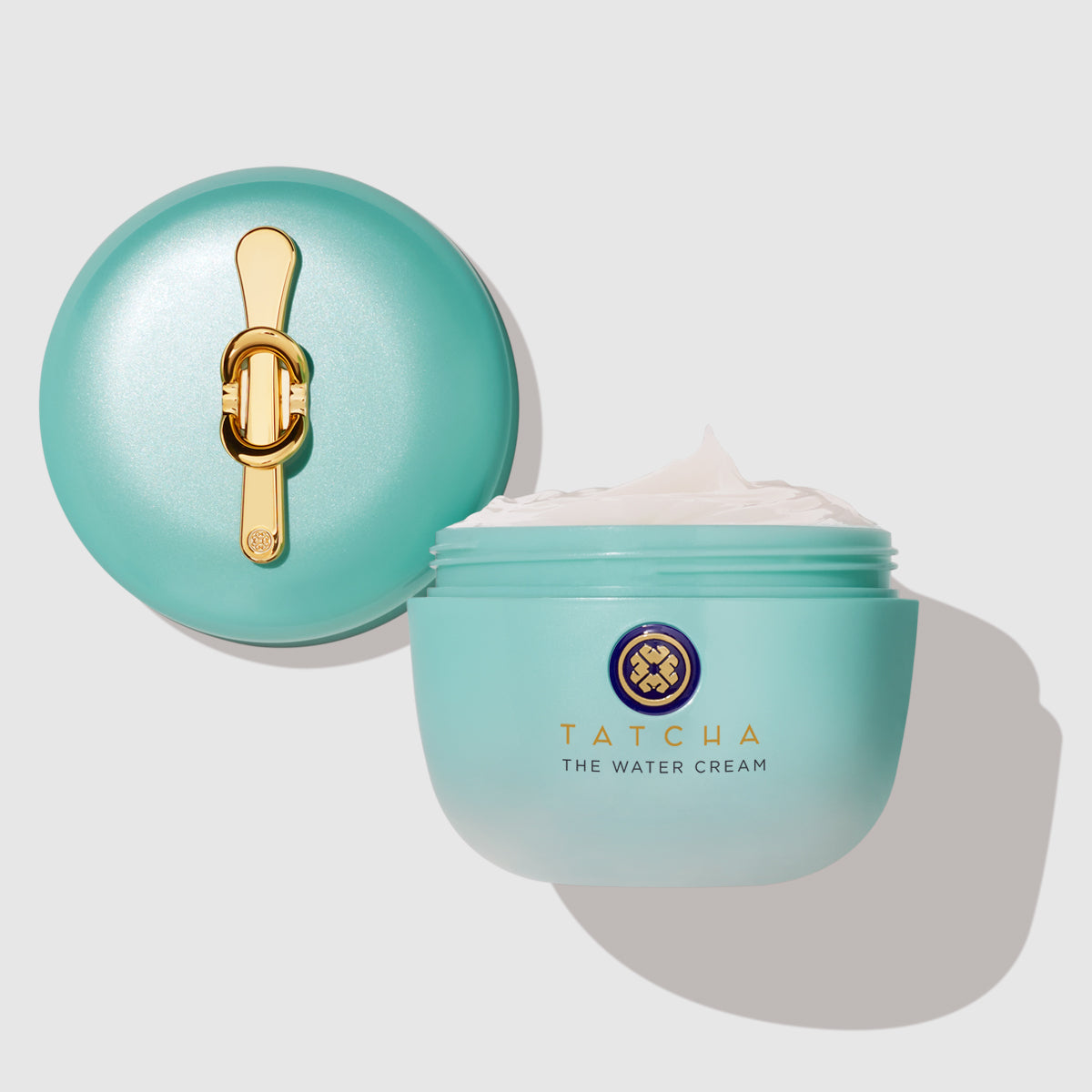
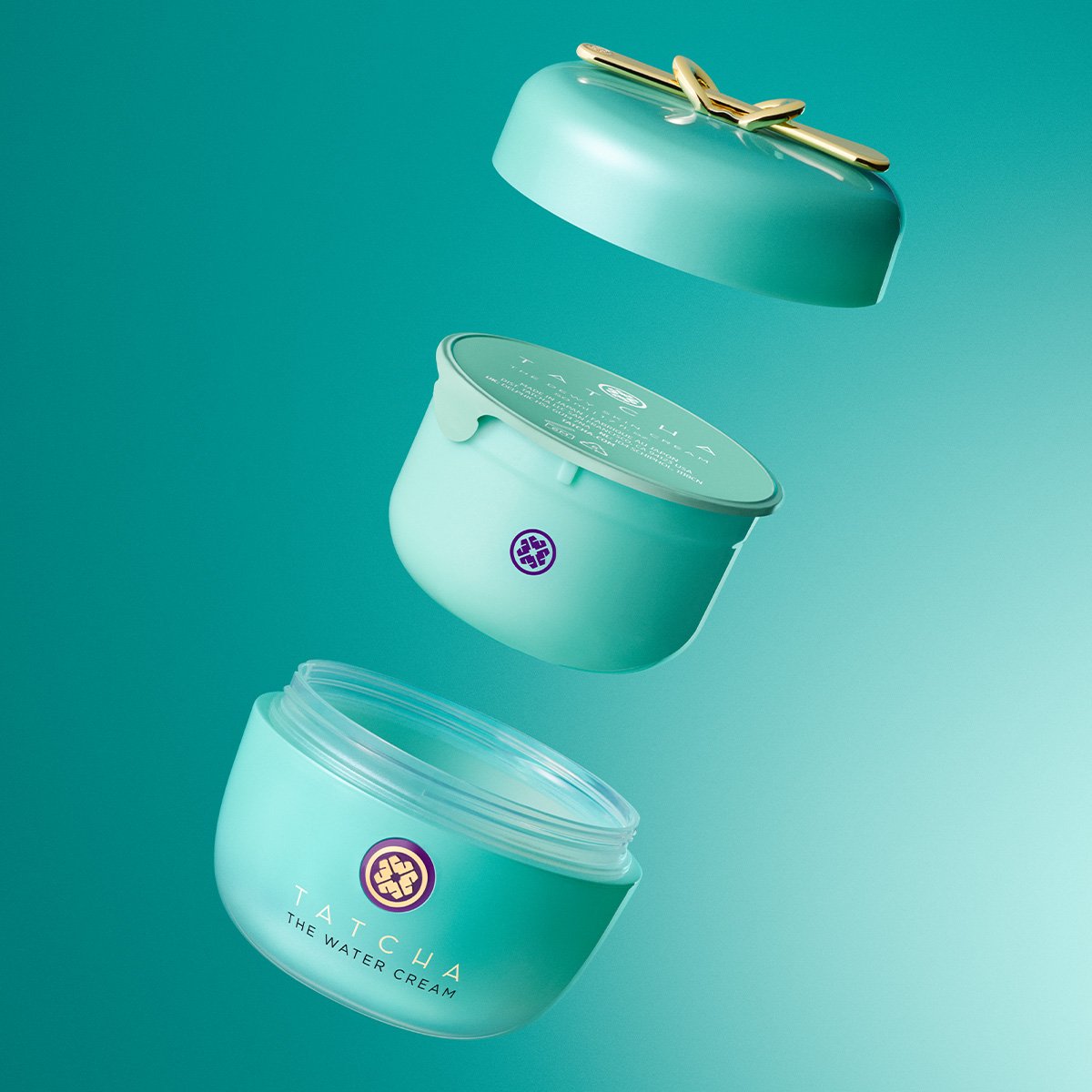
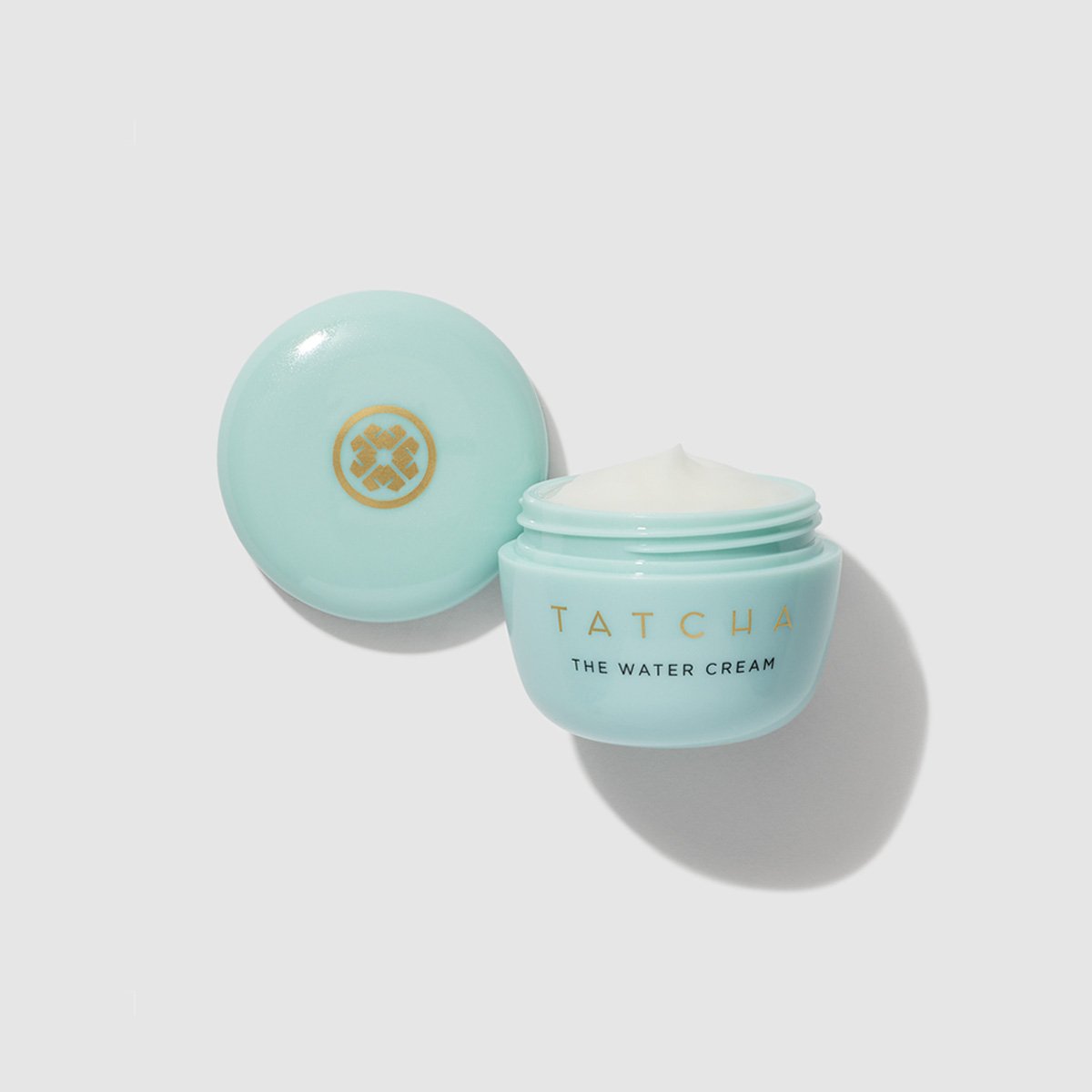
The idea of a “brightening” product can seem confusing, but in treating dullness, you’re really just giving skin what it needs. A little skincare ‘glows’ a long way, especially a moisturizer. It’s surprising how much radiance a moisturizer can impart on dry skin, making it one of the best products to brighten dull skin. While you should pair a moisturizer with your skin type, we’re huge fans of The Water Cream.
A suite of active botanicals helps to minimize excess oil production and calm skin, while also restoring a healthy-looking radiance, and the cream imparts a subtle, shine-free glow with a touch of 23-karat gold. In one study Tatcha conducted using the Water Cream, 90 percent of participants agreed skin felt balanced and looked radiant and luminous.*
*Based on an expert grader study of 36 panelists and a bio-instrumentation study of 30 panelists.
The Best Eye Cream for Skin Dullness
Dullness (and darkness) is especially prevalent around the eye area. Treat the delicate skin with an eye cream formulated to target dark circles, puffiness, and dullness. Thankfully, Tatcha’s Brightening Eye Cream is designed to treat multiple types of dark circles, depuff, and visibly lift for a well-rested look instantly. The formula includes time-released vitamin C (which both extends the potency on skin and lessens the potential for irritation), encapsulated niacinamide, and Japanese plum (cherished for its ability to noticeably brighten and firm skin). The creamy, lightweight, fast-absorbing, and non-sticky formula is clinically proven to show a 100 percent brighter eye area instantly* — talk about getting the light back in your eyes!
*Based on a clinical study of 45 panelists.