

The best skincare routine won't be complex or complicated. Many regimens require skincare enthusiasts be at-home chemists, layering a cocktail of exfoliants that promise youth in a bottle. Take hydroxy acids for example (BHAs, AHAs, and PHAs)–designed to exfoliate, but they can easily cause irritation when applied incorrectly or in tandem.
At Tatcha, however, we’re aiming to put the ‘care’ back into skincare. That doesn’t mean we aren’t fans of proper exfoliation (it’s one of our cornerstones of a daily ritual, in fact)—we just prefer gentler, thoughtful options. Keep reading as we uncover why we’re avoiding harsh exfoliants and choosing BHA alternatives instead.
What are BHAs?
BHAs, like salicylic acid, are cosmetic ingredients used to fight the signs of aging skin. They're mainly used in liquid exfoliants and are synonymous with acne-fighting because they’re small, oil-soluble molecules capable of penetrating pores. Within a pore, they address bacteria, sebum, and debris at the root of potential problems.
Why Choose a BHA Alternative
While BHAs can be powerful, they also can be incredibly irritating for some because they work so deeply and effectively. They’re also not ideal for daily use—it’s best to use extreme caution when incorporating them into your skincare ritual, even tracking usage to ensure it's not too frequent. Misuse can leave skin feeling stripped, dull, off-balance and with a compromised skin barrier. And if you identify as having dry skin, it’s best to avoid BHAs altogether, as they can exacerbate dehydrated, irritated skin.
BHA Alternative Ingredients
Many BHA alternatives include an ingredient that’s just as effective at purifying pores yet gentle enough to use up to two times a day. That means you can worry less about the potential irritation or burning with harsh formulas. Here are a few of the most promising ingredients to consider in your next exfoliating product.
Japanese Hatomugi (Coix Seed)
A superfood ingredient widely trusted in Japan, coix seed extract has been used in herbal medicines for centuries. It’s relatively unknown still in the Western world, but is becoming wildly popular for its antimicrobial, antioxidant, and anti-inflammatory properties. This powerhouse ingredient has double the protein of rice and is rich in vitamins B1 and B2, iron, calcium, fiber, and amino acids—which can help decongest pores.
Willow Bark
Willow bark extract is largely recognized as the natural alternative to salicylic acid, thanks to the bark’s antibacterial and anti-inflammatory properties and its ability to gently target the production of excess oil. This natural BHA alternative is also known to support the skin’s natural turnover process (aka sloughing away dead skin cells), revealing a smooth and balanced complexion.
BHA Alternative Skincare Products
Many BHA alternative products come in the form of a cleanser, exfoliating toner, or treatment mask. A cleanser is a particularly easy way to incorporate the benefits of purifying pores, without adding additional steps into your daily routine. It’s also one of the most gentle formats to incorporate into your regime, even for those with sensitive skin.
The Matcha Cleanse
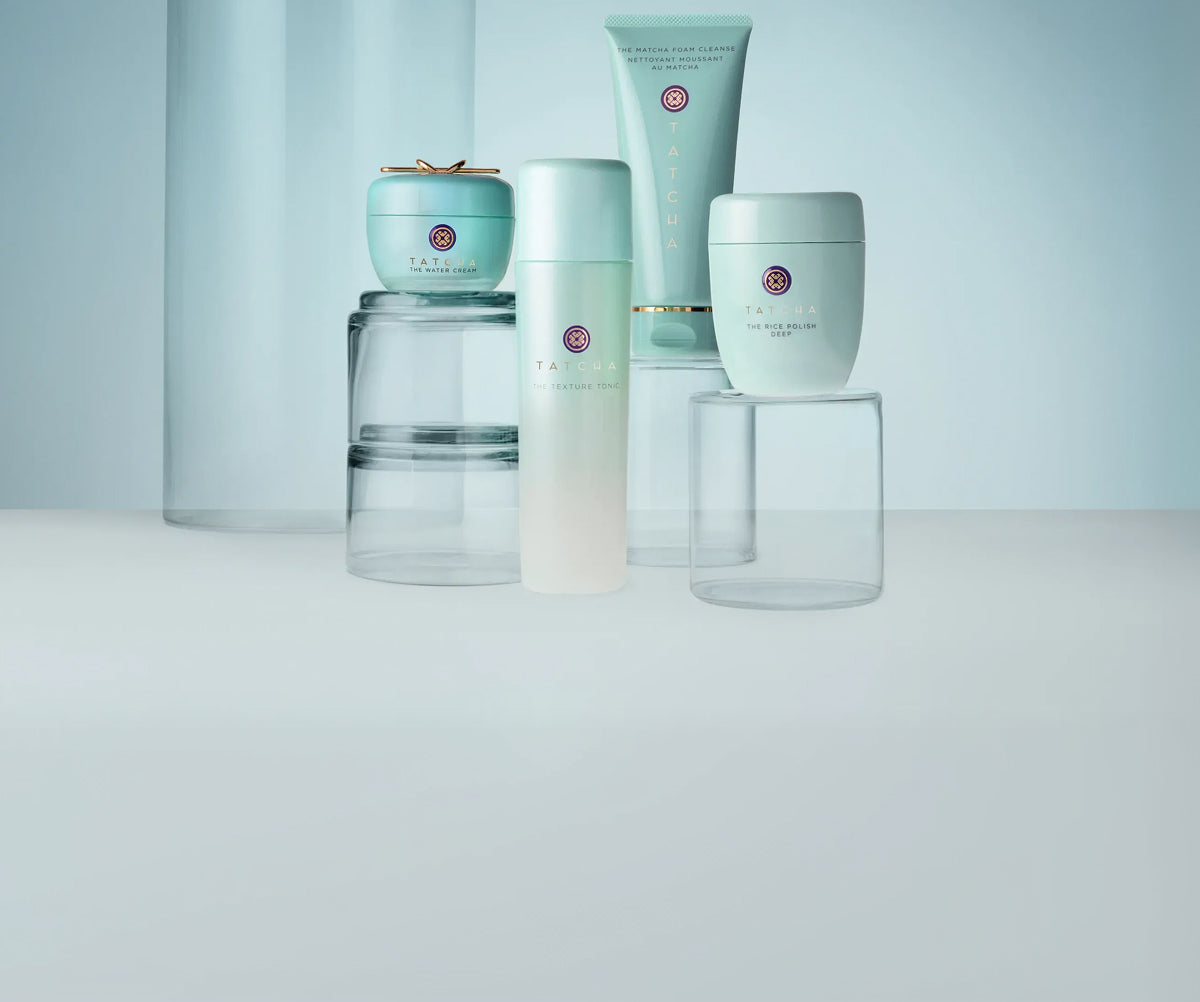
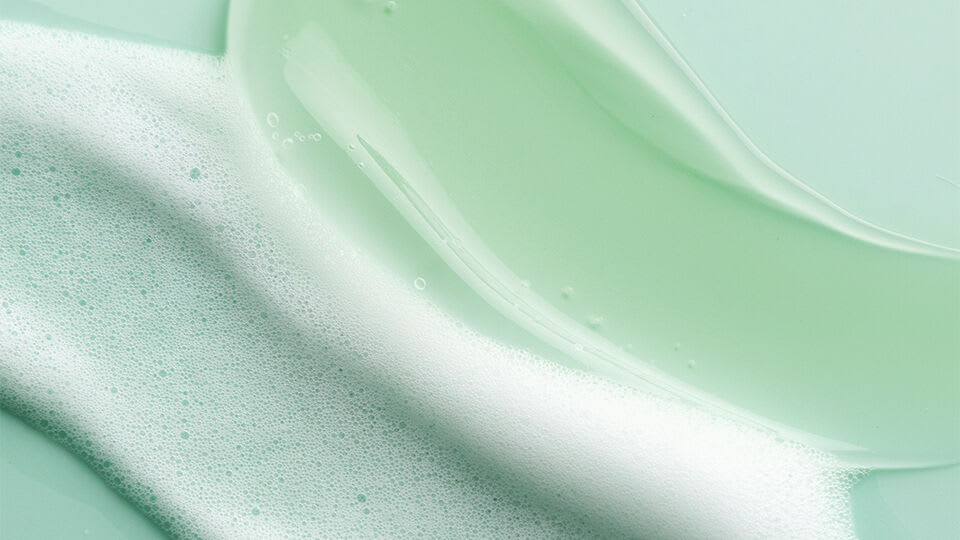
Two is better than one—and we took that belief to heart when crafting The Matcha Cleanse. We combined two powerful BHA alternatives, Japanese coix seed and willow bark, to quickly decongest pores and support skin surface turnover in a daily purifying—but not stripping—cleanser. The fragrance-free wash has a refreshing watery-foam gel texture that lathers up into a delightful cleanse. To support the skin, we also harnessed time-tested Japanese staples, including antioxidant-rich Kyo-matcha and ceramide-like Japanese mugwort, to bring harmony and balance to oily skin. The Matcha Cleanse focuses on mastering the art of pure pores, because, after all, a matcha a day keeps the shine away.