For many people, skincare is something like a journey. We all start somewhere, whether we do it as tweens or at a later stage, and as we learn things as we go along. Finally, we arrive somewhere that is the culmination of the work we’ve put in. And, along the way, bumps are inevitable.
Some of these bumps get more attention than they’re worth. In fact, “bumpy skin” and what to do with it is a huge topic of skincare conversation—on message boards, in magazines. Like cracks and scales, dry patches or oily ones, bumps are a natural occurrence in skin. Sometimes they’re simply evidence that your skin is doing its job. At other times, they can be evidence of an imbalance, infection, or other skin ailment.
That doesn’t mean bumpy skin is a cause for serious concern. Bumps are nothing your local dermatologist hasn’t seen, and their office should be your first stop if you’re having difficulty diagnosing a particular case of bumpy skin. To add a little background, we’ll look at some common causes of bumpy skin, as well as some potential treatments associated with them.
What causes bumpy skin and skin texture changes?
Skin is more than just a membrane separating our innards from our outers, but a dense and multilayered fabric that self-sustains using a variety of processes. Bumpy skin is bound to appear at one point or another. Sometimes, these bumps are signs of something else under your skin, but experts say most of the time these are totally natural and not worth the worry. Bumpy skin may be caused by:
Build-up
Sometimes, skin that is congested—with dead skin, excess oil, or any other kind of organic skin material—can become bumpy. Some of these bumps become acne, but not all of them. Choosing the right exfoliant and learning how to exfoliate can ensure that skin remains clean and clear.
Weak skin barrier
Regular cleansing, moisturizing, and applying SPF is a good way to keep your skin barrier—that sheet of dead skin cells caulked together to make up the outermost layer of skin—intact. Damaged skin barriers can cause bumps on your skin and lead to a host of other complications, from acne to psoriasis to eczema.
Aging
Skin changes happen—especially to children and infants, and anyone who has gone through puberty—but as you get older, too. As skin matures, it gradually loses some of the structural integrity it once had, leading to texture changes like roughness, sagging, or wrinkling.
Infection, inflammation, or other
In addition to the many benign causes of bumpy skin, some cases of inflamed skin or other infection manifest as a series of bumps. In the next section, we’ll discuss a few types, and what they typically indicate.
Common kinds of bumpy skin
Should you wake up one day with bumpy skin where there once was none, the second most important thing is not to sweat it. (Especially because stress can exacerbate skin issues.) But the most important thing is to have a dermatologist check it out and give an informed diagnosis. A few common causes behind bumpy skin include:
Dry skin
Hydration and moisturization are both essential to keeping skin healthy—the former makes sure water gets to the skin, and the latter makes sure it stays there. Skin that is dry is kind of like a machine without fuel: Without water, its function breaks down, and it can become flaky, cracked, and bumpy. Dry skin may also be a symptom of another imbalance, but may be responsible for texture changes in and of itself, including acne.
Acne
Perhaps the most infamous kind of skin bump, acne is defined most simply as a clogged hair follicle. Sometimes these hair follicles can house infections that brew beneath the skin. These can be called pimples, zits, or blemishes. Experts usually distinguish between six kinds of blemishes, which can range from comedones (whiteheads and blackheads) to painful cysts or nodules.
Clogged Pores
Not all clogged pores become acneic, but they can become bothersome in other ways—like creating bumps along the skin. Bumpy pores could be caused by sebum or dead skin buildup, and can usually be addressed with more attention paid to cleansing or exfoliating your skin.
Boils
Like acne, boils occur within hair follicles or sebaceous glands, and can be a sign of an infection. But unlike acne, which is caused by certain types of bacteria, boils are caused by the bacteria associated with staph infections. Boils are also usually larger and more painful than acne, and they can be contagious, so you should see your dermatologist right away.
Blisters
Some bumps feel like nothing at all, and others are painful to the touch. Some are itchy, and these tend to be known as blisters, which are bumps filled with a clear liquid. These can be caused by any number of causes, from friction to dryness to stress. Blisters are usually harmless. Though it’s tempting to pop, try to fight the urge: An open blister is much more prone to infection than a closed one.
Folliculitis
When a hair follicle becomes inflamed, it’s referred to as folliculitis, and the hair follicle turns into a red bump. These are often caused by infections, according to the Mayo Clinic, and are commonly associated with improper shaving. Ingrown hairs, in which body hair finds itself trapped under the skin, can be a cause of folliculitis.
Keratosis pilaris
Sometimes, bumpy skin is the result of an excess of something. In the case of keratosis pilaris, it's too much keratin, a structural protein that helps form our skin, says the Cleveland Clinic. Genetics, as well as some comorbidities like obesity, can increase your risk of keratosis pilaris, but it’s typically little more than annoying and unsightly—no infections or inflammation to be found.
Bumpy skin treatments
When bumps appear, the best place to take them is a dermatologist, who can help devise a treatment tailored to your diagnosis. Only when you understand the cause behind your bumpy skin can you effectively treat it. In some cases, the solution to bumpy skin is a step in your routine that you’re already performing. It may just be a matter of recommitting to the regimen, or choosing a more effective product for the job.
1. How to treat skin bumps caused by parched, dry skin: More moisture
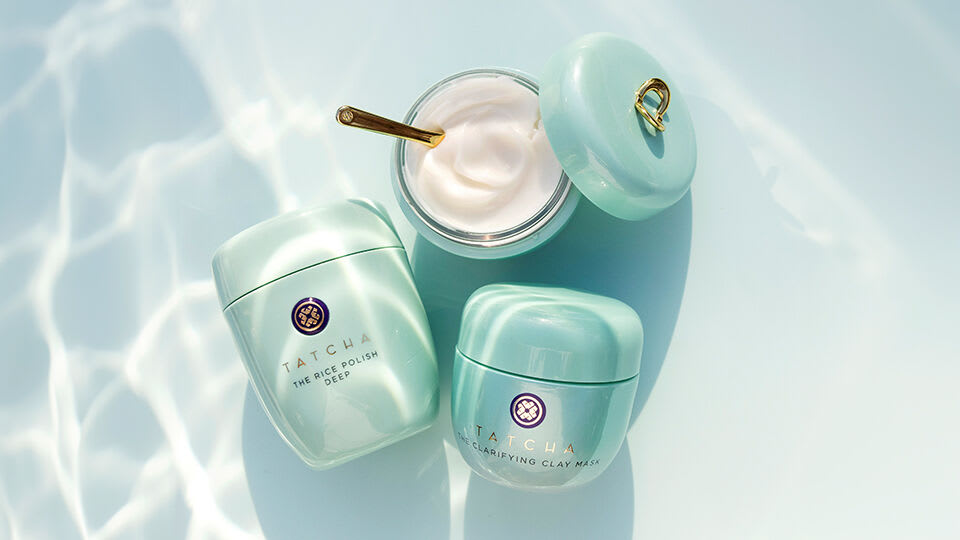
If any part of your routine leaves your skin feeling tight and thoroughly clean, like a dry blackboard, you may be stripping skin of essential moisture, and may also benefit from switching to kinds of products that are gentler on skin. Oil based cleansers, like the Camellia Cleansing Oil, and cream-based face washes, like The Rice Wash, are a great addition to any dry skin skincare routine. Choosing the right moisturizer will aid in hydrating parched skin. Regular masks, which can supercharge skin’s hydration used on a more sparing basis, can be especially helpful for keeping dry skin at bay: The Luminous Deep Hydrating Lifting Mask uses a coconut-derived sheet to pack moisture into skin, boosts skin’s moisture content by up to 200% in about 15 minutes.
2. How to treat skin bumps caused by congested, acne-prone skin: Alpha hydroxy acids
To purge skin of the kind of build-up that can lead to acne or other bumps, we rely on physical or chemical exfoliants of all kinds—some are exfoliating scrubs and others are acid-packed exfoliating liquids. In general, they are designed to use only a few times each week, but there’s a relatively new kind that uses new and sophisticated formulation to turn exfoliation into a daily practice: the acid toner. The Texture Tonic is one such product, but unlike others, it benefits from the brand Tatcha’s extensive know-how of botanical ingredients. Its alpha hydroxy acids (AHAs) come from a variety of fruits, while Japanese mugwort and wild rose visibly even skin tone and texture.
3. How to treat skin bumps related to dull, uneven skin: Viva vitamin C
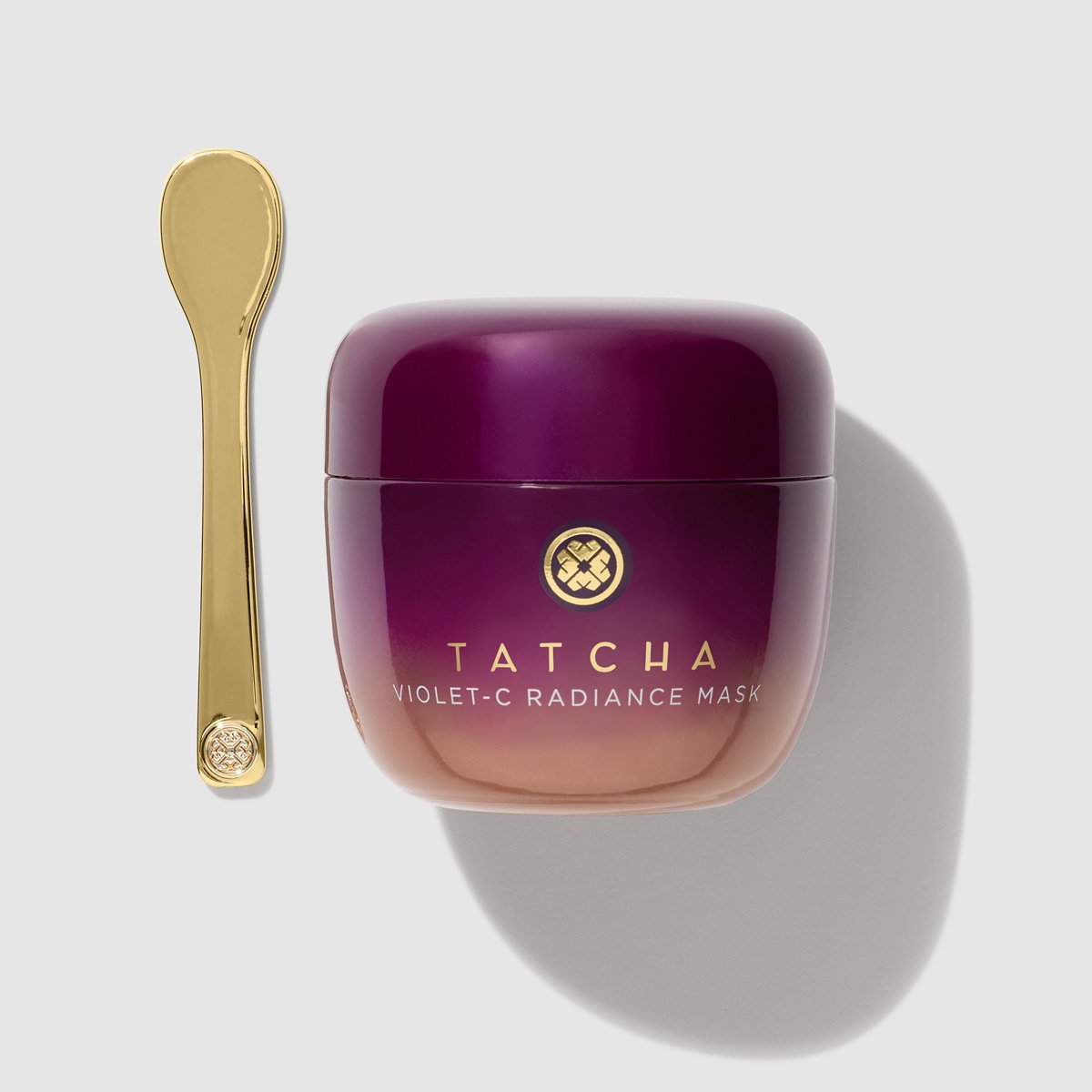
Surely you’ve heard of the powerhouse skincare ingredient known as vitamin C, which is recommended to nearly everyone with skin. In addition to improving the appearance of lines, vitamin C skincare products can work wonders for skin texture, and even stimulate the production of collagen. It’s simply amazing. What’s less simple is finding it in the right formulation. Tatcha’s Violet-C collection combines vitamin C with alpha hydroxy acids for maximum brightening and smoothing. There’s The Violet-C Brightening Serum that sits between your cleanser and moisturizer, as well as The Violet-C Radiance Mask that can be used up to a few times a week. Over time, with consistent use, vitamin C can lead to visible improvements in skin. But like any journey, it takes time—and commitment.
4. How to treat skin bumps caused by sensitive, inflamed skin: Sensitivity training
There are many ways to tell if skin is having a reaction, and yet not all reactions look the same. A common sign is a sudden change of texture, like flaking, or indeed bumps. Bumpy skin related to inflammation is a symptom of common ailments like eczema, but it can also signal an allergy or reaction to the environment. Usually, your first line of defense for this kind of bumpy skin is at a dermatologist’s office. An expert can help you understand the difference between sensitive and sensitized skin, and can put you on the right path toward calming things down.
5. How to treat skin bumps caused by ingrown hairs or folliculitis: Cut carefully
We know it, and we don’t love it: That familiar pattern that appears after a shave done less-than-well. Razor bumps happen when our shaved hairs curl back in on themselves, and are enough to deal with; ingrown hairs and folliculitis describe when these hairs become inflamed. Proper shaving minimizes the chance they’ll happen, and this involves cleansing the area before and after, shaving with the grain, and keeping your razor sanitized. There are also a few tips and tricks to avoiding ingrowns, from using a cleansing oil as a shaving cream to using rice powder as an exfoliant.
6. How to treat skin bumps caused by clogged pores: Wash well
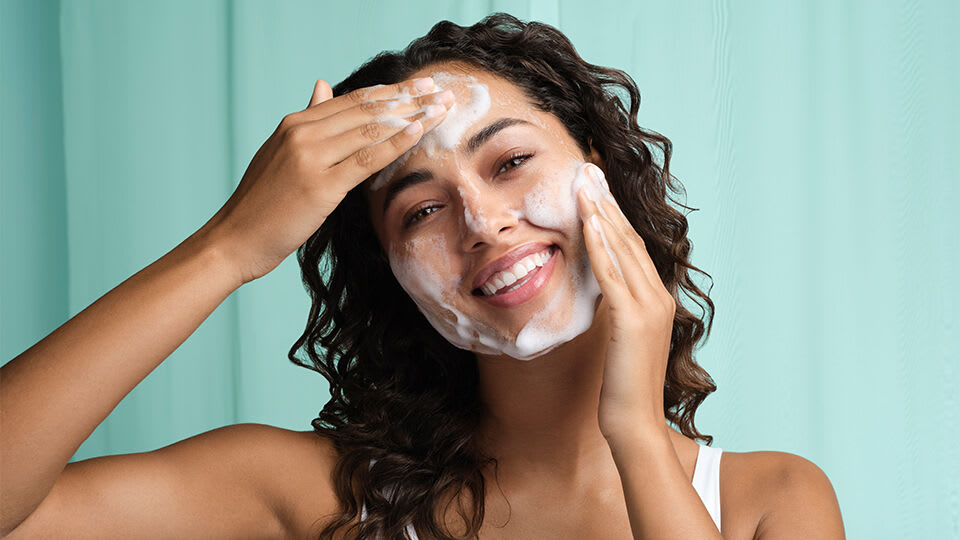
Bumpy pores happen to all of us. A clog can not only make a pore into a bump, but can also make it appear larger. An exfoliating treatment, like a scrub or mask, can help clear things up when your pores feel clogged. But the best way to treat a clogged pore is to prevent it in the first place, and cleansing your skin daily and consistently ensures that dirt, oil, dead skin, or other debris is rinsed down the drain—and doesn’t end up in a pore.