Summary
- Ectoin is an up-and-coming skincare ingredient that is produced by microorganisms classified as ‘extremophiles.’
- An extremophile is a microorganism that can live in extreme and harsh conditions due to ectoin’s stress-shielding properties.
- On skin, ectoin has been shown to be a potent hydrating, soothing, and pore-minimizing antioxidant.
- Look for formulas that allow ectoin to remain on the skin for long periods of time, like serums, moisturizers, and sunscreens, so you can soak in the benefits all day or night.
Ectoin is an emerging and exciting skincare ingredient, clinically shown to hydrate, soothe, and minimize pores — here’s everything you need to know about using it in your skincare routine.
Say hello to ectoin, the trending amino acid that’s about to be a household name. Keep reading to discover what is ectoin in skincare, its benefits, and the best skincare products that feature this rising-star ingredient.
What Is Ectoin?
Ectoin is an amino acid produced by extremophiles, microorganisms like bacteria that survive and even thrive in extreme conditions. Ectoin creates a sphere of hydration around bacteria, shielding them from harsh environments like excessive UV exposure, hot temperatures, and high salinity, conditions that are detrimental to standard organisms.
Many of these organisms’ byproducts are desirable in skincare formulations because the harsh environments they endure make them exceptionally resilient and potent. While ectoin allows extremophiles to thrive in nature, the ectoin used in the cosmetics industry is created by biotechnology fermentation processes to make it a more stable and sustainable ingredient. Both its evolution under extreme stress and modern technology have made ectoin, as an ingredient, more powerful and thus more beneficial for your skin.
Ectoin Benefits for Skin
There’s a good reason ectoin has taken the skincare industry by storm: it’s a multitasking wonder. It can help with a variety of benefits, including hydration, brightening, skin repair, and protection. Here’s a bit more about the numerous benefits of ectoin for your skin.
Hydrates
Ectoin can flood the skin with moisture, but it can also prevent transepidermal water loss (known as TEWL), an undesirable event that occurs when water evaporates through the skin and into the air. This is possible because ectoin not only puts a defense around skin, shielding it, but also because it can decrease the effects of stressors that traditionally dry out and dehydrate the skin.
Minimizes Pores, Redness, and Pigmentation
In a 2018 study conducted in South Korea, researchers found that participants who used a cream featuring ectoin had a noticeable reduction in pore size, melanin, redness, and excess oil production. (Wow, what can’t it do?!)
Slows Skin Aging
In 2024, one paper discovered that ectoin can shield skin from “UVA, UVB, visible and infrared light, environmental pollution, and other potentially harmful factors” due to its anti-inflammatory and antioxidant properties. Thusly, you could say that ectoin has also been reported to shield skin from factors that cause visible signs of aging.
Soothes
While it can do many complex things, ectoin also masters the basics, like soothing and minimizing stress in skin, as noted in a 2019 study (which tested ectoin for reducing skin inflammation in cancer patients).
Protects
Ectoin is also an effective antioxidant, showing promising protective effects on oxidative damage. In a 2022 study, researchers found that ectoin applied topically is an effective antioxidant, neutralizing free radicals and protecting the skin barrier.
Who Should Use Ectoin?
While many ingredients are skin type specific, ectoin is ideally well-suited for almost all skin types, including sensitive skin. Barrier-friendly, moisturizing, reparative, and protective, ectoin really can help a range of needs. Many formulas that include ectoin are for long-wearing products like serums, moisturizers, and sunscreens, so you can soak in the benefits all day or night long.
Ectoin vs. Hyaluronic Acid & More
Ectoin has been compared to many other beloved skincare ingredients, including hyaluronic acid and niacinamide. While we might initially want to research ‘ectoin vs hyaluronic acid’ to find out who comes out on top, we suggest that they can all work together in a skincare routine. Ectoin is a more complex ingredient than hyaluronic acid, but they work wonders together at fighting moisture loss.
How to Use Ectoin Skincare
At the end of the day, the key to receiving all the benefits of ectoin is to use it correctly. Follow the product's packaging instructions and use it in the correct order as instructed by the brand.
The Best Ectoin Skincare
Although ectoin’s benefits are impressive, its potency can still vary due to formulation and sourcing differences. At Tatcha, we are proud to feature ectoin encapsulated with vitamin E in skin-identical lipids. This encapsulation process allows for better delivery deeper into the skin for enhanced benefits. Tatcha’s ectoin is also intentionally paired with vitamin E to add more repair and protection benefits from environmental stressors.
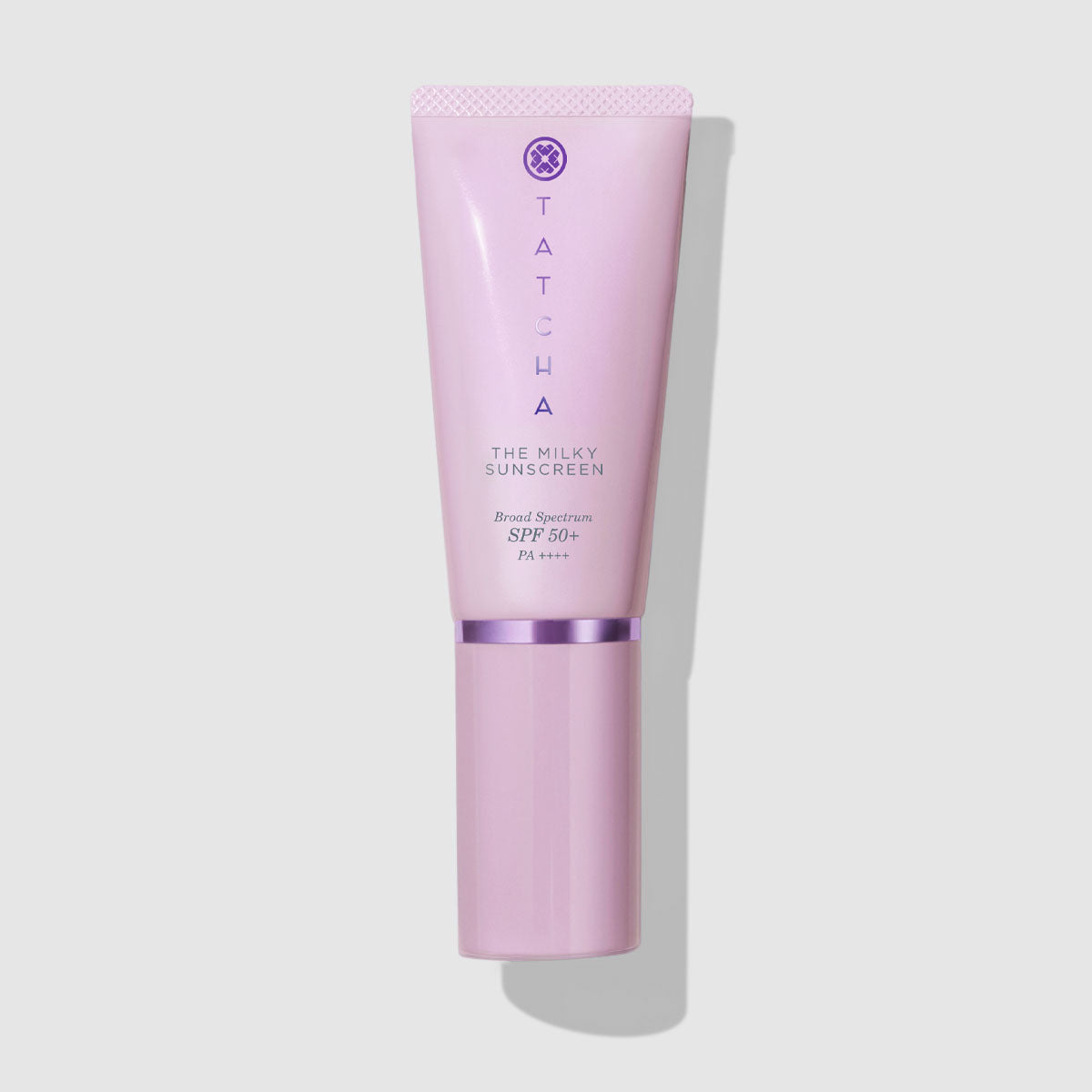
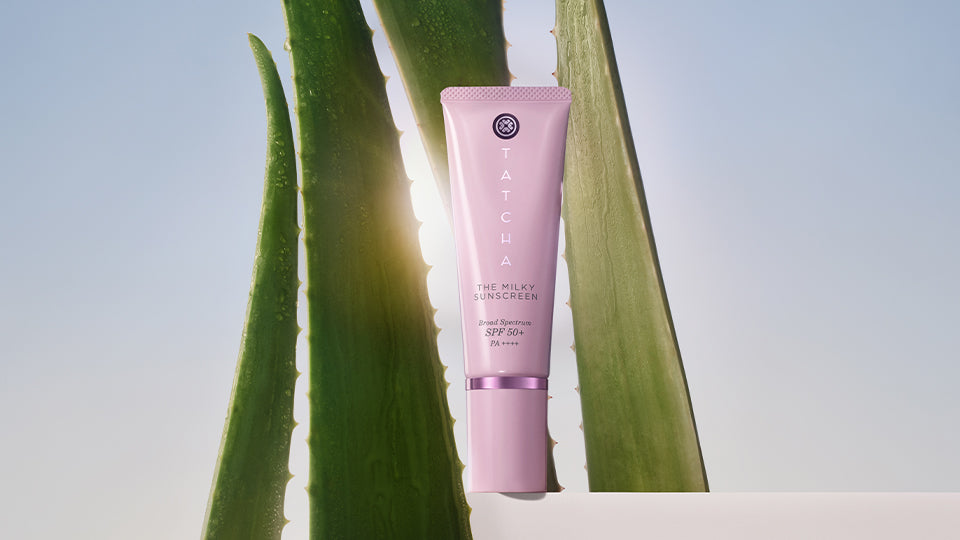
We’re passionate about sunscreen at Tatcha, which is why we’re excited to introduce you to The Milky Sunscreen, a refreshing, milky-light SPF 50+ that helps visibly correct UV-induced damage, provides cellular-level hydration, and soothes sun-stressed skin. It addresses visible signs of sun stress while protecting from future sun damage — how smart is that?!
Powered by encapsulated ectoin, vitamin E, and Okinawa aloe vera extract, The Milky Sunscreen hydrates, visibly corrects, and protects — the future of sunscreen is here.