Summary
- Dark spots can be triggered by numerous things, especially sun exposure, but also hormones, aging, and acne.
- A few ingredients can treat and prevent dark spots, including vitamin C, niacinamide, ferulic acid, glutathione, AHAs (like glycolic and lactic acid), retinol and its alternatives, and Japanese rice bran.
- Skincare products, including vitamin C formulas, sunscreen, and exfoliants can help lighten the appearance of dark spots and potentially prevent them altogether with consistent usage.
It can be frustrating to have stubborn dark spots on the skin. But treating and preventing dark spots is manageable, thanks to a few proven ingredients. Here’s everything you need to know about how to treat dark spots on your face.
Spending time outdoors in nature isn’t just a precious gift – it’s proven to improve your mood and overall well-being. But for many, basking in the glow of the sun for extended periods of time can mean dark spots on your face and body. In this article, we’ll discuss what causes dark spots on your face, how to treat them, and how to prevent dark spots in the first place so you can get back outside worry-free and start enjoying nature again.
What Are Dark Spots? And What Causes Them?
Dark spots, or specific, localized areas of hyperpigmentation, are caused by the overproduction of melanin in the skin following everyday triggers like excessive exposure to the sun, acne, hormones, aging, and skin irritation. The spots can vary in shape, color, and size, and typically occur on the areas of your body receiving the most sun exposure (face, shoulders, forearms, neck, and backs of hands).
Are There Any Symptoms or Risks Associated with Dark Spots?
Although dark spots appearing on the skin may look worrying, they don’t pose health risks and are perfectly normal. That said, if they appear unusually shaped or colored or are evolving in size, consult with your doctor immediately. Additionally, it’s also important to note that acne scars and some other types of dark spots, like melasma, those resulting from burns, clinical treatments, medication reactions, and more, need a diagnosis and treatment by a licensed dermatologist.
Ingredients That Fade Dark Spots
There’s nothing wrong or unsightly about dark spots. That said, if you don’t like the way they look, there are a handful of proven ingredients that can help lighten or brighten the appearance of dark spots caused by sun exposure, aging, and post-acne inflammation.
Vitamin C
The most proven treatment against dark spots is vitamin C. If you search “how to treat dark spots on the face” right now, vitamin C will pop up in each and every answer, and for good reason. Vitamin C is so effective in brightening pigmentation because it blocks free radicals from causing oxidative damage – aka preventing melanin from overproducing in the skin. As you remember from above, the overproduction of melanin causes dark spots. Not only does vitamin C prevent the melanin from overproducing, it addresses pigmentation, helping to visibly even skin tone, but not lightening the tone of skin (like the more intensive ingredient hydroquinone might).
Liquid Exfoliants
Exfoliation is endlessly beneficial in treating dark spots. Exfoliants, particularly liquid exfoliants (aka chemicals or acids), can address the surface of the skin, dissolving dead, discolored cells. Look specifically for AHAs, or alpha-hydroxy acids, which include beloved ingredients like glycolic, citric, mandelic, and lactic acid. AHAs address the appearance of the skin, targeting dark spots, acne, melasma, PIH, and more. Because these acids remove dead skin cells and debris, they also help to ensure that all skincare applied afterward works more effectively and penetrates deeper into the skin. A win/win.
Niacinamide
Niacinamide, a form of B3, is transformative—especially for dark spots. B3 has been shown in studies to prevent excessive melanin production (just like vitamin C) within the skin, helping to lessen dark spots and improve skin tone. Niacinamide also calms the skin (irritation can cause dark spots), hydrates, and improves not only the overall appearance but also the strength and health of the skin.
Ferulic Acid
Ferulic acid is an under-the-radar antioxidant that can brighten and even the skin by inhibiting melanin production, which is great because, as we’ve learned, dark spots are caused by an overproduction of melanin. Not only is that helpful, but ferulic acid has been shown to shield skin from dangerous UV rays. In a 2018 study, ferulic acid raised the SPF level and inhibited photoaging and inflammation caused by damaging UV rays. It also calms inflammation, which can trigger dark spots, helping to stop a cause of spots before they even start.
Glutathione
Glutathione is often seen in brightening serums and other skincare formulas, thanks to the antioxidant’s ability to even skin tones. Studies show that glutathione prevents dark spots at the cellular level by interrupting melanin enzymes at the skin’s surface so they don’t develop into dark spots. However, you’re not out of luck if you already have dark spots. A 2019 study found that when glutathione was applied topically to the skin, it lessened the appearance of dark spots.
How to Treat Dark Spots
Routine
AM vs. PM
Your morning routine will slightly differ from your evening routine—here are the basics to consider.
AM
1. Cleanse
a. This can be as simple as a splash of water or a full cleanse—whatever the skin needs to feel refreshed.
2. Treat
a. This is a great time to apply an essence and a hydrating serum. Follow with your brightening serum, which can be applied during your morning and/or evening skincare ritual.
3. Moisturize
4. Protect
a. Sunscreen is needed every morning, rain or shine.
PM
1. Cleanse
a. To effectively cleanse the skin, consider a double cleanse to remove all traces of makeup, debris, and makeup after a long day.
2. Treat
a. This part can be customized to suit your needs, including an essence, a hydrating serum, a wrinkle serum, and or your brightening serum (which, again, can be used morning and/or evening, depending on your preference and skin tolerance).
3. Moisturize
Spot Treatment
Did you know you can target dark spots specifically? If you’d like to zero in on just a particular spot on the skin, try a spot treatment.
1. Cleanse
2. Treat
a. Apply active to the dark spot, not the entire face.
b. Use a clean cotton swab or your fingertip to dab the product onto the dark spot.
c. Wait 1-2 minutes before applying additional products to allow absorption.
3. Moisturize
4. Morning: Sunscreen vs. PM: Face Oil
a. In the morning, reach for sunscreen after applying your moisturizer. In the evening, consider a face oil after your moisturizer to lock in moisture all night long.
5. Be Consistent and Patient
Tips:
- Be patient! It can take 4-12 weeks to see noticeable improvements
- Always patch-test new ingredients to avoid irritation
- Layer products correctly (lighter serums first, then heavier creams)
- Avoid picking at dark spots, which can worsen pigmentation
How to Prevent Dark Spots
The absolute best way to prevent dark spots? Daily sunscreen, even indoors, and even when it’s cloudy out. A broad-spectrum sunscreen is your greatest defense against dark spots, and the most important step in your daily skincare routine. Choose the best sunscreen for your skin type, and apply it at the end of your morning skincare ritual, usually after your moisturizer. Here’s more info about how and when to apply sunscreen to maximize its benefits.
In addition to sunscreen, there are other steps you can take to be careful in the sun while still enjoying its benefits:
- Try to stay out of the sun between 10:00 a.m. and 3:00 p.m., when it is at its most powerful.
- Apply sunscreen every two hours while outside and ensure it’s at least SPF 35.
- Cover your skin with sun-shielding clothing, hats, and sunglasses.
The Best Products to Treat and Prevent Dark Spots
While a skincare routine won’t solve all problems, these products are particularly helpful for treating and preventing dark spots. Because the common skin issue is so studied, we have remarkable research that proves these products actually work. The trick is consistency: Rome wasn’t built in a day, and your skin won’t look brighter in 24 hours, either. Some of these products can take weeks or months to show progress, but stick with them so you can avoid costly and potentially damaging clinical treatments.
Best Exfoliation to Treat Dark Spots
The Texture Tonic
As we’ve learned, AHAs are incredibly beneficial in addressing pigmentation on the skin’s surface. Reach for this liquid exfoliant, which is packed full of both fruit AHAs and niacinamide to gently resurface for smoother, more radiant skin. In addition to brightening the appearance of dark spots, the unique chemical exfoliant visibly tightens pores, reduces redness, and minimizes excess oil.*
*Based on a clinical study of 40 panelists.
The Rice Polish
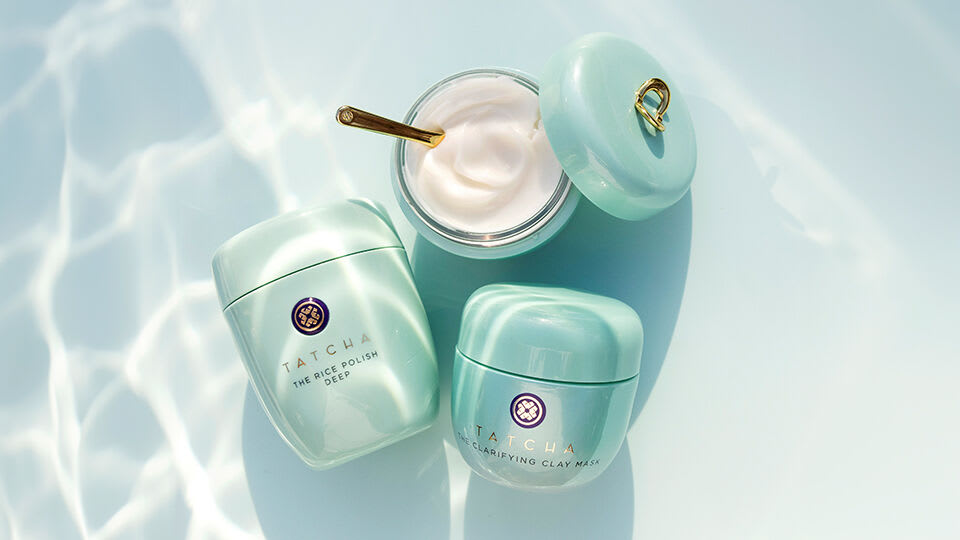
If you prefer enzymatic exfoliation, grab a reliable and non-irritating option, like the bestselling Rice Polish. An exfoliant that doesn’t irritate the skin is important because irritation can cause inflammation, which can potentially lead to dark spots. The Rice Polish’s finely ground powder (of rice bran and papaya enzymes) springs to a cloud-like foam with just a few drops of water, helping to promote natural skin turnover to instantly reveal a smoothed, polished, and healthy-looking glow.
The Best Vitamin C Products to Brighten Dark Spots
The Brightening Serum
The Brightening Serum is designed to do it all, addressing dullness, dark spots, post-acne marks, and uneven skin, texture, and tone in one single product. Skin is clinically proven to be brighter and visibly firmer in just a single week*, and elasticity is boosted with this clever formula, featuring 12-hour time-release vitamin C, Japanese plum, ferulic acid, and glutathione.
The time-release vitamin C slowly releases the potent antioxidant over 12 hours, so it can brighten and visibly even tone while reducing the potential for irritation, which can occur easily with other formulas due to the sudden flood of active ingredients. The Japanese plum, known as nanko ume in Japan, is the queen of plums and has been used in at-home beauty rituals for centuries to help brighten skin. Also present is ferulic acid, which helps to support the stability of the other antioxidants, while also addressing dark spots, inflammation, and sun damage. And it wouldn’t be our brightening serum without the addition of the pro-glutathione antioxidant booster, which is a super-powered version of glutathione and provides a super dose of antioxidants—precisely 13 times more antioxidant power than pure ascorbic acid.*
*Based on a clinical study of 18 panelists.
*Based on in vitro testing of Ascorbic Acid vs. Pro-Glutathione Antioxidant Booster on oxidative stress.
The Brightening Eye Cream
Dark spots don’t stop near the eye area, so try Tatcha’s newest eye innovation, a brightening cream that depuffs, targets multiple types of dark circles, and visibly lifts for an instant, well-rested look. The lightweight, fast-absorbing, and non-sticky cream includes time-released vitamin C, encapsulated niacinamide (to target inflammation and improve the look of fine lines), and Japanese plum (to depuff, brighten, and lift the delicate area).
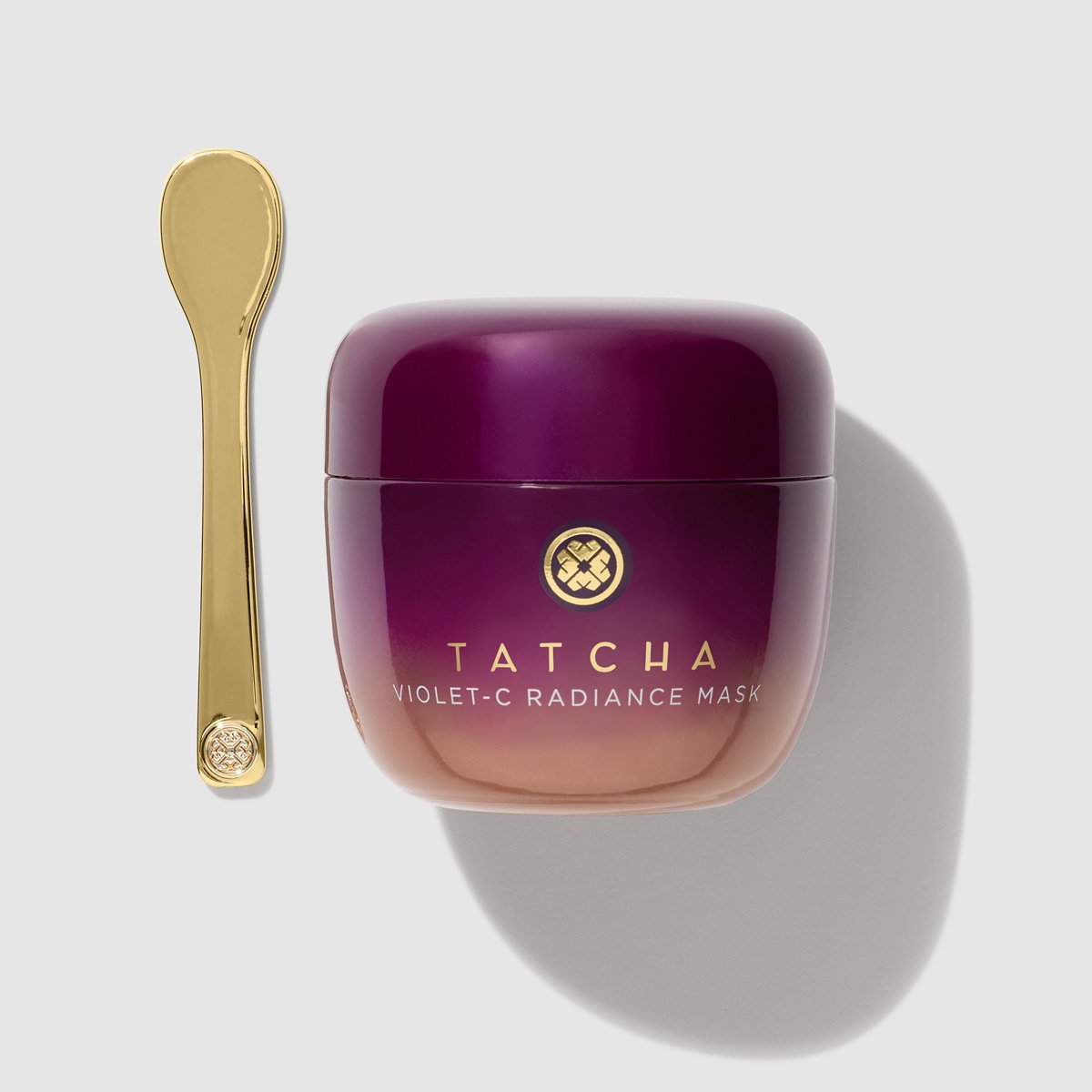
Violet-C Radiance Vitamin C Face Mask
A few times a week, incorporate this brightening mask treatment for even brighter skin. The powerhouse mask has two forms of vitamin C, including a fast-acting version to quickly address surface cell turnover and a long-lasting option that minimizes attacks from free radicals over time (aka dark spots). The two forms combine powers to reveal brighter, more translucent skin. The mask also includes a 10 percent AHA fruit complex to gently resurface dull and dry skin as well as remove dead skin cells, leading to smoother skin.
The Best Sunscreens to Treat & Prevent Dark Spots
Silken Pore Perfecting Sunscreen
This weightless sunscreen with broad-spectrum SPF 35 offers protection from harmful UVA and UVB rays while blending effortlessly and invisibly into your skin. The matte finish provides a pore-blurring appearance and addresses the appearance of pores throughout the day, thanks to wild rose extract. While some matte sunscreens can feel heavy, this unique formula still feels silky smooth, thanks to the addition of silk extract for a lightweight feel.
The Silk Sunscreen
For those looking for mineral protection, try our newest sunscreen innovation, which features broad-spectrum SPF 50 coverage. The sheer, weightless protectant applies flawlessly and feels hydrating and comfortable on the skin. Also, the formula has a few additional ingredients that help to improve the appearance of skin throughout the day. Dark spot-fading niacinamide and hydrating hyaluronic acid are present, allowing the sunscreen to improve skin radiance, the skin barrier, and skin moisturization.*
*Based on a bio-instrumentation study of 40 panelists, after two weeks.
Now that you know more about the source of dark spots, you can continue to go out and experience the world around you—while taking a little extra care along the way. Wishing you a bright and beautiful journey.