Summary
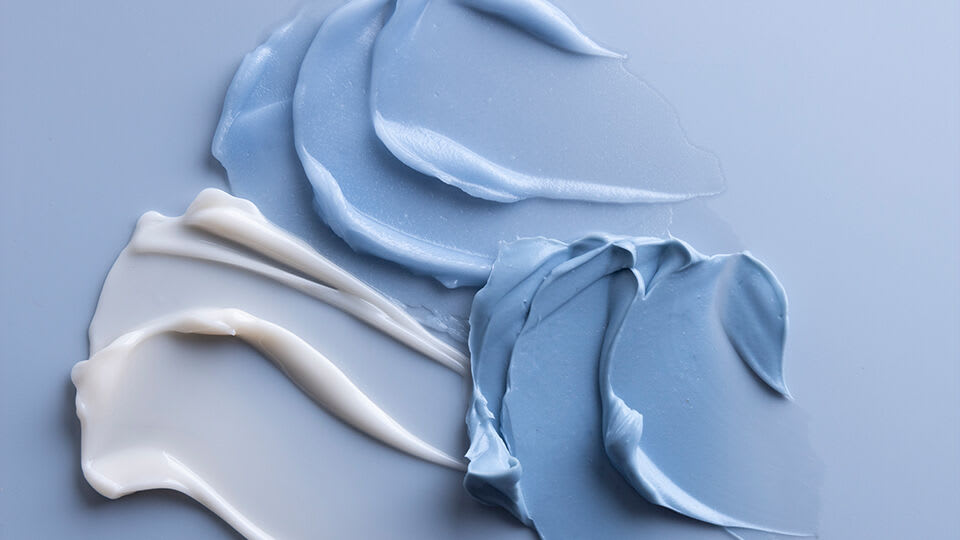
- There are several textures of moisturizers: gel, gel cream, lotion, and cream. Gel is the lightest, gel cream is slightly more viscous, then lotion is even more viscous, and cream is the thickest.
- Gels and gel creams (a slightly more viscous but still lightweight texture) are ideal for oily skin, while combination skin usually prefers lotions, and dry and mature skin craves the hydration a cream can provide.
- However, you are not cookie-cutter, and nor is your skin; sometimes changes in weather or lifestyle can change your skin’s needs. The key is to listen to your skin and not get caught up in labels.
Skin is always seeking comfort and balance, but finding that equilibrium with a moisturizer can be a tough task. But good news, we’ll help you find the right moisturizer texture for your skin’s needs.
Moisturizers are one of the most important products in your daily skincare routine. Yet, they’re highly personal: Too hydrating, and it can feel greasy; too light, and skin can appear dry and tight — it’s a Goldilocks situation where you’re looking for just the right amount of moisture. This can unfortunately mean a lot of trial and error, which is not only frustrating, but costly. One easy way to narrow down your search to find ‘the one’? Choose the best moisturizer for your skin type and learn how to categorize moisturizer textures as a lotion, cream, gel or gel cream. Keep reading as we break down the differences between moisturizer textures to help you discover your ideal match. This way to glowing, balanced skin…
The Difference Between Gel, Gel Cream, Lotion, and Cream
At their core, all of these formulas hydrate the skin–but each takes a distinct approach to delivering moisture. Here are their main differences:
Gel Moisturizer
Gel moisturizers are the lightest of the moisturizer textures, known for their light-as-air feel. They are water-based with a thin consistency, and packed with ingredients that feel light on the skin but still hydrate, like hyaluronic acid. A good gel moisturizer is designed to absorb instantly and not feel greasy.
Gel Cream
Gel creams are moisturizers that take on the gel texture of a traditional gel but have the thicker viscosity of a cream. They are a category of moisturizers in between gels and lotions. A gel cream still has that classic gel cooling sensation, is non-comedogenic, and absorbs quickly, but the thicker texture allows for a tad more hydration than a standard gel moisturizer.
Lotion
A lotion is a happy medium between a gel and a cream, richer than gels but not as decadent as a cream. They likely still have somewhat of a thin consistency, yet have a few richer ingredients that make them more hydrating for the skin. A lotion will still absorb fairly quickly, depending on skin type, and will lie nicely under sunscreen and makeup.
Cream
Thicker in consistency and viscosity, a cream is the richest of the textures. It contains more emollients and nourishing ingredients, like glycerin, ceramides, peptides, and squalane. These complex hydrating ingredients are wonderful at not only hydrating, but also nourishing and repairing skin, too.
How to Choose Between a Gel, Gel Cream, Lotion, or Cream
It’s not always easy to tell which texture is right for you. So start by determining your skin type, and then refer to our summary below to help you choose.
Gel moisturizer: For oily, combination and acne-prone skin
They often have a refreshing, cooling feeling on the skin, making them perfect for those with oily, acne-prone, and combination skin. Not only is the lightweight texture ideal for those skin types, but they are also usually formulated to be non-comedogenic, meaning they won’t clog pores or cause breakouts. Gel moisturizers are also the heroes of summer — because of their impossibly light feel, they are perfect for hydrating on even the most humid and hot summer days.
Gel cream: For oily, acne-prone skin needing slightly more hydration
This emerging category is perhaps the most unknown — but also the most interesting. A gel cream has the qualities of a gel but with a thicker, more viscous texture that allows it to hydrate a bit deeper. It’s fantastic for all skin types, but those with oily and combination skin will particularly love it, especially when seeking a tad more hydration than a gel can provide. If gel moisturizers are the hero of summer, gel cream is the salve of all other seasons for oily skin. (It can also be ideal for summer for those with combination (that errs on the dry side) and dry skin tones.)
Lotion: For all skin types (depending on formula)
A lotion is made for most skin types, making it ideal for dry, sensitive, oily, acne-prone, and combination skin. But, you’ll have to first check the ingredients and texture to ensure it’s not too rich or too minimal for your skin, because lotion can be a wide category, texture-wise, it can vary from super lightweight gel lotions to super thick lotion creams.
When it comes to a lotion vs. cream for dry skin, consider how emollient the lotion is and how dry the skin is. Some lotions can pack a hydration punch, thanks to clever ingredients that act as a salve to dry skin without weighing the skin down with greasy emollients. However, in the depths of drying winter or when skin is desperate for moisture, a cream might be more fitting for dry skin.
Cream: For sensitive, dry and mature skin
The richest of the textures, creams are ideal for sensitive, dry, and mature skin. But, this highly hydrating category can also be ideal for any skin type that is seeking deeper moisture or is suffering from extreme temporary dryness (whether from weather, environmental, or dermatologist treatments). Some individuals even use a lotion during the day and a richer cream in the evening to help skin repair overnight.
When it comes to the debate between face cream vs. lotion for dry skin, the Mayo Clinic recommends considering richer creams over lotions or gels. For those with sensitive skin, especially with chronic conditions like eczema, you should reach for a creamy texture formulated with calming ingredients and no triggering fragrances.
The Importance of Moisturizing
Why is finding the right moisturizer so important? Finding a moisturizer that works for your skin type is a basic requirement for an effective skincare routine. The skin of your dreams, that is, skin that is naturally radiant, balanced, and resilient, is only possible with the best skincare routine, and that isn’t possible without a moisturizer. Healthy skin can only happen with a healthy skin barrier, and that’s only possible with a moisturizer that supports and reinforces the barrier.
There are a few common moisturizing predicaments, but allow us to clarify a few hydrating do’s and don’t’s.
- Don’t Skip A Moisturizer
Perhaps you have naturally oily skin and are contemplating skipping a moisturizer altogether — but don’t! When skin is deprived of moisture, it compensates for the loss by overproducing oil, making oily skin even oilier. The trick to hydrating oily, combination, or acne-prone skin is to avoid richer products that feel heavy and greasy and instead use lightweight gels or gel creams.
- Don’t Use Too Thick A Moisturizer
On the opposite side of the spectrum, if moisture is good, why not use the most intense and hydrating options available? Skin is adaptive, but it also loves being balanced, so just like oily skin will overreact with too little moisture, skin that is fed too much moisture will also respond negatively. This can mean clogged pores, milia (the little white bumps from heavy creams), and uncharacteristic oiliness. For those with dry, combination, and sensitive skin, apply a balancing lotion or cream and assess skin after 30 minutes. Does skin still feel tight, like it’s craving more moisture? You could reapply a little more of the moisturizer, or grab a slightly thicker cream. If pores are already releasing oil and shine after 30 minutes, you might want to try a gel or gel cream instead. Or, you can strategically place a moisturizer where needed — this is great for combination skin. On oilier parts of the skin, usually the T-zone, apply a gel or gel cream, and on the other areas, apply a lotion or cream. While the debate between ‘face cream vs. lotion’ is a worthy question, it’s sometimes more helpful to think ‘face cream and lotion’ for certain types of skin or times of year.
- Do Use Moisturizers with Powerful Ingredients
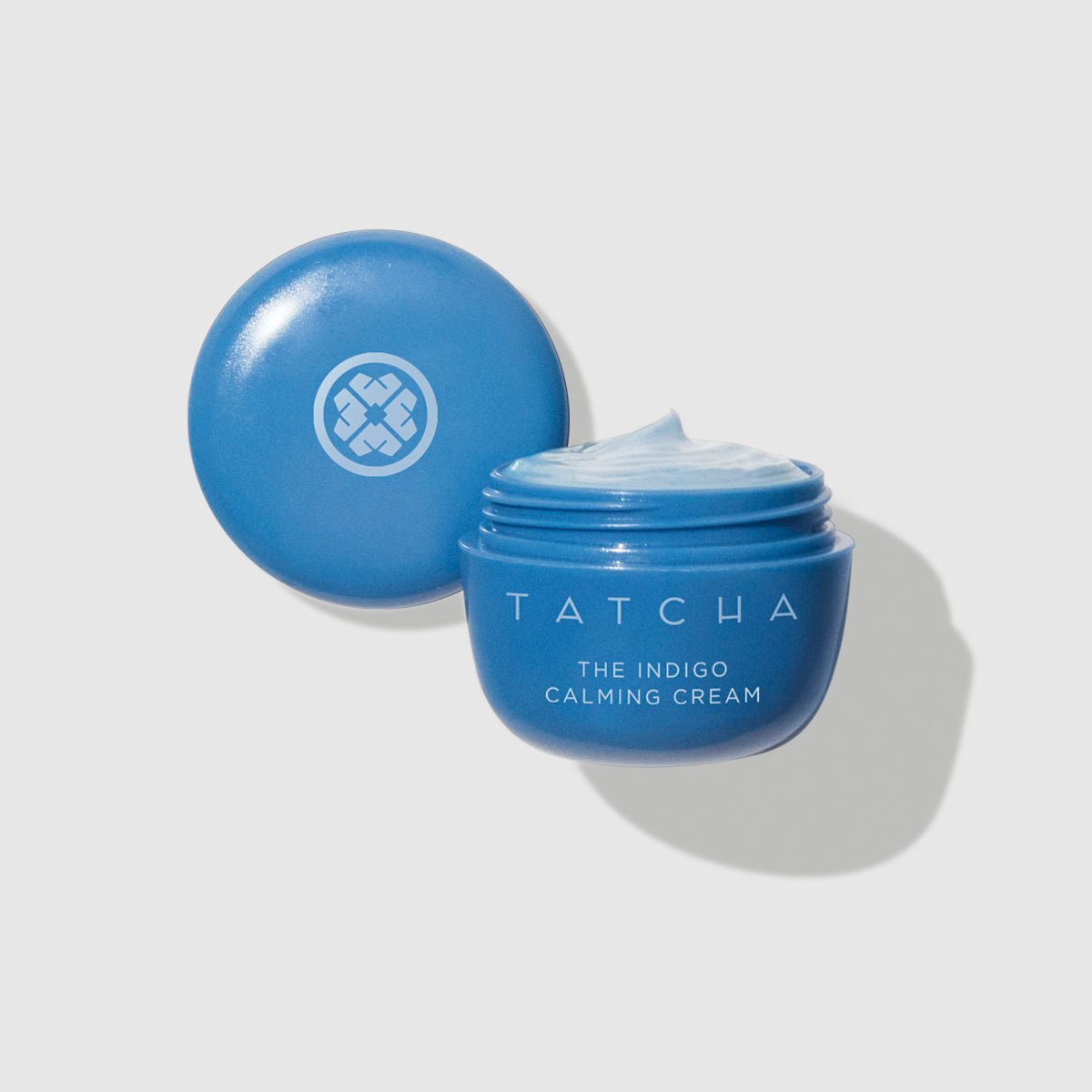
The main role of a moisturizer is to hydrate the skin and protect it from transepidermal water loss. However, a great moisturizer takes the task to the next level with ingredients that repair, brighten, calm, or even reduce the appearance of aging. Look for products that show clinical results for their claims and include ingredients that are proven to show benefits in your desired results. For example, Tatcha’s Indigo Calming Cream has the prestigious National Eczema Association seal of acceptance (meaning it’s proven to be safe and effective with eczema), includes colloidal oatmeal (the FDA-approved skin protectant) and Japanese indigo (a proven ingredient that calms and strengthens the skin).
The Best Moisturizer Texture for Your Skin Type
At Tatcha, we’ve formulated moisturizers that are beneficial for the skin, but they are crafted with certain skin types in mind. Find your skin type and then discover the moisturizer texture that would work best for you.
Oily skin: A lightweight gel cream
Many moisturizers can exacerbate oily skin, but The Water Cream is brilliantly designed to balance oiliness and imparts radiance with a lightweight feel. The refreshing gel cream is clinically proven to refine pores, thoughtfully hydrate, and smooth skin’s texture. The formula includes multi-molecular-weight glycerin to hydrate skin without weighing it down and improve the skin barrier, as well as wild rose and heartleaf to visibly tighten pores. In clinical studies, The Water Cream was shown to address clogged and enlarged pores*, boost smoothness and skin texture*, and improve the skin barrier function in two weeks.**
*Based on an expert-graded study of 36 panelists.
**Based on a bio-instrumentation study of 27 panelists.
Dry skin: A rich, decadent cream
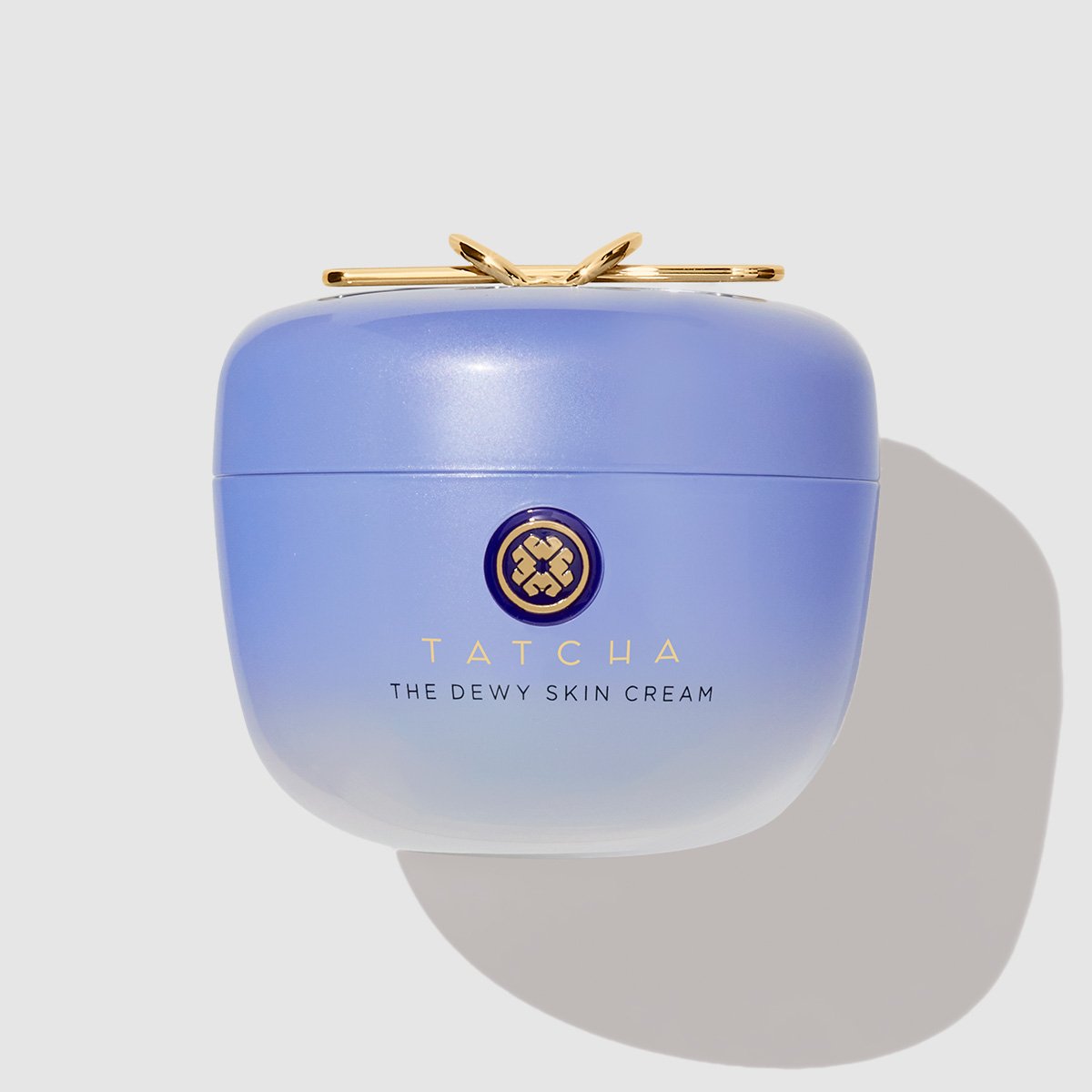
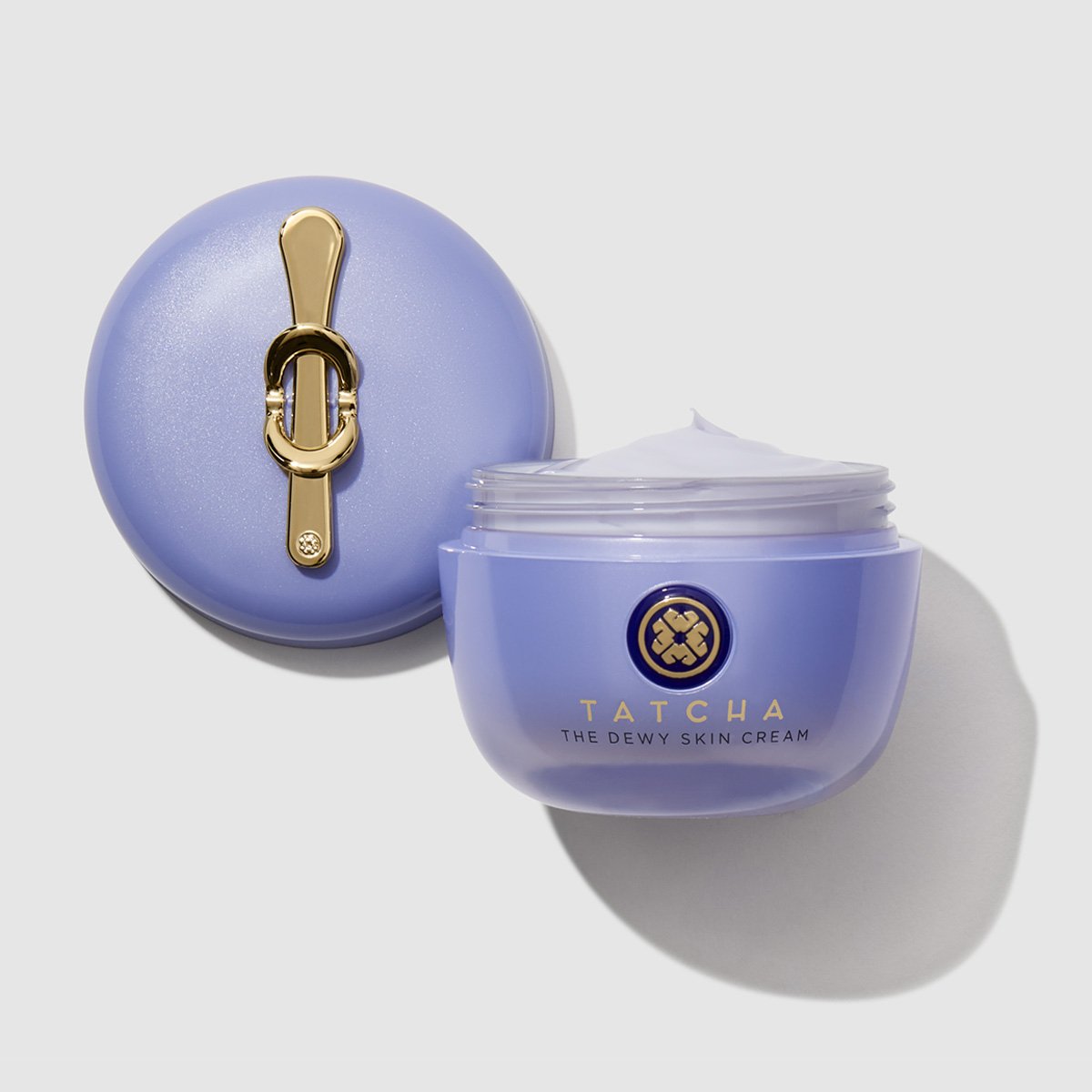
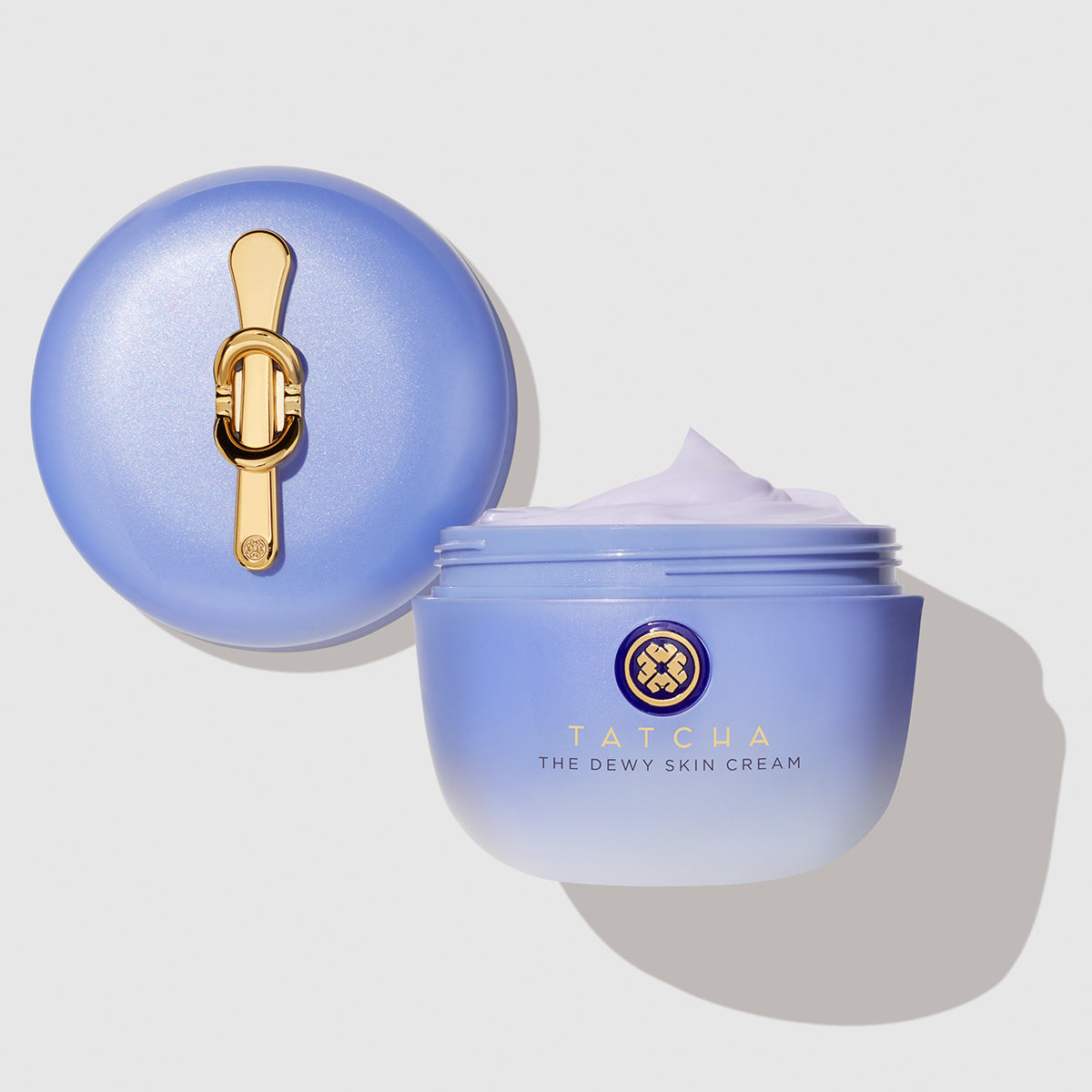
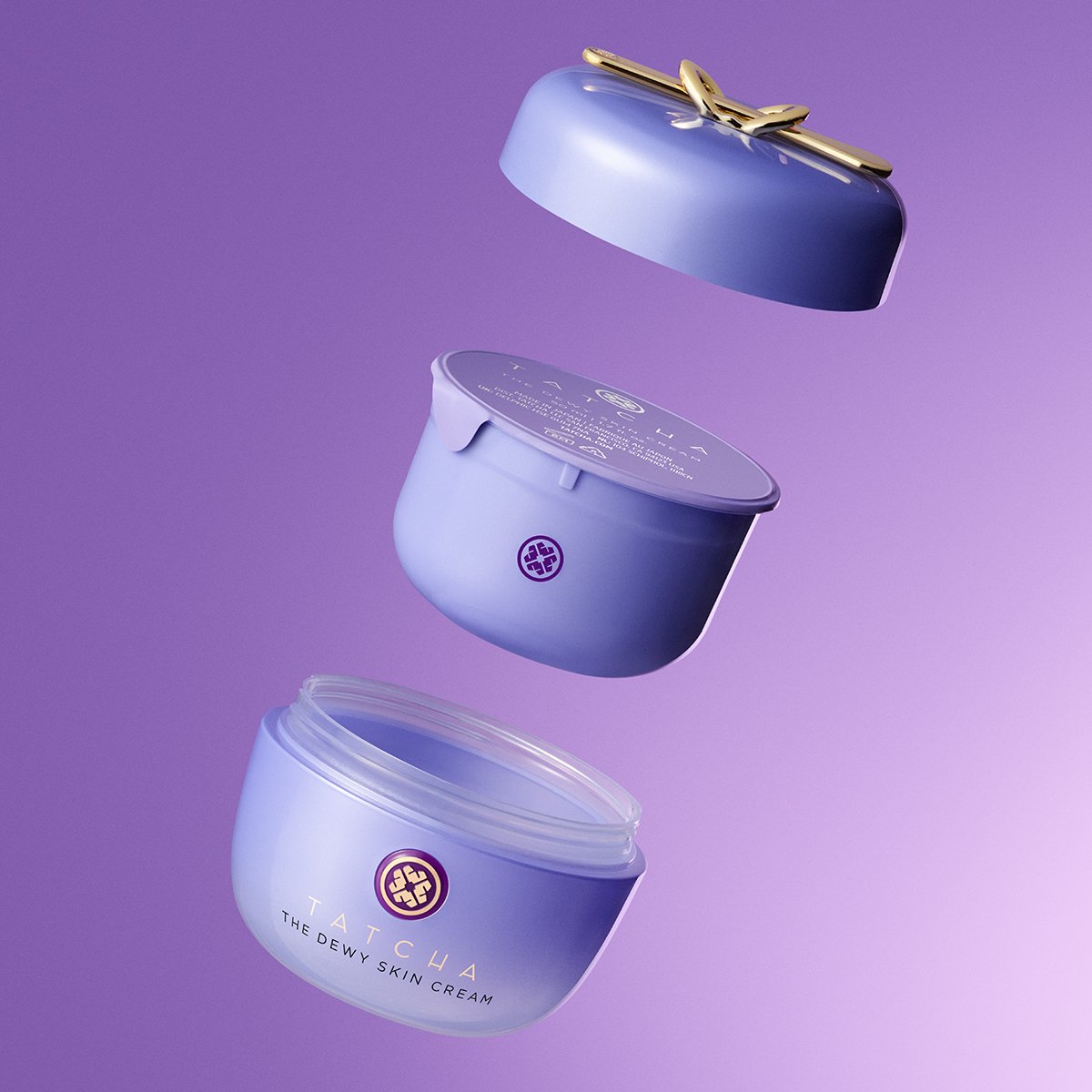
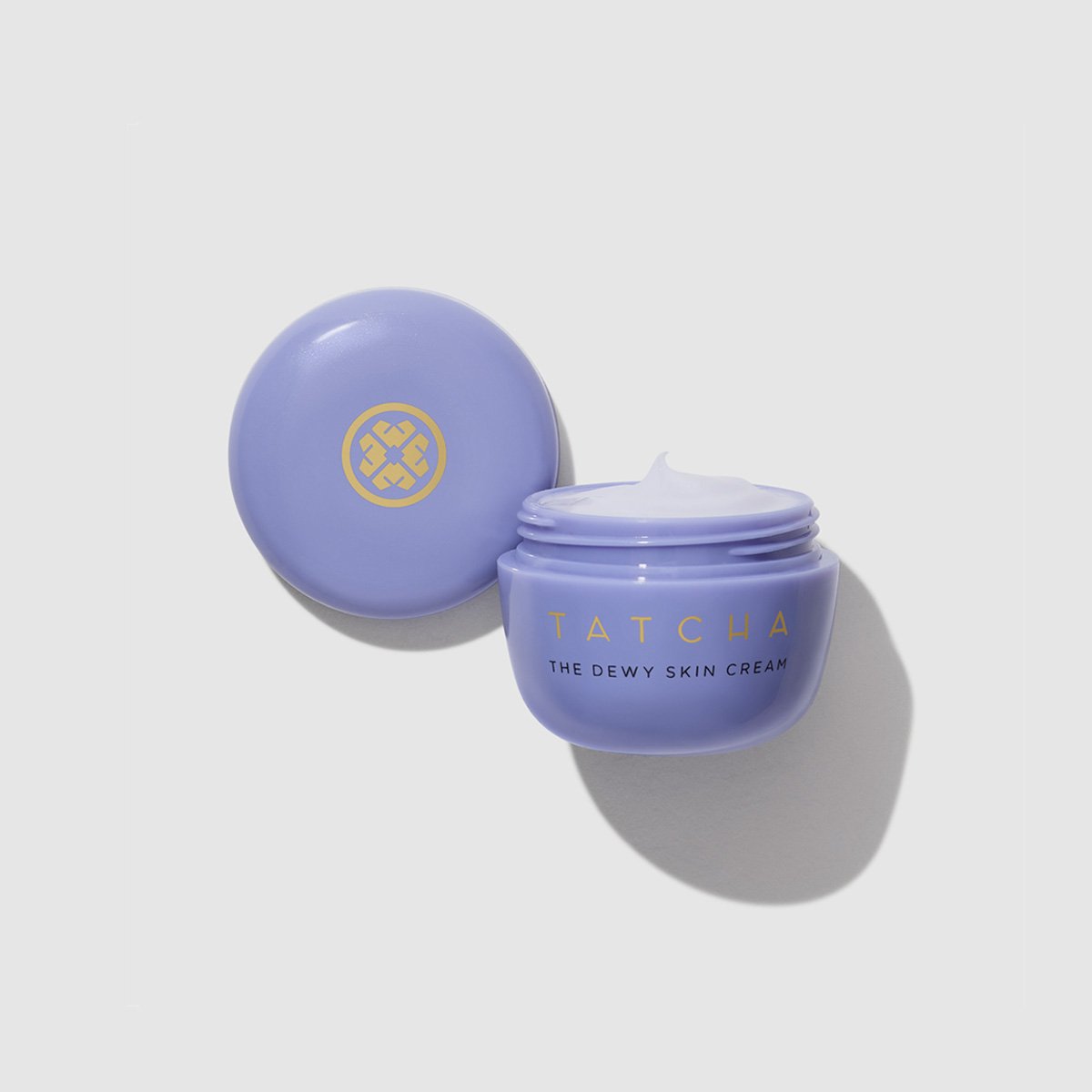
Visibly plump and seal in moisture with The Dewy Skin Cream, which has hyaluronic acid, red algae, and squalane for a natural, radiant glow. This dry skin moisturizer has a rich, creamy texture that provides antioxidant protection from premature aging. In clinical studies, 100 percent of users showed an immediate improvement in skin plumpness, suppleness, radiance, and skin barrier health.* Also, after two weeks of use, participants noted an improvement in the look of dry fine lines.* Radiance and a youthful glow!
*Based on a clinical study of 36 panelists.
Mature skin: A rich, revitalizing creme
The intensely rich, hydrating Ageless Enriching Renewal Cream helps nourish the skin and address the advanced signs of aging. While this formula is designed for mature skin, those in extreme cold weather or with very dry skin will also drink up the deeply moisturizing cream, which nourishes the skin with the botanical extracts of peony and gardenia. Skin looks visibly firmer, wrinkles are reduced, and the skin barrier is supported with the continuous use of this decadent cream.
Combination skin: A hydrating gel-cream
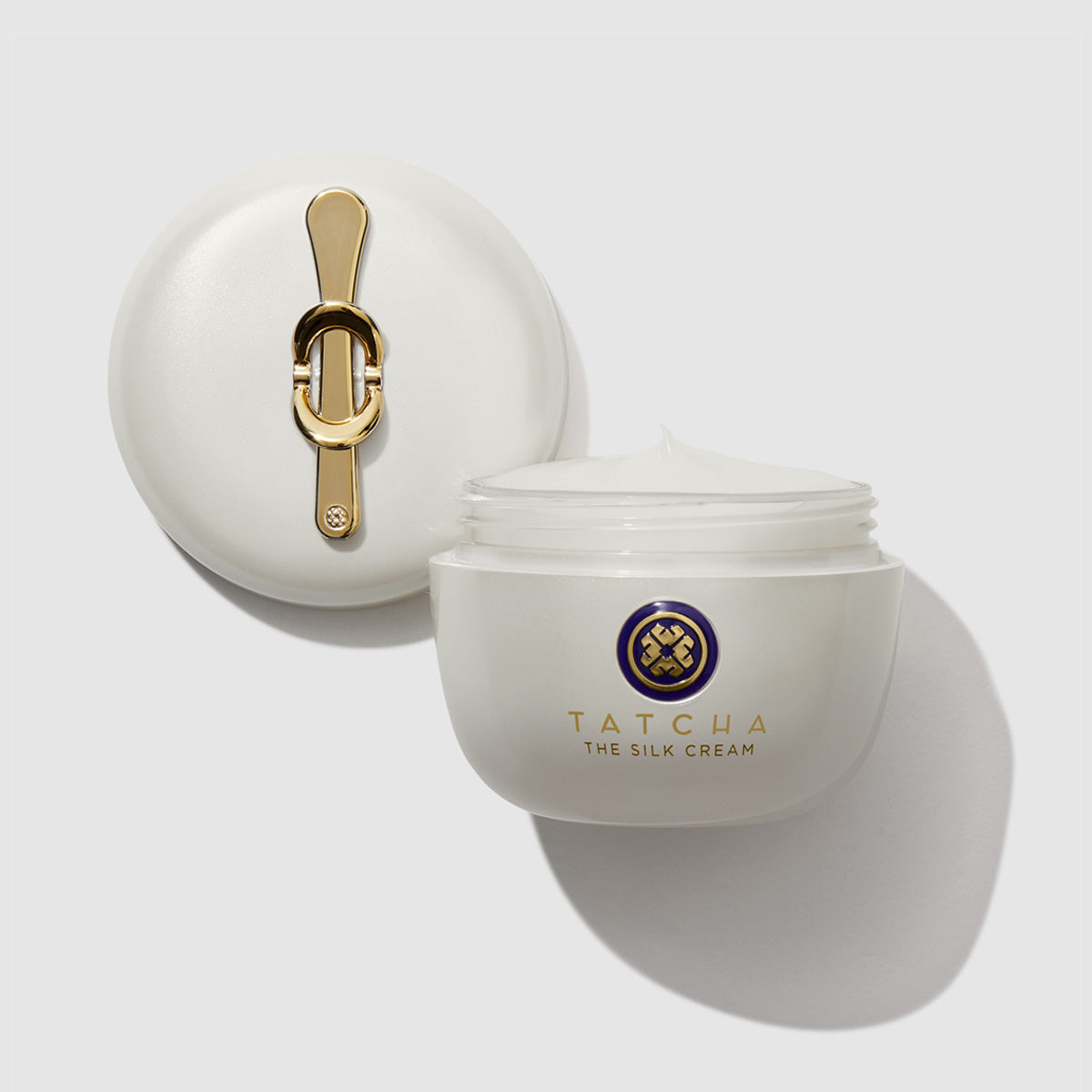
Dance between categories with The Silk Cream, which toes the line between deeply hydrating and balancing skin, thanks to its rich yet weightless gel cream formula, featuring hydrolyzed silk. The formula uses Bulgarian rose, a retinol alternative, to visibly improve firmness and the look of fine lines, while vitamin-like inositol helps improve visible elasticity. In clinical studies, The Silk Cream delivered three times the hydration immediately and yet still balanced the skin’s pH all day.*
*Based on a bio-instrumentation study of 30 panelists.
Sensitive skin: A calming cream
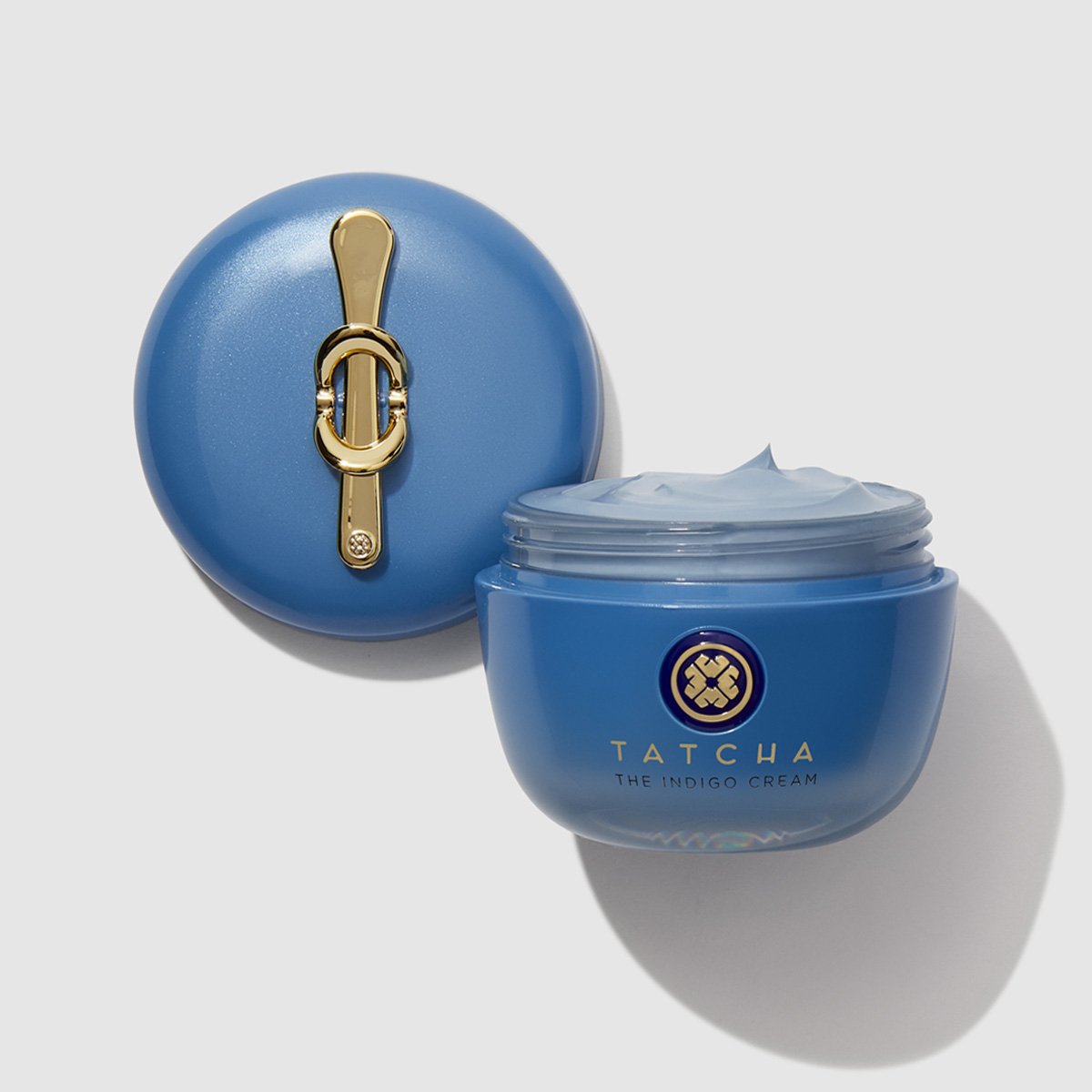
Colloidal oatmeal and Japanese indigo extract make The Indigo Calming Cream a soothing salve for sensitive skin. The therapeutic cream provides visible redness and itchiness relief with lasting hydration and strengthens the skin barrier to keep moisture in and irritants out. In clinical studies, 100 percent of participants demonstrated an improvement in visible redness and skin tone in just two weeks,* plus an improvement in skin barrier after just a single week.**
*Based on a clinical study of 30 panelists.
**Based on a bio-instrumentation study of 30 panelists.
Lotion vs. cream; gel vs. cream moisturizer; gel vs. cream… while we’re quick to pit textures against each other, they can actually coexist in a modern skincare routine. While certain moisturizers will be quite perfect for particular skin types during predictable times of year (i.e., oily skin with gel moisturizers during summer months), most other situations aren’t as locked in. What might comfort skin one day might be too much or too little the next. Our skin is an ever-evolving organ and can change from one day to the next. All we have to do is observe and listen and provide it with loving skincare, as well as a bit of time and effort.