Summary
- Tatcha is becoming synonymous with effective sunscreens (we are honored!), but with multiple options to choose from, it can be difficult to choose which one is right for you. The Milky Sunscreen and The Silk Sunscreen are both beautiful options, but they do differ in notable ways.
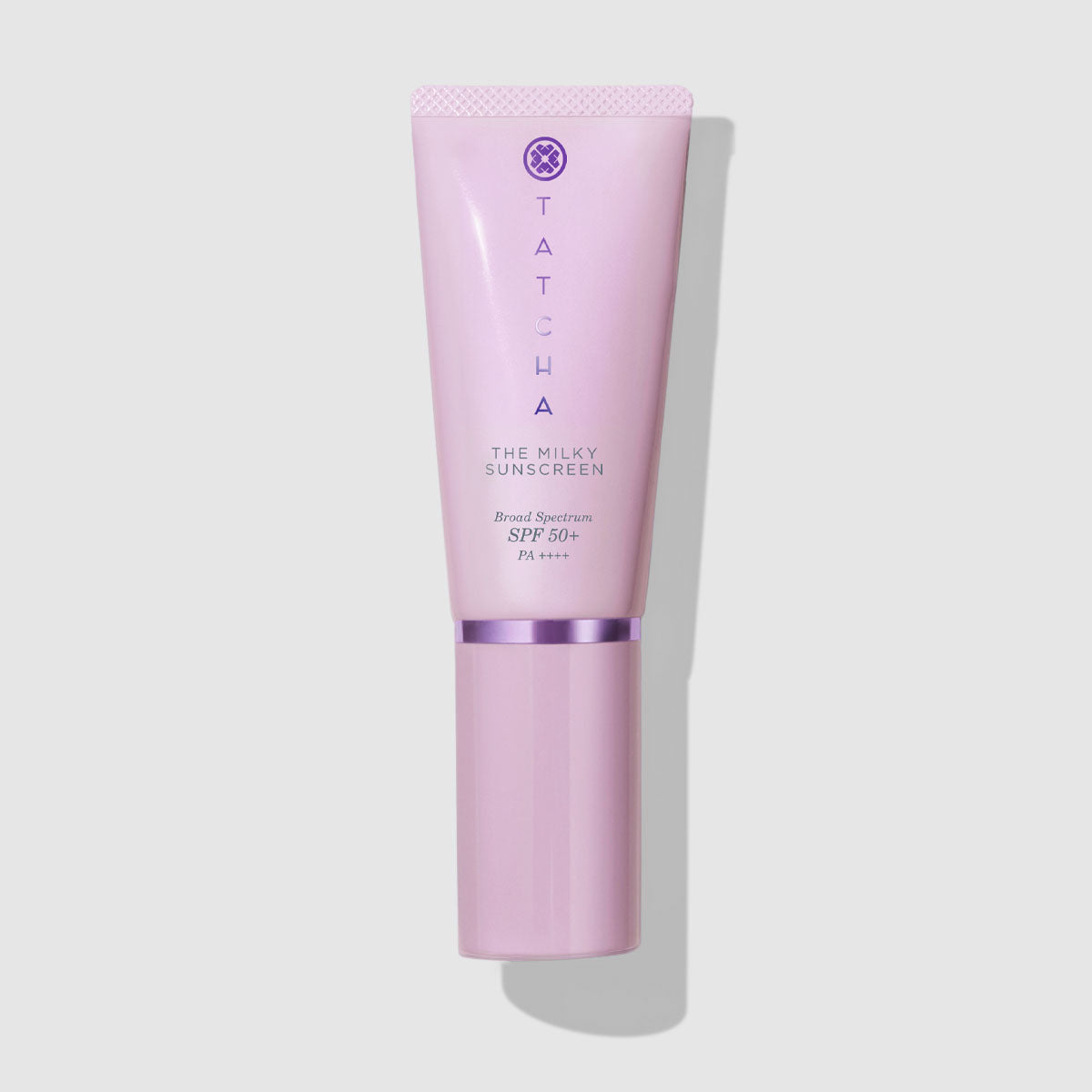
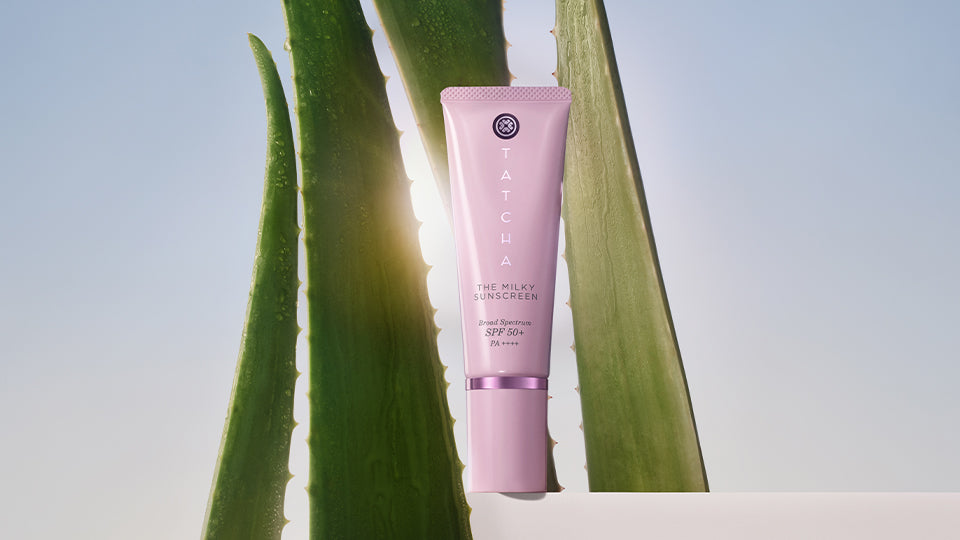
- The Milky Sunscreen is the newest option, featuring SPF 50+ chemical coverage with a prestigious PA++++ rating (meaning it’s as high on the UVA protection scale as possible), has a natural finish, and contains a satisfying milky lotion texture that quickly absorbs into skin.
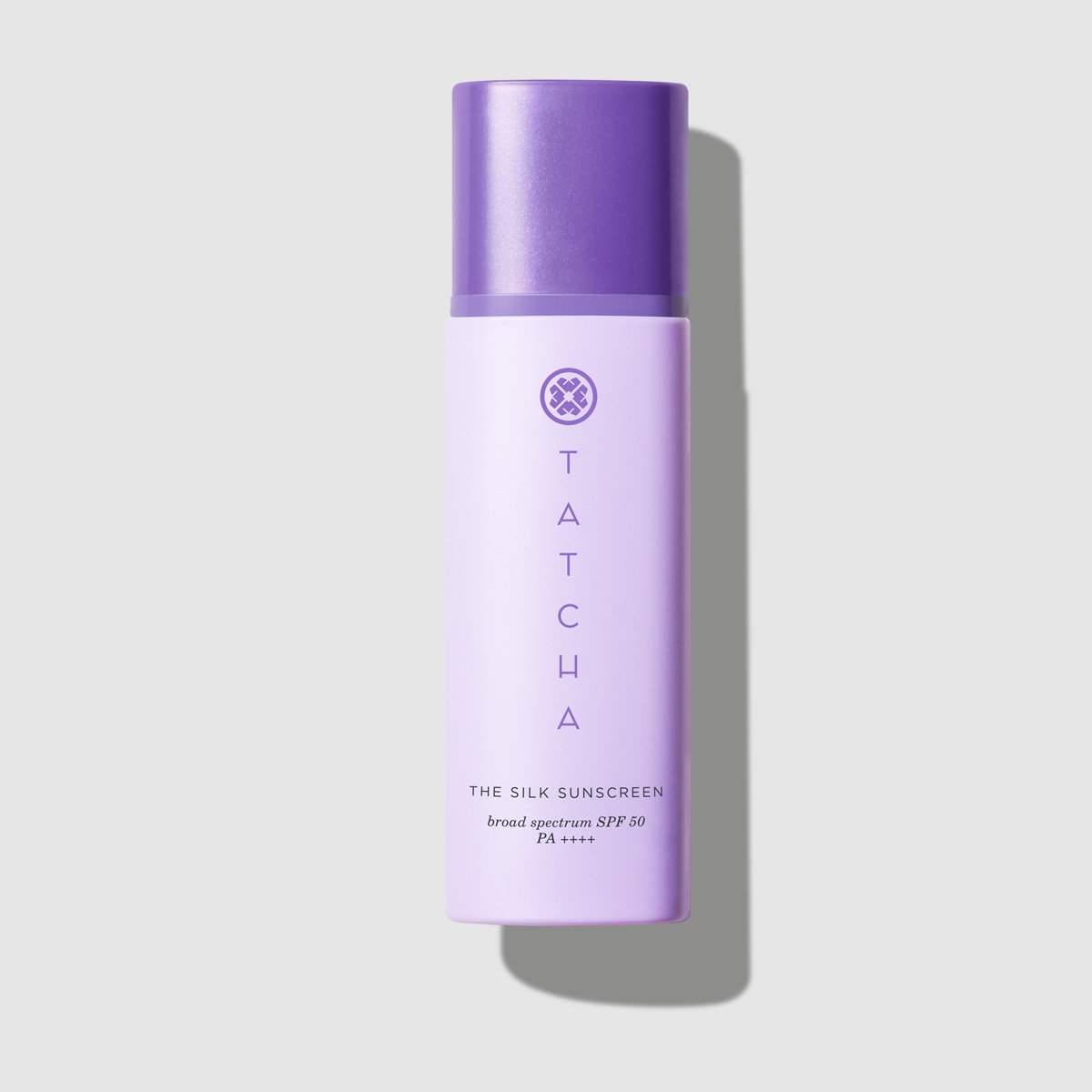
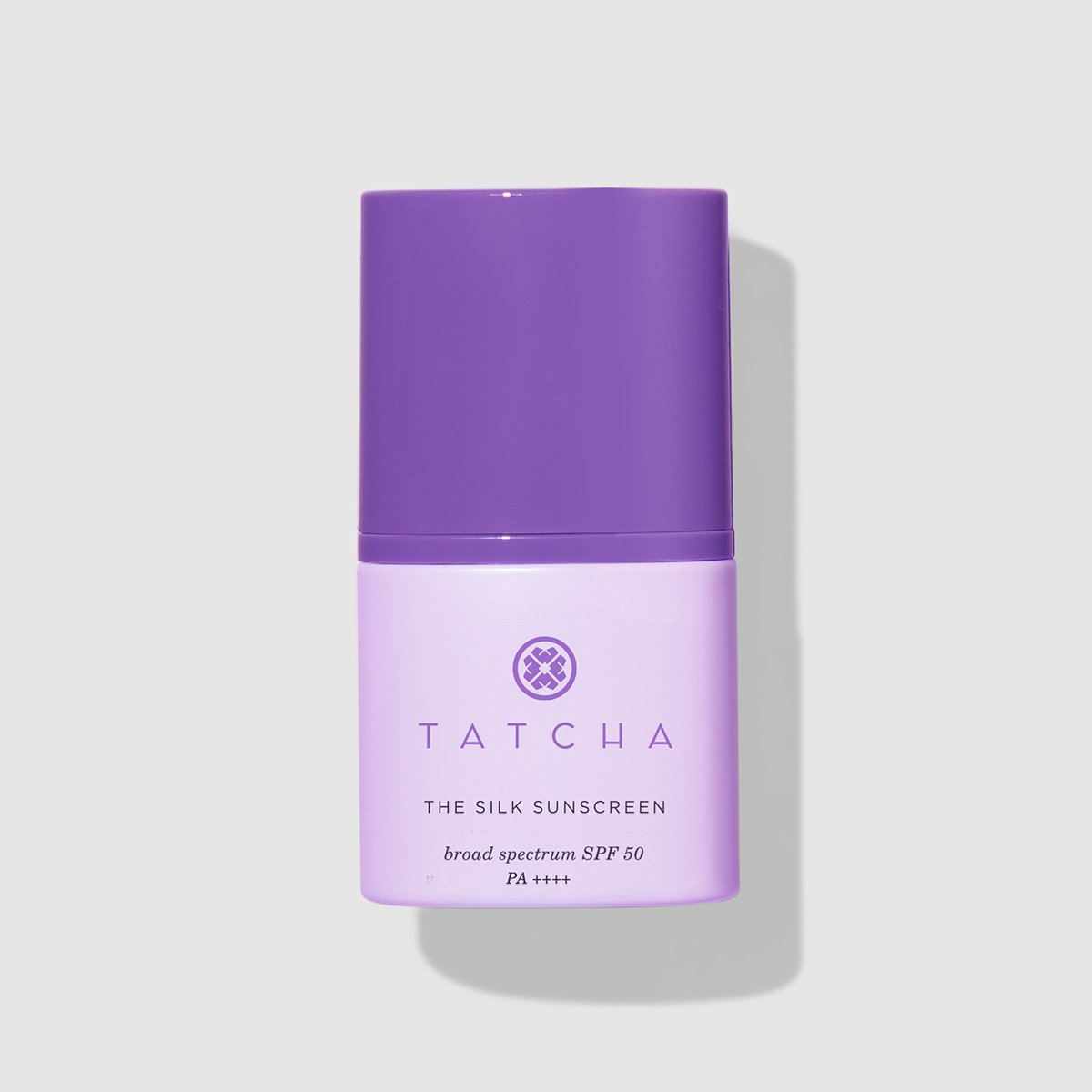
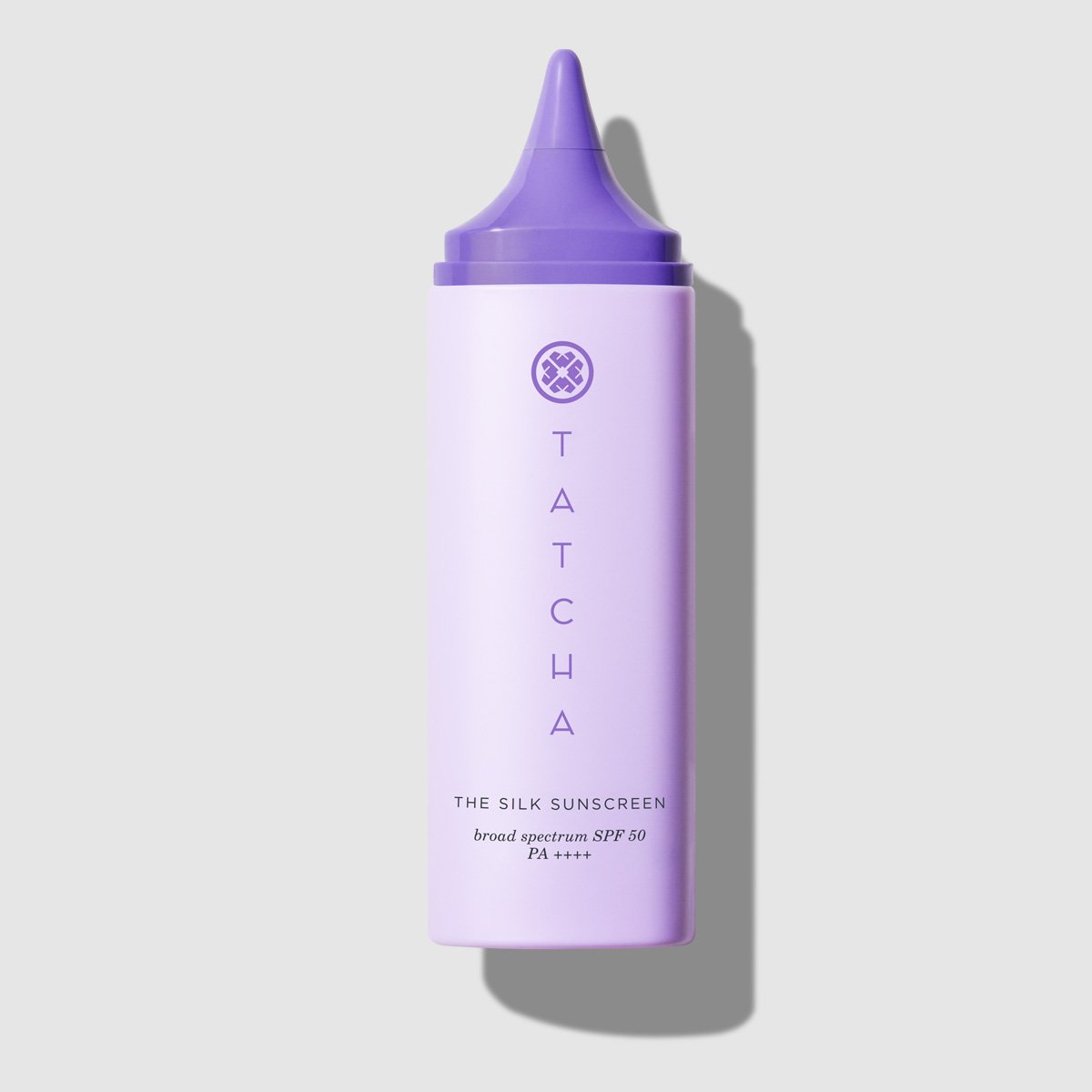
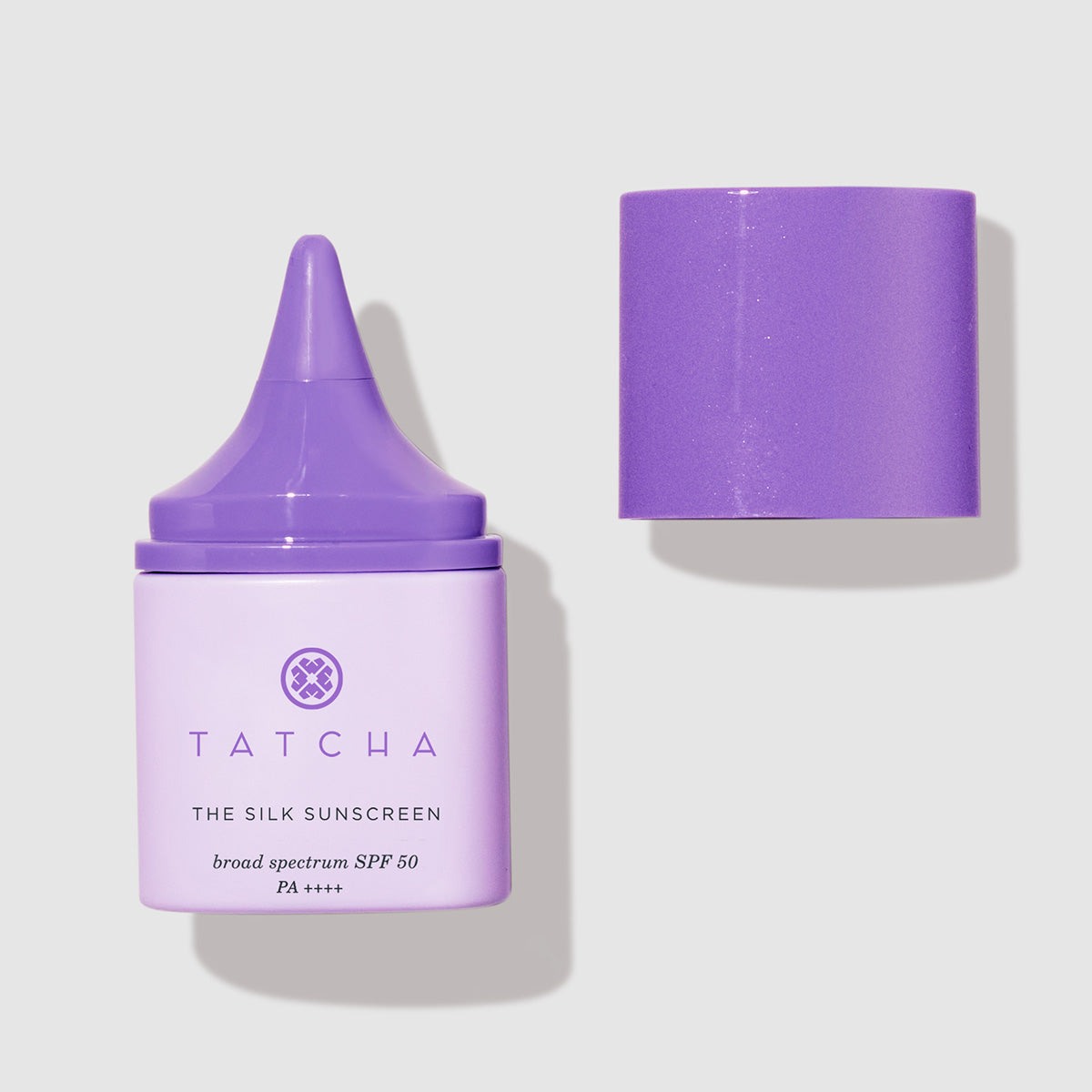
- The Silk Sunscreen is our beloved mineral SPF 50 formula, with a light-as-air feeling that is sheer and hydrating. It has a radiant finish for an instant glow and includes niacinamide to address uneven skin tone (for long-term, naturally glowing skin).
Tatcha is synonymous with efficacious sunscreens, but which one is right for you? We compare and contrast two exciting options: The Milky Sunscreen and The Silk Sunscreen.
We have mused enthusiastically about the importance of daily sunscreen. The trick to making sunscreen a daily habit is to find a formula you actually enjoy using, so it’s a pleasure to apply. In modern product formulation, brands can even make sunscreens that improve the overall look of your skin, too, which brings us to the topic of today’s discussion: Tatcha sunscreens. We’re proud to introduce our newest innovation, The Milky Sunscreen, and explain what makes it different from another Tatcha classic, The Silk Sunscreen.
Why We Love The Milky Sunscreen
First and foremost, allow us to tell you more about the groundbreaking Milky Sunscreen. Powered by encapsulated ectoin, vitamin E, and Okinawa aloe, The Milky Sunscreen provides 50+ broad-spectrum protection and can also repair and diminish the look of previous UV damage. Shielding you from future damage while also addressing past UV damage? Game-changing! That’s not all, though; the ultra-lightweight lotion sunscreen also provides cellular-level hydration for all-day-long moisture. Refreshingly light, it absorbs quickly and leaves skin feeling soft and smooth with a natural finish that works across skin tones and types, including those caring for sensitive skin.
Why We Love The Silk Sunscreen
This beloved formula has legions of fans for a good reason. The weightless formula provides powerful protection against visible signs of premature aging and neutralizes damaging environmental stressors while visibly evening skin tone over time. The sunscreen is beloved for its light-as-air liquid, which blends in seamlessly with a sheer, radiant finish. It’s also unique because of the next-generation zinc oxide, which provides sheer, mineral coverage, while niacinamide and hyaluronic acid hydrate and address skin tone. As the name hints at, the SPF also features silk extract for a soft-as-silk feeling.
The Milky Sunscreen vs. The Silk Sunscreen
While we love both of our sunscreen formulations equally, of course, each product differs in unique benefits, allowing you to find your ideal match. What’s the difference between The Milky Sunscreen and The Silk Sunscreen? Let us point out some of the most distinct differences.
Finish
The Milky Sunscreen has a natural finish that falls between matte and radiant; it dances along both lines beautifully, allowing the skin to look smooth and hydrated. This sunscreen has a satisfying milky lotion texture that quickly absorbs into the skin.
The Silk Sunscreen has a sheer, radiant finish, giving skin a touch of glow to take on the day. The tinted fluid formula provides a kiss of coverage to shield and perfect, acting as a beautiful base for makeup, if you choose to apply after the silky SPF.
Protection
The Milky Sunscreen features 50+ protection. What does the “+” mean? It’s actually short for PA++++, which stands for the protection grade of UVA (these are the rays responsible for aging). There is a rating system (developed in Japan), with four +s being the highest possible protection. So, The Milky Sunscreen has UVB protection, of course, and has also been awarded the PA++++ rating, meaning it’s as high on the UVA protection scale as possible — aka good news for the healthy aging of your skin. The Milky Sunscreen features chemical coverage, with broad-spectrum UV filters, allowing the formula to instantly and invisibly sink into the skin.
The Silk Sunscreen offers a sun protection factor of 50, an impressively high number for skin safety. It’s also mineral protection, which can sometimes be synonymous with a more opaque and overwhelming white-tinted formulation. However, The Silk Sunscreen is fantastically sheer and ideal for a variety of skin tones thanks to the next-generation and high-transparency zinc oxide. This reef-safe filter is proven to be over two times more effective at free-radical protection than regular zinc oxide. While mineral filters can be difficult to blend into all skin tones, the high transparency of this specific zinc oxide helps Tatcha’s formula blend into skin more easily.
Chemical vs. Mineral Sunscreen
One of the most notable differences between The Milky Sunscreen and The Silk Sunscreen? The Milky Sunscreen features chemical coverage, with broad-spectrum UV filters, allowing the formula to instantly and invisibly sink into the skin. The Silk Sunscreen provides mineral protection with zinc oxide (more on the benefits of zinc oxide below).
Neither chemical nor mineral sunscreen is better than the other; it’s simply a matter of personal preference, or dependent upon your plans and what kind of coverage your skin needs to take on the day.
Ingredients
Both broad-spectrum coverage sunscreens protect your skin from UVA and UVB rays, but their added skin-benefiting ingredients really set these two formulas apart.
The Milky Sunscreen
This new SPF has a whole slew of exciting ingredients that make it one of the most innovative formulas we’ve created yet. Here are a few notable ones:
-
Broad-Spectrum Sunscreen Filters
Taking a note from the exciting and milky sunscreens coming out of Japan, the Tatcha Institute (based in Tokyo) perfected a trio of filters that are refreshingly lightweight and absorb quickly on skin.
-
Encapsulated Ectoin
A rising star in the skincare industry, ectoin helps to repair existing UV damage and hydrate the skin at the cellular level. Ectoin has been clinically shown to be a potent hydrating, soothing, and pore-minimizing antioxidant — aka a great additional ingredient in a sunscreen!
-
Okinawa Aloe Vera
Aloe vera has been used for centuries as a skin-soothing ingredient. When added to sunscreen, it delivers soothing relief from dehydration and sun stress.
The Silk Sunscreen
This is an instant award-winning formula, thanks to the clever ingredients that allow skin to shine (literally). Here are a few reasons why this sunscreen is beloved:
-
Zinc Oxide
This filter is one of the most effective against UVA and UVB rays, but it is also known to leave a tragic white cast behind. However, the Tatcha Institute discovered a next-generation formula that is microscopic, allowing for the protection of zinc oxide, but with a sheer finish. This filter is also known to be wonderful for sensitive skin, making it ideal for all.
-
Niacinamide
The heralded ingredient is known for its ability to visibly even skin tone. When added to a sunscreen, niacinamide can help minimize the appearance of sun spots while the sun filters protect from UVA and UVB rays — impressive!
-
Hyaluronic Acid
The hydrating juggernaut hyaluronic acid helps to add moisture back to the skin, allowing your face to feel comfortable and supported all day long.
Clinical Results
While we could muse on for hours about these two lovely and effective products, we’ll let the numbers – specifically, the clinical studies – do the talking. Here are some of the most impressive clinical results for both sunscreens.
The Milky Sunscreen
Instantly, 100 percent of users showed an immediate improvement in moisturization and skin barrier.* After a week of application, users noted the product is enjoyable to reapply.* This is huge because if the application and wear are not a pleasant experience, you likely won’t enjoy the sunscreen, so we’re especially pleased with this result. Then, after two weeks, users showed visible improvements in fine lines, redness, and dark spots.* Also, 96 percent of users agreed that the product feels cooling and refreshing, and their skin felt calm and soothed.*
*Based on a clinical study of 30 panelists.
The Silk Sunscreen
After just a single use, 100 percent of users noted the sunscreen feels comfortable on their skin (again, we love hearing this!).* 92 percent of users noted an improvement in redness and an evenness of skin tone after just a single application and 100 percent of users showed an improvement in skin softness and suppleness.** Skin texture, radiance, and moisturization were also noticeable after just a single use.** Then, after two weeks of usage, panelists showed 100 percent improvement in skin smoothness and skin barrier, plus a 90 percent improvement in skin radiance*** — hello glowing skin!
*Based on a self-assessment study on 40 panelists.
**Based on an expert-grader study on 40 panelists.
***Based on a bio-instrumentation study of 40 panelists.
How to Choose
How to choose between The Milky Sunscreen and The Silk Sunscreen? It’s entirely personal preference, but which one is right for you could depend on the day and what you’d like your skin to look like that day (radiant vs. natural; mineral coverage vs. chemical; repairing vs. evening skin tone). Both are beautiful options, the only tricky part is picking which one you’ll use today.
When to Choose The Milky Sunscreen
Reach for The Milky Sunscreen for everyday use, helping to shield UVA and UVB rays while addressing past sun damage, too. The ultra-lightweight formula disappears on skin, so it’s a joy to reapply throughout the day.
When to Choose The Silk Sunscreen
The Silk Sunscreen is ideal for everyday usage, too, but it can also be used on more active days, like a hike outside or a day at the beach. It is water-resistant, sweat-resistant, and non-comedogenic, so it’s as active as you’d like to be.