Do you have combination skin? You are in good company: we’ll all experience this skin type at some point in our lives. While we find it beneficial to categorize skin into types, everyone’s skin is individually unique. Combination skin especially defies categorization and looks different on everyone, making it difficult to find a skincare routine that helps skin feel comfortable and supported. And that’s particularly true in uncovering the best sunscreen for combination skin. While we all understand how vital sunscreen is every single day, those with skin that’s both dry and oily can find the task of choosing the best face sunscreen nearly impossible. To make things simple, we’ve compiled everything you need to know about protecting combination skin from the sun. Keep reading to understand more about your combination skin, how to care for it, and choosing the best sunscreen to protect it.
What Is Combination Skin?
Combination skin simply means the skin is a combination of different skin types, which is incredibly common. That might mean oily skin in some areas of your face and dryness in other sections. This presents most often as dry patches on the cheeks and oiliness (and perhaps breakouts) in the T-zone, which is the forehead, nose, and chin. However every person’s skin is special to them and your combination skin might present differently.
How can you find out if you have combination skin? Try out one of our tried and tested methods for determining your skin type.
The Bare-Faced Method
Cleanse your face thoroughly with a mild cleanser and gently pat dry. Leave skin bare (and do not apply any additional moisturizers, serums or treatments). After 30 minutes, examine your cheeks, chin, nose and forehead for any shine. After another 30 minutes, evaluate whether your skin feels parched, especially if you smile or make any other facial expressions. If your skin feels tight, your skin is likely dry. See a noticeable shine on your nose and forehead, but still feel tightness in other areas? Your skin is most likely combination. If there is shine on your cheeks in addition to your forehead and nose, you most likely have oily skin.
The Blotting Sheet Method
If you’re looking to speed up your skin type diagnosis, the blogging sheet method is much quicker. Gently pat a blotting paper on the different areas of your face. Hold the sheet up to the light to determine how much oil is visible. If the sheet picked up little to no oil, you most likely have dry skin. If the blotting sheet reveals oil from the forehead and nose areas, your skin is the combination skin type. Finally, if the blotting paper is saturated with oil, it is extremely likely that you have oily skin.
How To Choose the Right Sunscreen For Combination Skin
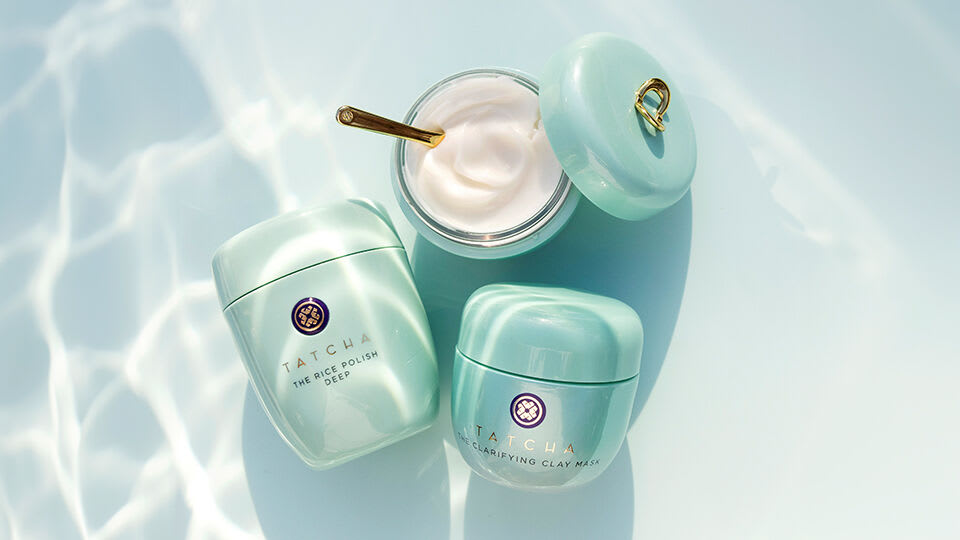
Caring for combination skin in general can be a difficult task. You want to address both frustrating dryness (and potential irritation) while also curbing excessive oiliness — two variants on differing extremes of the skincare barometer. For your daily combination skincare routine, this delicate balance is achieved with gentle and daily exfoliation (The Rice Polish is designed exactly for this), a hydrating but not heavy moisturizer, and of course, a thoughtful sunscreen. What constitutes a sunscreen as thoughtful? Here are a few things to look out for when finding your ideal sunscreen for combo skin.
Broad Spectrum
First and foremost, ensure your sunscreen has broad-spectrum protection. This means it has FDA approval that it protects from both ultraviolet A (UVA) and ultraviolet B (UVB) rays. This is vital because all wavelengths of the sun are damaging, but in differing ways. UVA rays can penetrate deeper into your skin and are responsible for accelerated skin aging. UVB rays have shorter wavelengths and are responsible for burning the skin, which is a major factor in skin cancer. While discovering a sunscreen for combination skin is important, ensuring whatever formula you do choose is broad spectrum is absolutely vital. We’re joyous to report that both of Tatcha’s beloved sunscreen formulas have this essential classification.
Clever, Multitasking Ingredients
Another important element of the best sunscreen for combination skin is clever ingredients. Yesteryear’s sunscreens were gloopy, thick, and simply had active ingredients that shielded from the sun. But today’s modern iterations are elegant, multifaceted, and include ingredients that not only shield from the sun but also improve the skin while being worn. This includes hydrating ingredients, such as hyaluronic acid and squalane, and texture-improving elements, like niacinamide. Combination skin sunscreen will adore formulas with these ingredients because it will both address excessive dryness and oiliness throughout the day.
Non-comedogenic
Those with combination skin are likely triggered by comedogenic ingredients, which can cause excessive oiliness and breakouts. Seek out a sunscreen for combination skin that proudly states it’s non-comedogenic, which means it won’t clog pores. This is beneficial for all skin types, but especially for oily and combination skin. At Tatcha, we proudly have an entire category dedicated to non-comedogenic formulas, which are made with gentle, natural ingredients that minimize clogged pores and reduce excess oil without over-drying skin (and both of our sunscreens are, of course, non-comedogenic).
What Causes Combination Skin?
Combination skin can be attributed to a variety of different factors, many of which are inevitable and inherent. Here are a few of the most common to consider.
Genetics
Many of our skin’s most beautiful traits are inherited from our ancestors. In most cases, combination skin is genetic, meaning this skin type has been passed down from the generations that came before you. It’s kind of poetic to know that your skin (and perhaps skin type) is part of a bigger story about your heritage and family.
Irritating or Harsh Skincare Products
Those with combination skin can find that their face issues are exacerbated (or even caused) by using harsh or aggravating ingredients in your daily routine. The most common occurrence usually involves overly intense exfoliation (or using these potent exfoliant options too frequently). Interaction with extreme formulas can cause a number of issues, including excess oiliness, flakiness, redness, and dryness. Or for those with skin that leans towards sensitivity, it can cause painful irritation and potentially flare up chronic issues like eczema. Learning how to properly exfoliate is key to caring for combination skin.
Unsupportive Skincare Regime
The skin is an incredible organ, always working overtime to maintain homeostasis. If you're using a skincare product that isn’t moisturizing enough, dehydrated skin can work overtime to balance itself, creating more oil and sebum, thus leading to the potential production of excessive oiliness, irritation, and even breakouts. The adverse effect can also occur too, when skin is exposed to overly rich products, causing the face to decrease the natural oil production, which can lead to dryness and even create issues like milia (small, white bumps that form under the skin from trapped dead skin cells) and breakouts from the too-rich skincare textures.
For those with naturally combination skin, incorporating the correct products into your skincare ritual may still result in uneven skin. But choosing the best skincare products for your combination skin type will allow the face to be softer, smoother, and more hydrated with less buildup and fewer breakouts.
Best Sunscreen for Combination Skin
Besides a daily cleanser, no skincare product is more important for daily use than sunscreen. Not only does it help fight premature aging, but it, most importantly, protects from cancer-causing rays. But sunscreen must be used every day to be effective, which makes finding one you enjoy wearing vital. The trick to finding the best combination skin sunscreen is choosing a sunscreen formula that nourishes and refreshes without clogging pores or being too heavy. Here are a few proven options ideal for combo skin.
Tatcha’s mineral sunscreen innovation is silky, lightweight, and invisible. The 50+ coverage protects with 10 percent zinc oxide (a soothing active ingredient) for a mineral, reef-safe filter. While the protection may feel impossibly light, it’s packed with skin-benefitting ingredients, like hyaluronic acid, niacinamide, and silk extract — designed to hydrate, soothe, and reduce redness. The lightweight feel and hydrating ingredients make it especially ideal for combination skin.
Silken Pore Perfecting SPF 35 Sunscreen
If you prefer a creamy texture, try our bestselling Silken Pore Perfecting sunscreen. With both mineral and chemical protection, this formula features skin-loving ingredients that not only protect the skin, but also help tighten the appearance of pores, smooth skin texture, and calm irritation. The matte, flawless texture is great for combo skin, especially those that feel more oily than dry (or on those humid, hot days). If you like products that multitask, this clever formula doubles as a makeup primer, helping to keep oil at bay and allow makeup to last longer.
Aburatorigami Japanese Blotting Papers
Find your skin a tad oily mid-day, no matter how selective your skincare and sunscreen choices are? Utilize a blotting paper, like our Aburatorigami Japanese Blotting Papers, which are made of 100 percent natural abaca leaf and gold flakes. The papers help to address unwanted oil production and absorb excess oil without disturbing the skin’s natural hydration. It’s a useful product for those with combination skin particularly and perfect while on the go. (Fun fact: These sleek and versatile blotting papers were Tatcha’s first product!)