







T-House


How to Treat Dry Skin
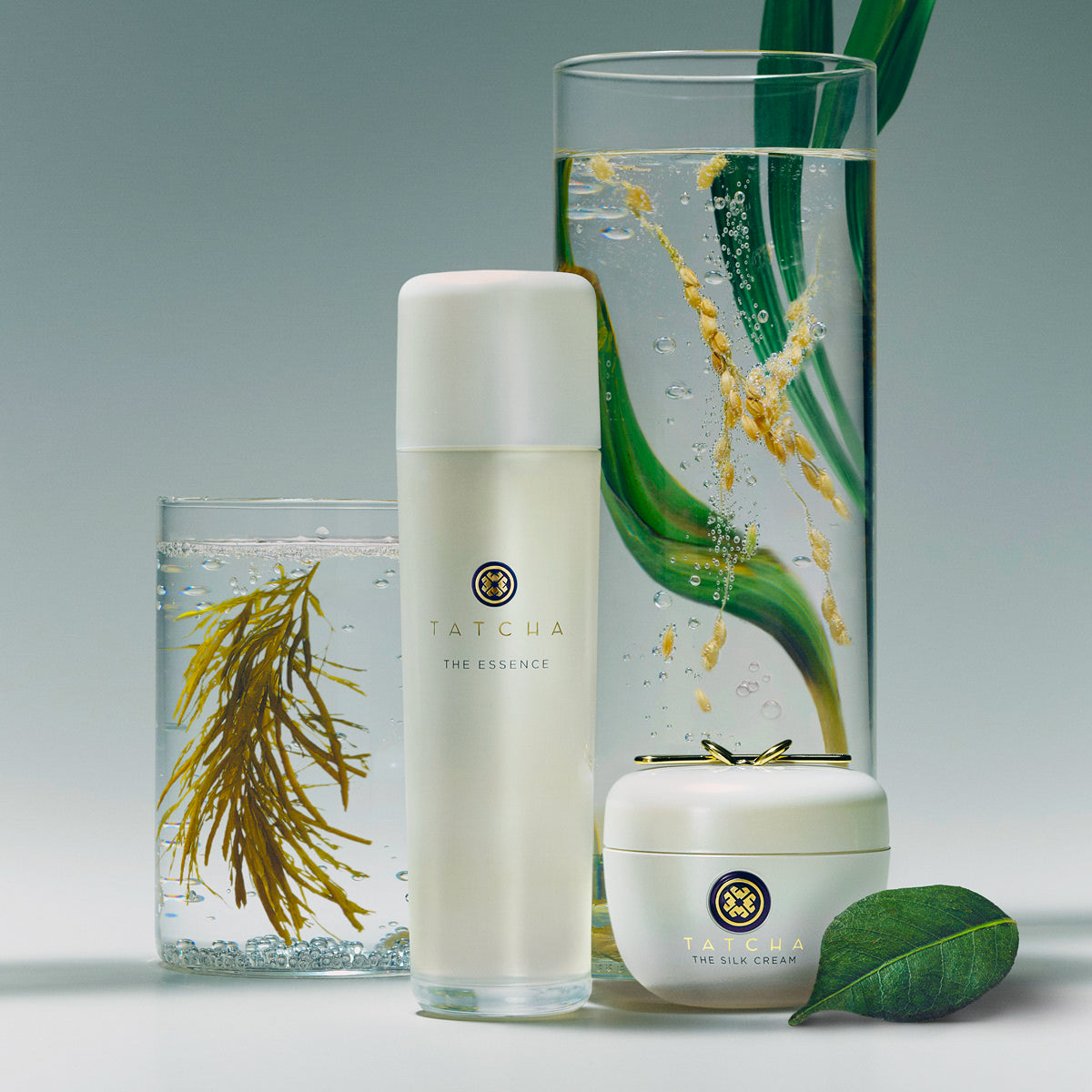
Dry skin is one of the most common conditions, yet it’s still difficult to treat. Read on as we uncover what it is, how to treat dry skin, and the most effective products to soothe dryness. Experiencing dry skin? Take comfort in knowing you are not alone. According to the American Academy of Dermatology, nearly everyone will experience dry skin within their lifetime, occurring for various reasons. Keep reading as we discover what the condition is, how to treat dry skin, and the best products to soothe dryness.Dry Skin 101What technically is dry skin? Dry skin is skin that doesn’t have enough moisture in it to keep it feeling soft, says the Cleveland Clinic. It’s usually due to water loss from the outer layer of skin. The condition can make skin look and feel rough, itchy, flaky, or scaly, adds the Mayo Clinic. While it may only be temporary or seasonal, it can also be frustratingly chronic or long-term.Dry Skin CausesWhile skincare can help treat dry skin, getting to the root cause of the issue is helpful, too—but the causes of dry skin are as varied as its appearance. Here are some of the most common reasons for dry skin.Temperature Extreme temperatures can be incredibly drying on the skin, whether that be the harsh cold of winter or the intense heat of summer. According to the Mayo Clinic, cold, windy conditions, along with central heating, wood-burning stoves, space heaters, and fireplaces are all environments with reduced humidity, which can be incredibly drying to the skin. The AAD recommends a humidifier, which can be ideal year-round to combat the dry air associated with both A/C and heating units. Additionally, temperature-specific skincare needs can be addressed with a winter skincare routine, or one for humidity.Showering While cleansing is vital to the skin, taking it too far can be detrimental to skin’s natural moisture levels. Too long or too hot of a shower can be irritating, as can harsh soaps and cleansers used within the shower. Aim for warm, quick showers with gentle products. The AAD suggests seeking out products labeled fragrance-free if skin is particularly sensitive and inflamed. Aging Aging is a gift, but it does come with a few downsides, including dry skin. “As people age, the skin thins and produces less of the oils needed for the skin to retain water,” notes the Mayo Clinic. Following a skincare routine for healthy-aging will help mitigate dry skin associated with the gift of growing older.Moisturizing Incorrectly We’re all trying our best to nurture and care for our skin, but dry skin needs a little more TLC. The AAD recommends slathering on a moisturizer immediately after washing the skin (directly after drying off). “Ointments, creams, and lotions (moisturizers) work by trapping existing moisture in your skin,” says the AAD. “To trap this much-needed moisture, you need to apply a moisturizer within a few minutes.” This extends to the hands and face, too.However, not all moisturizers were created equally. There are even specific moisturizers for each skin type. The AAD suggests an ointment or cream for very dry skin, particularly one with hyaluronic acid, lactic acid, glycerin, and shea butter (to name a few). These ingredients can hydrate more effectively and longer term.Dry Skin TreatmentIn addition to taking the steps above to eliminate the most common causes of dry skin, using skincare for dry skin—made from ingredients that can not only hydrate but also soothe redness and visible irritation—is key to an effective dry skin treatment. Here are the most important products to consider on your journey to get rid of dry skin.A Calming Cleanser A calming, nurturing cleanser (that still effectively cleanses) is necessary for dry skin. We know harsh formulas can strip the barrier’s natural oils, leading to more damage and dryness, so a gentle cleanser is a crucial first step in your dry skin-healing regime. A double cleanse can help remove impurities while adding back much needed moisture and oils. Consider one of Tatcha’s newest innovations: The Indigo Cleansing Balm. This skin-strengthening formula instantly calms visible irritation, while also supporting and transforming the barrier. The dermatologist-tested and fragrance-free formula was crafted with weakened, sensitized skin in mind, knowing traditional cleansing can be painful and damaging. This is why the balm is designed to reduce friction while cleansing, helping to soothe while cleansing. It still effectively cleanses though, efficiently removing even waterproof makeup. The formula includes Japanese indigo to calm visibly irritated skin, lipids, and ceramides to replenish the barrier, Japanese lotus root to soothe, and mondo grass root to balance the microbiome. The results are stunning, too: In clinical studies, 100 percent of participants demonstrated an improvement in barrier function after just one week of use.* But unlike harsh cleansers, the Indigo Cleansing Balm also soothes visible irritation and replenishes moisture—strengthening the skin barrier so it can help prevent future damage for smooth, plump, and radiant-looking skin.*Based on bio-instrumentation (TEWL) clinical study on 40 panelists.A Hydrating and Repairing CreamNot all moisturizers are created equally when it comes to soothing hydration. A moisturizer rich in ceramides, lipids, and fatty acids (all of which are already present in the barrier) is superior. This is because it’s been scientifically shown that hydration is significantly increased when a moisturizer’s formulation mimics the skin’s natural barrier, helping to replace nutrients lost throughout the day. It’s also helpful if the moisturizer includes humectants and emollients, which address hydration levels. Dry skin loves pampering, so restore it with a deeply nourishing formula, like The Dewy Skin Cream. The rich, moisturizing cream plumps skin for a dewy, healthy-looking glow—thanks to the antioxidant-packed Japanese purple rice, algae, hyaluronic acid, and our superpowered Hadasei-3 Complex (a trinity of Japanese superfoods that restore healthy radiance). The rich texture increases hydration, radiance, plumpness, and overall texture and firmness—perfect for dry skin.An Overnight Treatment To boost your skin’s hydration overnight, try a treatment or mask with supercharged ingredients. Consider Tatcha’s award-winning Indigo Overnight Repair, a fragrance-free soothing serum-in-moisturizer treatment that visibly calms irritation, strengthens skin’s barrier, and balances the microbiome. The formula includes Japanese indigo, red sage root, ceramides, hyaluronic acid, and mondo grass root for an immediate improvement in moisture, smoothness, and radiance. In clinical studies, 100 percent of users saw an improvement in their skin barrier strength within four weeks.****Based on a 4-week clinical study on 25 participants.A Healing Lip Balm The AAD recommends finding a lip balm that feels good on the lips—if it tingles or stings upon application, find a different option. Our game-changing, bestselling Kissu Lip Mask is a decadent treat for the pout any time of day. Made with squalene, Japanese peach, and camellia oil to nourish, calm, and hydrate, this jelly-like leave-on mask restores lips to lushness.A Hydrating Sunscreen We know sun exposure is dangerous, but it’s also particularly harmful to dry skin. The Cleveland Clinic says sun exposure can evaporate oils and moisture from the skin, causing even more dryness. Ensure that you’re always prioritizing UV protection with a broad-spectrum sunscreen every day. But if you have dry skin, sunscreen options can often be difficult to find, as many can trigger irritation, redness, or more dryness. Here’s how to choose the best sunscreen for dry skin. Try The Silk Sunscreen, a broad-spectrum formula that both hydrates and protects against UVA and UVB rays with 10 percent zinc oxide for a mineral, reef-safe filter. The formula includes niacinamide to reduce redness, visibly even skin tone, and firm the look of pores, and hyaluronic acid helps to immediately boost skin’s natural moisture levels, softness, and skin tone.Experiencing dry skin can leave you feeling (both emotionally and physically) frustrated. You’ll likely spend hours searching “how to treat dry skin” with countless tips and tricks. But the simplest tip is also the easiest to implement: put the ‘care’ back into your skincare routine. Grab gentle, soothing products that hydrate, provide relief, and are easy to use. With consistency and care your skin (and hopefully your mind) can be filled with ease, too.

How to Smooth Lip Wrinkles & Lip Lines Naturally
Everyone gets lip lines eventually, but you can soften—and even help prevent—them with a few simple products rooted in Japanese ritual combined with mindful daily habits. Fine lines and wrinkles are a sign of life well lived. While we often associate wrinkles with other areas of the face, the lips can sneakily begin to form lines—blame the constant movement from speaking, drinking, eating, and smiling. While they do not look unsightly, some may wish to address their appearance. For help with that and more – including what causes and how to get rid of lip lines and lip wrinkles – we compiled a list of everything you need to know about them.What Are Lip Wrinkles & Lip Lines?Lip lines are vertical wrinkles that develop along and above the upper lip, according to the Cleveland Clinic. They can be subtle and contained to the lip area, or become deeper creases and extend to the bottom of nostrils. Lip wrinkles, or lip lines, are a perfectly normal occurrence and a natural part of the aging process.Causes of Lip Wrinkles & Lip LinesWrinkles begin when we lose collagen and elastin, two proteins that help to create skin’s supple and smooth appearance. But lip lines occur for a plethora of other reasons, too. To get rid of lip lines and lip wrinkles, we must understand their most common causes, which are: Genetics As with many things on your face and body, lip wrinkles and lip lines could be genetic. If your parents or grandparents had pronounced lip lines, you might have a possibility of developing similar lines.LifestyleSun damage and a chronic lack of sleep are damaging to many aspects of your face and body and that especially includes lip lines. Smoking and excessive alcohol consumption can also be directly linked to lip wrinkles.Repetitive MovementsPursing your lips to sip through a straw is fine—but doing it all day long for 20+ years is considered a repetitive movement, which might be a potential cause of lip lines.How to Smooth Lip Lines & Wrinkles At HomeWhile lip wrinkles are nothing to worry or be embarrassed about, some may want to address and decrease their appearance through means other than surgery. There are a handful of products, treatments, and tricks that are helpful in your journey on how to get rid of wrinkles on your lips naturally. They are not only great for potentially reversing lines, but also work as preventative measures. Here are the best lip line treatments for getting rid of vertical lip lines naturally.Treat With a Fine-Line Serum A fine line serum can work wonders on upper lip lines…but proceed with caution. Many of these serums are powered by harsh retinol, which shouldn’t be near the delicate lip area. Instead, choose a serum with a retinol alternative containing cranberry extract and sea fennel, which is still equally effective but not as intense on sensitive skin areas, like the upper lip. A serum targeting fine lines can support natural skin turnover and give the look of collagen-rich skin—even to the upper lip area. Try: The Silk Serum The Silk Serum is the best product for upper lip lines because it is specially formulated to be potent, yet non-irritating. It toes the line between supporting skin health while also addressing fine lines and wrinkles. The milky serum delivers the wrinkle-smoothing power of retinol, but in a hydrating, foolproof alternative. The Silk Serum also includes silk proteins, which nourish and soften for a healthy-looking complexion, as well as our beloved Hadasei-3 complex to hydrate and support the skin barrier. Together, the serum delivers the power of retinol without compromising, making it one of the best treatments for lip lines.Hydrate Your Entire FaceJust how hydrating the skin with a moisturizer can not only give skin a healthy, radiant glow, but also aid in and support its long-term health—hydrating the lips can do the same thing. Keeping the lip area hydrated can most definitely address the appearance of fine lines and wrinkles. This can be accomplished with a lip balm or mask, applying as often as needed. But, surprisingly, a hydrating serum can also work wonders on the upper lip and the surrounding area—after all, the lips are just another type of skin and will drink up the moisture. An underrated hack for addressing lip lines (and plumping their appearance) is flooding the upper lip and surrounding area with hard-working hydration, from both essences and hyaluronic acid serums.Try: The Essence Tatcha’s proprietary essence is comprised of a simple—yet miraculous—formula of 100 percent Hadasei-3, a fermented complex of the very superfoods core to the Japanese diet: rice, algae (aka seaweed), and green tea. This potent formula resurfaces and hydrates for primed, plump, petal-soft skin—flooding the lip area with all of these brilliant benefits.Try: The Dewy Serum If you’re seeking plumper and dewier skin around the lips (and who isn’t?), consider this game-changing formula that resurfaces, floods the skin with hydration, and locks in moisture. The blend includes our proprietary Hadasei-3 complex, hyaluronic acid, and squalane for hydration that sticks around all day long (and helps keep upper lip lines at bay).**Based on bio-instrumentation study conducted on 25 peopleFacial Massage Massaging the face can be endlessly beneficial, helping to bring blood flow and flush out lymphatic drainage. In a 2017 study, researchers found that using a massaging device noticeably improved the appearance of skin elasticity and tone around the face, including the lip area. When used with a skincare routine, including a wrinkle-smoothing formula, the device was shown to even amplify the benefits of the product.Try: The 24K Gold Akari Massager Our beautiful and hand-crafted massager is perfect for getting in smaller, harder-to-reach areas, like the eyes and lip area. This device, which doubles as a work of art, can help visibly lift and tone the skin, while also simultaneously improving the results of the other skincare products on this page.Hydrate Your LipsTry: Camellia Gold Spun Lip Balm Don’t forget your lip balm, of course. Massage on as often as you’d like because our Camellia Gold Spun Lip Balm seals in moisture with camellia oil, renowned for centuries in Japan for its ability to curb dehydration. The formula is also packed with antioxidants and essential fatty acids to help nourish and protect. Additionally, the balm gives lips a hint of shimmer with 23-karat gold flakes.Try: The Kissu Lip Mask The luscious, jelly texture melts into lips to plump, hydrate, smooth, and soften. Perfect for overnight use, but beautiful any time of day, The Kissu Lip Mask features moisture-sealing squalane, revitalizing Japanese peach, and hydrating camellia oil for a revelatory experience.Restore With a Plumping Lip SerumLip plumpers can surprisingly help disguise the look of lip lines temporarily by pumping up the lips and making the pout look fuller and lines less noticeable. But this is only a temporary benefit. Instead, for a more long-term solution, grab a lip treatment, which works to plump lips, but also restores the lips’ color, hydration, volume, and definition over time. Think of lip treatments as a super-charged lip balm, helping the overall health and look of lips with continued use—making it the best lip treatment for lines.Try: The Kissu Lip Treatment Say hello to your newest obsession, the best treatment for lip lines, The Kissu Lip Treatment. This daily lip serum is clinically proven to instantly plump, while also restoring natural volume, reviving lip color, and improving the lip’s natural definition over time. It’s packed with botanical ingredients (including sea fern, sea kelp, and carob fruit extract) that help smooth the look of fine lines and support healthier-looking lips with continued use.Exfoliate Your LipsDead skin cells can dull the look of lips, just as it does for the rest of the face. Not only does exfoliating the lips alleviate dry patches and chapping, but it also can minimize the appearance of fine lines. This is because the gentle scrub first removes dryness, which can make fine lines less visible, and then stimulates the skin by both increasing circulation and boosting new cellular growth. You could use the same exfoliant you use on your face, but it’s really ideal to utilize a lip-designated scrub, which is specifically designed with ingredients for the delicate lip area.Try: The Kissu Lip Scrub Tatcha’s first foray into lip scrubs, The Kissu Lip Scrub gently scrubs with two exfoliating ingredients: konjac and peach seed. Konjac refines and smooths skin for a brighter appearance, while peach seed removes flakes for more hydrated and refined lips. The formula also includes intensely hydrating camellia oil to seal in moisture. Together, The Kissu Lip Scrub effectively sloughs away flakiness and removes dullness while locking in moisture for smooth, supple lips.Preventing Lip Lines & Lip WrinklesLife is for living! But…there are a few conscious choices you can make to lessen the chance of lip lines appearing prematurely. Protect With SPF Arguably the most important thing you put on your face every morning is sunscreen—and that’s no different for the delicate lip area, too. This is especially important if you’re looking to get rid of lip wrinkles because the most direct cause of lines anywhere on the face is sun exposure. UV radiation damages the skin’s collagen and elastin, which leads to premature aging and wrinkles (or even much worse things, like skin cancer). Protect the area with SPF—use facial sunscreen on the upper lip and an SPF-included lip product on your pout. Sunscreen-included lip products have been rising in popularity in recent years – thank goodness – and have become multipurpose, often including other benefits like hydration and a flush of color.Try: The Kissu Lip Tint SPF 25 Want your lip product to do it all and provide SPF coverage too? Swipe on the Kissu Lip Tint, which hydrates lips and seals in moisture with silk protein and botanical lanolin, protects the delicate skin from sun damage with SPF 25 coverage, and provides a buildable flush of color (available in three shades). Keeping lips shielded with SPF is endlessly beneficial, and this new lip tint makes protecting your pout easier – and prettier – than ever before.Try: The Silk Sunscreen SPF 50 Don’t forget the often-overlooked upper lip, which is quick to burn (or even get dark spots or melasma, if you’re prone). Find a facial sunscreen you enjoy wearing and it’ll be a pleasure to apply (and re-apply) as often as you’d like. We’re partial to The Silk Sunscreen for a silky feel and the Silken Sunscreen SPF 35 for a soft matte finish.Drink Plenty of WaterAvoid drinking from straws, which can lessen that repetitive daily movement that leads to lip lines. Stay In the ShadeReduce your time in the sun or use items that shield the sun when outside for long periods of time, like wide-brimmed hats.Prioritize Quality SleepAim for 7–9 hours each night; adequate rest supports collagen repair and keeps lips smoother longer.Skip SmokingCigarette chemicals break down collagen and the repetitive pursing motion deepens vertical lines—quitting is one of the quickest ways to safeguard lip skin.Limit AlcoholExcessive drinking dehydrates tissues and accelerates wrinkle formation; moderate intake and follow with plenty of water.

Bakuchiol vs. Retinol: Which Is Better for You?
Retinol is one of the most powerful actives in your skincare routine—but it’s not the only one. Alternatives, like bakuchiol, also show promising results. We uncover which is right for your skin. There are few ingredients as touted as retinol. Heralded by dermatologists, aestheticians, and skin experts as the be-all and end-all. But, as many users know, retinol comes with its own long list of extreme woes, including irritation, flaking, strict application methods, and increased sun sensitivity. But what about retinol alternatives, like bakuchiol? Do they work as well as retinol, minus the intense side effects? Keep reading to uncover the basics about retinol, retinol alternatives, and which ingredients to shop for instead. What Is Retinol? Retinol is simply the pure form of Vitamin A. Vitamin A can dramatically affect the skin’s surface, addressing signs of aging, uneven skin tone, and clogged pores. The reason experts enthusiastically approve of retinol for many of their clients is the impressive and innumerous scholarly studies that show the proven benefits of retinol and its dramatic impacts on skin. It’s available in both over-the-counter products as well as prescription strength for even quicker and deeper results. But we’d be remiss to not mention the other aspect of retinol use: severe side effects. Regular retinol usage can leave some skin excessively dry, flaky, and constantly inflamed. And a common part of using retinol is accepting the phase called “purging”, which includes a surge of acne, rashes, flaking, and intense redness. This extreme irritation may only be temporary, but it’s one of many reasons (including not being safe for pregnancy) that we at Tatcha never formulate with retinol. What Is Bakuchiol? Bakuchiol is a botanical extract derived from the psoralea corylifolia plant. Native to India, the plant has long been used in Ayurvedic practices, as well as traditional Chinese medicine, for its anti-inflammatory benefits both topically and internally. No matter its source, users are all asking the same question: Is bakuchiol as effective as retinol? In a double-blind, placebo-controlled study, bakuchiol was proven to address signs of aging: helping to decrease the appearance of fine lines and wrinkles, as well as minimize the signs of hyperpigmentation. The results were as significant as retinol, but without the flaking or irritation that comes with Vitamin A use. Bakuchiol has also been proven to stimulate collagen and aid in cellular turnover, making it a promising (and more tolerable) alternative to retinol. That said, expect slower results with bakuchiol, which takes longer to achieve results versus more aggressive retinol formulas. Bakuchiol vs. Retinol Looking to increase the appearance of skin’s firmness, reduce the look of fine lines and wrinkles, and visibly even skin tone? Both retinol and bakuchiol can help accomplish this. While more scientific studies are needed for definitive proof, bakuchiol has been shown to provide comparable results to retinol. In that same 2019 study, users that applied 0.5 percent bakuchiol twice a day for 12 weeks found similar results with wrinkle and hyperpigmentation reduction as once daily retinol users. Retinol did slightly outperform the bakuchiol group, but the bakuchiol users had less irritation and flaking. But which is better for you—retinol or bakuchiol? Here are a few things to consider before purchasing either a bakuchiol serum or retinol product. Comparison Chart Retinol Bakuchiol Pros Unparalleled benefits to address signs of aging, uneven skin tone, and enlarged pores Noted ability to address the appearance of fine lines and wrinkles, and minimize signs of hyperpigmentation No increase in sun sensitivity Pregnancy safe Cons Possible severe side effects, including dryness, flaking, redness, and skin purging Makes skin sun-sensitive Not pregnancy safe Less scientifically proven benefits Not as extreme benefits as prescription-strength retinol Usage Strict schedule and amount used Ideal usage is once a week at first and then gradually increased as sensitivity decreases Does not require strict schedule or amount used Ideal usage is twice a day for maximum benefits Sensitive skin? Not recommended (or careful usage required) Zero irritation, although slight redness can occur for some users Which Is Better for Sensitive Skin? Does your skin identify as “sensitive”? You’re not alone. It’s estimated that up to 70 percent of people may have sensitive skin now. If you find yourself in this (well-populated) group, bakuchiol is ideal for you. It gives the benefits of retinol with noticeable improvements in fine lines, pigmentation, and firmness, with fewer noted incidences of irritation or sensitization. Some users of bakuchiol in that 2019 study showed noticeable redness, but it lessened as usage continued. Application Frequency Always on the go and expect your skincare products to be too? Retinol needs a set routine, with regimented and timed application schedules—ideally increasing frequency with each week and applying on dry, clean skin or atop lotions. While it provides drastic benefits, it also provides extreme confusion and rules. A bakuchiol, or retinol alternative, serum can simply be applied on the go—ideally twice a day, morning and night—with little worry of sensitivity retaliation. That said, it does still have a few notated common irritations for sensitive skin at the start of usage, including redness, slight irritation, and dryness. For the impressive results shown in the 2019 study, the users used bakuchiol twice a day for at least three months to assess wrinkle-reducing results. They also started with 0.5 percent strength formulas, which can perform similar to 0.5 percent retinol. Results Timeline Looking for a quick fix? Bakuchiol can provide results starting around six weeks—if used twice a day. Over-the-counter retinol products (found in drugstores and luxury retailers) take traditionally around four to six months to see visible results, while powerful prescription-strength creams can take merely a few weeks. Which Is Better for Acne-Prone Skin? Prone to acne? Retinol can provide impressive acne relief after the potential purge stage, as well as address surface-level acne scarring. Bakuchiol is also effective for acne-prone skin. It’s naturally antibacterial so it’s great for soothing and reducing the appearance of not only irritation, but also acne. A Note About Sun Exposure Regularly spend time outdoors? Retinol can unfortunately make you more susceptible to sun damage because of the increased skin cell turnover, notes the Skin Cancer Foundation. Additionally, sunlight decreases the efficacy of the retinol, meaning it won’t work as well on the skin during the daytime or if exposed to light in the bottle (which is why retinol packaging should be air and light protected). But bakuchiol is stable in sunlight and isn’t linked to increased sun sensitivity. That said, no matter which product you select in this bakuchiol vs. retinol battle, you should be wearing sunscreen every single day. The most important product you can use in your skincare ritual is broad-spectrum SPF. Pairing Retinol and Bakuchiol If retinol is great and bakuchiol is great—can their greatness be combined? Can you use bakuchiol with retinol? Surprisingly, yes, in fact, when paired together, they might even work better. That 2019 randomized study found that bakuchiol calming and stabilizing nature allowed the skin to tolerate retinol better. But—for some sensitive skin users, this can cause double the irritation, so patch test first and take it slow to ensure skin can handle both products simultaneously. Bottom line in this retinol vs bakuchiol battle? Both ingredients don’t have to work against one another, they can be seen as cousins, working together in tandem to help your skin. Additionally, many retinol users might enjoy switching to bakuchiol in the summer months, as retinol can increase sun sensitivity and increase chances of sun damage. Or if you’re a first time user, bakuchiol might be a great place to start, allowing skin to get used to the cellular turnover and then introduce retinol in its place eventually. Retinol and Bakuchiol Alternatives Each formula has remarkable benefits, as well as woes. Assess which one fits your skin type, needs, and lifestyle, and consult with your doctor if you have any questions or concerns. Also, bakuchiol isn’t the only retinol-alternative on the market. Tatcha has found incredible results with a few up-and-coming ingredients, including upcycled cranberry extract and sea fennel—both are combined in The Silk Serum for the ultimate sensitive skin-approved serum for fine line and wrinkles. Cranberry Extract Cranberry is perhaps best known for its delicious flavor, but the humble ingredient is also surprisingly a superfood, both when consumed and applied topically. Cranberry extract is full of antioxidants, collagen, and elastin that support the skin’s healthy appearance, radiance, and barrier function. The superfruit is also a potent active ingredient with natural peptides that address the appearance of aging, helping to boost skin structure and firmness. With consistent usage, the cranberry extract eases dryness, reduces the appearance of wrinkles, and imparts skin with a healthy glow—thus making a great natural retinol alternative. Sea Fennel Sea fennel is a marine botanical, grown in or along the water. Commonly used in the kitchen, thanks to its tasty, salty notes, sea fennel is also a wonderful addition to your skincare routine. It naturally has retinol-like properties, stimulating the skin to increase collagen production as well as helping with skin’s natural exfoliation process. Sea fennel is packed with radiance-boosting ingredients, like vitamins A, C, and E, plus peptides. Sea fennel’s natural iteration of vitamin A is much more gentle on the skin’s surface, allowing it to exfoliate, reduce pigmentation, and boost collagen, while remaining calming and soothing to the skin. In fact, the extract generates no inflammation on the skin, meaning it’s incredibly soothing to the skin’s barrier. Lastly, the extract’s peptides help to support skin’s firmness, smoothness, and youthful appearance.
The Best Daily Facial Cleanser
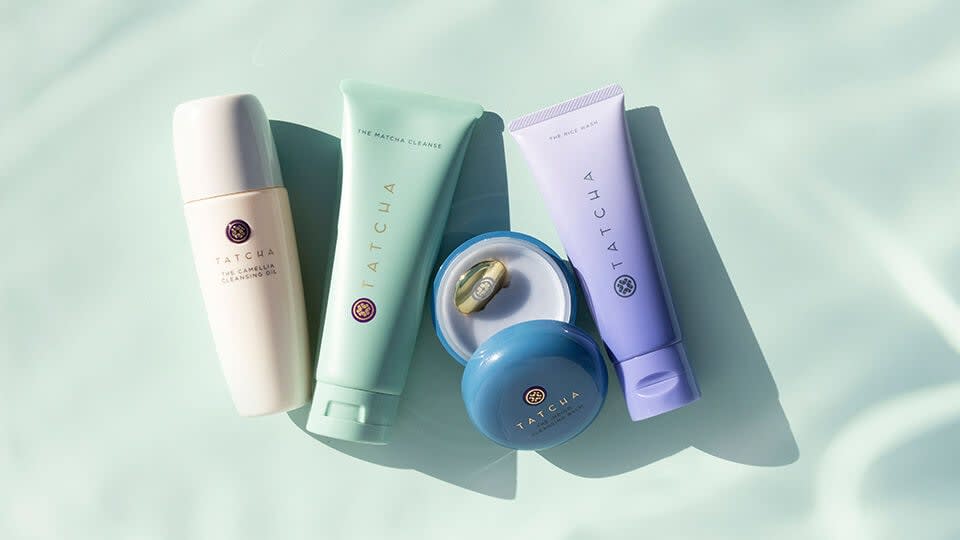
The best daily facial cleanser? The answer to that important question is a matter of personal preference because it’s whatever facial cleanser you enjoy using daily in your skincare routine. Some users prefer the squeaky clean feeling of a gel formula, while others lean towards a nourishing balm texture—whatever format you’ll use is the best for you. Keep reading as we uncover the best Japanese cleansers, based on your favorite format of cleansing. Do You Need To Wash Your Face Daily? First and foremost: Is daily face cleansing necessary? Absolutely, ideally once in the morning and once at night, notes the American Academy of Dermatology. The morning cleanse helps remove bacteria that builds up on the skin overnight, while the evening cleanse removes buildup, bacteria, makeup, sunscreen, and debris from the day. But if you had to just pick one time of day to wash your face, make it the evening. “The top layer of the epidermis regenerates itself overnight, and you don’t want to obstruct that shedding process by clogging the pores with makeup, dirt, and oil,” Dr. Mona Gohara explains to Good Housekeeping. As far as techniques, use warm water (not hot or cold), aim for gentle pressure and ingredients, and wash your hands before cleansing the face. Also, don’t rush through the cleansing process in mere seconds, take the time to be present and thorough, cleansing is very important, so ensure you spend at least 30 to 60 seconds effectively massaging the product into every inch of the face. The Best Daily Facial Cleansers Now that we know the method and frequency of cleansing, let’s narrow down the daily face cleanser for you. Here’s how to choose a daily facial cleanser. Daily Gel Cleanser Traditional gel cleansers are ideal for oily and acne-prone skin, as they tend to cleanse deeper than a comparable face wash. But updated versions available today have more thoughtful ingredients that are considerably more gentle on the skin’s surface and are now ideal for many skin types (consult the brand’s packaging for the specific ingredients and targeted skin type). If you enjoy a gel cleanser, which can provide a refreshing, squeaky-clean experience, consider The Matcha Cleanse. Those with oily and combination skin often believe they need to over-wash their faces to rid themselves of excessive oil and prevent breakouts—but this skin-stripping step can do the opposite, causing the skin to produce even more oil and potentially lead to more breakouts. This is where The Matcha Cleanse steps in to save the day. The daily clarifying gel cleanser decongests pores without stripping skin, while also rebalancing skin’s natural oil production for smoother skin and reduced makeup slip-off. The refreshing watery-foam formula includes premium Kyo-matcha (sourced directly from the famed Uji region in Kyoto), powerhouse coix seed (used in herbal medicines for centuries to purify pores), and Japanese mugwort (to support barrier function). Daily Foaming Cleanser If you’re a fan of voluminous foaming cleansers, you likely enjoy the sensorial cleanse and the effectiveness of the formula. The foaming texture allows for a deeper cleanse thanks to the extra bubbles, making it capable of removing stubborn oil, dirt, and makeup from the surface of the skin without excessive scrubbing or effort. This specific type of face wash can have a reputation for being drying, but modern iterations are supplemented with a variety of ingredients that can target specific skin woes making them ideal for most skin types. Consider Tatcha’s The Rice Polish, which is a water-activated exfoliant that transforms into a creamy, cloud-like foam. While the word ‘exfoliant’ might be confusing, it is perfectly safe to use daily and in the place of a cleanser because the non-abrasive formula both cleanses and exfoliates simultaneously. Finely ground rice bran and papaya enzymes promote natural skin turnover, while the amino acid-base formula provides effective cleansing without stripping the skin of essential moisture or breaking the skin’s barrier function. And with four different exfoliating formulations, you can find the cleansing exfoliant that fits your skin needs best. Classic is ideal for combination and mature skin. Calming is soothing for sensitive skin. Deep is a great fit for combination and oily skin. Gentle is perfect for exfoliating dry skin. Daily Cream Cleanser Perhaps you prefer a daily facial cleanser that cleanses but also hydrates. A cream cleanser is ideal for you then. This soothing formula is perfect for any skin type, as it approaches daily cleansing with a gentle point of view, which is great for all skin. Speaking of any skin type, consider trying The Rice Wash, which is a cream cleanser designed for all skin, including dry. The soft and creamy foam texture gently soothes and washes away buildup without stripping skin for a hydrated, luminous complexion. The bestselling face wash is purposeful with its lather: the foam comes from the amino acid base and Japanese rice powder, which naturally softens and balances skin. Plus the addition of Okinawa algae and hyaluronic acid gives skin a boost of hydration and plumpness as well. Daily Oil Cleanser An oil cleanser is an oil-based face wash that works by dissolving other oils, including sebum, makeup, and excessive oil, while softening skin at the same time. A cleansing oil is different from a face oil, as a cleansing oil has a surfactant and/or an emulsifier in the formula too, allowing the cleanser to bind to oil and dirt and then be easily rinsed away with water—while a face oil is designed to soften and shield the skin, not dissolve and wash away. An oil cleanser is ideal for all skin types because it breaks down makeup, sunscreen, and sebum without disturbing the skin’s surface, and then it just rinses away without leaving an oily residue. It also can be combined with other cleansers, particularly as the first step in a two-step process called double cleansing or the Kyoto Cleanse. Reach for the versatile Camellia Cleansing Oil, which gently melts away impurities, while also leaving behind silky-soft skin. What makes it so unique is the inclusion of Japanese camellia oil or Tsubaki. This featherlight botanical oil has been prized in Asia for centuries for its deeply moisturizing and antioxidant properties, helping to nourish skin from the inside out. If that wasn’t enough, the cleansing oil also includes Tatcha’s proprietary Hadasei-3 complex to help nourish the skin. The antioxidant-rich trio of superfoods (rice, green tea, and algae) works to hydrate, resurface, and plump while the cleanser melts away impurities, sunscreen, and waterproof makeup. Daily Cleansing Balm A balm cleanser is particularly extraordinary, as it’s a cleanser designed to calm and nourish skin. While it’s ideal for all skin types, it’s particularly perfect for irritated or sensitive skin. Harsh formulas tend to strip the skin barrier’s natural oils, leading to more damage and dryness, so a gentle cleanser is a crucial first step in healing and protecting sensitive skin. Consider The Indigo Cleansing Balm, a skin-strengthening formula that instantly calms visible irritation, while also supporting and transforming the barrier. The dermatologist-tested and fragrance-free formula was crafted with weakened, sensitized skin in mind, knowing traditional cleansing can be painful and damaging. The formula includes Japanese indigo to calm visibly irritated skin; lipids and ceramides to replenish the barrier; Japanese lotus root to soothe; and mondo grass root to balance the microbiome. In clinical studies, 100 percent of participants demonstrated an improvement in barrier function after just one week of use.* But unlike harsh cleansers, the Indigo Cleansing Balm also soothes visible irritation and replenishes moisture—strengthening the skin barrier for smooth, visibly calm, and radiant-looking skin. *Based on bio-instrumentation (TEWL) clinical study on 40 panelists. Daily Exfoliating Cleanser An exfoliating cleanser helps to both cleanse and exfoliate in one simple step. While it may be too much for some skin types, those with oily or acne-prone skin will thrive with this multipurpose cleanser. Oily skin naturally produces more sebum than other skin types and this daily exfoliating cleanser can help promote cell turnover and reduce buildup in pores. Try The Deep Cleanse, whose gel formula both cleanses and exfoliates, carefully lifting dirt and oil to leave skin soft and balanced. The daily gel cleanser includes luffa fruit (a natural physical exfoliant beloved by Japanese skincare aficionados for centuries) to help turn over dead skin cells, wild rose to visibly reduce pores and minimize excess oil, and leopard lily to soothe skin.

The Best Non-Drying Face Wash
“Dry skin is irritated skin,” says authorities like the American Academy of Dermatology Association; So why would you let your face wash dry your skin out? A face wash’s job is simple, and yet oh so crucial to maintaining optimum skin health. Every skincare routine begins with a cleanse, which in turn, allows each following step to do its part—lest our serums and moisturizers simply sit upon layers of grime. Without face washes, we might as well not have skincare routines at all.This property isn’t exactly unique to skincare—plenty of processes begin with a thorough wash, from painting a wall to performing open heart surgery. In some cultures, the act of cleansing can take on a ritualistic meaning. In Shintoism, the religion of Japan, the concept of purity is central to many traditions, like the cleansing salt sprinkled before a sumo match to hanging cleansing ō-harae charms in a Shinto temple.In Japan, purity reverberates through many household acts—even some relevant to skincare. In fact, it was geisha performers and their skin-cleansing rituals that inspired Tatcha’s own collection. The “Kyoto Cleanse” is the two-step protocol favored by these performers, and involves washing with oil and polishing with enzyme powder. Those two steps not only remove surface debris, sunscreen, and makeup, but also unclog pores and prep skin for hydration.One of the amazing things about the Kyoto Cleanse is how it respects the integrity of skin—lifting off heavy powder makeup while keeping the skin beneath it as soft as silk reams. You could call this the paradox of face wash: A good formula should be effective, but not to the detriment of your skin. In fact, over-washing skin can do more harm than good. The compromise is to choose a gentle, non-drying face wash capable of striking this fine balance. The following points will not only help you understand why this is important, but guide you toward the best non-drying face wash for the job. Does my skin need to be washed?No matter your skin type, who you are, where you live, or what you look like, rest assured: Your skin needs to be cleansed regularly.Experts are all united on this point: Face washes benefit skin. Cleansing does the basic task of removing byproducts of skin’s functions, like sebum or sweat, plus dirt or pollution that has collected throughout the day, or makeup applied hours earlier. All of this needs to be rinsed away before any other skincare steps can be taken.Proper cleansing can minimize acne breakouts, and even decrease skin inflammation, leading to healthier skin over time. Though some advice recommends cleansing twice a day, in the morning and evening, while other doctors say once is enough—you should consult your own dermatologist for recommendations specific to your skin—all agree that skin should be cleansed at least once daily. How you do it depends on what kind of formula you use.What types of face washes are there? Cleansers come in a wide array of textures, each categorized by the most basic components of its chemistry. Some are more commonly recommended for certain skin types over others, but most people choose a face wash that is suited to their preferences—all the better to ensure the habit is kept.A few types of commonly-encountered cleansers include:Oils. Since before the existence of modern cosmetics, cleansing oils made from plants or seeds have been used to wash the skin—and it’s no wonder, since oils not only lift away dirt and impurities but also nourish the skin beneath. Oils are commonly beloved by dry skin types, whose own skin produces less oil than others, but they work on all skin types.Balms. Simply put, a balm is a solid oil that melts down when applied to skin, making it a great cleanser. Some balms are fortified with extra palliative ingredients for sensitive or dry skin types.Gels. On the other end of the spectrum from oils are gel cleansers, which are water-based and tend to foam up on skin. These formulas do an excellent job of reaching down into the pores of skin, benefitting oily and acne-prone skin types best.Creams. Often a mixture of water and thickeners like plant oils, waxes, or butters, cream cleansers are much easier on skin than foamier washes. Their moisturizing effect is also said to help boost your skin barrier, too.Waters. Micellar waters, lightweight emulsions in which tiny cleansing micelles are suspended, are commonly used for gently removing makeup. But they are also not usually heavy enough to deep clean; instead, micellar waters are often used for the first part of a double cleanse. Tips for gentle cleansingIt’s the American Academy of Dermatology Association’s number one rule for face washing: Be gentle. Here are some things to keep in mind.Do: Use soft hand motions, or a cleansing cloth. Using face wash with cleansing cloths can help you gently exfoliate skin using the softest of touches. Think of your skin as a fine fabric, like silk, and apply care accordingly.Don’t: Scrub vigorously or use harsh tools. Bristly brushes or abrasive scrubs can do much more harm than good—which is why dermatologists would rather you not.Do: Keep your skin barrier in mind. It’s easy to think of washing skin like any other surface. But keep in mind that skin has its own highly specialized structure and function, including the skin barrier that keeps dirt and pollutants out and nutrients and hydration. Your skincare routine should be about protecting this barrier, not tearing it down—starting with your face wash.Don’t: Dry out skin. The myth of drying skin out to starve off pimples or reverse oily skin is widespread, but it’s just that; totally mythical. Skin needs to be hydrated in order to maintain its own health, which is why our skin care should be focused on providing hydration, not taking it away. A cleanser that strips skin clean of its moisture might feel effective, but it can lead to more problems—including more breakouts and oilier skin—with time. The best non-drying face washes“Dry skin is irritated skin,” says the AAD. Rather than start your skincare routine off on an irritating note, try a non-drying face wash. Depending on your skin goals, there are a few options that might work for you. (And before you change up your skincare routine, always talk it over with a dermatologist or licensed aesthetician!) For normal to dry skin: The Camellia Cleansing Oil It was one of Tatcha’s first skincare products: A gentle cleanser made from featherweight camellia oil. This geisha beauty secret shows the utmost respect for skin, leaving it better than it finds it: The oil lifts away dirt or residual makeup, and supplies essential amino acids and gentle AHAs like lactic acid to gently resurface as they hydrate. For oily skin: The Matcha Cleanse Most gel cleansers have a reputation for leaving skin feeling tight and squeaky-clean—which is, as it happens, the effect of a drying face wash. The Matcha Cleanse is one of few formulas that does the opposite: It’s a gel cleanser that, with a little water, transforms into a refreshing watery-foam that purifies even congested pores without stripping skin, and it’s formulated without fragrance or soap that carry potential to irritate or dry out skin. For sensitive skin: The Indigo Cleansing Balm It’s the gentlest formula in Tatcha’s best-selling cleanser range: A cushiony balm infused with skin-soothing Japanese indigo extract. Cleansing lipids effectively remove long-wear makeup, waterproof mascara, and daily build-up, and restore moisture in the process. Hydrated skin is happy skin—non-drying face washes keep things that way.

The Best Fragrance-Free Face Cleanser
Humans have been scenting their personal care products for awhile, and have been scenting themselves for even longer. But the rise of fragrance-free cleansers may indicate that perfume in skincare isn’t as sweet as it smells. Scent is a powerful sense, able to conjure memories, associations, or reactions at first sniff. That may be why fragrances power a billion-dollar economy within the greater beauty industry. Fashion houses began distilling fragrances about a century ago, starting with Paul Poiret and continuing with Gabrielle Chanel’s iconic No. 5, not only as a means to support their clothing businesses, but to extend the wardrobe of their clients toward the ineffable.But perfume is an invention that dates back to basically every ancient culture, from Egypt to Persia to India. In the early 2000s, archeologists unearthed what may be the oldest known perfumery in human history on the island of Cypress. The factory ruins contained 4,000 year-old clay bottles with traces of fragrant botanicals like laurel and cinnamon; the scale of the operation suggested that even back then, perfume was a big business.Nowadays, fragrance reaches well beyond the perfume bottle. Its strong relationship with the human brain has led to fragrance being added to all sorts of other beauty products, from makeup like blush to skincare like moisturizer. A 2021 study from the NPD group found that three out of four beauty consumers “feel that fragrance helps lift and enhance their moods or bring back memories of happy times, places, and experiences.”At the same time, there has been recent controversy about the addition of fragrance (a very loosely defined term that applies to natural and synthetic ingredients) to products—especially in the skincare aisle. The Environmental Working Group found that, as the use of personal care products has increased in the last two decades, so has human exposure to potentially irritating fragrance ingredients. In fact, the average adult may be exposed to “15 fragrance chemicals a day,” almost half of them possible allergens.Cleansers and face washes, the first step in our skincare routines, are often likely targets for fragrance. As the entry into your regimen, they set up the experience to come, and formulators are keen to introduce that mood-lifting moment from the first application. But with the rising popularity of fragrance-free cleansers, you may wonder which path is right for you.Before changing up your skincare routine, it’s a good idea to talk to your dermatologist or licensed aesthetician about your skin type, skin goals, and what products might work for both. Below you’ll find a brief primer on fragrance-free cleanser—and why it might be worth considering for your skin. What is fragrance-free skincare?Fragrance takes many chemical shapes and forms, and can come from botanicals like the cinnamon of Cypress or be synthetically derived in a lab. Since the composition of fragrance can be claimed as a trade secret, companies aren’t required to list the specific ingredients they use, preferring the umbrella term “fragrance” or “parfum.” This can make it tricky to know exactly what is in your favorite skincare product.When it comes to a lack of perfume, there are two terms that may seem similar at first blush but describe slightly different formulations. These terms are “fragrance-free” and “unscented.” Real Simple defines fragrance-free skincare as not including any fragrance ingredients, which includes natural ones like essential oils as well as lab-made synthetic ones. By contrast, unscented products merely lack a discernible scent, but this does not mean they’re free of fragrance chemicals. No scent doesn’t equal no fragrance. In fact, some of these products use fragrance to neutralize unpleasant odors from unrefined formulas.If you are somebody who prefers to avoid fragrance, you may want to look for fragrance-free cleansers, moisturizers, and other skincare products. Is fragrance-free skincare right for me? By no means is fragrance bad for humans. The American Academy of Dermatology doesn’t warn against using products with fragrance, but it does support the identification of certain fragrance allergens—allergens that are unlikely to be printed on an ingredient list. Your dermatologist will have more information about how fragrance may interact with your skin. But there are a few groups who might want to take extra care with fragranced skincare.If you have sensitive skin. Sensitive skin is a skin type defined by frequent reactions to substances that may not normally cause a reaction in other skin types. Those with reactive faces know to be careful with what they apply to their skin, but fragrance in particular has been studied for its potential to further sensitize skin. For this reason, fragrance-free is generally considered better for sensitive skin types.If you tend toward very oily or very dry skin. Every skin type should keep in mind fragrance’s potential to irritate skin, but especially if skin sits at either pole of the oily-dry spectrum. Oily skin is associated with a higher incidence of acne, which can be aggravated by fragrance; meanwhile, dry skin types, especially those who deal with bouts of eczema or psoriasis, may want to avoid fragrance, too. What is the best fragrance-free cleanser?As more and more research is published on the interactions between fragrance ingredients and skin, so demand grows for fragrance-free skincare products. Now, there are plenty of options available. So which one is right for your skin? Tatcha’s new Matcha Cleanse is formulated without fragrance or soap—unusual for a gel cleanser, but perfect for oily skin (or anybody looking for a deeper cleanse). The refreshing watery-foam texture is ideal for blemish-prone skin. Skin feels hydrated and clean after rinsing, not stripped or tight. It also beautifully primes the skin for makeup. For sensitive, reactive skin, there’s only one answer: The Indigo Cleansing Balm, a butter-soft cleanser infused with Japanese indigo, a powerfully protective superplant. Its cleansing power comes from gentle lipids that gently but effectively remove skin build-up and long-wear makeup, including waterproof mascara, leaving clean, soothed, and nourished skin behind. No fragrance, no problems.

How to Control the Oil on Your Face Naturally
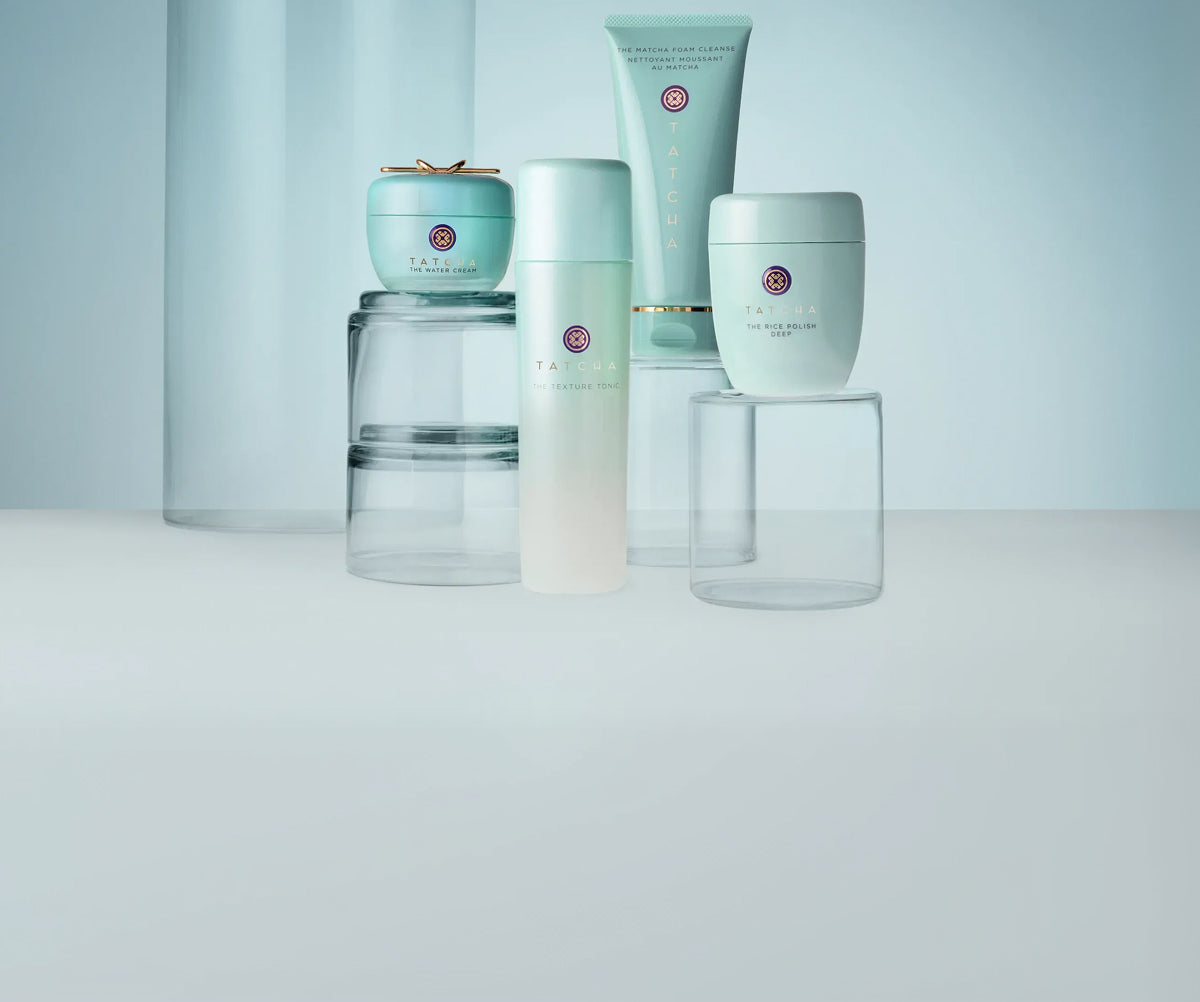
Having oily skin has many positive aspects, but also a few common woes, including learning how to control excessive oil on your face. We explore how to naturally curb excess oil and products that help keep skin’s oil production in check. Although oily skin is often maligned, associated with clogged pores and an increase in breakouts, it also has many benefits, says the American Academy of Dermatology. “Oil helps preserve the skin, and people with oily skin tend to have thicker skin and fewer wrinkles,” the AAD adds. The key is to strike the right balance between having too much oil and maintaining your skin’s natural moisture, notes the AAD, which is a tricky thing to accomplish. Below we dive into dermatologists-recommended tips and products that naturally control oil on your face.Oily Skin 101What causes oily skin in the first place? And how do you treat skin that produces excess oil? The sebaceous glands under the skin are secreting sebum, which naturally lubricates the skin, protecting it from drying out. Think of it as your skin’s natural moisturizer. But sometimes sebaceous glands can produce excess sebum, causing the skin to look excessively shiny or pores to become clogged. This can often be due to genetics but can also be caused by heightened hormone levels, stress, environmental factors, dietary triggers, and more, says the Cleveland Clinic.How To Control Oil On the FaceIf you have oily skin or an oily T-zone area, your skin produces extra sebum that can lead to clogged pores and potentially breakouts. The following oily skin tips and products can help bring harmony back to the skin.Wash—Don’t ScrubCleansing the skin is vital for all skin types, but especially oily skin. And there are very specific cleansers designed for each skin type. From starting the morning fresh to unburdening the skin at the end of the day, cleansing helps wash away impurities, dirt, and other buildup accumulated throughout the day and night. Cleansing is beneficial for the health of the skin, too, helping to minimize excess oil, unclog and lessen the appearance of pores, and leave skin soft and ready for the next steps in your oily skincare routine. The AAD recommends cleansing twice a day, but also suggests washing the face after excessive sweating, too.While dermatologists are fans of cleansing, they don’t appreciate scrubbing. Resist the temptation to aggressively scrub your skin, which irritates the skin, says the AAD. Instead, they recommend a gentle, foaming cleanser. Why is a gentle, yet effective cleanser so important? A harsh face wash can dry out the skin, triggering additional oil production, they note. That’s why we’ve developed a line of gentle yet effective Japanese facial cleansers and exfoliators. Try: The Matcha Cleanse Tatcha’s newest cleanser is a game-changer for oily skin. The daily clarifying gel cleanser not only purifies and decongests pores without stripping skin, but it also rebalances skin’s natural oil production. The refreshing watery-foam texture addresses the skin’s tone and reduces makeup slip-off for longer wear all day long. The formula includes ceremonial-grade matcha (sourced directly from the famous Uji region in Japan), powerhouse coix seed (used in herbal medicines for centuries to decongest pores), and Japanese Mugwort (to support barrier function).Exfoliate — GentlyOily skin loves exfoliation. Why? Exfoliating makes pores less noticeable and curbs excess oil, says the AAD. This is because when pores are clogged, they look more noticeable, and effective exfoliation basically ‘cleans out’ and unclogs pores, helping to eliminate excess oil, sebum, and dead skin cells while visibly tightening and minimizing the appearance of pores. This can be accomplished with physical exfoliation (scrubs or washcloths) or liquid exfoliating treatments (formulas with AHAs and/or BHAs). Check the product’s packaging to get the recommended usage tips, as some exfoliants are designed to be used anywhere from weekly, nightly, and even twice a day. Try: The Texture Tonic This AHA-powered liquid exfoliating formula was designed to be used daily, helpful at reducing excess oil and sebum, while also improving skin’s moisture levels. The formula has niacinamide and Japanese mugwort to visibly even skin tone, while also calming visible redness and irritation.Moisturize — CarefullyAlthough you have oily skin, it’s still important to apply moisturizer daily to keep skin hydrated, says the AAD. Skipping face lotion can backfire, causing the skin to produce even more sebum. That said, an effective moisturizer is one of the most difficult products to discover for oily skin. Too occlusive and it drowns skin in hydration, too light and it might cause skin to produce excess sebum. A moisturizer is not a one-size-fits-all product, says the AAD. They note that a moisturizer can come in several different formats, including lotions, gels, thick creams, or ointments. For oily skin, consider a lightweight, clarifying moisturizer for morning and night, applying right after a serum (or cleanser, if you’re skipping a serum). Try: The Water Cream This lightweight, clarifying, water-based moisturizer was specifically designed for oily skin. The gel cream releases a burst of hydrating nutrients and pore-refining botanicals for healthy-looking, balanced skin. The unique formula delivers hydration, without leaving skin sticky or greasy thanks to a few powerful botanicals, including wild rose (to minimize the look of pores) and leopard lily (to calm).Use Sunscreen—But Only Noncomedogenic FormulasSunscreen is vital. It helps prevent sun damage that could eventually lead to wrinkles, dark spots, and even skin cancer, says the AAD. But sunscreen often has the reputation of thick, pore-clogging formulas, so much so that you might be tempted to skip SPF altogether to spare your oily skin – but don’t. Modern sunscreens are brilliantly lightweight, protective, and soothing. Some can even include pore-refining ingredients, like niacinamide, that have the ability to minimize the look of pores, reduce redness, and visibly even skin tone.Labeling on a skincare product is important to consider for oily skin. Look for sunscreens (and all products touching your face) that are labeled “noncomedogenic”—a classification that means it won’t clog your pores or cause acne. And, of course, the SPF protection number is vital to consider, as well. The AAD suggests looking for a broad-spectrum sunscreen with an SPF of 30 or higher. Try: Silken Sunscreen SPF 35 This non-comedogenic and non-irritating sunscreen features skin-loving ingredients that not only protect the skin, but also help improve the appearance of pores, smooth skin texture, and calm visible irritation—making it one of the best sunscreens for oily skin. The Silken Pore Perfecting SPF also features our beloved silk extract for a smooth feel, allowing the sunscreen to apply flawlessly.Don’t Touch Your Face—Except for Blotting PapersDo not touch your face throughout the day, suggests the Cleveland Clinic. The dirt, oil, and bacteria on hands can spread to the face. They suggest only touching your face—with clean hands—when applying skincare products. Excess oil throughout the day? Blotting papers are the perfect solution to control the oil on your face. We’ve long thought blotting papers are incredible: Aburatorigami Japanese Blotting Papers were Tatcha’s first-ever product. And the AAD is a fan of using blotting papers throughout the day, too. “Gently press the paper against your face and leave it on for a few seconds to absorb the oil,” they note. “Don’t rub the paper on your face, as this will spread the oil to other areas.” Try: Aburatorigami Japanese Blotting Papers These 100 percent natural abaca leaf fiber papers help to address unwanted oil production and absorb excess oil without disturbing makeup or the skin’s natural hydration. Our blotting papers are a brilliant product for those with oily skin and perfect while on the go.

The Best Pore Cleanser for Clogged Pores
Pores are a frequent target of our skincare attentions—from clearing them to shrinking them—and no product does more to help them than a good, deep-cleaning face wash. Pores are like opinions: Everybody has them. And you might be surprised to learn just how many there are.Those who study skin have known about pores for a long time. A French encyclopedia entry, written by the scholar Louis de Jaucourt in 1765, described “excretory conduits or pores that continually expel superfluous humors” invisible to the human eye. These channels are crucial in trafficking liquids, like sweat and sebum, up and out of skin.There are millions of pores on the human body, and a large concentration on the face in particular. The idea that we are covered in tiny holes that connect our bodies to the environment around us has been a matter of some poetic fascination—in Hold On, Henry David Thoreau implores himself to “open all my pores and bathe in all the tides of Nature,in all her streams and oceans, at all seasons.” But due to their active role in skin’s function, maintaining these channels seems as crucial to skincare as maintaining pipes is to plumbing. Their important function makes them a natural locus of our attention.It’s true that a good skincare routine can have an effect on one’s pores, and some products, like pore cleansers, have even been shown to unclog, even change the appearance of pores. But before you learn about cleaning skin pores, you may be interested to hear a little more about what we’re talking about when we talk about our face’s pores. What are pores?Pores are openings in the outermost skin layer, or epidermis, that extend down into the skin, or dermis. As a dermatologist explained to the New York Times, they are “deep, narrow crannies with oil-secreting glands at the bottom.” They may or may not contain a hair follicle, but they often contain a sebaceous gland. Pores are also home to their own microbial biomes. A 2022 study suggested that each pore was home to only a single variety of C. acnes bacteria, indicating that, even among millions, each pore is highly specialized—“a world unto one’s own.”The porous nature of skin allows it to more effectively move fluids, like sebum or sweat, up and out of the dermis. At times, these substances build up, and cause clogging. Clogged pores can become blackheads or whiteheads, depending on their composition. In more severe cases, they can lead to acne. The best defense is prevention, by keeping skin clean, and clearing away dirt and impurities at least once each day. Nothing beats a good cleanser for clogged pores. Can a pore be unclogged? A clogged pore is as common a skincare issue as it gets—and unlike other skin issues, they’re easy to take care of, if you do so correctly. First, it’s important to be able to distinguish a clogged pore from other pore-related abnormalities.Acne is easy to identify: Red bumps or nodules rising off of skin with a white peak. A clogged pore is something more subtle. Dermatologists refer to these pore-related phenomena as comedones. An open comedone is also known as a blackhead, named for the dark mass of gunk it appears as. Closed comedones, closer to the acne we know and learn to love, are called whiteheads; in these cases, skin has formed a thin seal over top of the comedone or pore. These are common for all people, but especially adolescents and those with oily skin.For the beauty-obsessed, it’s tempting to pore over every pore. But too much attention can be a bad thing. Sebaceous filaments, or straw-like structures that line our pores, are sometimes confused with white and blackheads. While it’s safe to remove them, doing so can make pores appear larger in the long run. When it comes to any suspicious pore, it’s never a bad idea to ask your local dermatologist for assistance. Better safe than sorry!Can pores be shrunk?In our mind’s eye, we think of skin as a smooth surface. But look closely, and you’ll see that’s not the case. Look too closely, and you might never stop. One 2014 survey of around two-thousand adults found that almost half wanted to shrink their pores. One in five women surveyed said they thought about their pores once daily at least.The promise that a pore can be shrunk has been around for about as long as the beauty industry. And while it’s true that some skincare formulations, like exfoliating acids or retinol, can minimize pores and make them less noticeable, it’s simply not possible to shrink them. They can, however, get bigger, and they will with age.In addition to proper exfoliation, a good daily cleanser can make sure that pores remain clean, clear, and unclogged. Out of mind, out of sight.How to unclog poresClogged pores happen to us all, because buildup happens to us all. It could be from a skincare product, or the weather, or a medication, or even our genetics, but for some reason or another, a sebaceous gland produces a little too much sebum, and it gets stuck on its way out of the pore. Soon, a clog forms.The simplest method for unclogging pores is to maintain good skin hygiene with regular cleansing and moisturizing. You can’t inspect every pore, let alone treat them uniquely, but by maintaining baseline good habits, you can ensure your skin stays cleansed, nourished, and protected.On the higher maintenance end, there are a number of ways to unclog pores, by using ingredients like beta hydroxy acids or BHA alternatives, clay masks, and going for facials. But none of these options will do much good if you don’t have a solid tool for this particular clog—by which we mean a good pore cleanser. The best deep pore cleanser Face washes come in all different substances and styles, but when you’re looking for a pore cleanser, you’ll probably want a formula with depth; that is, something that can really sink down into the skin, where comedones and sebaceous glands and hair follicles live. This is a job for a gel cleanser. These water-based formulas often promise “deeper” cleans than their cream or oil counterparts; their unique slippery texture allows them to reach down into pores, turning into foam as they lather. Bonus points if your cleanser contains ingredients like BHAs (or BHA alternatives for those of us with dry or sensitive skin), which have shown to be beneficial on acne-prone skin for its oil-controlling abilities. One pore perfect cleanser is Tatcha’s brand-new Matcha Cleanse, a gel cleanser tailor-made for oily and acne-prone skin. Like all of Tatcha’s cleansers, it’s made with powerful Japanese botanical ingredients—like antioxidant-rich powdered green tea and skin-refining coix seed extract, a BHA alternative. Like a good cup of tea, it soothes and restores. Plus it leaves skin primed and ready for moisturizer and makeup. But not before purifying and decongesting pores. Skin is cleansed, not stripped. You may find it aglow. And rest assured, it’ll be hard to notice anything else.