







T-House


The Best Skincare Products for Aging Skin
The bad news is: Skin naturally ages, and it cannot be stopped. The good news is: It’s happening to everyone! And it’s not difficult to care for—all you need is the right tips and tools. Every human face is a gorgeously unique thing, but its skin type can probably be classified in one of only a few ways—dry, oily, combination. But there’s another skin type that all faces have in common: Aging skin.If you have aging skin, congratulations! You are a healthy, living human being. Aging is simply a part of life. Some experts say that aging skin begins to reveal itself in a person’s late 20s. Short of plastic surgery, there is little that can be done to reverse the process. It’s easier, and less expensive, to simply embrace aging skin as one of the many textures of one’s life, a fabric that reveals its beauty over time.In Japan, age is viewed as a gift, garnering respect and even status; such a position is something to look forward to, instead of dreading. But like any skin type, it’s important to understand the specific needs of aging skin. What is aging skin?The natural aging process is aggravated by various factors, but what happens on a microscopic level remains the same throughout all parts of the body. Because uncontrolled cell reproduction can be dangerous, our chromosomes are outfitted with sequences called “telomeres” that shorten over time. When a telomere disappears, its associated cell reaches the end of its line, and ceases to reproduce.A few behaviors and metabolic processes can accelerate this process in the skin, according to an article in Experimental Dermatology. The process becomes visible when collagen and elastin proteins begin to decrease in number, resulting in a gradual loss of structural and functional integrity—skin-slackening, wrinkles, dryness, hyperpigmentation are all attendant signs of aging skin. Types of Aging Skin An article in the journal Cell Transplantation distinguishes between two types of aging in the skin: Extrinsic aging and intrinsic aging.Extrinsic aging occurs due to the environment around us. Skin, the body’s largest organ, is also the organ most exposed to the outside world—a fact which also describes skin’s primary function as a barrier. Our skin is quite thin, ranging from less than half a millimeter in some places (like on the eyelids) and thicker in others, like on our palms and heels. According to one study, skin thickness varies according to factors like pigmentation (darker skin can be thicker) and gender (women's skin is marginally more delicate than men’s). Extrinsic aging can be caused by gravity, ultraviolet rays, or pollutants that cause oxidative reactions in skin cells.Intrinsic aging occurs due to metabolic reactions within our body. If extrinsic factors caused aging alone, the skin we cover with clothing would age more slowly than the skin left uncovered. There’s no complicated description of what happens here: As we get older, our bodies become less adept at repairing themselves, and structural proteins like collagen that are naturally lost can’t be replenished as quickly. Sometimes, free radicals within the body can cause additional damage. A good antioxidant defense can help against this type of intrinsic aging, but we’ll get to that in a moment. Signs of Aging SkinIndeed, all skin is aging skin. But age can be a distinct cause of more than a few different skin issues.Fine lines and wrinkles: According to the Cleveland Clinic, fine lines appear first and become wrinkles as we age. Fine lines and wrinkles happen to all of us, often from actions like smiling that show we are embracing the joys of life, but they can be accelerated or aggravated by extrinsic factors like repeated contractions (like crow’s feet around the eyes, which appear where we squint) or intrinsic factors like aging. It’s not possible to iron back out a wrinkle or fine line once its formed, but products that boost cell turnover—a retinol or retinol alternative, like Tatcha’s Silk Serum that is clinically proven to show improvement in the look of fine lines and wrinkles—can help. Slackening and loss of elasticity: If you notice your skin hangs a little more than it used to, or you wake up in the morning with a face full of pillow marks, your skin may be less taut than it once was, which is a natural symptom of aging skin.Dryness: We become less hydrated as we age. This occurs throughout the body, including in our largest organ. Dehydration in the skin can cause many problems, from acne to scaly texture. Moisture restoring products, like essences or moisturizers, can help your skin hold on to hydration.Hyperpigmentation: Certainly you’ve heard of age spots, which are the same as sun spots—a darkening of the skin due to sun exposure that can become more serious as we get older. Though they are more likely to appear in those of advanced age, they are caused by ultraviolet rays. Whether it’s chemical or physical, it’s critical to wear sunscreen every day, no matter your age. Skincare for Aging Skin Aging skin comes with its own unique set of needs. But caring for aging skin shouldn’t require a total routine overhaul—just a few special considerations. Hydration is key. The first step is facing the fact that your skin doesn’t hold on to moisture as well as it once did. Make sure you use a moisturizer or serum that incorporates water-binding ingredients called humectants, like hyaluronic acid. Take care of your collagen. Collagen production takes a hit as we get older, so ingredients that facilitate collagen production—like retinol or its alternatives—help keep skin structure intact. Sunscreen, always. Once you can see sun damage, it’s usually there to stay. Avoid it entirely by adopting strict usage. A formula’s sun protection factor, or SPF, indicates its sun safety. The Skin Cancer Foundation recommends sunscreens that start at SPF 15, while SPF 50 provides some of the best protection on the market. It’s not difficult to find products that achieve more than one of these goals at the same time. Tatcha’s Silk Sunscreen, for example, is SPF 50 and made with hyaluronic acid. The Ageless Revitalizing Eye Cream is also made with super-hydrating hyaluronic acid, as well as Tatcha’s proprietary skin-nourishing trio of superfoods, Hadasei-3™. A multitasking product can help simplify your skincare regimen. Remember that aging is a gift, which means wrinkles and dryness are, too. Take a moment to cherish it. Then, give your skin the care it deserves.

Pre-Wedding Skincare Routine: Prep Tips and Timelines
There are few things more enjoyable than attending a wedding, and few things more stressful than planning them. A timeline of wedding skincare preparations can help stoke your glow ahead of time. A lesson we’ve learned from our time in Japan is that the process of preparing for momentous occasions—such as a wedding—should be valued just as highly as the celebration itself. To help you pave a beautiful path to the next big moment in your life, we’re sharing our tips to reveal a glowing complexion in time for your big day.There are three kinds of people at every wedding: Those actually getting married, those gathered together to observe or facilitate that marriage, and photographers. Knowing this, it’s natural—even practical—for those in attendance to want to look their best. But unlike a lipstick color, good skincare isn’t a choice that can be left until the day of the ceremony. And none of the people at a wedding are exempt from this choice—except maybe photographers.Good news: Pre-wedding skincare is not difficult. All it requires is a little planning, depending on who you are. Wedding Skincare For Brides, Grooms, And Nearly WedsEverybody wants to look their best on at their own wedding. It’s also worth considering the fact that, unless you are a professional model or world-famous celebrity, your wedding day will probably be the most photographed event of your lifetime. Think of the pictures. Then let’s talk about your skin. In this specific context, proper skincare should be viewed as more than basic human vanity, but a part of an overall balanced wedding preparation. And a surprisingly easy part, too! You can plan, schedule, and begin your pre-wedding skincare routine by the time you finish reading this section. Let’s begin with the hardest part. After this, it’s smooth-skin sailing.1. Schedule your facials. Some wedding guides only recommend getting a facial anywhere between one month to 48 hours before the day of the wedding, which certainly isn’t likely to cause problems, and may even make you look better on the day itself. But it may be wiser to start planning out your facials six months in advance, and planning for multiple treatments. (At least three, no more than six, as skin takes about a month to renew itself.) There are all sorts of treatments that can provide wedding-day skincare benefits, from lifting skin to improving tone, but they vary by skin type, and you won’t know which one is right for you until you find someone who does. 2. Add retinol to your routine. Retinols and retinol alternatives are some of your skincare best friends when devising your wedding skincare routine. Retinols help skin repair and restore itself. If you aren’t already using one, it might be a wise idea to start now. Find something that you like enough to use frequently and that won’t be too harsh on your face. Tatcha’s Silk Serum is a retinol alternative made with a blend of natural ingredients rich in amino acids, and it’s gentle enough to use twice daily. Just don’t forget sunscreen in the morning! 3. No more new skincare products. There are some skincare products, like retinol, that will help your skin look and feel better continually over time. With formulas like this, you may want to proceed with caution. Some dermatologists estimate that it takes between three and four months to fully gauge the effectiveness of one’s own applications. In theory, you could change things up pre-wedding, but the risk may outweigh the reward. According to the American Academy of Dermatology, consistency is one of the best ingredients for good skin. You’ll have all sorts of time to try new masks and serums on your honeymoon.Wedding Skincare TimelineUse this timeline of wedding skincare preparations to ensure you wake up glowing on the day itself. 6 Months Before The WeddingSee your dermatologist. If you see a dermatologist—and if you care about your skin, you absolutely should—it’s a good idea to let them know you’re getting serious about your wedding skincare. Together you can discuss your product regimen, as well as any current skin issues. Your dermatologist’s feedback will be very important in how you devise your plan of action.Start your facials. A guide in Refinery29 suggests that your friends have the best aesthetician recommendations, but a look at a local newspaper or magazine can help point you in the right direction. Your initial treatments will probably be focused on skin maintenance, cleansing, and hydration. Don’t worry yet about special treatments—those will come! 3 Months Before The WeddingAdd a peel to your treatments. Now that you and your facialist have a good working rhythm—maybe after two sessions together—you may want to inquire about a targeted treatment, like a peel, that can help renew your skin more dramatically.See your dermatologist again. After a few months of facials, your dermatologist can help audit your skincare progress. Stop trying new skincare. We said it before, but it’s worth saying again: No new skincare. All it takes is one potentially irritating product to cause new skin issues to crop up—something you simply do not have time for. 1 Month Before The WeddingLet some light and/or air in. Peels and lasers are over! For your last facial treatments, ask your aesthetician about calming treatments, like LED therapy, that can help lower skincare inflammation and even reduce redness. Oxygentating treatments, in which oxygen is supplied directly to the skin, are also known for making skin look instantly camera-ready.Start sculpting. Microcurrent treatments, which can be performed by your local aesthetician or facialist, use electromagnetic currents to almost imperceptibly work out the muscles of your face. (It kind of tickles!) The lifting effects of microcurrent are beloved by brides-to-be, and since there’s no downtime, this sort of treatment can be done a week or days before your wedding.Ditch retinol a night or two before your wedding. It’s work has been done, and may want to discontinue using any product that could potentially make your skin more sensitive. Stick to your simplest skincare routines—you’re almost there! Day-Of Skincare KitThe last thing you’re going to want to think about on your wedding day is your skin, which is why you’ve done all of the planning months in advance. If you want to make sure you’re covered, ask a guest or member of the wedding party to stash a few extra things on their person, just in case. Let’s take a brief walk down the skincare aisle.1. A glowy skincare set. As a bridal party gift, or for the beauty-loving bride, here two wedding day skincare sets. The Clarifying Starter Ritual treats pores and oily skin, while the Dewy Starter Ritual provides all-over moisture. 2. Under eye cream. Wedding celebrations can mean late nights and early mornings. To counteract eye puffiness—and as a base for the eye makeup that is to be loaded on afterwards—it’s useful to have a good under eye cream on hand. Something like the Luminous Deep Hydrating Firming Eye Serum is a perfect choice for its combination of ingredients like puffiness-reducing caffeine and light-reflecting 24-karat gold. 3. Face mist. The Luminous Dewy Skin Mist is designed to hydrate skin and refresh makeup with just a few spritzes. Stash one in your bag for touch-ups between the ceremony and photos, or cocktails and speeches. (The 12 mL size can fit in the littlest of clutches, too!) 4. Blotting papers. For centuries in Japan, geishas have used abaca papers to wick oil from their skin without disturbing their makeup or dehydrating their skin. This paper inspired Tatcha’s Aburatorigami blotting papers, which can do for 21st century brides what they did for geisha. Whenever you see a photographer approaching, grab a sheet for a quick blot. And don’t forget to smile.
How to Prevent Sleep Wrinkles (5 Easy Tips)
Sleep is good for our body and mind, but it could also be aging your skin without you knowing. Read on to see if you might be suffering from “sleep wrinkles”—and find out how to banish them. It’s highly possible, if you’re reading this, that you already have a nighttime beauty routine. Maybe it starts with a thorough cleanse, and involves a treatment serum, like a retinol or vitamin C—something that improves your skin throughout the night so you wake up fresh and glowy. But have you considered the elements of your evening regimen beyond the products you use?Experts from dermatologists to beauty editors recognize the importance of overnight skincare. When we sleep, our bodies enter a state of repair. While our skin naturally rebuilds and restores itself, there are choices we can make that will help maximize this time. And there are some skin issues that can be remedied by making simple changes to one’s sleeping routine.Sleep wrinkles are a great example. There are choices you could make today that may help you prevent sleep wrinkles in the future. Here’s how. What Are Wrinkles, Really?At the microscopic level, the human skin system is a dazzling mosaic of barrier cells. You can imagine the contents as mostly collagen, the body’s main structural protein, along with elastin, other proteins that help give skin its bouncy quality. Natural processes like aging or oxidative stress cause these proteins to break down throughout our lives, changing the structure of the skin and causing wrinkles, among other things. In contrast to other skin issues, wrinkles are totally harmless—they are the evidence of a life well lived, and their appearance is rarely, if ever, an indication of poor skin health. Still, wrinkles are often the target of our skincare attention. While wrinkles can be minimized, or their appearance improved on, they cannot be ironed away. Once they form, they are yours forever. This is why the best treatment for wrinkles involves prevention. Dermatologists at the Cleveland Clinic, for example, recommend a variety of courses for improving upon wrinkles, from active topical products to injectables to surgery. But there are also much simpler, less invasive prevention measures you can take at home, especially when it comes to sleep wrinkles. How Sleep Wrinkles Form Wrinkles are an inevitability, forming as we age due to the breakdown of collagen and elastin proteins in the skin. Wrinkles also form in response to physical stress, like rubbing and tugging skin on the face, “not at all dissimilar to repeatedly folding and unfolding a piece of paper until it is permanently scored” the plastic surgeon Gerald Imber wrote. Sleep wrinkles, then, are usually caused by the way skin on the face folds when you’re asleep—smushed up against the surface of a pillow, for example. An article in the Aesthetic Surgery Journal termed this “facial distortion.” Unlike wrinkles caused by aging, sleep wrinkles and lines are caused by external forces—how you place your face on your pillow at night—and tend to appear near the retaining ligaments of the face, along the outer cheeks, eyes, and forehead. Repeatedly sleeping in the same position, like folding a piece of paper along the same line every night, may cause wrinkles to deepen over time. But as easy as it is to become aware of sleep wrinkle-forming habits, it’s just as easy to start taking steps to avoid them.How to Prevent Sleep WrinklesThere are many ways to prevent sleep wrinkles from forming. Some approaches are much simpler than others, but all can be effective if performed consistently.1. Sleep on your back. Changing one’s sleeping position can greatly help prevent the formation of sleep wrinkles. If you don’t sleep on your face, you avoid the problem entirely. However, a story in Harper’s Bazaar points out that those with sleep apnea, back pain, or who are pregnant, are advised against sleeping on their backs. If this is you, worry not; there are other ways you can prevent sleep wrinkles. 2. Switch to softer sheets. Fabrics like cotton and linen might feel soft to the touch, but they can also draw moisture from the skin, and pull or tug on your face as you toss and turn in the night. For this reason, silk pillowcases are often recommended as anti-sleep wrinkle bedding—they’re proven to reduce skin friction while you sleep. 3. Consider wrinkle-treating injectables. The ubiquity of Botox injections and dermal fillers cannot be denied. And while lots of people opt for injectable solutions to immediate problems—from thin lips to TMJ—they can also be useful preventatives. Anybody familiar with the “freezing” effects of Botox understands how inhibited facial movement means fewer facial distortions, or “folds of the paper.” Dermal fillers, which aim to plump the skin, can also help lines from deepening if they are strategically placed. (Before you consider any facial injections, it’s a good idea to chat with your dermatologist first.)4. Use active skincare. Many skin products can help manage and even prevent sleep wrinkles in the long run. Try a chemical exfoliant made with alpha or beta hydroxy acids, like Tatcha’s The Texture Tonic, which can help minimize the appearance of sleep wrinkles. Another recommendation is a retinol or a retinol alternative, which feeds skin the building blocks of collagen.5. Use hydrating skincare. Creamy, moisturizing textures can help plump the skin and make it that much more challenging for wrinkles to develop. Tatcha’s The Silk Serum showed an improvement in the look of lines and wrinkles in 85% of users, according to a clinical study. That might help you sleep better—and smoother—at night.

The Many Benefits of Silk Pillowcases
It seems unlikely that that the fabric you sleep on can have an affect on how your hair looks and feels. And yet silk isn’t known as the most beautiful fabric in the world for nothing. The Many Benefits of Silk Pillowcases How do you sleep at night? It’s a question that has more to do with your beauty routine than you might think. Even beyond the idea of “beauty sleep,” the National Institutes of Health posit that skin cell regeneration peaks during slumber, and a good eight hours is sure to show on your face. But it’s not just what happens beneath the skin that matters. Skin can dehydrate more quickly while you’re sleeping, which is why a good night cream is essential. And it might be wise to reevaluate your bedsheets, too. Have you heard of the benefits of silk pillowcases? Switching to a silk pillowcase is a small change that can lead to lasting benefits for skin and hair. Read on to learn more. Why use a silk pillowcase? Silk is a natural fiber woven from the cocoons of domesticated silkworms. (An amazing statistic from George Washington University: About 1,000 yards of fiber can be pulled from a single cocoon.) The fabric also known as silk is woven together from these fibers on a loom. It’s superlatively smooth, almost liquid, and usually gleams in the light. We all know silk; We all love silk, in different areas of our lives. Some people wear silk blouses and others prefer silk ties. The idea of silk bed sheets may sound like an overly decadent concept, but there’s no textile that feels better to sleep on. And that feeling can translate to skin and hair health. Opting for a silk pillowcase, as opposed to a full sheet set, is an easy way to capture the benefits of sleeping on silk. And speaking of those: What are the benefits of using a silk pillowcase? For minimizing wrinkles: The benefits of a silk pillowcase cannot be overstated, but chief among them is their gentleness on skin. There is almost no friction against the face when sleeping on silk, unlike other fabrics that alternatively tug and wrinkle skin. Have you ever woken up from a particularly good night of sleep with red marks on your face from fabric bunches? A silk pillowcase would simply never. Aestheticians and dermatologists both agree that silk considerations can help prevent wrinkle formation in the long run. Another recommendation: A silk sleeping mask, which can gently protect the delicate skin around the eyes. For boosting your skin barrier: It sounds slightly outrageous to claim a pillowcase can make your skin healthier in the long run, but there’s a scientific basis to this silk benefit. Silk doesn’t absorb as much moisture as other fabrics we sleep on, so it’s ideal for helping skin retain necessary moisture overnight. Keeping hydrated supports your skin barrier’s function, which in turn can help protect against acne and inflammation related to dry skin. (If you’re prone to sweating at night, silk can also keep you cooler, which may help acne from proliferating.) For smoothing hair: The silk pillowcase hair benefits are some of the best of all. There is simply no fabric that is gentler on hair of all types. Many fabrics can cause hair breakage, or are generally incompatible with keeping hair smooth (hello, bed head!). Silk, by contrast, is much kinder. It’s especially great for coarse-textured or color-treated hair that often needs more moisture than other hair types, but any head of hair is sure to look silkier, literally, the morning after a night on a silk pillowcase. Women with afro-textured hair have used silk to protect their strands for decades. (Some have even claimed that a good silk pillowcase can extend a blowout’s life cycle.) What is “good silk”? How do you know that you have good quality silk? Mulberry silk is one of the best silks on the contemporary market. If a pillowcase you’re eyeing is 100% mulberry silk, it’s probably a safe buy. But there are other metrics for silk that can be found right on the product packaging. There’s a grade system from A to C, with A being the best quality. Each letter also breaks down into number codes. (2A is considered better than 6A, for example.) There’s also momme, pronounced “mommy”, which is a unit that denotes the weight of a particular silk. (One momme is nearly 4.5 grams.) Some silk experts say the higher the momme, the higher quality the silk, but a good range for a pillowcase or sheet set might be between 10 and 25 momme. By contrast, raw, unfinished silk might clock in at around 35 momme or up. Are there really benefits of using a silk pillowcase? Switching to a silk pillowcase alone will probably not overhaul your beauty routine. But they are a great supplement to your existing regimen, by helping skin and hair retain essential moisture while you sleep. Silk’s superlatively soft qualities can also reduce the appearance of breakouts and the formation of wrinkles. Dermatologists seem to agree that sleeping on silk can be better for skin than other fabrics. As one dermatologist told the New York Times in 2020, “The bottom line is, any product that helps reduce the strain on the skin is beneficial.” Experts are more unanimous in their praise of silk pillowcase hair benefits. There is an undeniable link between silk and hydrated, healthy hair. In Japanese culture, there has always been a link between the fabric and healthy skin. An old saying in Kyoto regarding apprentice geishas goes: “If you look closely at a maiko’s skin, it is made of pure silk.” Inspired by this connection, Tatcha offers a set of 100% pure silk face cloths that both nourishes and gently polishes skin during your usual cleanse. Personal care is cumulative. It’s not one or two choices that will make a major difference, but the sum of small gestures. And the best part of using a silk pillowcase? All you have to do is fall asleep. *Based on a study (clinical grading and consumer perception) of over 100 women aged 35-65, who were regular users of cotton or synthetic (non-silk) satin pillowcases. Clinical grading showed statistically significant improvement. Individual results may vary.
How to Treat Oily Skin
Do you often find your skin slick with oil and excessively shiny, even within hours of cleansing? You might have oily skin. Although oily skin can often be synonymous with acne and enlarged pores, the maligned skin type has many incredible benefits, too. (For example, the oil helps preserve the skin, so people with oily skin tend to have fewer wrinkles as they age.) There’s no way to change your skin type, but you can find a healthy balance between excessive oil and skin’s natural moisture. Below we deep dive into how to treat oily skin, tips, and the best products to stop oily skin. What Is Oily Skin? Oily skin is common and has many positive aspects, as well as a few issues that might be considered less desirable. According to a 2012 medical study, oily skin occurs when “oversized sebaceous glands produce excessive amounts of sebum giving the appearance of shiny and greasy skin.” What are sebaceous glands? These glands can be found on almost every surface of the body, but are most concentrated in the face and scalp, notes a 2011 dermatologist medical study. They produce and secrete sebum, which moisturizes, protects, and even heals the skin, says that same 2011 study. Increased sebum excretion is where oily skin comes from, and this excessive production can potentially lead to acne and other common skin conditions. What Causes Oily Skin? Several factors contribute to oily skin. First and foremost, genetics. Many with oily skin are genetically predisposed for that specific skin type. But weather, particularly high temperatures and increased humidity, can increase oil production, too. Additionally, it’s also been shown that hormones can boost oil production, especially with hormone fluctuations. But your daily skincare routine can also sneakily increase your oiliness levels. Using harsh products, like alcohol-based astringents, can actually cause your sebaceous gland to overcompensate and produce more sebum. This overproduction of sebum can occur when skipping facial moisturizer, too. How to Control Oily Skin According to the American Academy of Dermatology Association (the AAD for short), there are five tips to best control oily skin. 1. Cleanse Properly The AAD recommends washing your face twice a day, morning and night. But rather than relying on a harsh cleanser, they suggest a gentle, foaming face wash. As mentioned above, an intense, drying formula will only irritate the skin, triggering it to overproduce oil. 2. Don’t Skip Moisturizing It might be tempting to overlook moisturizers, but applying a lotion—albeit a lightweight, thoughtful formula—is absolutely essential. Look for one that states it’s non-comedogenic, which means it won’t clog pores or cause acne. (All of Tatcha’s moisturizers are specifically designed to be non-comedogenic.) 3. Always Wear SPF A long time ago, sunscreen used to be goopy and thick, a nightmare for oily skin. But nowadays, SPF is non-comedogenic, lightweight, and packed full of skin-benefiting ingredients (all three pros are beautiful for oily skin). Sunscreen is important for all skin, helping to prevent sun damage that could lead to wrinkles, age spots, and even skin cancer, says the AAD. Aim for a formula that has an SPF of at least 30 and always reapply when outside. 4. Use Blotting Papers The AAD is a fan of blotting papers, which help to instantly absorb excess oil without irritating the skin. But ancient Japan has been singing the praises of abaca leaf papers for centuries. In ancient Kyoto, gold artisans used the soft, strong, and absorbent paper to protect their gold leaf. Geishas discovered the papers were brilliant at wicking away traces of oil without stripping moisture from the skin or disturbing their intricate makeup. 5. Adopt Skin Hygiene Basics Sometimes some of the best things you can do for your skin are the simplest tips—and that applies to oily skin, too. Skin hygiene basics ensures healthier skin, allowing it to be more in balance and control. These basics include always removing makeup and cleansing skin before bedtime, and applying moisturizer morning and night. Other best practices include not using expired makeup, washing your hands before applying products, and not touching your face throughout the day (which can spread dirt, oil, and bacteria from your hands to your face, says the AAD). Products to Help Oily Skin You might be wondering “how to get rid of oily skin” or “how to stop oily skin”—unfortunately, you cannot change your skin type. But there are oily skin treatments and products that can help curb excessive sebum and oil production. Plus, consistent skincare hygiene can help over time with the general health of the skin, too. (Meaning, maintain your daily skincare ritual!) Cleansers for Oily Skin This gentle-yet-thorough cleanser is especially helpful for oily skin. The Deep Cleanse is a gel formula that both cleanses and exfoliates, carefully lifting dirt and oil to leave skin soft and balanced. The cleanser includes luffa fruit (a natural physical exfoliant) to help turn over dead skin cells, wild rose (to visibly reduce the appearance of pores and smooth skin), and leopard lily (to help minimize excess oil and prevent build-up). Exfoliants for Oily Skin The AHA-powered formula was designed for all skin types and can be used daily. But it’s specifically formulated to reduce excess oil and sebum, while also improving skin’s moisture levels. The formula has niacinamide and Japanese mugwort to reduce the look of discoloration, while also calming visible redness and irritation. The liquid exfoliant is scented with a functional fragrance blend of sweet fennel and rosemary – two botanicals known to increase focus and mental clarity, too. Moisturizers for Oily Skin An effective moisturizer is one of the most difficult products for oily skin. Too thick and it drowns skin in hydration, too light and it might cause skin to produce excess sebum. But this lightweight, clarifying, water-based moisturizer was specifically designed for oily skin. The gel cream releases a burst of hydrating nutrients and pore-refining botanicals for healthy, balanced skin. The unique formula delivers hydration, without leaving skin sticky or greasy. And the cream employs a few powerful botanicals, including wild rose (to minimize the look of pores) and leopard lily (to calm). Sunscreens for Oily Skin Sunscreen is non-negotiable. Try our Silken Pore Perfecting Sunscreen, which has weightless broad-spectrum SPF 35 that blends effortlessly and invisibly for matte, poreless-looking skin. The non-comedogenic and non-irritating formula features skin-loving ingredients that not only protect the skin, but also help tighten the appearance of pores, smooth skin texture, and calm irritation. Primers for Oily Skin A makeup primer can be endlessly beneficial for oily skin, helping to shield skin from pollutants while allowing makeup to apply better and last longer. This fluid formula feels weightless on the skin, while also creating a skin-benefiting barrier on the skin. The inclusion of silk powder helps to minimize excessive shine, too. Masks for Oily Skin The pore-targeting mask pairs Japanese konjac (for gentle exfoliation) with volcanic ash to minimize excess oil and sebum for smoother and clearer skin in mere minutes. In clinical studies, 100 percent of users noticed a reduction in sebum and noted that skin felt less oily after just a single week of usage.
What Is Slugging in Skincare? Benefits & Risks
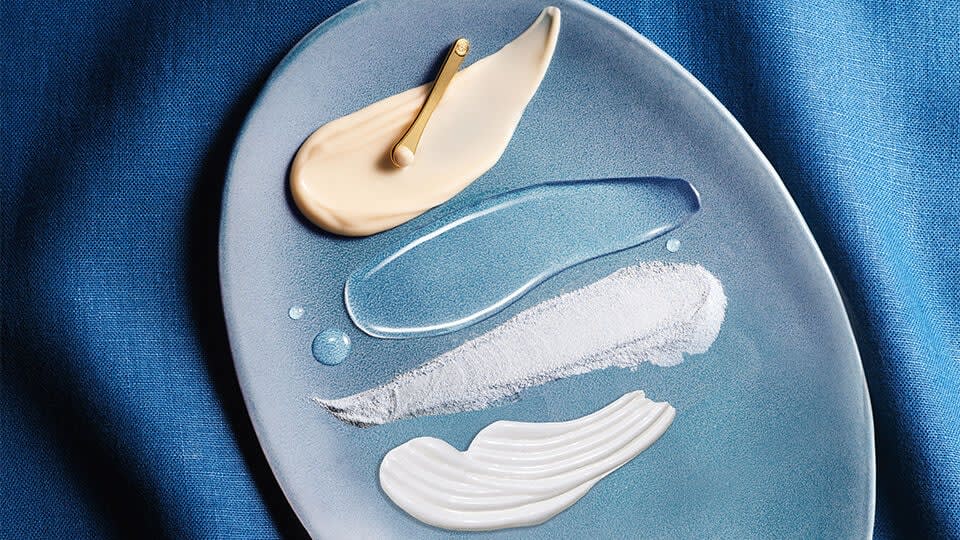
The latest social media skincare trend—with the most unfortunate name in the history of trends—is deceptively simple, and could be an easy hack for all-day hydration. Maybe you heard about it on TikTok, or from your skincare-obsessed friend. Your curiosity got the best of you, so you decided to look into it, and here you are: Wondering, what is slugging? Behold: This is everything you need to know about slugging in skincare.What is slugging? Slugging means applying a thin layer of petroleum jelly before bed as the last step in your nightly skincare routine. The idea may be inspired by Korean beauty rituals, and has recently gained steam on TikTok: Influencers slathering their faces in a thin layer of clear, gooey jelly. The term “slugging” refers to the mollusk, and how, when you’re slugging correctly, your skin looks to be covered entirely in a layer of slime. Interest in slugging seemed to spike in the early months of 2022, according to Google Trends. It’s easy to fall for social media beauty trends, which seem to ignite and flame out every other day. But dermatologists and social media influencers can agree on this particular topic: Slugging is actually great for the skin. Should you decide to pick up a single TikTok beauty trend this year, it may be wise to make it this one. What do I need to slug? The answer to this question is deceptively simple: All you need is a good petroleum jelly, but it matters which petroleum jelly you choose.Products made with over 30% petroleum jelly are subject to FDA regulation as over the counter drugs—and according to dermatologists, the closer a product is to 100%, the better it will be for slugging. An easy way to determine the manufacturing details of a petroleum jelly product is to look it up using a website like NDClist.com, which contains tons of helpful information on over-the-counter drugs.What is the origin of slugging skincare? A 2022 trend report in The Washington Post helped explain the fascinating—and centuries-old—history of the slugging trend in skincare. In a corner of Pennsylvania crammed with oil pits, Native Americans from the Seneca tribe used petroleum jelly as a skin protectant. Hundreds of years later, an American chemist visiting the same oil pits noticed oil workers applying drill residue to healing wounds. While the term may be new, the practice is nearly ancient. Petroleum jelly’s low cost and wide availability has made it a beauty cabinet mainstay for decades. Whether applied to a cut to speed its healing process, or a patch of eczema, or, yes, all over the face while you sleep, the benefits of slugging are nearly endless. And speaking of those:What are the benefits of slugging?Petroleum jelly is an occlusive substance, meaning it acts like a greenhouse over the surface of your skin. An occlusive layer will help your skin retain moisture, which in turn fuels your skin’s barrier function. In a blog post, a dermatologist at the Cleveland Clinic enumerated the benefits of slugging. In summary, slugging helps skin in three ways: By moisturizing, protecting, and repairing. In other words, it keeps necessary hydration in and keeps irritants out. Think of it as shoring up your skin barrier. You can also slug with some other skincare products in order to maximize your beauty sleep—we’ll get into those a bit later. How do I start slugging? // What are the steps to slugging?If you have the petroleum jelly, and the will to use it, you can start slugging tonight. Here is how your skincare routine could look with a little slugging. Step 1. Wash your face. Slugging, like all skincare, works best on clean, dry skin.Step 2. Apply toner or serum. If your skincare routine has a treatment step, or you have a beloved targeted serum you use before bed, now is the time to use it. (Just avoid active ingredients, like exfoliating acids or retinol.)Step 3. Apply moisturizer. Finish with your favorite cream.Step 4. Apply petroleum jelly. Some TikTok influencers use a lot more product than is necessary, for dramatic effect, but all you need is a dime-sized dab of jelly to get the full benefits of slugging. After moisturizer, spread your preferred petroleum jelly all over your face, to seal in your skincare.Step 5. Wait a few minutes to set, and then go to sleep. Good night! Is slugging right for me? If you have oily or acne-prone skin, it might be wise to talk to your dermatologist before starting a slugging regimen. As one doctor told Marie Claire, “[Petroleum jelly] can trap oils or other comedogenic ingredients in the skin and could potentially contribute to breakouts.”But if your skin tends toward dryness, or if you need a little extra hydration health in drier seasons or climates, slugging is an easy way to level up your current skincare routine. What products can I slug with?One of the best things about slugging is that it can help your other skincare products work better. In a report for CNET, one dermatologist recommended layering humectants or emollients beneath petroleum jelly to maximize your moisture. A hydrating serum can help you get the most out of your slugging routine. Super dry skin may benefit from an added emollient cream, like the ceramide-rich Tatcha Indigo Overnight Repair Serum-in-Cream. Because slugging can send some products into overdrive, it’s best to not layer any concentrated skincare ingredients, like retinols, exfoliating acids, or anything else that might make your skin tingle, underneath petroleum jelly. And only try slugging with products you know already work for your skin. If you have any remaining questions, visit your local dermatologist—they’ll probably be happy to know you’re slugging.

The Best Lotions for Eczema
Those experiencing eczema can often feel frustrated by their own skin. The inflamed, often painful, flare-ups can seem to appear out of nowhere. While there are a lot of unknowns in the dermatological industry about eczema, there are equally as many groundbreaking discoveries. Below, we’ll uncover how zeroing in on your eczema triggers can be helpful, as is unlocking a skincare routine (we’ll talk about the best lotion for eczema – a particularly important product in your daily ritual). Keep reading for facts about eczema, potential triggers, and products and tips to help soothe irritation. What Is Eczema?Eczema is a condition that causes the skin to become itchy, inflamed, or have a rash-like appearance. There are seven different types of eczema, says the non-profit National Eczema Association (NEA for short), with atopic dermatitis being the most common. But eczema is simply a bucket term describing irritated, inflamed skin. If you experience eczema, you’re not alone—over 31 million Americans have some form of eczema, notes the NEA. It can begin during childhood, adolescence, or adulthood and it can range from mild to severe. While there is no cure for eczema, there are treatments that can help soothe and calm sensitive skin.What Causes EczemaFrustratingly, the cause of eczema is still unknown. But dermatologists do know it can be triggered by a handful of sources, including aging, seasonal changes, diet, stress, hormones, an overactive immune system, alcohol, and irritating skincare products. Eczema’s appearance can be as complex as its triggers, appearing differently on everyone. But, in general, eczema is usually itchy (sometimes painfully so), but can also include dryness, inflammation, roughness, oozing, and/or swelling. It often appears in red patches on lighter skin tones and gray, darker brown, or purple in people of color.Eczema’s TollThere is no shame in experiencing a chronic skin condition. But it cannot be understated how incredibly painful it can be to live with eczema—physically and emotionally. In a 2020 study analyzing the psychological impact of skin diseases, people experiencing eczema, psoriasis, and other skin conditions were more likely to have depressive symptoms, as well as feelings of isolation, loneliness, and overall “lower quality of life” compared to those without skin conditions.Best Lotion for EczemaMost with eczema can benefit from the guidance of a board-certified dermatologist. But it’s also helpful to consult with the NEA’s comprehensive Seal of Acceptance, which certifies the ingredients in the formula are safe for eczema-prone skin.An effective moisturizer is particularly important for eczema sufferers, as there is emerging science linking the skin barrier and eczema. A healthy skin barrier is one of the most helpful tools to overcoming skin issues. One way to build a vibrant barrier is through hydration. Hydration is vital for all skin types, but especially for eczema sufferers. Look for unscented creams that utilize healing ingredients, like ceramides, peptides, and hyaluronic acid. Bonus points if the moisturizer includes famed calming ingredients like indigo, colloidal oatmeal, and humectants.At Tatcha, we have a handful of eczema-friendly products. It’s one of the reasons Tatcha founder Vicky Tsai created the brand, after suffering from painful, full-body inflammation for years. Here are four lotion products that can help soothe sensitivity and irritation. Best Facial Lotion for Eczema Try: The Indigo Calming Cream For daily hydration, try this rich, soothing cream, which is not only beloved by users, but is one of the best creams for eczema on the face. The newly updated and fragrance-free Indigo Calming Cream delivers therapeutic results and powerful relief, thanks to potent Japanese indigo and colloidal oatmeal. Indigo is helpful, as the timeless healing ingredient provides powerful anti-inflammatory relief, while also promoting skin’s natural healing abilities. But colloidal oatmeal (an FDA-designated skin protectant) is what sets this innovative cream apart from others. The addition of colloidal oatmeal has helped earn it the coveted National Eczema Association seal of approval for its ability to soothe irritated, eczema-prone skin on the face and beyond. Whether as a face cream or spot treatment, The Indigo Calming Cream offers a luxurious way to heal visibly stressed or eczema-prone skin for a calmer, stronger skin barrier.100 percent of panelists in a clinical study saw an improvement in softness and suppleness immediately, an improvement in the appearance of the skin barrier after one week, and an improvement in visible redness and evenness of skin tone after four weeks. The emotional benefits of using the new Indigo Calming Cream are worth noting, too. In a clinical study self-assessment questionnaire, 86 percent of panelists noted that the product left them feeling like their skin was healthier after just one week. Best Facial Treatment for Eczema Try: Indigo Overnight Repair If you’re searching for an overnight treatment, try this healing balm, which visibly calms irritation and strengthens the skin’s barrier. The formula features the soothing powers of Japanese indigo, but also includes red sage root to calm irritation, ceramides to boost moisture reserves, and hyaluronic acid to deeply hydrate. In clinical studies, 100 percent of users saw an improvement in their skin barrier strength within four weeks. Best Hand Cream for Eczema Try: Indigo Soothing Hand Cream Hands are a common place for eczema, due in part to frequent hand washing. Consider this calming cream, which has a concentrated dose of indigo, silk extracts, and squalane for a restorative, softening treatment. Best Body Lotion for Eczema Try: Indigo Soothing Body Butter Best Starter Ritual Set for Eczema Try: The Indigo Starter Ritual If you’re unsure which products you’ll enjoy most or just want to test the indigo series out before purchasing the full-size treasures, try this starter ritual set. The kit includes The Camellia Cleansing Oil, The Rice Polish: Calming, The Essence, Indigo Overnight Repair, and The Silk Peony eye cream — for $74 (a $92 value).

What Are Ceramides? What Ceramides Do for Skin
Skincare can often veer away from ‘care’ and more into ‘irritating’ or ‘unnecessary’. But there are a handful of tried-and-true ingredients that are not only helpful but actually found naturally occurring in our skin. Which is where ceramides come into play. What Are Ceramides?Ceramides are fats, or lipids, found in high concentrations in the uppermost layers of our skin (called our epidermis). It’s estimated that up to 50 percent of our skin is composed of ceramides. Ceramides perform a vital task, creating a protective barrier on the skin, preventing water loss, and restricting the entry of external stressors. Basically, ceramides help the skin function properly, working to protect and restore the skin barrier. Skin barrier protection is arguably their most important quality, as a healthy barrier keeps skin looking and feeling hydrated and radiant.What Do Ceramides Do for Skin?Ceramides perform beautiful and necessary tasks for our skin. They’re incredibly beneficial when added to everyday skincare products and have been shown to increase hydration and soothe irritation. They strengthen the skin barrier, prevent dehydration, and inhibit moisture loss.Ceramides in SkincareIf skin is already partly ceramides, why do we need ceramide-based products? Unfortunately, our natural reserve of ceramides decrease with time and is especially depleted by several factors, including aging, sun exposure, and environmental damage. This decrease in our natural ceramides can leave skin looking dull, dehydrated, and visibly worn.Who Can Benefit from Ceramides?The more apt question is “Who can’t benefit from ceramides?” Because ceramides are naturally occurring in our skin and begin decreasing around the age of 20, almost everyone can benefit from ceramide-boosted skincare products. They’re safe for all skin types, pair well with all ingredients, have no side effects, help prevent dehydration, and are naturally skin-strengthening.There are skin types that might especially appreciate ceramide in skincare though, including dry, dehydrated, and aging skin. For aging skin, ceramides can increase the skin's moisturization levels and have been shown to minimize the appearance of fine lines and wrinkles.Best Ceramide Skincare ProductsConsider adding a ceramide-boosted moisturizer or treatment to your skincare routine, which can help to protect skin from dryness and irritation, plus maintain skin’s overall health. Here is one of our favorite ceramide skincare products.Consider the Indigo Overnight Repair, which is a cushiony cream that visibly calms irritation, strengthens the skin’s barrier, and balances the skin’s natural microbiome. The formula proudly includes a hefty dose of ceramides to keep moisture in and pollutants out, as well as aid in the appearance of fine lines and wrinkles. After just a single night of use, the treatment has been shown to improve skin’s radiance, softness, and suppleness, as well as improve texture and tone.