In addition to the three major skin types is another that, actually, incorporates all three into one. It’s known as combination skin.
What is combination skin?
The simplest definition of combination skin is when you have dry skin in some areas and oily skin in other areas (most often your T-zone), and yet caring for it is a matter of much more complexity. You can think of this unique skin type as offering a little bit of everything, like a diverse topography—arid here, temperate there, slick over there. Dermatologists use slightly less evocative terms. Unlike skin that exhibits all-over signs of sebum overproduction or underproduction, combination skin has both dry spots and oily spots, coexisting on one face.
Combination skin is a prevalent skin type and many people consider combination skin to be the new “normal”, with some studies positing that more than half of all people will go combination at one point or another. It happens for a variety of reasons, from the weather around us to the products we use. It’s typical to experience dryness across the cheeks and oiliness in the T-zone that stretches across the forehead and down the bridge of the nose, but combination skin can look a few different ways. Some have even wondered whether combination skin exists as a skin type, or if most of us are simply caught in an oily-dry binary. Even those of us who identify with a particular skin type may find ourself feeling elements of both at once.
Perhaps it’s a matter of beauty philosophy. In reality, combination skin is its own type because it has different needs than skin that is all-over dry or oily. Mostly, it’s about finding balance between the two, as well as understanding what sorts of factors contribute to your skin’s texture. Some dermatologists have hypothesized that a damaged skin barrier can lead to skin behaving erratically.
If you have any questions about your skin type, the best place to take them is your local dermatologist, who can offer specific diagnoses and treatment options. This guide can’t administer a dermatologic examination, but it can help provide an understanding of how some skincare products and ingredients can be beneficial for combination skin types.
All skin types, but especially combination types, may find a high concentration of sebum-secreting pores in their T-zone, which gives the area a wet feeling and a waxy shine—even as other areas, like on the chin or cheeks, feel dry to the touch. They might experience a breakout in one quadrant and a scaly dry patch in another. They may also be cautious of using certain products, from moisturizer to makeup, all over their face, lest it behave differently wherever it goes.
So how do people deal with combination skin? Usually with a mixture of products that absorb oil and others that blanket skin in moisture. Still, it’s important to exercise care when introducing new products into your routine, which is why you should always run these changes by an expert, like a trusted dermatologist or aesthetician. Misusing products is one of the things that can aggravate skin, throwing combination skin into risky imbalance.
What causes combination skin?
Combination skin can be caused by genetics, the environment, and the choices you make in your day-to-day life. Hormones can also play a role in skin texture and thus skin type—testosterone, for one, has been shown to regulate sebum production.
Where one is located also plays a role in how oily or dry (or both) their skin might be. Things like weather, climate, even the sheer humidity in the air can have an effect on your skin type, which can be managed with a specific skincare routine for humid climates.
If you’re not sure of your own skin type, you can get some clues using one of two at-home methods. The first involves washing your face, then watching your face. After 30 minutes, examine; after another 30 minutes, examine again. If a noticeable shine has collected on your nose and forehead, you may have a combination skin type. Another way is to use a blotting sheet, or two, to figure out which areas of your face are naturally oily and which ones aren’t. (The blotting paper turns translucent with oil, giving you something like a sebum map of your face.)
Can I change my combination skin?
While skin types can (and do) change in response to genetics, aging, and external stimuli, it’s unpredictable, improbable, and probably easier to embrace whatever skin type you have—even if its combination. However, there are a few considerations you can keep in mind in order to keep those oil-dryness levels in near-perfect harmony.
Respect the skin barrier. The skin barrier, the layer of dead cells, proteins and fats that provides the outermost shell of the epidermis, is a hugely important membrane for ensuring that bad stuff stays out of our skin while good stuff stays in. It may sound simplistic, but it’s true, and many skin imbalances are increasingly becoming associated with damaged skin barriers. Damage can happen with overly stripping formulas, like high-powered acid peels or squeaky-clean cleansers; combination skin types should steer clear.
Localize your skincare applications. If one moisturizer is unlikely to satisfy the different needs of your one face, why not opt for more? Experts recommend using different formulas to do the same thing on different areas of the face. For example: A hyaluronic acid serum may feel heavenly on dry skin, while one that promises to shrink pores could be more appropriate for your oily areas.
Don’t skip out on moisture. In addition to avoiding overly stripping products, you’ll want to make sure those hydrators and moisturizers that come toward the end of your routine are doing their jobs well. Moisturized skin is healthy skin, period. A powerhouse all-over moisturizer (or rotation of moisturizers) can help ensure balance even for combination skin types.
How do I care for my combination skin?
It’s our opinion that one of the best ways to care for combination skin involves choosing products suitable for both dryness and oiliness—products that nourish, hydrate, and moisturize skin, things that every skin type needs. A good skincare routine for combination skin created with these core goals in mind can help bring the disparate climes of your skin type closer together, toward a balanced state.
A lightweight cleanser
Cleansing combination skin simply means not stripping it of its moisture. This is probably easier to do on the oily areas of the face than the dry ones, but it’s good to keep in mind: A gel cleanser- or cream-based formula will effectively remove gunk and dirt but still rinse away to bouncy, soft skin. (No tight feeling here.) Our new Matcha Cleanse cuts through oil with a soap-free superplant-enhanced gel formula, and includes ceramide-rich Japanese mugwort for extra cushion. But even an oil, like the Camellia Cleansing Oil—a featherweight cleanser made from a lipid-rich natural oil—will work wonders on combination skin.
A gentle exfoliant
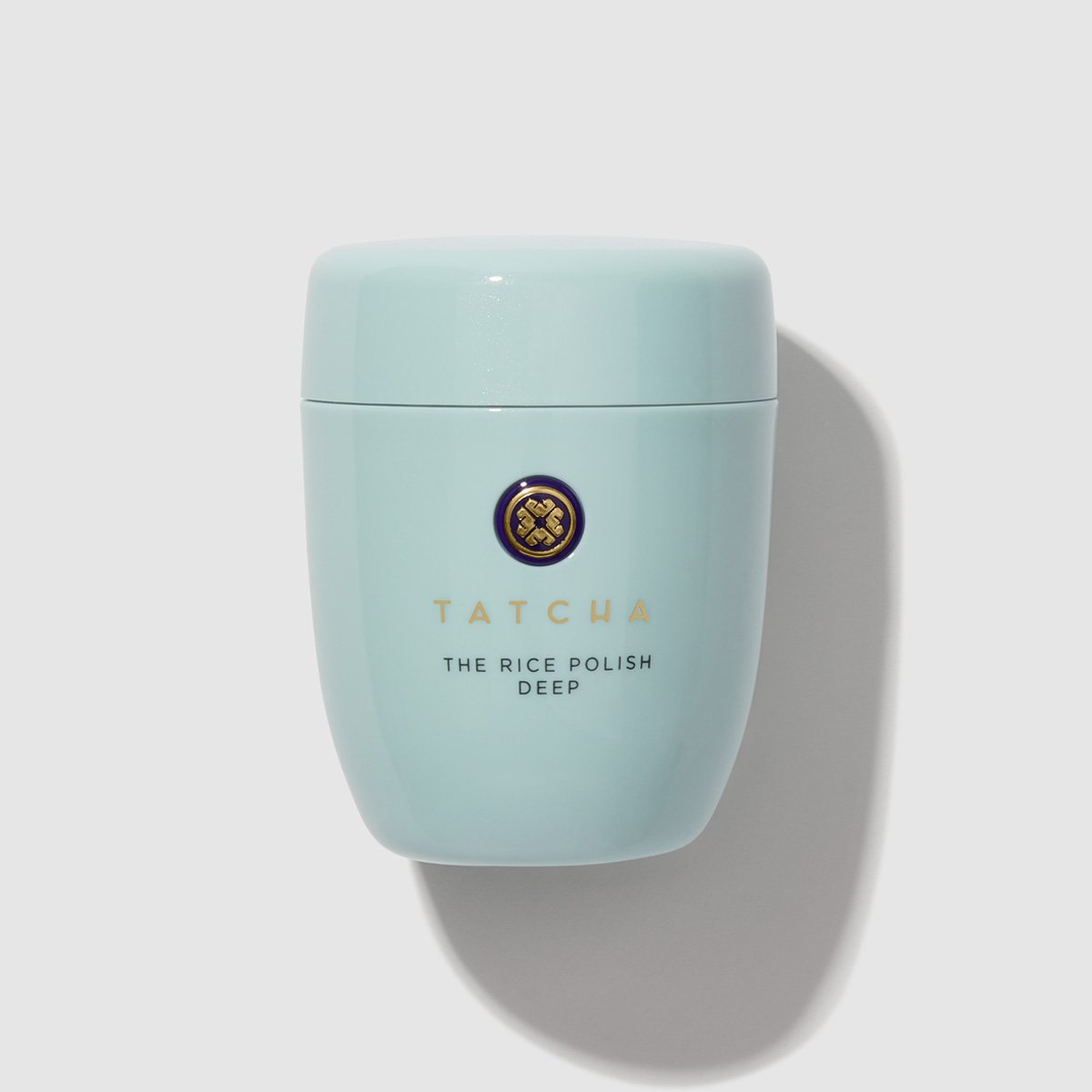
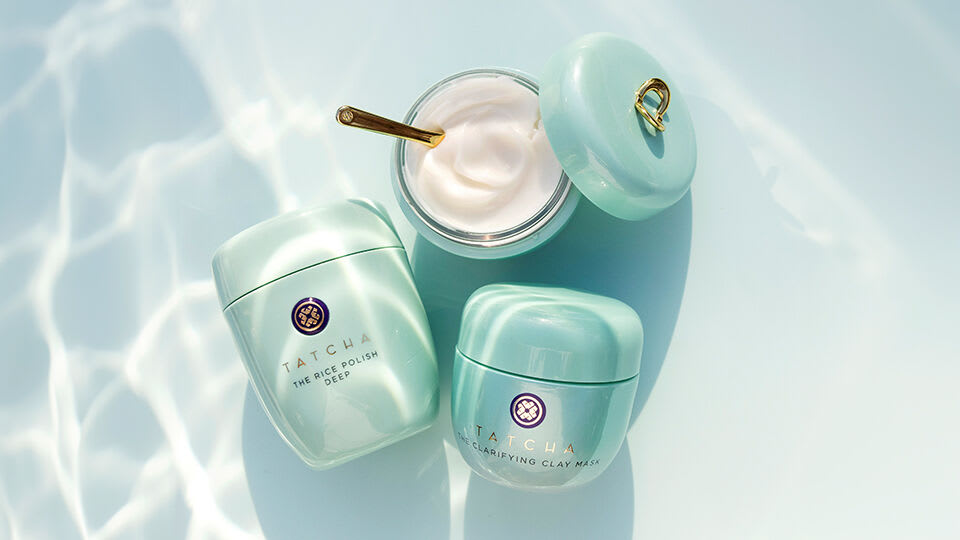
If you haven’t already, it’s a good idea to add an exfoliant into your combination skincare routine. These exfoliants can do a better job than your cleanser of decongesting pores, smoothing skin texture, and removing dead skin, build-up, and excess oil from the face. There are two paths to stroll down: Physical exfoliants, like the Rice Polish Deep, use finely milled granules (of rice bran, in our case) to tenderly slough skin’s surface, while chemical exfoliants like The Texture Tonic use acids to achieve the same goal. (Both include pore-shrinking ingredients, too.) You can choose based on your product preferences or ask an expert for a little more guidance.
A team of moisturizers
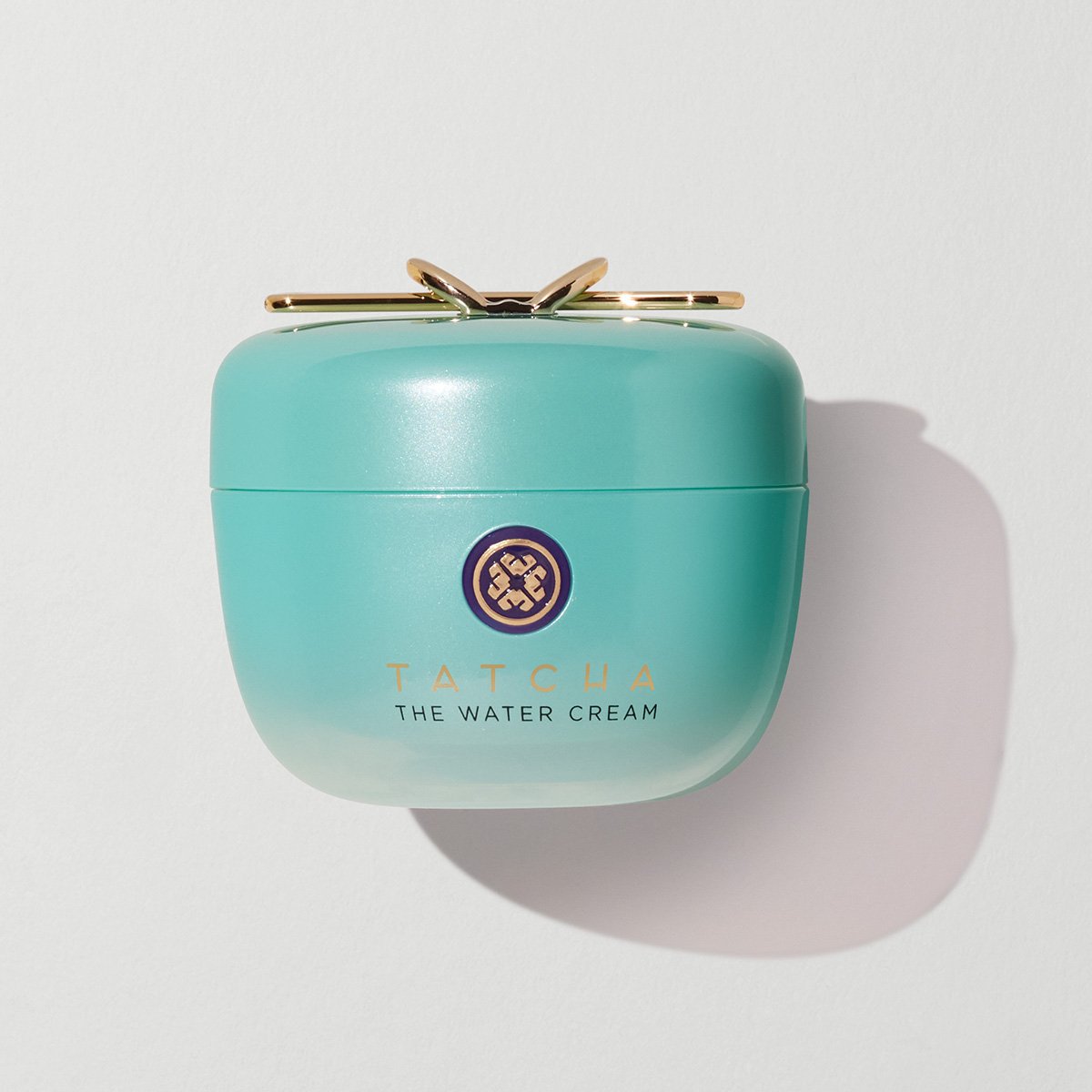
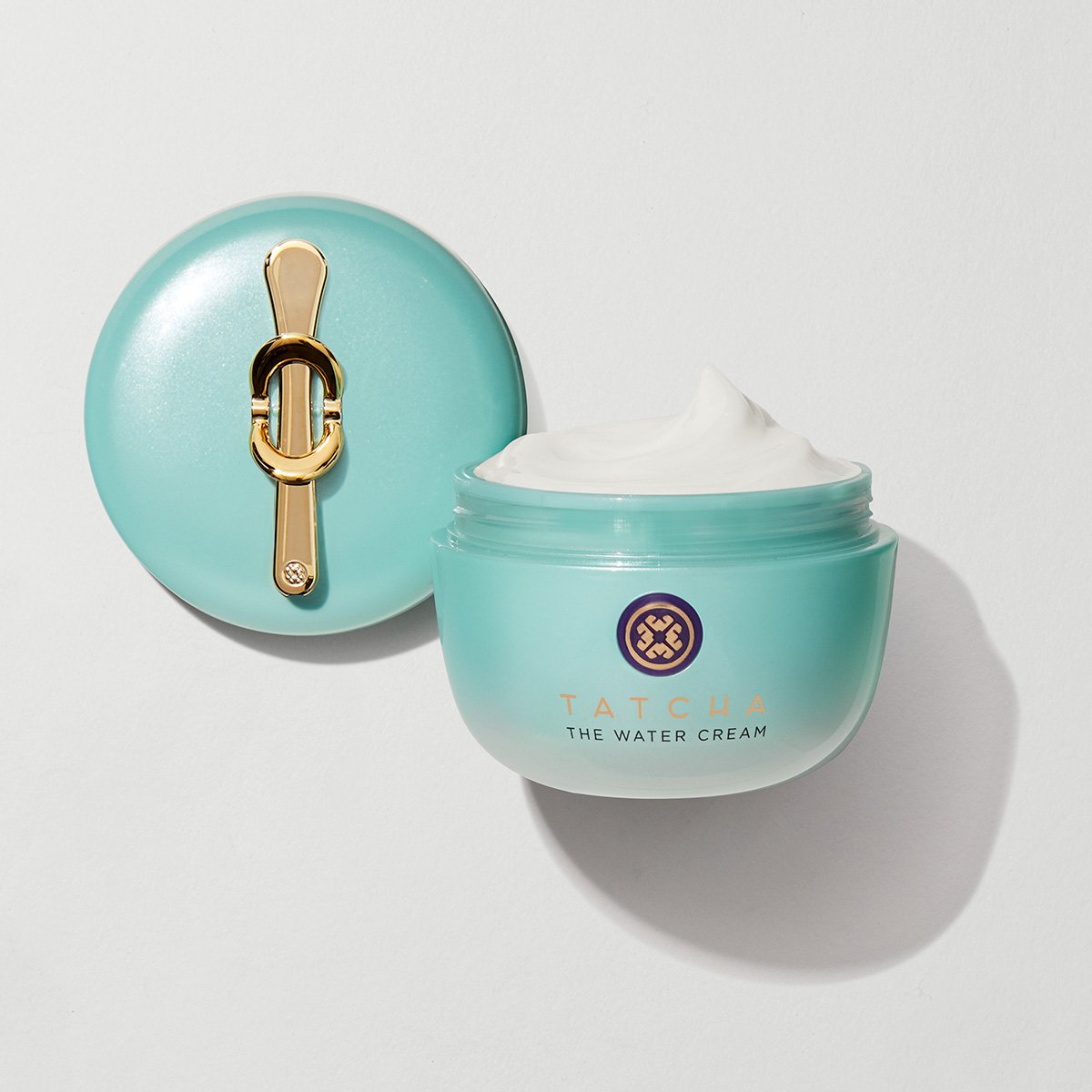
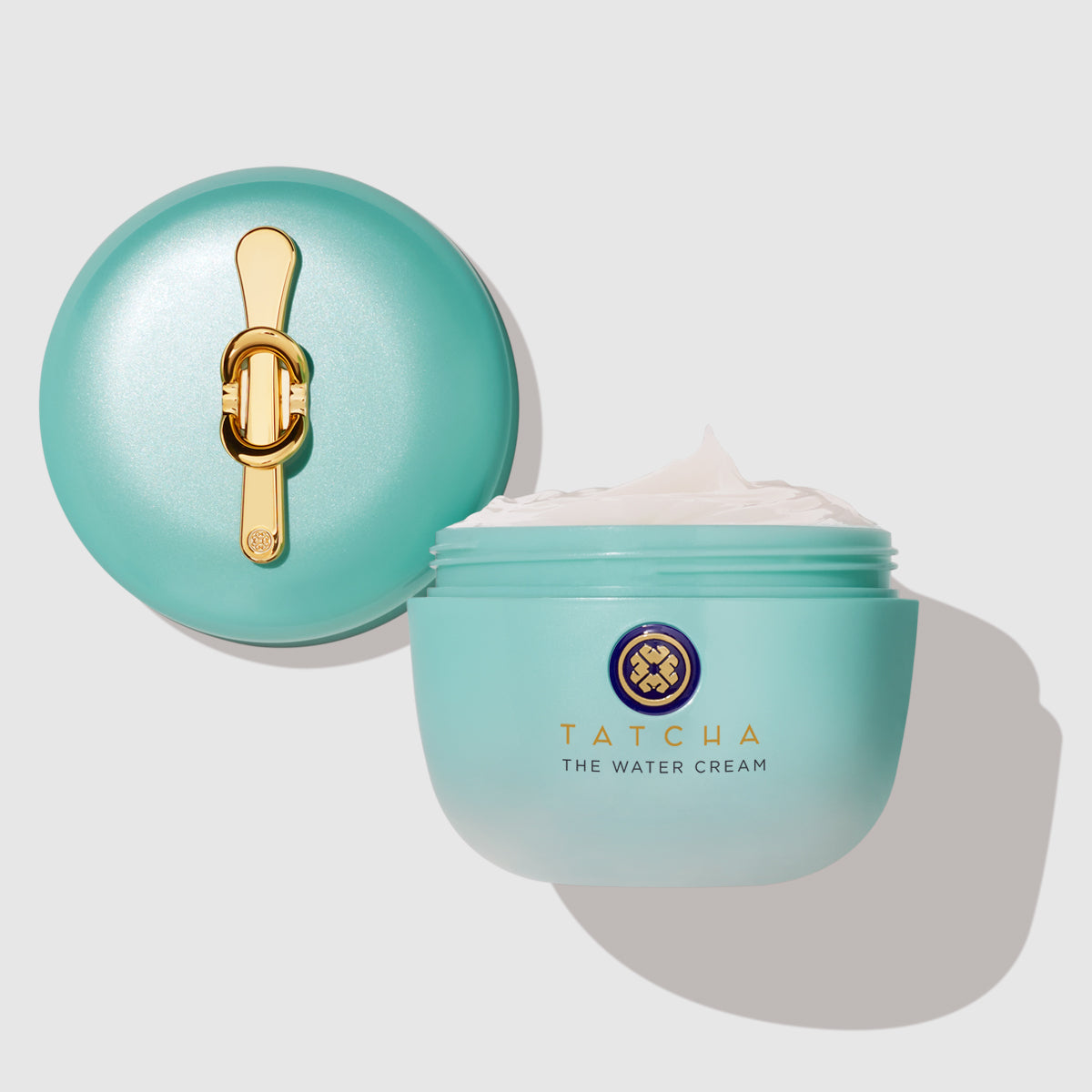
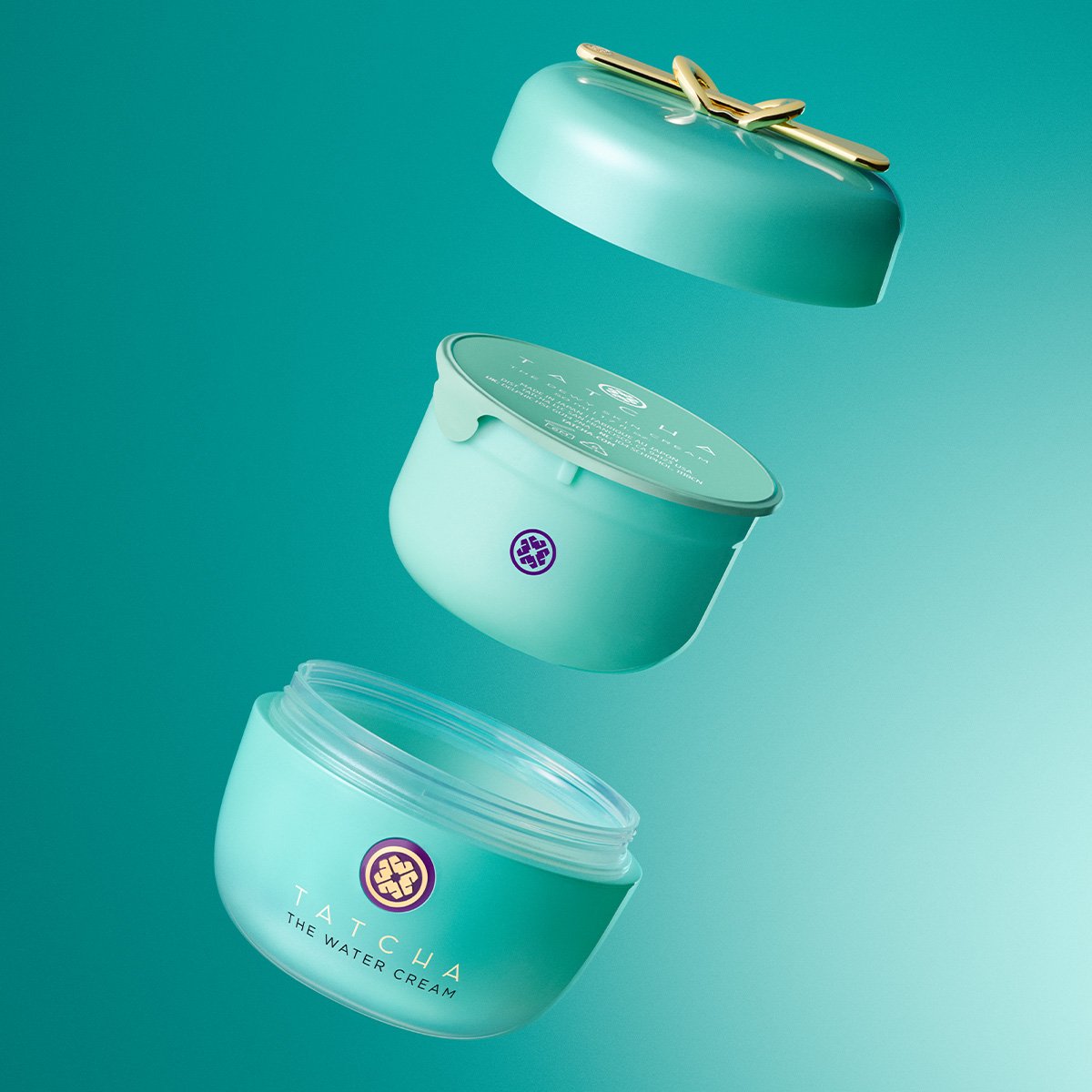
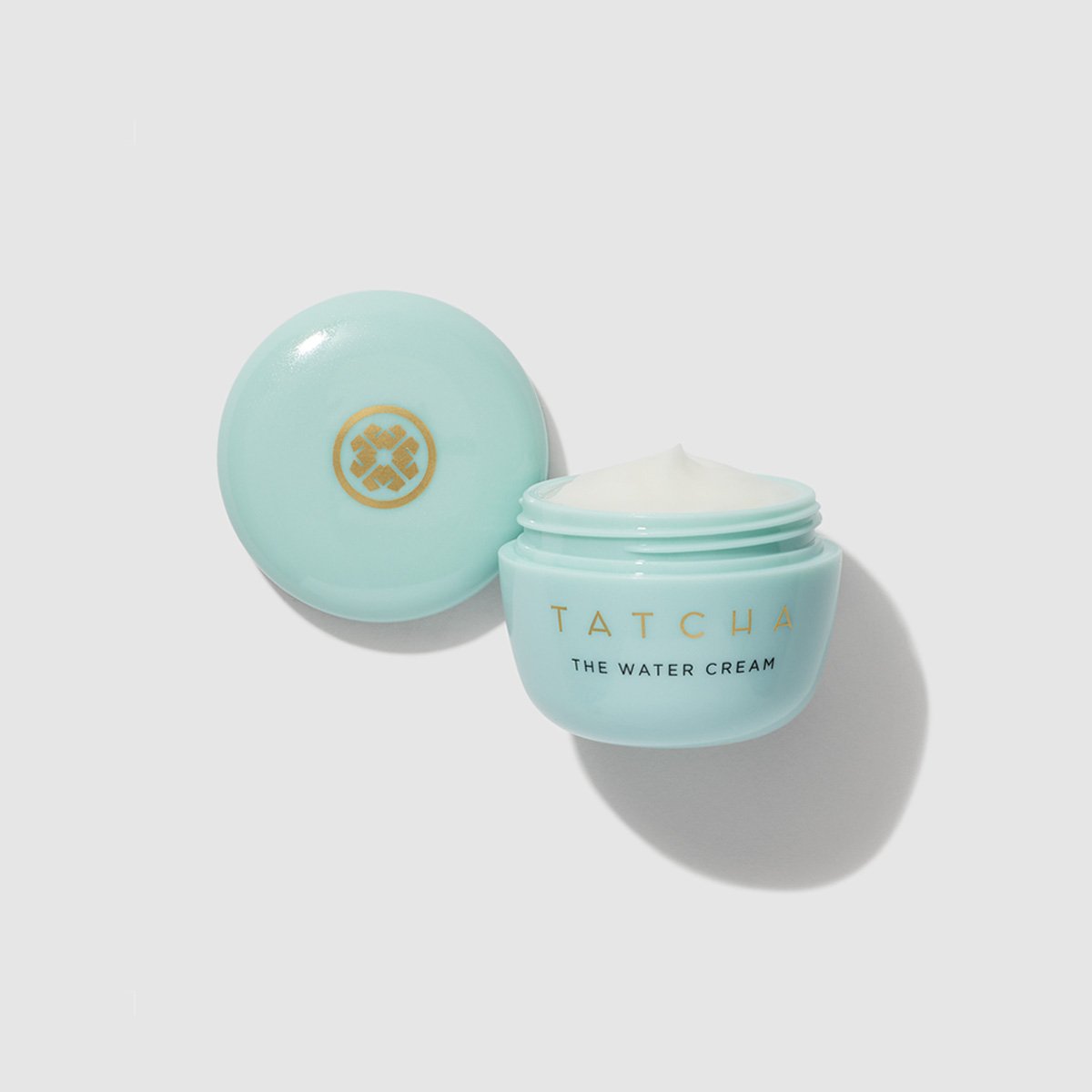
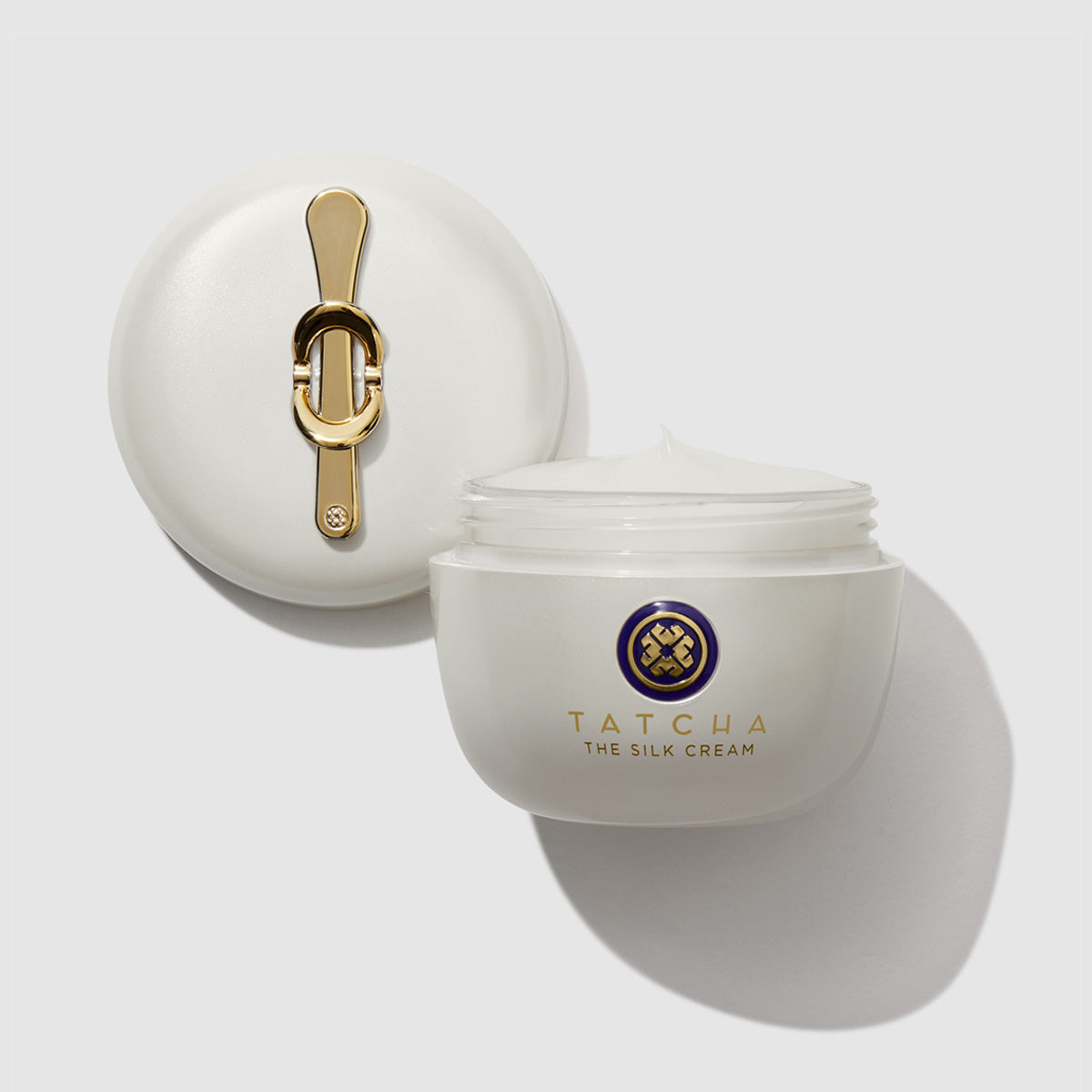
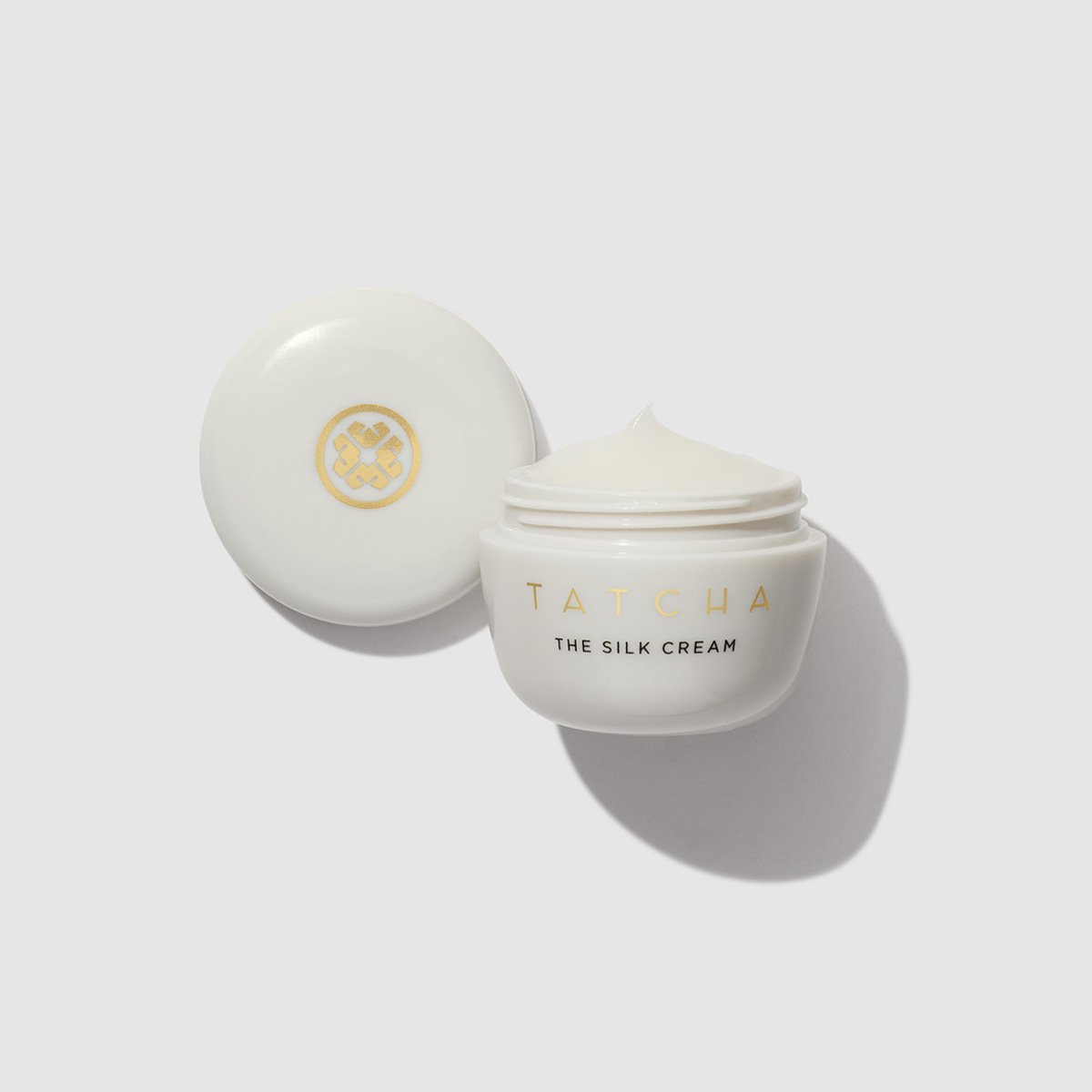
For combination skin, reach for gel-weight moisturizers in the summer and heavier ones in the winter in order to maximize skin’s moisture. To that end, The Water Cream makes a perfect warm weather companion, bursting with hydration on the surface of skin but feeling like no more than a veil. In colder climes, you can rely on something like The Silk Cream, which uses proteins from the fabric itself to mimic skin’s texture and “seal” the skin barrier. Either are lightweight enough to use for combination skin on their own, but together they comprise the perfect year-round duo.
A clay mask
Masks can provide all sorts of extra benefits to skin, as they’re left on longer but are used less frequently. Clay masks, in particular, have been used for centuries to purify the skin; clay helps to draw out impurities, and even expunge pores. The Clarifying Clay Mask includes ingredients that detoxify and exfoliate the skin, and can be used all over—or just wherever you find oil pooling.
Sun protection
Combination skin is most noticeable at its most chaotic; when dry skin is irritatingly dry and oily skin is slick with sebum. A weakening of the skin barrier, caused by reactions to skincare products or interactions from the environment, will only widen the gulf. It’s yet another reason that combination skin needs daily sun protection to help protect skin at the cellular level. But a sunscreen with the right skin-smoothing texture, like The Silk Sunscreen, can also help as a finishing skincare step to balance out combination skin—especially if it contains a weightless zinc oxide and biosimilar silk proteins.
A little something extra
Oily skin happens. And when it does, it’s nothing to stress about. But if excess oil leaves you feeling less than your best, a blotting paper goes a long way. This unique category of beauty accessories uses small pieces of paper that hoover up oil. Our Aburatorigami papers are made of a pressed abaca leaf that wicks away oil gently, inspired by a geisha beauty secret. All it takes is a sheet or two to balance things out on your own.