Summary
- Face masks can improve your skin in minutes — but only if you use them correctly.
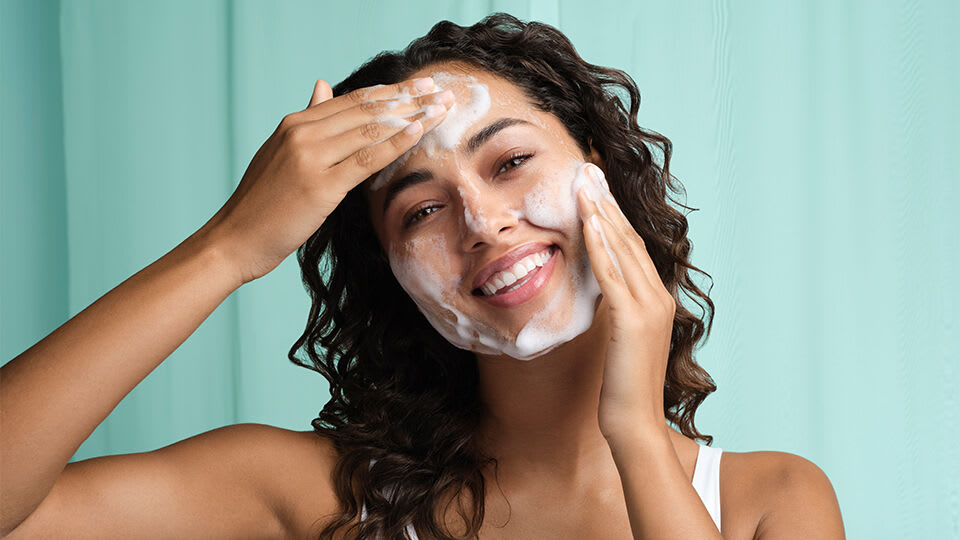
- To get the most out of your mask, start with clean, freshly washed skin and follow the product's instructions.
- Clarifying, clay, and hydrating masks are applied on clean skin, used for a short period of time, then washed off, and followed by the rest of your skincare routine.
- Sheet masks are applied to clean skin and left for 15 to 20 minutes without rinsing, allowing the hydrating benefits to fully absorb before following up with a moisturizer.
When and How to Use a Face Mask In a Skincare Routine
Face masks can be endlessly beneficial. Depending on the type you’re using, a face mask can exfoliate, hydrate, brighten, or calm. But you’re only receiving those impressive benefits when you use a face mask properly. While it might seem pretty straightforward, there are a few tricks and tips that help take your favorite face mask to the next level. Here’s everything you need to know about when to use a face mask when building a skincare routine.
Types of Face Masks
To know when to use a face mask, we first have to know the types of masks available. Here are a few of the most common types of face masks.
Sheet Mask
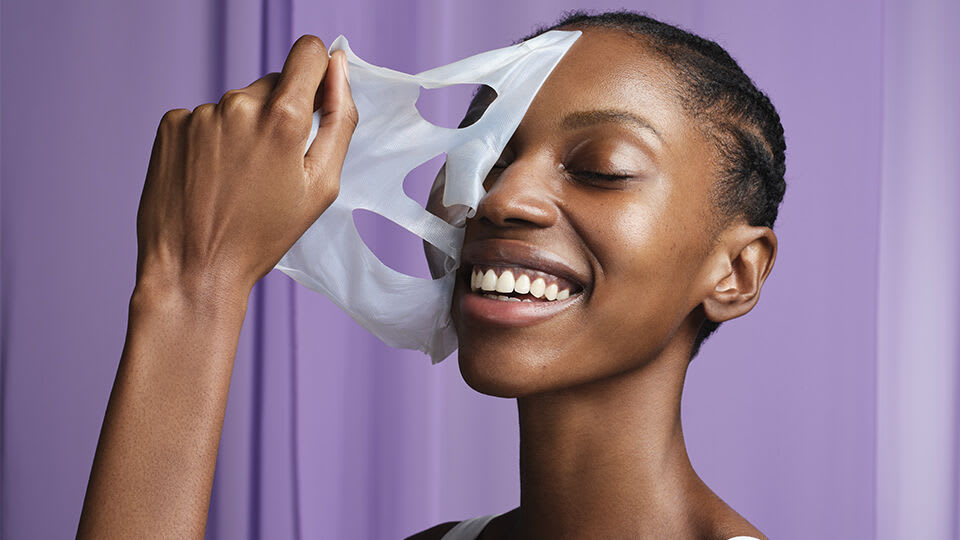
Sheet masks are thin sheets with pre-cut holes for the eyes, nose, and mouth that are made out of paper, cellulose, or another material. They are soaked in a serum concentrate and can target skin issues, usually dryness, in a concise time limit. It’s important not to oversoak the skin though, as that can actually leave the skin dry again. 10 to 20 minutes is usually enough time to absorb the nutrient-packed formulas (although each package will specify its ideal time allotment).
Exfoliating Mask
An exfoliating mask removes dead skin cells, unclogs pores, improves skin texture, and brightens the complexion. It usually comes in a jar, allowing you to apply as much or as little as needed or even just target certain areas of the face. An exfoliating mask usually has some form of alpha or beta hydroxy acid so it can exfoliate in mere minutes. It’s important to follow the package directions and exfoliate properly to avoid irritating the skin.
Clay Mask
A clay mask is a treatment made from natural clay that draws out impurities and excess oil from the skin. The clay is usually made from bentonite, kaolin, or even kucha and is likely mixed with other beneficial ingredients, like volcanic ash, to help target other issues, like chronic congestion. Similar to an exfoliating mask, it likely comes in a jar format to control the amount and area of application. It’s also not ideal to extend the recommended time usage, which can lead to excessively dry or irritated, sensitized skin.
Hydrating Mask
As a hydrating mask implies, it’s designed to deeply hydrate dry skin. The blend of ingredients is usually packed with notable hydrating powerhouses, like hyaluronic acid, ceramides, squalane, and glycerin. A hydrating mask likely doesn’t have as strict usage regulations as exfoliating and clay masks might. You can probably use a hydrating mask as often as you’d like and as long as you’d prefer (double-check the ingredients to ensure there aren’t sneaky ingredients that might trigger skin though).
Overnight Mask
Overnight, or sleep, masks are intentionally designed to stay on overnight or at least for seven to 10 hours. Think of them as a boosted night cream but with additional hydration, calming, and/or protective qualities that work overtime, ideally overnight, to promote skin recovery. Depending on the ingredients, many overnight masks can be used every night in place of a night cream.
When To Use a Face Mask In a Skincare Routine
We’ll soon learn the best face masks, but before we dive into our recommendations, let’s first learn when should you use a face mask and what formula is right for you. Surprisingly, nearly every mask has an ideal way to use it, so learning these basics will help you maximize the formula and get your best skin yet.
Sheet Mask
Reach for a sheet mask if you’d like to soak your skin in hydration. This can be particularly great for those who have a big day or event, as some masks can have as much as a bottle’s worth of serum in a single mask. Basically, this is your shortcut to instantly dewy skin.
To use, apply a sheet mask on clean, freshly washed skin. You could apply a liquid exfoliant or essence beforehand, but it’s not necessary. Consult the packaging but ideally 10 to 20 minutes is plenty to absorb the dewy goodness. You can then pat on a moisturizer after pulling off the mask to lock in the hydration. This can be done anytime of day, whether you’d like to apply a sheet mask to boost your skin at the end of the day or leave it looking extra radiant before a special occasion.
Exfoliating Mask
Skin looking congested, with dullness, blackheads, and uneven texture? An exfoliating mask will solve these problems in just a few minutes. With great power comes great responsibility: only use these potent formulas once or twice a week.
To use, apply on clean, freshly washed skin. (Trying to exfoliate pores with a face full of makeup or sunscreen will not only cause irritation but won’t truly penetrate and exfoliate the skin.) It is vital to strictly follow the packaging instructions on timing. More does not equate to better results; rather, it likely results in irritation, burning, and extreme redness. To remove, wash the mask off thoroughly and then apply an essence (if using), serum (if you’d like), and moisturizer (a must). It’s ideal to go with gentle products after using an exfoliating mask so that the skin can repair and recover. Depending on how deep the mask exfoliates, this type of treatment is usually ideal at nighttime before bed so skin has time to reduce in redness and you can awake glowing. However, if the exfoliation isn’t too irritating to the face and, quite the contrary, it leaves skin radiant and glass-like, feel free to use it before a big event, just be sure to have tested it beforehand to ensure the results.
Clay Mask
Do you experience chronic excessive oiliness? Do your pores constantly seem clogged, resulting in blemishes and stubborn blackheads? Is skin clarity and texture an issue? You’ll love a clay mask then. Transform skin into a clearer, smoother appearance with continuous use of this unique type of mask. Designed to absorb and draw out impurities, clay masks can be a game changer in a skincare routine. Only once or twice a week is necessary to benefit from this potent formula.
To properly use a clay mask, apply a thin layer after cleansing — and be sure to cleanse properly and remove makeup, skincare, and sunscreen so the mask can fully penetrate. Leave it on for the recommended time — and absolutely nothing more. While it might seem like more time will pull out even more gunk from the pores, it causes more harm when used for too long. The clay can start to pull skin’s natural oils that are needed to hydrate the face, causing the skin to feel tight and dehydrated afterward. Just a few minutes is plenty to clarify the pores. Rinse away the mask — this might be easier with a gentle washcloth or cleansing the skin again to remove all traces of the clay. Bring hydration back into the skin with an essence, serum, and moisturizer after cleansing.
Hydrating Mask
Similar to a sheet mask, a hydrating mask is going to deliver instant hydration. Some prefer a hydrating mask in a jar so they can customize where they apply the mask. Arguably, it’s a tad more comfortable than many sheet masks, too. If you’re looking for juicy hydration in a jar, grab a hydrating mask.
To use, start with clean, freshly washed skin — and clean hands, too. Clean hands are important so you don’t get germs in the jar or on your skin. Also, most, if not all, jarred masks, whether they be hydrating, clay, or exfoliating, will come with a tiny spatula. Do not throw this away! This is so you can hygienically get product out of the jar. Grab the little spatula, pick up as much product as you need, apply it on the fingertips, and massage it into the skin. Then wipe down or wash the spatula and put it near the product for next time. A true hydrating mask with no active ingredients can likely be applied for as long as you’d like, whether that be minutes or hours. Consult the packaging, but many can also be just wiped off or massaged into the skin without the need to wash it off. Most hydrating formulas are rather foolproof, allowing anyone with any skin type to indulge in the moisturizing benefits. (The skin likely will have a bit of excess product on it, which is great, but if you’re going to a big event or occasion afterward, it probably would need to be washed off to ensure a clean canvas.)
Overnight Mask
Would you like to boost your hydration, calm redness and irritation, and repair your skin barrier while you sleep? (Who wouldn’t?!) Then, reach for an overnight mask, which can accomplish all that and more while you get your beauty sleep.
To best use an overnight mask, start as you have with all other masks, with clean, freshly washed skin. You can apply your essence, if you’d like, and even a serum that you love using in the evening. Then lock it all in with the overnight mask, which is basically a supercharged night cream. Depending on how you sleep, you might want to lay a soft clean towel or washcloth down atop your pillowcase so it doesn’t get soaked in skincare. This is especially important because some masks absorb more, while others are designed to be an occlusive-forward formula that creates a barrier on the skin, making it a little more sticky and damp to the touch. In the morning, cleanse the skin to remove the mask and soak in your skin’s new dewy appearance.
The Best Face Masks
Now that we know what the most common types of masks are, who they’re ideal for, and when to use a face mask, let’s break down the best masks within these categories.
Best Hydrating Sheet Mask
Luminous Deep Hydration Lifting Mask
According to the Cleveland Clinic, sheet masks tend to be more hydrating as they allow the moisturizer to be distributed and absorbed directly into the area it touches. (Who knew!?) At Tatcha, our unique, coconut-derived, biocellulose sheet mask boosts the skin’s moisture content by up to 200 percent in just 15 minutes.* Plus, the biocellulose material adheres better and more comfortably to the skin for a more pleasant experience. The mask contains a proprietary serum composed of Okinawa red algae and hyaluronic acid for skin that is hydrated, firm, and lifted in mere minutes.
For this Luminous Deep Hydration Lifting Mask, apply to clean skin, leave on for 15 minutes, remove, and massage remaining serum into the skin — do not rinse (you’ll wash away all the juicy benefits!).
Best Exfoliating Mask
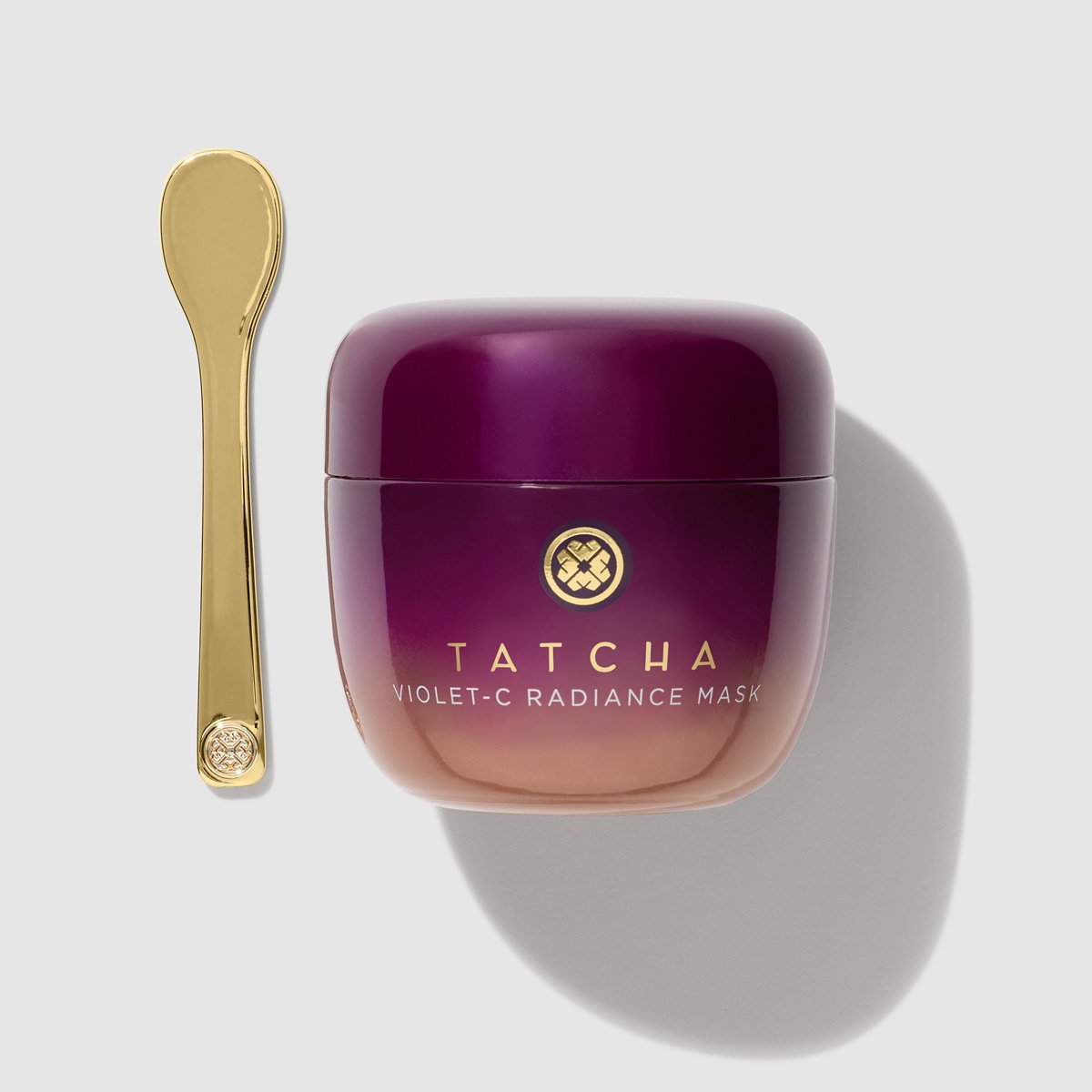
Many exfoliating formulas have an aggressive formula that can leave the skin feeling raw and red. However, this brightening mask has a clever blend of ingredients that makes the skin feel instantly soft and radiant. The bestselling brightening mask is gentle enough for sensitive skin but also hydrates, improves skin’s texture and tone, and resurfaces dullness. The creamy treatment features two types of vitamin C (for maximum benefits), 10 percent AHAs (to resurface uneven, dry skin), and our proprietary Hadasei-3 complex (to hydrate and glow). In just a handful of minutes, skin is left brighter, more translucent, and with a radiant glow.
To best use the Violet-C Radiance Mask, apply a generous and even layer to clean skin. Leave on for 15 to 20 minutes, and then thoroughly wash away. This can be used two to three times a week, but first test to ensure skin handles the formulation well.
Best Clay Mask
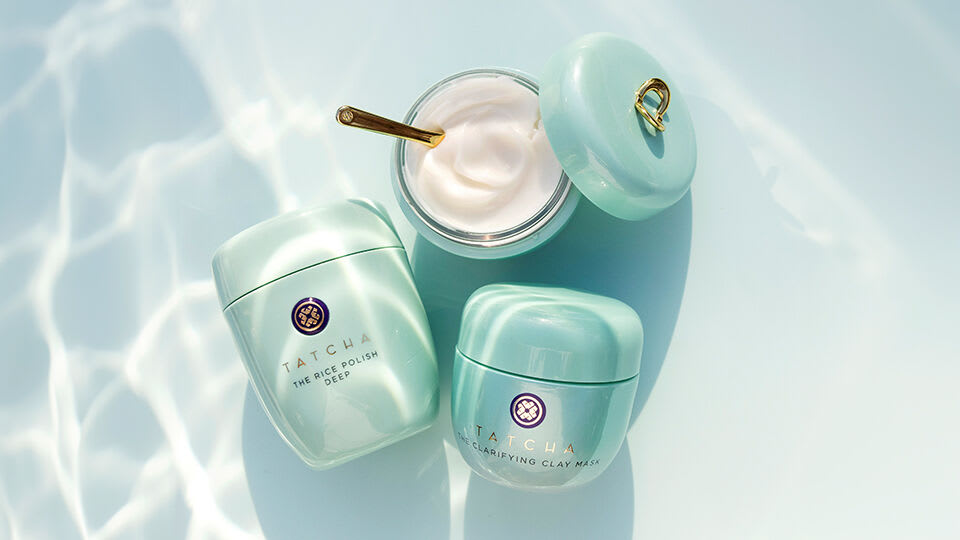
Many clay masks address excessive sebum production, but they also tend to absorb much-needed moisture in the skin, too. This clay formula both minimizes excess oil and sebum, while also improving skin’s hydration. (Impressive!) The formula uses a mix of Okinawa kucha clay, Japanese konjac, and volcanic ash for a pore-changing transformation in minutes. In clinical studies, participants showed an improvement in texture, clarity, appearance of pores, and hydration in just a single use.** Also worth noting are the long-term benefits: participants in clinical studies found that after just a single week (after three applications), skin showed a reduction in sebum production, felt less oily, and showed an improvement in smoothness, softness, and suppleness.*** The power of clay masks! Plus, these benefits are accomplished in just three minutes — potent and efficient.
To use, massage a thin layer onto clean, freshly washed skin. As the mask is massaged in, the color shifts from sage green to soft red. Leave on for no more than three to five minutes, then rinse thoroughly. You can use this formula two to three times a week — but first, spot test before using and then gradually up the usage to two times a week to ensure skin can handle the powerful ingredients.
Best Overnight Mask
Calm and hydrate the skin with this bestselling serum-in-moisturizer treatment. While it’s technically a barrier cream and not a mask – this is because it responds best to consistency and is designed for daily use; while a mask is for occasional use – users can still take advantage of its miraculous redness-reducing capabilities. The Japanese indigo, ceramides, and mondo grass formula visibly calms irritation, strengthens the skin’s barrier, and balances the microbiome overnight. In clinical studies, participants showed an improvement in skin barrier, texture, redness, and barrier after just a single use**** and after one week, users noted their skin felt smoother, firmer, and less irritated.***** In the long term, the treatment has been shown to visibly reduce fine lines, too.***** (What can’t it do?!)
To use the Indigo Overnight Repair, start with clean skin – you can apply a toner or essence, and serum beforehand, if desired. Then gently massage in upward strokes and allow the skin to soak up the potent barrier cream overnight before delicately washing it off in the morning and admiring your visibly calm and radiant skin.
*Based on a bio-instrumentation study of 40 panelists.
**Based on a clinical study of 40 panelists; 3 applications over 1 week.
***Based on a bio-instrumentation study of 40 panelists; 3 applications over 1 week.
****Based on bio-instrumentation of 40 panelists.
*****Based on a clinical study of 40 panelists.