





AHA and BHA are two types of tried-and-true acids, and they’re widely used for chemical exfoliation. But what’s the difference, and which one is right for your skin?
Of the wide variety of ingredients used in skincare, some are much more scrutable than others. Rice bran, for one example, can make for a gentle and nourishing scrub. Betahydroxy acid is, by contrast, a little more confusing at first blush. And yet this is one of many chemicals that can exfoliate the skin, as gently as rice, or as any other ingredient. (We tend to call them BHAs, a term that requires less of a mouthful.)
Betahydroxy acids are one example from a larger category of hydroxy acids. Alphahydroxy acids, or AHAs, work in a similar fashion, but are crucially different, too. Both are abundantly used in skincare, and one may suit your skin better than the other, but either are sure to upgrade your routine, by amplifying skin’s natural resurfacing process. The difference between alpha- and betahydroxy acids may be microscopic, but it means a world of difference for your skin. The below guide will both help you understand the unique benefits of AHA vs. BHA as well as help you pick the right one.
What are AHAs and BHAs?
Scientifically speaking, these acids are carboxylic compounds, a structure of molecule where a carboxylic acid is connected to a substituent. They also have a hydroxyl carbon attached in one or more of a few places, and where that carbon is attached determines what kind of hydroxy acid it is.
AHA and BHA are often derived from natural sources, and can be found in fruits, milk, and some leaves and barks. There are betahydroxy acids that come from pineapples, and alphahydroxy acids that come from red apples. When applied to skin, both types of acids help to resurface the skin. When acids are involved, this process is known as chemical exfoliation. By contrast, physical exfoliation uses fine particles to scrub away dead skin. Both types clear the way to encourage new skin—and to make your other skincare products more effective.
What is the difference between AHAs vs. BHAs?
Put simply, the difference between AHA and BHA is one of oil and water.
AHAs are water-soluble molecules. Because they react with water, they perform at the surface level of skin, where they dissolve the bonds between old and new skin cells. BHAs, which are oil-soluble, reach down deeper into pores, where our skin’s sebum reserves are located, and purge oil and dirt. For this reason, the latter are usually recommended for oily and acneic skin, while the former are known to work for all skin types. BHAs have also in particular been noted for their anti-inflammatory properties.
The sources of specific AHAs and BHAs also differ. Glycolic acid, a popularly used (and proven effective) AHA, comes from sugarcane; Salicylic acid, the most common BHA, is derived from willow tree bark, and contains a chemical similar to aspirin.
What are the benefits of AHAs vs. BHAs?
You can think about AHA and BHA as a kind of dynamic duo, each working in tandem at different layers of the skin to perform essential chemical exfoliation. Many dermatologists and aestheticians recommend exfoliation as a way to maintain cell turnover as you age. A chat with your own dermatologist should reveal which hydroxy acid is right for your skin, but a short inventory of the benefits of each may help you get the conversation started.
AHA Benefits
- Good for all skin types, great for drier skin
- Smooths out rough texture
- Can help with sun damage
- Anti-inflammatory
BHA Benefits
- Good for all skin types, great for oilier skin
- Mops up excess sebum
- Can help with acne
- Anti-aging
What is a good AHA or BHA product?
The best AHA or BHA product is one that works with your skin type, which means formulating its acid content to a level that will effectively exfoliate without causing irritation. Perhaps most importantly, it’s going to be a product that you’ll use over and over again. The most important skincare ingredient is consistency.
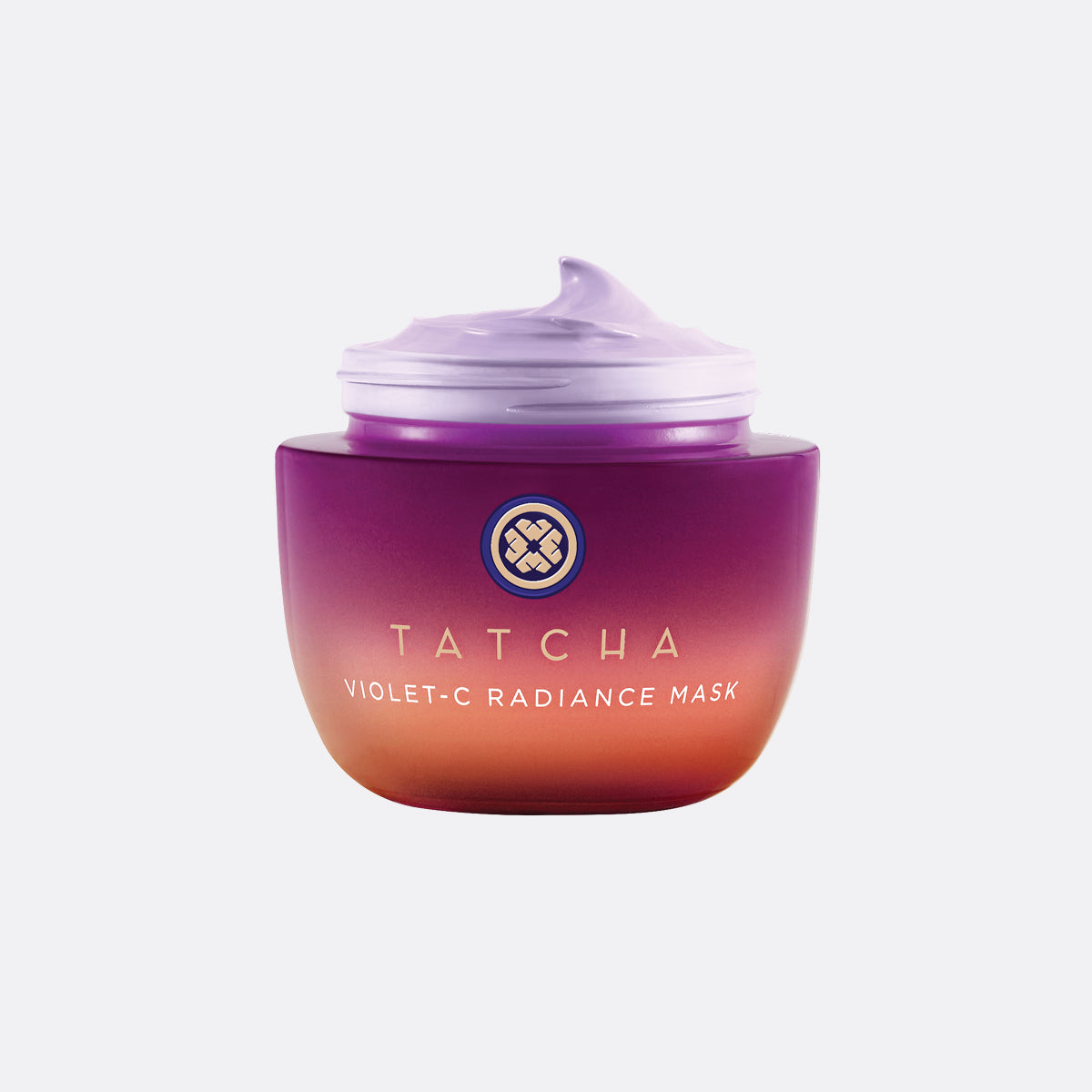
Those looking to ease AHA or BHA exfoliation into their routine could incorporate a product like a mask. Some, like hydrating masks, can be used daily. Others are more effective spaced out to two or three times per week, and provide a lower-commitment way to try new ingredients. This is also recommended for masks with potent actives, like Tatcha’s Violet-C Radiance Mask. It’s made with 10% AHAs, derived from a variety of fruits, that clear away dead skin cell debris and buildup. (Plus: Two different types of pure vitamin C supply brightening and anti-aging benefits.)
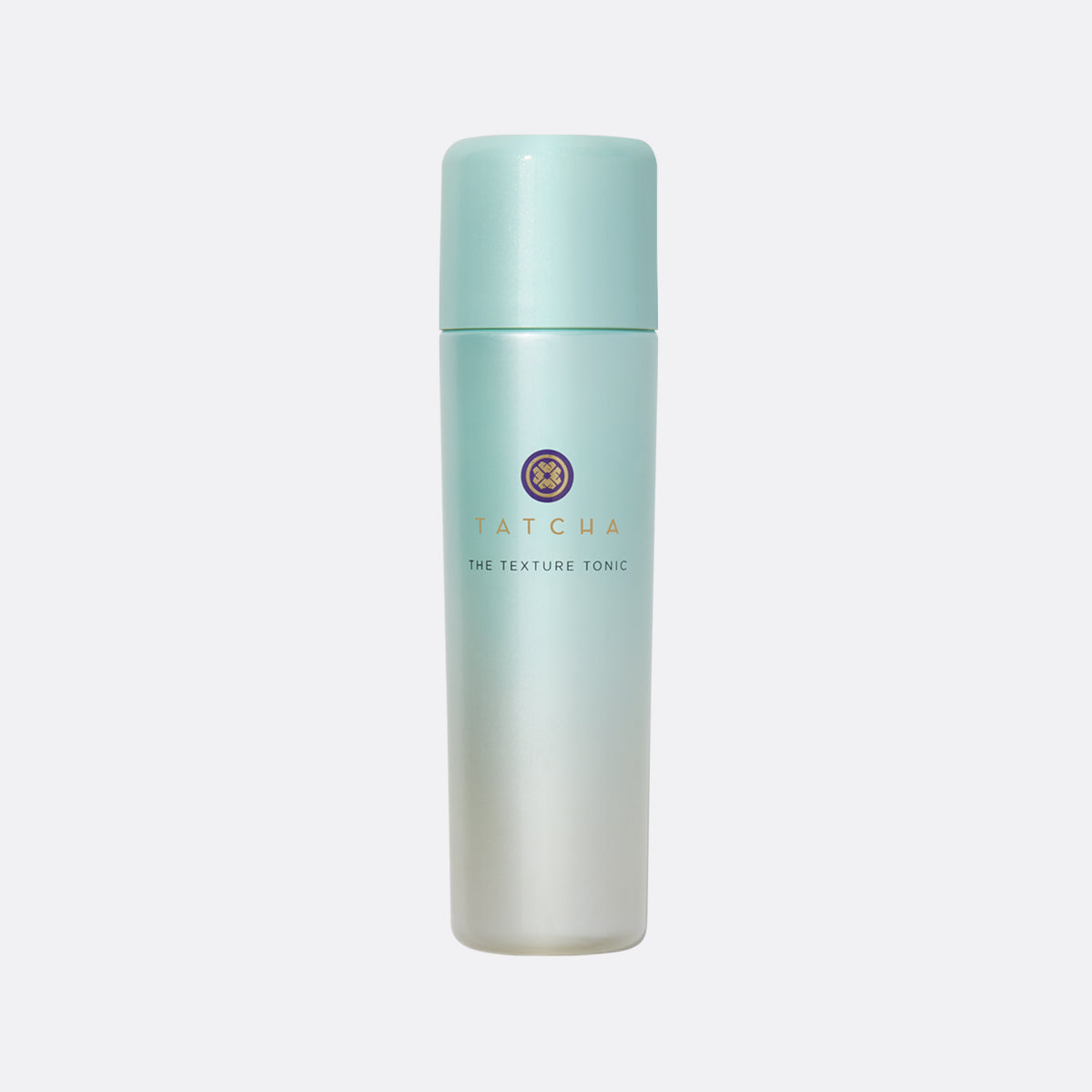
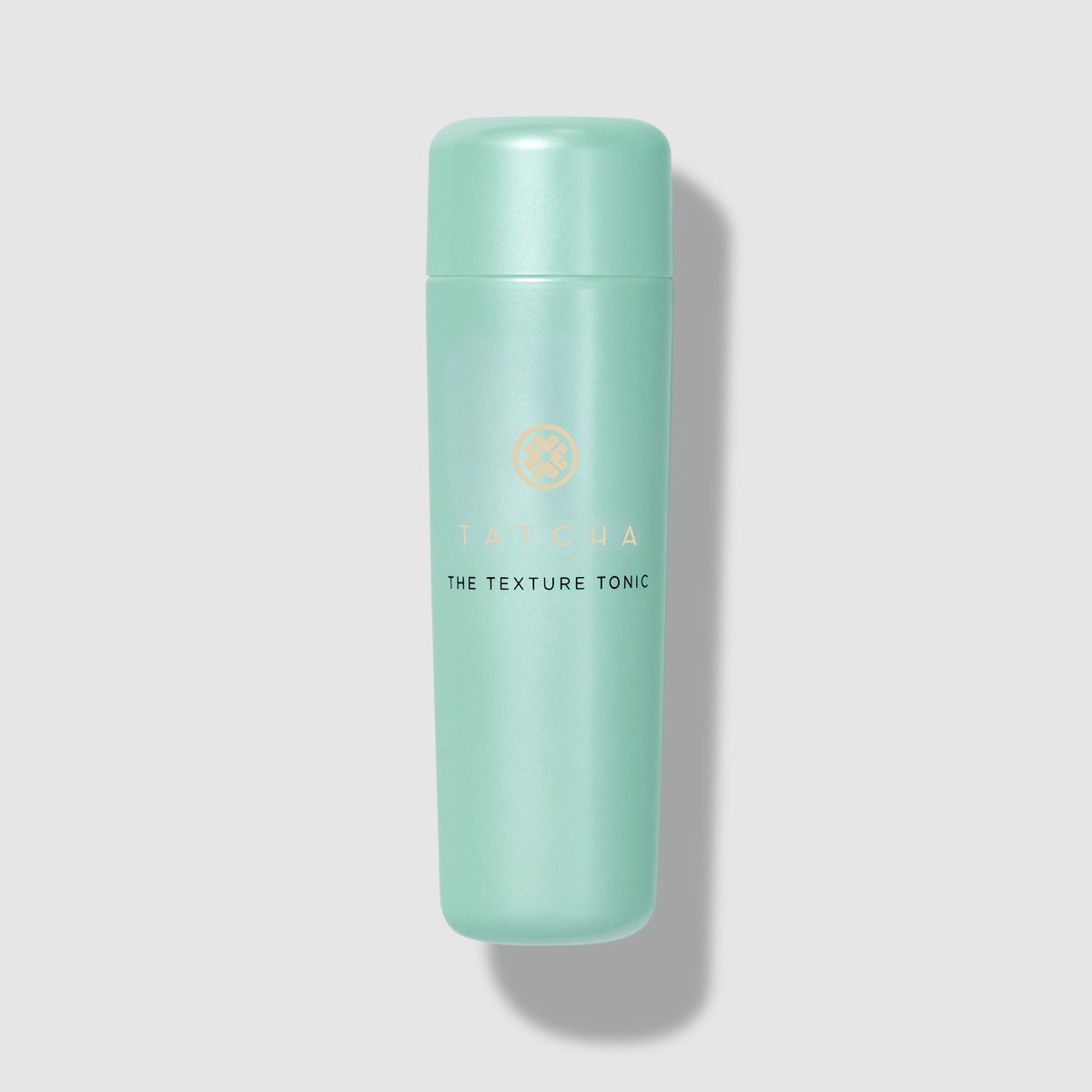
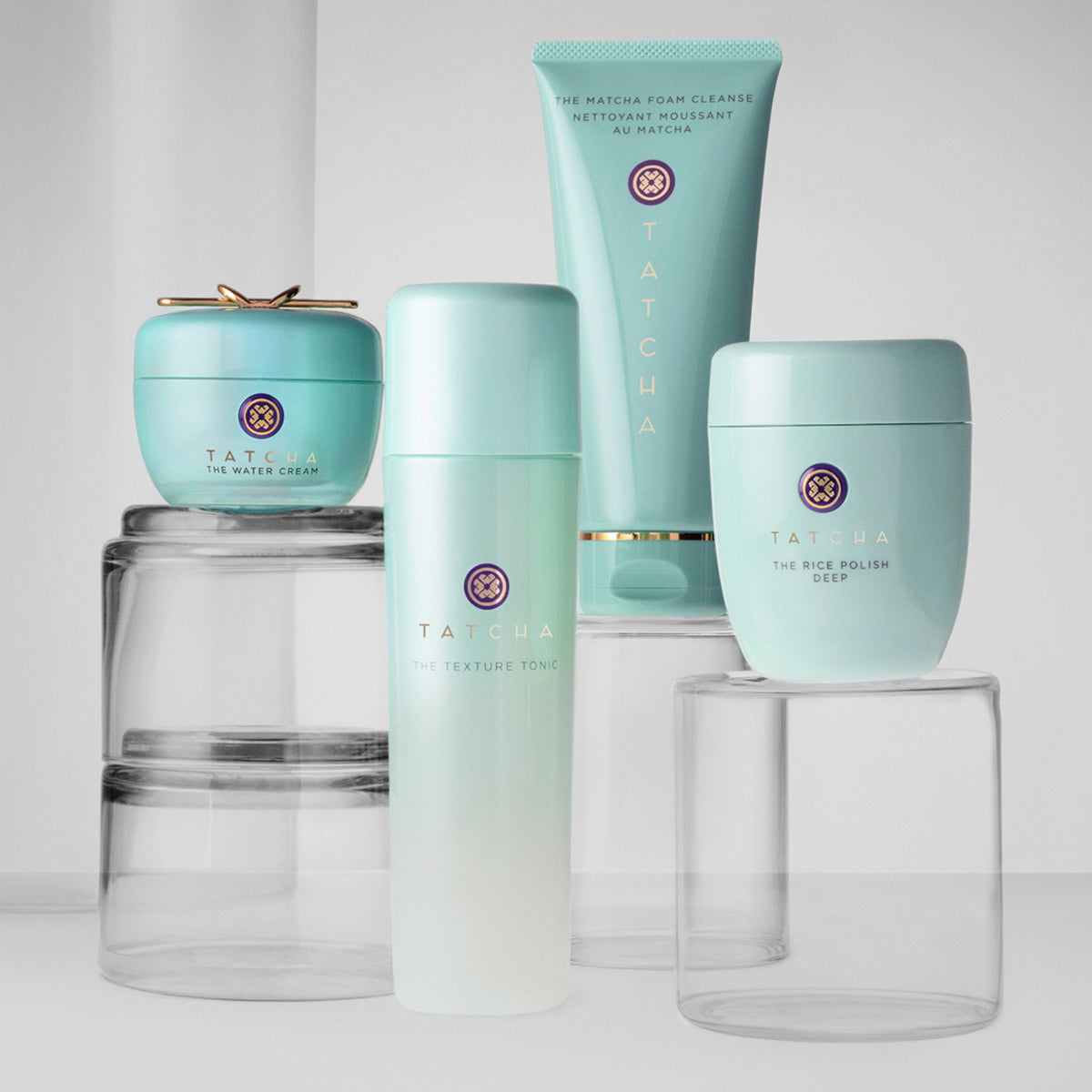
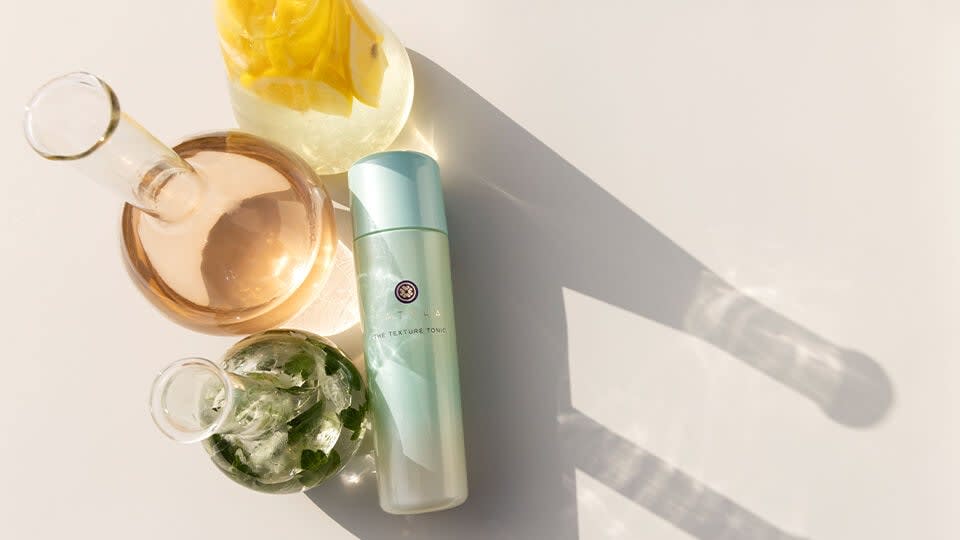
For those looking to level up their current chemical exfoliation situation, a product like The Texture Tonic allows for daily dosage. This lightweight toner can be used between a cleanser and serum or moisturizer, and is made with fruit AHAs, plus niacinamide, Japanese mugwort and wild rose. A few swipes visibly evens skin tone and texture without stripping essential moisture. (It can be used morning or night.)
Can you use AHAs & BHAs together?
When it comes to mixing skincare ingredients, you’d be wise to be careful—and the advice applies doubly to acids. But according to dermatologists, AHAs and BHAs can play well together. You just need to use them wisely—and keep a few tips in mind.
Try not to layer products
Some products are formulated with both AHAs and BHAs, and these ones are going to be your best bet if you want to get the benefits of both—they’re likely formulated for a safe and effective combination of both.
Consider alternating
Why not use a BHA in the morning and an AHA at night, or when skin is feeling one way or another (oily or dry)? This is one way to get the benefits of both without risking irritation.
Stay single
Sure, it’s fine to use AHA and BHA together carefully. But if one works best for your skin, it’s more than OK to use it alone without feeling like you’re getting less. The benefits of using both don’t outweigh the benefits of using one. When you find an acid you like, stick to it.