




From even a close distance, skin appears to be little more than a biological fabric—a barrier that denotes self from other, and a casing for all of the precious insides that make us up. On microscopic inspection, skin is an ecosystem unto itself, with more complexity to its interconnected systems than a global trade route or average computer processor.
We have much to thank for this. Because, indeed, skin is a barrier, and at its most basic purpose it keeps the good stuff in and the bad stuff out. And it does this thanks to multiple layers of skin, each one with its own particular makeup. If it wasn’t for these, harm-causers like bacteria and pollutants and even radiation from the sun could wreak havoc on our most precious (and most delicate) layers.
The skin barrier is formed primarily of dead skin cells, tightly packed together, and while we may clean and exfoliate this layer, it’s important to keep it intact for our skin’s overall health. In fact, skin does this itself, by releasing a substance called sebum that helps naturally moisturize the skin barrier (and protect it from water loss). It’s frankly amazing—and can be frankly annoying. Sebum is also known as oil, and an overabundance of it can be a locus of skincare attention.
Sebum is also introduced to the skin through pores, the tiny channels that burrow from the skin’s surface down to sebum’s source. You’ve probably heard of them, and perhaps even worried about them: There are few words in the skin lexicon as notorious. But they need not be: Pores are simply a part of us, and our skin. That doesn’t mean they have to be taken at face value, as this guide to the best primer for pores will demonstrate.
What are pores?
There is no scientific word for these tiny openings on our skin. We simply call them pores. One study performed on pores reveals that, though they can differ slightly in size and concentration, they are a unifying characteristic of skin, regardless of our individual skin types. In other words, we all have pores.
Pores are found almost all over the body—except in places like on the lips—but are found in high concentration on the face. The skin on our face is delicate, and complex, and pores help the skin self-regulate by trafficking sebum from sebaceous glands found within hair follicles up to the surface of the skin. This can also cause clogs, which occur when dirt, oil, or dead skin cells collect inside of a pore, which can lead to the formation of acne.
Pores can become clogged, and they can also become enlarged. This can happen in a few ways: with time and age, with unprotected overexposure to the sun or environment, or by misusing skincare products or trying to extract your pores on your own, without the hand of a licensed aesthetician. Many products geared toward oily skin are also made with ingredients that help pores remain clear and tight.
Can I shrink my pore size?
Pores are yours. In other words, their size is determined largely by genetics. Though other lifestyle factors can play a part in enlarging pores over time, pore size is otherwise not subject to change. Pores also cannot open or close, in contrast to popular skincare wisdom. It is however possible to make them less noticeable, according to some dermatologists, through the use of certain skincare ingredients.
What skincare can I use for pores?
While pore size cannot be changed, it's possible to “minimize” pores by making them appear smaller. There are a few ways to achieve this with skincare, but some of the most popular options include:
Exfoliators. Remember that skin debris that can cause clogged pores? Exfoliators of all kinds are designed to remove exactly this kind of buildup—be it dirt, oil, or dead skin cells. Physical exfoliators, like scrubs, as well as chemical exfoliators, like alpha hydroxy acids (AHAs), all usually carry the added benefit of improving the look of pores.
Sunscreen. Not that you need a reminder on the importance of everyday sun protection, but here’s another one: Derms confirm that overexposure to UV radiation from the sun can cause skin to droop, and pores to reveal themselves more easily.
Primers. Unlike skincare that reacts with the surface of the skin to produce its effects, primer simply lays out a smooth surface over top, providing a barrier between your skincare and makeup. Newer primers are designed with ingredients that can help pores appear tighter, while also sitting atop them, ensuring a smooth canvas. Primers should be applied after applying sunscreen and prior to your makeup routine.
What’s the best primer for pores?
Primers are some of the best face products for the pore-conscious. Because pores can’t be shrunk, there’s no skincare ingredient that’ll make them smaller on their own. But a good primer can shield them totally from view, and help create a flawless makeup finish — or merely blur the look of pores when worn without makeup. There exist a few kinds of makeup primers—primers for sensitive skin, primers for oily skin—but the main categories are solids, which have the texture of balms, and liquids, which are more like creams and serums. Here are the best primers for pores from each category.
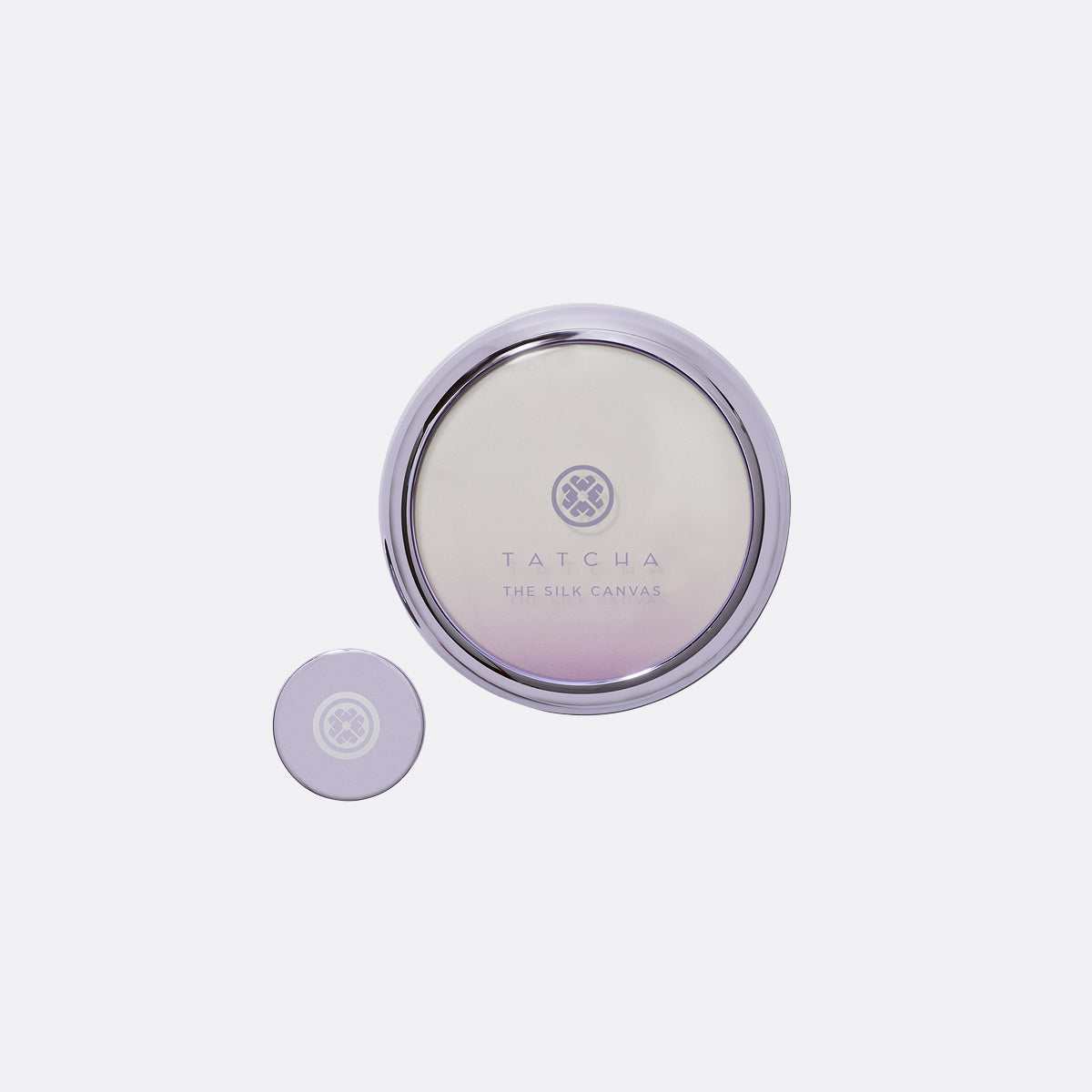
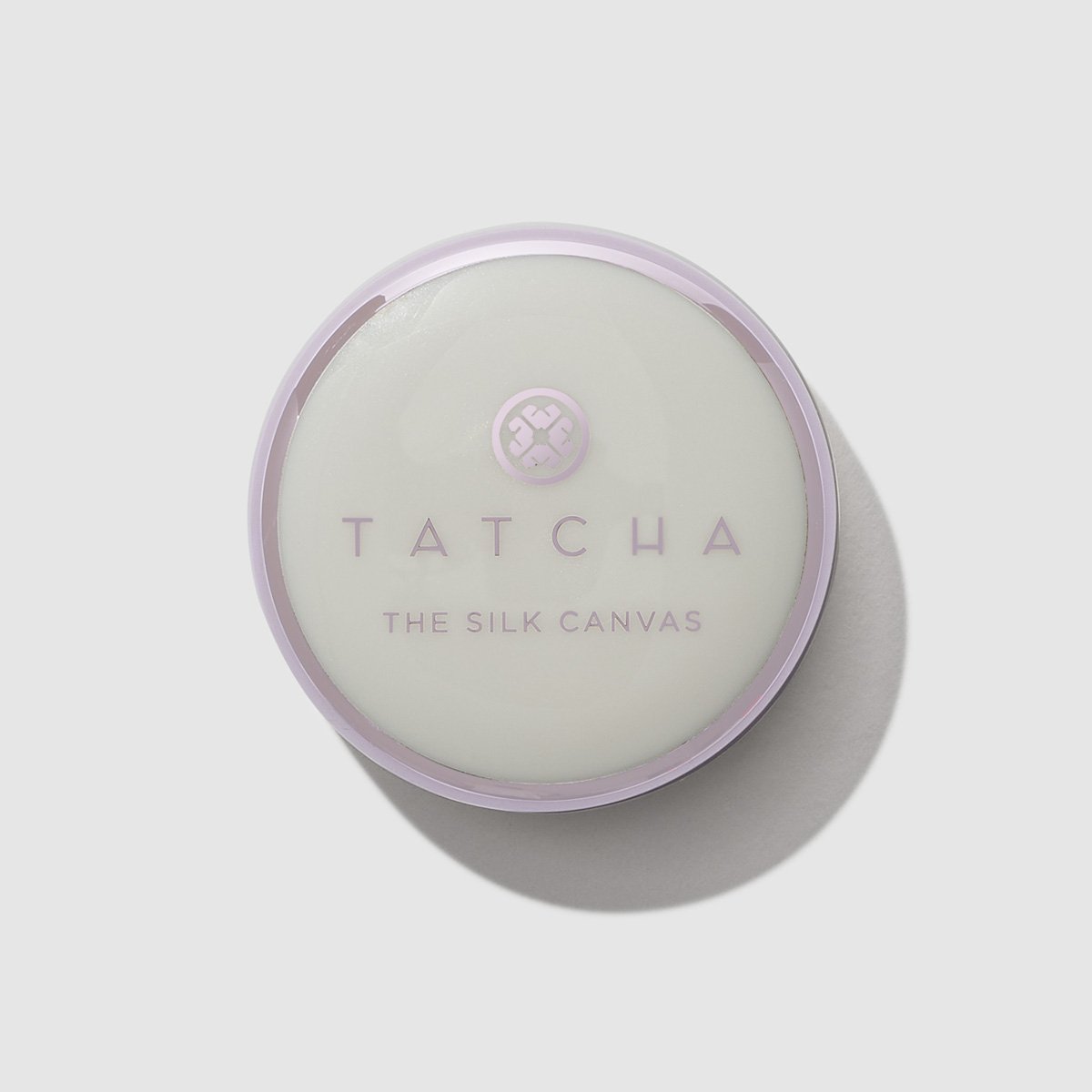
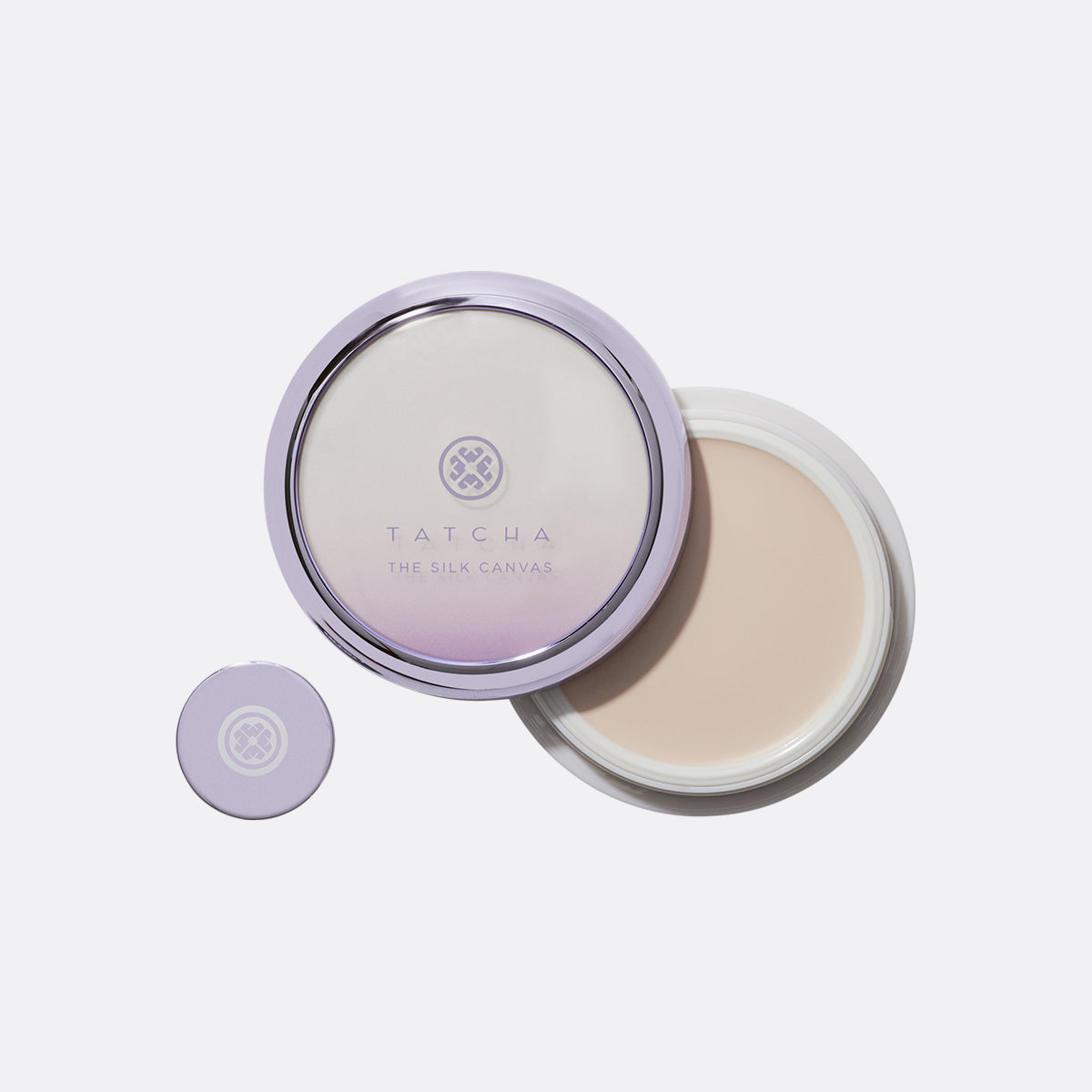
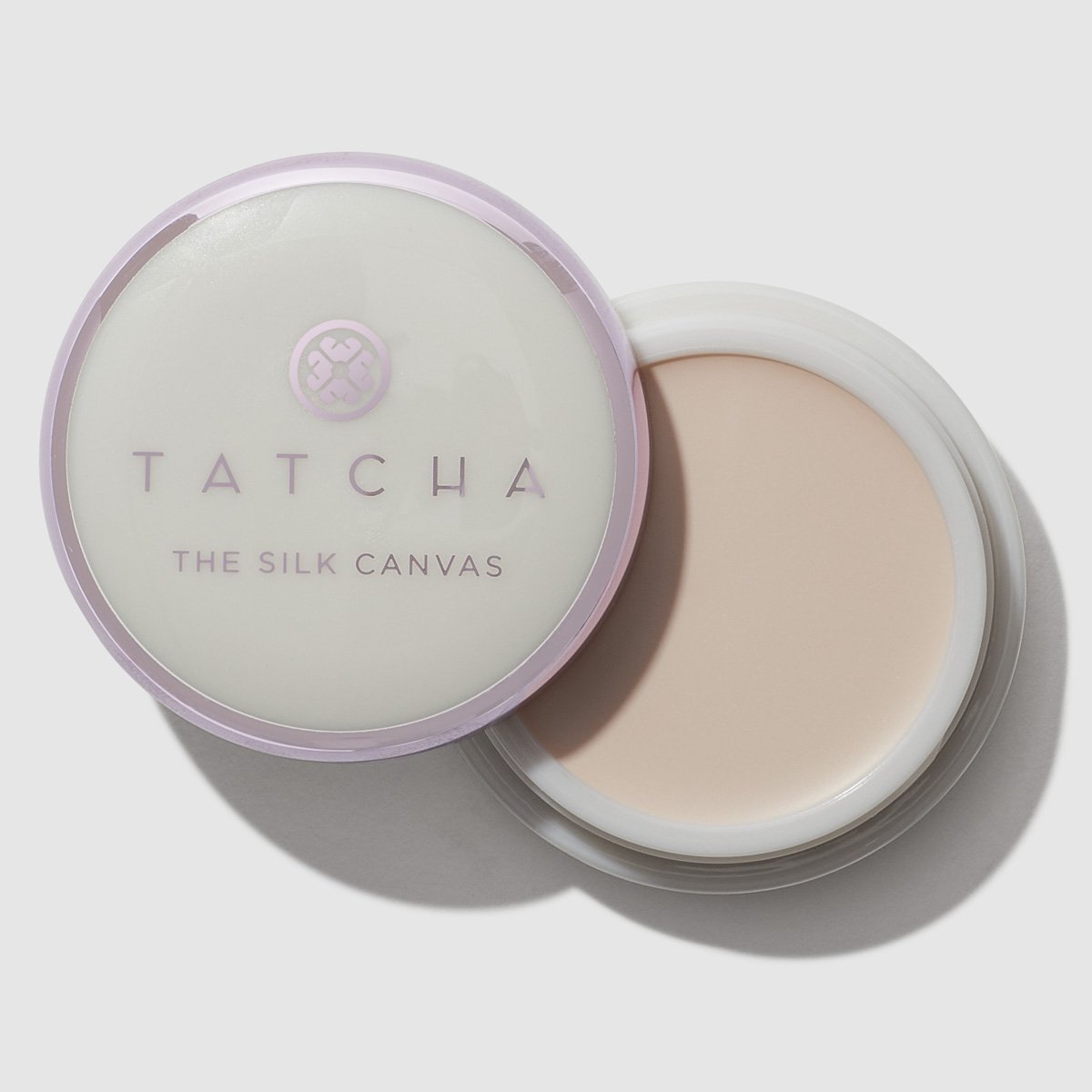
Solid: The Silk Canvas
The cult primer from the Japanese skincare brand Tatcha, the Silk Canvas is a velvety balm of pressed silk. When applied to skin, it creates a smooth, weightless outer layer, blurring pores in the process. The formula is based in a rice ferment filtrate and blend of silicones, enhanced with the brand’s proprietary blend of ingredients that help protect skin from environmental aggressors. It also contains silk extracts that not only mimic skin’s natural texture, but also diminish the look of pores, fine lines and imperfections.
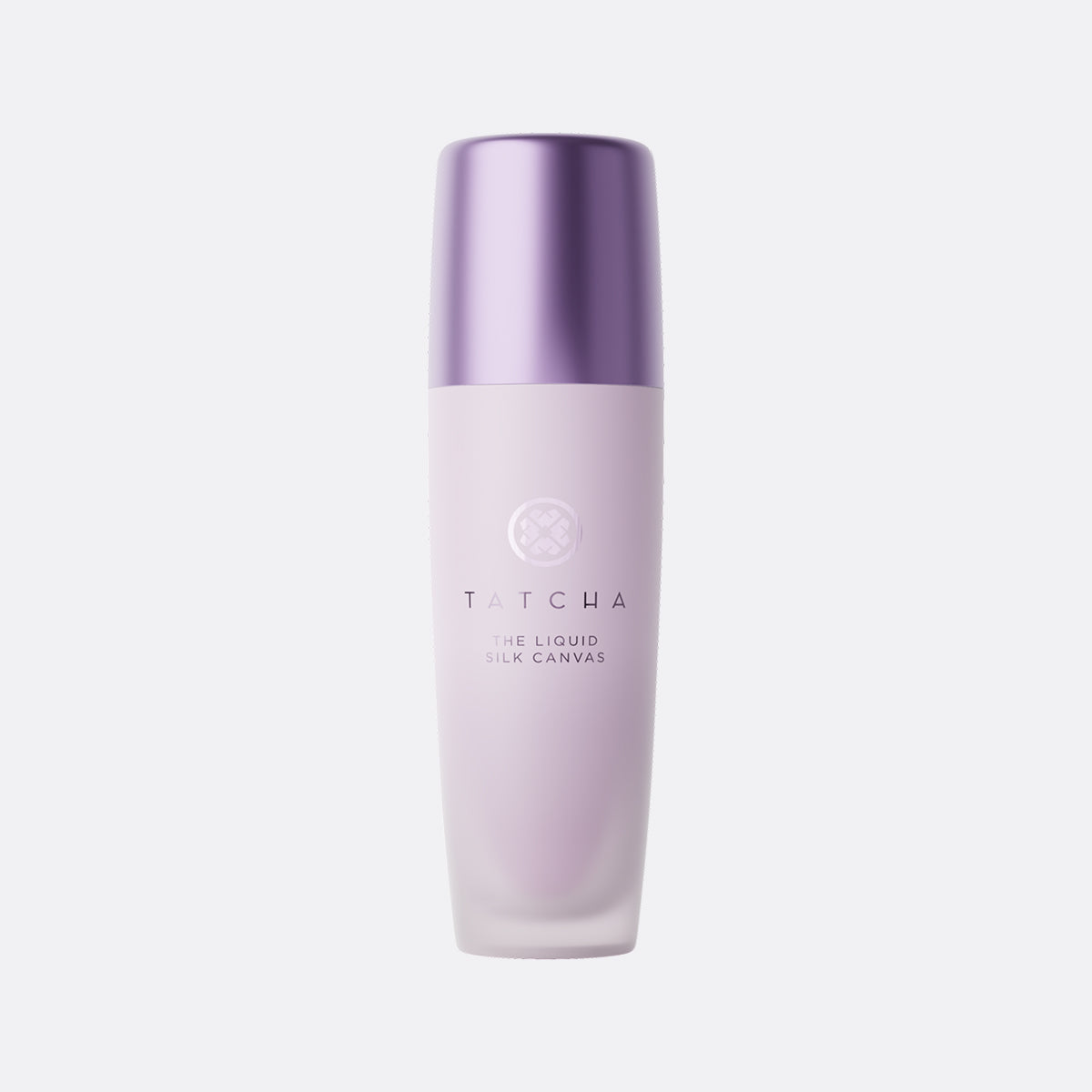
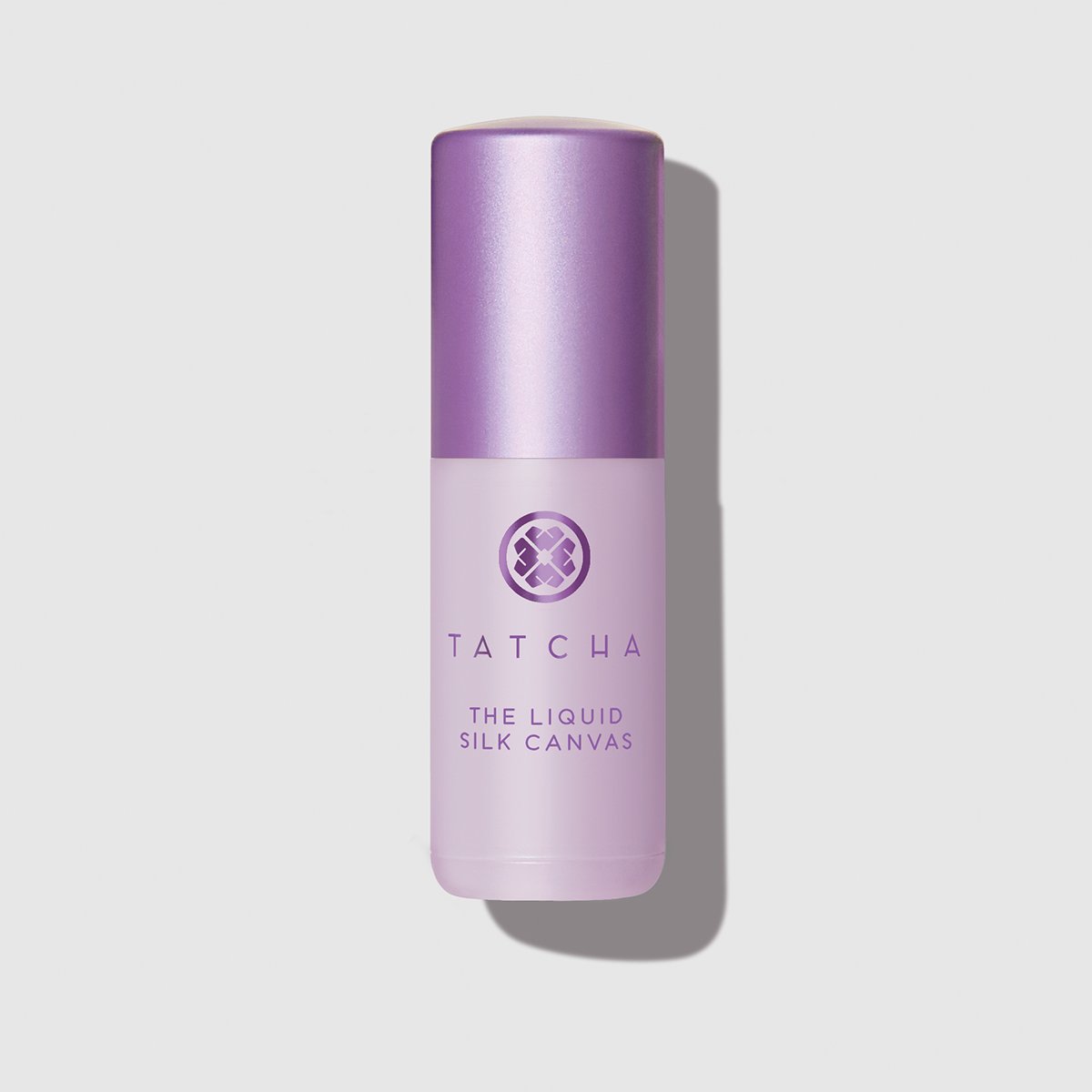
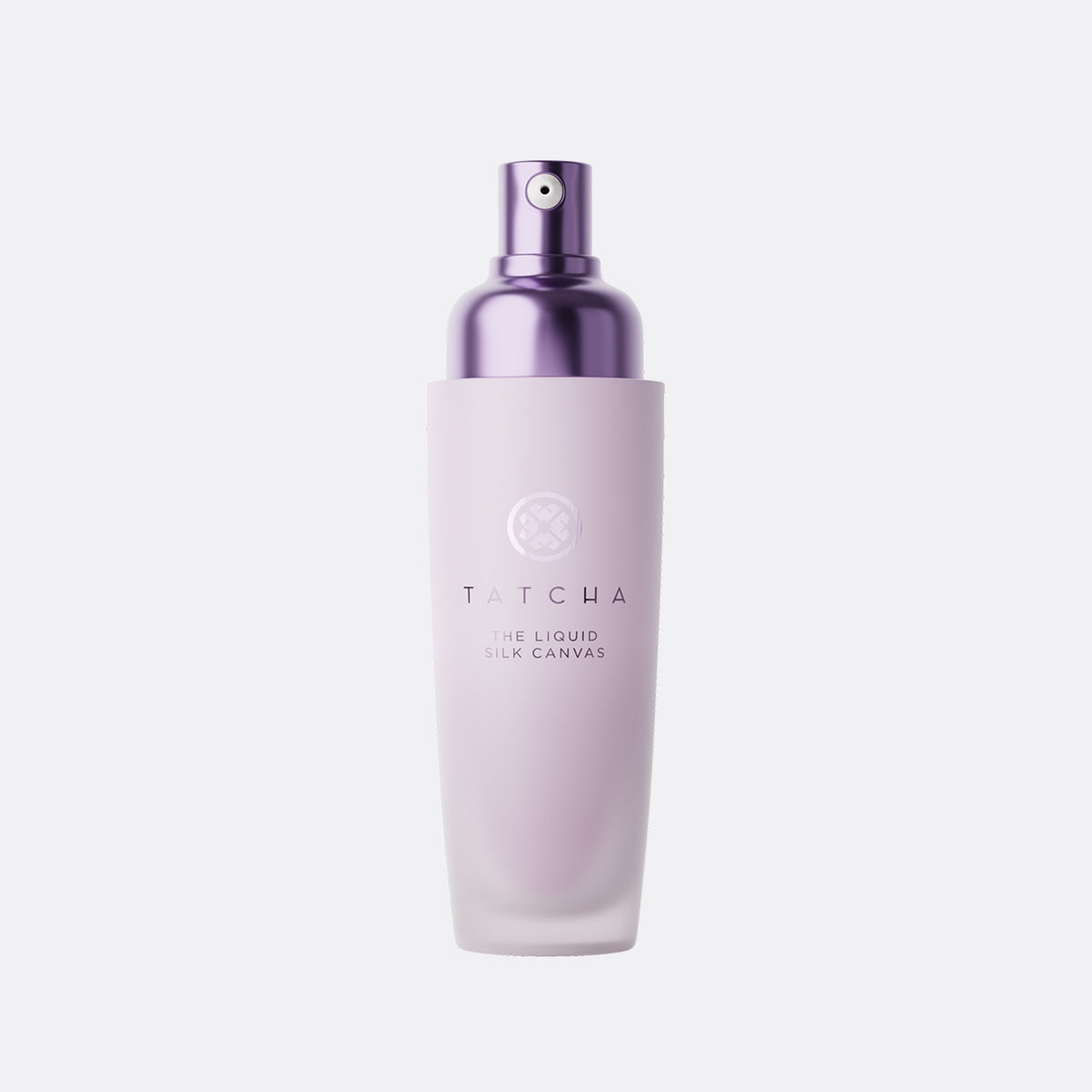
Liquid: The Liquid Silk Canvas
The Liquid Silk Canvas provides another texture option for fans of the popular Silk Canvas but prefer a liquid formula. The same benefits are distilled into a featherweight serum, but the canvas they create is entirely the same. The skincare technology is inspired by bintsuke, a thin layer of soft wax that geisha performers apply as the last step of their skincare ritual. As a makeup primer, the Liquid Silk Canvas protects skin while providing the perfect canvas before makeup.