Your sensitive skincare routine has just been completed—you’ve cleansed, treated, moisturized, and, of course, sun-screened—and you’re on to the next part of your beauty regimen: Makeup. But before you grab your favorite foundation, are you possibly missing something?
At the transition from skincare to makeup lies a crucial step: Priming the skin. Not a moisturizer, but not quite makeup either, the aim of primer is simply to “prime,” or prepare your skin for foundation, blush, and other coverage or color products. While not often seen as an essential step, the use of a primer can vastly improve the quality of the makeup that follows—in more than a few substantial ways. The logic is not limited to cosmetics, either: Would you paint a wall before you primed it?
By effectively separating your skincare and makeup with a fine layer, primer can also boost any daily skincare routine. And many primers on the market today offer benefits beyond merely preparing skin for the ‘paint’ to follow. Some help add a matte or glow look to the skin, allowing its wearer to go makeup-free; others are made with ingredients that can hydrate or nourish the skin below. Primers are difficult to categorize, but their benefits extend to almost every part of one’s getting-ready routine.
There’s a lot of promise in a little primer. And while some, especially those with sensitive or reactive skin, might be cautious about adding an additional product to their routines, there’s reason to believe that a primer can benefit every face, including sensitive ones. Keep reading to learn more about this underrated product’s benefits, how to best use a primer, and the best primer for sensitive skin.
What Is a Primer?
A primer is a liquid or solid formula, usually based in water or silicone, that is applied to the skin before makeup. All of them provide a smooth canvas on which makeup can be applied.
And that is where the similarities between primers end. There are a dizzying number of primers available for purchase: for faces, for lips, for eyelids, for nails, and even some for spray tans. If there’s a color cosmetic on the market, there is probably a corresponding primer that helps it perform at its highest function. The formulas between primers are likely to differ between the area they’re intended for and the benefits they seek to provide, but the main goal is the same: To improve the application of whatever may follow.
Benefits of Using a Primer
Imagine two individuals of similar skin tone applying the same foundation. What are the odds that the finished coverage will look exactly the same? They’re low, because everybody’s skin differs in variable ways, from skin type to texture to tone. Even though the particular foundation was likely formulated with one payoff in mind, it adapts to the skin of the wearer, and may express itself very differently. A primer can help the product perform as intended.
This is one example that illustrates the use of primer, but there are many reasons you may be inclined to try one. Here are a few reasons you should seek out the best makeup primer for sensitive skin.
Protects Delicate Skin
While extending the life of your makeup and a smoother base is an added bonus, the true benefit of using the best primer for sensitive skin is it acts like a shield between potentially irritating makeup products and your delicate skin. The base of a primer can quite literally defend and safeguard your skin, keeping the skincare applied underneath intact and the makeup and pollutants applied atop the primer away from absorbing into the skin.
Better Color Payoff
This is true of coverage products like foundations, but perhaps even more true of color products, like eyeshadows, which are shown to be much more vibrant when a primer is applied beneath them. (That’s one of the reasons why they’re a staple in makeup artists’ kits.)
Smooth Makeup Application
Many primer formulas are designed with slicker textures that pave over even rough skin texture and provide a smooth base for makeup. Because of this, makeup is often much easier to apply and blend.
Longer Wearing Makeup
It’s true that primers can extend the life of your makeup. (That may be a reason why they’re a popular first step for makeup vloggers on YouTube and TikTok.) With the right primer, any foundation can be made into a long-wear formula—even when the weather is hot and humid.
How & When to Apply a Primer
A primer’s place is after skincare, including sunscreen, and before makeup. But how much should you use, and where is it best applied? By virtue of its primary function, primers spread easily. When it comes to primer, a little goes a very long way. Follow the primer’s unique instructions, e.g. a rice-grain sized amount for priming balms or one pump for liquid primers.
Makeup artists also recommend skipping brushes for this step, simply because there’s no need. Fingers are the best tools with which to apply primer, though you’ll want to be extremely gentle when applying to thin-skinned areas like around the eyes. If you have an area in mind where you need some extra smoothness, like on particularly porous cheeks, it’s OK to place your primer only where you need it. Just make sure you spread it pretty thin. Poorly applied primer can only lead to poorly applied makeup.
Why Sensitive Skin Needs a Primer
Sensitive skin is a term applied to skin that is prone to reactions from various factors—everything from certain weather conditions to fabrics, detergents, or skincare products—that don’t typically cause reactions in non-sensitive skin types. Those with sensitive skin are usually, (and rightly) wary of adding new products into their routine. Some are aware of their skin’s unique trigger factors, but many are not, which is why it can be helpful to keep a record of skin’s reactions and to talk to a dermatologist if you think you may have sensitive skin.
Sensitive skin is a common concern. And if it’s one of yours, you may be pleased to know that primer can actually help keep your sensitive skin protected from potential triggers, by forming a shield between your skin and the makeup that sits atop it. As long as you can avoid primer ingredients that you know your skin may not agree with, you should easily be able to find one that works for your skin type.
The Best Primers for Sensitive Skin
The best primer for sensitive skin is one that is made free of any potentially irritating ingredients, and also one that protects your skin, rather than just sits on top of it. Tatcha has perfected two formulas that are similar but vary based on your skin type and individual preferences. Both formulas help support the skin while also boosting the payoff, application, look and feel of any makeup applied over top—they’re also rich in antioxidants that can help neutralize pollutants in the air before they cause reactions in the skin. Prime, indeed.
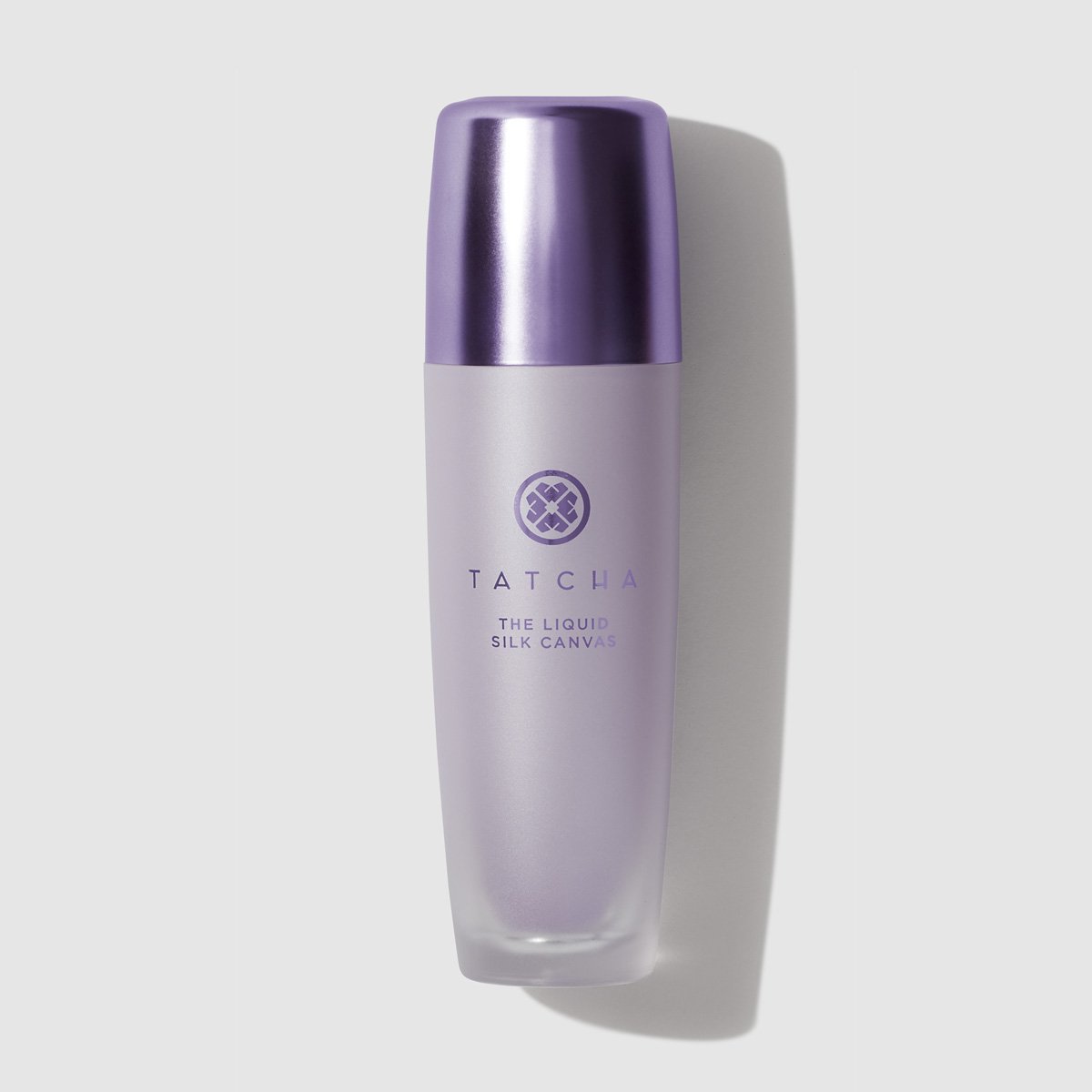
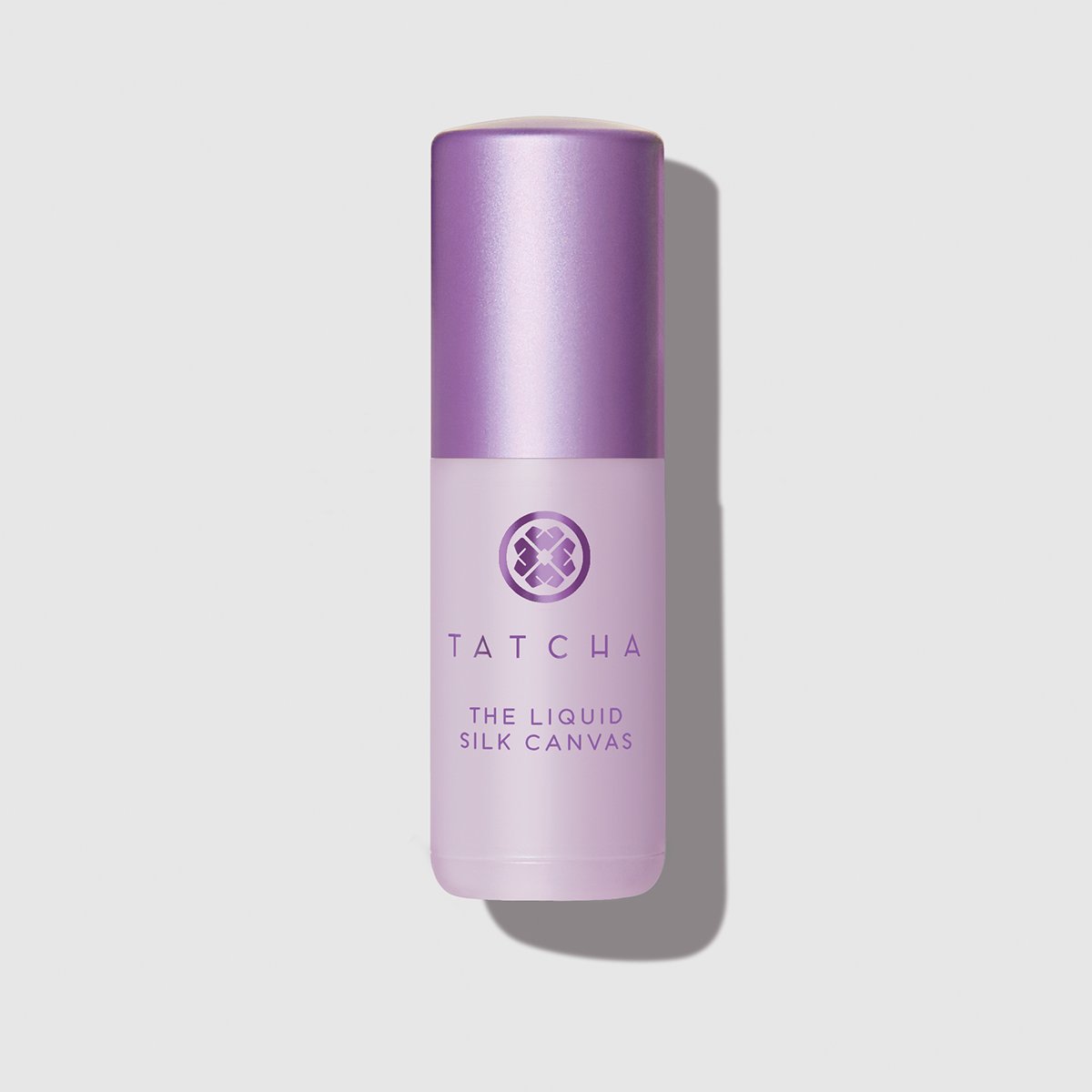
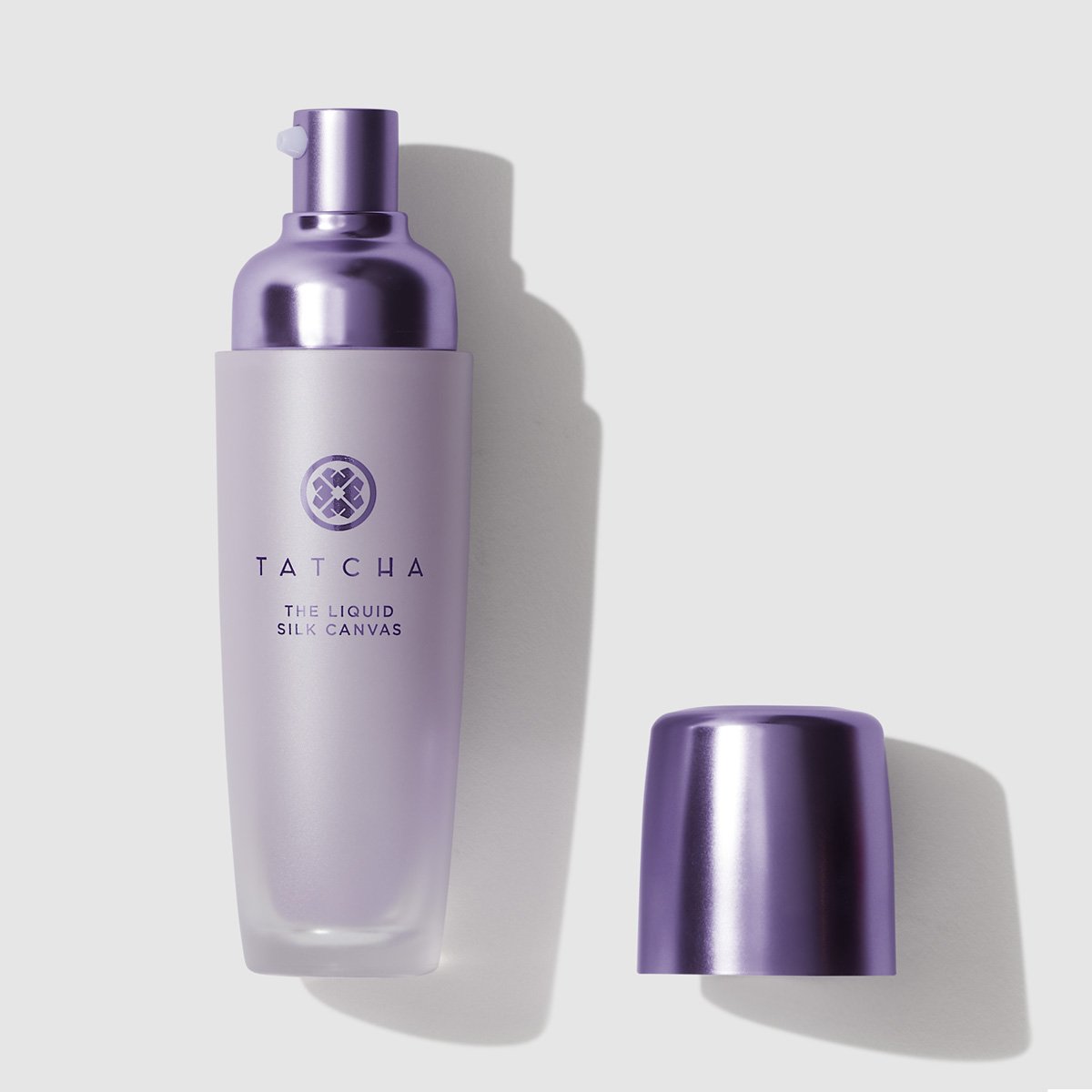
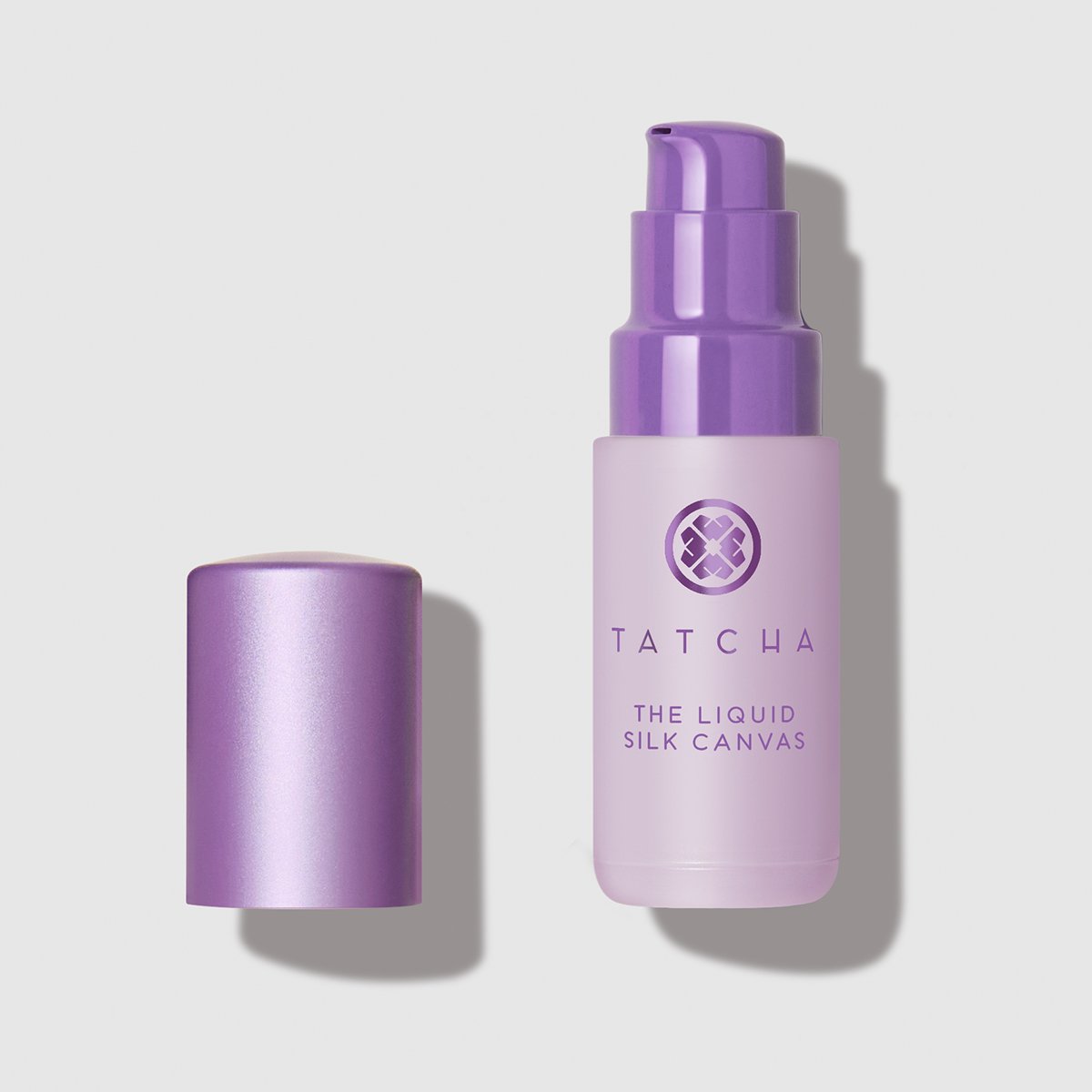
The Liquid Silk Canvas
The Liquid Silk Canvas combines a smoothing silicone base with silk powder for a consistently flawless finish. The weightless liquid seamlessly blends into skin and is fortified with skincare benefits—courtesy of Japanese superplants chock full of nourishing amino acids—that make it easy to wear with no makeup on at all. In fact, in a clinical study, users saw 100 percent improvement in their skin’s texture, tone, and radiance—after just seven days of use*.
The Silk Canvas
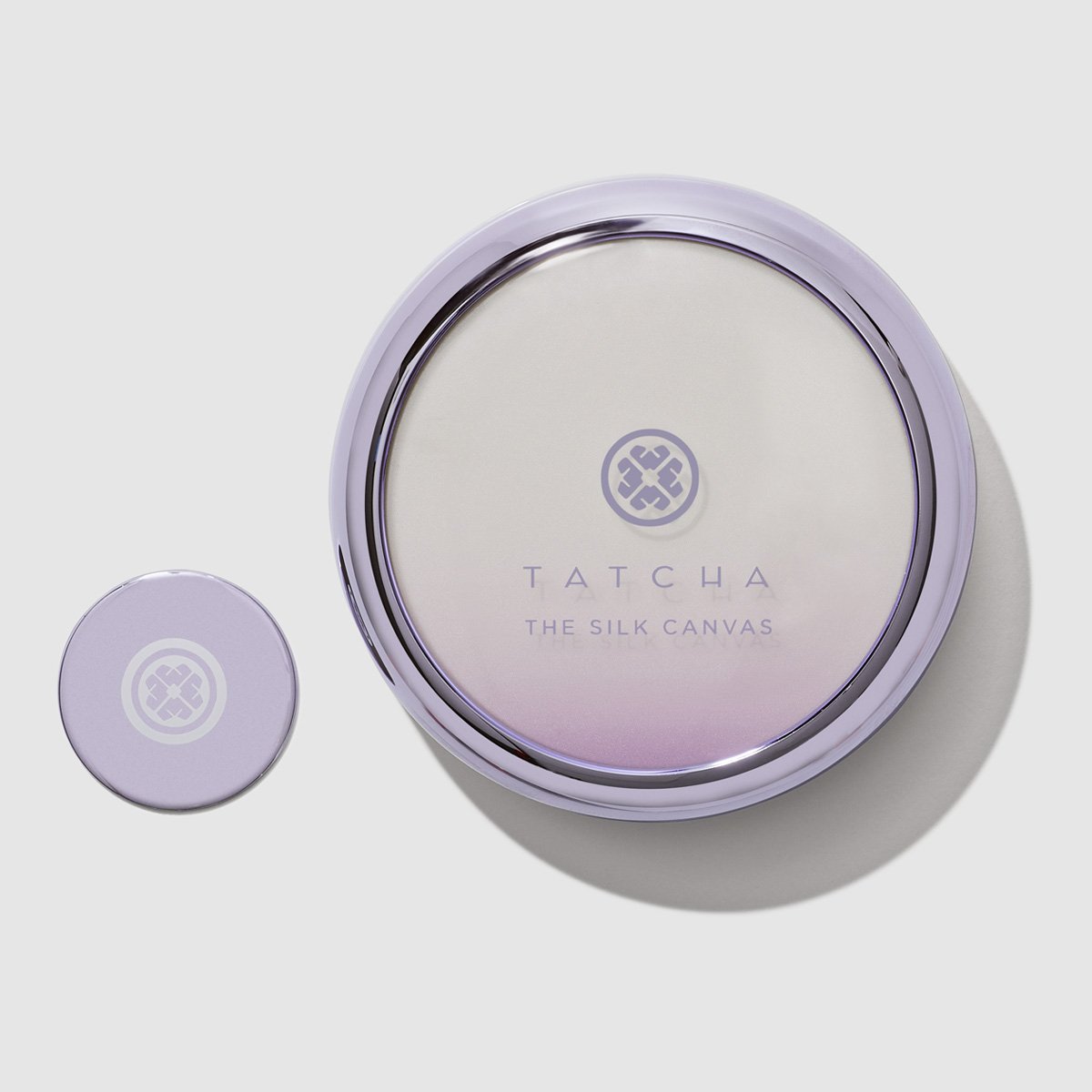
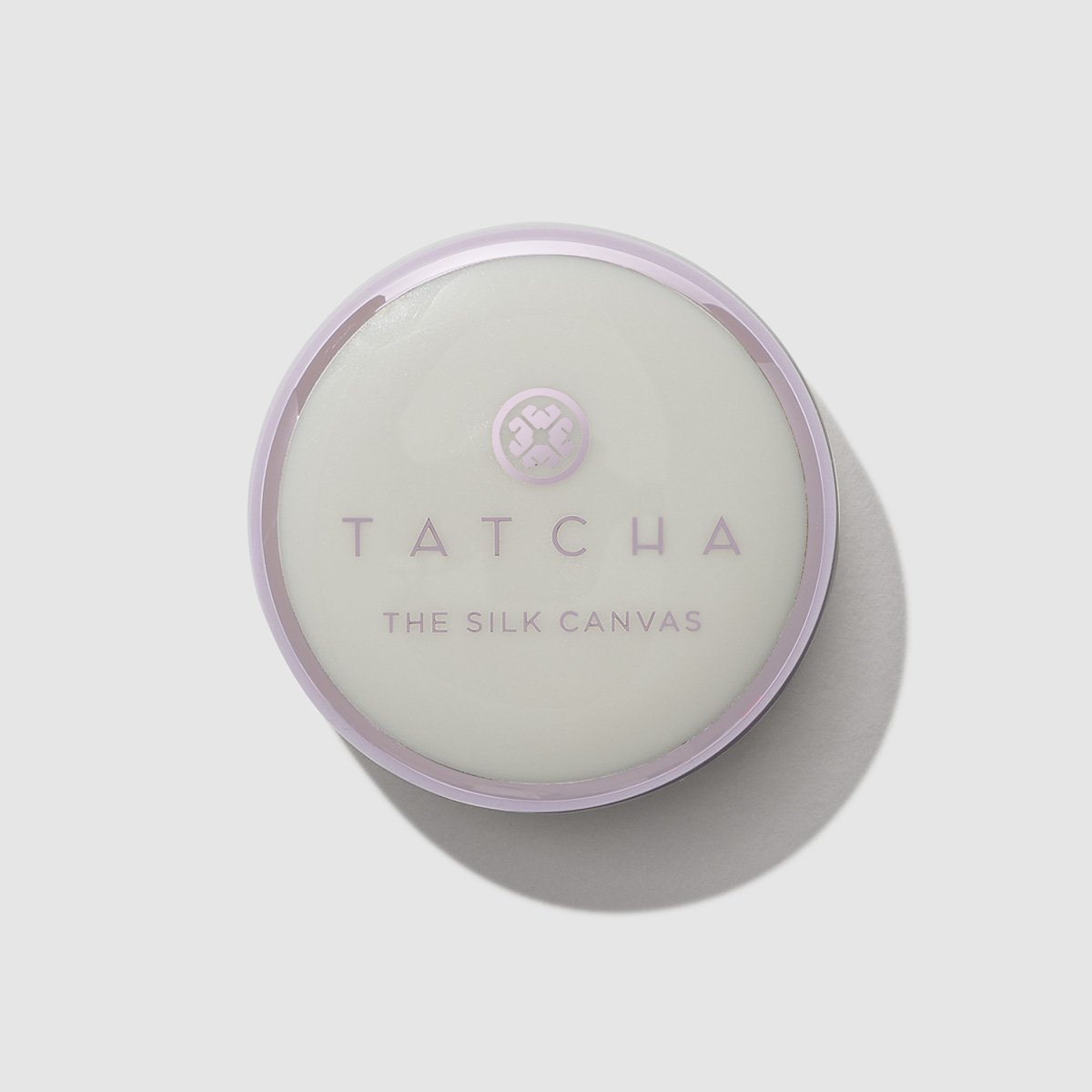
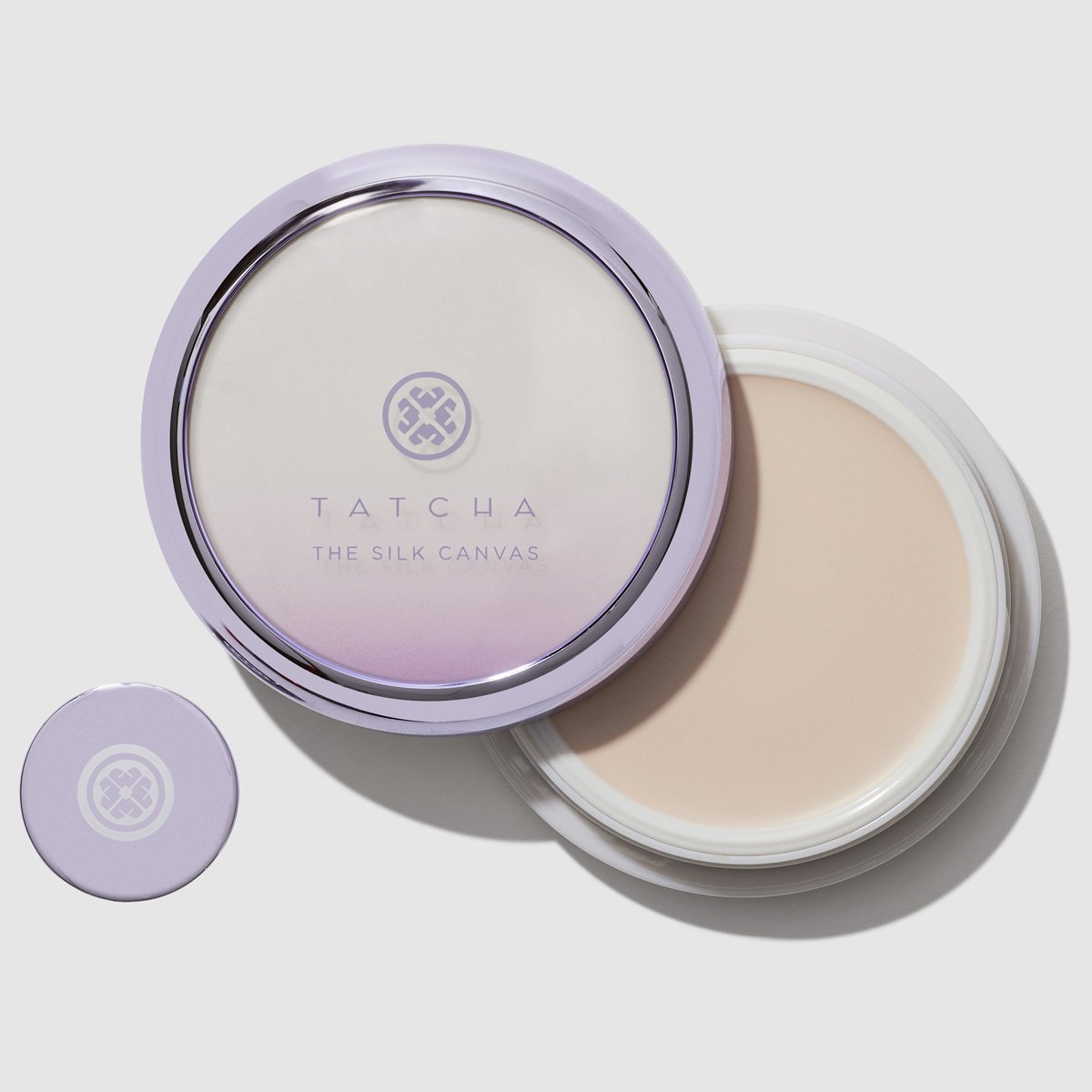
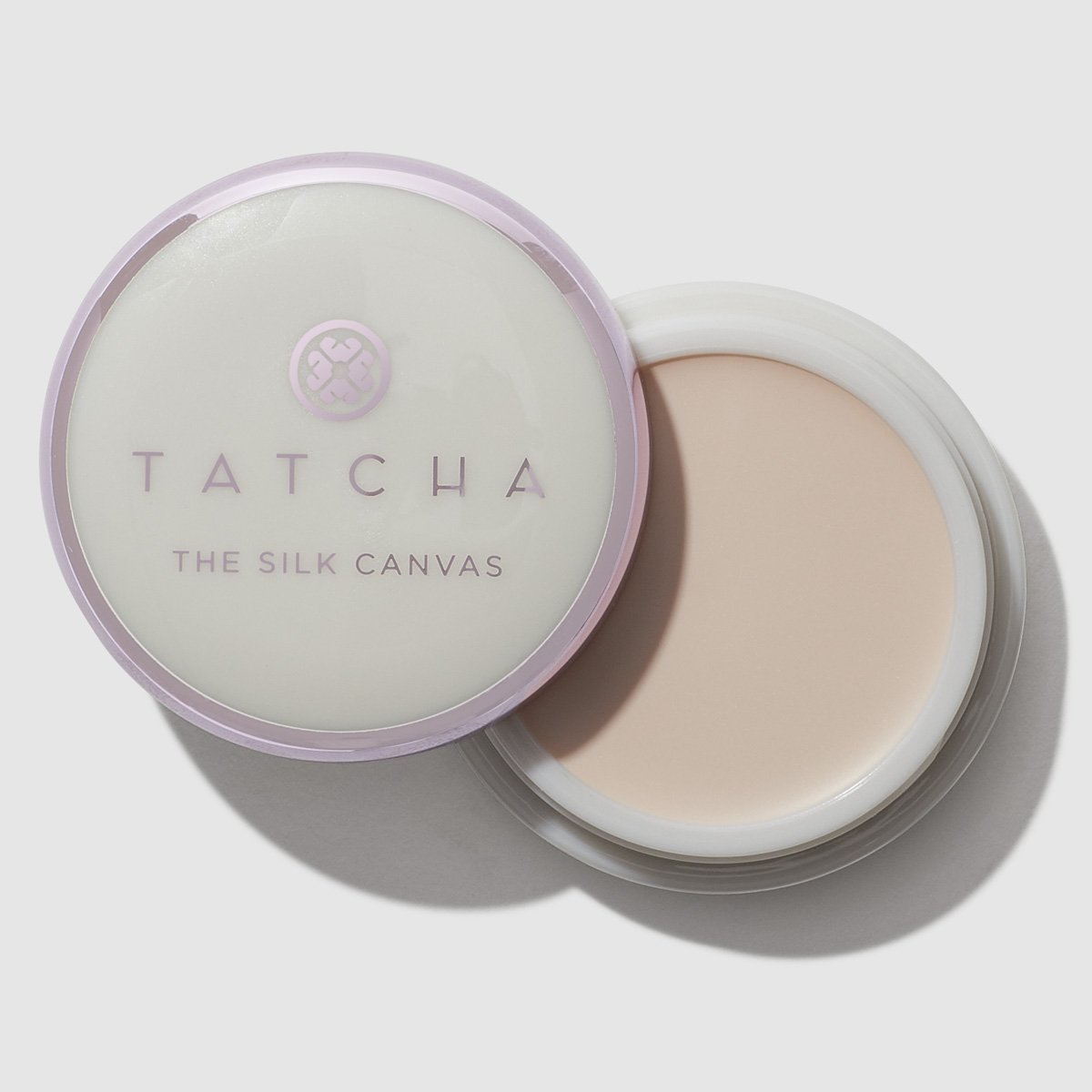
The Silk Canvas provides all of the same benefits of The Liquid Silk Canvas but in a slightly denser formula that glides over top of skin, forming a protective barrier that hydrates and nourishes. This decadent formula was inspired by bintsuke, the thin layer of soft wax geisha used to create a smooth canvas on the skin that helped their makeup last all day. This modern iteration has been updated with innovative ingredients that help to protect, moisturize, and nourish the skin all day long.
Which Primer Is Right for Your Sensitive Skin?
While sensitive skin is a vital classification, you likely have other skin types as well. To make things as easy as possible, we’ve broken down the most common skin types and which primer for sensitive skin is best for you.
For Dry Sensitive Skin
Dry and sensitive skin seeks out comforting hydration. Make sure you utilize skincare hero products, like an Essence and a moisturizer designed for dry skin that is packed with notable hydrating ingredients. For the best primer for dry sensitive skin, try The Silk Canvas. The balm nourishes and moisturizes while also extending the life of makeup—ideal for those with dry and sensitive skin. Also, as an added bonus, the primer adds a soft filter finish, which blurs pores and smooths texture for a finished look even sans makeup.
For Sensitive Acneic Skin
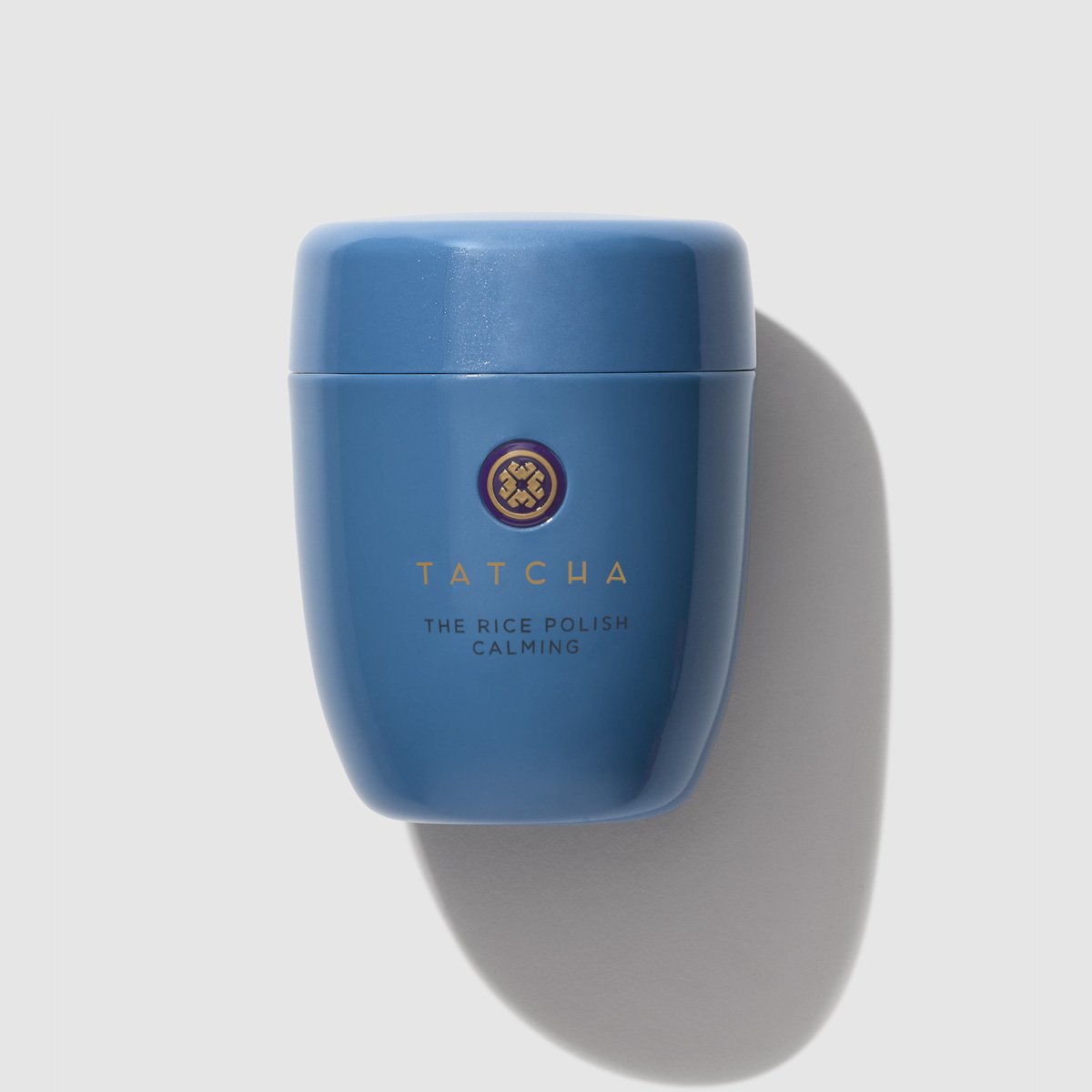
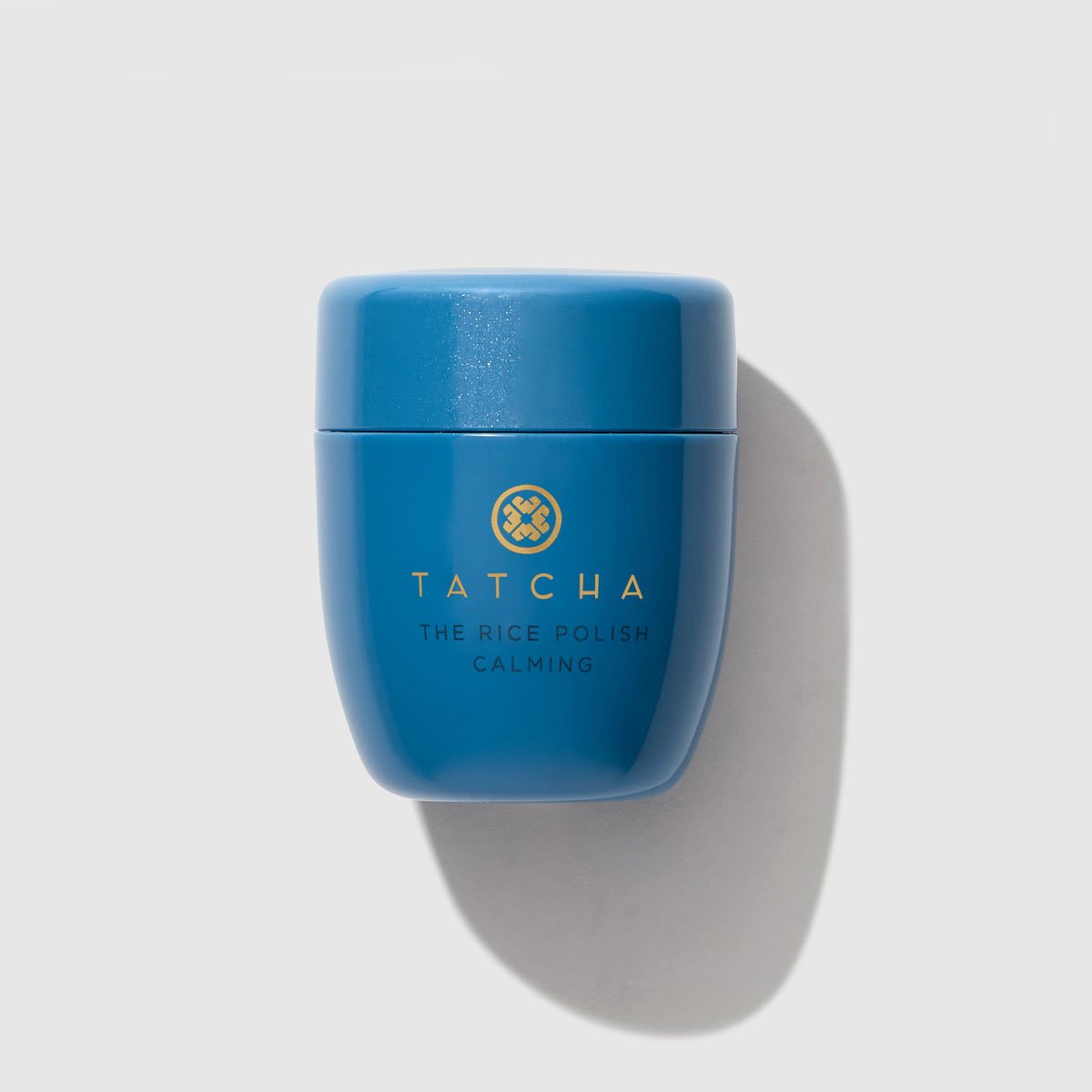
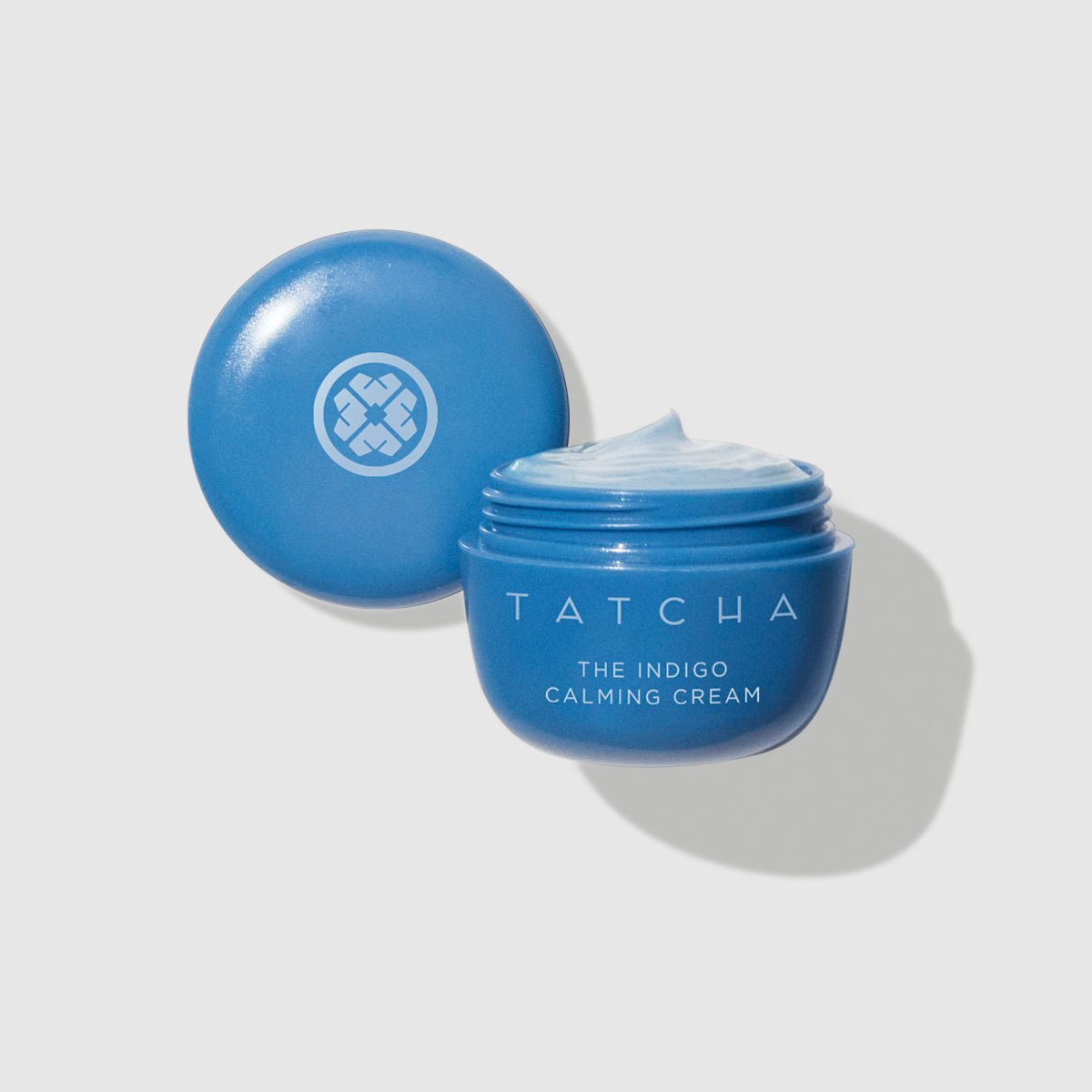
Sensitive and acne-prone? This can be a very tricky combination to manage, as acne-prone skin loves frequent exfoliation and sensitive skin famously does not. But with the right skincare products (like The Matcha Cleanse, the Rice Polish: Calming, and The Indigo Calming Cream), the two can cohabitate peacefully. Another vital product? The best primer for sensitive acne-prone skin, which is The Liquid Silk Canvas. In clinical studies, users who applied The Liquid Silk Canvas noted a reduction in oil production, an improvement in the appearance of pores, and a notable improvement in skin texture and smoothness**.
For Redness & Irritation
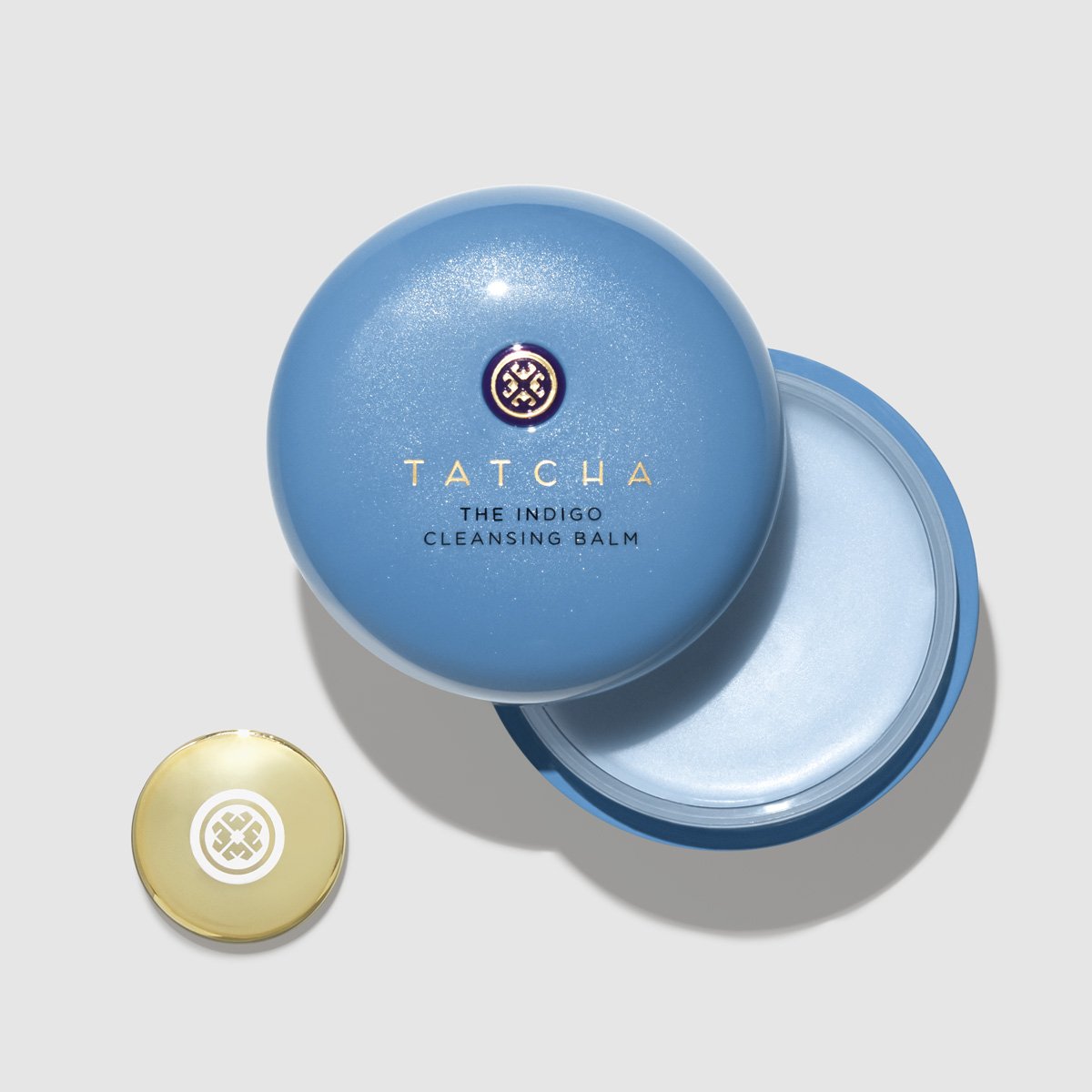
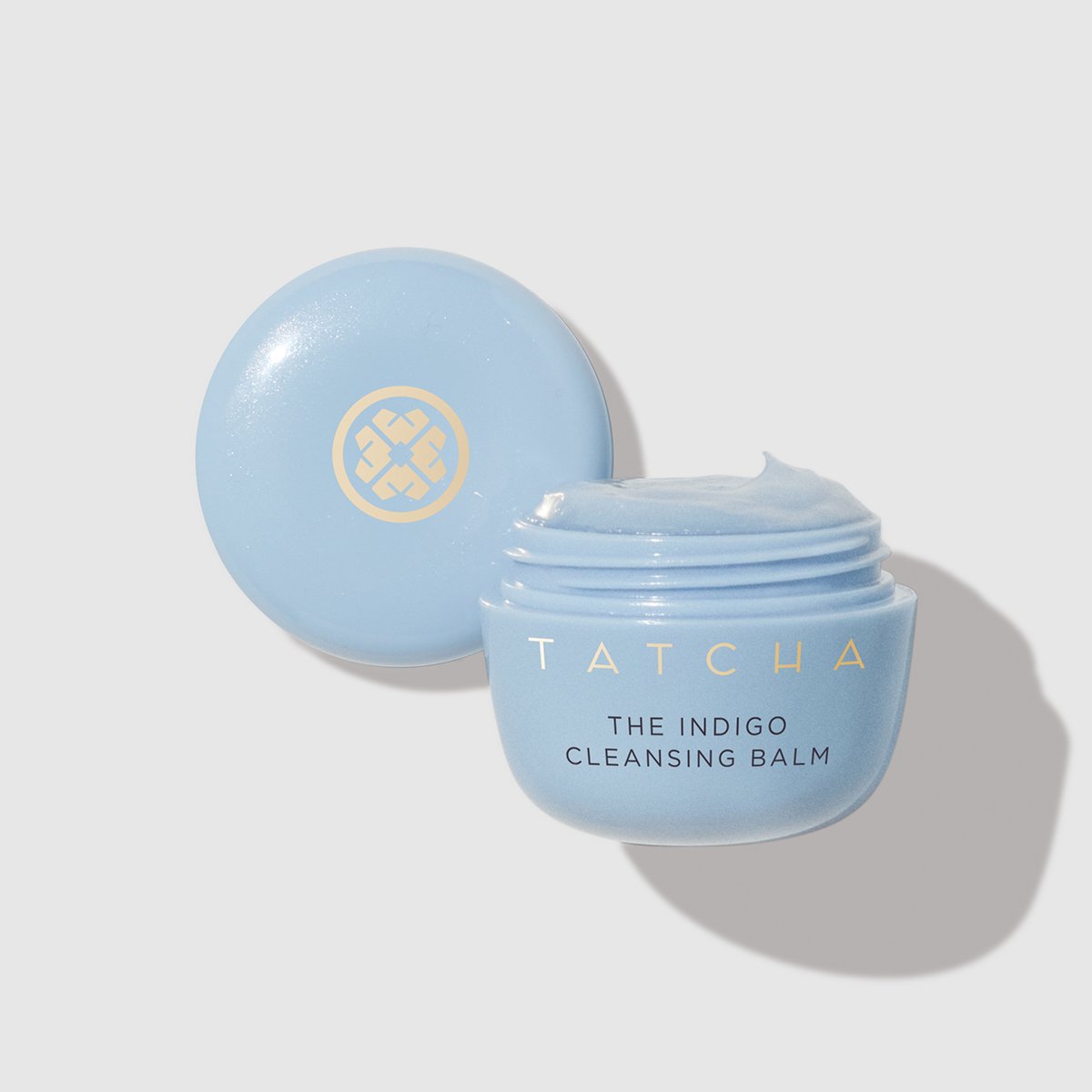
Is redness a constant for your sensitive skin? Consider incorporating products that soothe and heal first and foremost. That can include The Indigo Cleansing Balm, Indigo Overnight Repair, and weekly treatments with The Luminous Deep Hydration Lifting Mask. A primer will also be beneficial, helping to create a barrier between the redness-prone skin and external factors, like makeup, pollutants, and weather. The rich balmy texture of The Silk Canvas will cocoon skin, helping to shield while also providing an added dose of hydration.
For Mature Sensitive Skin
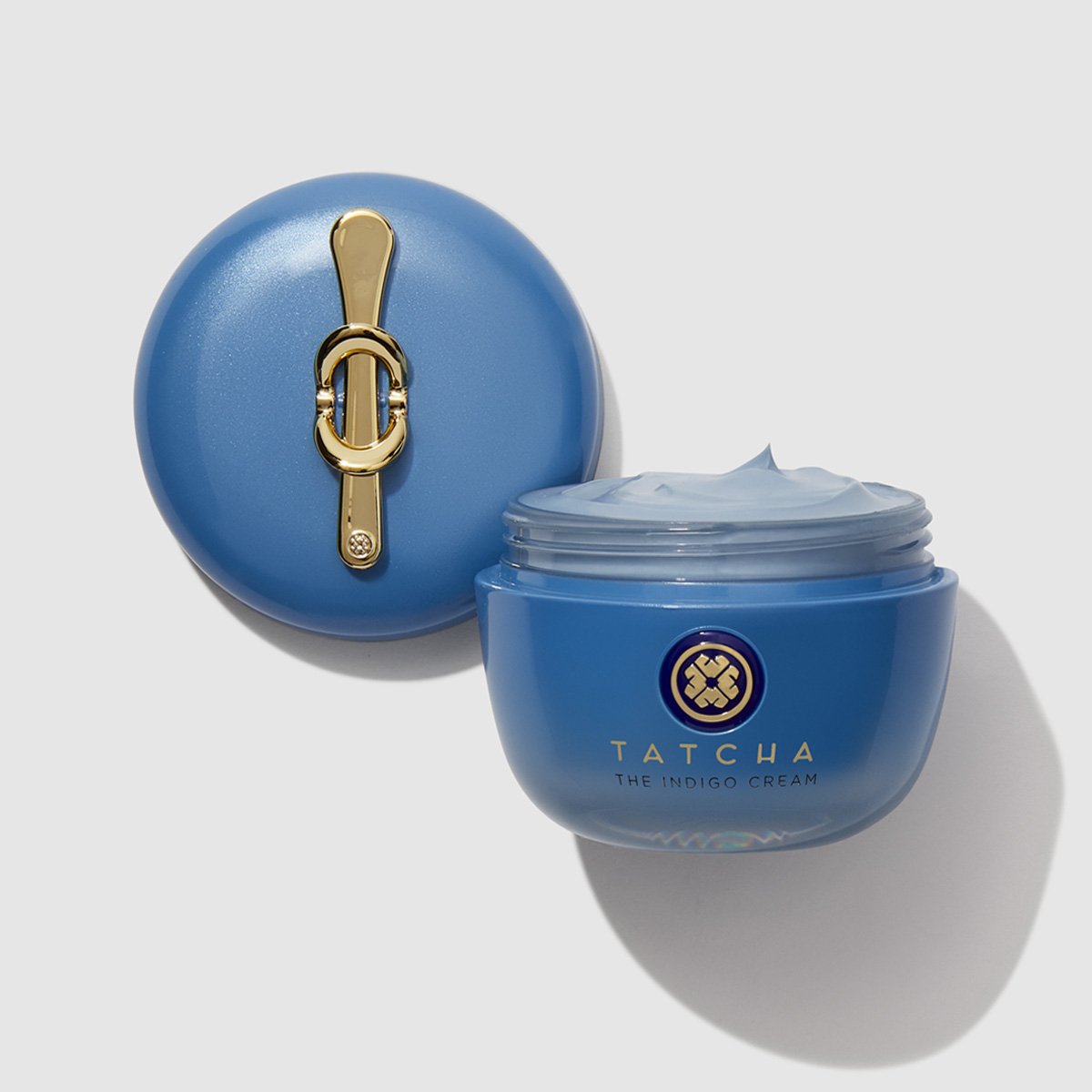
At Tatcha, we believe aging is a gift and a privilege. Unlike the other skin types here, we’ll all eventually have mature skin. For those experiencing sensitive skin and are at a mature stage, skin will love nourishing and soothing formulas, like The Indigo Cleansing Balm, the Essence, and The Indigo Calming Cream. This combination skin type will also love a primer, helping to impart more moisture while also protecting the delicate skin underneath. Consider The Silk Canvas for a hydrating and smoothing experience. For an added bonus, the balmy texture provides a soft filter finish, blurring any imperfections while also cocooning skin away from pollutants and potential irritants.
For Oily Sensitive Skin
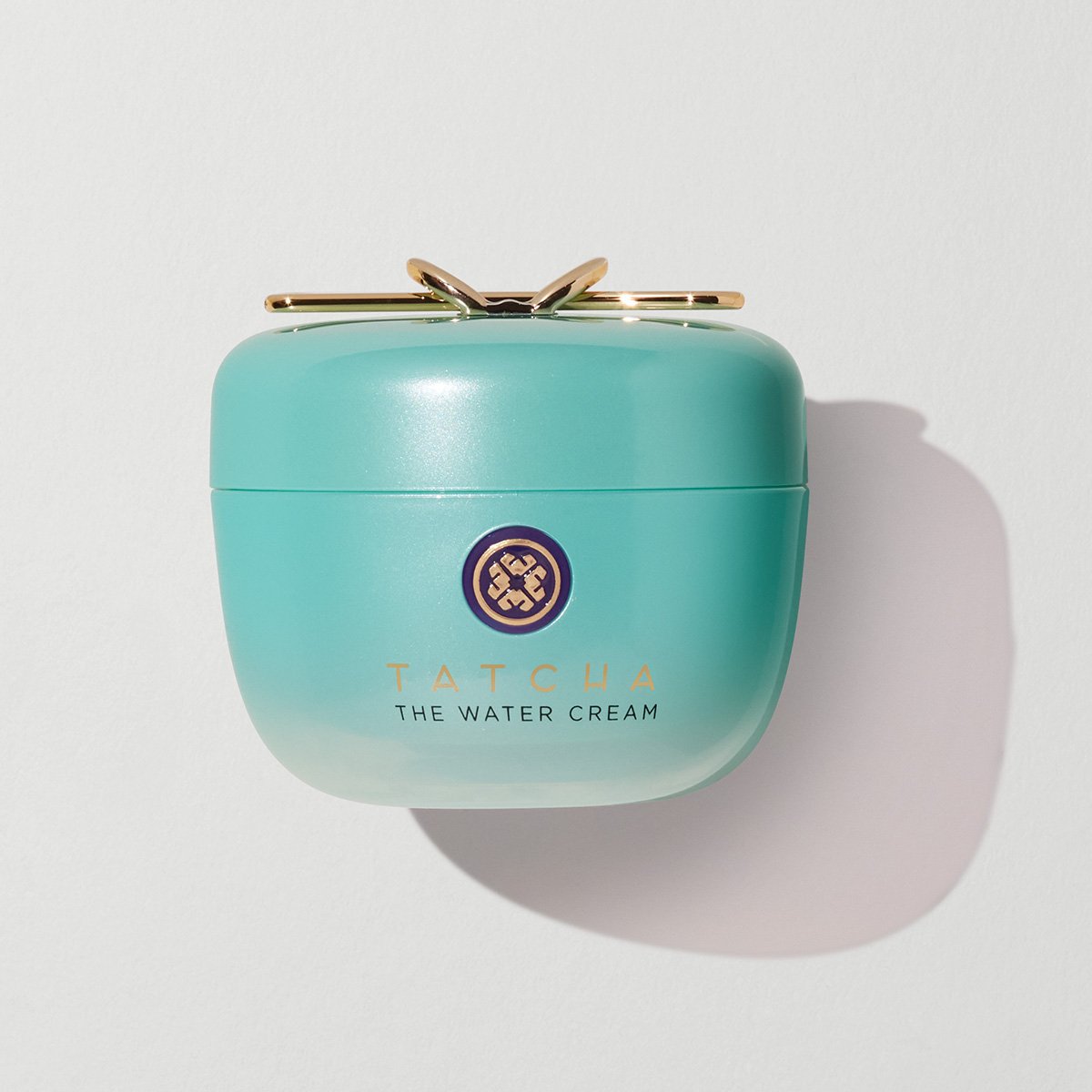
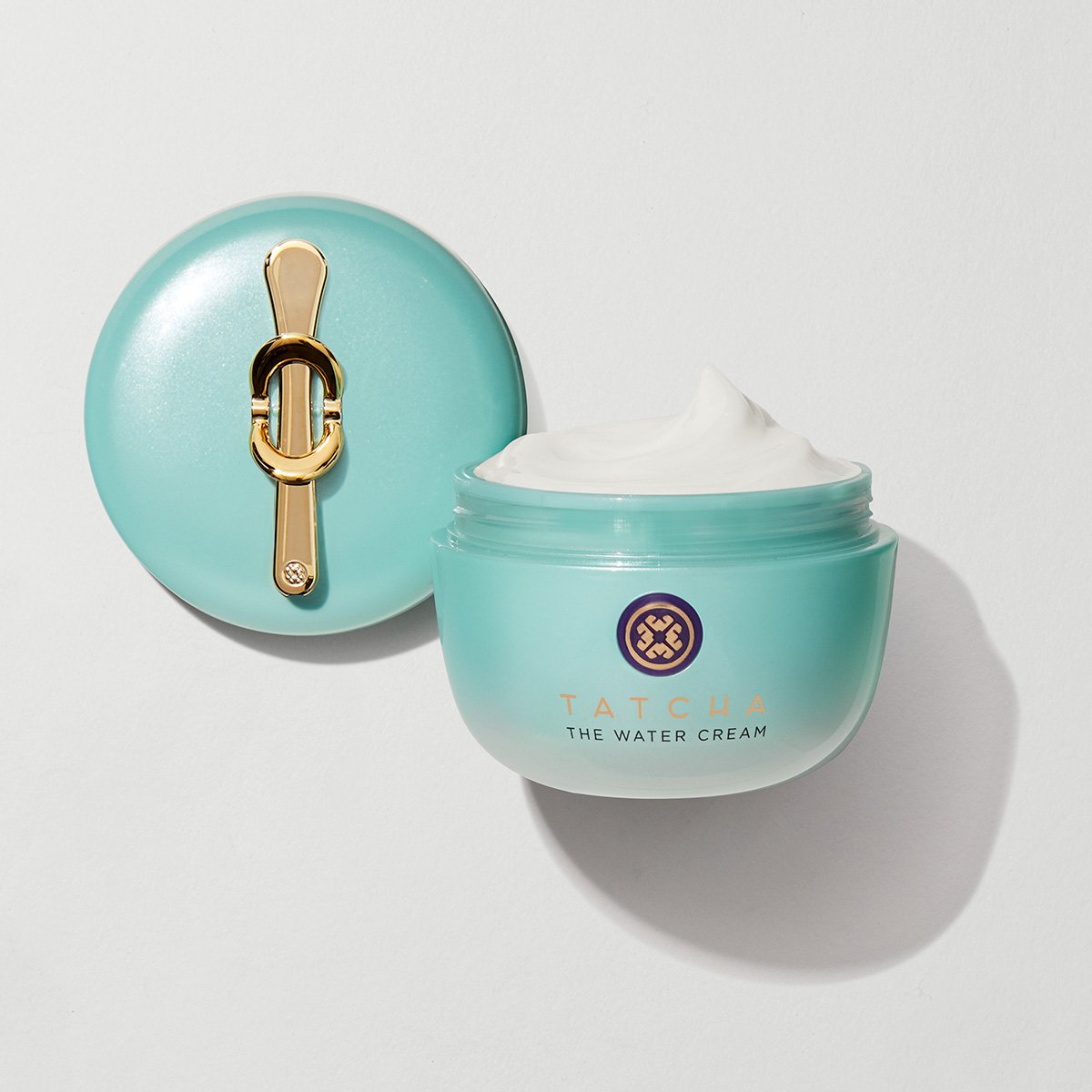
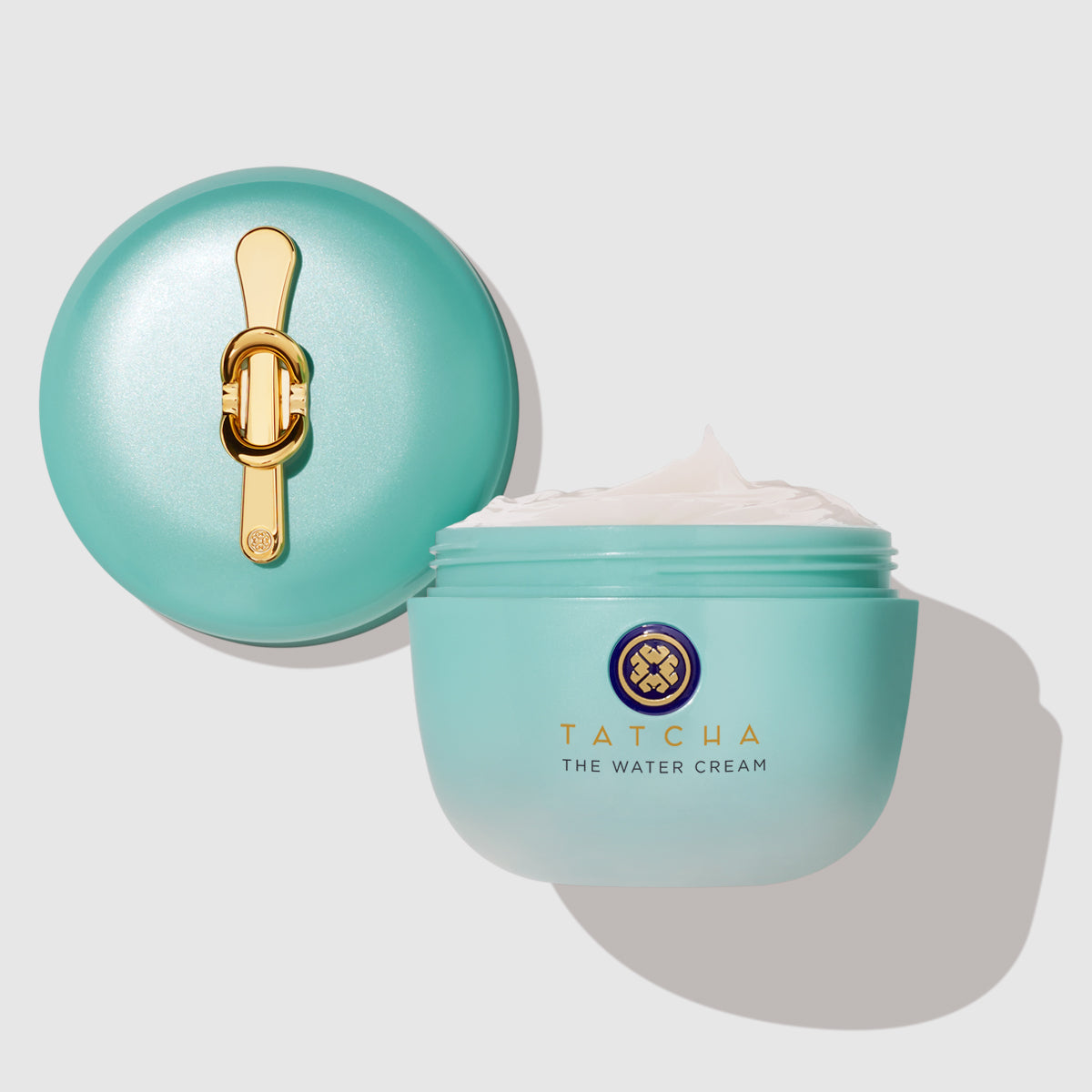
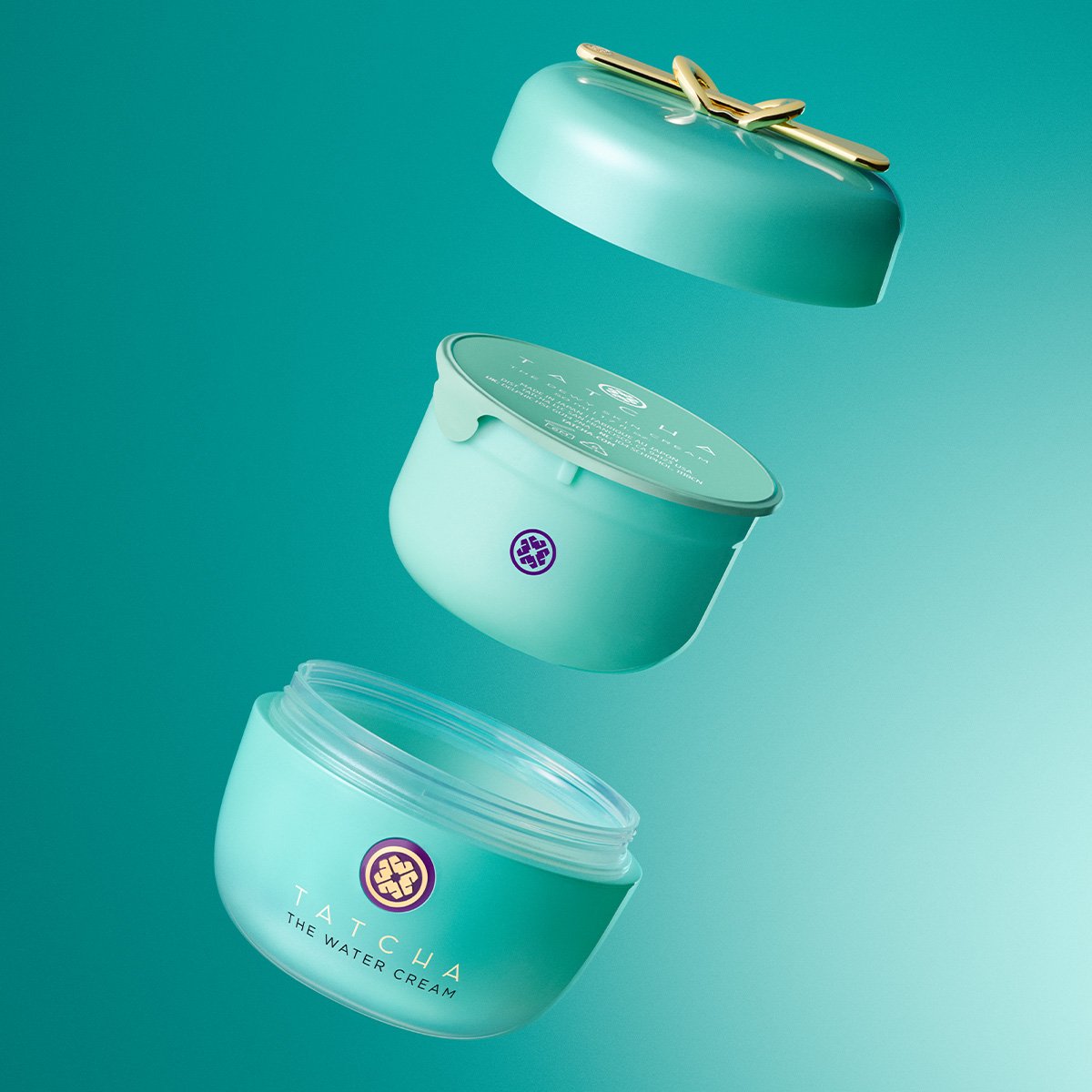
Managing oil while also managing reactive flare-ups can be difficult. Aim for products that boost their ability to both soothe and curb oil products. That includes The Matcha Cleanse and the pore-refining Water Cream. That also includes incorporating the best primer for oily sensitive skin, which is The Liquid Silk Canvas. The featherweight and silky smooth primer has impressive and proven clinical results, including a notable reduction in oil immediately**. Additionally, 97 percent of users demonstrated an improvement in their skin barrier** and agreed that their T-zone areas (forehead, nose, and chin) were less oily and shiny after one week of use***.
Of course, primers, as with many skincare products, are a personal preference. Perhaps you prefer the silkier texture of The Liquid Silk Canvas or the rich balm experience of The Silk Canvas (or even a different primer altogether). Supporting sensitive skin is all about finding the products that first and foremost don’t trigger a reaction and then, secondarily, you enjoy using. On the journey to finding the best skincare products for sensitive skin, we hope you’ll consider one of these beloved and best face primers for sensitive skin.
*Based on a clinical study of 40 women. Individual results may vary.
**Based on a clinical study of 37 women. Individual results may vary.
***Based on a self-assessment clinical study of 37 panelists.