



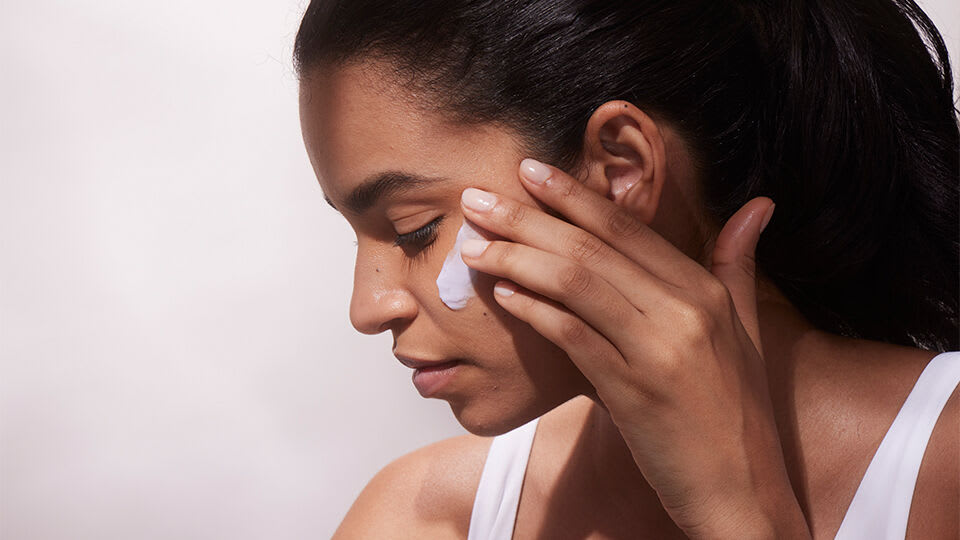
What is dry skin?
According to the Mayo Clinic, a condition known as xeroderma, or more severely as xerosis, occurs when skin lacks moisture in the form of water and oil. The colloquial term for this is dry skin.
When skin is hydrated, it’s soft to the touch, and even bouncy in texture, but dry skin is often characterized by rough, scaly, or flaky patches. It could be itchy, or the site of inflammation, and it expresses itself in various ways. But it’s usually easy to distinguish dry skin from hydrated skin by simply looking at it—if you don’t feel it (itching, or burning) already.
In most cases, dry skin is totally harmless, if slightly irritating. If left untreated, however, it can facilitate other skin issues. The Cleveland Clinic explains how very dry skin can crack and form sores, which are then susceptible to infection.The vast majority of those who suffer from dry skin are able to clear it up on their own, or with the help of their dermatologist. But knowing you have it will get you nowhere if you don’t know what is causing it.
What causes dry skin?
The key to understanding how to treat your dry skin is figuring out the engine behind it. Dry skin can be caused by any number of factors, but a few likely ones include:
Chemical irritants
It happens to all of us: A beauty product doesn’t agree with our skin. Whether it’s a cleansing detergent, or an added fragrance, there are many ingredients that can dry out or further irritate dry skin. This is why, when trying a new product, a patch test is a tried-and-true way to see if it works for you. Pay attention to what works, and take caution against what doesn’t, so you can avoid it down the line. Also be careful when using powerful ingredients like retinol that can exacerbate dryness.
Environmental irritants
It could be the winter weather outside, or your building’s heating inside, or a job that requires frequent exposure to the elements. (By one estimate, 70% of hairstylists suffer from some work-related skin damage, due in part to frequent hand washing and the use of concentrated chemicals.) Be conscious of any lifestyles or habits that may be sapping moisture from your skin.
Stress
A 2020 New York Times story titled “This Is Your Skin On Stress” helped illustrate the connection between our brains and our skin. Dermatologists explained how the deployment of cortisol, the stress hormone, can slow other metabolic processes, including the production of oil, which in turn weakens the skin barrier. In fact, there’s a proportional relationship between chronic stress and transepidermal water loss. While much more difficult to identify than a flaming red rash, stress is an important life factor to consider when assessing your dry skin.
Age
It’s true that skin gets drier with time, according to the American Academy of Dermatology. After age 40, the body’s production of sebum, an oily substance that helps protect and hydrate the skin, sharply declines.
Eczema
Also known as atopic dermatitis, eczema describes an inflammatory condition that can produce itchy red, scaly patches of dry skin, rashes, or blisters. As the National Eczema Association notes, doctors aren’t sure what causes eczema, though it’s generally understood to be the result of “an interaction between a person’s environment and their genes.” If your dry skin is related to eczema, it may be caused by inflammation within the body, and require a different treatment than regular moisturizer.
Contact dermatitis
Contact dermatitis is closely related to eczema, only it’s caused by a particular substance. Irritant contact dermatitis is the most common variety—instead of just drying out the skin, an inflammatory reaction occurs. Contact dermatitis could be caused by an allergy to an ingredient or material, such as a metal. Like eczema, contact dermatitis is slightly more serious than simple dry skin, and may require the use of medication or therapy to quell.
Ingredients that help with dry skin
The most popular course of treatment for dry skin involves the use of topical products. There are plenty of different ingredients commonly found in skincare that have proven hydration and moisturization properties. Your best defense against dry skin is somewhere on this list.
Humectants
Humectants like hyaluronic acid or glycerin are a class of ingredient known for hydration. As a chemist explained to Good Housekeeping, humectants draw moisture into the skin’s top layer from the outside environment as well as from deeper within the dermis. For this reason, they’re popular in moisturizing skin products. (They are less popular in hair formulas, where their talent for sucking moisture out of the air can cause frizz.)
Lipids
If skin cells are the bricks that assemble the outermost layer of skin, lipids are the mortar that binds them together, according to an article in Chemistry and Physics of Lipids. These hydrophobic fats help the skin retain water, as well as regulate what can (and cannot) pass through the dermis. Ceramides, a type of lipid naturally found in the skin, are common ingredients in products that promise hydration. If you suffer from dry skin, it’s likely you’re already using ceramides or other lipid-rich products to relieve it.
Emollients
Simply put, emollients lay it on thick. A thin layer of an emollient, like petroleum jelly or shea butter, can help retain moisture—and make skin feel soothed and smoothed. Emollient-rich products are usually heavy-duty moisturizers, and are particularly useful at night (as in the skincare practice known as slugging) or in colder climates (as in winter, or on a ski trip).
Water
This one may be a little obvious to you. If it isn’t, you can simply read any beauty interview with a working model or actor, whose first piece of advice tends to be: Just drink water. An article from the University of Arkansas for Medical Science dispels the myth that just drinking water is enough to treat dry skin. Topical products are usually necessary so it’s unlikely that your skin will improve if the rest of your body is dehydrated. The recommended daily amount of water for adults falls between 70 and 100 ounces. Drink up!
Skincare products for dry skin
There is no shortage of products available to help dry skin. What you may use depends on what your current routine is lacking. Is your moisturizer heavy enough to get the job done? Are any of the ingredients above missing from your medicine cabinet? Consider your skincare situation, your skin goals, and then read on.
Easy cleans
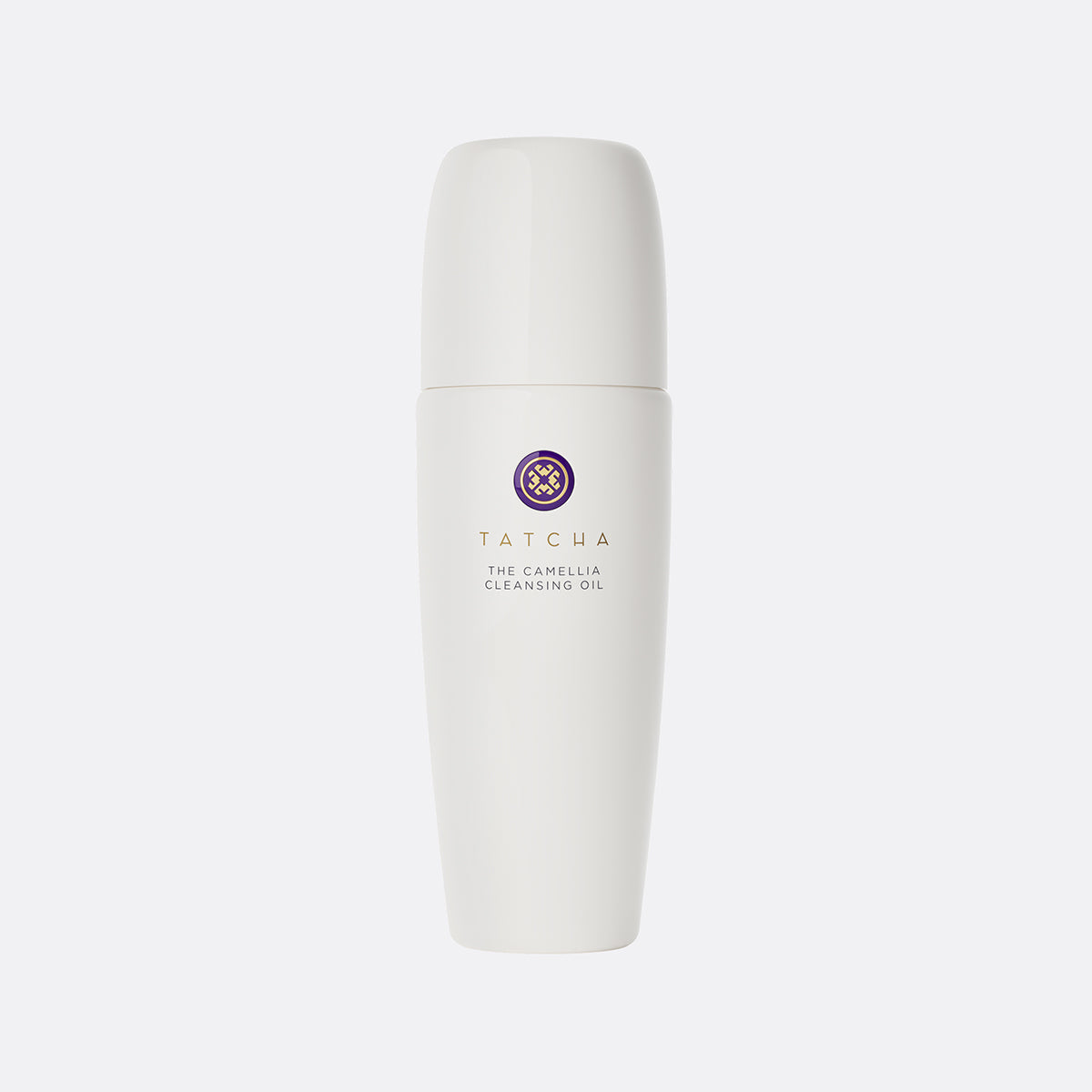
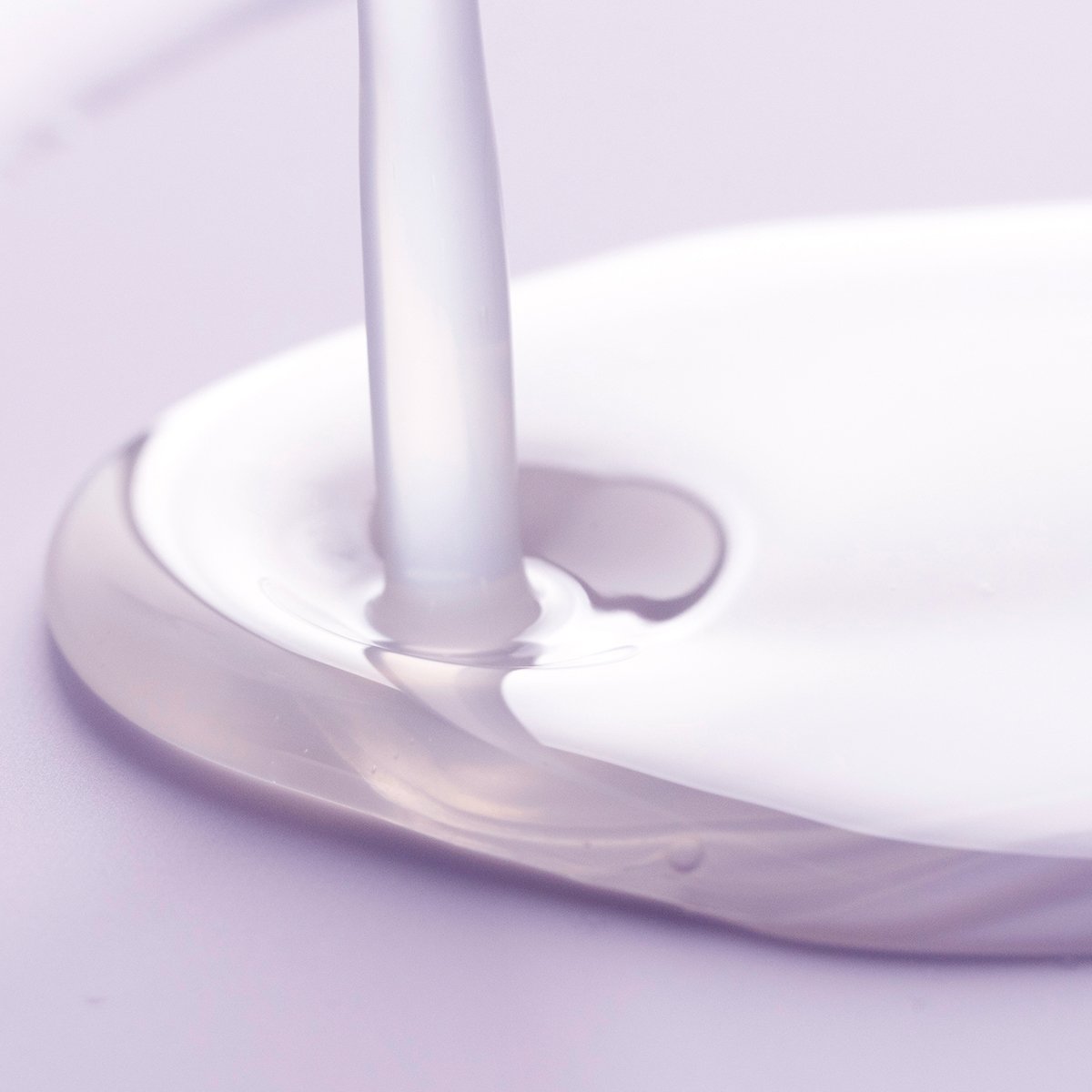
Lots of people love that squeaky clean feeling, but for those with dry skin, it’s a not-so-slippery slope to redness, scaly patches, and inflammation. Cleansers with richer consistencies, like oils or creams, are instead commonly recommended for dry skin types. Avoid the foams and gels, which are generally better suited to oilier skin.
Mist connections
A frequent pain point of those with dry skin is how often it feels tight, requiring another application of soothing skincare. Of course, you can’t tote all of your creams and lotions around with you all day, which is why face mists are a popular product choice. Look for a mist that’s made with hydrating ingredients, like Tatcha’s humectant-rich Luminous Dewy Skin Mist. A few spritzes are all you need to rehydrate. (Even over makeup.)
Super serums
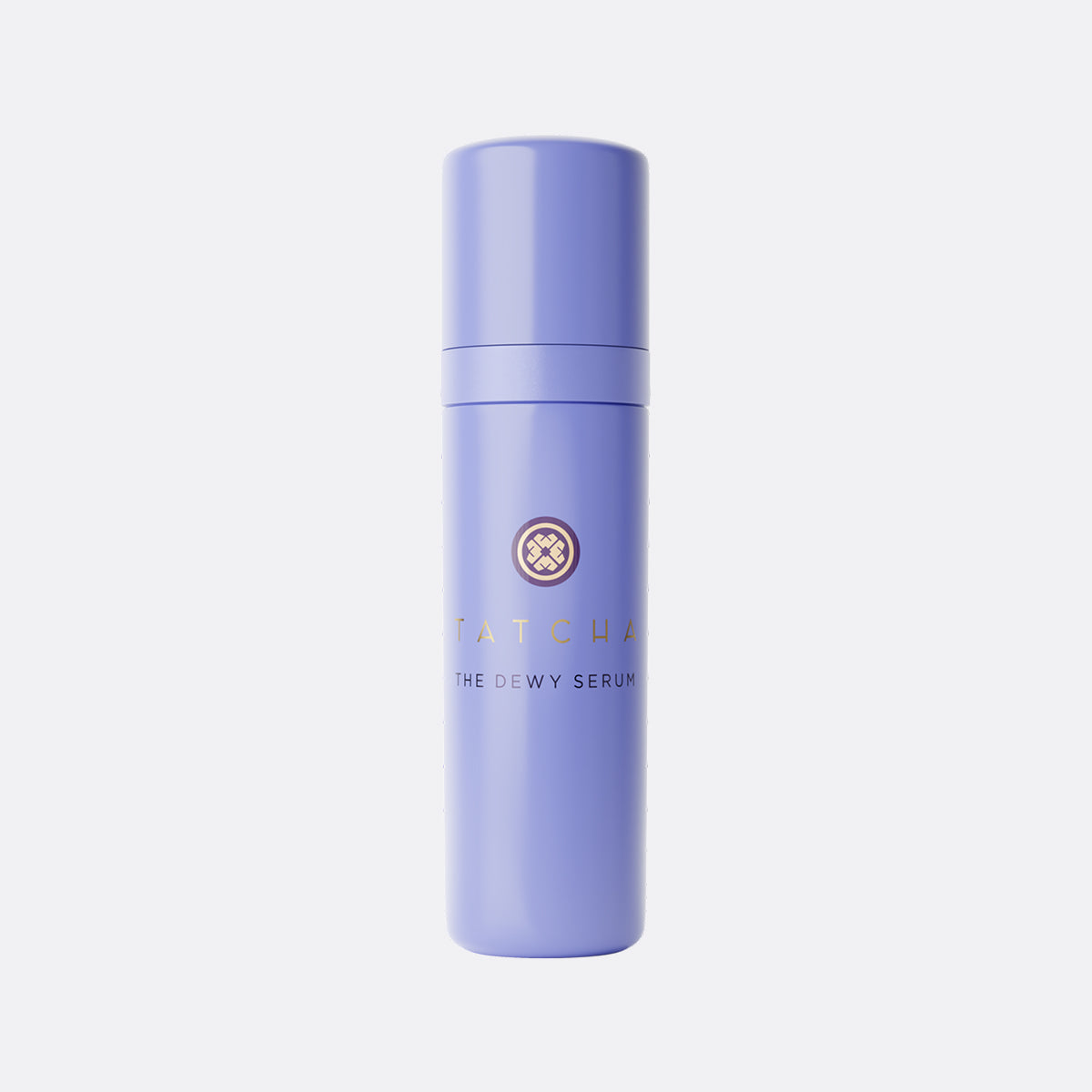
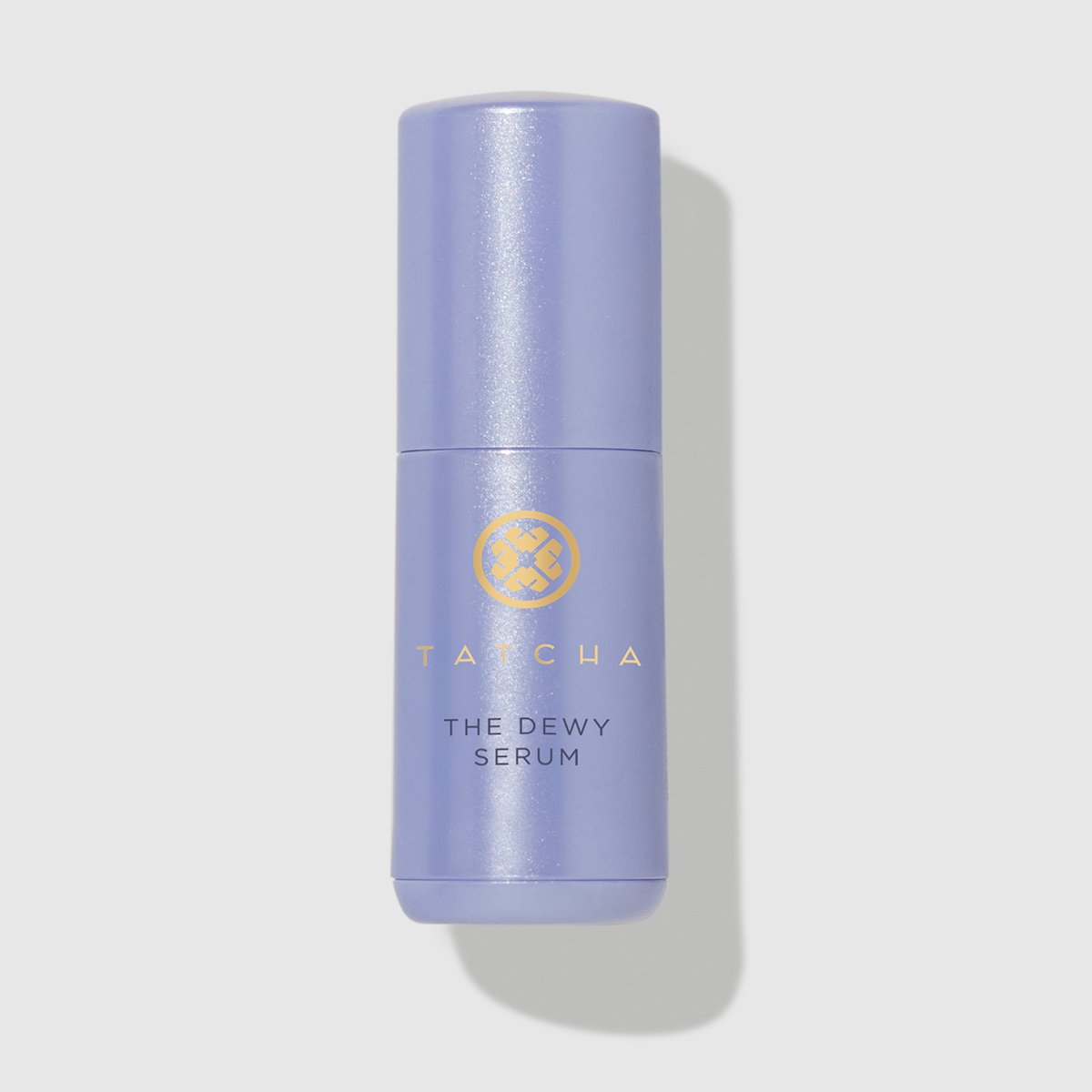
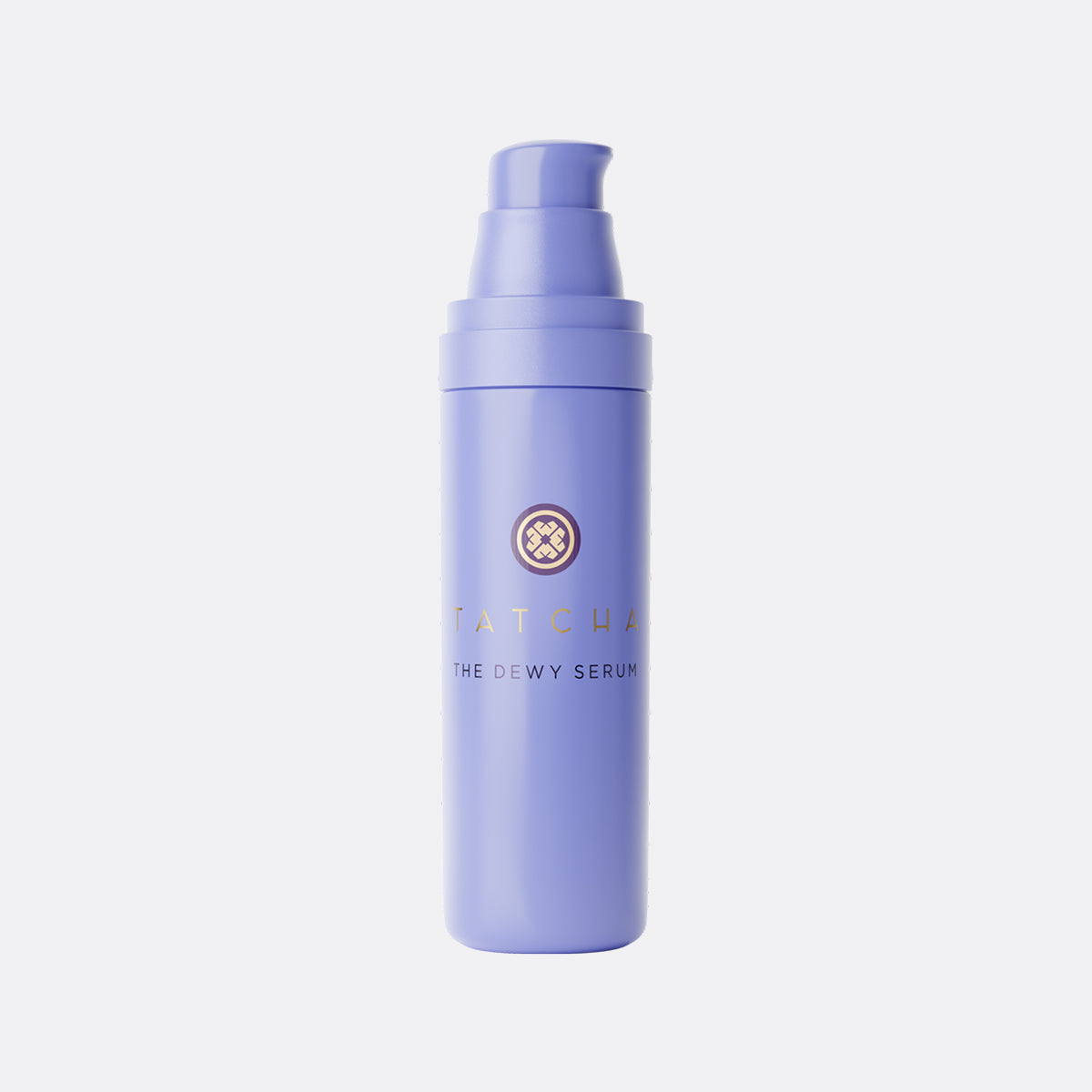
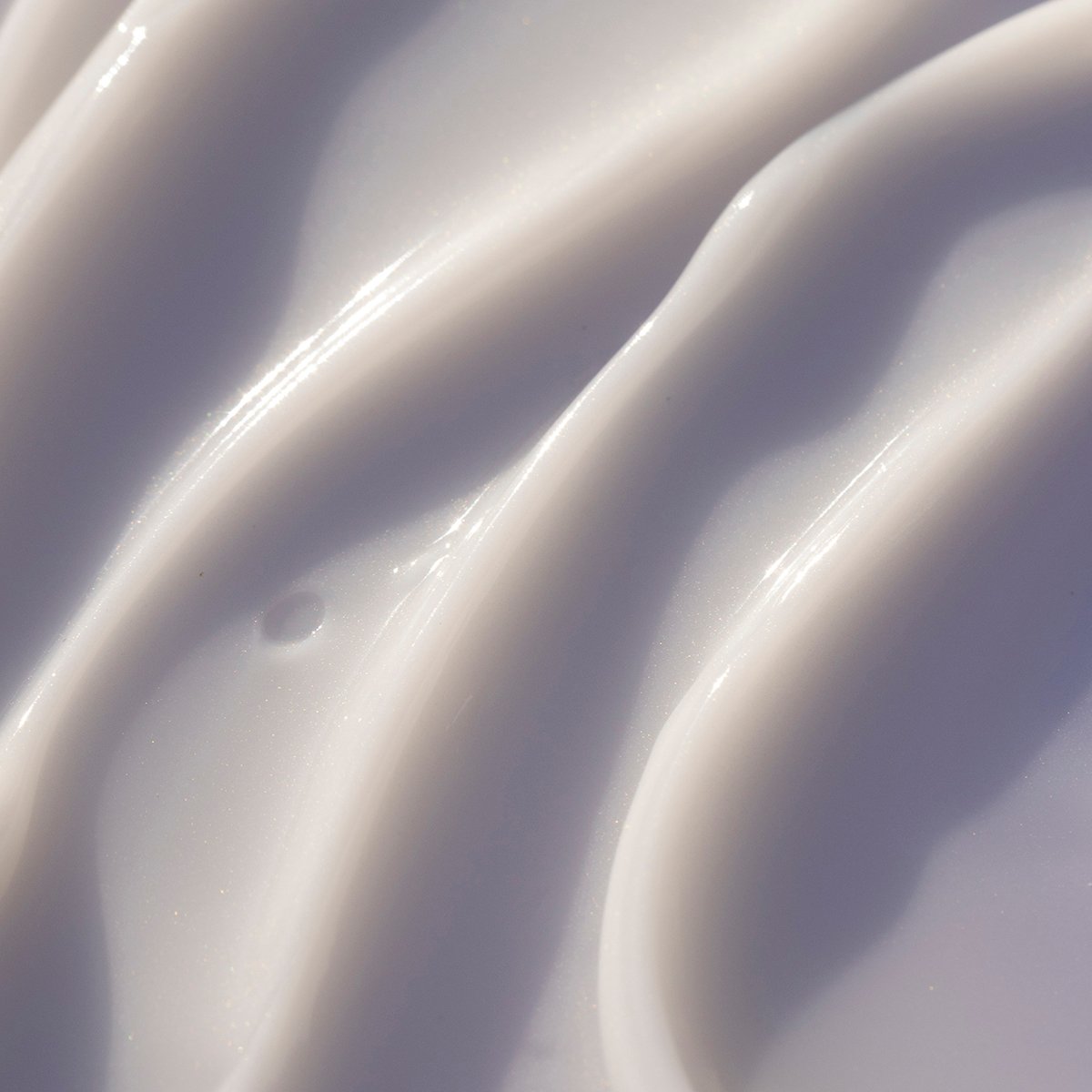
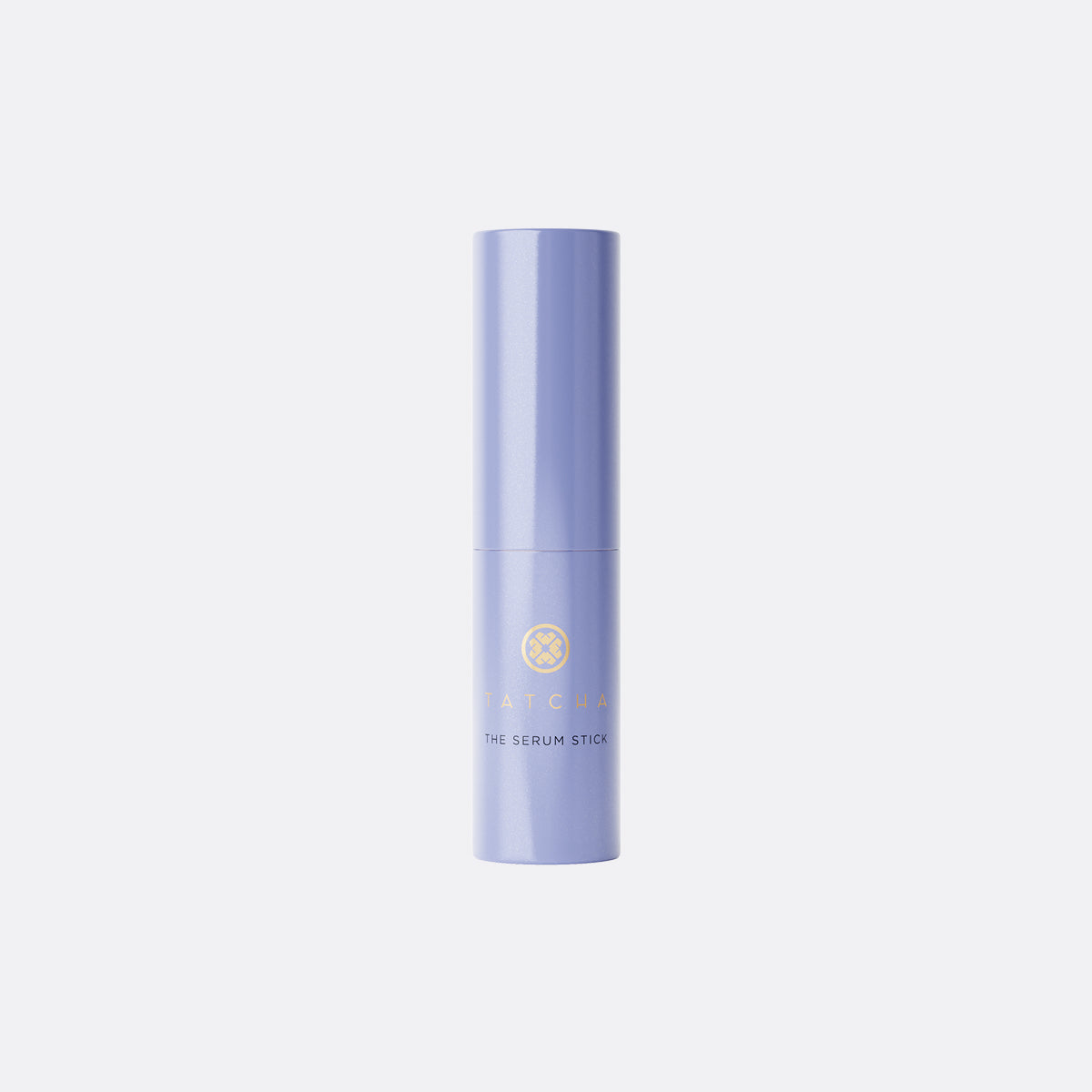
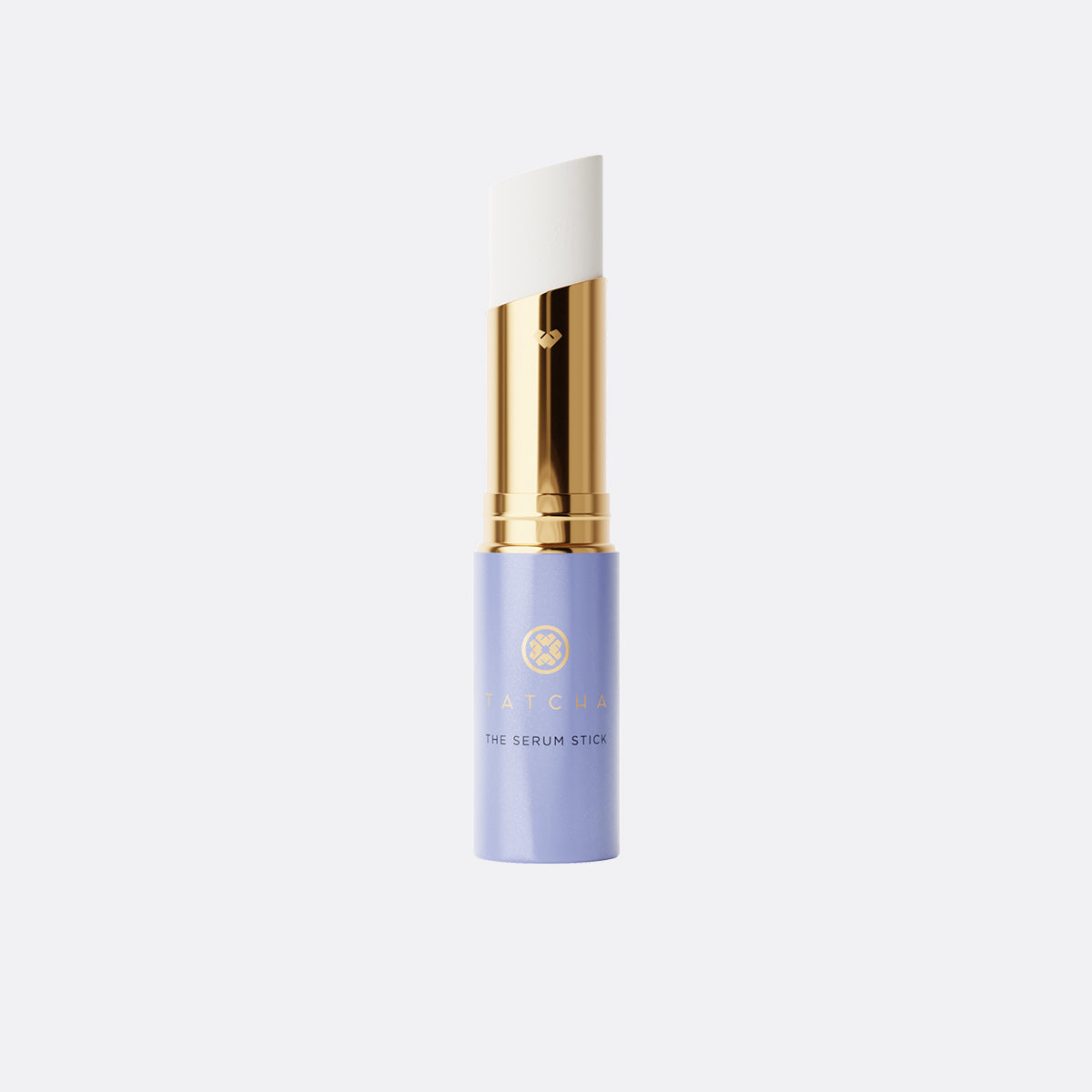
The lightweight treatment products we apply between our cleansers and moisturizers may be formulated to hydrate skin, but aren’t as heavy as occlusive dry skin creams. Tatcha’s Dewy Serum packages moisture-sealing squalane, along with other natural hydrators, in a lightweight watery gel, while the brand’s Serum Stick makes it easy to treat dry spots on the face and body. If you feel your routine doesn’t need an overhaul, but could be more hydrating than it is, a serum may be a good place to start.
Dream creams
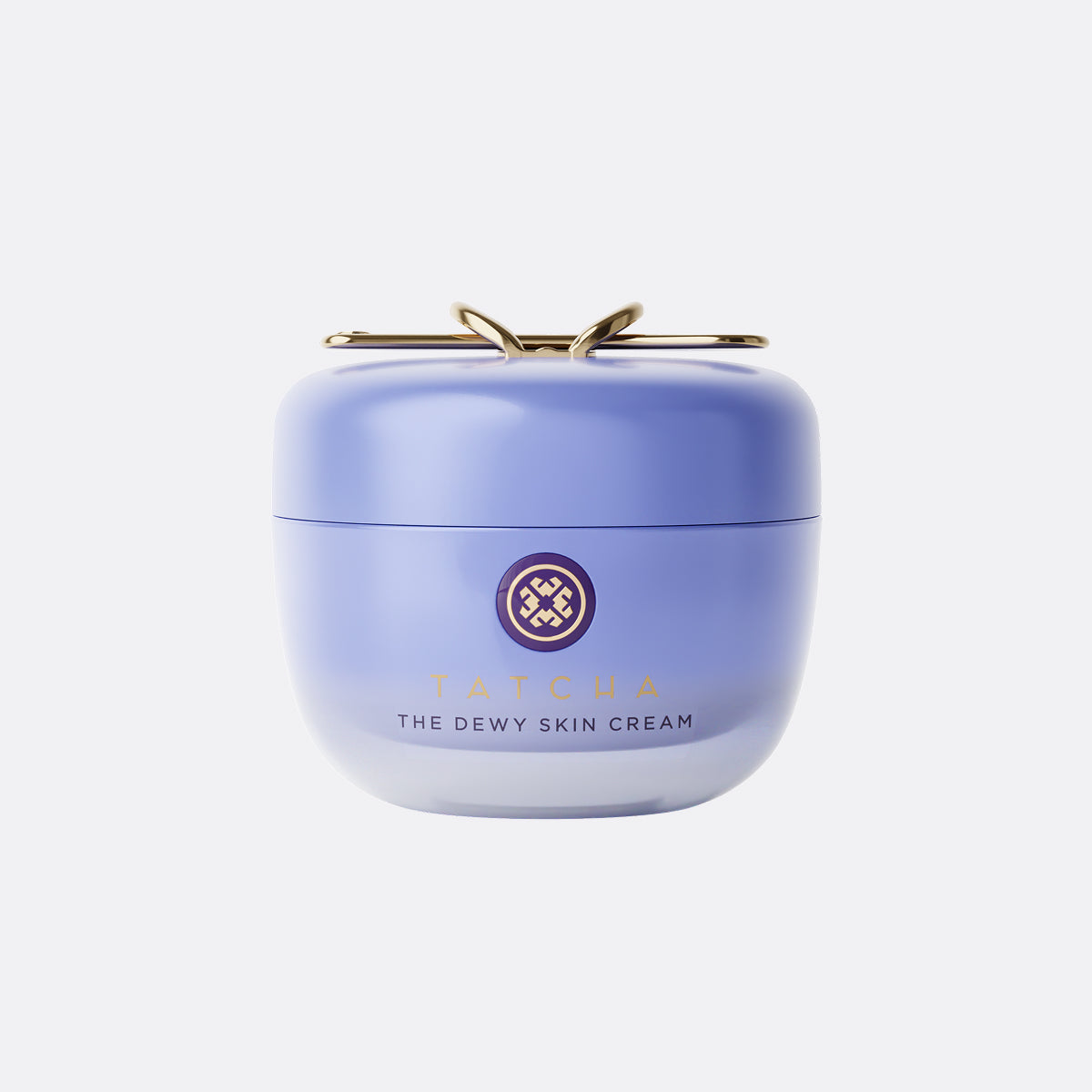
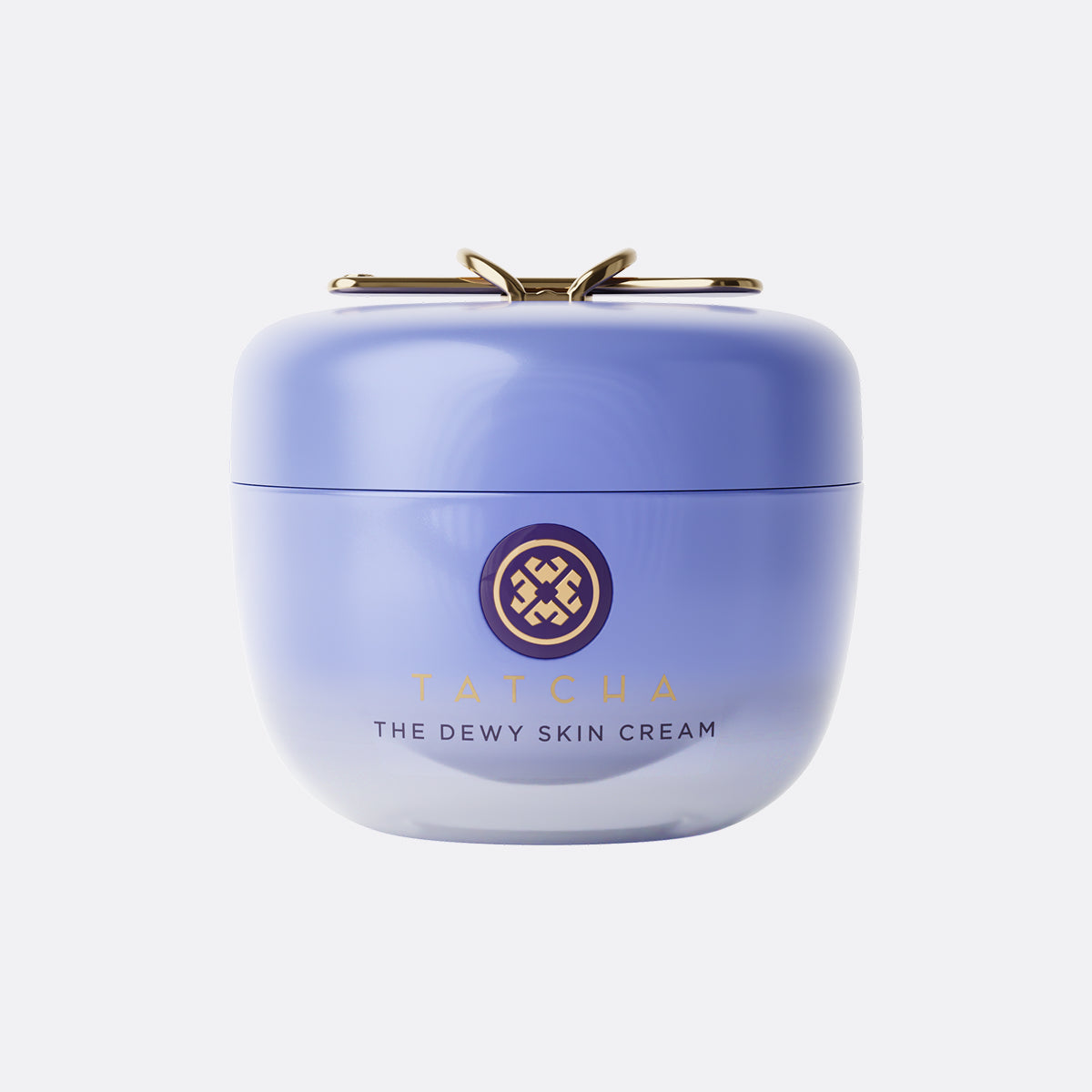
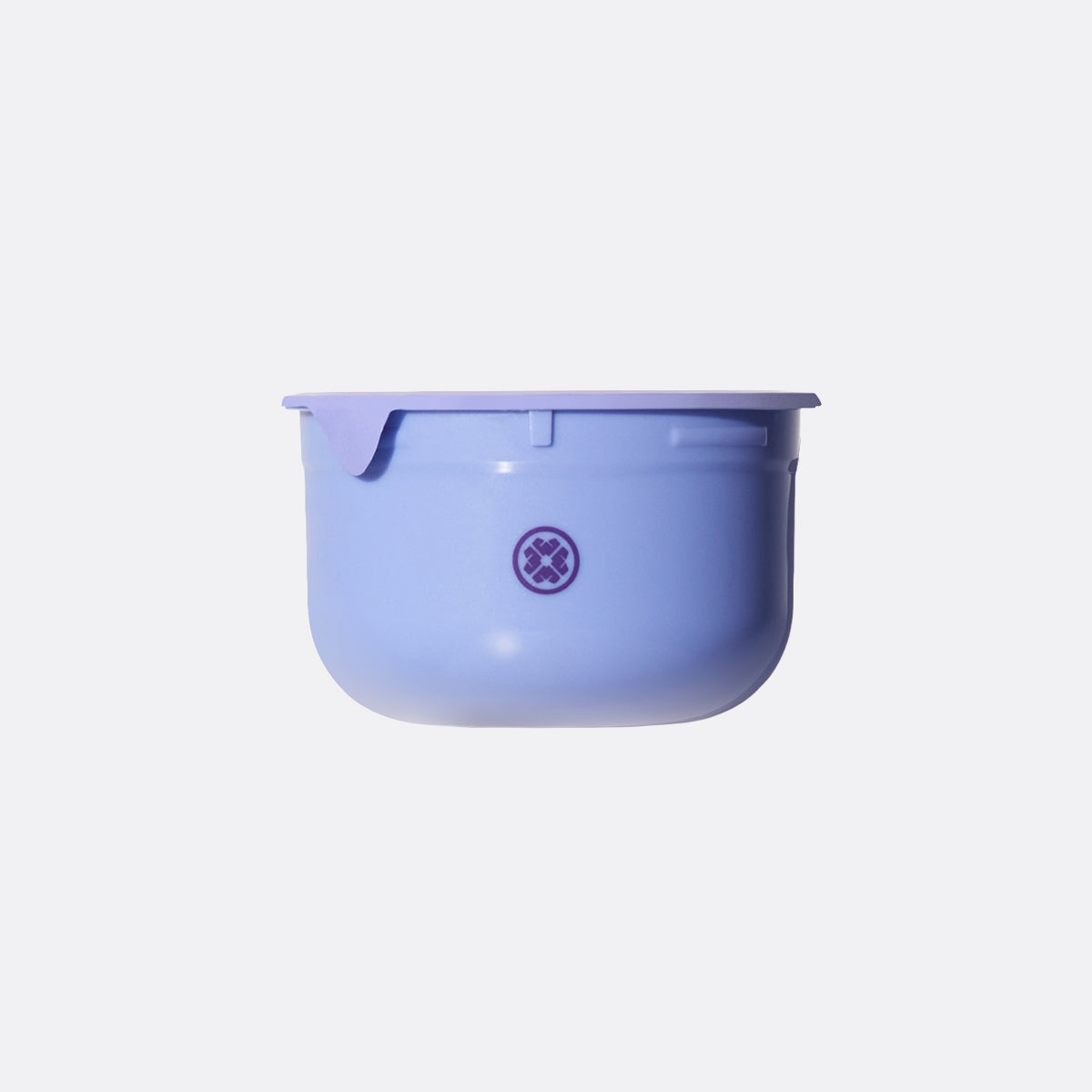
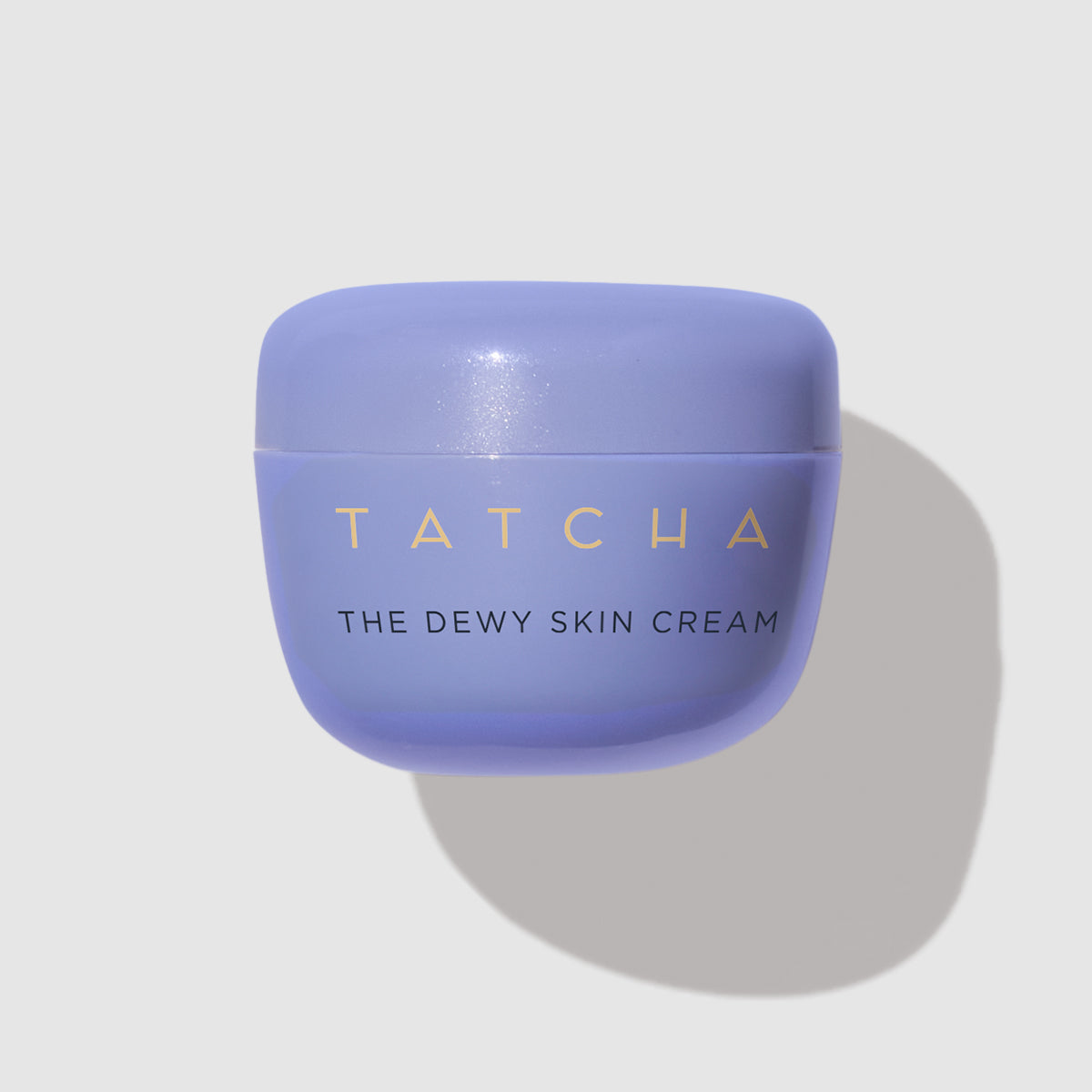
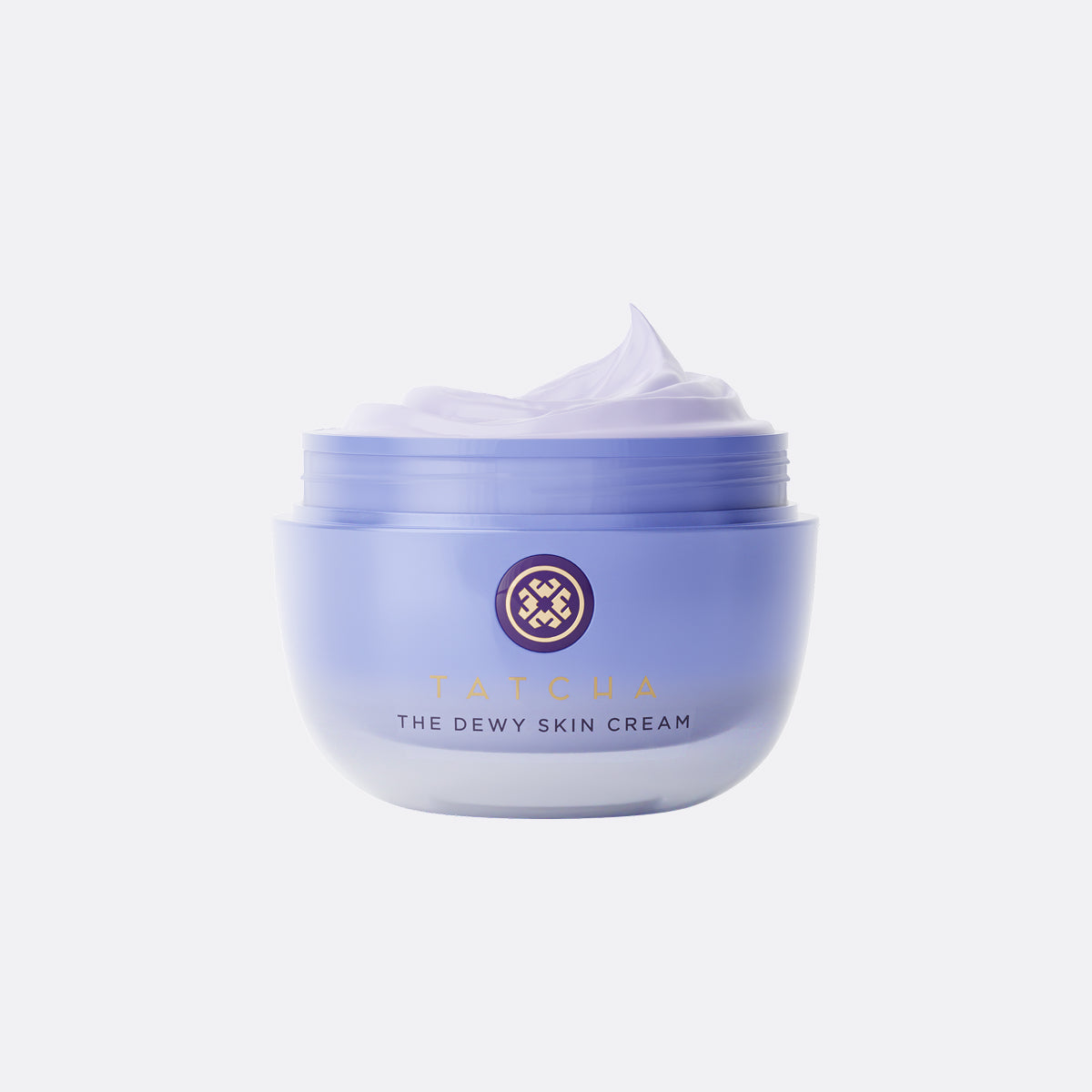
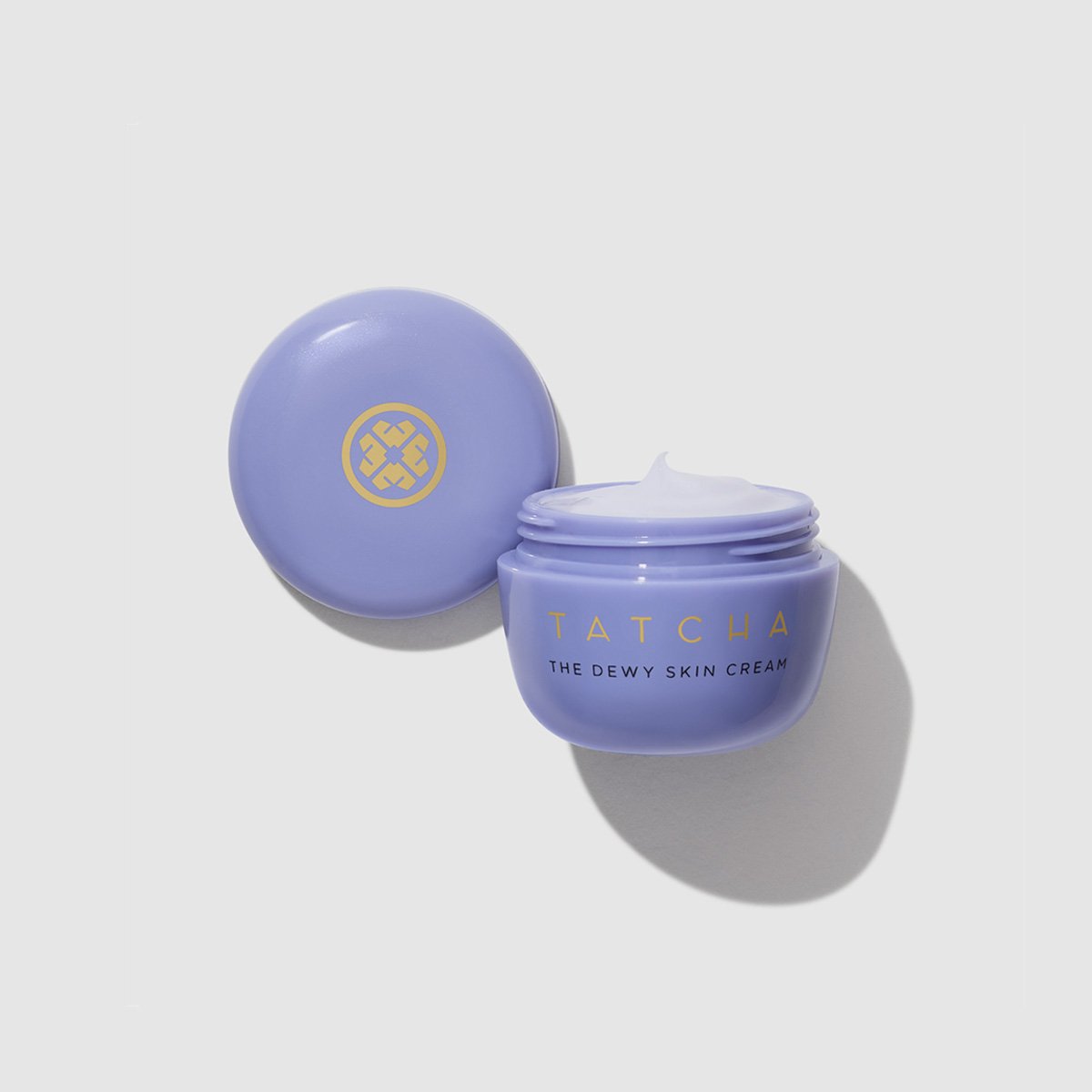
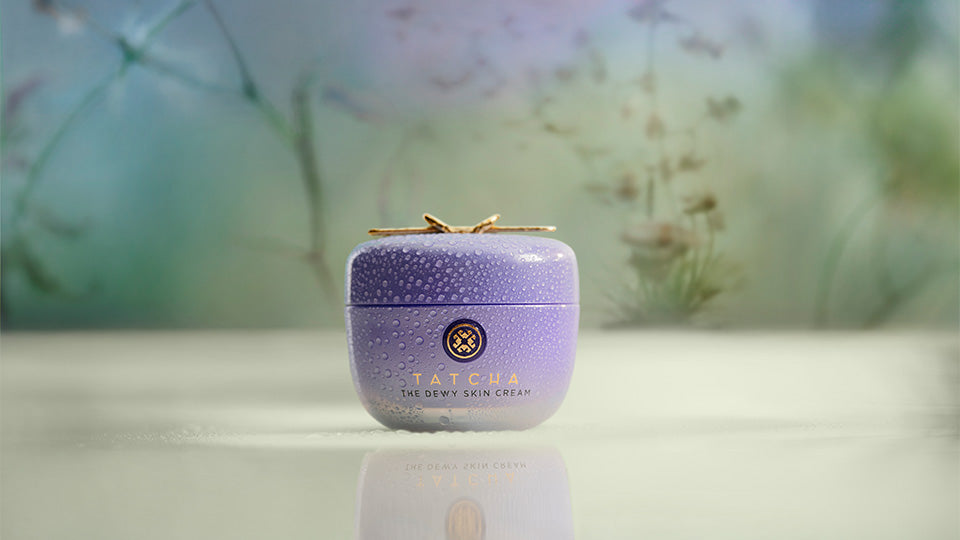
There’s nothing better for dry skin than a good cream. If you suffer from dryness, your chosen moisturizer might be the most important part of your skincare routine. Their thick consistency allows formulators to load them up with hydrating ingredients, allowing some products, like Tatcha’s Dewy Skin Cream, to treat dry skin with multiple mechanisms; emollient squalane, humectant glycerin, lipid-loving algae extract.
With tools like these—and the knowledge of how to use them—dry skin doesn’t stand a chance.