Why Order Matters in Your Skincare Routine
Your skincare routine doesn’t begin in the bathroom—it starts in the skincare aisle (literally or digitally). Determining which formulas are best for you is the first essential step in building your skincare routine. However, even if you have the best products for your skin type, it’s important to follow the most ideal skincare routine order. Applying and layering your skincare products in the correct skincare routine order means that you are encouraging them to work to their most effective levels, allowing you to drastically transform your daily ritual. Keep reading as we discover the ideal order of a skincare routine, the difference between morning vs. night skincare routine, and the best products for your unique skin.
Why Your Morning and Night Routines Should Differ
First, it is important to know that your morning skincare routine can and should be different from your night skincare routine. It’s not just a ploy to sell you more skincare, we promise. In the morning, skin will love products that both nourish and protect it for the day. At night, skin seeks repairing and restoring products that help to heal itself overnight. While many products can be utilized for both morning and night, there are a few formulas that are designed for particular times of day (like sunscreen for daytime and retinol and its alternatives for night).
Skincare Order Best Practices
When in doubt, there are a few best practices to keep in mind when learning to apply products within your skincare routine.
- It is always best to apply your products from the thinnest to thickest texture. For example, essences, chemical exfoliants, and toners have a liquid, water-like texture, thus they’re applied after cleansing and before serums; serums are applied after essences because they tend to have a slightly thicker, more viscous feel. Additionally, moisturizers usually have a more significant and thicker texture than serums, and thus are applied afterwards. Moisturizing facial oils buck this trend though, but only because of the next rule…
- Any water-based products should be applied before those with an oil base. While a face oil might have a liquid-like texture, it’s (obviously!) an oil — and oils prevent absorption of products applied afterward. Think of oil as a very effective (and moisturizing) barrier, blocking products from penetrating it. This is beneficial to maintain moisture and protect skin, but any serums or moisturizers applied atop an oil won’t be able to penetrate the skin’s surface. This is why we always recommend applying a face oil as one of the last steps, after moisturizer and before sunscreen.
- Consider the product's pH levels. The term “pH” means “potential of hydrogen” and it refers to the activity of hydrogen molecules in formulas. The numeric scale runs from 0 to 14 — anything under seven is acidic and anything greater than seven is alkaline. Skin is naturally acidic (averaging around 4.7 pH), and loves products closer to skin’s natural pH level. Using products that have a high pH can irritate, thus you can apply products in sequential order. Some products list pH on the labels, but a good rule of thumb is to at least use a cleanser that is gentle and pH-friendly so you can leave skin balanced before applying additional products.
Morning Skincare Routine Order
Good morning! Starting the day off with your a.m. skincare routine can be refreshing and rejuvenating. Here’s the ideal morning skincare routine order to get your day started on the right foot.
Step 1: Cleanser
Washing your face is a wonderful way to start your morning fresh—and surprisingly, skin can accumulate dirt, sebum, and impurities while you are sleeping. But what constitutes “washing” will be different for each person. Dry and mature skin types might find a splash of water good enough, while oily skin might love a refreshing cleanser to purify skin. In fact, some cleansers are designed to control oil, making morning use the perfect skincare prep. Test out several options to assess how your skin feels after each cleanse to zero in on your ideal a.m. cleansing routine.
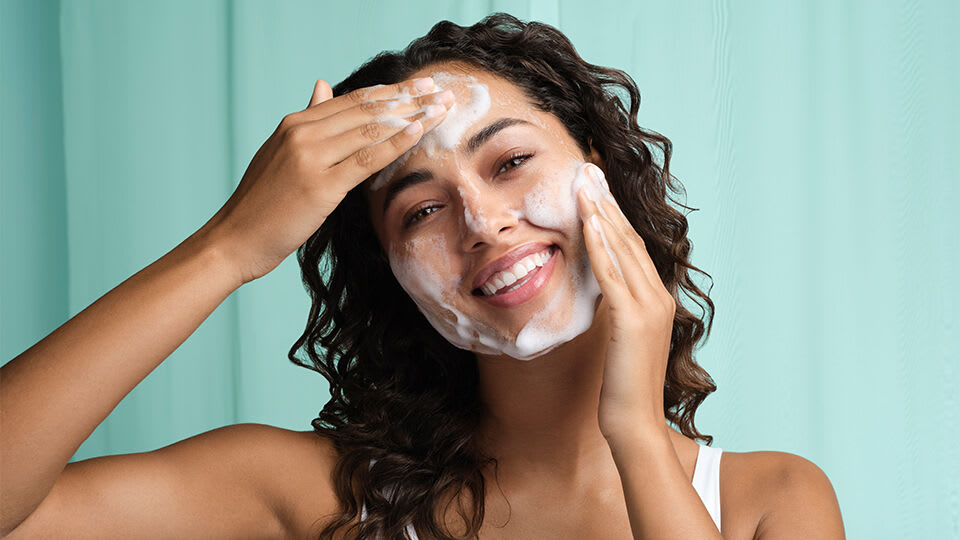
Step 1 Tip: If using a cleanser in the morning, a double cleanse is not necessary (as there isn’t makeup or sunscreen to remove). Simply massaging a cleanser delicately into the skin for at least 15 to 30 seconds will help to effectively wash the face.
Best Morning Cleanser:
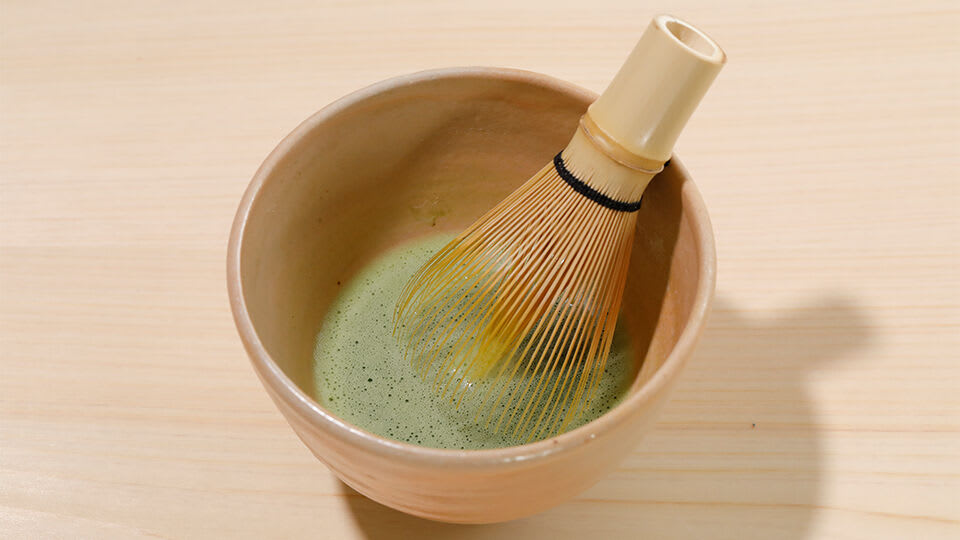
Oily: Oily and/or acne-prone skin will treasure The Matcha Cleanse, a formula that decongests pores and balances oil without stripping away essential moisture. Plus it’s proven to act like a primer of sorts, helping to minimize makeup slip-off and shininess throughout the day.
Dry/Combination: Dry and combination skin can use The Rice Wash, which leaves skin feeling soft and nourished. However, it’s perfectly fine to just use water in the morning, if your skin prefers it.
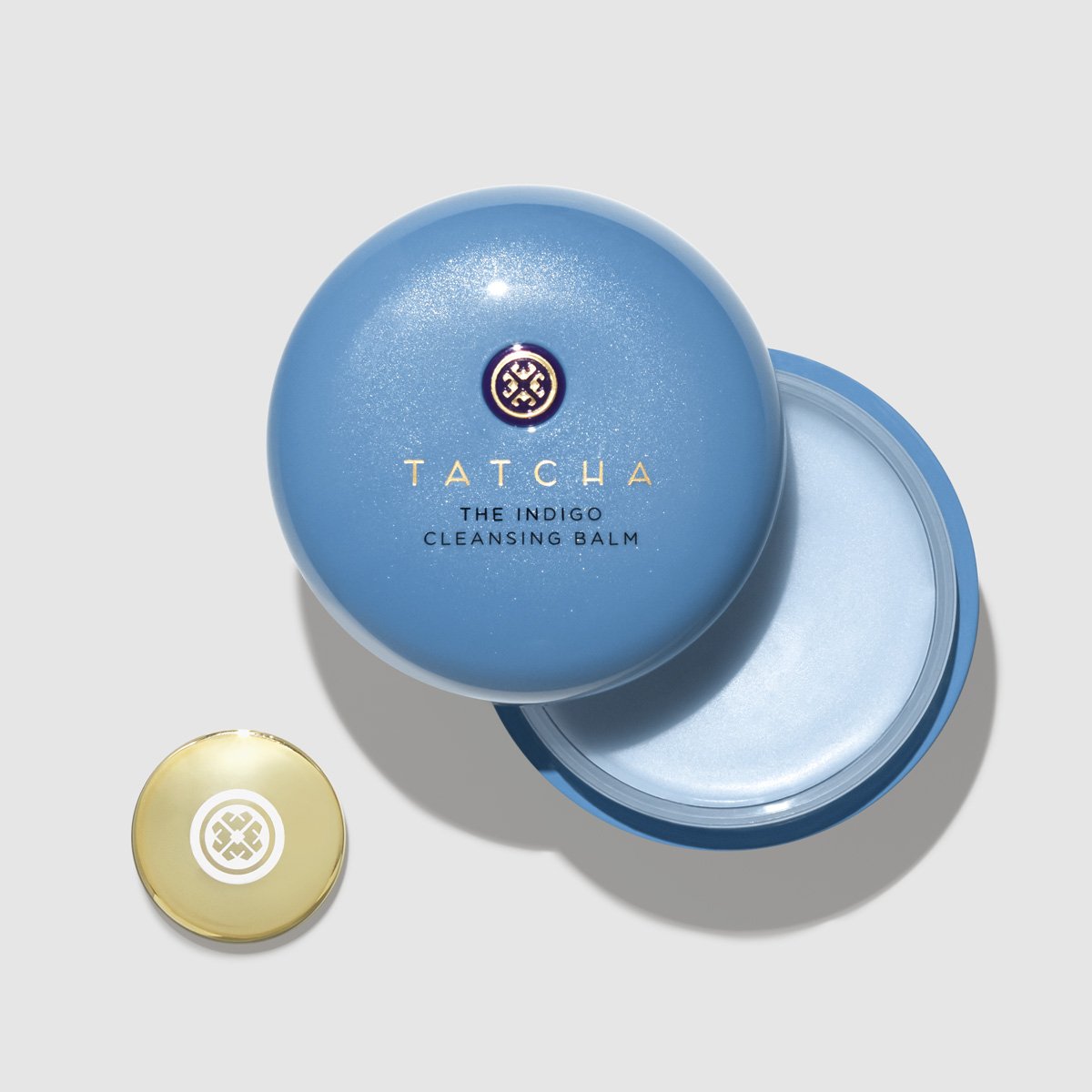
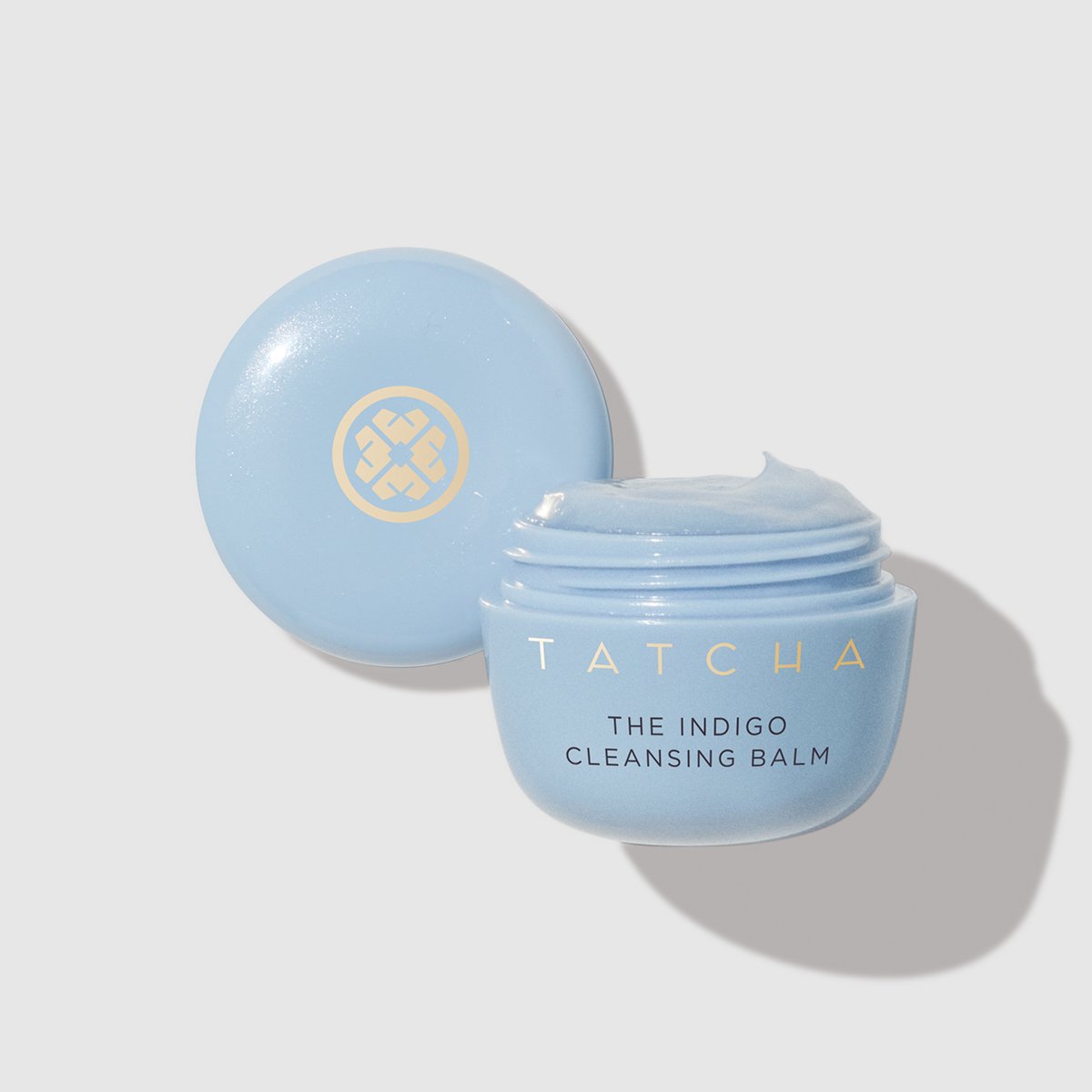
Sensitive: While cleansing sensitive skin can be an impossible task, The Indigo Cleansing Balm actually improves the skin barrier’s function for stronger skin over time.
Mature: If you’re looking for any chance to incorporate moisture into your routine, consider The Camellia Cleansing Oil, which nourishes skin. Of course, splashing the face with water is also a great option – choose the option that makes your skin feel its best.
Step 2: Essence
Essences help to plump, balance, and prep your skin for the remainder of your routine—an ideal reset for the a.m. A resurfacing essence works to reveal softer, youthful-looking skin, replenish moisture, and increase radiance. After cleansing, dab a few drops on the palm of your hands, then tap and press into the skin. Some skin might love morning exfoliation or a toner, if so, exfoliate after cleansing and before using an essence, but assess how your skin feels after each to narrow down your ideal step two.
Step 2 Tip: Wetness can be used as a powerful tool in your routine—applying a product to damp skin allows it to penetrate better (which can be a positive thing or negative if the product is famously potent, like retinol). This is helpful to utilize with hydrating products, for example, allowing them to penetrate better by pressing an essence into the skin and then immediately layering a hydrating serum atop it while skin is still damp from the essence.
Best Morning Essence:
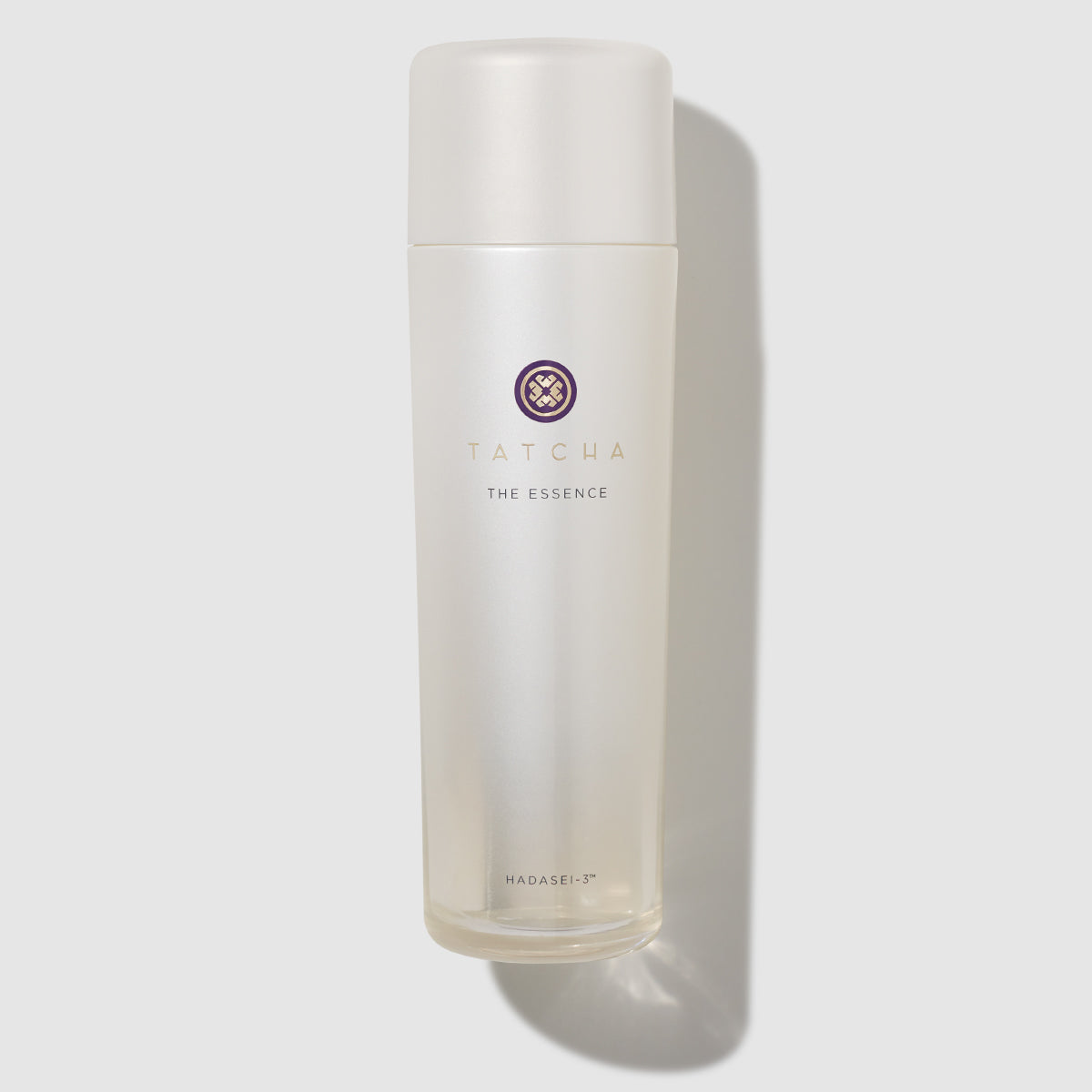
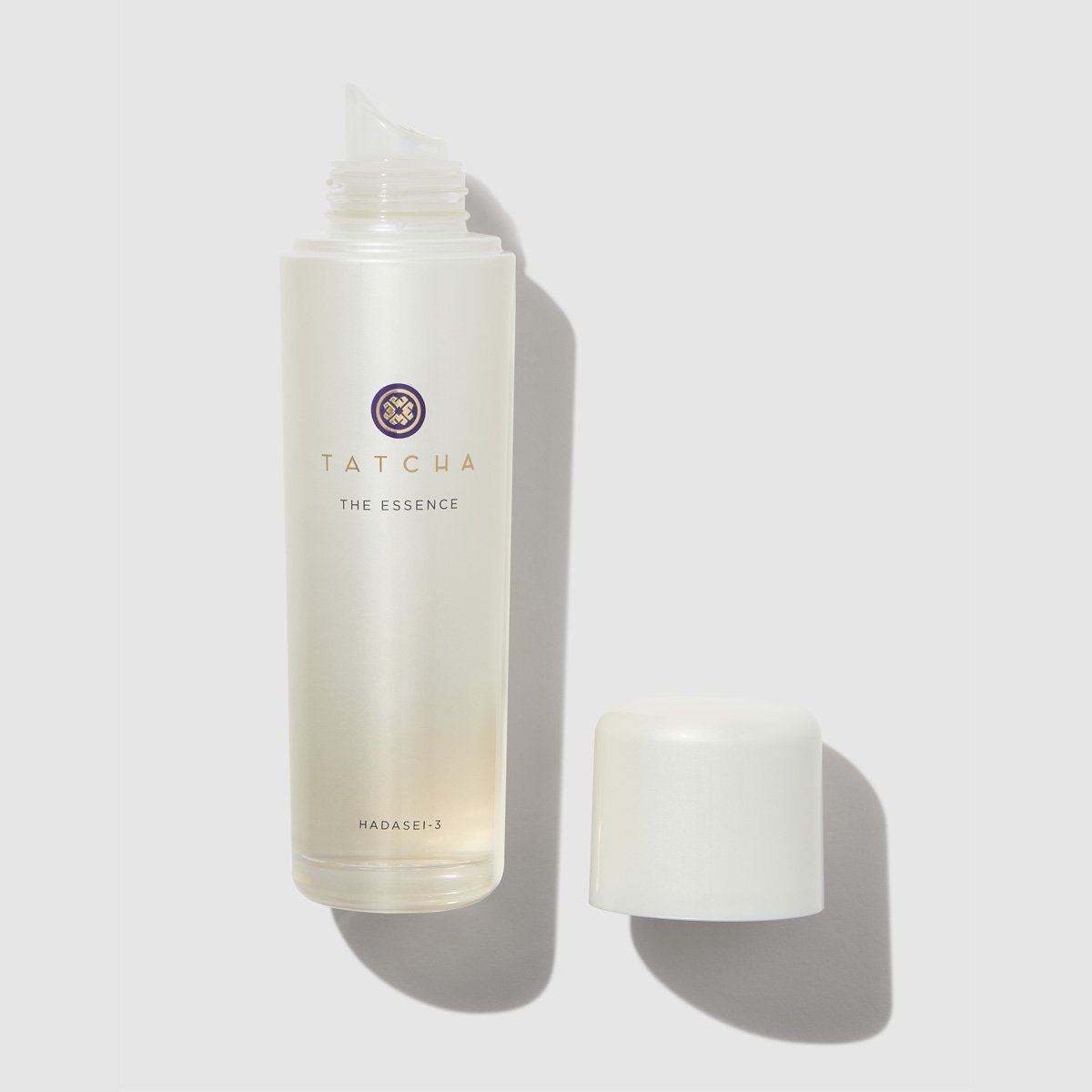
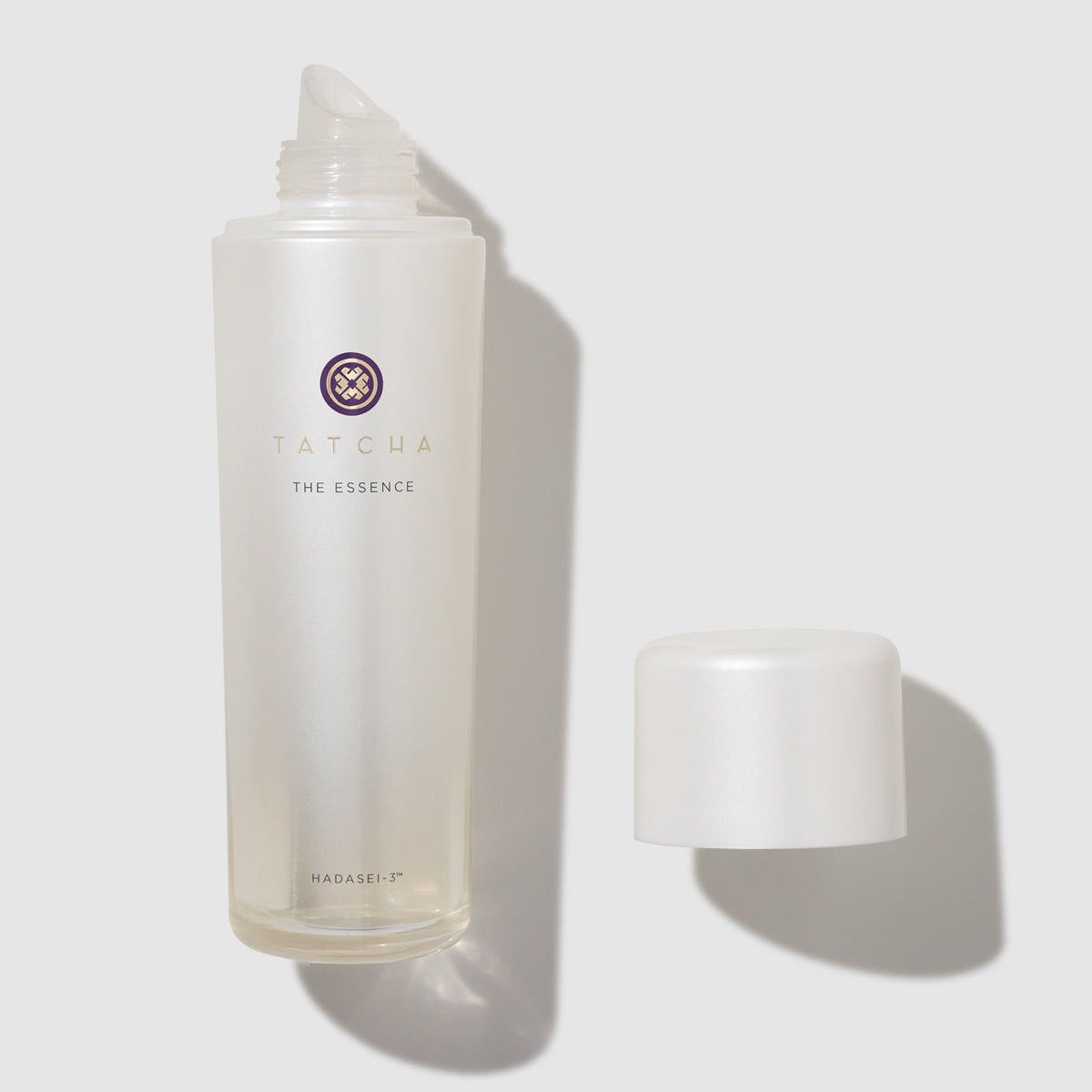
All skin types: Every type of skin will adore The Essence, a brilliant plumping, softening, and resurfacing liquid. It also proven to make the other products in your skincare routine more effective.
Step 3: Serum
Serums are highly potent skincare solutions that work to increase the overall effectiveness of your entire skincare ritual. Utilizing a serum is one of the best tricks to maintaining dewy, hydrated skin all day long. Or perhaps addressing issues, like smoothing wrinkles or dryness, is an issue—both things a serum can target.
Step 3 Tip: Consult the formula’s packaging for suggested usage recommendations. Some products can be used twice a day, while others are just once a day, or even only a few times a week. More is not always better when it comes to skincare, especially with powerful serums.
Best Morning Serum:
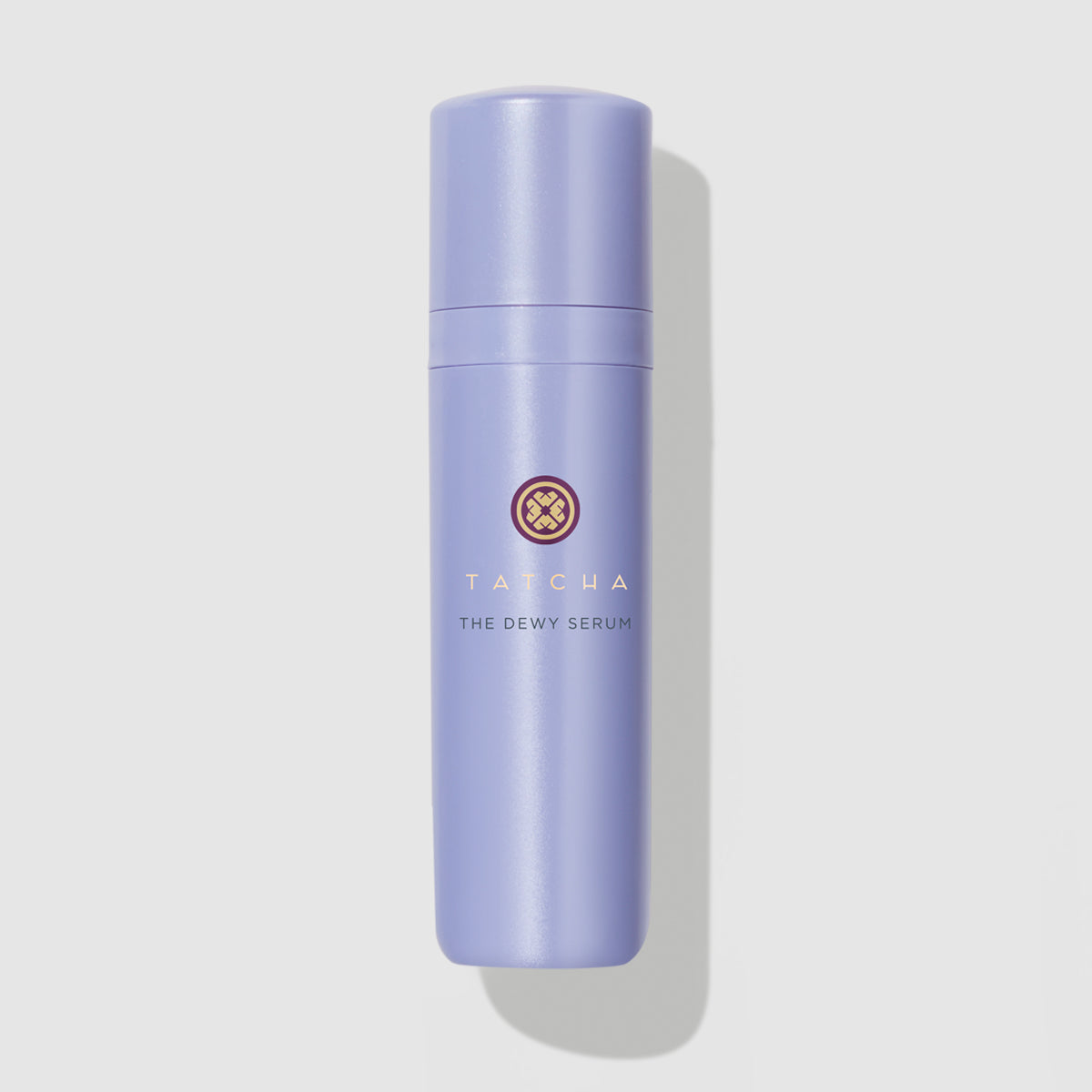
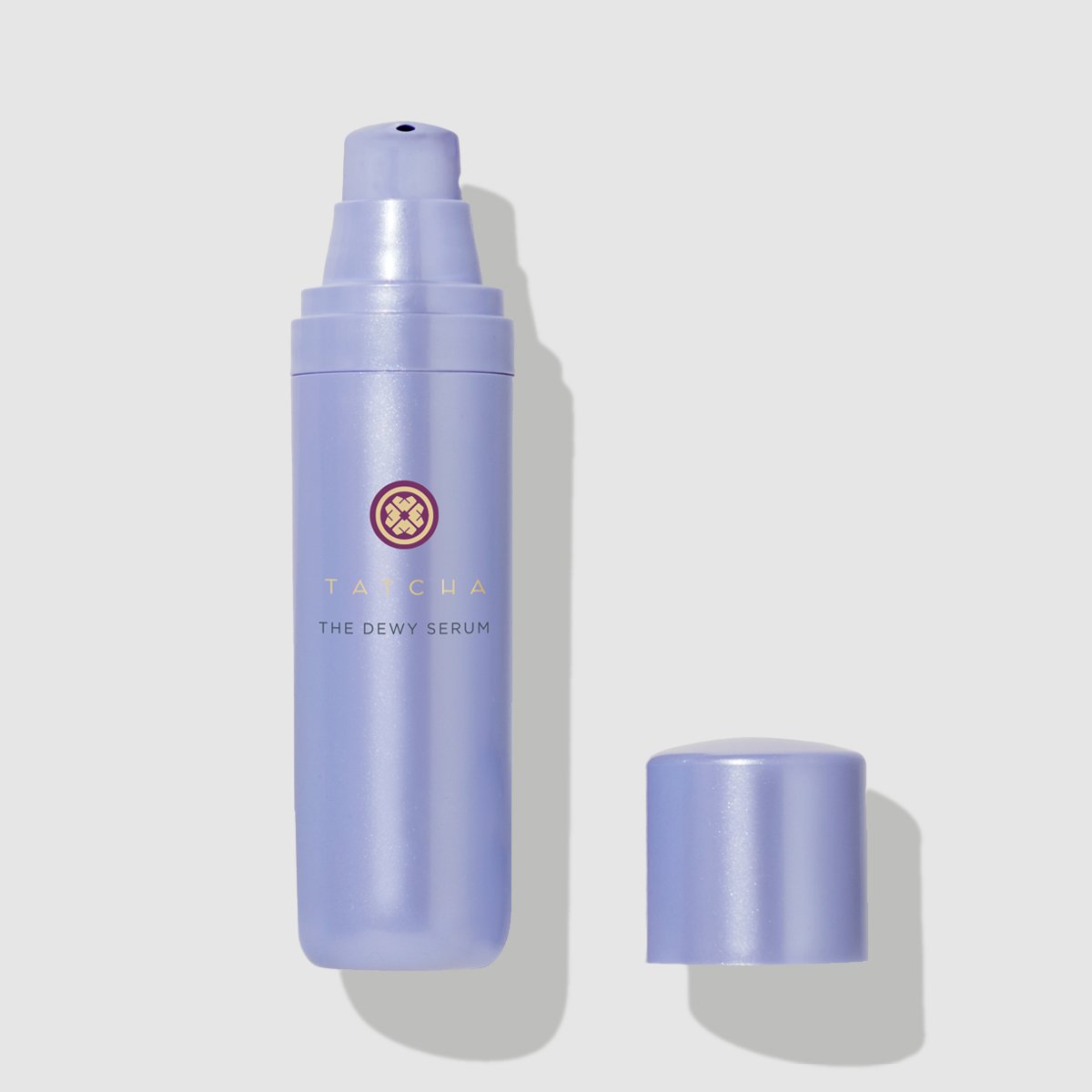
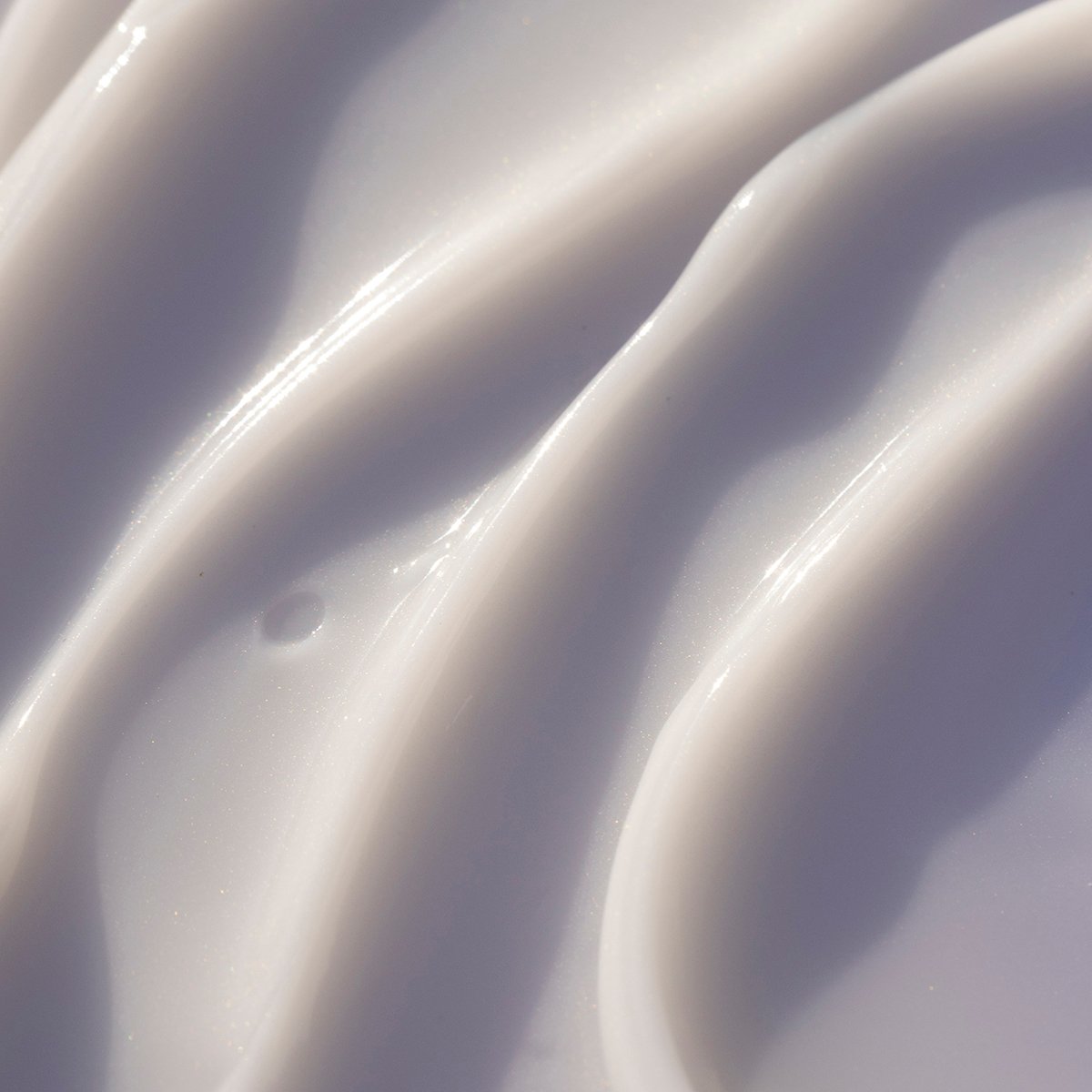
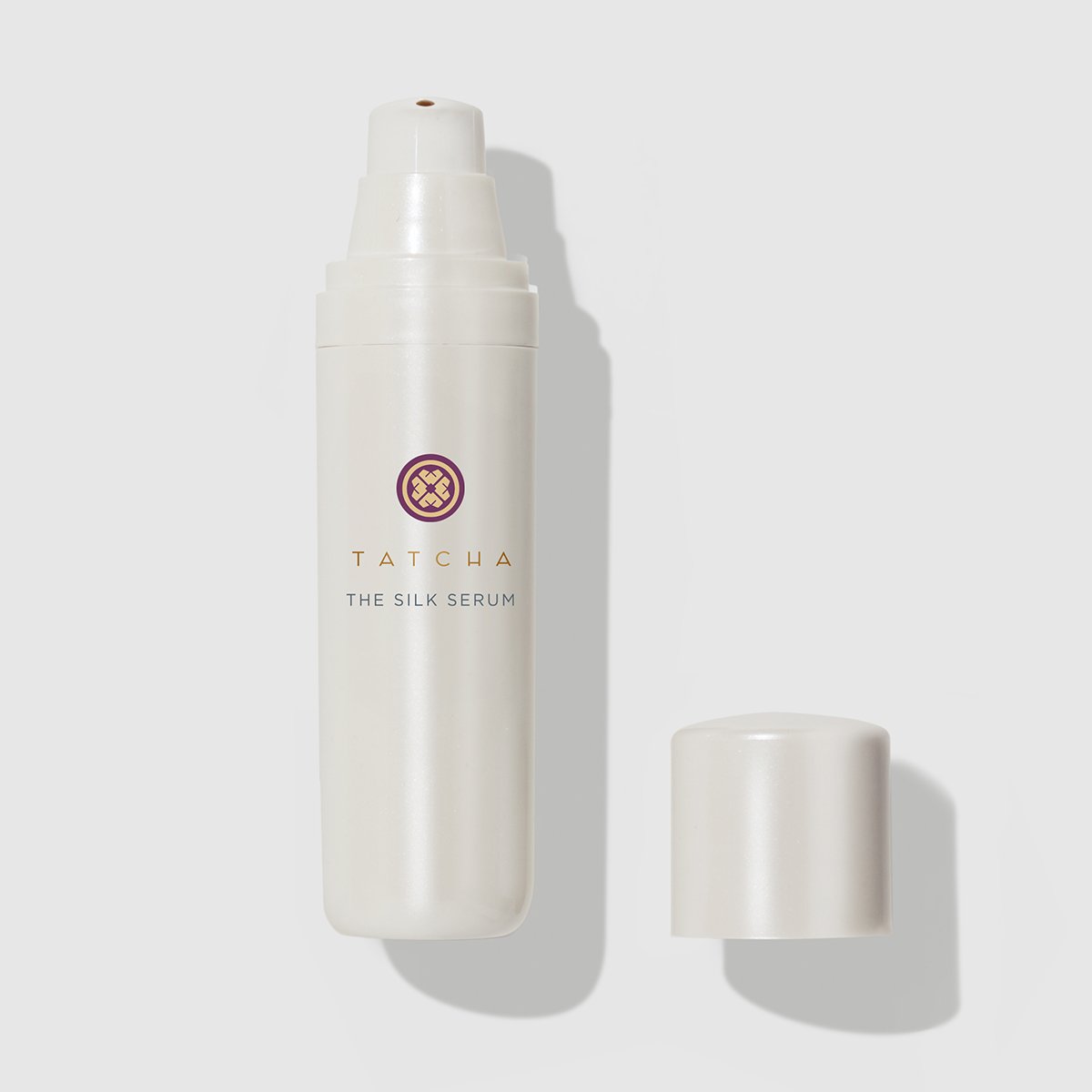
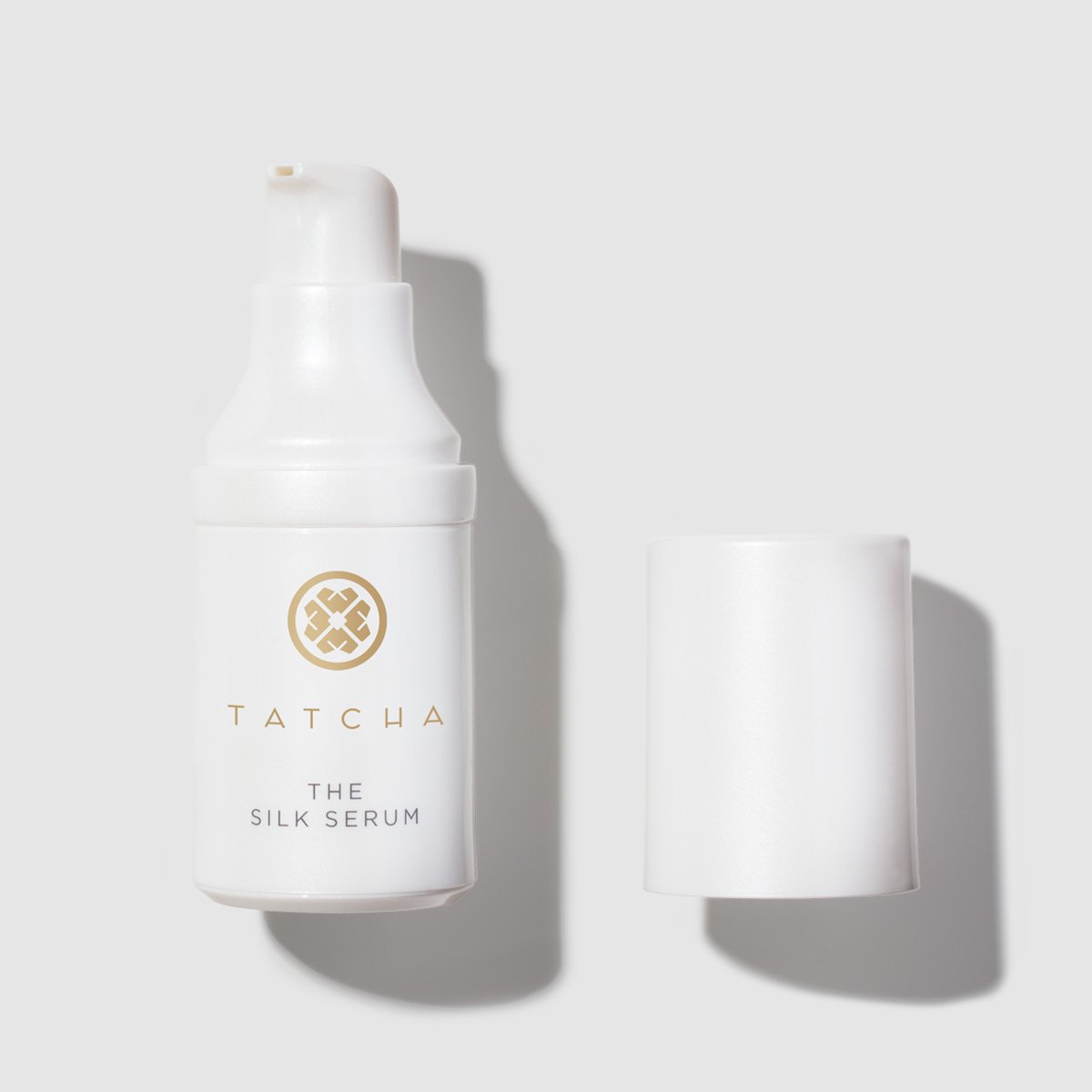
All skin types: Seeking hydration? Try the Dewy Serum, which works to nourish and plump the skin. This is thanks to its deeply hydrating blend of squalane and hyaluronic acid—the latter of which is one of the most important hydrating ingredients to incorporate into any skincare routine. If you’re looking to target fine lines and wrinkles, consider The Silk Serum, a retinol-like serum that visibly firms and smooths the look of deep wrinkles without the visible irritation often associated with retinol.
Step 4: Eye Cream
Applying an eye cream both day and night is a vital part of any skincare routine. Incorporating one into your ritual will help to maintain the health of your under-eye area and eyelids, which are one of the thinnest areas of skin on your body. Regular use of an eye cream will help keep this area looking firm and elastic over time.
Step 4 Tip: Take care to tap it on gently with your ring finger, as this ensures you won’t pull the delicate skin too harshly while applying. Also, a rice grain-sized amount of product is plenty enough for most formulas.
Best Morning Eye Cream:
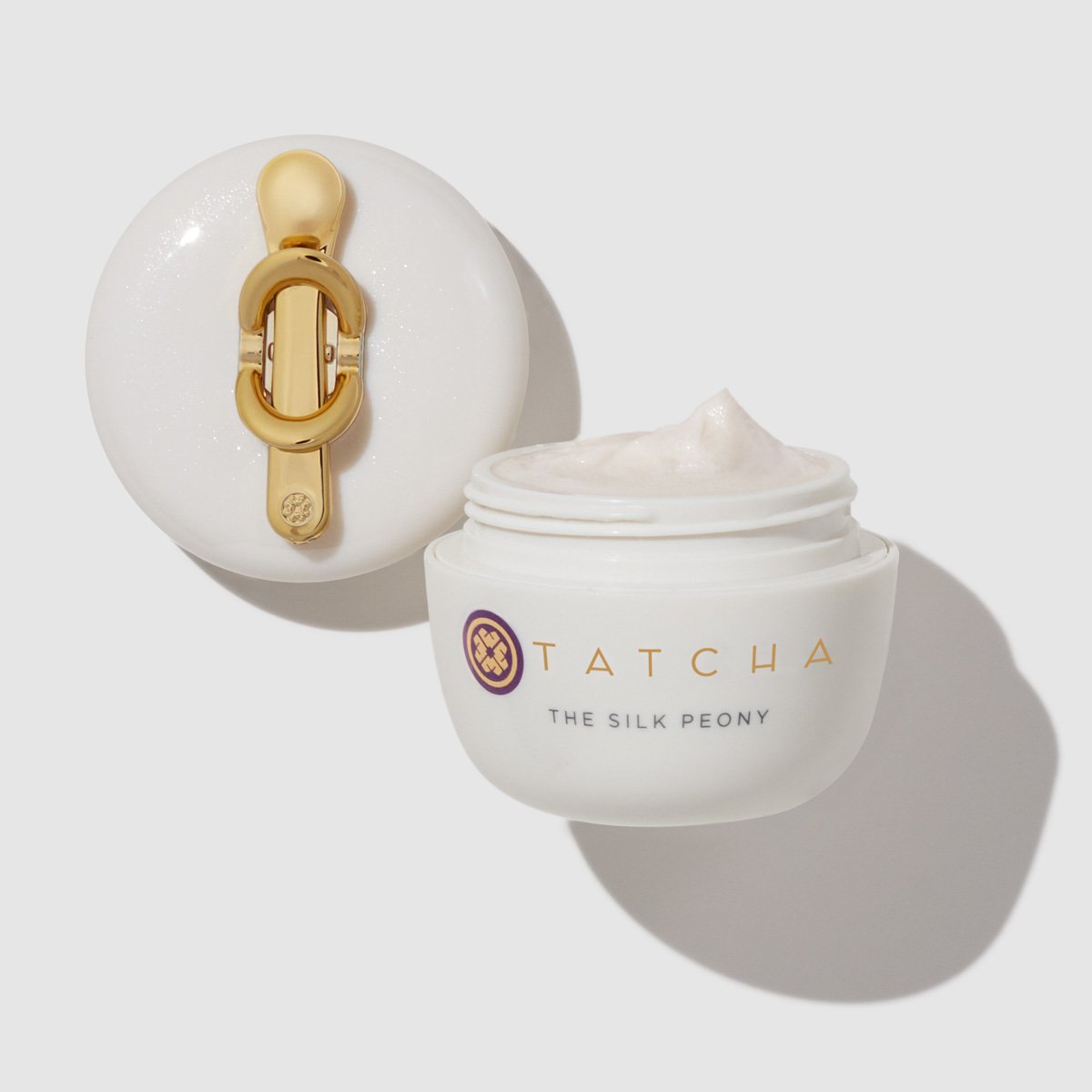
All skin types: From The Silk Peony Melting Eye Cream (an antioxidant-rich eye cream that melts to release a double shield of hydration with line-smoothing liquid silk and moisture-locking Japanese white peony) to our Ageless Revitalizing Eye Cream (a rich, velvety eye cream packed with antioxidants), Tatcha’s eye creams work to bring nourishment and hydration to the area around your eyes both day and night. Is puffiness an issue? Grab the Luminous Deep Hydration Firming Eye Serum, which visibly firms and reduces puffiness to diminish the look of fine lines.
Step 5: Moisturizer
Moisturizers are the one step you should never skip. No matter your skin type, you need a moisturizer—the trick is finding a formula that works best for you. Moisturizers help your skin attract and hold onto water, as well as repair the barrier and penetrate deep into the skin to rejuvenate and restore hydration. While some formulas might work universally and all year long, some skin might need their moisturizer to shift with each season (and perhaps even day and night), depending on how skin feels.
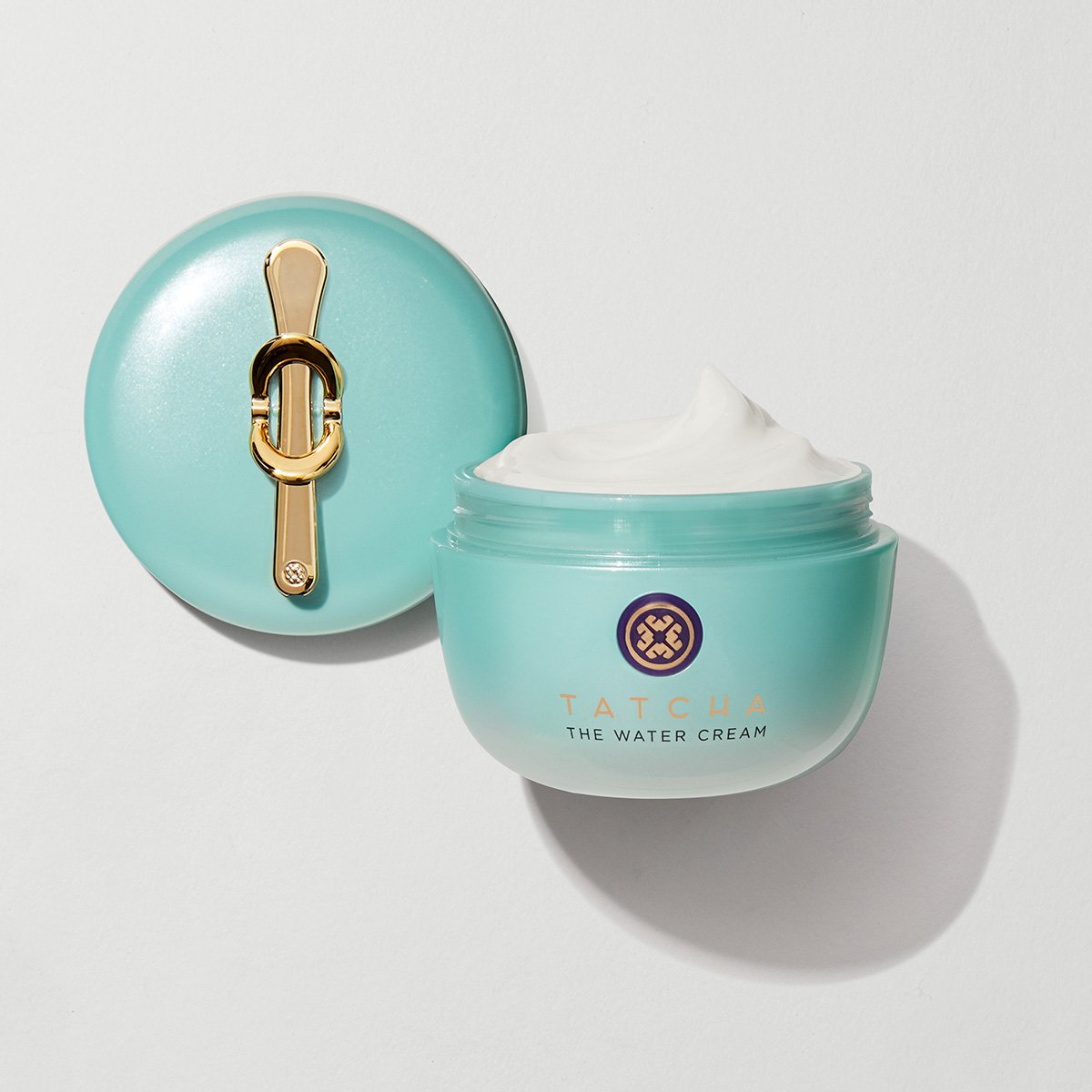
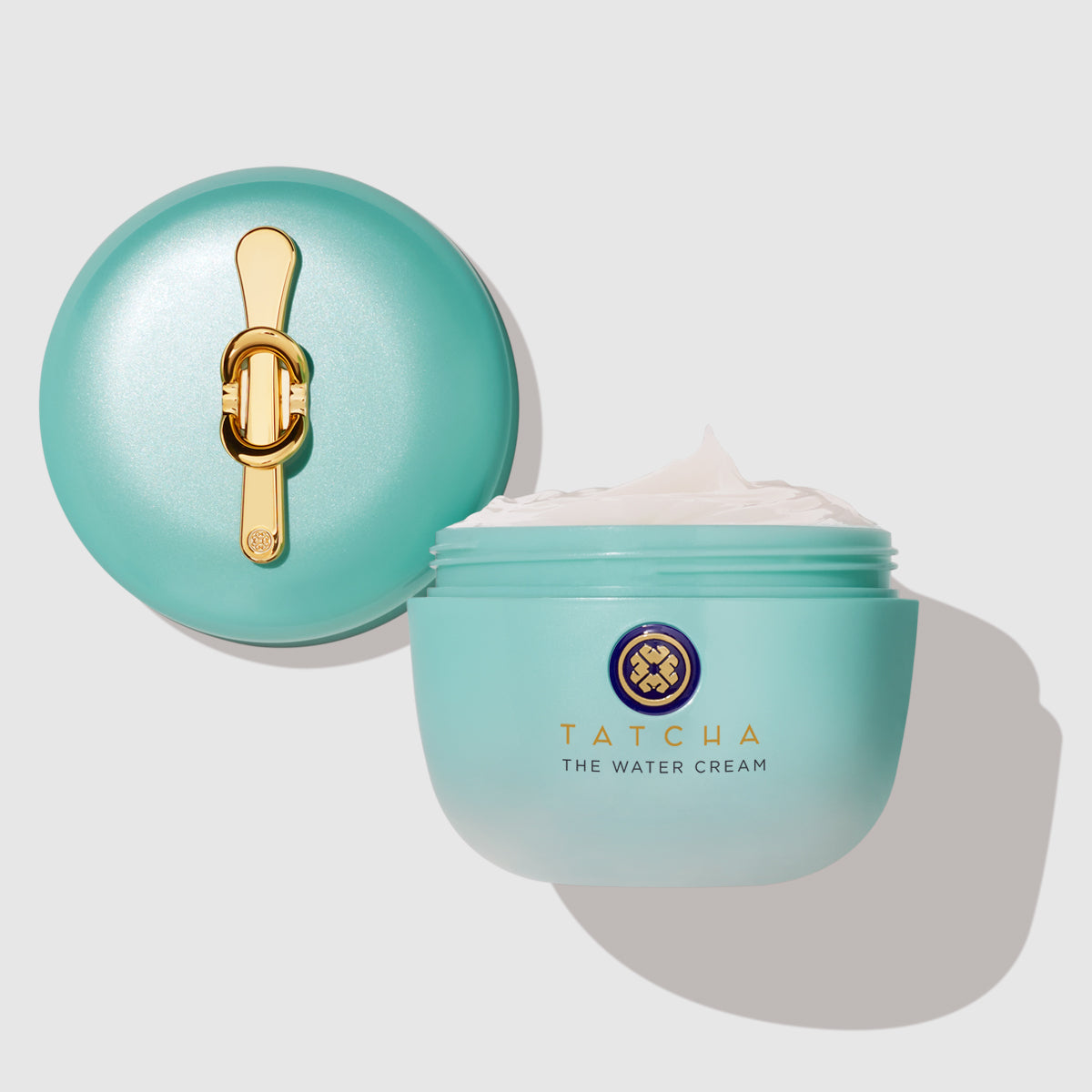
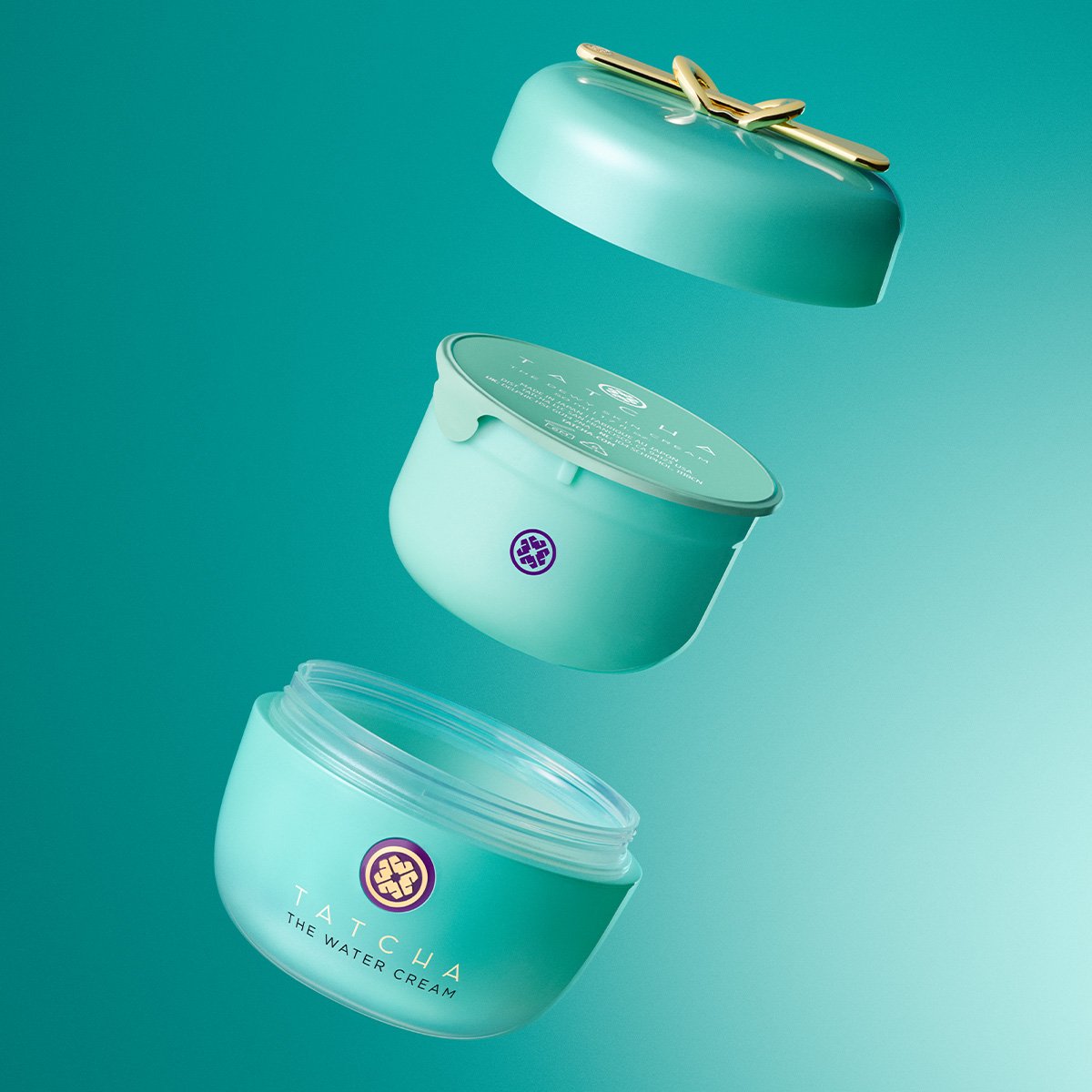
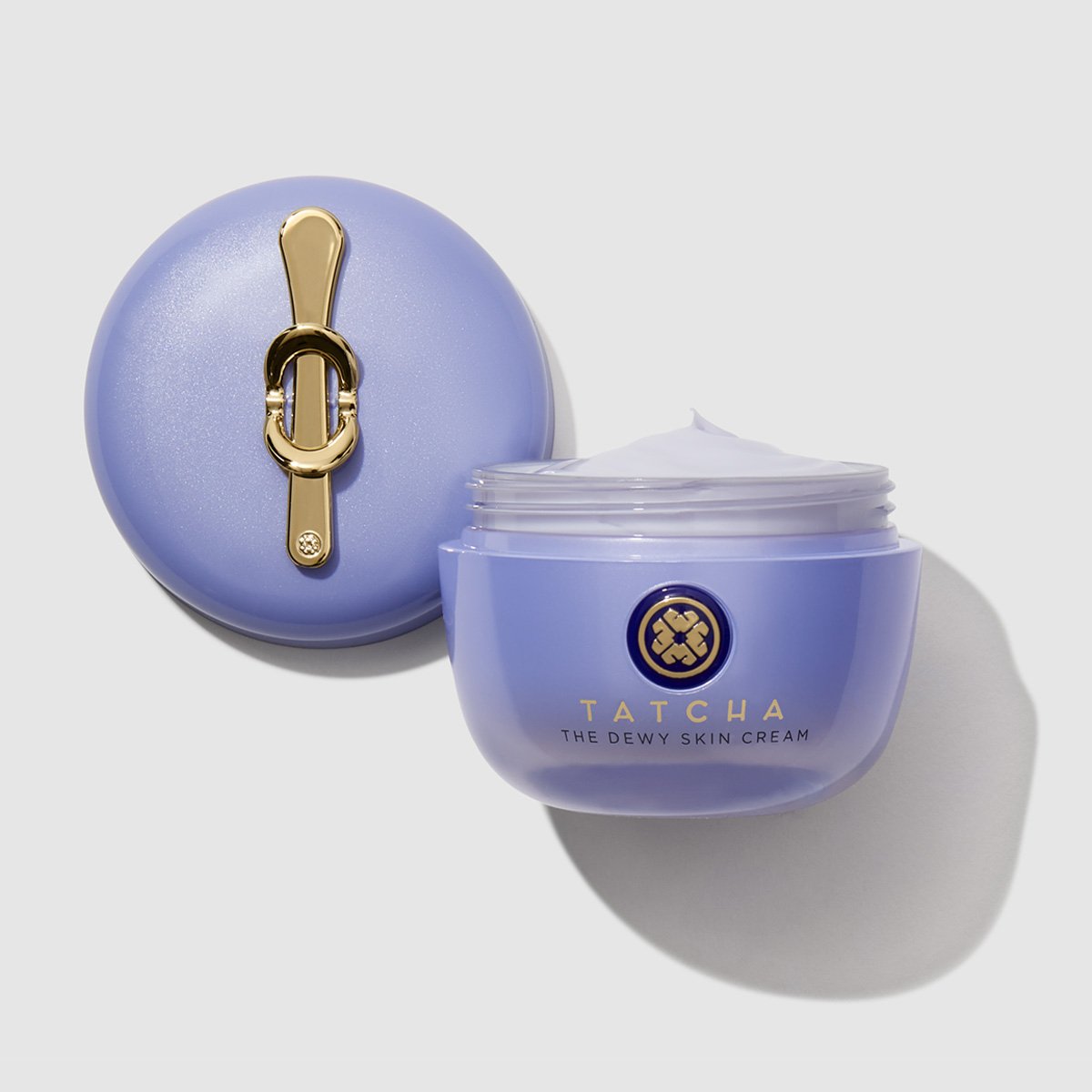
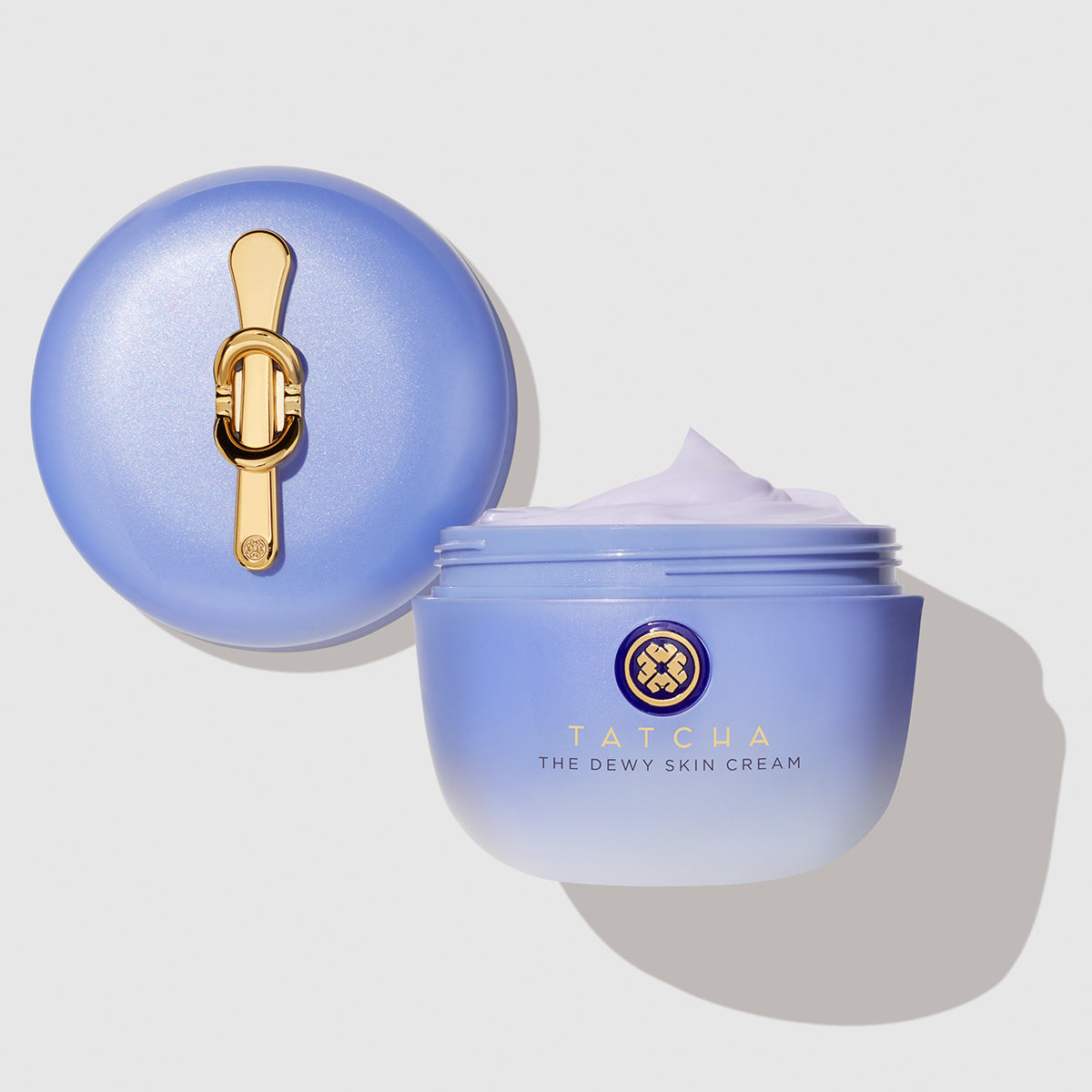
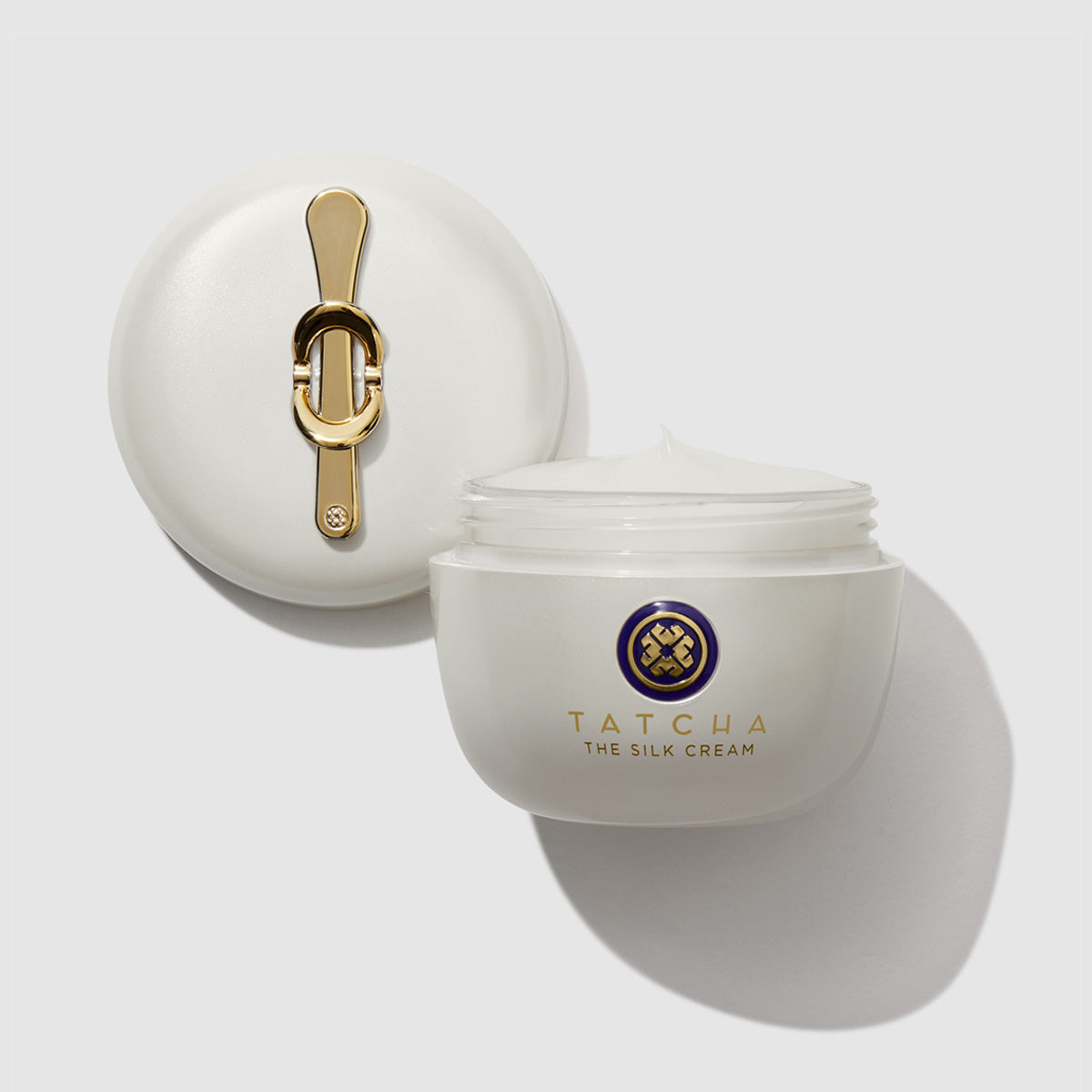
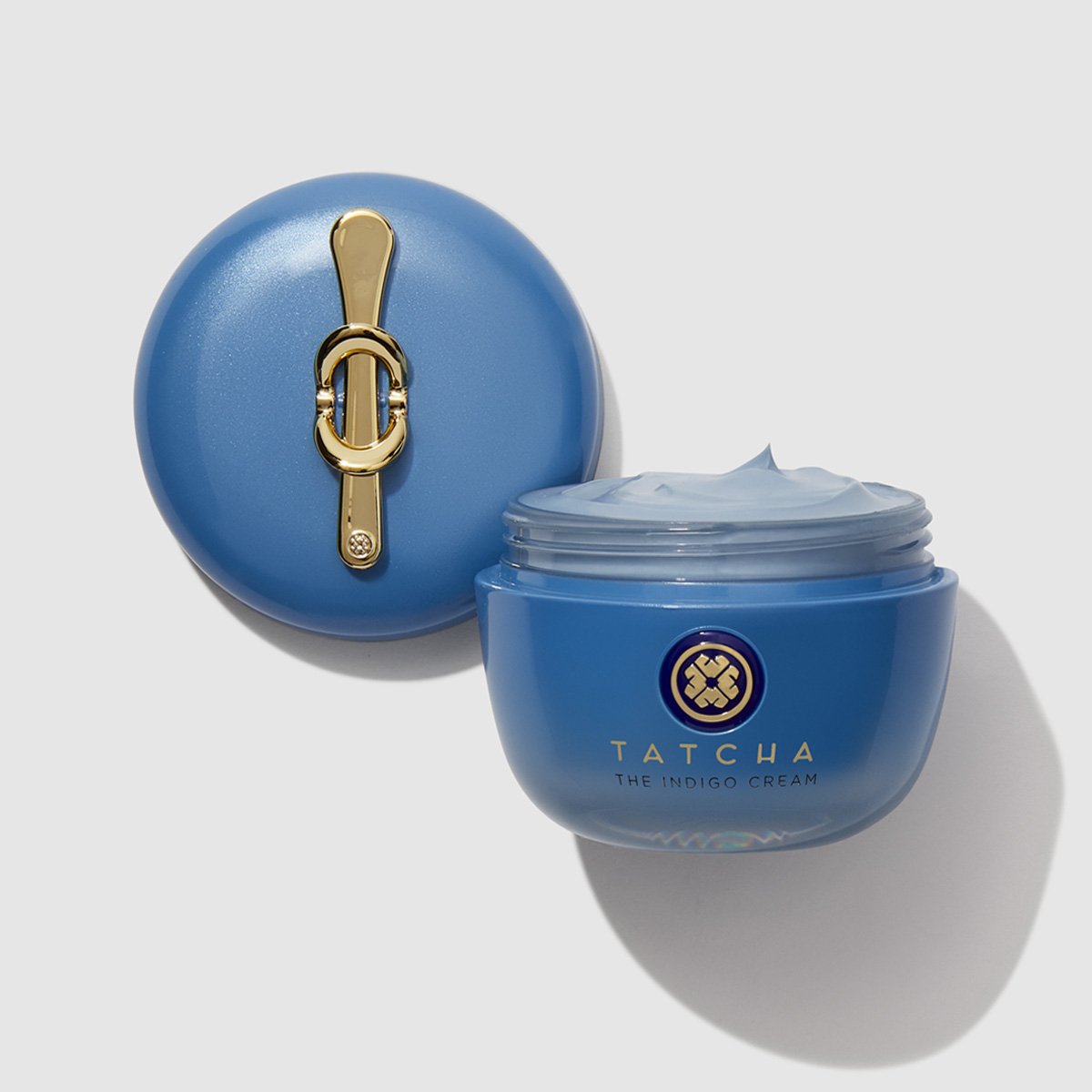
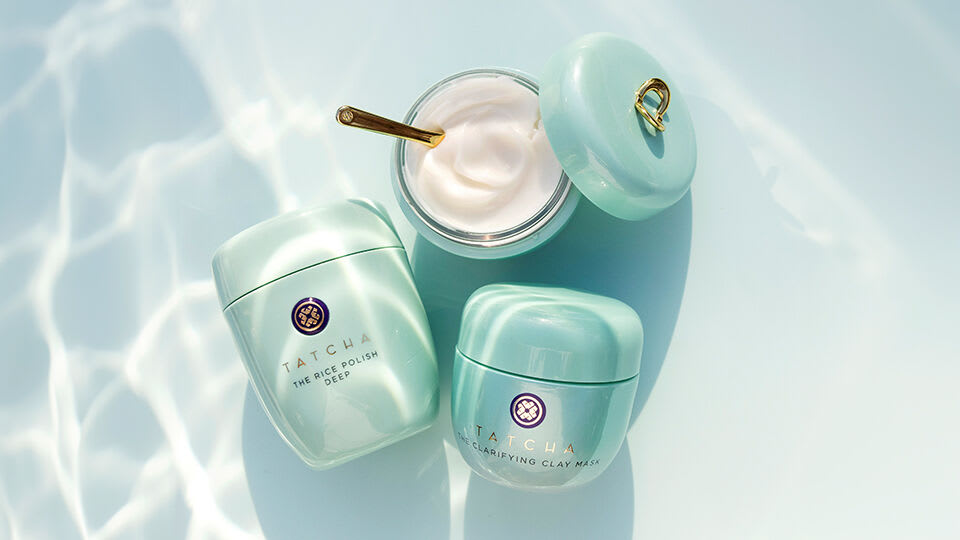
Step 5 Tip: Many prized moisturizers come in precious jar packaging, including all Tatcha formulas. To keep things as sanitary as possible, use the beautiful gold spoon included to scoop up the desired amount of cream.
Best Morning Moisturizer:
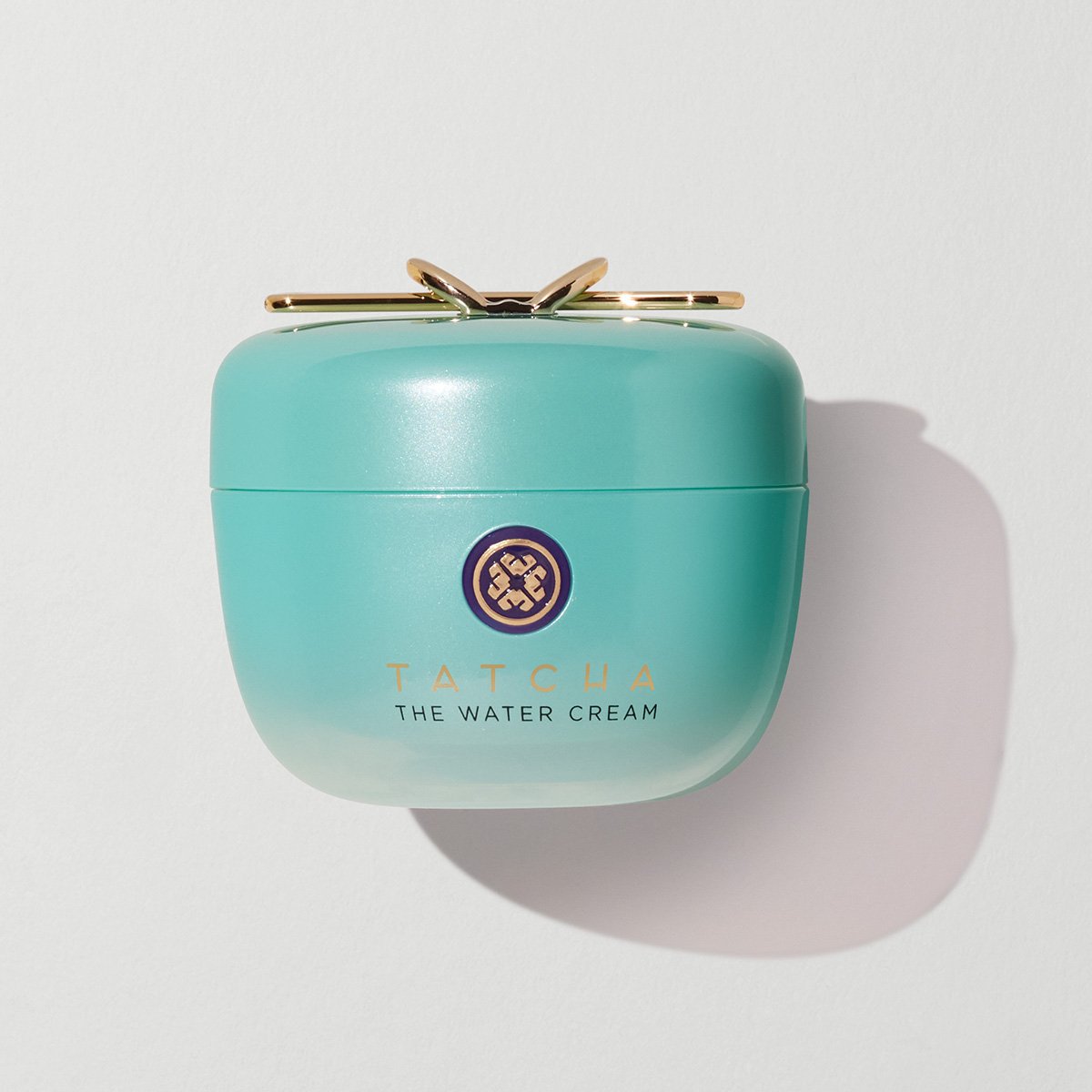
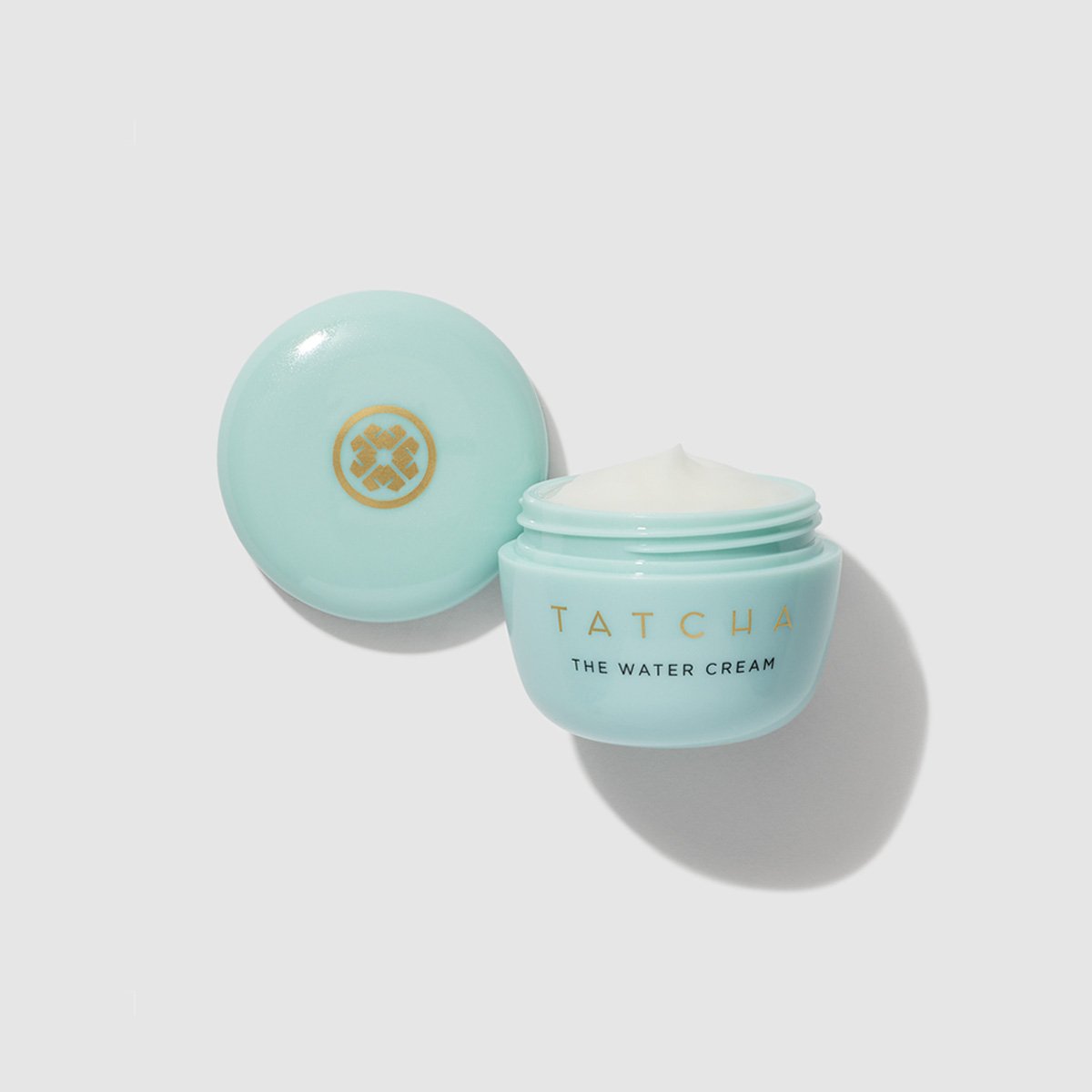
Oily: Oily skin and moisturizers don’t always play nice together. Grab The Water Cream, a refreshing lightweight cream that is clinically proven to refine pores and smooth texture.
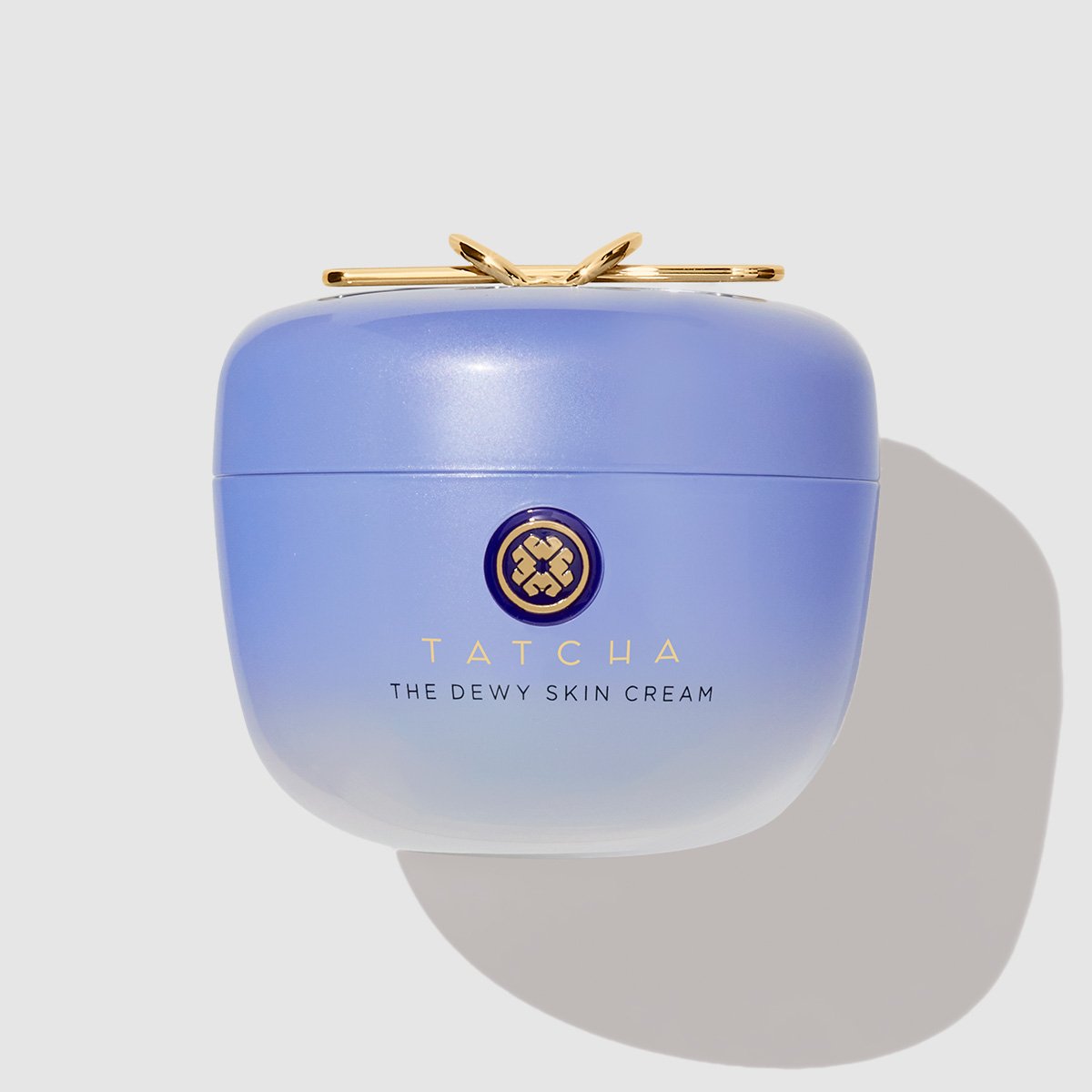
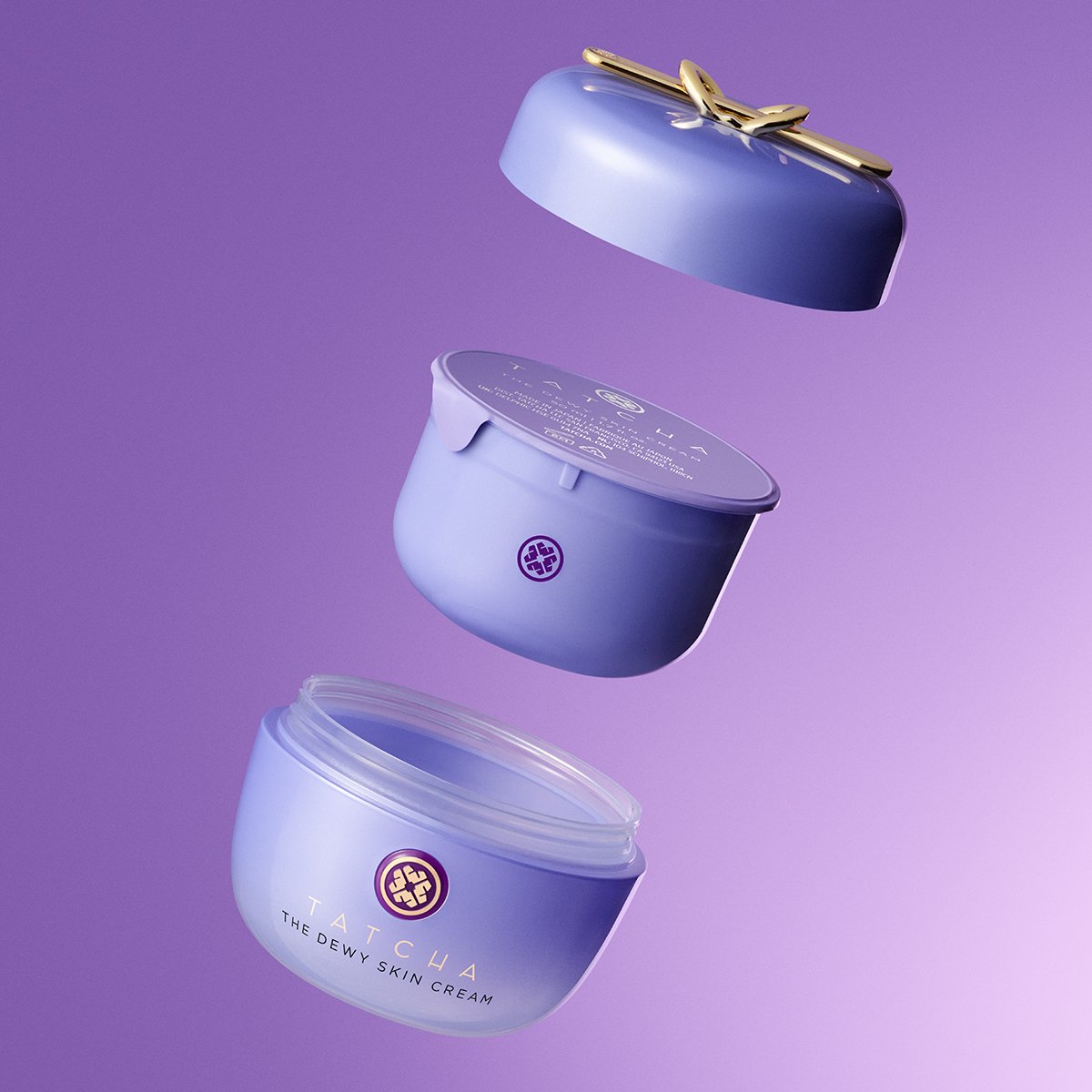
Dry: Visibly plump and seal in moisture with The Dewy Skin Cream, which has hyaluronic acid, red algae, and squalane.
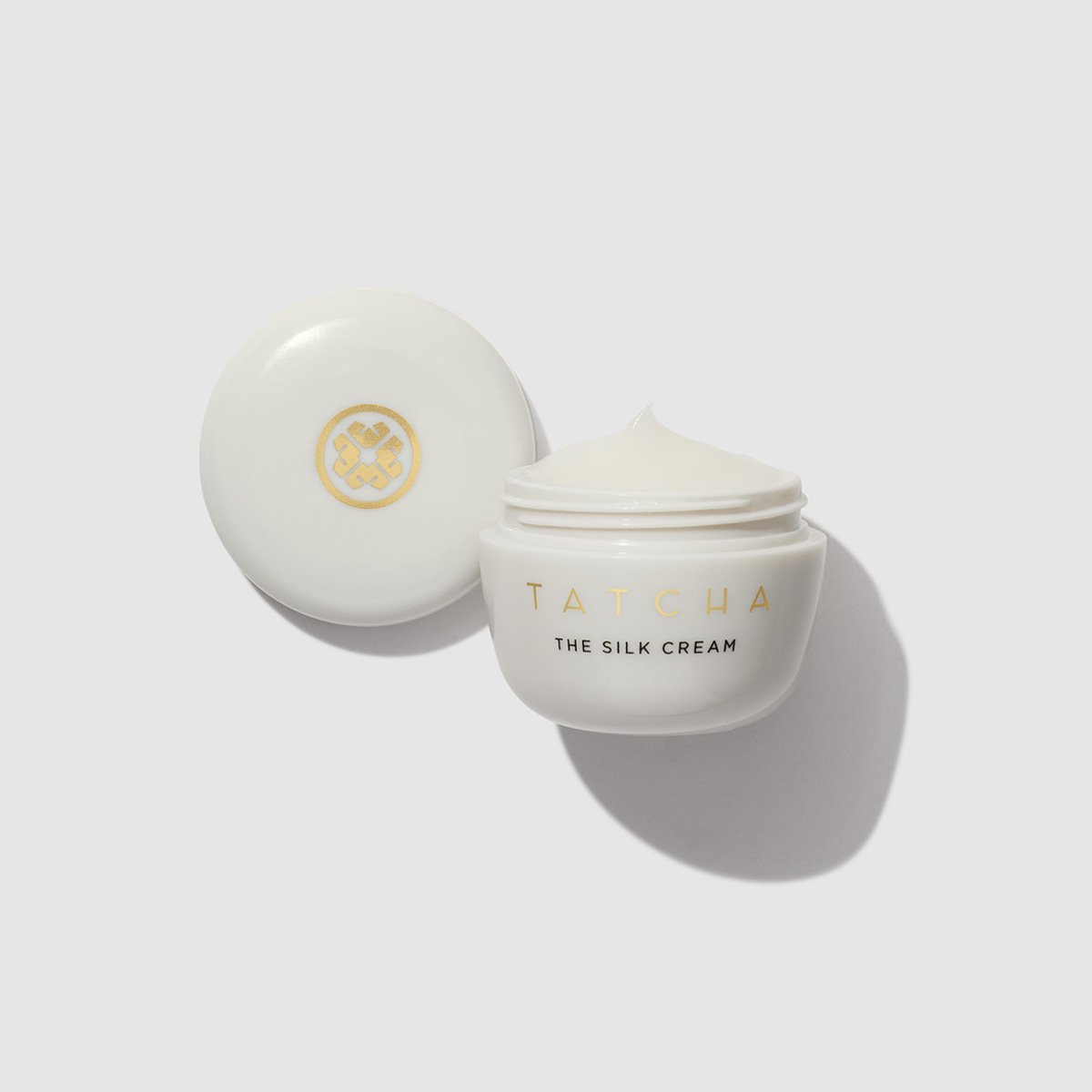
Dry/Combination: Balance and hydrate skin with The Silk Cream, a rich yet weightless gel-cream with silk extract.
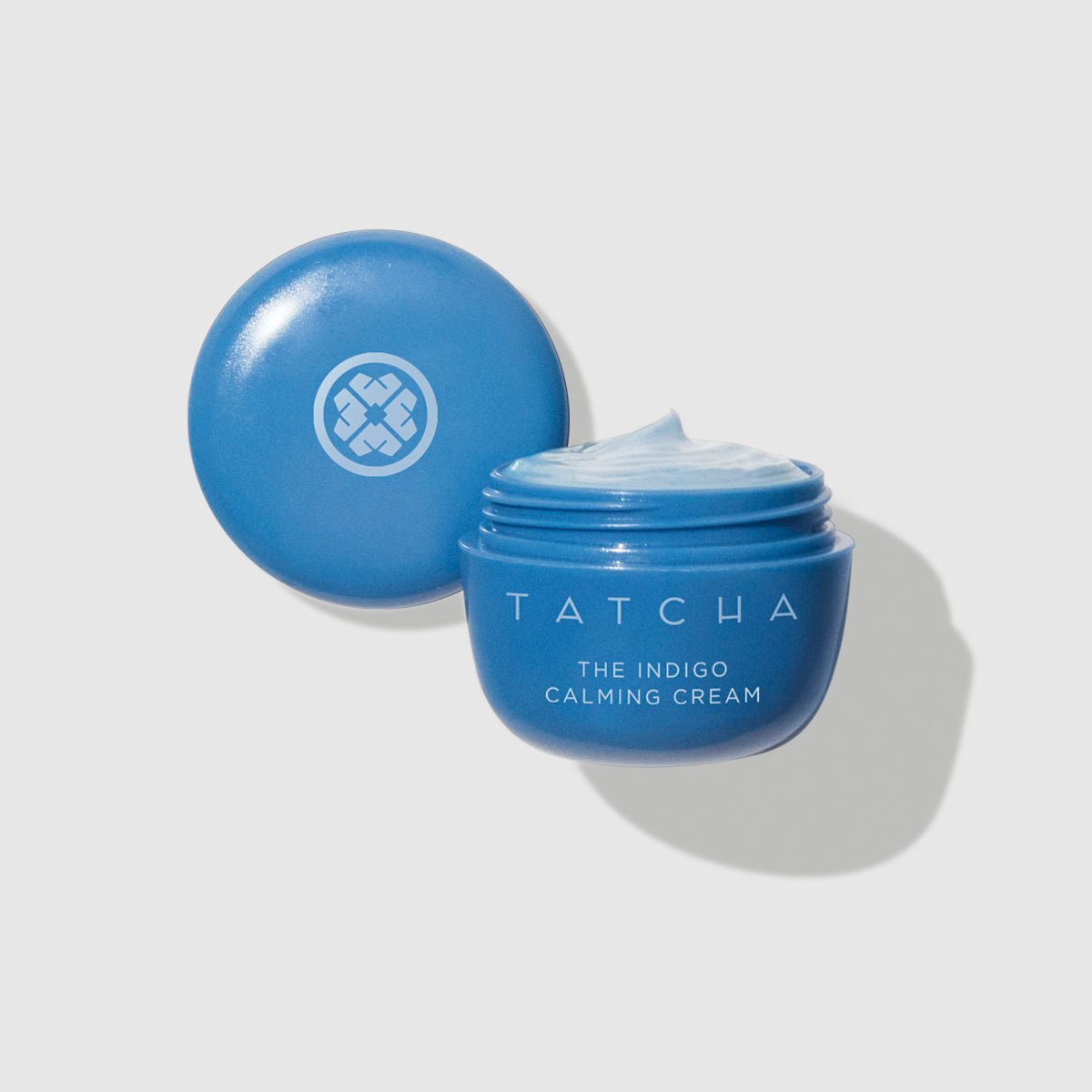
Sensitive: Colloidal oatmeal and Japanese indigo extract make The Indigo Calming Cream a soothing salve for sensitive skin. The cream provides visible redness and itchiness relief with lasting hydration.
Mature: Mature skin will drink up the intensely rich, hydrating Ageless Enriching Renewal Cream, which nourishes the skin with botanical extracts.
Step 6: Face Oil
Face oils seal in moisture, which means they work to keep in all of the prior products and ingredients in your skincare routine. A face oil also targets signs of aging and lends your skin a vibrant glow. As no products can penetrate an oil, they are ideal to be applied at the end of your routine both day and night. Apply two to three drops to the palm of the hand, massage together, and dab onto the face. This is not a necessary step for daytime, as some skin won’t need the moisture boost. But for those with dry, sensitive, or dehydrated skin, a face oil will bring some much-needed hydration.
Step 6 Tip: Remember how damp skin can help skincare absorb better? Try this trick with a face oil, too, to help it absorb more effectively. You can add a few drops of an essence to the drops of face oil in the palm or spritz on a facial mist before massaging a face oil into the skin.
Best Morning Face Oil:
All skin types: Try our Gold Camellia Beauty Oil for an instant boost in nourishment and radiance in your skincare routine. As a reminder, you might find it unnecessary for daytime usage if you have more oily skin, but drier skin will soak up the hydration.
Step 7: Sunscreen
During the day, physical or chemical sunscreen should always be the last step in your skincare routine—last, but certainly not least as it is one of the most important steps in your entire regimen. Since it works to shield your skin, it should be layered over your face oil, if using, to make it the most effective. Sunscreen is also important whether or not you go outside, as harmful rays can stream in through your windows throughout the day. How much SPF should you use? The general rule of thumb is half a teaspoon to cover both your face and neck.
Step 7 Tip: Sunscreen not only protects skin, but it also addresses aging. UV rays and free radicals cause damage to the skin, leading to loss of skin elasticity, fine lines, and wrinkles.
Best Morning SPF:
All skin types: Our newly updated Silk Sunscreen features superior protection with broad-spectrum SPF 50, yet has a weightless feel and a sheer, radiant finish. It also features powerhouse ingredients, including niacinamide and hyaluronic acid, and a patented zinc oxide that is proven to be over two times more effective at protecting against free radicals than standard zinc oxide. For a matte, silky-smooth finish, grab the Silken Pore Perfecting Sunscreen, which provides broad-spectrum SPF 35 coverage and blends effortlessly and invisibly for poreless-looking skin.
Night Skincare Routine Order
Good evening! Unwind from the day with the proper nighttime skincare routine order, which can nourish and repair skin while you sleep. Here’s the ideal night routine skincare journey.
Step 1: Cleanser
Begin your evening ritual with cleansing, which allows you to wash away impurities, restore balance, and condition the skin. Cleansing is important, but properly cleansing is absolutely vital. At Tatcha, we believe in the ancient art of double cleansing, which is a beautiful way to not only cleanse the skin but mindfully reflect on the day. Double cleansing, also known as the Kyoto Cleanse, is the most effective way to cleanse — the first step will remove makeup, sunscreen, and oils; the second step will cleanse the skin. Double cleansing involves two products: an oil cleanser (which is different from a face oil) and a cleanser (any type of cleanser you enjoy using).
Step 1 Tip: While double cleansing is quite simple, there are a few tricks to make it more effective. Starting with your cleansing oil technique. Apply a few pumps of a cleansing oil and begin massaging it onto dry skin with dry, clean hands. Massage in circular motions, then add a few drops of water and continue to massage the milky elixir into skin. This will ensure you remove every ounce of sunscreen, debris, and makeup from the day.
Best Evening Cleanser:
Cleansing Oil
All skin types: The Camellia Cleansing Oil is the perfect start to your double cleanse. This formula is gentle enough for any skin type and effective enough to melt away the most stubborn makeup.
Cleanser
Oily: Oily and/or acne-prone skin will treasure The Matcha Cleanse, a formula that decongests pores and balances oil without stripping away essential moisture.
Dry/Combination: Dry and combination skin will love the cream-to-foam Rice Wash, which leaves skin feeling softer, more hydrated, and nourished than before thanks to a blend of algae and hyaluronic acid to restore moisture.
Sensitive/Mature: While cleansing sensitive skin can be an impossible task, The Indigo Cleansing Balm actually improves the skin barrier’s function for stronger skin over time. This is also a fantastic option for mature skin as well.
Step 2: Exfoliator
The benefits of an exfoliant are multifaceted. Scrubs and exfoliators work to remove dead skin cells and impurities from the outermost layer of your skin’s surface, which stimulates collagen production to unveil smoother skin and create a luminous, healthy-looking glow. An exfoliant is a worthy addition to both your morning and night skincare routine, or just your skincare night routine occasionally. While exfoliating your skin daily is not necessary for all skin types—and could lead to irritation if done too often—we recommend using an exfoliator 2-3 times per week (you might find it leaves you with such a glow that you prefer to use it in the morning, which is perfectly fine).
Step 2 Tip: It’s best to ease into the use of an exfoliator by incorporating it into your skincare ritual slowly, and increasing as your skin becomes more accustomed to its use. This will help minimize irritation, which is the goal of any and all skincare products.
Best Evening Exfoliator:
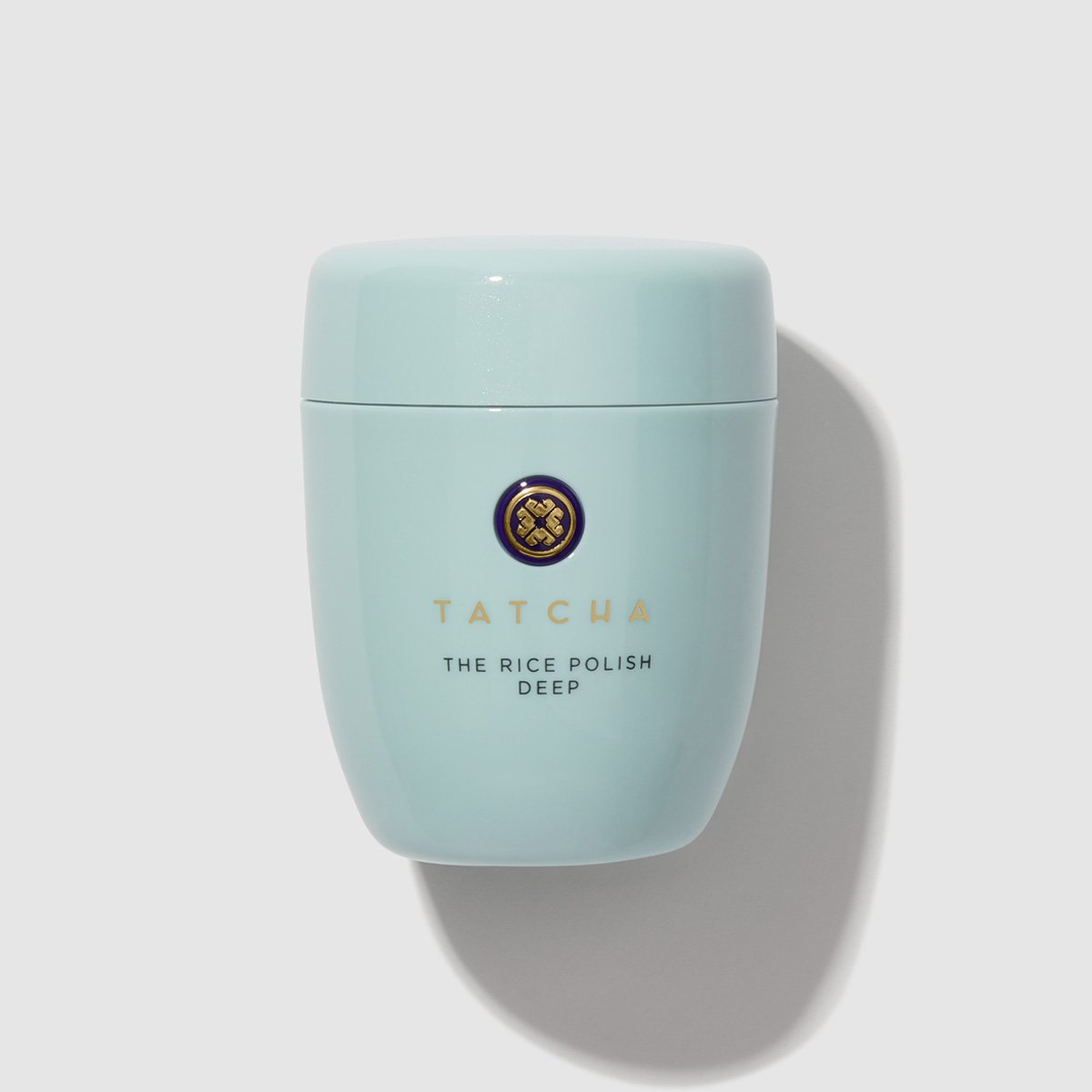
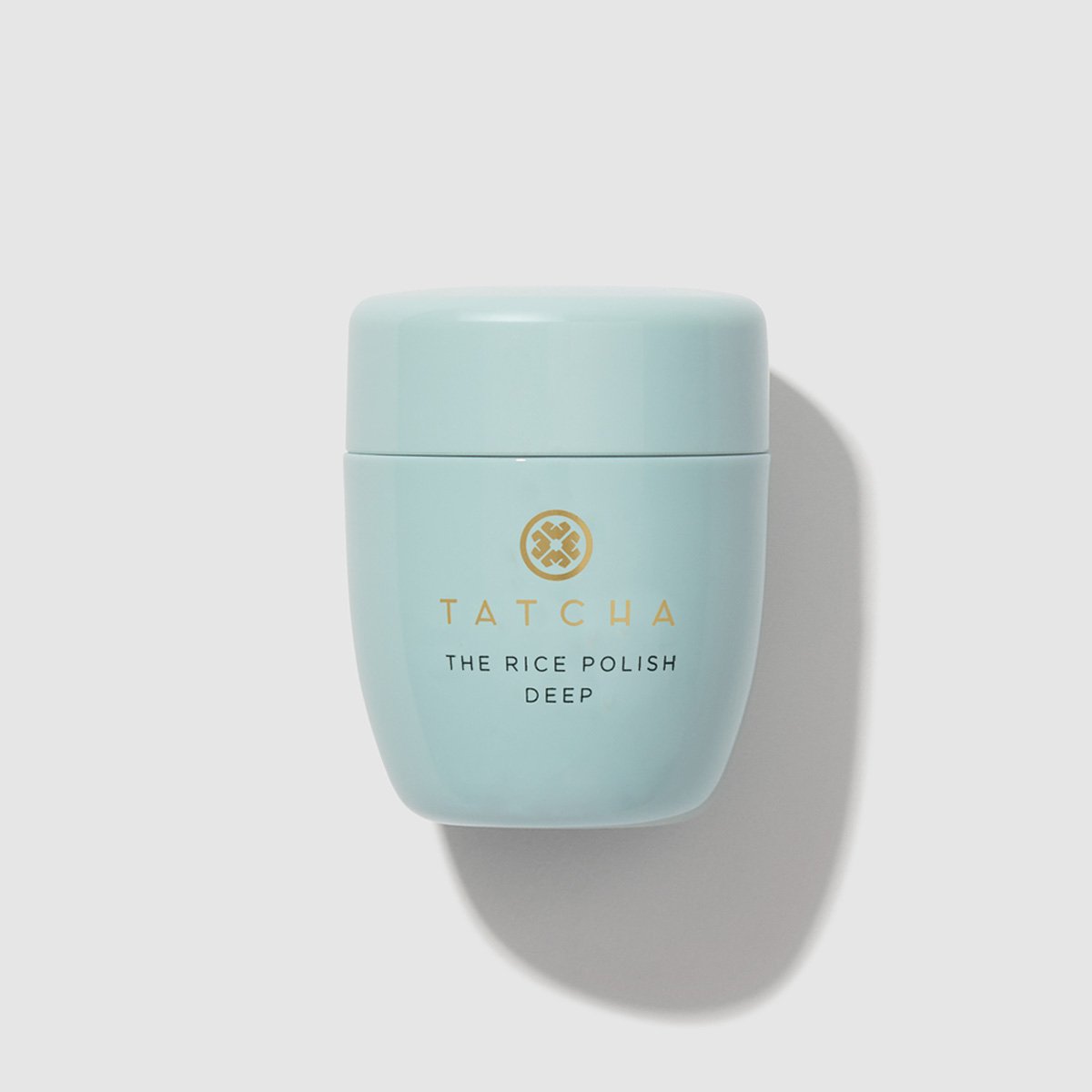
Oily: The Deep Rice Polish is a great fit for exfoliating oily skin. The formula includes wild rose to help tighten the look of pores and clarify skin.
Dry/Combination: The Classic Rice Polish is ideal for combination to dry skin. Finely ground rice bran and papaya enzymes promote natural skin turnover and this Classic formula also includes silk proteins to condition and nourish, leaving skin more balanced.
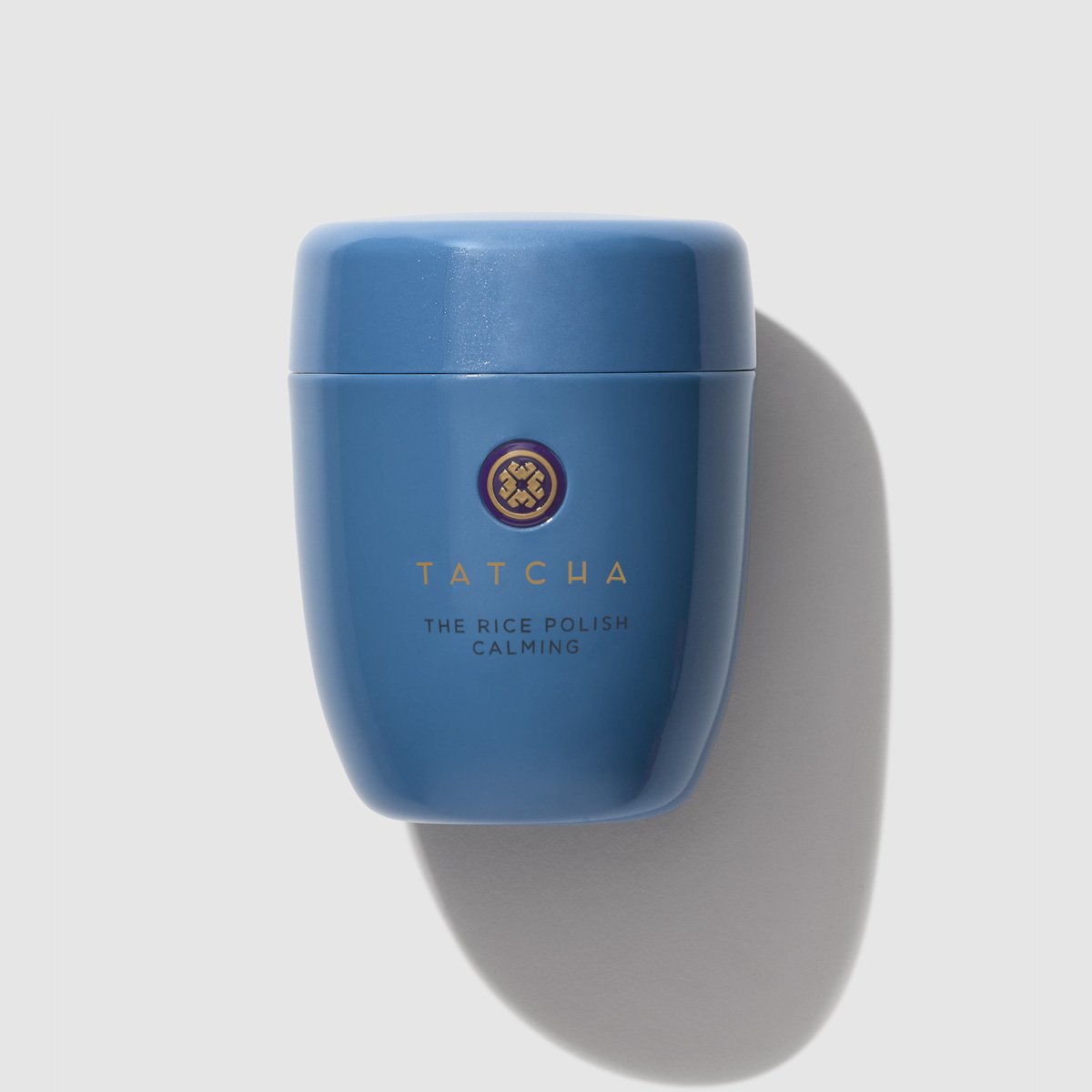
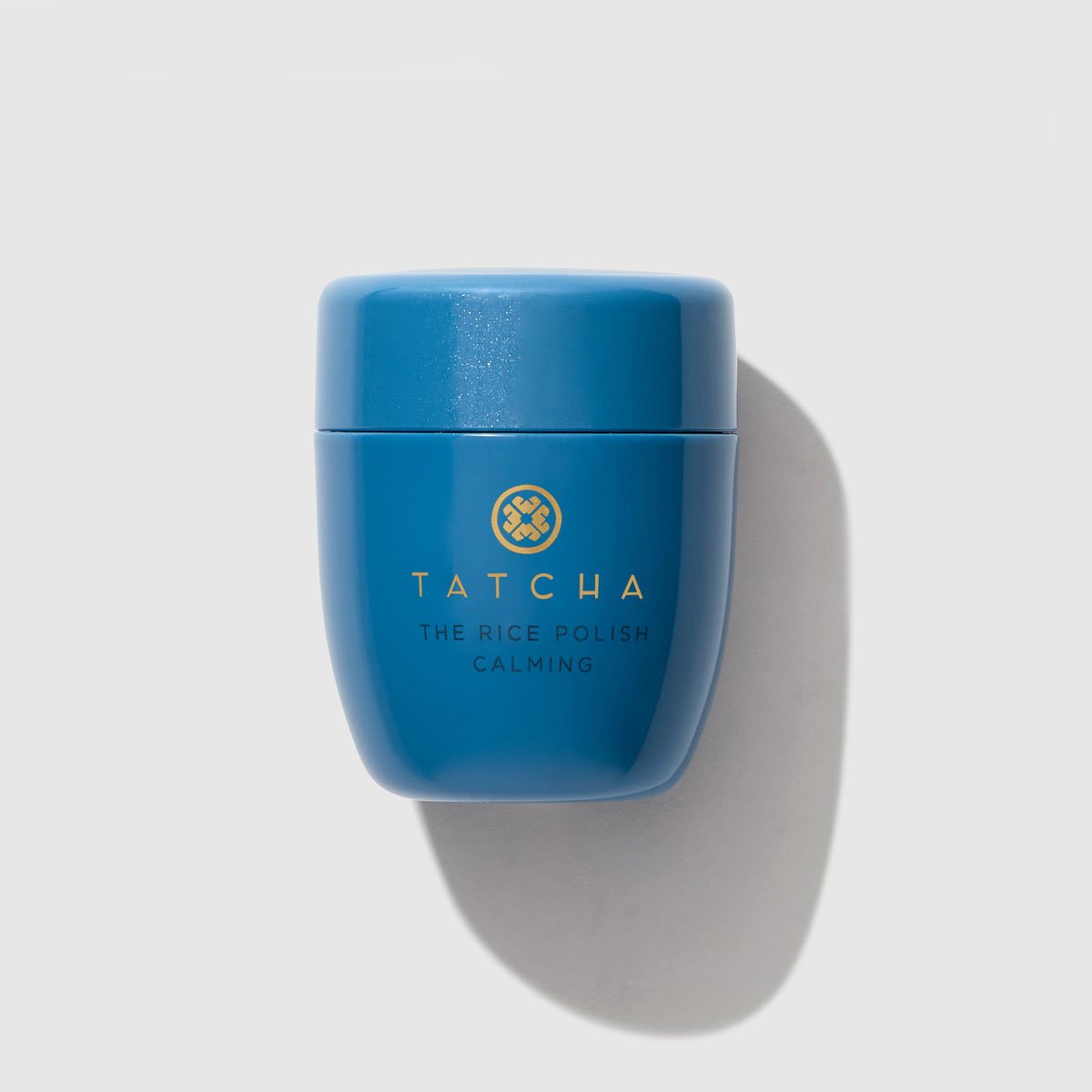
Sensitive: The Calming Rice Polish is perfect for exfoliating sensitive skin, thanks to Japanese indigo, a historic and powerful ingredient that is clinically proven to calm and soothe.
Mature: The Gentle Rice Polish is ideal for dry to mature skin. Tatcha’s Gentle iteration of the Rice Polish includes licorice root, an ancient ingredient known as “the king of natural medicines” that helps prevent flakiness and tightness, while calming and evening tone.
All skin types: If you prefer liquid exfoliants, try The Texture Tonic. The liquid treatment has AHAs to address dead skin cells and clogged pores, as well as niacinamide, Japanese mugwort, and wild rose to visibly even skin tone and texture—without stripping skin’s essential moisture.
Step 3: Essence
At night, essences work to help balance your skin's pH, deliver antioxidants, and restore moisture. Ideally, The Essence is best for both day and night because of its impressive ability to reveal soft, moisturized, and radiant skin.
Step 3 Tip: Use your essence after cleansing and exfoliating to help usher back in moisture and prep skin for the powerfully nourishing formulas that follow.
Best Evening Essence
All skin types: Every type of skin will adore The Essence, a brilliant plumping, softening, and resurfacing liquid. It is also proven to make the other products in your skincare routine more effective.
Step 4: Serum
At night, a serum’s concentrated and nutrient-dense formula can really get to work, helping to aid in skin repair while you sleep. Tailor your serum according to skin’s current needs, whether that be hydrating, brightening, or addressing fine lines. Additionally, some serums work better when applied at night, like vitamin C.
Step 4 Tip: Some serums can be layered atop one another if you’re looking for multiple benefits. For example, a hydrating hyaluronic serum can be used in conjunction with a brightening serum. However, double check before using that the ingredients don’t interfere, which can cause irritation.
Best Evening Serum:
All skin types: Those seeking hydration will love the Dewy Serum, which works to nourish and plump the skin with squalane and hyaluronic acid. If you’re looking to target fine lines and wrinkles, consider The Silk Serum, a retinol-like serum that visibly firms and smooths the look of deep wrinkles without the visible irritation often associated with retinol. For brighter skin, grab The Brightening Serum, which has 20 percent vitamin C and 10 percent AHAs to soften, boost radiance, and provide a more even-toned appearance.
Step 5: Eye Cream
It might seem tempting to skip an eye cream to pare down your routine, but the delicate skin around your eyes desperately loves nourishing, healing hydration. At night, a rich, creamy formula will sink into skin, allowing the product to get to work addressing dehydration and fine lines overnight.
Step 5 Tip: You can use the same formula for both morning and night, but you may prefer a thicker treatment for night, allowing it to work almost like an antioxidant-rich overnight mask for the tender eye area.
Best Evening Eye Cream:
All skin types: If addressing puffiness and the look of fine lines is a priority, consider the Luminous Deep Hydration Firming Eye Serum, a weightless gel formula. If you’d like an eye cream that melts into the skin and visibly addresses wrinkles for a smoother and more radiant eye area, grab The Silk Peony Melting Eye Cream. The Ageless Revitalizing Eye Cream is our richest formula, a velvety cream that revitalizes and brings a visibly firmer look to eyes.
Step 6: Moisturizer
If you truly had to, or wanted to, narrow down your p.m. skincare routine, making it into a simple skincare routine order, it would simply include cleansing and moisturizing. These two steps are absolutely not skippable, particularly in the evening. At night, a moisturizer repairs skin while you sleep – giving new meaning to the term ‘beauty sleep’ – making it invaluable in your regimen and worth turning into its own ritual.
Step 6 Tip: Moisturizers are a personal experience, so find a formula that works best for your skin type and one that you enjoy using. This might differ from a daytime moisturizer, as nighttime you may prefer a thicker and more emollient texture.
Best Evening Moisturizer:
Oily: Many moisturizers can exacerbate oily skin. But The Water Cream, a refreshing gel-cream, is clinically proven to refine pores, thoughtfully hydrate, and smooth skin’s texture.
Dry: Visibly plump and seal in moisture with The Dewy Skin Cream, which has hyaluronic acid, red algae, and squalane.
Dry/Combination: The Silk Cream toes the line between deeply hydrating and balancing skin, thanks to its rich yet weightless gel-cream formula, featuring silk extract.
Sensitive: Colloidal oatmeal and Japanese indigo extract make The Indigo Calming Cream a soothing salve for sensitive skin. The cream provides visible redness and itchiness relief with lasting hydration.
Mature: Mature skin will drink up the intensely rich, hydrating Ageless Enriching Renewal Cream, which nourishes the skin with botanical extracts.
Step 7: Face Oil
Face oils are especially fantastic for the evening, helping to seal in moisture and allowing all of the prior products and ingredients to get to work on your skin. While it might be unnecessary for some skin types during the day, a face oil is beneficial for all come evening.
Step 7 Tip: Many face oils, especially our beloved Gold Camellia Beauty Oil, are multipurpose and can be used on the face, neck, body, and even hair for instant nourishment and radiance.
Best Evening Face Oil:
All skin types: Seal in your beautiful nighttime skincare routine with a face oil, like the Gold Camellia Beauty Oil. This oil is made of extra-virgin Japanese camellia oil from the seeds of the camellia flower. A few drops are all that’s necessary to hydrate, add a radiant glow, and protect your skin.