Skin is constantly changing, tuned as it is, like the rest of the body, to one’s own biological clock. But look deeper, and it's possible to see many different clocks working at once. We know that as we age, a skincare routine for aging skin becomes necessary as the content of our skin — the structural proteins that give it structure, bounce, and elasticity — gradually declines. We also know that skin is constantly renewing, and in middle age, it takes us between one and two months for our skin cells to turn over.
Hormonal schedules add another clock to this tableau. Those who menstruate are subject to frequent, sometimes dramatic changes in hormone production, which influence not only how skin looks but how it behaves, as well. It influences skin so much, in fact, that the current beauty trend of cycle syncing skincare, or tailoring one’s skincare routine to the phases of their period, lets you anticipate breakouts based on data from period tracking apps.
How you care for your skin starts with determining your own skin type and then building a skincare routine acknowledging how the phases of your menstrual cycle may inspire changes to your skincare habits. More and more gynecologists have also been lending their voices to skincare, and your gynecologist may be a worthwhile stop if you experience hormonal acne. The following is intended to help those skincare-minded menstruators understand how their cycle impacts their skin, how to create a cycle-syncing skincare routine — and how to make the most of it.
This Is Your Skin On Your Period
Skin changes during the menstrual cycle, but then again, so do many things. During menstruation, the lining of the uterus is shed through the cervix and expelled from the vagina, in response to hormone signals that come from the ovaries and pituitary gland. A typical cycle lasts between 24 and 38 days, according to the Cleveland Clinic. But talk to anybody who menstruates, and they will tell you that irregularity is common, and “typical” may look different to everybody.
The menstruation process helps to prepare the uterus for pregnancy, doing its best to maintain a hospitable environment for a potential insemination. For those who don’t get pregnant, the cycle repeats. Menstruation can give a person clues about their reproductive or overall health, and those who get periods often pay attention to things like consistency of their flow, associated pain, and of course, timing. But the hormonal changes in the body can cause other effects, like those of mood, even of physical appearance.
Estrogen, in particular, has a great influence on expressions in skin, according to the journal of Gynecological and Reproductive Endocrinology and Metabolism. Not only does estrogen support structural change, like the development of breasts, but it can change the actual fabric of skin — its pigmentation, its texture — and a deficiency of estrogen can lead to complications from dry skin to poor wound healing. During one’s menstrual cycle, hormone levels rise and fall in relatively quick succession. It follows that the process would have an effect on your skin, and certainly the skincare products best suited for your needs, too.
Menstruation Phase Skincare
The menstruation phase marks the beginning of one’s cycle. The uterine lining is shed, sending a mixture of blood and tissue through the cervix and out of the vagina. This is one of the shorter phases of the menstrual cycle, lasting as few as 2 days and as long as a week, though it varies from person to person; it is also associated with uncomfortable cramping that can begin up to three days before your cycle.
Hydrate With A Super Moisturizing Mask
As menstruation begins and hormone levels are low, it’s a great time to amp up moisture. These hormones, some of which give skin its glow and vitality, may be in short supply until the next phase of your skincare. The best thing you can do is tide things over by choosing the right moisturizer and making sure your skin is extra hydrated. Moisturization strengthens the seal over skin that traps in necessary hydration, and few products do this better than sheet masks, which use organic materials like biocellulose to provide an actual seal over skin. The Luminous Deep Hydration Lifting Sheet Mask, whose sheet is distilled from an entire coconut, is also dosed with Tatcha’s proprietary healthy aging complex. But one of its best qualities is the 15 minutes of relaxation it offers up to a few times each week.
Soothe Itchy Or Dry Skin With Indigo
The dry skin that sometimes accompanies a drop in hormone levels can appear itchy and inflamed. (One dermatologist told Well+Good that skin is at its driest in the week after your period arrives.) If your everyday face routine isn’t providing soothing, comforting care during this time, you may want to consider ingredients and formulas tailored toward superdry, eczema-prone skin types.
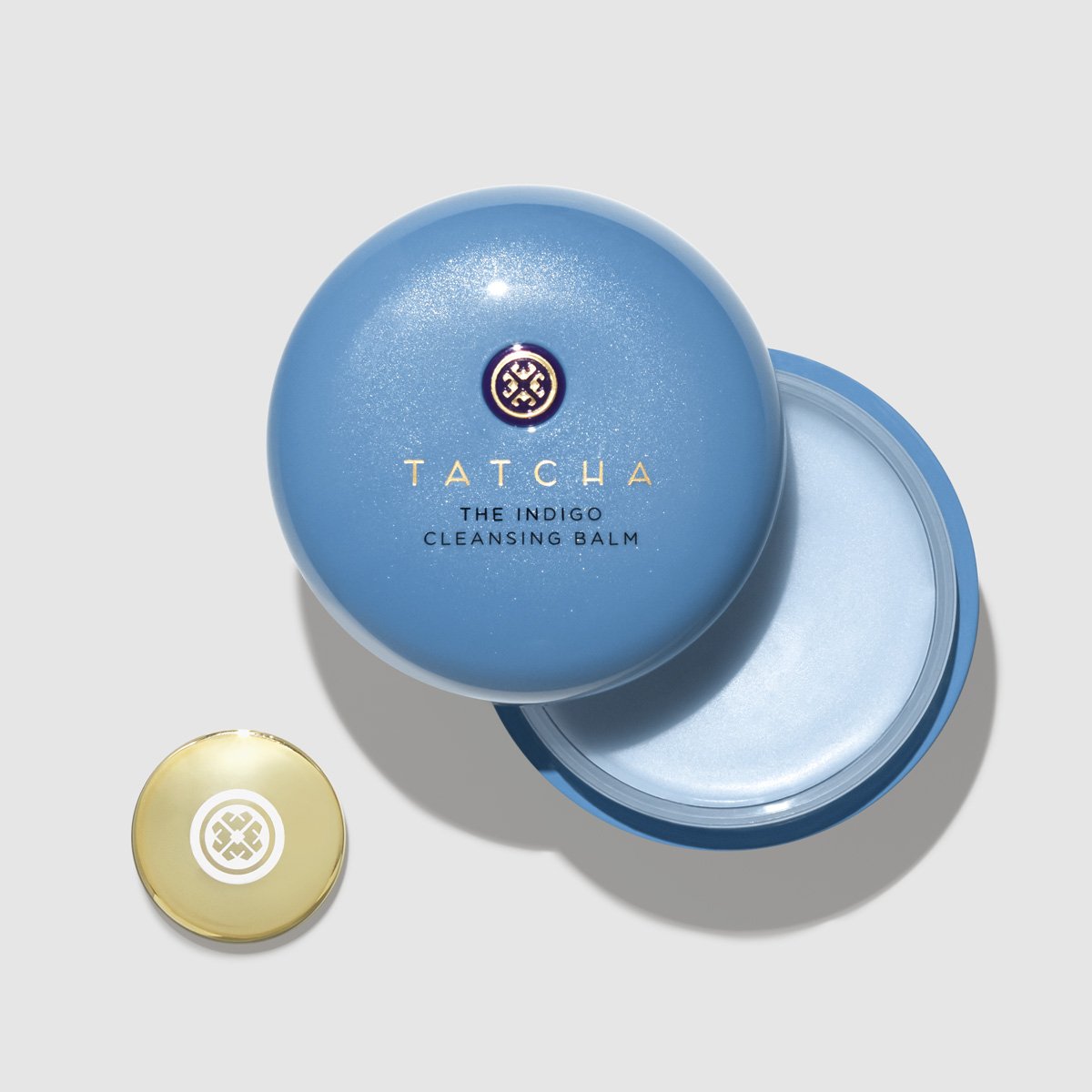
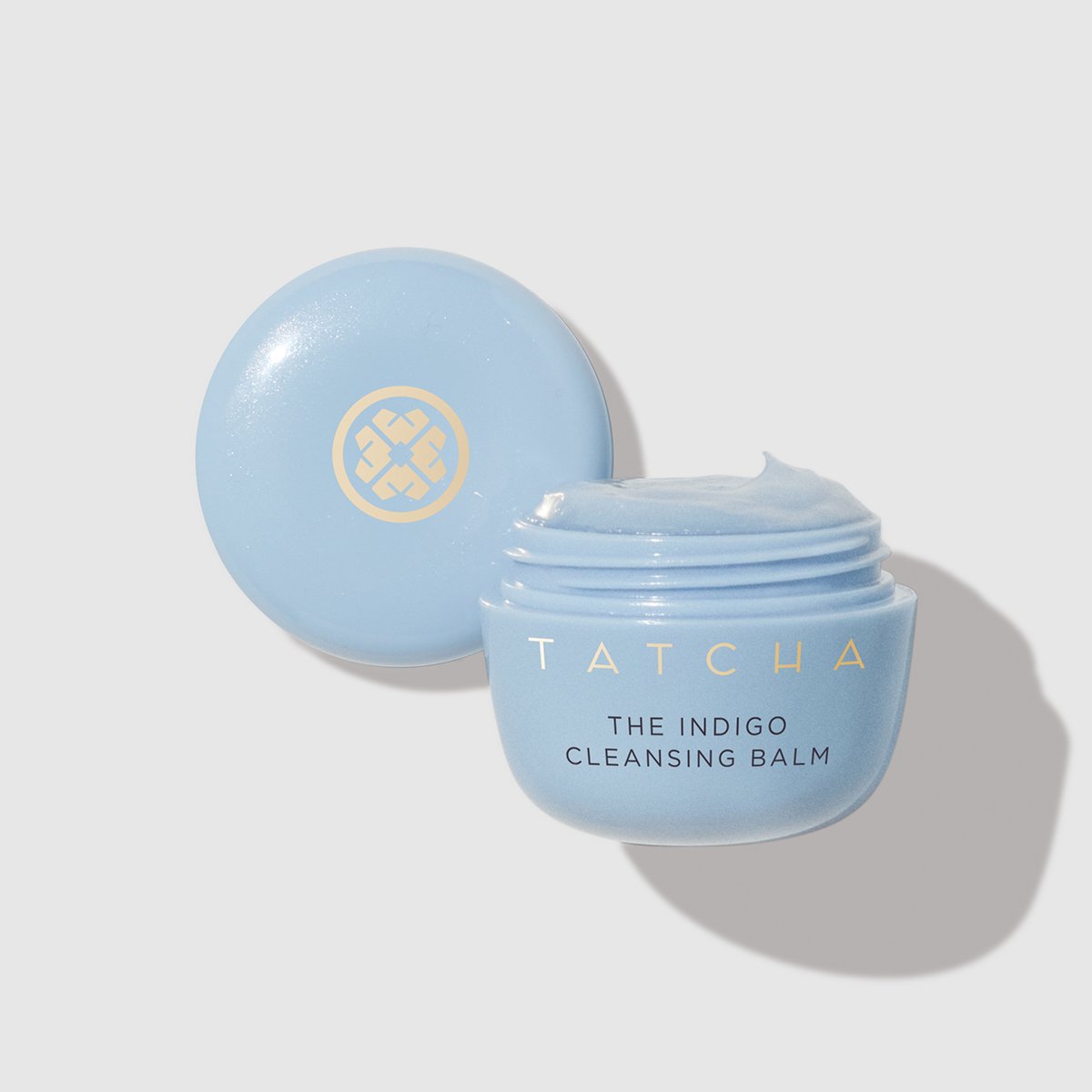
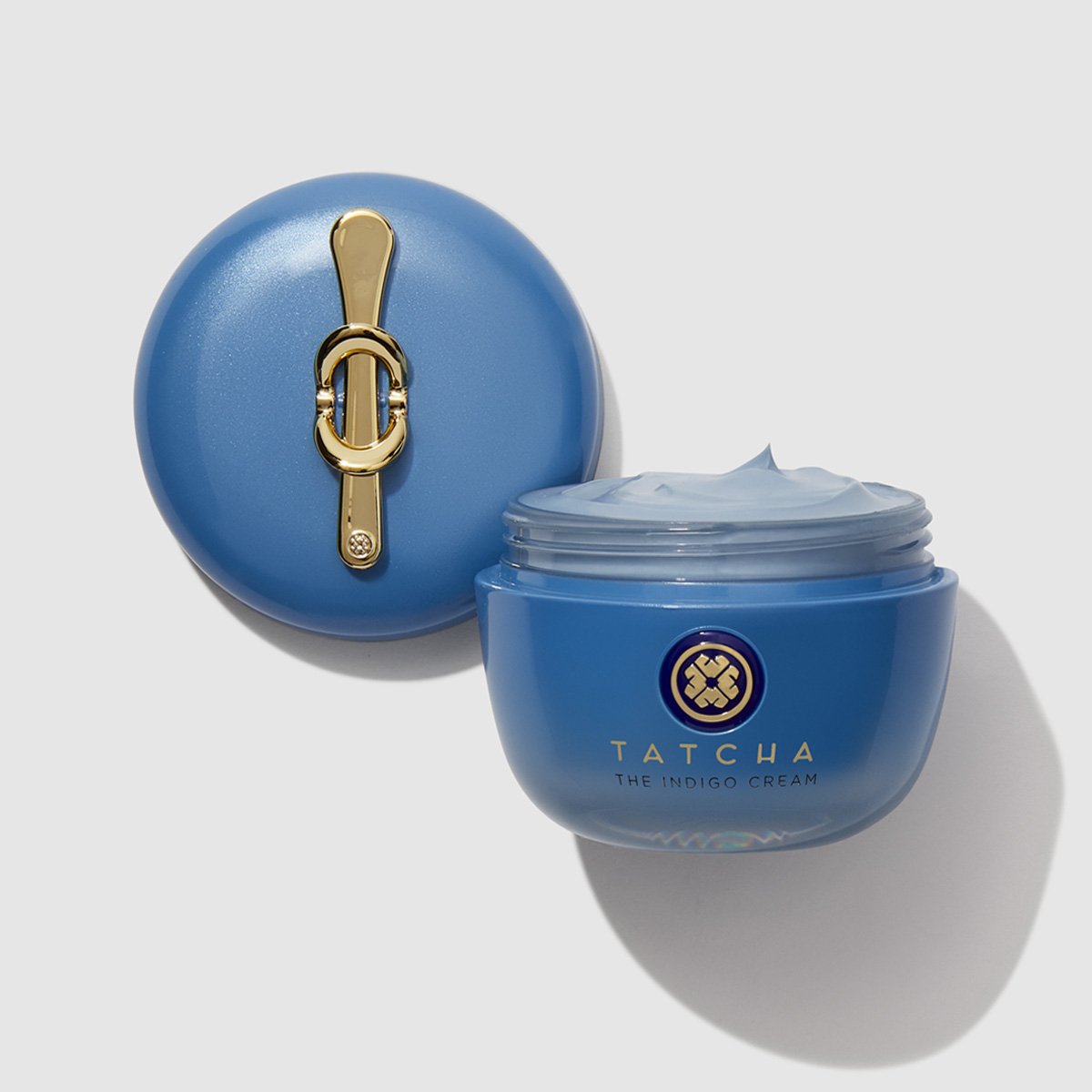
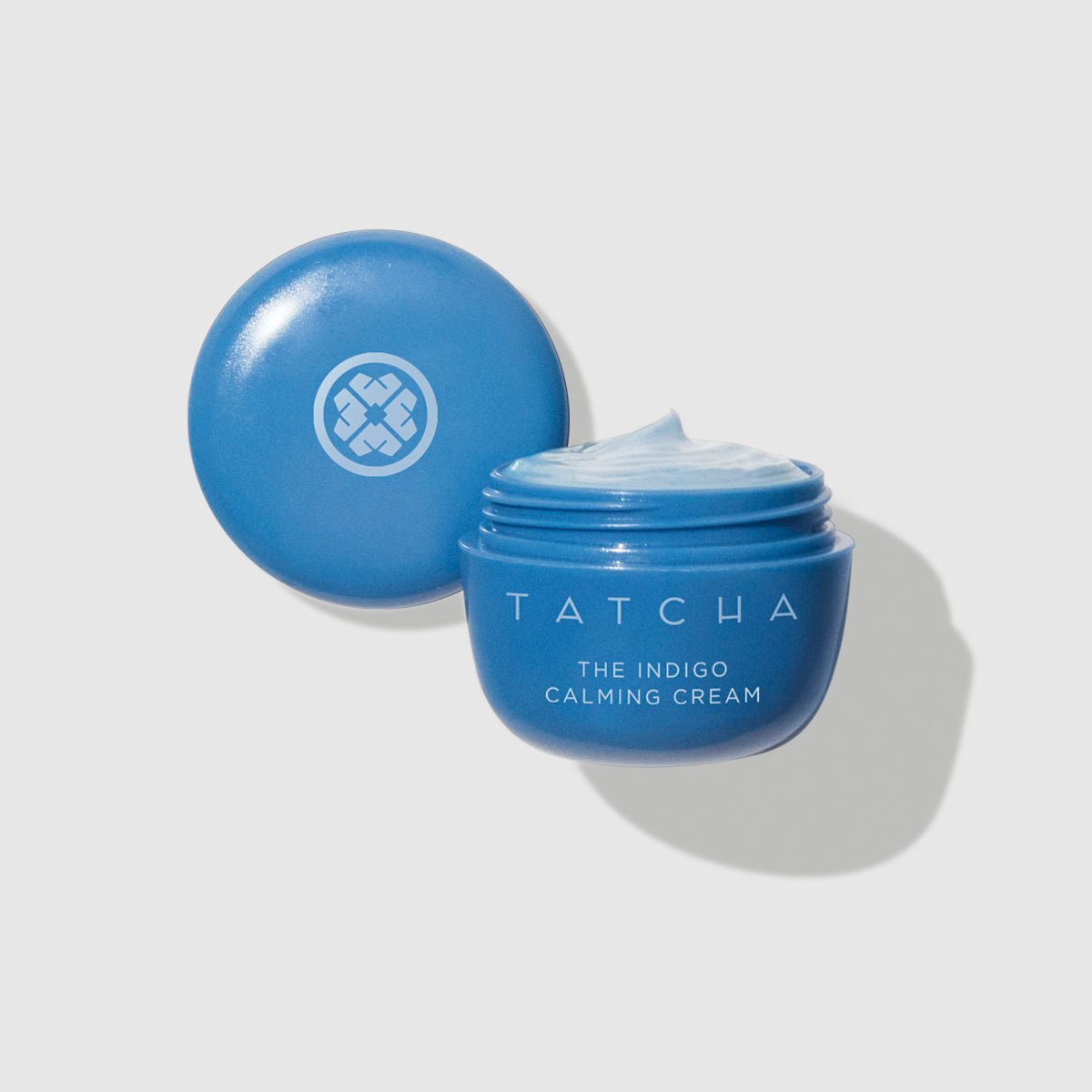
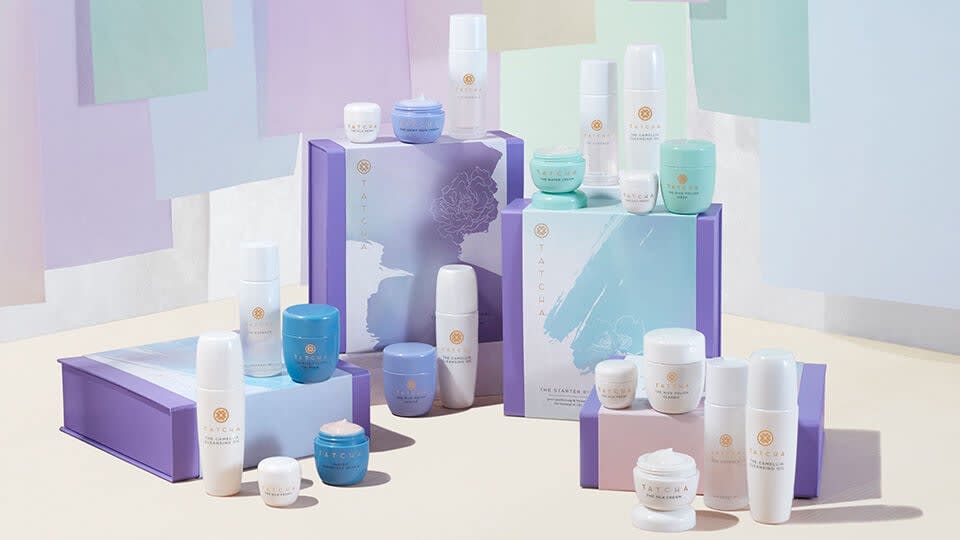
Japanese indigo is one plant that has demonstrated powerful palliative benefits. Centuries ago, it dyed protective garments, or was applied to wounds to help them heal. Today, it makes a particularly soothing skincare extract. In the Indigo Cleansing Balm, it joins a cushion-soft eraser for makeup, dirt, and skin impurities that leaves skin moisturized in its wake; in the Indigo Calming Cream, it works with colloidal oatmeal and Tatcha’s proprietary botanical blend to restore and support the skin barrier.
Follicular Phase Skincare
The follicular phase begins on the first day of your period, and occurs concurrently to the shedding of the uterine lining, but ends at ovulation. It describes a rise in estrogen levels, and the rebuilding and thickening of the uterine wall. It also precipitates the release of follicle stimulating hormone, or FSH, which comes from the pituitary gland and tells the uterus to start producing eggs. When an egg forms, the next phase (ovulation) begins.
Glow With A Brightening Serum
Due to high levels of estrogen, the follicular phase — which may last the first 10–14 days of your cycle, between the end of menstruation and the beginning of ovulation — is the “easiest” on skin. You can embrace your follicular phase skin and any glow this hormonal abundance gives you, as well as add back in your favorite skincare products, including any active serums you may have taken a break from during menstruation. A vitamin C serum, especially one with added AHAs, like Tatcha’s Brightening Serum, can help you make the most of the follicular phase.
Ovulation Phase Skincare
Approximately midway through the menstrual cycle, when an egg forms, the ovulation phase begins. This short phase delineates the two main phases of a period, with the follicular and luteal phases on either side.
For such a short phase, it’s one of the more commonly known parts of the menstrual cycle as when fertility is at its highest. Hormonally, estrogen is on the wind-down, but the ovulation phase accompanies a surge in luteinizing hormone (known as LH) that helps the egg cell get from ovary to fallopian tube, where it can await possible insemination. This process, known itself as ovulation, also kicks the production of another hormone, called progesterone, into gear. And the resulting skincare needs are different for every menstruating person.
Deep Clean With A Pore-Refining Mask
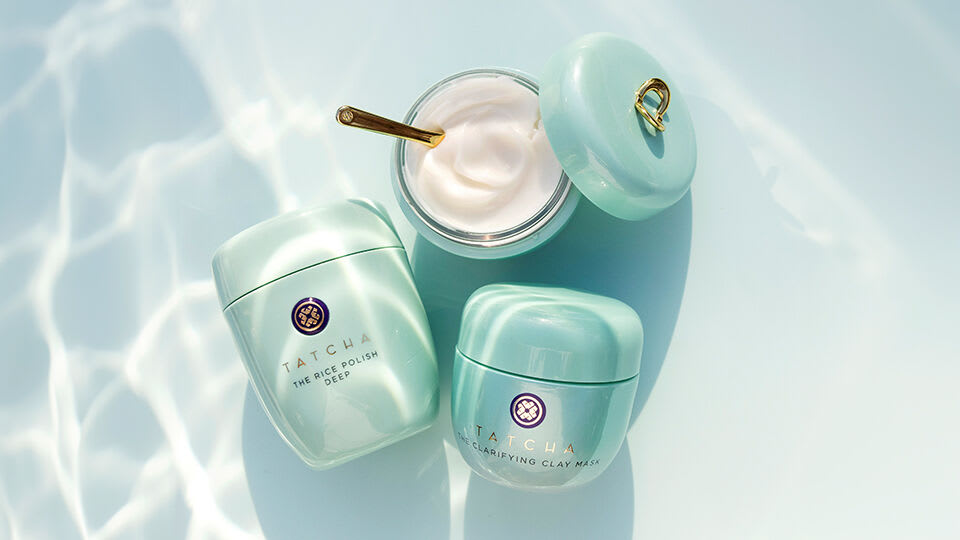
The ovulation phase is so short that it’s unlikely (and perhaps unnecessary) to have an effect on your skincare routine. But those who deal with period-related skin issues, like hormonal acne, often recommend using this time to prepare for the luteal phase with a skin deep clean. A clay mask like our Clarifying Clay Mask is gentle enough for all skin types, but made with a potent type of Japanese clay that absorbs excess dirt and oil from within pores.
Luteal Phase Skincare
The second half of the menstrual cycle is known as the luteal phase, carrying one from ovulation to the start of their next period and its menstruation phase. According to the Cleveland Clinic, the luteal phase is when the body prepares to either get pregnant (by building and growing its uterine wall, so that a fertilized egg can attach) or not (so the lining can be shed).
Hormonal changes include some production of estrogen but more production of progesterone, which thickens the womb lining; this process can be experienced by a change in the consistency of one’s discharge. Approaching the next period, progesterone production drops off, which can cause symptoms of premenstrual syndrome, or PMS, which range from changes in mood to physical discomfort to breakouts.
Control Oil With A Gel Cleanser
A side effect of the hormone level changes present during the luteal phase is increased sebum production. Sebum, colloquially known as oil, is a waxy substance made of squalane, lipids, and other esters secreted from sebaceous glands deep within pores in order to help our skin self-moisturize. It’s a good thing, especially when it's kept in balance.
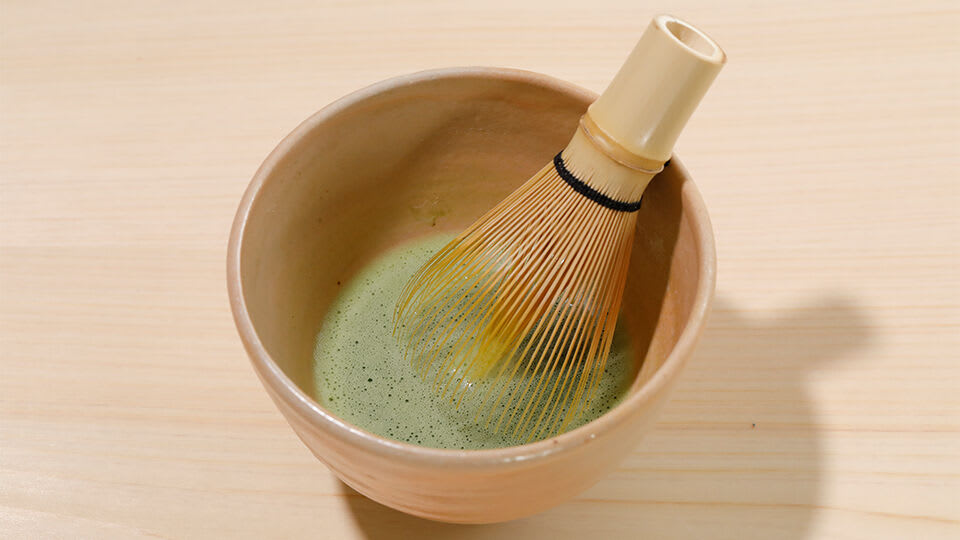
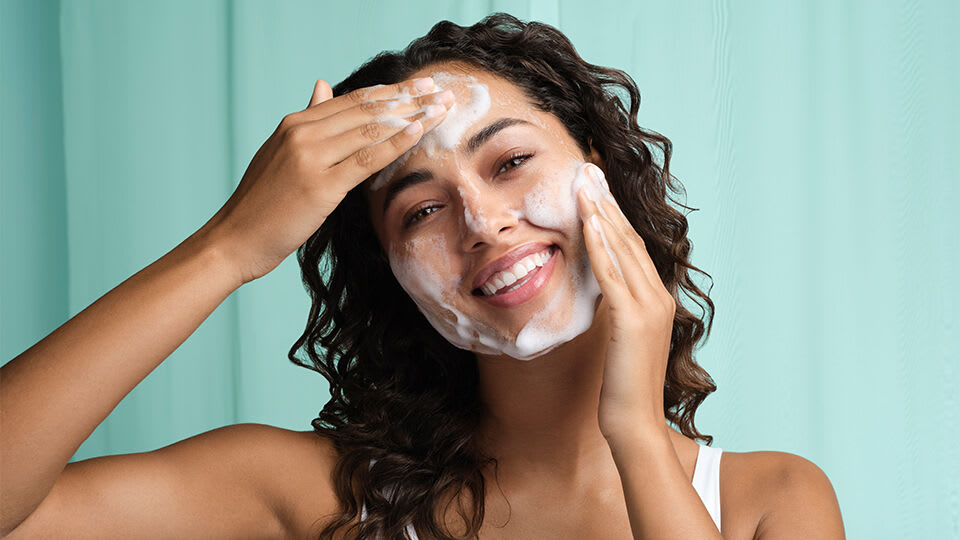
Skincare that is formulated for oily skin often contains ingredients that work to balance out skin’s oil levels. It’s the thought behind The Matcha Cleanse, a fragrance-free and soapless face wash made with kind-to-skin acid alternatives that work to decongest and unclog pores, controlling oil and shine in the process. The gel formula doesn’t strip skin’s natural moisture, avoiding that dry, tight feeling after rinse.
Hydrate With An Oil-Free Moisturizer
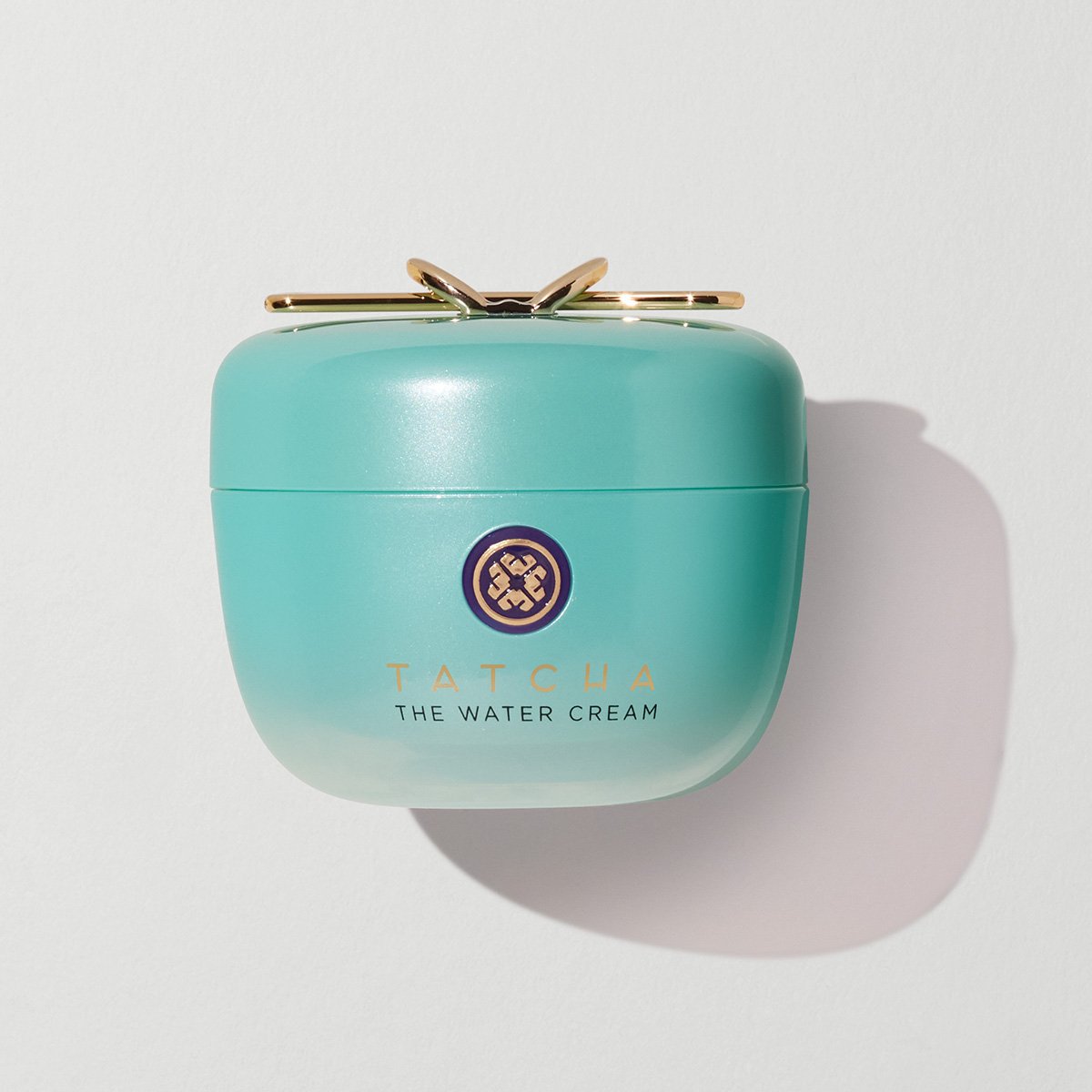
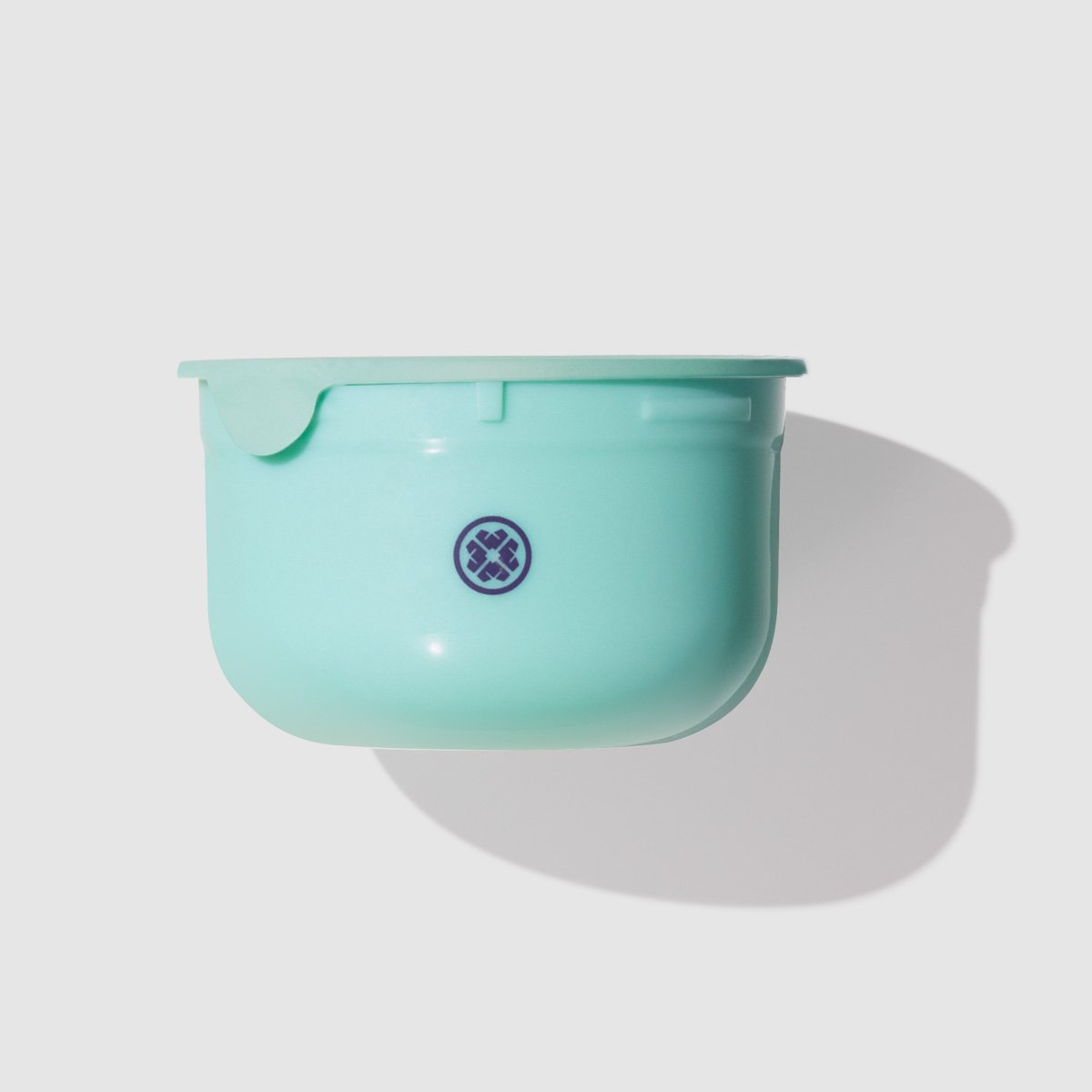
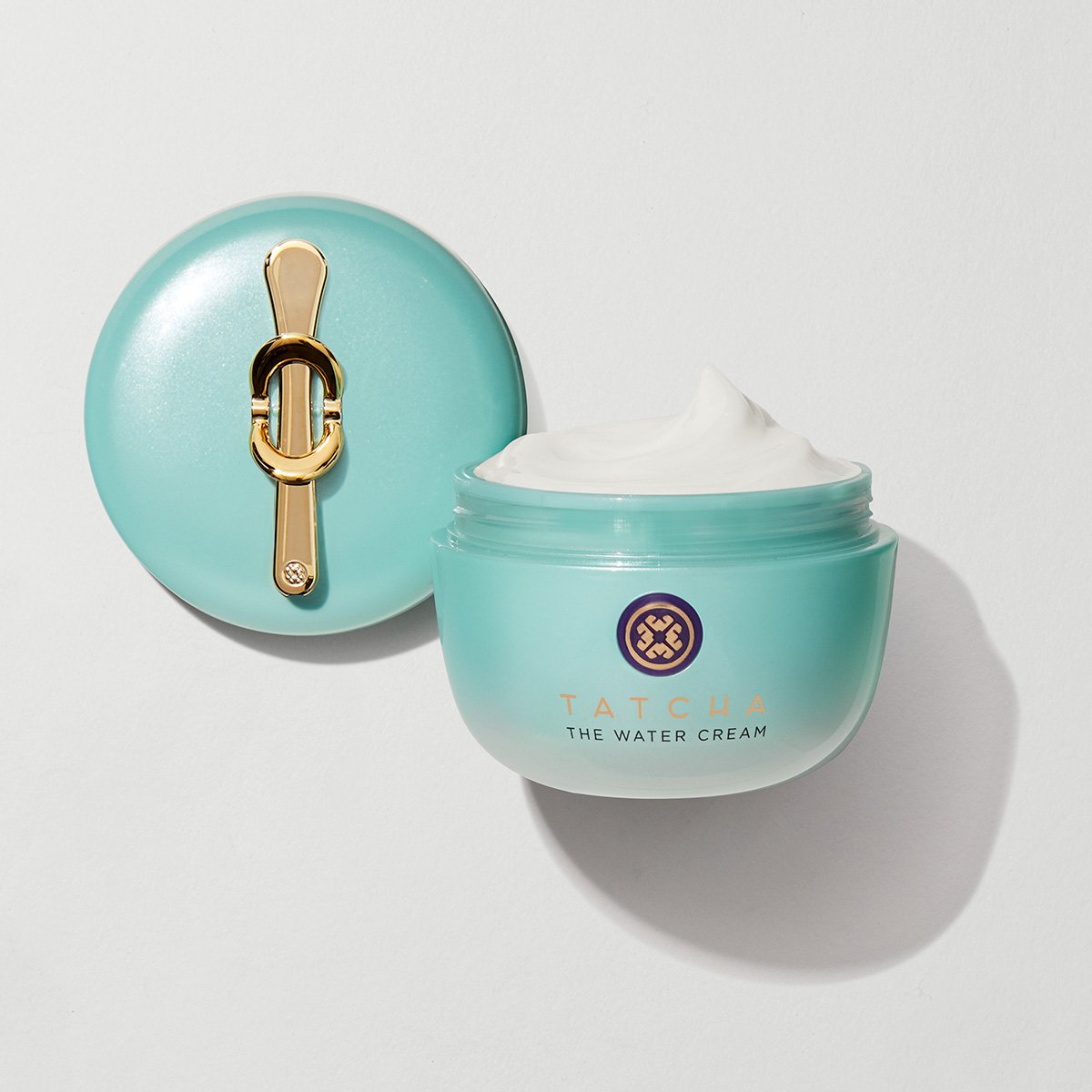
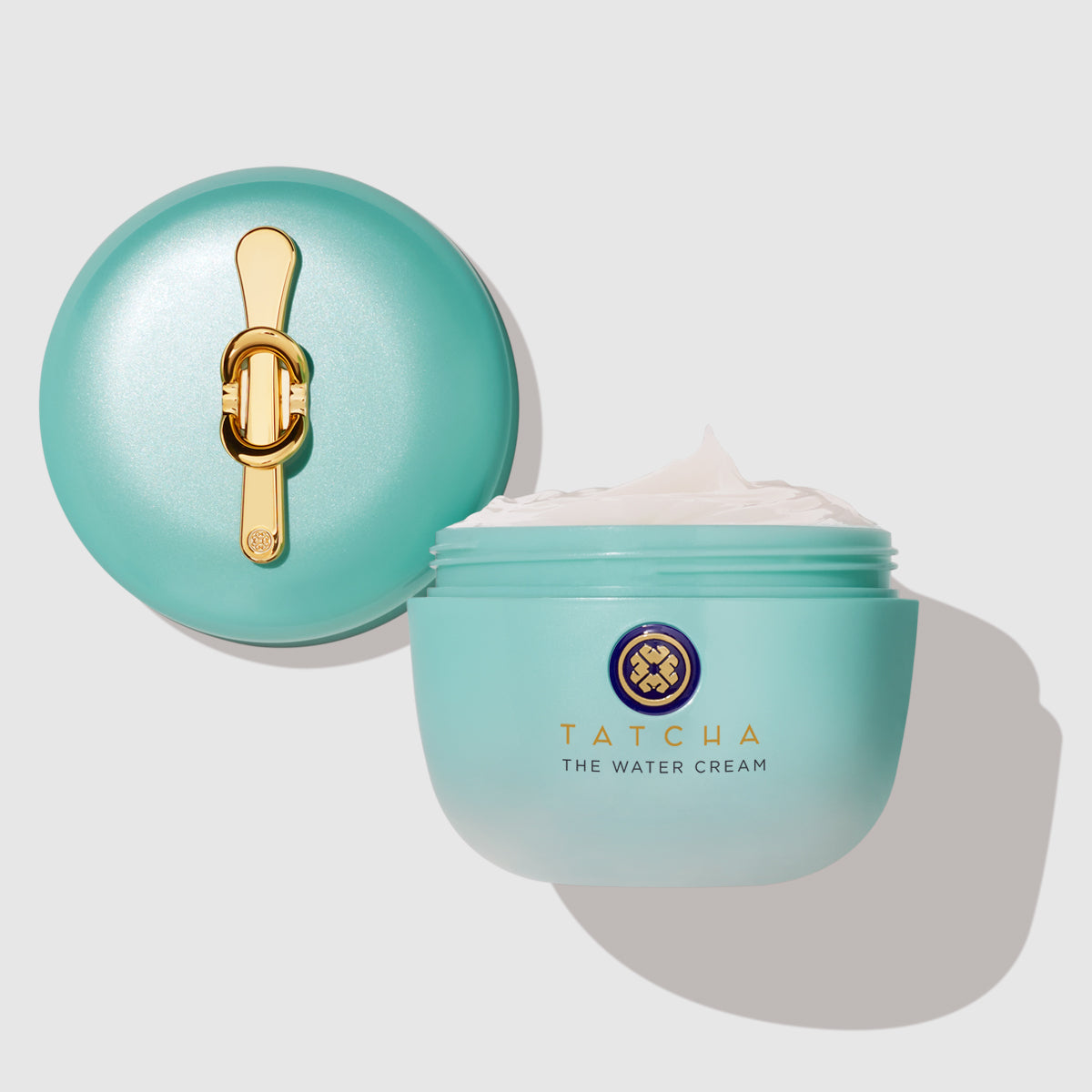
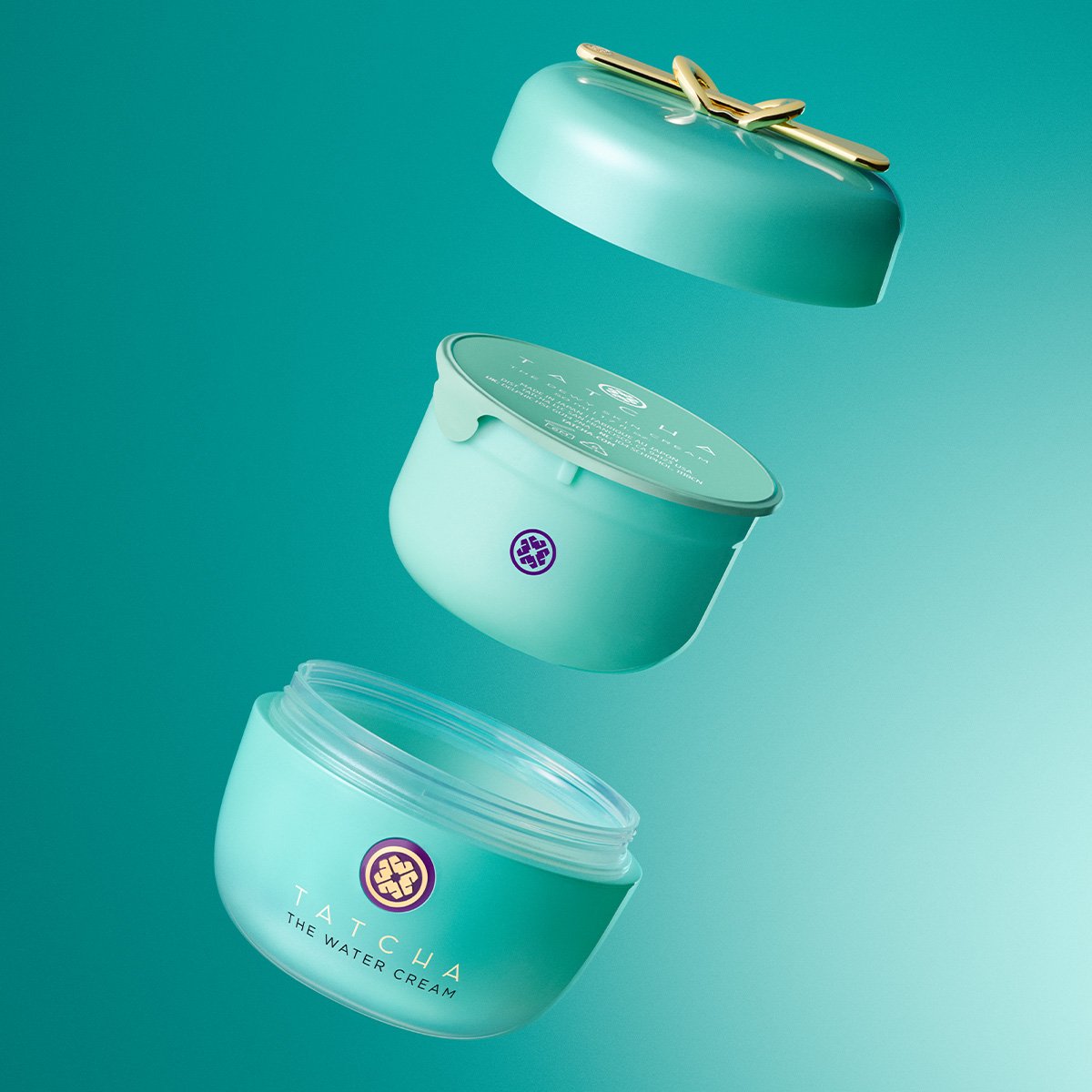
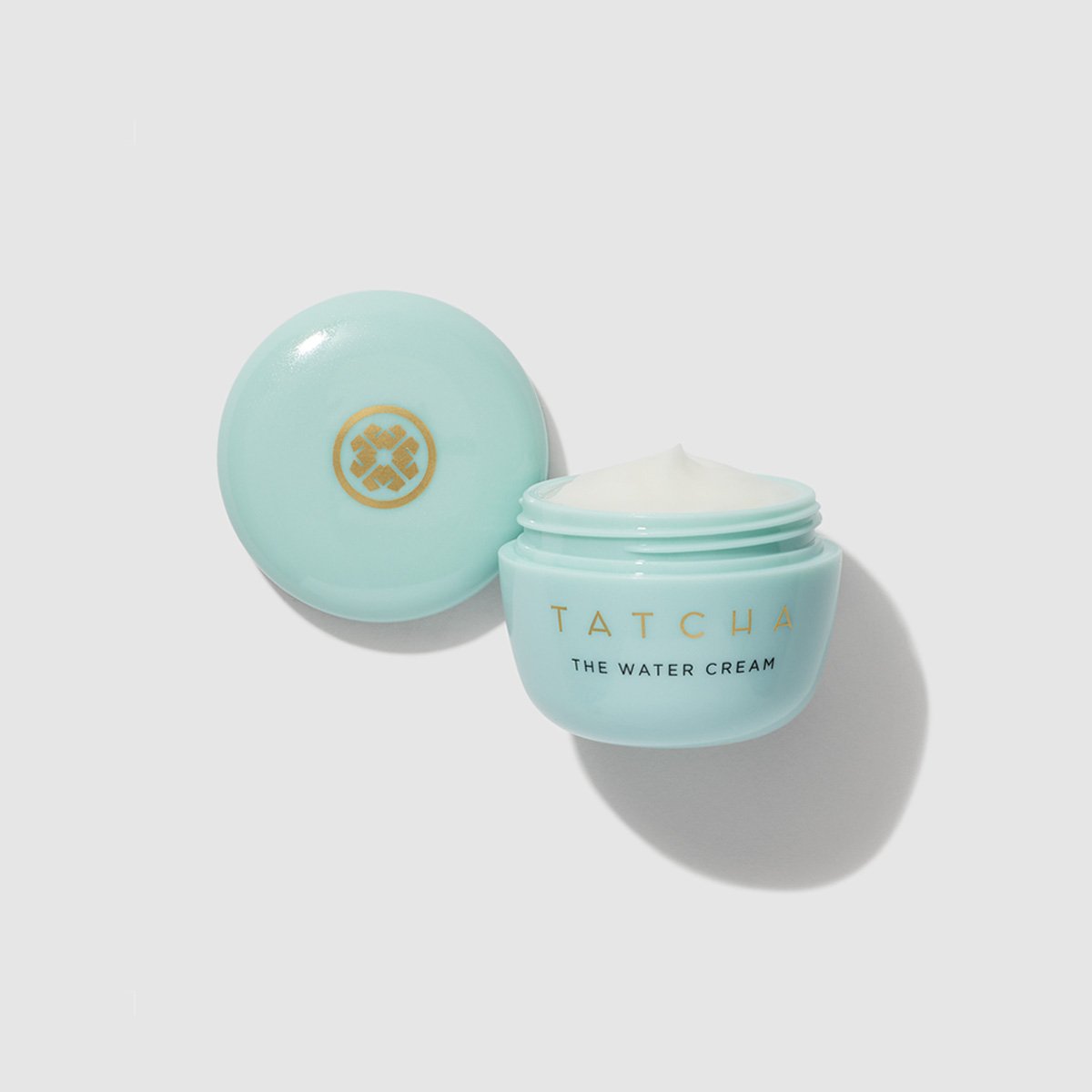
The Matcha Cleanse is designed to precede The Water Cream, a best-selling moisturizer beloved by fans of weightlessly moisturizing skincare. An oil-free cream, it builds on The Matcha Cleanse’s balancing act with pore tightening wild rose and soothing heartleaf extract. Even if it feels counterintuitive, keeping skin moisturized will help control oil in the long run by protecting the integrity of skin’s natural barrier. If you can keep your skincare habits consistent, you’ll be ready for anything.