The most important step in caring for your skin is first understanding your skin type. Learn how to determine your skin type, the products that are best for you, and more.
The Importance of Determining Your Skin Type
The most important step in caring for your skin is first understanding your specific skin type and how it adapts to certain circumstances or seasonality. Your skin is your body’s largest organ, as complex and intelligent as your heart, lungs, liver, and other vital organs.
While skin is adaptable, misunderstanding your skin type has real, visible results. For example, using cleansers and exfoliating scrubs that are too harsh may irritate the face, or even send the signal to your skin to produce more oil because it’s being stripped of necessary moisture. Conversely, applying a face moisturizer that is too thick or heavy can result in decreased natural oil production, resulting in even drier skin. Taking the time to learn your skin’s specific needs will help you to choose the right options that will balance skin, which will result in a healthier, more radiant complexion.
The Most Common Skin Types
Every person’s skin is unique, but there are a few common skin types that may help you to identify where your skin fits in the most. The most common skin types are oily, combination, dry, sensitive, and mature—you can also be a mix of several types (like sensitive and dry or mature and oily).
Dry Skin
Experiencing dry skin? You’re in good company, as it’s one of the most common skin types. According to the American Academy of Dermatology, nearly everyone will experience and need to treat dry skin within their lifetime, whether it’s only temporary or seasonal or frustratingly chronic and long-term. Dry skin (in comparison to dehydrated skin) is skin that doesn’t have enough moisture in it to feel comfortable and it’s usually due to water loss from the outer layer of skin. The condition can also make skin look and feel rough, itchy, flaky, or scaly. Dry skin is largely due to genetics, environmental factors such as lifestyle and diet, hormonal changes, and climate. Dehydration is also a leading cause of dry skin, so drinking plenty of water and avoiding diuretics, like alcohol and caffeine, can make a significant difference in how your skin feels and looks.
Combination Skin
Combination skin simply means that your skin is a combination of different skin types. You likely experience oily skin in some areas of your face and dry skin in others. Most often, you will find dry patches on your cheeks, while your T-zone (your forehead, nose, and chin) will be the more oily areas of your face. Combination skin can be attributed to a variety of different factors. In many cases, it is genetic, but it can also be caused by dehydrated skin (where the skin creates more oil and sebum to create balance, but unknowingly leads to excess oil, irritation, and breakouts). Those with combination skin can find that it is exacerbated if you are unknowingly using the incorrect skincare products in your morning or evening skincare routine too, as harsh ingredients can trigger dry patches and excessive oil.
Oily Skin
Do you often find your skin slick with oil and excessively shiny, even within hours of cleansing? You might have oily skin. Oily skin is common and has many positive aspects, as well as a few issues that might be considered less desirable, like enlarged pores and acne, which may require treatment. Naturally oily skin is caused by sebaceous glands overproducing sebum, but it can also be caused by genetics, weather (particularly humid, hot temperatures), and hormones. Skincare products can also sneakily increase oiliness levels, like harsh astringents, which cause those pesky sebaceous glands to overcompensate and produce even more sebum. While oily skin needs to be carefully managed to minimize excess oil production, that bounty of sebum can also preserve the skin, allowing people with oily skin to have fewer wrinkles as they age.
Sensitive Skin
Sensitive skin is characterized by frequent skin reactions due to stimuli, like weather, genetics, or irritating products. These sorts of stimuli don’t usually cause reactions in skin that isn’t sensitive, but if your skin is sensitive or sensitized, it can be hard to know which formulas, ingredients, materials, or weather conditions will aggravate it—until they’re introduced (an often frustrating experience).
Sensitive or reactive skin isn’t rare, in fact, it’s estimated that between 50 to 70 percent of adults have sensitive or reactive skin. Moreover, sensitivity can be layered over other common skin types, like oily, dry, or combination. Managing sensitive skin can be challenging, as it takes considerable time and effort to determine which ingredients cause inflammation and irritation.
Mature Skin
Like sensitive skin, mature skin can also be oily, dry, or combination. But unlike these other types, mature skin happens to every one of us. The collagen and elastin proteins that make up our skin gradually denature with age, causing changes in appearance (like wrinkling), tone (from broken capillaries), and texture (a loss of elasticity). It is unavoidable, and happens to everyone—but there is a routine and plenty of healthy-aging products and tips that will help make skin feel and look more radiant.
Normal Skin
The term “normal skin” is a bit outdated—it simply means there are no pressing concerns to address. We believe that when it comes to skin, however, there is no such thing as normal—just what’s normal for you. Skin types like oily, dry, or combination are helpful categories, but real skin needs are personal and ever-changing. As such, we believe that normal skin should be should be treated like combination skin, with combination skincare products designed to be effective for both oily and dry skin types.
Ways to Determine Your Skin Type

#1: The Bare-Faced Method
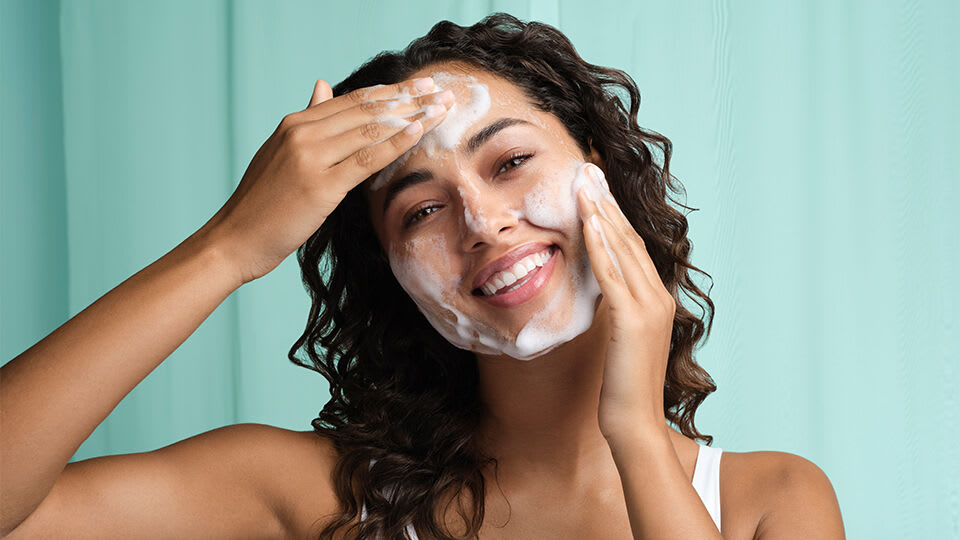
- Cleanse your face thoroughly with a mild cleanser and gently pat dry. Use a cleanser that doesn’t leave any type of residue or film behind, like a gentle foaming cleanser (The Rice Wash or The Matcha Cleanse are perfect options).
- Leave skin bare and do not apply any moisturizers, serums, or treatments.
- After 30 minutes, examine your cheeks, chin, nose, and forehead for any shine.
- After another 30 minutes, evaluate whether your skin feels parched, especially if you smile or make any other facial expressions.
- If your skin feels tight, your skin is likely dry. See a noticeable shine on your nose and forehead? Your skin is most likely combination. If there is shine on your cheeks in addition to your forehead and nose, you most likely have oily skin. If you feel irritation or see redness, you likely have sensitive skin.

#2: The Blotting Sheet Method
- This blotting method is much faster and often an excellent differentiator between oily and dry skin types. Mid-day, gently pat a blotting paper on the different areas of your face. (It’s okay to do this method over makeup, although products that help absorb excess oil, like primers or powders, may alter the results, so be mindful of that.)
- Hold the sheet up to the light to determine how much oil is visible.
- If the sheet picked up little to no oil, you most likely have dry skin. If the blotting sheet reveals oil from the forehead and nose areas, your skin is combination. Finally, if the blotting paper is saturated with oil, it is extremely likely that you have oily skin.
#3: Dermatologist Consultation
- Looking for an expert opinion or confirmation? Ask a board-certified dermatologist to help you figure out your skin type; either in person or through photos.
- Your derm will not only be able to help you zero in on how to tell your skin type, but they’ll likely have tips, tricks, and care suggestions to help support it, too.
What Determines Your Skin Type
Many factors contribute to skin type, but here are a few of the most common reasons why you have the skin type you do.
Genetics
Many of our skin’s most beautiful traits are inherited from our parents and ancestors. In most cases, our skin type is genetic, meaning this skin type has been passed down from the generations that came before you. It’s kind of poetic to know that your skin type is part of a bigger story about your heritage and family.
Lifestyle
What we eat, the medications we take, the stress we’re under, and our hormones are all factors that can alter our skin type, too. These important elements are why many experts stress the importance of eating a well-balanced diet, prioritizing sleep, reducing stress (try making your skincare routine a mindfulness ritual!), managing hormones, and talking to your doctor about any health issues.
Your Current Skincare Routine
Finding your skin is drastically changing its skin type or becoming unusually sensitive? It might be worth assessing your skincare routine. For example, harsh or aggravating ingredients (like overly intense exfoliation) can cause a number of issues, including excess oiliness, flakiness, redness, and dryness—which can make you feel like your skin type is changing on a daily basis. Incorporating the correct products for your specific skin type, and treating your skin gently, will allow the face to look and feel healthier.
Environmental Factors
Extreme weather, dramatic shifts in humidity, pollution, and damaging UV rays can all drastically affect your skin type. It can keep the skin out of homeostasis, making it continually guess and alter to try and find comfort. While many of these factors are out of our control, using skincare that shields from some of these elements can help protect your skin and keep it comfortable. Here are some winter tips for managing dry skin when it gets cold outside. Also, never skip your sun protection step. Regardless of your skin type, you should be wearing sunscreen everyday, applied in the correct order within your overall skincare routine.
Can Your Skin Type Change?
As we’ve alluded to above, your skin type can absolutely change, whether that is from external factors (like dramatic weather) or internal reasons (like diet or hormonal changes), your skin type is not set in stone. The best thing you can do is support your skin with daily cleansing, treating (with your favorite serums), hydration, and protection (aka sunscreen with an SPF of at least 30).
One major factor that will affect us all eventually, and in Japan is considered a gift: aging. As you get older, your skin will alter. For most, that means becoming drier and losing elasticity. The most important thing to do is to meet your skin where it’s at: if it feels drier, layer more hydration products; if it feels oilier, use lightweight gel-cream moisturizers; if it feels more sensitive, seek out products with ingredients that are made for treating sensitive skin.
The Best Products for Your Skin Type
Dry Skin

There are specific products designed for dry skin havers, which surprisingly include exfoliants. It might seem like the last product that dry skin needs, but daily exfoliation with gentle, non-abrasive ingredients can help promote skin cell turnover without removing skin’s natural oils. Without an additional layer of dry, dead skin (which can also cause acne), serums and treatments will be absorbed more easily.
Another vital product for a well-rounded dry skin care routine is an effective moisturizer. Seek out extra hydrating products that contain hyaluronic acid, glycerin, and marine actives (like algae)—all of which are wonderful because of their ability to attract water and deliver it directly to skin cells. Additionally, emollients, including squalane and camellia oil, help smooth and hydrate your skin evenly and effectively. Want more information? Here are more of our top Japanese skincare picks for dry skin.
Combination & Normal Skin

Caring for combination skin can feel tricky, but we’re here to help make it easy and simple. Begin by embracing a skincare routine designed for combination skin. Gentle, daily exfoliation is important to keep the T-zone and cheek areas balanced. The trick to this exfoliation is to ensure it’s not too harsh, so it doesn’t irritate the dry areas, while also being effective enough to lift up dead skin cells.
For hydration, moisturizers for combination skin should have a gel-like texture, which is absorbed more quickly and less likely to clog pores and cause breakouts. Start with a small amount and increase as needed to avoid over-moisturizing and stressing the skin.
For sun protection, the best sunscreen for combination skin will be an SPF formula that lightly nourishes and hydrates without clogging pores.
Have combination skin? Shop our top picks.
Oily Skin

It can feel overwhelming to treat oily skin, but here are a few tricks to keep the face looking healthy, happy, and a little more matte. Opt for using both chemical and physical exfoliants. Daily enzymatic exfoliation with a chemical exfoliant or a toner is essential to promote cell turnover and prevent sebum buildup in pores. A gentle physical exfoliant (that does not use abrasives such as crushed nuts or seeds that can cause tiny tears in the dermis) is also useful for balancing the tone and texture of your skin.
Additionally, oilier skin is also prone to PIH (post-inflammatory hyperpigmentation), a condition which leaves dark spots on the skin after a breakout has healed. Exfoliation helps lighten hyperpigmentation and dark spots by polishing away the uppermost layers of skin and revealing new cells. Those with moderate to severe acne breakouts should consider using an exfoliator that includes antibacterial ingredients like licorice root to speed healing and prevent future blemishes.
Additionally, don't forget the moisturizer! You may feel tempted to skip a moisturizer altogether, but hydrating (albeit with lightweight products) is just as important for oily skin as it is for dry skin. Here is the ideal skincare routine for oily skin as well as product suggestions for those with oily skin.
Sensitive Skin

Sensitive skin and exploring new products do not always go hand-in-hand. To make this process easier, introduce only one new formula or product at a time. This rule applies to both skincare and cosmetics. Patch testing a new formula on your inner forearm is an excellent way to minimize potential reactions on the face. If your skin shows no sign of flaring up, apply the formula to the area behind one of your ears before using it on your face.
Also, look for labels that identify formulas as non-irritating and non-sensitizing and free of parabens, synthetic fragrances, mineral oil, sulfate detergents, and phthalates—these ingredients can result in redness and itchiness. Here’s more information on which ingredients are best for sensitive skin, as well as an example skincare routine for sensitive skin. And here are a few of our overall top picks for sensitive skin.
Mature Skin

For those with mature skin, it’s important to focus on hydration by using healthy-aging skincare products that incorporate water-binding ingredients to shore up and even repair your skin barrier. There are plenty of serums that specifically treat fine lines and wrinkles, often using therapeutic ingredients like retinol or its alternatives to support collagen production. Based on the other elements of your skin—dryness or oiliness, sensitive or not—you can build a mature skin regimen that works for you.
Discover our top skincare products for mature skin.
Adjust Your Skincare Routine As Needed
Our skin’s needs can change over time, and taking steps to best identify its needs is essential for it to function and look its best. Keeping the health of your skin in mind and “checking in” regularly to determine whether any adjustments to your current ritual are needed will keep it balanced and beautiful.