




Summary
-
Bouncy skin refers to the skin’s ability to ‘bounce’ or spring back into place when gently pressed.
-
Bouncy skin is healthy skin that has plenty of hydration, elasticity, and collagen — things we naturally lose as we age.
-
However, we can replenish the skin with hydration, elastin, and collagen with thoughtful skincare products and lifestyle choices.
- Exfoliation, hydration, antioxidants, and sunscreen are all steps that help skin achieve a ‘bouncy’ quality.
Bouncy skin, glass skin, mirror skin, dewy skin, plump skin — do you need a dictionary to keep up with skincare trends lately? No need to crack open a Merriam-Webster because we are here to simplify the latest trend of bouncy skin (and how it differs from similar skin movements). From the bouncy skin meaning to what makes your skin ‘bounce back,’ here is everything you need to know about how to get bouncy skin.
Bouncy Skin Explained
While skin trends can be interesting, many are focused on the aesthetics of skin, feigning radiance with interesting, quick tips and tricks. There's nothing wrong with a shortcut; they can be great in a pinch. But bouncy skin is about the long term, think of it as a marathon and not a sprint. This is because bouncy skin refers to the skin’s ability to ‘bounce’ or spring back into place when gently pressed. This is possible when skin is rich with hydration, elasticity, and collagen, things that naturally diminish over time. (But, as you’ll learn below, elements we can also now replenish the skin with, thanks to skincare products and lifestyle choices.)
How to Get Bouncy Skin
Bouncy skin is synonymous with a plump, resilient, and collagen-rich appearance. While those qualities are more prevalent in our youth, they are attainable at any age. Here’s how to get bouncy skin.
Hydrate
This means internally and externally — firstly, drink lots of water. Yes, drinking water does actually hydrate your skin. Six to eight glasses seem to be the gold standard. On the skin, use hydrating skincare products, particularly humectants, which attract and hold moisture, allowing the skin to stay hydrated and plump. Common humectants include glycerin, hyaluronic acid, and alpha hydroxy acids.
Exfoliate
However, if you simply rely on hydration and do not incorporate regular exfoliation into your skincare routine, these plumping ingredients will not be able to properly penetrate the skin through layers of dead skin cells. Exfoliation helps other skincare products absorb more effectively by sloughing away dryness and dead skin cells. Proper exfoliation can be accomplished with either chemical or physical exfoliation (or a thoughtful combination of both). Aim for once or twice a week at first, slightly increasing frequency if skin handles it well.
Increase Collagen and Elastin Production
The basis of bouncy skin is boosting elastin and collagen. As we age, skin naturally loses elasticity – basically meaning it won’t snap back into shape. In addition to losing elasticity, skin also naturally begins to lose collagen, a protein that gives skin its structure, support, and strength. But skincare can help boost the elastin and collagen levels we naturally lose. For example, glutathione has been proven to encourage the growth of collagen and elastin, leading to smoother and firmer-looking skin.
Beyond the up-and-coming glutathione, here are a few other ingredients that are clinically proven to increase collagen.
-
Vitamin C
In a double-blind study, vitamin C was directly linked with an increase in collagen production, an improvement in hydration, and zero evidence of inflammation. Collagen production is correlated to the firmness of skin, so this noticeable increase in the skin’s collagen production is impressive. Vitamin C is one of the most notable antioxidants, but many other types of antioxidants can deliver similar benefits, too.
-
Hyaluronic Acid
The humble ingredient is often included in hydrating formulas, but did you know it can also help promote collagen production? Studies have shown that the humectant can impressively moisturize the skin while also stimulating collagen production.
-
Collagen Supplements
Supplements can be a divisive topic because, according to the American Academy of Dermatology, many supplements are not regulated by the U.S. Food and Drug Administration (FDA), and that could mean they might do nothing at all or, worse, compromise your health. However, some formulations are painstakingly perfected and can be trusted, and collagen supplements have been linked to the ability to reduce fine lines and boost collagen and hydration in the skin.
Protect
Arguably, the most important thing you can do for your skin is wear sunscreen daily. Repeated sun exposure (and sun damage) can significantly degrade your skin, causing the collagen and elastin to break down and leading to premature aging, wrinkles, and loss of elasticity (aka sagging). Study after study has proven this unfortunate relationship between UV damage and damaged collagen and elastin fibers. The good news is that being diligent with your sunscreen can help protect your skin, including its natural collagen and elastin. Try using other sun protection factors, like parasols and UPF (Ultraviolet Protection Factor) clothing, when outside for a significant amount of time, too.
Prioritize a Healthy Lifestyle
It’s not always easy (or a quick fix), but a healthy lifestyle is also beneficial. High stress levels, poor diet, smoking, and a lack of sleep can directly affect the skin and its appearance. Manage stress (try incorporating mindful practices into your daily routine), consume a healthy diet, prioritize sleep, and aim to remove or minimize things that can alter your health (and skin), like smoking.
Skincare Products That Promote Bouncy Skin
As we’ve seen from the studies above, topical application of certain ingredients can directly boost the skin’s collagen and elastin. Here are a few products that help you achieve bouncy skin.
A Milky Hydrator
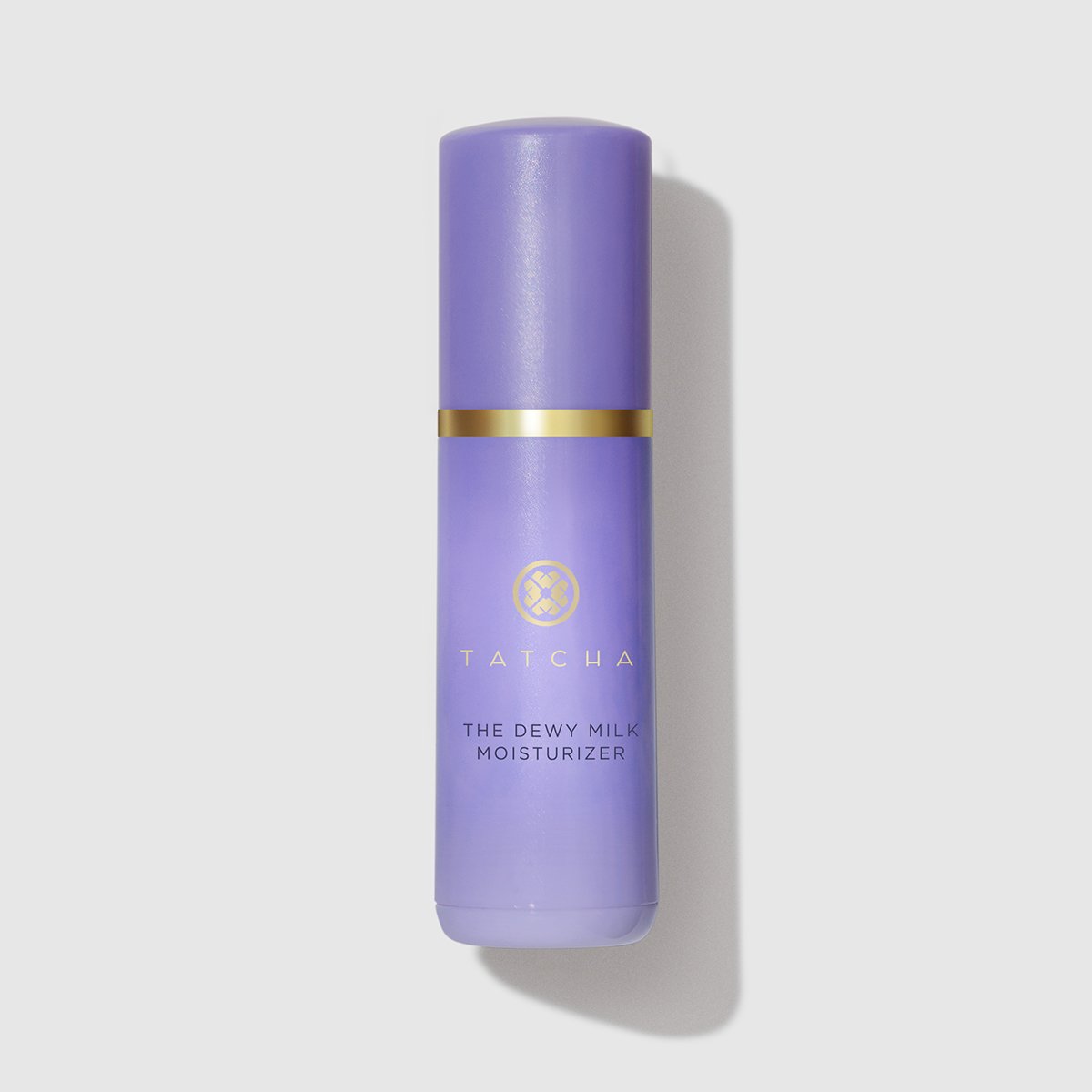
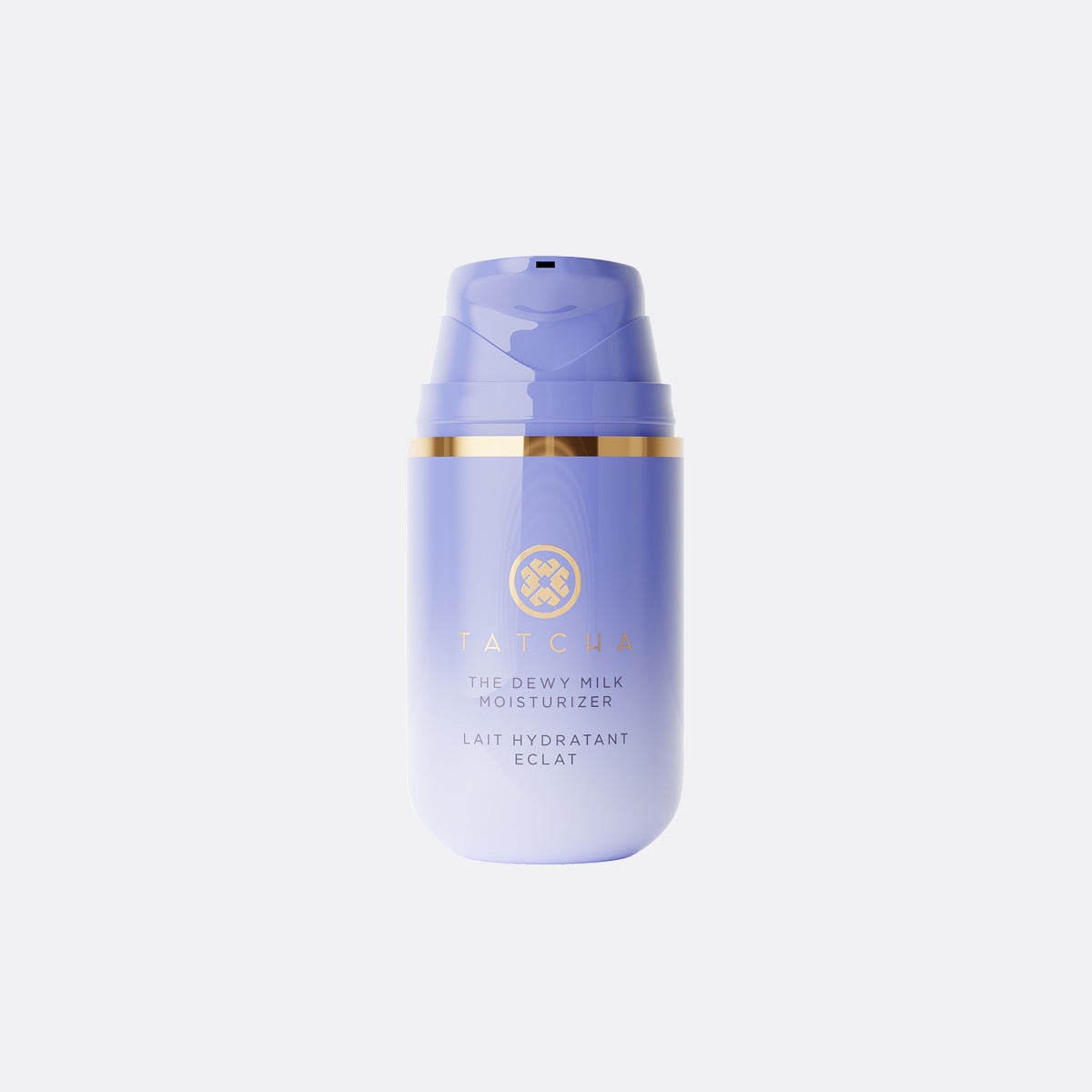
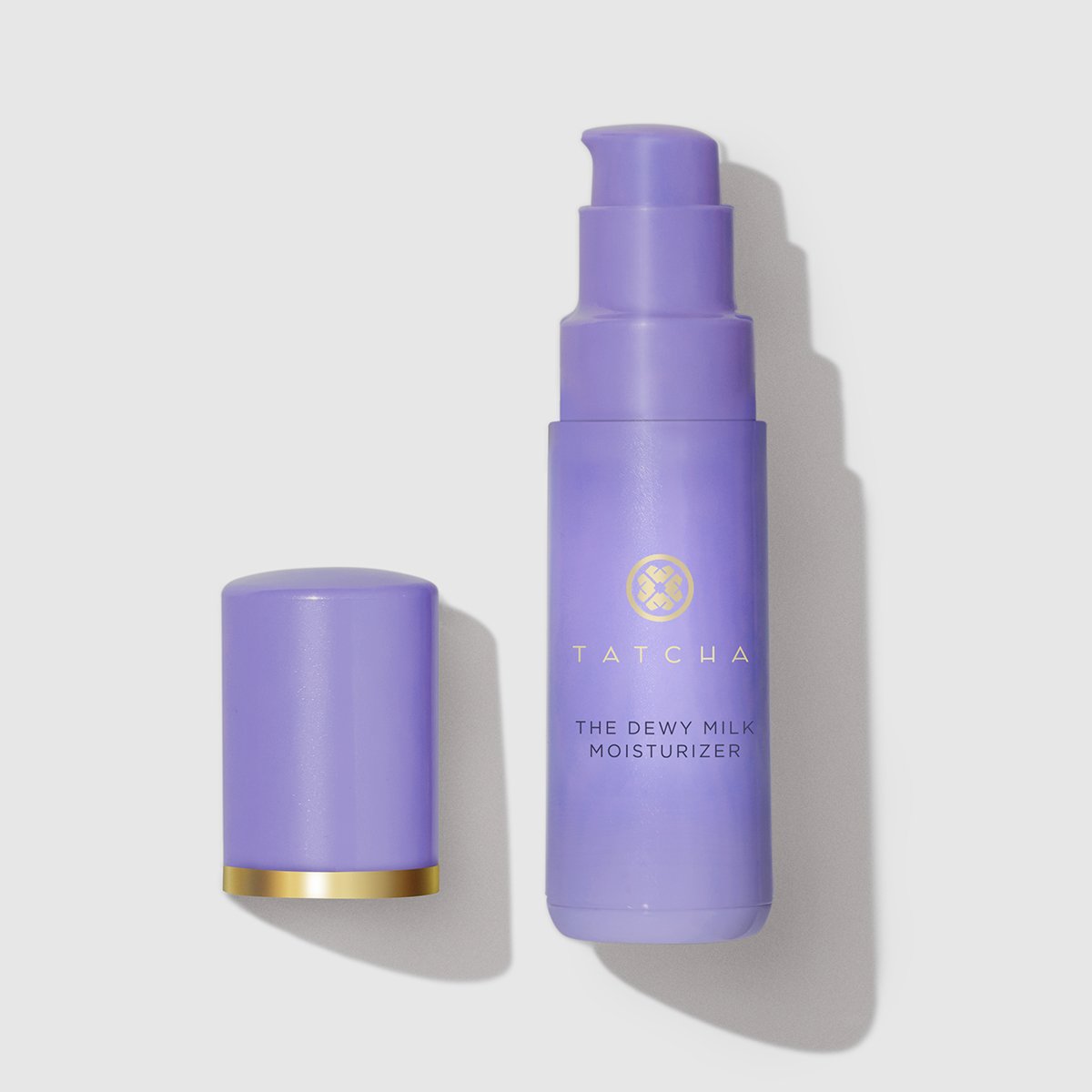
Get bouncier skin instantly with The Dewy Milk Moisturizer. In clinical studies, participants who used the lightweight moisturizing lotion showed two times more skin bounce instantly, an all-day dewy glow, and a balanced level of hydration.* This is the rare product that helps give skin that bouncy, glowy look instantly, but also works long-term with intentional ingredients, including antioxidants (in the form of Japanese purple rice), prebiotics (glycerin and green tea extract), and anti-inflammatory superstars (zinc hyaluronate). The lightweight moisturizer delivers hydration without causing excess oil, all while helping you achieve bouncy, supple skin. After all, in just a single week, 100 percent of participants showed an improvement in skin bounce.**
A Lightweight Brightening Serum
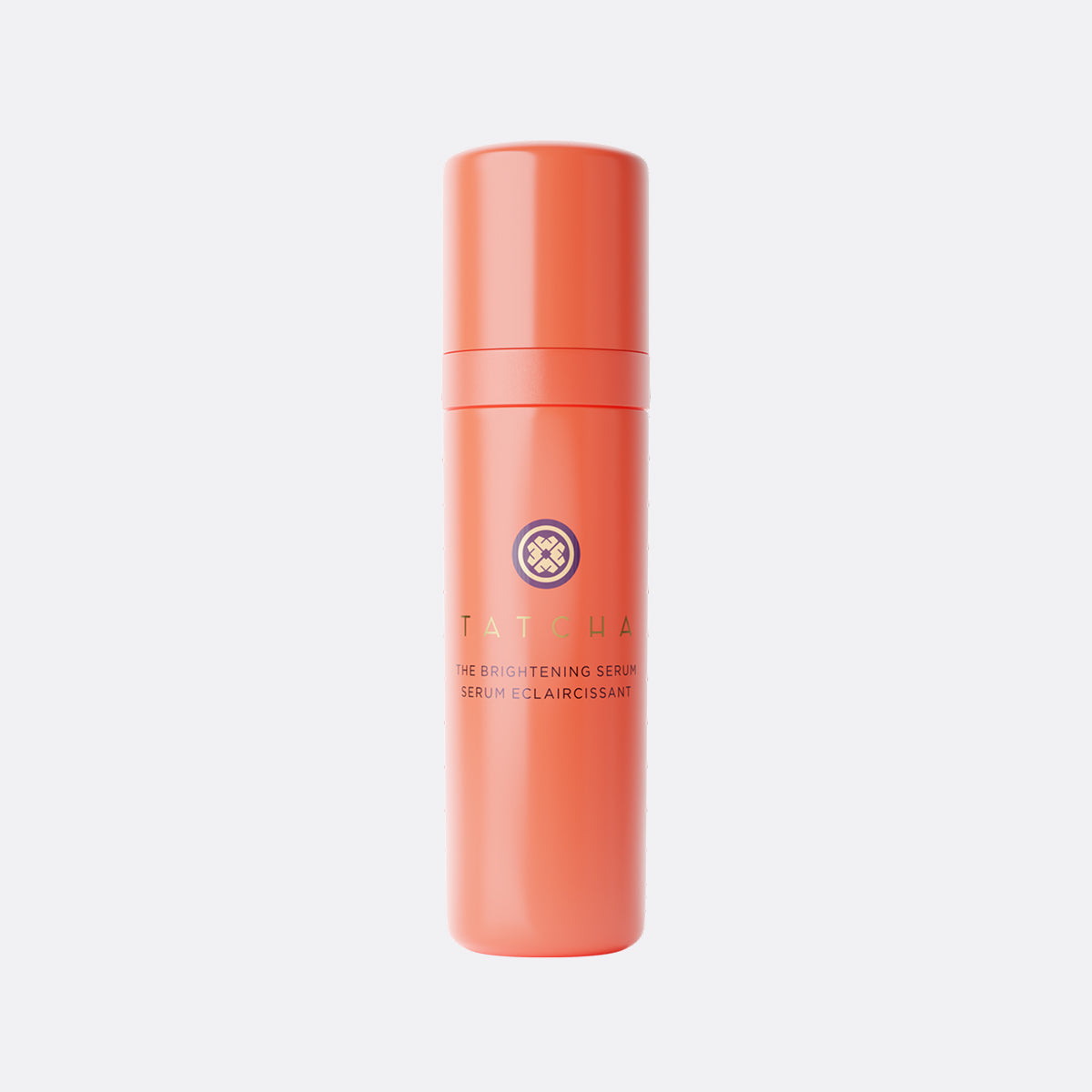
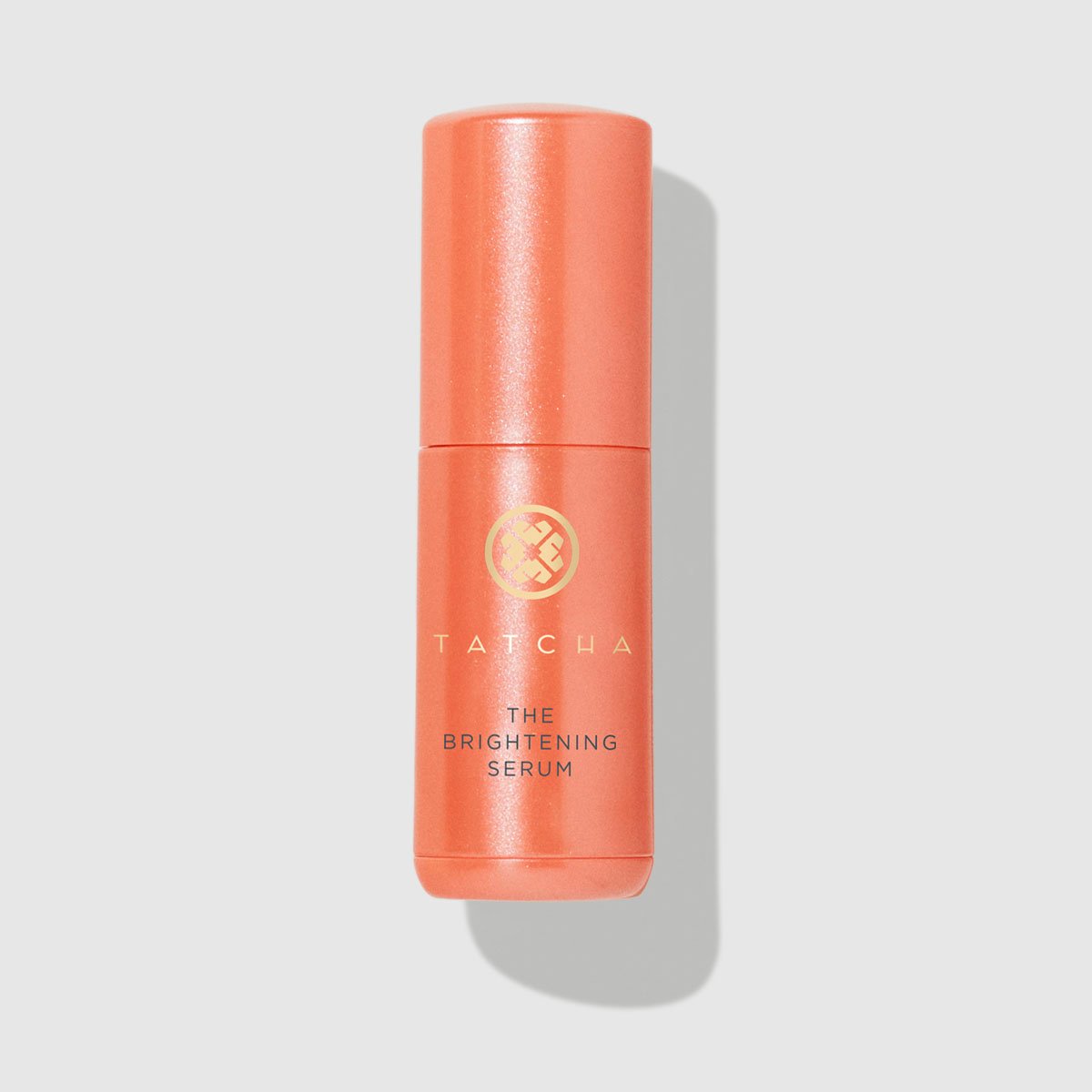
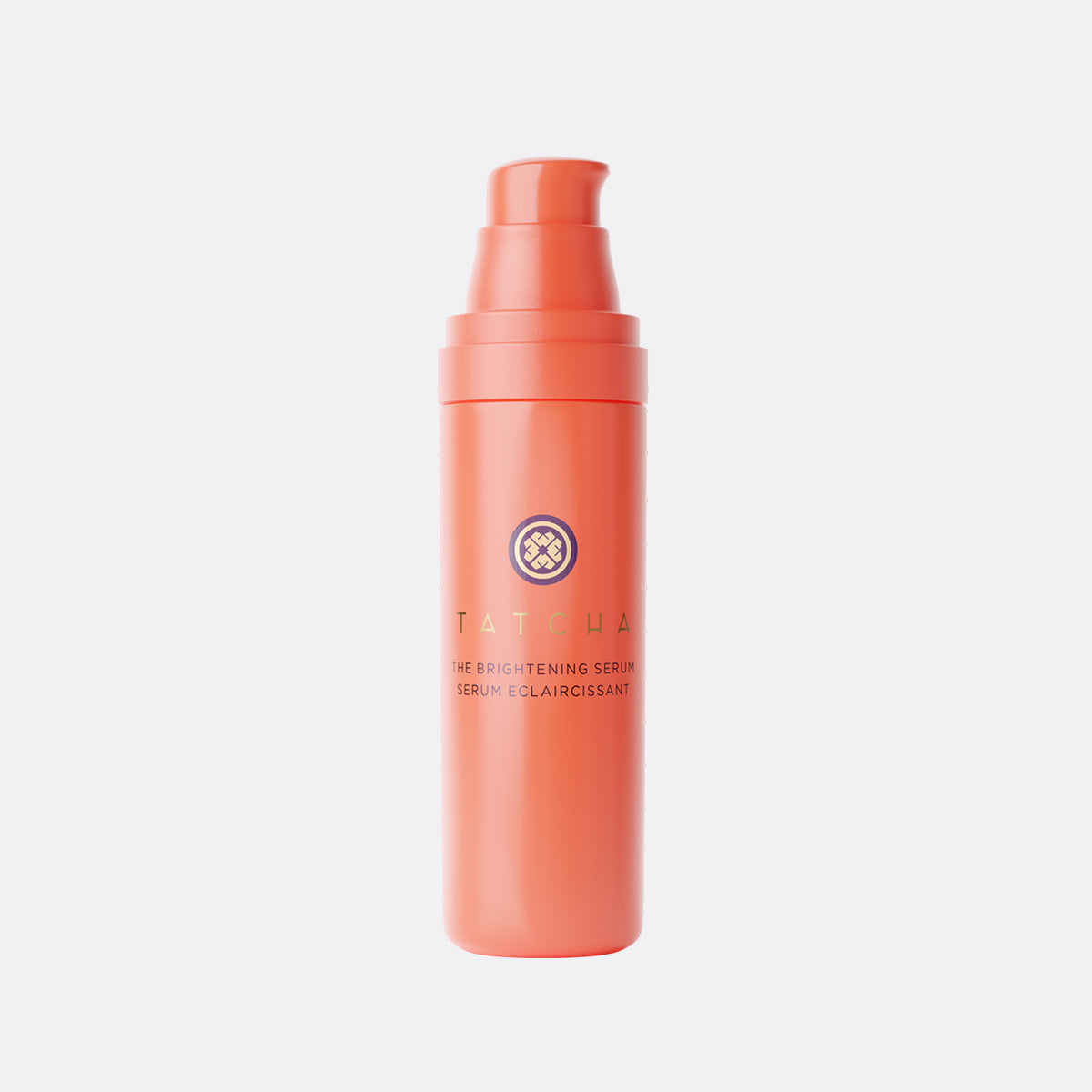
Looking for bouncier, brighter-looking skin? Try The Brightening Serum, which addresses dullness, hyperpigmentation, dark spots, post-acne marks, and uneven skin texture and tone. Skin is clinically proven to be brighter and visibly firmer in just a single week***, and elasticity is boosted with this clever formula, featuring 12-hour time-release vitamin C, Japanese plum, ferulic acid, and glutathione. Remember when we mentioned glutathione momentarily above? The ingredient is a powerful antioxidant, brightens, boosts collagen and elastin, and reduces inflammation in The Brightening Serum. (What can’t it do?!)
A Serum to Defy Deflation
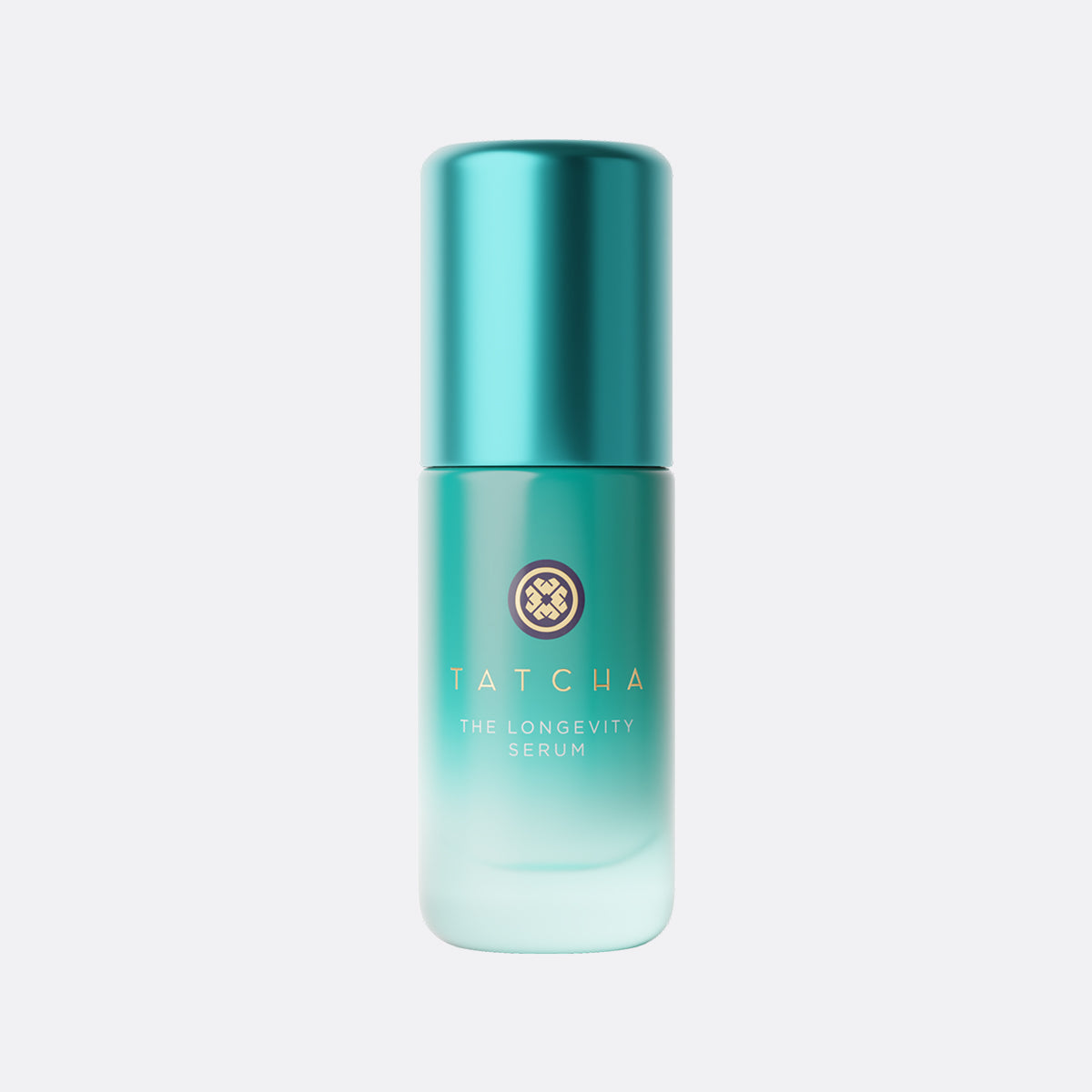
Accelerated aging can lead to skin that is the opposite of bouncy: deflated. The Longevity Serum restores skin’s youthful look and delays visible signs of skin aging to help skin look stronger, visibly firmer, and more collagen-rich. This is accomplished with the Okinawa Cellescence Complex, bio-active lipids, and prebiotics, for visibly firmer, smoother skin in just one week.****
*Based on a clinical study of 30 participants.
**Based on a clinical study of 39 participants.
***Based on a clinical study of 18 panelists.
****Based on a 4-week result in a clinical study of 39 panelists.