



Summary
-
Sunscreen protects the skin from UV rays, but it is proven to also protect the skin barrier by shielding it from free radicals and preventing dehydration (from repeated sun exposure).
-
However, some modern sunscreen formulas include additional ingredients that can actually repair and strengthen the skin barrier while also shielding from UVA and UVB rays.
- Look for ingredients that tout their reparative nature, like ectoin, alongside SPF 30+ formulas, to ensure skin is protected while it repairs.
Most of us think of sunscreen as an external product that simply helps shield the skin from ultraviolet rays. But did you know that sunscreen can actually improve (and even maintain) the health and look of our skin, down to the skin barrier? Here’s everything you need to know about barrier-repair sunscreen, ingredients to look for, and how to find the right formula for you.
What Is the Skin Barrier & Why Does It Matter?
The skin barrier is essentially your outer layer of skin, according to the Cleveland Clinic. It’s composed of ceramides, fatty acids, and proteins, all of which help to protect skin from the environment, adds the Clinic. The skin barrier’s main job is to act as armor, keeping harmful substances (such as chemicals, allergens, and bacteria) away from the delicate skin beneath the surface while maintaining skin hydration. Basically, it keeps the good stuff in and the bad stuff out.
Why is this important? According to a 2018 study, the skin barrier is “important to human life” due to its vital tasks of protection (from external threats and water loss internally). The study added that the “importance of skin barrier cannot be overemphasized.” Quite literally, a healthy barrier equates to healthy skin.
Signs of a Weakened Skin Barrier
How do you know if your barrier is damaged or healthy? If you’re experiencing some sort of issue with your skin, your skin barrier has likely sustained some damage, says the Clinic. This could show up in a variety of ways, notes a 2016 study. Symptoms include acne, burning or stinging, itchiness, inflammation, hyperpigmentation, irritation, dryness, flaky or rough-feeling skin, or general tenderness/sensitivity.
How Sun Exposure Damages Your Skin Barrier
While a walk in nature might be good for your mental and physical health, it can disrupt your skin’s health. Extended sun exposure has been shown to disrupt the skin barrier by causing transepidermal water loss and impairing skin strength. Additionally, repeated UV exposure generates free radicals that break down collagen and elastin, leading to noticeable skin issues such as premature wrinkles, sagging, dark spots, dehydration, and dullness.
This repeated sun exposure isn’t just from long days at the beach. Intermittent, everyday sun exposure – like walking, running errands, and commuting – causes significant skin damage and is responsible for up to 90 percent of visible skin aging, says the Yale School of Medicine. They note that this type of exposure creates cumulative, long-term damage, including DNA damage that continues to occur even after sun exposure ends.
UV rays aren’t the only cause of skin barrier trouble, though. Other common triggers can include harsh cleansers, overexfoliation, and extreme climate conditions.
What to Look for in a Barrier Repair Sunscreen
The key to a thriving skin barrier is supportive skincare — and one of the most important parts of your routine is a sunscreen. Research has shown that broad-spectrum sunscreen can help maintain the skin barrier, making it an important tool not only in fighting skin cancer but also in supporting your skin's overall health and appearance.
However, not all sunscreens are created equally. Here are a few things to look for when searching for a skin-repair sunscreen. It doesn’t matter if it’s chemical or mineral protection, as long as it follows these guidelines.
Broad Spectrum UVA/UVB Protection
You must use a broad-spectrum sunscreen, which means it is verified and approved by the FDA to protect from the sun’s harmful ultraviolet A (UVA) and ultraviolet B (UVB) rays. This certification means it protects against sunburn and the long-term damage sun exposure can cause.
A Minimum of SPF 30
A daily sunscreen must have an SPF of at least 30 to protect the skin effectively, according to the American Academy of Dermatology. Many are higher, which is great, but don’t rely on options that are below 30 for effective protection.
Clinically-Proven Reparative Ingredients
A sunscreen is effective at protecting the skin barrier by shielding it from free radicals and preventing sun damage. But some sunscreens can take the task of barrier repair a step further by including ingredients that are clinically proven to support and repair the skin. Take ectoin, for example, an up-and-coming antioxidant that has been shown to be hydrating, soothing, and pore-minimizing. These are great benefits for anyone who is aiming to repair the skin barrier. But ectoin goes a step further by showing promising protective effects against oxidative damage. In a 2022 study, researchers found that topical application of ectoin is an effective antioxidant, neutralizing free radicals and protecting the skin barrier. Thus, a sunscreen featuring ectoin could help hydrate, soothe, and protect the skin barrier while also shielding the skin from UVA and UVB rays.
The Best Barrier Repair Sunscreen
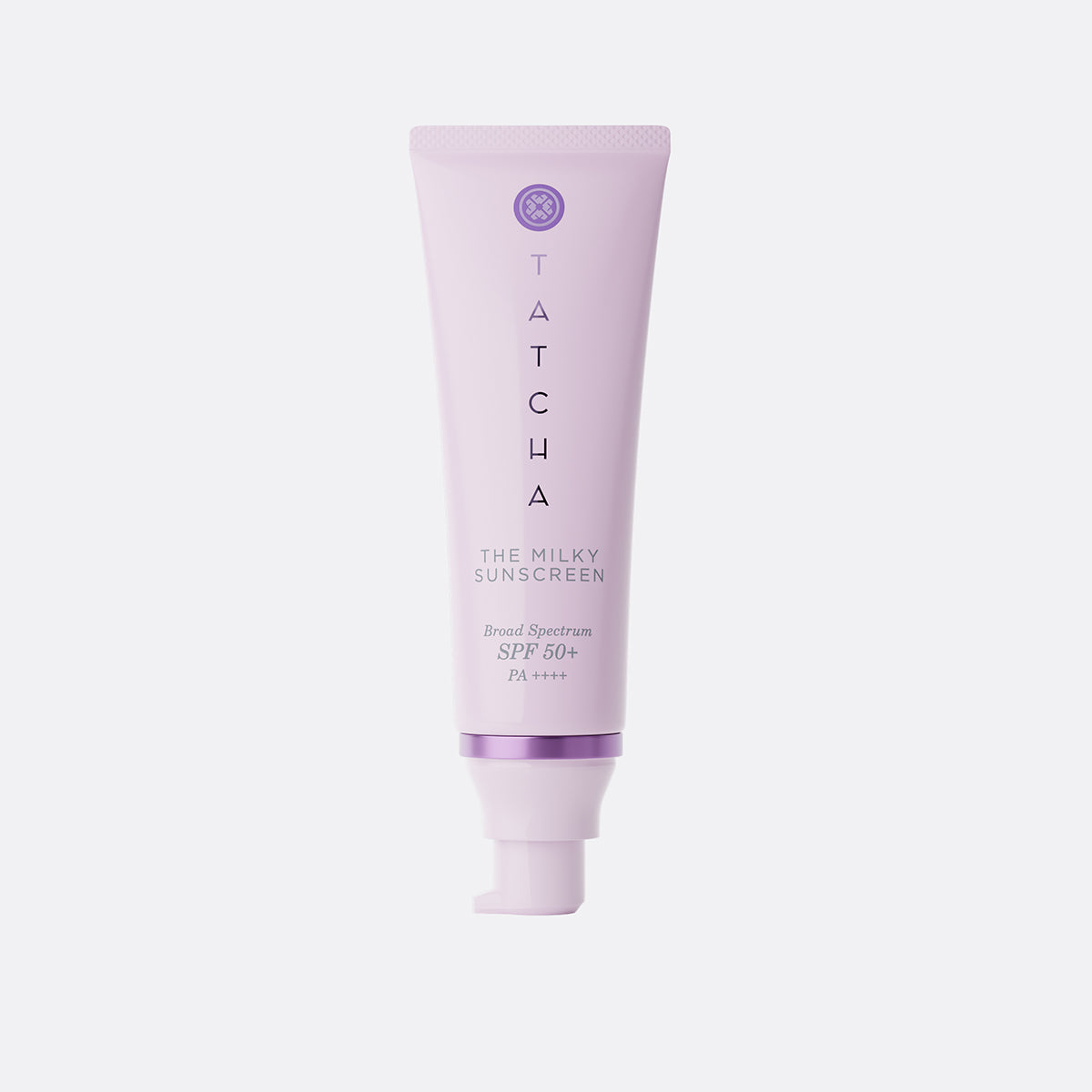
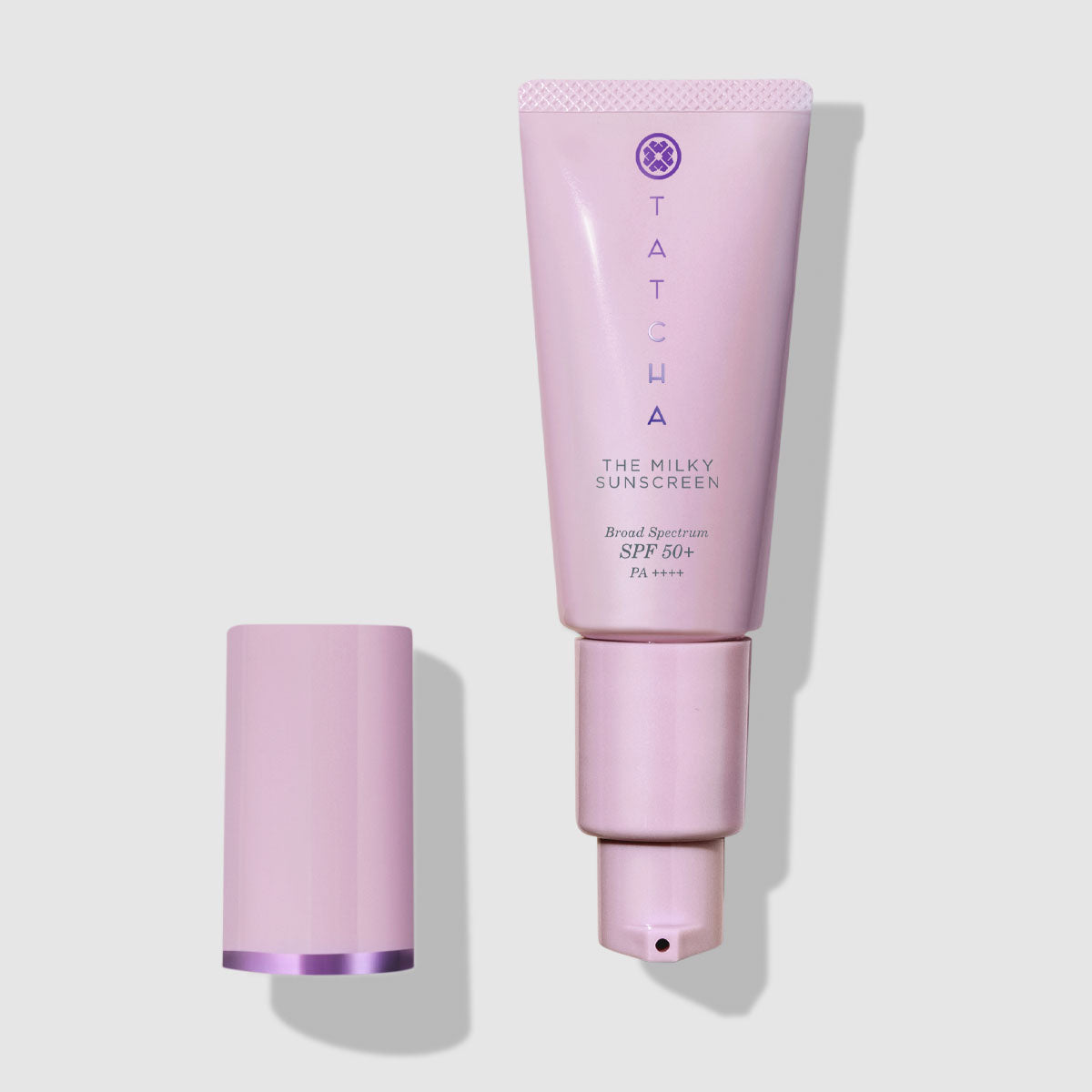
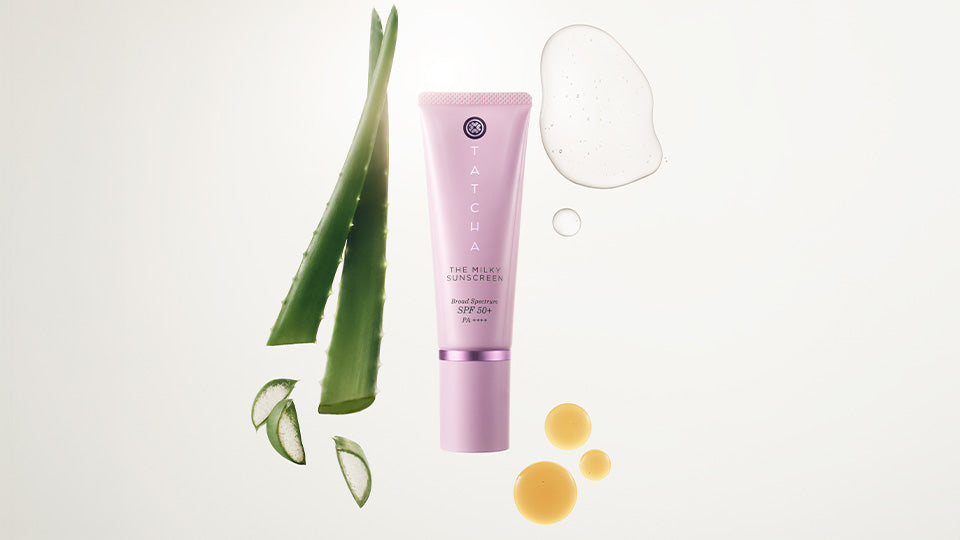
At Tatcha, we know that sunscreen products work. But we also know that if it doesn’t feel good on the skin, doesn’t layer well with other products, or doesn’t have additional skin-bettering benefits, people will be less likely to use it on a daily basis. That’s why we’ve created a range of sunscreens that not only protect but also feel great. And bettering the skin barrier while wearing it is the inspiration for The Milky Sunscreen.
The SPF 50+ protection has a delightful milky-light texture that disappears on skin and leaves a soft, natural, hydrated finish. Featuring both mineral and chemical broad-spectrum UV filters, it features the best of both worlds. It is designed to be so joyous to use that you want to apply it daily (an act that just so happens to also help to protect the skin against sun damage). But it is also intentionally formulated to help maintain and repair the skin’s protective barrier.
The sensitive skin-friendly formula includes ectoin, but it is intentionally encapsulated and paired with Vitamin E. In in-vitro testing* of encapsulated ectoin and vitamin E compared to just ectoin, the liposome-encapsulated technology delivered cellular hydration better than ectoin alone and helped repair the skin barrier. The addition of Okinawa aloe helps to soothe and hydrate stressed skin, too. Hydrates, visibly corrects UV damage and reduces dark spots, repairs the skin barrier, soothes stressed skin, and provides superior sun protection? The silky Milky Sunscreen is skin’s best friend.