




Try as we might, we can’t avoid blemishes. Even those of us who devoutly observe skincare rituals, including proper cleansing and moisturization, are likely to deal with the occasional zit. These uninvited guests are inevitable; it’s easier to think of them like the weather, coming and going as they please.
There are a few reasons why blemishes occur. The term blemish is a floral euphemism for acne, which is, at its most basic definition, inflammation of the sebaceous glands. These glands are tucked deep within the pores on our face, and are crucial to skin’s self-regulation. But like all mechanisms in our world, they can be subject to break downs or clogs.
The good news is that acne itself is a sign that your skin has caught the problem, and is developing an immune response to take care of things. By the time you can see a pimple, it's well on its way to healing. But certain skincare choices can help calm down breakouts—or extend the time between blemish breakouts—if you know what to use, and when to use it.
What are blemishes?
Before we talk about blemishes, which are actually acne, we need to talk about oil, which is actually sebum—a waxy, slippery liquid made of fatty lipids that is secreted from within our pores. More specifically, sebum comes from sebaceous glands, and it’s here where the root of acne can usually be found. Sebaceous glands are all over our faces and scalps, but are absent from a few places where we don’t need constant self-moisturization—like our lips, or the bottoms of our feet.
Acne occurs when dead skin cells or too much sebum clogs a pore. Usually, this results in a simple whitehead or blackhead. But an ill-timed infection located within a sebaceous gland, pore, or hair follicle can attract a more robust inflammatory response—and result in a more intense pimple. Knowing how to identify your blemish is the first step in getting rid of it.
Are there different kinds of blemishes?
ID’ing a blemish is easier said than done. The best and most foolproof way to identify a blemish on your skin is to take it to a dermatologist, where they can examine it and offer their advice, including recommendations for treatment. There are a handful of kinds of blemishes, but many of them can closely mirror one another in appearance, and can even be caused by the same underlying issue.
Comedones, like whiteheads and blackheads. The most basic kind of acne is one you’re probably very familiar with: Open or closed comedones, or clogged pores, also known as whiteheads and blackheads. Blackheads are clogged pores that are open—the oxygen around us makes the dead skin and sebum clog appear dark—while whiteheads are clogged pores that are closed.
Inflammatory acne, like pustules or papules. Pustules and papules, which may be redder than run-of-the-mill comedones, also signal a stronger inflammatory reaction—and may come filled with pus. These should always be checked out by a doctor.
Deep acne, like nodules or cysts. The most intense form of inflammatory acne might be nodular or cystic, and occur deeper than at the skin’s surface—in the precious and delicate dermal layer. Nodules and cysts may be buried under a layer of inflammation in the skin, and can be hard to access on one’s own. All acne should be examined by a dermatologist if it becomes painful or otherwise concerning, and nodular and cystic acne should be no exception.
Do I have blemish-prone skin?
Blemish-prone skin is another term for oily skin, which is one of the major skin types. Oil is necessary for our skin, because it helps us seal in moisture, repairing our skin barrier. But too much of a good thing can be, well, not so good, as oily skin can result in more breakouts, according to the American Academy of Dermatology Association.
Oily skin can be inherited by genetics, but it can also be influenced by extrinsic forces like the climate, or intrinsic forces like our diets, behaviors, and the skincare we use. Keeping oily skin in check means maintaining a healthy skin barrier, or repairing a damaged barrier with skin barrier repair products. If you want to check if your skin is oily or dry, there is a simple way to determine your skin type at home
How to get rid of blemishes
Here’s the thing about a blemish: By the time you see it, it's already arrived. There are ways to soothe existing acne, but the best thing you can do for a blemish is leave it alone, and have a dermatologist check it out. Good habits and an acne skincare routine—like proper face cleansing and choosing non-abrasive formulas—can help minimize acne breakouts. A few other best pimple practices include:
- Drinking water. Water makes up most of our body, including our skin. And while drinking tons of water won't send a blemish on its way, keeping yourself hydrated does in fact affect the hydration levels in your skin, which are directly linked to things like immune function.
- Washing your face consistently. When you're tired, sleeping in your makeup may seem like a better option than dragging yourself to the bathroom. It's also an invitation to pimples.
- Sticking to one routine. It may feel tempting to try all sorts of new treatments, especially if you feel like your acne situation is desperate. Dermatologists say: Don't. Consistency is key to skincare, but especially with treating acne. Slow and steady wins the race.
- Avoiding the urge to pop. The more you mess with a blemish, the angrier it gets, which is why they're best left alone. That means no popping, according to experts.
Blemish-Prone Skincare Routine
Rooted in time-tested Japanese ingredients and techniques, Tatcha’s skincare collection is full of sensorial, experience-based products formulated at the highest efficacy. Its belief is a simple one; that turning such acts of self care into rituals makes for good health, inside and out. Here are a few suggestions from their range suited for blemish-prone skincare routines.
1. Cleanse properly.
Most common acne is caused by pore blockages, which are less likely to occur by keeping things clean and clear. This means being diligent about removing makeup at the end of the day, and using a gentle cleanser to thoroughly cleanse the skin itself. The brand-new Matcha Cleanse is a uniquely suited cleanser for acne-prone skin, with its soap free formula and its ability to cleanse deeply, unclogging pores. But whatever cleanser you choose, make sure it doesn’t leave your skin feeling tight and dry afterwards. Dermatologists advise cleansing your skin at least once, usually twice, per day.
2. Exfoliate regularly.
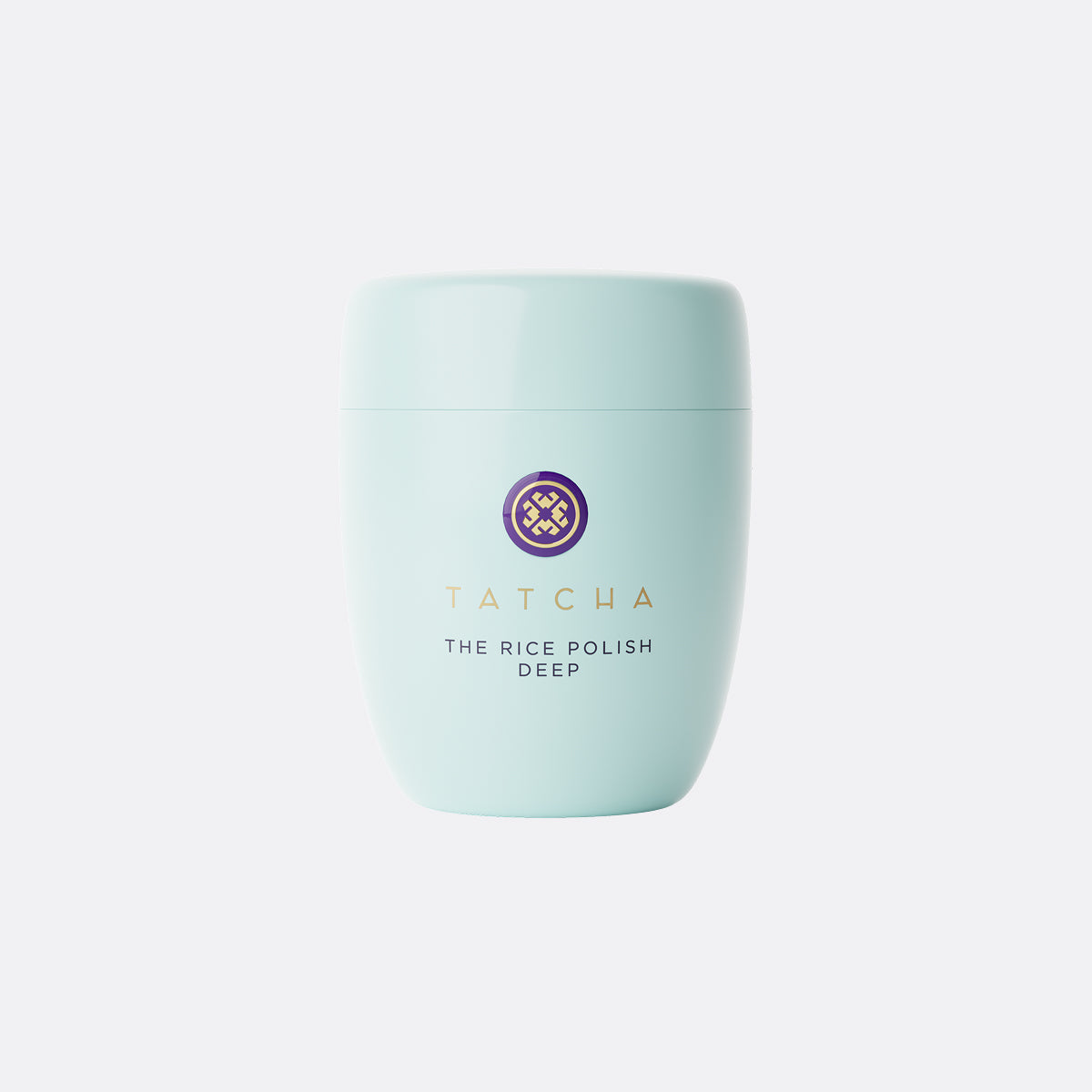
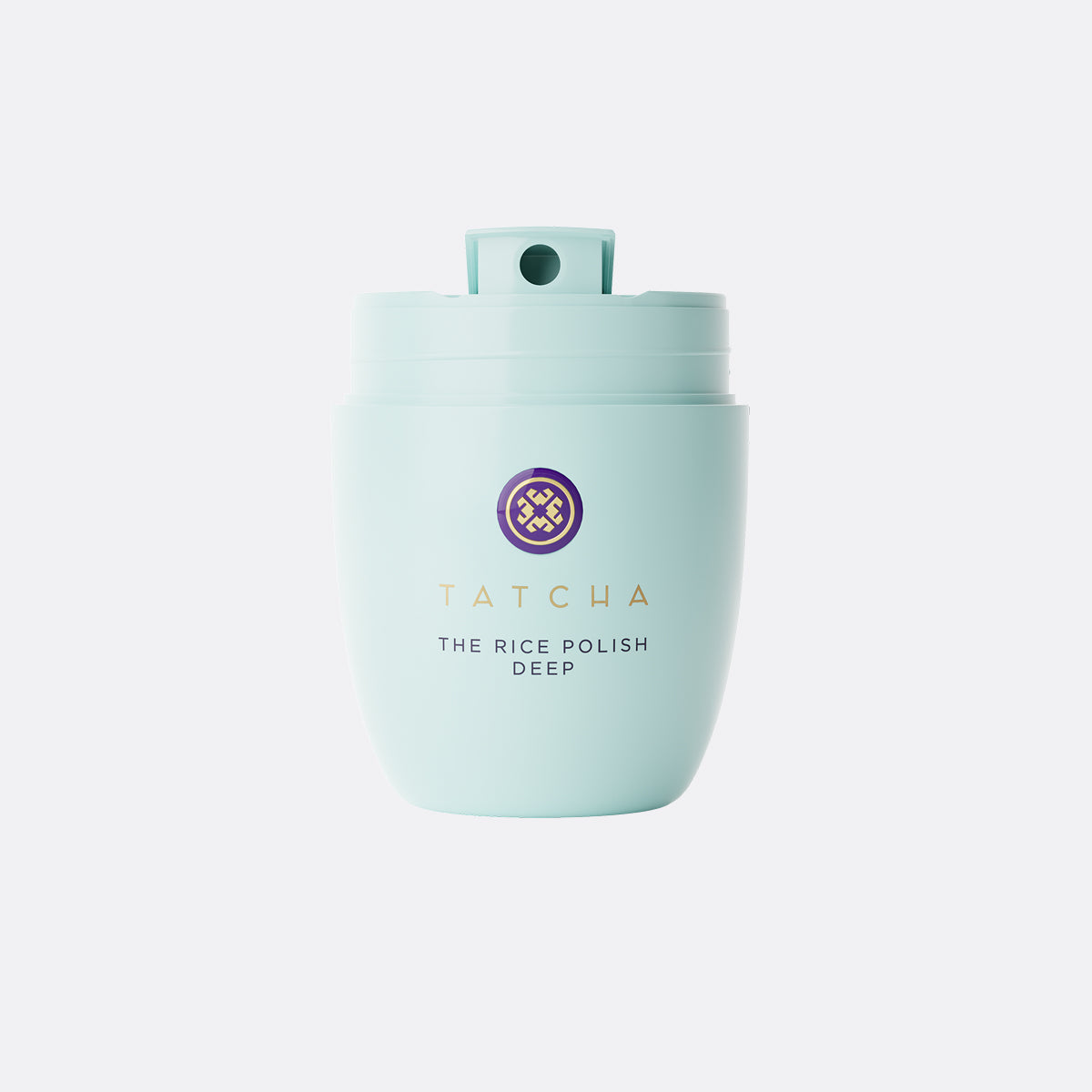
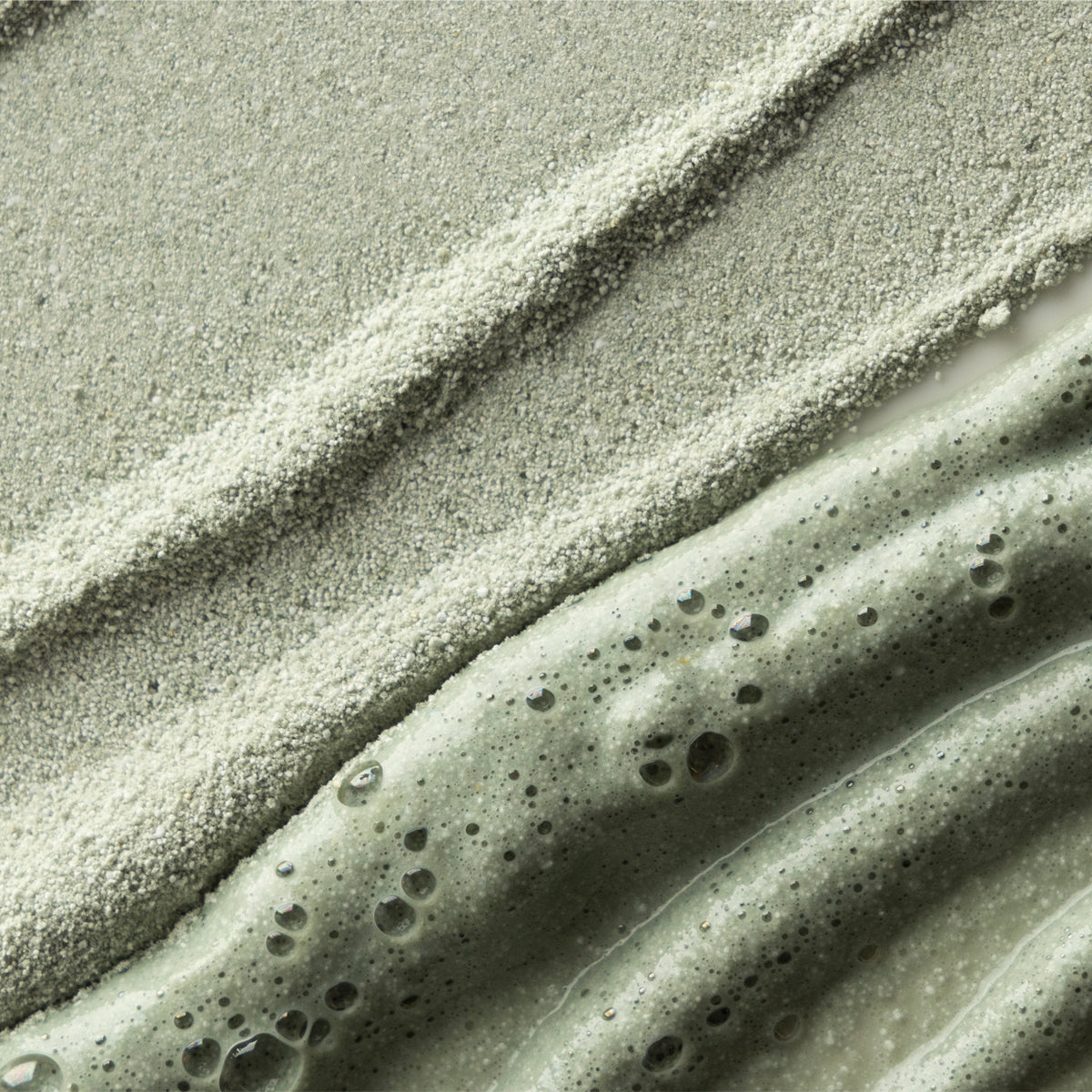
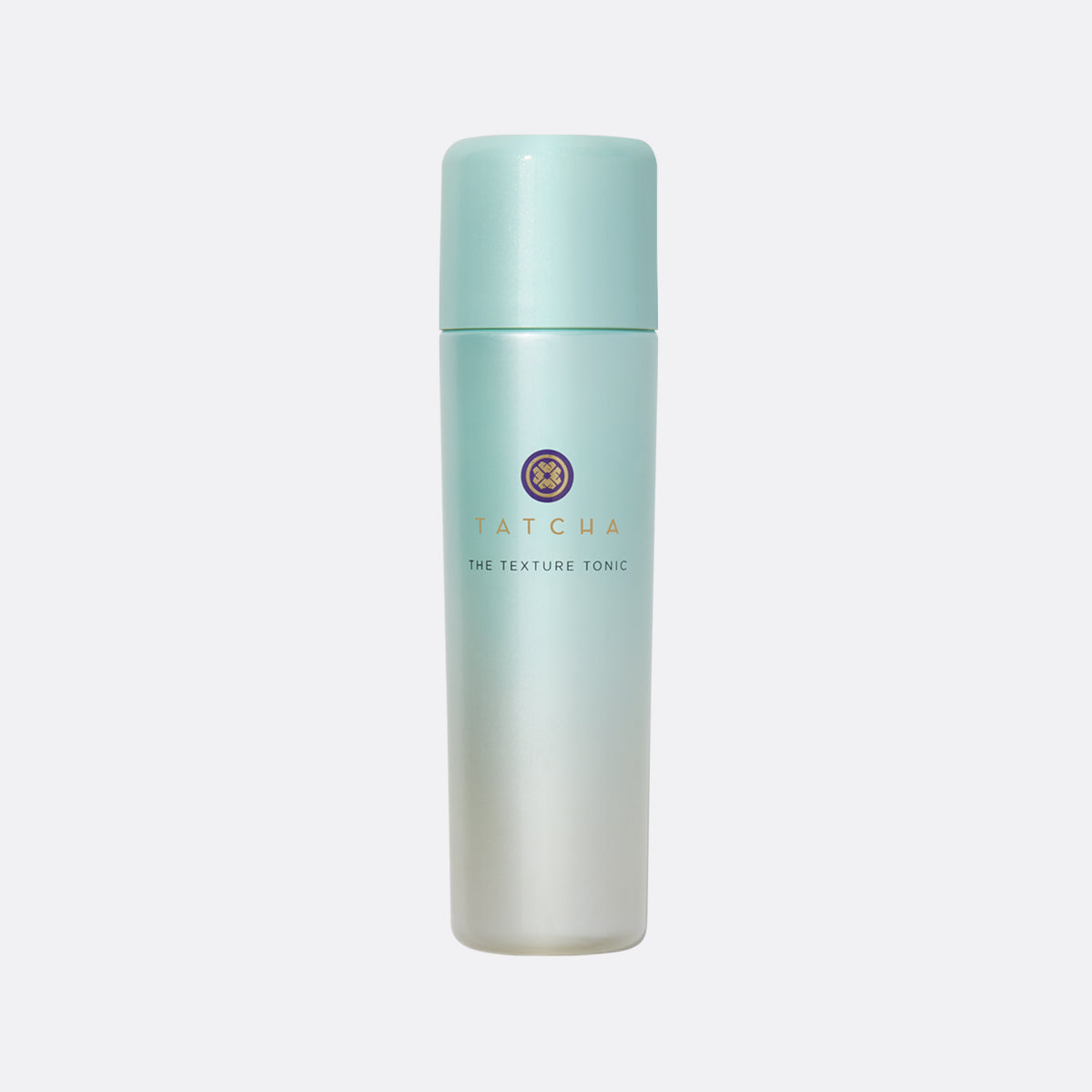
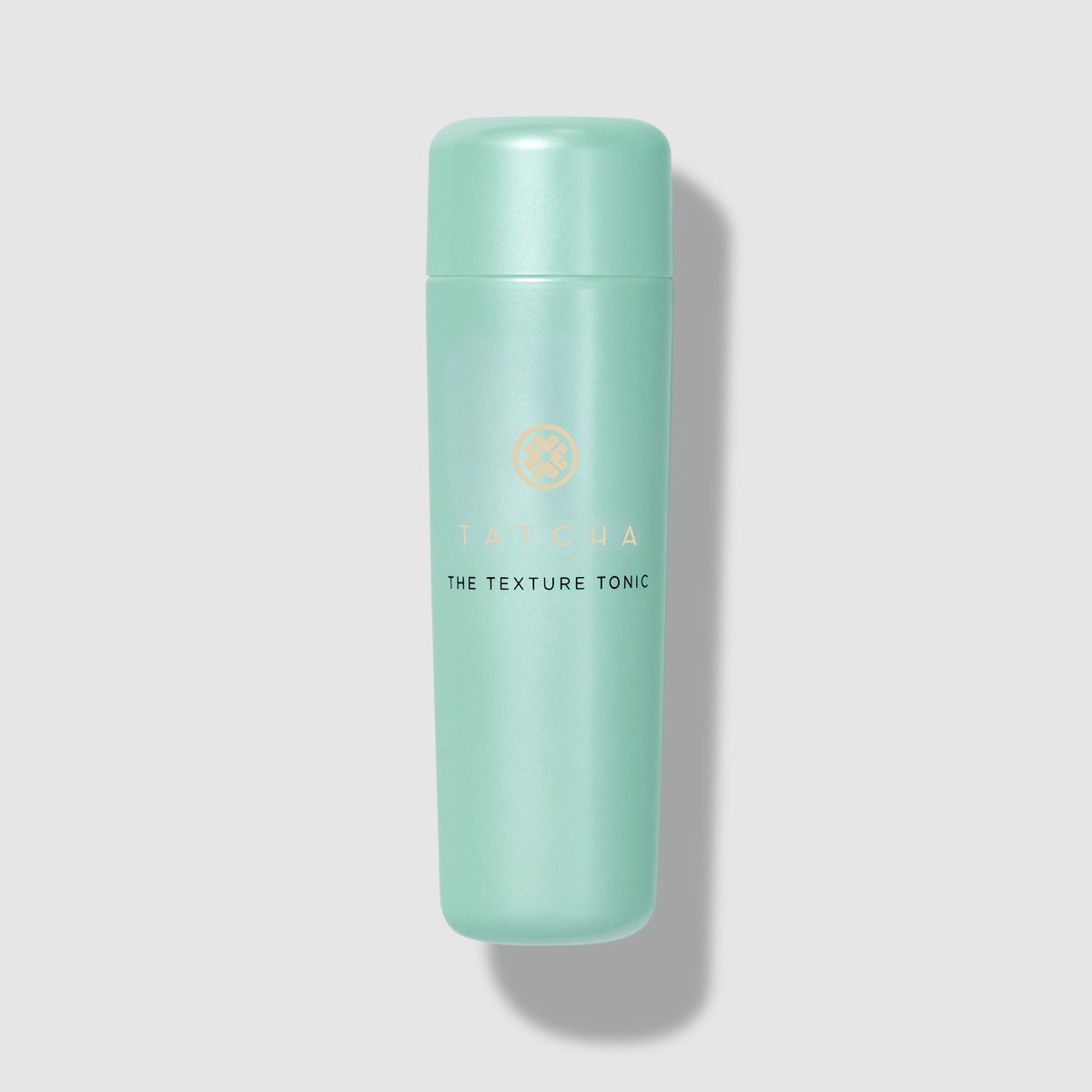
If a face wash is your daily cleanse, exfoliation is something closer to a power wash, and often employs physical or chemical exfoliating ingredients like scrubs or acids to actually remove stubborn dead skin from the face—including in pores, where it's liable to cause trouble. Geisha performers have long relied on exfoliants made from things like rice bran to keep their skin blemish-free despite being layered beneath makeup for hours on end. Whatever exfoliant you choose—a physical exfoliant like this rice-based one with pore-tightening wild rose, or a chemical exfoliant like this waterweight one powered by fruit-based alpha hydroxy acids—consistency is key; you can use these up to a few times each week.
3. Moisturize wisely.
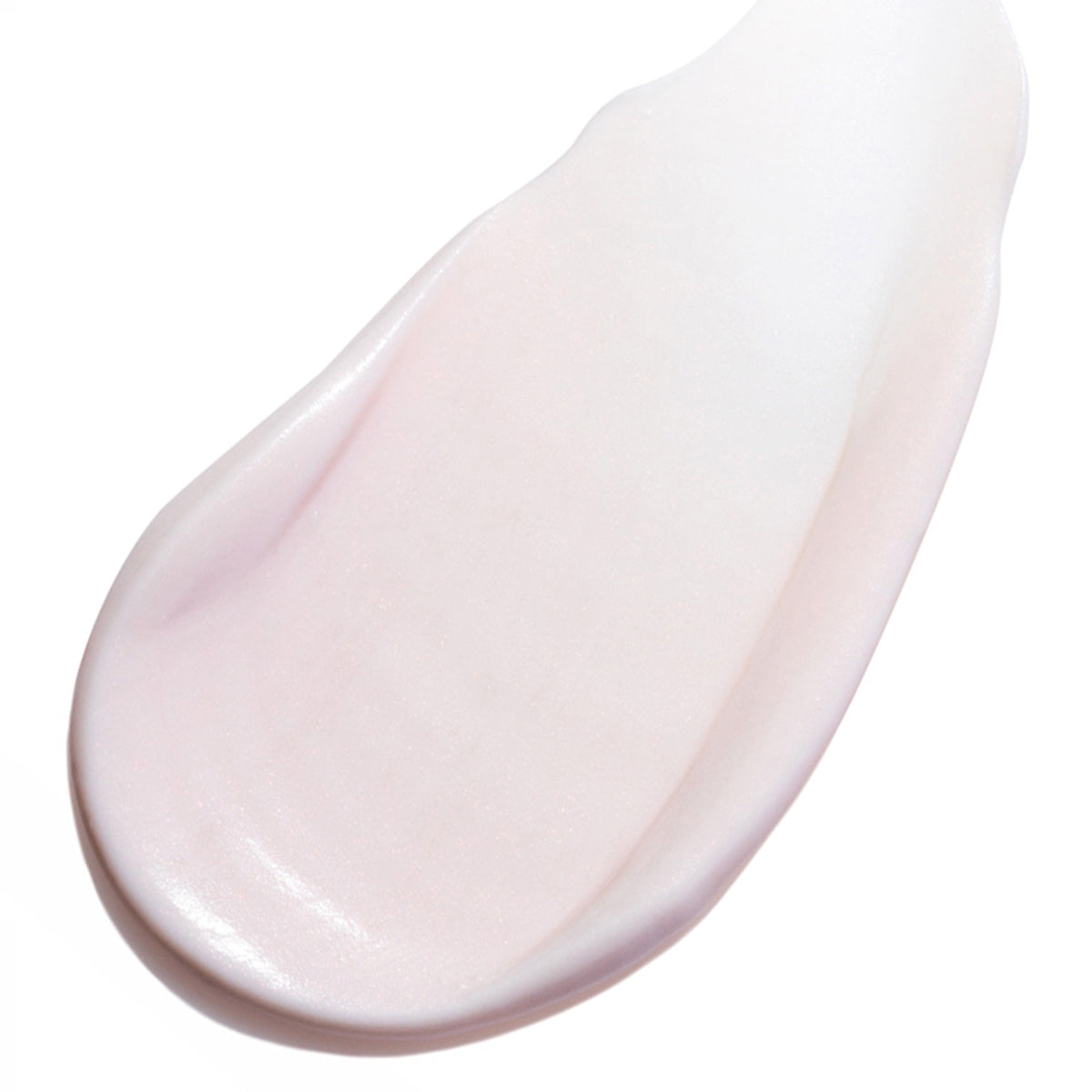
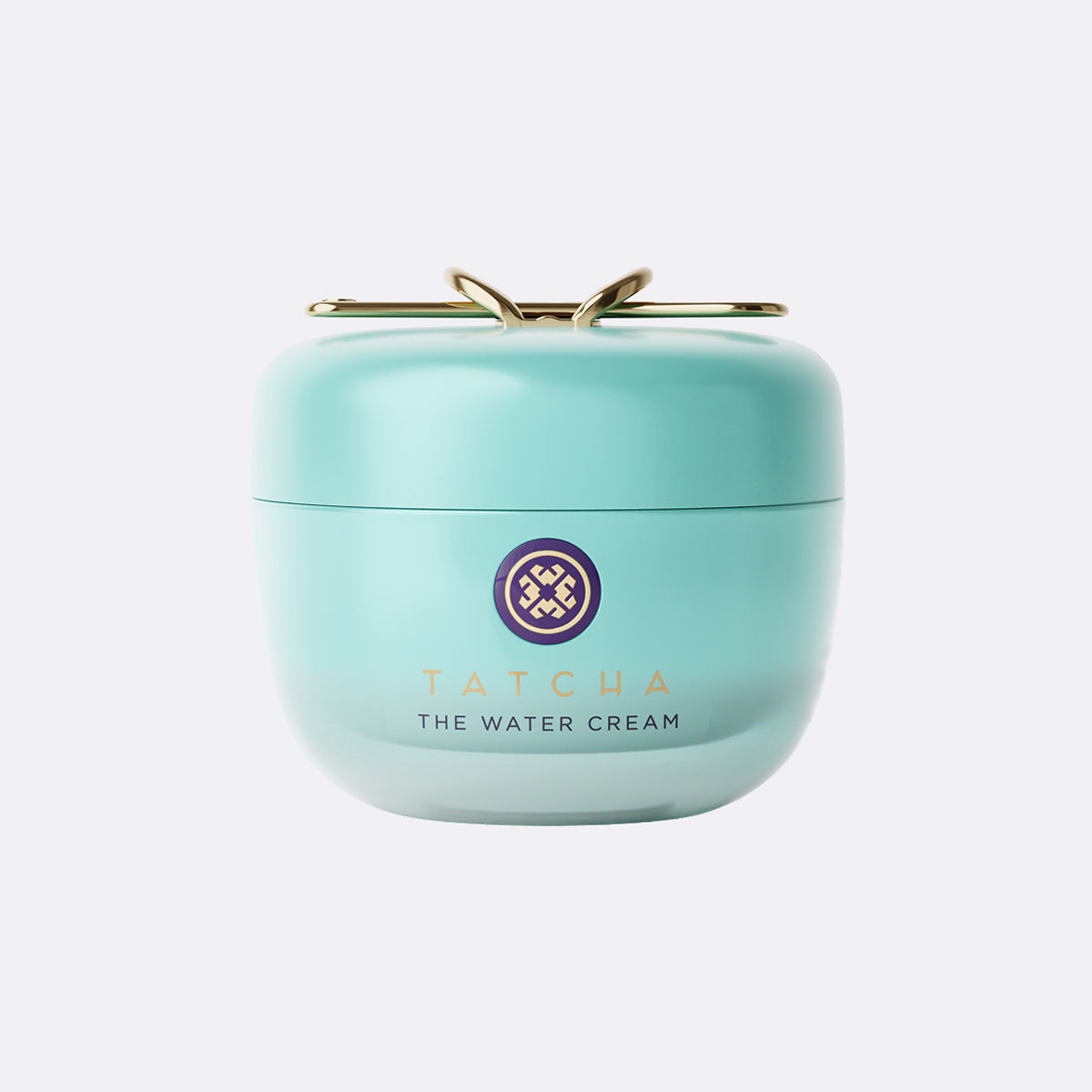
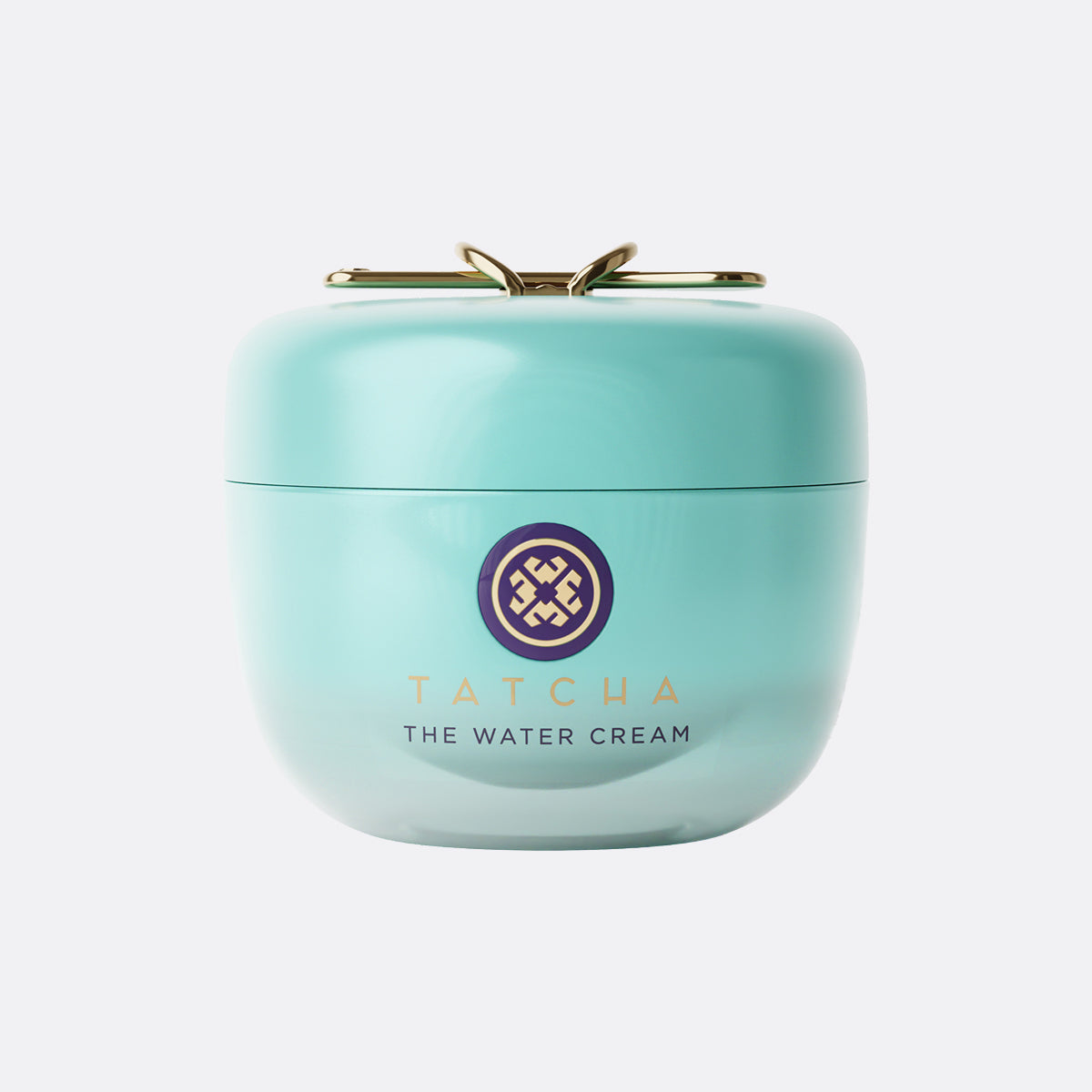
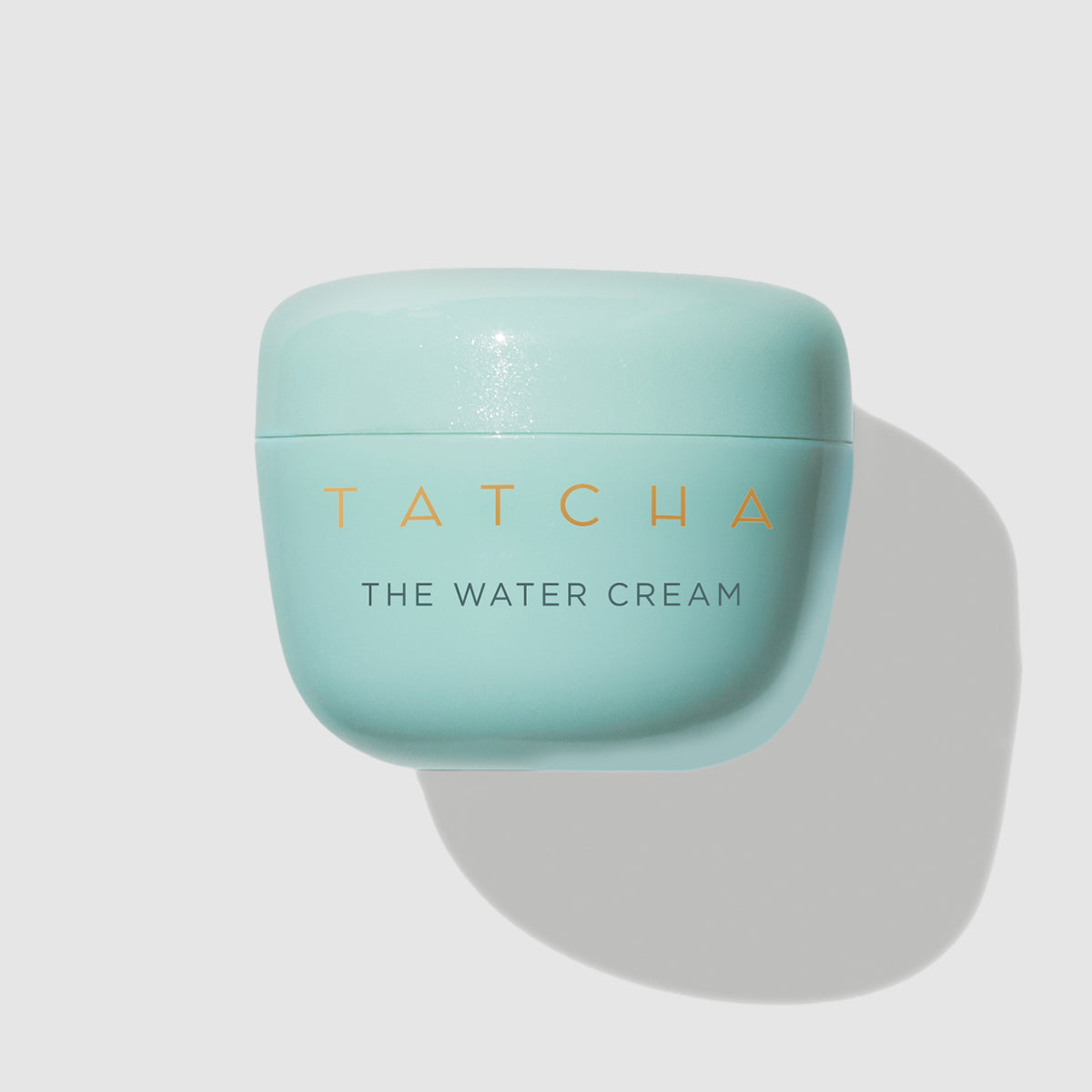
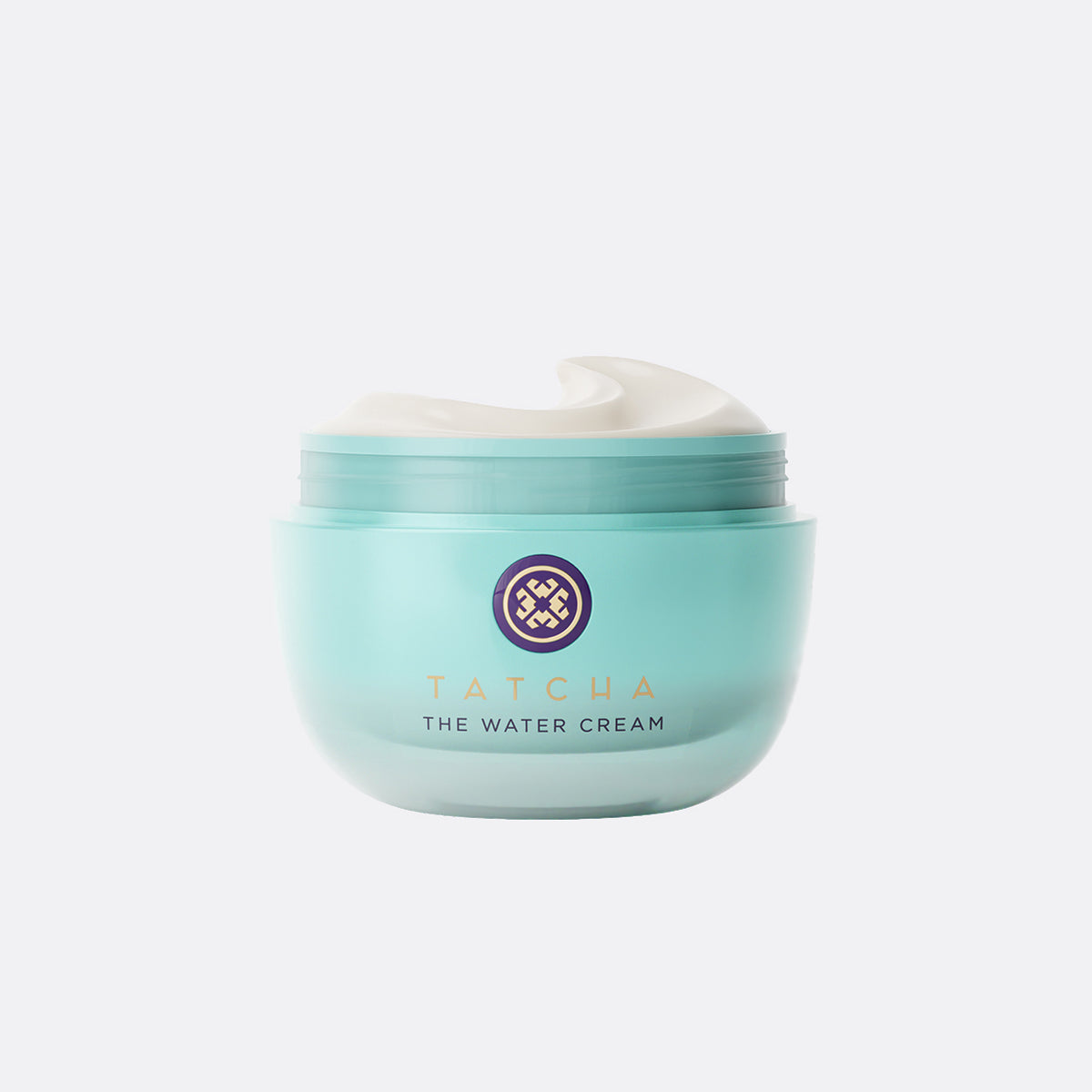
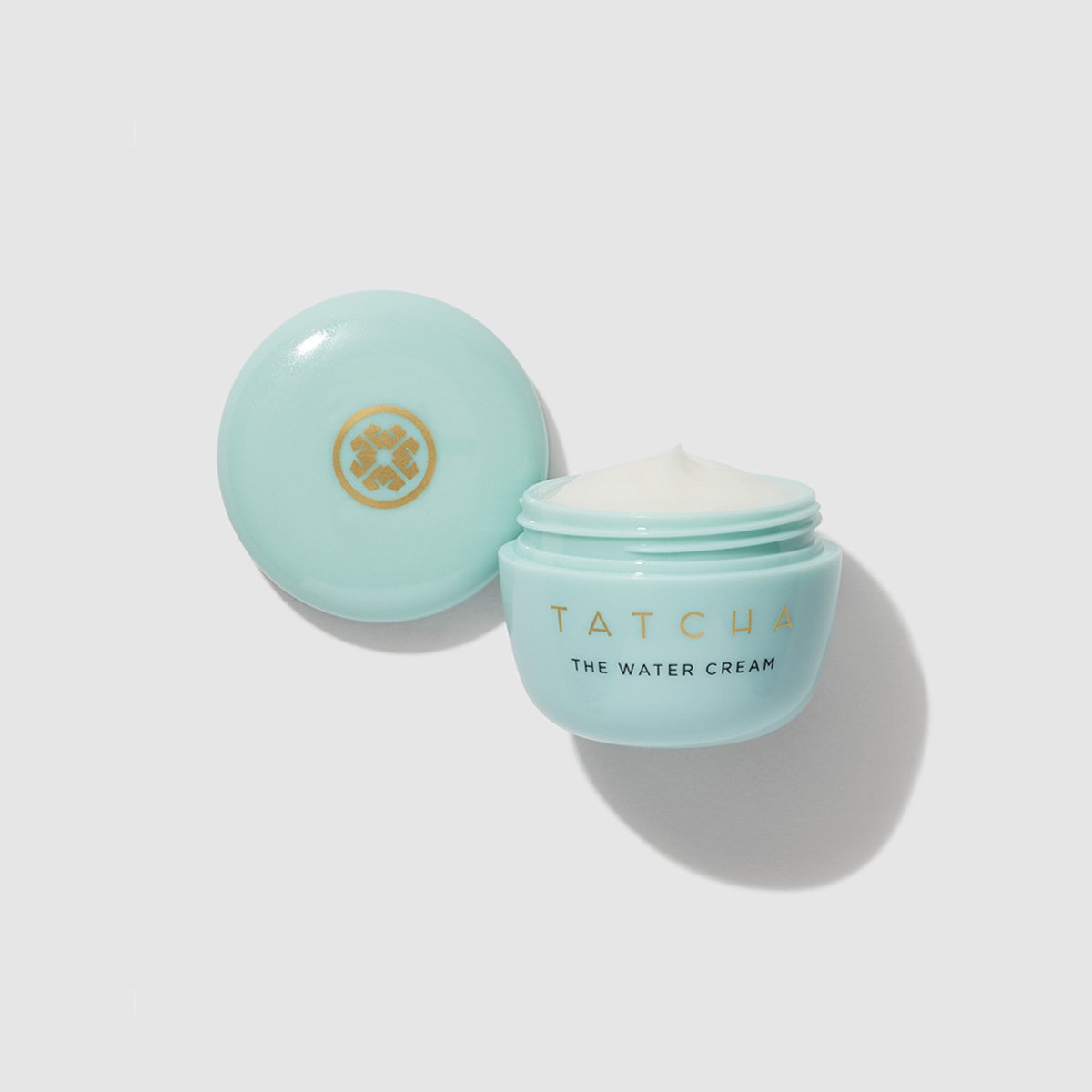
There’s a certain notion in skincare that the best way to deal with a blemish is to dry it out, starving it of moisture until it dehydrates and dies. Dermatologists say this isn’t so, and in fact, dry skin can exacerbate or even be a root cause of acne. Keeping skin moisturized is paramount, but those with acne-prone or oily skin might be wary of burying themselves beneath thick creams. Now there are moisturizers formulated for oily skin, like Tatcha’s best-selling The Water Cream, which are designed at every level to feel, as the name suggests, as light as water—with all of its hydrating and moisturizing potential. Using a moisturizer that feels comfortable on your skin is a good way to ensure you wear it regularly, building good habits—and better skin—over time.
4. Sunscreen daily.
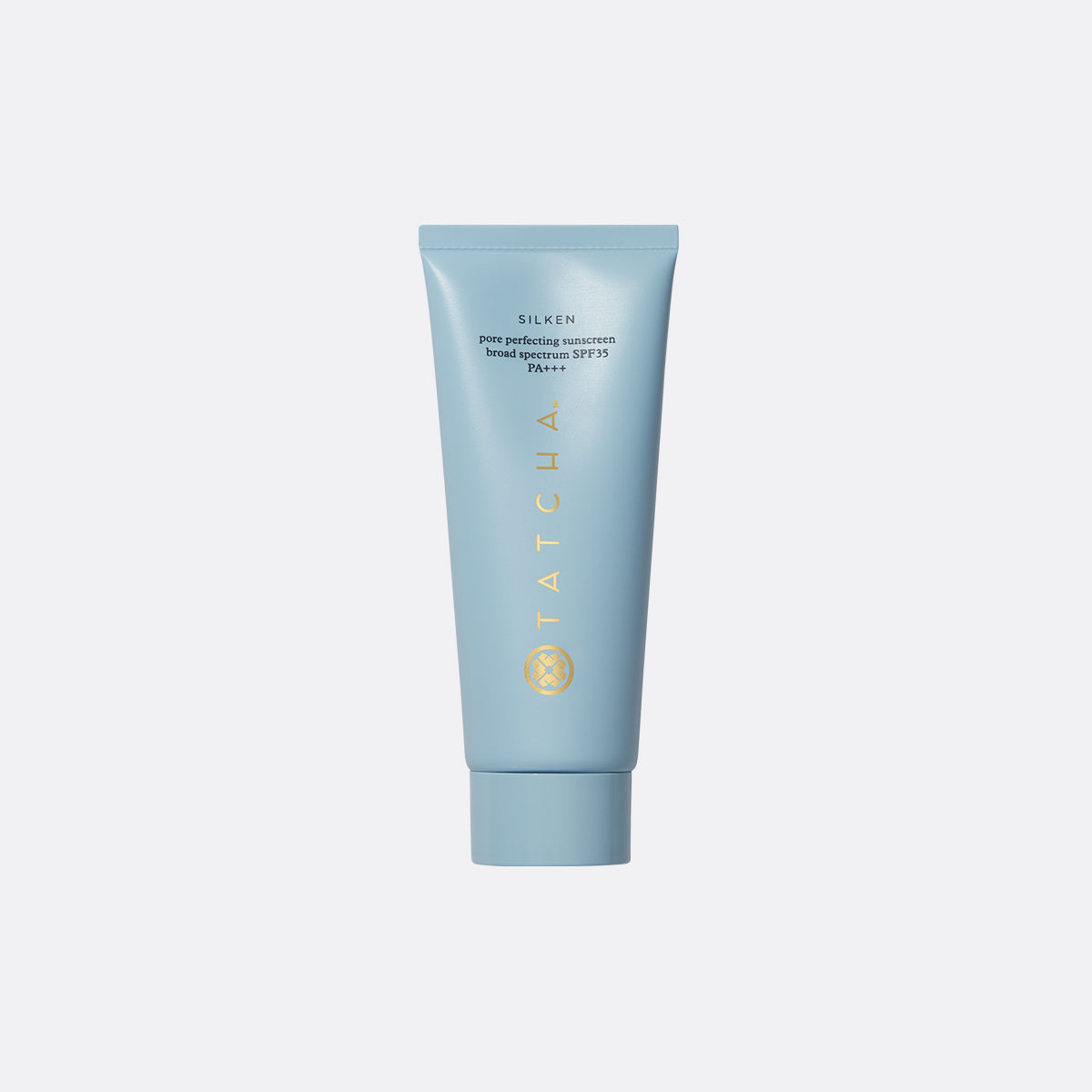
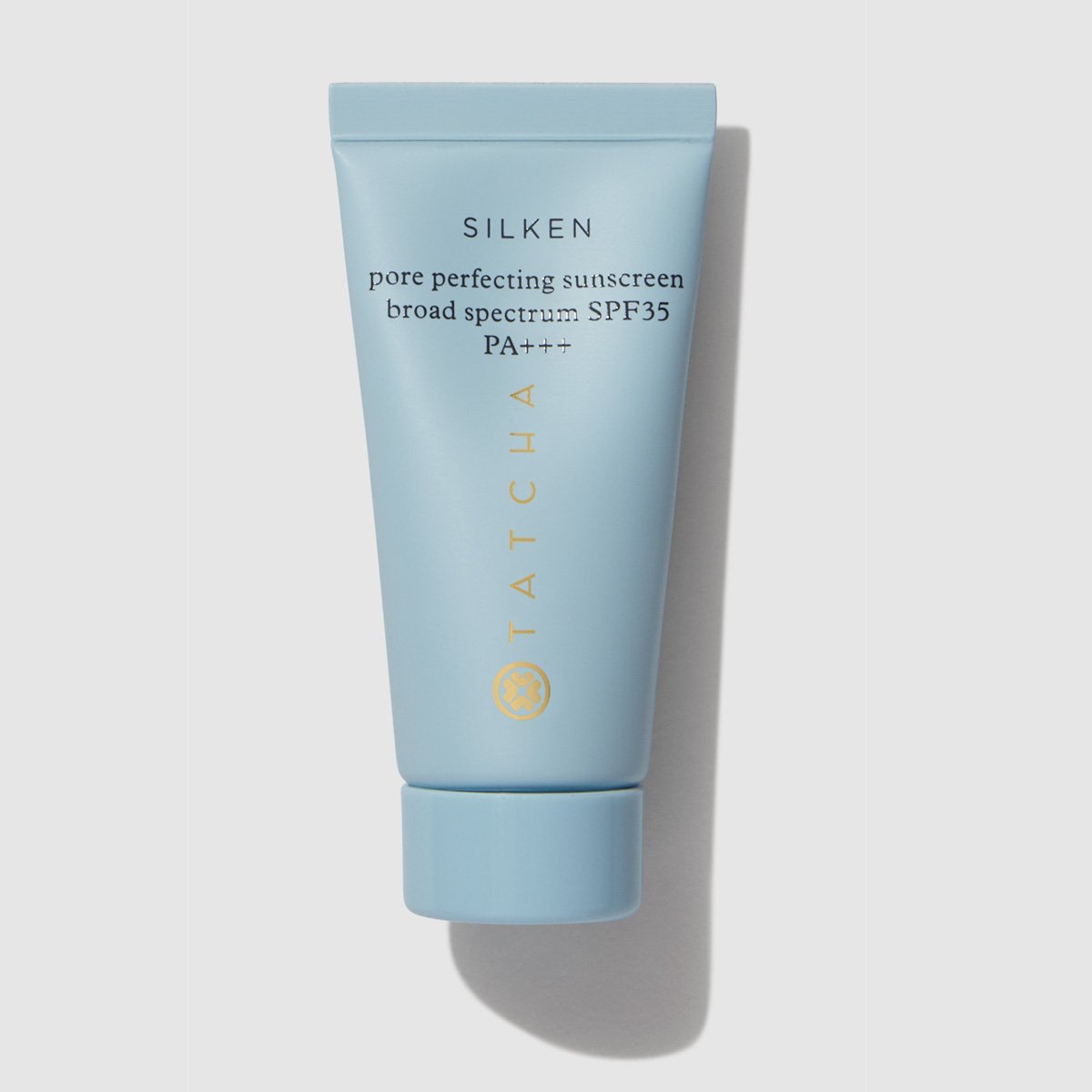
Perhaps you saw it coming, or simply had a hunch. It’s true: Unprotected exposure to ultraviolet light can trigger or worsen acne, according to a 2023 study that looked at three decades of research. It’s just another reason to choose the right sunscreen for your skin type and to apply it every day.