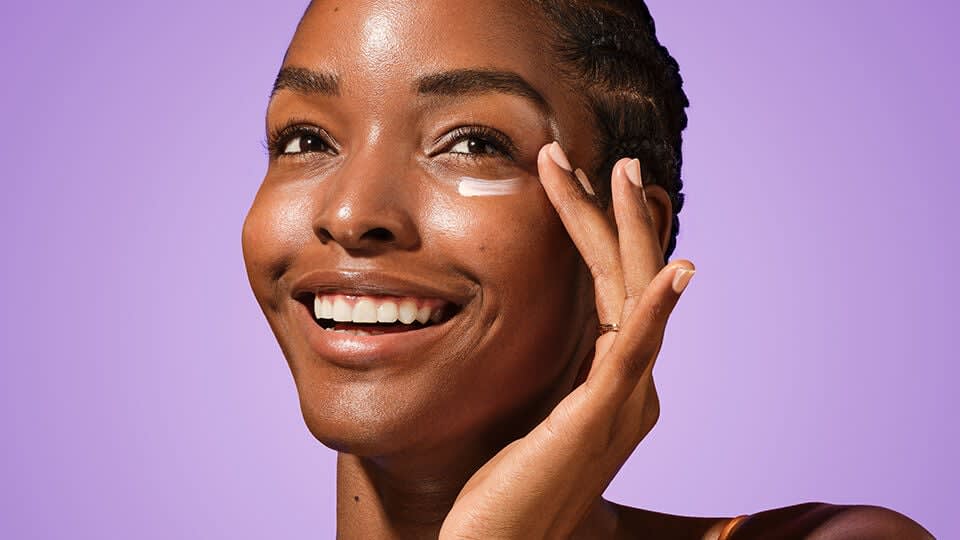
Under eye wrinkles are perfectly common and a normal part of aging, but that doesn’t mean there aren’t tips, tricks, and products that will help you ease their appearance. We’ve got all the info you need on how to get rid of under eye wrinkles.
Aging is a privilege and a gift. Every line and wrinkle is a result of decades of laughter, smiling, and expression. There’s nothing unsightly about wrinkles or fine lines and no need to cover up or disguise them. But, if you were wanting to lessen their appearance (or perhaps they are showing up prematurely), there are a handful of options. This is especially true of the eye area, which is one of the first places to show aging, due to its incredibly delicate skin and frequency of movement with everyday motions (including talking, eating, and smiling). Wondering how to get rid of under eye wrinkles? Wonder no more, we’re uncovering everything you need to know about wrinkles under the eyes.
What Causes Under Eye Wrinkles?
Wrinkles under the eyes are so common because their causes are plentiful. Here are a few of the most prevalent reasons why most people experience under-eye wrinkles.
Delicate Skin
The skin around the eyes is thinner than the skin on the rest of your face. It also has less fat, oil glands, and collagen than other areas of the face. This creates the perfect environment for fine lines, wrinkles, and dark circles to show up first in this delicate area.
Lack of Sleep
Beauty sleep isn’t just a phrase, it is proven that the body produces collagen during sleep to help repair and regenerate skin cells. When not achieving your body’s preferred hours of sleep (it’s different for everyone, but in general anywhere from seven to 10 hours), you won’t produce enough collagen and elastin, which will show on your skin and especially your eye area (ahem, under eye wrinkles and dark circles).
Aging
As we mentioned earlier, aging is a gift! But it can do a few things that naturally cause your body and face to show signs of aging. As we age, we produce less collagen and elastin, which helps keep our skin looking smooth and elastic. This reduction in vital proteins leads our skin to become thinner and more fragile (and thus wrinkles are more visibly apparent).
Staring at Screens
Sorry…but staring at computer, phone, or tablet screens can contribute to under eye wrinkles. This is mostly from the blue light emitted from these screens, which can damage skin cells, potentially increase hyperpigmentation, and suppress our melatonin production leading to sleep disruption (which brings us back to ‘Lack of Sleep’ above). Additionally, straining our eyes to view the screen is a direct contributor of under eye wrinkles. How to get rid of under eye wrinkles and bags? One easy fix is reducing your screen time at night.
Sun Exposure
The sun’s damage affects nearly every aspect of our skin, and the under eye area is no exception. The accelerated aging caused by UVA and UVB rays can absolutely lead to under eye wrinkles. Even if you’re diligent with sunscreen usage, applying it around the eye area can be trickier and less common. A good reminder to remain mindful and cautious when applying sunscreen every single day.
Lifestyle Choices
Our skin reflects our overall wellbeing. If we eat unhealthy food constantly, drink alcohol and smoke frequently, and live a stressful lifestyle, it’s likely to be apparent not only on our face, but especially around the eye area.
How To Get Rid Of Under Eye Wrinkles
Now that we know the most common causes of wrinkles under the eyes, here’s how to prevent or how to get rid of under eye wrinkles naturally. From lifestyle choices to skincare products, there are a plethora of wrinkle-fighting options available.
Wear Sunscreen
We cannot overestimate how important daily sunscreen usage is in your life. It can not only help prevent serious issues (like skin cancer), but it can also help reduce the potential of severe wrinkles, hyperpigmentation, and so much more. Choose the right sunscreen for your skin type, one with broad-spectrum coverage and then use it every day, even if it’s cloudy or cold outside. Additionally, large sunglasses that shield the eyes area can also be an additional defense from sun interactions. It will also help prevent eyes from straining in the sun, which can cause eye wrinkles.
Live a Healthy Lifestyle
Sleeping well, drinking enough water, adopting a Japanese skincare diet full of antioxidant-rich foods, avoiding smoking, and minimizing excessive alcohol are all lifestyle choices that will not only make you feel great, but will also make your skin look great. Also consider transforming your skincare routine into a mindfulness ritual, which can reduce stress and elevate your sense of well-being.
Be Cautious When Touching Eyes (Including Removing Makeup)
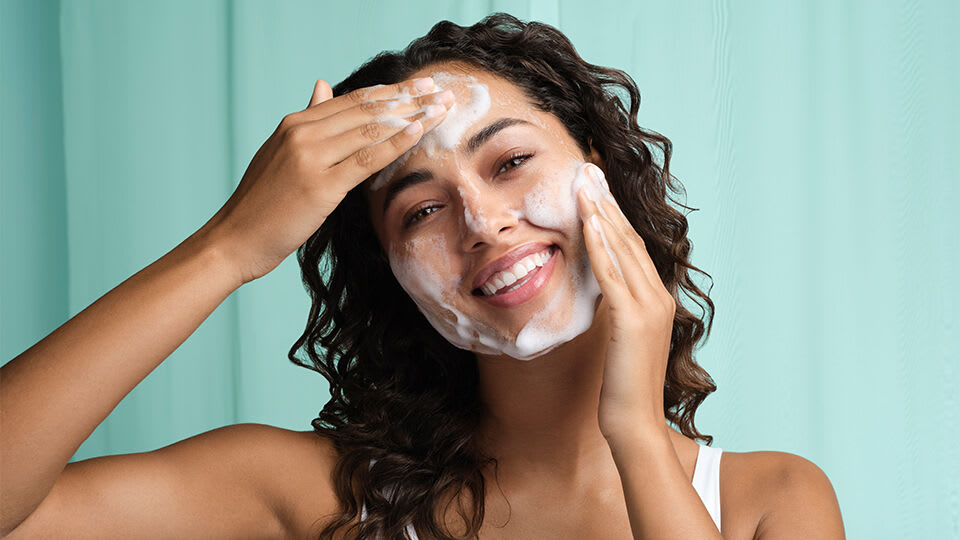
The frequency with which we touch or rub our eyes may surprise you. From tired eyes that feel soothed when we rub them with our knuckles to eye makeup that needs a hefty tug to be removed, the wear and tear the eyes go through daily without us being aware of it can be shocking. It can be especially helpful to find a makeup remover that effectively yet gently removes stubborn eye makeup without tugging on the area.
Use Products that Stimulate Collagen Production
As mentioned before, our collagen production naturally decreases as we age (and other factors can reduce its production too, like lack of sleep, smoking, and more). There are a few products that are proven to boost collagen production though and they are vitamin C, retinol alternatives, and peptides. Using these skincare ingredients can minimize the appearance of under eye wrinkles remarkably well.
Use Vitamin C Daily
Vitamin C is no new, buzzy ingredient (but that doesn’t mean it’s any less exciting). It is tremendously beneficial for skin and has been clinically studied and proven to improve the appearance of fine lines and wrinkles for decades. For example, one 2017 study, consistent and daily use of vitamin C noticeably improved the look of fine lines and wrinkles on the face and neck. If that wasn’t impressive enough, it’s been clinically proven in a double-blind study to increase collagen production and improve hydration.
Use Retinol Alternatives Daily
Retinol is one of the most studied and proven ingredients in skincare…but it’s also infamous for its harsh reactions, complicated application steps (which include how often it can be used), and frequent irritation. Retinol alternatives though, thanks to modern breakthroughs, can work just as effectively as retinol, but without any of the complicated schedules, irritation, or severe reactions. In fact, many retinol alternatives can be used daily to address fine lines and wrinkles, without a worry of any form of a negative flare up.
Use Peptides Daily
Peptides are so effective in skincare products because our skin easily recognizes them, which makes sense because peptides are naturally occurring in our skin. There are numerous different types of peptides, but they can accomplish anything from increasing collagen and elastin production to addressing the appearance of fine lines and wrinkles. Consult your product care instructions, but many peptide-boosted formulas are designed for daily use because peptides have such a beneficial effect on skin.
The Best Products to Get Rid of Under Eye Wrinkles
Now that we’ve learned the common causes and how to get rid of under eye wrinkles, let’s discover products that will accelerate this process.
Best Makeup Remover
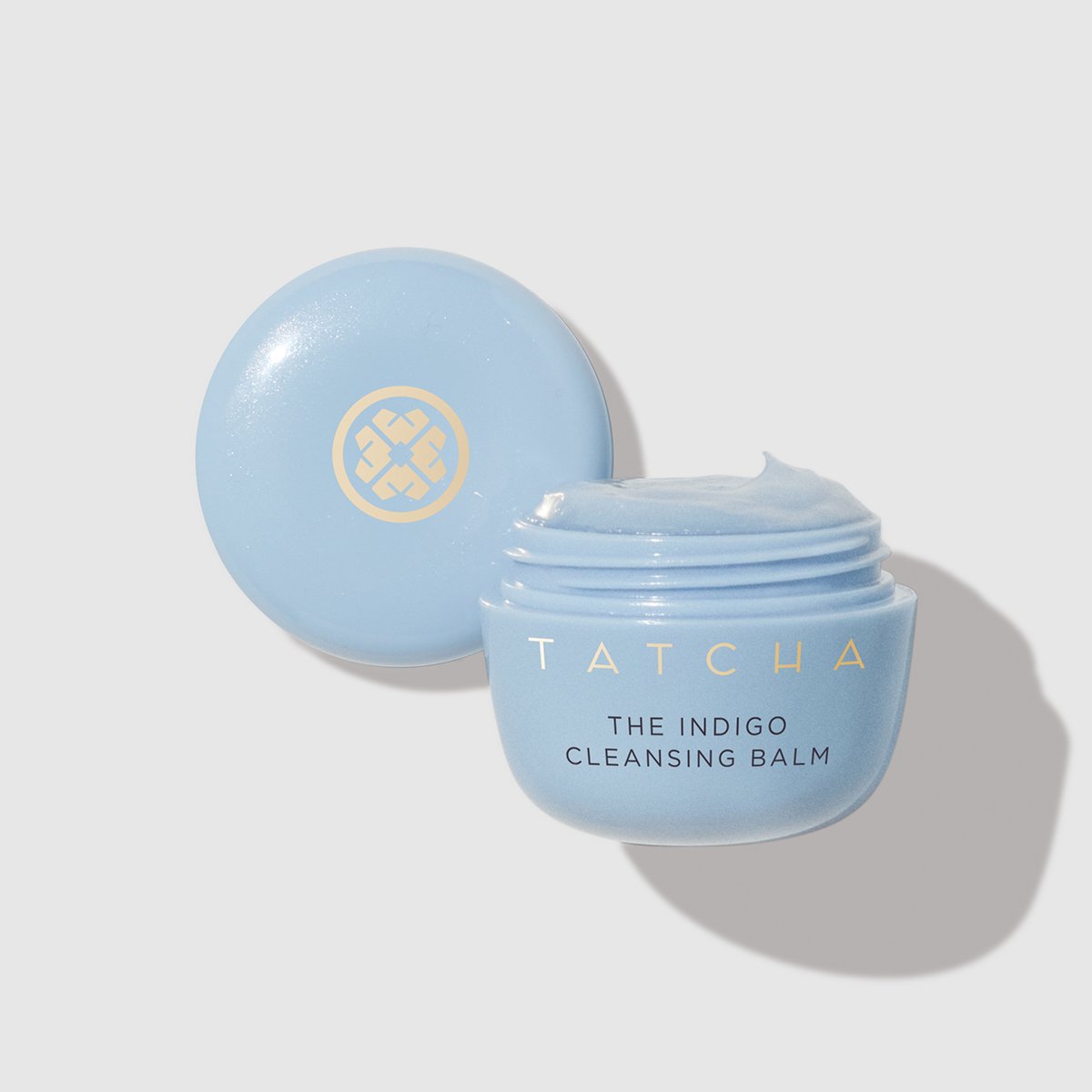
Minimize all unnecessary disruptions and irritations to the eyes, which includes harsh makeup removers that require scrubbing and rubbing the delicate skin. Reach for a product that delicately – yet effectively – removes stubborn eye makeup, but doesn’t tug at the skin, like The Indigo Cleansing Balm.
This National Eczema Association approved skin-strengthening cleansing balm calms visible irritation, while also supporting and transforming the skin barrier. The balm is designed to reduce friction while cleansing, helping to soothe while cleansing. It still effectively cleanses though, efficiently removing even waterproof makeup. The formula includes Japanese indigo to calm visibly irritated skin, lipids and ceramides to replenish the barrier, Japanese lotus root to soothe, and mondo grass root to balance the microbiome. Unlike harsh cleansers, the Indigo Cleansing Balm also soothes visible irritation and replenishes moisture—strengthening the skin barrier so it can prevent future damage for smooth, plump, and radiant-looking skin (always an added bonus around the eye area).
Best Vitamin C Product
The delicate eye area requires innovative products that are both gentle yet brilliantly effective. An eye cream that addresses visible dark circles, evens skin tone, reduces redness and irritation, and improves the look of lines? Well, we’d call that a revolutionary product indeed. Say hello to your new best friend: The Brightening Eye Cream.
Tatcha’s newest innovation is a brightening eye cream that targets multiple types of dark circles, depuffs, and visibly lifts for a well-rested look. Creamy, lightweight, fast-absorbing, and non-sticky, The Brightening Eye Cream was designed to reimagine the eye area. The formula includes vitamin C, but not just any type, a special 12-hr time-release vitamin C to extend the potency on skin and lessen the potential for irritation. The Brightening Eye Cream also includes encapsulated niacinamide to help improve the look of lines and improve the skin barrier, and Japanese plum to noticeably brighten the under eye area. If an extra cherry on the wrinkle-fighting sundae, The Brightening Eye Cream also illuminates the eye area with a soft-focus finish that improves concealer application and wear. We really can have it all when it comes to eye cream, apparently.
Best Retinol-Alternative Product
Retinol may be powerful, but it’s not for everyone. Which is exactly why The Tatcha Institute in Tokyo created The Silk Serum. The milky serum delivers the wrinkle-smoothing power of retinol in a potent, yet foolproof alternative.
Unlike Vitamin A derivatives, which must be started slowly to build up a tolerance, The Silk Serum is made to use when you want, up to two times daily starting day one. No ramp-up time or complicated skin-cycling is necessary. The Silk Serum includes the highly effective duo of plant-based alternatives: upcycled cranberry extract and sea fennel. Together, the duo acts on the same factors as retinol to support natural skin turnover, minimize the appearance of fine lines and wrinkles, and give the look of collagen-rich skin. The formula is also boosted with silk extract, which nourishes and softens for a healthy-looking complexion, as well as our beloved Hadasei-3 proprietary complex to hydrate and support the skin barrier. Together, the serum delivers the power of retinol—without compromising. In fact, in testing, The Silk Serum has been shown to be two times more effective at firming and reducing the look of lines and wrinkles than retinol.* Wrinkles and fine lines where?!
Also, remember our dear friends peptides? They are also readily available in The Silk Serum. The peptide-boosted formula contains biomimetic tetrapeptide, which mimics peptides in the skin to visibly firm while reducing the look of lines and wrinkles.
*Results based on cranberry-derived biopeptide from an in-vivo test with image analysis