Sensitive skin might be the most common skin condition that isn’t actually a skin condition, or at least according to dermatologists. Unlike eczema or acne, which are diagnosable, “sensitivity” describes a skin type. And yet unlike other skin types like oily or dry or combination, sensitivity isn’t something you see on your face every day. It’s not noticeable at all—until a reaction occurs.
These reactions are what define sensitive skin. According to a 2017 article that polled a panel of experts, sensitive skin is “defined by the occurrence of unpleasant sensations in response to stimuli that normally should not provoke such sensations.” These sensations can resemble anything that isn’t normal skin —and may be visual, with increased redness or bumpiness or rough texture, or felt, through stinging or burning or itching. Sensitive skin is likeliest to appear on the face, though it can appear elsewhere, too.
Just because you’ve had a reaction to something doesn’t necessarily mean you have sensitive skin. And just because you haven’t had a reaction to something doesn’t mean your skin won’t become sensitive later on. But if you think you might have sensitive skin, it’s important to identify it correctly. If your skin is reactive, it helps to be proactive.
Why is my skin sensitive?
There’s a slight difference between skin that is sensitive and skin that is sensitized. Both will look similar, and may react negatively to certain products or irritants. The latter word describes skin that may not have always been reactive, but has become reactive over time.
The distinction is important. Many people who wouldn’t define their skin as generally sensitive might one day find their skin reacting unusually to something or other. Vicky Tsai, who founded Tatcha, was once alarmed to wake up one day and find that her normally non-reactive skin was red, bumpy, and irritated; her experience with atopic dermatitis took her on a skincare journey that eventually resulted in Tatcha’s founding. She found relief using gentle, time-honored botanical ingredients, and from listening closely to her skin.
Experts aren’t sure exactly what causes sensitive skin. Sometimes, sensitive skin is caused when the nerve endings in the top layer of skin become irritated. This can happen in many ways—from sun, stress, or abrasive skincare—but you’re unlikely to be aware of your skin becoming sensitized. You’re more likely to see sensitive skin reveal itself with a reaction to something else.
If the idea of a new skincare product worries, rather than excites, you—for fear that it might break you out—it may be a sign that you’re used to dealing with sensitivity.
How to tell if you have sensitive skin
If you’re unsure whether you have sensitive skin, rest assured: It will make itself known. In the meantime, there are more than a few ways you can find out whether or not your skin is sensitive.
- Consider your skin type. Imagine you have to describe your skin in as many words as possible. What words come to mind? It’s natural to tend towards oiliness or dryness, as well as to experience the occasional breakout. But if your breakouts are more frequent than not, or if you notice that new products or changes in weather cause skin to become irritated, it may be a sign of sensitive or sensitized skin.
- Think about your product diet. Are you somebody who likes to collect many skincare and makeup products? Or do you tend to stick to the same routine, for fear of damaging your skin? The latter person is more likely to have sensitive skin.
- Do you burn, or tan? Those who burn in the sun, versus those who tan, have a tendency to have more sensitive skin, but be forewarned: With too much sun exposure, any skin type can become sensitized.
- Keep a notebook. It doesn’t have to be a physical notebook—a Notes app page works fine!—but checking in on your skin and noting its appearance and how it feels can, in time, become a record of your skin barrier.
- Talk to your dermatologist. Once you’ve developed an understanding of your skin, you can share what you’ve learned with your doctor, who can definitely classify your skin type.
What to do if you have sensitive skin
If you have sensitive skin, don’t fret—you might be in the majority of skin-havers overall. One study posits that about 60-70% of women and 50-60% of men report some kind of skin sensitivity. The most important thing of all is consistency. Sensitive skin doesn’t take well to change, but by simplifying and sticking to a routine, you can keep breakouts away.
The building blocks of your routine will be:
A gentle (but effective) cleanser
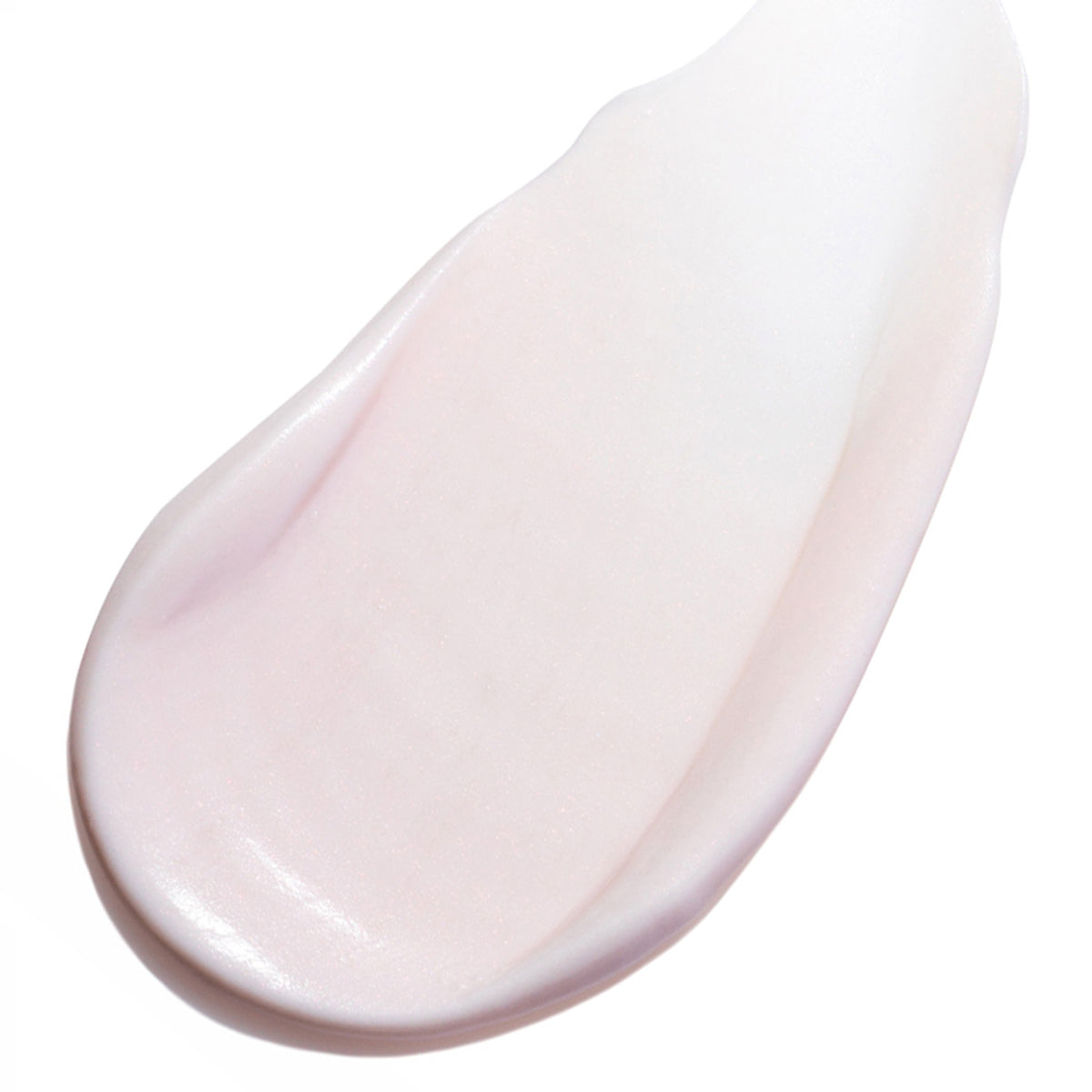
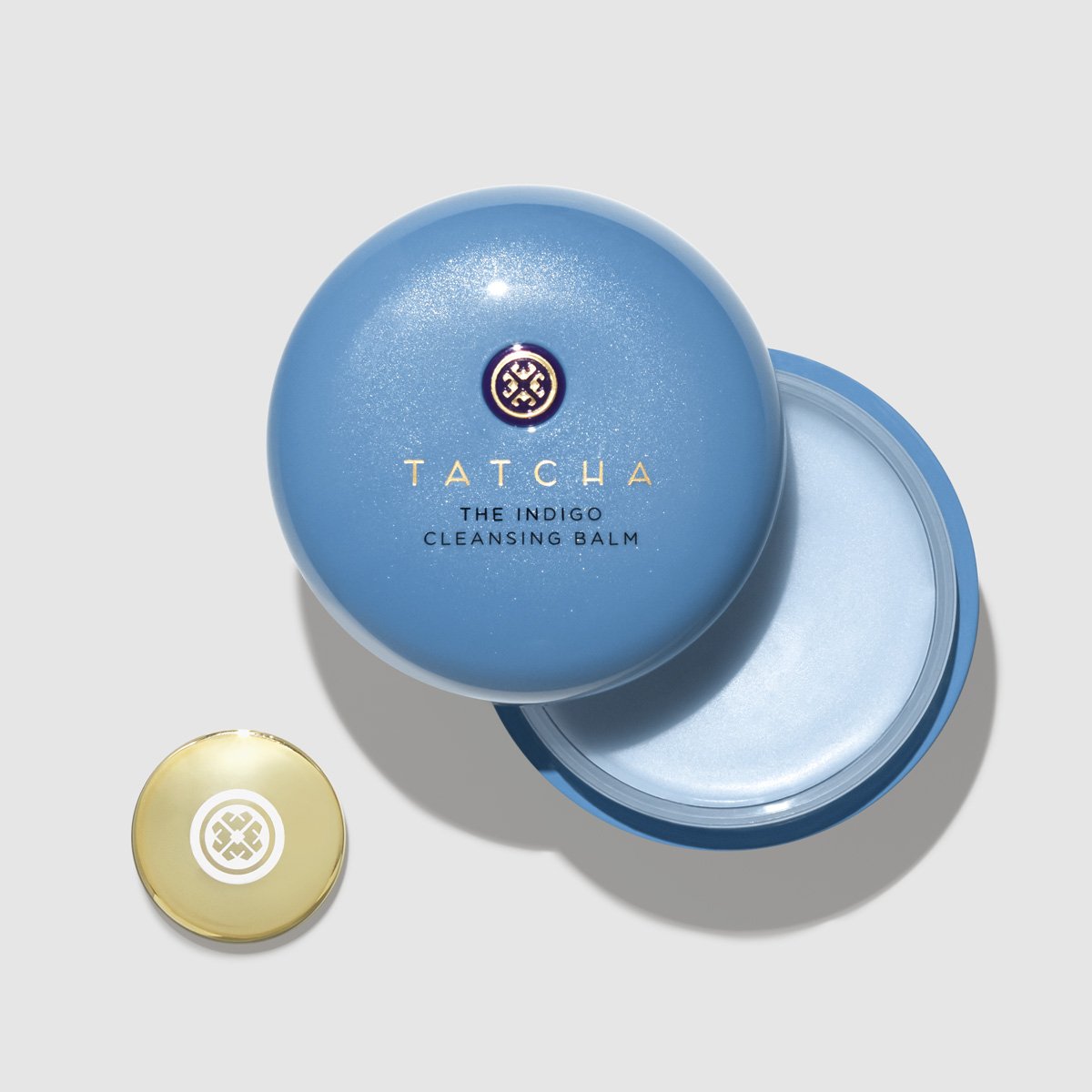
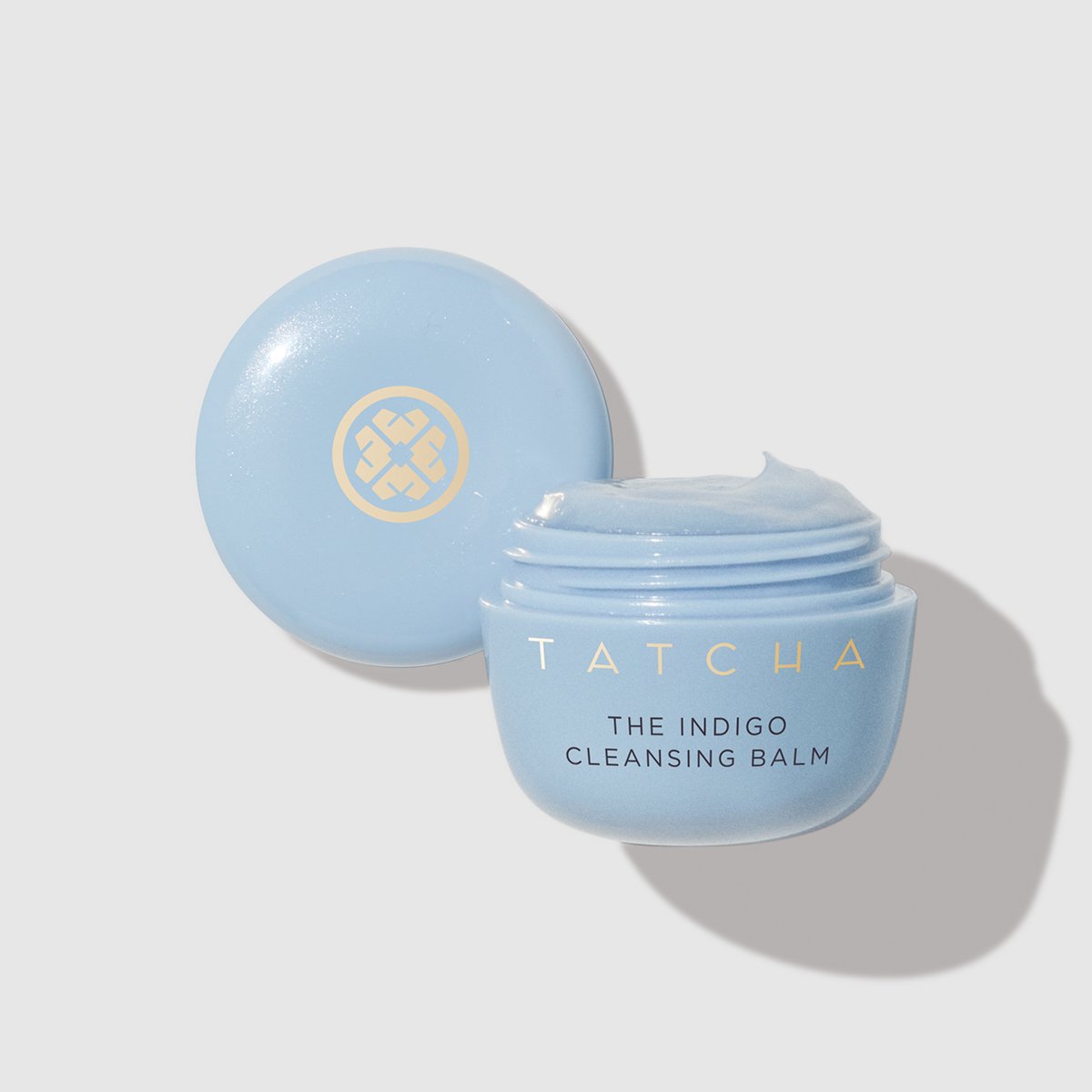
If you have sensitive skin, you want to make sure you are washing it well. Leftover makeup, or dirt and impurities accumulated throughout the day, can cause unwanted skin reactions. You’ll want to wash your face with something that won’t strip moisture away from your skin barrier, but will also get all of the gunk off. An oil based cleanser like Tatcha’s Indigo Cleansing Balm transforms on skin from a soft, cushiony-balm to a silky oil, and melts away even stubborn makeup. It’s supremely gentle on all skin types, but is formulated for sensitive faces in particular.
A hydrating moisturizer
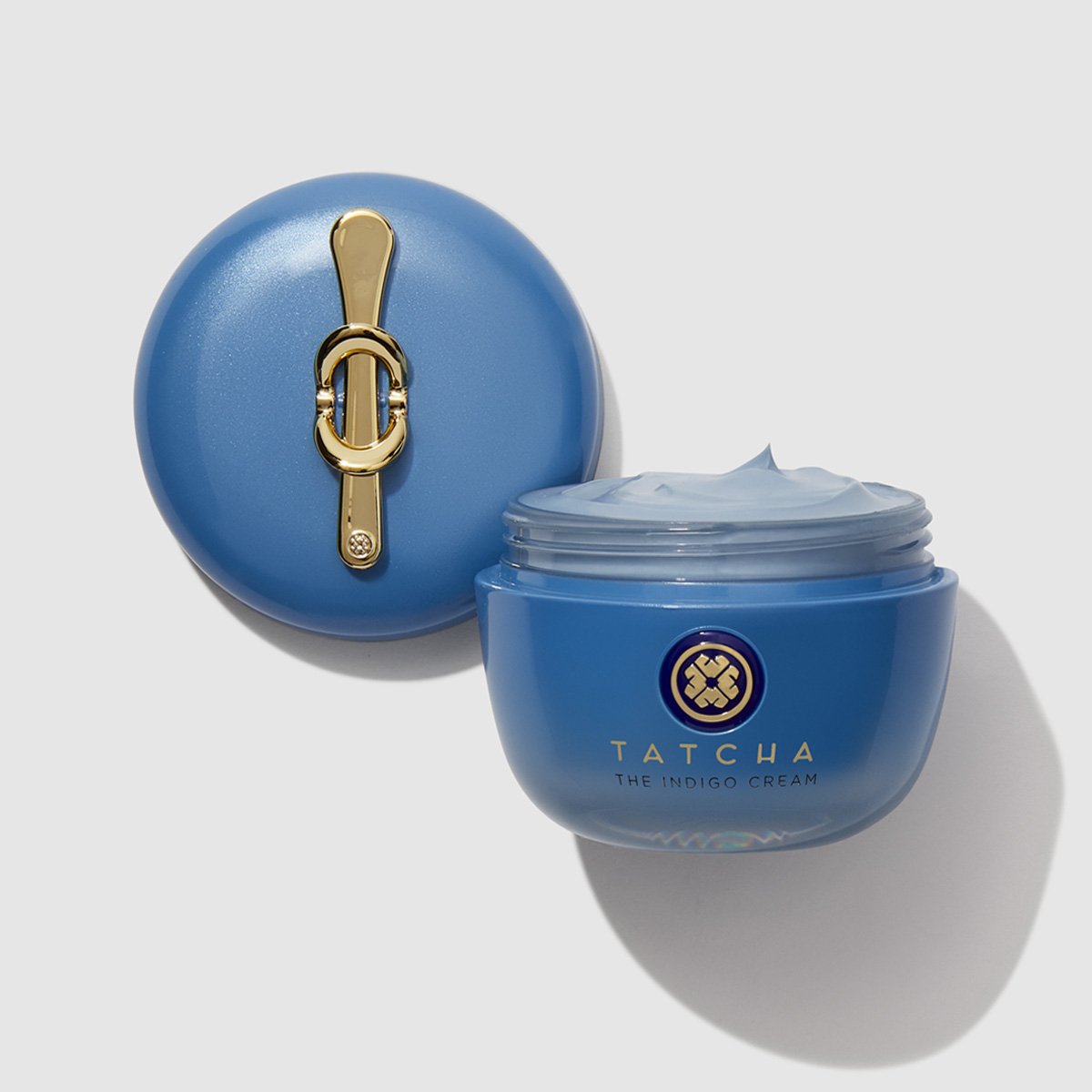
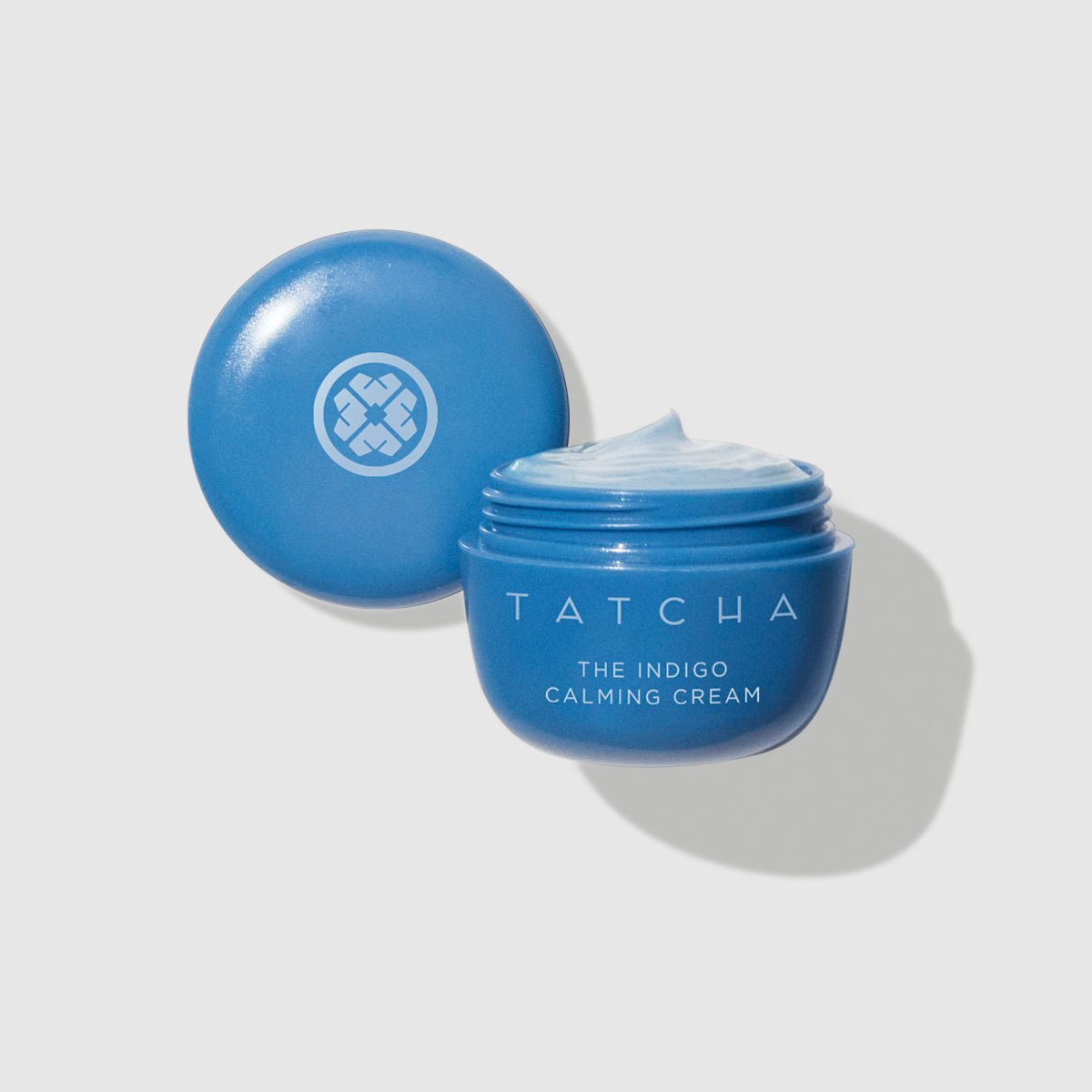
Remember when we said that sensitive skin could be caused by a weakened skin barrier? A hydrating face cream or moisturizer is a great way to nourish and maintain that barrier. Bonus points if that face cream contains ingredients that work especially well for sensitive skin, like Japanese indigo, a botanical extract with a long history of soothing skin. Centuries ago, it helped samurai heal from their wounds; Today, it forms the centerpiece for Tatcha’s sensitive skincare in products like The Indigo Calming Cream. It’s a daily moisturizer and a skin soothing treatment in one velvety cream made with indigo extract, colloidal oatmeal, and other superplants.
A sunscreen
Always. There are few things, if any things, more damaging to skin than ultraviolet rays. Whether you choose a chemical or physical filter, make sure to choose one, wear it every day, and reapply every two hours. Your skin will thank you.
What not to do if you have sensitive skin
Imagine, in your fridge, there was a chemical that you knew to be highly reactive. Unless it was absolutely necessary, you’d probably rarely touch it, right? Sensitive skin can also be highly reactive. But it’s impossible to leave it on its own completely. How would you apply sunscreen, or dry a tear?
The key is to minimize the amount of interactions you have with your skin. Staying to a consistent routine, and keeping your product diet to a minimum of tried-and-true staples, can help keep things under control. And when you do introduce a new product, try to do so slowly, by patch testing on a small area of skin first. Some products can be hugely beneficial to sensitive skin, but too many can spell disaster. The most important thing is to be kind to your skin—no matter its type.