Skin barrier repair is one of the biggest trends of the last few years. And while we don’t believe in trends or fads at Tatcha—we’re advocates for timeless beauty—this buzzy topic is worthwhile. After all, a healthy skin barrier is the key to healthy-looking skin. But what is the skin barrier and how do you know if it’s damaged? Read on for everything you need to know about the skin barrier and how to repair it.
What Is A Skin Barrier?
The skin barrier is basically just your outer layer of the skin, reports the Cleveland Clinic. It’s composed of dead cells, lipids, proteins, and fats—all of which help to protect skin from the environment, adds the Clinic. The skin barrier’s main job is to act like armor, keeping harmful things (like chemicals, allergies, and bacteria) away from the delicate skin beneath the surface, while also maintaining the skin’s hydration levels. Basically: It keeps the good stuff in and the bad stuff out.
Why is this important? According to a 2018 study, the skin barrier is “important to human life” due to its vital tasks of protection (from external threats and water loss internally). The study added that the “importance of skin barrier cannot be overemphasized.” Quite literally, a healthy barrier equates to healthy skin.
How To Know If Your Skin Barrier Is Damaged
Now that we know how crucial the skin barrier is, how do you know if your barrier is damaged or healthy? If you’re experiencing some sort of issue with your skin, your skin barrier has likely sustained some damage, says the Cleveland Clinic. This could show up in a variety of ways, notes a 2016 study. Symptoms include acne, burning or stinging, itchiness, inflammation, hyperpigmentation, irritation, dryness, scaly/flaky/rough skin, or general tenderness/sensitivity.
What Damages the Skin Barrier?
From chronic skin conditions to pollution to aggressive cleansing, here are a few things that can damage the barrier.
Skin Conditions
These are common and perfectly normal, but several underlying skin conditions are linked with a poor skin barrier. That includes atopic dermatitis (also known as eczema), psoriasis, rosacea, and adult acne. Consult with a board-certified dermatologist for tips to manage these conditions.
External Factors
Sometimes everyday environmental factors can subtly damage the barrier, notes a 2016 study. That includes pollution, wind, extreme temperatures, and UV radiation. Everyday occurrences and choices can alter our barriers, too. Like, smoking, lack of sleep, stress, and poor diets.
Skincare Choices
Skincare can help repair the barrier, but it can also play a big role in damaging it, thanks to endless products, intense formulas, and complicated regimes. Even with the best of intentions, a damaged skin barrier can easily occur. Frequent washing (especially with harsh cleansers that strip the barrier), overuse of exfoliating acids, harsh physical exfoliants, and a non-effective moisturizer can all contribute to the breakdown of the barrier.
How To Repair the Skin Barrier
Experiencing a damaged skin barrier is incredibly common, but don’t worry, there are scientifically proven tips and strategies that can help repair the skin barrier effectively and efficiently. But it can take weeks – or even months – to repair damaged skin, so stick with it.
Simplify Your Skincare Ritual
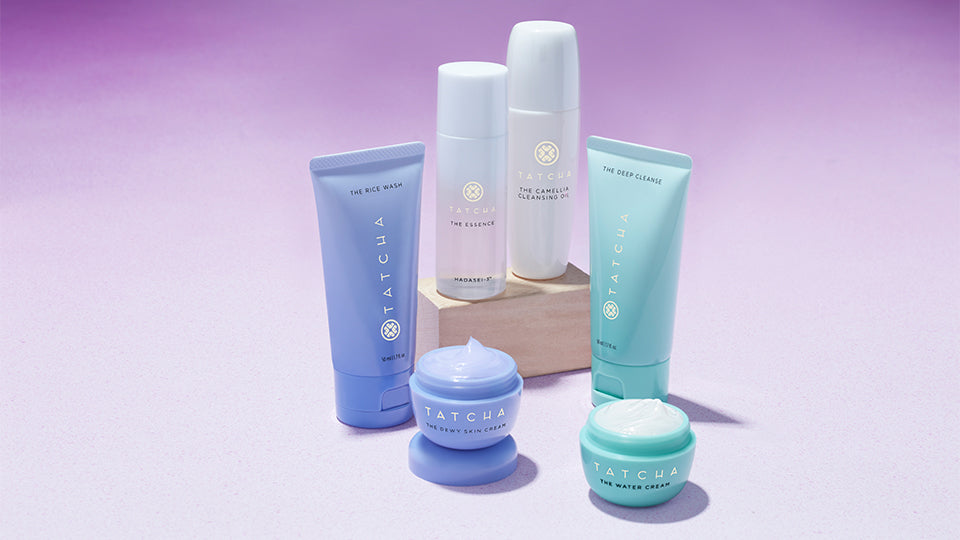
When in doubt, keep it simple—and gentle. Pare down your daily routine to just the basics, ideally a calming cleanser, repairing and soothing moisturizer, and an effective SPF.
Keep Your Cleanser Gentle
We just mentioned it, but it’s worth repeating: utilize a gentle cleanser. Cleansing is vital for the health of the skin, but harsh formulas can strip the barrier’s oil, leading to more damage. The Cleveland Clinic suggests cleansing with warm – not hot – water. Hot water strips the natural oils, too. Read about the best skin barrier repair products here.
Hydrate Thoughtfully
Not all moisturizers are created equally when it comes to barrier repair. Consider a moisturizer rich in ceramides, lipids, and fatty acids (all of which are already present in the barrier). This is because it’s been scientifically shown that hydration is significantly increased when a moisturizer’s formulation mimics the skin’s natural barrier, helping to replace nutrients lost throughout the day. It’s also helpful if the moisturizer includes humectants and emollients, which address hydration levels.
Always Use SPF
We know sun exposure is dangerous, but it’s also harmful to the barrier. Ensure that you’re always prioritizing UV protection with a broad-spectrum sunscreen every day.
A Healthy Life
Sleep, a balanced diet, low levels of stress, and drinking plenty of water—the basics of a healthy life also are necessary for a healthy barrier. Healthy-looking skin takes time, so be patient with yourself—and your skin, too.