





It happens to everyone: Sunburn.
When we expose our unprotected skin to ultraviolet rays for a period of time, those rays plunge down into the layers of the skin and cause an inflammatory reaction. The medical terminology for a sunburn is a radiation burn, according to the Cleveland Clinic, and spans a few categories. The most common is a first degree burn that damages the outermost layer of the skin, and produces that reddened, hot-to-the-touch sensation we associate with forgetting to reapply sunscreen.
The Department of Health and Human Services reports that 1 in 3 Americans get sunburned at least once each year. More serious burns can affect deeper layers of skin, and may require medical attention, though most sunburns heal on their own and don’t necessitate a trip to the dermatologist. But even mild cases can cause symptoms that range between unpleasant to unbearable, prompting the burned to want to take treatment into their own hands.
The best way to avoid a sunburn is to wear sunscreen every day, in the form of topical filters or protective clothing. But if (or when) you get burned, the right skincare can make caring for your burn, and ameliorating some of those symptoms, quite easy—and you may have all of the ingredients on hand already. Try to remember these eight skincare steps in case of sunburn, for now (immediately following the burn) and later (as the burn heals).
1. Now: Cleanse the affected area.
One thing is certain of sunburned skin: It will make itself known. Within a day of exposure, you will be able to see exactly where your burn has developed—usually delineated by patches of red, inflamed skin that may differ in texture from unaffected skin. The last thing you’re going to want to do is touch it, but the first thing you should do is cleanse the skin effectively. It’s important not only to rinse away any sand, surf, or chlorine, but also to prepare the skin for the hydration and treatment steps that will follow.
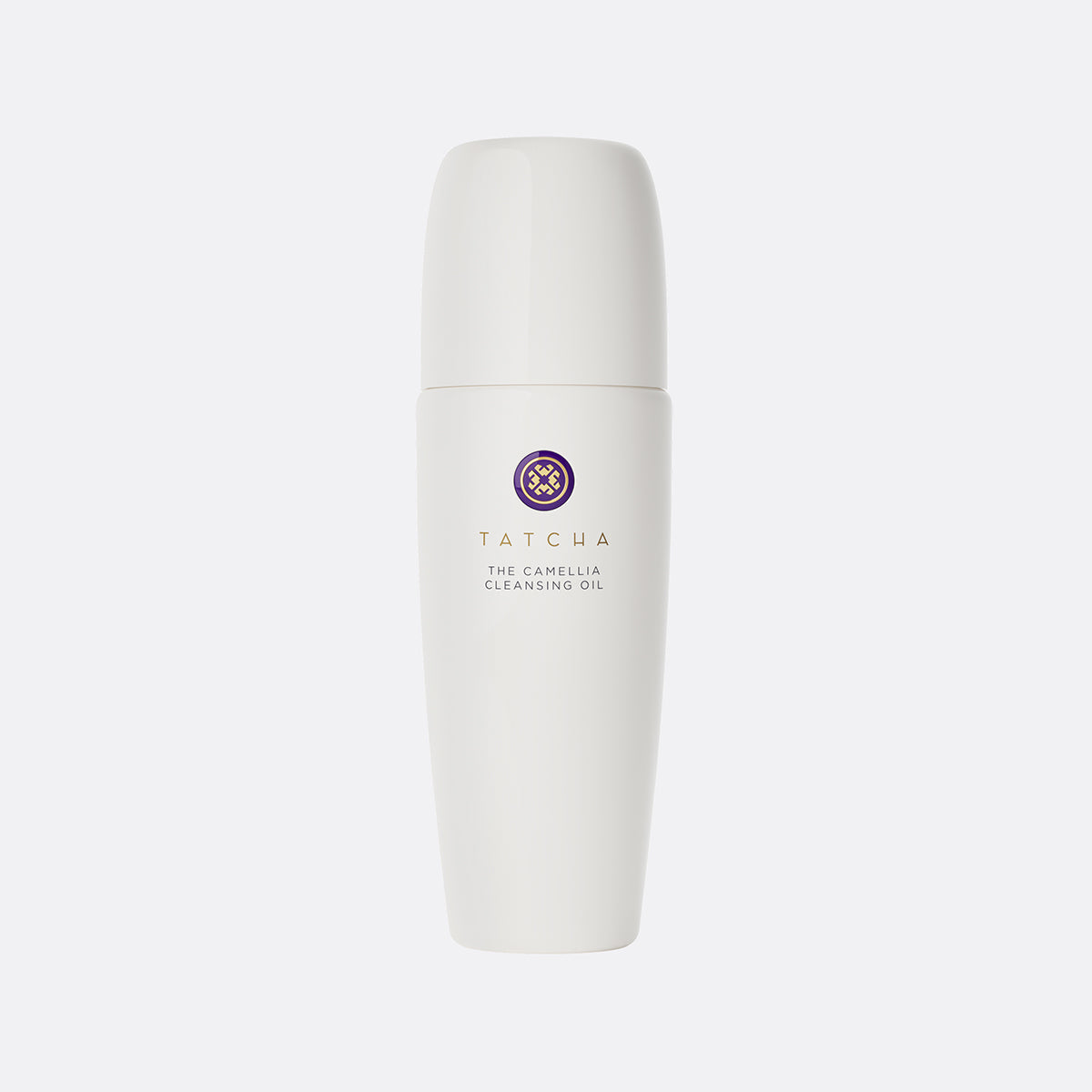
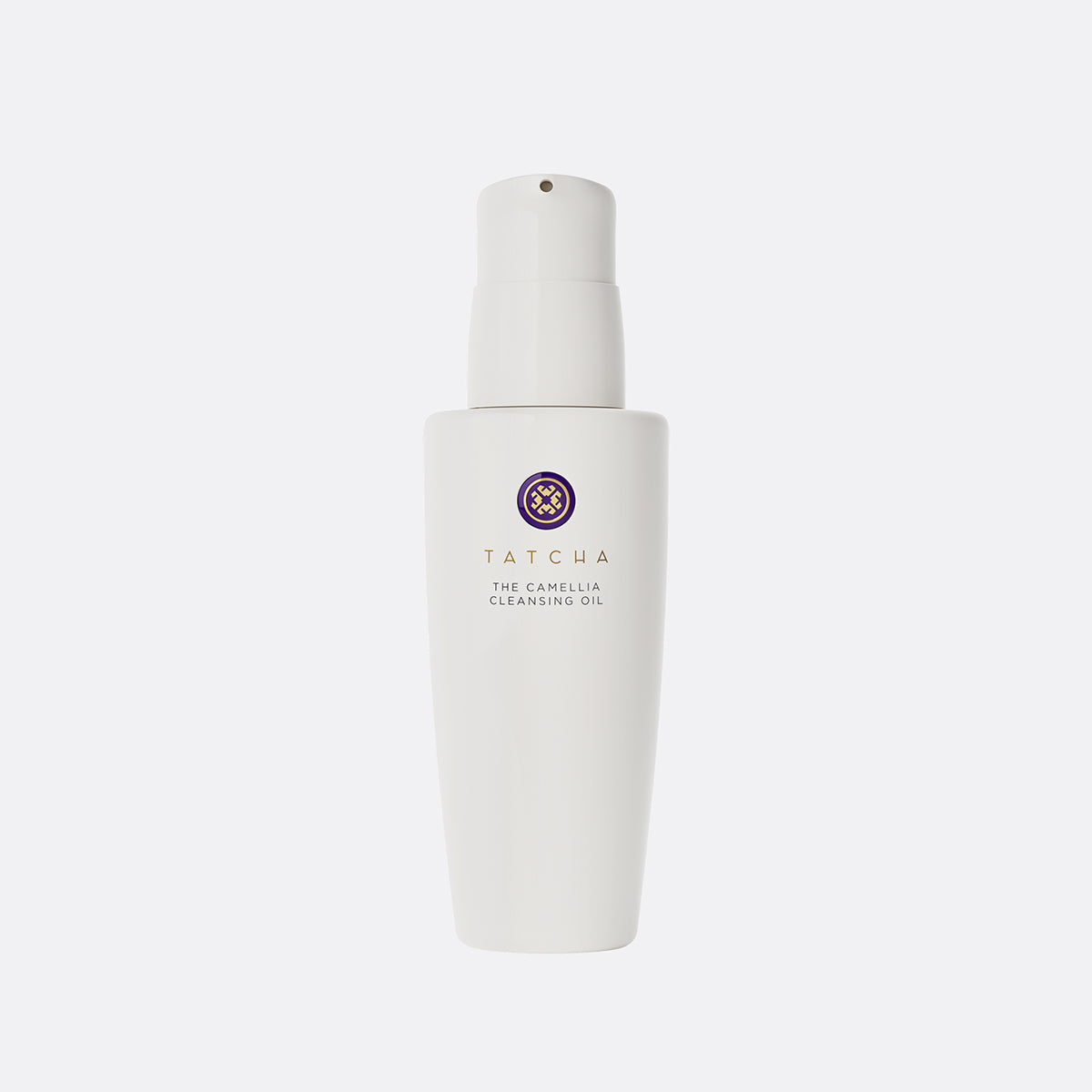
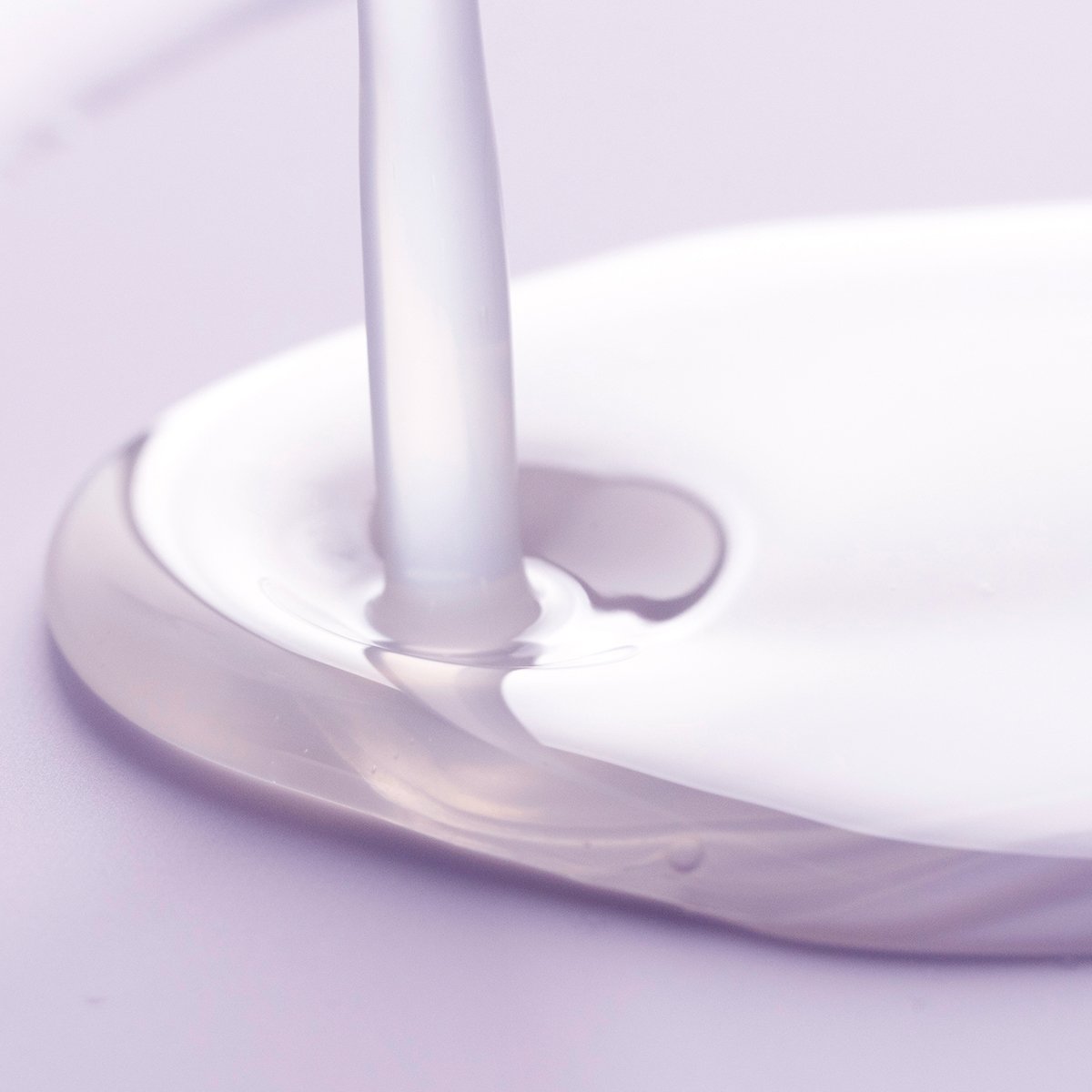
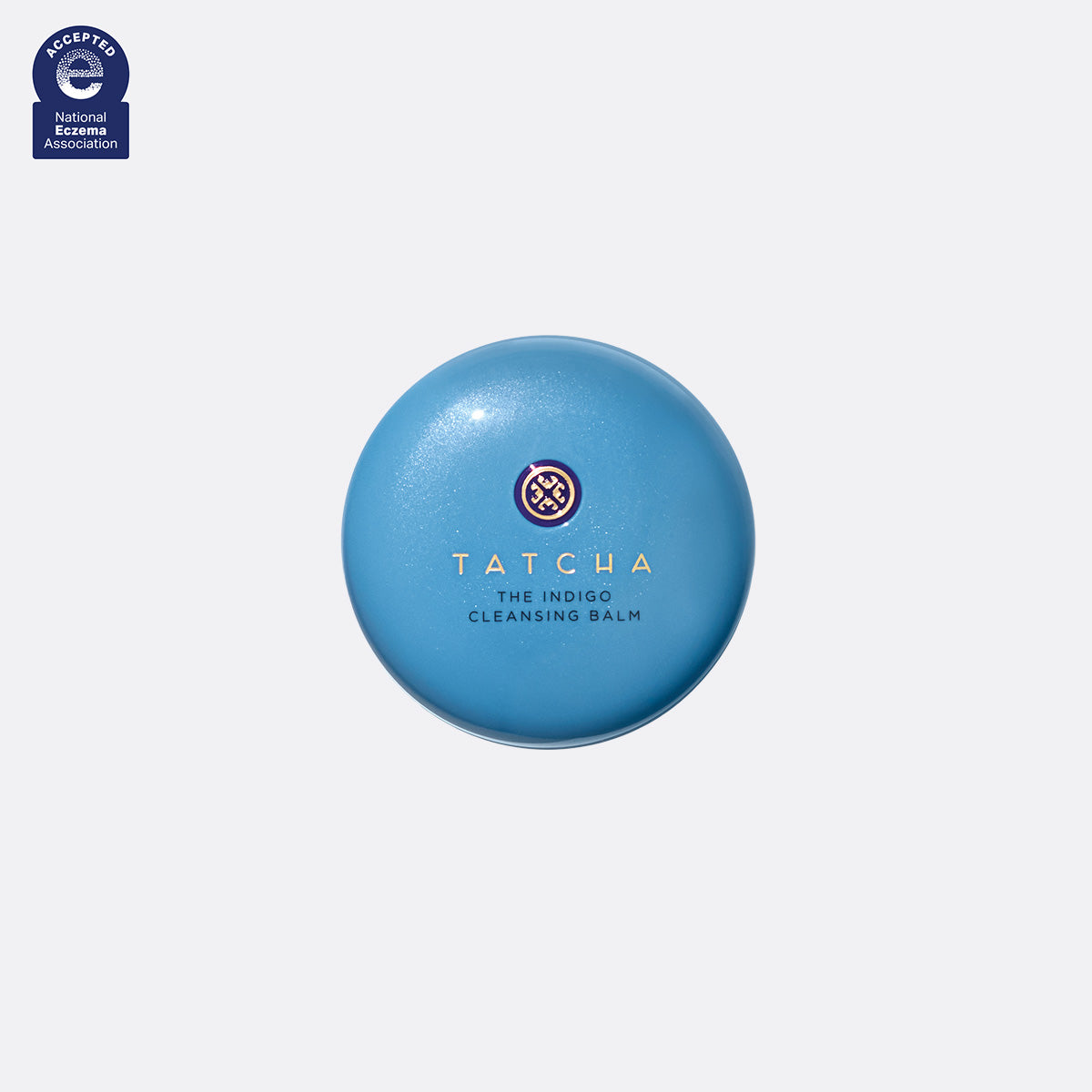
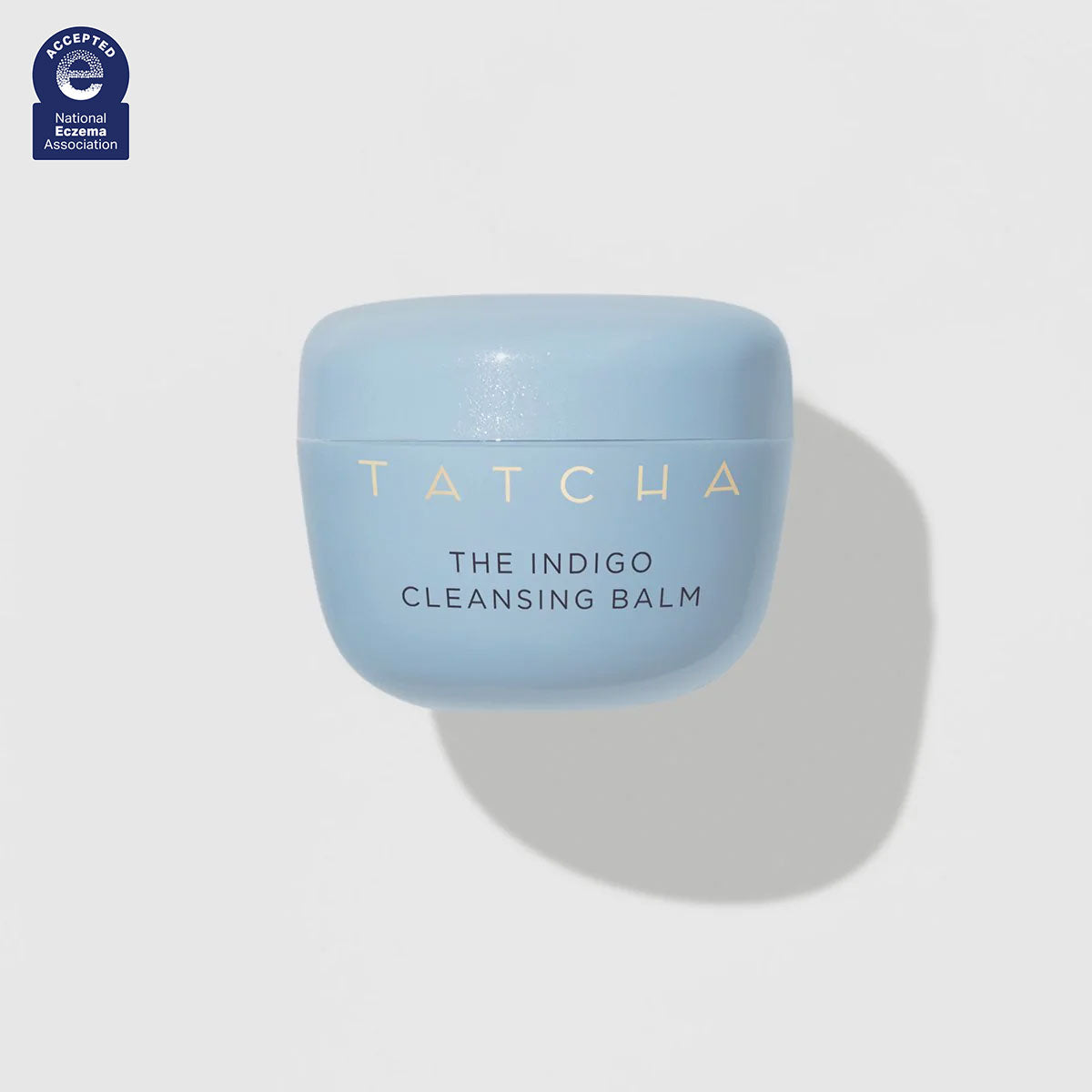
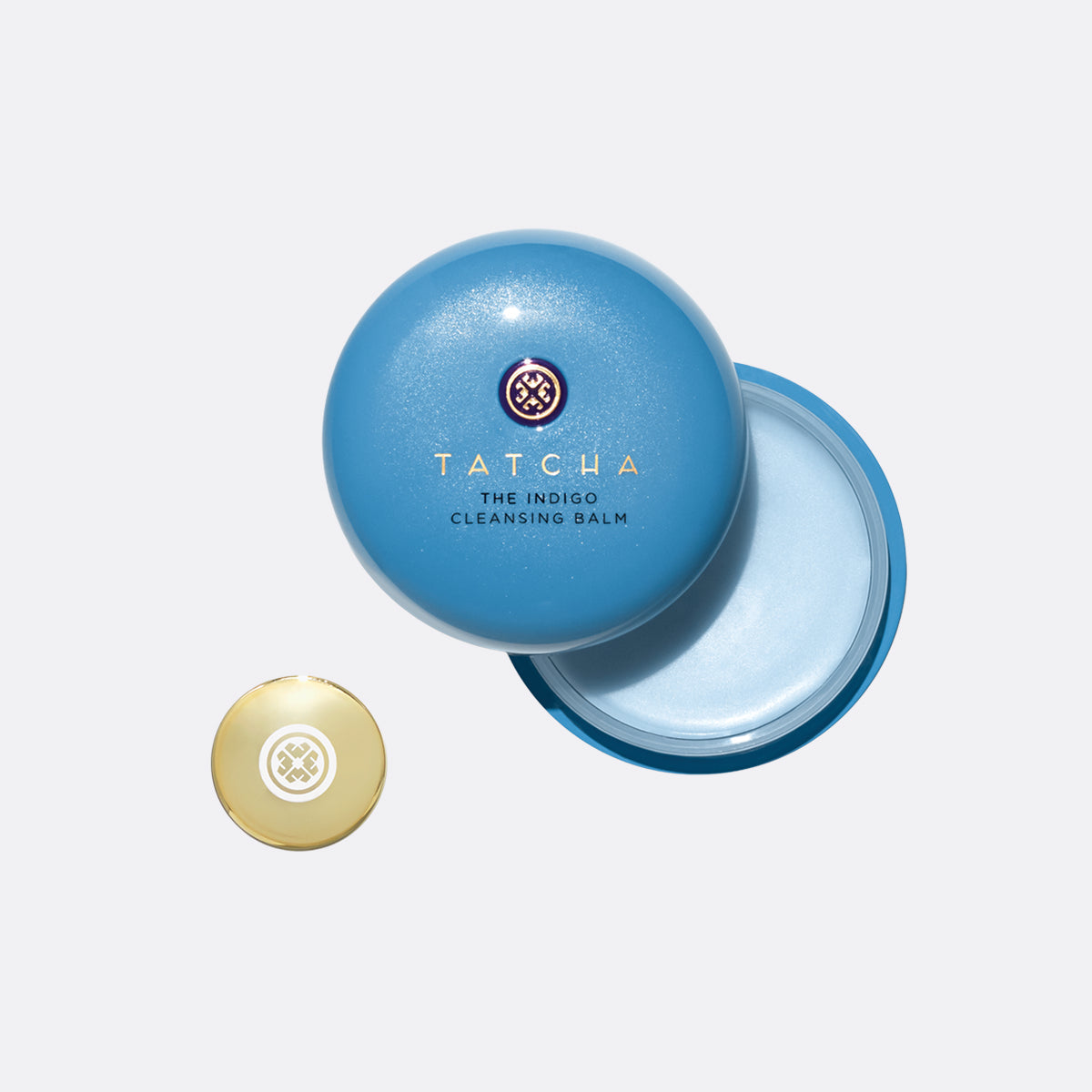
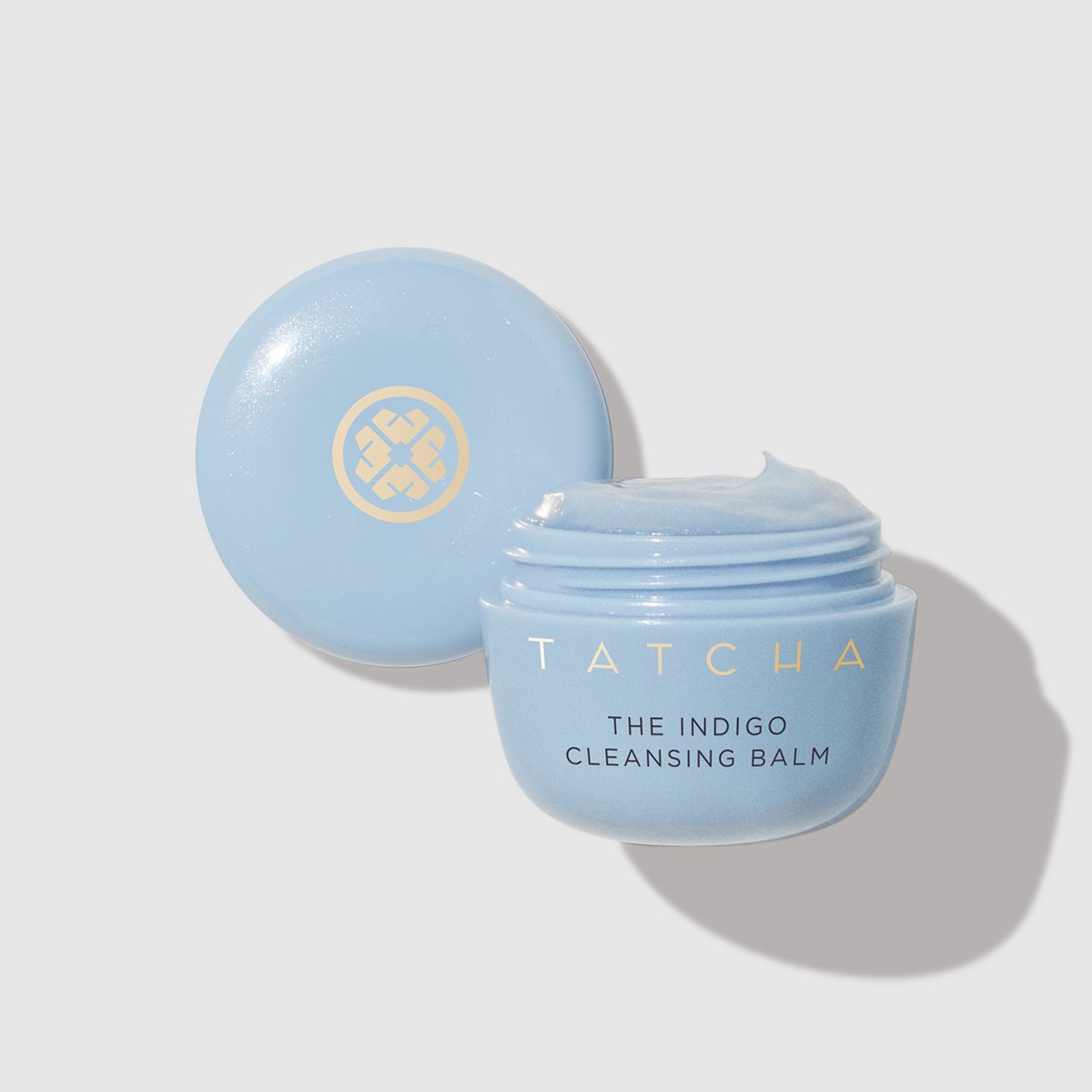
Products to use: Sunburned skin is already aggravated, so it’s a good idea to use a cleanser with a gentle texture that also cleans effectively, which is why we recommend oils or balms for this step. A formula like The Camellia Cleansing Oil or The Indigo Cleansing Balm will glide over a sunburn and take all dirt and impurities with it, while ensuring precious moisture isn’t lost. Your skin is going to want to hold on to as much of it as it can during the healing process.
2. Now: Hydrate, hydrate, hydrate.
When ultraviolet rays damage the skin, the body goes into defense mode, sending its resources where it’s needed most. According to the Skin Cancer Foundation, this is why the body can dehydrate when dealing with serious sunburn, as moisture is redirected towards the affected areas. You’ll want to apply your most hydrating skincare right after cleansing—and make sure to drink plenty of water yourself, too.
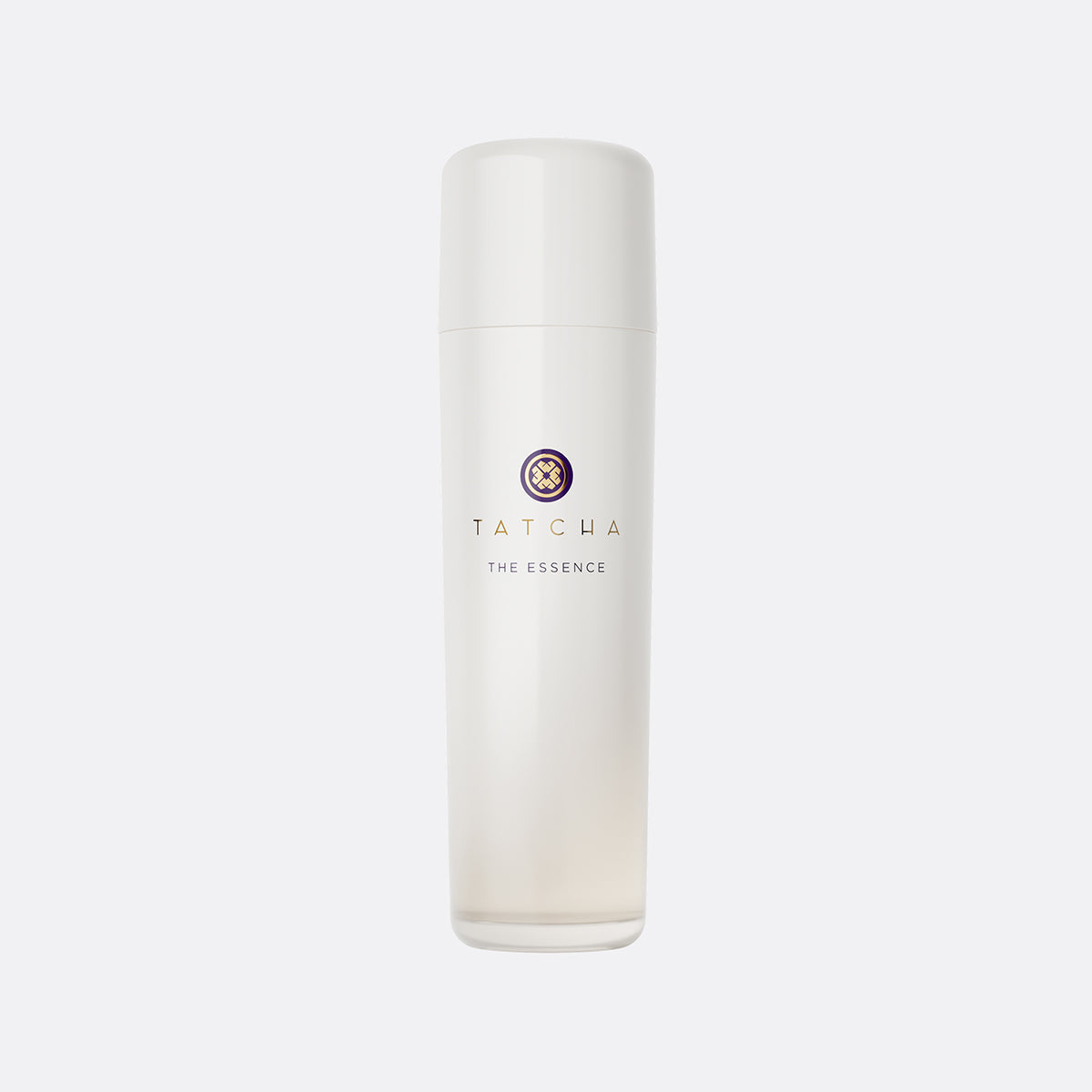
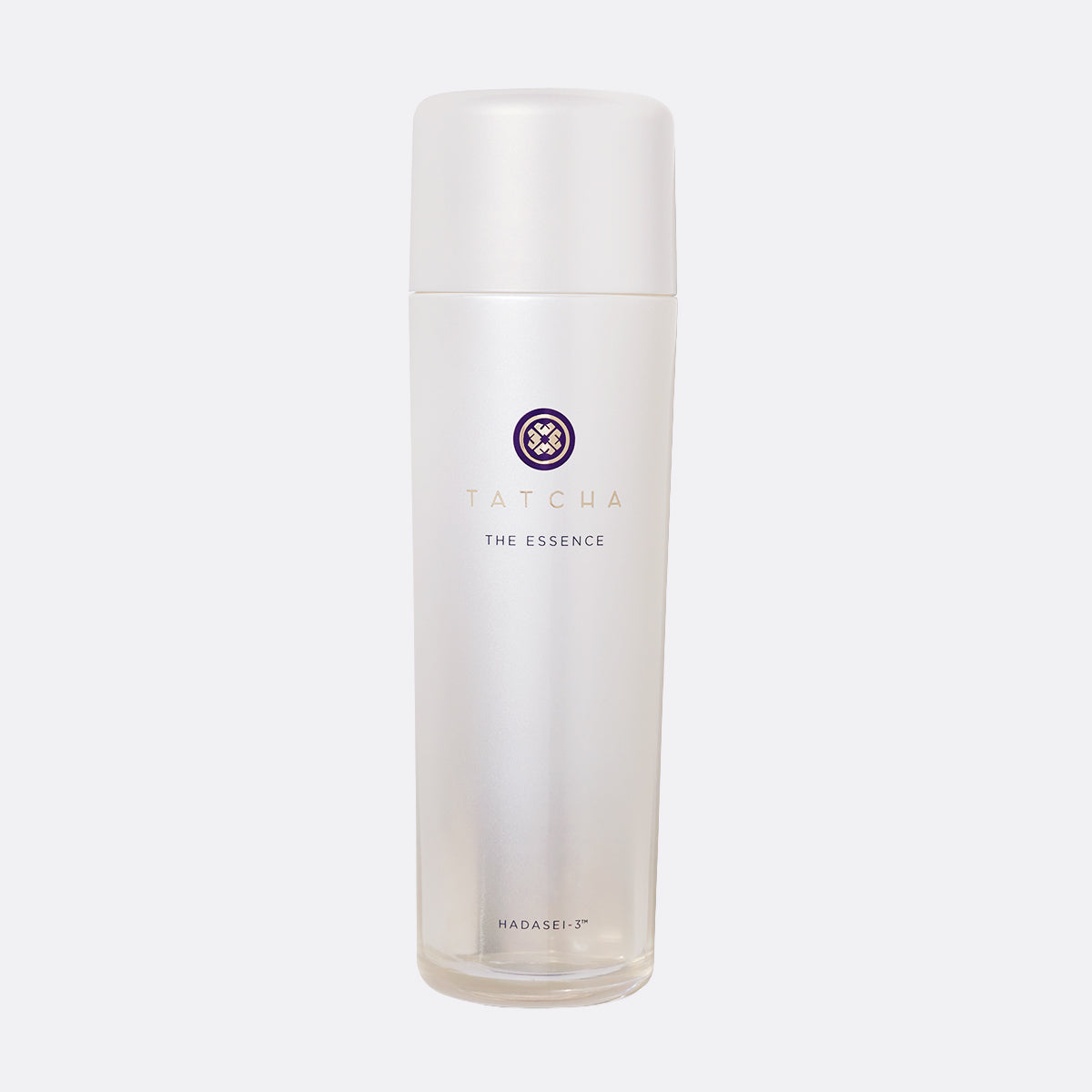
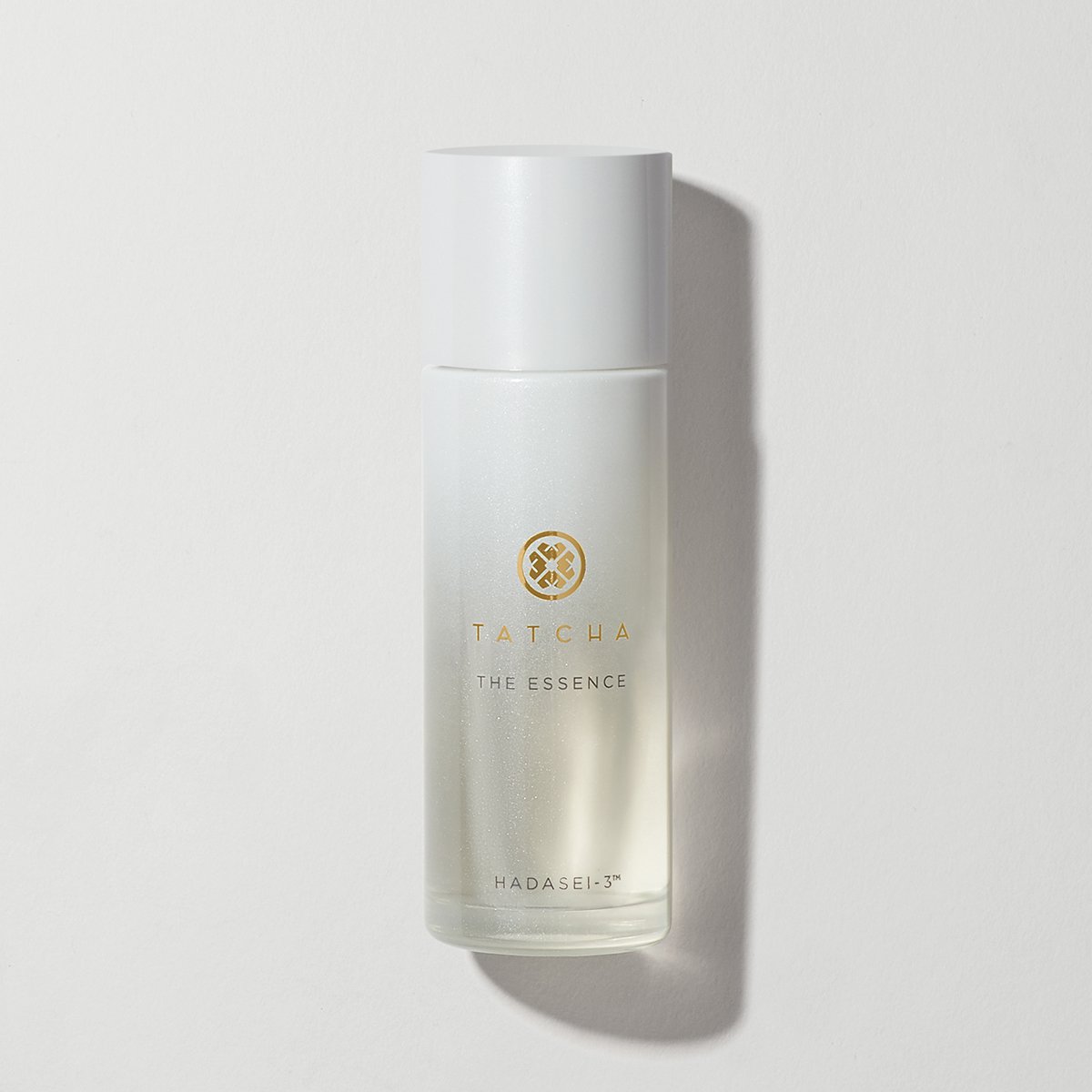
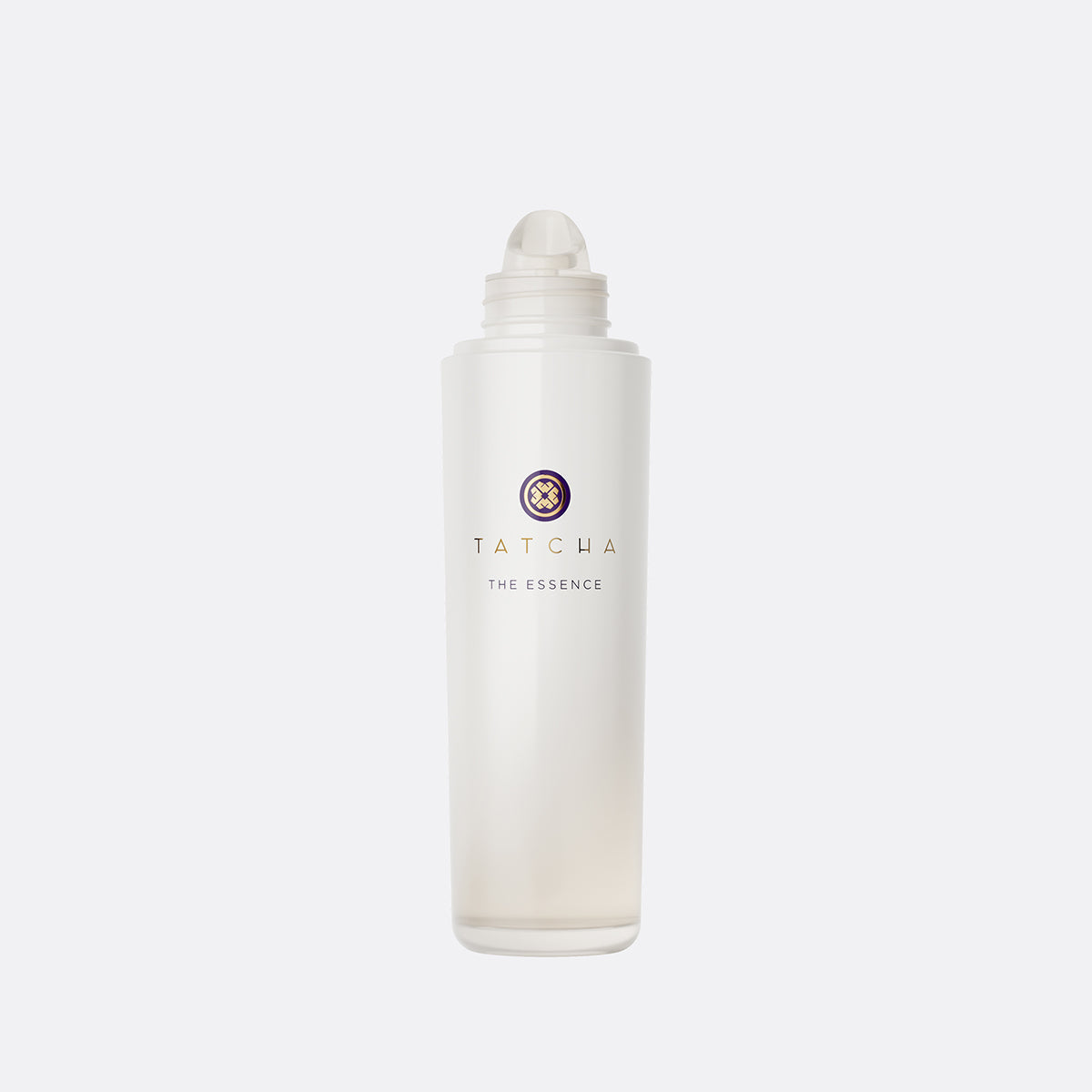
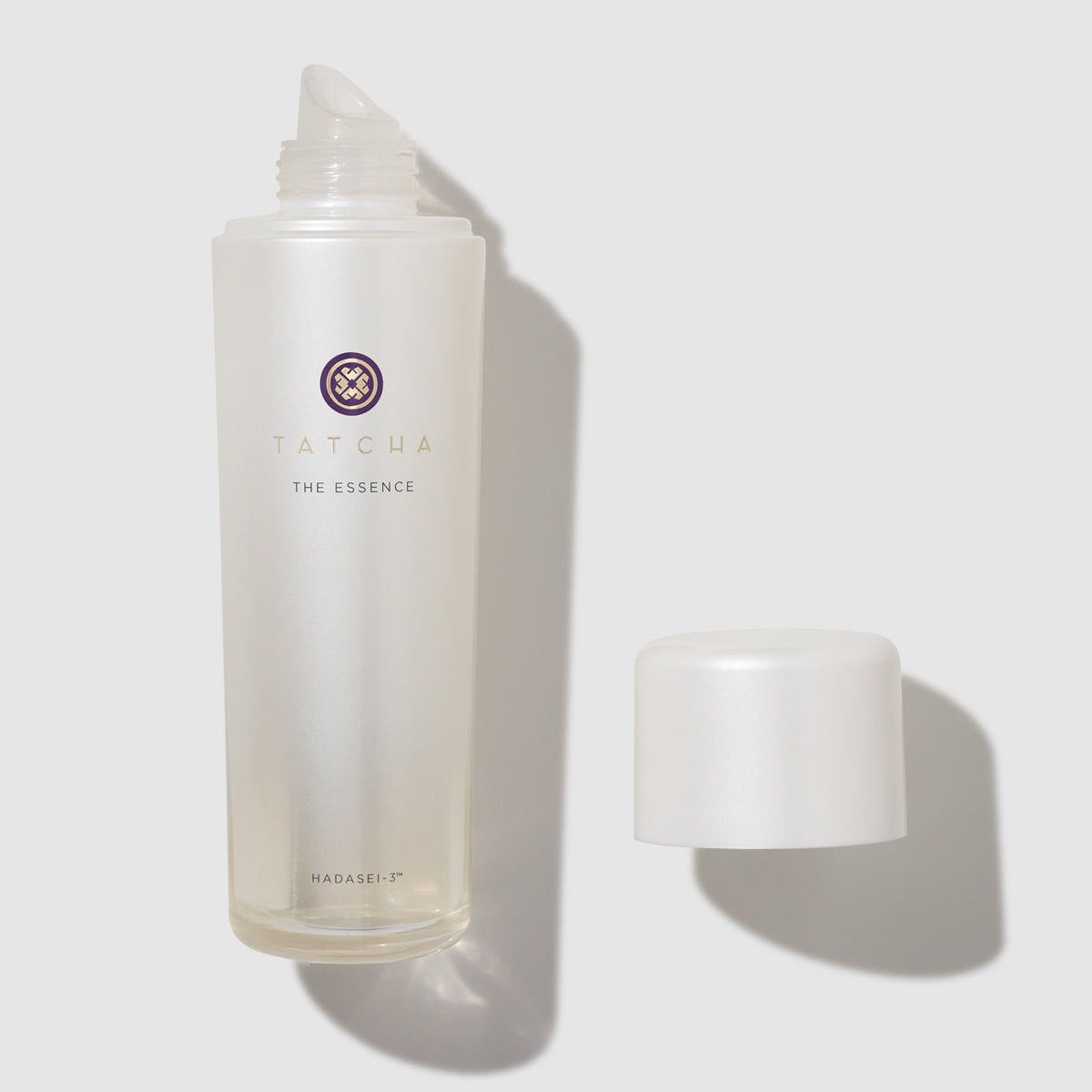
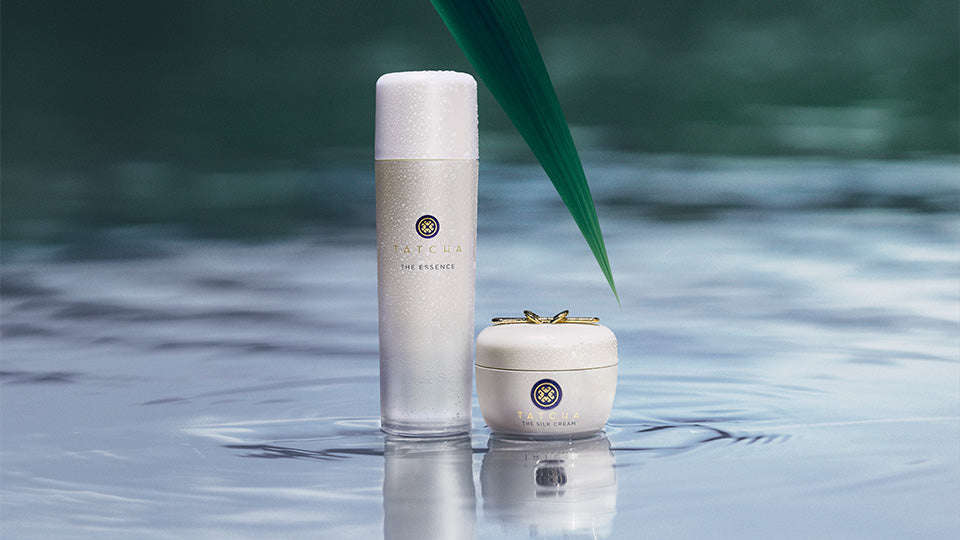
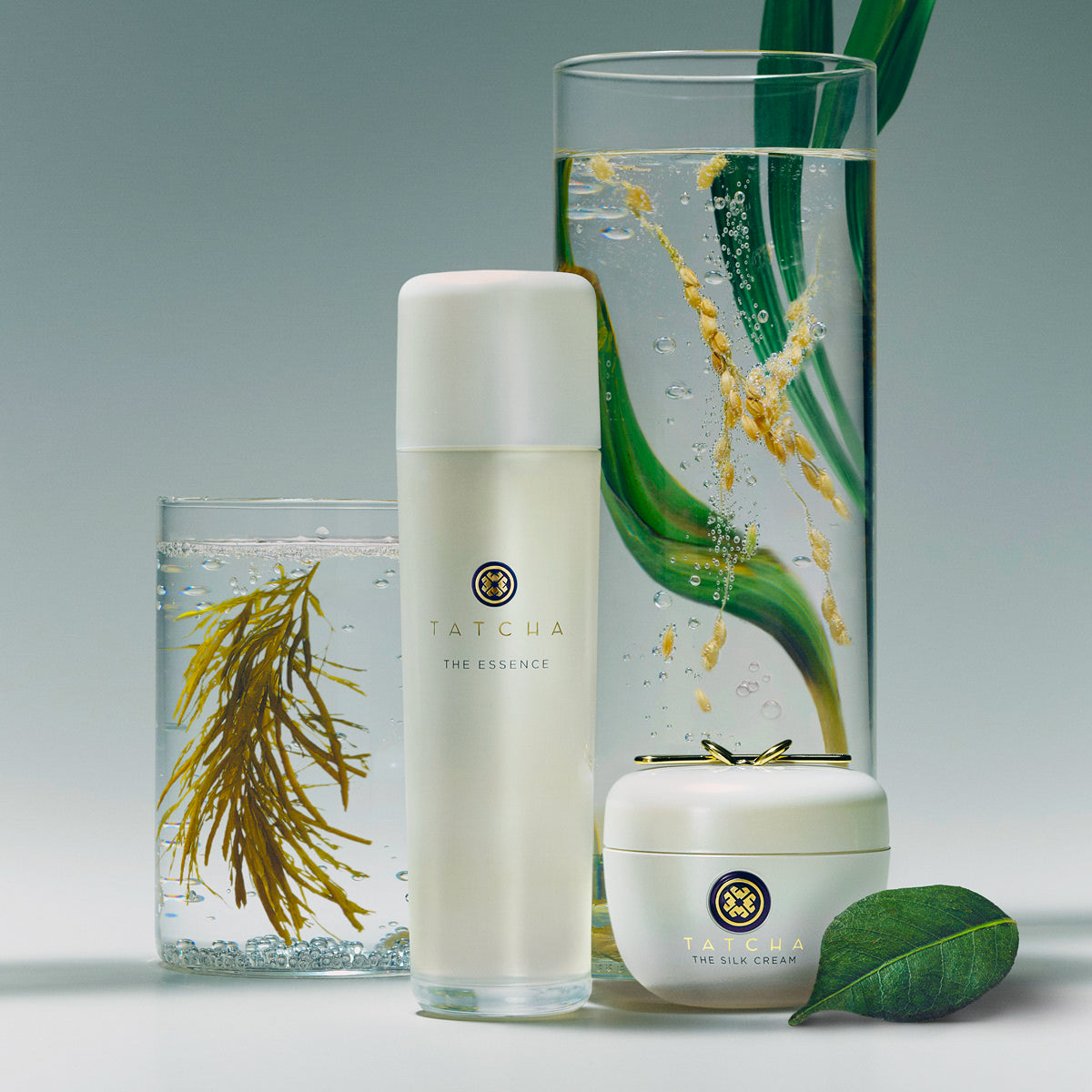
Products to use: Sheet masks are particularly powerful hydrators—the sheets themselves help to trap moisture in the skin for the duration of the treatment. (Imagine a greenhouse effect, but for keeping hydrated.) This is also a good job for an essence, a lightweight water-based skincare formula that can deliver hydration directly to skin cells. An essence like Tatcha’s The Essence may also include nourishing amino acids—some of the skin’s natural building blocks—that will support the healing process.
3. Now: Treat with soothing ingredients.
Certain superplants, like aloe, witch hazel, or indigo, have well-documented benefits for soothing inflamed skin. They can be used whenever your skin needs extra TLC, but particularly come in handy when treating sunburns. You can apply them throughout the day, but work especially well overnight.
Products to use: Indigo in particular is an undersung hero for calming down angry skin, and has a history that stretches back to the days of samurai warriors, who would wear garments dyed with indigo believed to speed up wound healing. Tatcha’s Indigo Overnight Repair distills the ingredient into a unique serum-to-cream texture that visibly soothes irritation while supplying additional hydrators, like ceramides and hyaluronic acid, to damaged skin.
4. Now: Apply a moisture seal.
The final step immediately post-burn is to create a seal of moisture that can lock in all of the nourishing ingredients you’ve applied this far. The thicker the formula, the stronger the seal.
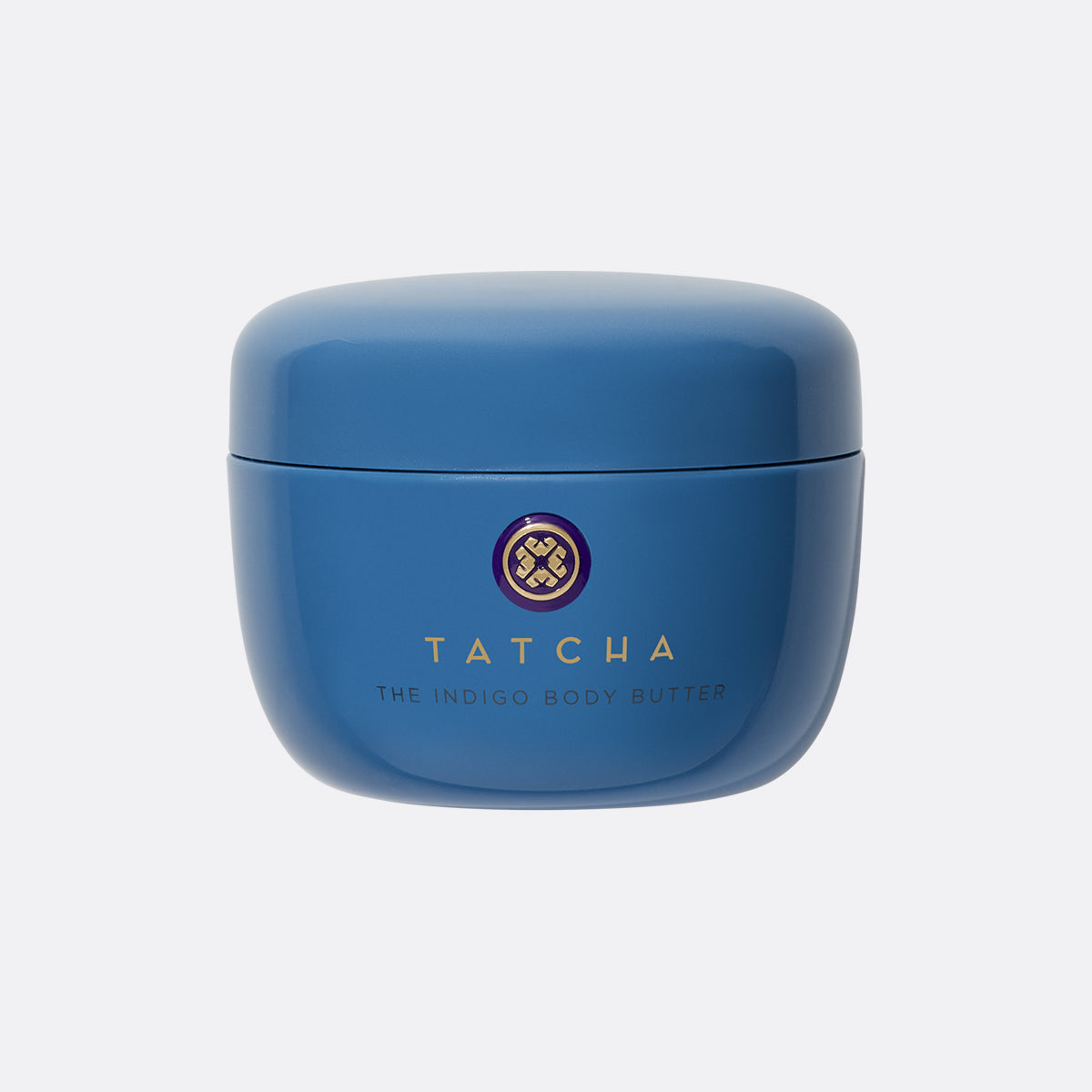
Products to use: The Indigo Soothing Body Butter spreads luxuriously, and can calm even the most inflamed skin using naturally therapeutic ingredients. Take it from one ardent reviewer: “I have Lupus and I sunburn easily. I also suffer from the sunburn itch from hell. This is the only product that helps to heal my sunburn.” (And it helps with the itch, too.)
5. Later: Keep the affected area moisturized.
The healing process for a sunburn begins as soon as you get out of the sun, which is why you may notice a decrease in redness after a day or two. Even if things seem to be getting better at surface level, your skin is still in crisis mode, and you’re still going to want to supply moisture to the affected area at least twice daily. (Or even more frequently, if it feels good.)
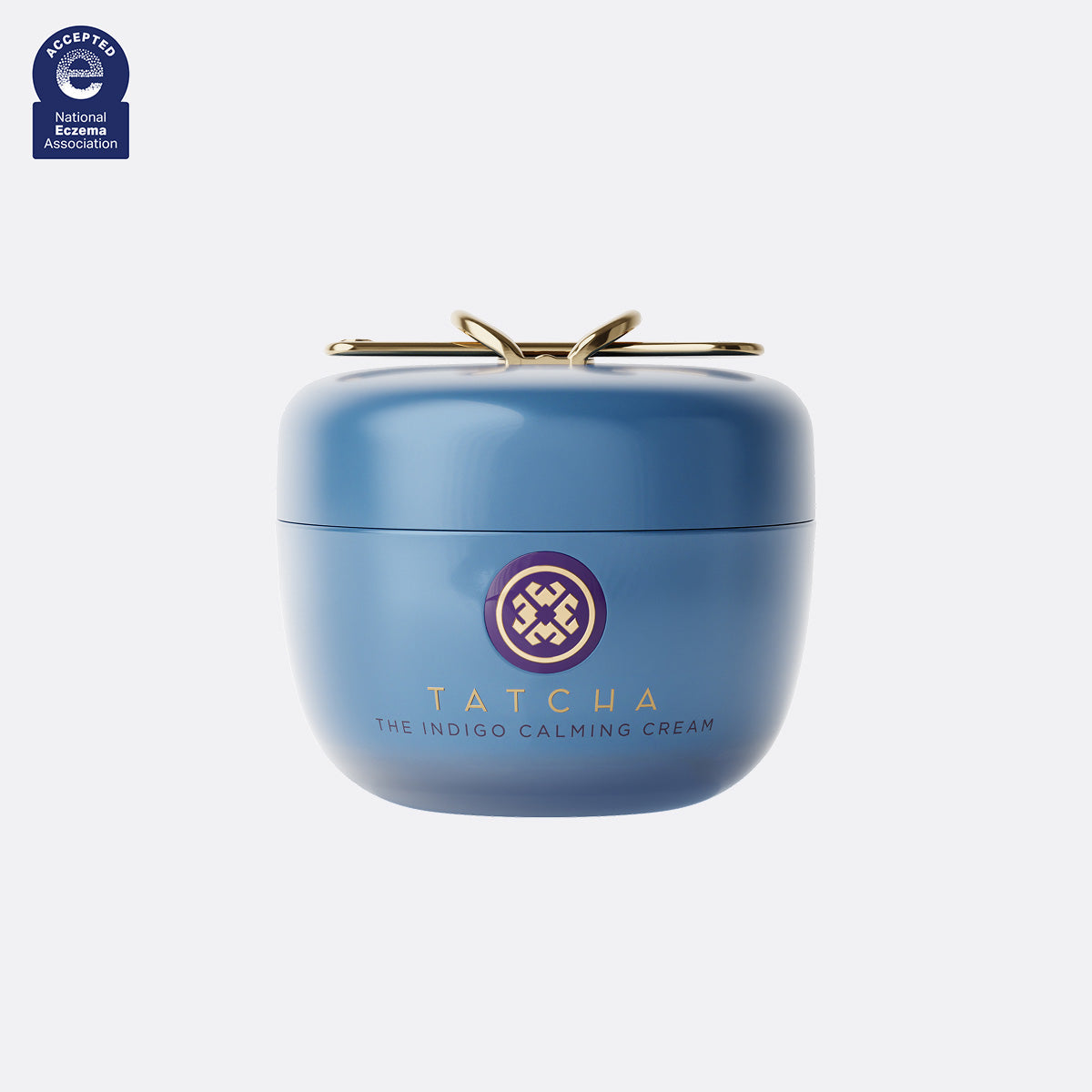
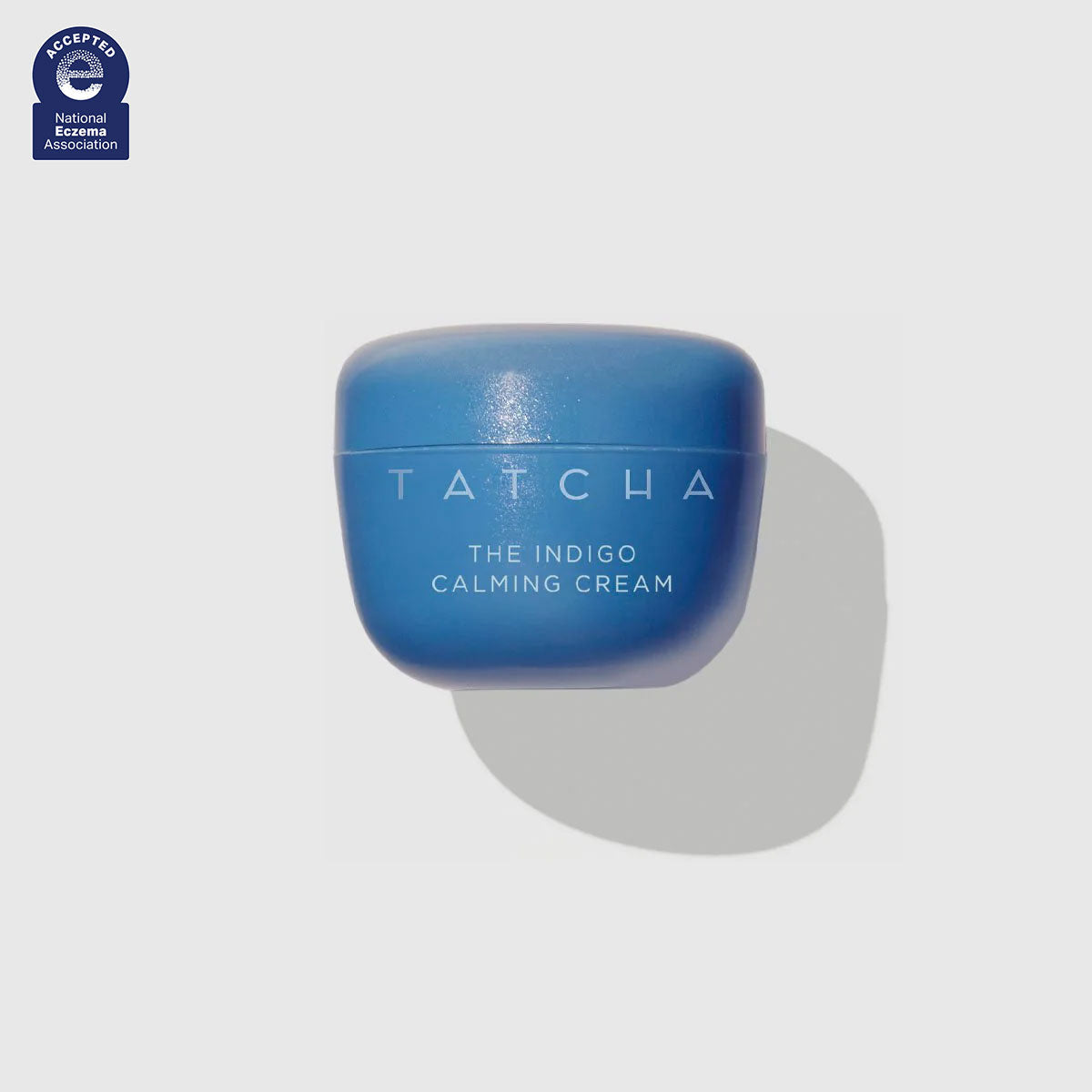
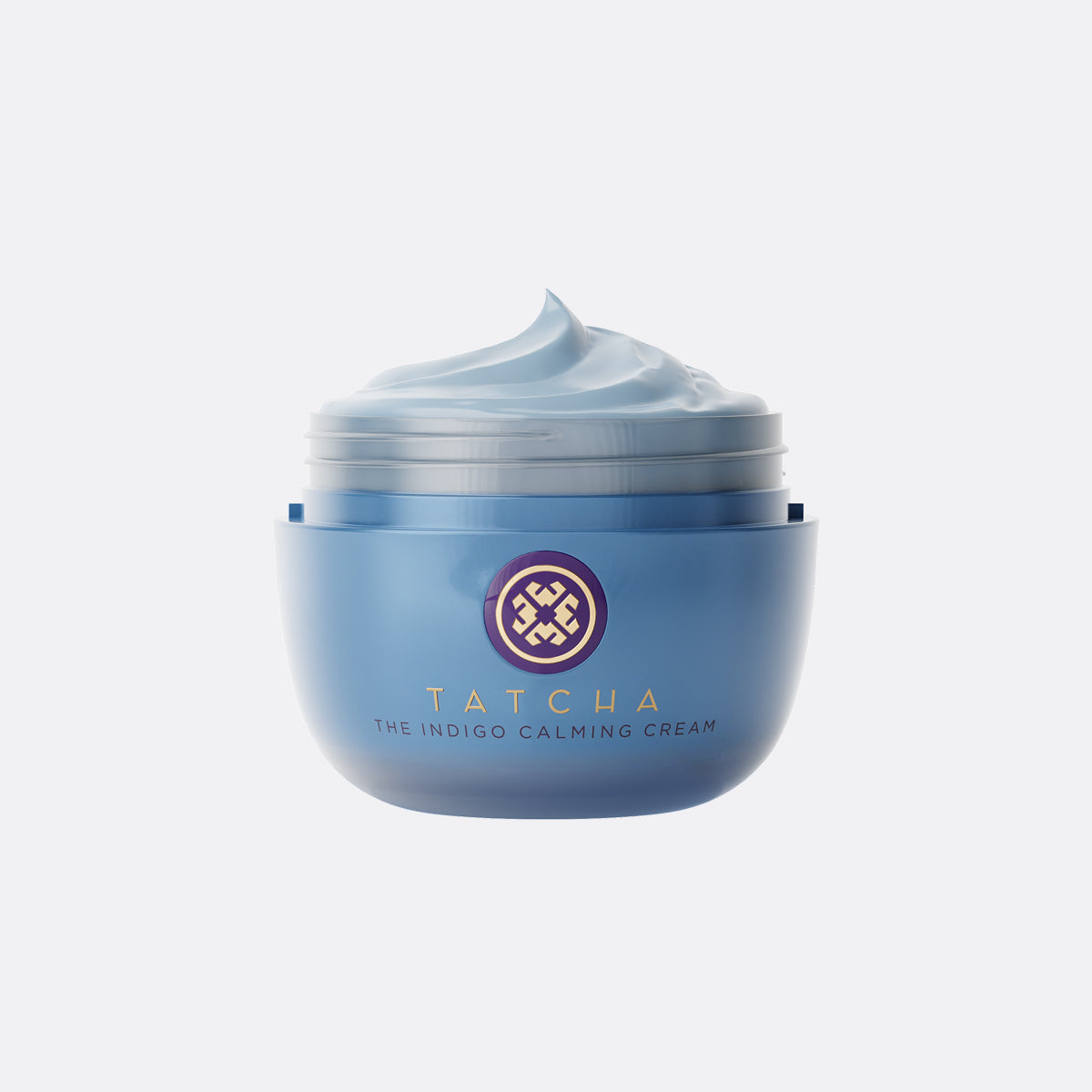
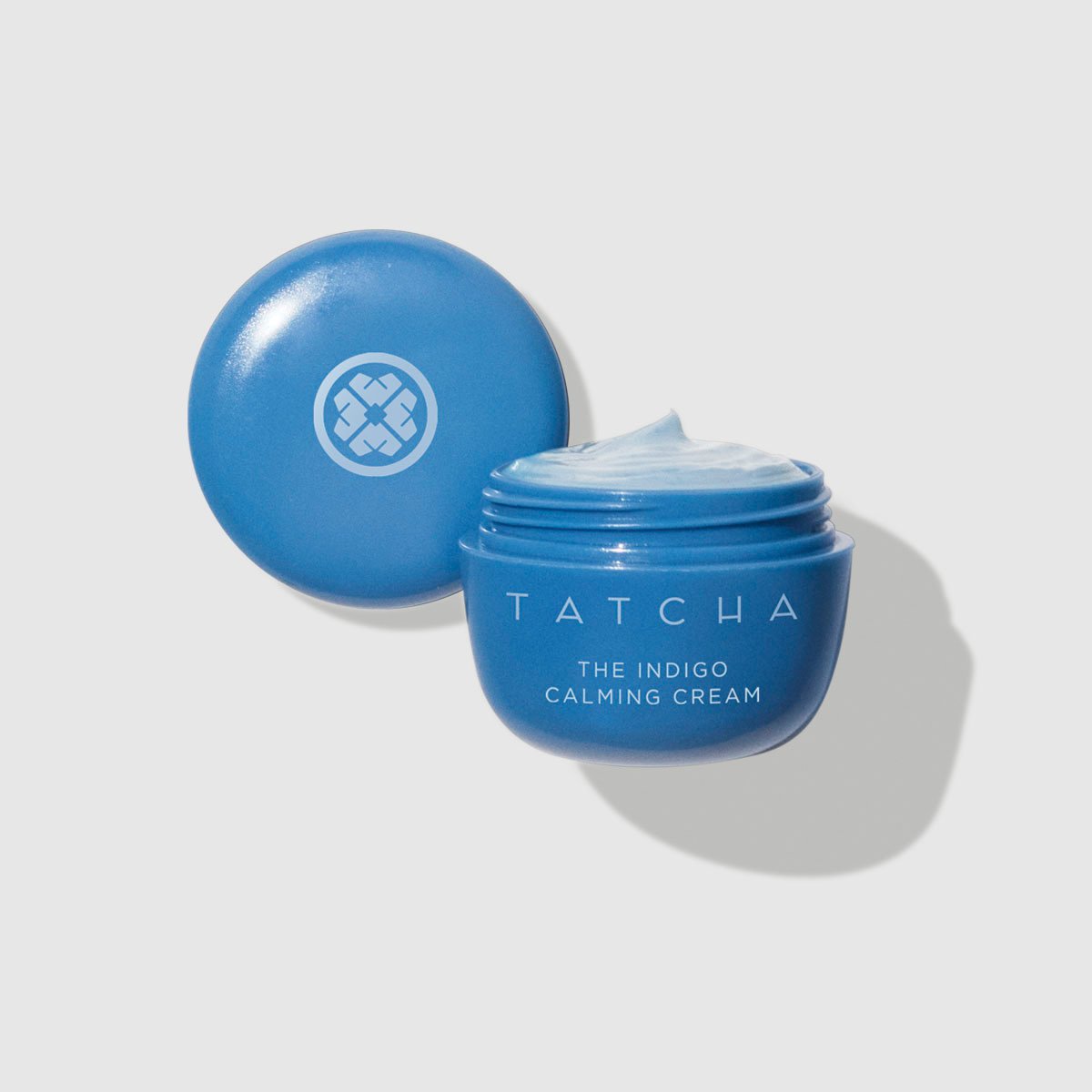
Products to use: Tatcha’s Indigo Cream is more than a great moisturizer—it’s also a savior for sensitive skin, and is formulated with soothing ingredients like indigo extract and colloidal oatmeal. (Its effectiveness on inflammation even earned the cream a seal of acceptance from the National Eczema Association.)
6. Later: Don’t forget SPF!
You’ve been burned once. Don’t get burned again. You’re likely to be hypervigilant of your sun protection after suffering a burn, but it bears repeating: The only way to prevent a sunburn, regardless of your skin type, is to protect yourself whenever you’re exposed to sunlight.
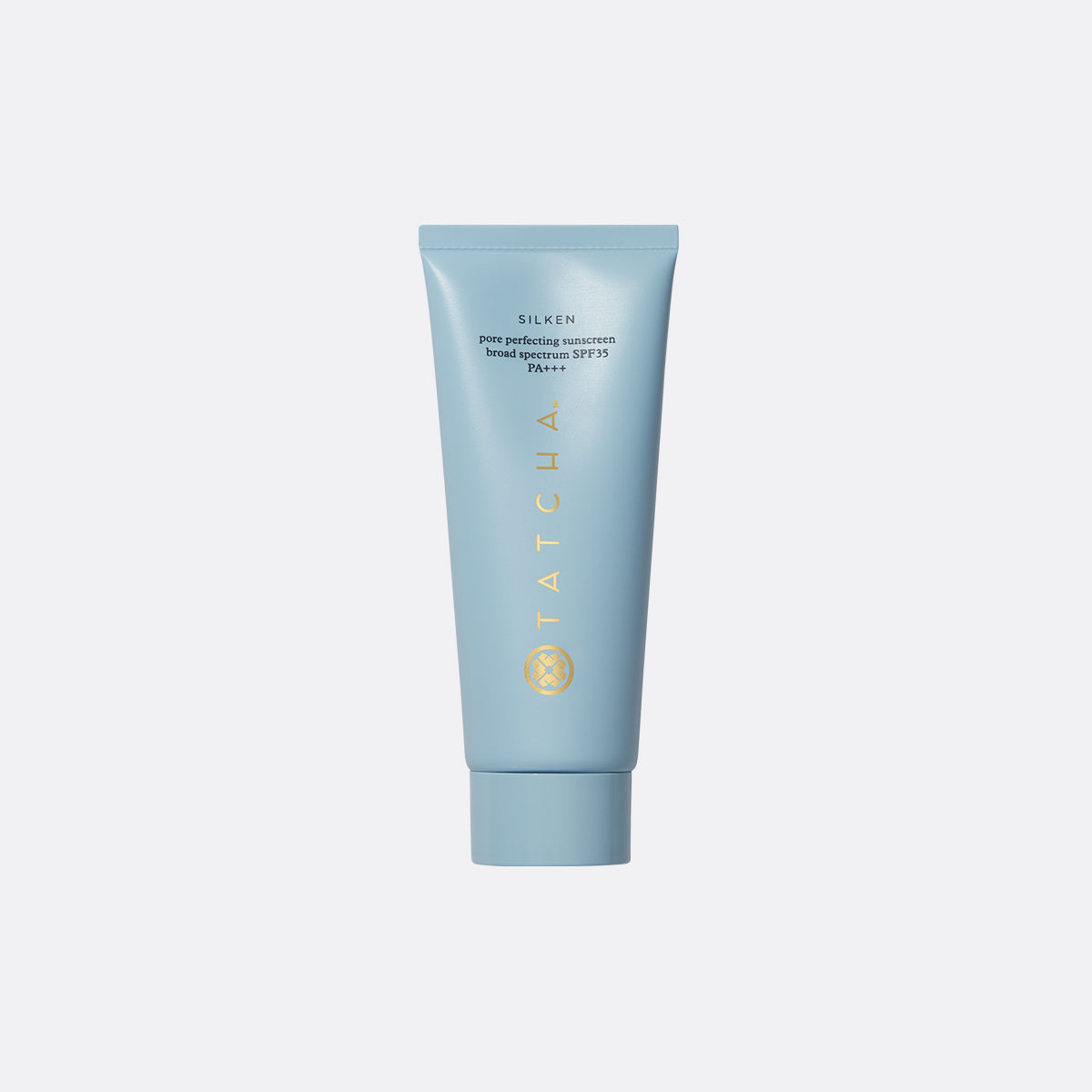
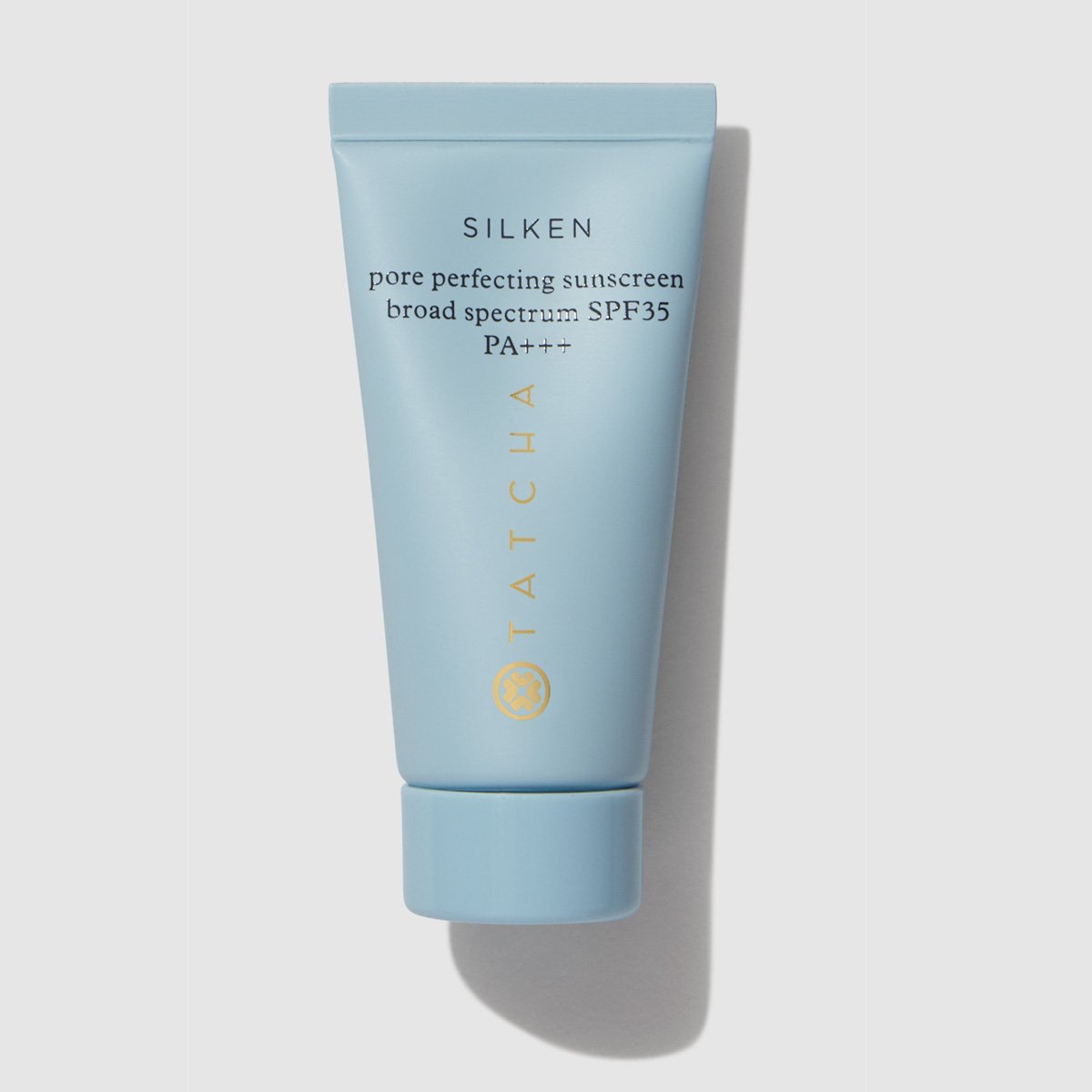
Products to use: A good sunscreen for you is the one you’re likely to use over and over again, but the best sunscreen is one that has benefits beyond protection. Tatcha’s Silk Sunscreen is a mineral filter that helps to visibly even skin tone and also to provide a layer of hydration, while the Silken Sunscreen smoothes over pores for a subtle blurring effect. Antioxidant-rich botanicals also help to soothe sun damage within the skin, for a one-two punch of sun protection.
7. Later: Exfoliate dead skin.
One of the later stages of a healing sunburn begins when the damaged outermost layer of the skin begins to flake and peel away. It can be a little unsightly, but more crucially, the itchy sensation that comes with it makes it hard to leave the healing skin alone. Scratching a sunburn can not only cause more pain, but can also open the skin up for possible scarring or infection. An exfoliant will not only help safely clear dead skin, but may also alleviate some of the sensation that comes with itchy skin.
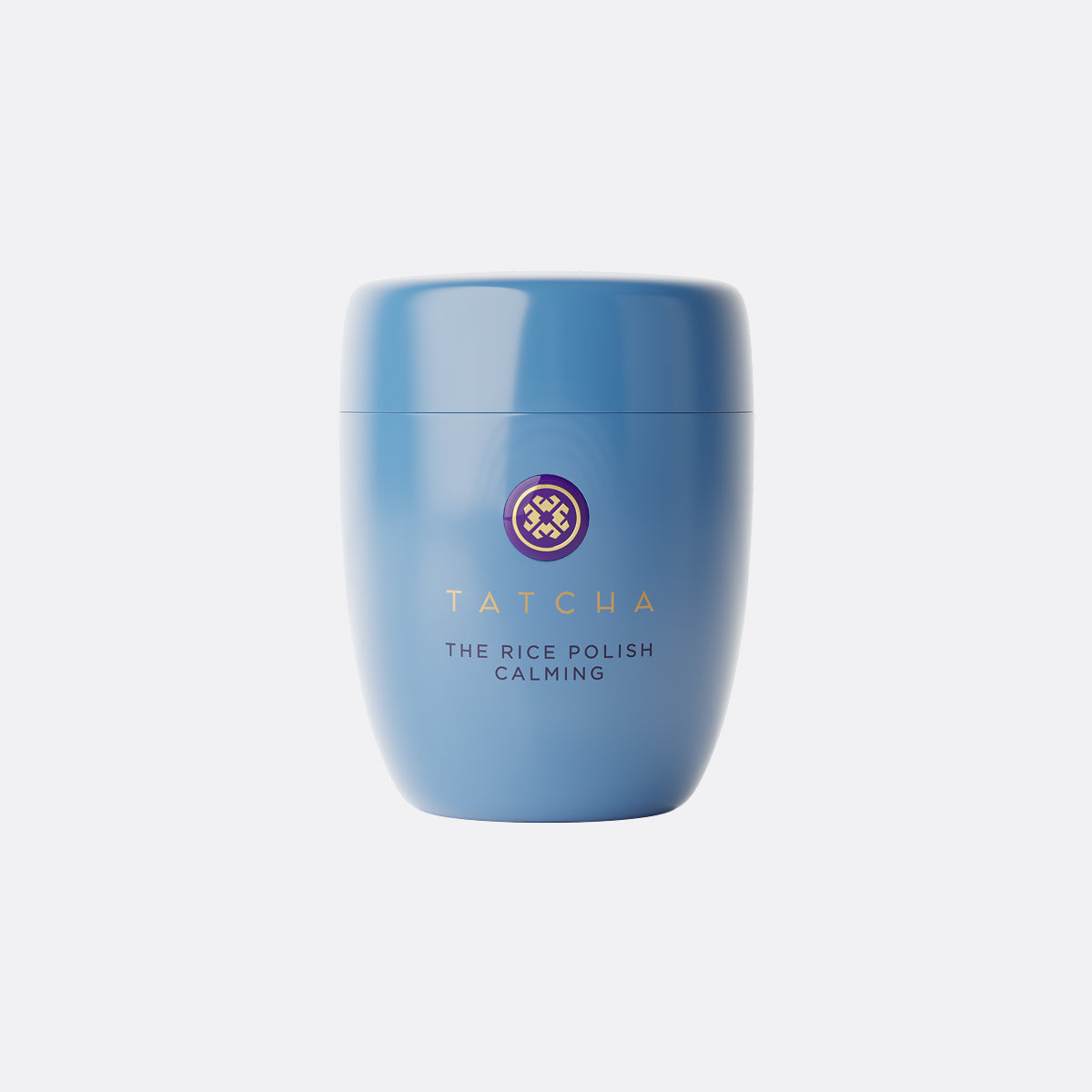
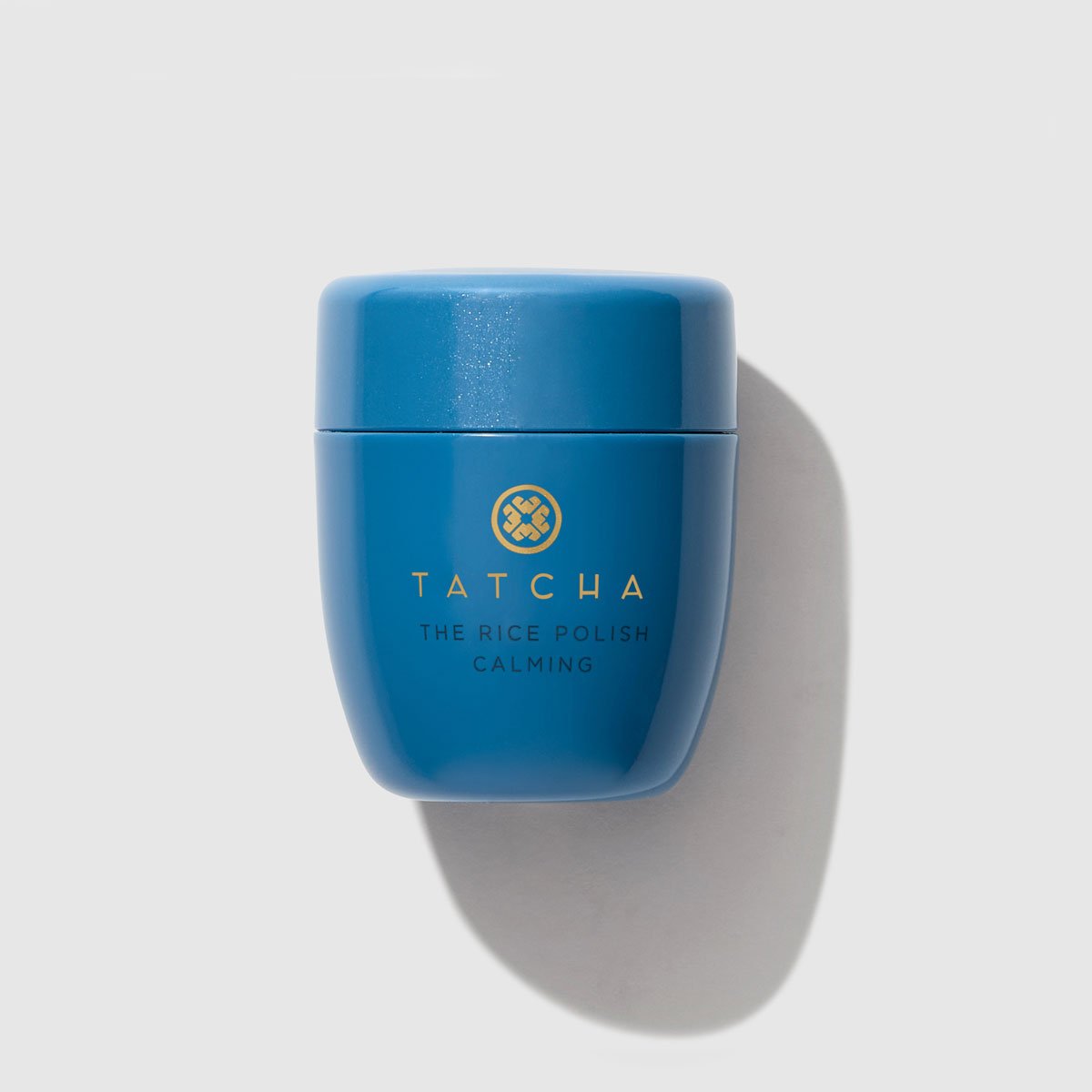
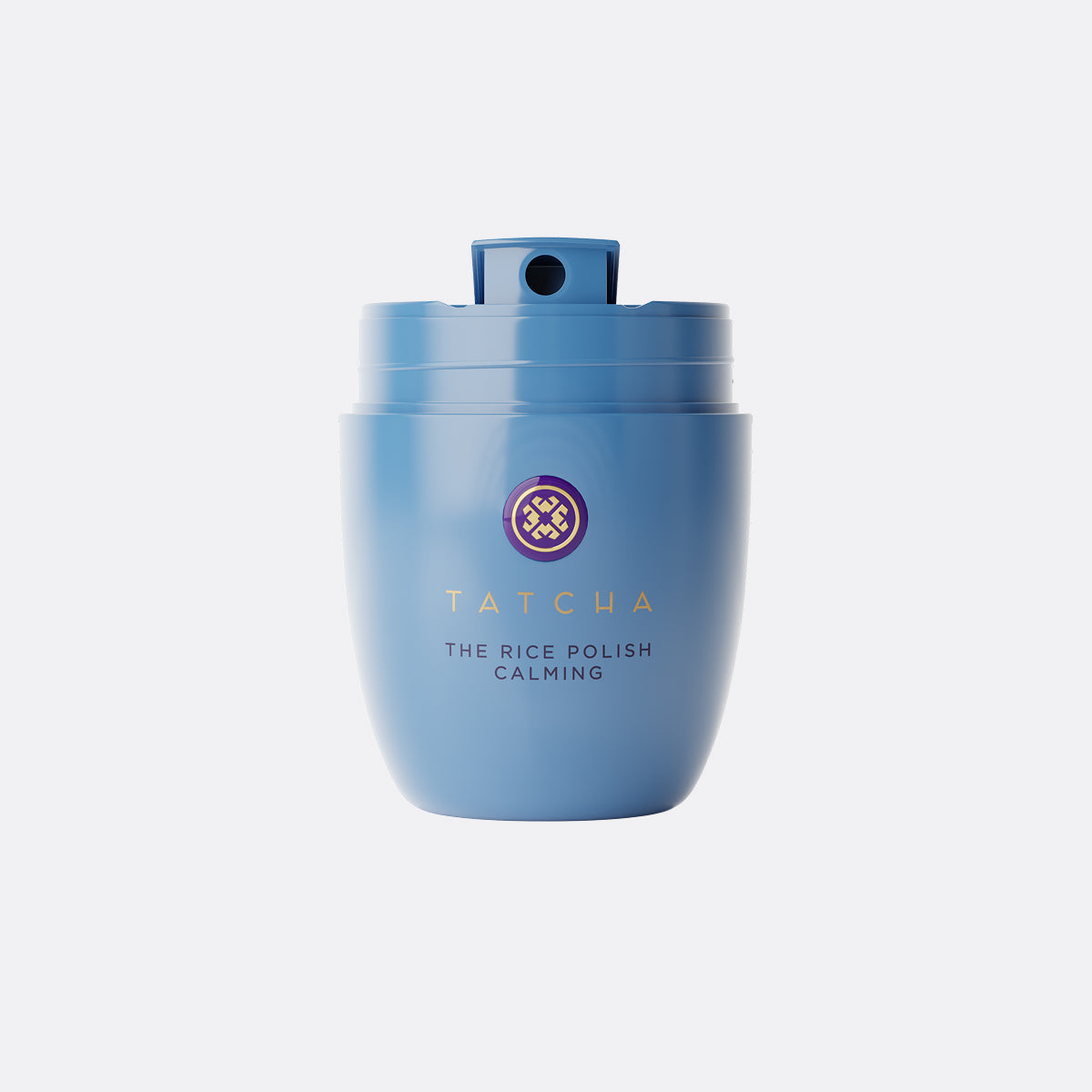
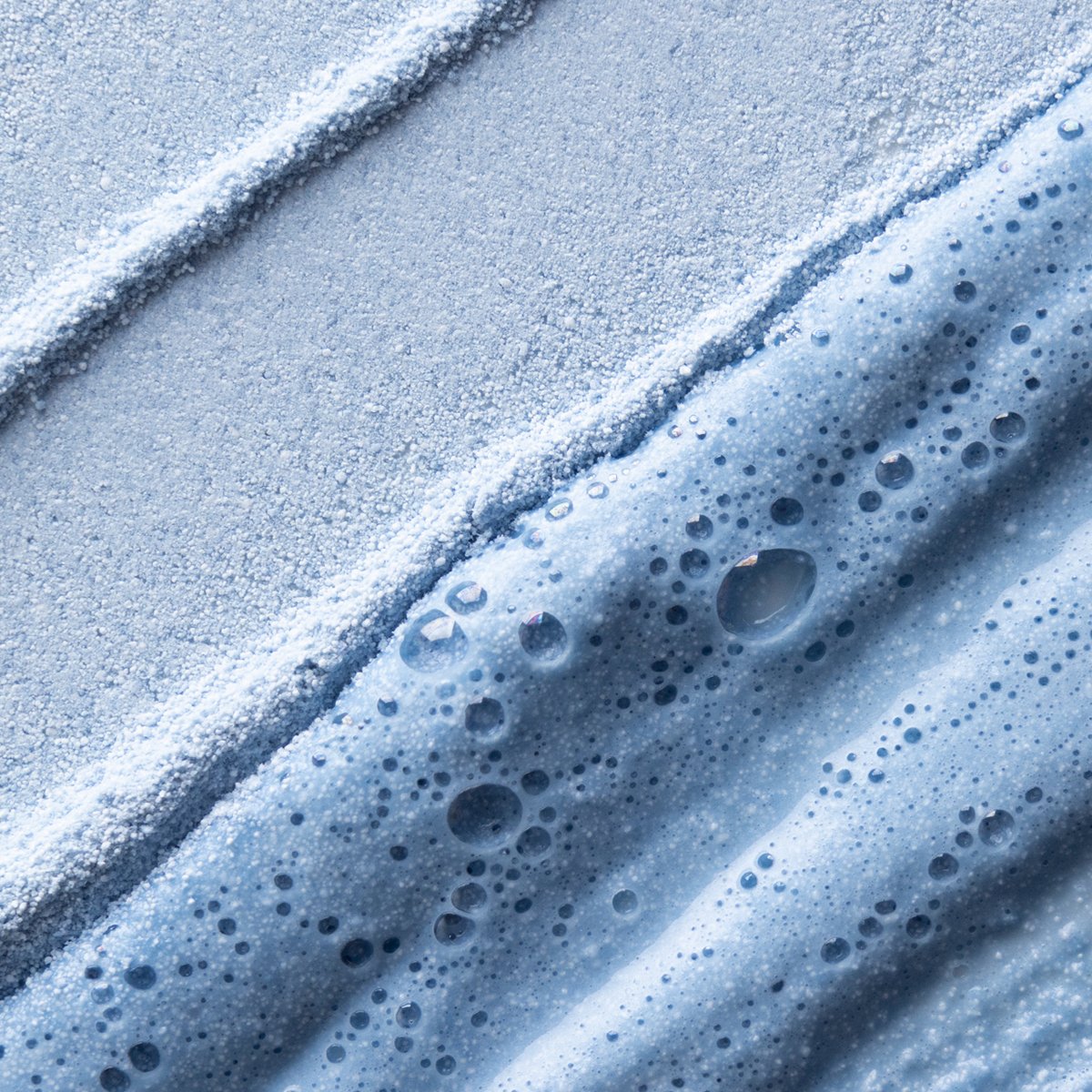
Products to use: There are few exfoliants gentler than Tatcha’s Calming Rice Polish, which uses a finely milled rice bran and botanical enzymes to slough away dead skin. The solid formula mixes with a little water into a cloud-like foam that leaves clean, smooth, glowing skin in its wake.
8. Later: Just add antioxidants.
One of the ways in which ultraviolet rays harm skin is by causing oxidative stress, which is largely responsible for prematurely aging skin. Reactions in the skin cause skin cells to break down, which results in the visibly aged skin associated with sun damage. Antioxidants are ingredients that work at the microscopic level to protect skin cells from oxidative stress. They have an important role to play in post-sunburn healing.
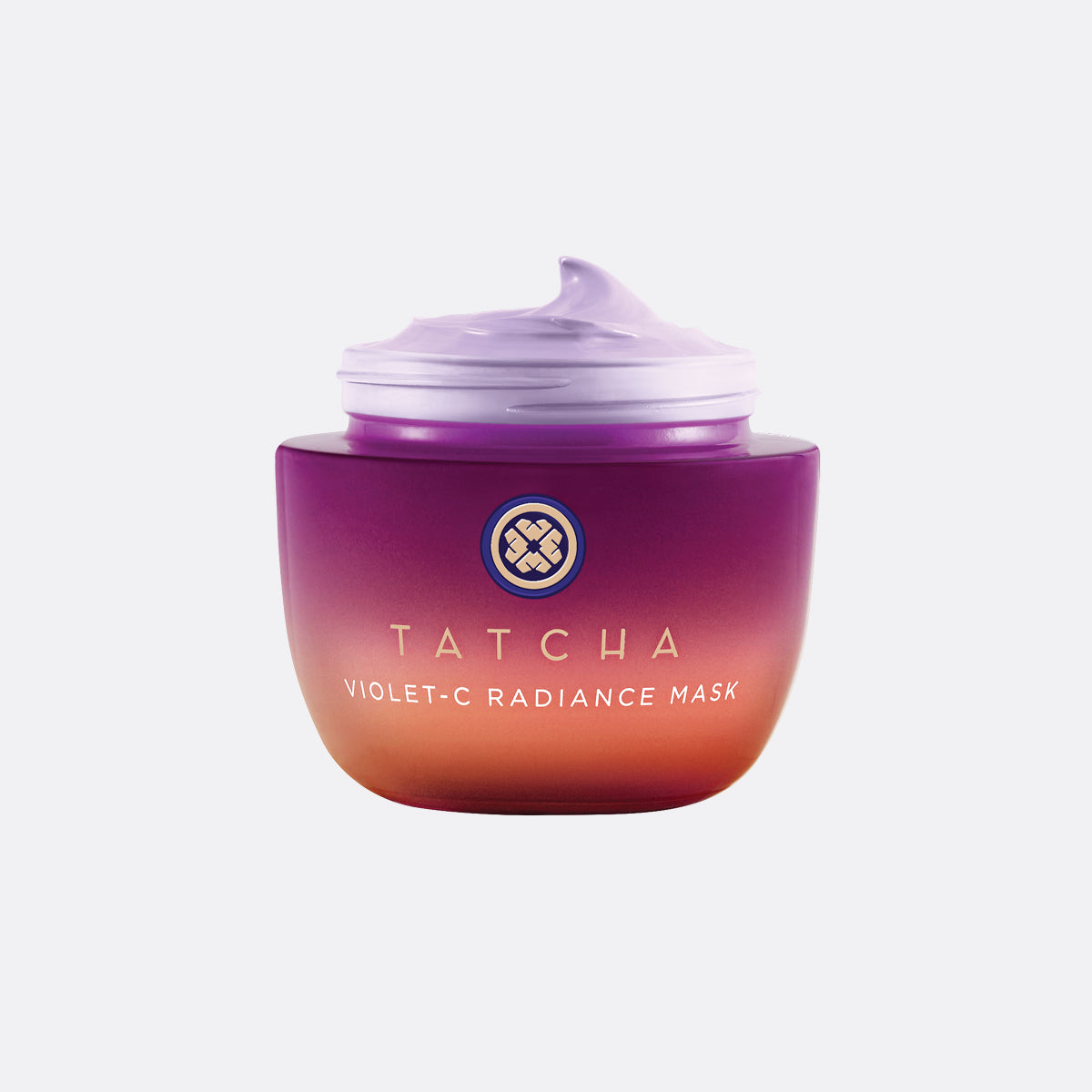
Products to use: One of the most powerful antioxidants is vitamin C, which is well-documented in helping sun damaged-skin repair itself. Tatcha’s Violet-C Radiance Mask packs a pure vitamin C derivative into a hydrating cream that absorbs quickly to address premature aging and support surface cell turnover. It also uses alpha hydroxy acids culled from seven fruit extracts that will help gently resurface the skin. Your skin will heal itself over time, but a carefully-selected skincare regimen can truly turn burn into glow.