



It’s easy to be skeptical of skincare products, or to simply get lost in the sheer amount of information there is about skincare—from magazines, from social media, from celebrities, from friends. The market is vast enough to be incomprehensible. The advice seems to change up every day, to say nothing of the ingredients, which seem to change by the minute. Skincare—by which we mean attending to one’s own skin by the use of technology, like topicals and devices, or techniques, like massage or gua sha—is practiced by billions of people worldwide, but to fully understand the topic requires fluency in topics from chemistry to dermatology to radiobiology, and probably a lifetime of college-level seminars.
Understanding why skincare is important, and why we do actually need to take care of our skin, is much simpler, and will only take a few minutes. All you need to do is metabolize the following five truths.
Your skin needs care.
Maybe you’re still skeptical of the idea of skincare—so skeptical, in fact, that you are thinking of not reading to the end of this article. You need only read to the end of this sentence: As long as the sun rises, your skin needs protection from it.
One of the most important skincare behaviors to human survival is sun protection. This may seem hyperbolic. But skin cancer is the most common kind of cancer in the United States, according to the National Cancer Institute; it’s also one of the most preventable. Most skin cancers are caused by sun damage. Part of the NCI’s official recommendations involves applying sunscreen with a protection factor of 30 or greater before going outside, and reapplying every two hours of exposure. In this context, caring for one’s own skin is an act of preservation.
Just as many people adopt skincare for their own vanity, many also consider their routines to be a part of their greater health, akin to exercise. Doctors who treat the skin, like dermatologists and plastic surgeons, agree that basic skincare is necessary, even as they express skepticism at skincare trends or buzzy ingredients. A simple, but comprehensive routine might just include a cleanser, a moisturizer, and a sunscreen. There’s room to add on if necessary.
We’ve been doing it for a long time.
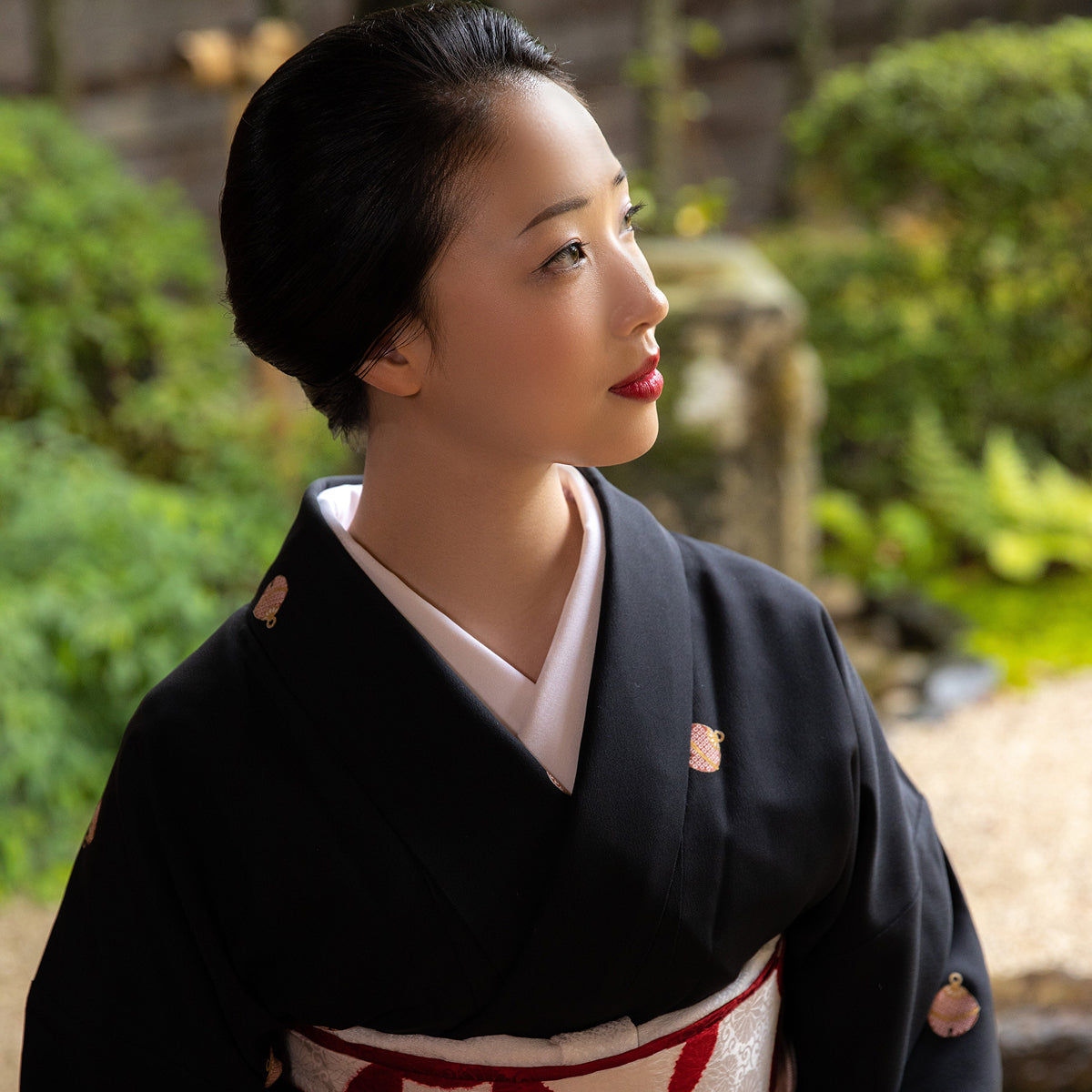
At Tatcha, a lot of our beauty inspiration comes from Japan, where skincare has been practiced for centuries. Geisha performers had extensive beauty routines that they passed down in an oral tradition for generations. At the beginning of the 19th century, an author seeking to record the beauty trends of the time compiled a three-volume tome and called it the Miyakofuzoku Kewaiden, or Capital Beauty and Style Handbook. It showed not only makeup but skincare advice as well. If faces were painted, they were exfoliated, too.
Many Japanese women also knew how to eat beautifully—that is, adopt certain foods with appearance benefits. (Today, as a demographic, Japanese women have a life expectancy of eighty-seven years, compared to eighty-one for American women. Scientists credit their longevity to genetics, but also to lifestyle and diet.) It would be difficult to argue that skincare is less important today than it was centuries ago. Life may be more complicated than it was back then, but as the next point will show, maybe that’s another reason why skincare can be useful.
Routines are good for us.
Weekly ice cream sundae. A workout before work. Pre-bedtime bath time, with a moisturizing sheet mask. Whether it’s something we do to take care of ourselves, or something we reward ourselves with for doing so, routines simply help us live better.
Health providers agree that implementing routines (and sticking to them) can be hugely beneficial to people in all areas of their life, especially when it comes to sleep and diet. But fewer have concrete advice for how a routine can be forged. According to an article published in the American Journal of Lifestyle Medicine, forming a routine “can take a long time and is highly variable between individuals.” The article also distinguishes between a habit, which requires a cue—like showering after a workout—versus a routine, which doesn’t—like showering in the morning.
Because good skincare is a daily practice, it can make for a great routine that easily punctuates the day. (Make it a routine, not a habit, with devoted blocks of time.) Both your morning and evening skincare regimens are opportunities for short meditations, or at least quick self check-ins. If for no other reason, try adopting this twice-daily practice, and see if you don’t feel more connected to yourself by the end of the day.
You can learn a lot.
Just start with the ingredient label. Did you know that hyaluronic acid, that slick substance found in many moisturizing serums and creams, is also found in the body’s connective tissue? (It helps lube our joints, among other important jobs.) Or that, in addition to boosting our immune systems, a topically-applied version of vitamin A also helps skin cells regenerate faster? And those benefits have also been observed in vitamin-rich plants, like cranberry and sea fennel?
Whether you’re interested in human biology or cosmetic chemistry, the world of skincare provides almost endless opportunities for practical education. But one of the best things you can use skincare to learn about is other people. If you’ve ever gone makeup shopping with friends, or even been in a long line for the bathroom, you know about how beauty chatter can bring people together. Our skin is a science, but it’s also a self, and our skincare routines offer a peek into who we are. In this light, a little acne isn’t such a bad thing, if it gives you something to talk about.
If you look good, you feel better.
There is a distinct link between how we look on the outside and how we feel on the inside. The nascent cross-study of psychology and dermatology has yielded plenty of evidence that emotions can affect our skin (via stress-induced conditions, like eczema) and our skin can affect our emotions (psychological problems induced by skin disfigurement or hallucinations), according to the American Psychological Association. But even outside a clinical context, we know that putting attention into our appearance can improve confidence and self-esteem. These simple gestures have astounding benefits.
Tatcha’s founder, Vicky Tsai, once wrote about the misconception of the 10- or 11-step Asian skincare routines that inspired the brand. “Quite the opposite, the classic rituals are as short and effortless as they are transformative for skin and soul alike. Giving yourself time to take care of your skin is not a luxury, but a necessity—a short, impactful moment for you to open and close the day.” When we talk about skincare, it’s the emphasis on “care”—the care we give our bodies, and our minds—that is truly meaningful.