

I am often asked why, as an American-born Taiwanese woman, I would choose to create a company born from Japanese skincare and heritage. The truth is that skincare is deeply rooted in all Asian cultures, but each country has a unique approach. Asian Beauty as a whole is enjoying immense popularity today, but the distinct rituals and ingredients of each culture stretch back centuries.
In particular, we often see Japanese beauty and Korean beauty either confused or grouped together. Both emphasize cleansing the skin, and both have a love for sheet masks, but there are more differences than similarities.
To help clarify and distinguish these two rich beauty and skincare routines, I spoke with my friend Charlotte Cho, the founder of the beloved Korean skincare website Soko Glam.
What inspired you to create companies rooted in J-Beauty and K-Beauty, respectively?
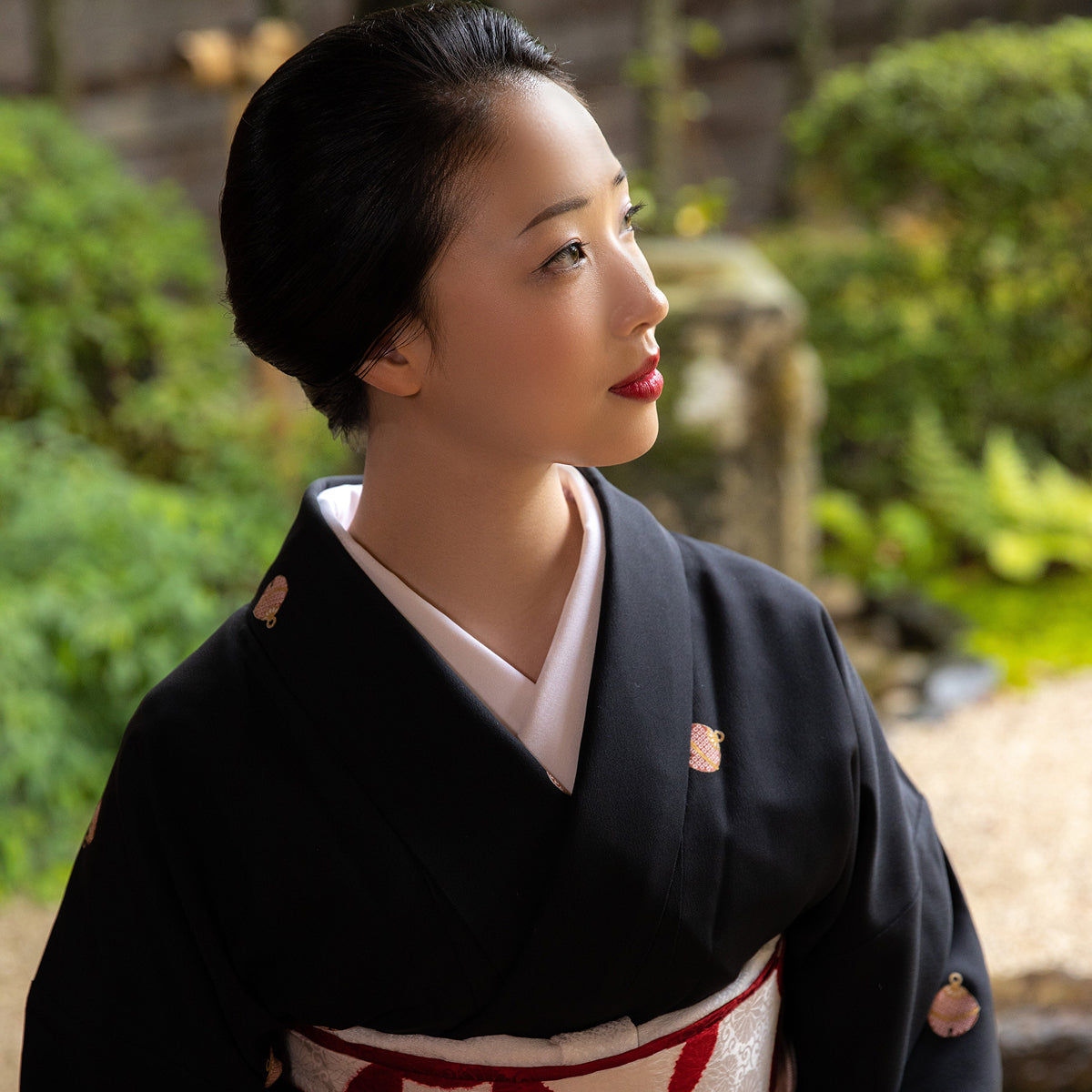
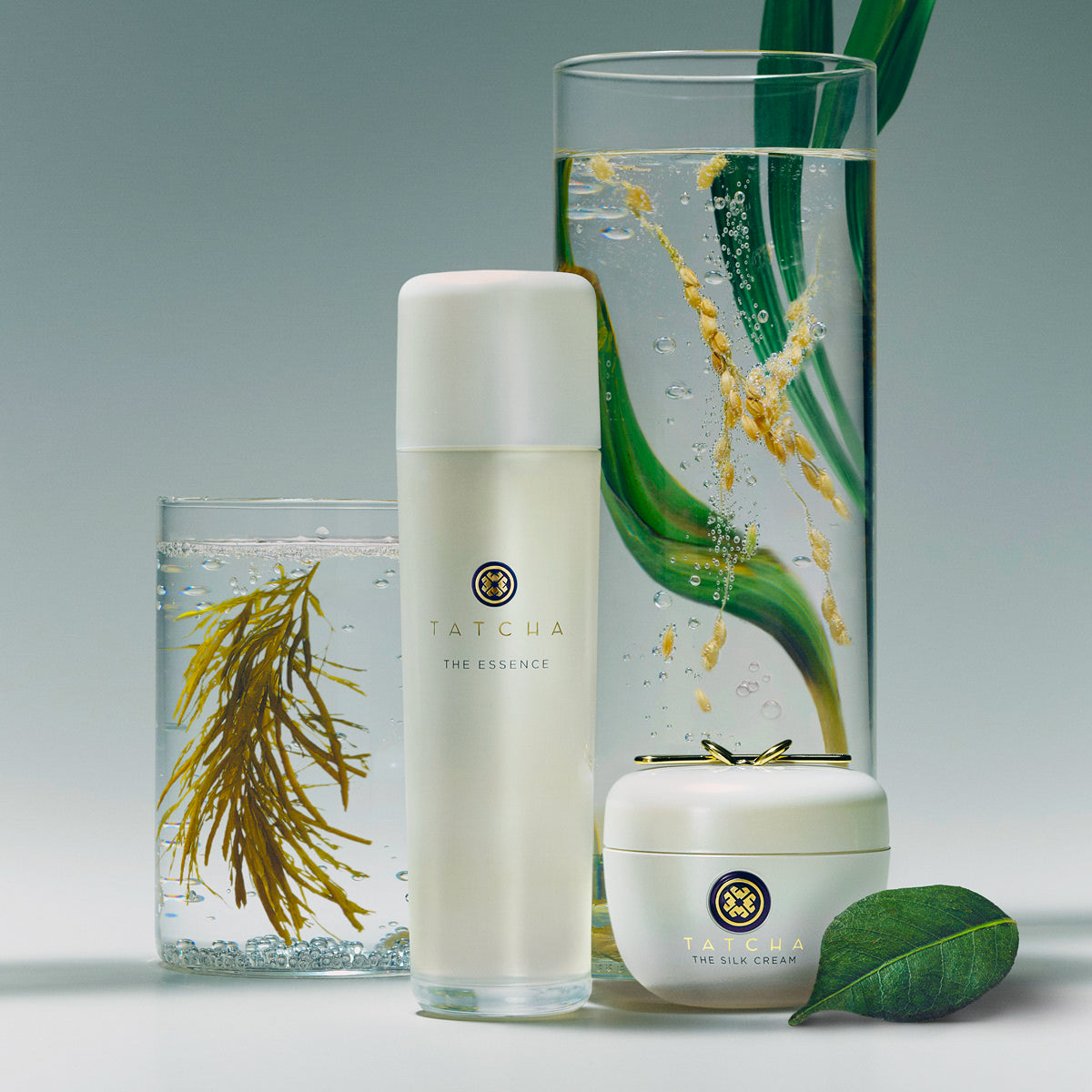
Vicky: When I first visited Kyoto, I was looking for a new approach to beauty. Using modern Western skincare products had given me acute dermatitis, and I was still struggling to get the blistering, bleeding, and rashes under control. I was fortunate to have the opportunity to spend time with a geisha, who shared their rituals with me, which were as simple as they were elegant and effective. Their formulas are what finally gave me my skin back. I fell in love with their simple but powerful skincare ingredients, less-is-more philosophy, and the generations of wisdom that helped to shape them. I created Tatcha to share these treasures with a new audience.
Charlotte: As a Korean-American born and raised in California, my skincare routine was nonexistent until I moved to Seoul at age 22. Within a few months of living in skincare-obsessed Korea, it turned my beauty world upside down! I quickly adopted their skin-first philosophy, which was refreshingly seen as not a chore but a part of the lifestyle that they took delight in. All walks of life (men, women, teens and even young children) were very knowledgeable about skincare: from the benefits of hydration, exfoliating regularly and the importance of sunscreen. I was also constantly surrounded by beauty shops, with the most interesting ingredients and packaging everywhere I turned! Once I fell into a multi-step skincare routine, I saw my skin transform from a dull, flaky mess to a bright, dewy glow. This motivated me to share the world of Korean beauty to the West, so I created Soko Glam, a curated selection of the best Korean beauty products. And because education is key to understanding the world of Korean beauty, I launched The Klog, a place to learn about these techniques and read about the latest innovations from Korea.
What do you consider the most unique aspect of Korean beauty? Japanese beauty?
Vicky: I’m amazed at how quickly Korean beauty innovates, adapting to trends and introducing new ingredients and treatments seemingly overnight. To me, the most unique aspect of Japanese beauty is the minimalist philosophy. Their rituals focus on a few simple steps and a few simple but efficacious ingredients.
Charlotte: I love the focus on time-tested ingredients in Japanese beauty. From rice brans to pearls, these ingredients have been used for centuries for brightening, hydrating, and exfoliating the skin. As for Korean beauty, I think the most unique aspect is their creativity and ability to challenge the norms of beauty in pursuit of a better product. For example, cushion compacts have revolutionized the way people applied foundation by creating a new method to transfer just the right amount of the product onto the skin for a flawless, dewy look..
How does skincare relate to or reflect the culture more broadly?
Vicky: In Japan, they treat their skincare the same way as their food, their flower arranging and their tidying up: less is more. Sushi is comprised of rice, seaweed and fish, high-quality ingredients minimally manipulated to offer health benefits and delicious flavor. Marie Kondo’s beloved KonMari method focuses on a clean space with minimal decorations. The Japanese skincare philosophy is the same: few steps in a ritual, few simple but powerful ingredients.
Charlotte: Korean women are extremely knowledgeable about skincare because it is ingrained at such a young age. They’re also really into beauty since they value outward appearances and making a great first impression. I truly believe this has made them the pickiest cosmetic consumers, and the most adventurous. To meet the demands of Korean consumers, Korean beauty companies are constantly driven to update packaging and formulation. The result is this: super innovative and effective products, from labs to store shelves in just a few months!
What aspects of Korean skincare and Japanese skincare are resonating most with the Western audience?
Vicky: One of the most surprising things I learned about the geisha was the importance of cleansing the skin. In the west, we focus on treatments, face masks, and anti-aging moisturizers, but often forget to take our makeup off before bed. Even with a busy schedule and performances late into the night, a geisha always removes her makeup with an oil-based cleanser and washes her face with a gentle daily exfoliant at the end of the day. The Japanese skincare routine focuses on cleansing and polishing the skin, two steps that are becoming much more important to the American client.
Charlotte: Believe it or not, many have been very inspired by the 10-step Korean skincare routine, even for people who are completely new to skincare and never used more than a moisturizer in their life! The multi-step routine includes double cleansing with an oil cleanser and a water-based cleanser, toner, exfoliator, essence, serum, sheet mask, eye cream, moisturizer, and SPF. But keep in mind, you don’t have to use 10 steps every morning and night—it’s really a sequence of steps that you could potentially use, depending on your skin concerns and needs. I believe Western audiences see the multi-step routine as a way to unwind and focus on the health of their skin to achieve glass skin and a naturally dewy, glowing appearance.
Where do you go to be inspired?
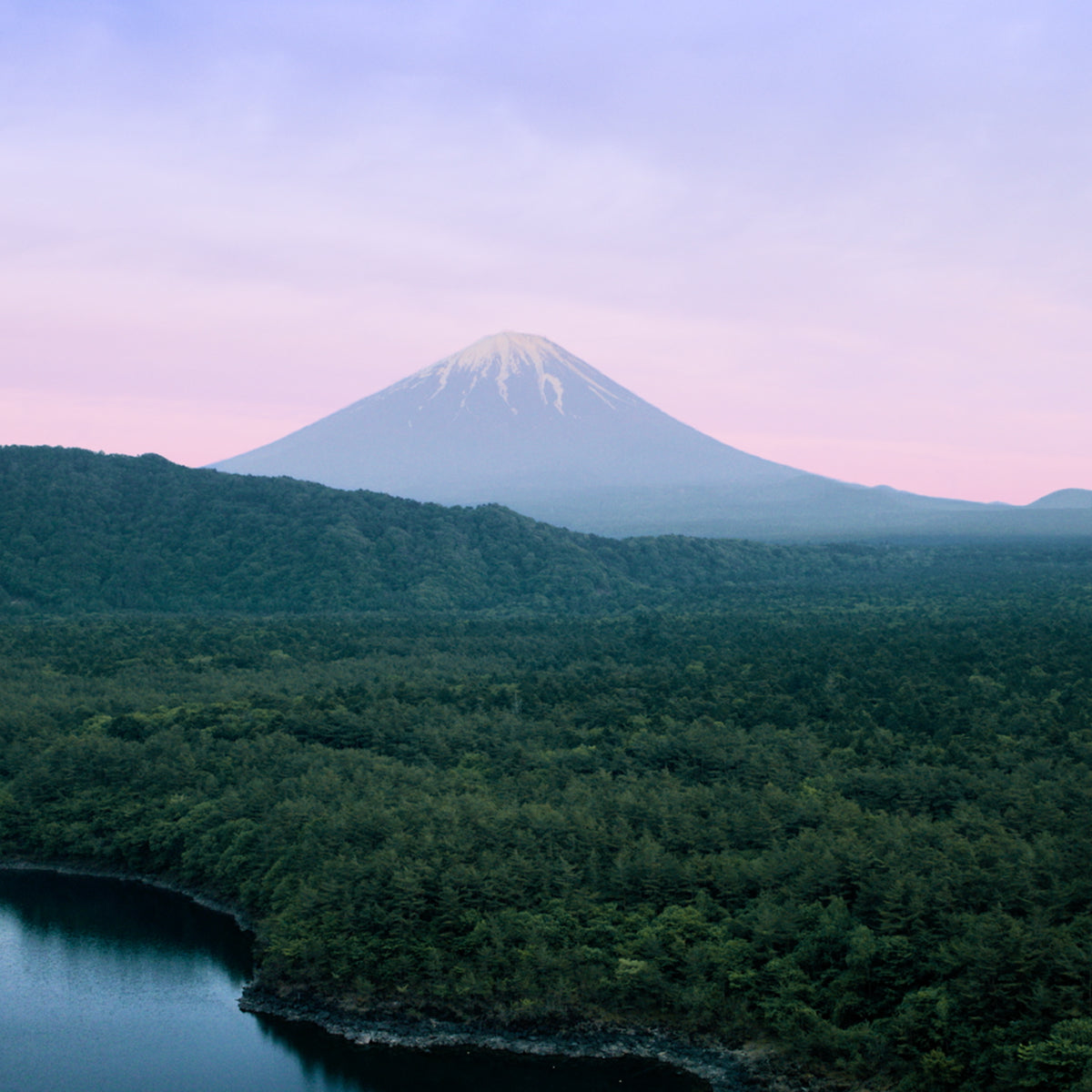
Vicky: I am inspired each and every time I travel to Kyoto. Whether it’s the colors of the leaves, the designs on the temples, or the wisdom of the geisha, I come away from each visit feeling rejuvenated and brimming. If I can’t travel that far, I take a long, hot shower. Inspiration always strikes in the shower.
Charlotte: I am in Seoul at least a third of the year. Despite the frequency of my trips, there is always an exciting trend or innovation to explore in Korea. When I’m not in Korea, New York City is my home base. I try to take every opportunity to go out, meet new people and explore the city to get inspiration. If you’re in your own bubble, you’ll never know what matters to others.
Tell us about one of your discoveries, one that embodies the Japanese or Korean skincare philosophy and that you are excited to share with everyone.
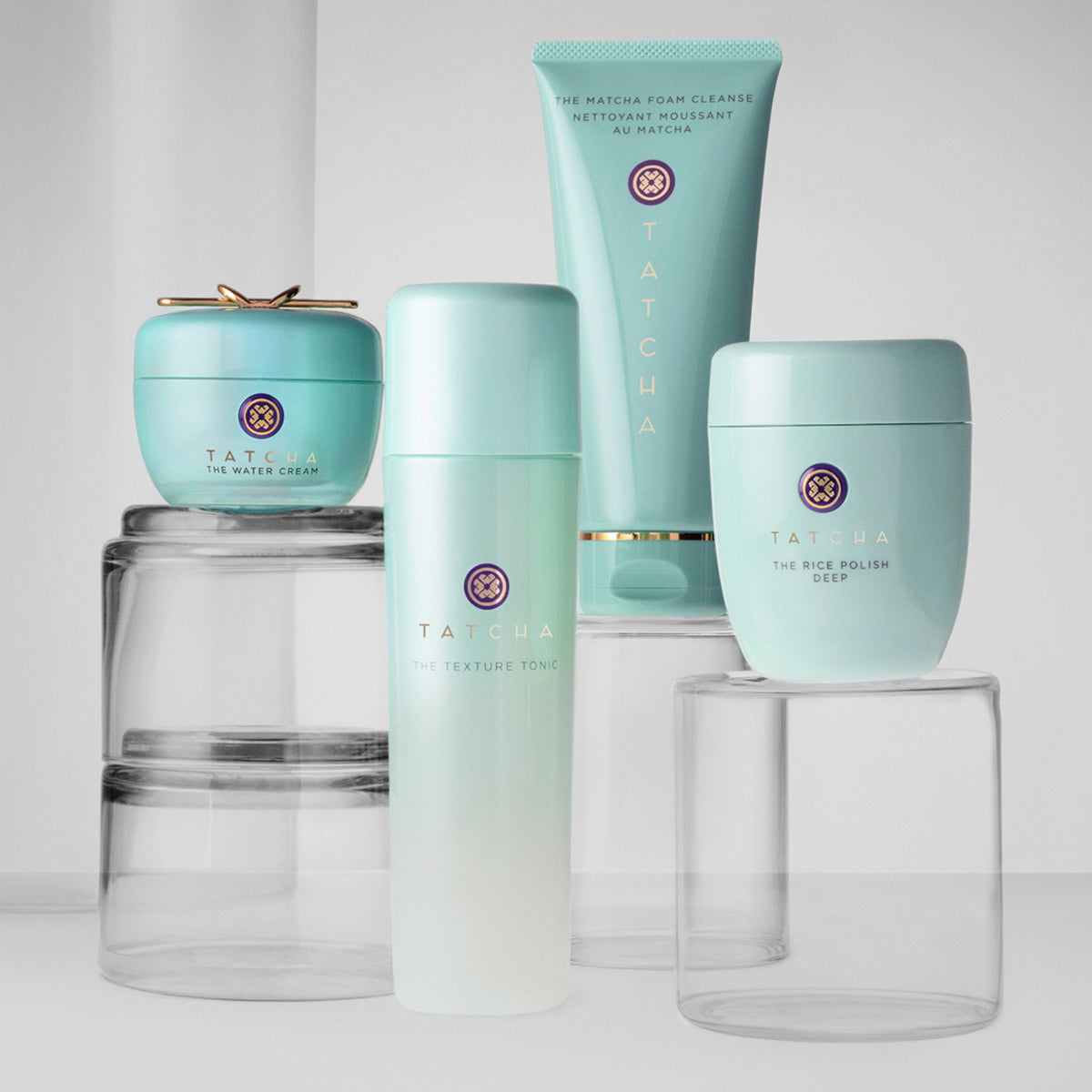
Vicky: We are so excited to share our treasure, The Water Cream. It brings to life the “less is more” Japanese skincare philosophy with pure, minimal ingredients formulated with everything you need and nothing you don’t. The unique, oil-free formula is a burst of zen for all skin types, transforming upon application to release refreshing hydration and the Japanese superfoods, green tea, rice, and algae. The result is smooth, supple, poreless skin that is perfectly prepped for makeup—making your skin one less thing you need to worry about.
Charlotte: Although many people think of Korean skincare products when they think of Korean beauty, there are more innovations in other beauty categories that are starting to bloom. For example, new products such as hair essences are now in the spotlight. There are many different treatments that you massage into your scalp to help you grow healthy, shiny hair. In addition to haircare products, there are innovations within the color cosmetics and makeup categories as well.