



Food plays a large role in every world culture, not only as a means of sustenance, but as a way to convene together, to share, and to preserve traditions. In fact, foods are some of the first ways we experience other cultures. It’s one of many ways we connect the peoples of the world, and one of the most powerful. After all, we all have to eat.
If you’ve been to Japan, or eaten in a Japanese restaurant, you’ve probably had your own taste of the nation’s rich and flavorful food tradition. The food in Japan is closely tied to the country’s natural landscape, often incorporating local and seasonal ingredients. No meal puts this on display better than kaiseki-ryouri, a form of haute cuisine consisting of small, local dishes prepared in a variety of ways—pickled vegetables, steamed fish, and a healthy bowl of white rice. Through the simple act of eating, you can do more than learn about the flora and fauna of a place—you can taste it for yourself.
The global popularity of Japanese food allows Japan’s unique culture to be shared all over the world, and it reverberates in areas outside the kitchen, too. Western societies have adopted a number of Japanese concepts, from dining to cleaning to caring for our skin. Of course, in Japanese culture, all of these acts of living are interconnected and inform one another in a variety of ways. Would it surprise you to learn that you can learn a lot about skincare through looking at the Japanese diet? We’ll look at a few ingredients and how they show up in Japanese skincare rituals.
Serving the world: Japanese food goes global
Throughout its history, Japanese people preferred largely vegetarian diets; this was due in part to the nation’s dominant religions, Shintoism and Buddhism, and the focus they placed on environmental respect. Buddhism particularly forbade the consumption of animals, leading to mostly meat-free diets. Some emperors even banned fishing during their reigns. The 19th century’s Meiji restoration, in which Japan quickly modernized, saw many changes to the Japanese diet, including the end of a prohibition on red meat. Western and Eastern palates slowly began to meld.
It was later in the 20th century when Japan began exporting its cuisine to the rest of the world. New inventions in refrigeration, around the 1970s, allowed businesses to ship their wares abroad. Around that time, the first sushi bar opened in Los Angeles, leading to a craze for Japanese restaurants all over the United States. A half-century or so later, it’s easy to find all sorts of Japanese diet staples—from sushi to ramen, even sticky natto—in America. These dishes are some of the first experiences Americans will have with Japanese tradition.
Eating pretty: Japanese diet staples
Certain foods are more prevalent than others in the Japanese diet, and when you look a little closer, you can see why. All offer benefits beyond mere sustenance. There’s a reason they recur not only in many areas of Japanese cuisine, but also throughout other cultural products.
Green tea. The popular tea is impressively rich in polyphenols, which are known to have strong antioxidant and anti-inflammatory properties. Matcha, in particular, is thought to extend one’s longevity, and plays a role in the sacred Japanese tea ceremony—matcha has been scientifically proven to have significantly higher concentrations of antioxidants compared to conventional green tea thanks to the unique growing and consumption processes.
Mugwort. Japanese mugwort, or yomogi, has been used as an all-purpose medicine for centuries, said to have antibacterial properties The wonder plant was also beloved by Empress Suiko, Japan's first female monarch in the 7th century. Her passion for herbal cures led her to decree the 5th day of the 5th month of every year to be a day for collecting irises and mugwort leaves, a tradition known as the Medicine Hunt (or kusuri-gari in Japanese), which is still observed every year on May 5th. This, and its amazing benefits, may be why mugwort is called the “Queen of Herbs.”
Rice. Many Japanese dishes come alongside or on top of a bed of fluffy, white rice. Rice bran, or komenuka, is chock full of vitamins A, B, and E, as well as over 100 antioxidant compounds, including omegas 3 and 6, proteins and fats. It’s often referred to as skin softening, too, because rice bran naturally contains squalene and tocotrienols—this is perhaps why it’s shown up in centuries of Japanese cosmetic formulations.
Seaweed. This briny botanical adds a marine flavor to sushi and soups, but it’s also a rich source of natural polysaccharides, protein, and fiber. In Japan, red algae in particular has been incorporated into bathing practices, including hair washing and special occasion body rituals, and is known as the “treasure from the god of the sea” by Okinawa residents. When consumed regularly, this superfood has been linked with numerous health benefits, from reduced cholesterol levels to healthier thyroid function.
Food for face: Japanese diet staples in skin care
The vitamin and mineral richness of many Japanese foods make them excellent for use in skin care — as is evidenced by centuries-old beauty secrets passed down through generations. An 1813 text known as the Miyakofuzoku Kewaiden, or Capital Beauty and Style Handbook, reveals many such pieces of advice, from using rice bran as an exfoliant to camellia oil as a face cleanser. Japanese women are aware of the fact that their skin is a reflection of their health, which is why so many of the ingredients that are commonly found in their diet are also in their skin care; it stands to reason that what is healthy for their body is also healthy for their skin.
Though the idea of a diet-skin connection is still a relatively new concept in the Western world, many skincare consumers are choosing to incorporate superfoods in more than just their diets. Eating well is the key to inside-out health. Here are a few skincare suggestions for some skin-deep benefits.
A cleanser with gentle power: The Matcha Cleanse
Made with: Kyo-Matcha, imported from Kyoto and rich in antioxidants. Formulated for oily skin, and made with kind-to-skin BHA alternatives Japanese coix seed and willow bark, this gel cleanser decongests pores for smooth, refined skin.
An exfoliant that renews skin: The Rice Polish
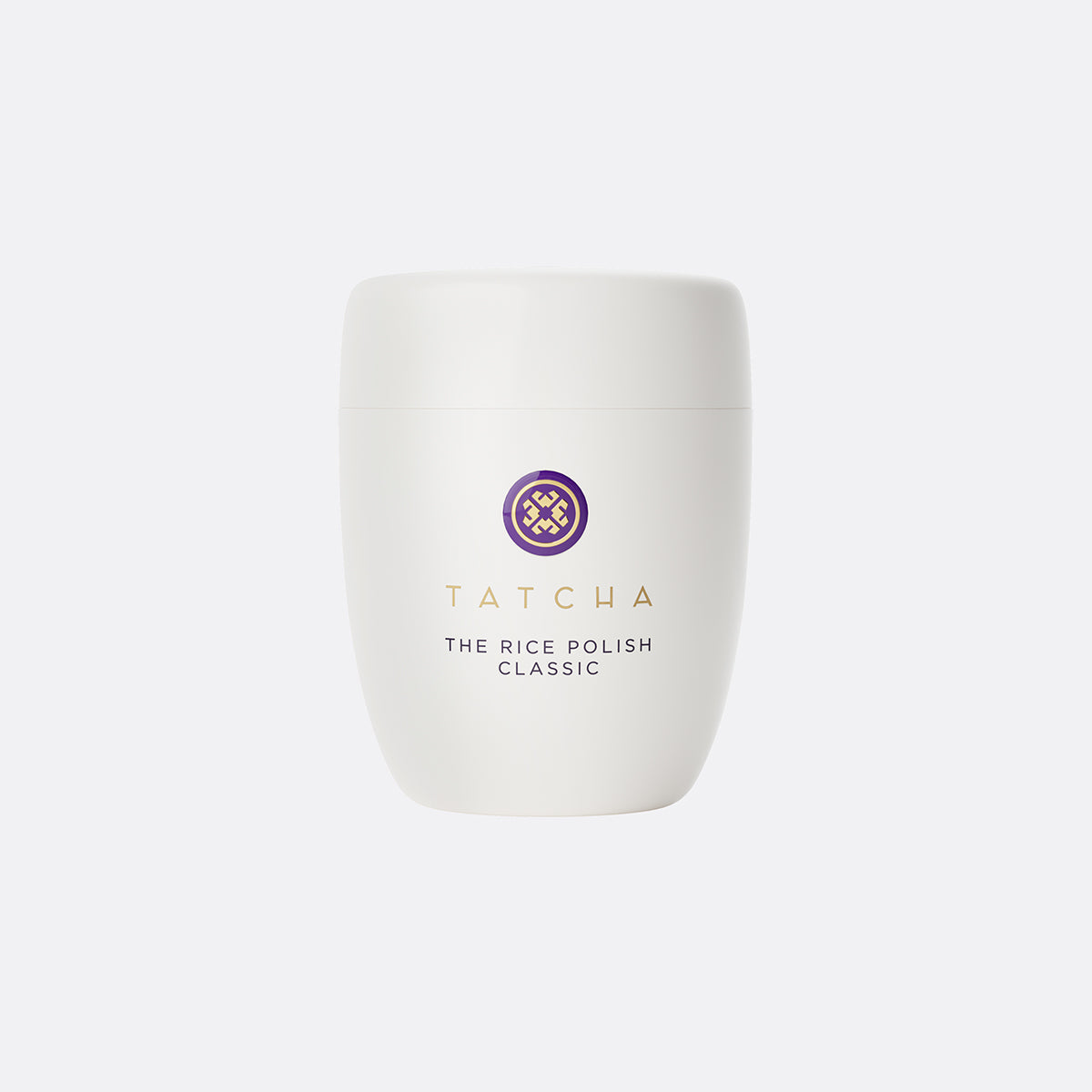
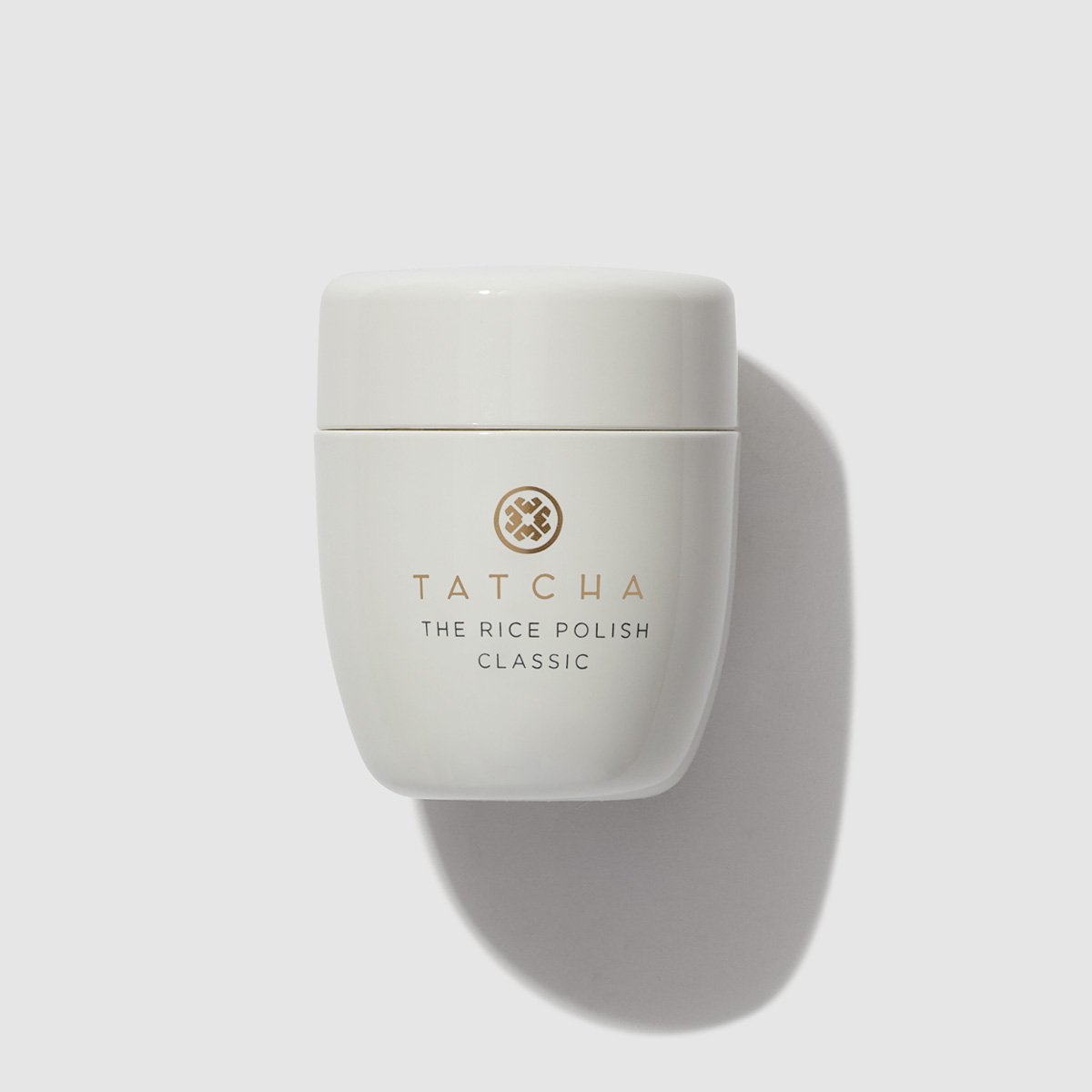
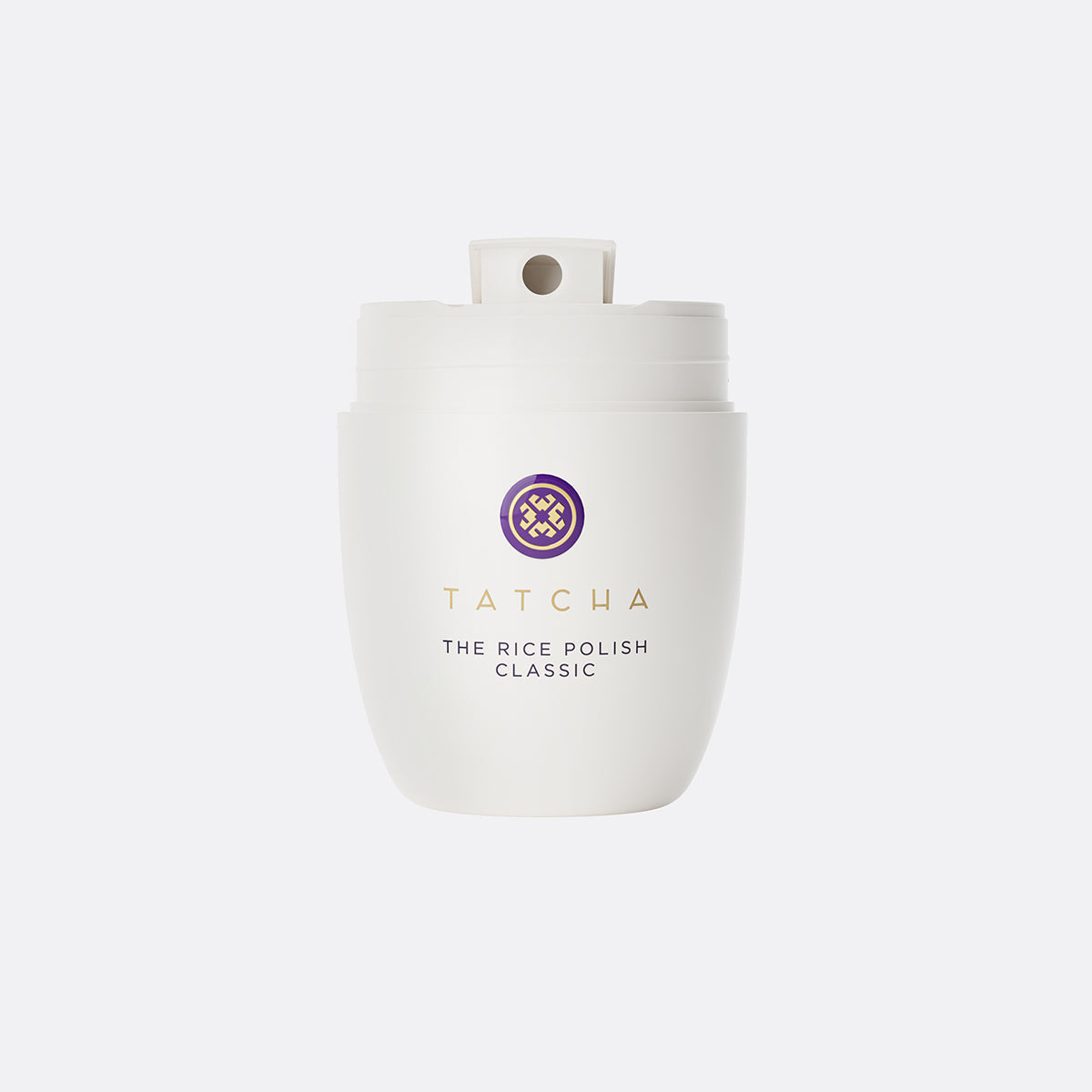
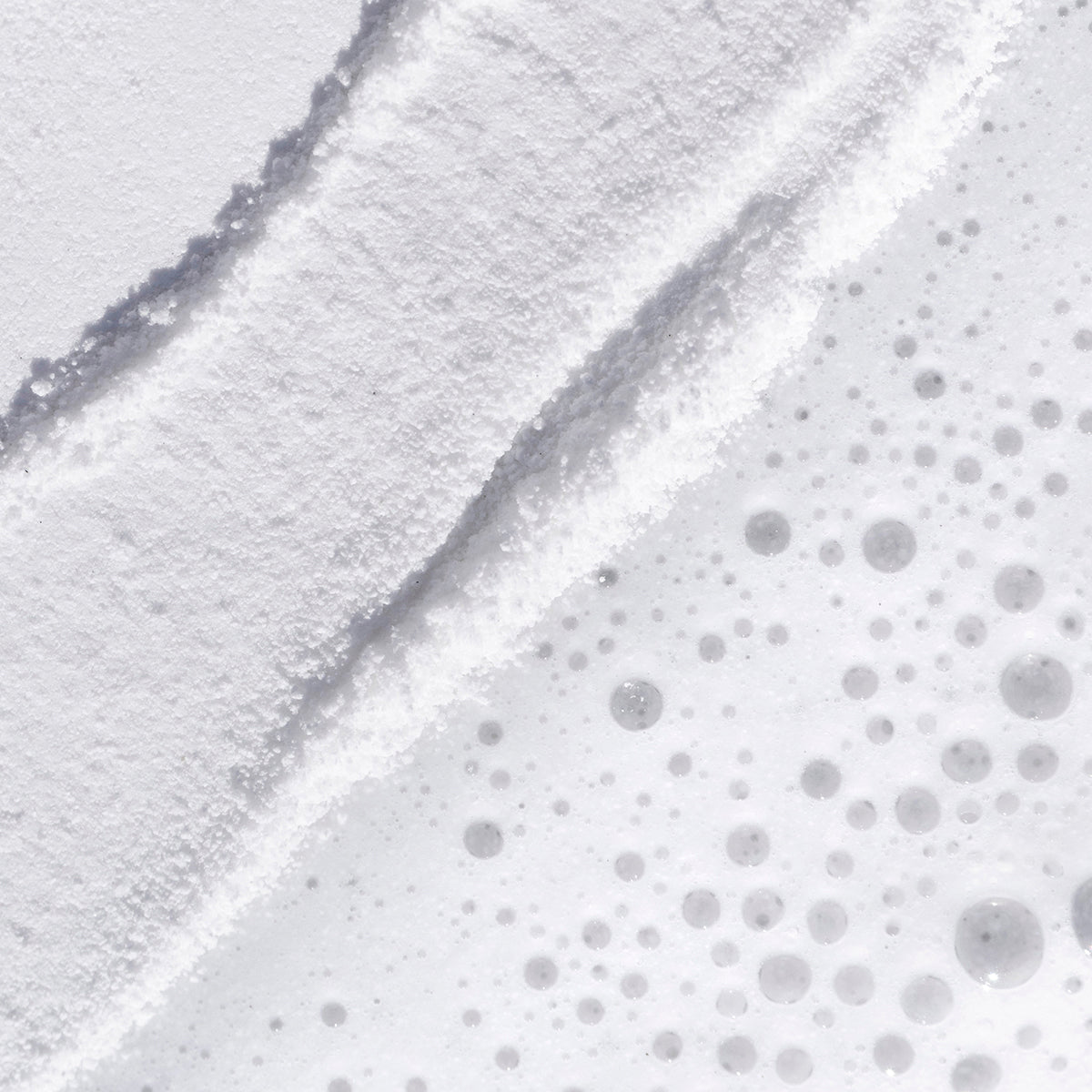
Made with: Finely-ground rice bran and papaya enzymes that promote natural skin turnover to instantly reveal a smooth, makeup-ready canvas. The Rice Polish collection uses whole rice grains to maintain all of its benefits, and finely mills it so it gently exfoliates, softening and smoothing skin.
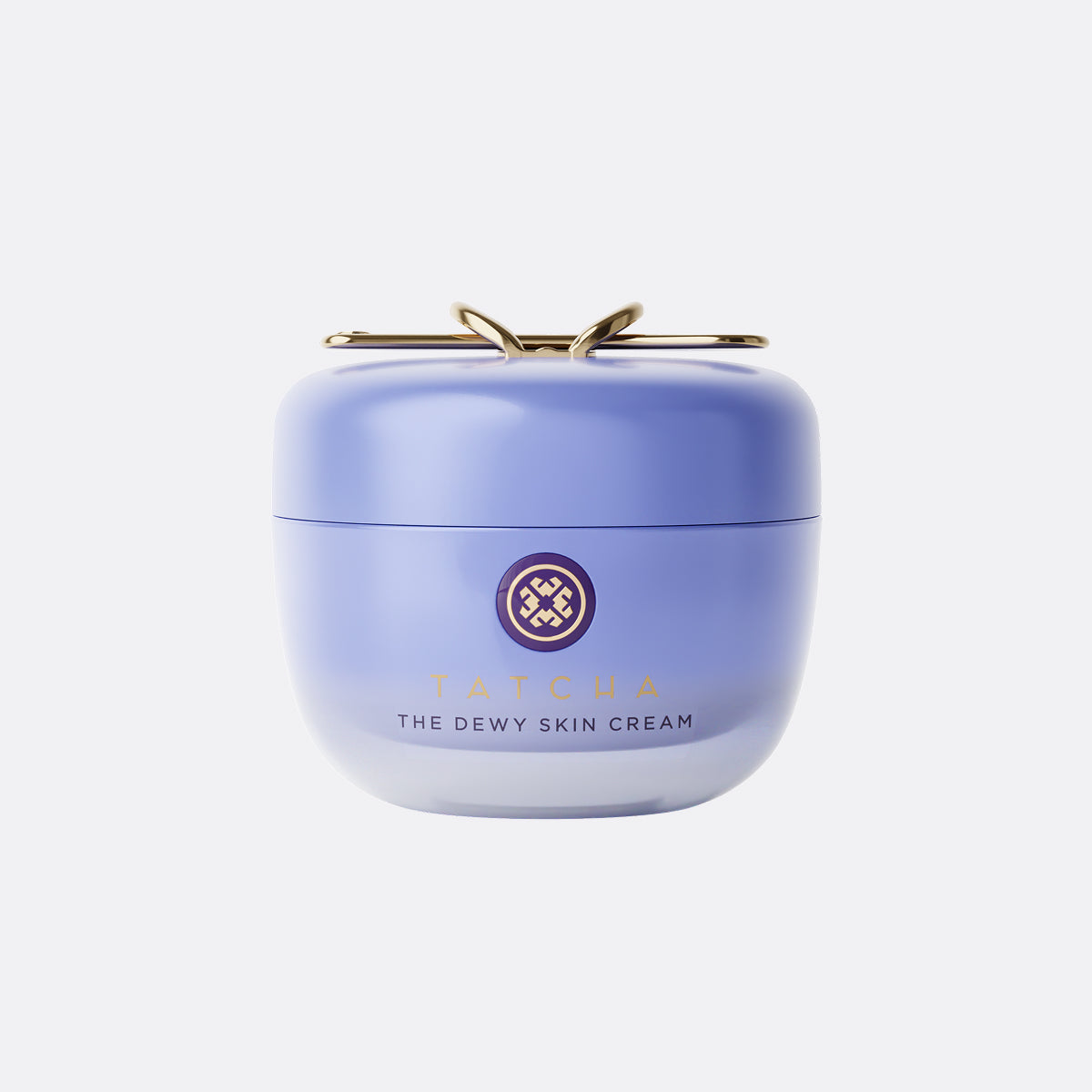
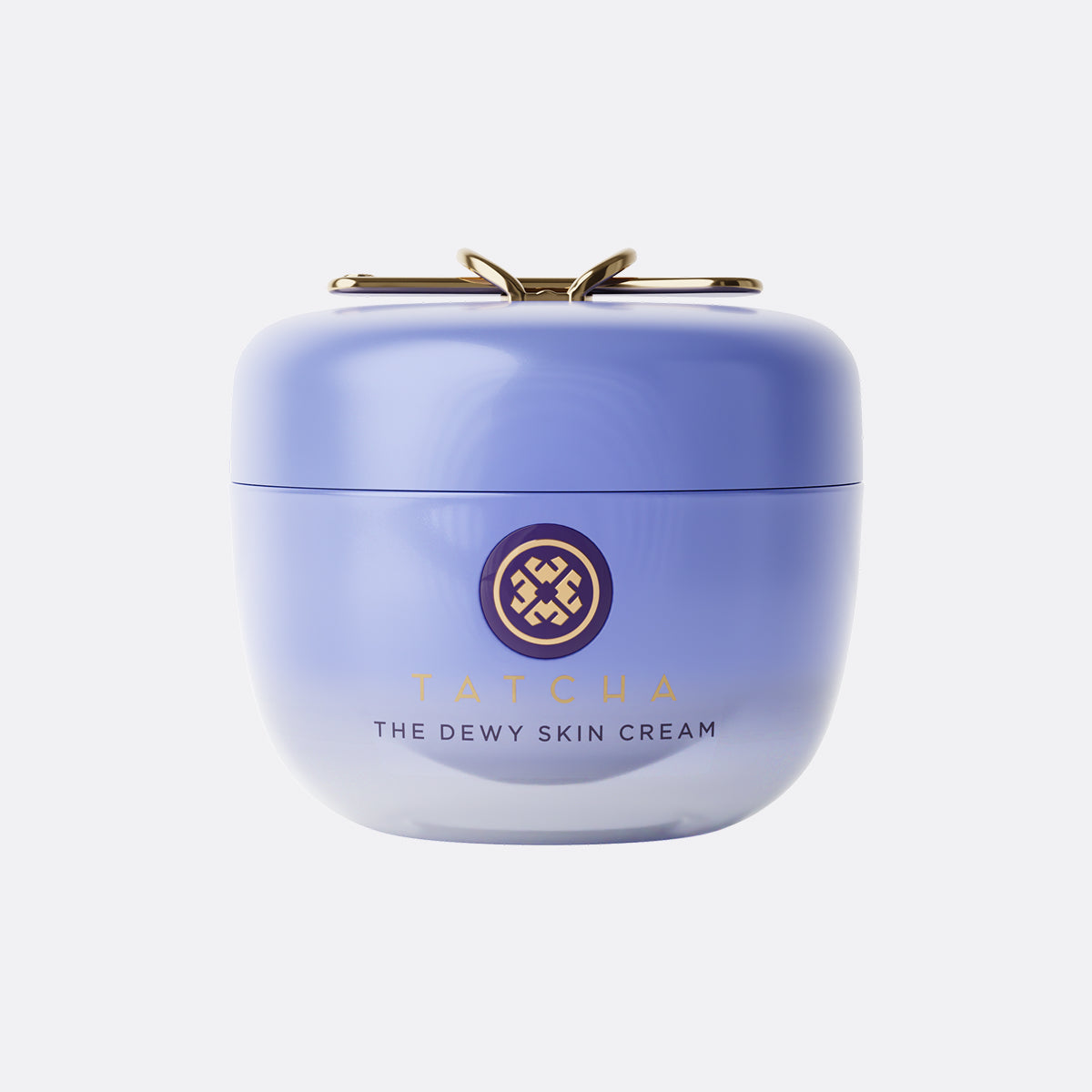
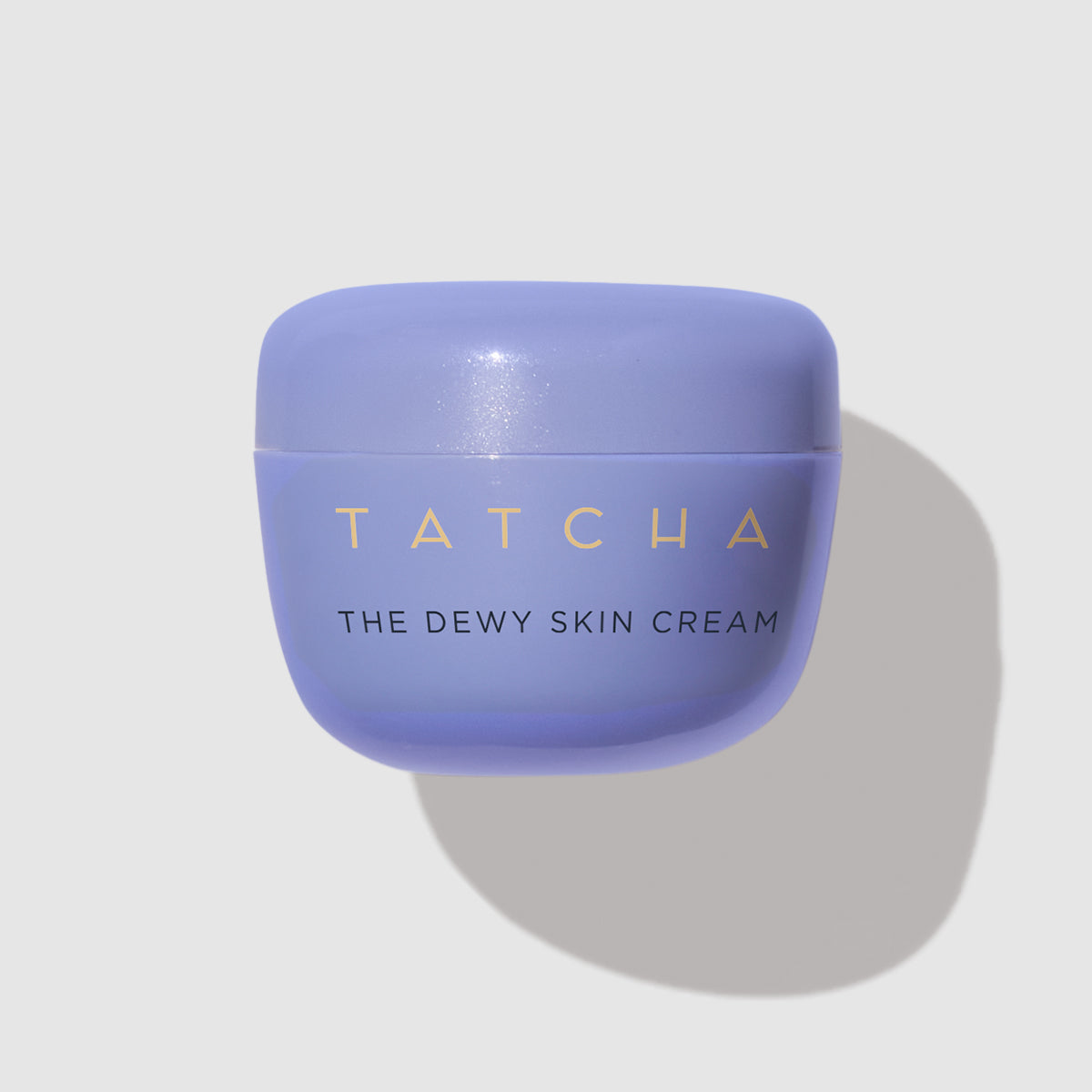
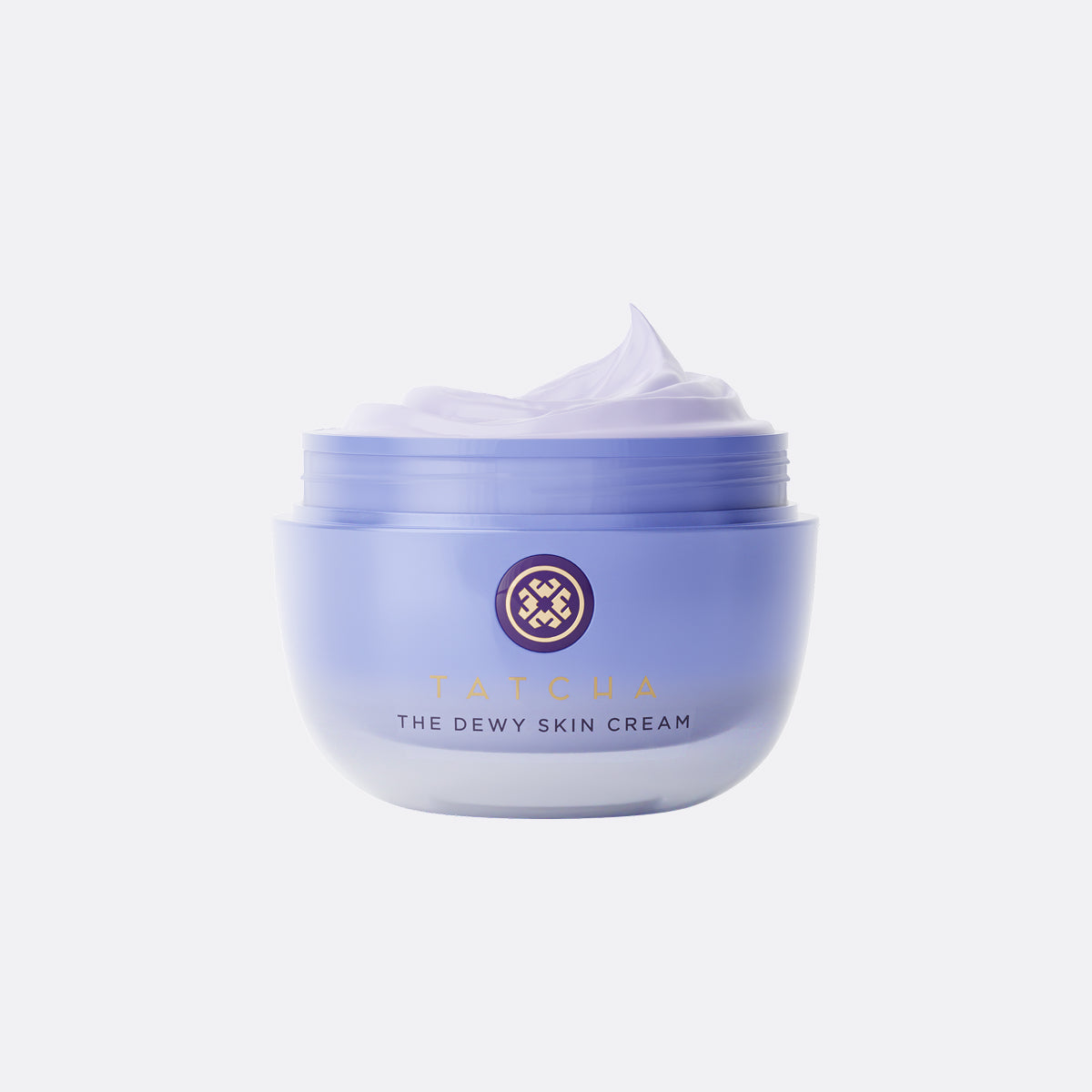
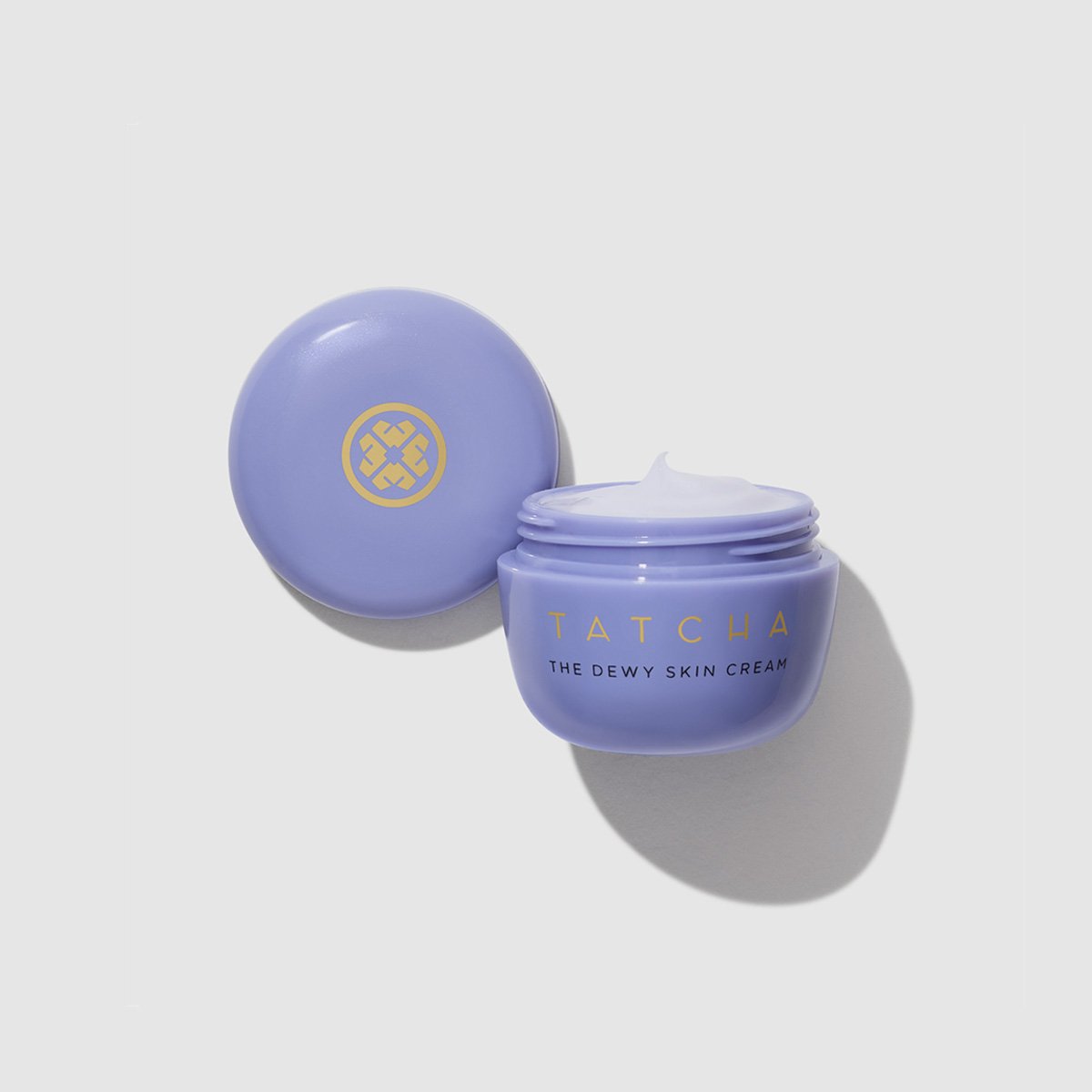
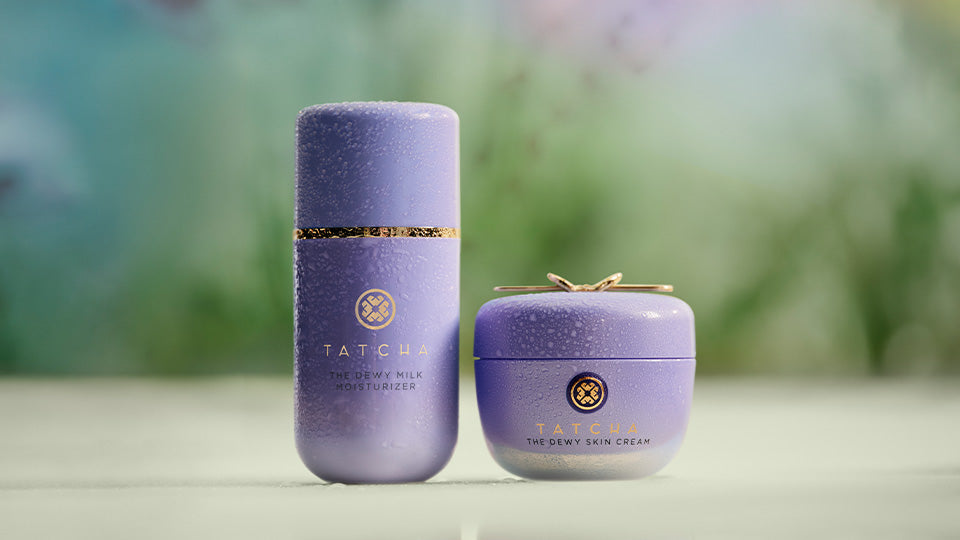
A moisturizer with added protection: The Dewy Skin Cream
Made with: Japanese purple rice, a time-honored grain that provides pollution protection from free radical damage like fine lines and wrinkles (thanks to an abundance of antioxidants like anthocyanin). It’s included in Tatcha’s best-selling moisturizer, proven to visibly plump fine lines, seal in moisture, and protect skin from oxidative stress for smoother, more supple skin.
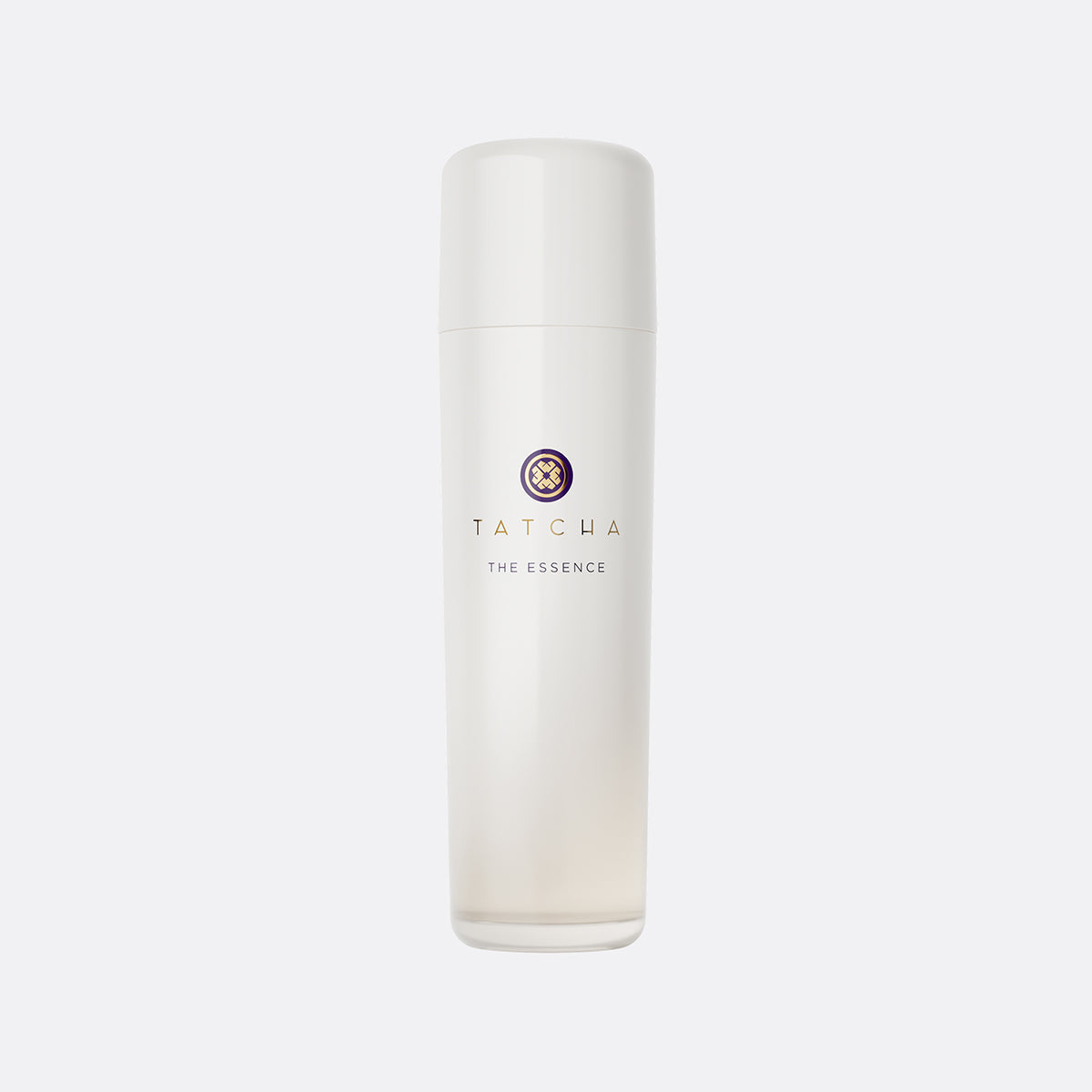
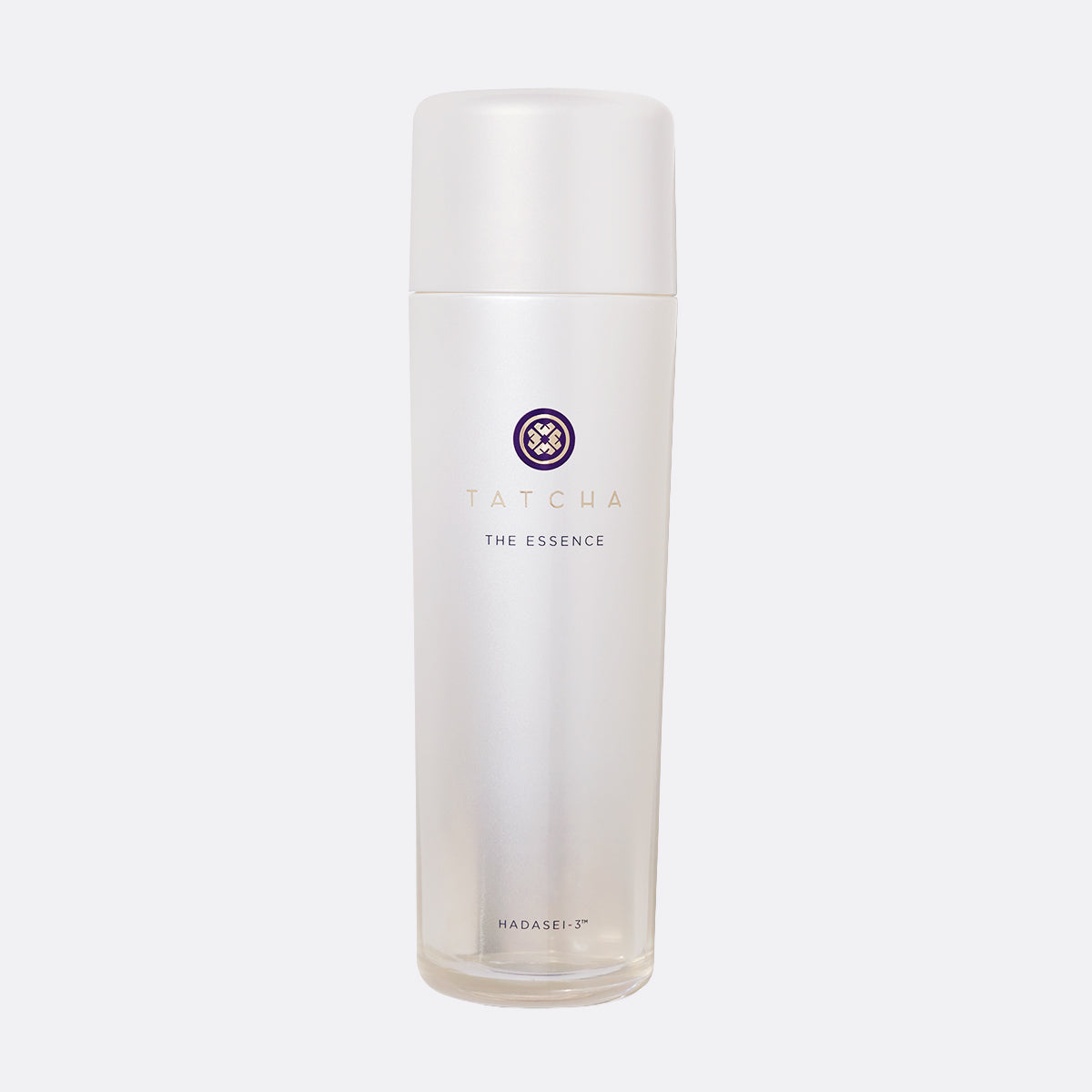
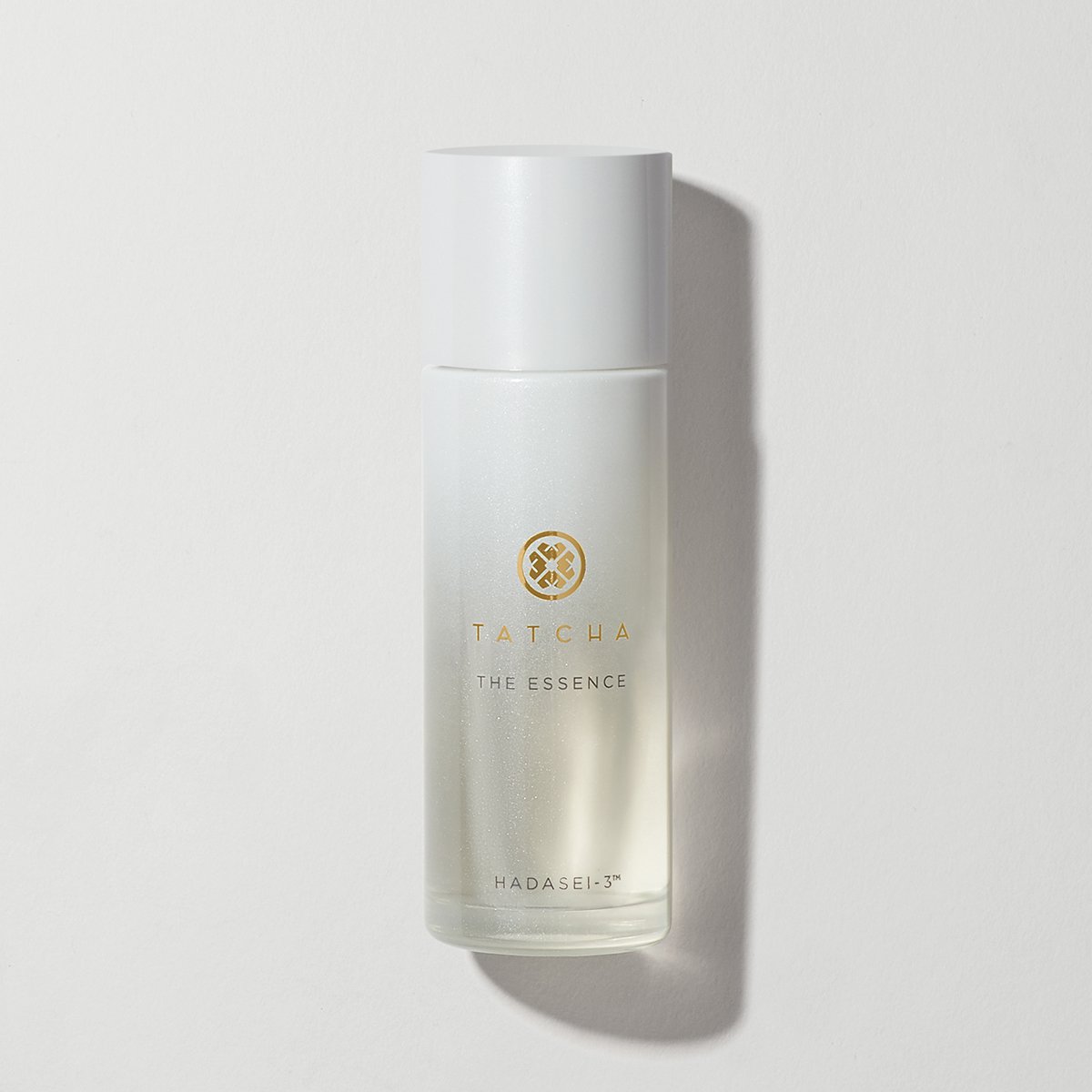
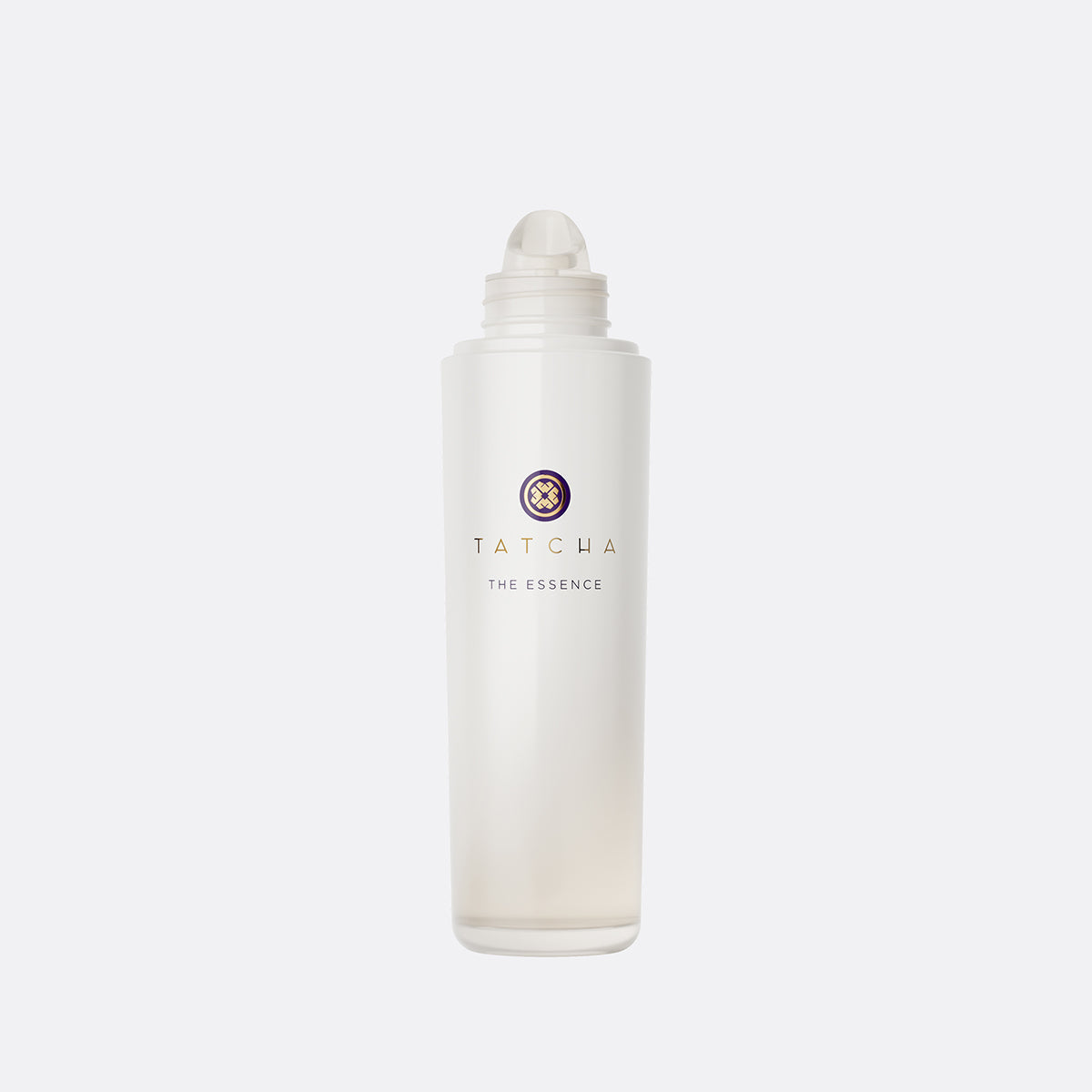
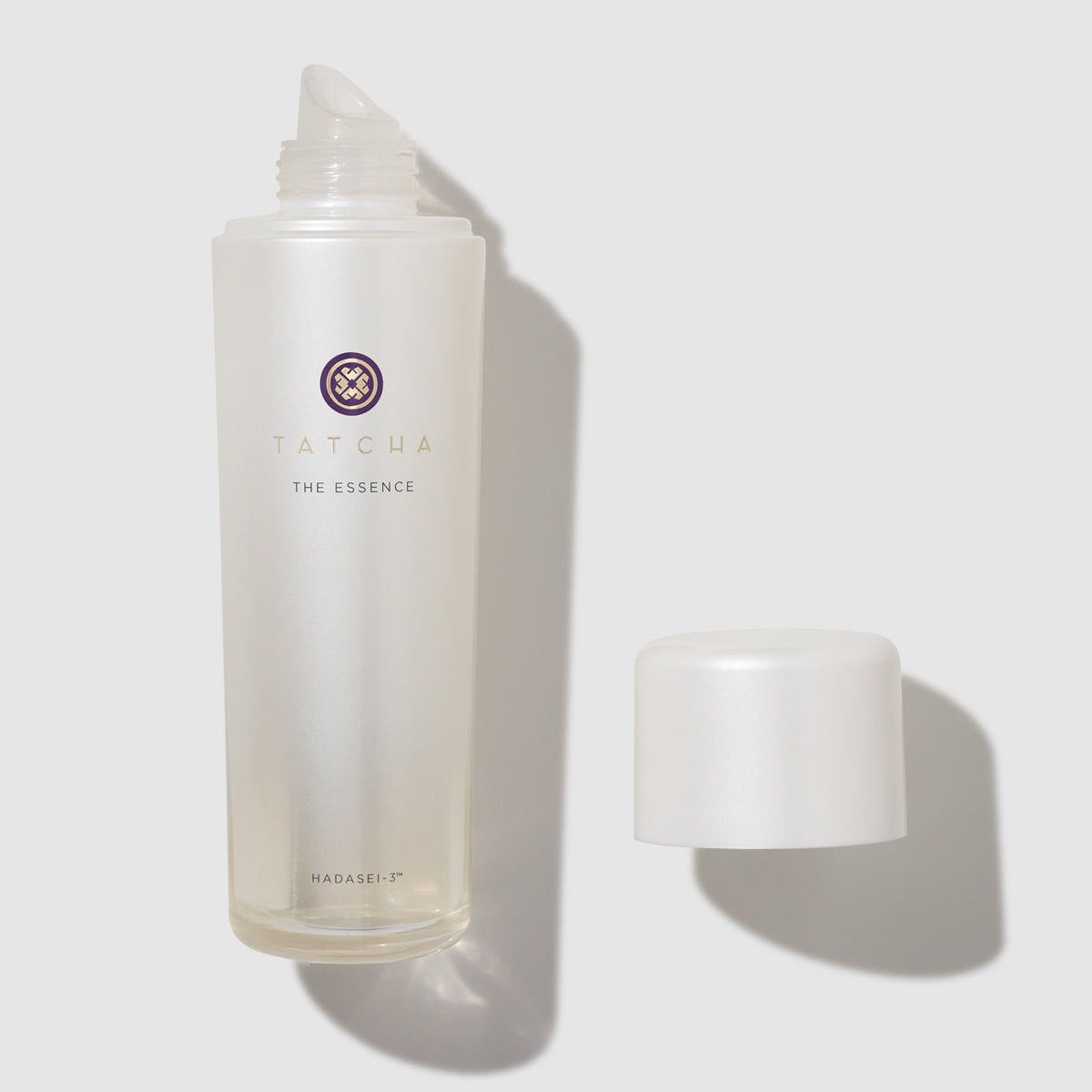
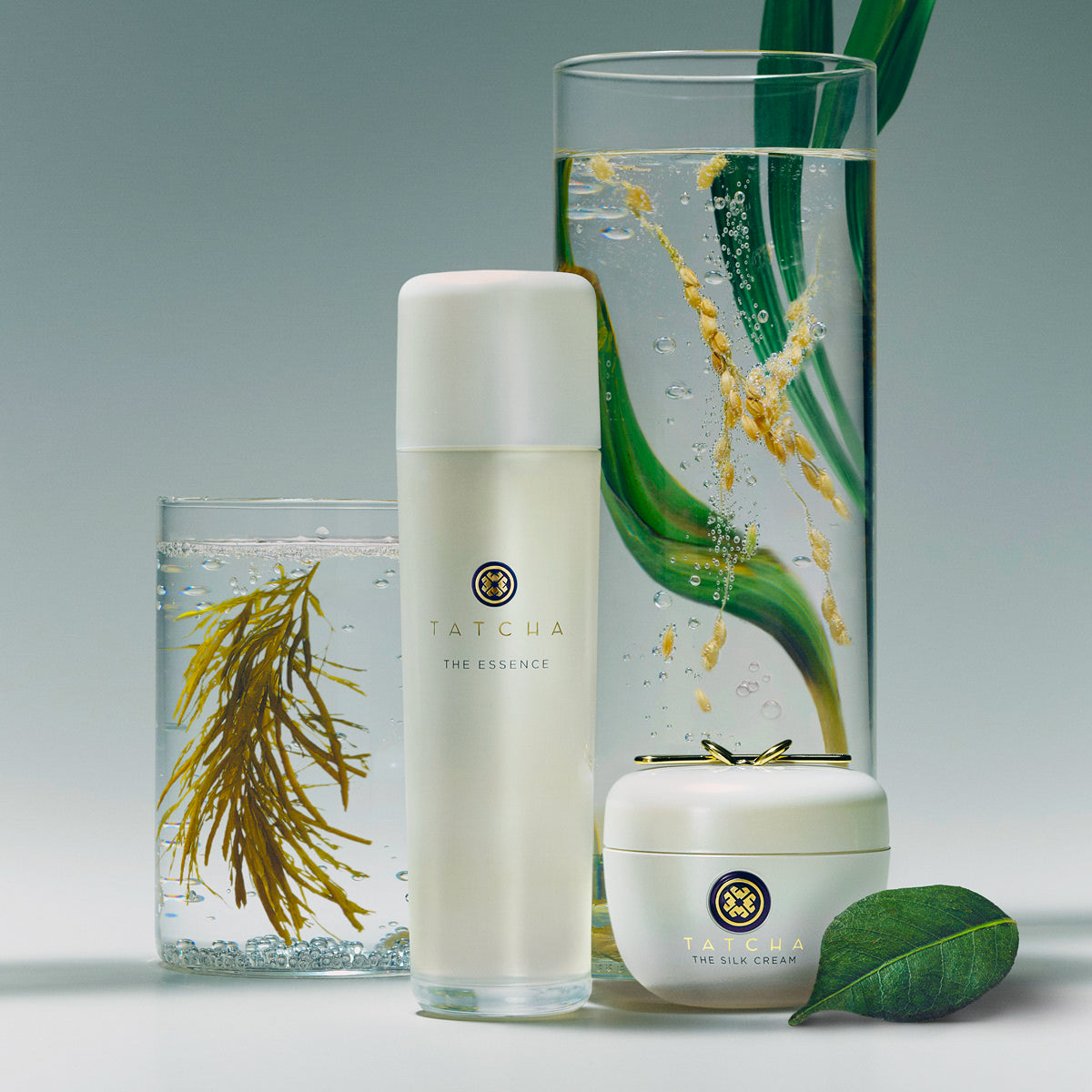
An essence that does everything: The Essence
Made with: Fermented Akita rice, moisture-retaining Okinawa algae, and antioxidant-rich Uji green tea. This harmonious trio of superfoods is fermented once more, boosting the benefits of the transformative superfoods and producing amino acids and alpha hydroxy acids like lactic acid, which support natural surface cell turnover for smooth skin.