
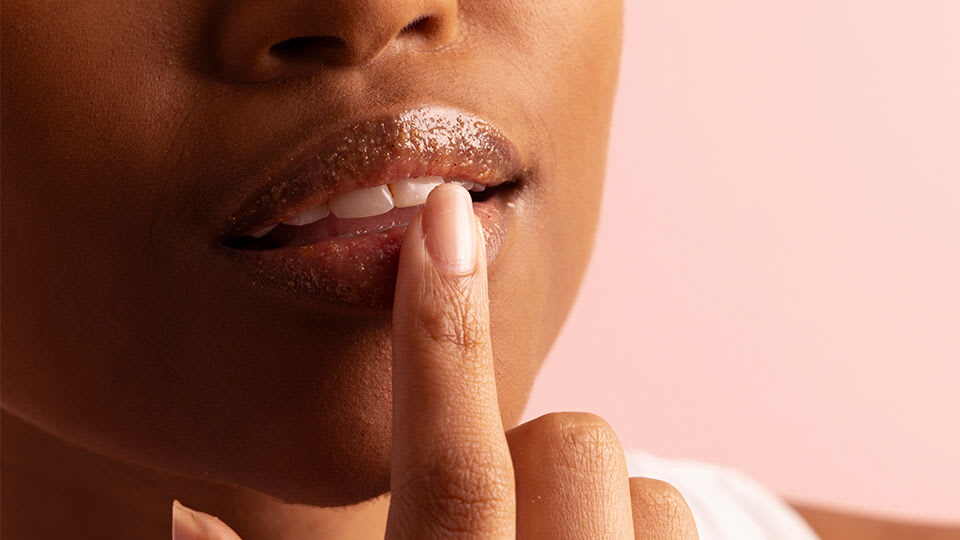
For many of us, lip color provides the very first entry into the world of beauty. As kids, we watch, captivated, while our mothers or movie stars or siblings paint their mouths—and as soon as we get our hands on our first tinted lip balms, we try to emulate them.
Makeup can be a tool for enhancement or expression, but in most cases, it builds on top of the beauty we were born with. Lip color is no exception. The skin that lines our lips is unique for many reasons, not least because it comes with its own natural color. And though this color can look similar when compared between people or similar complexions or genetics, each of us have a singular lip color custom to our bodies, shaded by biology, the environment, and our behaviors; our own built-in nude lipsticks.
As our bodies age, so does the skin on our lips, leading to changes in texture and appearance—particularly color. There are many reasons why lip discoloration happens, but the most important thing to know is that it’s inevitable. If getting older is a privilege, so are the changes to the fabric of skin that naturally occur over time. But it’s just as natural to want to hold on to your color for as long as you can, and luckily for you, there are lip discoloration treatments you can adopt to keep lips vibrant for longer.
What is lip discoloration?
The skin on our lips is different from the skin elsewhere on our faces and bodies in a few critical ways. For one, a lack of sebaceous glands makes it difficult for lips to self-moisturize, which is one of the reasons why our lips can quickly become noticeably dry and chapped if not regularly moisturized.
Another key difference is that the skin on our lips is thinner compared to the skin on our cheeks, chests, or elbows by between a third and a half of its cell layers. This makes lips more delicate, but it also gives them their unique natural color by being on the translucent side, giving view to the blood vessels that web beneath the skin. When our faces are flushed, you can sometimes notice your lips look brighter than usual.
Lip discoloration can broadly be defined as the loss of natural lip color over time. This can happen for a variety of reasons, and at any level of the skin on our lips; as a result of under-exfoliation on the surface, or a decrease in blood vessels, or changes to the very cellular structure of skin on a deeper level. If noticeable lip discoloration is one of your skincare concerns, a dermatologist can help you identify its root cause. The following can help you understand some general engines of lip discoloration in the meantime.
Can I fix lip discoloration?
Depending on the root cause of lip discoloration, the answer is yes and no. In some cases, a little skincare can help to revive lips; in others, the intrusion of new products can complicate things further. This is why it’s imperative to consult an expert if you’re not sure exactly what is causing your lip color to change. Their advice might involve some of the following:
- Regular moisturization. All year round, and especially in winter, the basis of lip care is moisturizing, which means using emollient skincare ingredients to create a moisture-trapping seal over lip skin. This helps keep lips from overdrying and becoming chapped.
- Incorporating exfoliation. Just like we exfoliate dry skin on our body, we can exfoliate the skin on our lips to clear away dead skin. Not only does this act restore and resurface lips, but the gentle friction can help lip color bloom. But if your lip discoloration is caused by irritation, you may want to be careful with this step—and ask your dermatologist about the best approach.
- Trying a targeted topical or treatment. Moisturization and exfoliation are the building blocks of a skincare routine, but they’re unlikely to help much in the way of hyperpigmentation, which may necessitate a stronger effort. Beauty editors and experts point to certain tried-and-true ingredients, like vitamin C, and laser treatments that work on a level beneath the skin to fade spots and bring out your lips natural vibrancy.
The best lip discoloration treatments
The singular needs of the lip region has inspired nearly endless skincare formulations designed specifically for lips. But only a handful have combined multiple benefit mechanisms into a single tube (or jar), allowing users to treat lip discoloration from a few angles.
A lip tint with sun protection.The easiest way to “restore” lip color might be to add a little extra, in the form of a lip tint. Especially for hyperpigmented lips, some added color can help to smooth out or blur discoloration. But if you’re wearing it in the daytime, it’s imperative to include SPF to ensure lips are protected from UV exposure, which can not only discolor lips, but ages them over time, too.
Try: The Kissu Lip Tint in Plum Blossom with SPF 25 and silk protein.
A gentle resurfacing scrub. Frequent—but not too frequent—exfoliation does a pair of lips good, and lip scrubs provide an easy way to get the job done. Unlike scrubs for the face, these are typically made with finer particles that are gentle on delicate lip skin, and may even be supplanted with other lip-hydrating or moisturizing ingredients.
Try: The Kissu Lip Scrub with konjac, peach seeds, and camellia oil.
A treatment with powerful actives. Somewhat recent technological advancements in skincare have given rise to the burgeoning serum category, which are often more potent and targeted formulas used to specific ends. Now it’s not so uncommon to find lip serums that are designed to improve lip texture, and even restore color, with regular use. (Don’t forget to follow with a lip balm, just like you would follow a face serum with a moisturizer!)
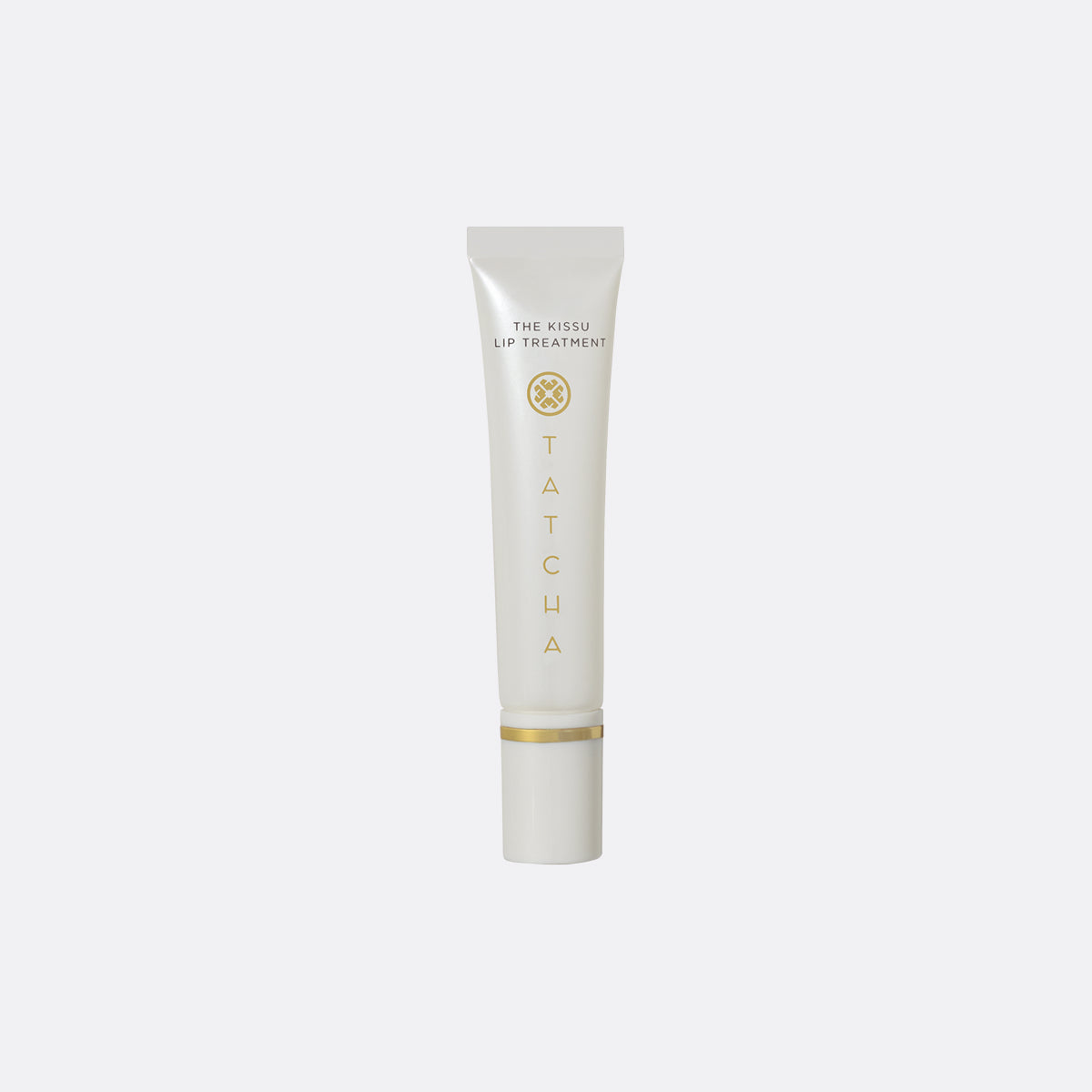
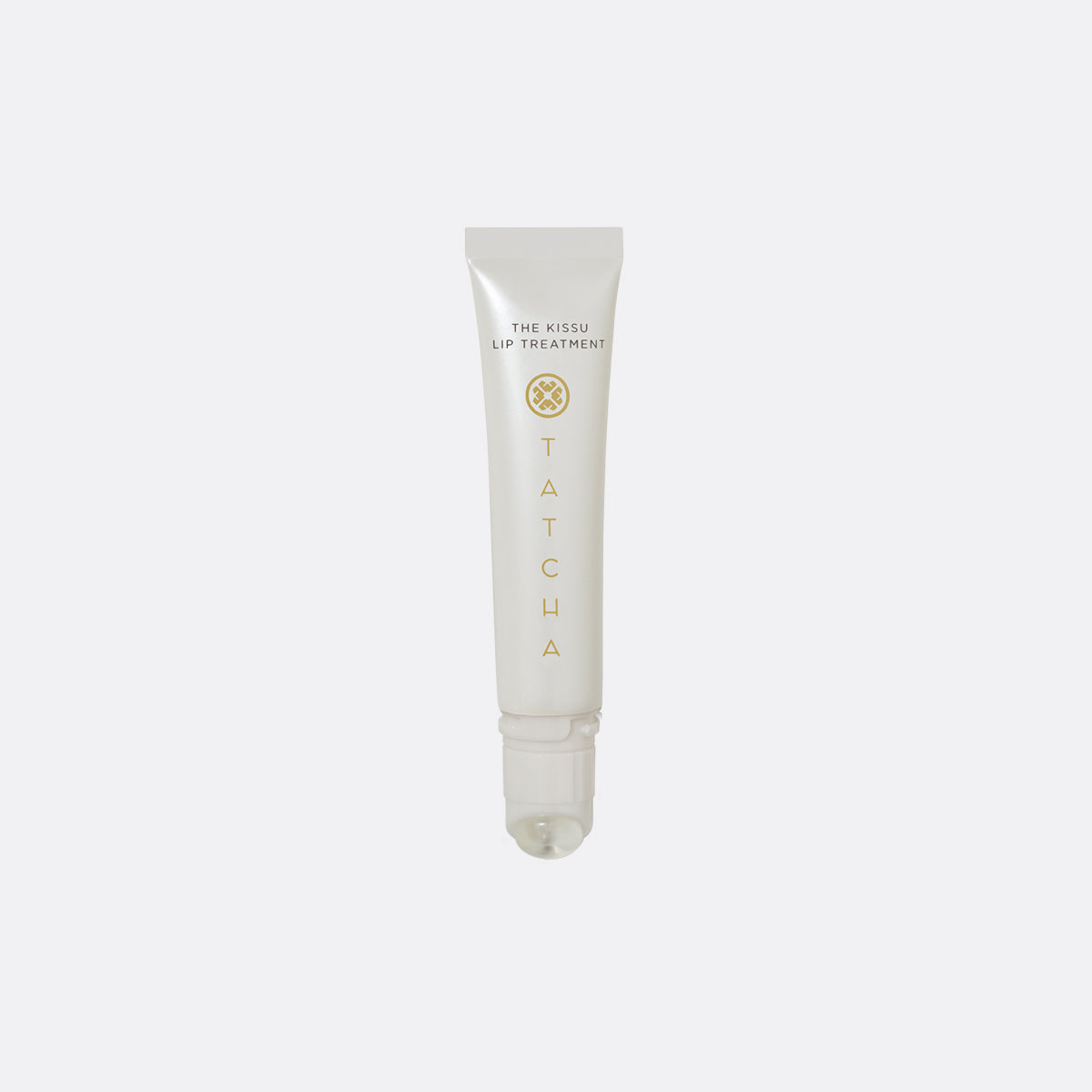
Try: The Kissu Lip Treatment with peptide-like fruit extracts and Tatcha’s proprietary Hadasei-3 superplant blend.
A balm with maximum moisture. It all comes back to the benefits of a lip balm, and for good reason: Regular moisturization is the surest way to keep lips hydrated and healthy over time. By shoring your skin barrier, you’re also adding a layer of protection to your natural lip color, ensuring that it doesn’t get covered up by dull, dry, chapped skin. It’s important to keep lips moisturized all of the time, but especially at night, when skin enters its repair phase. Otherwise, a touch of balm is always a chic look for those looking to wear their natural lip color in lieu of makeup.
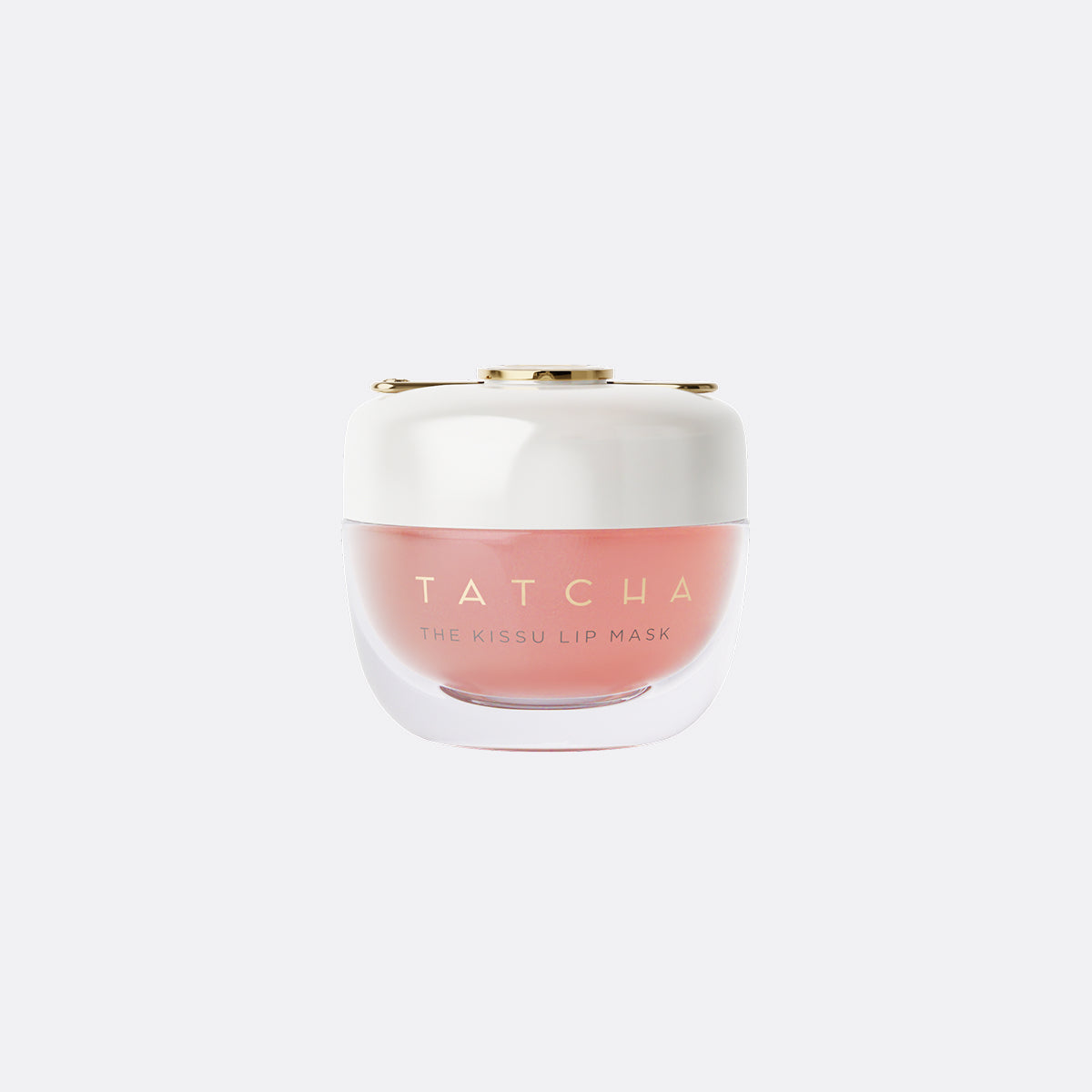
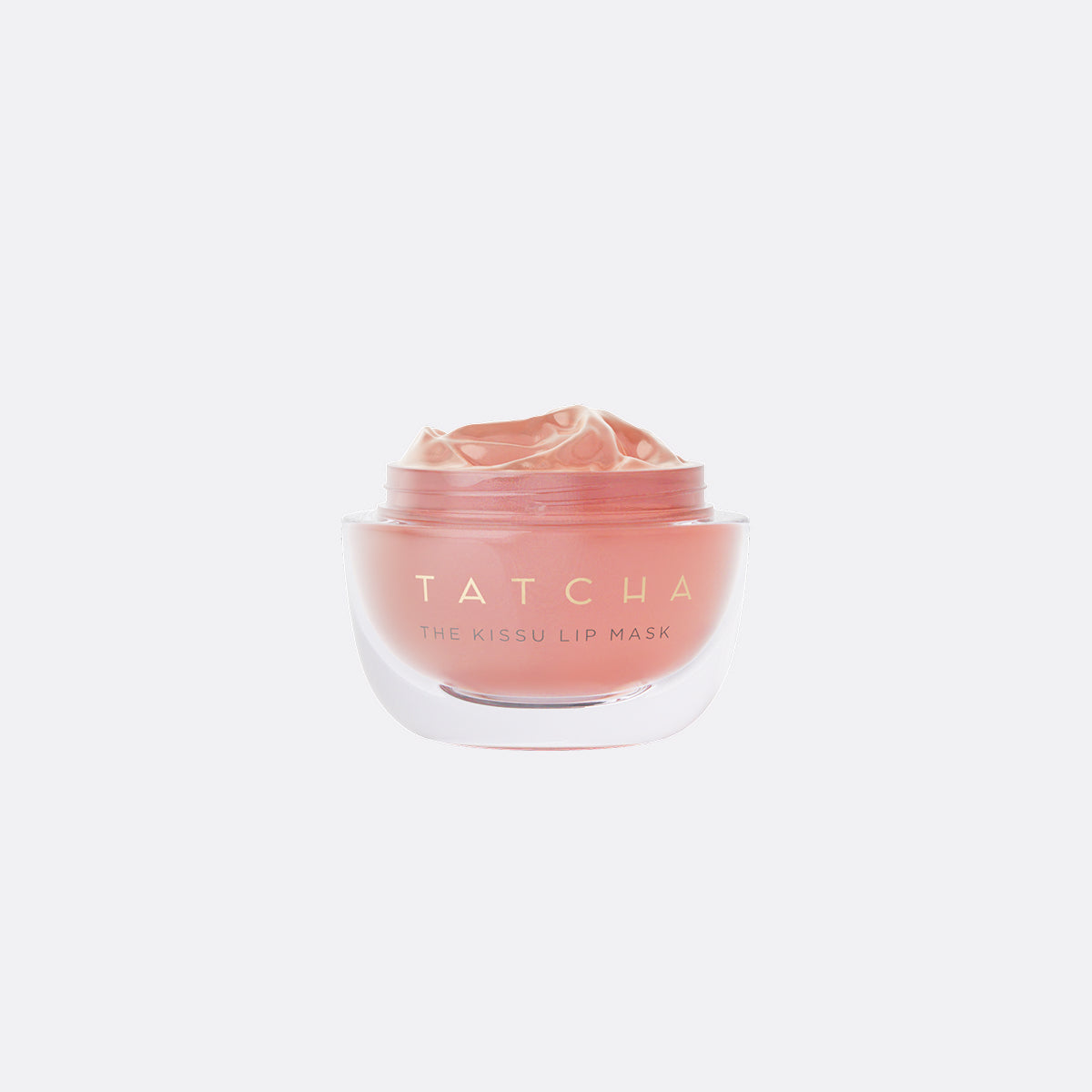
Try: The Kissu Lip Mask with peach extract and biomimetic squalane.
Why are my lips discolored?
Our skin changes for many reasons, and in response to many things; biological signs from within our body, environmental stressors from without, daily wear and tear, and changes in our skincare routines. Our lips are no exception, and in fact, the changes here can be more noticeable due to the delicate skin on the lips—and their pink, pouty prominence on our faces. A few common causes of lip discoloration include:
Dryness
Dry skin can often be recognized, and felt, by its temporary or chronic changes to the nature of skin. On lips, this dryness can appear to change the color of lips—making them lighter in color and tougher in texture. Adopting a lip balm or mask might be all that’s required to keep dry lips at bay.
Chapping
When lips become too dry, they become chapped, and most of us know the feeling: Cracked, crusted, uncomfortable. Chapping occurs when dry, dead skin has overtaken the lips. A combination of daily moisturization and weekly lip exfoliation can bring them back from the brink.
Hyperpigmentation
On the cellular level, lip discoloration can occur due to an abundance of melanocytes, the cells that naturally give skin their pigment. These cells are also found in the lips, though in a lesser concentration than the skin on our faces and bodies. According to researchers and dermatologists, lip hyperpigmentation can be caused by reasons ranging from UV exposure to excess licking or biting, and even aggressive skincare. Which brings us to another root cause of lip discoloration…
Bad habits
Our lips are the gateways to the rest of our bodies, and can reveal how well—or how unwell—we take care of ourselves. Be they licking or biting our lips too much, smoking cigarettes, or eating nutrient-deficient foods: All of these can contribute to lip discoloration over time, according to dermatologists.
Lip disease
In rare but severe cases, lip discoloration can be evidence of underlying disease. Cold sores and canker sores are painful symptoms of inflammatory conditions that often appear on the lips or around and inside the mouth. Some genetic disorders, like Peutz–Jeghers syndrome, indicate themselves with dark colored spots that appear on the lips. Lip cancer can also cause changes in lip color.