While a lip tint, lip stain, and lipstick might seem like fairly interchangeable items within the lip category at first glance, they couldn't be more different. Each of the three products has definitive pros (and perhaps a few cons) that make them more ideal for certain users. Keep reading as we dive into the difference between a lip tint, lipstick, and lip stain—and which one is right for you.
What Is A Lip Tint?
A lip tint adds a beautiful wash of color to the lips. While a lip stain leaves behind an unbudgeable hue, a lip tint is a more sheer, blendable formula that can be applied with less precision than a lipstick, but can impart as little as a wash of color or built up for a more opaque appearance. It’s also seamless to use because a lip tint is just a hint of color, so it doesn’t require a precise application method. Additionally, a lip tint usually has a moisturizing benefit, with ingredients that are designed to nourish and hydrate the delicate lip area. Think of a lip tint as the best of both worlds: a super hydrating lip mask or lip balm, but with the added benefit of a flattering flush of color. Another huge advantage of a lip tint? They often have added protection with SPF coverage, which helps to protect the delicate lips from sun exposure.
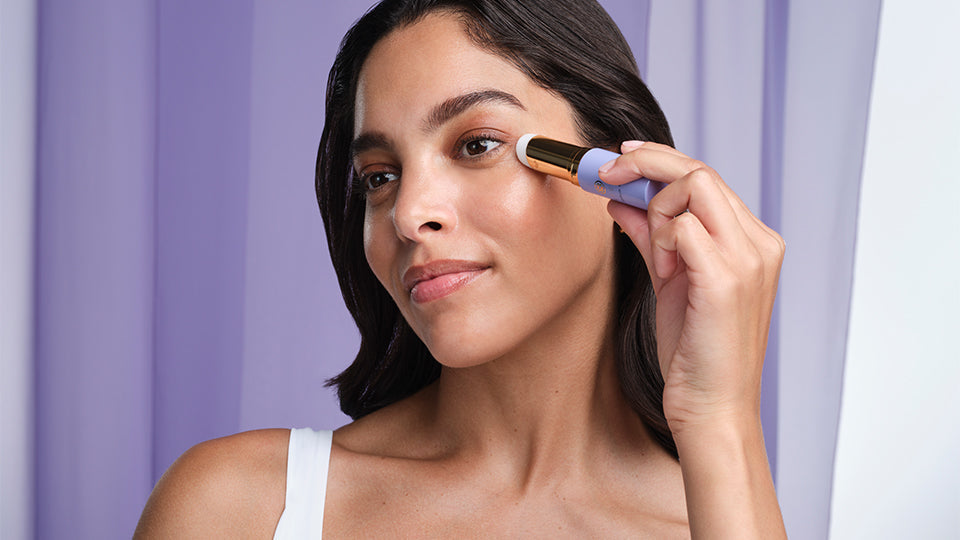
Take our game-changing Kissu Lip Tint for example. The buildable and blendable formula comes in three flattering hues, provides a creamy feel on the lips, and can be reapplied on the go. It also has SPF 25 coverage—shielding the delicate skin from both UVA/UVB rays and looking good while doing so.
The only downside? Lip tints are not as long-lasting—and they’re not designed to be so. Just like a balm, you can continuously reapply lip tints throughout the day as needed (sans mirror).
What Is A Lip Stain?
As the name implies, lip stains stain the lips. Lip stains are usually water-based, allowing them to easily absorb into the skin and temporarily stain the area—from just a few hours to 12+, depending on the formula. They can also vary in opaqueness, with some stains giving a sheer hint of hue to other formulas imparting a deep opaque look in a single swipe. The main reason lip stains are so beloved is because of their longevity; they can outlast meals, meetings, and anything in between without smudging. One downside though is the application, which needs to be done precisely because once the stain touches the lips, it’s stuck there for hours.
When it comes to a lip tint vs. lip stain—who wins? It’s solely based on personal preference. If you want a budge-proof, matte pop of color, consider a stain. If you prefer a hydrated, buildable, flush of color, grab a lip tint. Or, use both—start by layering a lip stain on clean, dry lips to your preferred color payoff, then top it off with a lip tint for a moisturized, customized, and modern look.
What Is A Lipstick?
Lipstick is a waxy formula designed to sit atop the lips, helping to achieve a specific color. Made of waxes, emollients, and oils, lipsticks come in a vast array of colors, finishes, and opacities. While each formula is different, they tend to provide a pop of color while also sitting on lips longer than a lip tint but not as long as a lip stain. Lipsticks can also be infused with hydrating ingredients, like botanical oils and vitamins, which not only slightly moisturize but make them feel more comfortable on the lips.
On the other hand, lipsticks are famous for their smudge capabilities—eating, drinking, and even speaking can leave them smeared on your face, teeth, or cup. It usually needs to be frequently reapplied and touched up throughout the day and needs frequent check-ups in a mirror to ensure it hasn’t budged. Also, the application needs to be done precisely and carefully usually, if you’re looking for a flawless look.
What’s the difference between a lip tint vs. lipstick? Lipstick gives a bold, chic appearance, but it also requires far more precision, fussiness, and touch-ups. A lip tint can also provide a pop of color, especially when building up opacity with multiple layers, but without any of the worry or carefulness. But both can happily live in a vanity and can be used to achieve whatever look you're aiming for that day.
While a lip tint, lip stain, and lipstick are often pitted against each other, they can all happily coexist in your lipstick wardrobe. They can even be mixed and matched together to create a custom look that’s all your own.