

Change is a constant of human life, and yet we don’t always see or feel it happen; only when the change has long since occurred is it something we can begin to perceive. For one, age happens to all of us, slowly and then all at once. Our bodies’ organs may look and perform differently than they used to once we’re a few decades older, but they’re impossible to see. Well, except for one: Our skin.
As the barrier between our unseen insides and our outside environment, our skin is crucial, resilient, and sophisticated. Zoom down onto the microscopic level, and you would see skin as a series of layers, mechanisms, and processes that help sustain its protective role. Outside factors, like sun exposure for one, have been shown to have both positive and negative effects on the skin. But the skin changes on its own, too, thanks in part to the natural process of aging, but also in response to other changes in the body—especially changes in hormones. This is why one’s preteen and teenage years can be especially fraught, why the “pimple on picture day” nightmare rings chillingly to all of us.
Not that it's smooth sailing after puberty, with the skin continuing to respond to hormonal cues like those emitted during the menstrual cycle. When one exits their menstruating years, menopause begins, and with it, a new operating schedule for their hormones clicks into place. Menopause is all part of a natural aging process, but it comes with some new rules—and may benefit from a reconsideration of your skincare. The National Institute of Aging recommends talking over menopause symptoms with your primary care physician, who can provide advice specific to you and help connect you with relevant specialists such as dermatologists. Change is, after all, a constant, which is why adaptability should be, too.
Menopause Basics
Menopause is when a person’s periods permanently end, marking the transition between one’s reproductive and non-reproductive years. According to the National Institute on Aging, it occurs about 12 months after a menstruating person’s last period, usually in one’s 40s and 50s; in the United States, the average age to begin menopause is 51.
The period leading up to menopause, called perimenopause, may offer a taste of some of the changes that are on their way—changes in body temperature, changes in metabolism, and changes in appearance. These are brought on by a relative lack of the reproductive hormones estrogen and progesterone that help cue the reproductive system. Menopause follows a natural tapering off of the production of these hormones with time and age, though it can also be induced by the removal of the ovaries or treatments like chemotherapy, according to the Mayo Clinic.
Hormonal changes, especially when they occur suddenly, may not be perceived. Sometimes, they can be felt as well as seen, especially when they influence the fabric of skin.
How Does Menopause Affect My Skin?
Everybody feels menopause differently, and some don’t experience symptoms of it at all. But there are a few common ways that these hormonal changes can present themselves in skin, including the following:
Dryness. Skin holds on to less moisture as it ages, making dry skin—and inflammation like eczema and psoriasis—more common.
New textures. In mature skin, stores of collagen and elastin, those structural proteins that give skin its bounce and volume, decrease and lead to texture changes from fine lines and wrinkles to sagging.
Hyperpigmentation. Menopause also increases one’s change of melasma, or freckle-like splotches of pigmentation on the face. In fact, melasma is usually triggered by hormonal changes, and is called “the mask of pregnancy” for its tendency to show up on pregnant faces.
Acne. Call it something like a second puberty, but it’s been noted that acne can recur during menopause, typically in response to hormones, but also due to other factors from stress to genetics to lifestyle habits.
Why Choose a Menopause Skincare Routine
More than any other skin type, caring for aging skin can feel the most complicated for a couple of reasons. The first is the many changes that occur to skin as we age, which sometimes necessitate the use of various ingredients or therapies; the other is the proliferation of “anti-aging” skincare, a lucrative product category that makes a big—and impossible—promise right in its very name.
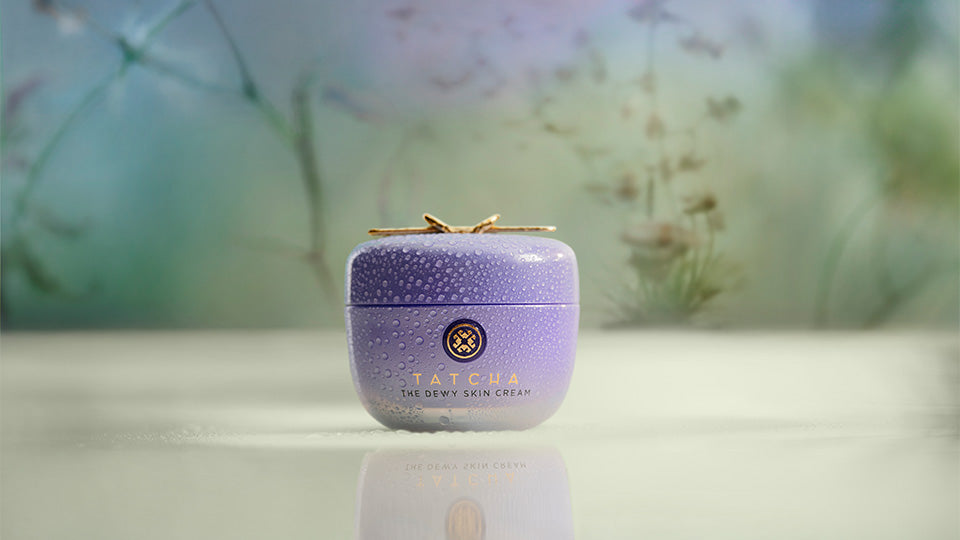
To be sure, aging is a privilege. The memories and wisdom that come with maturity are priceless, and so are the wrinkles and dryness we wear. At the same time, the skin symptoms of aging don’t have to be felt if you have the right tools on hand. A little moisture here, a little glow there, helps you to make the best of the skin you have.
A Complete Skincare Routine for Menopause
Cleanse
Cleanse with a gentle face wash, like an oil or cream, that can effectively rinse away makeup, dirt, and other impurities without upsetting the skin’s moisture barrier.
Plump
Plump with an essence, which not only hydrates the skin, but also prepares it for treatment and moisturization—rendering every step afterward more effective
Treat
Treat with an active ingredient, like a retinol or acid, depending on your specific skincare goals
Moisturize
Moisturize with a medium to heavy cream that will help skin retain moisture throughout the day, and don’t forget the undereyes and neck.
Protect
Protect with a sunscreen when exposed to the sun, as ultraviolet radiation can affect skin on the cellular level and worsen signs of aging—making SPF the ultimate anti-ager.
Skincare Products for Menopause
For Dry Menopausal Skin
Skin that is dry can be dry for a couple of reasons, but during menopause, hormones may be to blame. Low levels of estrogen can lead to a decline in the production of sebum, or “oil,” which is secreted to help our skin self-moisturize. The best thing you can do for dry skin is supply it with not only hydration, which binds water to skin, but moisture, which helps seal it in. Tatcha’s Ageless collection does both; first with The Revitalizing Neck Cream that plumps and firms with active botanical extracts, and then with The Enriching Renewal Cream, an intensely moisturizing face cream containing Tatcha’s proprietary complex, Hadasei-3.
For Loose Menopausal Skin
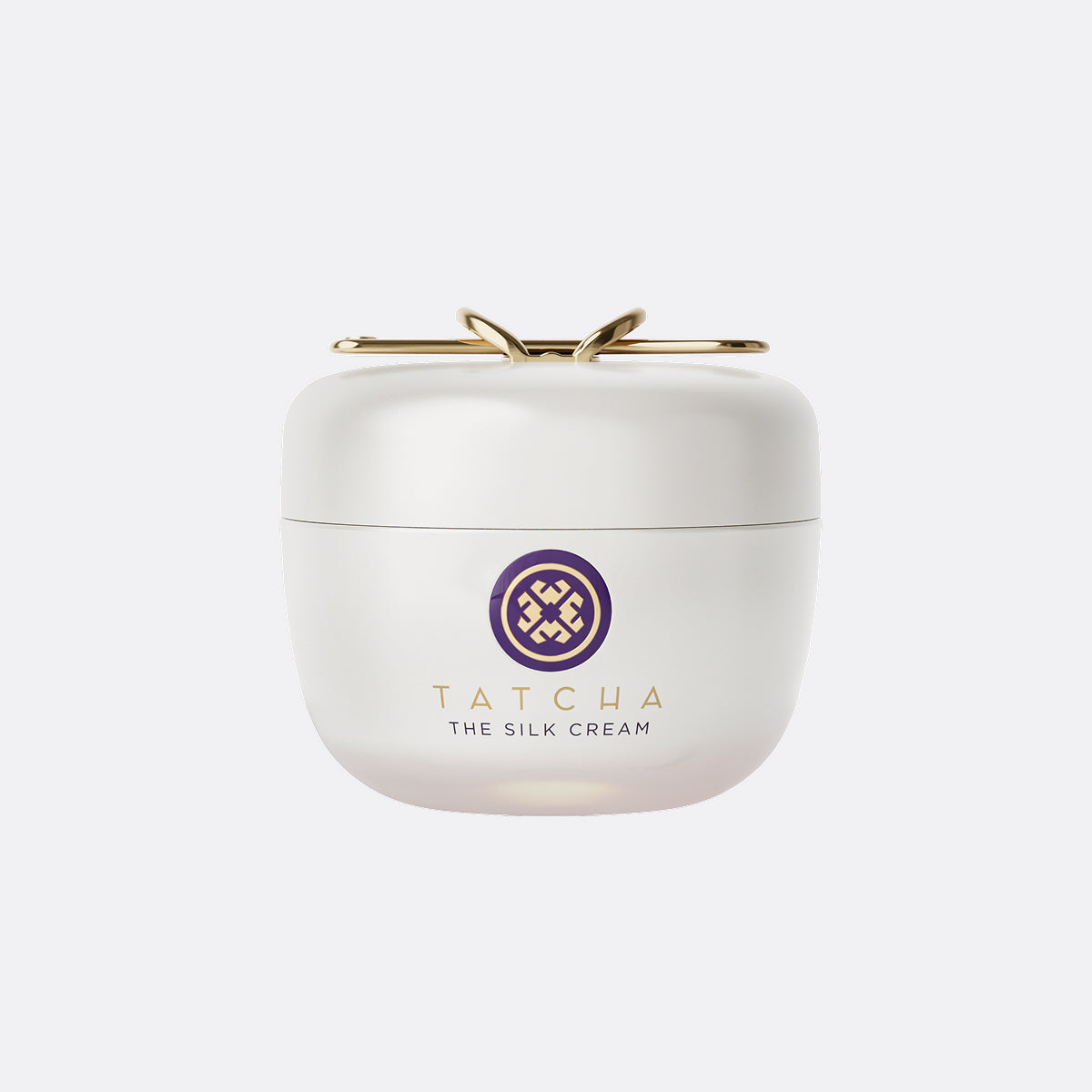
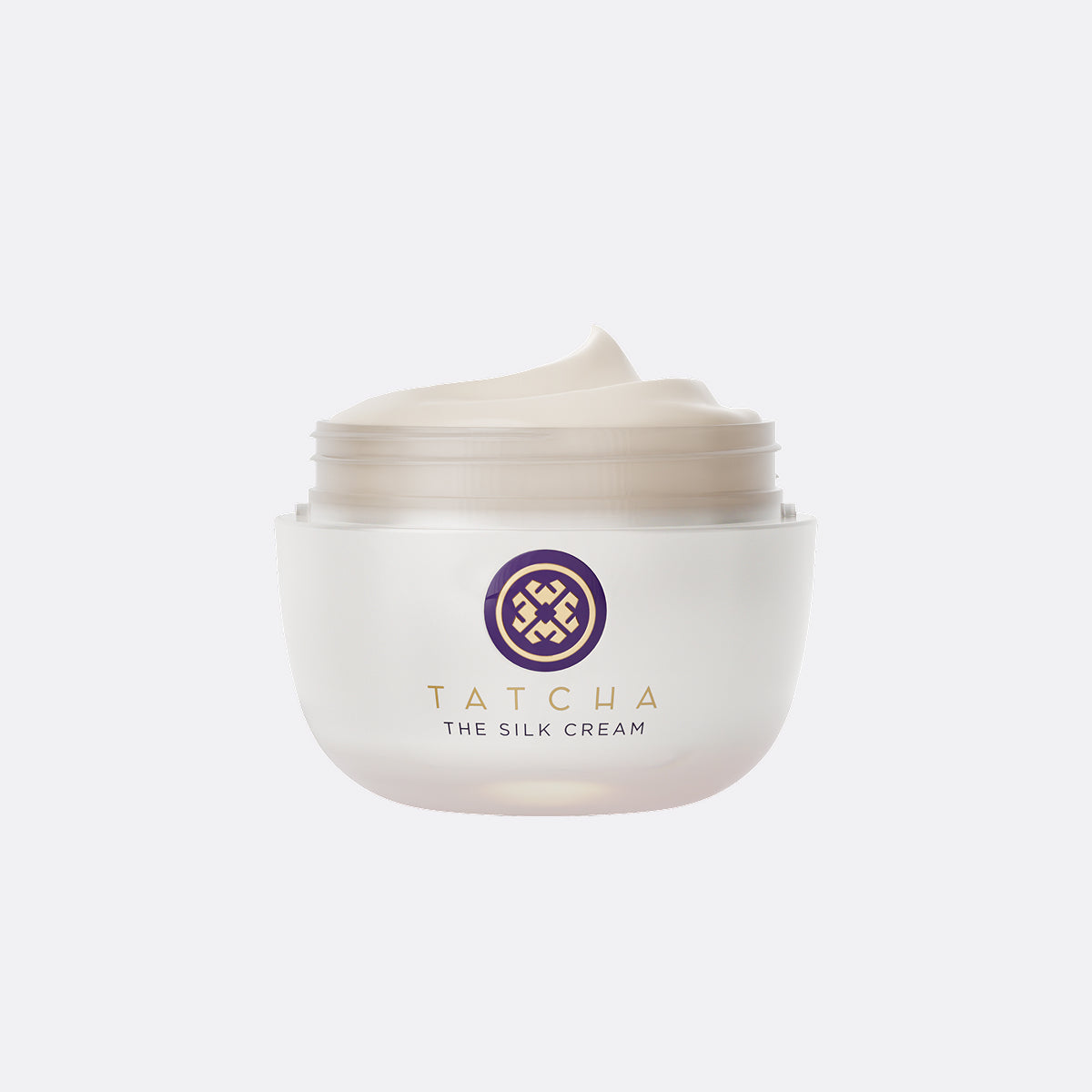
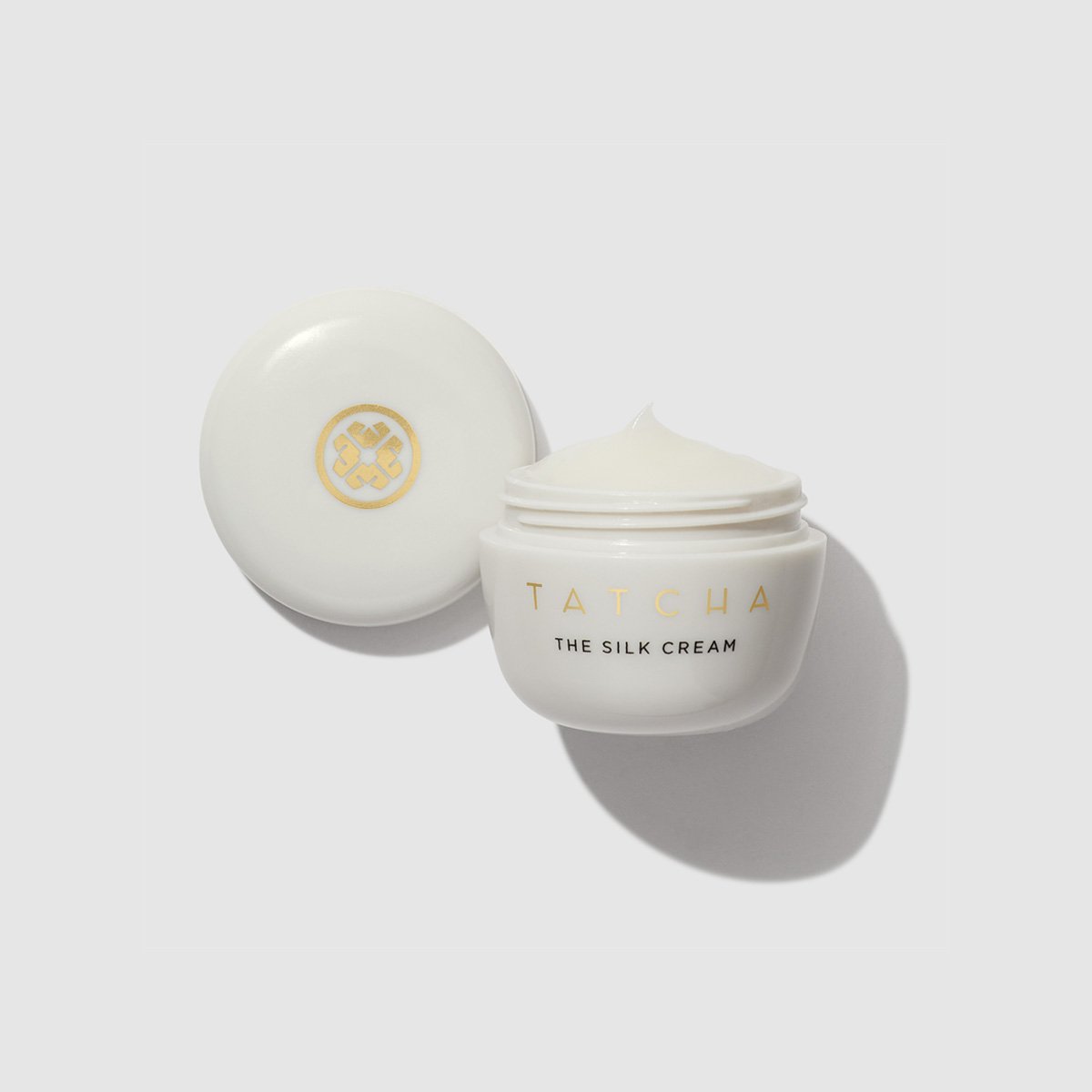
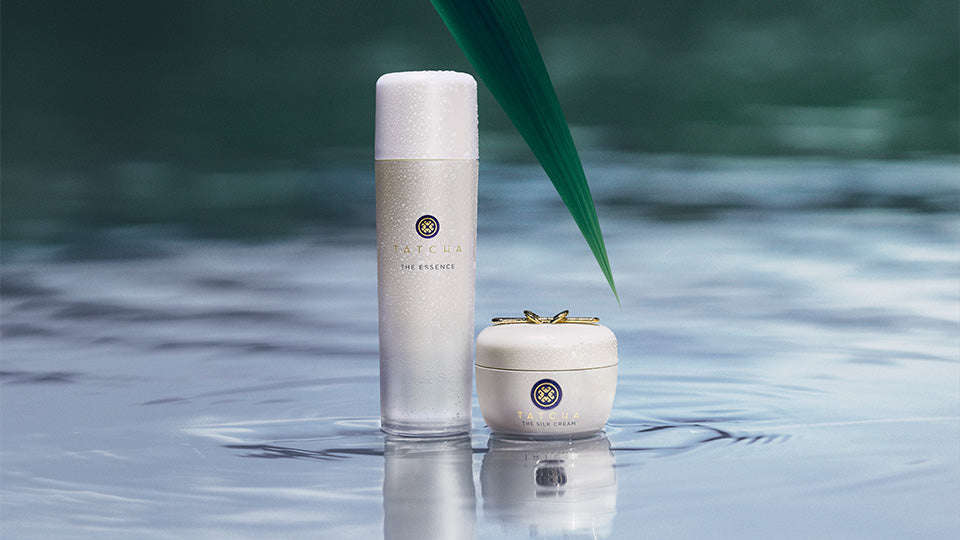
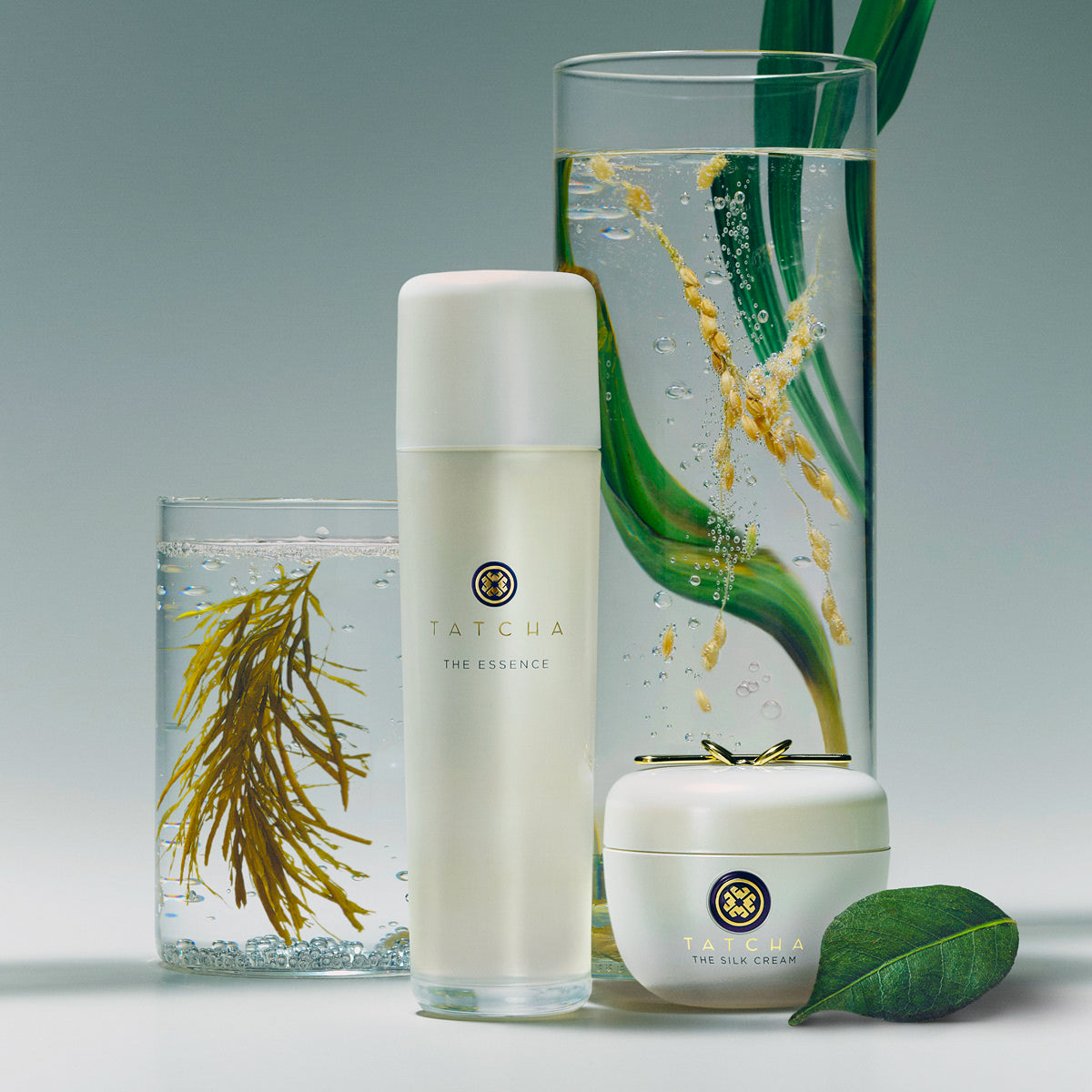
Ingredients like retinol that increase cell turnover are ideal for skin that feels like it’s lacking elasticity and shape, but some retinols can lead to irritation. Those with menopausal skin should consider using retinol alternatives instead. The Silk Serum is formulated with a duo of extracts, from cranberries and sea fennel, that have been shown to mimic the effects of retinol when applied to skin; it also contains silk proteins that mimic skin, smoothing and plumping in the process. These silk proteins join another retinol alternative, Bulgarian Rose, in The Silk Cream, a weightless gel-cream that firms and blurs for softer, smoother, skin.
For Dull Menopausal Skin
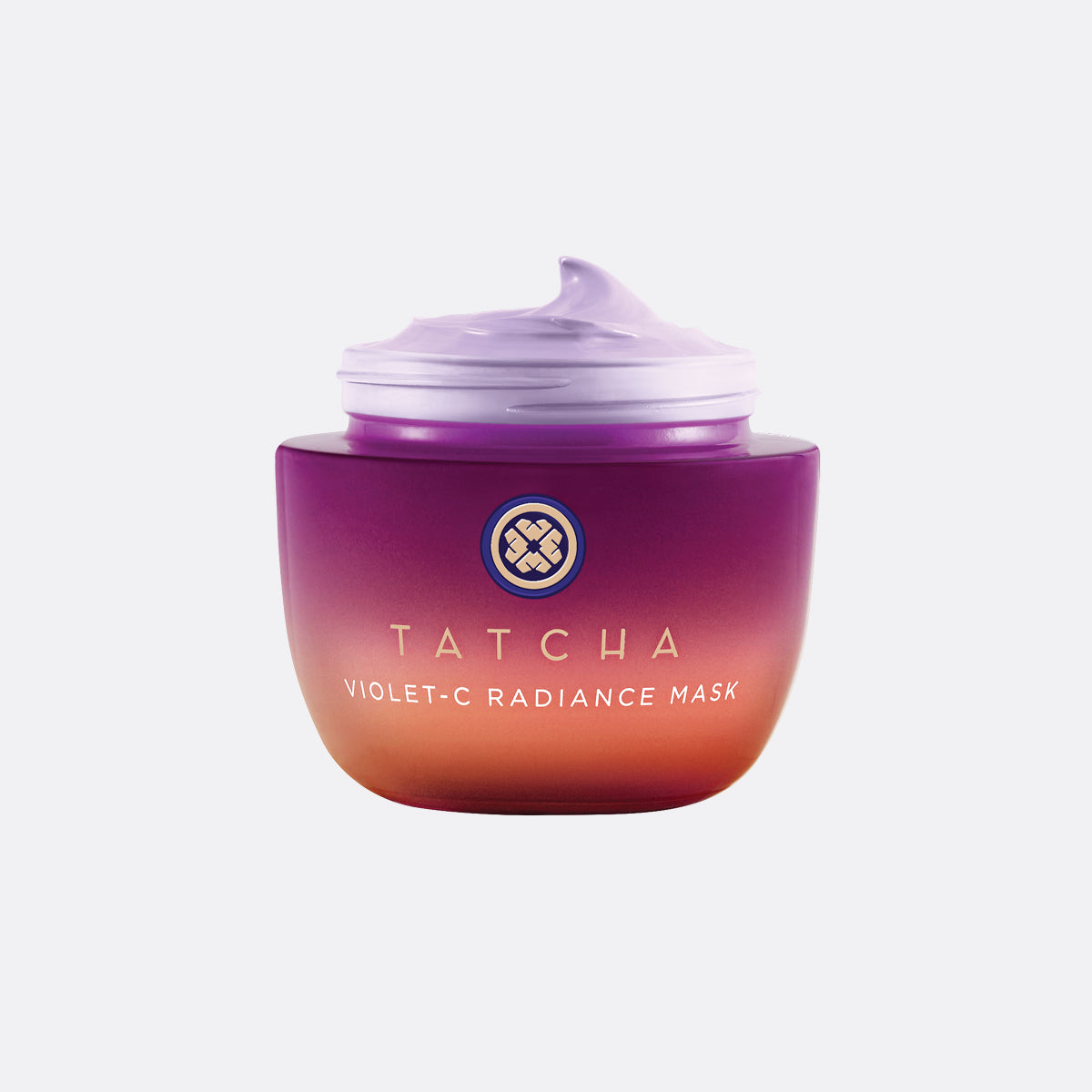
For dull menopausal skin, consider skincare with vitamin C, an ingredient packed with antioxidants that has also been shown to improve the look of fine lines and wrinkles vitamin C can commonly be found in serums, but those looking to increase their intake may be interested in skincare collections that dust a little across multiple products. A serum, like the Brightening Serum (made with time-released vitamin C and Japanese plum) can introduce the ingredient into your daily routine, while a treatment step, like the corresponding Violet-C Radiance Mask, can be used a few times a week to harness its benefits. Just be sure to talk to your dermatologist before adopting AHAs or vitamin C into your routine, so they can recommend specifics regarding frequency and dosage.
For Menopausal Acne
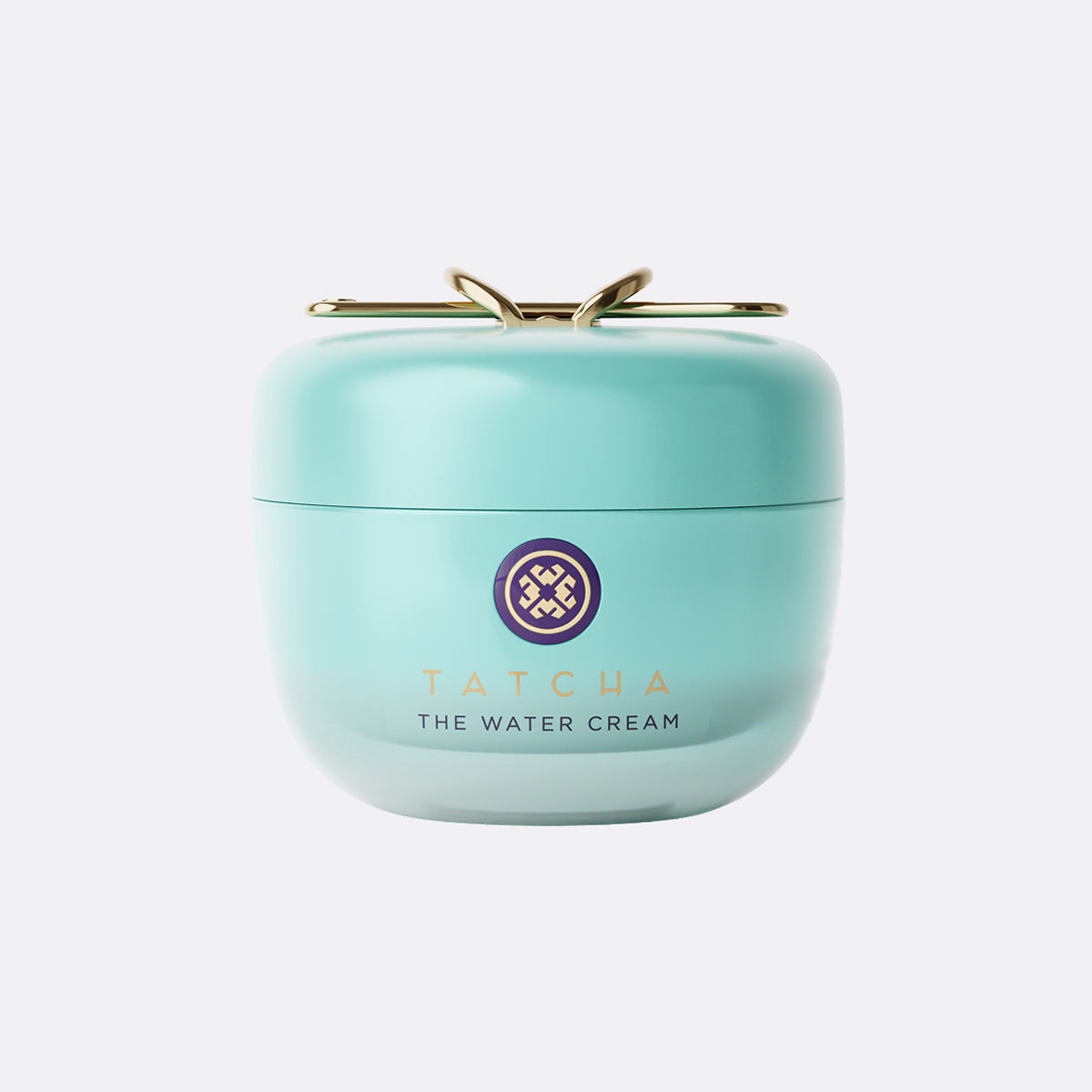
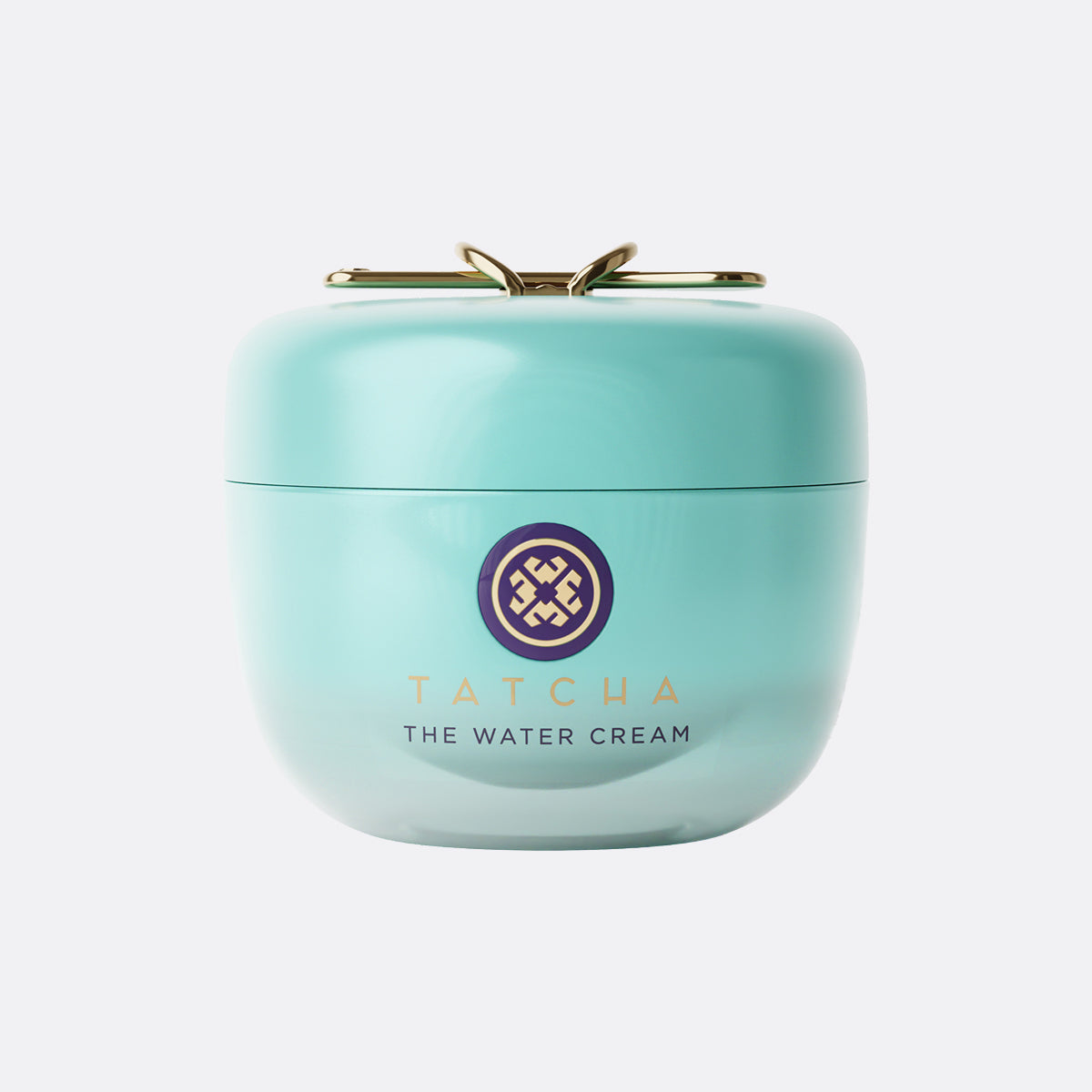
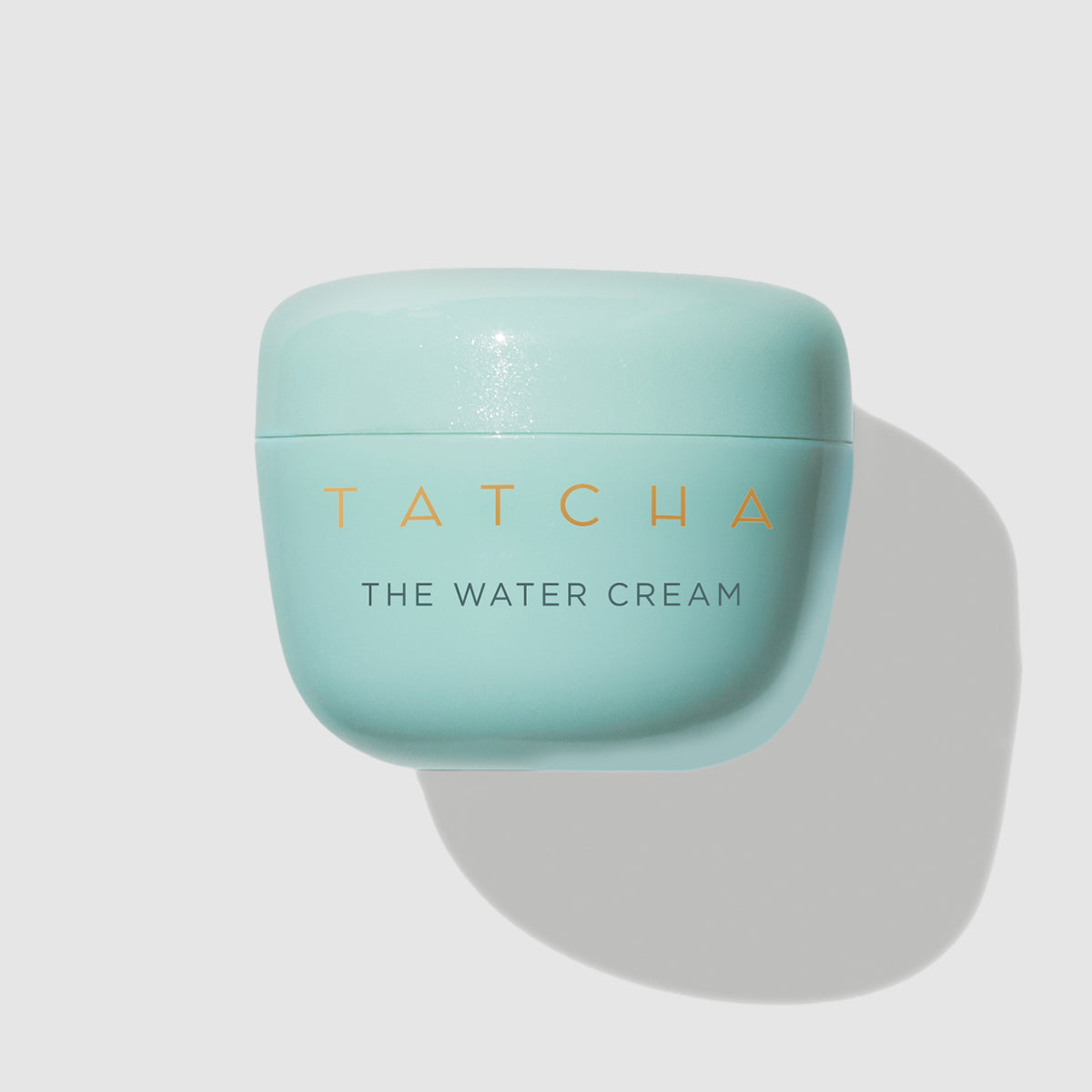
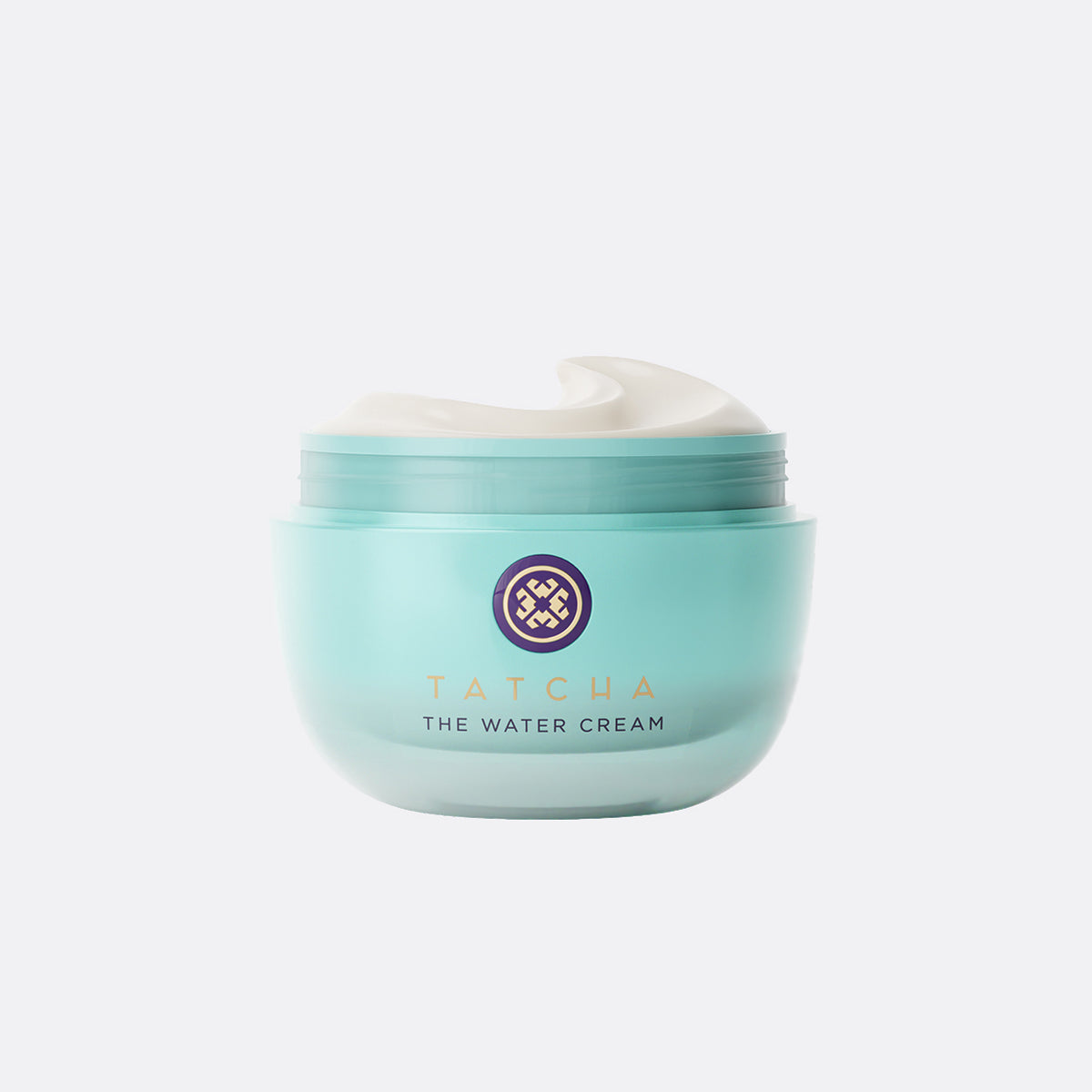
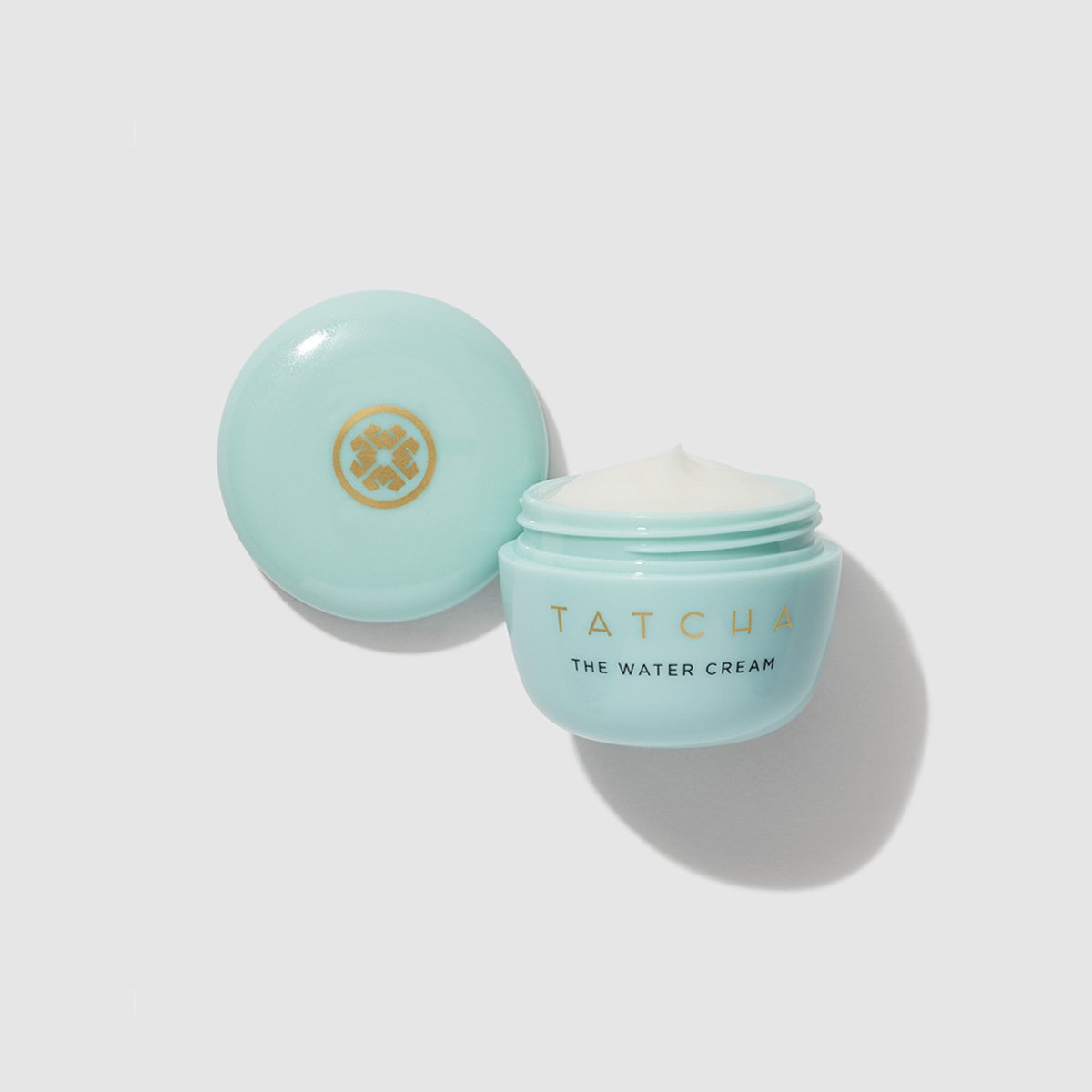
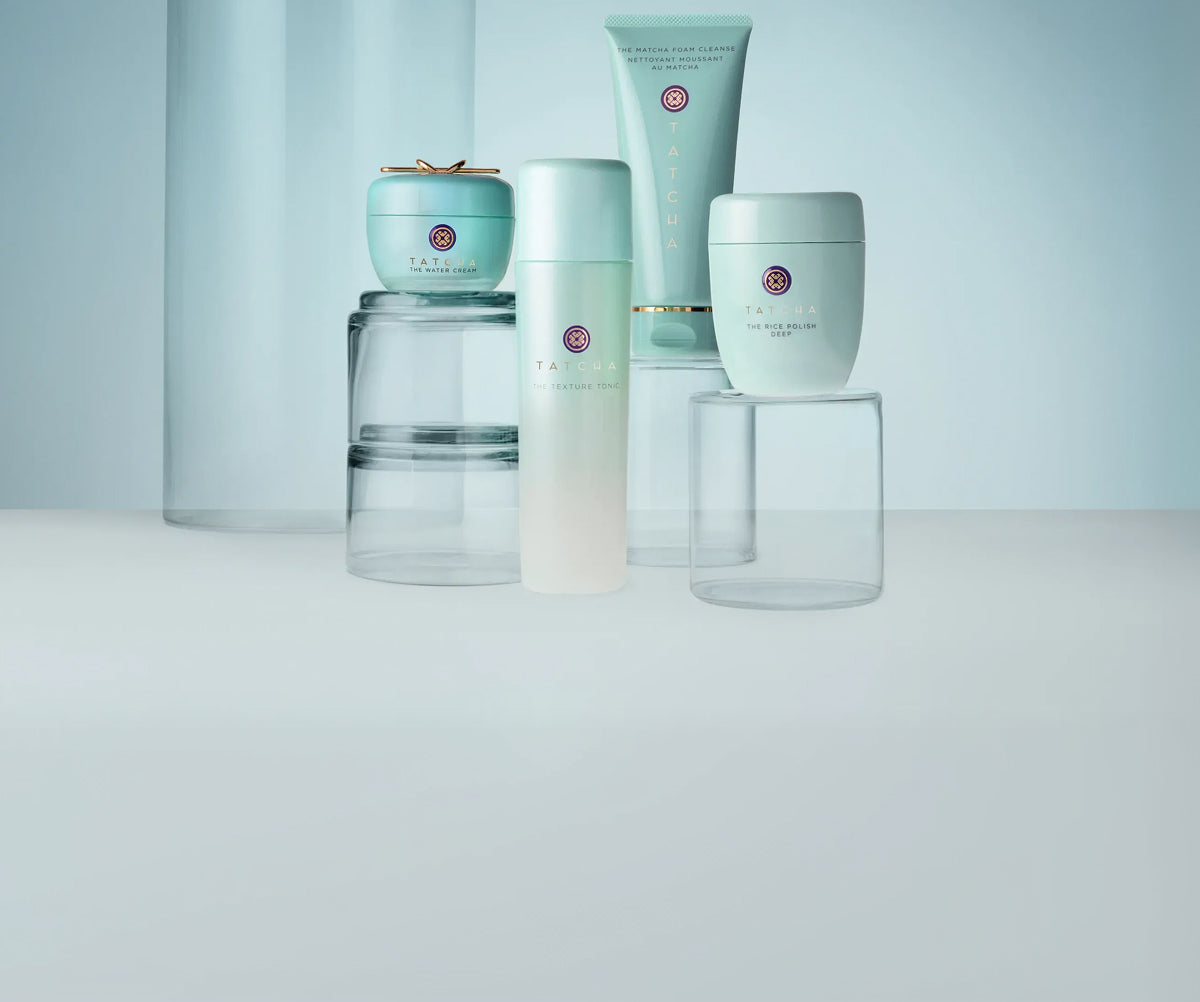
Menopausal acne doesn’t happen to everyone who goes through menopause, but when it happens, it usually requires the attention of a dermatologist to effectively treat. Some cases may require the prescription of an oral medication. At home, you can care for acne-prone skin using gentle and lightweight but effective skincare products formulated specifically for that particular skin type. The Matcha Cleanse, a clarifying gel cleanser, is made with chemical exfoliant-alternatives that are kind-to-skin but also decongest pores, where acne originates. When it comes to moisturization, a similarly light touch is needed. Those with oily skin love The Water Cream, an oil-free moisturizer whose hydrating ingredients burst on skin contact. In addition to providing a weightless moisture seal, the Water Cream is clinically proven to refine pores and smooth skin texture, for happy, healthy skin—at any age.