





Of all of the major skin types, combination skin may be one of the most misunderstood. There’s dry skin, and oily skin, and yet here’s another distinct type that involves both at once.
The simple definition of combination skin is skin that is simultaneously dry somewhere and oily elsewhere. Dermatologists say that it’s more common than you might think, with more than half of all people having combination skin at some level and at some point in their lives. Many of us, even those who complain of excessively dry or oily skin, have felt our skin spanning the entire moisture spectrum at once, leading some to wonder if combination skin exists at all.
In short: It does. In longer: The goal of combination skin is to achieve a balance between those two equal but opposite states. This skin type can be genetic, but it can also be brought on slowly by changes in the environment or one’s lifestyle. In some cases, dermatologists have even posited a link between combination skin and a weak or damaged skin barrier. Indeed, an overabundance of skincare product use can make matters worse. But the right products and a skincare routine for combination skin that uses thoughtful ingredients can turn things around.
It’s a good idea to talk to your dermatologist or licensed aesthetician before you make any changes to your skincare routine, and these pros can also help elucidate what combination skin means for you. In the meantime, you can learn how a strategically-selected moisturizer can actually help you best your combination skin.
What is combination skin?
Combination skin is a little bit of everything. The most common definition, and the one used by the American Academy of Dermatology Association, is skin that is dry in some areas and oily in others.
But there are discernible patterns to combination skin. One of the first places to look is the T-zone, named for the skin across the forehead and down the nose. A high concentration of sebum-secreting pores are normally found here, but those with combination skin typically notice oiliness in their T-zone, and may find enlarged pores there. By contrast, their cheeks, chin, or neck may feel dry. Those who find themselves getting breakouts and dry patches at the same time may be doing so as a result of a combination skin type.
This presents a vexing problem to combination skincare users: To moisturize, or not to moisturize? Even after a layer of a skin-sealing occlusive formula, dryness may be soothed, but oil soon runneth over. On skin-focused corners of Reddit, some users wrestle with the options: Let my combination skin run free, or carry powder and blotting papers on hand at all times? There is, of course, another option—seeking out the best moisturizer for combination skin.
What causes combination skin?
Like all of the other skin types, combination skin can be influenced by genetics, the environment, and the choices you make in your day-to-day life. Some doctors link skin oiliness to the endocrine system, as sebum production is influenced by testosterone.
One last thing to check: Where are you? The oily-dry interplay common to combination skin can also be caused by changes in the weather. Even the humidity in the air can have an effect on your skin type, which can be managed with a specific skincare routine for humid climates. To determine your skin type and get a sense for how your skin performs at baseline, try washing your face and then watching your face in your home bathroom. After 30 minutes, examine; after another 30 minutes, examine again. If a noticeable shine has collected on your nose and forehead, you may have a combination skin type.
What to look for in skincare for combination skin
As our understanding of this skin type has expanded, so have the options tailor made to them. The key to combination skin is in choosing products that can address the needs of both dry and oily skin at the same time. Though a product may not have “combination skin” printed on its label, the following include a few product preferences among these skin types.
Lightweight formulas
Heavy creams or dense oils may feel like heaven on dry skin; they also might slide off your T-zone if you have combination skin. Looking for products with lightweight textures, like gels and serums, play well applied to all corners of the face—and can be build up in areas where you need extra moisture.
Balancing ingredients
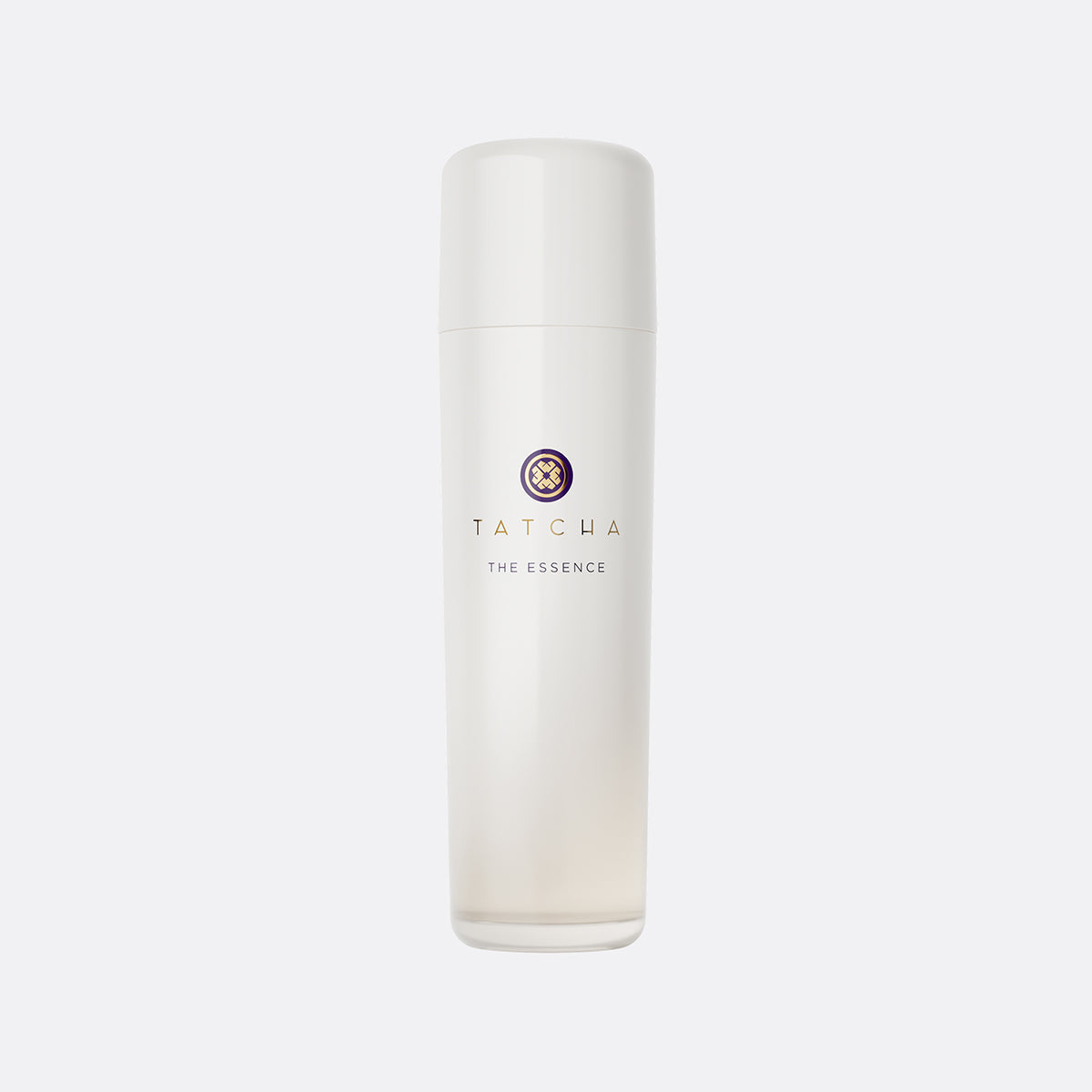
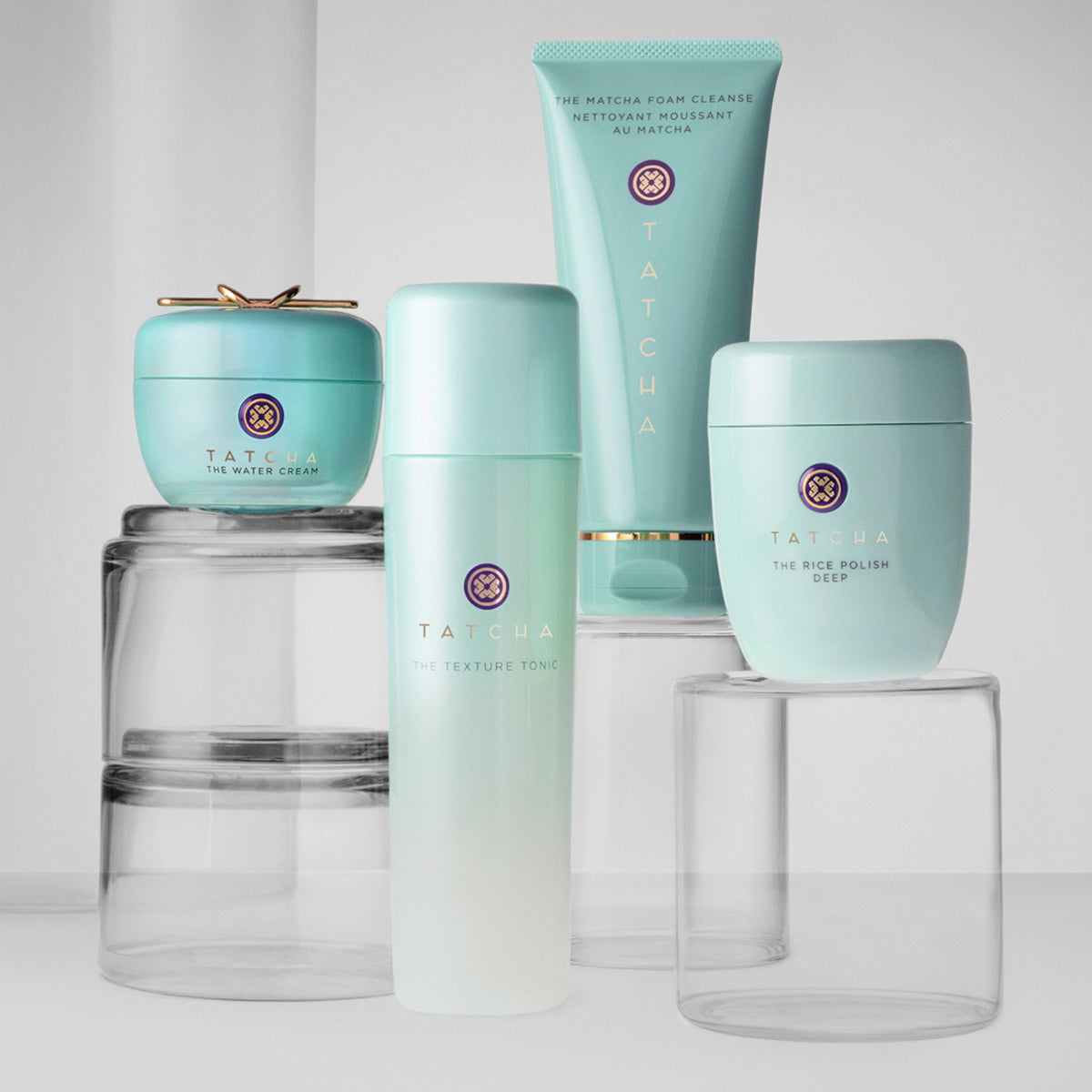
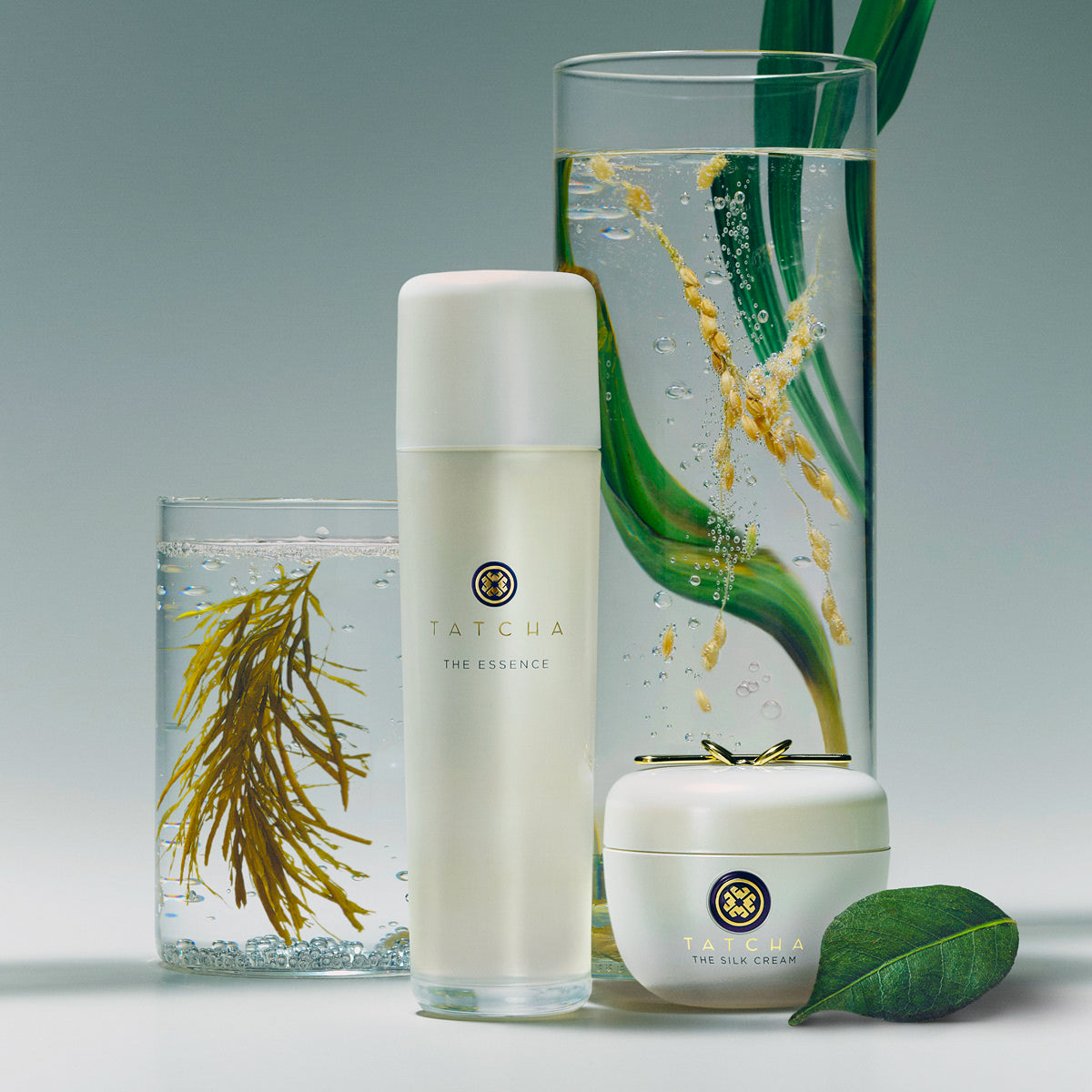
There are a few ingredients commonly seen in combination or oily skin-forward formulas—like exfoliating alpha hydroxy acids (AHAs) that are able to reach down into pores and unclog them, or humectant hyaluronic acid that binds water to the skin barrier. But there are also rare botanicals noted to help balance out skin’s oil and water levels. (Tatcha’s own Balancing Ritual, which spans four products, features an array of ingredients that benefit combination skin, from wild rose to rice bran.)
Pinch hitters
For moments of unavoidable oil, there are in-the-moment skincare solutions called blotting papers. Tatcha’s aburatorigami papers, inspired by a Japanese geisha beauty secret, are made of abaca leaf that wicks away oil gently, leaving nothing but matte skin behind.
Which moisturizer helps combination skin?
When it comes to conquering combination skin, a solid moisturizer is a good thing to have. These necessary skincare products are the last step (before applying the best sunscreen for combination skin) in our routines, stretching a seal over our clean, hydrated skin. But a moisturizer’s texture can be a tricky issue, particularly for combination skin. Too light and it’s ineffective on dry skin; too heavy and it doesn’t stand a chance against oil. You’d need something gentle and purely hydrating, almost akin to water.
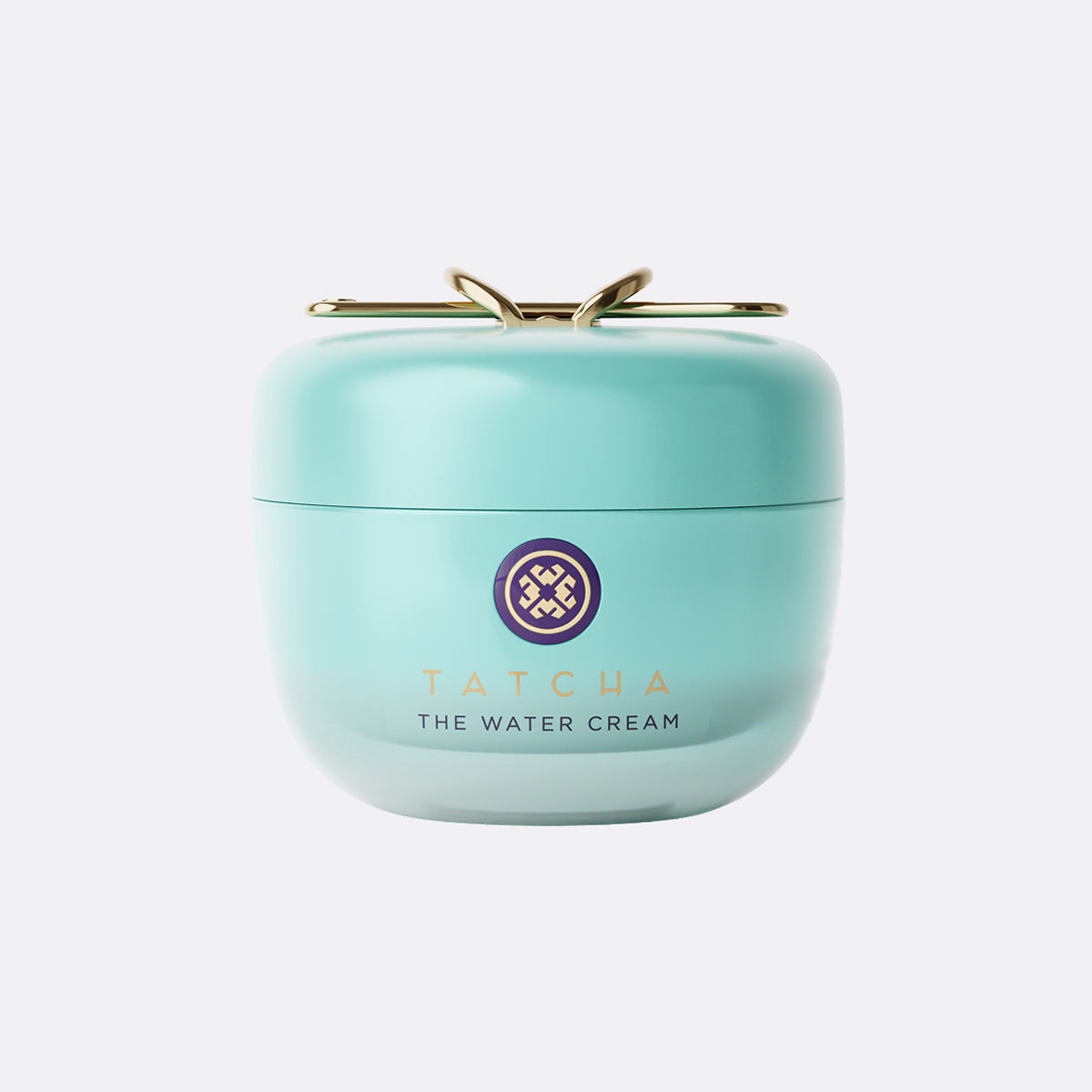
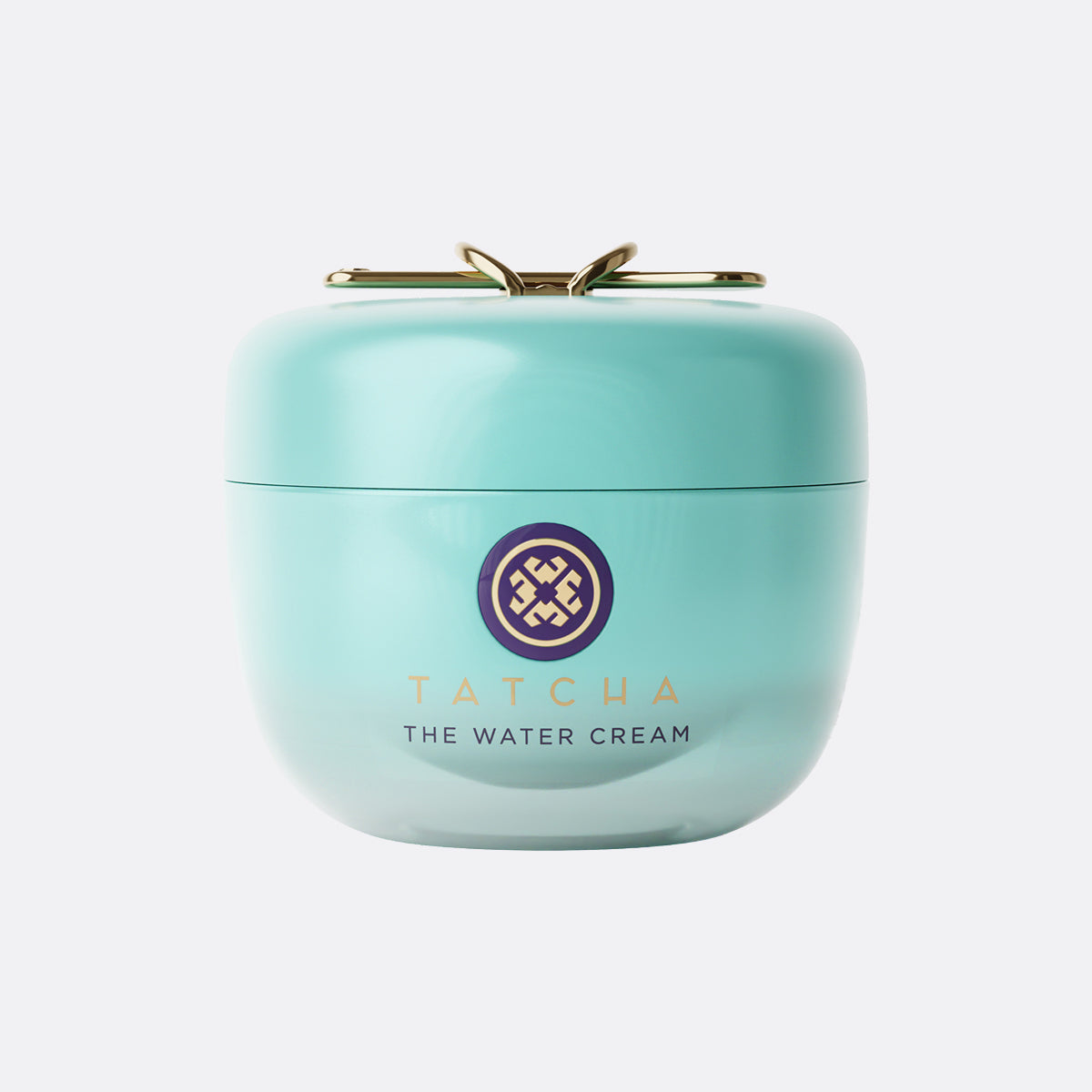
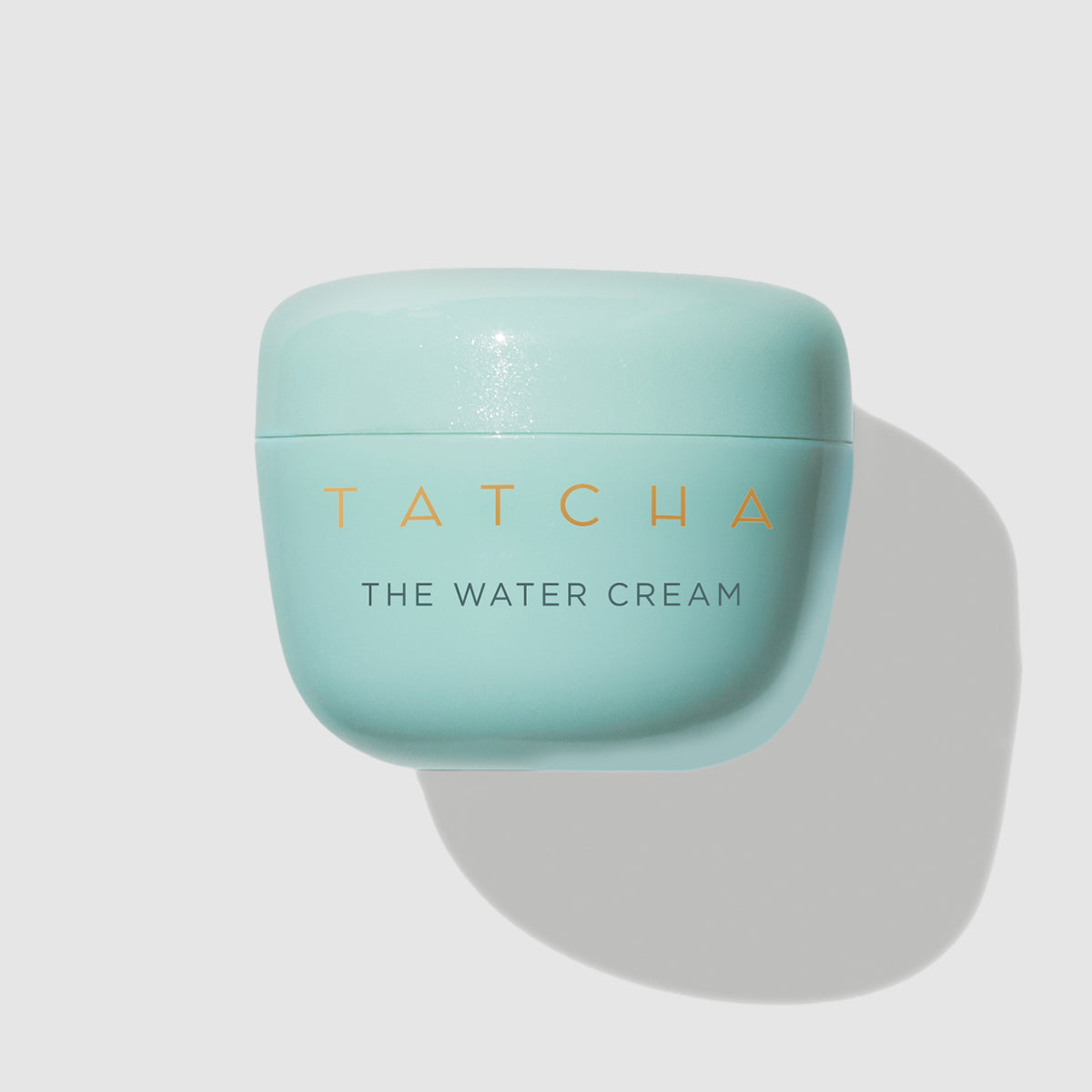
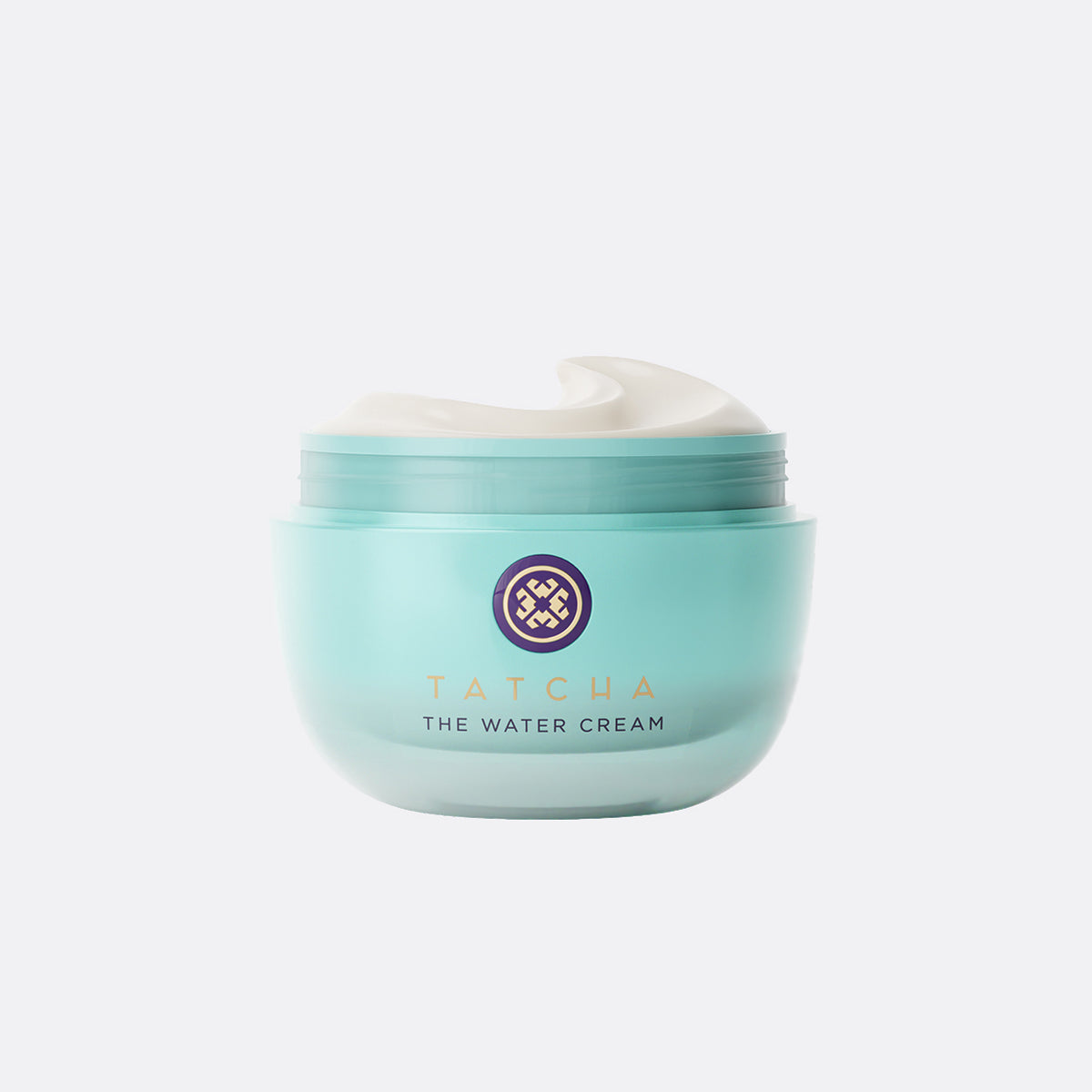
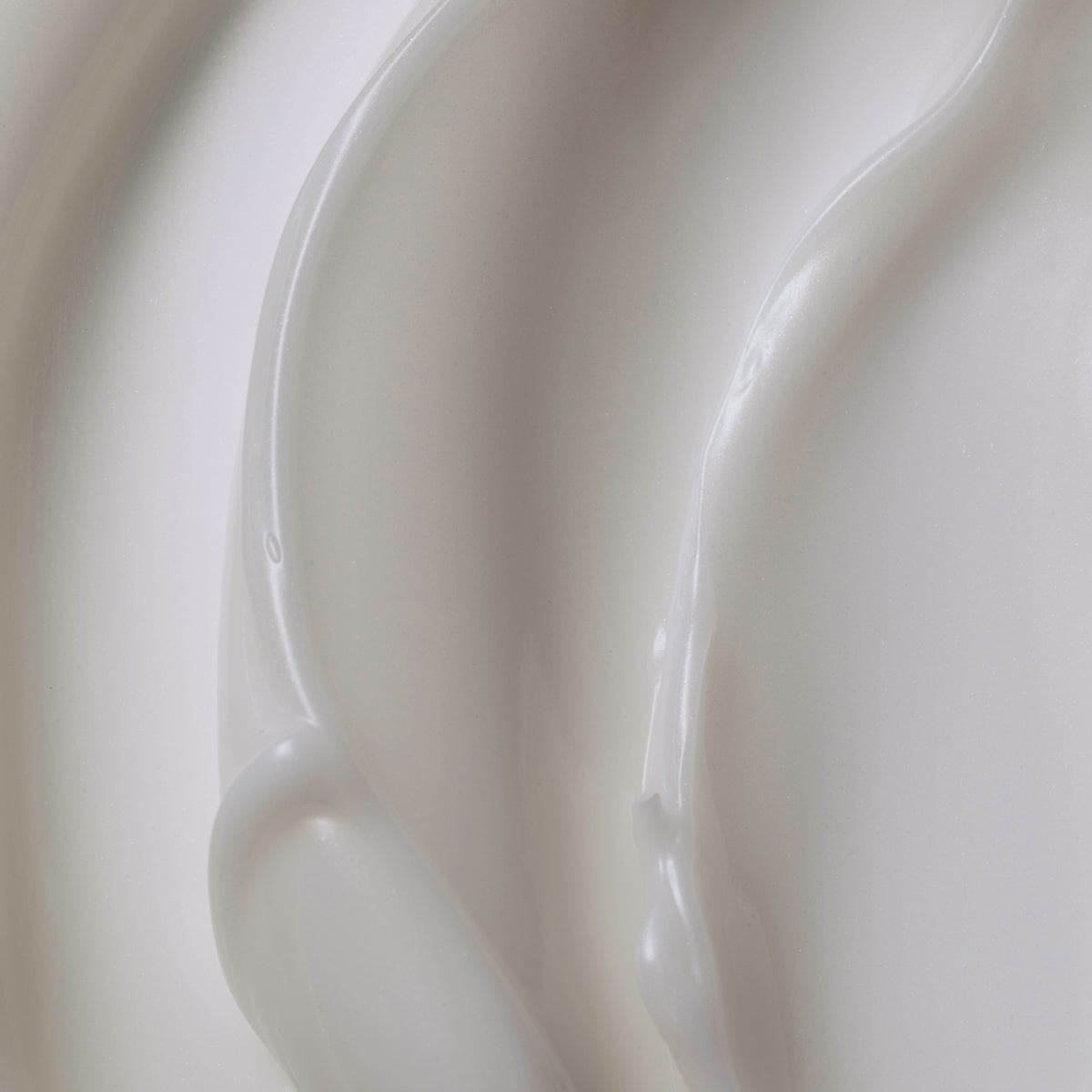
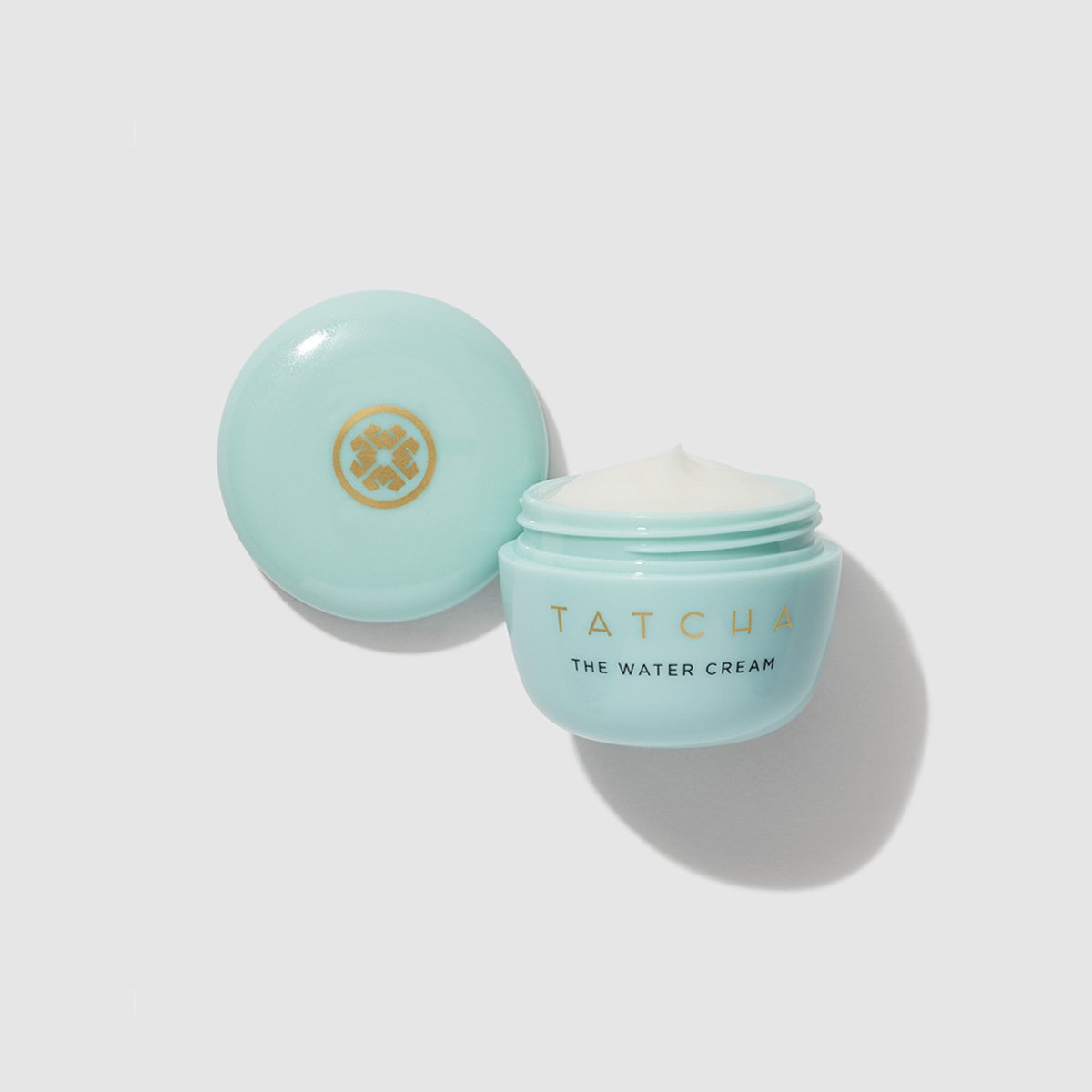
And you’d find it in The Water Cream, one of Tatcha’s best-selling formulas—widely beloved for its oil-free formula that works on even very oily skin. The product’s unique texture features a waterburst effect when applied to skin, for an intense infusion of moisture typical of a heavier cream. In addition to the brand’s proprietary complex of skin-superfoods, the Water Cream features a pore-minimizing wild rose, and the antioxidant-rich herb known as heartleaf, a natural alternative to exfoliating azelaic acid. It’s a favorite of the makeup artist Daniel Martin, who uses it before he works to create a smooth, even canvas on which to paint. If that’s not an endorsement for the best moisturizer for combination skin, what else could be?