




The best place to consider your skincare’s pH levels is at the outset of your skincare routine.
“pH” is a fairly young beauty buzzword. (Or buzz “term”, as pH stands for “potential hydrogen” or “power of hydrogen.”) For about a century, physicians have studied how this property supports and facilitates the function of skin. There are many unknowns about the complex mechanisms that make up our cutaneous system, but unlocking pH has helped the field of dermatology deepen its understanding of skin.
For example: Did you know that conditions caused by inflammation, from acne to eczema, are associated with a high pH level? In fact, once you understand how integral maintaining a balanced pH is for the skin, you may find yourself paying a lot more attention to the pH values of your skincare products, especially when it comes to your cleansers. Your skin’s pH level is influenced by a variety of factors, from genetics to skin type to sweat production, but according to dermatologists, it can also be affected by the use of alkaline soaps and other high pH products.
If there’s one simple strategic skincare step that can keep your skin’s pH in check, it’s the first one in your routine. This is what a pH-balanced cleanser can do for you.
What Is Skin pH?
Put simply, pH measures the concentration of hydrogen ions in a given substance. An acidic solution has a higher concentration of hydrogen ions and a lower pH, while a basic, or alkaline, solution has a smaller concentration and a higher pH. Pure water maintains an elegant balance of ions in equal concentration, and sits at the dead center of the scale, with a pH of 7.
On average, the human body is 60% water, but our skin is a slightly higher percentage; it follows that our skin has a pH close to that of water. Some parts of our skin system are more basic than others, but the outermost layer of our skin has been observed to sit on the acidic side of the scale, with an average pH of 5.5, according to a dermatologist at the Cleveland Clinic.
This thin layer responsible for separating the delicate, intricate epidermis from bacteria, environmental pollutants, microbes, ultraviolet light and more is referred to as the “acid mantle.” As such, it’s the first stop for all of our skincare efforts—and should be first in mind when thinking about the pH of our beauty products.
Why Does My Skin’s pH Matter?
Your skin is used to operating within a certain pH range. But when that range is thrown out of balance, things can start to go awry on the surface. Studies have shown that higher-than-normal pH tends to be a commonality of skin disorders caused by inflammation, like acne and eczema.
This very well may have to do with the fact that a balanced, slightly-acidic pH provides the conditions for many of the skin’s basic metabolic functions—shoring up its defenses with structural lipids, keeping hydration in and infection out.
Meanwhile, we know that our skin’s pH is also affected by the liquids we wash, tone, exfoliate, and moisturize with. Many of our beloved face cleansers—the ones that leave us feeling squeaky clean, primed, and ready for the day or for bed—have a high pH level, and are generally considered not great for skin. Even a different country’s tap water, which may have a different pH than the one you’re used to, can affect skin’s pH. Which is not to suggest that you avoid washing your face with water, but merely that you take into consideration how all substances we apply to our skin interact with its basic properties.
How Do I Balance My Skin’s pH?
Luckily for all of us, our skin has a built-in system for regulating its pH; these are referred to as buffer systems. These systems help keep our mantles on the acidic side of neutral, and they’re highly sophisticated; they’re also prone to wear and tear, just like all of the other systems that make up our skin.
You can imagine a buffer system kicking into gear when the slightly acidic skin comes in contact with a more acidic or basic substance, and working to neutralize it. You can also imagine some of the following pH-balancing steps as opportunities to give these buffer systems a rest—or, at least, take most of the work out of balancing your skin’s pH.
Don’t: Overdo the exfoliation. You probably heard of exfoliating acids before you thought about how acids and bases factor into skin. In fact, our skin loves these acids because of its own inherent acidity. But too much exfoliation can throw the switch in the wrong direction, which is why you should stick to the recommended schedule—and chat with your dermatologist, first.
Do: Commit to moisturizing. When it comes to maintaining our skin barrier, there are a lot of things we can do, but none help quite like old-fashioned moisturization. (And when it comes to maintaining pH balance, according to some dermatologists, the more emollient, the better.)
Don’t: Opt for harsh cleansers. This is one area where people regularly expose their skin to high-pH products. One dermatologist advised readers of Real Simple: “Stick to non-soap cleansers that are more pH-balanced” for our precious acid mantles.
Do: Try pH-balanced skincare. A substance that is pH balanced isn’t pH neutral—that would be water—but is instead within a range close to skin’s inherent, slightly-acidic pH. Over time it’s natural to adopt products that are more acidic for some uses and more basic for others, but to maintain balance, it’s a good idea to adopt skincare that is pH balanced.
What Is a Good pH-Balanced Cleanser?
Start your skincare routine off with the right step. A pH-balanced cleanser is a great option for any skin type, but especially those who deal with oily skin (and may be more prone to acne). The perfect formula will effectively cleanse without stripping skin of essential moisture and nourishment; it’ll also clock in at a pH between 4 and 6.
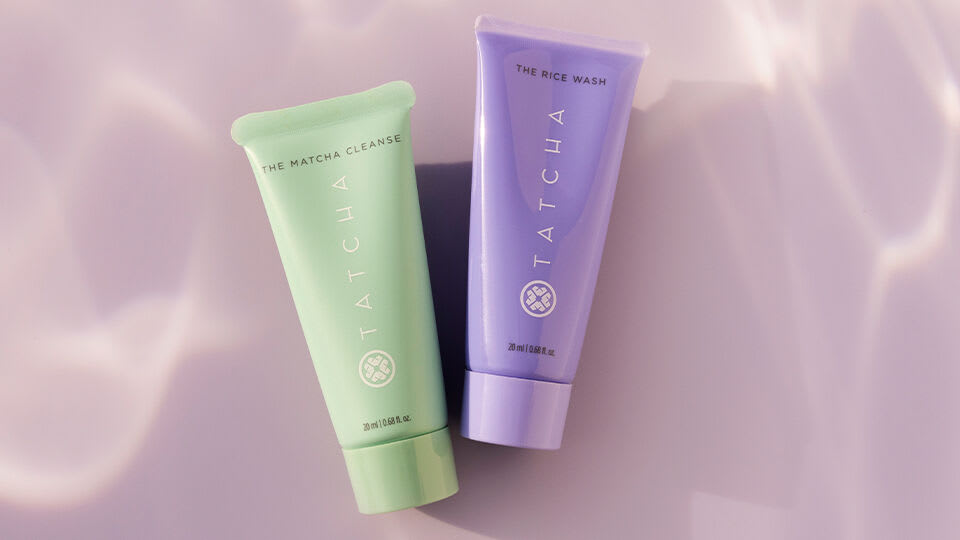
Our skincare brand, founded on using ingredients that maintain the skin barrier's integrity, has the perfect thing: The Rice Wash, a soft cream cleanser whose pH-neutral amino acid base removes dirt without stripping, while Japanese rice powder gently cleanses and hyaluronic acid and red algae replenish moisture.
Your skin already works hard to keep its pH in balance. The kindest thing a cleanser can do is stay out of the way: washing off the day without pushing your acid mantle off its mark, so the rest of your ritual starts on steady ground. Begin there, and balance mostly takes care of itself.