





Wearing sunscreen daily is one of the most powerful acts of self-care you can give your skin. There are two kinds of sunscreen—chemical and physical—and understanding the difference can help you choose the formula that aligns with your skin’s unique needs.
So many of life's most treasured moments occur outside in the sun: picnics in the park, walks with friends, and exploring a new neighborhood or destination. But while soaking up the sunshine it's imperative to protect your skin with sunscreen, wearing it each and every day. Did you know there are two kinds of sunscreen; chemical sunscreen and physical sunscreen? Understanding the difference between the two iterations is fairly simple and can help you uncover your perfect SPF formula. Read on to discover everything you need to know about the two types of sun protection and the best option for your skin type.
What is Physical Sunscreen?
Physical sunscreen contains active mineral ingredients, like titanium dioxide or zinc oxide, making it a mineral sunscreen. A physical sunscreen works by sitting on top of your skin to form a shield and reflect against harmful and damaging UV rays.
What is Chemical Sunscreen?
Chemical sunscreen contains organic compounds, like oxybenzone, octinoxate, octisalate, and avobenzone. These compounds gently sink into the skin by absorbing UV rays and changing them into heat and then releasing that heat from the skin.
Physical Sunscreen vs. Chemical Sunscreen
Both sunscreens are wonderful and necessary – it just depends on your personal preference.
Pro: Physical Sunscreen is Non-Irritating
Physical sunscreen is a natural broad-spectrum sunscreen, as it offers sun protection from both UVA and UVB rays. It also protects your skin from the sun as soon as it’s applied – you do not need to wait for it to take effect.
Physical sunscreen is ideal for those with sensitive skin or acne-prone skin, as it is less likely to cause stinging and clog pores. Its shelf life is also longer than chemical options and it’s more photostable, so it doesn’t need to be reapplied as often as a chemical sunscreen.
Con: Physical Sunscreen White Cast
It is important to note that physical sunscreen can sweat, rinse, or rub off more easily. For full protection, you need to apply a generous amount and ensure it is rubbed completely into the skin.
Physical sunscreen can also leave a whitish cast if the formula has a high zinc percentage. Zinc oxide is wonderfully anti-inflammatory and particularly great for sensitive and reactive skin – but it can give a sunscreen a thicker consistency and white cast. (Although newer innovations, especially Japanese sunscreens, are formulated so as to not cause either a white cast or greasy feel, so don’t count it out!)
Pro: Chemical Sunscreen Applies Easily
Chemical sunscreen tends to be thinner and spread more easily and flawlessly on the skin, so it can be more suitable to wear under makeup. They often don’t rely on zinc formulas, so they won’t commonly have a white tone, making them ideal for darker skin tones. Also, the formula often includes ingredients that treat and protect the skin, like peptides, antioxidants, and enzymes. Making them a one-two punch of skincare and sun protection.
Con: Chemical Sunscreen Can Be Irritating
Multiple active ingredients are combined to achieve UVA and UVB chemical protection, so there may be a higher chance of stinging and irritation for some, especially dry skin – and this potential irritation increases as the Sun Protection Factor increases, especially for sunscreens with SPF 50 or more.
Additionally, chemical sunscreens need at least 10 to 15 minutes after application to achieve full protection. And it’s ideal to reapply frequently, as protection dwindles under direct UV light.
Prone to dark spots? It’s highly unusual, but some dark-spot-prone chemical sunscreen users can see an increase in existing dark spots and discoloration. This is because of the chemical reaction when using chemical sunscreens that increases your internal skin temperature slightly. And one of the two main causes of melasma is heat. It should be noted that this interaction is very rare, and almost all SPF coverage helps prevent dark spots – not cause them.
Speaking of reactions, some chemical sunscreens can cause clogged pores for acne-prone users, causing blemishes. This can occur when the oils or comedogenic ingredients used in some formulas irritate the skin, causing an adverse reaction. But this can also occur in physical sunscreens. To avoid any irritation, look for products that note they’re non-comedogenic.
Dual Chemical AND Physical Sunscreen
For the best of both worlds, some SPFs combine both chemical and physical sunscreen in one product. The formula can take away the woes associated with each type of protection, allowing greater ease of application, longer-lasting wear, and stronger coverage.
Which is Best for You?
The most important thing is to wear sunscreen daily. There is no superior SPF protection – whatever option you’ll use daily is the best sunscreen for you. There are many outdated and negative associations with sunscreen, like stinky, thick, or sticky formulas. But it’s an exciting, innovative time in skincare: modern sunscreens – whether they are chemical, physical, or a blend of both – are wonderfully advanced and not only protective, but oftentimes have cosmetic benefits that improve the skin’s overall health. Still can’t decide which is right for you? There are a few things to consider that’ll help you narrow down your search.
Consider Your Skin Type
Note your skin type – certain skin might enjoy using a physical sunscreen over chemical, or vice versa. Have reactive or sensitive skin? Tend to breakout a few times a week or month? A physical sunscreen (or a non-comedogenic chemical) is probably best for you. More oily skin? Or resilient, non-reactive skin? A chemical sunscreen might work beautifully for you. (That said, again, whatever sunscreen you enjoy using is the best sunscreen for your skin.)
Consider Your Skin Tone
Those with deeper skin tones can find physical sunscreens difficult to apply without leaving a frustratingly ghostly cast behind. Chemical protection can provide a more seamless, invisible application. But don’t count physical out entirely: there is a new genre of tinted physical sunscreens that might work perfectly for medium to dark tones.
The Best Physical & Chemical Sunscreens
At Tatcha, we take the honor of caring for your skin very seriously, especially when it comes to something as important as sunscreen. We recommend choosing a broad-spectrum sunscreen with at least SPF 35 protection. Here are a few of our favorite formulas.
Dual Chemical & Mineral Sunscreen
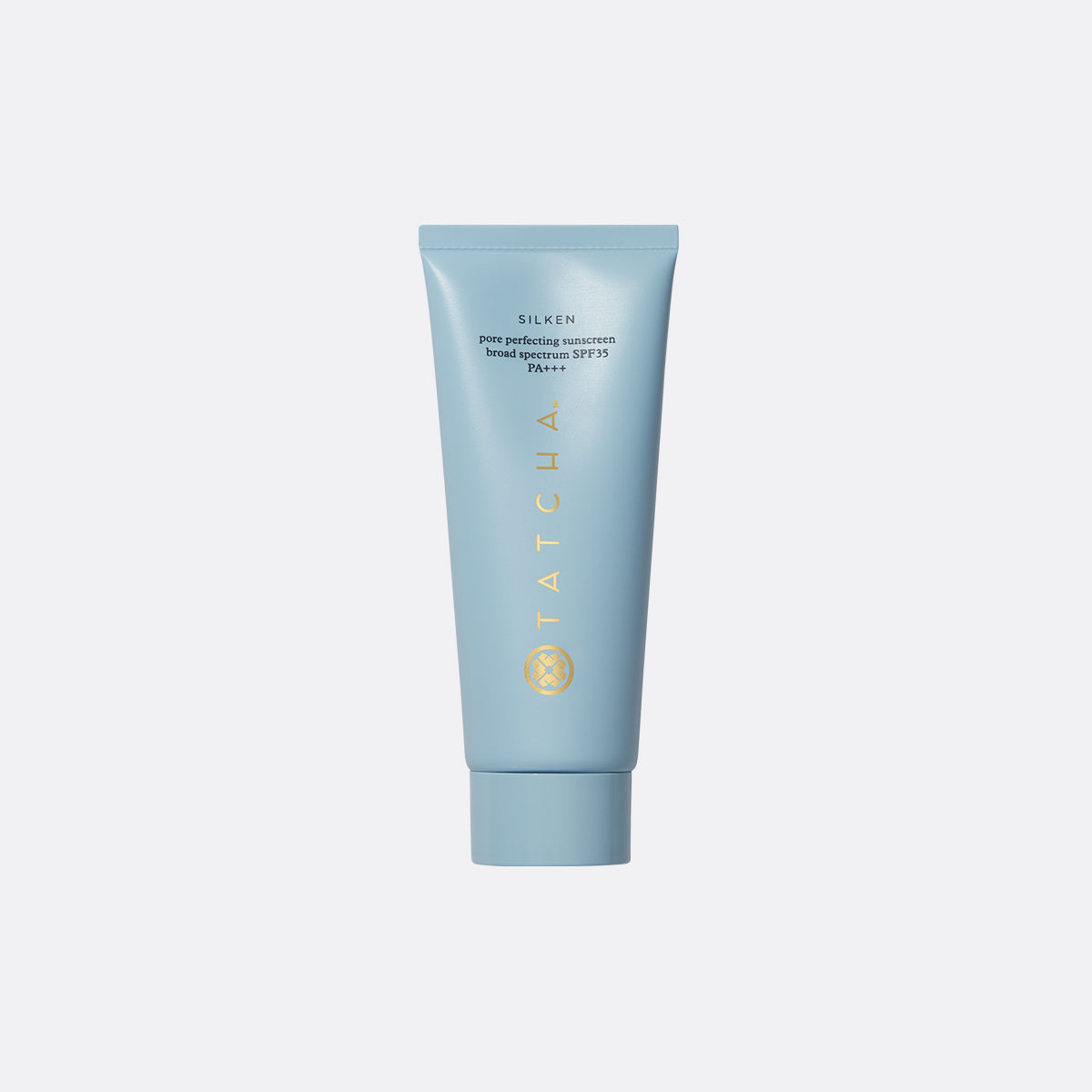
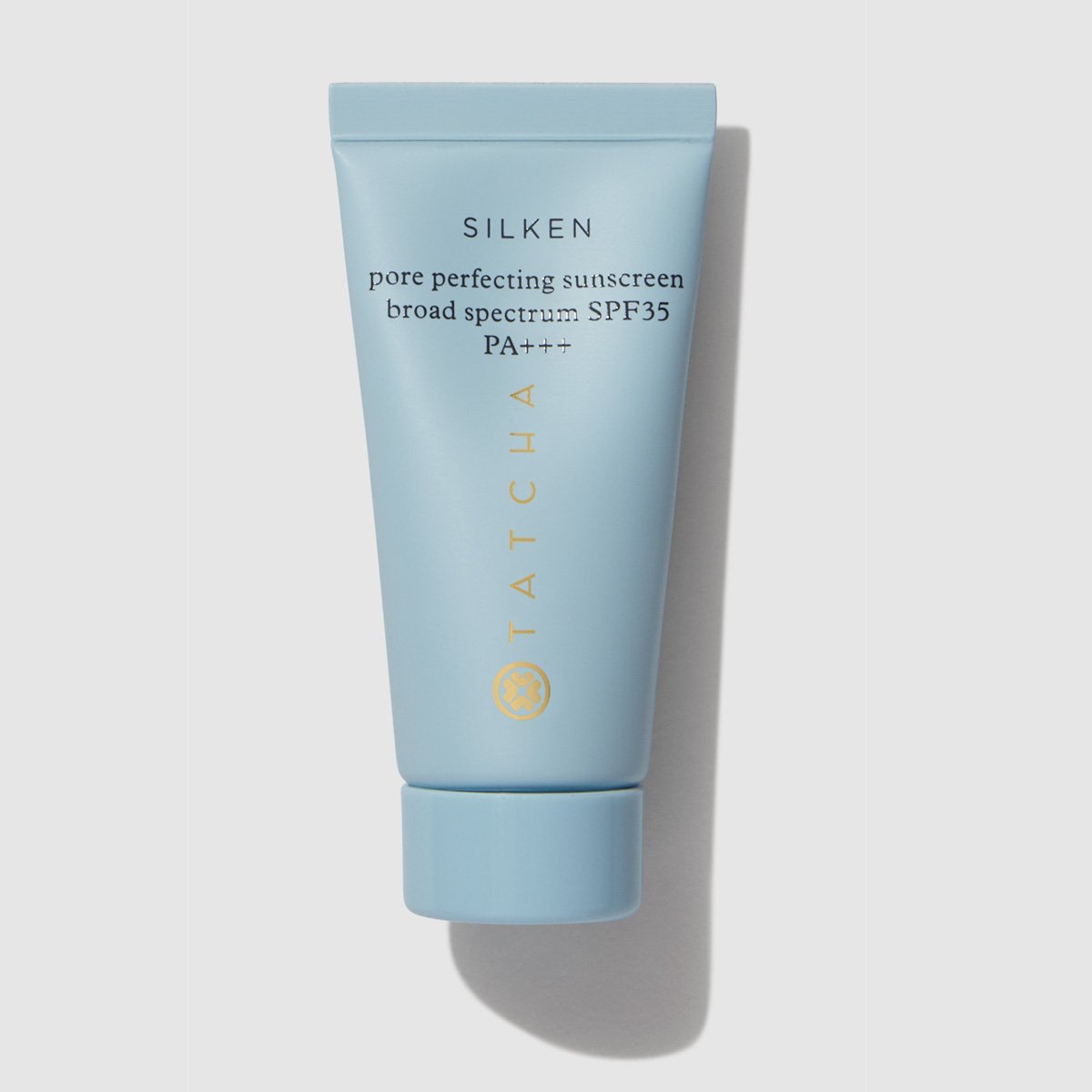
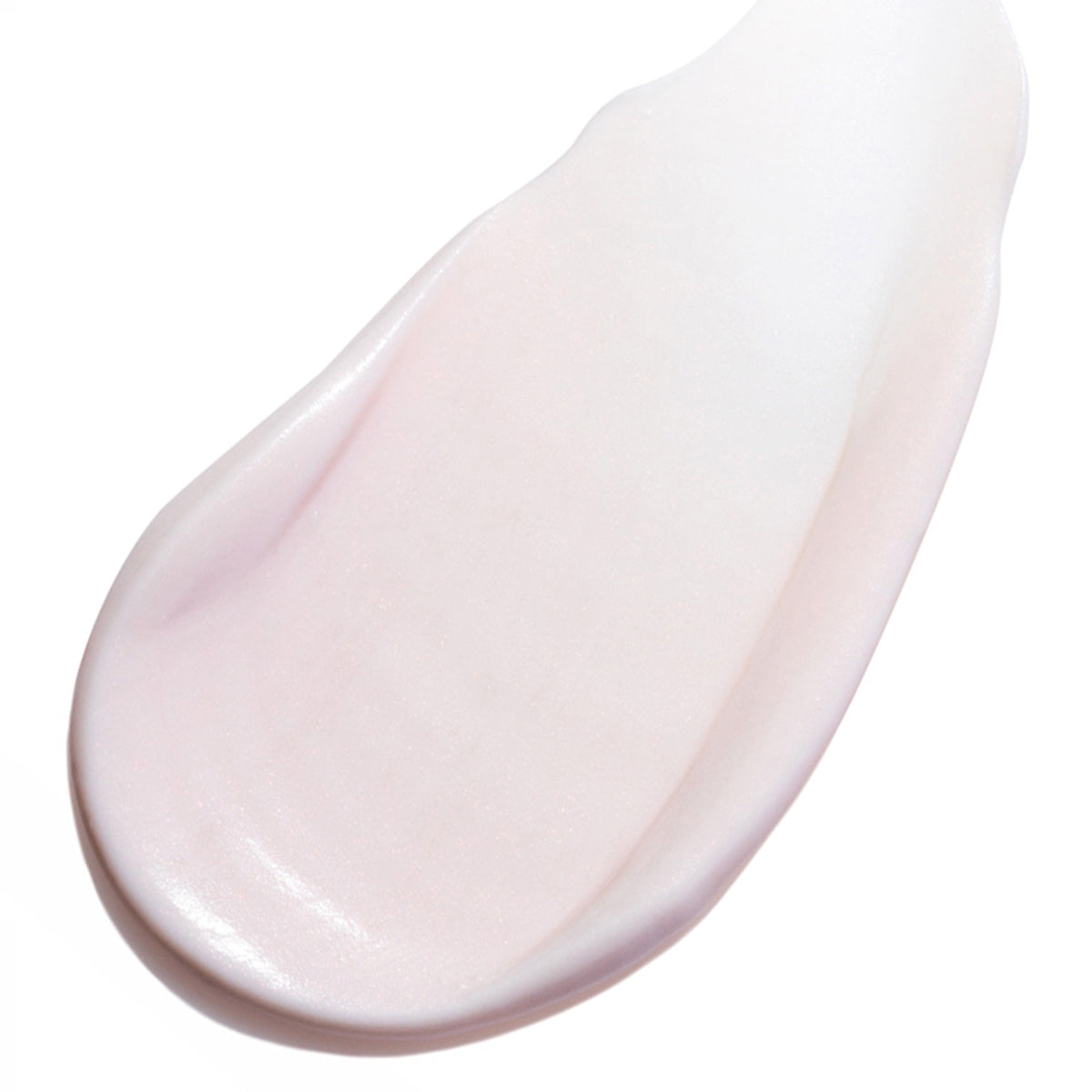
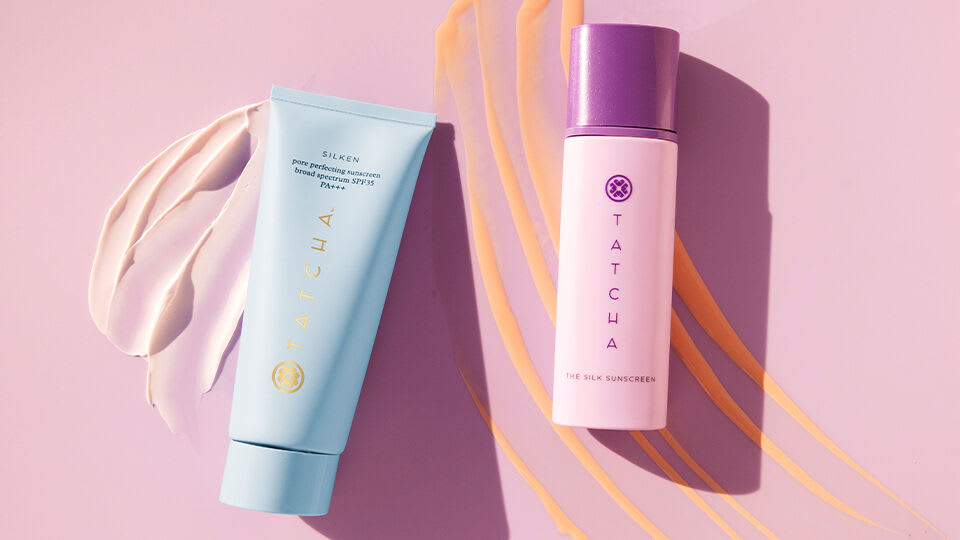
Consider our Silken Pore Perfecting Sunscreen, which is a weightless sunscreen with broad-spectrum protection (meaning it provides coverage from both UVA and UVB rays). The SPF 35 blends effortlessly and invisibly for refined pores and a matte finish. It features both chemical and mineral SPF, allowing for a nearly invisible finish, while also providing lasting protection against the sun.
Hate thick sunscreens? You’ll love this weightless option then, the lightweight protection is formulated with silk extract for a silky-smooth feel, and Japanese wild rose to help tighten the look of pores and smooth skin texture. Meanwhile, loquat leaf extract offers a rich source of antioxidants to protect and calm your skin.
Archaic sunscreen used to sit uncomfortably under the skin, but Silken Pore Perfecting Sunscreen is perfect as a primer for your makeup, without leaving a chalky finish. Our sunscreen is non-comedogenic, dermatologist-tested, and cruelty-free, and is formulated without parabens, synthetic fragrances, mineral oil, sulfate detergents, phthalates, DEA, or TEA.
Mineral Sunscreen
Looking for a silky, lightweight, invisible sunscreen with 50+ mineral coverage? Allow us to proudly introduce our newest innovation – The Silk Sunscreen.
For the base of our brand-new sunscreen, we turned to a timeless ingredient used in beauty rituals for nearly two thousand years – silk. Silk features an amino acid structure similar to that of skin, which allows the silky liquid to provide a protective veil of hydration without weighing your skin down.
Not only does the new Silk Sunscreen feel impossibly light, but the invisible protection also impressively minimizes pollutant and allergen disruption. In addition to silk extracts, niacinamide visibly evens skin tone, reduces redness, and visibly firms the look of pores. And hyaluronic acid helps to immediately boost skin’s natural moisture levels, softness, and skin tone. Basically, it makes your skin feel healthier, while also providing incredible sun protection.
Most importantly though, the sheer liquid provides 50 broad-spectrum protection against UVA and UVB rays, with 10 percent zinc oxide for a mineral, reef-safe filter.
Can’t decide between Silk Sunscreen and Silken Pore Perfecting Sunscreen? If you’re looking for higher sunscreen protection with a more milky, liquid format, Silk Sunscreen is perfect for you. If you prefer a cream, with both mineral and chemical protection, our bestselling Silken Pore Perfecting SPF 35 Sunscreen is a superb option.
No matter what broad-spectrum sunscreen protection you choose though, the most important thing is to apply it daily. Basking in the sun is one of life’s simple pleasures – but only if you have SPF coverage on to enjoy it.