





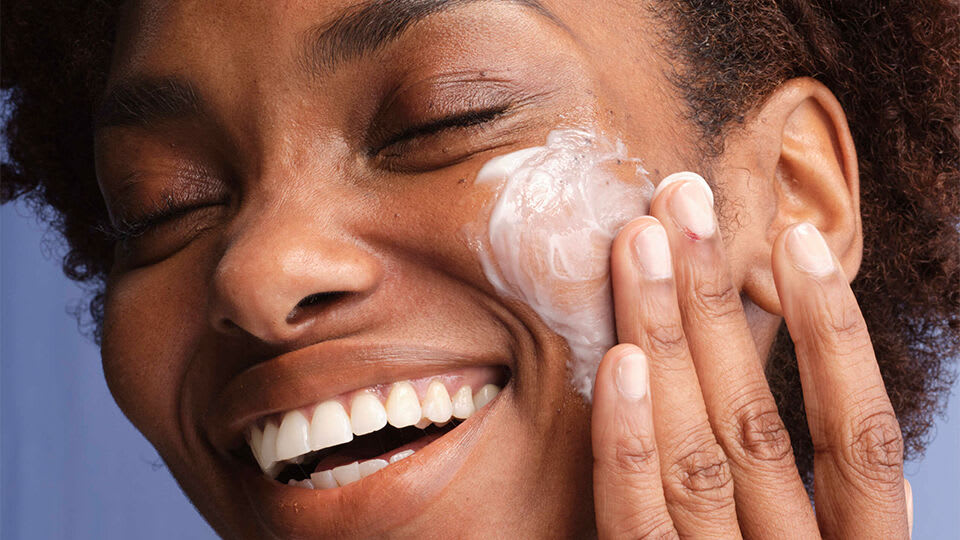
Sensitive and sensitized skin is often used interchangeably—but they’re vastly different conditions. Having sensitive skin and experiencing sensitization can be confusing, frustrating, and often painful. But knowing which category your skin currently falls under (sensitive vs sensitized skin) will help you to soothe and repair effectively. Keep reading to learn the difference between sensitive and sensitized skin, what causes it, and how to manage it.
About Sensitive Skin
Sensitive skin is common. So common that some studies estimate that up to 70 percent of women report having sensitive skin. While there is no clinician definition of sensitive skin, it’s most likely characterized by unpleasant sensations or reactiveness, like redness, itching, discomfort, burning, and swelling. Sensitive skin is usually classified as a history of discomfort, likely someone with a genetic predisposition for sensitivity.
About Sensitized Skin
As the nearly identical name might suggest, sensitive skin and sensitized skin are very similar. But while sensitive skin is a skin type, sensitized skin is a temporary reaction, likely from over-exfoliation, aggressive treatments, environmental stressors, or certain ingredients in skincare products. Products like retinol, harsh exfoliating acids, and overly scented ingredients can trigger the skin barrier, causing sensitized skin.
How to Manage Sensitive Skin & Repair Sensitized Skin
Soothing and avoiding sensitivity triggers is an important aspect of sensitive skin—and it’s one of the best ways to repair sensitized skin, too. Additionally, finding a skincare ritual that doesn’t cause redness and itching is vital for sensitive skin. For sensitized skin, the ideal skincare regime is quite similar to sensitive skin, with a focus on paring down ingredients that are known irritants. When the barrier is damaged, it’s less likely to protect itself from common ingredients (even ones that haven’t irritated skin before), which is why a sensitive skin-approved regime can be beneficial for sensitized skin. Simplifying the daily skincare routine into a few soothing products can help skin heal faster.
Plus, avoid the following common ingredients.
Fragrance
According to Dermatology Times, fragrances are most likely to cause allergic contact dermatitis and they account for 30 to 45 percent of reactions in cosmetic products. They advise that fragrance-free formulas (or formulas that have minimal added fragrances) are best to avoid reactions, like redness, inflammation, and itching, with sensitive and sensitized skin.
Exfoliating Acids
If the skin is compromised, it’s best to avoid harsh exfoliating acids, including salicylic acid, lactic acid, glycolic acid, and citric acid. While they’re normally an effective solution for dead skin cell removal, sensitive and sensitized skin can be further irritated (even damaged with extremely aggressive formulas) by exfoliation. Avoid until skin is back to a healthy-looking state.
Retinols
While retinol is beloved by many dermatologists for its ability to speed up cellular turnover and increase collagen production, it can be far too abrasive for sensitive and sensitized skin in the middle of a flare-up. If you rely on a Vitamin A derivative, wait until skin is healed to continue usage.
Best Products for Sensitive & Sensitized Skin
If your skin is feeling red, irritated, or uncomfortable, reboot your skincare routine. A weakened skin barrier can make it difficult to find the right skincare, but consider the following gentle products to soothe and repair skin.
An Overnight Healing Treatment
Try: Indigo Overnight Repair
If you’re searching for an overnight treatment, try this healing balm, which visibly calms irritation and strengthens the skin’s barrier. The formula features the soothing powers of Japanese indigo, but also includes red sage root to calm visible irritation, ceramides to boost moisture reserves, and hyaluronic acid to deeply hydrate. In clinical studies, 100 percent of users saw an improvement in their skin barrier strength within four weeks.
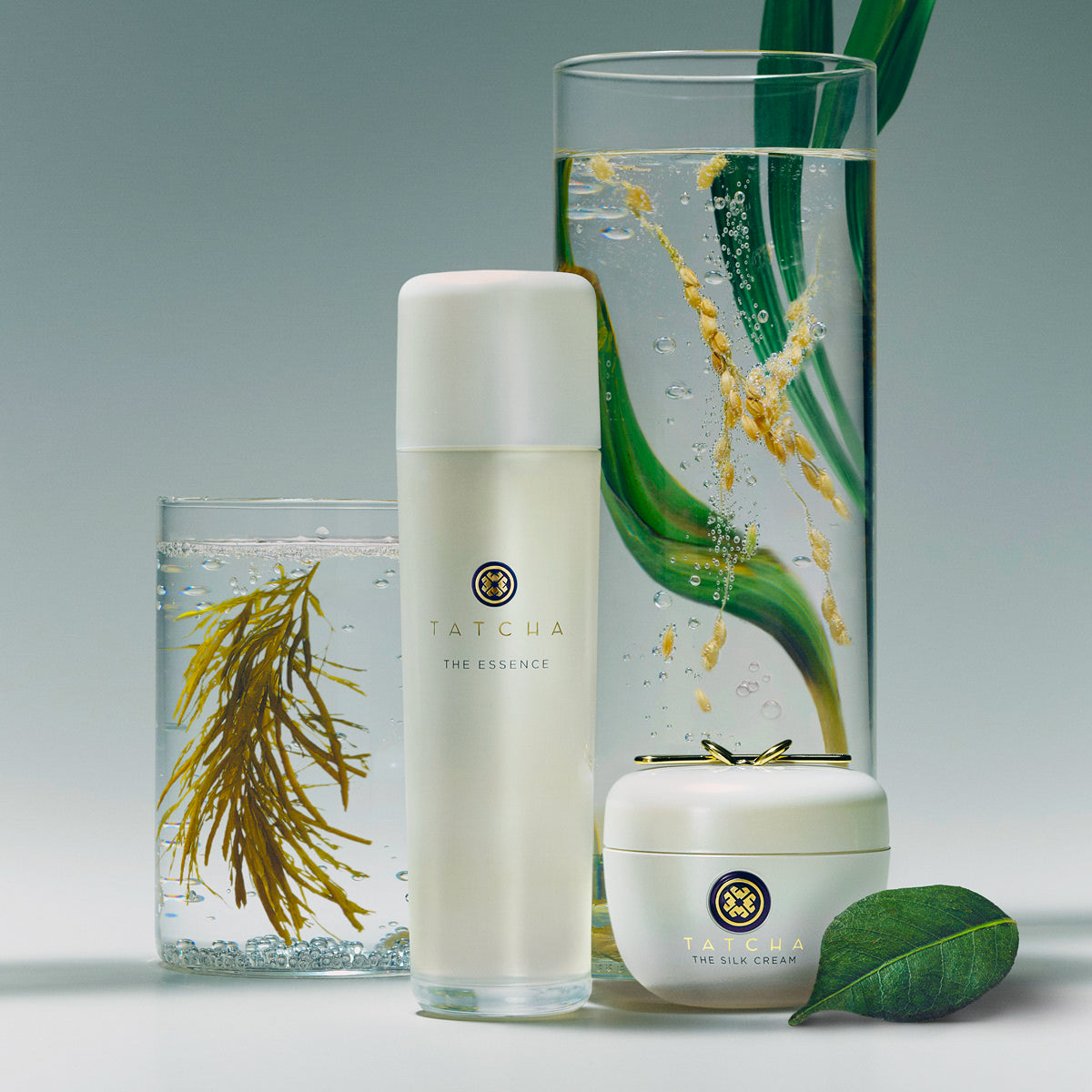
Snag this gift set, which is great for sensitive and sensitized skin. The kit includes the plumping Essence, the serum-in-moisturizer treatment Indigo Overnight Repair, and the nourishing Indigo Soothing Body Butter in one convenient kit. Not only does it leave skin feeling soft, smooth, and nourished, but the $124-valued set is a steal at $99.
A Gentle Cleanser
Try: The Indigo Cleansing Balm
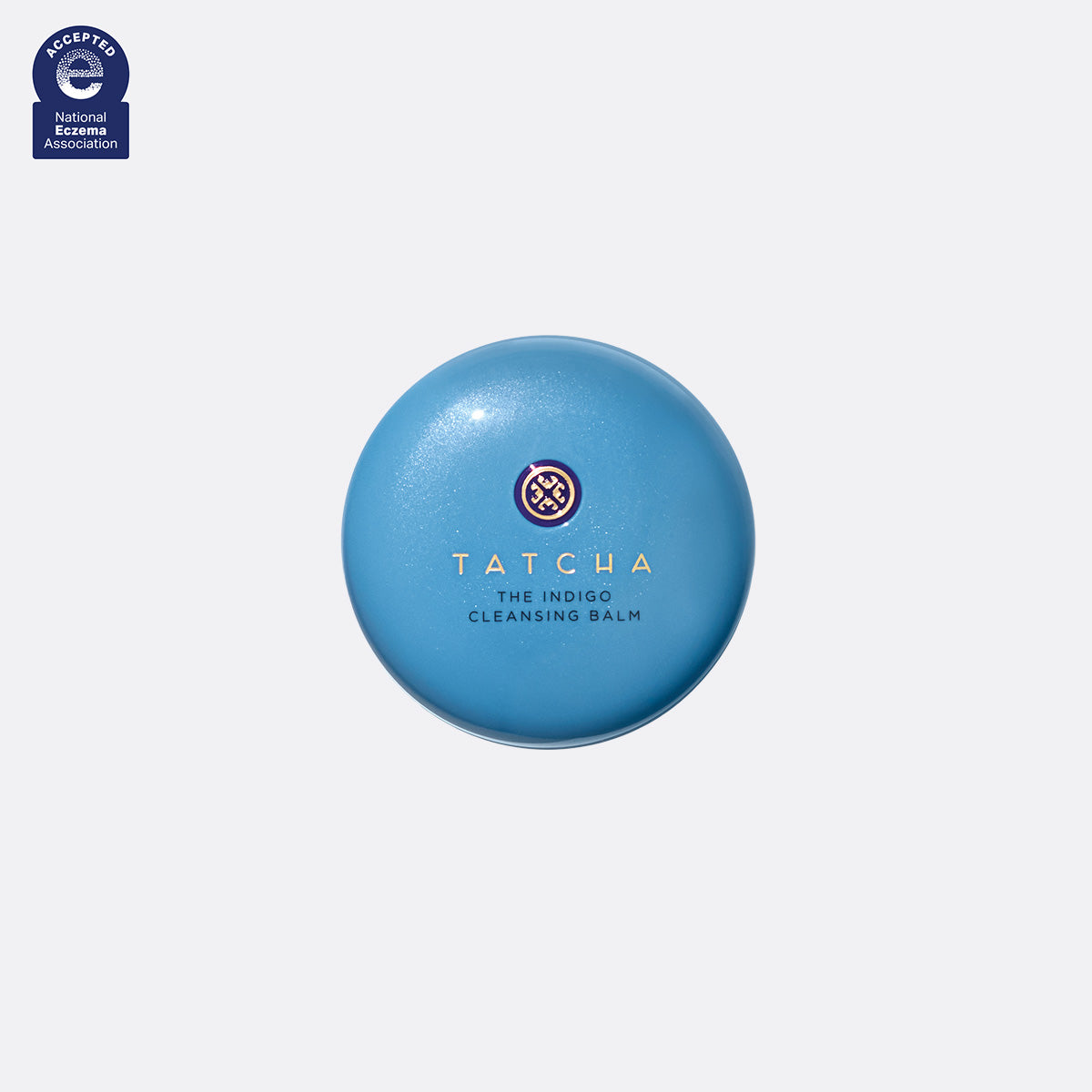
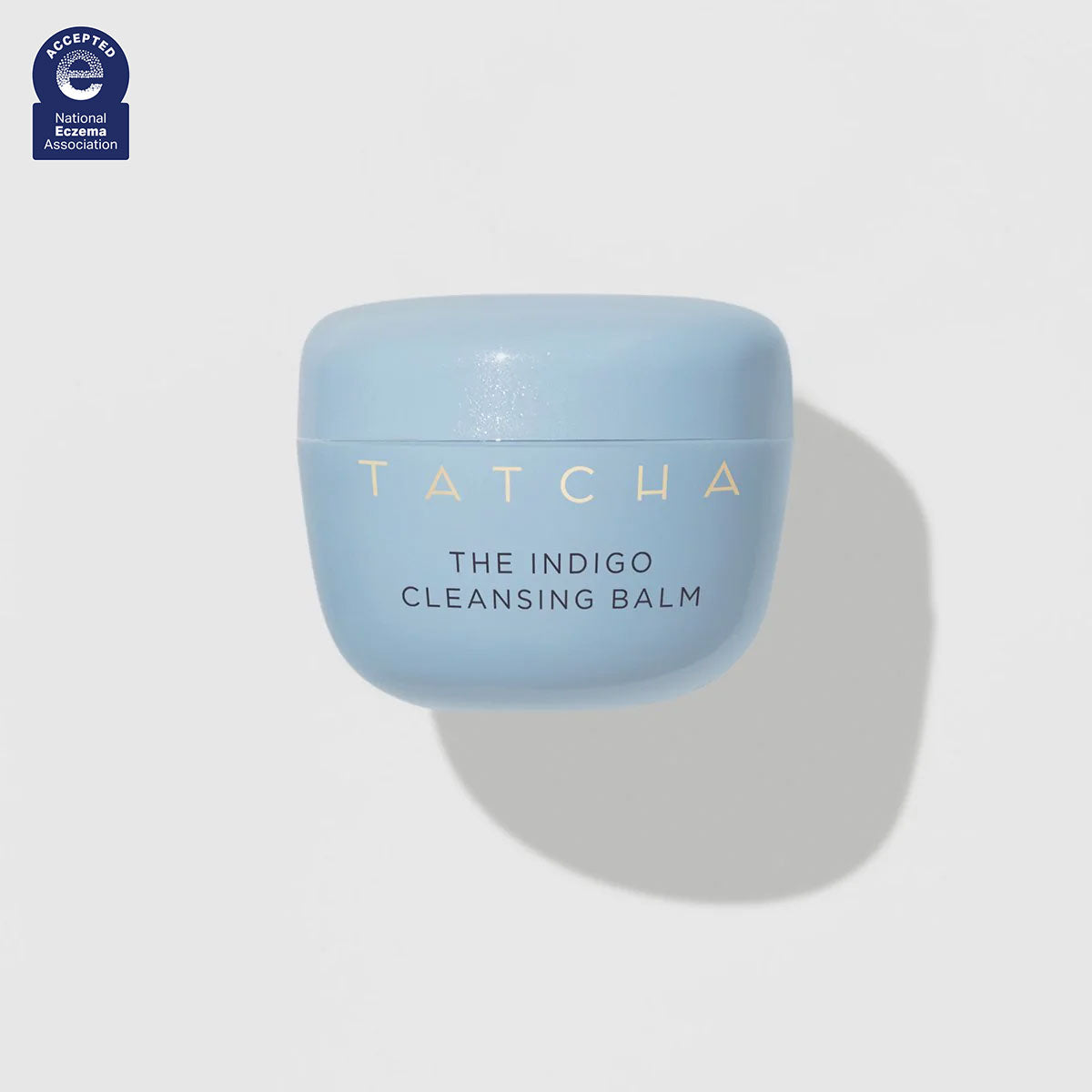
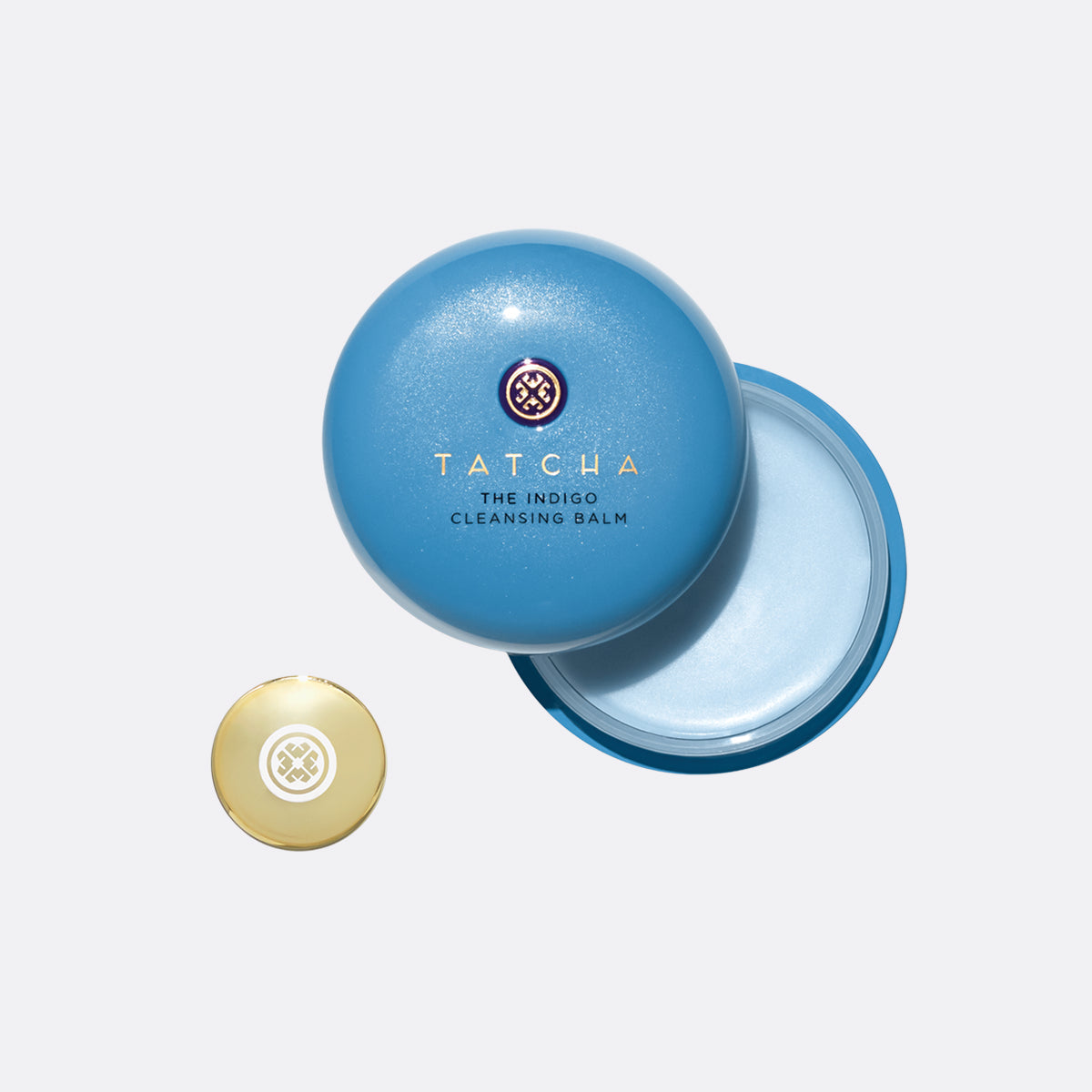
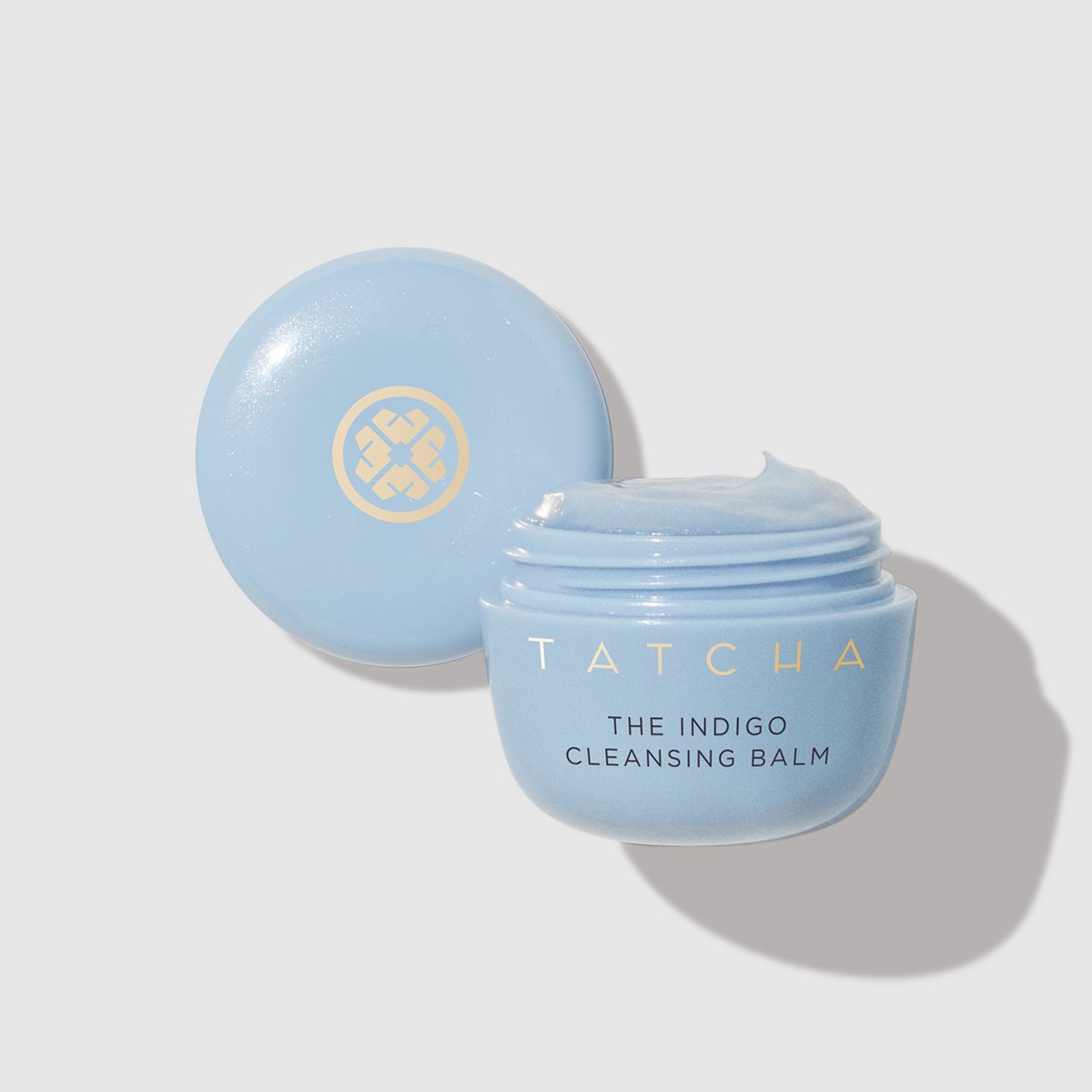
A calming, nurturing cleanser (that still effectively cleanses) is necessary. We know harsh formulas can strip the barrier’s natural oils, leading to more damage, so a gentle cleanser is a crucial first step in your ‘skin barrier repair’ regime. This is why Tatcha is so excited to introduce you to one of our newest innovations: The Indigo Cleansing Balm.
A Soothing Cream
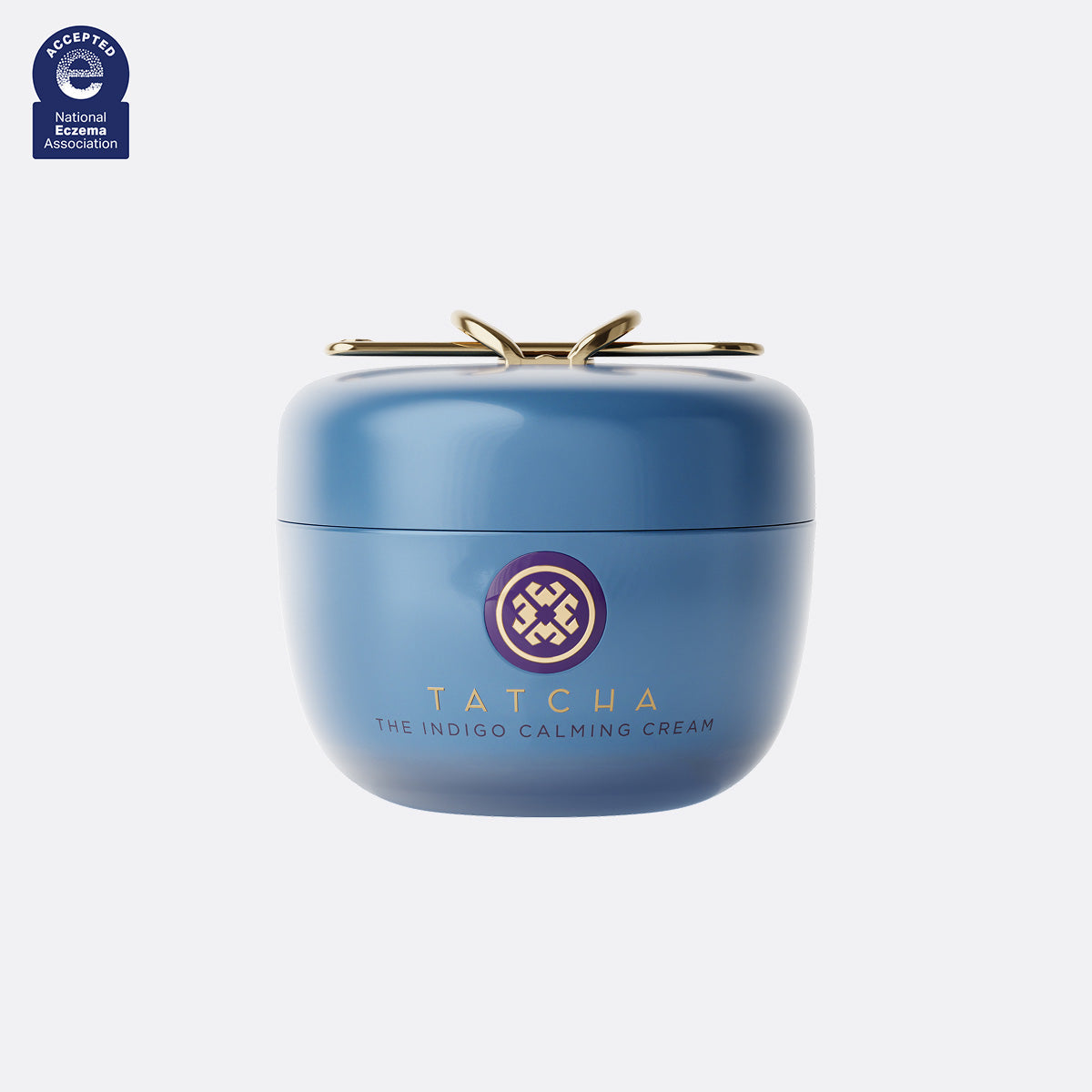
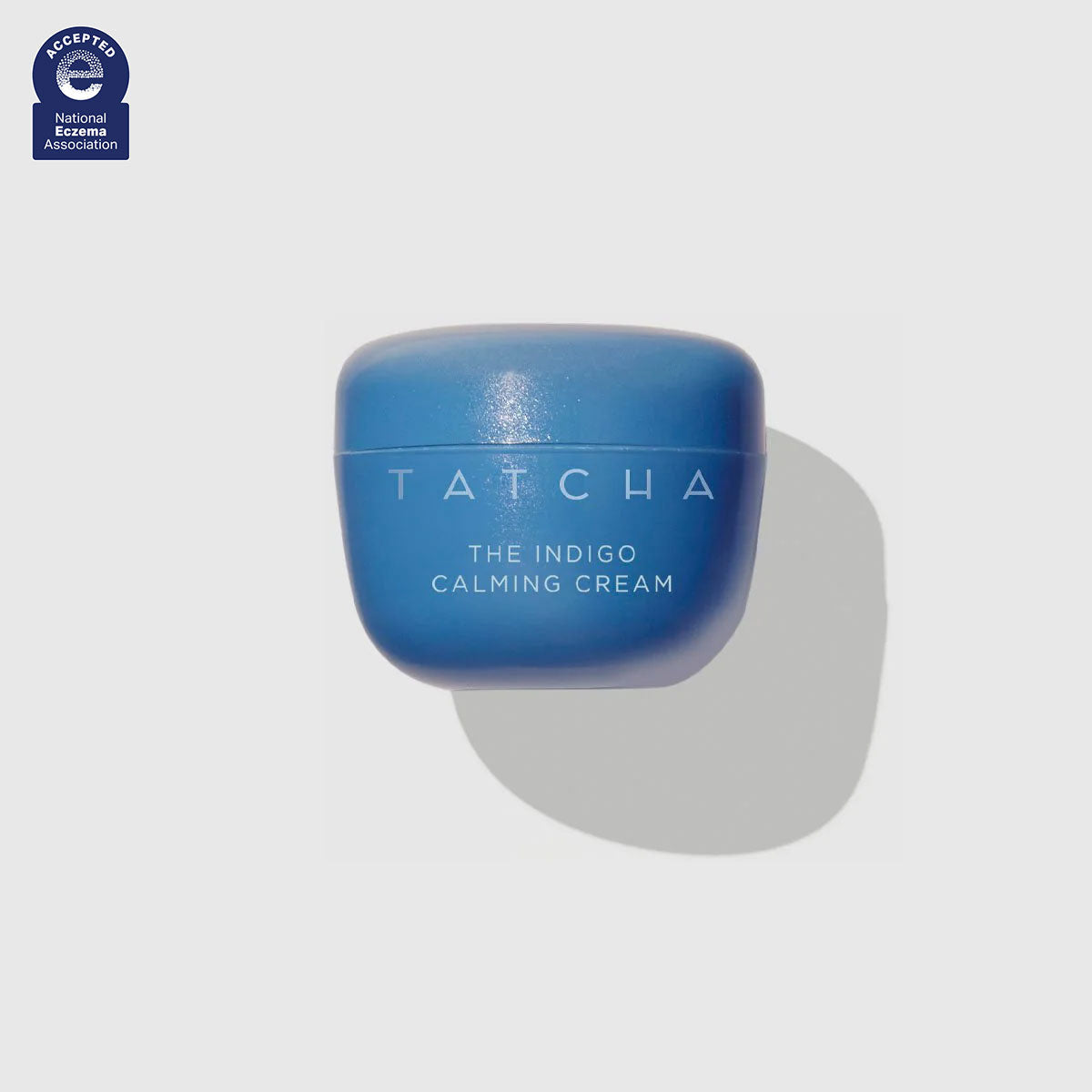
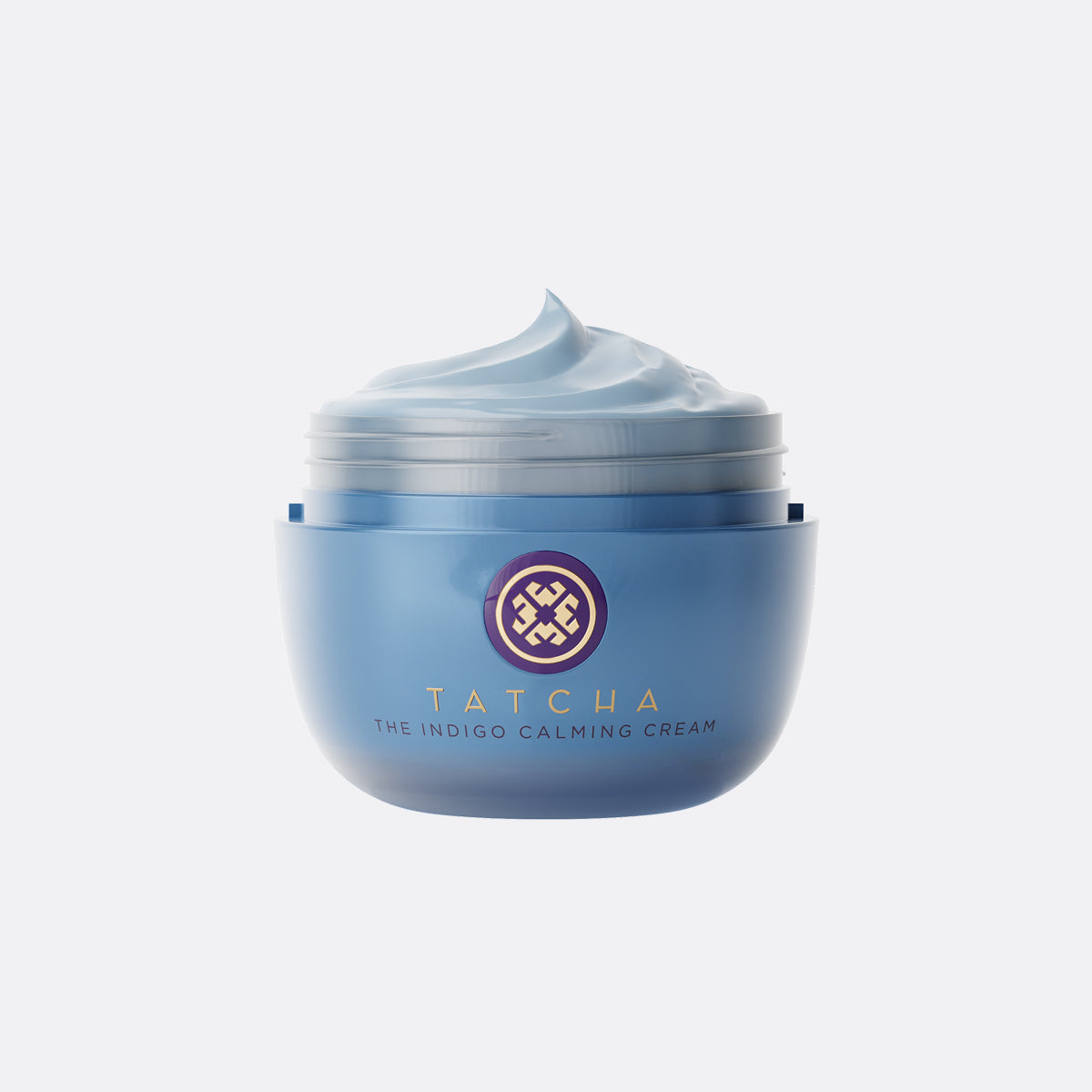
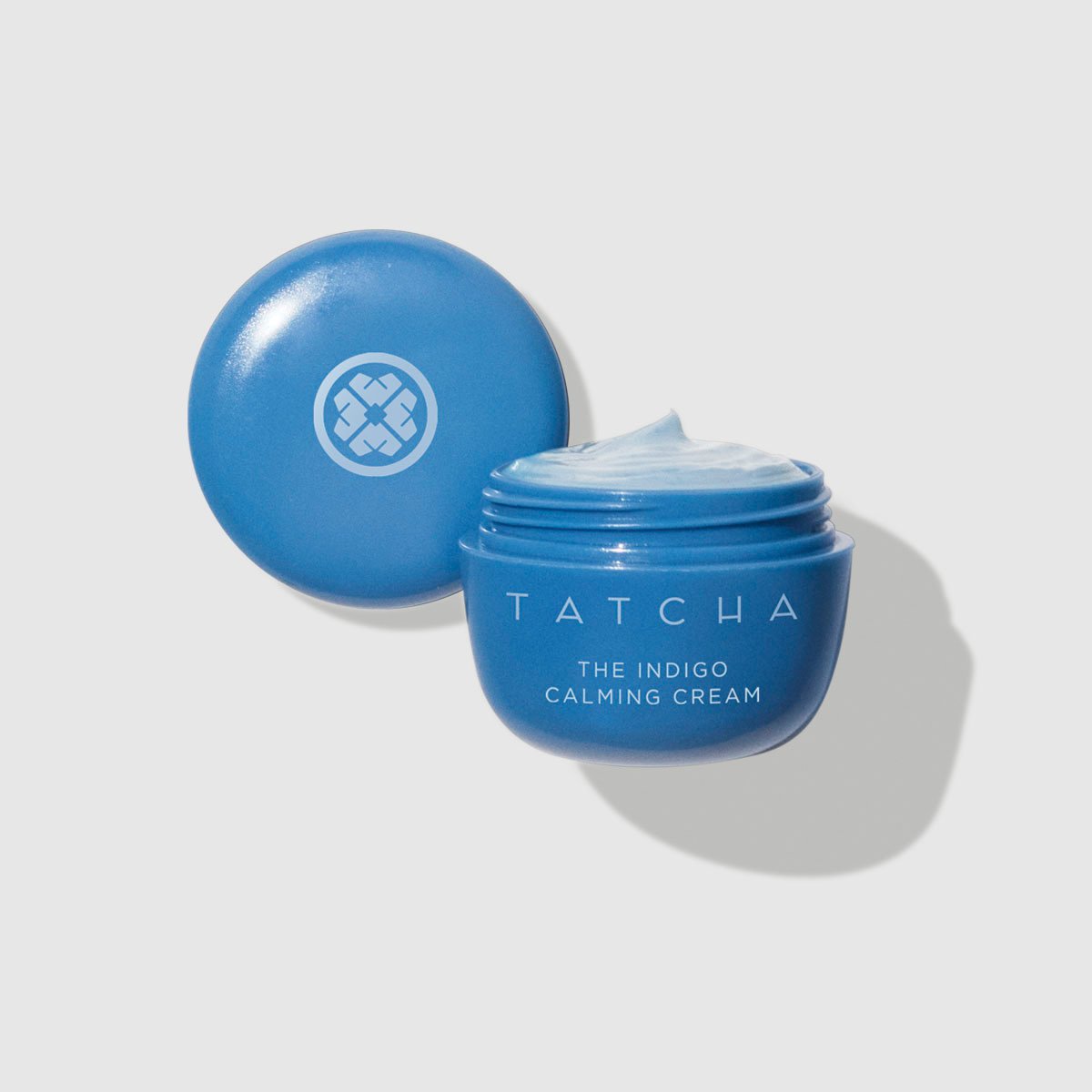
Try: The Indigo Calming Cream
Transform stressed skin to strengthened skin with the newly updated Indigo Calming Cream. Our beloved fragrance-free cream has been proven to calm visible irritation and relieve itchy skin, thanks to Japanese indigo and colloidal oatmeal (an FDA-designated skin protectant). What sets this innovative cream apart from others (and even the Indigo Overnight Repair) is the addition of colloidal oatmeal, which has helped earn it the coveted National Eczema Association seal of approval for its ability to soothe irritated, eczema-prone skin on the face and beyond. Whether as a face cream or spot treatment, The Indigo Calming Cream offers a luxurious way to heal visibly stressed or eczema-prone skin for a calmer, stronger skin barrier.
100 percent of panelists in a clinical study saw an improvement in softness and suppleness immediately, an improvement in the appearance of the skin barrier after one week, and an improvement in visible redness and evenness of skin tone after four weeks. The emotional benefits of using the new Indigo Calming Cream are worth noting, too. In a clinical study self-assessment questionnaire, 86 percent of panelists noted that the product left them feeling like their skin was healthier after just one week.