Summary
-
Skin cycling is a simple four-night cycle that balances powerful active ingredients with recovery time to keep your skin balanced and healthy.
-
It starts with exfoliation, followed by a night of retinol, then two nights of hydration and repair.
-
This method helps prevent irritation while making sure you get all the benefits of your skincare products.
- It’s great for combination and oily skin, but if you have sensitive skin, you might need to try gentler alternatives.
Taking the Internet by storm, skin cycling has proven its a worthwhile trend. The routine does take diligence and consistency, though — so it’s not for everyone. Keep reading to learn about skin cycling and what type of skin will love it.
Trends come and go — but one thing that should never participate in any trendy fad is your skin. However, while it started as a viral sensation, skin cycling has proven it’s here to stay, with the trend even getting the approval of countless dermatologists. But what is skin cycling, what are the benefits, and what products do you need? We’ve compiled everything you need to know about skin cycling, and all that’s left to do is take out your pencils, because skin cycling class is in session.
What Is Skin Cycling?
Skin cycling is a strategic routine that consists of a four-night cycle, which includes exfoliation and retinol, followed by two days of recovery. The skin cycling regimen is popular because it alternates between active ingredients and restorative/gentle products so you can get the benefits of powerful products while also minimizing irritation. A skin cycling routine is also trendy because it takes the guesswork out of how often to use retinol and instead makes it into a set routine.
Who Should Do Skin Cycling?
If the words “retinol”, “set routine”, or "irritation” made you a tad worried, skin cycling might not be for you — and that is okay! Retinol is not for everyone, which is something we shouldn’t be ashamed about. There are many retinol alternatives today that can mimic the incredible benefits of retinol — without irritation.
The skin cycling schedule involves two powerful active ingredients two nights in a row, which is something many skin types cannot handle. Those with sensitive and eczema-prone skin might find this cadence of actives far too irritating, and they’re likely not a candidate for skin cycling. However, those with combination, oily, or adaptive skin might thrive with a skin cycling routine, helping to bring order to their nightly skincare ritual.
No matter your skin type though, any time you are considering adding potent active ingredients to your ritual, it’s worth having a conversation with your dermatologist beforehand.
Benefits of Skin Cycling
The benefit of a set skin cycling order is that it can help individuals avoid getting too overzealous with active ingredients. Some get excited about the power of actives and mistake their initial tolerance as clearance to amp up the frequency and amount — which can be a dangerous miscalculation. This skin cycling technique takes the guesswork out of retinol and instead makes it regimented, allowing those who tolerate retinol well to reap its benefits.
Additionally, skin cycling is brilliant because it then tacks on days before and after retinol that support the skin’s health. Exfoliation and retinol are paired with gentle ingredients that help to nurture and repair skin, allowing it to recover for two full days before applying actives again.
Skin Cycling Schedule
We’ve alluded to the skin cycling schedule, but let’s discuss the specific four-day routine.
-
Day One: Exfoliation
Your skin cycling schedule begins with exfoliation. Starting with an exfoliation night is intentional because it helps to lift dead skin cells, allowing the products that come afterwards – both immediate and in the following days – to penetrate the skin more effectively. This can be either chemical or physical exfoliation, just as long as it helps to unclog pores and rid the skin of dead skin cells.
-
Day Two: Retinol
The myth, the legend: retinol. Night two is retinol night, which helps stimulate cell turnover and collagen production to improve the appearance of fine lines, wrinkles, breakouts, and dark spots. It’s also one of the most volatile and irritating ingredients in skincare — it requires strict measurements and intentional applications. Retinol also cannot be used too frequently, which is exactly why skin cycling helps regulate its use. An easy alternative? Retinol alternatives, which we’ll explore further below, typically don’t require complicated usage or skin cycling. Alternatives can usually be applied nightly – but check with the product packaging – for a radiant glow but without risk of irritation.
-
Day Three and Four: Hydrate and Recover
After two days of actives, skin might feel a little (or very) sensitive. You’ll want to nurture, nourish, and soothe skin with hydrating and gentle products. This can include gentle cleansers, serums, and moisturizers that boost hydration and repair skin. It’s important to pamper the skin for both day three and four, allowing it to fully recover before starting the skin cycling schedule over again with day one.
Skin Cycling Routine for the Morning
Excited to try out skin cycling? While the ritual does celebrate active ingredients, the main focus of skin cycling is recovery and hydration — and that’s especially important in your morning skincare routine. Try to mirror your morning ritual with similar skin cycling products as suggested below.
Cleanse
Nourishing skin starts with your cleanser. Find a face wash that not only cleanses but incorporates hydration back into your skin, too. While not all skin needs to be washed with a cleanser in the morning, it is ideal for those who are utilizing a skin cycling routine (actives will need to be washed away before heading outside).
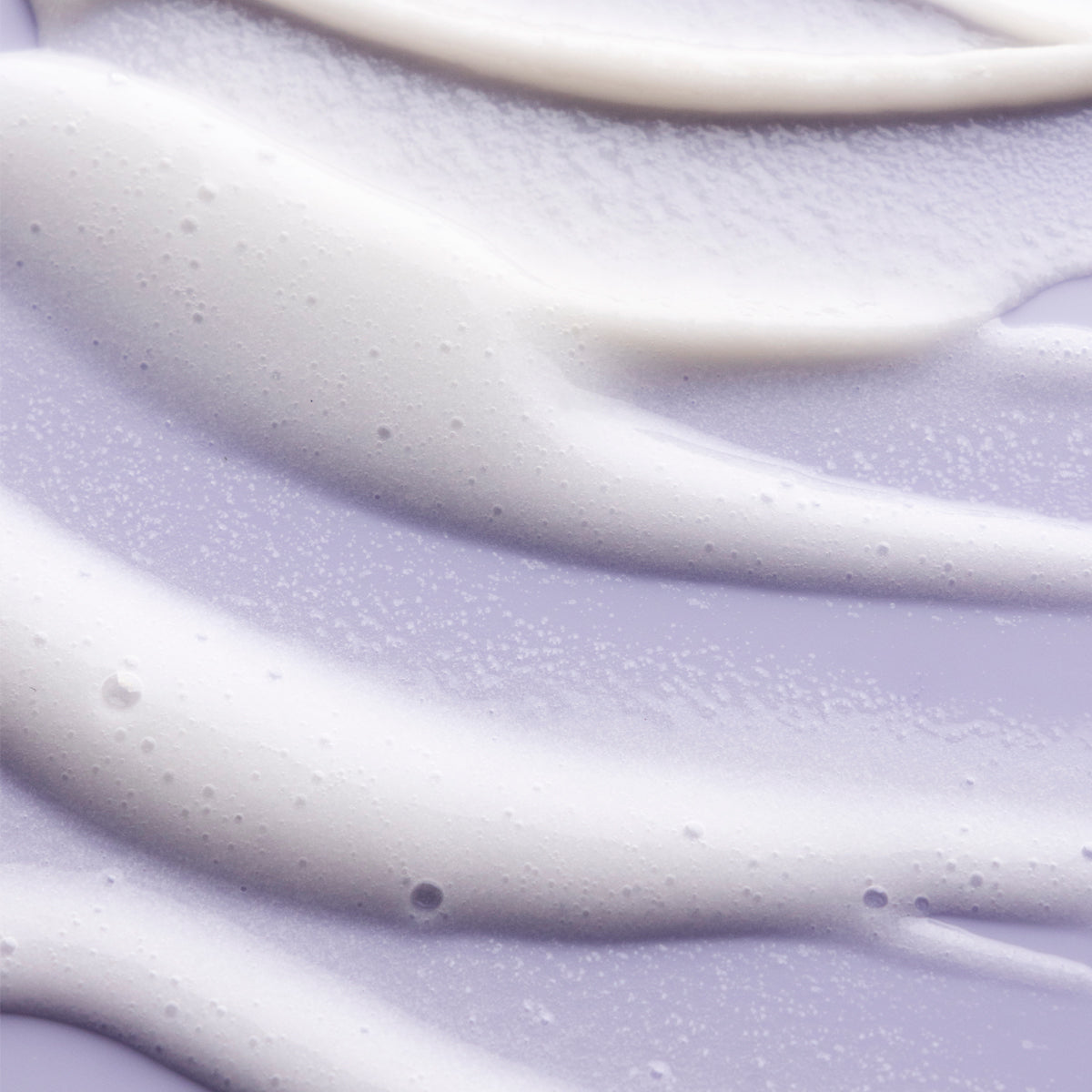
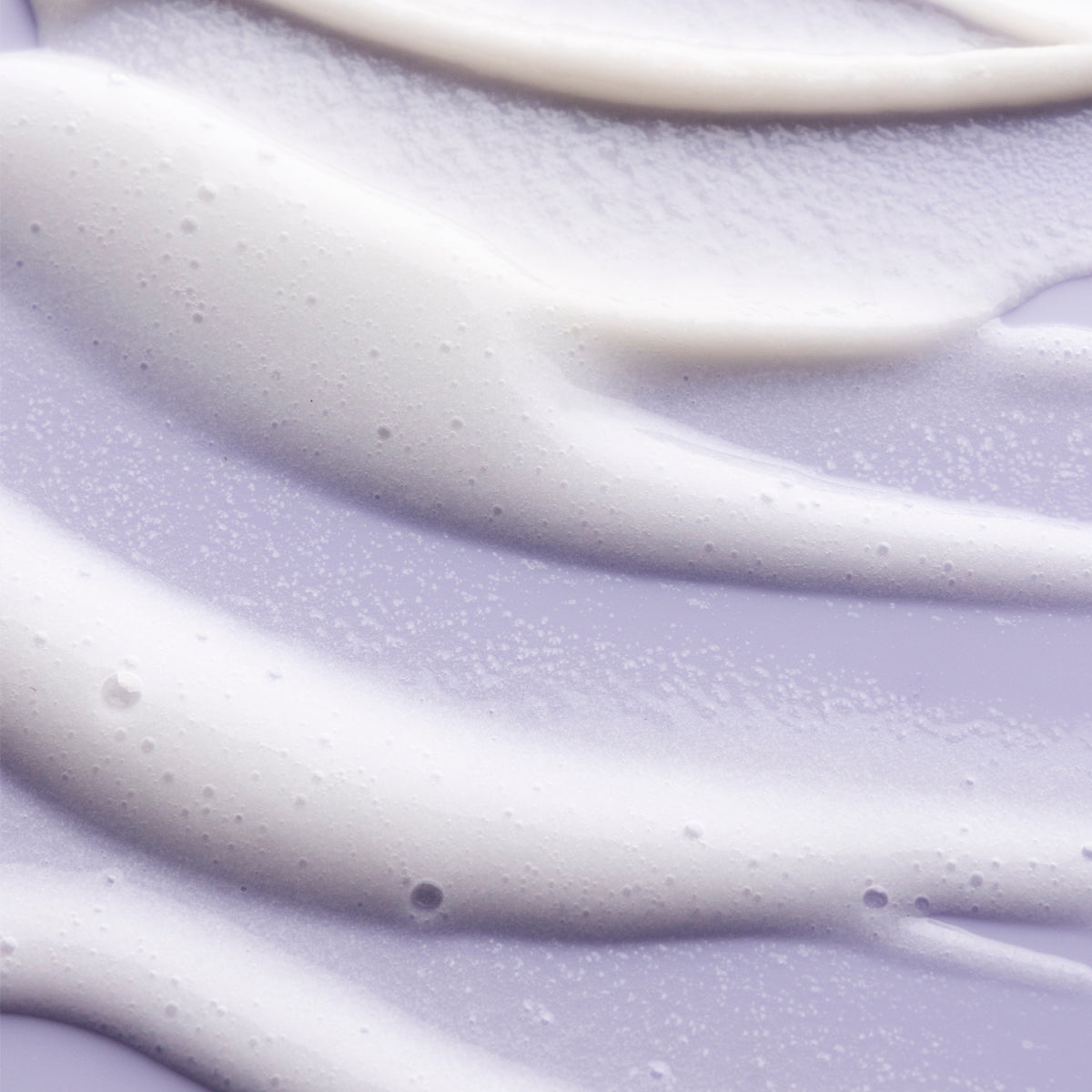
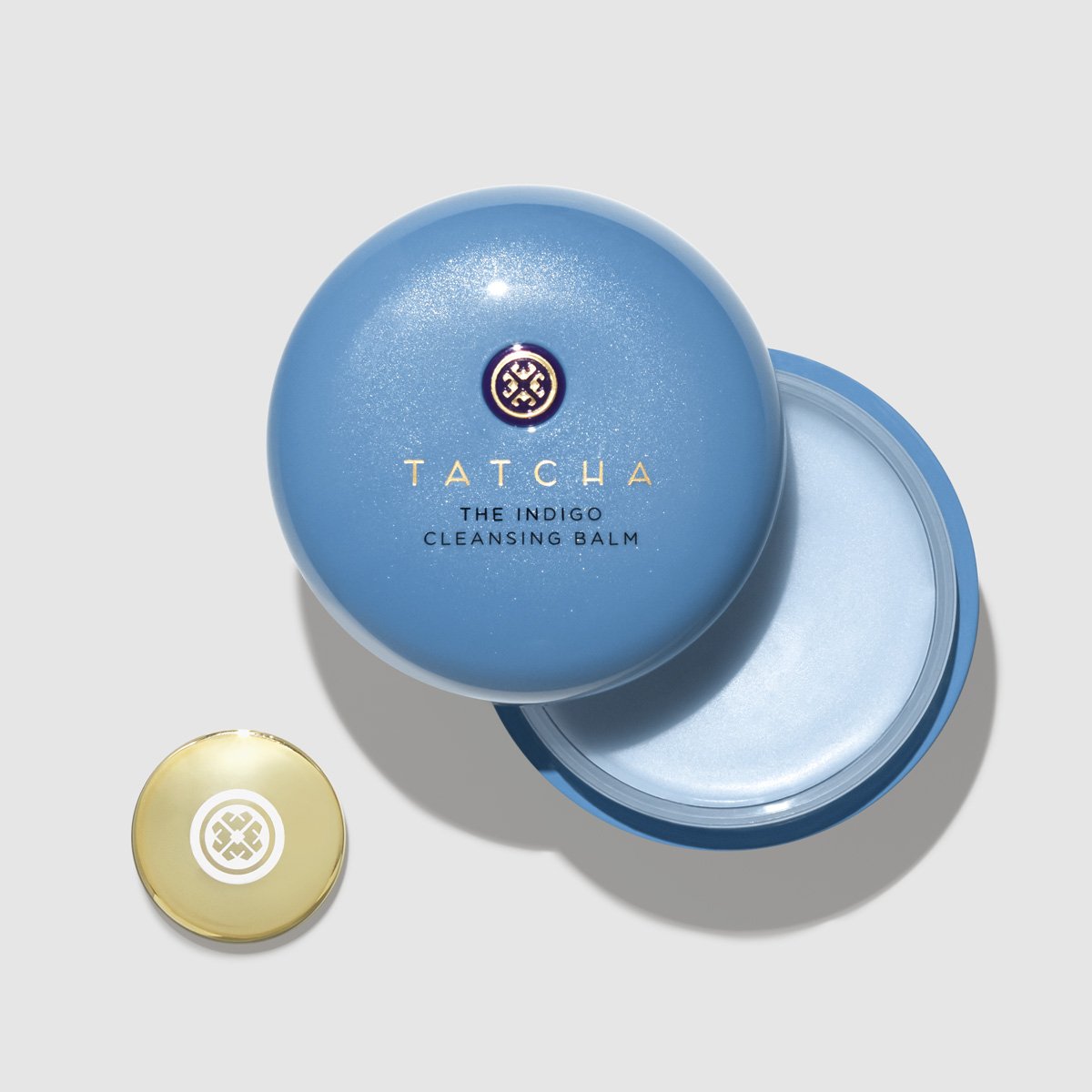
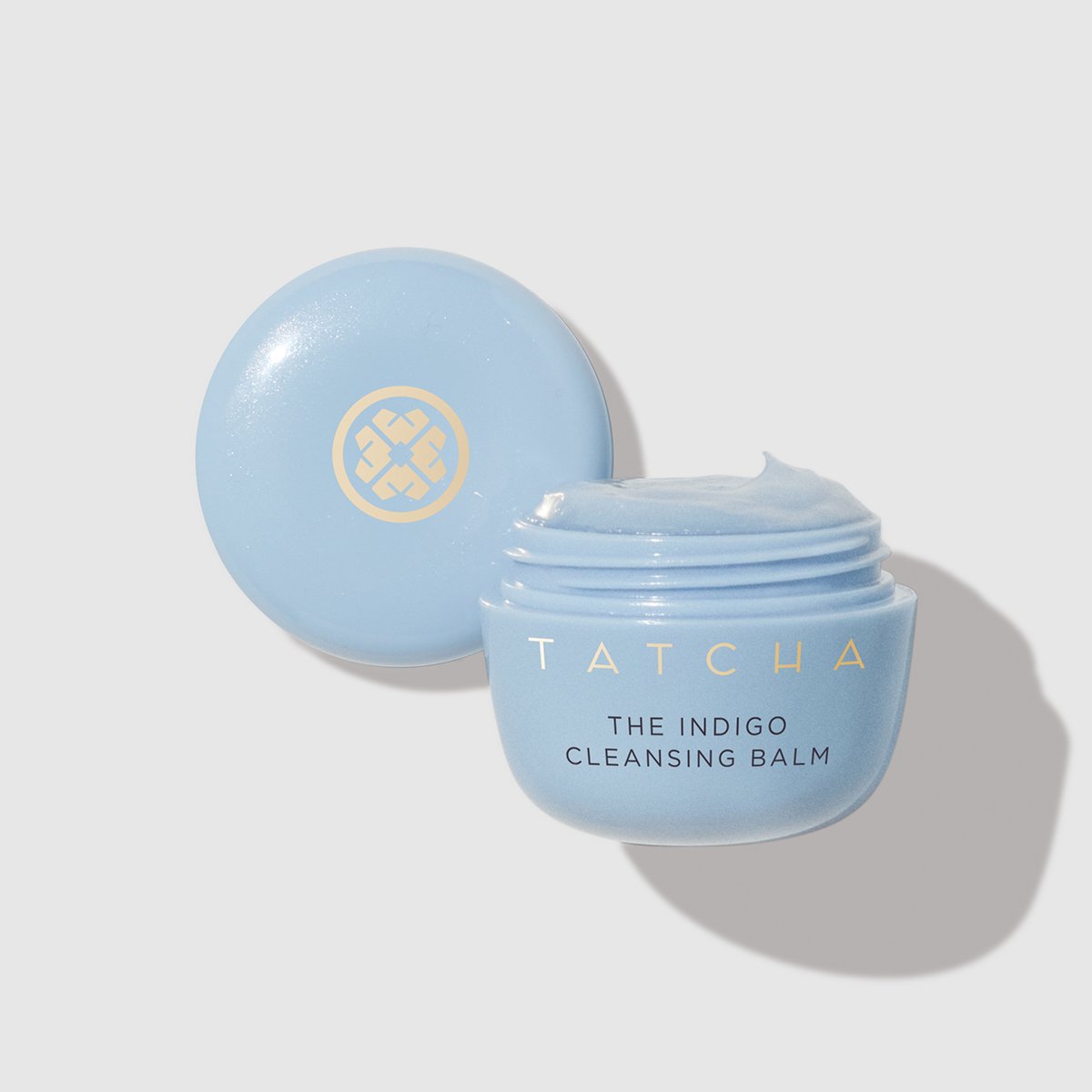
For a creamy cleanser that whips up into a rich foam and washes away impurities while softening and hydrating skin, try The Rice Wash. Looking to control oil while also purifying pores? Try The Matcha Cleanse, which has a refreshing gel texture that lathers into a satisfying clarifying foam. Those looking for a calming cleanse will love The Indigo Cleansing Balm, a buttery soft texture that is designed to soothe sensitive and sensitized skin.
Plump
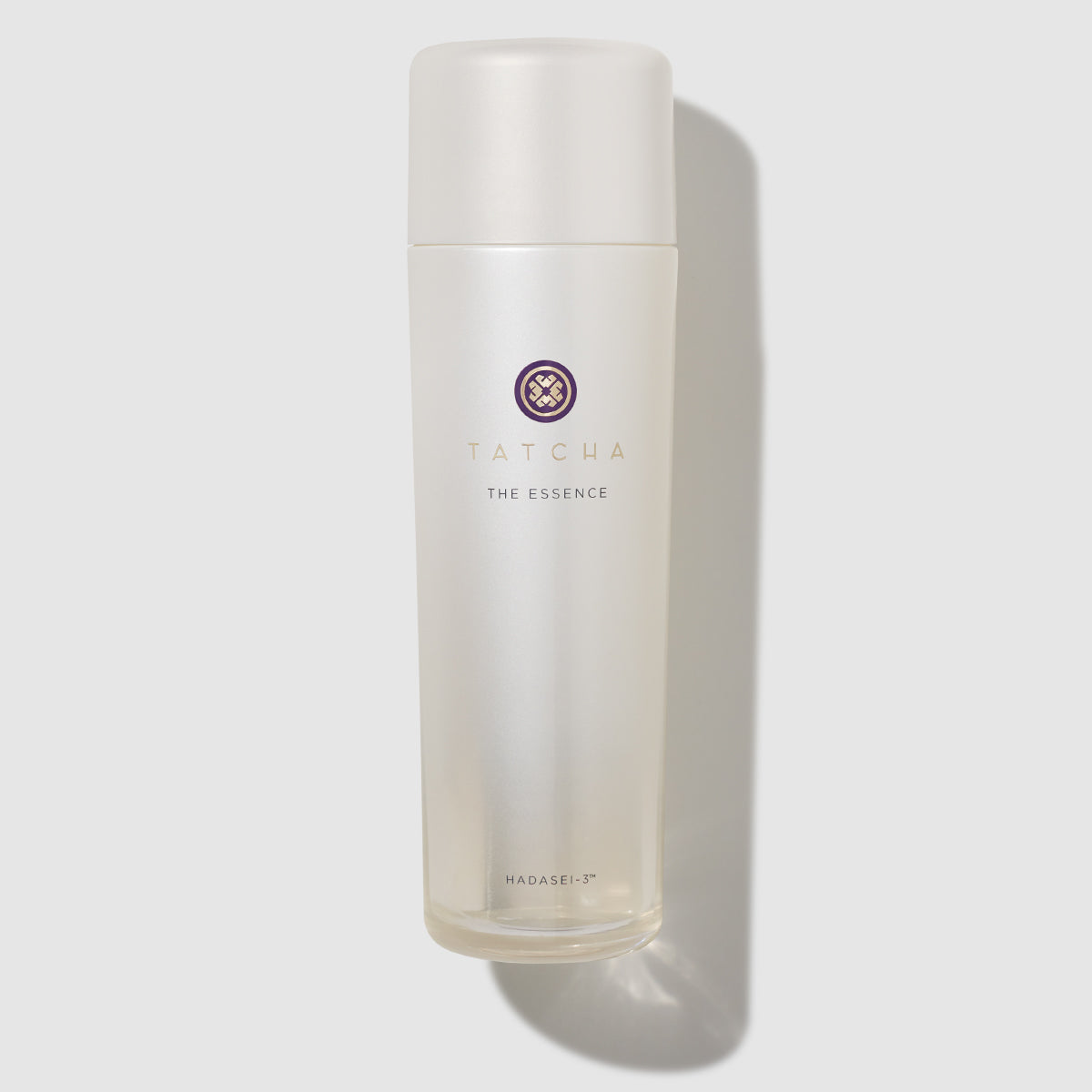
One ingredient that will help skin exponentially during the skin cycling journey? An essence, which not only instantly hydrates and improves the softness and suppleness of skin, but also is proven to improve the performance of other skincare that follows.
This makes The Essence vital to your skin cycling. It helps skin recover more quickly, products work more effectively, and makes skin look plumper while doing so.
Treat
The morning skin cycling routine can be a great time to treat skin with serums. Incorporating a nourishing serum, like a hyaluronic acid-boosted formula, into your daily morning routine can help skin recover more quickly. Check with your derm first, but this can also be a time to apply your vitamin C serum. Why the a.m. with vitamin C? Studies have shown that topical vitamin C can make your sunscreen work more effectively.
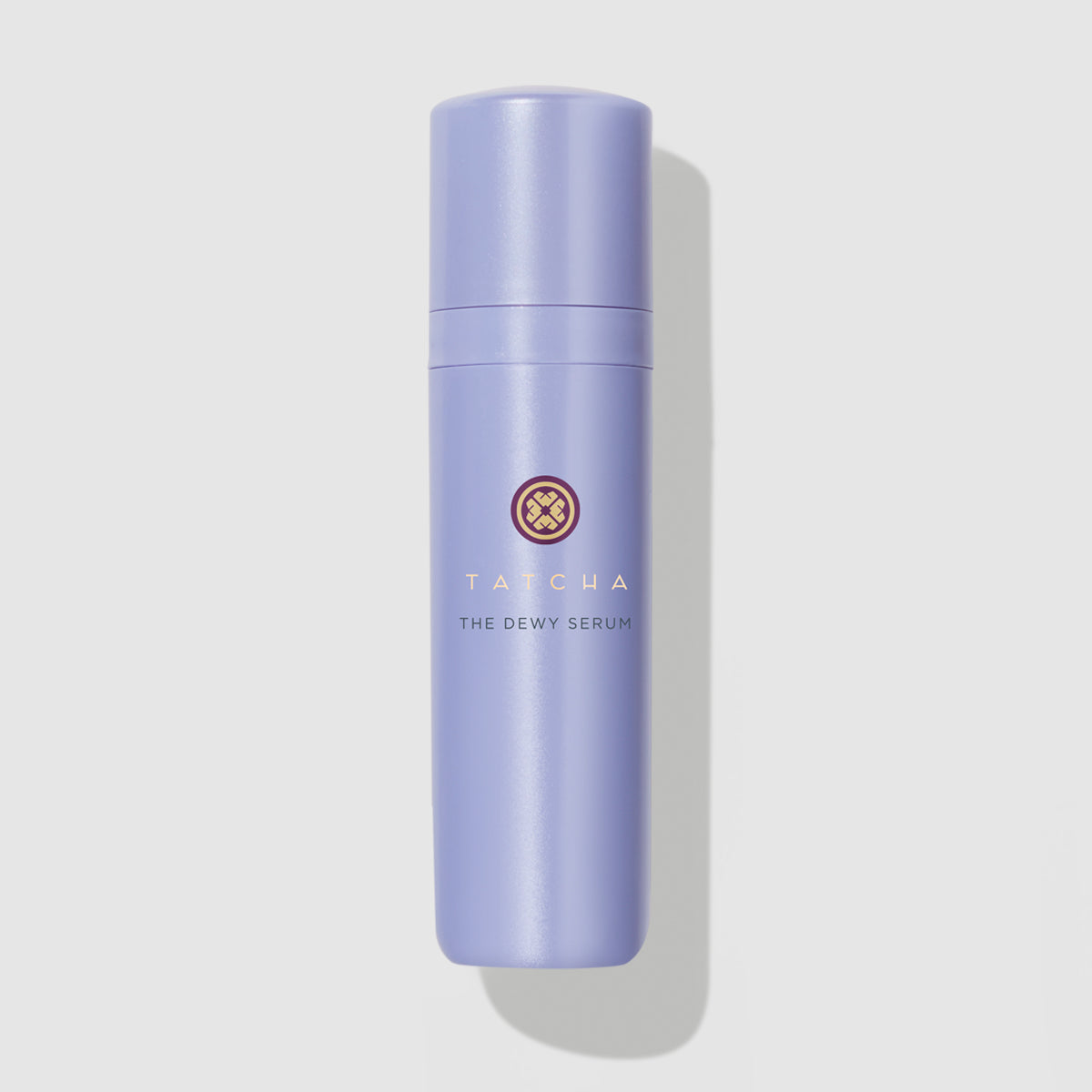
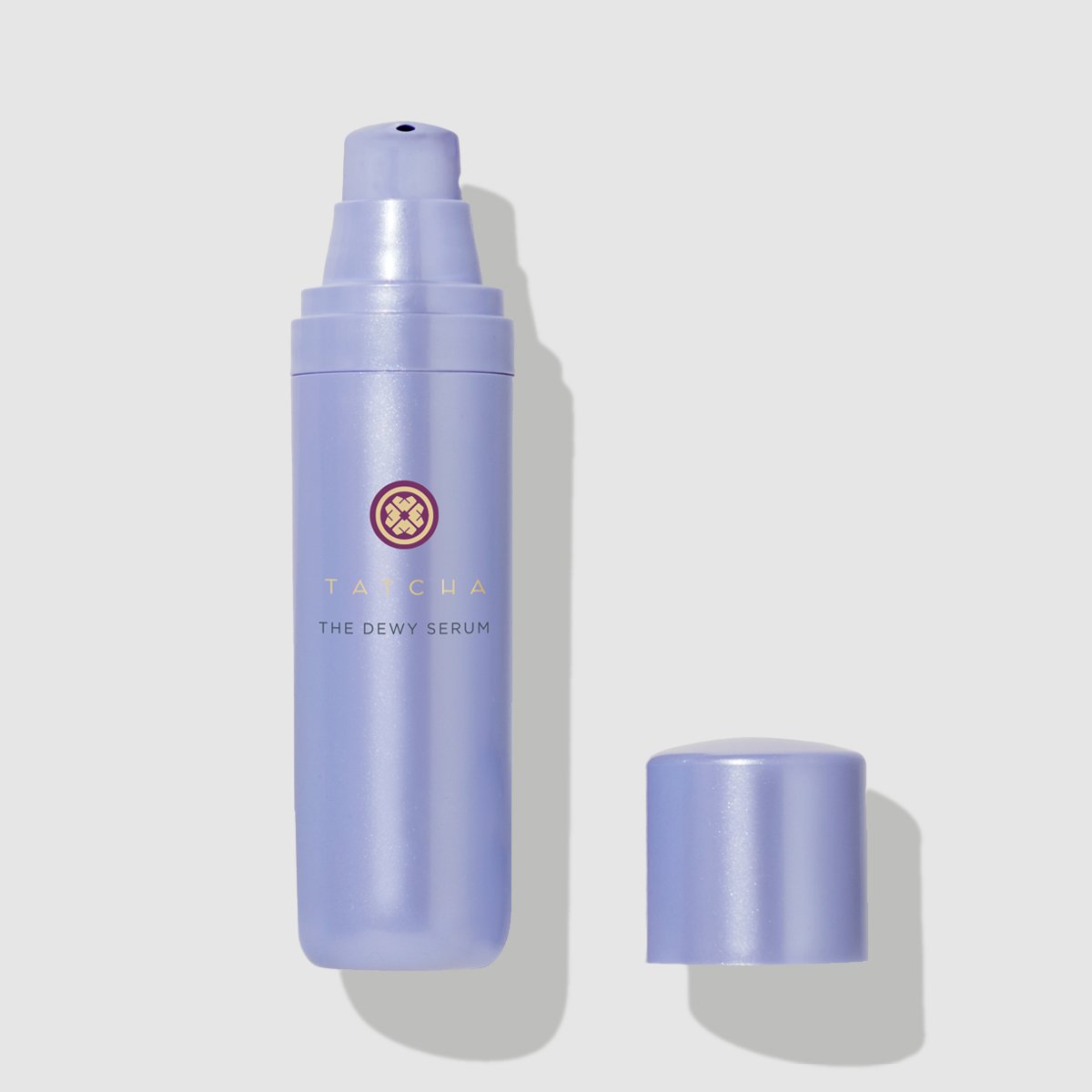
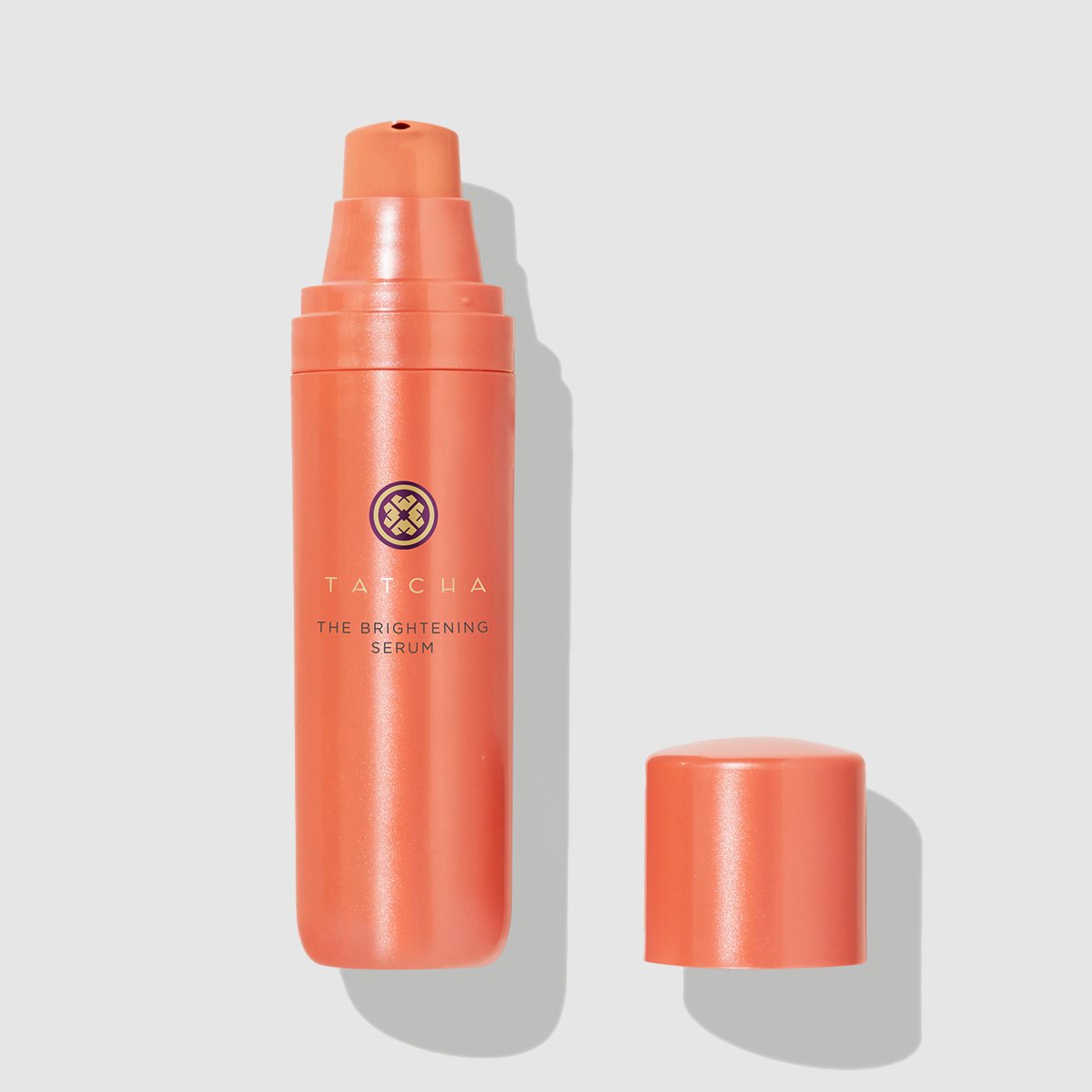
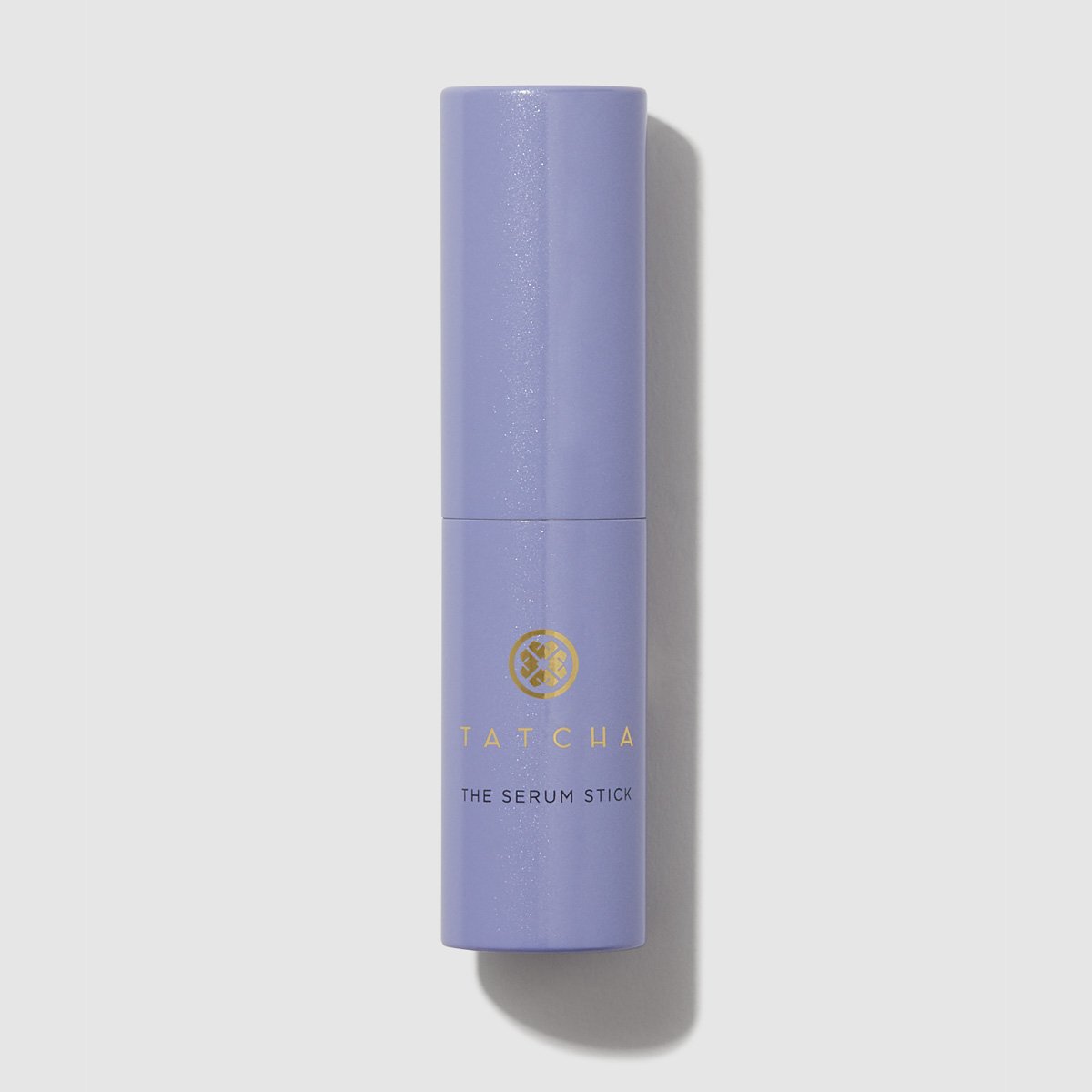
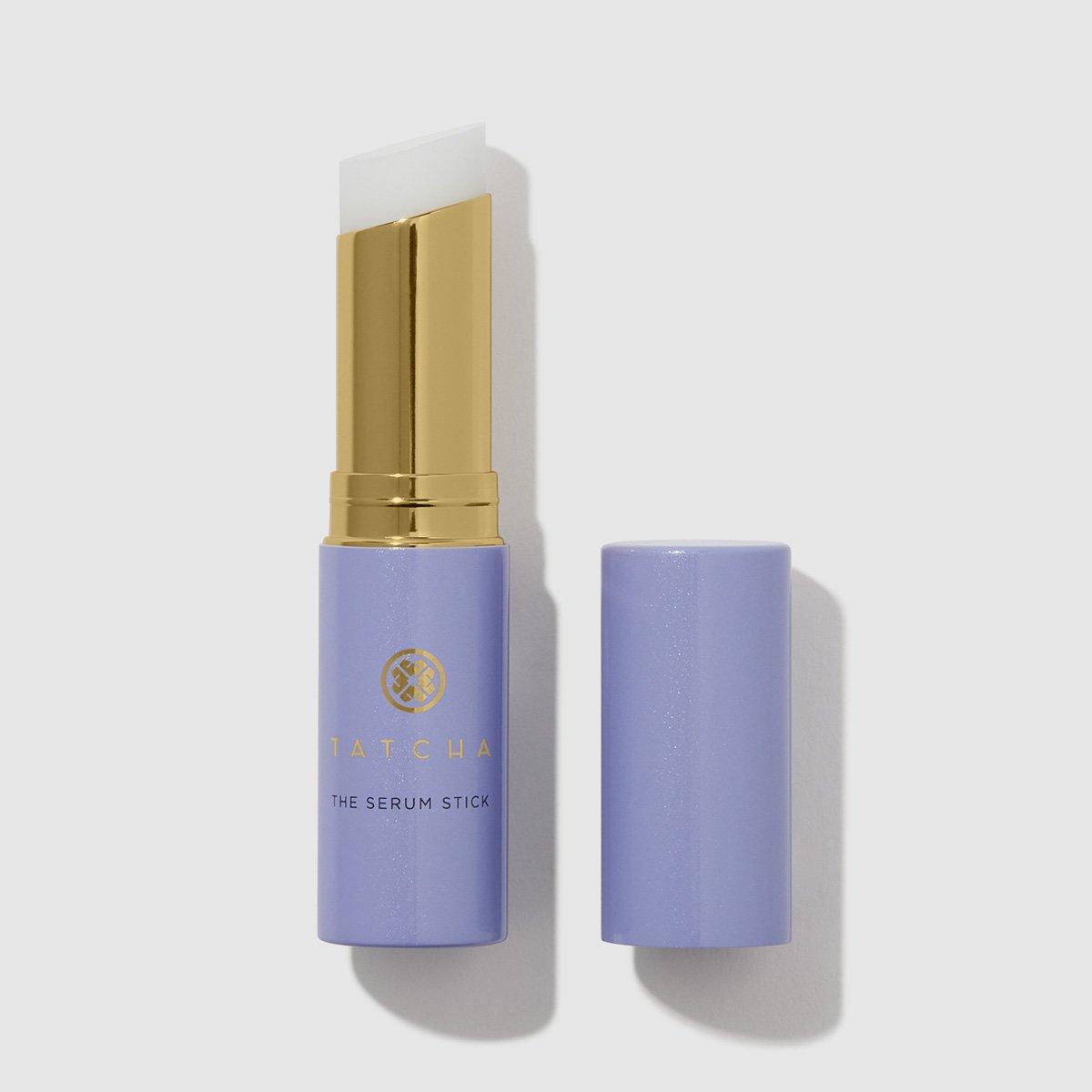
Skin cycling’s BFF? The Dewy Serum, which instantly floods skin with hydration from hyaluronic acid, squalane, and collagen peptides. Retinol use can famously dry out skin, so having a hydrating serum stick can instantly moisturize on the go, which is exactly what The Serum Stick accomplishes. If you’d like to start incorporating vitamin C into your morning routine, try The Brightening Serum, a time-released vitamin C formula that brightens and visibly evens skin tone.
Hydrate
All skin needs a moisturizer; the trick is to find the formula that works best for your skin type. Apply your moisturizer directly after a serum (or if keeping things minimal, after cleansing).
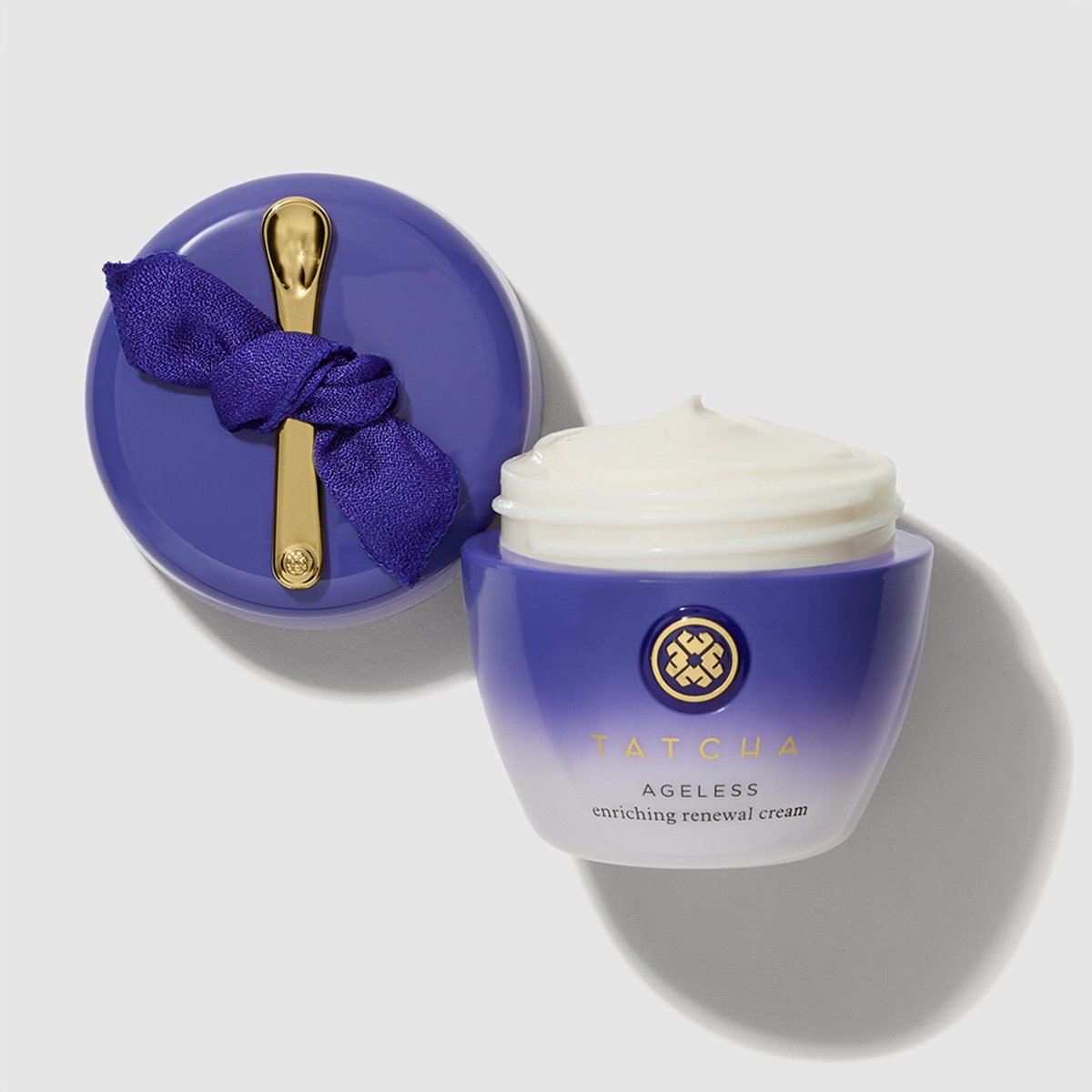
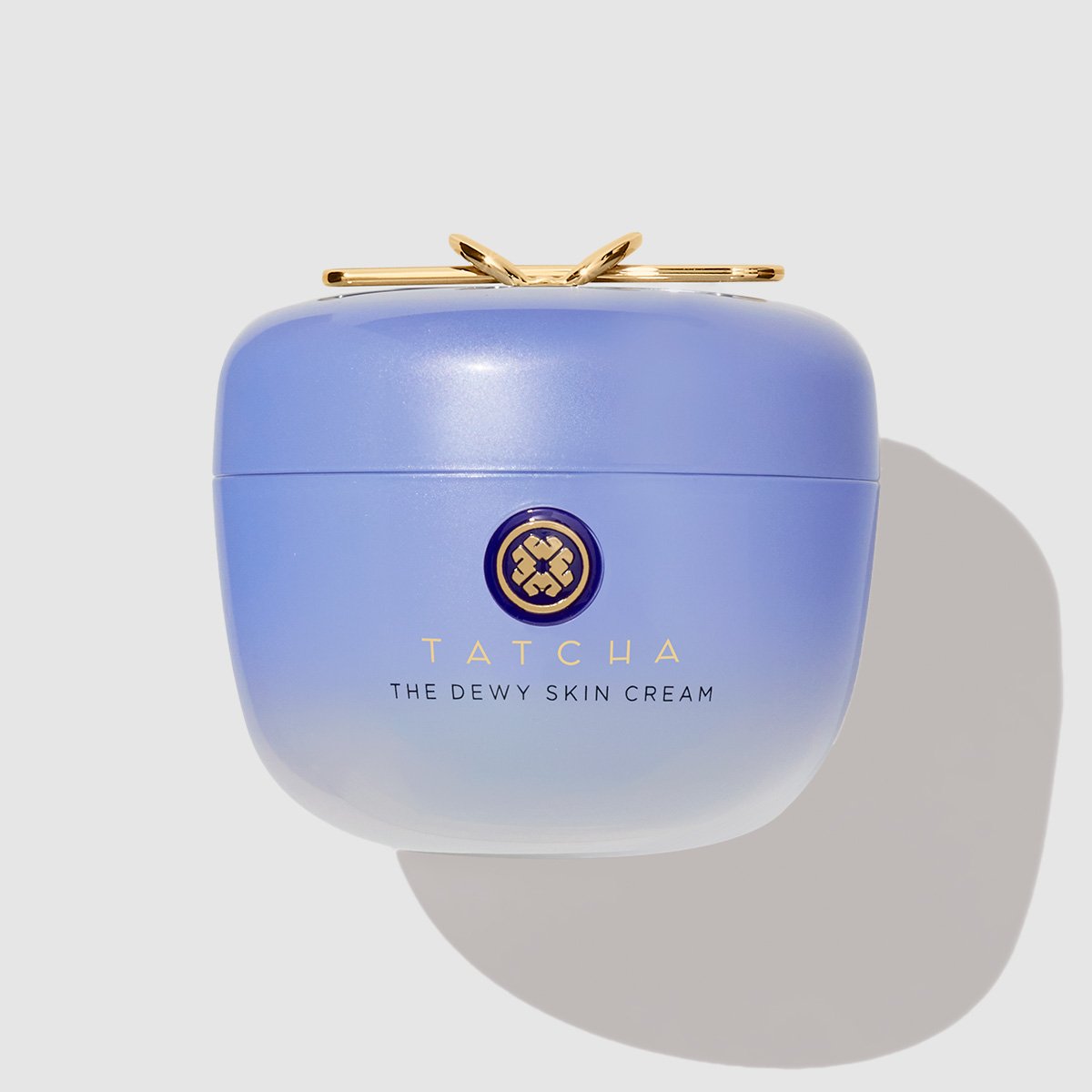
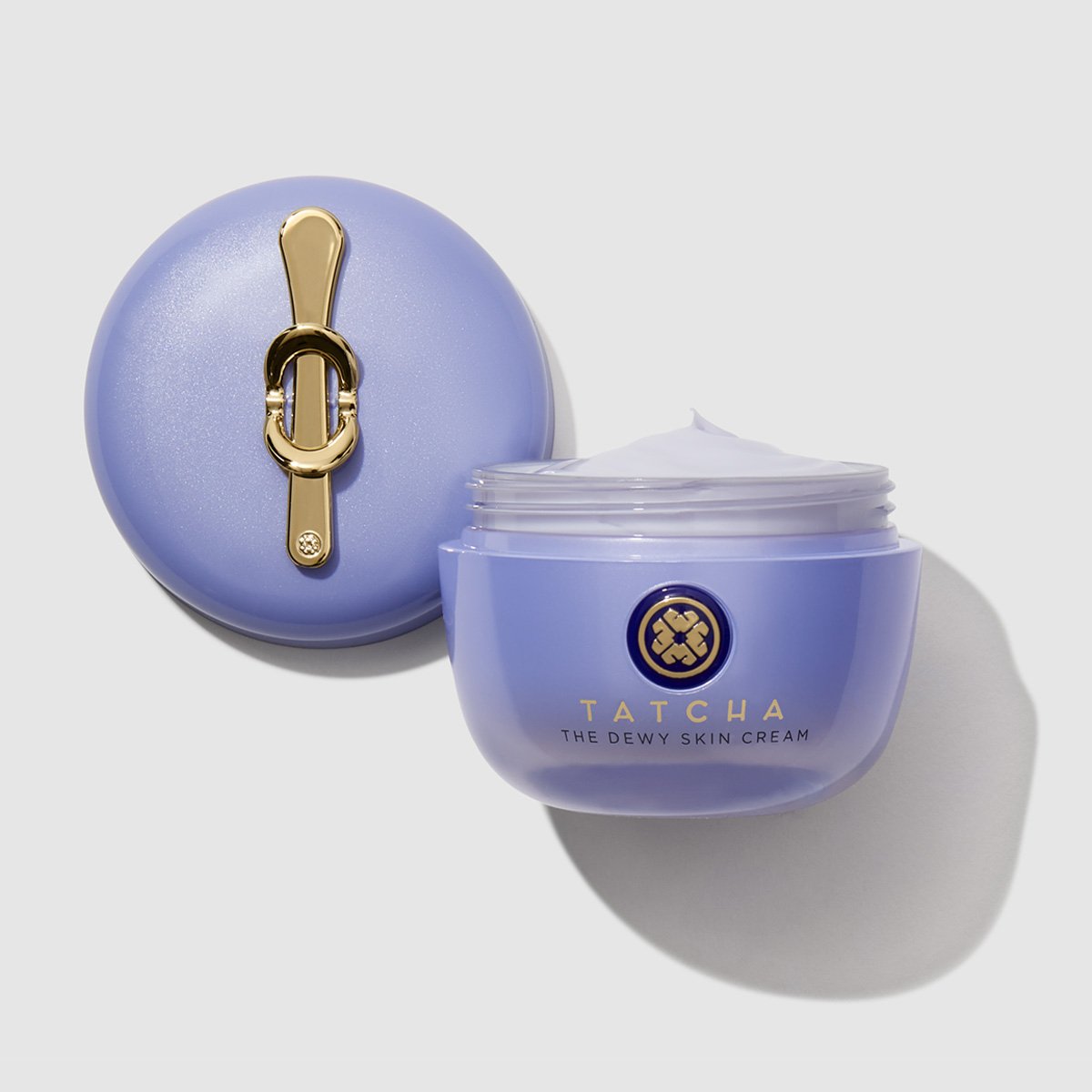
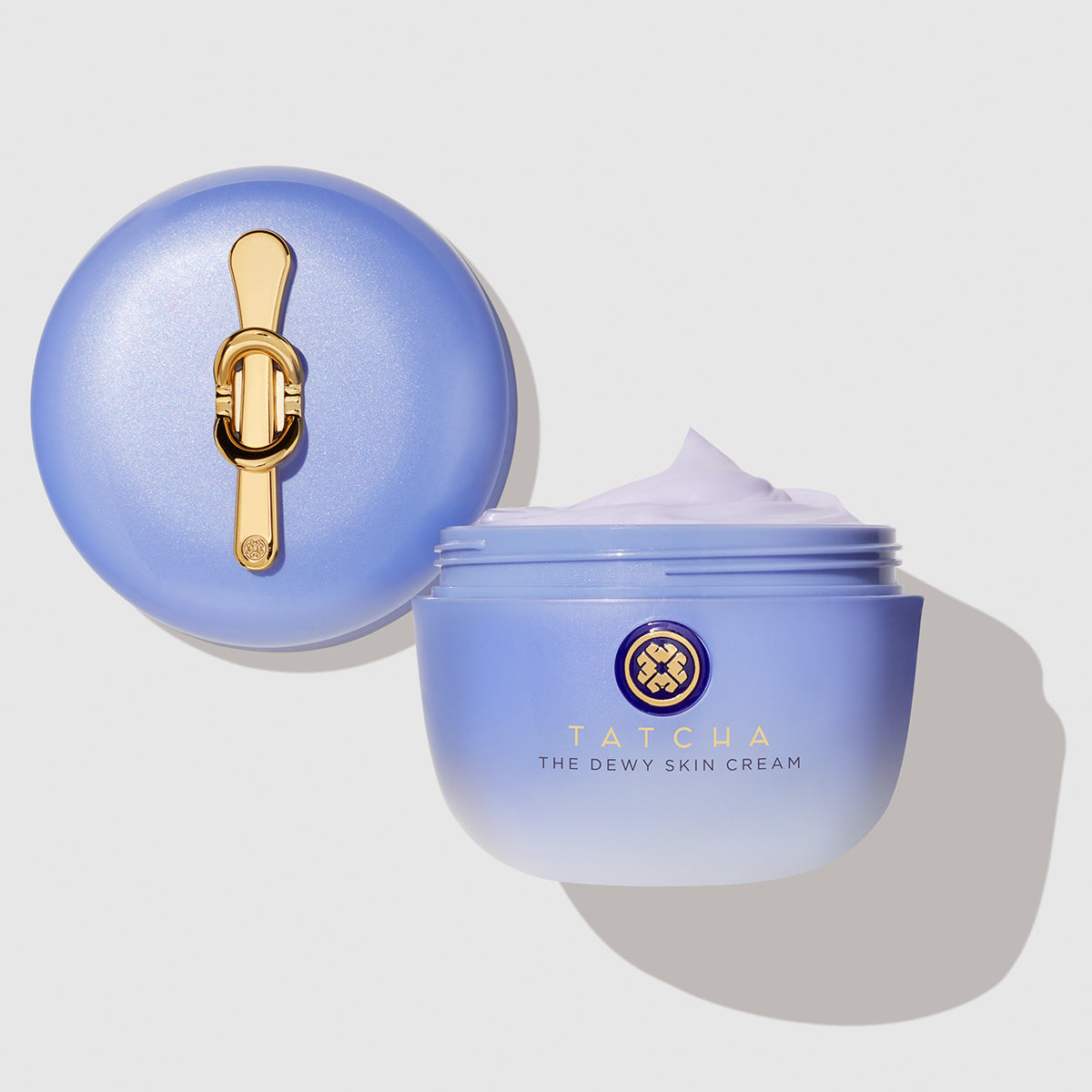
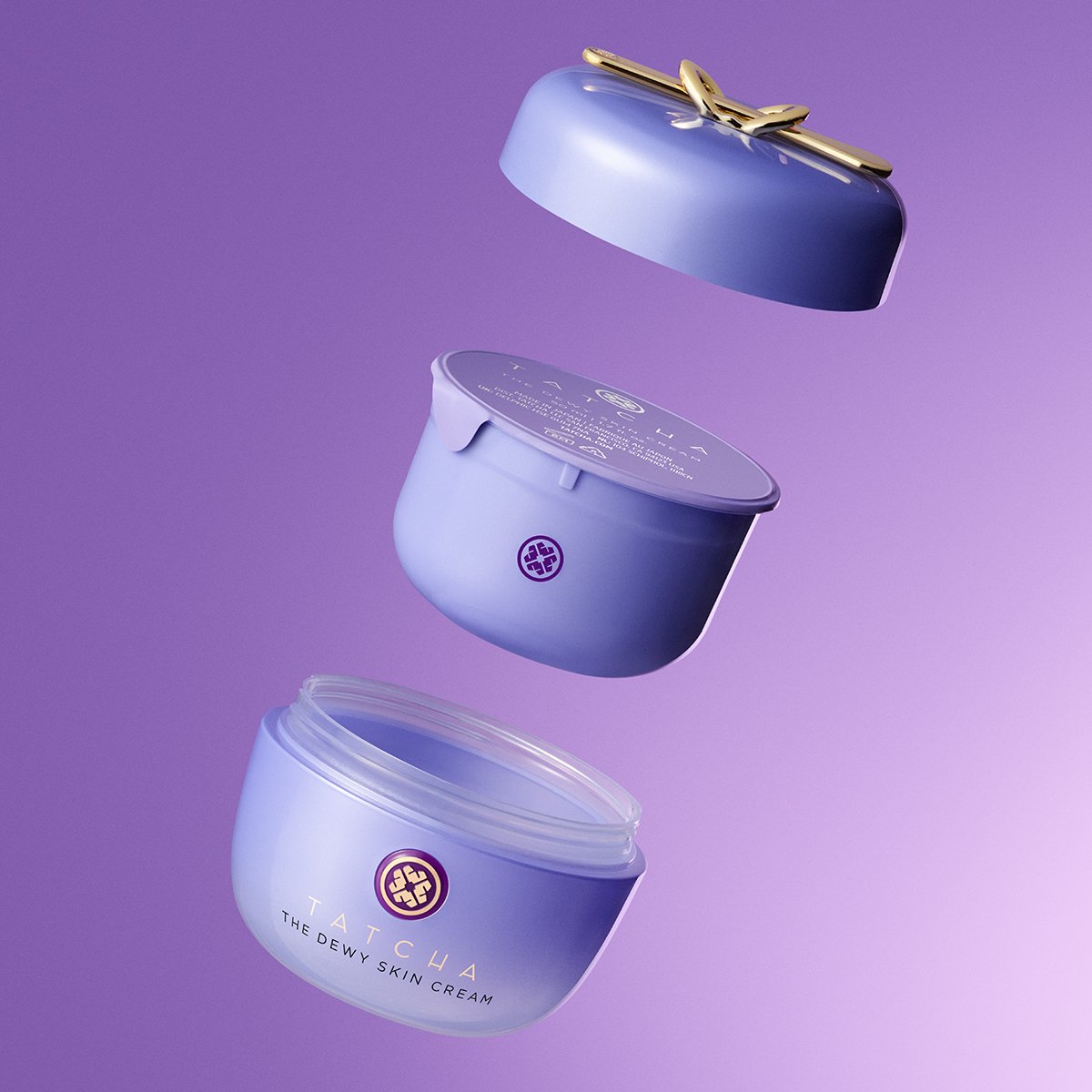
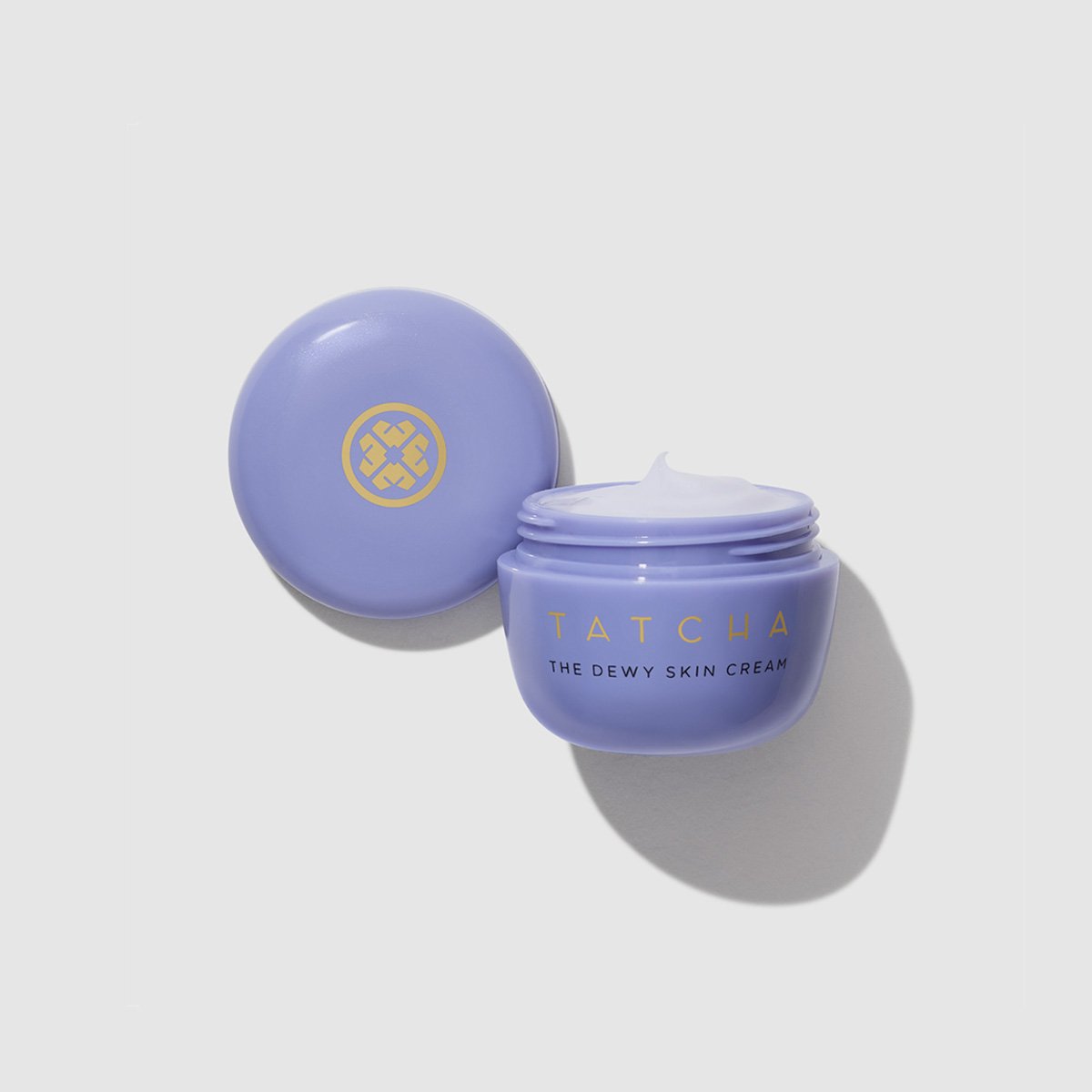
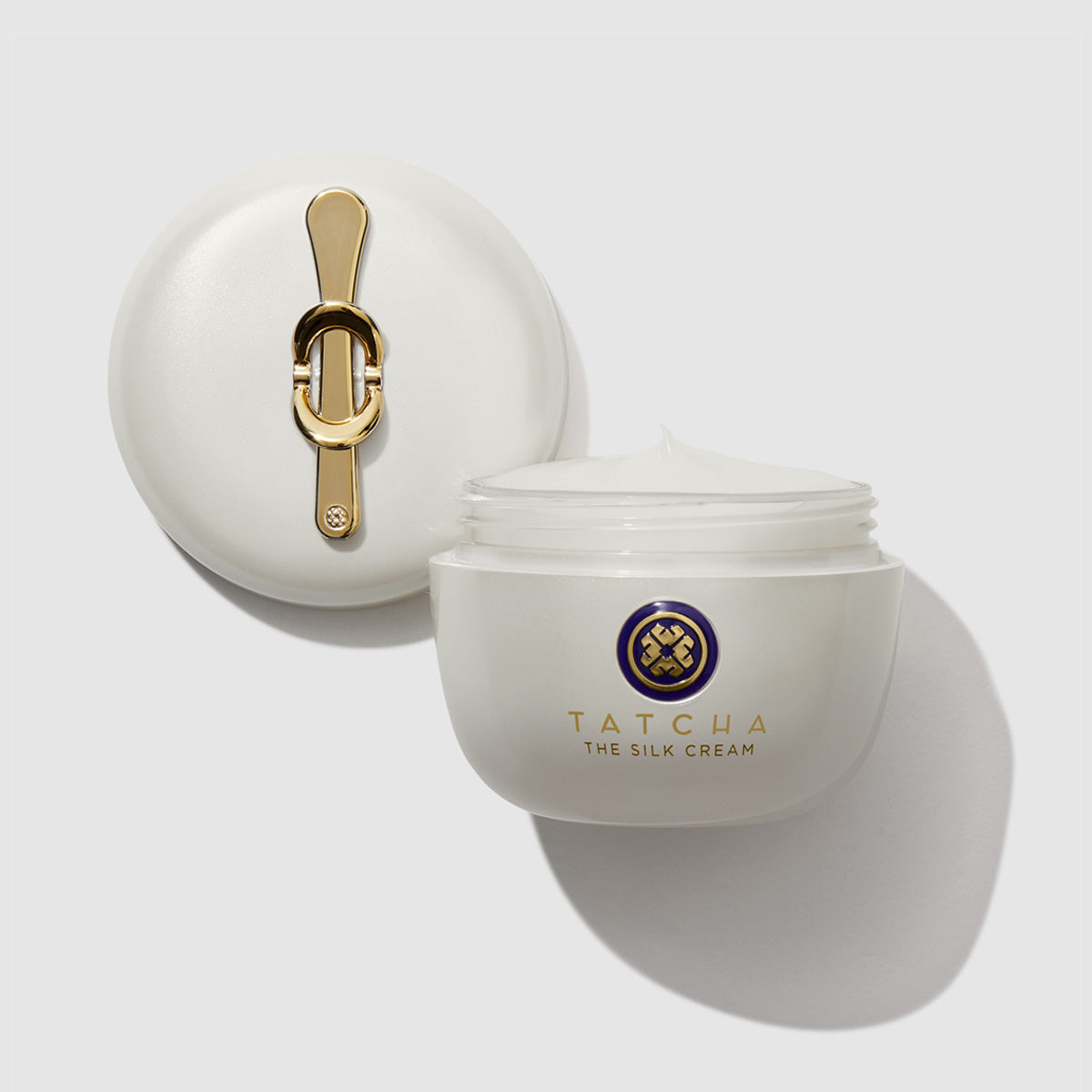
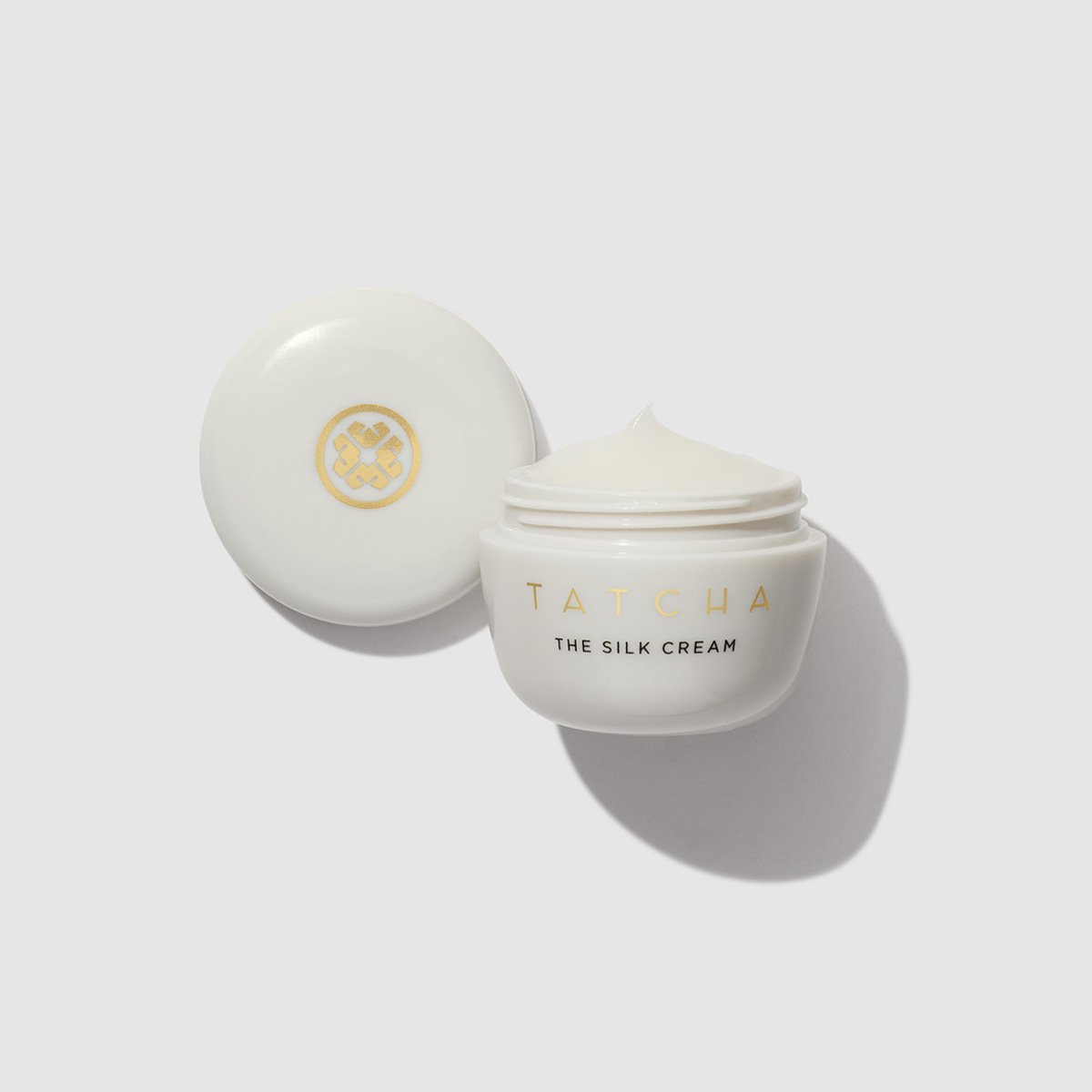
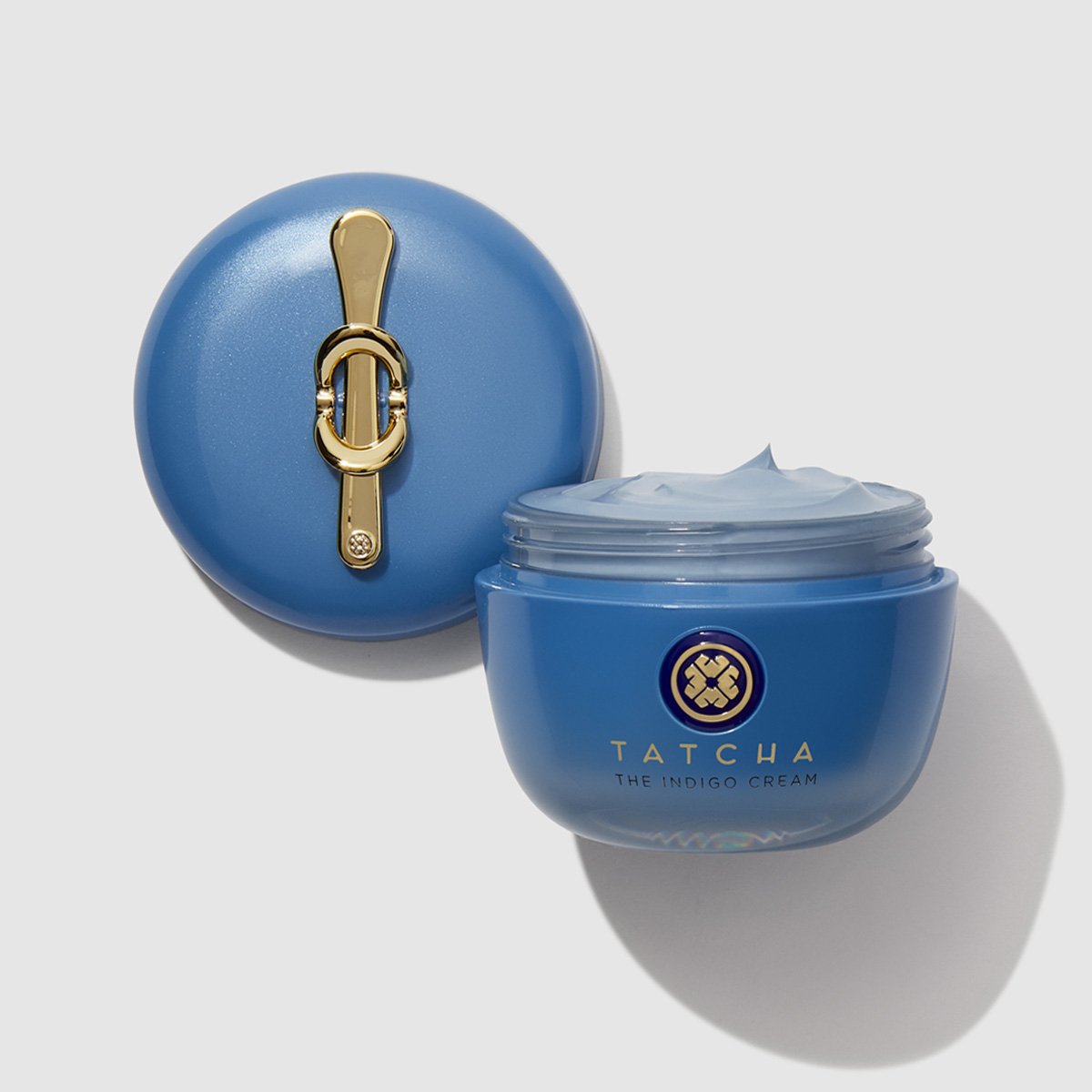
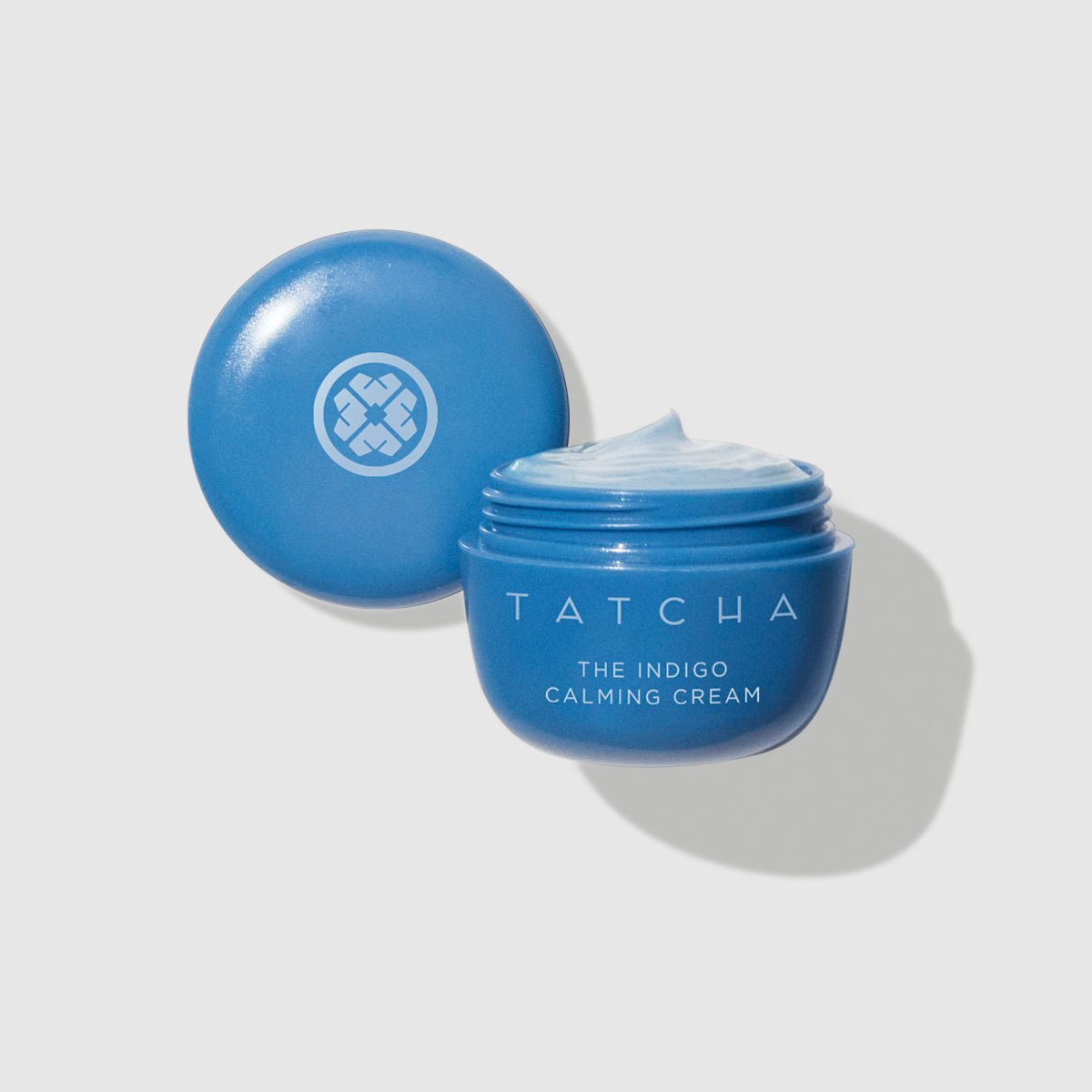
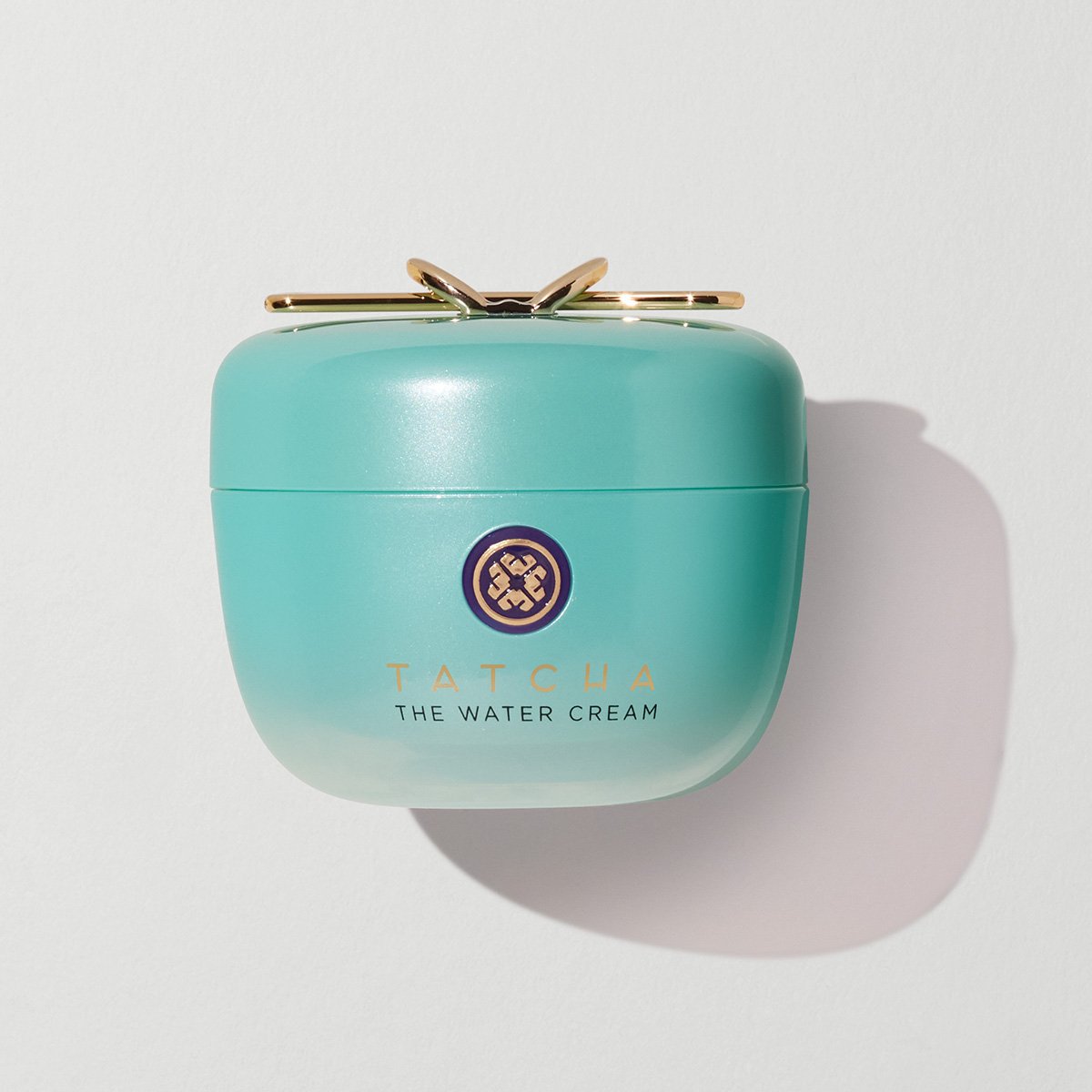
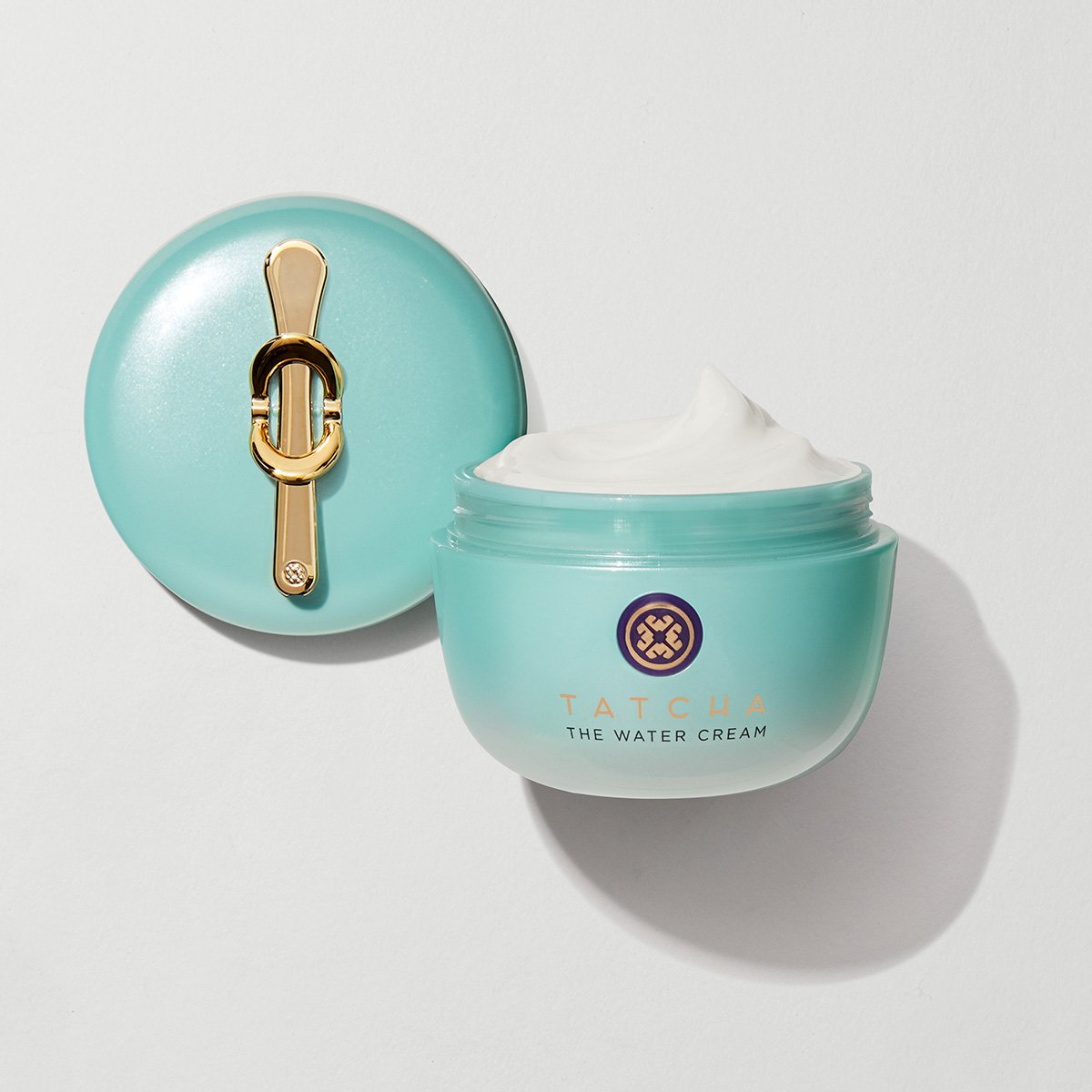
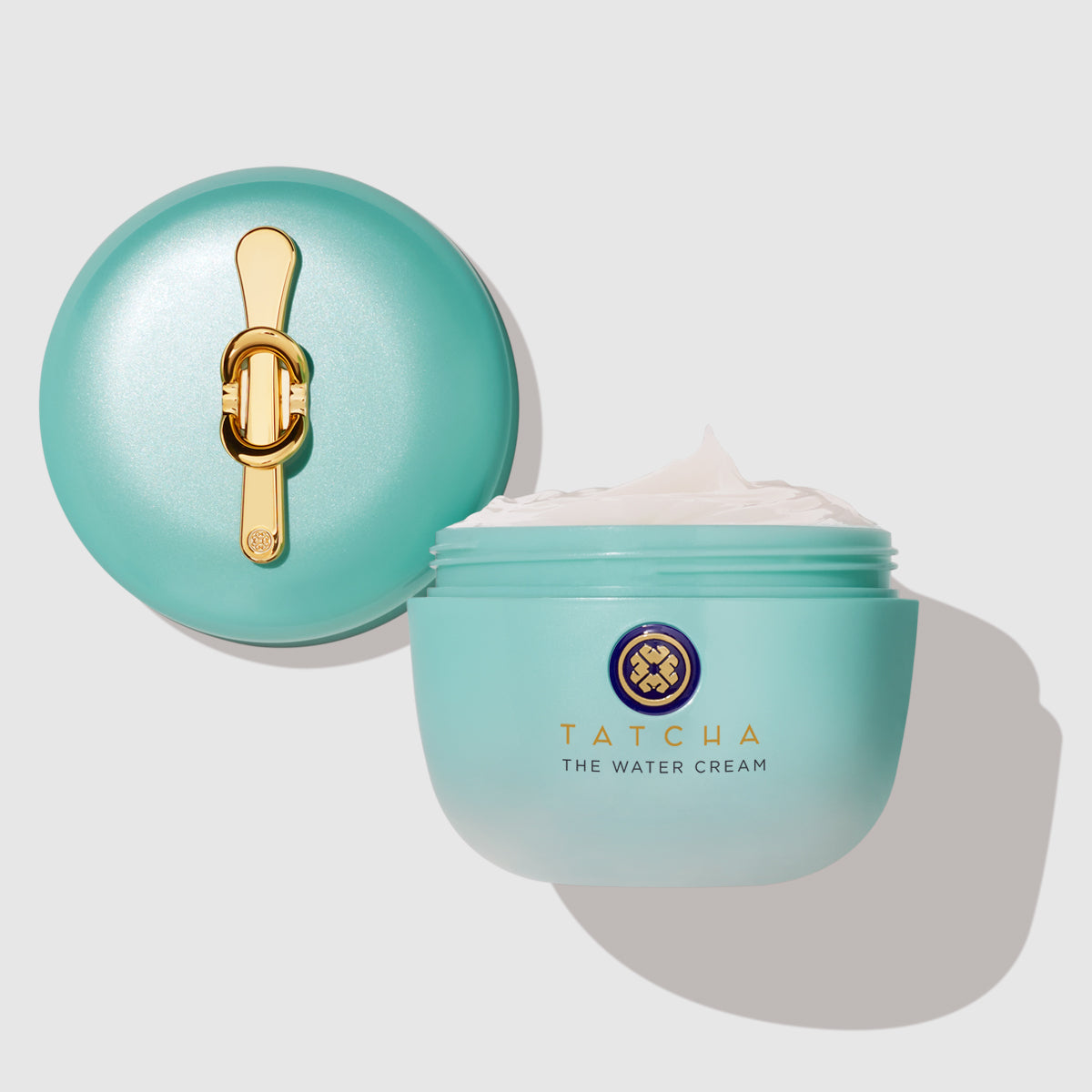
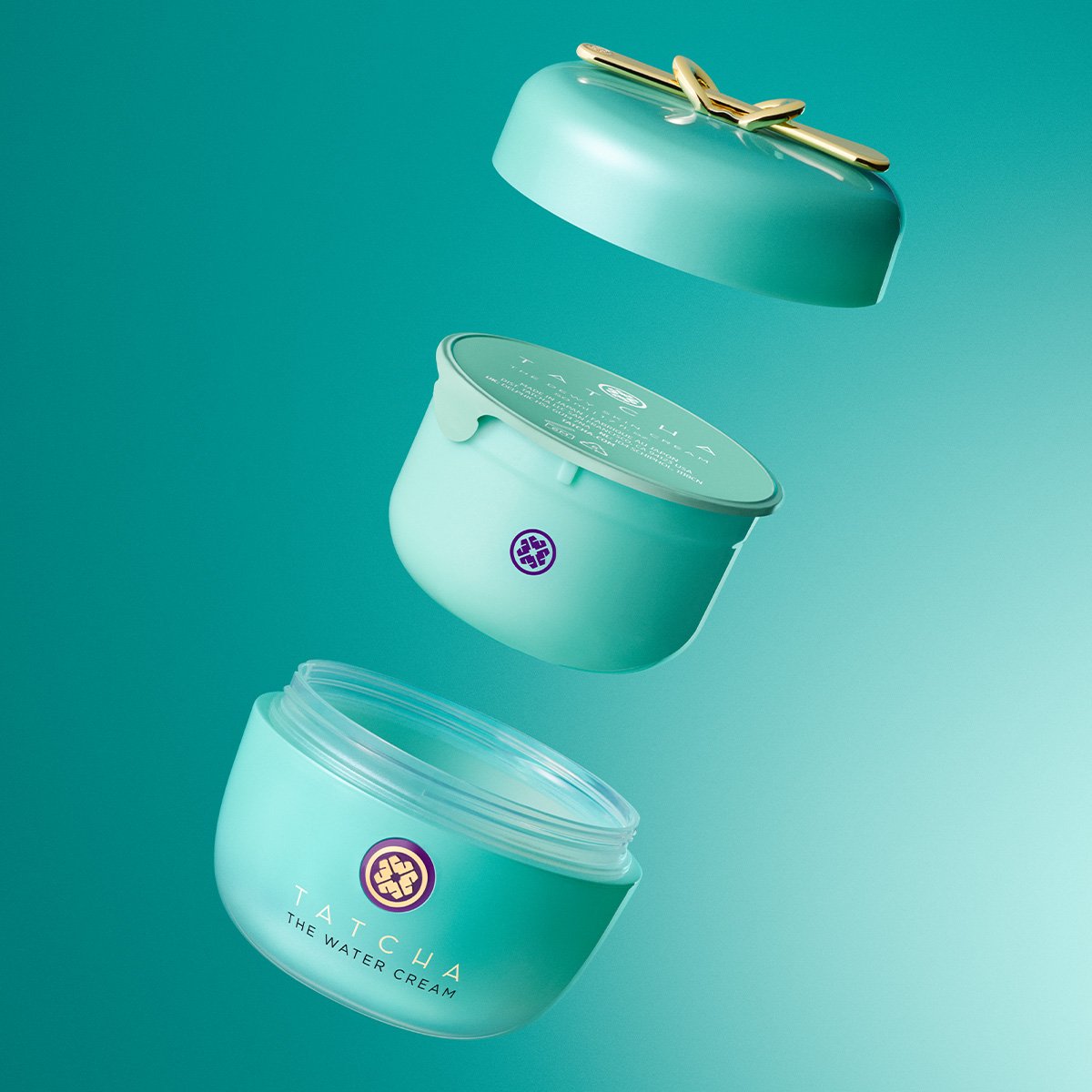
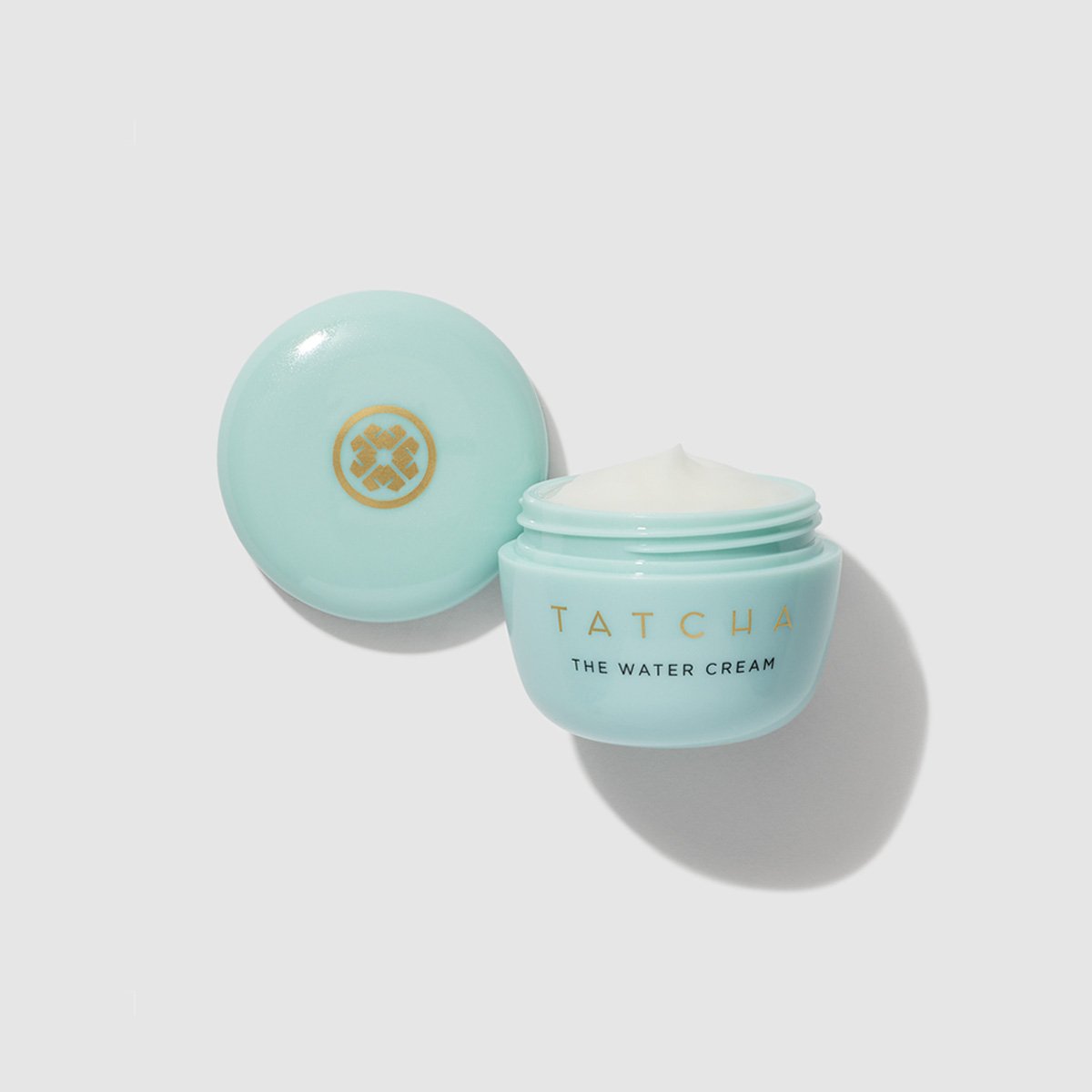
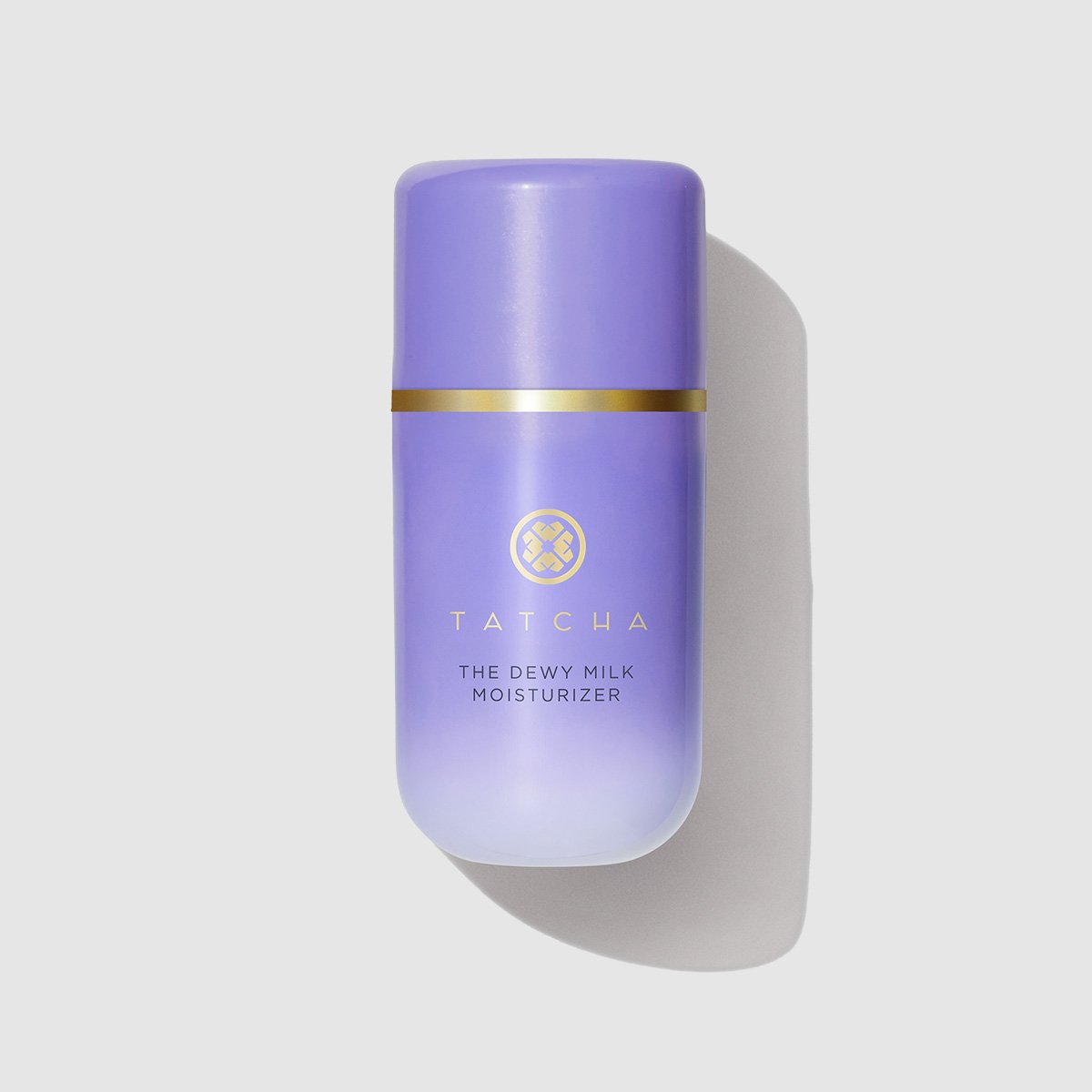
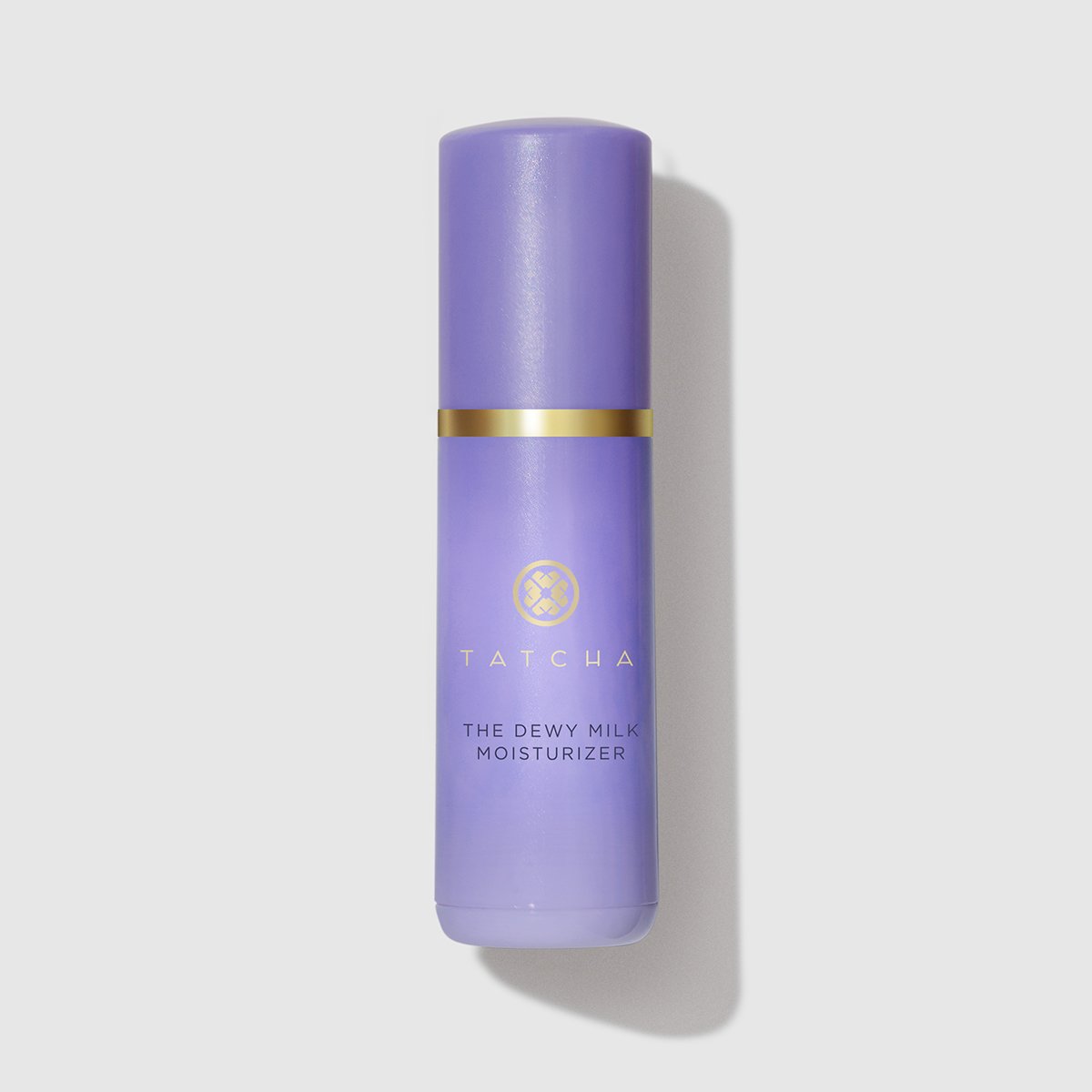
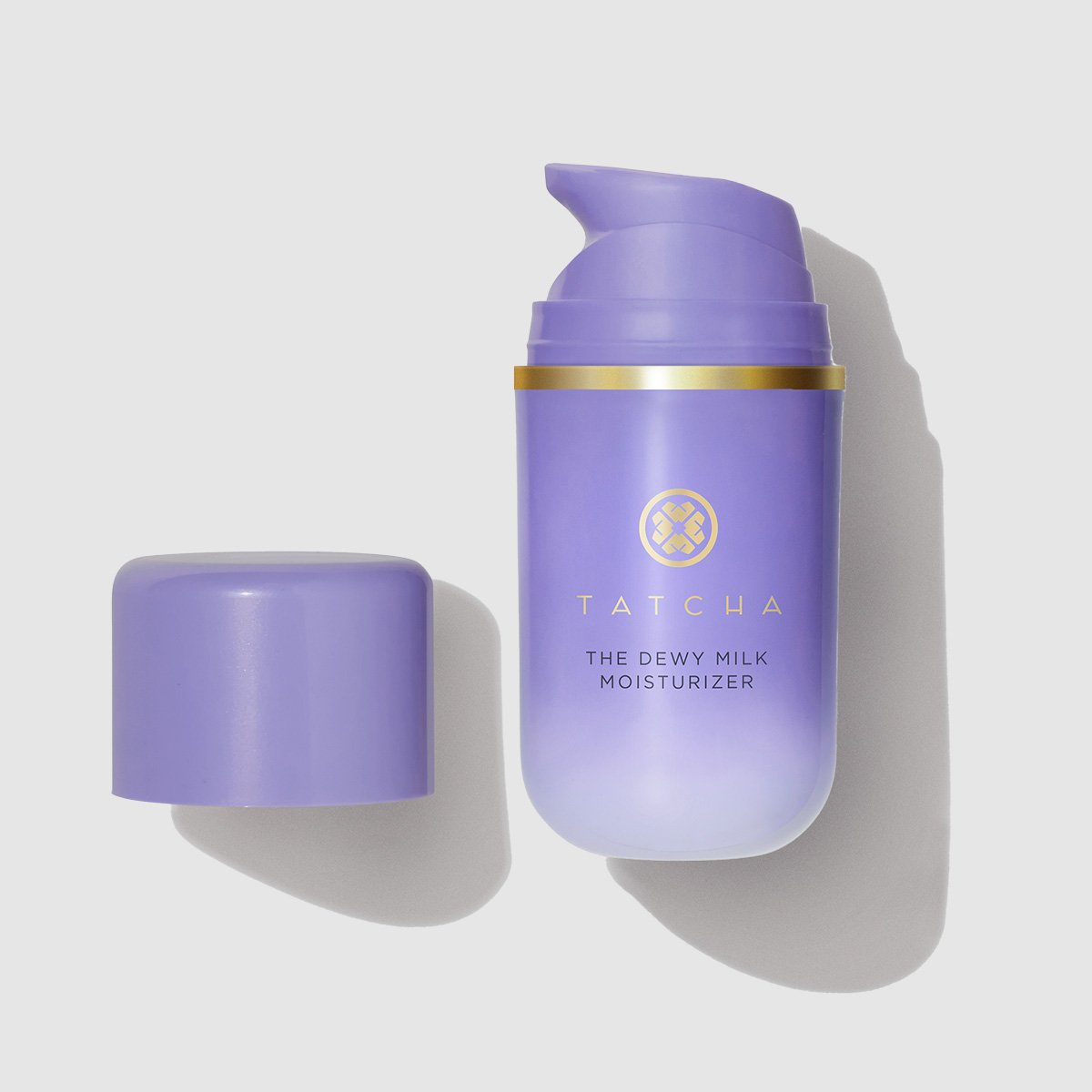
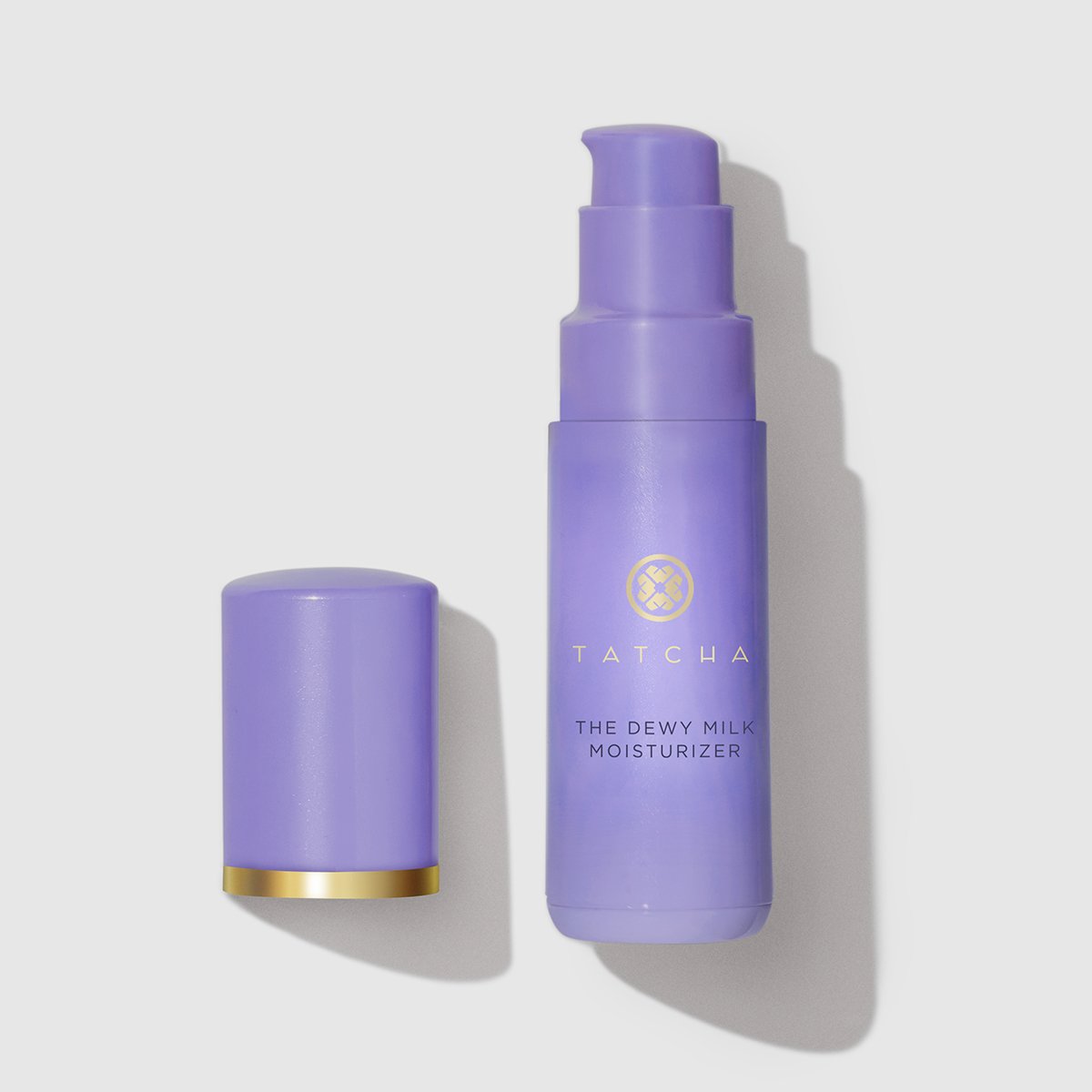
If you have very dry or mature skin, try the intensely rich, hydrating Ageless Enriching Renewal Cream, which nourishes the skin with botanical extracts. Those with dry skin will love The Dewy Skin Cream, which has hyaluronic acid, red algae, and squalane to visibly plump and seal in moisture. If your skin dances between dry and combination, test out The Silk Cream, which toes the line between deeply hydrating and balancing skin, thanks to its rich yet weightless gel-cream texture, featuring silk extract. If skin is sensitive – or sensitized from the actives – you’ll love The Indigo Calming Cream, which features colloidal oatmeal and Japanese indigo to visibly reduce redness and itchiness while also providing lasting hydration. Oily skin can be tough to hydrate, but thanks to The Water Cream, skin is balanced and pores are refined with the refreshing gel-cream texture. If you want even more of a lightweight texture than The Water Cream, try The Dewy Milk Moisturizer, which balances with an airy, creamy texture and gives skin a dewy, radiant glow.
Protect
Arguably, the most important thing you could apply to your skin in the morning is sunscreen, especially now that you’re using active ingredients. Whether mineral or chemical-based, find a sunscreen you enjoy using and apply the recommended amount in the correct order in your overall skin and beauty routine. You might need to reapply if you’re spending extended periods of time outside, so plan ahead. The accelerated cellular turnover means skin is far more sensitive to the sun, so do not skip this step!
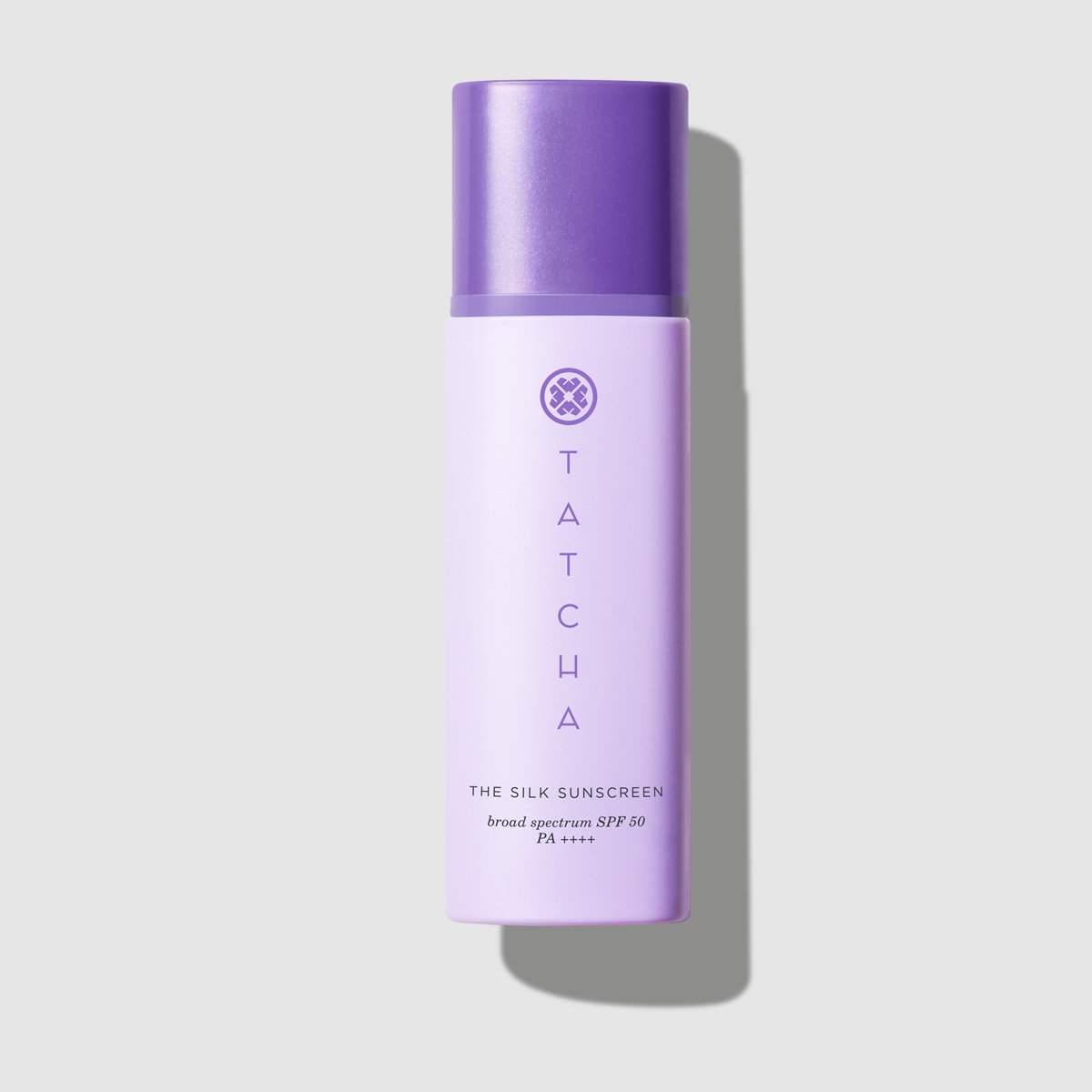
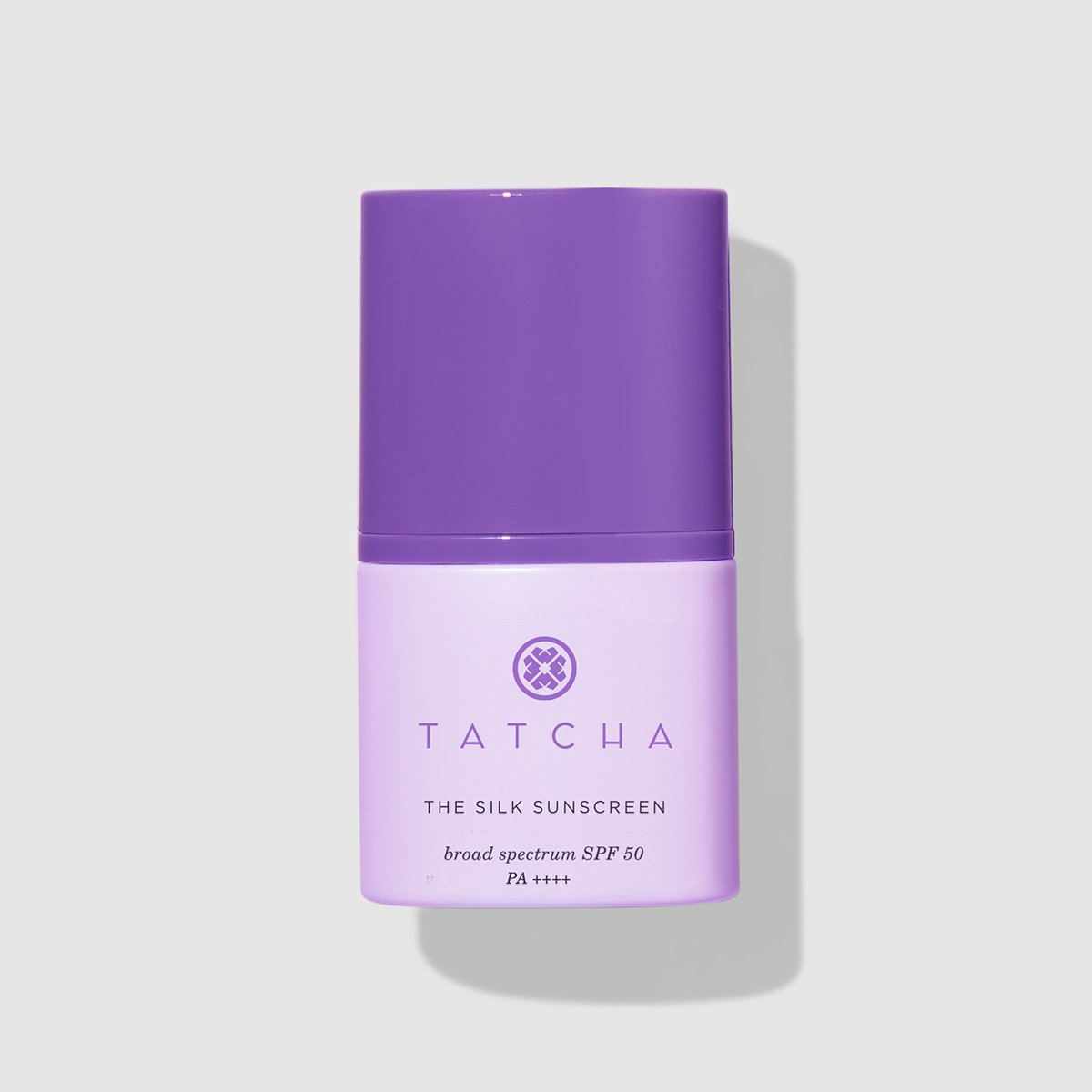
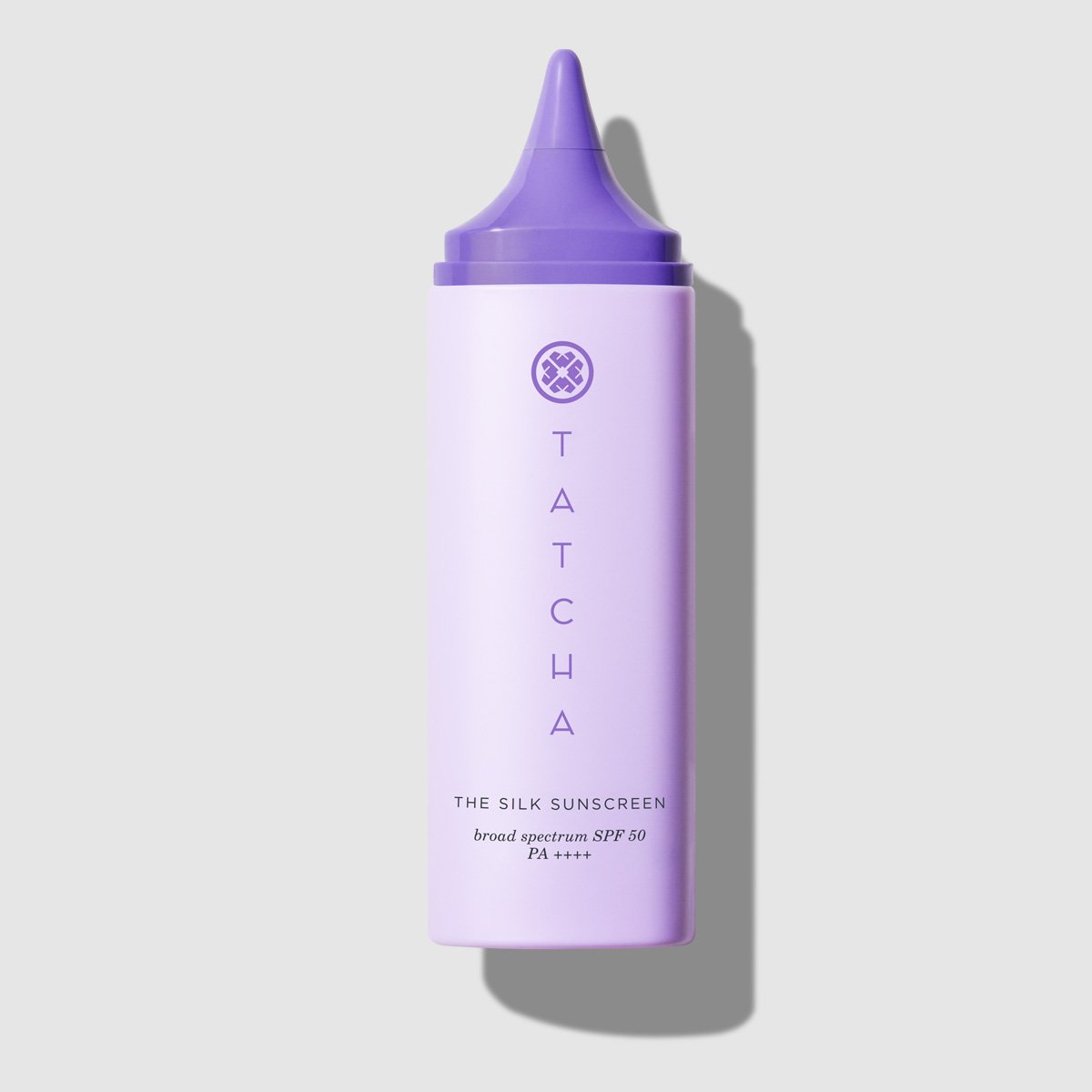
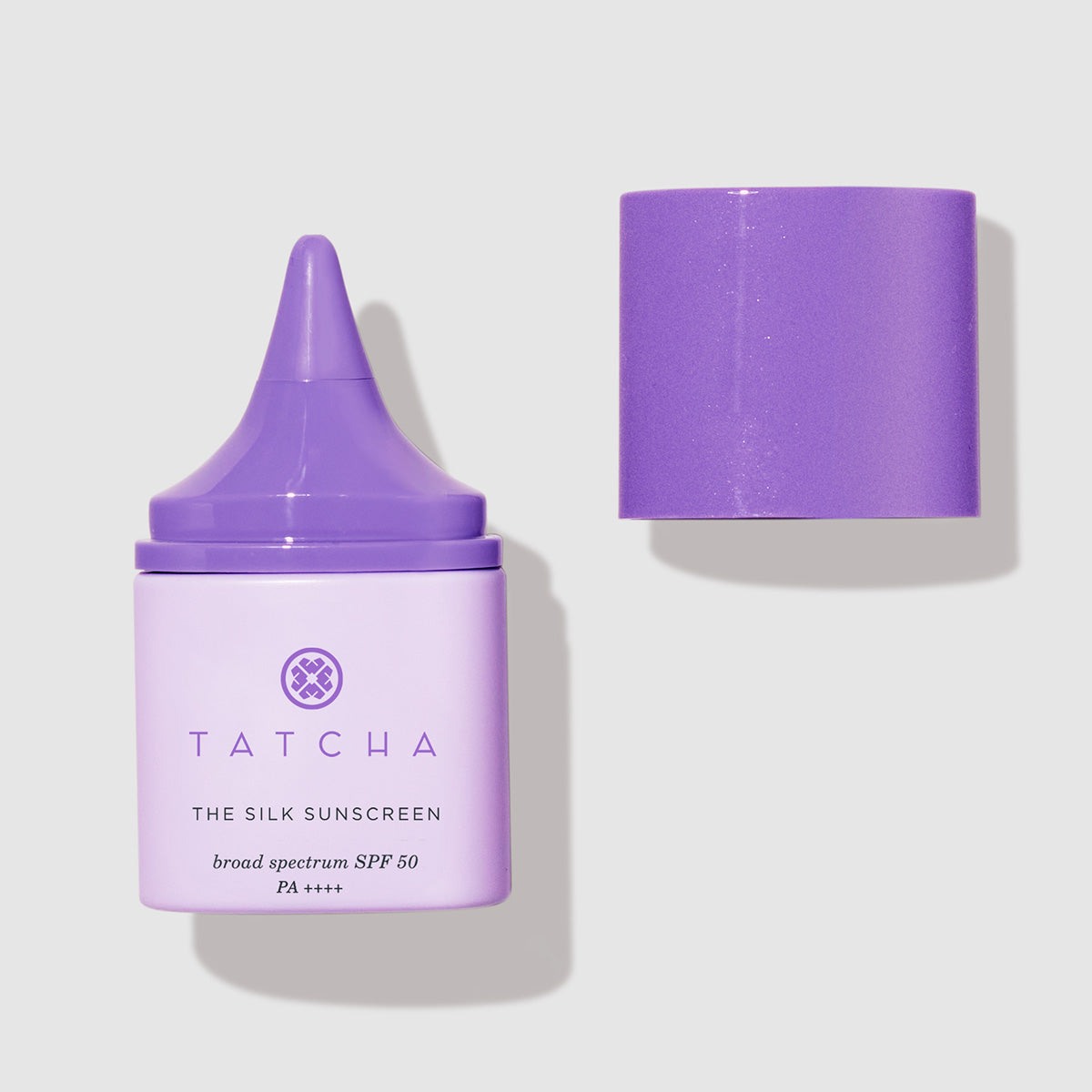
Consider The Silk Sunscreen, which features superior protection with broad-spectrum SPF 50, yet has a weightless feel and a sheer, radiant finish. It also has powerhouse ingredients, including niacinamide and hyaluronic acid, and a patented zinc oxide that is proven to be over two times more effective at protecting against free radicals than standard zinc oxide. However, perhaps you're looking for a matte, silky-smooth finish. In that case, grab the Silken Pore Perfecting Sunscreen, which provides broad-spectrum SPF 35 coverage and blends effortlessly and invisibly for a smooth, matte finish.
Skin Cycling Routine for the Evening
Your evening skin cycling routine is where much of the magic happens. Follow the four-night schedule if you’d like, but make sure you’re also observing your skin. When first starting on the skin cycling schedule, it’s ideal to start slow and steady, which might mean retinol or exfoliation once a week (or even less frequently than that). It also might mean you ‘sandwich’ your retinol when applying it, meaning after cleansing, you apply a layer of moisturizer, then a pea-size amount of retinol (nothing more than that!), and then another layer of moisturizer atop of the retinol — aka sandwiching the retinol with layers of moisturizer to lessen the intensity. Or perhaps you want to increase the days of recovery — while the skin cycling schedule is best known for these four set days, every single person’s skin is different, and you can incorporate the schedule to best suit your needs.
Cleanse
Before you even consider any part of skin cycling, you absolutely must effectively cleanse the skin. Actives cannot penetrate if the skin isn’t properly clean.
We’re huge advocates of double cleansing, also known as the Kyoto Cleanse (named for the geisha beauty ritual that inspired it). The two-step process provides unparalleled results and only adds a few additional moments to your routine. The first step involves an oil or balm cleanser, which dissolves makeup, sunscreen, and stubborn debris. It’s wise to choose a formula that works on waterproof makeup, like the Camellia Cleansing Oil, which is crafted with Japanese camellia oil (prized in Asia for its superb moisturizing activity), or the Indigo Cleansing Balm, which features skin-soothing Japanese indigo in a makeup-melting balm. Now that your face has been cleared of sunscreen, makeup, and more, skin can be cleansed, which is where step two comes into play: a cleanser or face polish (the latter is what geisha beauty routines use).
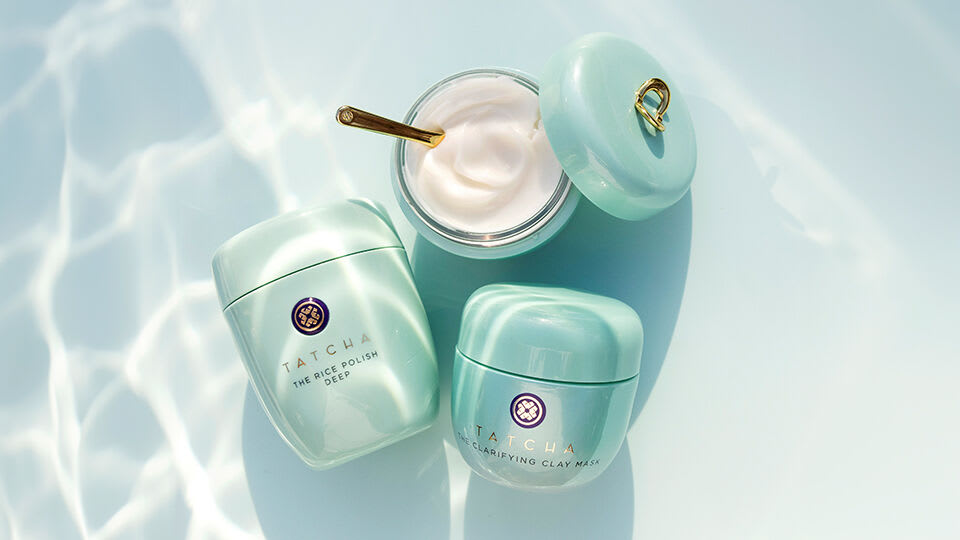
The benefit of using The Rice Polish as step two: It not only cleanses the skin but acts as your exfoliant for night one, effectively knocking out two steps with one product. There are many different types of Rice Polishes – including Gentle, Calming, and Deep – so you can find the polish that best suits your skin type.
If it’s a non-exfoliation night (e.g., night two, three, or four), or you’d just like to cleanse with a face wash, try The Rice Wash or The Matcha Cleanse — two award-winning cleansers that thoroughly and thoughtfully clean the skin.
During or right after cleansing is the ideal time to exfoliate on night one, too. If you prefer a chemical exfoliant, try The Texture Tonic after cleansing. The liquid exfoliating treatment removes dead skin cells and resurfaces dull skin with fruit AHAs, while simultaneously minimizing excessive oil and visibly tightening the appearance of pores.
Plump
No matter how you cleanse the skin, follow up with The Essence. Using it both morning and night after cleansing will help to instantly hydrate — clinical studies have shown it can add over 621 percent more hydration to the skin instantly.* It also provides antioxidant protection, visibly firms, and, as mentioned earlier, helps formulas applied afterwards work more effectively.
Treat
For night one, you’ve already exfoliated, so aim to add hydration back in with the hyaluronic acid and squalane-boosted The Dewy Serum.
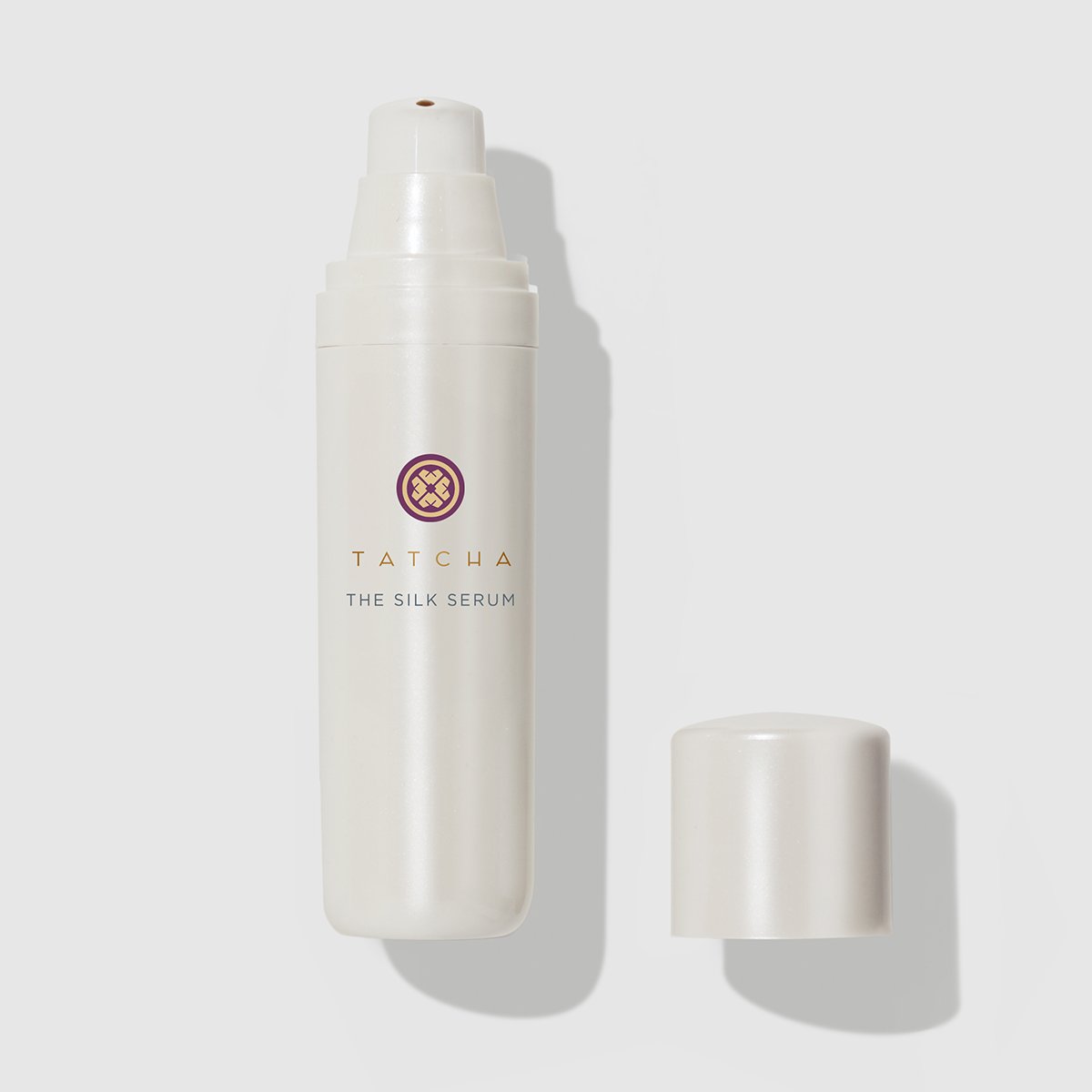
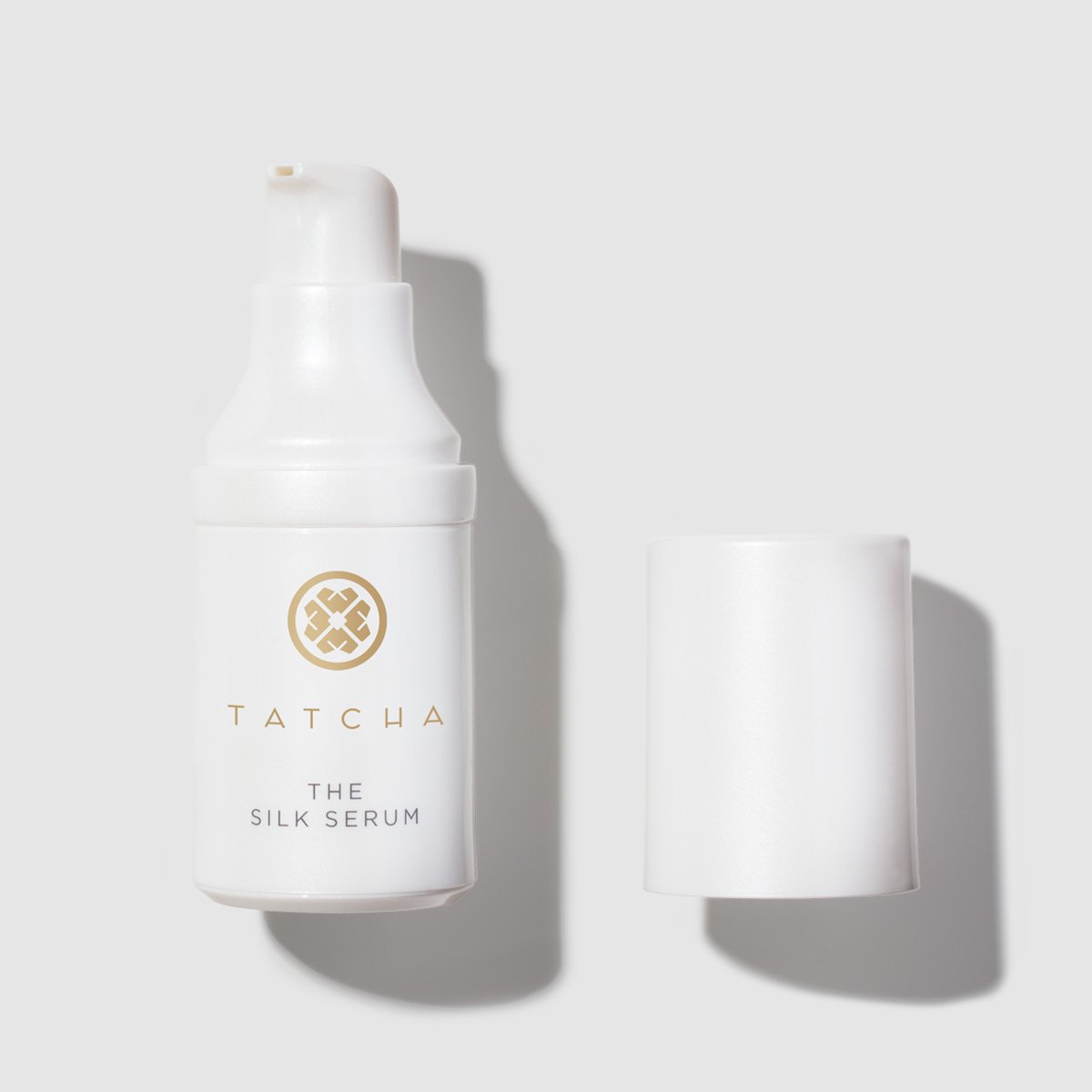
If it’s night two, reach for your retinol. (Moisturize before if you’re using the sandwiching method.) But retinol is not the only option…there are retinol alternatives available, many of which minimize fine lines and wrinkles without the visible irritation often associated with vitamin A derivatives. We love The Silk Serum, which visibly firms and reduces the look of lines and wrinkles — and has been clinically proven to be two times more effective than retinol.** Also, unlike retinol, which needs to have complicated methods of application (like the complex skin cycling ritual we’re discussing here), The Silk Serum is made to be used up to two times daily, starting from day one — no ramp-up time or complicated skin cycling schedule is necessary. The milky serum gets its potency from botanicals, including upcycled cranberry extract and sea fennel — proving retinol-like benefits don’t have to be irritating.
Night three and four need repair, so reach for The Dewy Serum again for a boost of hydration. If using The Silk Serum, you are welcome to use it on these evenings, too.
Hydrate
Lock in your actives or serums with a moisturizer to finish your evening skin cycling routine. Find your ideal formula by tailoring it to your skin type. If you have very dry or mature skin, try the Ageless Enriching Renewal Cream. Those with dry skin will love The Dewy Skin Cream. If your skin is dry and at times combination, consider The Silk Cream. If skin is sensitive – or sensitized from the actives – try The Indigo Calming Cream. Oily skin loves The Water Cream. The lightweight Dewy Milk Moisturizer is also ideal for the evening, helping to balance and hydrate skin with its creamy texture and bouncy radiance — ideal for combination and oily skin tones.
What Is Advanced Skin Cycling?
Have you been skin cycling for months (or more) and aren’t experiencing any irritation, redness, or sensitivity? You might be a candidate for advanced skin cycling, which involves either amping up actives or reducing the recovery time. There’s no single approach to use the advanced skin cycling routine, as it’s customized to your specific needs, but possible adjustments can include adding a second retinol night (directly after the first retinol night), not sandwiching your retinol, increasing the strength of your retinol, or reducing the recovery time to just one evening instead of two. However, too much of a good thing is not always a good thing — so proceed with caution.
*Based on a bio-instrumentation study of 30 panelists.
**At firming and reducing the look of lines and wrinkles. Results based on cranberry-derived biopeptide from an in vivo test with image analysis.