While the phrase sounds purely trendy, the practices behind skin flooding are anything but. Keep reading to uncover the secrets behind this worth-it trend and how to best incorporate it into your daily routine.
What Is Skin Flooding?
Skin flooding is a gentle skincare technique in which multiple hydrating products are layered in a particular order to deliver deep moisture. It’s a hefty-sounding phrase, but skin flooding as a concept is refreshingly straightforward and rooted in good skincare hygiene. It ideally involves ingredients that are hydrating superstars, like hyaluronic acid, squalane, and niacinamide, which moisturize into the deeper layers of the skin. Why is this deeper hydration beneficial? It can help support and nourish the skin barrier, resulting in healthier-looking skin.
How Often Should You Practice Skin Flooding?
You can do skin flooding in the morning and/or evening, as needed. Skin flooding happens to mimic a Tatcha proverb: put the ‘care’ back into ‘skincare’ — meaning both approaching the skin with a gentle touch and using thoughtful products. And because skin flooding is a gentle skincare technique and at its core just hydrating, it can be practiced both morning and night (or just morning or evening — depending on your climate, lifestyle, travel, life stage and more).
Skin Flooding Routine
While skin flooding refers to successive application of hydrating products, a skin flooding routine means applying hydrating products in an ideal order – usually from thinnest to thickest texture. Ideally, you should follow the following order for your skin flooding routine:
Step One: Cleanser
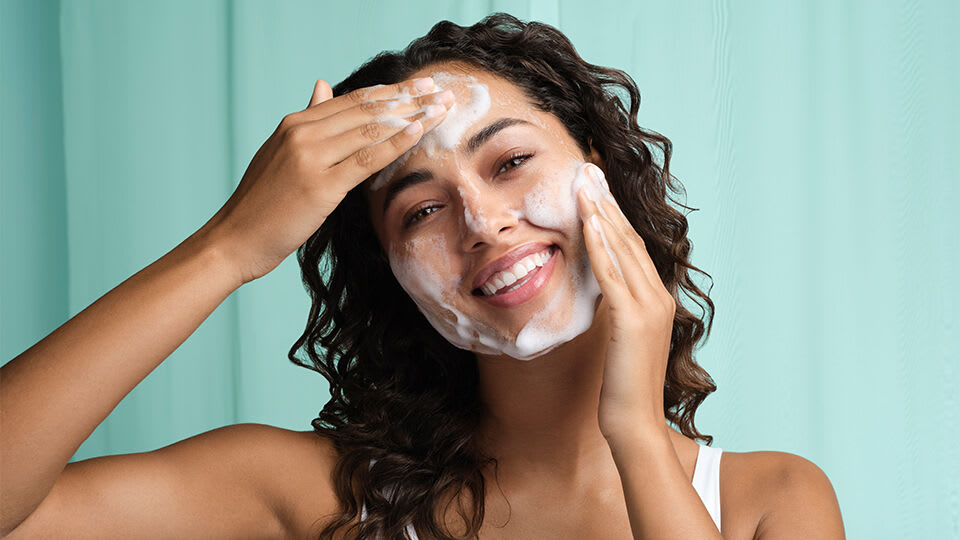
First, wash your face properly and with your chosen cleanser — ideally a hydrating one. Those with more combination or oily skin might opt for a face wash that has more oil-absorbing ingredients, but still aim for a formula that incorporates hydration. Massage the face wash into your skin for 30 to 60 seconds, working it gently – mimic the softness of a feather – for a proper cleanse.
Step Two: Essence
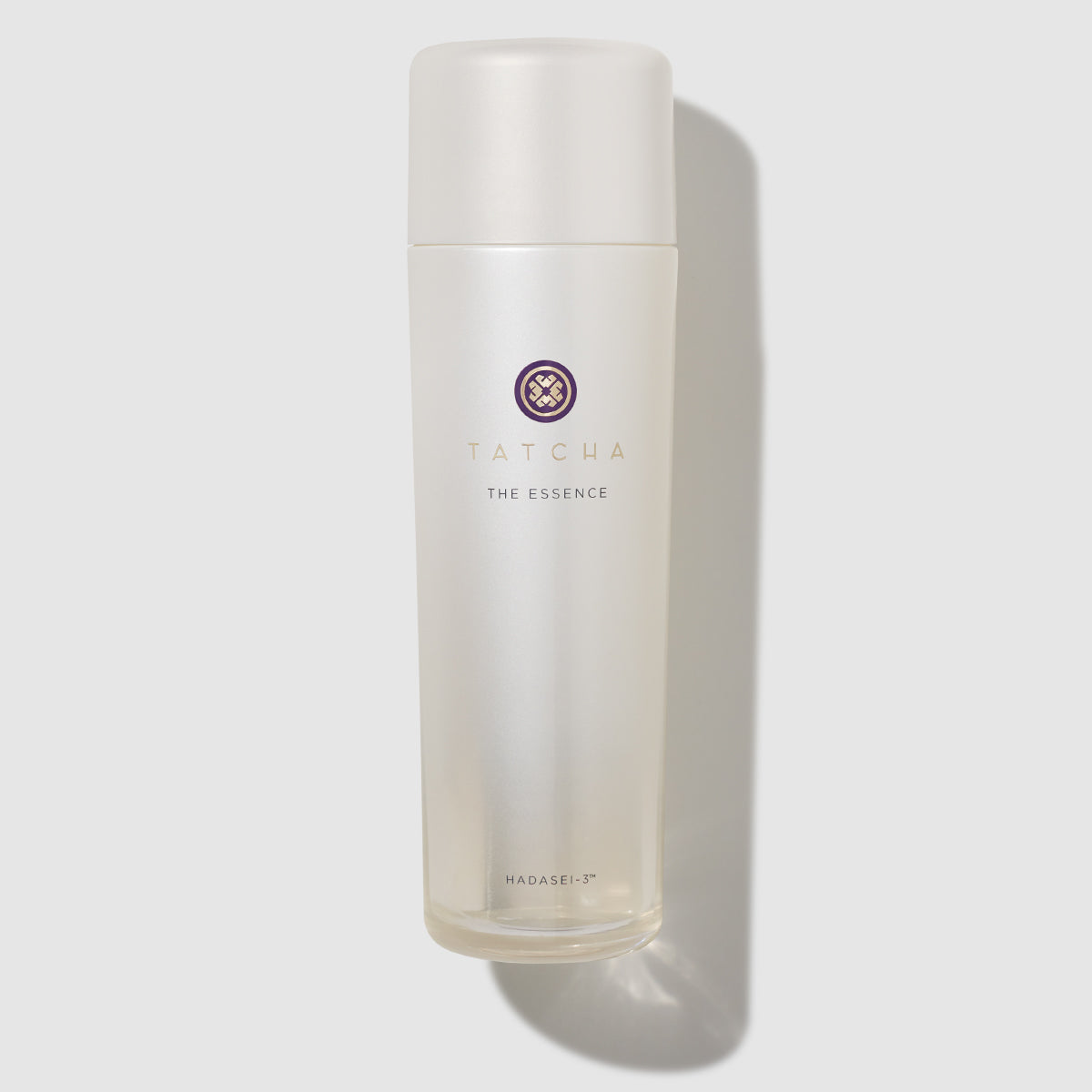
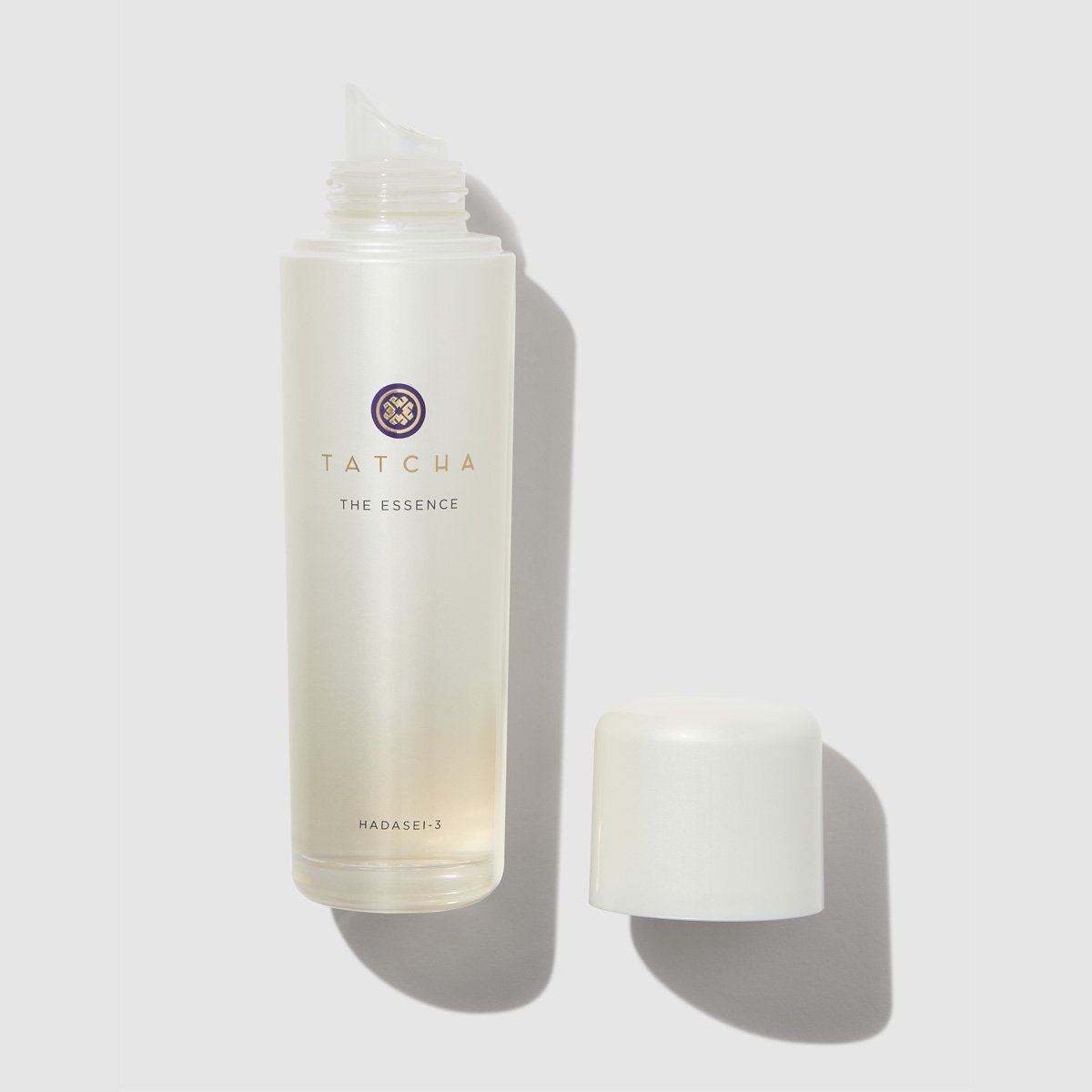
After cleansing, reach for your first defense against dehydration with an essence. While you could also use a toner or mist, an essence is designed to hydrate deeper. It’s not only the perfect follow-up to a cleanse, but it’s also the ideal prep for a serum and moisturizer — as it allows the steps that follow to work more effectively. Pour a few drops into the palm of your hand, tap the palms together, and then press them into your face until the product is absorbed.
Step Three: Serum
While many (if not most) routines include serums, skin flooding is solely focused on hydration, so you’ll reach for products that feature hyaluronic acid. The popular ingredient can hold up to 1,000 times its weight in water, meaning it's a hydration powerhouse and perfect for skin flooding. You can also include other superstar ingredients, like niacinamide and squalane — both of which are beloved for their soothing benefits, in your skin flooding routine.
Step Four: Moisturizer
If there were ever a product solely dedicated to your skin’s hydration, it’s a moisturizer. Ensure you’re using a product that has effective formulation and superstar ingredients so it can travel to the deeper layers of your skin to deliver hydration. Look for ingredients like glycerin, hyaluronic acid, squalane, and ceramides to give skin a more soothing and hydrating moisturizer.
Skin Flooding Products
The genius of a skin flooding routine is in its customization. While certain formulations are more ideal for this type of routine, many products you already have in your bathroom cabinet would likely fit into this practice. It can be altered to fit your specific needs and skin type, too. For example, oily skin types can cleanse with a hydrating yet balancing face wash, plump with an essence, hydrate with a hyaluronic acid serum, and then nourish with a lightweight gel moisturizer that includes glycerin or hyaluronic acid. Alternatively, those with dry skin will seek out more substantial and occlusive products for these four steps. Every skin type can find skin flooding products that are ideal for them. To make your search simple, we’ve customized your skin flooding routine below, based on each skin type.
Skin Flooding Routine: Oily Skin
Those that experience oily skin might feel tempted to skip hydrating products altogether in favor of more oil absorbent products — but don’t! Oily skin needs hydration as much as other skin types, albeit much lighter formulas.
Step One: The Matcha Cleanse
This clarifying gel cleanser controls oil immediately and also over time,* purifies pores, and visibly reduces the appearance of pores over time.** It also includes Japanese mugwort to mimic ceramides to support the health of the skin barrier.
*Based on a bio-instrumentation study of 40 panelists.
**Based on a clinical study of 40 panelists.
Step Two: The Essence
This liquid essence is a workhorse for hydration. In clinical studies, it was shown to improve skin moisture levels by up to 621 percent in a single use* and actually improves the performance of other skincare products that follow.
*Based on a bio-instrumentation study on 30 panelists.
Step Three: Serum
This is where the idea of customization really comes into play.
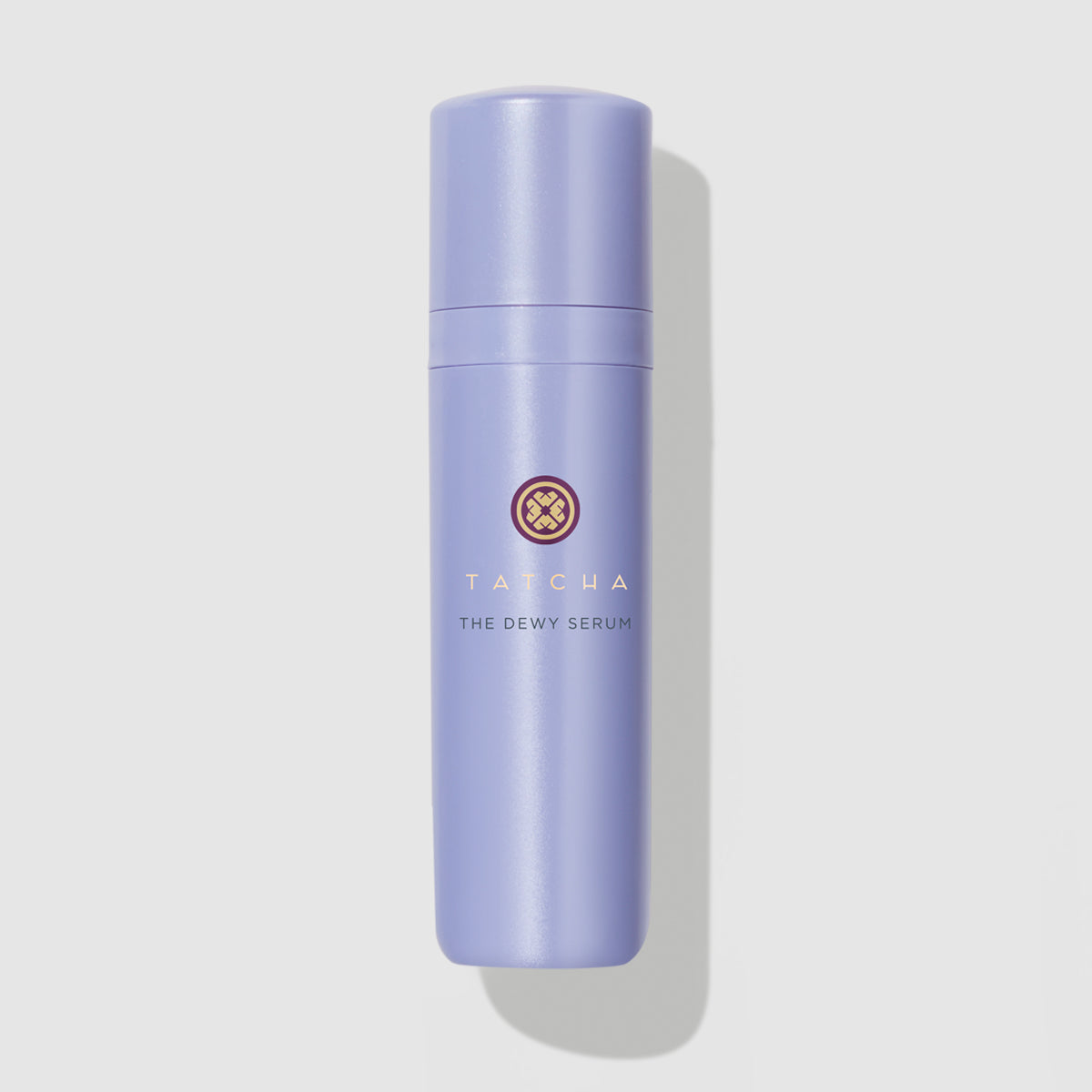
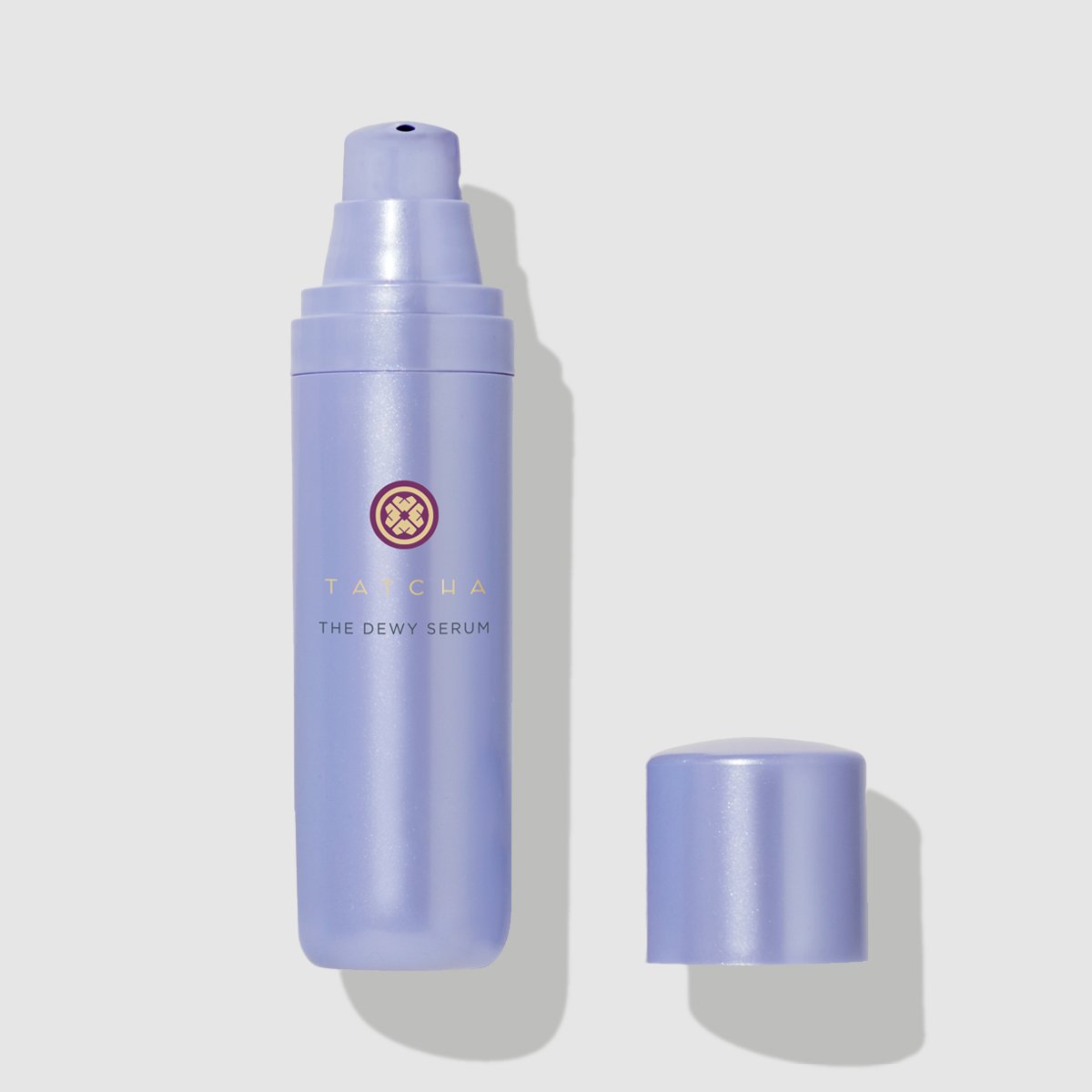
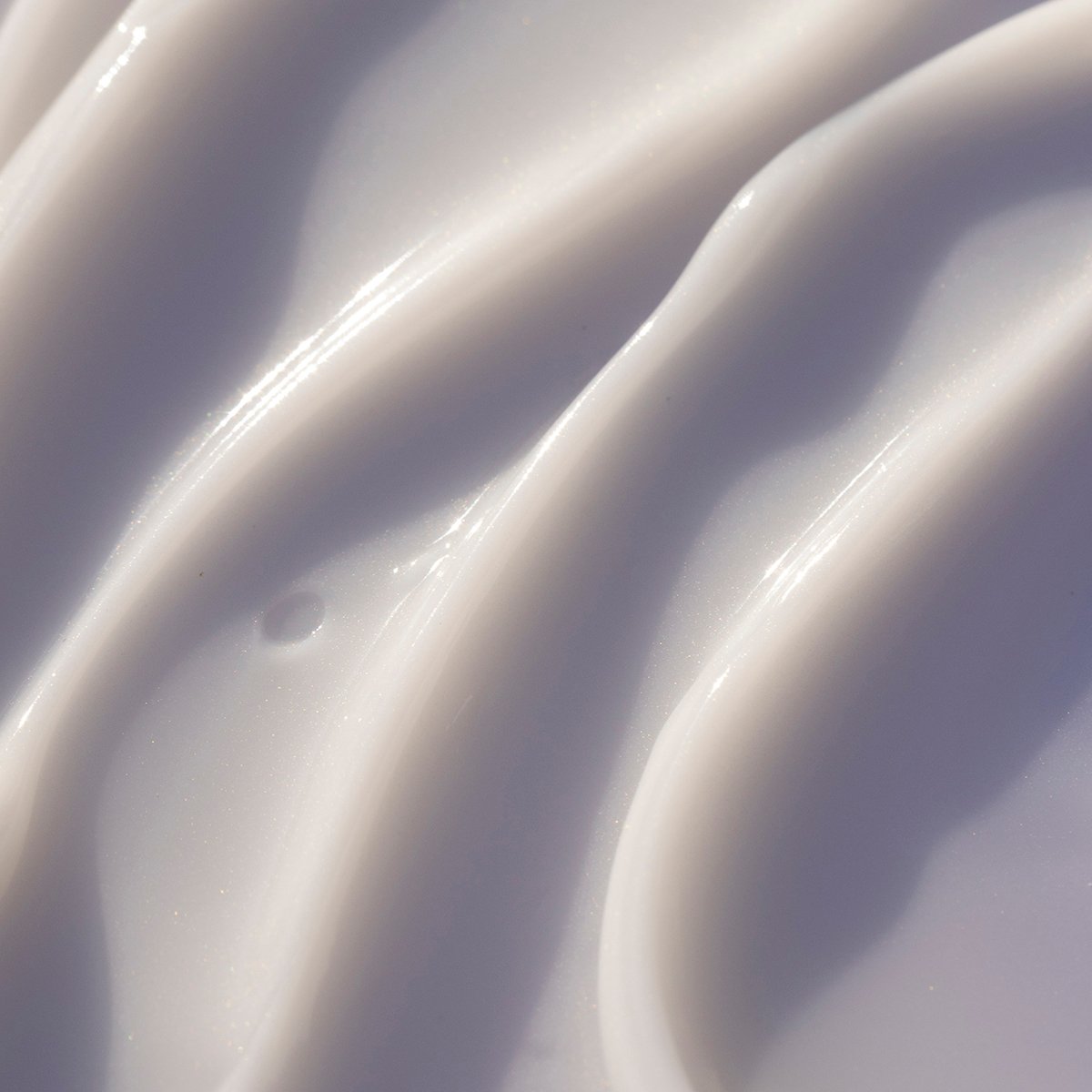
- Looking for six times the hydration for instantly plump and bouncy skin? The Dewy Serum was practically made for a skin flooding routine as it instantly floods skin with hydration from hyaluronic acid and improves radiance, texture, and elasticity over time.
- Seeking visibly brighter and firmer skin that’s also hydrated? Try The Brightening Serum, which is powered by 12-hour time-release vitamin C, Japanese plum, ferulic acid, and a pro-glutathione antioxidant booster.
- Want to address fine lines and wrinkles but don’t want the irritation of a retinol? Grab The Silk Serum, which visibly firms and plumps skin while also calming redness and strengthening the moisture barrier.
- If you’re always on the go and want your serum to be too, grab The Serum Stick. The squalane-boosted stick comes in the convenient to-go size but packs a big punch of hydration and improves the look of radiance, texture, and fine lines.
Step Four: The Water Cream
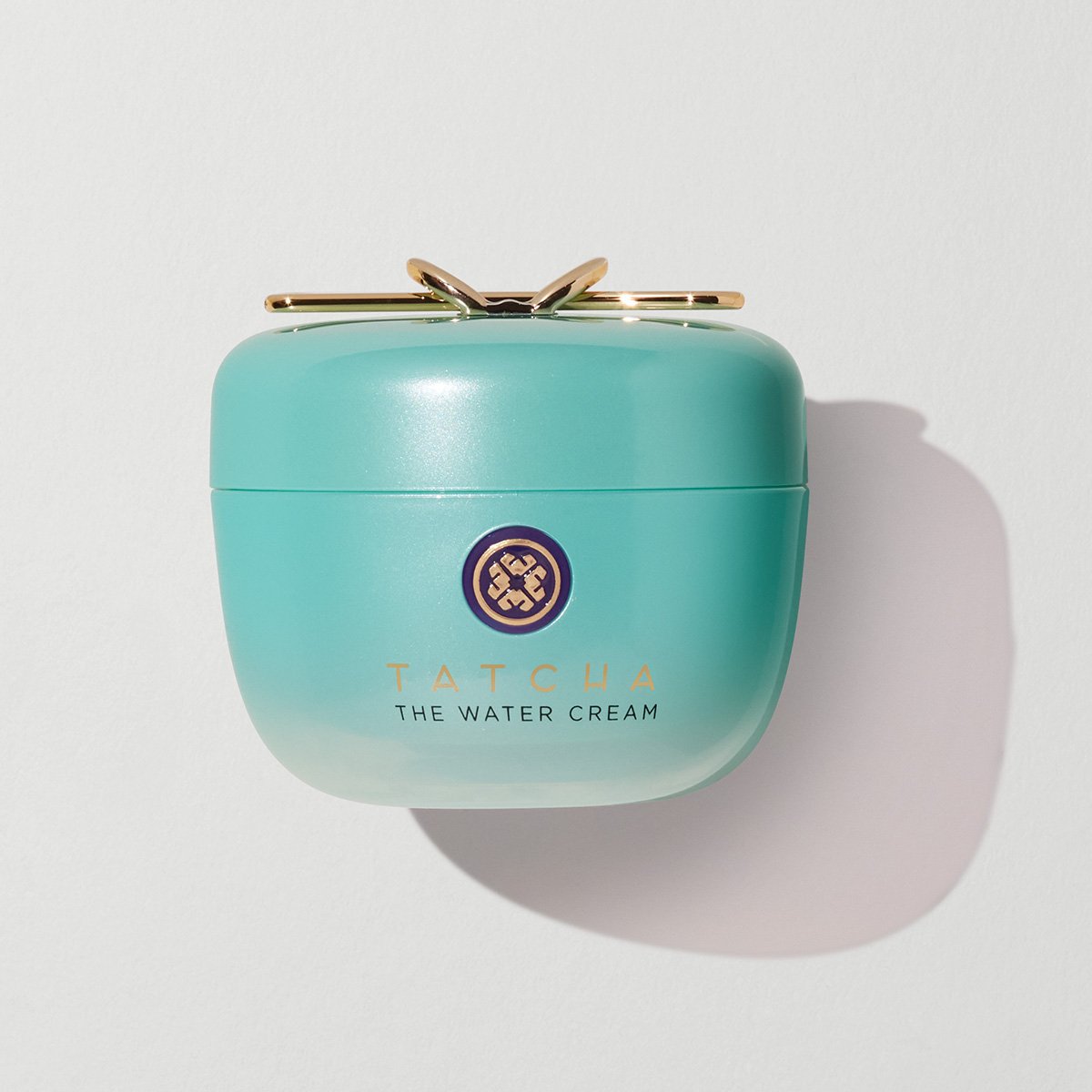
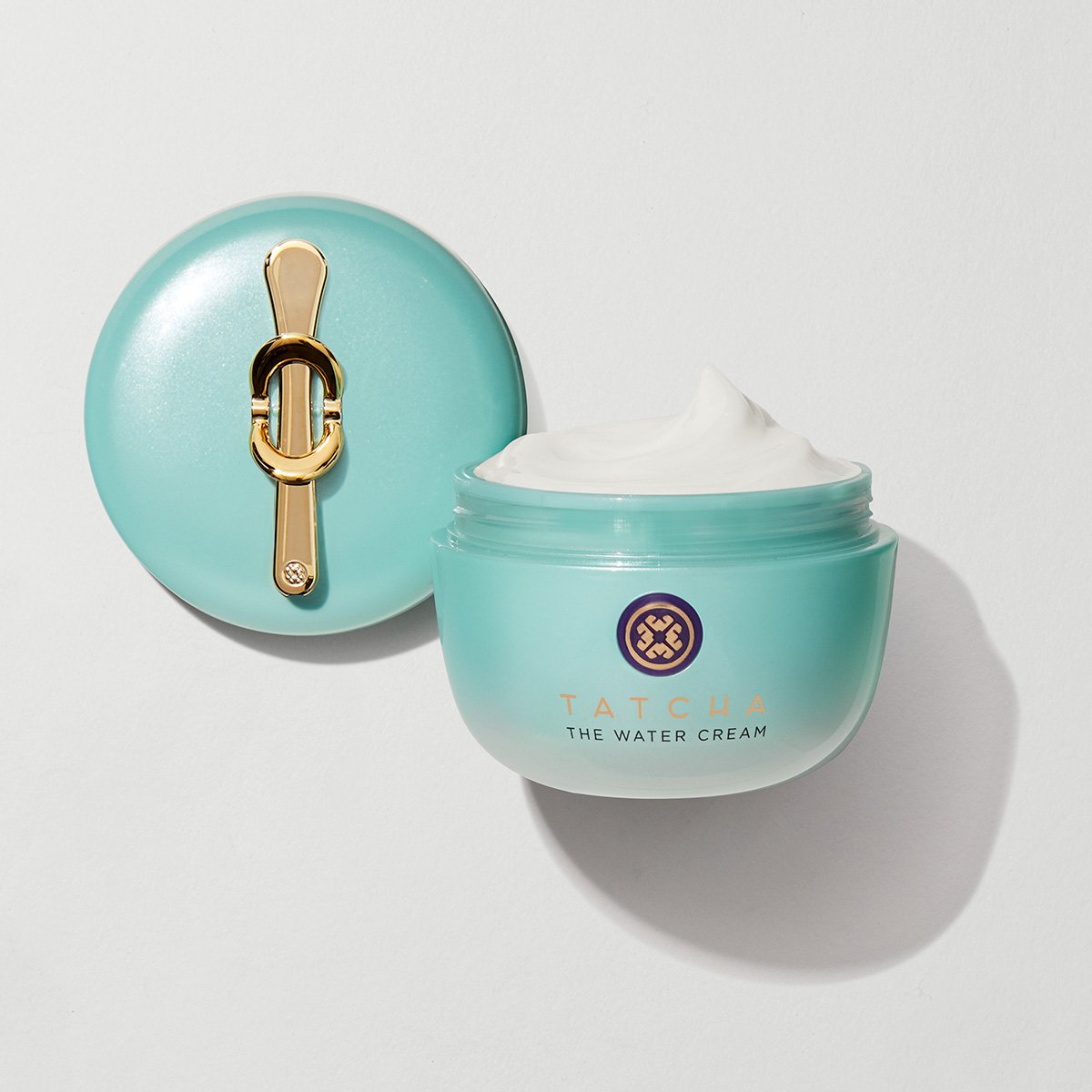
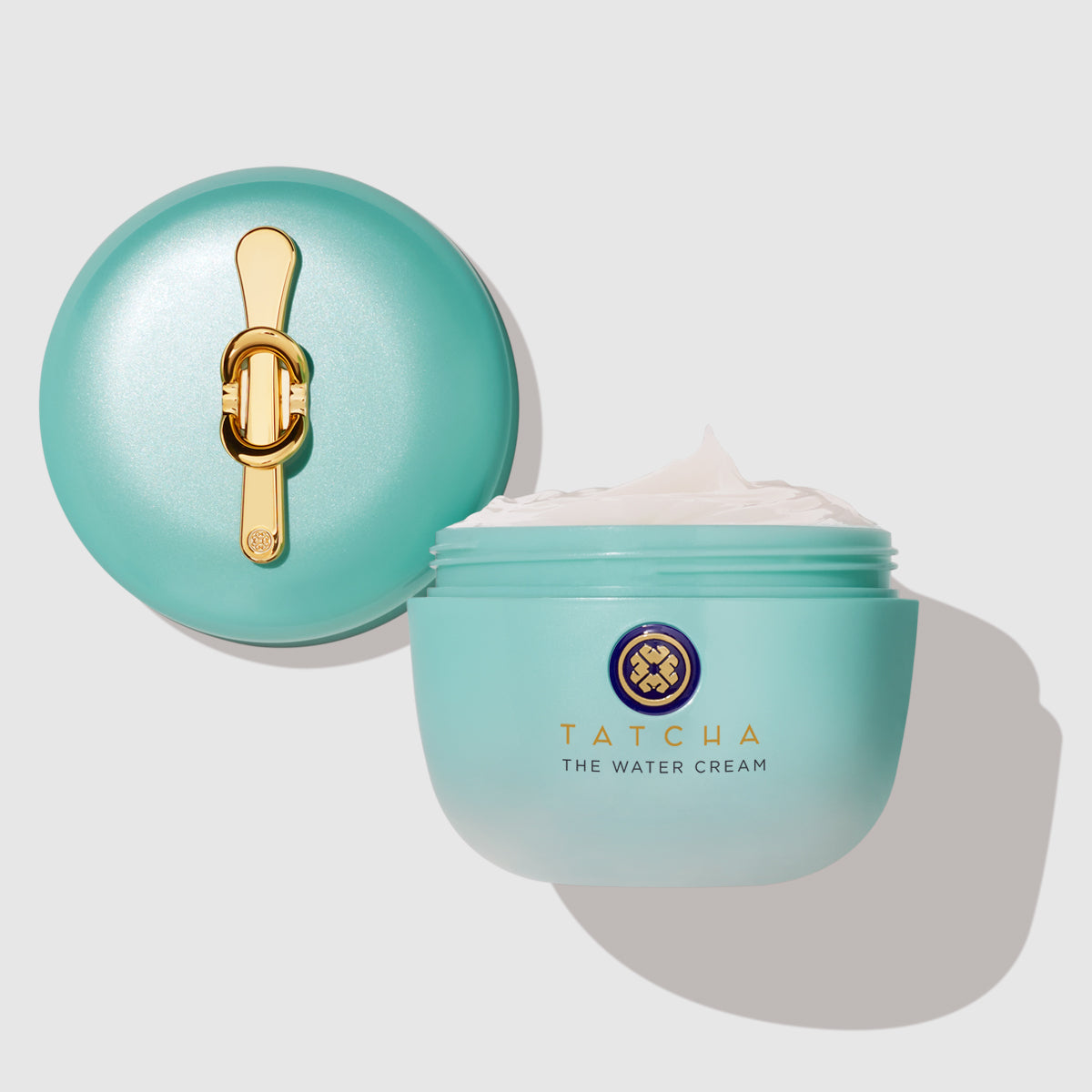
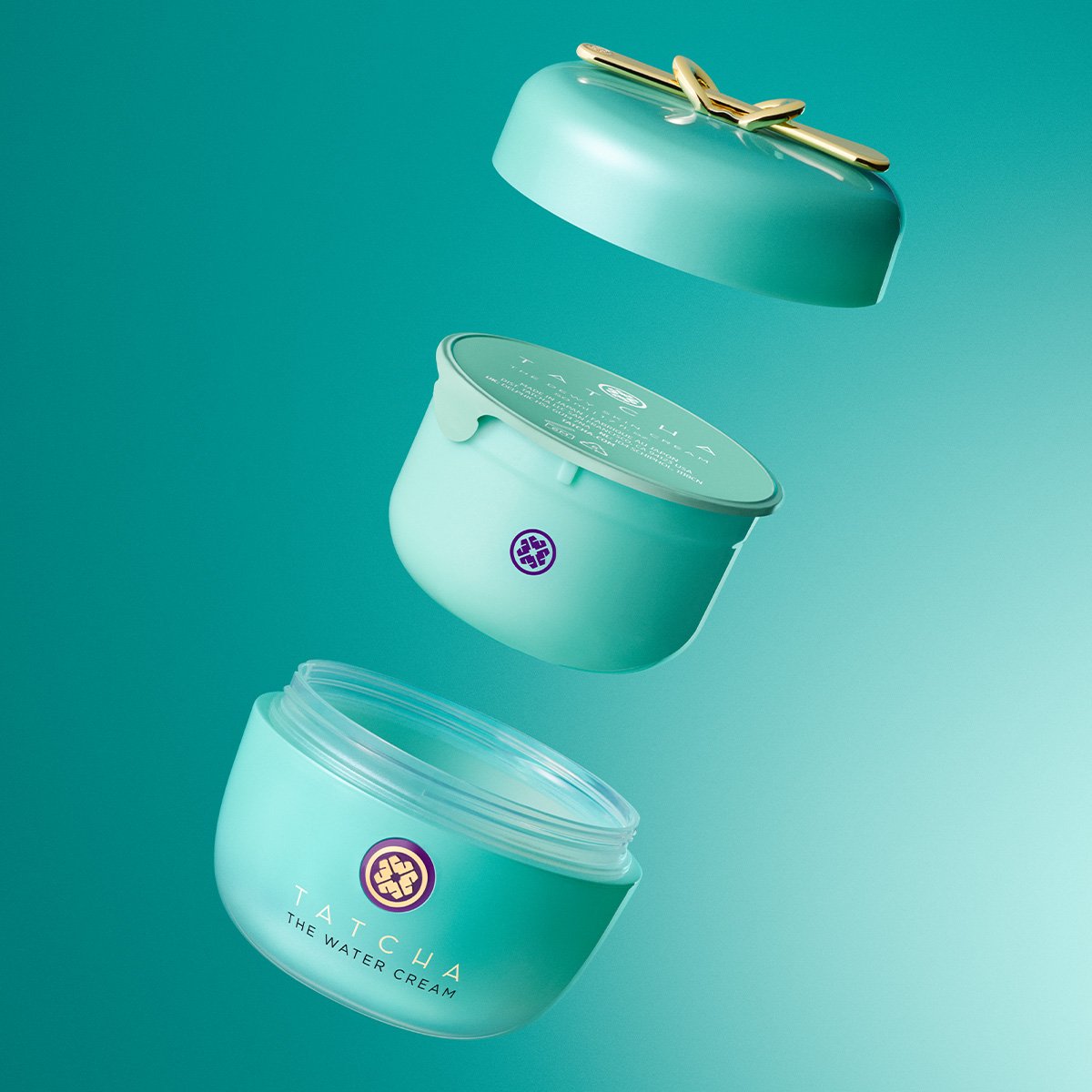
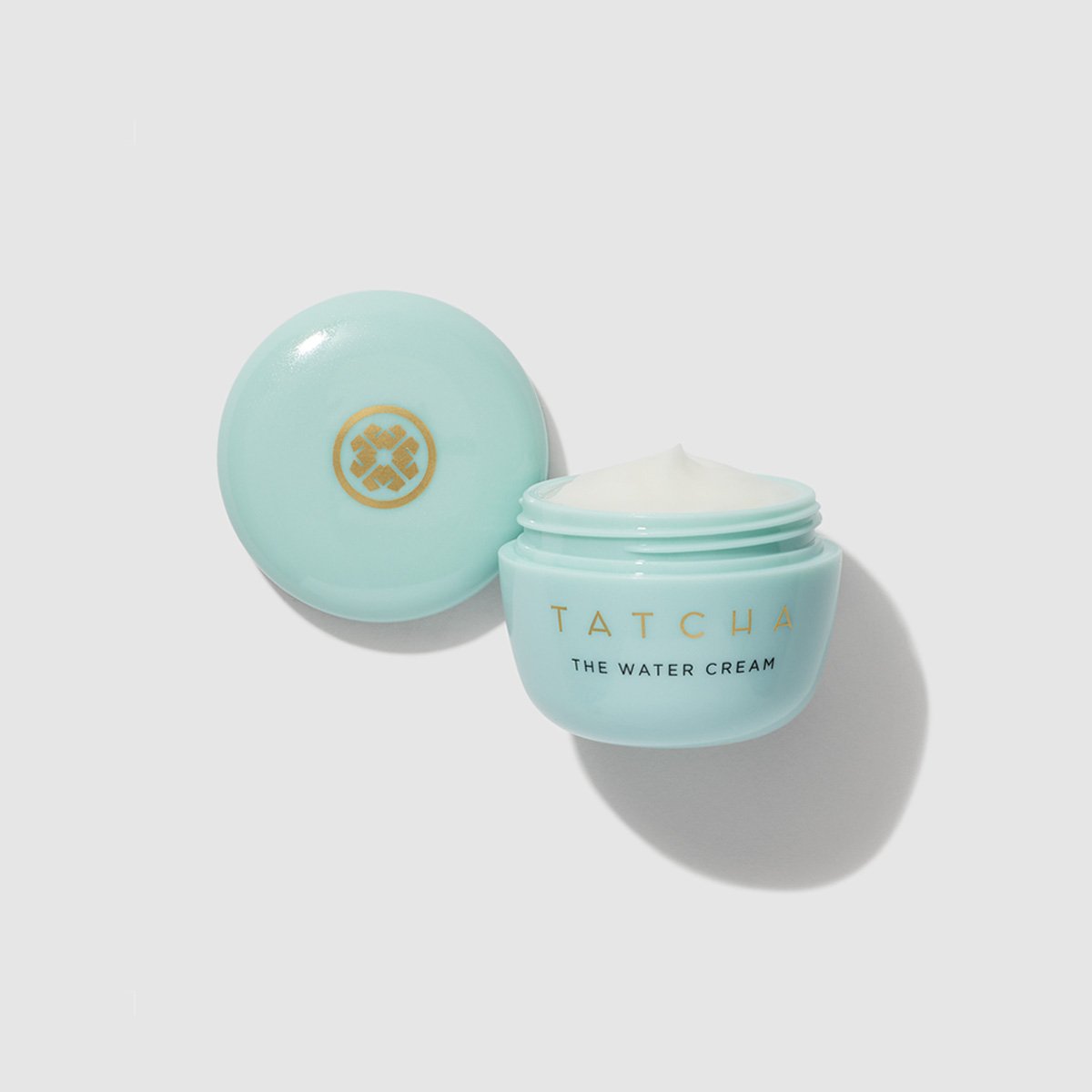
Finding the right moisturizer that supports and balances oily skin is a tough task, but Tatcha has perfected this niche with The Water Cream. It instantly delivers three times the hydration,* sealing in moisture, and refines clogged pores and skin texture in just a single week.**
*Based on a bio-instrumentation study of 27 panelists.
**Based on an expert graded study of 36 panelists.
Skin Flooding Routine: Dry Skin
Dry skin and skin flooding are a match made in heaven. Nourish, plump, soothe, and replenish dry skin with these four steps dedicated to hydration.
Step One: The Rice Wash
Soften skin and boost luminosity*** with this soft cream cleanser. The wash is clinically proven to boost skin's hydration on average by 41 percent after just a single use.***
Step Two: The Essence
All skin types will benefit from Tatcha’s award-winning Essence, but dry skin will especially drink it up. After just one use, skin is over 600 times more moisturized* and has an improvement in smoothness, softness, and suppleness.** But keep up the consistency, because after just a week of use, the Essence has been shown to improve skin radiance, firmness,** and the appearance of fine lines and wrinkles.†
*Based on a bio-instrumentation study on 30 panelists.
**Based on an expert grading study on 30 panelists.
†Based on an expert grading study on 34 panelists.
Step Three: Serum
Technically, all of Tatcha’s formulas are ideal for dry skin, so uncover the serum that best fits your needs.
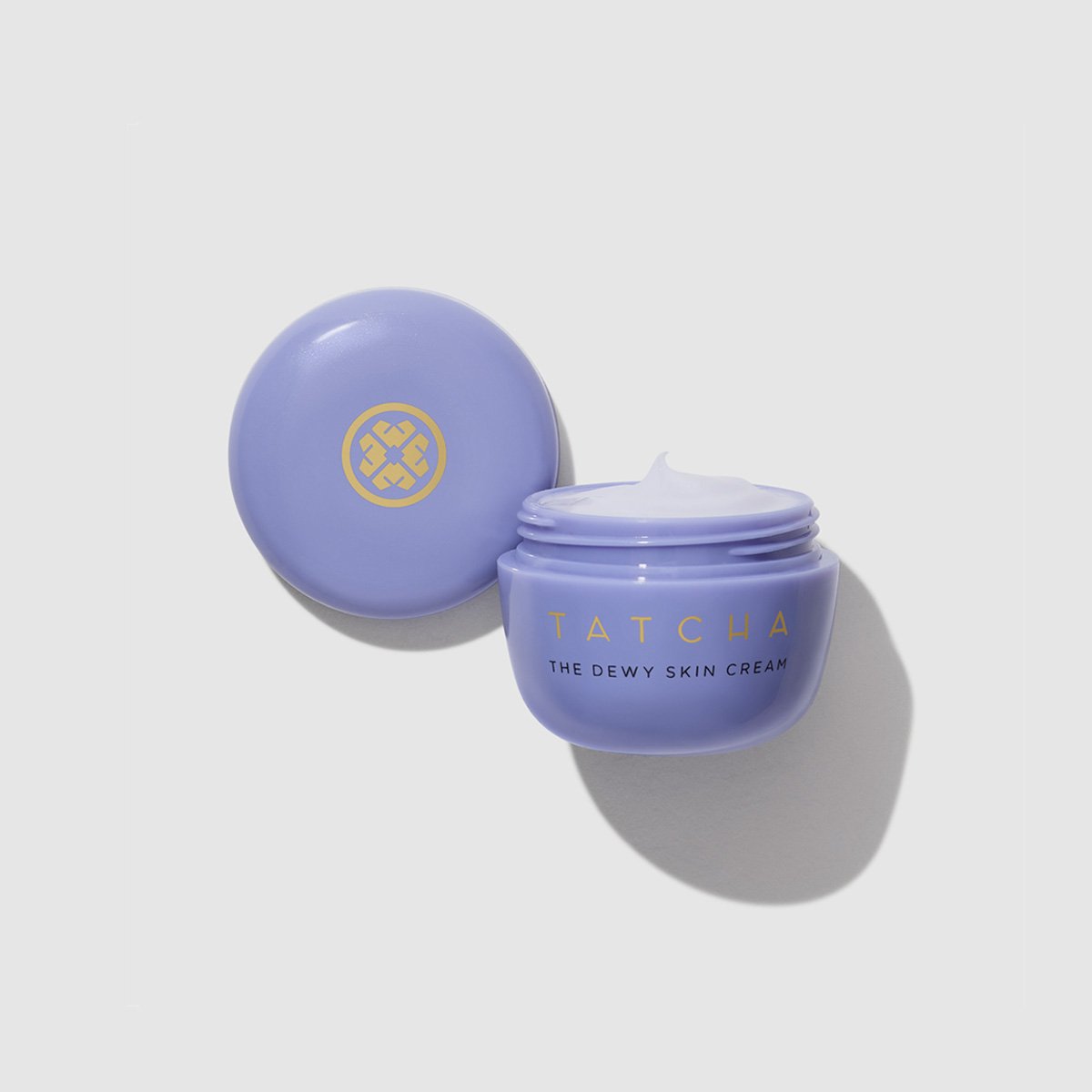
Step Four: The Dewy Skin Cream
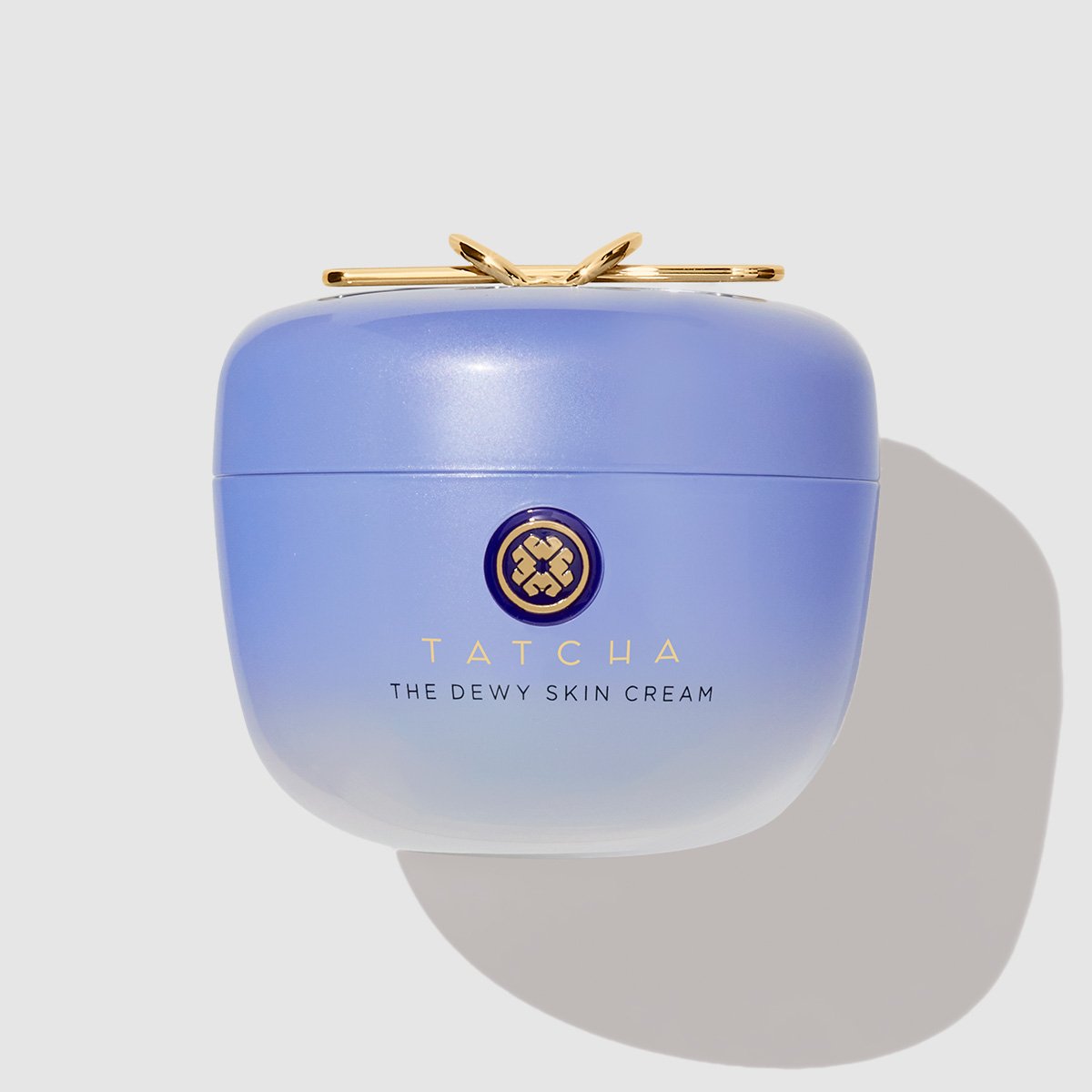
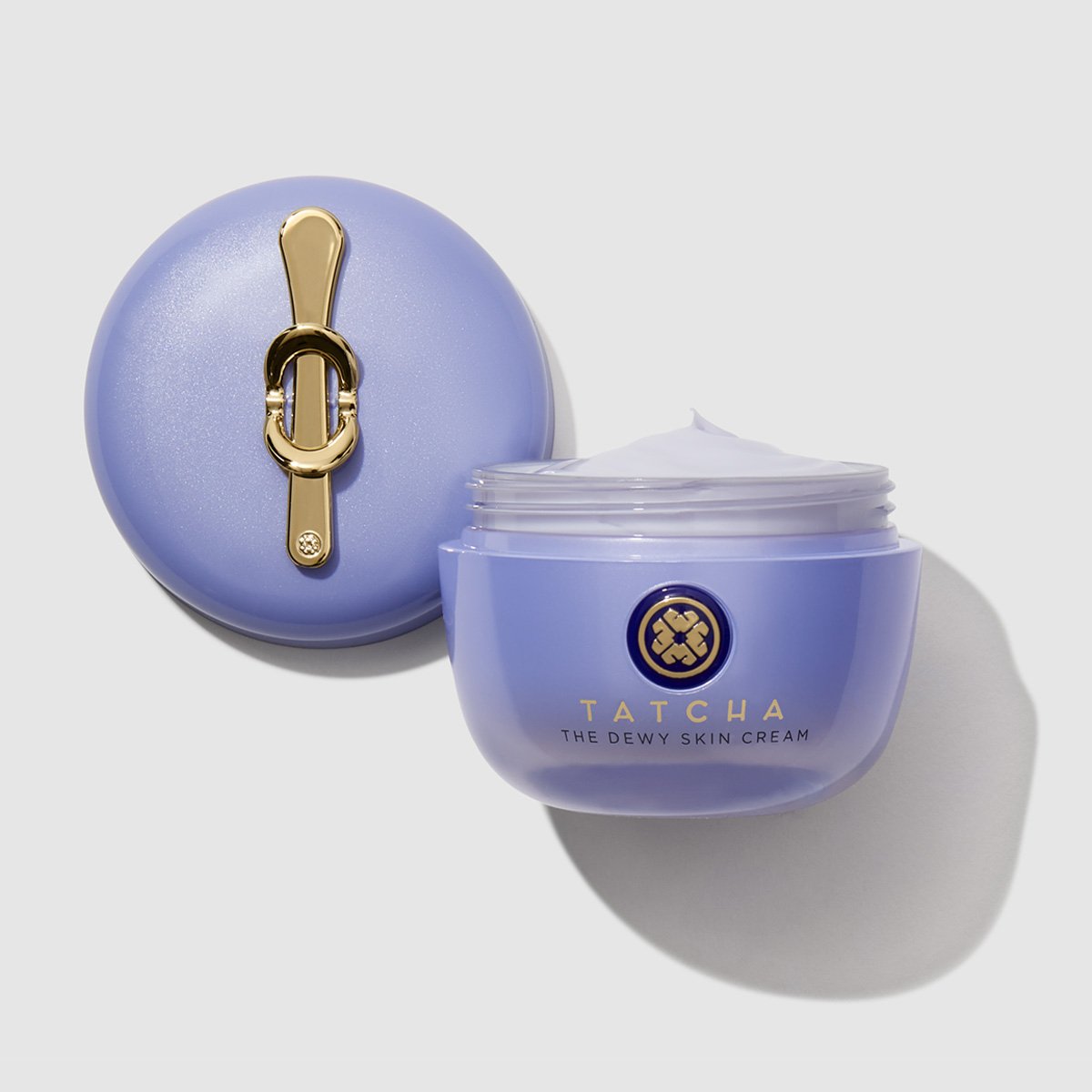
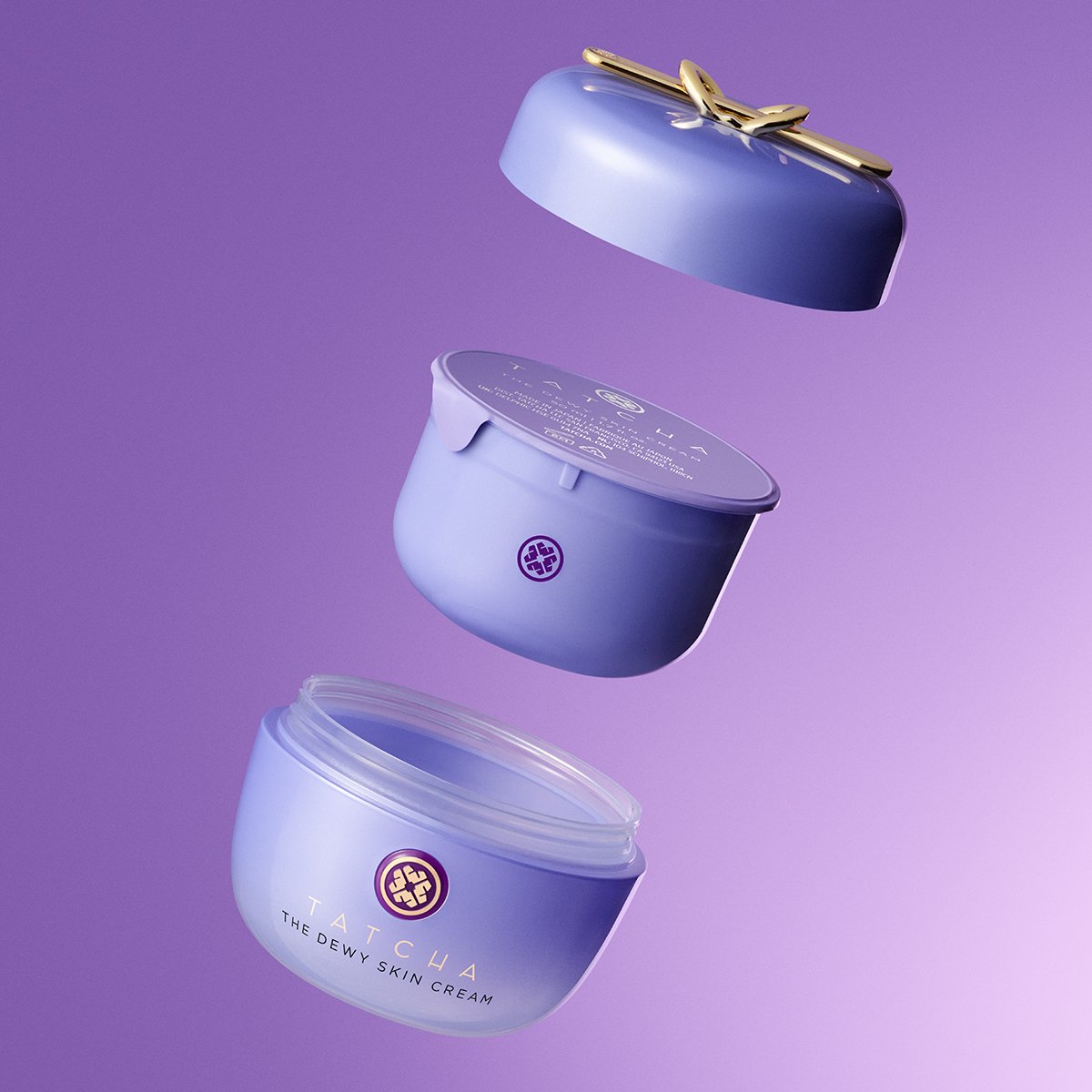
This rich, decadent cream seals in moisture, improves barrier function†, and instantly plumps.* Designed to hydrate dry skin, this formula contains hyaluronic acid, red algae, and squalane for the ultimate hydrating experience.
*Based on a clinical study of 36 panelists.
†Based on a clinical study of 36 panelists & a bio-instrumentation study of 30 panelists.
Skin Flooding Routine: Sensitive Skin
Sensitive skin can be a frustrating skin type — and can also be paired with other skin types, like oily, combination, or dry. The trick to supporting sensitive skin is to find products that incorporate hydrating and nourishing ingredients, like hyaluronic acid and colloidal oatmeal, but the other secret is using a routine that layers hydration at all steps — aka a skin-flooding routine!
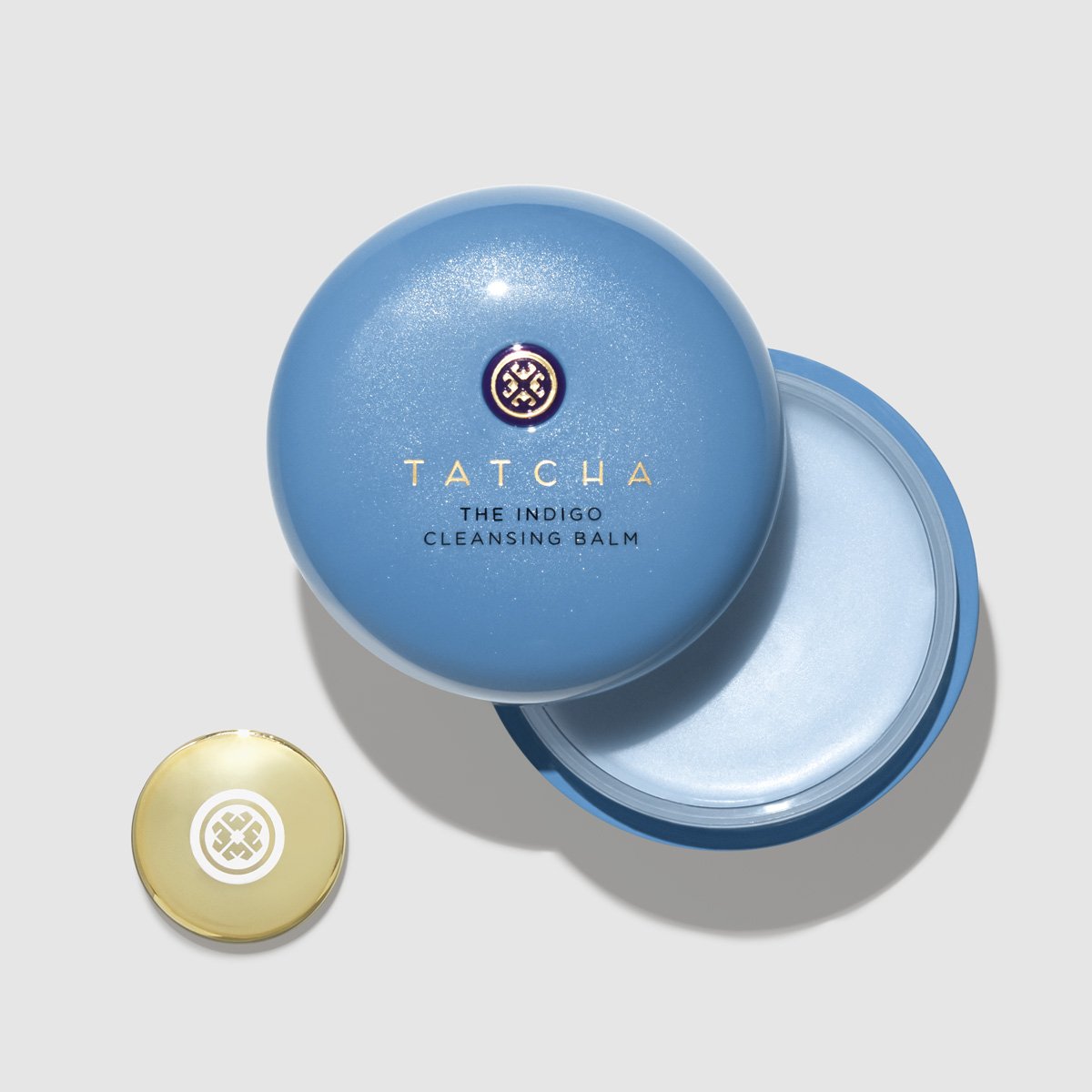
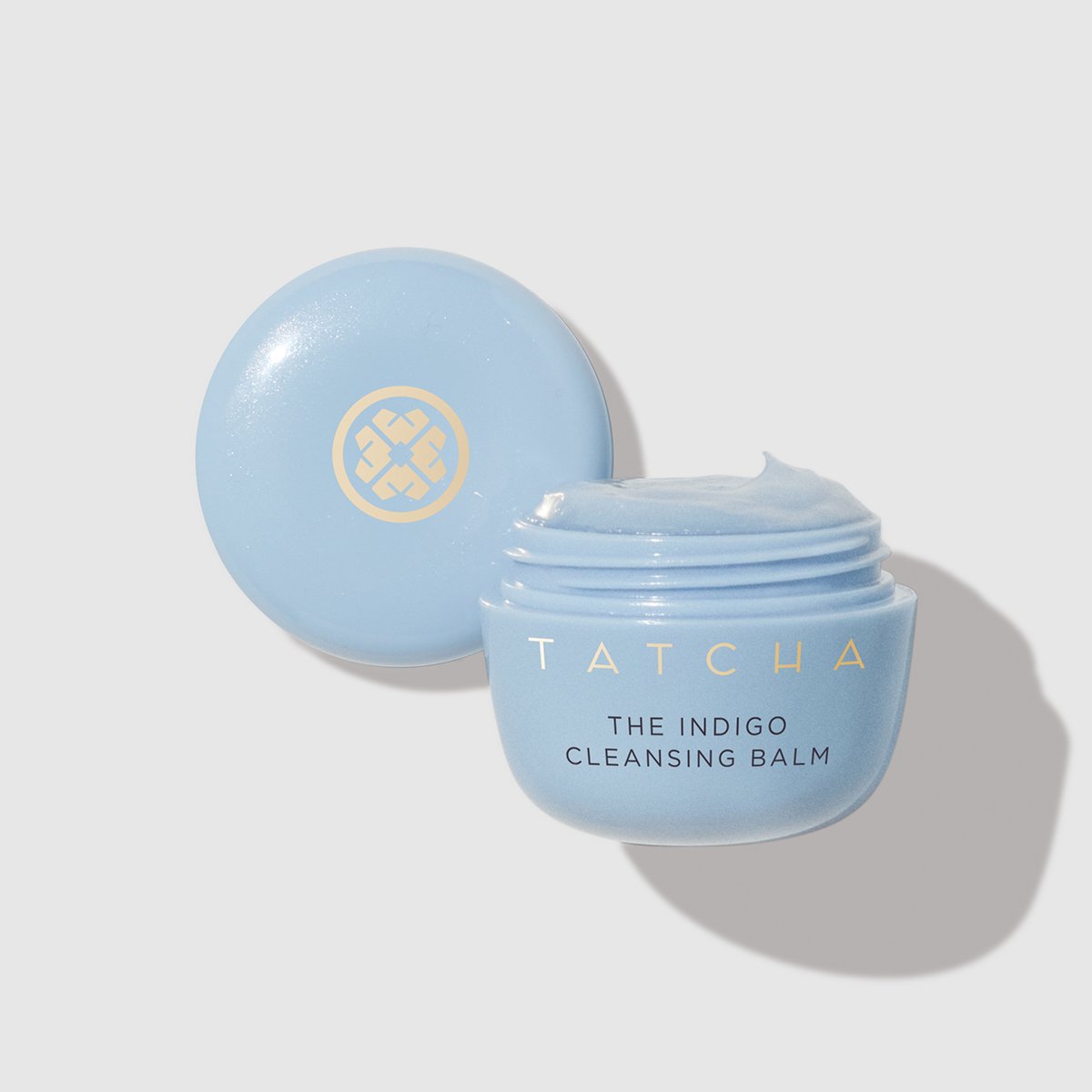
Step One: Indigo Cleansing Balm
Cleansing can be a painful step when sensitivity flare-ups happen, which is exactly why this cleansing balm was created. The buttery-soft formula soothes and restores but is still strong enough to wash away waterproof makeup.
Step Two: The Essence
Continue with the soothing formulas by using The Essence, which can add an impressive amount of moisture back into the skin.
Step Three: Serum
Sensitive skin has to be more careful than other skin types when incorporating products into their routine, and famously serums are the most potent formula in a routine. Uncover the serum that best fits your needs, and then patch test before incorporating it into your daily ritual.
Step Four: The Indigo Calming Cream
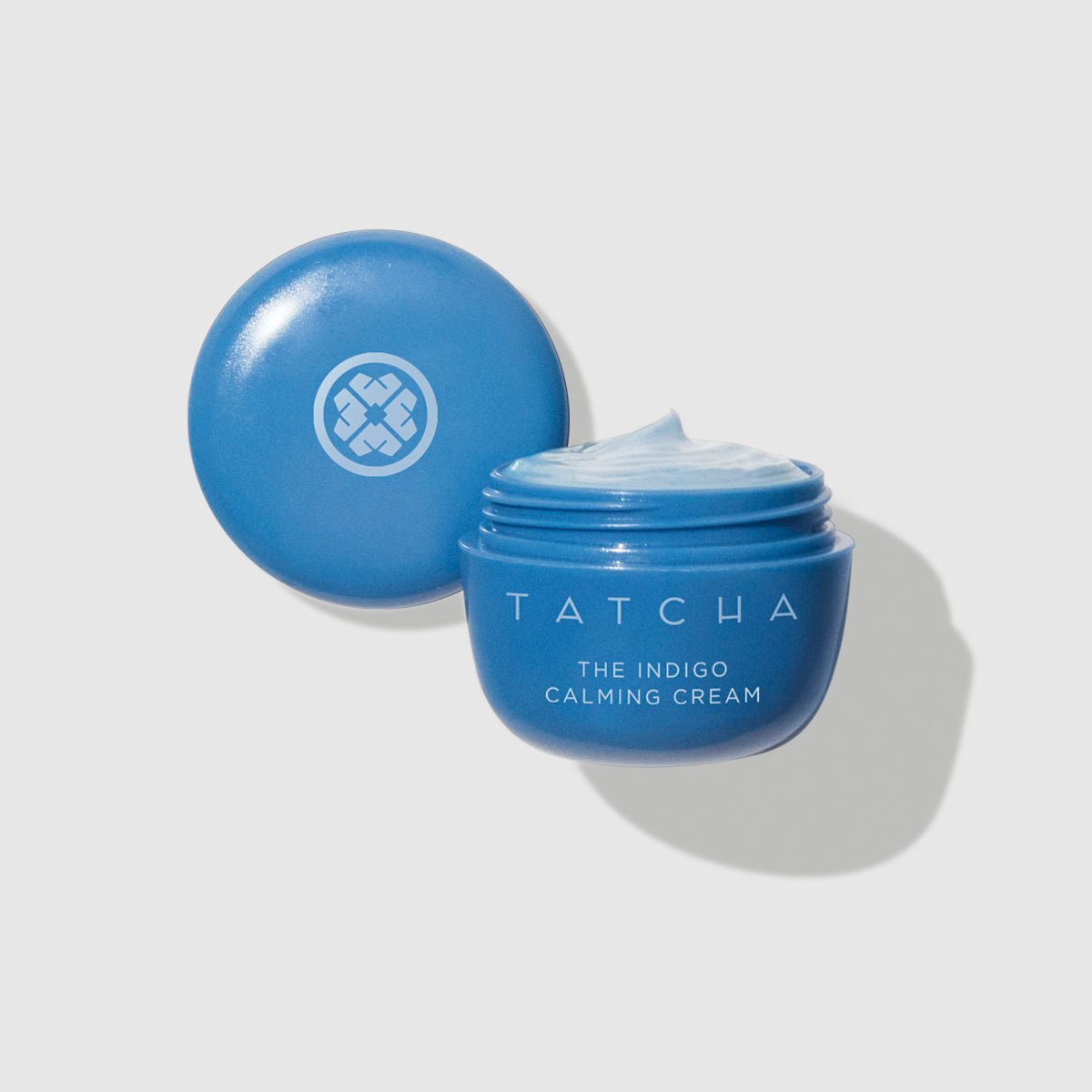
Moisturizers perfected for sensitive skin are imperative. Soothe, protect, moisturize, strengthen, and relieve with this superpowered cream. Powered by colloidal oatmeal, Japanese indigo, and a handful of other soothing ingredients, The Indigo Calming Cream transforms stressed skin into strengthened skin.
Skin Flooding Routine: Combination Skin
Finding the balance between dryness and oiliness can be like walking on a metaphorical tightrope. Make it easy for your skin by using products that are designed for combination skin, supporting it with clever hydration, while also minimizing excessive oil.
Step One: Cleanser
Some combination skin skews more oily, while others lean towards dryness. Figure out if adding moisture or curbing oiliness is more important to you first and then gear your cleanser to your needs. If you're looking to manage oiliness first, while still balancing dryness, grab The Matcha Cleanse, which will reduce excessive oil production. If dryness is the first focus and then managing a bit of oiliness, try The Rice Wash. The creamy cleanser gives a dose of hydration while also thoroughly cleansing skin.
Step Two: The Essence
Instantly flood skin with moisture with The Essence, which not only makes skin smoother, softer, and more supple, but also makes the serum and moisturizer that follows after it work more effectively.
Step Three: Serum
Combination skin might have several needs, so use this guide to uncover which serum is right for you.
Step Four: Moisturizer
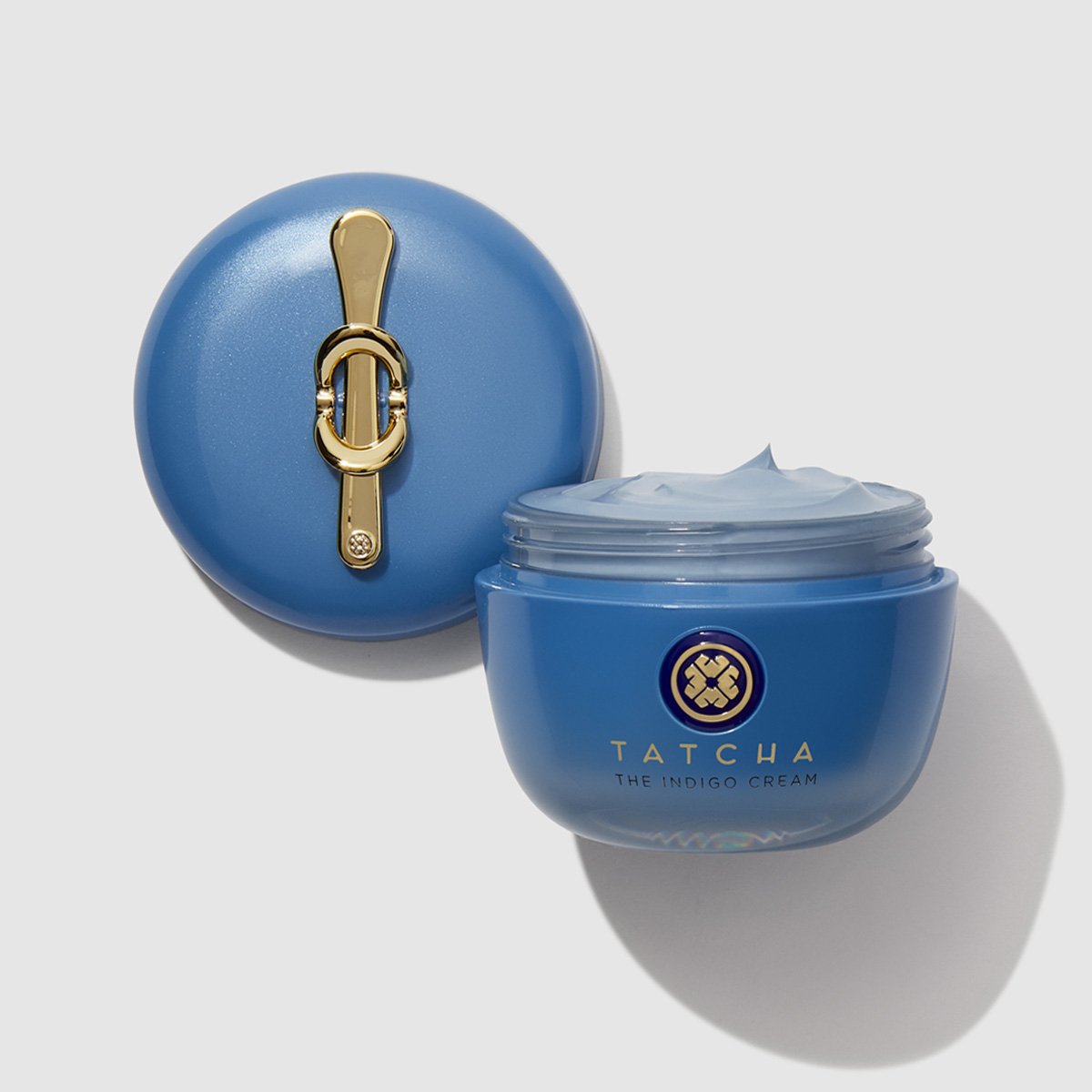
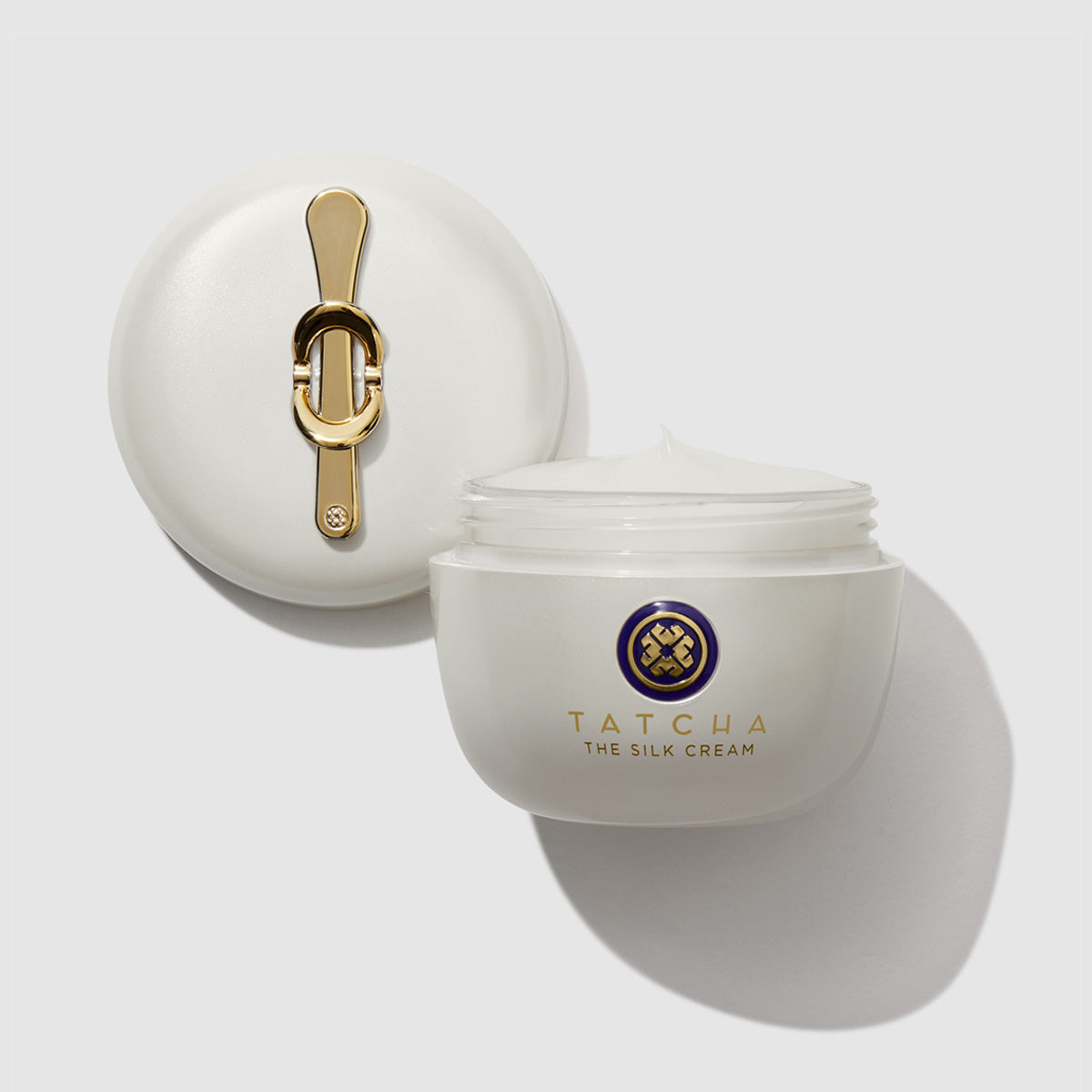
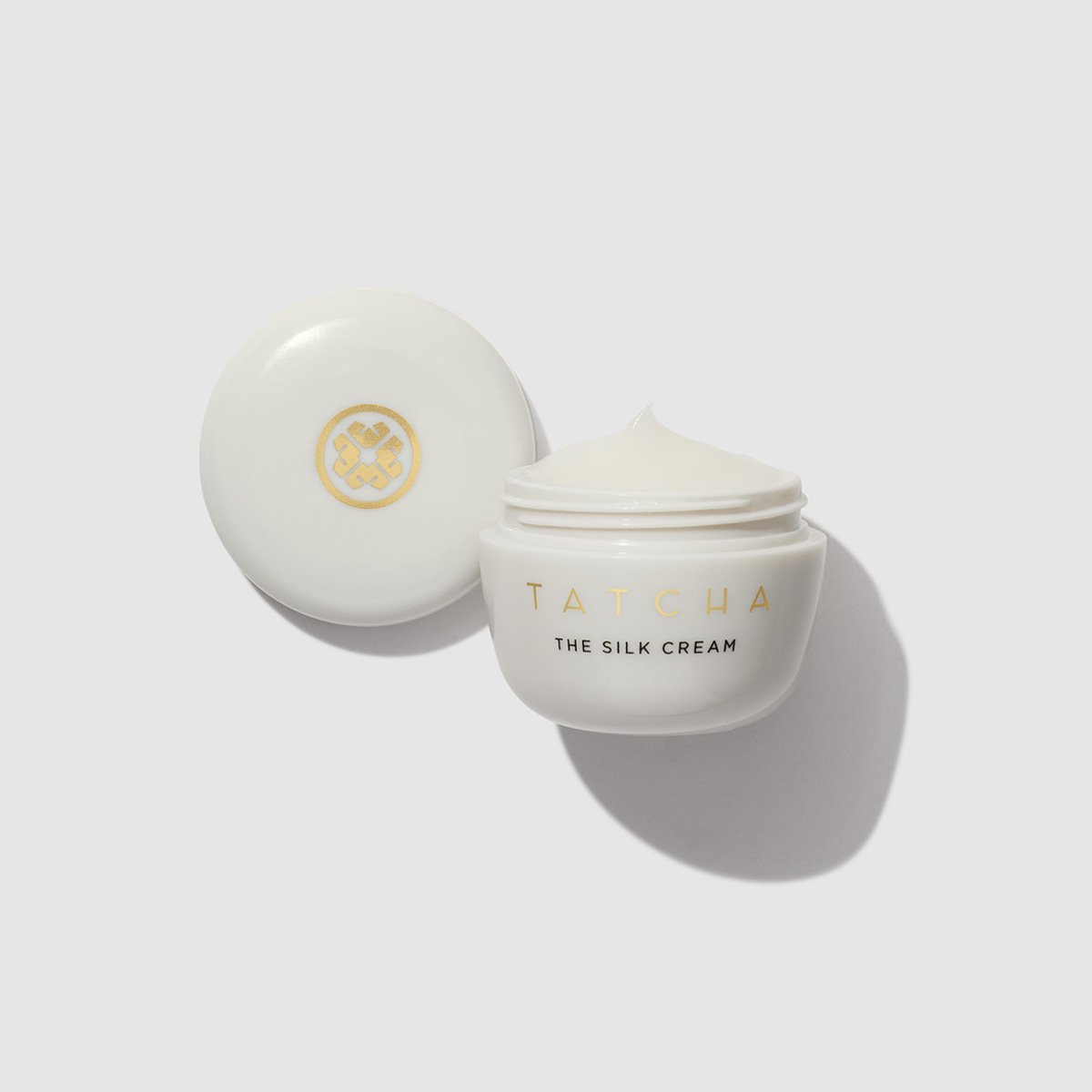
Moisturizing combination skin can be a tricky task. Just as you prioritized your needs while selecting a cleanser, mimic that preference here when narrowing down a moisturizer. Need to curb excess oil while supporting moisture levels? Grab The Water Cream, which instantly delivers three times the hydration* and refines clogged pores and skin texture in just a single week.** If moisture is more of a priority, but you’re still wanting to manage excess oiliness, consider The Silk Cream, a silky gel cream that works to firm, hydrate, and cocoon skin with squalane and silk extract.
*Based on a bio-instrumentation study of 27 panelists.
**Based on an expert graded study of 36 panelists.
Benefits of Skin Flooding
The four-step skin flooding routine just so happens to exactly follow the ideal Tatcha regimen of purify, polish, plump, and nourish. (Great minds, right?) The benefits of skin flooding are also very similar to the benefits of a traditional Japanese routine, which is focused on the health of the skin. The Japanese skincare routine isn’t about overnight transformations or aggressive treatments, but rather putting the ‘care’ back into skincare, which can be accomplished with just these four steps twice a day — and skin flooding follows that belief as well.
The benefits of skin flooding can be more hydrated skin, which in turn makes skin look healthier and appear less irritated and inflamed. Skin that is perfectly moisturized with these four steps can also take on a lit-from-within appearance, giving a natural glow sans highlighters or pearlescent powders. In a study published in 2023, scientists found that those who maintained hydrating skincare practices (especially products containing ceramides) had a healthier skin barrier and less skin inflammation. The point being: hydrating skincare, especially incorporating it into each step as a skin-flooding routine does, helps with the health, appearance, and longevity of skin.
Who Should Do Skin Flooding?
The beauty of skin flooding is its inherent gentle and hydrating nature, so anyone can enjoy this ‘trend’. (However, we wouldn’t call healthy skin a trend!) Because it’s entirely customizable to your specific skin type, it’s a great routine for everyone. You can use the skin flooding products that are ideal for your skin type to ensure the routine supports your needs. Anytime you can layer hydrating formulas on top of each other, it’ll be beneficial for any and all skin types. For that reason, skin flooding is a beautiful fit for anyone — happy skin flooding!