Summary
- Hyperpigmentation can be frustrating to experience, but the condition is well-studied and there are proven skincare products that help.
- Vitamin C, retinol alternatives, ferulic acid, glutathione, AHAs, niacinamide, and rice bran powder are ingredients proven to reduce hyperpigmentation.
- Exfoliation, masks, and sunscreen are effective at-home methods to help prevent and reduce hyperpigmentation.
- There are specially formulated products, including serums, creams, exfoliants, and sunscreens, designed to reduce and prevent hyperpigmentation.
- Treating hyperpigmentation is a marathon, not a sprint—be patient with yourself (and consistent with products) because results can take weeks and even months.
Hyperpigmentation is a common skin condition, yet it can be shrouded in feelings of embarrassment and self-consciousness. Those who experience hyperpigmentation report a significant impact on their self-esteem and quality of life, noting they avoid social interactions and have an overall poor emotional well-being. But at Tatcha, we strongly believe there is nothing wrong with, or unsightly about, having areas of hyperpigmentation. But if you’d like to learn more about this totally normal phenomenon, including products and a skincare routine proven to lessen its appearance, keep reading.
Hyperpigmentation 101
According to the Mayo Clinic, hyperpigmentation is a term that describes a variety of skin conditions that produce dark patches. The Clinic specifies that these dark patches are a “result of your body producing an excess of melanin, the natural pigment that gives your skin its color.” Hyperpigmentation refers to a range of conditions that lead to skin discoloration, whereas dark spots are distinct, concentrated areas of excess pigmentation that are darker than the surrounding skin. These melanin patches can occur anywhere on your body, from your forehead to your hands, and they are not contagious, dangerous, or unsightly.
Hyperpigmentation Causes
While it may feel frustrating to experience hyperpigmentation, uncovering the source of the excessive pigmentation can prove just as difficult because many things can cause hyperpigmentation. Here are a few of the most common causes:
Sun Exposure
According to the Mayo Clinic, sun exposure directly causes hyperpigmentation. Some skin-havers develop hyperpigmentation because UV radiation triggers an uneven or overproduction of melanin, leading to sun spots or larger, patchy areas. While melanin production occurs evenly in some people and leads to a bronzed tan, others don’t produce melanin in this way, resulting in patchy pigmentation.
Hormonal Changes
UCLA Health notes that life-changing events like puberty, pregnancy, or menopause can cause hyperpigmentation. Hormone fluctuations involving estrogen and progesterone can stimulate the overproduction of melanin-producing cells, which causes hyperpigmentation.
Genetics
Genetics play a crucial role in hyperpigmentation, with numerous genes influencing melanin production, the type of melanin, and the overall pigmentation of the skin, notes a 2025 study on this very topic.
Medications
Medication-induced hyperpigmentation occurs because certain drugs can stimulate melanin production or cause inflammation leading to an increase in melanin production, says a 2023 study on drug-induced pigmentation.
Blue Light Exposure
Exposure to blue light – the light emitted from smartphones, computers, and tablets – can directly trigger the production of melanin, notes the Journal of Investigative Dermatology.
Best Ingredients for Hyperpigmentation
Experiencing hyperpigmentation can be incredibly frustrating, but it’s also so common that it’s well-researched and studied. That means ingredients are tested and proven to work, meaning you can trust a handful of products to help you address the appearance of hyperpigmentation. Here are the most clinically proven ingredients for hyperpigmentation.
Retinol
Retinol and retinol alternatives are useful in treating hyperpigmentation because they block the receptors that regulate how much pigmentation the skin produces, notes the Mayo Clinic. Famously, incorporating retinol into your skincare routine can take a lot of careful planning, scheduling, and delicate application for successful results, but a retinol alternative can give you all the benefits of a retinol without the irritation. While it’s a powerful product, retinol is not for everyone, and that’s perfectly fine.
Vitamin C
The most proven treatment against hyperpigmentation is vitamin C. It does great things for your skin and is clinically proven to brighten pigmentation and prevent melanin from overproducing in the skin. This not only helps brighten the appearance of hyperpigmentation but potentially stops it in the first place. While vitamin C is great, not all formulas are created equally. Look for a product that is airtight in dark packaging (vitamin C is destabilized by extensive exposure to light and air) and has clinical results to back up its claims.
Ferulic Acid
Ferulic acid is an under-the-radar antioxidant that can brighten and even the skin by inhibiting melanin production, which is great because, as we’ve learned, hyperpigmentation is caused by an overproduction of melanin. Not only is that helpful, but ferulic acid also benefits the skin by shielding it from dangerous UV rays. In a 2018 study, ferulic acid raised the SPF level in sunscreen and inhibited photoaging and inflammation caused by damaging UV rays. It also calms inflammation, which can also trigger hyperpigmentation.
Glutathione
Glutathione is often seen in brightening serums and other skincare formulas, thanks to the antioxidant’s ability to even skin tones. Studies show that glutathione prevents hyperpigmentation at the cellular level by interrupting melanin enzymes at the skin’s surface so they don’t develop at all. However, you’re not out of luck if you already have hyperpigmentation. A 2019 study found that when glutathione was applied topically to the skin, it lessened the appearance of hyperpigmentation.
Niacinamide
Niacinamide is a form of vitamin B3 and is one of the most promising and impressive skincare ingredients on the market. It can accomplish a long list of benefits, from reducing the appearance of enlarged pores and improving the health of the skin barrier, but it can also reduce the appearance of uneven skin tone, hyperpigmentation, and discoloration. The ingredient can target excess skin pigmentation and reduce the appearance of discoloration, and even prevent new discolorations from appearing. It also accomplishes all of this with a delicate touch, making it a wonderful option for hyperpigmentation reduction for those with sensitive skin.
Alpha Hydroxy Acids (AHAs)
Alpha hydroxy acids, or AHAs, are a common type of exfoliant. When applied to the skin, these acids break down the substances binding the top layer of old skin cells to the layers beneath it, allowing this layer of dead cells to lift off more easily. While this removal of dead skin cells can help you achieve glass-like skin, it also can help fade hyperpigmentation. This accelerated cellular turnover helps to reduce the appearance of pigmentation, but it can also increase the risk of sun sensitivity, so apply sunscreen each and every day.
Japanese Rice Bran
While rice might sound like a humble ingredient, Japanese rice bran is potent. The natural ingredient can help target hyperpigmentation and even out skin tone thanks to the natural compounds found in rice, including phytic acid and our dear friend niacinamide. It's been shown in studies to be a powerful ingredient to "combat" hyperpigmentation before it even starts forming on the skin.
Best At-Home Treatments for Hyperpigmentation
Exfoliation
Proper exfoliation, with either a chemical or physical exfoliant, is great at addressing the surface of the skin, including hyperpigmentation, acne scars, and other forms of pigmentation. While exfoliation is incredibly effective, be cautious when you first add a new (and powerful) formulation to your daily skincare routine. Start using a new exfoliant slowly, ideally once a week, to see how your skin adapts, and then slowly amp up the frequency according to the product recommendations.
Masks
Masks are a powerful tool in your skincare routine, helping to give a shortcut to gorgeous results. The wonderful thing about masks is that they are targeted for particular results, too. Seek out brightening masks to help target hyperpigmentation, particularly one that includes the above-mentioned ingredients, like vitamin C and AHAs.
Sunscreen
Sunscreen is absolutely necessary for a vast number of reasons and should be worn every single day, especially for those looking to prevent hyperpigmentation. Broad-spectrum sunscreen has been scientifically proven to prevent the exacerbation of hyperpigmentation and to improve the appearance of the condition, too. Protection from UV rays used to be the best we could ask from our sunscreen, but today’s formulas are (thankfully) high-tech. Seek out sunscreens that also improve the overall appearance and health of your skin with ingredients like niacinamide (to visibly even skin tone) and hyaluronic acid (to hydrate all day).
Skincare for Hyperpigmentation
The great news about experiencing hyperpigmentation is that there is a bounty of skincare ingredients that have been shown to be beneficial in decreasing the production of pigment and addressing the appearance of excessive pigmentation on the skin’s surface. That said, the Mayo Clinic advises that hyperpigmentation treatment is a marathon, not a sprint—be patient with yourself (and consistent with products) because results can take weeks and even months. Here are a few of the most notable skincare for hyperpigmentation options to consider.
A Retinol Alternative Serum for Hyperpigmentation
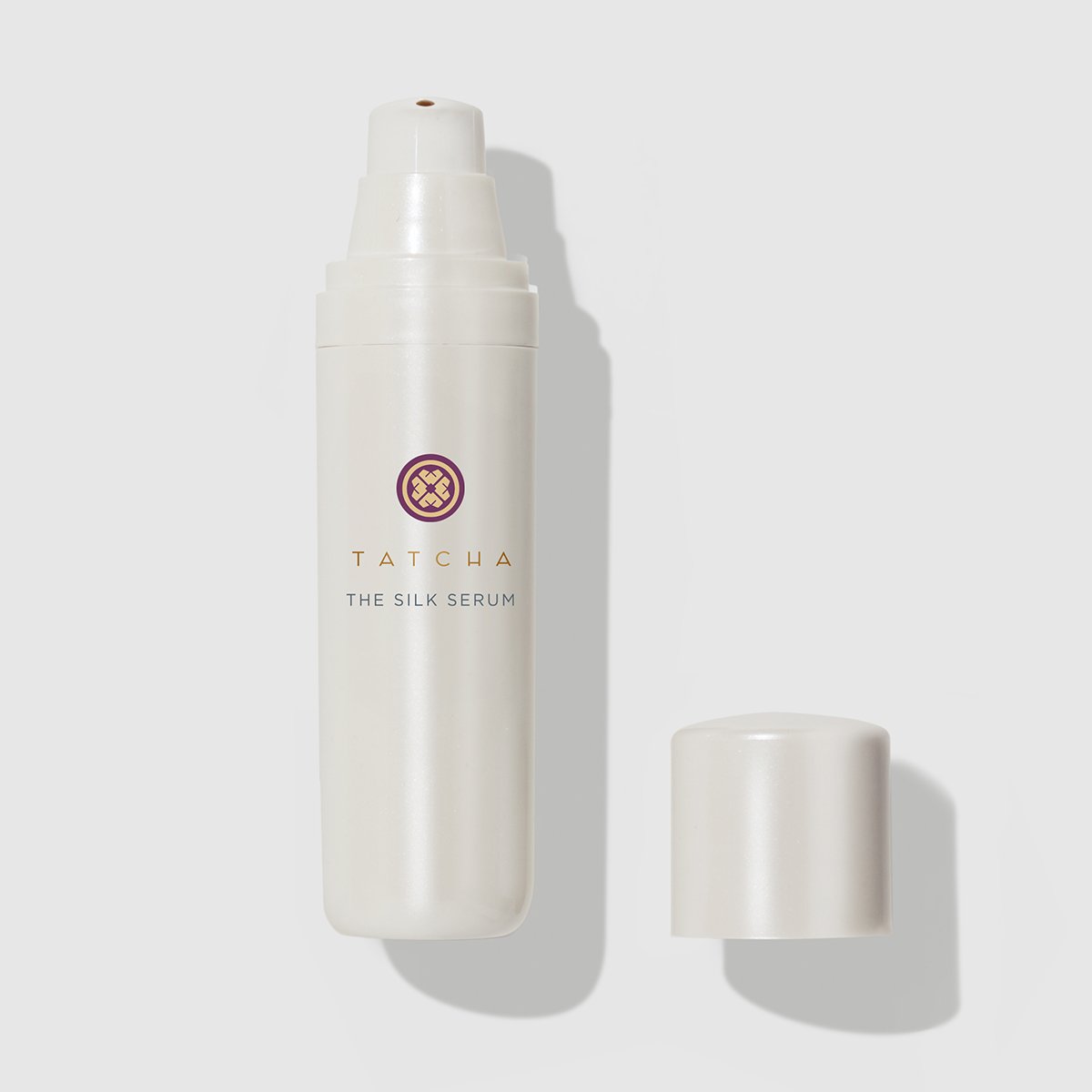
The Silk Serum
Enjoy the smoothing benefits of retinol and beyond, adding moisture back into the skin and even soothing irritation with this new line-smoothing serum. The Silk Serum features upcycled cranberry extract and sea fennel, which act on the same factors as retinol to support natural skin turnover and give the look of collagen-rich skin. The duo was proven to be as effective as retinol in reducing the appearance of wrinkles and improving visible firmness.*
*based on in-vitro testing on biomarkers COL1A1, COL3A1, and ELN
Exfoliants for Hyperpigmentation
The Texture Tonic
AHAs, also known as liquid exfoliants, are particularly beneficial in addressing hyperpigmentation on the skin’s surface and are gentle yet effective. The Texture Tonic is packed full of both fruit AHAs and niacinamide to gently resurface for smoother, more radiant skin. Niacinamide is a great addition to your hyperpigmentation-fighting skincare routine because it prevents excessive melanin production within the skin, helping to lessen the appearance of hyperpigmentation and improve skin tone.
The Rice Polish
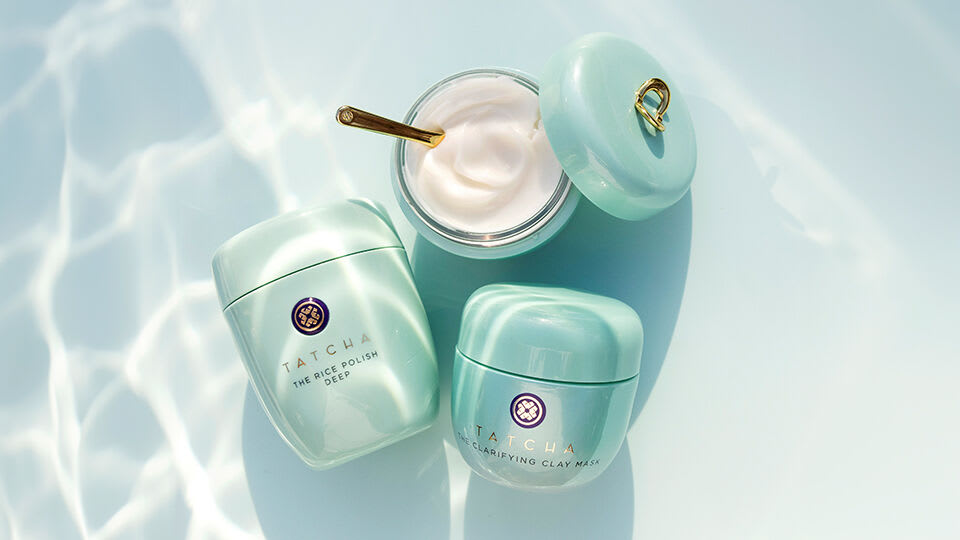
If you prefer enzymatic exfoliation, grab a reliable and non-irritating (irritation can cause inflammation, which can potentially lead to hyperpigmentation) option, like the bestselling Rice Polish. The finely ground powder (of rice bran and papaya enzymes) springs to a cloud-like foam with just a few drops of water, helping to promote natural skin turnover to instantly reveal a smoothed, polished, and healthy-looking glow.
Vitamin C for Hyperpigmentation
The Brightening Serum
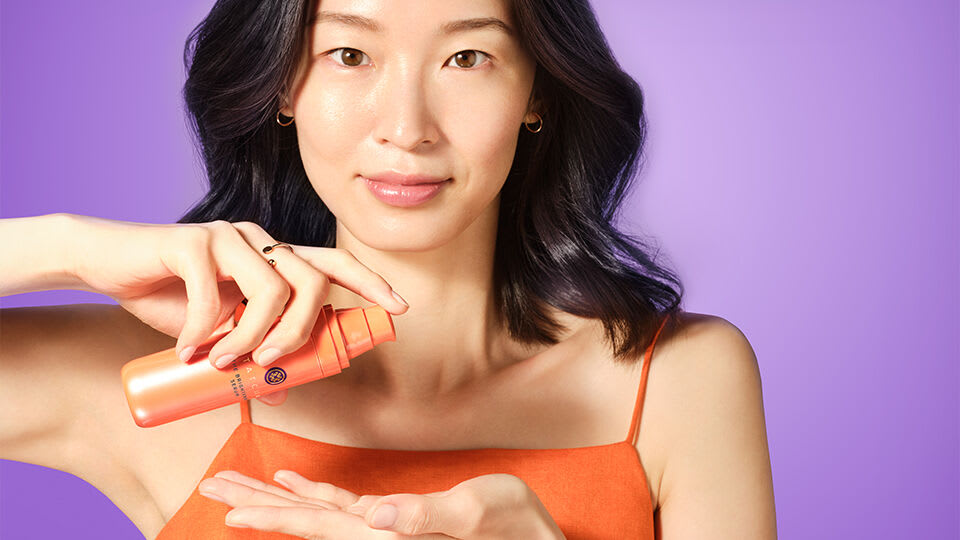
The Brightening Serum is designed to do it all, addressing dullness, hyperpigmentation, dark spots, post-acne marks, uneven skin, texture, and tone in one single formula. Skin is clinically proven to be brighter and visibly firmer in just a single week*, and elasticity is boosted with this clever serum, featuring 12-hour time-release vitamin C, Japanese plum, ferulic acid, and glutathione.
The time-release vitamin C slowly releases the potent antioxidant over 12 hours, so it can brighten and visibly even tone while reducing the potential for irritation, which can occur easily with other formulas due to the sudden flood of active ingredients. Japanese plum, known as nanko ume in Japan, is the queen of plums and has been used in at-home beauty rituals for centuries to help brighten skin. Also present is ferulic acid, which helps to support the stability of the other antioxidants, while also addressing hyperpigmentation, inflammation, and sun damage. And it wouldn’t be our brightening serum without the addition of the pro-glutathione antioxidant booster, which is a super-powered version of glutathione and provides a superdose of antioxidants—precisely 13 times more antioxidant power than pure ascorbic acid.*
*Based on a clinical study of 18 panelists.
*Based on in vitro testing of Ascorbic Acid vs. Pro-Glutathione Antioxidant Booster on oxidative stress.
The Brightening Eye Cream
Speaking of doing it all, Tatcha’s newest eye innovation is a brightening cream that depuffs, targets multiple types of dark circles, and visibly lifts for a well-rested look. The lightweight, fast-absorbing, and non-sticky eye cream includes time-release vitamin C, encapsulated niacinamide (to target inflammation and improve the look of fine lines), and Japanese plum (to depuff, brighten, and lift the delicate area). The creamy eye treatment is great for anyone, but especially for those looking to brighten dark circles and hyperpigmentation.
The Violet-C Radiance Mask
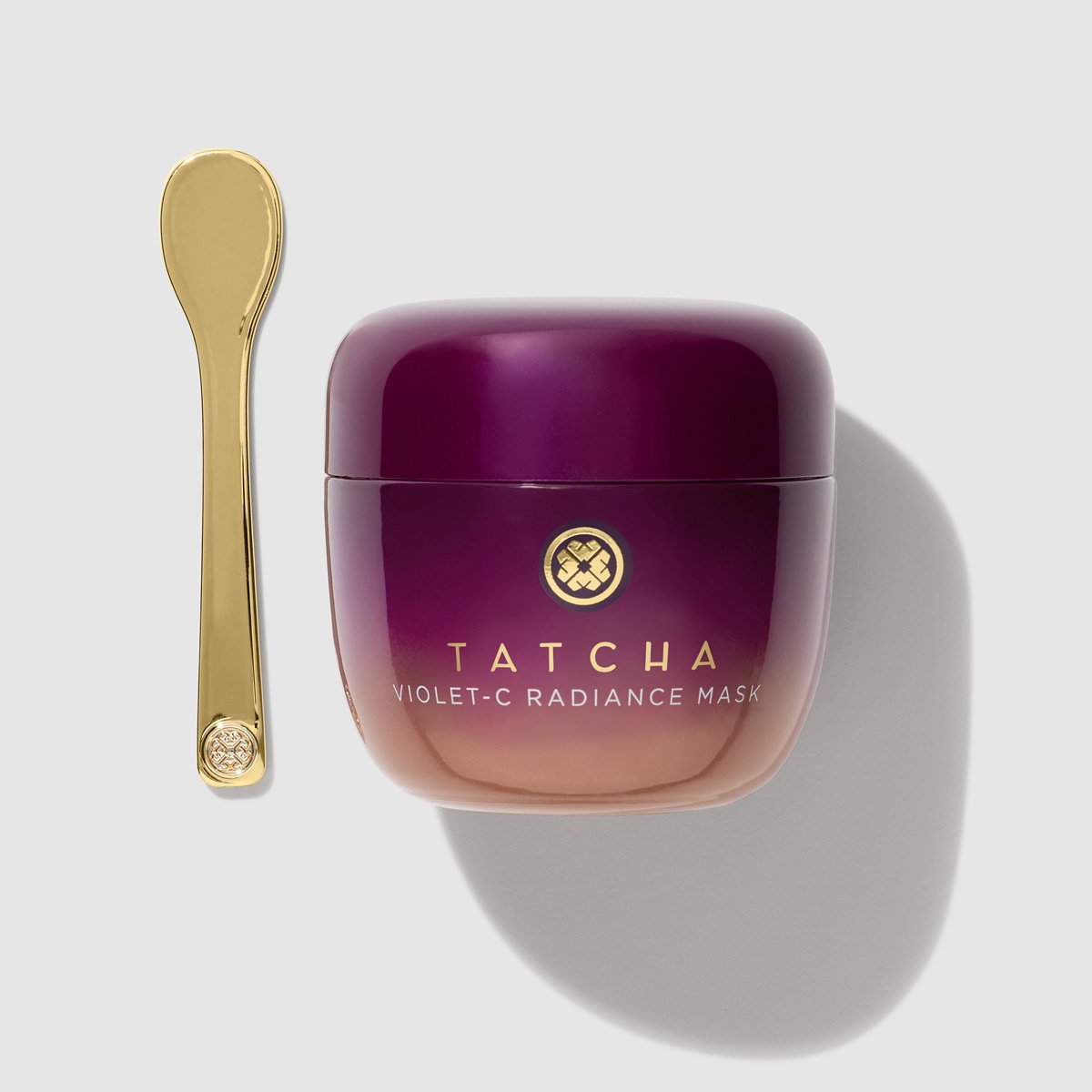
For an extra dose of brightness, try the game-changing Violet-C Radiance Mask, which minimizes free radicals (a cause of hyperpigmentation) and dead skin cells for brighter, more translucent skin. The formula includes 20 percent vitamin C and 10 percent AHAs for a powerful (yet gentle enough for sensitive skin) treatment, ideal for use two to three times a week.
Sunscreens for Hyperpigmentation
Silken Pore Perfecting Sunscreen
Our bestselling sunscreen, the Silken Pore Perfecting Sunscreen, is a weightless option with broad-spectrum SPF 35 that offers protection from harmful UVA and UVB rays. It blends effortlessly and invisibly into your skin, while silk extract leaves skin feeling silky smooth.
The Silk Sunscreen
Tatcha’s most recent sun protection innovation, The Silk Sunscreen, features broad-spectrum SPF 50 mineral coverage. But this sunscreen also features the cherished, hyperpigmentation-fading niacinamide to help further address the appearance of hyperpigmentation. The sheer protectant applies flawlessly and feels hydrating and comfortable on the skin.
Skincare Routine For Hyperpigmentation
Knowing the best skincare products for hyperpigmentation is important, but understanding the best routine to use those formulas is vital. Here’s the most effective skincare routine for hyperpigmentation.
AM Ritual
Purify: The Rice Wash
Polish: The Rice Polish or The Texture Tonic
Treat: The Silk Serum
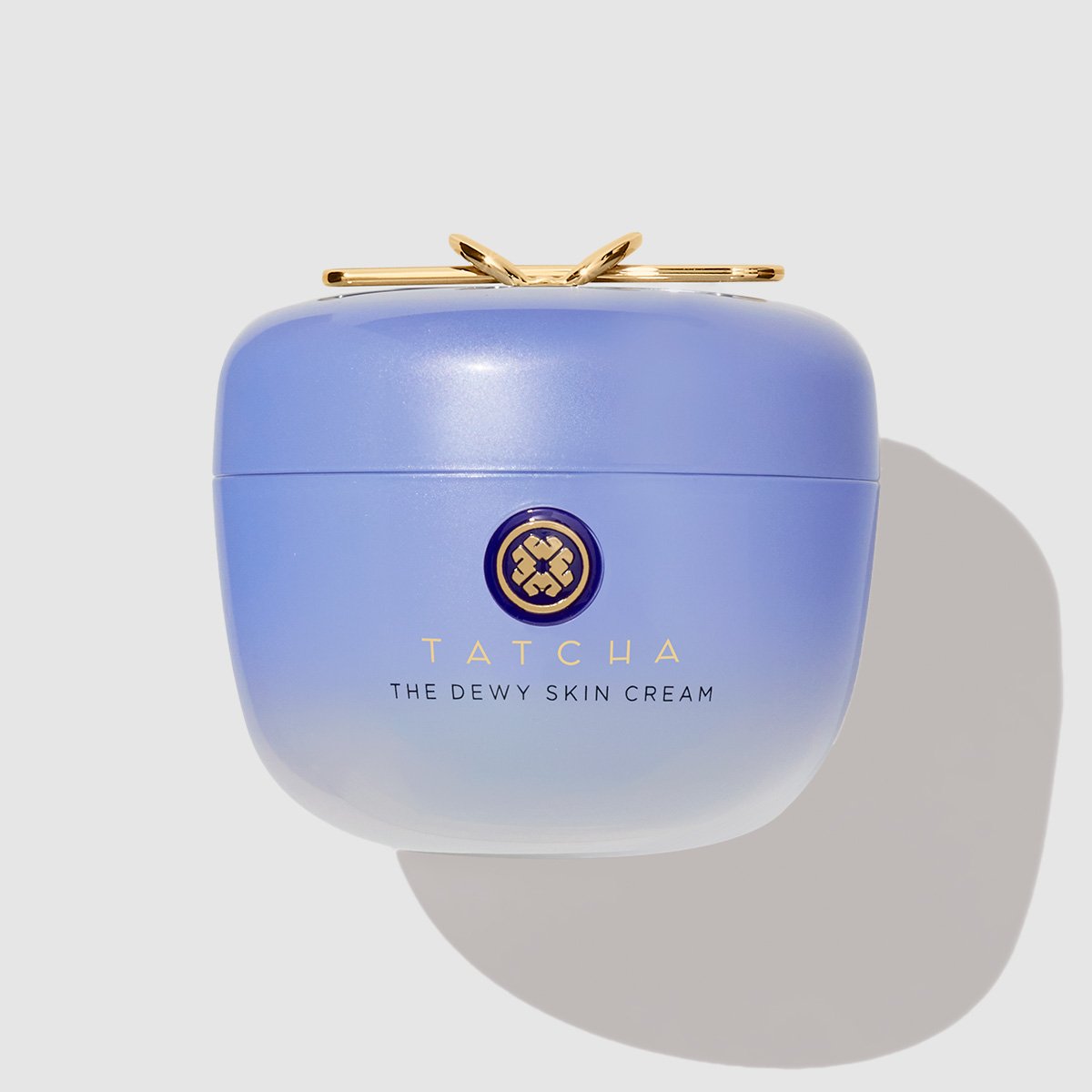
Hydrate: Moisturizer of Choice
Protect: Silken Sunscreen SPF 35 or The Silk Sunscreen SPF 50
PM Ritual
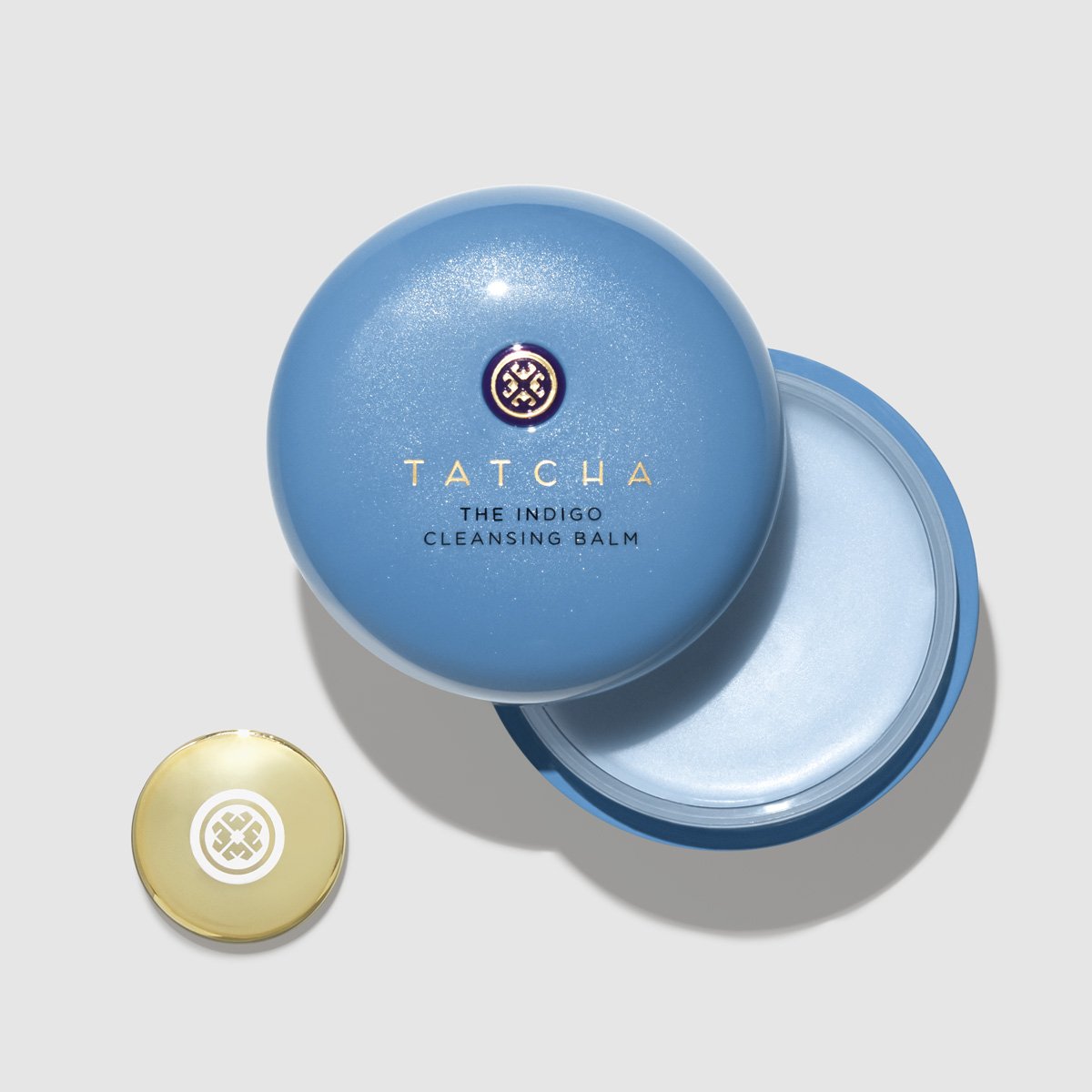
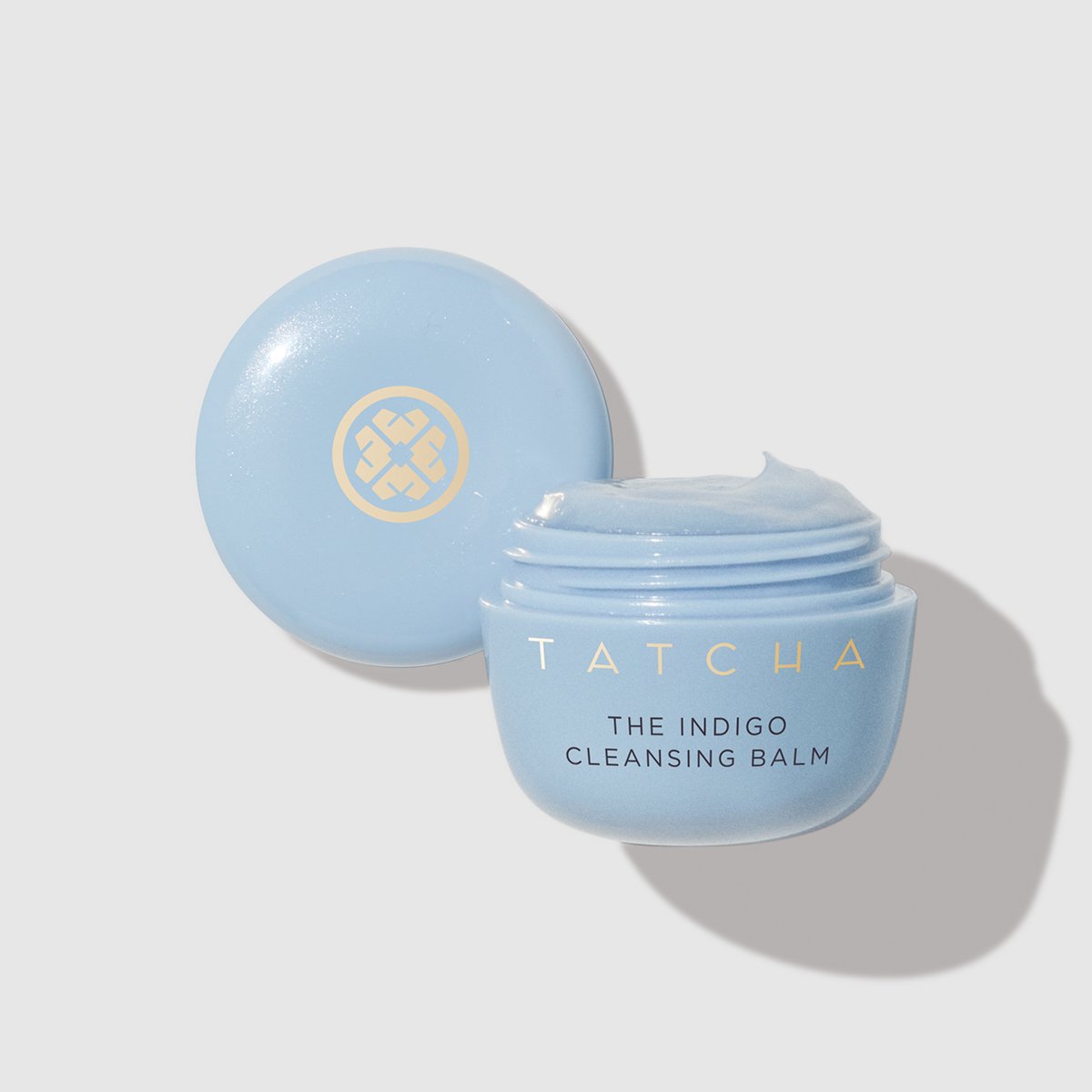
Purify: The Indigo Cleansing Balm or The Camellia Cleansing Oil
Polish: The Rice Polish or The Texture Tonic
Treat: The Brightening Serum
Hydrate: Moisturizer of Choice
Hyperpigmentation Treatments Beyond Skincare
If you’d like to address the appearance of hyperpigmentation more aggressively, consult with your doctor. There are a handful of peels, lasers, and procedures that can be done in-office to reduce hyperpigmentation. That said, we’d argue that they are less necessary today, thanks to the powerful results that can be achieved with at-home skincare products. Hyperpigmentation is not unsightly and is a perfectly normal part of being alive and aging—two things that are a gift. No matter what product or routine you choose to use, remember that hyperpigmentation is perfectly normal and that addressing the appearance of it (if you want to!) takes time. Be kind to yourself and your skin, dear friend.