Experiencing redness, flushing, and/or small, red bumps on your face? Consult your doctor because you might have rosacea. The skin condition is common and yet not much is known about what causes it. However, that doesn’t mean it’s hopeless to help ease your symptoms. A rosacea skincare routine can help skin feel more comfortable, reduce flare-ups, and boost the results of other rosacea treatments. Below, we uncover common triggers of rosacea, explore ingredients and products to add to your daily rosacea skincare regimen, and provide an example skincare routine for easing rosacea symptoms.
What Is Rosacea?
According to the American Academy of Dermatology Association, rosacea is a common skin condition. How common? The National Rosacea Society estimates that as many as 415 million people worldwide have rosacea. The condition often shows up on skin as redness or flushing on the cheeks, nose, chin, or forehead. Some can also experience small, visible blood vessels and/or small bumps, almost pimple-like, on the face. As with any skin condition, it’s best to consult with your physician or board-certified dermatologist for a diagnosis.
Even though rosacea is perfectly normal, the condition has more than a physical effect on patients. In surveys conducted by the NRS, 41 percent polled said their rosacea caused them to avoid public contact or cancel social engagements, and 70 percent of people living with rosacea said that the condition lowered their self-confidence and self-esteem.
What Causes Rosacea?
Frustratingly, the cause of rosacea is unknown. According to the AAD, there are a few common factors, hinting at what might cause the condition.
Genetics
It’s possible rosacea is genetic. The likelihood of developing rosacea increases if you “have a blood relative who has/had rosacea or severe acne”.
The Immune System
Scientists have found that individuals with acne-like rosacea may be having an overreaction to a bacteria in their immune system.
Bugs and Mites and Proteins
Some scientists have attributed flare-ups to a potential few other unusual sources, including microscopic bugs on the skin that cause infections, an excess of mites that naturally live on the skin, and also a protein commonly seen on the surface of the skin that traditionally protects us from infection (but can cause redness and swelling for some rosacea sufferers). The common factor in all three of these? A lack of good hygiene and health, but beyond the basics, there’s not much you can do to prevent these triggers.
Common Rosacea Triggers
Triggers are a personal topic. What disturbs one person, may not for others. It may be time consuming to track, but it’s important to uncover what causes your rosacea to flare-up and then try to avoid those triggers. In general, there are a few common rosacea triggers to consider.
- Sun exposure
- Extreme weather
- Hot showers
- Irritating skincare products
- Stress and anxiety
- Diet and alcohol
- Medication complications
Rosacea Do’s and Don’ts
Those with rosacea know a flare-up can occur from anything. But here are a few skincare best practices to consider in the hopes of reducing rosacea triggers.
Do Spot Test New Products
Spot testing a product is ideal for anyone with sensitive skin. To properly spot test, you apply the product on a hidden area, like behind the ear or neck, to assess whether a reaction occurs after application. If no reaction is present after 24 to 48 hours, you’re welcome to then apply on the face. Those with extreme sensitivity, may want to add an additional spot test in though: first on the neck (wait to assess a reaction), then on a small spot on the face (like the jawline) and wait an additional 24 to 48 hours, and then if no irritation occurs, apply on the face.
Do Have a Rosacea Skincare Routine
To achieve healthier skin, you have to invest time and effort into a daily skincare routine. This is especially important for rosacea-prone skin, who will benefit from twice-a-day cleansing and moisturizing. Remember those aforementioned bugs and mites? (Apologies for mentioning them again…) They thrive atop skin that isn’t cleansed properly, so ensure you properly use a face wash twice a day – choose a very gentle one – and at the minimum hydrate with a fragrance-free moisturizer and broad-spectrum sunscreen (during the day). (More info and product suggestions below.)
Don’t Have a Complicated Skincare Routine
As vital as a rosacea skincare routine is, it’s also equally important to not have it overly complicated. Complex routines can overwhelm sensitive skin and cause it to flare up. We go into details on the best products below, but when in doubt, stick to the basics: cleanse, moisturize, and protect with sunscreen. This also means to avoid harsh formulas and ingredients. While they might be okay for normal skin types, those with sensitivity cannot use these products without likely triggering a reaction.
Do Use Sunscreen Daily
If we sound like a broken record, it’s for a good reason. Sunscreen is arguably the most important thing you can use on your skin. It not only protects from harmful UVA and UVB rays, but it also can curb rosacea flare-ups, as excessive sun exposure is a notable trigger for some. No matter the weather, apply a broad-spectrum sunscreen every day. Bonus points if it includes ingredients that soothe sensitive skin (we’ve got a great suggestion below).
Ingredients to Avoid
Fragrances
While individuals with “normal” skin may not have to consider the added fragrance in a skincare product, those with rosacea certainly do. Fragrance is a very common trigger for most with sensitive skin, so seek out formulas that boost their fragrance free. Or spot test products that have a slight fragrance first, ensuring it’s not a trigger for you personally.
Harsh Acids
Glycolic, lactic, and salicylic acids are all fantastic ingredients…but likely triggering for rosacea. If you’d like some light exfoliation, stick to products that feature azelaic acid and polyhydroxy acids (PHAs) instead.
Certain Organic Ingredients
It’s natural, so it’s okay for sensitive skin, right? As much as this might make sense, it’s very, very wrong. Some of the most natural ingredients can be incredibly dangerous for rosacea-prone skin. That includes menthol, peppermint, witch hazel, eucalyptus, camphor, and urea. While they might be beneficial in other areas of your home, they should not be present in your skincare routine.
Ingredients to Consider
Azelaic Acid
If your rosacea causes breakouts that look like acne, try incorporating azelaic acid into your routine. Several studies found that 70 to 80 percent of patients had noticeably less rosacea when using azelaic acid. Some patients even saw complete clearing. You can find azelaic acid products over the counter or get a prescription from your doctor.
Indigo Extract
The blue pigment…in skincare? Yep! Japanese indigo is created through the process of turning leaves from the Indigofera plant into powder, boiling the powder down into a rich liquid, and then fermenting the dye until it can provide its distinctive blue color. This fermentation process is not only beneficial for distinctive hues, but also for soothing and restoring skin. The Indigofera plant is prized for its proven anti-inflammatory and antibacterial benefits, providing long-lasting relief, especially for sensitive skin, including rosacea.
Colloidal Oatmeal
While oats are a delicious meal, colloidal oatmeal is different — and a very potent ingredient for sensitive skin, even recognized by the FDA as a designated skin protectant. Made from the Avena sativa plant, colloidal oats are ground, boiled, and steamed and then further milled into a fine powder. The colloidal oatmeal particles form an occlusive barrier on the skin, keeping it hydrated and supple. This barrier protection is one of colloidal oatmeal's most impressive benefits on the skin and is due to the high concentration of starches and beta-glucan in the oats. Beyond hydrating and soothing, colloidal oatmeal is also naturally anti-inflammatory, antifungal, and antipruritic.
Ceramides
Ceramides are fats found in high concentrations in the uppermost layers of our skin. The reason our skin loves this ingredient in skincare products is because it’s estimated that up to 50 percent of our skin is composed of ceramides. Ceramides perform a vital task: creating a protective barrier on the skin, helping the skin function properly, and working to protect and restore the skin barrier. Ceramides are magical for a rosacea skincare routine because they have been shown to increase hydration and soothe irritation, strengthen the skin barrier, prevent skin dehydration, and inhibit moisture loss. All benefits that are wonderful for all skin types, but particularly those with sensitive skin.
Rosacea Skincare Routine
There is no cure for rosacea, but controlling it is possible, especially with targeted skincare products. Skincare and rosacea might sound mutually exclusive, but discovering a skincare routine for rosacea-prone skin is one of the most helpful tasks to ease flare-ups. The trick to any rosacea-friendly routine is gentleness. Plus, simplicity — skip harsh toners, astringents, and aggressive soaps. Here are a few products to consider incorporating into your daily rosacea skincare routine.
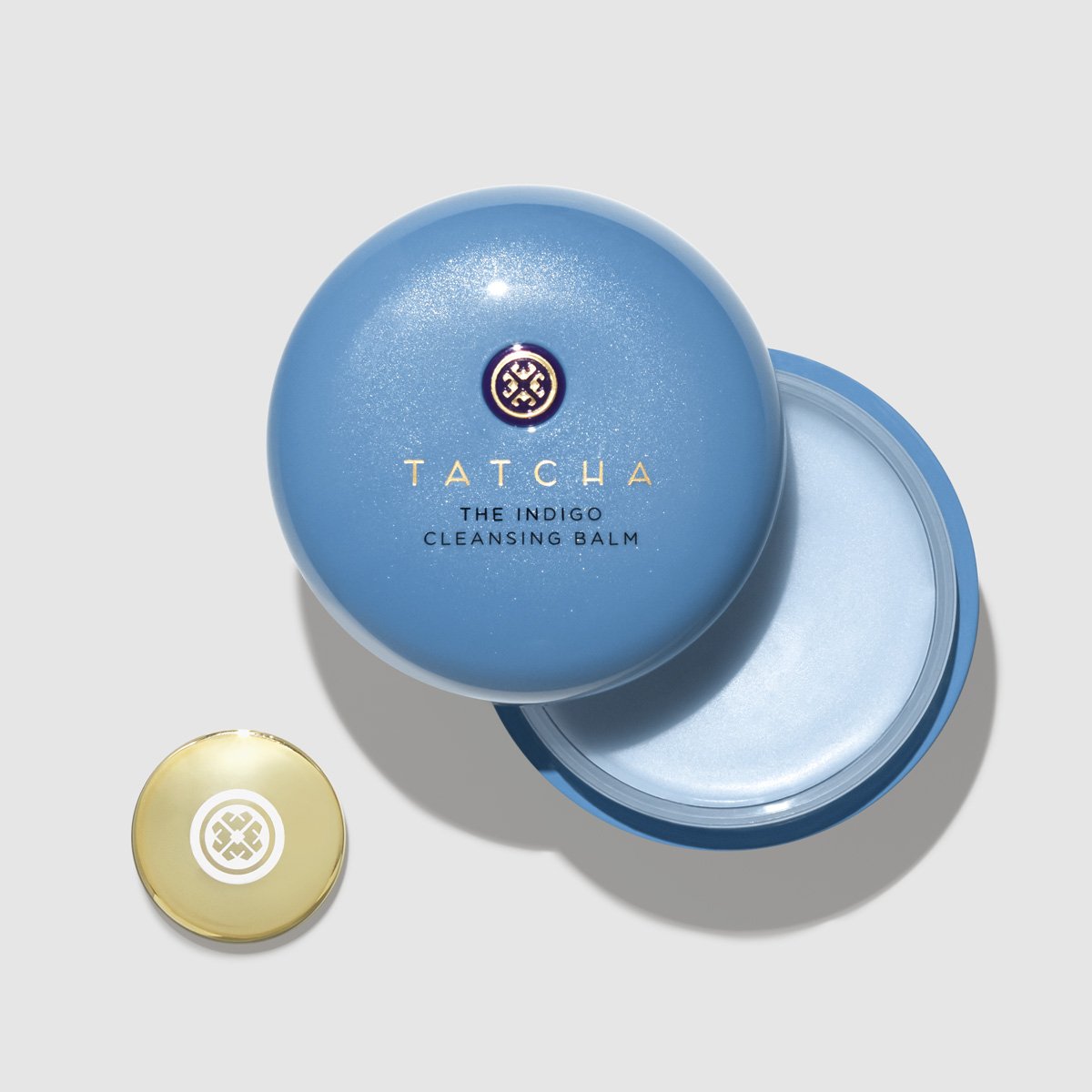
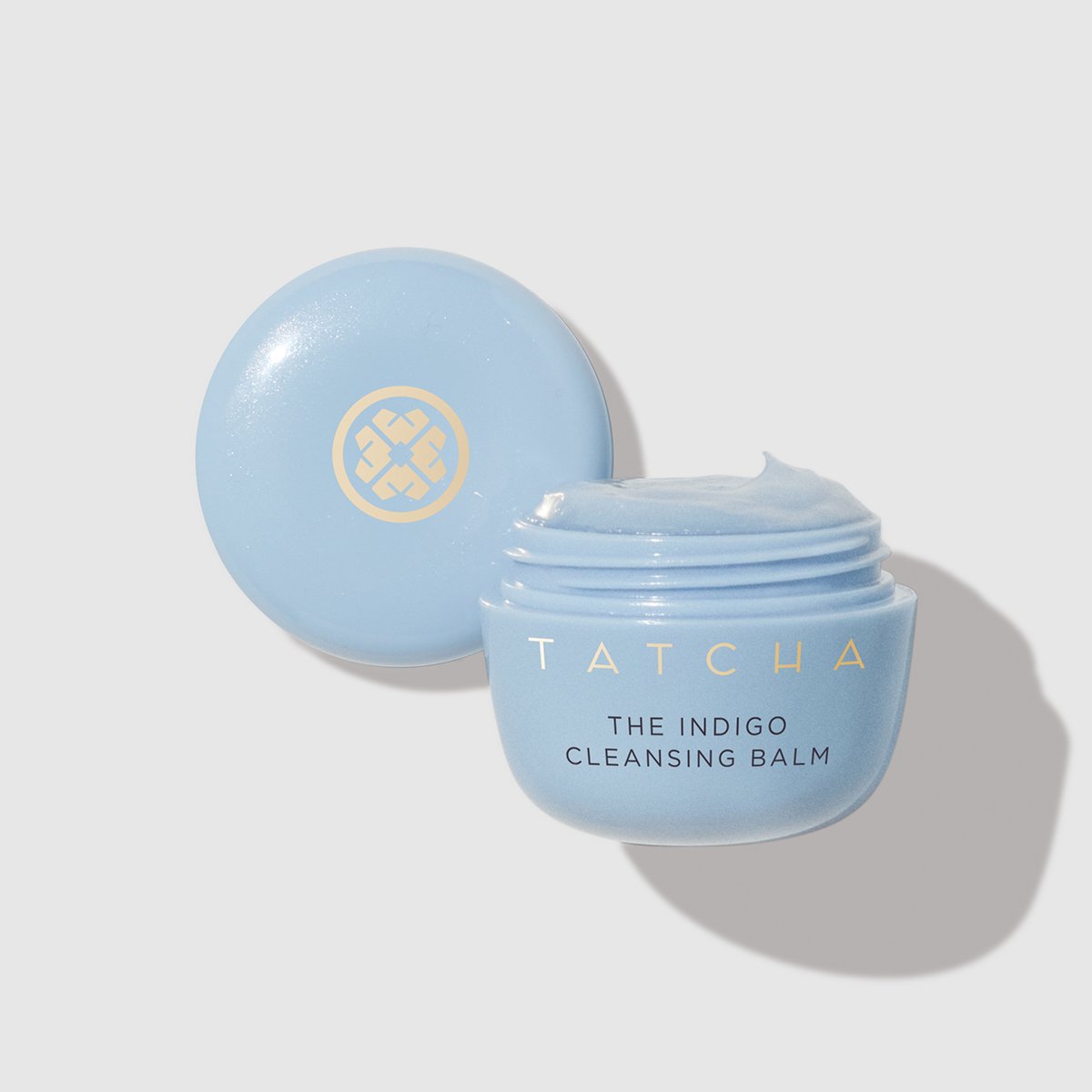
A Gentle Cleanser
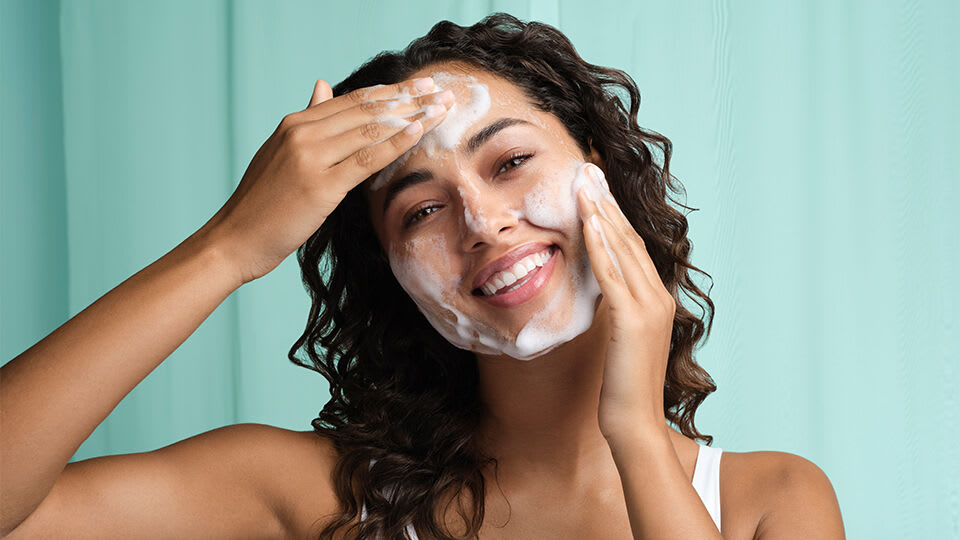
Many products can be incredibly irritating on rosacea-prone skin. So much so that you might be tempted to skip cleansing altogether. But don’t — keeping the skin clean and the skin barrier feeling healthy is vital to the prevention of flare-ups. Choose a cleanser that is mild, but effective. In addition to softly massaging the cleanser into your skin, the AAD suggests rinsing with lukewarm or cool water, and patting your face dry with a soft, clean towel.
A Gentle Cleanser
Many products can be incredibly irritating on rosacea-prone skin. So much so that you might be tempted to skip cleansing altogether. But don’t—keeping the skin clean and the skin barrier feeling healthy is vital to the prevention of flare-ups. Try a mild, but effective, cleanser. In addition to softly massaging the cleanser into your skin, the AAD suggests rinsing with lukewarm or cool water, and patting your face dry with a soft, clean towel.
Soothing Moisturizers
Like sunscreen, moisturizing is another step you should never skip. Moisturizers work to help your skin attract and hold onto water, and have been scientifically proven to repair the barrier and penetrate deep into the skin to rejuvenate and restore hydration. And a healthy barrier is vital for healthy skin and less flare-ups. The best moisturizer for rosacea is one that’s gentle, non-irritating, and will allow the skin to lock in moisture, bringing it the much-needed nourishment it deserves.
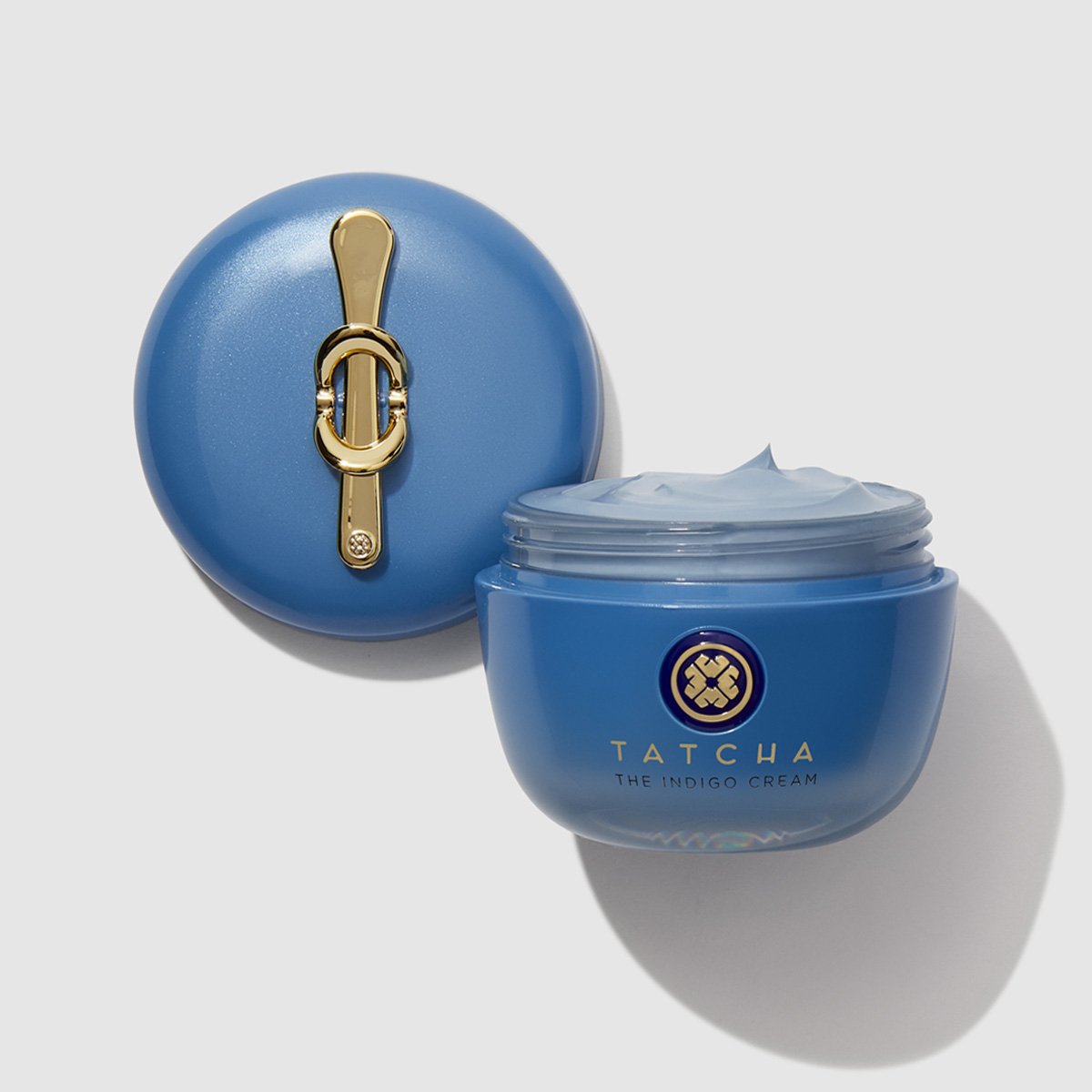
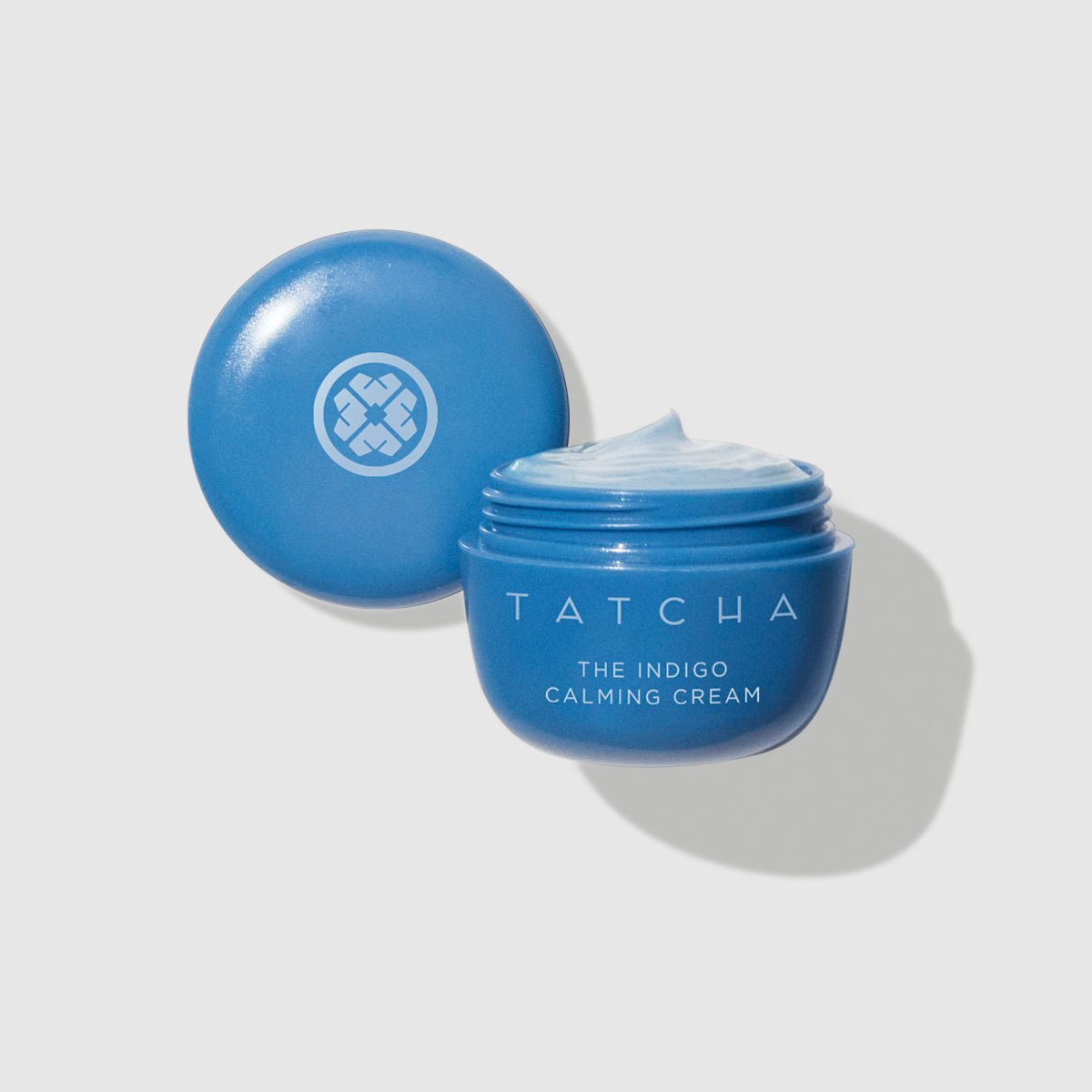
Transform stressed skin to strengthened skin with the newly updated Indigo Calming Cream. The beloved fragrance-free cream has been proven to calm visible irritation and relieve itchy skin, thanks to Japanese indigo and colloidal oatmeal. It has even earned it the coveted National Eczema Association seal of acceptance for its ability to soothe irritated, eczema-prone skin on the face and beyond. Whether as a face cream or spot treatment, The Indigo Calming Cream offers a luxurious way to heal visibly stressed skin for a calmer, stronger skin barrier.
100 percent of panelists in a clinical study saw an improvement in softness and suppleness immediately, an improvement in the skin barrier after one week, and an improvement in visible redness and evenness of skin tone after four weeks.**
For a nighttime treatment, try the serum-in-a-cream Indigo Overnight Repair Serum. The treatment visibly calms irritation, strengthens the skin’s barrier, and balances the microbiome — all wonderfully helpful benefits when easing rosacea.
A Broad-Spectrum Sunscreen
Those with rosacea often have a sensitivity to sun exposure, so choosing the right sunscreen is essential to building your rosacea skincare routine.. The AAD recommends applying a broad-spectrum sunscreen with SPF 30 (or higher) every single day before you head outside. Sunscreen is also important whether or not you go outside, as UV rays can stream in through your windows throughout the day. You might find it beneficial to also wear a wide-brimmed hat (or a chic parasol!) and sun-protective clothing and glasses if you’re anticipating extensive sun exposure.
Tatcha has two broad-spectrum SPF options. Our Silken Pore Perfecting Sunscreen is a weightless sunscreen with SPF 35 coverage that blends effortlessly and invisibly for matte, skin and refined pores. Or try our newest sunscreen innovation, The Silk Sunscreen, which has SPF 50. The hydrating, sheer formula is boosted with niacinamide and hyaluronic acid for an experience that leaves skin glowing and healthy-looking.
Step-by-Step, Daily Rosacea Skincare Routine
Morning
- Cleanse with the Indigo Cleansing Balm
- Moisturize with the Indigo Calming Cream
- Protect with the Silk Sunscreen (for a glowing finish) or Silken Pore Perfecting Sunscreen (for a matte finish)
- If wearing makeup, ensure you’ve spot-tested previously so it won’t trigger a flare-up
Evening
- Cleanse with the Indigo Cleansing Balm
- Moisturize and treat with the Indigo Overnight Repair Serum
Rosacea can be chronic and endlessly exhaustive. But you’re not alone—there are wonderful resources, like the AAD and the National Rosacea Society, with extensive research and resources. And when in doubt, ask your dermatologist. Plus, we know more than ever before about triggers and products that help ease. Incorporating these everyday tips and products into your routine might just ease discomfort and help prevent flare-ups. Making living with rosacea easier than ever before.
*Based on bio-instrumentation (TEWL) clinical study on 40 panelists.
**Based on a clinical study of 30 panelists.
Try: For a nighttime treatment, try the serum-in-a-cream Indigo Overnight Repair Serum. The treatment visibly calms irritation, strengthens the skin’s barrier, and balances the microbiome—all wonderfully helpful benefits when easing rosacea.