Fresh from the acne-pocked days of teenagedom, one day you find yourself embarking on your 20s—the first decade of your life when you are an adult from start to finish. It’s a time of serious change, from living at home to traveling abroad, or graduating from high school onto college or work, or even from just having a parent do your laundry to doing it all on your own. It’s also a time when you begin building routines for everything from cooking to cleaning to skincare.
Your approach to taking care of yourself probably looks different from your teenage days, which were likely dominated by acne face washes and “no-tears” shampoos. And while your skin has time before it matures—signs of aging usually don’t appear until your 30s—the groundwork you lay in your 20s can have benefits that last decades. There’s no better time to begin a skincare routine than as soon as possible: Good skincare practices lead to good skin. Before we build the perfect skincare routine for your 20s, here are a couple things to keep in mind when caring for young skin.
Stop tanning. Start sunscreening.
The first thing you need in your stash is a good sunscreen. Sunscreen is important to wear as a kid, which is why so many beach day memories are slathered in a thick layer of white cream. But it doesn’t lose its importance when you become an adult. In fact, sunscreen should be a part of your daily routine for the rest of your life.
When our skin is exposed to the sun for too long, it can be damaged at its deepest levels by ultraviolet radiation. Two types of ultraviolet rays are primarily responsible for this damage: UVA rays, which reach down into the skin and can age it prematurely, and UVB rays, which char the skin closer to the surface and can cause burning. Overexposure to the sun is also understood to be one of the main causes of skin cancers like melanoma.
For decades, tan skin was in vogue, and to appear to have skipped sunscreen was in fact a desirable look. Perhaps it’s our new understanding of the dangers of UV radiation exposure that have made tanning a less popular pastime than it once was. At least one study found that fewer Americans were using indoor tanning services, such as beds lined with UV lights, than in years past, but 10 million Americans still tan at least once yearly. It’s important to be aware that exposure to UV light in a tanning bed carries the same risks of exposure to UV light from the sun. The American Academy of Dermatology advises against indoor tanning.
Learn about exfoliation.
Exfoliation, or the removal of dead skin-cell buildup, is a necessary part of anybody’s skincare routine. By the time you reach your 20s, you may have already tried it when you indulged in a skin scrub. These products use finely milled materials, like sugar or coffee grounds, to buff dead skin away. (Tatcha, a brand that uses Japanese botanicals uses a fine rice bran for its gentle and effective Rice Polish.) This form of exfoliation known as physical exfoliation works in large part thanks to friction.
Another form of exfoliation, chemical exfoliation, cleanses the skin using acids that can dissolve the bonds between living cells and dead ones. In the offices of aestheticians and dermatologists, these acids can be dialed up to induce peeling, but in skincare products they are usually gentle enough for daily use. Daily chemical exfoliants are typically lighter than your average moisturizer or serum. The Texture Tonic, which incorporates alpha hydroxy acids derived from apple, grapefruit, orange, lemon, lime, hawthorn, and jujube fruit extracts, feels like an essence or toner.
In the end, the best method of exfoliation for your skin depends on your skin type—or just personal preference.
Give your ingredients an upgrade.
As a teen, the odds are good you dabbled with acne-zapping face washes—if you dabbled in skincare at all.
In your 20s, your options multiply. Before you wade into ingredients, ask yourself: What do you want for your skin? Or what does your skin want? Depending on your goals, these tried-and-true go-tos may help you:
Hyaluronic acid. This molecule is naturally abundant in places where our bodies need lubrication, like in our joints. Dusted into skincare formulations, it helps cells bind water, and offers other replenishing benefits, too. Hyaluronic acid can be used at any time throughout day, is generally easy to add to your routine, and is found in many different formulations, from moisturizers to face mists.
Retinol. This vitamin A derivative is backed by tons of research—and doctor recommendations—for its ability to resurface skin. (Because of its powerful effects, retinol is usually found in products you put on at night before bed.) Natural botanicals have also been discovered that mimic the benefits of retinol when applied to skin. If fine lines or uneven skin texture is a concern, reach for a retinol or a retinol alternative.
Vitamin C. This potent antioxidant has manifold health benefits, so it shouldn’t come as a surprise that it can also benefit the skin. Vitamin C neutralizes the free radicals that occur from sun exposure, and also aids the skin’s natural regeneration process. Vitamin C is usually found in vitamin C serums. More on those later.
Get some expert help.
Welcome to adulthood. Do you have a dermatologist?
Though some skincare advice is fine to seek out on Google, it’s a good idea to have a professional in your corner who can help observe and treat your skin over time. A dermatologist, or a trusted licensed aesthetician, can also turn your skin goals into product recommendations or in-office treatments.
Whatever you do, make sure a skin doctor is included on your medical roster, if for no other reason than this: The Skin Cancer Foundation advises you get screened for skin cancer once a year. It’s possible to check yourself, but it’s not unwise to leave it to the expert, too.
A Skincare Routine for Your 20s
Keeping all of this in mind, you can assemble a skincare routine that will help your skin adjust from adolescence to adulthood. “Consistency” is a keyword that doctors often use when making skincare recommendations, because it’s the most important ingredient of any regimen: Repetition begets results. You can use the below outline to get a sense for what an effective multi-step skincare routine for your 20s might look like.
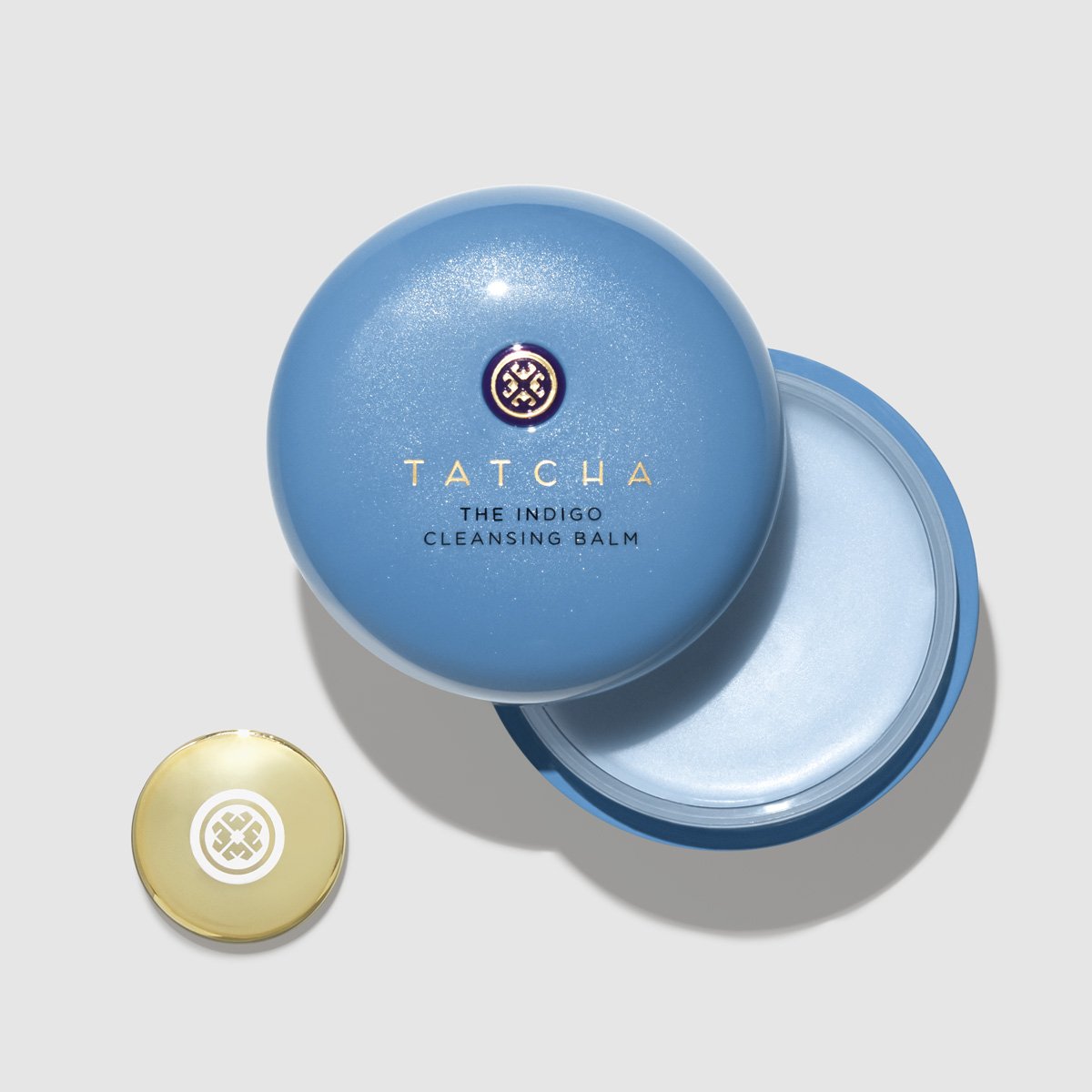
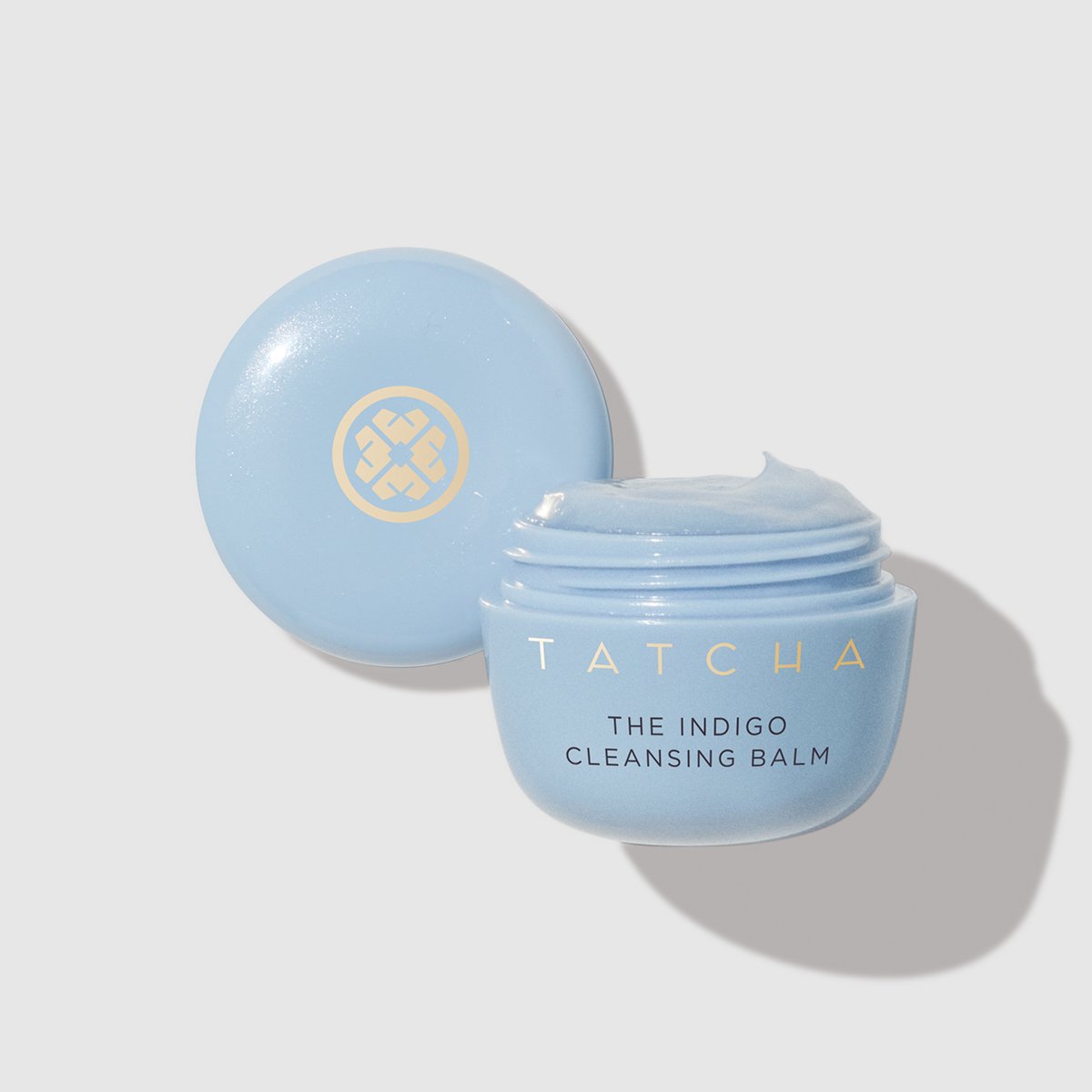
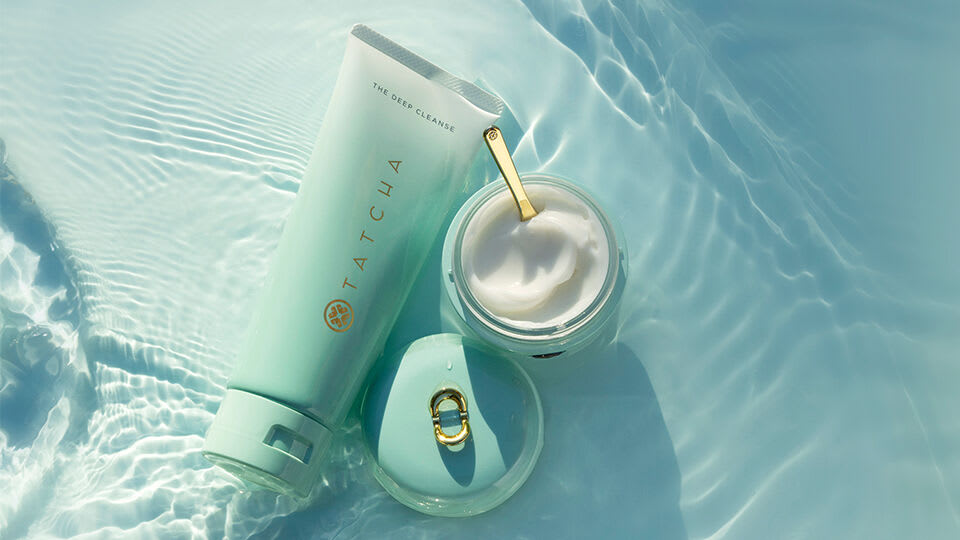
1. A gentle cleanser. Washing is the first—and one of the most important—step of any skincare routine for two reasons. The first is that it removes accumulated dirt and build-up that can cause irritation and acne. The second is that it preps the skin for other skincare products. Cleansers come in a wide variety of textures, but you might prefer one that doesn’t strip skin of its natural moisture, like Tatcha’s creamy Rice Wash. A thicker formula like the Indigo Cleansing Balm can melt waterproof makeup away while restoring moisture—two benefits in one.
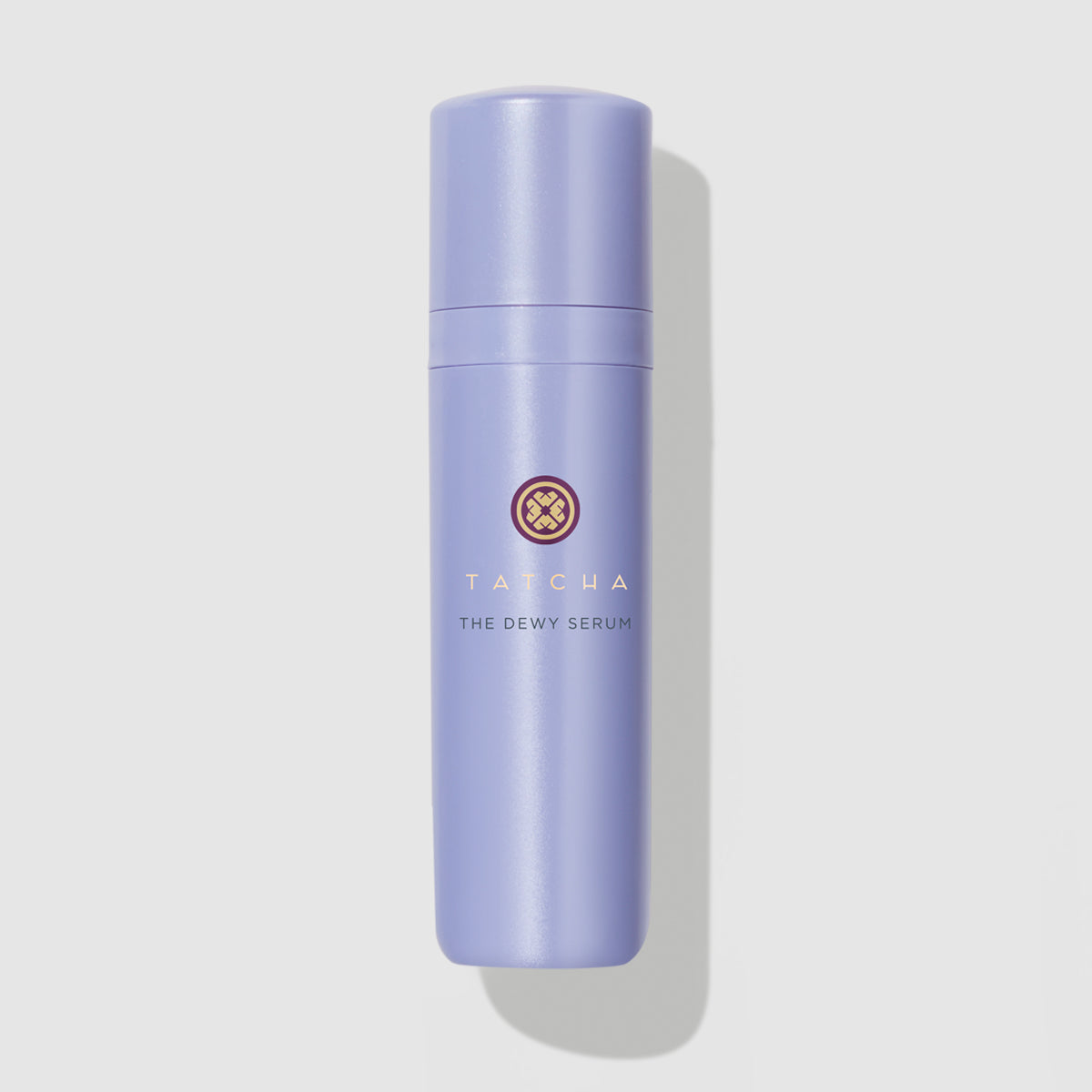
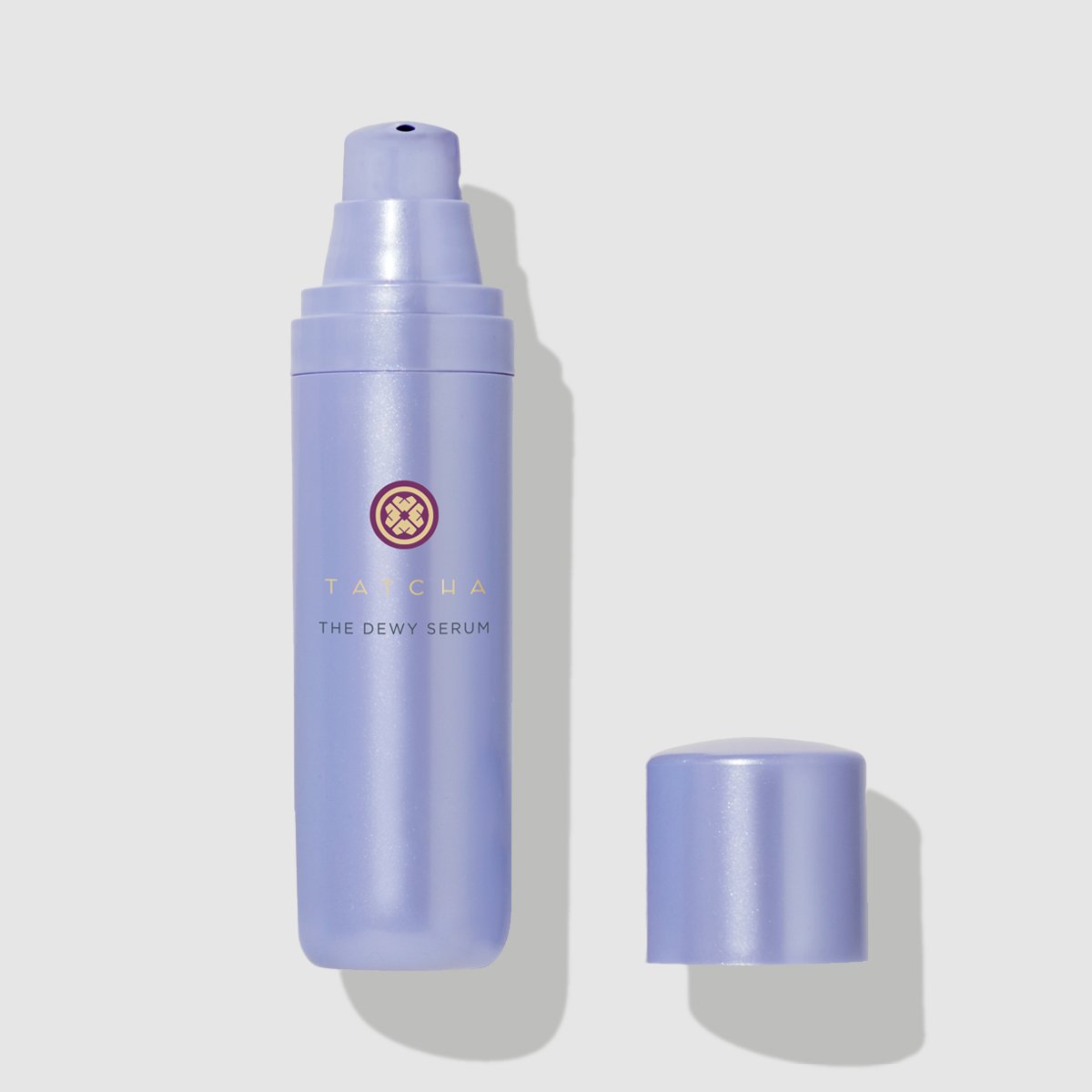
2. A super serum. You could call this the “treatment” step of your skincare routine. Remember those active ingredients you learned about earlier, vitamin C and retinol (and its alternatives)? This is where they come into play. Often, they are distilled into serums, which have a lighter texture and should be applied post-cleanser and pre-moisturizer. Finding a serum is as simple as finding one fortified with your desired active ingredient: Some serums like The Dewy Serum are made with plumping hyaluronic acid, and others like The Brightening Serum are made with glow-inducing vitamin C and alpha hydroxy acids.
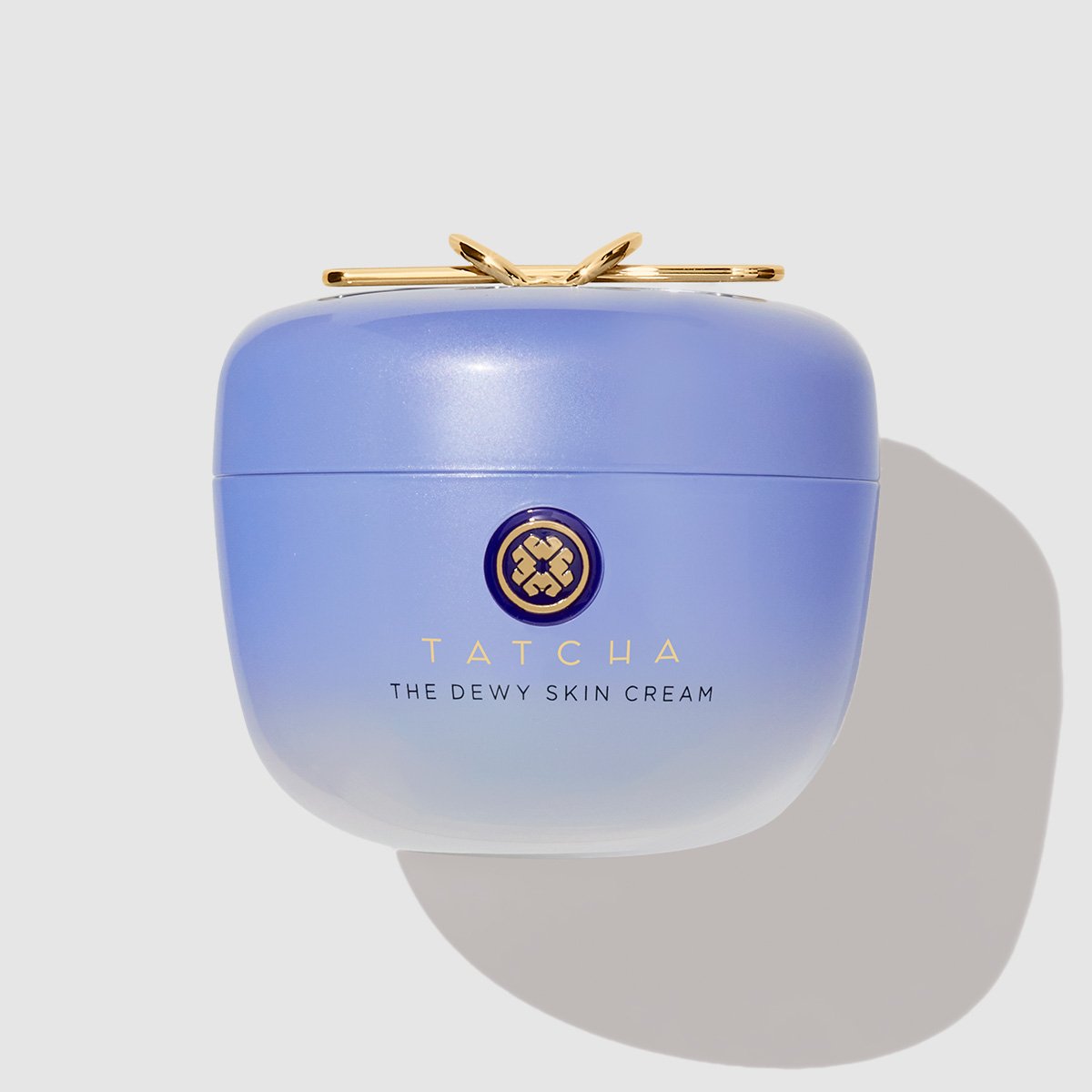
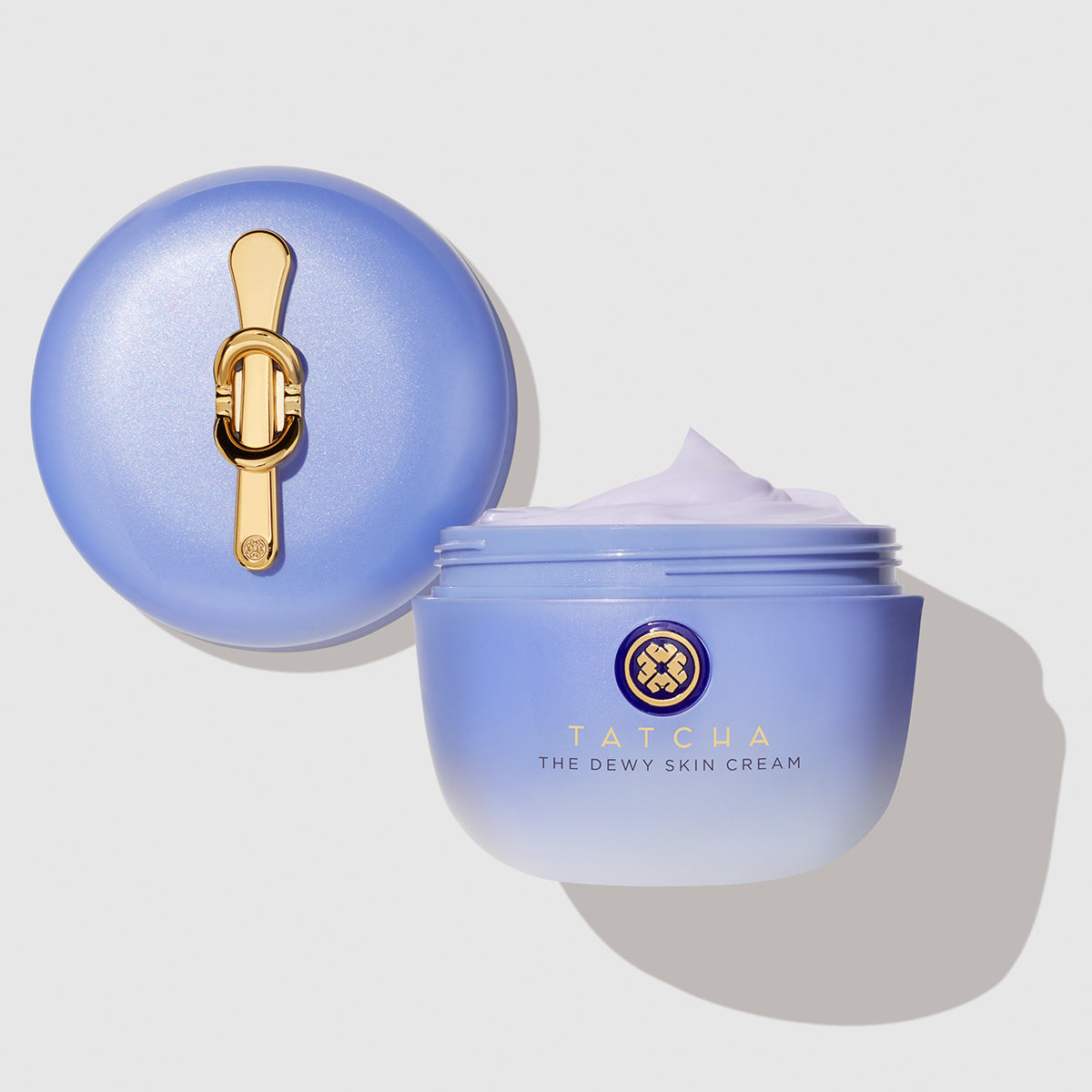
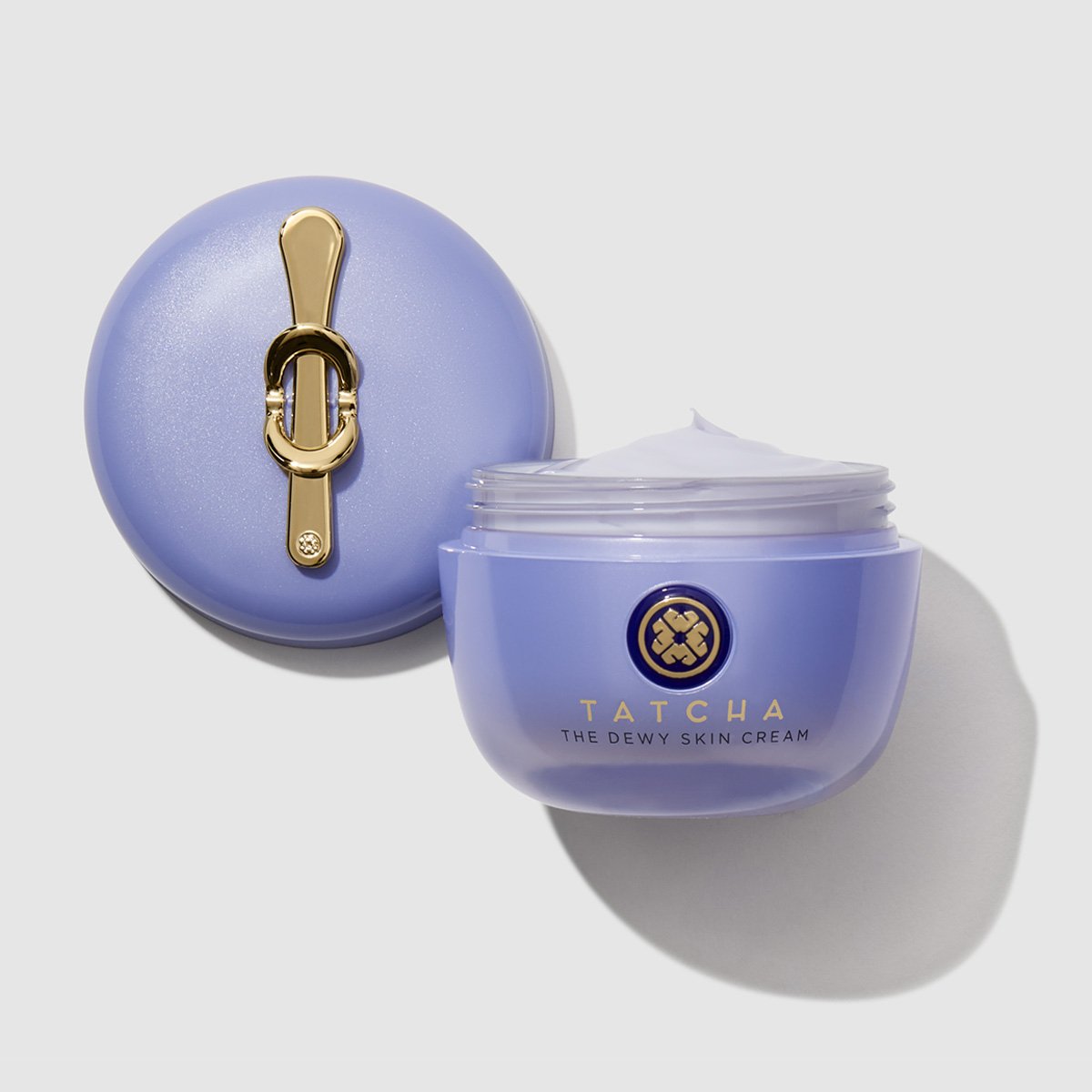
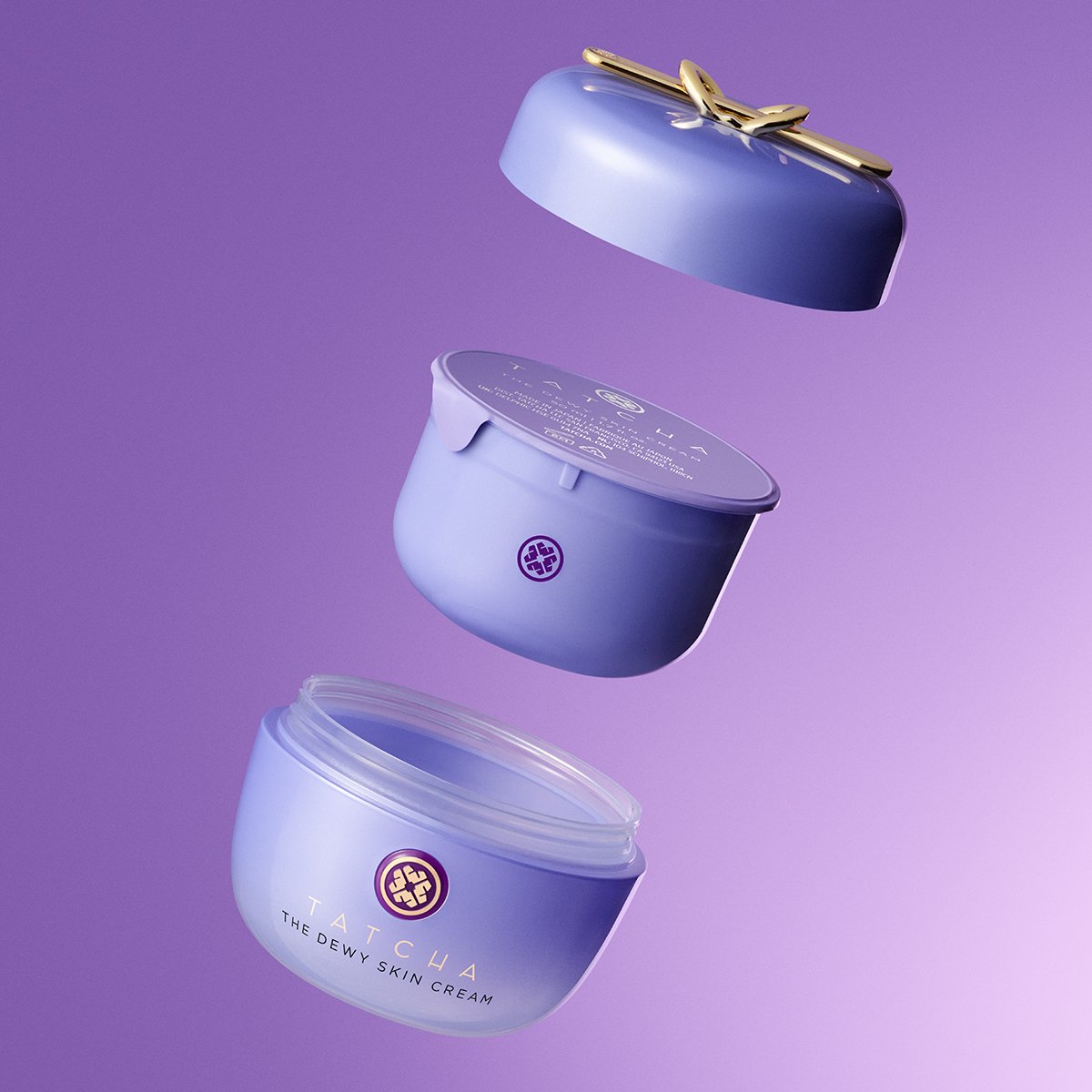
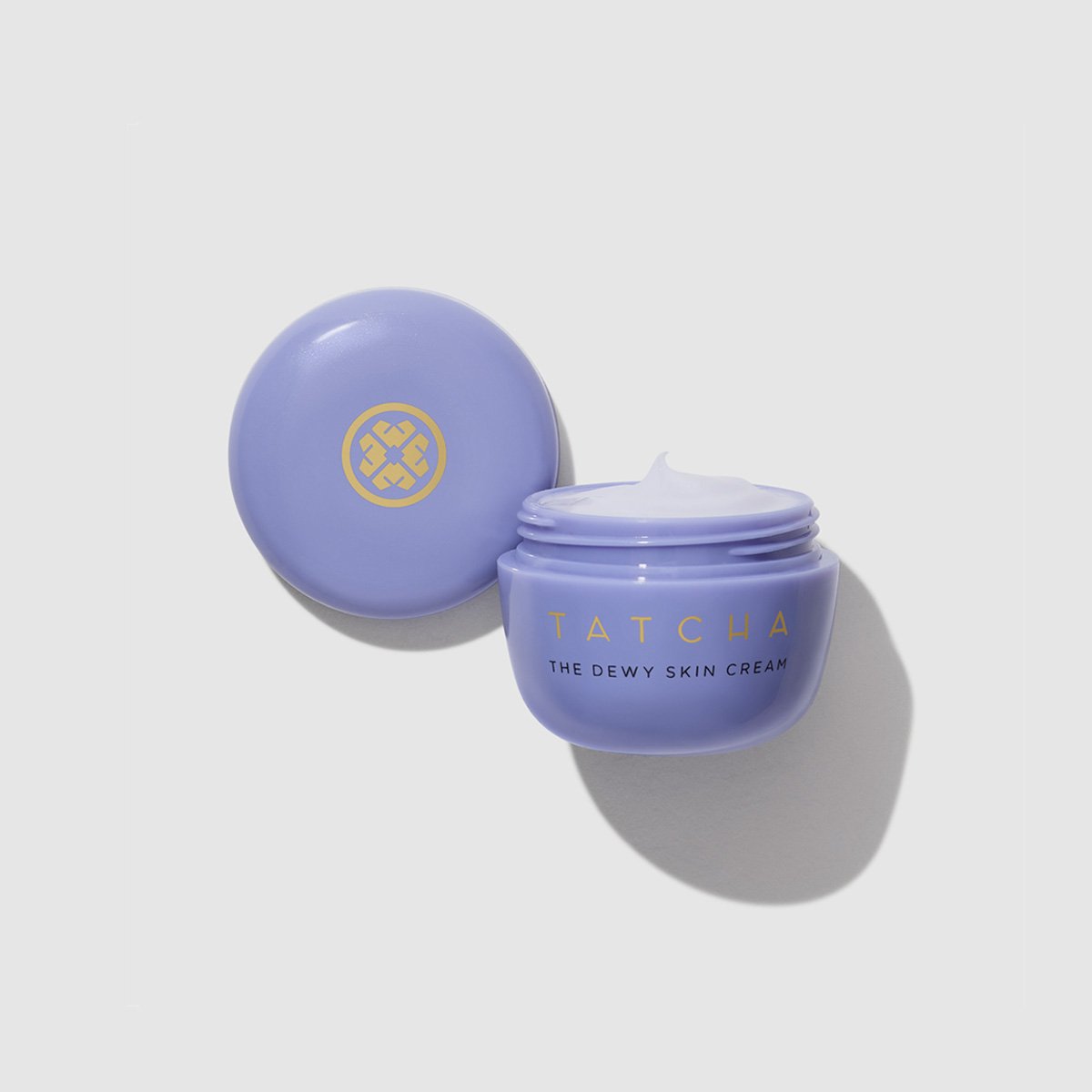
3. A plush cream. No need to get too fancy—all you need is a simple moisturizer that will seal your skin barrier, keeping hydration locked in and irritants locked out. Tatcha’s The Dewy Skin Cream works on both fronts, thanks to superpowered botanical extracts purple rice (full of antioxidants that fight pollutants and cellular stress) and Okinawan algae (blended with hyaluronic acid to boost moisture retention).
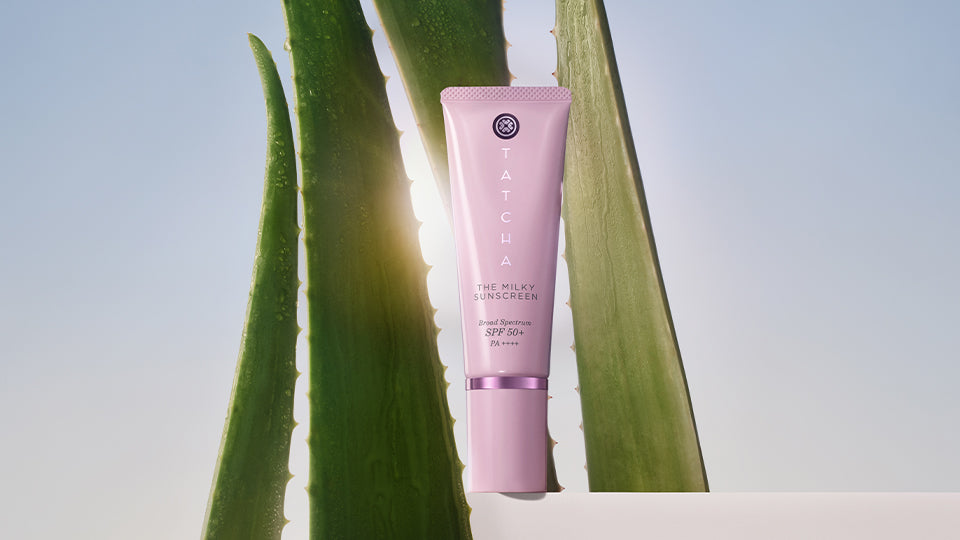
4. A sunscreen. But you already knew that. Make sure you find a sunscreen you really like: You’ll be using it every day.