




T-House

3 Clean, Japanese Recipes for Healthy-Looking Skin
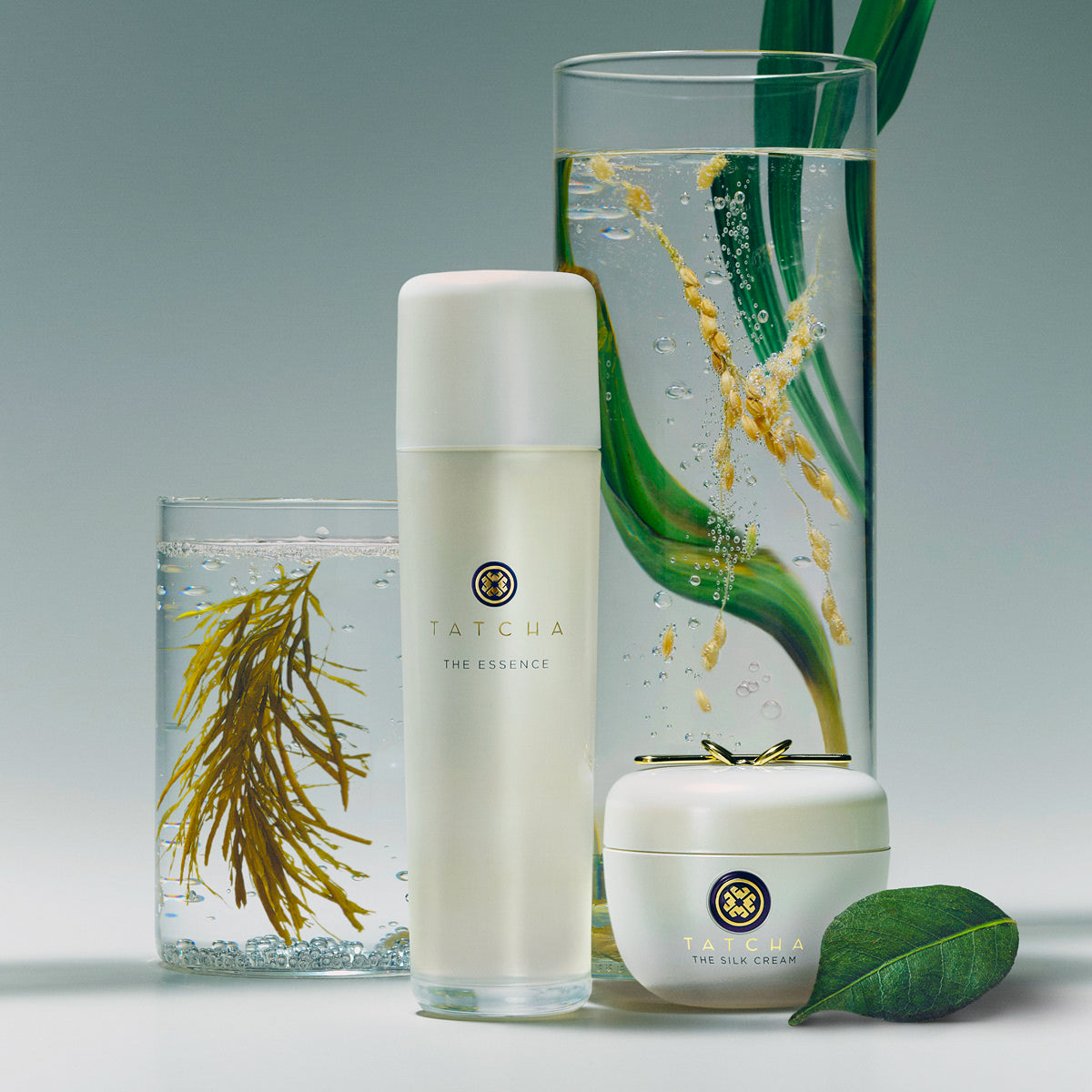
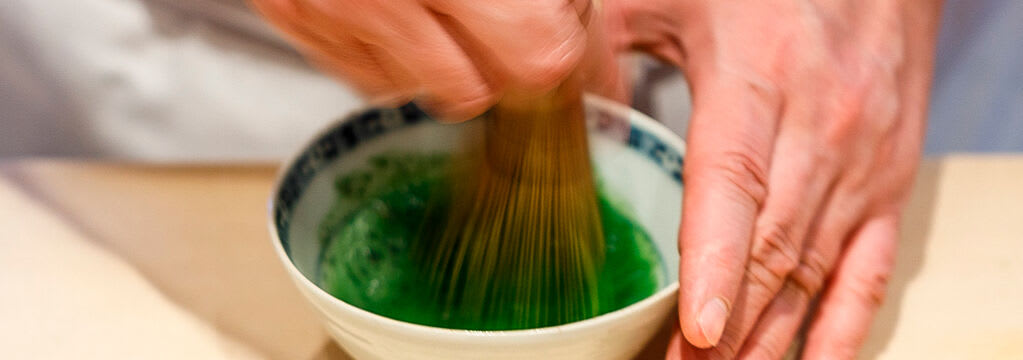
Did you know that the same ingredients we use to care for your skin can also care for your insides? It’s understood that what is good for the body is also good for the skin, so many of our most beloved ingredients are present in the Japanese diet. For instance, Hadasei-3™, our proprietary complex, consists of three superfoods that are dietary staples in Japan: rice, algae, and green tea. Incidentally, Japan has the longest life expectancy among developed countries. Scientists credit their longevity to genetics, but also, importantly, to lifestyle and diet. The same way you care for your skin, you can care for your body with natural, wholesome ingredients. Not only will you feel better, but it will also have a positive impact on your skin, since your skin is an expression of what is going on under the surface. So when you regularly feed your body healthy food, you’ll be rewarded with a healthy glow. Below, we’ve put together three easy recipes to help you incorporate these simple yet transformative ingredients into your meals. RICE Chirashi-style Green Tea Rice Makes 5 servings From Vicky: I adore this recipe because you get two superfoods in one dish—and now you have a fantastic reason to clean out your refrigerator. (My daughter loves to rummage through our fresh veggie drawer and hand me ingredients.) The green tea rice makes a beautiful and flavorful base for whatever you sprinkle on top. 1 tablespoon green tea leaves 3 cups uncooked Japanese short-grain white rice Anything in your fridge (eggs, mushrooms, carrots, snow peas, green beans, baby corn, tofu) Pinch of salt, to taste Mix the green tea leaves with the dry rice in a bowl and then cook the rice as usual. The green tea will soften on the stove and add flavor. While the rice is cooking, prepare your add-in items as needed. Scramble eggs over heat and sauté vegetables like mushrooms, julienned carrots, and snow peas. Once the rice is cooked, let it cool for about 10 minutes and mix in the other ingredients. For a crunchier version, add vegetables raw and let the heated rice cook them slightly. ALGAE Seaweed Pesto Makes about 2 cups From Vicky: Reimagine traditional Italian pesto as a savory Japanese topping with this easy-to-prepare recipe. I sometimes add it to my Chirashi Sushi so I manage to enjoy all three superfoods at once. 5 sheets roasted seaweed (such as wakame), torn 1/2 cup pine nuts 1/2 cup olive oil 2 cups mixed greens (parsley, spinach, or basil) 2 garlic cloves 2 tablespoons lemon juice In a food processor, combine the seaweed, pine nuts, and olive oil. Pulse until blended and then add greens, garlic, and lemon juice. Finally, blend and stir. Serve over rice or atop crackers, or add a dollop to poached salmon, grilled tofu, or any other protein. GREEN TEA Homemade Oat Milk + Matcha Latte Makes 1 serving A finely ground powder of young green tea leaves, matcha retains more nutrients than traditional green tea brewing methods, making it our preferred beverage for a quick pick-me-up. Oat milk gives this energizing beverage a soothing touch that you can feel even after you’re finished sipping—the leftover pulp can be used as a gentle body scrub. This is delicious both hot and iced, so you can enjoy it year-round. For the Oat Milk ½ cup whole rolled oats 3 cups filtered water 3 dates (optional for sweetness) Pinch of salt (optional for taste) Add the oats, water, dates, and salt to a blender and blend for 30 seconds. Place a mesh strainer over a container to store the milk. Then place a nut milk bag within the strainer, and slowly pour the contents of the blender into the bag. Let strain. For the Matcha ¼ teaspoon matcha powder 2 ounces hot water Pour the matcha into a small bowl and sift with a matcha whisk or regular whisk, whatever you have works! Slowly add the 2 ounces of the hot water, whisking briskly in an “M” or “W” shape until the matcha is fully dispersed and there is a foamy layer on top. Combine your preferred amount of oat milk with matcha in a glass and enjoy!

Tatcha Skin Stories: Shira, Visual Merchandising Production Designer
Here at Tatcha, there is nothing we love more than getting to know our customers. To return the love, we thought you might like to get to know us. So, we’re giving you an inside look at our very own team members. You might recognize Shira as our model, cast in a glow of blue light to demonstrate how our newest offering, The Silk Powder, can shield your skin from this digital skin stressor. Read on for her skincare rituals, how she became a part of the Tatcha family, and more. What do you do at Tatcha? I am the Visual Merchandising Production Designer at Tatcha. With the rest of the Visual Merchandising team, I help bring the Tatcha experience to life through designing stores, pop-ups, events, and travel retail spaces. It has been a rewarding and wonderful experience being able to work with different people across multiple teams to bring Tatcha to life to so many customers around the world. Tell us about your skin. I have oily-combination skin and tend to break out easily. What is your favorite Tatcha formula and why? My favorite Tatcha formula is the Violet-C Brightening Serum. It contains vitamin C, Japanese beautyberry, mild fruit AHAs, and Japanese angelica root. My skin instantly absorbs it and I found a dramatic improvement in my skin tone. It didn't take too long to see the results and this has become a staple for me! What is your skincare ritual? My skincare ritual is pretty simple. I usually cleanse my face with The Rice Wash and follow it with The Essence, and The Water Cream. At night, I use The Rice Wash again with The Essence afterward. I also use the Violet-C Brightening Serum and The Dewy Skin Cream to end the night. It's only 3-4 steps, but I find this manageable and very enjoyable to do each morning and night. What’s your definition of self-care? Self-care is not only taking care of your body physically, but also taking the time to care for yourself emotionally and mentally. Sometimes, being alone and doing simple everyday tasks such as cleaning my desk or meditating is a form of self-care. I also try to maintain a consistent workout schedule even if it is only 20-30 minutes a day. That is still time that I intentionally allot for myself! What’s one thing you do for yourself every day? I always start my morning making my own cafe- or matcha latte. It signifies that I am ready to tackle what's ahead of me that day! What’s your best skincare tip? Drink a lot of water! Good skin comes from within so hydrate, hydrate, hydrate! What about Tatcha most resonates with you? From day one at Tatcha, I knew that the people who made the magic happen behind the scenes would be the reason why I continue to stay here. Tatcha strives to take care of its customers and that is also embodied by each and every person on every team at the office. Everyone is so authentic and welcoming, and I think that extends to our work. What drew you to Tatcha? I usually listen to podcasts when I commute to work. One of my favorites is Skimm'd on the Couch. One episode featured Vicky, the founder of Tatcha. That episode was so memorable because she spoke so eloquently about her humbling experience starting the brand from the ground up. She had so much respect for Japanese culture and I remember thinking to myself that it would be such a cool experience to work at Tatcha one day. I am so lucky that everything fell into place! What have you learned about yourself working at Tatcha? I have learned that I am able to step outside of my comfort zone and grow tremendously. With a background in architecture, I always thought my lane would be straight and narrow. At Tatcha, I have been able to do multiple things from designing spaces to accessory conceptualization to graphic design. I have been able to wear many hats and I am able to learn something new almost every day. It has truly been such an eye-opening experience to know I am able to pick up new skills and broaden my horizon. We hope you enjoyed getting to know Shira, and are excited to meet more of the Tatcha family in the future!

Makeup Artist Daniel Martin Joins Tatcha
We are delighted to announce that makeup artist Daniel Martin has joined Tatcha as our first-ever Global Director of Artistry and Education. In this new role, Daniel will work closely with founder Vicky Tsai to bring you innovative new launches and share his wisdom on all things beauty. While a skincare brand and a makeup artist may be an untraditional partnership, Daniel is not your average makeup artist. Like Vicky, he believes that beautiful makeup begins with beautiful skin, and this new chapter is the culmination of their years of friendship and collaboration. It was Daniel who Vicky first contacted ten years ago to send him our first offering, Original Aburatorigami, Japanese blotting papers. These papers quickly became a staple of his kit, and in the years following, Martin became an unofficial brand ambassador, kindly spreading the word about the blotting papers and Tatcha to friends in the beauty industry.After creating a gorgeous wedding-day look for Meghan Markle, Duchess of Sussex, Martin became synonymous with natural-looking makeup. “Daniel is the makeup artist who made people fall in love with their skin again,” says Vicky. “He believes makeup is not just about covering up, but elevating and exposing natural beauty.” We’re thrilled to welcome him into the Tatcha family and can’t wait to see what the future holds!The Tatcha Family

10 Life Lessons From a Japanese Monk
Before I began traveling to Kyoto, it often felt like every day was “busy.” It seems like everyone these days feels rushed and preoccupied, but so often that means lots of activity with little movement. In Kyoto, I began to spend some time at the Buddhist temple in the heart of the oldest green tea garden in Japan. A monk there helped walk me through a guided meditation, with a beautiful zen garden providing the perfect backdrop. Taking those few moments to calm my “monkey mind” and remind myself to be present were transformative as I returned home to San Francisco. Now, I make sure to spend some time with him on each trip. On my last visit, we spoke about small changes that can create a big difference. I found myself incorporating his suggestions into my daily rituals, and wanted to share them with you. Practice self-care first thing in the morning. Whether it’s a quick stretch, washing your face or enjoying an actual breakfast, the first thing you should do in the morning is to take care of yourself. Look at nature. Cut through the park on your commute to work or take a Saturday morning stroll through the trees, or even just face a window while doing your emails. Play with your breathing. Meditation is not about thinking of nothing. Instead, choose something to focus on, like your breathing, and think purposefully about taking deep breaths in and out. Vocalize words of happiness. Saying aloud that you are grateful for someone, or you wish someone joy, lifts your mood and someone else’s. Practice forgiveness. Let go of unhappiness by wishing well for people you may not love or agree with. Clean your space. No need for a full overhaul every day—simply wiping down a surface or decluttering your desk is a form of detoxing. Unplug. Take a walk and leave your phone at home, or put it away while getting ready for bed. Even the monk says this is the hardest one for him! Pause for a moment. Most of us don’t feel like we have time for meditation, but even pausing to take a deep breath before we do something helps to focus and be more present. Take a few seconds before eating to better appreciate your meal, or pause before meeting a friend for coffee so you are fully present in the moment. Find a fresh perspective. When we feel stress or anxiety, it can cause us to be stuck in one way of thinking. Take a moment to deconstruct your thoughts. Look at a tree—it always sheds its leaves and twigs, but maintains a strong core. Take care of your face and your hands. Just as a craftsman takes care of his tools, you should be caring for your face and your hands. They get you through your life. Because skincare is such a big part of my life and my work, I wanted to apply these philosophies into my skincare rituals. This is why we created The Essence, a small 7-second ritual to soften skin the way that meditation helps to soften my mind. We believe that when it comes to life and skincare, less is more—and even small changes can create a powerful difference. Whether it’s caring for your skin, walking in nature or spending time with loved ones, I hope that you find small ways to make a big difference in your life.
My Secret Kyoto - Travel Tips
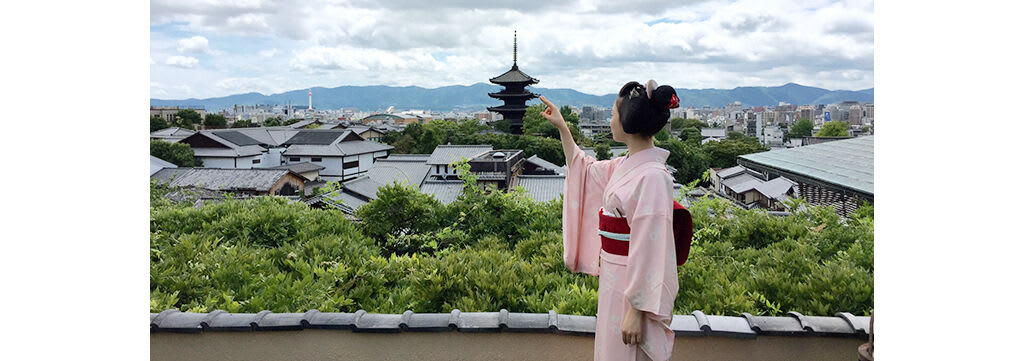
Kyoto is magical in countless ways — a blend of ancient heritage and modernity of endless discovery and possibilities. Because I have been lucky enough to visit this special place many times over the years, I'm often asked for advice about where to eat, places to go and things to do. “even geisha love udon...” But the experience I cherish most is just being there, surrounded by the city's serenely beautiful landscapes, quiet, cobblestone streets and the endless charm of everyone I meet. If you are heading to the City of 2,000 Temples for the first time, or even the fiftieth, here are some of the places you might find me: Where to stay Hoshinoya: Tucked away just outside Kyoto, this traditional Japanese-style hotel is accessible only by boat. As you cruise up the river in a wooden boat, the stresses of big-city living fall behind. The hotel staff, the picture of Japanese hospitality, greets new arrivals at the dock and offers an escort into the hotel. With tranquil zen gardens in place of televisions, the grounds are rejuvenating for the soul and spirit. https://hoshinoresorts.com/ja/brands/hoshinoya/ Tawaraya: One of the oldest ryokan in Kyoto, this inn is best known for its many famous visitors and its incredibly attentive staff members, who treat each guest as royalty. The service is beyond impeccable, it’s almost like they know what you would like before you know you want it yourself. Because I am obsessed with books, I love the library the most, and somehow every time I was there a fresh pot of coffee or green tea would appear. The futon there was the most comfortable I have ever slept on, I think it's filled with silk. It was like sleeping on a cloud and it’s seriously one of the things on my bucket list to buy one day. Fuyacho, Oike Sagaru, Nakagyo-ku, Kyoto, 604. Phone: (075) 211-5566. Where to eat Toraya: This is one of the most peaceful and beautiful places in Kyoto, and I love the way the breeze makes the water ripple. This is the one place I visit every time I go, almost always in the morning before heading home because it is so calming. The seasonal tea and sweets are always as exceptional as the view, which makes for a pretty wonderful combination. https://global.toraya-group.co.jp/ Nishiki Food Market: This 400-meter-long bustling marketplace has been a culinary hub for more than 400 years, filled with vendors selling every kind of food—fish, spices, candy, teas and other delights. Many also serve samples of their specialties, which is a wonderful way to try new things — every day feels like a culinary celebration. The first time I went I was with Nami, and we discovered an amazing knife store run by a family that used to make samurai swords. We also found some secret restaurants tucked behind some of the food stalls where you can get incredible meals for incredible prices. It’s also the place I first learned that you can decorate your soup (because of the colorful baked rice shapes that puff up when added to a soup). https://www.kyoto-nishiki.or.jp/ The Sodoh: Did you know that Japan is also a good place for yummy Italian food too? I didn’t, until I discovered this delightful place. Built in the home of a famous painter, it's a wonderful place to unwind. https://www.thesodoh.com/en/ Gonbei: It can be very hard to spot a geisha while in Kyoto, mostly because they are in training almost all day and very busy with performances and events in the evening. But even geisha love udon, and one of their favorite places to go is this humble noodle shop. The udon is delicious and the place has a charm of its own. Where to go Miyawaki Baisenan: This elegant fan store is practically a fan museum. The selection of elegant, perfectly-made fans is without rival, and the company is known for providing fans to the Imperial family, celebrities, geisha, sumo and kabuki actors for generations. Be sure to check out the room upstairs that is dedicated to tousenkyo, a fan tossing game from the Edo period that is much harder than it looks! https://baisenan.co.jp/ Lisn: I was fascinated to hear that new research suggests that skin has the ability to “smell”— scent receptors in the skin react to aromas like sandalwood or citrus. Lisn is a beautiful, modern incense store that expands far beyond simply scent. The distinct fragrances are also listened to, expanding the senses and inviting the user to be fully present when experiencing the incense. I love visiting this sleek store and exploring all the different varieties they have to offer. https://www.lisn.co.jp/ Kenninji Temple: The oldest Zen temple in Kyoto, this special place honors the founder of the green tea ceremony — which is why tea plants surround the grounds. Art galleries and Zen gardens help to center the visitors and provide tranquil areas for meditation. I particularly love when the peonies are in bloom, lush and as big as my head. In 2002, artist Koizumi Junsaku added a stunning ceiling painting of two colossal dragons, representing the art of communication from the heart. Minamiza Kabuki Theater: One of the oldest Kabuki theaters in Japan, Minamiza holds an event from the end of November through the end of December called Kichirei Kaomise Kogyo, which are a special series of traditional performances geisha traditionally attend, many even wear hair decorations signed by their favorite performers, symbolic of their shared performance heritage. https://www.kabukiweb.net/ Kyoto canals: One of my favorite Kyoto treasures is actually not “hidden” at all. The canals famously crisscross the city, the water reflecting lanterns of shops and restaurants lining the edges. Cranes are frequent sights in and along the canals. There is always a crane stationed outside my favorite restaurant, who will famously bark for sushi. Have you been to Kyoto? What were some of your favorite spots?
Here's the Story
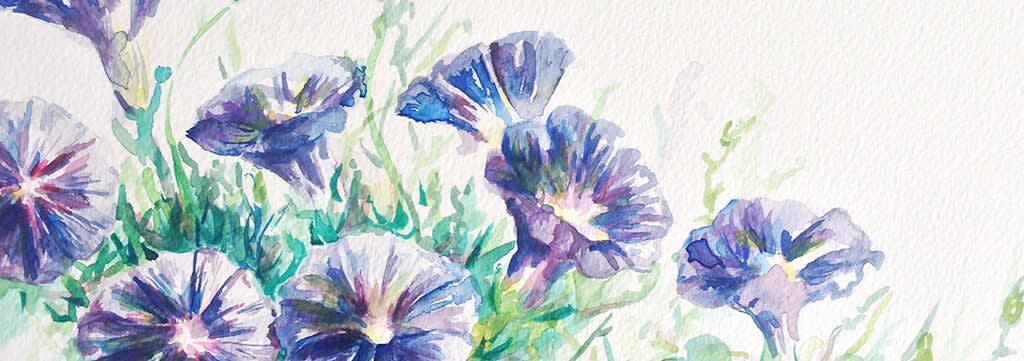
Just as ubiquitous cherry blossoms symbolize springtime, summer in Japan belongs to the bolder-hued Morning Glories, or asagao. The name means “morning face,” a lovely description of the flowers’ unfurling their trumpet-shaped petals at sunrise to herald the day. Popularized in the Edo Period, they appear frequently in literature and paintings, are celebrated with an annual festival every August and in a thoroughly charming tradition—Japanese elementary students are given Morning Glory seeds at the end of spring to nurture over the summer holiday. When returning to school, the children bring their blossoms back to the classroom where they are dried and used for all kinds of decorations and projects.“...a single flower I spotted years ago inspired the particular hue we now refer to as “Tatcha Purple.”Morning glories are special to Tatcha too, because it was a single flower I spotted years ago that inspired the particular hue we now refer to as “Tatcha Purple.” The color was so vibrant in the summer sunlight it seemed to be glowing, yet there was an artful delicateness to the crown-like opening and funnelform. This simple flower recalled the brilliant blues and purples of silk kimono, and the geisha’s graceful sophistication. The picture I took on my phone that afternoon was studied by our creative team and was the subject of countless conversations.Another lovely thing about Morning Glories is that they remind me of the benefits of getting out of bed sooner rather than later, which is why I planted several of them in my back yard years ago. Seeing them in the morning is one of my favorite ways to th start my day. Since January, I've gone to sleep earlier and wake up at dawn, which has truly changed my life for the better. It makes me more productive and clear-headed, in addition to giving me more time to spend with Alea, cook, and even exercise. Starting my day with calm and quiet helps keep me grounded even when things get hectic later in the day. If you’ve been wanting to get an earlier start, I thought I’d share some of my favorite ways to ensure my “morning face” looks its best:• Create a lovelier waking experience. Waking up on your own without an alarm is a beautiful thing, but it can take time to achieve and is not always practical (especially if you have an early flight). However setting your alarm to ring more quietly, or to the sounds of birds chirping is a gentle way to help your body adjust. There are also clocks with lights that gradually become brighter instead of making noise that work very nicely for this too.• Go to sleep sooner. When you’re well-rested, your body and mind feel and perform better. More sleep affords your body more time to recover and recharge for the day.• Hydrate. In the later phases of sleep, skin tends to lose moisture. Be sure to drink water throughout the day and evening to stay hydrated, but limiting liquids can help you sleep more soundly for longer stretches.• Treat yourself to a relaxing and rejuvenating facial massage. Facial massage helps release tension and improves circulation, leaving skin glowing. Using a light facial oil, such as the Gold Camellia Beauty Oil, and your fingers or a massage tool like the Akari Gold Massager, give yourself a short and sweet massage. One of my favorite massages is the quick Yuyake massage. If you’re using your hands, use your fingertips in a light, tapping motion along your jawline, between the eyebrows, and around your temples.• Use a silk pillowcase. Unlike cotton or polyester blends, silk doesn’t absorb the natural oils produced by the skin. A silk pillowcase will help your skin retain its moisture.• Enjoy a moment with a loved one. Every night, I read with Alea. This nightly ritual is one of my most treasured, and I sleep so much more soundly after tucking her in.Are you an early riser, or trying to wake up earlier? I’d love to hear your tips or tricks on moving up your morning.
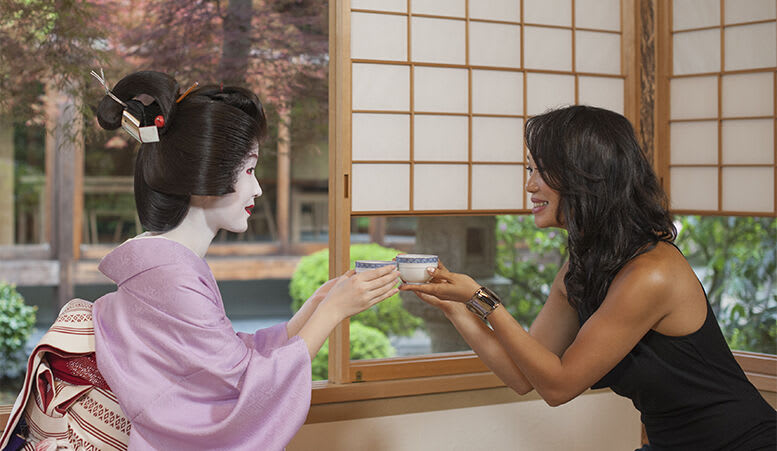
10 Things I Learned From a Geisha
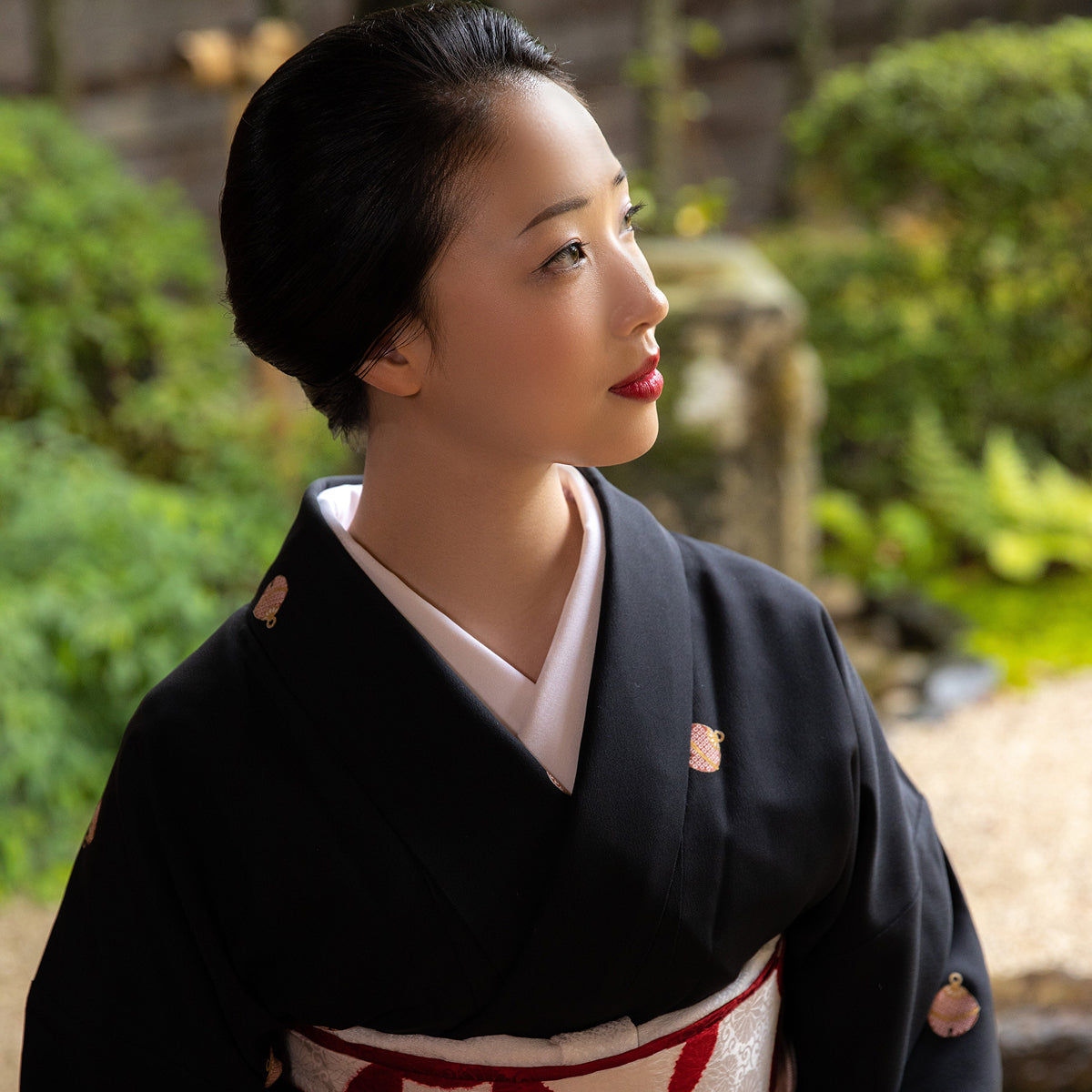
The geisha have shared many secrets with me over the years, but the ones I treasure most are not the beauty tips—although I love each and every one of those too!—but the things they have mentioned in passing or taught me through elegant example. Whenever I am feeling tired or in need of a boost, I find myself returning to these truths and find myself feeling better before long. 1. A large part of the allure of the geisha stems from the fact that they’re a little bit unknowable. I’m no longer single, but if I were I would definitely take some learnings from that. It's a good thing to be a little bit mysterious. 2. Red lipstick looks good on everyone. 3. True beauty begins in the heart and mind. 4. There are many attractive women out there, but it is hard to not be attracted to someone who is confident, courageous and has a point of view. 5. When it comes to showing some skin—less is more. When in formal kimono almost every inch of their body is covered. The only areas exposed are the hands and the nape of the neck, tantalizing the imagination. 6. Although the West has largely misappropriated the geisha as concubines, they are in fact highly trained professional dancers and musicians, very well educated and very good at what they do. Being excellent at what you do is undeniably appealing. 7. There’s a lot to be said for dressing up. Especially in this land of hoodies and jeans, putting on a dress or something special not only feels good, it celebrates your feminine side. 8. Wash your face every night. Because purification is at the heart of the geisha beauty ritual, taking the time to properly cleanse my face every evening makes me feel like I am getting a truly fresh start. 9. Stay out of the sun! I will walk across the street to stay in the shade and always wear sunscreen. Long before science proved how damaging UV rays are for the skin, the geisha knew that staying out of the sun kept their skin looking healthy. Using a deeply hydrating moisturizer, like the GOLD Camellia Beauty Oil, is one of my favorite ways to end the day. 10. Some of the most attractive, mesmerizing geisha I have known are the ones who were in their 70s and beyond, because they have honed the art of being an interesting person over all those decades. In the West, we are obsessed with youth and beauty, but these women have taught me that beauty is something to be gained over time, not something that is lost over time.

Introducing the Tatcha Institute
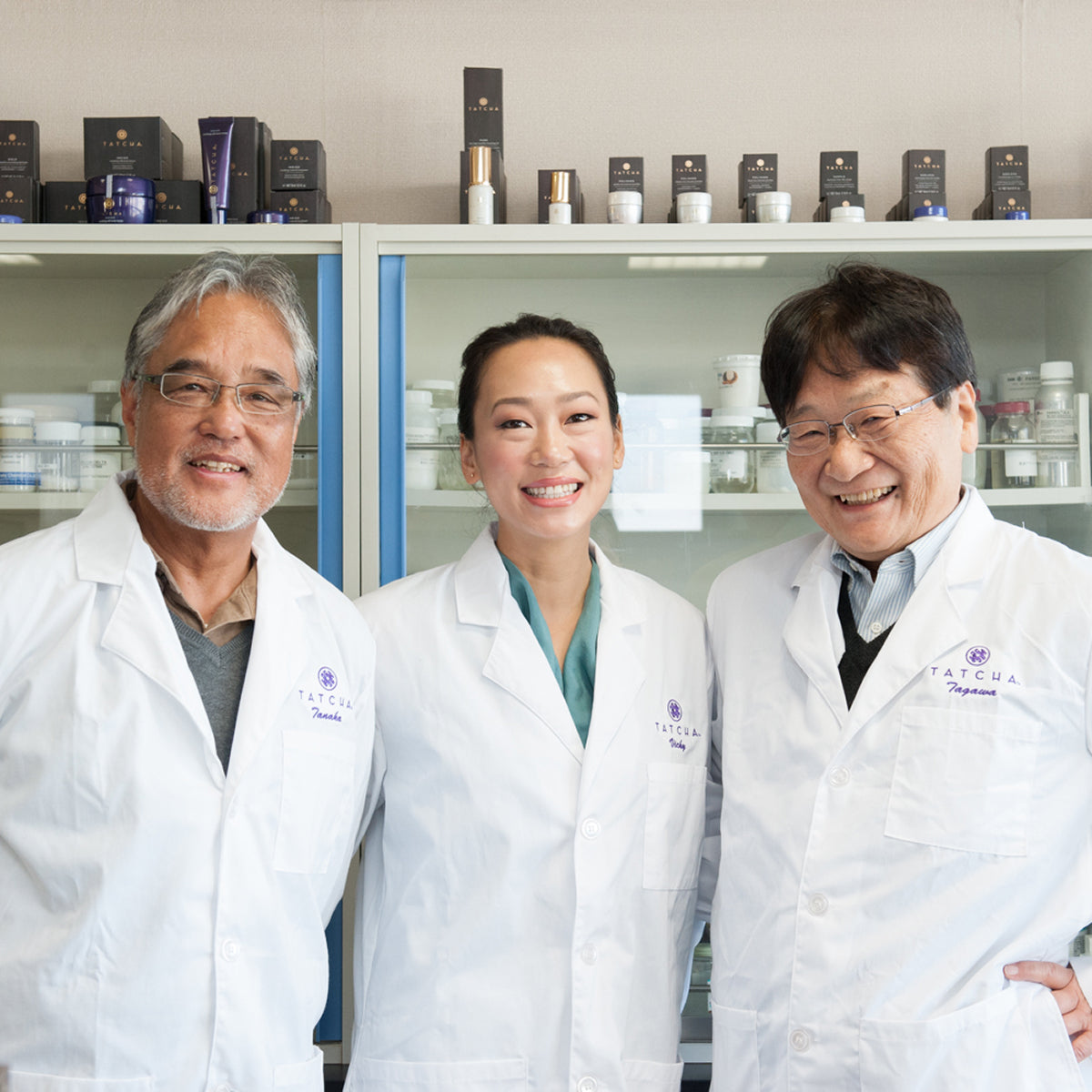
The beauty rituals of the geisha fascinate me endlessly, and inspire everything we create here at TATCHA. Honed by generations of women, their secrets feature pure, natural ingredients and centuries-old techniques that are as effective today as they were in the Edo period. I learned that often, their recipes are mixed in small batches to maintain purity and maximize benefits. To share these secrets with modern women everywhere, we worked with renowned chemists to marry these ancient methods with advanced scientific technologies.. One of these outstanding chemists—and the head of our new TATCHA Institute—is Masato Tagawa. A world-renowned skincare chemist and gifted educator, Tagawa-san is a pleasure to work with and a true visionary when it comes to skincare. I am honored to introduce him here and share his story with you. V: What inspired you to become a chemist? T: Ever since I was young, I have very much admired my father. He was a doctor, and after the second World War he developed the first emulsifier (a substance made by suspending one liquid into another). He really influenced me—I saw his amazing work and wanted to do what he did. V: What is the greatest joy in your work? T: TATCHA is a young company, but it has an old soul, and it's a very exciting place to work. I have worked with many companies that are well-established, but have an unexciting internal culture. When I first met you, I really felt the passion and curiosity that you have. It left a strong impression. Before, I had always worked to help many people in many different companies, where the main requirement was that I had to keep costs under a certain cap. But at TATCHA, the only rule is that we have to be authentic to our heritage and be the best in the world. We never discuss cost; we just do whatever we need to create something genuinely transformative to the skin that our clients will love, because they deserve nothing less. On the other hand, there are challenges because there is a long list of no-no ingredients because of TATCHA's promise of purity. So it can be exceedingly difficult to recreate from scratch some formulas because of the ingredients that are not allowed, although this is the most fun part of the process for me. V: What changes have you seen in skincare since you began? T: I began by studying both chemistry and skincare. The principles of both are inseparable from dermatology—how actives are absorbed by the skin, how they affect it. Understanding that relationship is very important. The surface of the skin is covered by what is called the “horny” layer, which is very important to the skin’s appearance. If the structure is good, it is healthy and protects the body. Below the surface, skin is very sensitive. To me, healthy skin is beautiful skin. V: How do you find kodawari in the work that you do? T: Kodawari has many meanings. It’s difficult to explain exactly, but it speaks to the history and the culture of Japan. Promising to formulate without harmful ingredients, that is a form of kodawari. Creating skincare that our clients always want to use, that is also kodawari. The history, culture, ingredients, and quality—everything together creates kodawari and makes TATCHA special. For me, creating a formula requires perfect harmony. Many people think that one ingredient is the most important, so you should have more of that ingredient. But it’s just as important to consider how Ingredient A will interact with Ingredient B, and how that combination will work with Ingredient C. It is like an orchestra—you have the violin and the piano and the cello, many players with amazing skill. But still, if one rises above the others, they are not harmonized. So it is in formulating: if you make it harmonious, you create beautiful music, you create a beautiful product.