




T-House

A Mon of Our Own
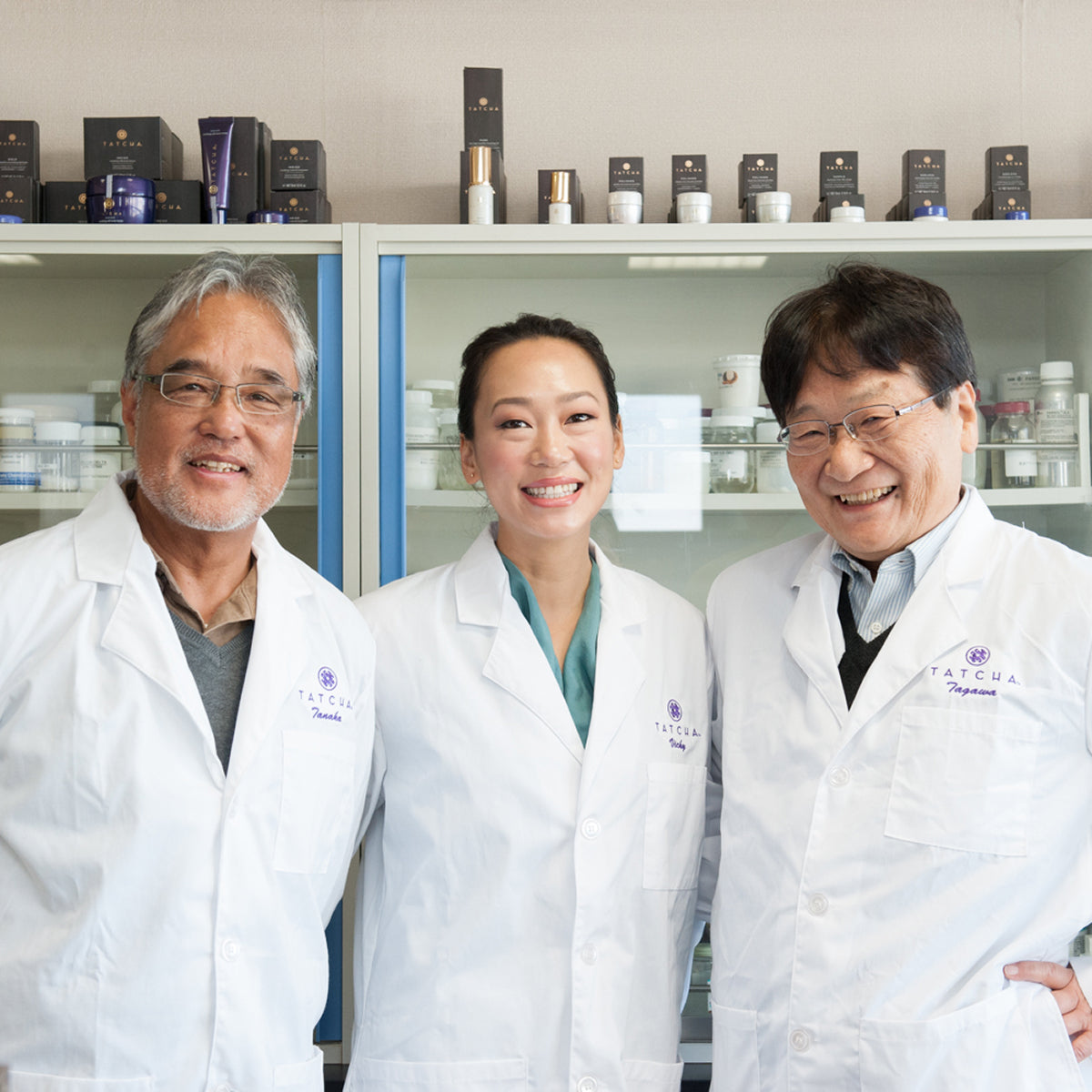
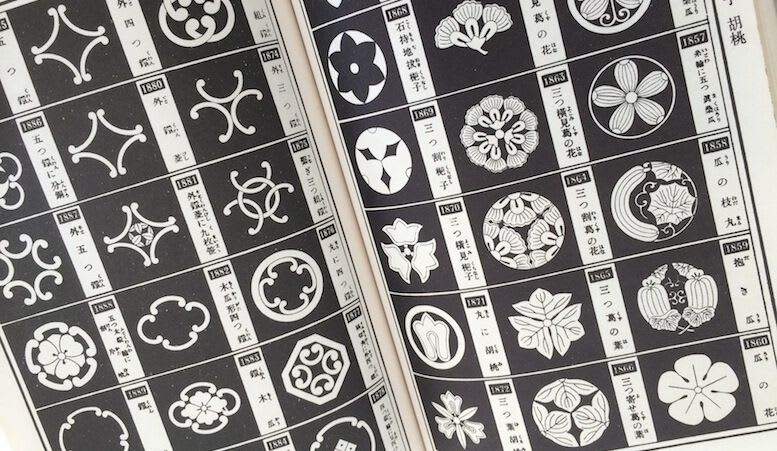
Though our TATCHA team has grown quite a bit, our shared dedication to bringing the secrets of the past to life has created a deep bond—we truly consider ourselves a family. In Japan, as in other parts of the world, many families have a crest, called a mon, used to decorate everything from formal kimono and swords to vanity sets banners outside the home. These symbols, used as historical representations of a family’s lineage, were first used in the 9th century by nobility and later extended to the wider population.Just like monograms and coats of arms, these motifs communicated more than a name alone could convey. So it was only natural that we were creating TATCHA, we wanted a mon of our own. Nami Onodera, our Senior Director of Product and cultural advisor, found a stunning book containing over 20,000 family crests and their meanings. I loved the detail that each entailed: A fan, for example, represented a family of dancers; a chrysanthemum symbolizes loyalty. Our mon, created by our co-founder Stanley Hainsworth, is a representation of the petals of a single standing flower, a visual extension of the meaning behind our name and the promise of the purity of the products we create. Like other familial banners waving from rooftops across Japan, our mon is a symbol of pride, purpose and heritage – which is why its included on each and every item we make. Always, Vicky
The Meaning of Tatcha
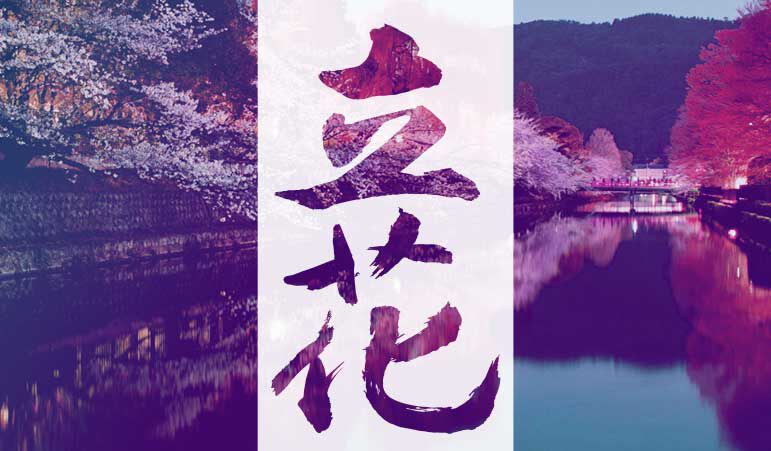
I sought a single, perfect word. Just as I pored over books of names before my daughter was born to find one that represented a lifetime of hopes and dreams, coming up with a word to represent the company I was creating at the same time presented an equally weighty challenge. Nothing in dictionaries or reference books seemed right, and I quickly came to realize that I needed a new word – one that would stand alone in elegant simplicity yet be substantial enough to convey the passion for the ancient beauty traditions that inspired the collection and the modern science used to perfect them. It had to feel classic, yet contemporary -- syllables symbolic enough to pay homage to the time-proven beauty secrets of the geisha while strong enough to become the hallmark of a new beauty heritage -- an approach to skin care that is pure, spare and delivers on its promise to create healthier, glowing skin. We turned to nature for inspiration, specifically to ikebana, the Japanese art of flower arranging where each branch, leaf and flower is painstakingly selected and placed harmoniously with one another and with nature. The oldest, most formal interpretation of ikebana is a minimalist practice known as tatehana, which translates from Japanese as “standing flower,” and features a single stem positioned alone in the center of a vessel. The stunning, simple result belies the complexity of its composition, honoring the bloom’s inherently beautiful essence and intrinsic glamour. Another word that resonated deeply with us was chabana, arrangements created for use as part of the Japanese tea ceremony. Like freshly unfurled petals from a grafted plant, TATCHA was born from combining the first three letters of each of these deep-rooted phrases. TATCHA’s approach to luxury is informed by these floral disciplines, in part because botanicals are at that the heart of our formulas but also because they honor the Japanese appreciation for the beauty found in simplicity. My greatest wish is that everything this name was created to embody – simplicity, purity and quality – is felt by each and every person who experiences our collection. Thank you for being a part of this journey and giving us the opportunity to live up to our name. Always, Vicky
A Geisha's Skincare Routine
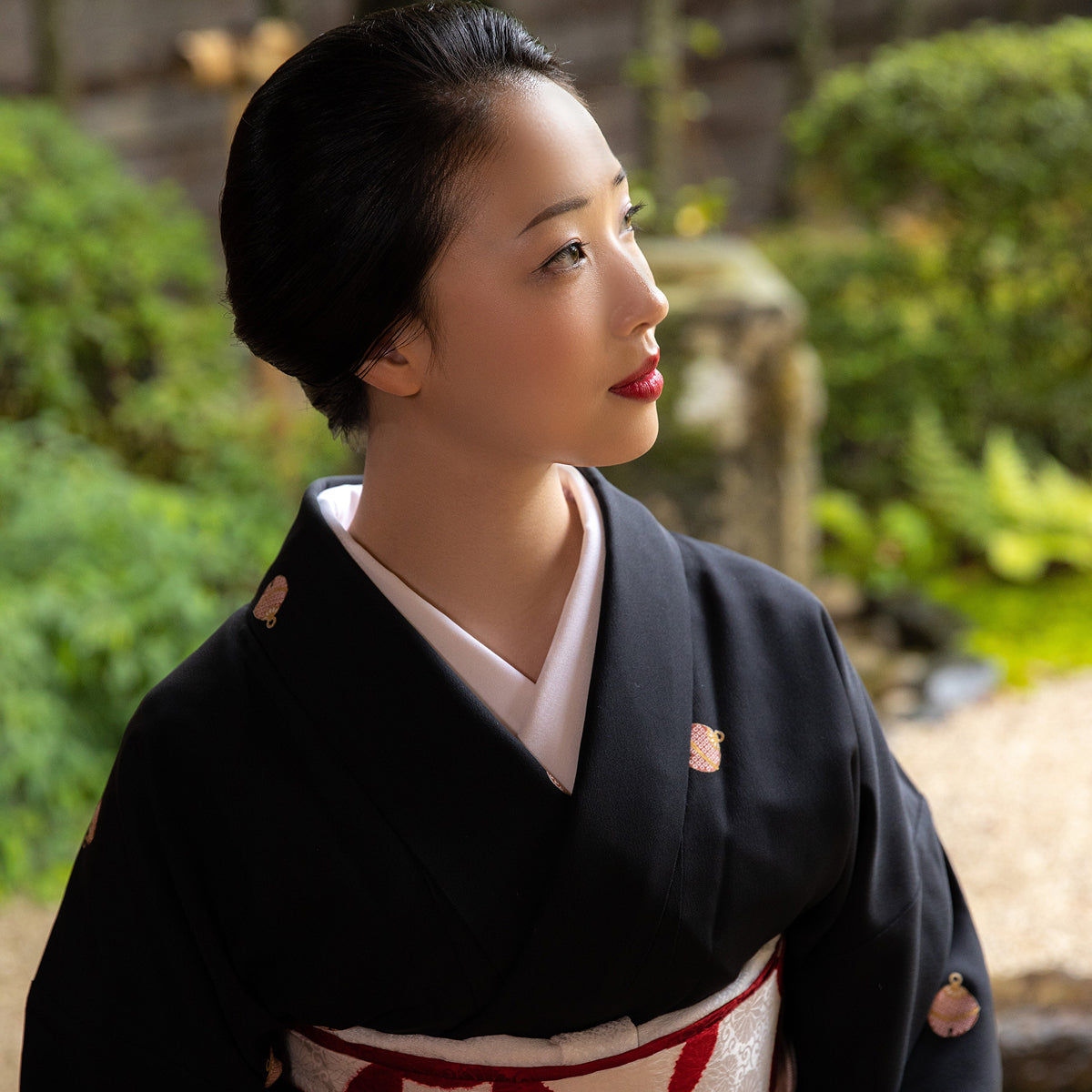
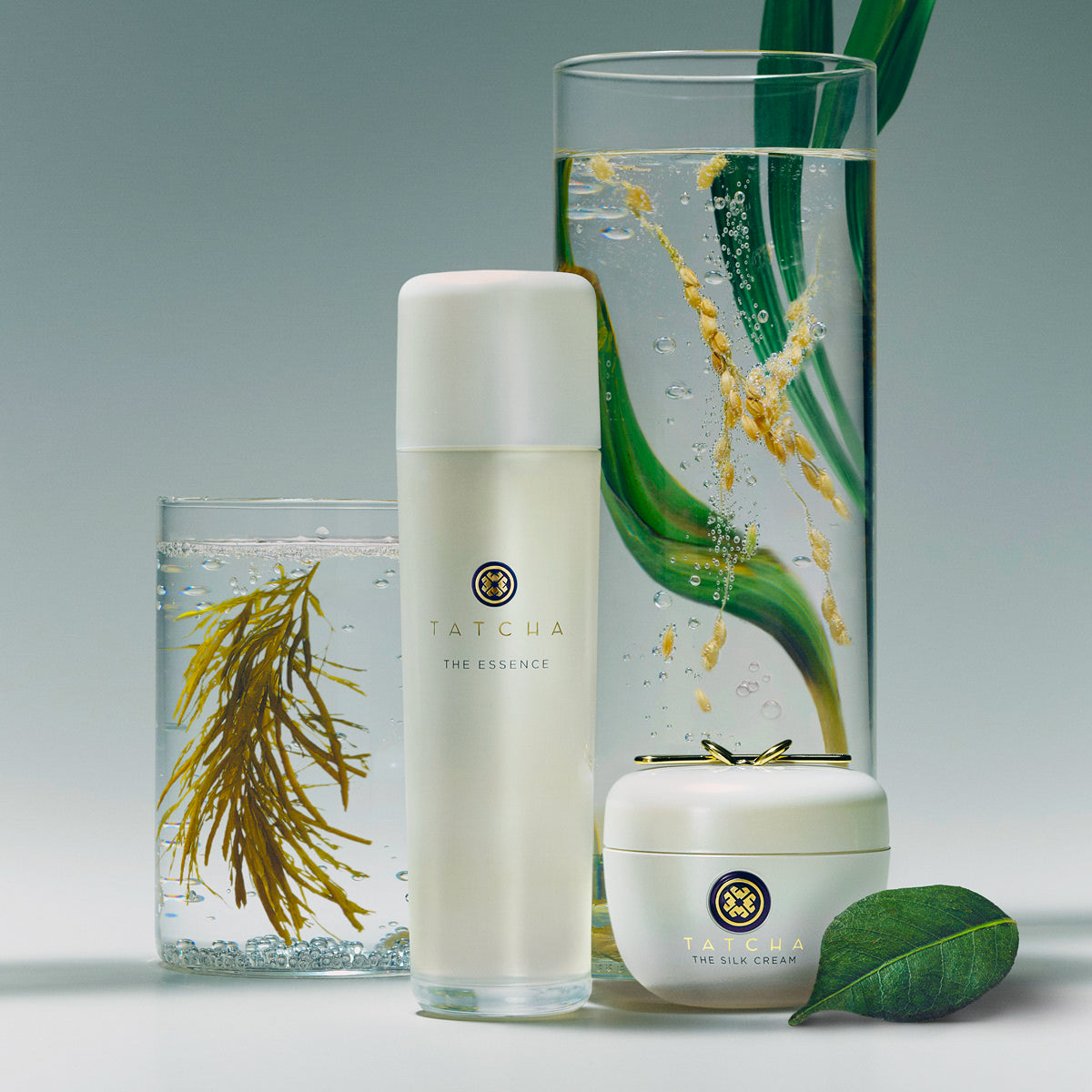
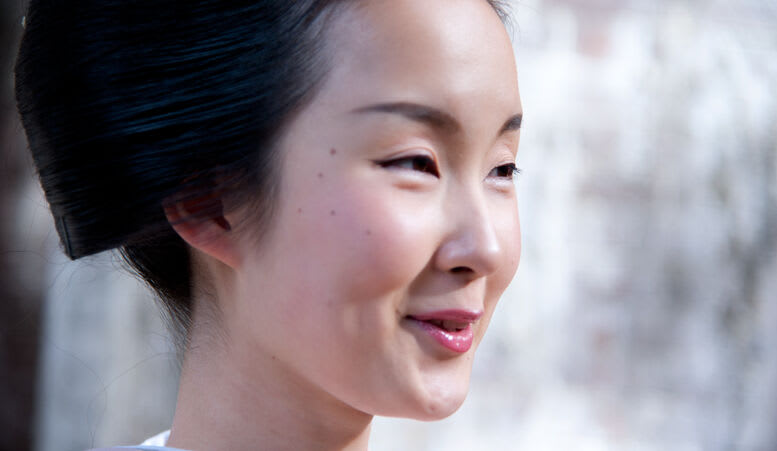
When I began spending time with the geisha, they would schedule me to interview them in between formal appointments. Thus, I only saw them in full costume with the flowing kimono, delicately painted white faces and vermillion lips. Pictures rarely do justice to their otherworldly appearance because the harsh glare of a flash bounces off the white makeup and creates an extreme effect in photography. In person, the geisha’s makeup glows under the moonlight and has an almost transparent quality. As the geisha began to truly welcome me into their world, I started to spend time with them as they rested between classes. This was when I realized the real story behind a geisha’s beauty: Underneath their iconic white makeup is the most breathtakingly pure skin I had ever seen in my life. I have met trainee geisha as young as 19 and senior geisha as old as 70, but regardless of age they all share the same exquisite complexion. The Japanese actually have a name for skin like this. They call it “mochi hada,” which refers to the pure, gleaming, soft quality of a baby’s skin. Given the demanding hours geisha keep, the full makeup they constantly apply and perspiration that comes with their intricate and demanding dances, I never expected these women to have such beautiful skin. Naturally, I had to ask what their secrets were and, amazingly, their ritual is simple and straightforward: Purify: Removing makeup and environmental impurities from the face is the most important secret to mochi hada skin. Geisha must be diligent about this step because of their white makeup, so they use a tsubaki (camellia) classical cleaning oil to melt away the day. Polish: Gently releasing dead skin from the surface of the skin daily not only leaves skin with a soft, healthy gleam but also improves the efficacy of any treatments used afterwards. For centuries, they have used komenuka (Japanese rice bran) to polish the skin. Brighten: When geisha are not in performance makeup, they are required to keep their skin fresh and free of makeup, but they are still expected to have porcelain complexions. As a result, they are keen on addressing age spots and have found licorice root extractextract to be amongst the most effective natural ingredients for preventing and improving the appearance of hyperpigmentation—without sensitizing the skin to the sun as so many modern day brighteners do. Nourish: The final step in the geisha’s ritual is nourishing and sealing in moisture with luxuriously lightweight creams. A popular classical ingredient for such moisturizers is silk extract, which forms a weightless, invisible network on the skin to hold moisture in all day without the heaviness of oils and butters used conventionally in the Western world. Blot: During makeup application and throughout the day, keeping the skin petal-fresh without disturbing their intricate makeup is essential to keeping the geisha’s complexion clear. This is how they discovered the benefits of the gold-leaf beauty papers. Drink Sake (optional): Geisha swear it works.