



They happen to anyone, anytime, anyplace. But handling a blemish can be an easy task, when you can correctly identify what kind of blemish it is.
As sure as rainy days and technical difficulties, blemishes happen. Those luckiest among us experience them only rarely. But for most people, blemishes are as common as anything else. You reading this may even be experiencing one right now.
In fact, blemishes are so common as to warrant almost no concern. They’re usually signs that your skin is doing its job. The complex, layered fabric of skin facilitates many processes that are crucial to protect us from environmental aggressors, and if a blemish is a breach in the system, it’s also a sign that the breach is being taken care of. Still, like rainy days and technical difficulties, blemishes can come at inconvenient times. But they can be markedly easier to treat, sometimes even using skincare products you already have on hand.
The first step in treating a blemish is identifying it, which is easier said than done: Though there are only a handful of types of skin blemishes, some can closely mirror each other—and even be caused by the same underlying issue. The best way to ID a blemish is to take it to your local dermatologist, who can also advise on a specific treatment plan. The following guide can help you understand a little more about what blemishes are.
A primer on blemishes
What is a blemish? The word as we know it is practically ancient, dating back to the Middle English period as a verb, and crystallizing into a noun (meaning flaw) by 1500, according to the Oxford English Dictionary. It’s much older than its siblings pimple and zit, even besting acne by some two hundred years.
Blemishes, pimples, zits, acne: They all describe the same basic thing, which is a blocked pore or hair follicle that becomes infected. This kind of infection can be caused by a variety of things, usually stray bacteria. As the skin’s defense system kicks into gear, the blockage causes an immune response, and becomes inflamed. Voila: A blemish. (From the French “blemiss”)
But not all blemishes are the same, and their appearance can give clues about what kind of blemish they are—and, maybe, how to quell it.
The six types of blemishes
Dermatologists typically distinguish between six types of blemishes. We’ll spare you the photographic imagery, and offer a brief description of the common traits of each kind.
Blackheads
True to their name, blackheads appear as dark, tiny spots. They’re caused by sebum buildup in the pore, also known as oil, which is a light and waxy substance but turns dark when solidified and exposed to the air. Keeping that in mind, it’s easy to remember that these dark, black spots are caused by oil and they often appear in groups.
Whiteheads
In contrast to their similarly-named siblings, whiteheads appear as white dots, ringed in red. According to the Cleveland Clinic, they’re usually caused by a mixture of dead skin and sebum, and they seal up over and over to form a “comedone.” These are often commonly called closed comedones, while blackheads are open comedones.
Pustules
Pustules look almost like angrier whiteheads. Often inflamed, accompanied by a filling of pus (rather than dead skin and sebum) and bright redness, they are usually signs of an infection. They are non-infectious, but should be checked out by a doctor.
Papules
Like pustules, papules are a form of inflammatory acne. But their appearance is much quieter in comparison, mostly forming underneath the skin, sometimes even taking on the skin’s color (instead of an inflamed red). A papule is unlikely to have a pus-filled tip, says the Cleveland Clinic. The upper body, but especially the face, is where papules tend to form.
Nodules
Nodules, or nodular acne, is a severe form of acne that occurs deep within the skin. While they can be seen and felt at the surface of the skin—they’re hard, and often painful—they don’t break the surface, and may be bound both above and below by otherwise healthy skin. Dermatologists don’t know exactly what causes nodular acne, but posit a combination of genetic and environmental factors. It’s wise to get any acne checked out by a doctor, but especially nodular acne.
Cysts
Cystic acne is referred to by the Mayo Clinic as the most severe form of inflammatory acne. These are softer than nodules, because they’re filled with fluid, and they occur within the skin, at the dermal level. Dermatologists are best equipped to diagnose and treat cystic acne. Skin can also play host to non-acneic cysts. Milia is a common type of cyst that appears as a small, hard bump but isn’t inflamed. The result of an abundance of trapped keratin, it doesn’t form in a pore, but appears lodged in the skin like a small pearl.
Do you have blemish-prone skin?
There are a few main skin types that categorize our skin’s intrinsic qualities, such as how dry or oily it is at baseline. Those with oily skin, whose faces are likely to produce more waxy sebum than it needs to self moisturize (and often feel slick or shiny as a result), are typically regarded as more acne- or blemish-prone than other skin types and should consider starting an acne skincare routine.
To gauge how oily your skin might be, we recommend two tests. For the first, all you’ll need is your bare face and your cleanser. After cleansing your face, but without performing the rest of your skincare routine, wait 30 minutes and examine your skin for signs of oil. Now wait another 30 minutes and observe again. If your skin is oily in some places or all over, you may have combination or oily skin.
The other test simply requires a blotting sheet, which you can tap on your skin to remove oil. You can use the blotting sheet on different areas of your face, and hold it up to the light to see how oily that area is. If the sheet is saturated with oil, you may be blemish-prone. But talk to a doctor to confirm your suspicions.
Essential skincare for blemishes
There is no one-product-solves-all for blemishes, because there are many kinds of blemishes. (And many kinds of faces.) If acne is a concern, however, you might want to consider adjustments to your daily skincare routine that are more suited to oily, blemish-prone skin. A few common staples of blemish care include:
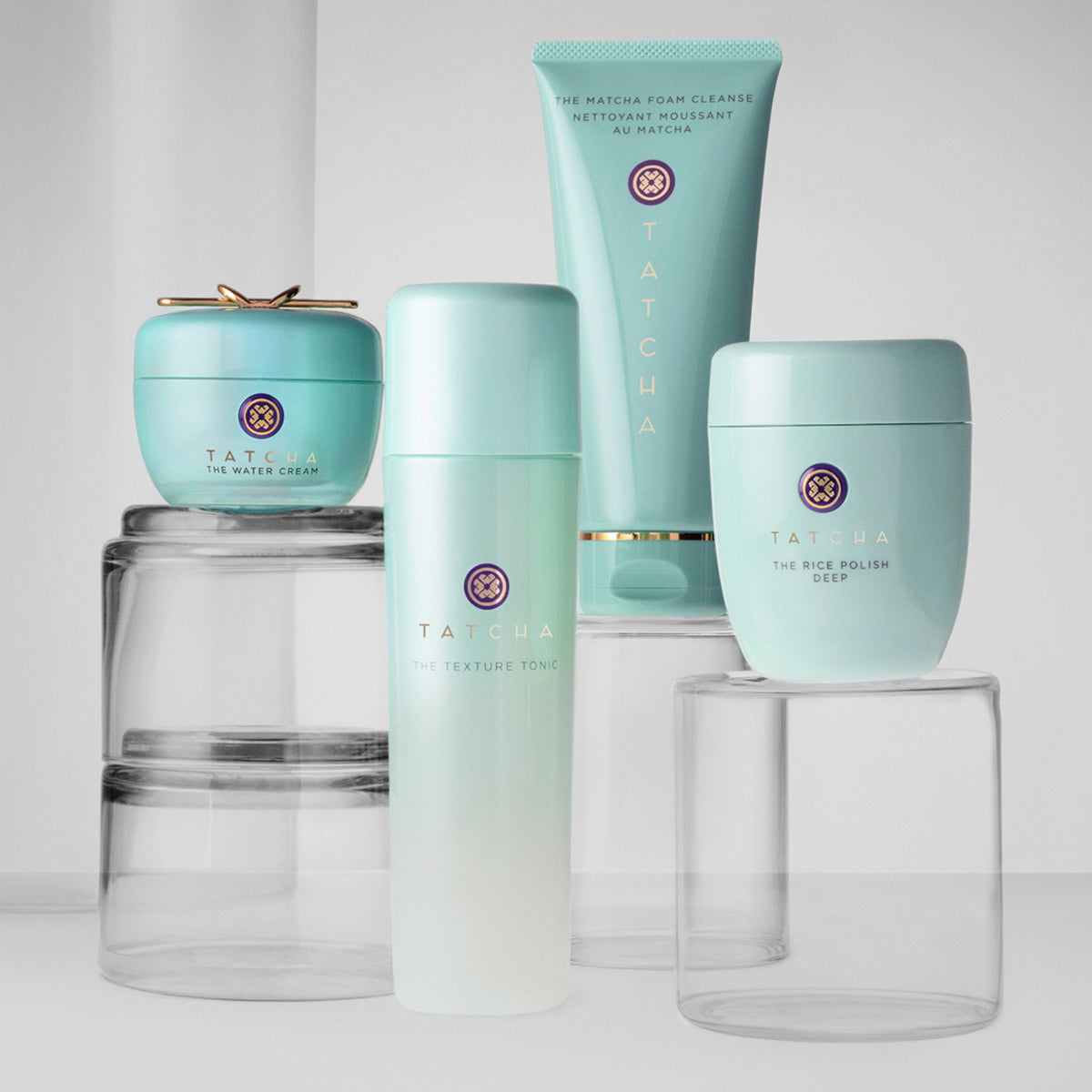
Pore-clearing cleansing. Most face washes are formulated to strip away dirt and debris from skin—the same dirt and debris that could contribute to the formation of blemishes—but fewer are made with ingredients suited for oily skin. This was part of the brief behind Tatcha’s Matcha Cleanse, a soapless gel face wash that helps to balance skin’s oil levels. Its ingredient lineup includes matcha, known for reducing acne, and controlling oil and shine all day long.
Acids all the way. Exfoliants are often divided up into two categories, physical exfoliants and chemical exfoliants, and both can be suitable for managing acne-prone skin. But acids, like alpha hydroxy acid, are especially good at breaking down bonds between old and new skin cells to resurface skin (and help keep pores unobstructed). The AHAs found in Tatcha’s Texture Tonic are derived from various fruits, and along with pore-tightening wild rose and niacinamide, help to smooth skin, and bring out its radiance.
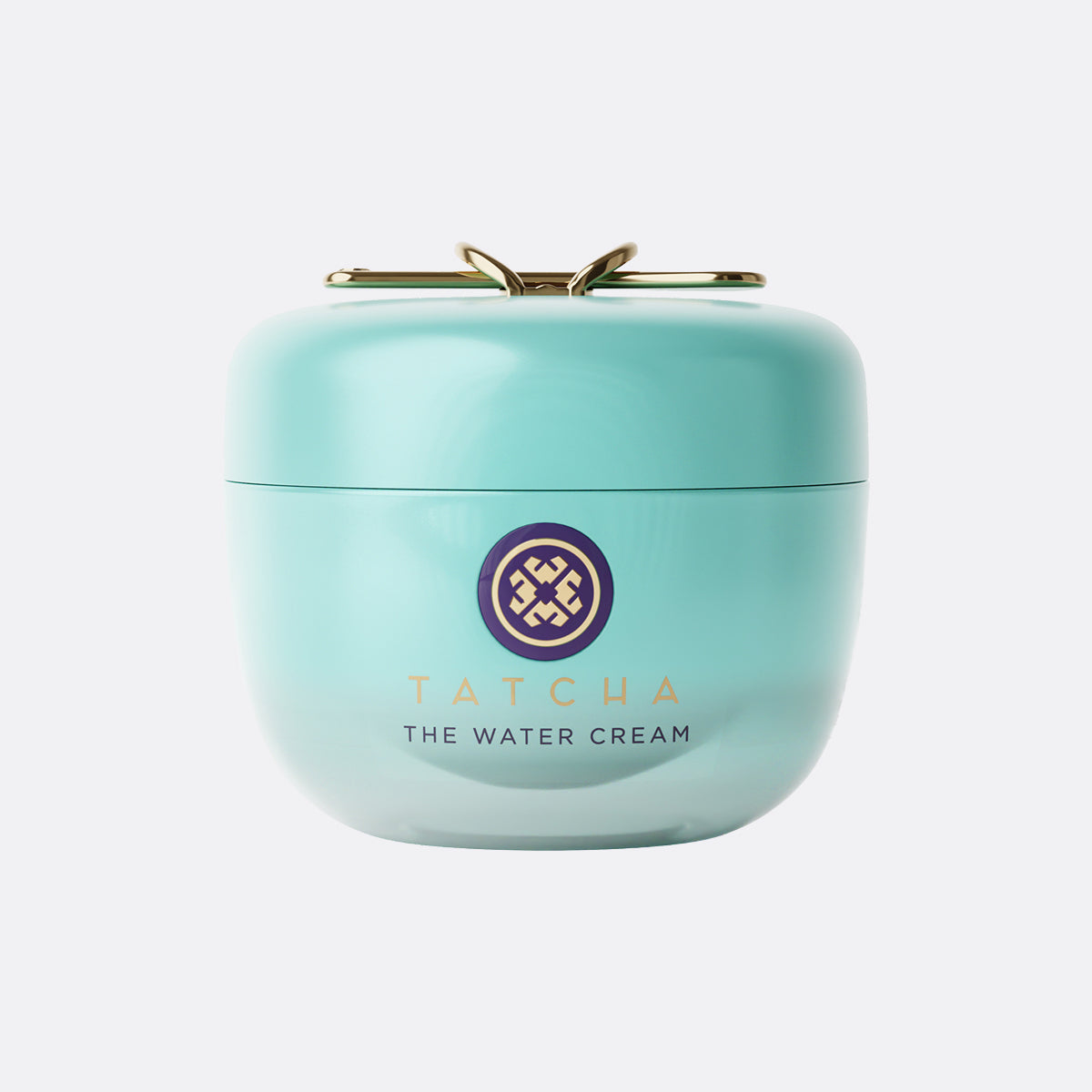
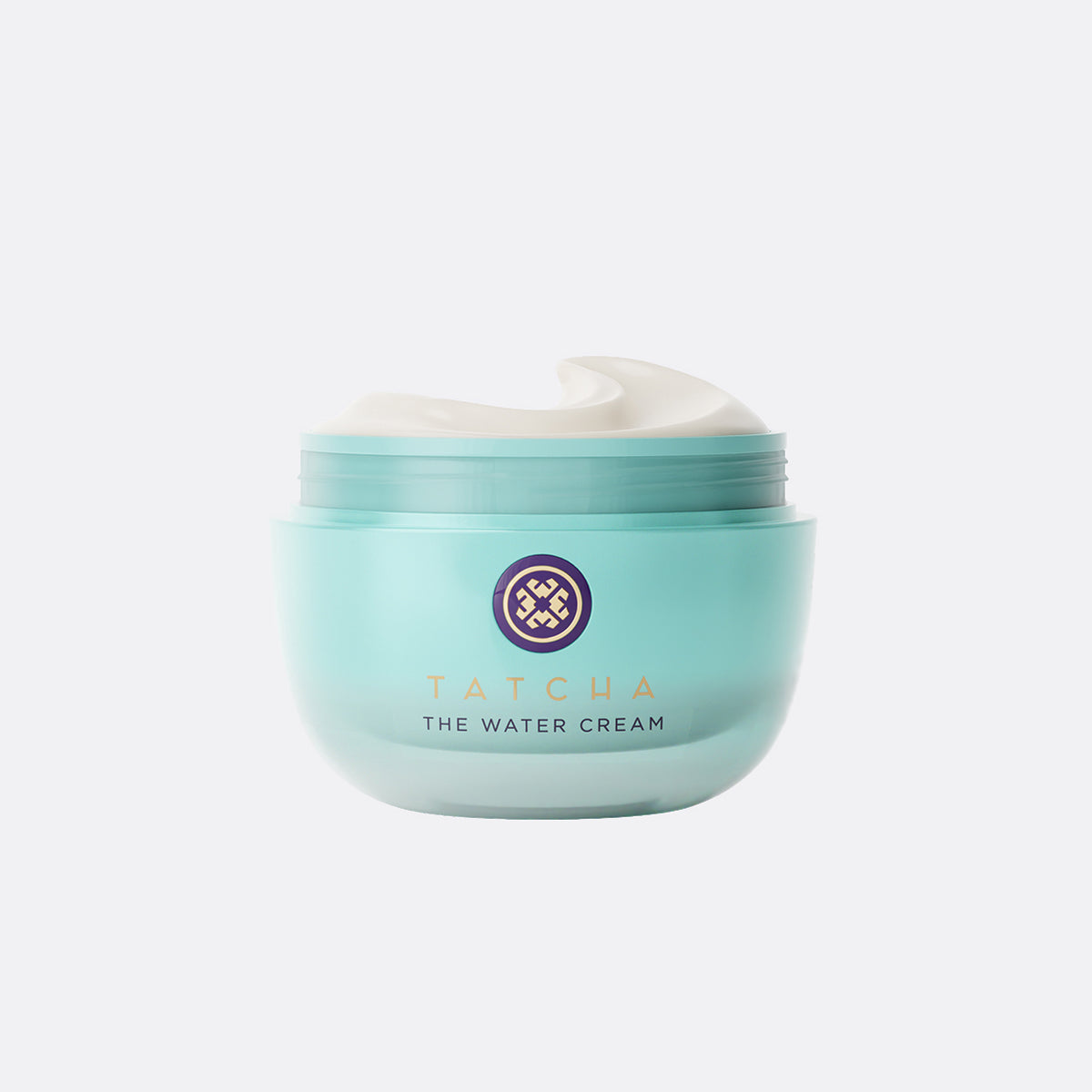
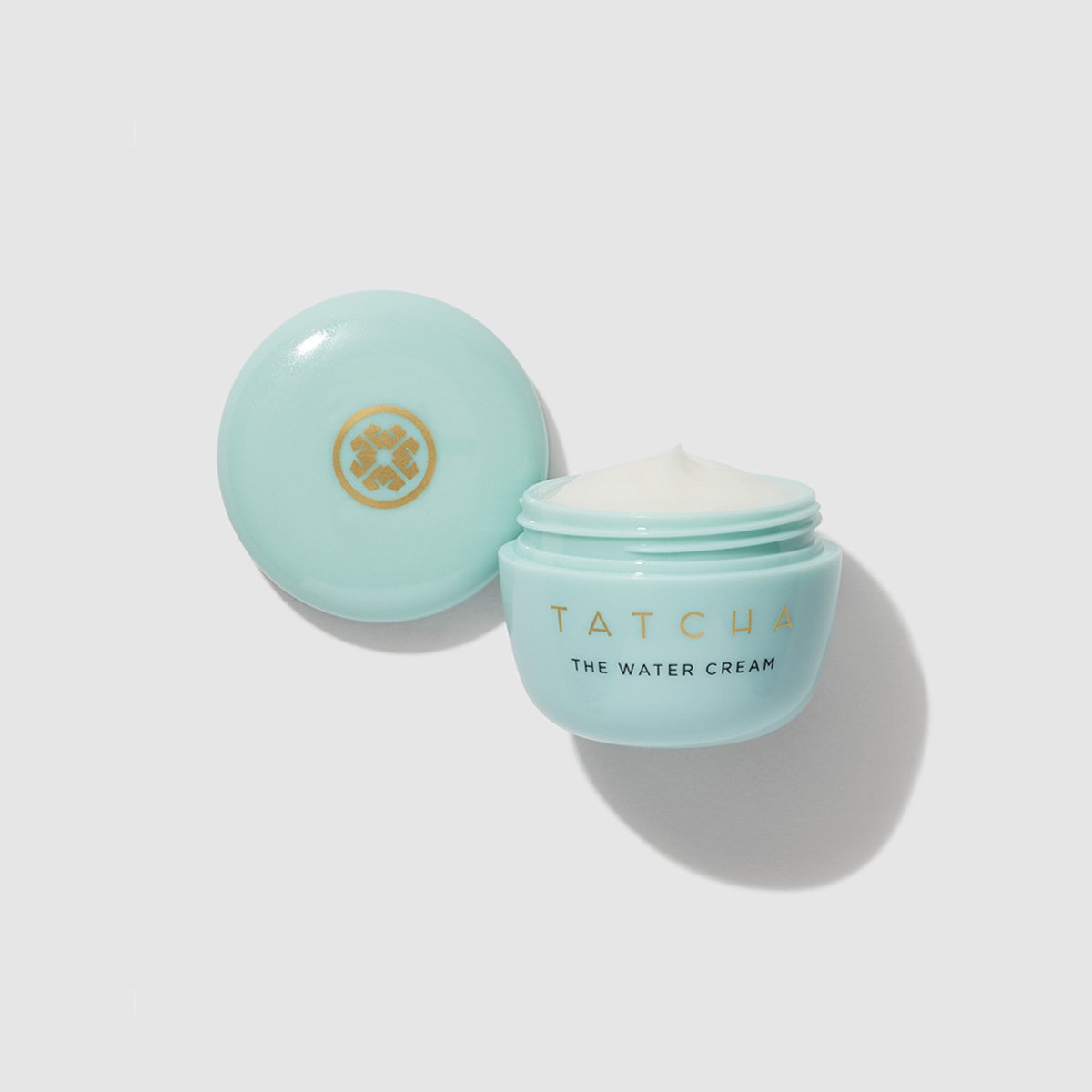
Water-weight moisture. A heavy, occlusive moisturizer is a dream for some skin types—and a nightmare for acne-prone ones. What these skin types want is something lighter, closer to water, and they can find it in The Water Cream. This unique moisturizer bursts on contact with skin, flooding it with essential hydration. A cocktail of pore-refining ingredients, including wild rose, make this moisturizer beloved by all, but is the best moisturizer for those with oilier skin. Blemishes are temporary; good skincare habits last a lot longer.