




There are just a few steps that make up the best skincare routine, which begins with cleansing, continues with exfoliation, and ends with moisturizing. As simple as it sounds, figuring out the product regimen that works best for you is another matter entirely.
Skincare differs widely, because skin differs widely. Each of us has a unique skin type that is a combination of our genetics, our environments, and day-to-day choices like our beauty product diet. These skin types may have similar needs—moisturizing your face is essential to reducing transepidermal water loss whether your skin is oily or dry—but often respond best to different formulas. This is one of the reasons that people with dry faces love oil-based cleansers that wash their skin without stealing away necessary moisture, but those with oily faces may want a squeakier clean. It comes down to preferences, and the natural properties of your skin.
Chemical exfoliation can be particularly tricky step. This deeper clean, which probably occurs less frequently than face washing, helps speed up the skin’s own renewal process by purging away dead skin and build-up. There are a few ways in which chemical exfoliation can occur, and some products are gentler or harsher than others. If you’re looking to incorporate chemical exfoliation into your routine, it’s a good idea to chat with your dermatologist or licensed aesthetician first. But the following guide can help you understand how certain skin properties affect exfoliation—and choose the best chemical exfoliant for your skin type.
Why We Exfoliate
Where cleansing provides a wash, exfoliation provides a purge. These skincare products employ ingredients from acids to granules that have shown to help break the bonds between healthy skin cells and dead ones. The American Academy of Dermatology Association defines exfoliation as “the process of removing dead skin cells from the outer layer of your skin.” Sometimes, we can see the benefits of exfoliation immediately after application—our skin looks extra glowy, and feels superlatively smooth to the touch.
But even as some skincare enthusiasts recommend exfoliation, it’s important to exercise caution; too much exfoliation is not a good thing. Skin is good at renewing itself on its own, and doesn’t always need the extra encouragement. At the same time, when exfoliation is done correctly it offers specific benefits to a few common skin types. Those with oily skin might be able to use the extra cleansing power when it comes to unclogging pores, while those with aging skin may appreciate products that boost cell turnover—which slows with age. The key to unlocking your ideal chemical exfoliant is choosing one designed for your skin type—and using it as directed.
Physical vs. Chemical Exfoliation
Today’s exfoliant aisle spans a wide array of options that can be arranged into three categories. The first, mechanical exfoliation, refers to techniques like dermaplaning that use tools to resurface the skin. While there are some dermaplaning devices available to the public, it’s a form of exfoliation that’s safest when practiced in a doctor’s office or medspa.
At-home exfoliants, by contrast, are usually physical or chemical. Physical exfoliants use finely milled scrubs to buff the skin clear of dirt and debris. They have a rough, sandy texture. Chemical exfoliants use acids to dissolve the bonds between old and new cells. These are lightweight, and can be watery or jelly in texture. Some more concentrated versions of chemical exfoliants are performed by licensed pros—these are typically called peels, and are not for the faint of heart.
The acid-based formulas that are available in the skincare aisle have usurped scrubs as some of the most popular exfoliants in the beauty conversation. Innovations in skincare technology have produced some of the most effective and gentle chemical exfoliants seen yet. More and more, chemical exfoliators are being formulated for all skin types, even sensitive or sensitized skin. No matter your skin type, there’s a chemical exfoliant that is perfect for it.
Major Types of Chemical Exfoliants
The term “chemical exfoliant” is a misnomer, as nearly every ingredient used in skincare is a chemical—even water. But the term is often used to describe one of several acids commonly used in exfoliant formulas, including:
Alpha Hydroxy Acids (AHAs)
Alpha hydroxy acids were some of the first effective exfoliating acids discovered, and have become highly popular in all sorts of formulas. Derived from fruits or sugars, these AHAs not only exfoliate, but can help skin remain moisturized and hydrated, even plump, with regular use.
Beta Hydroxy Acids (BHAs)
In comparison to AHAs, BHAs have a reputation for their small, pore-penetrating size, which makes them a common recommendation for oily skin; few chemicals can reach down into skin the way BHAs do. But they can also be strong, and aren’t always recommended for all skin types. (BHA alternatives, which mimic their benefits but are far gentler, have been gaining steam in recent skincare formulations.)
Poly Hydroxy Acids (PHAs)
The newest acids on the scene are called PHAs, or poly hydroxy acids. These are like AHAs cousins; their large molecular size makes them work mostly at the surface level, and as a result, they are less likely to irritate than other acids.
Chemical Exfoliants by Skin Type
The key to choosing the best chemical exfoliant for your skin type is in its ingredient list. Some acids work better for some skin types than others, and by figuring out your perfect match, you can winnow down the options—and take your pick.
For Normal to Dry Skin: An AHA-Filled Toner
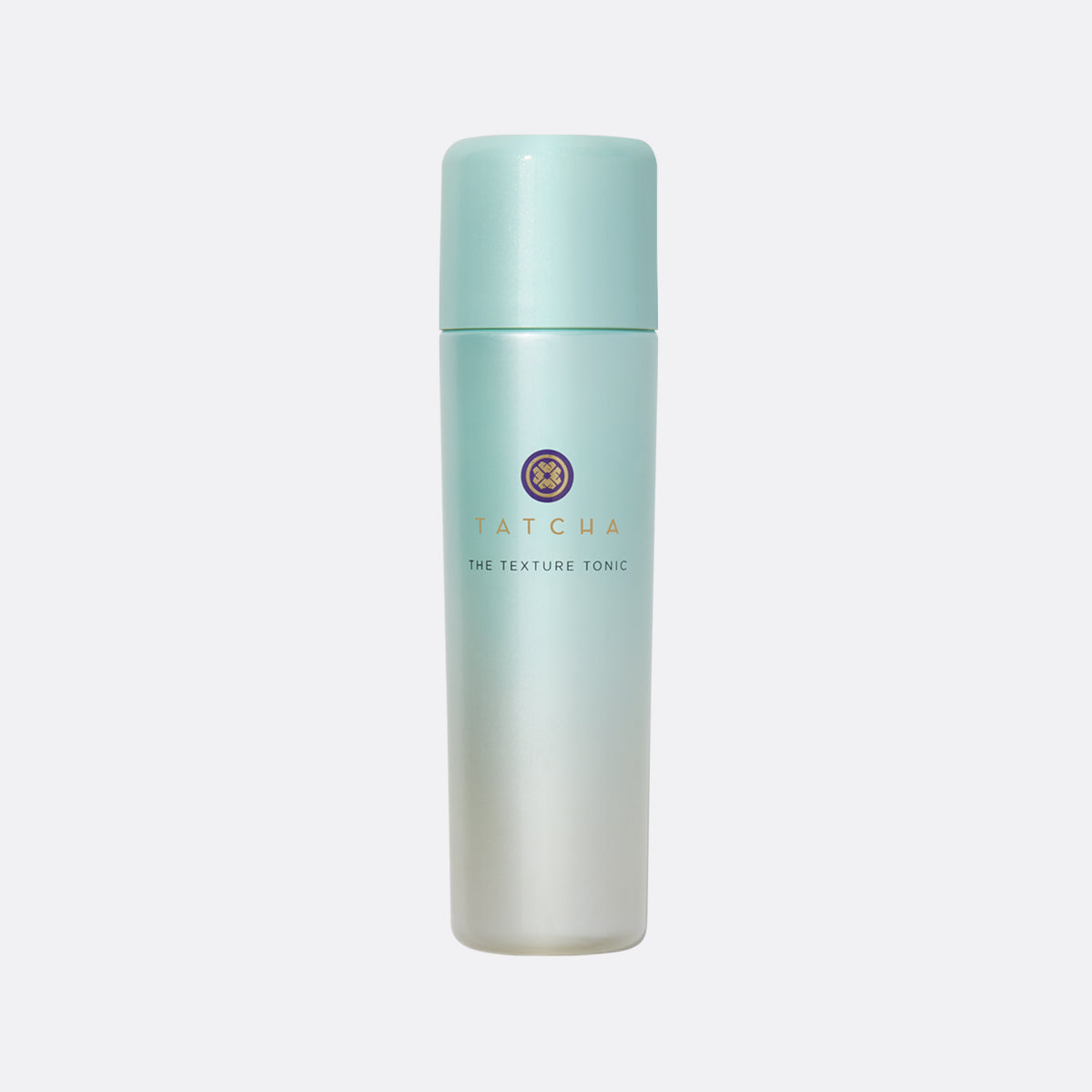
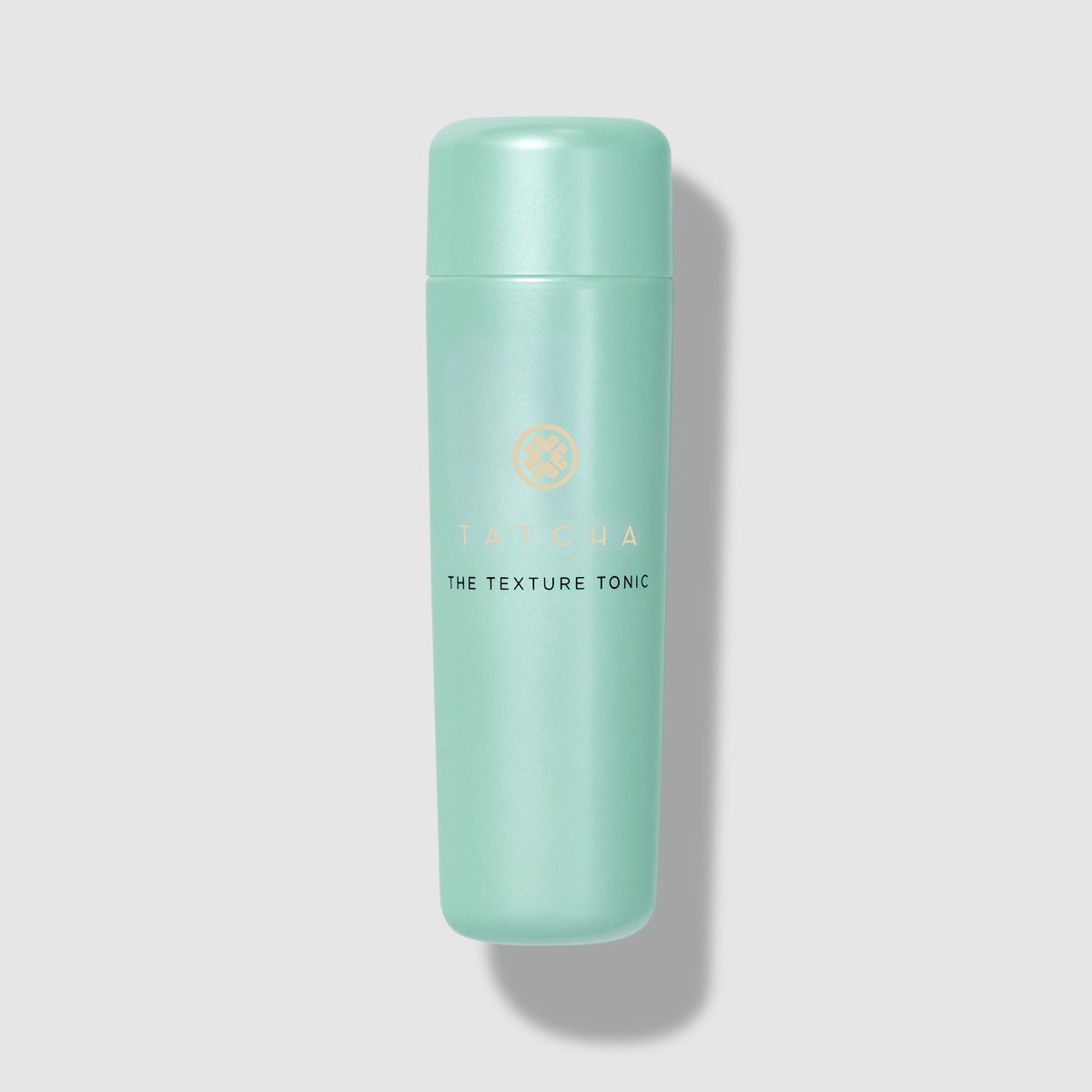
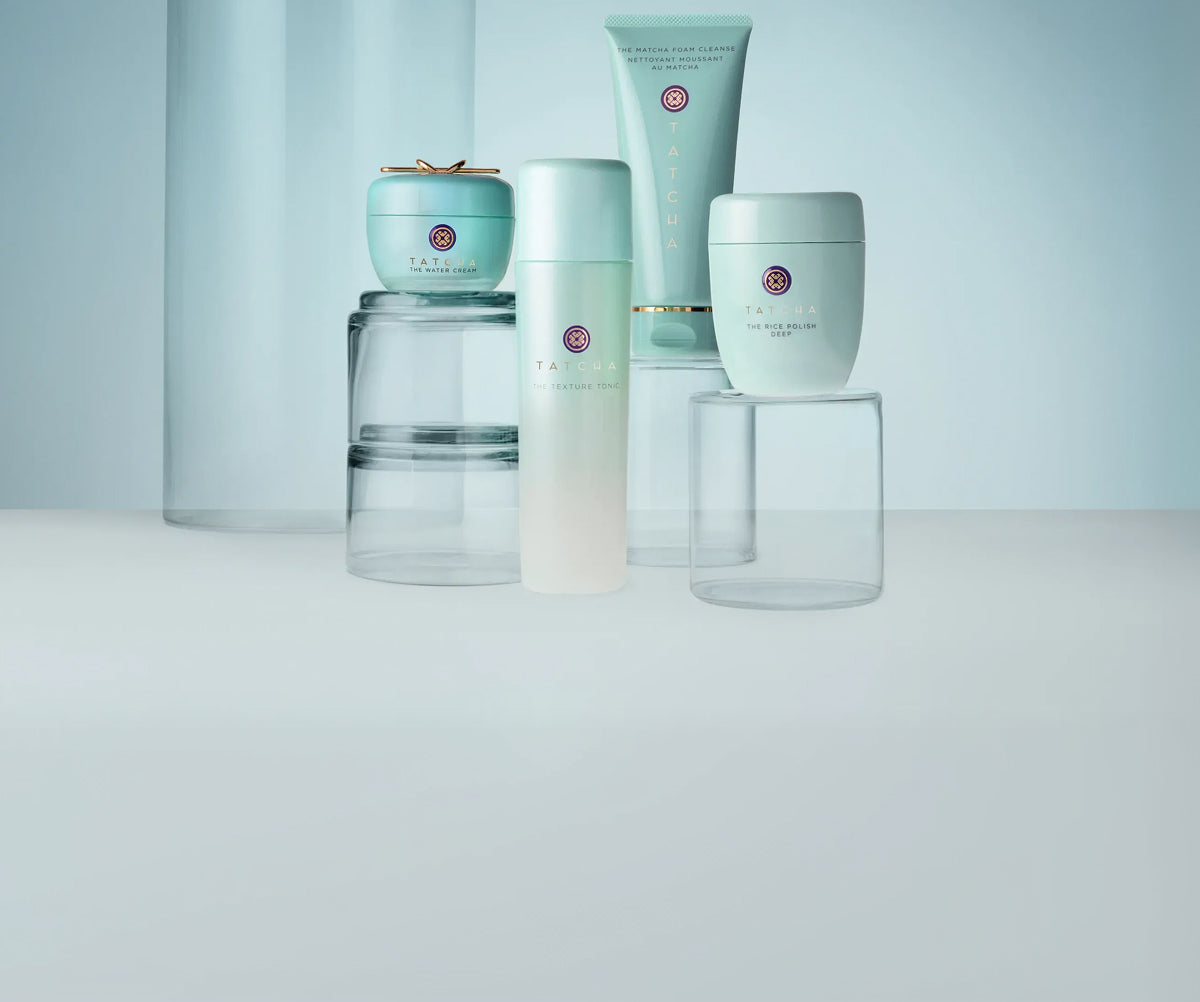
Meet The Texture Tonic, a new kind of toner designed to fit chemical exfoliation into a daily skincare routine. Applied just after cleansing, these toners not only refine skin, but can also prepare the skin for moisturizer to come. The Texture Tonic comes loaded with fruit-derived AHAs that smooth skin, as well as the skincare hero niacinamide, which reduces redness with each swipe.
For Oily Skin: An Exfoliating Cleanser
Less is often more when it comes to skincare—the fewer things to upset the skin barrier, the better. With oily skin, which is categorized by an abundance of skin’s self-soothing sebum, too much skincare won’t just make skin extra slick, but could even kick sebum production into further overdrive. Products like The Matcha Cleanse, which combine a cleanser and an exfoliant into a single step, help to pare things down. In addition to botanicals that reinforce and nourish the skin barrier, it also contains several known BHA alternatives shown to increase skin surface turnover, decongest, and rebalance skin.
For Sensitive Skin: An Enzymatic Polish
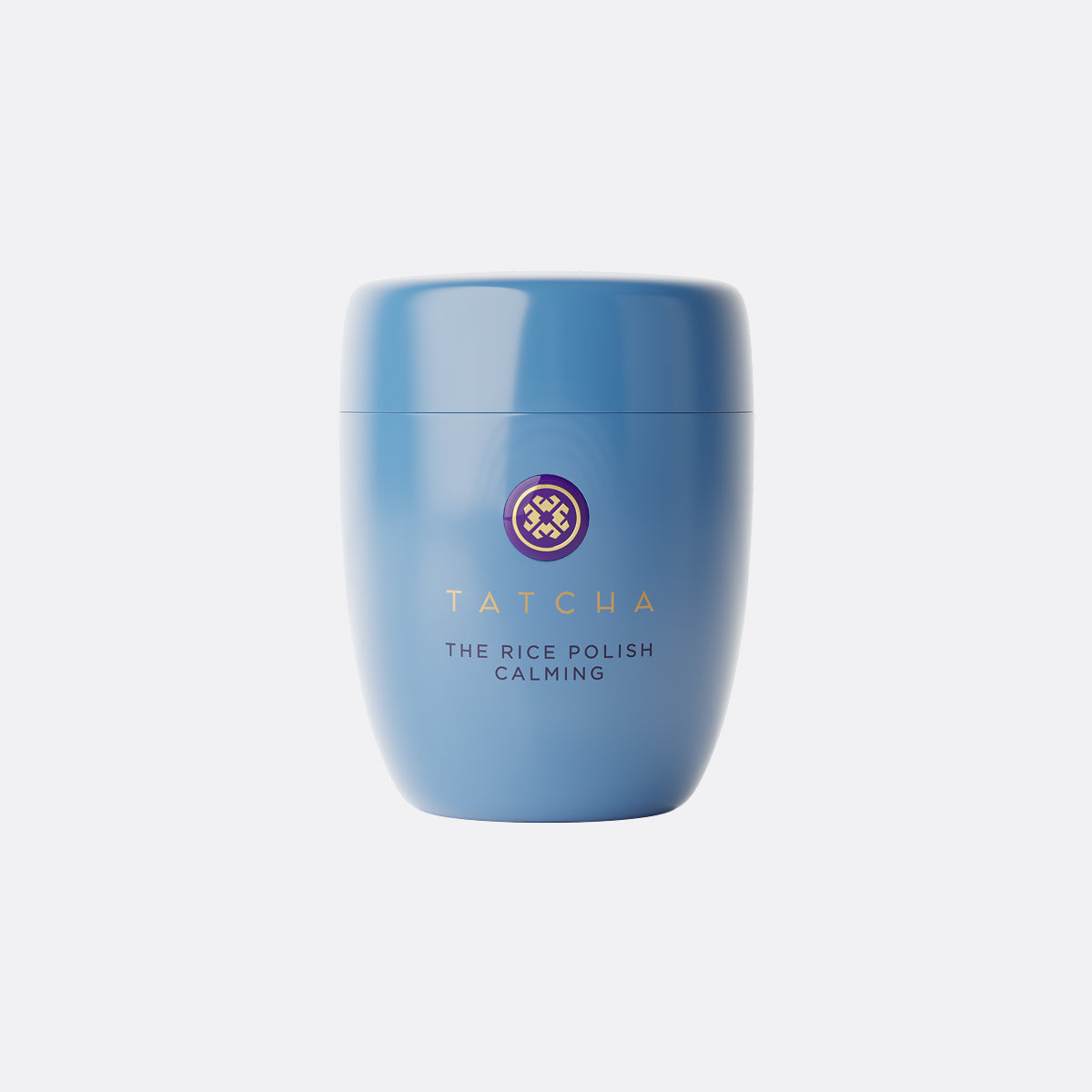
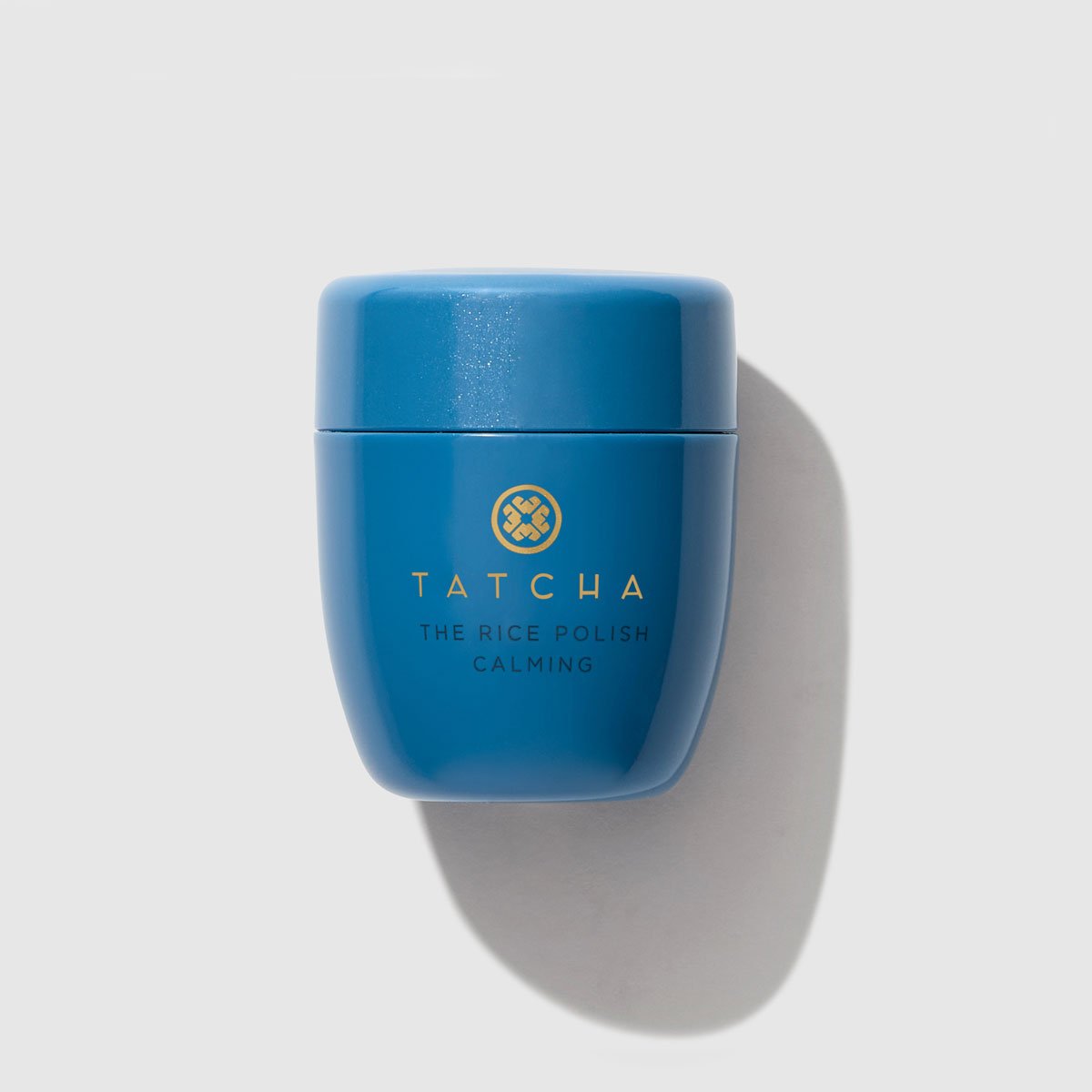
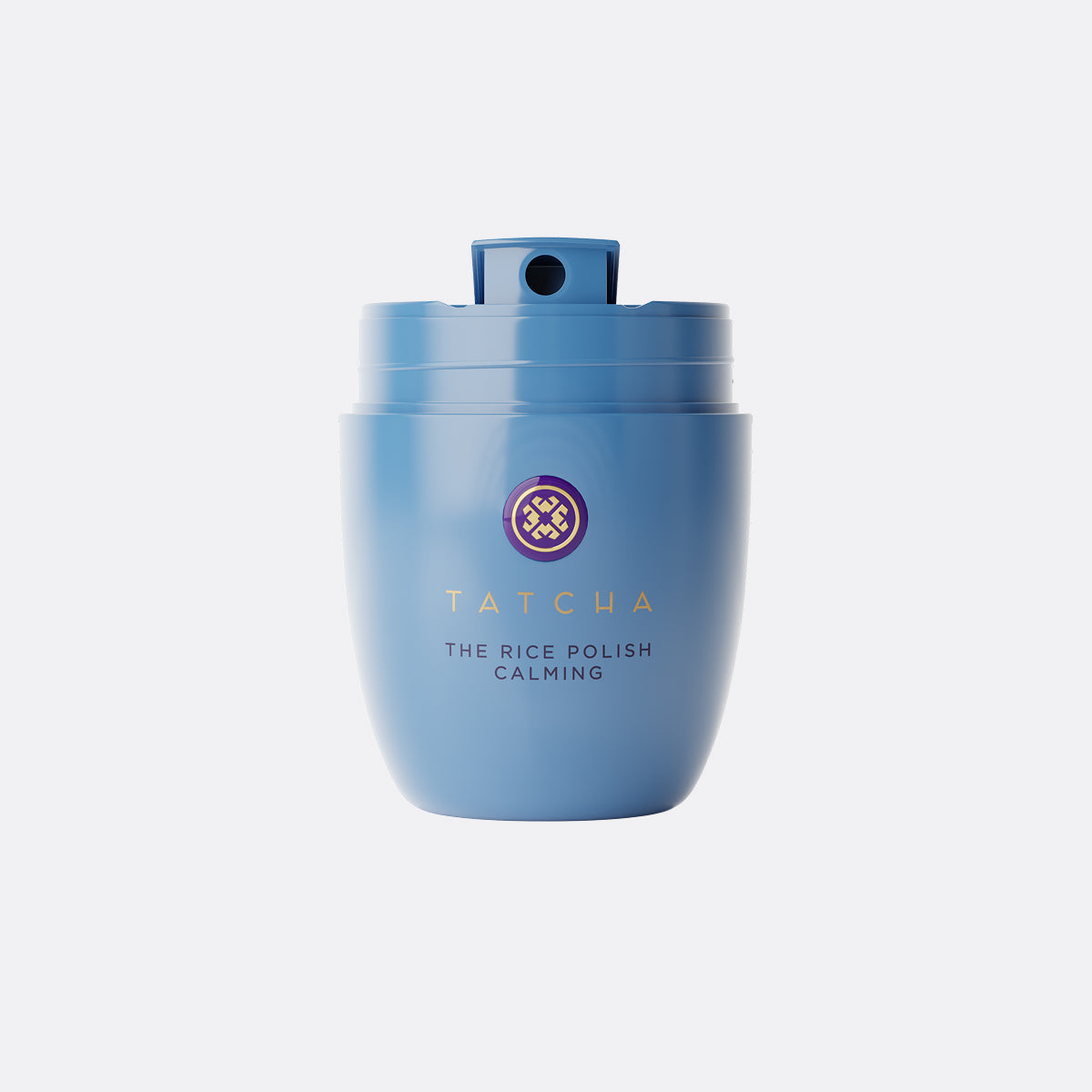
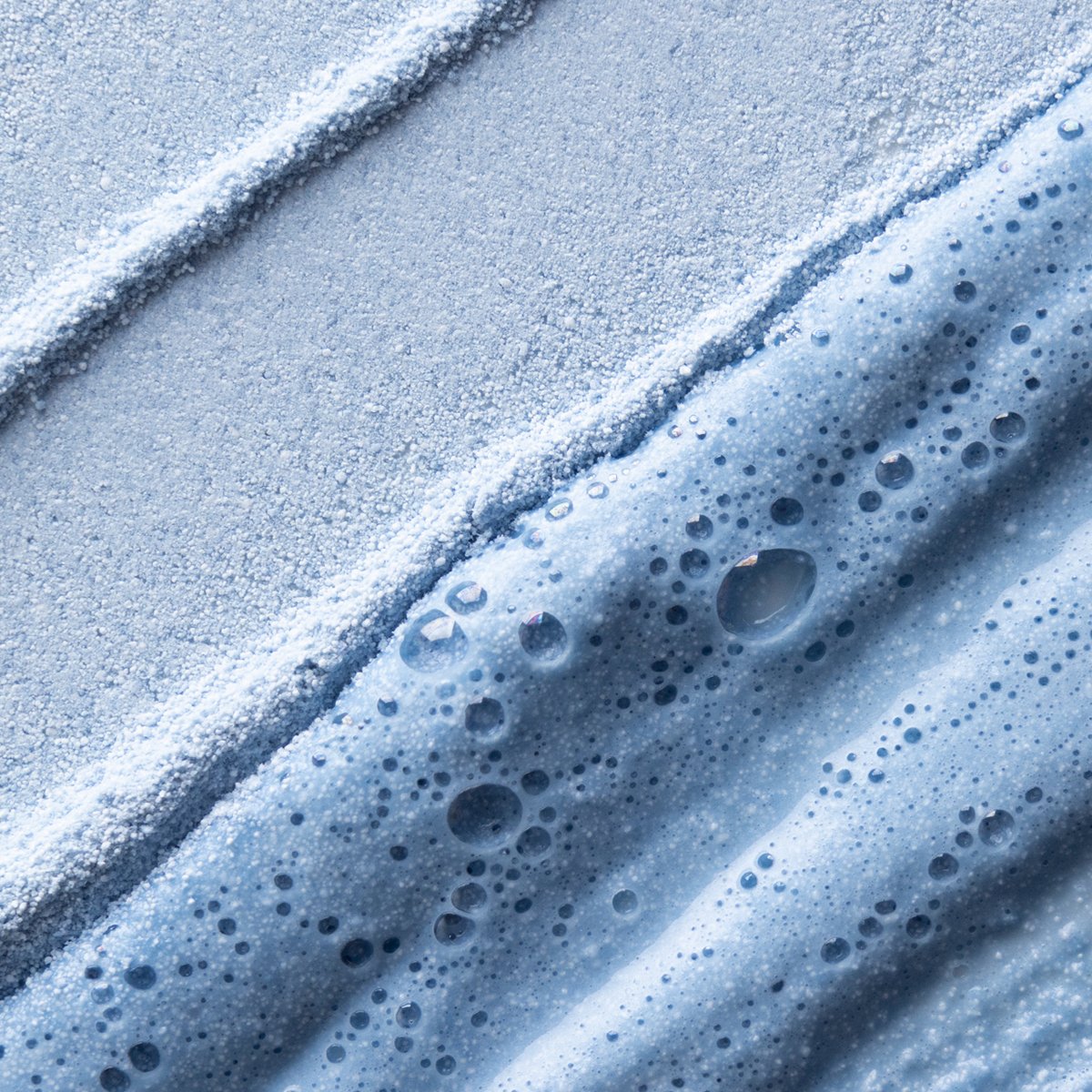
Sensitive skin is defined by its tendency to get angry, or generally react, to substances that usually don’t cause skin to react. (And it’s super common, with more than half of all skin-havers having sensitive skin.) Some chemical exfoliants are liable to scorch sensitive skin, but some physical ones are too rough to use. So why not try something with a little bit of both? For those needing a gentle exfoliant to incorporate in their sensitive skincare routine, try The Rice Polish Calming. This is a version of our best-selling gentle scrub, but dosed with Indigo extract, which has shown to soothe even the most sensitive skin. As the beauty legend goes, the wife of a Japanese indigo grower discovered the properties of this legendary botanical while researching ways to calm her husband’s lifelong skin ailment. It’s a time-tested ingredient—with a new application.