





Skip to content

Bag

Your bag is empty

Continue shopping

Enjoy up to 15% off 4 full sizes of your choice with our set curator

Get Started

Select Gifts

The Best Fragrance-Free Skincare Products
Caring for SkinSep 16, 2023

The Best Fragrance-Free Skincare Products

What are essential oils? Is fragrance bad for our skin? And what is the best fragrance-free skincare? When it comes to scents, a little skin-sensibility goes a long way.

Fragrance is easily one of the beauty industry’s greatest pleasures—but is also a topic of some debate. On one hand, you have perfumes that artfully assemble different notes into symphonies of scent that evoke far flung beaches or time periods in the distant past; you have shampoos and conditioners practically bursting with the aroma of fresh fruit.

Skincare and makeup products are also commonly made with added fragrance—and the sensory experience they offer are often a reason why a customer will choose one product over another—but their use in these formulas can spell trouble for some, especially those with sensitive skin. At one point in recent history, the American Academy of Dermatology declared fragrance allergy to be the leading cause of contact dermatitis in the US from product exposure. Overall, fragrance ranks in the top 5 causes of contact dermatitis, a list that includes known skin irritants like poison ivy.

That doesn’t mean your skin will automatically go red and bumpy if you apply a fragranced product to it—many people use fragranced products multiple times daily without incident. But if your skin is reactive, and you find yourself often battling breakouts, a little caution and ingredient know-how can help you make the best choices for your skin when it comes to fragrance.

Know Your Fragrances

There are a few different types of fragrance that you are likely to encounter in product formulations. They all perform the same function—imparting a bit of scent to a moisturizer, or foundation, or blush—but they are far from the same. They can largely be defined in three categories: Essential oils, natural fragrance, and synthetic fragrance.

Essential oils. You’re likely familiar with essential oils, “complex mixtures of terpenes and other aromatic or aliphatic compounds” that are created by aromatic plants as by-products of other metabolic processes, according to a 2021 report defining their use in cosmetics. And there are about 300 essential oils, derived from 3000 plant species, on the current fragrance market. Essential oils are the most concentrated forms of natural fragrance.

Natural fragrances. Natural fragrance is derived from plants, and may include essential oils, but probably include a bunch of other things, too. The International Fragrance Association has strict guidelines for fragrances that are marketed as natural. They have to be composed of ingredients recognized by the IFA’s own standardization, and these ingredients must be “physically obtained from plants using distillation, expression and extraction.” A natural fragrance might include a little essential oil along with isolates and resins from other natural sources, but rest assured that it’s all plant-derived.

Synthetic fragrances. Synthetic fragrances might have both the simplest and most complex definition of all three categories. A synthetic fragrance utilizes one or more ingredients made in a lab. It could be composed mostly of plant derivatives, but if at least one synthetic compound or ingredient is present, it’s a synthetic fragrance. These fragrances are popular for their customizability as well as for their ease of manufacturing and wide availability.

Fragrance-Free, Not Unscented

The terms “fragrance-free” and “unscented” seem like they’d mean the same thing. But each term is related to a specific formulation—and one that doesn’t always indicate a lack of added perfume.

Fragrance-free products do not include fragrance of any kind. Because some consumers cannot or prefer not to use fragrance, fragrance-free formulas offer an alternative.

By contrast, unscented products do not have a discernible scent, but may use fragrance ingredients to mask an existing scent. These kinds of formulations can be indistinguishable from fragrance-free products at first sniff, but their ingredient lists tell different stories.

It’s important to label the difference, so the Environmental Protection Agency offers certification for products that are fragrance-free. If you’re someone who has reactive, sensitive skin, it could be a good idea to seek out fragrance-free formulas that are less prone to irritate skin.

Is Fragrance Really That Bad?

It’s worth saying over and over again: Fragrance is not bad for you. Just because fragrance can cause contact dermatitis doesn’t mean you should avoid it completely in every area of your life. But it’s important to be cautious when you see fragrance on a skincare ingredient label. Unlike other ingredients, the Food and Drug Administration allows for companies to simply list “Fragrance” or “Parfum” instead of enumerating the specific ingredient contents of their fragrances. This is ostensibly to protect companies from having to spill their precious perfume recipes, which are regarded as trade secrets. But it can make it difficult to know what exactly is in that product you’re using.

If you have sensitive skin, it’s wise to be wary of the products you choose, and double check with your dermatologist if you’re unsure. If a favorite product has an opaque “Fragrance” on its ingredient label, it might be worth your time to send a note to their customer service and see if they’ll disclose the ingredients, or even part of them, so you can shop smarter.

The Best Fragrance-Free Skincare Products

As fragrance-free skincare has gained in popularity, there are many options on the market for products without added fragrance.

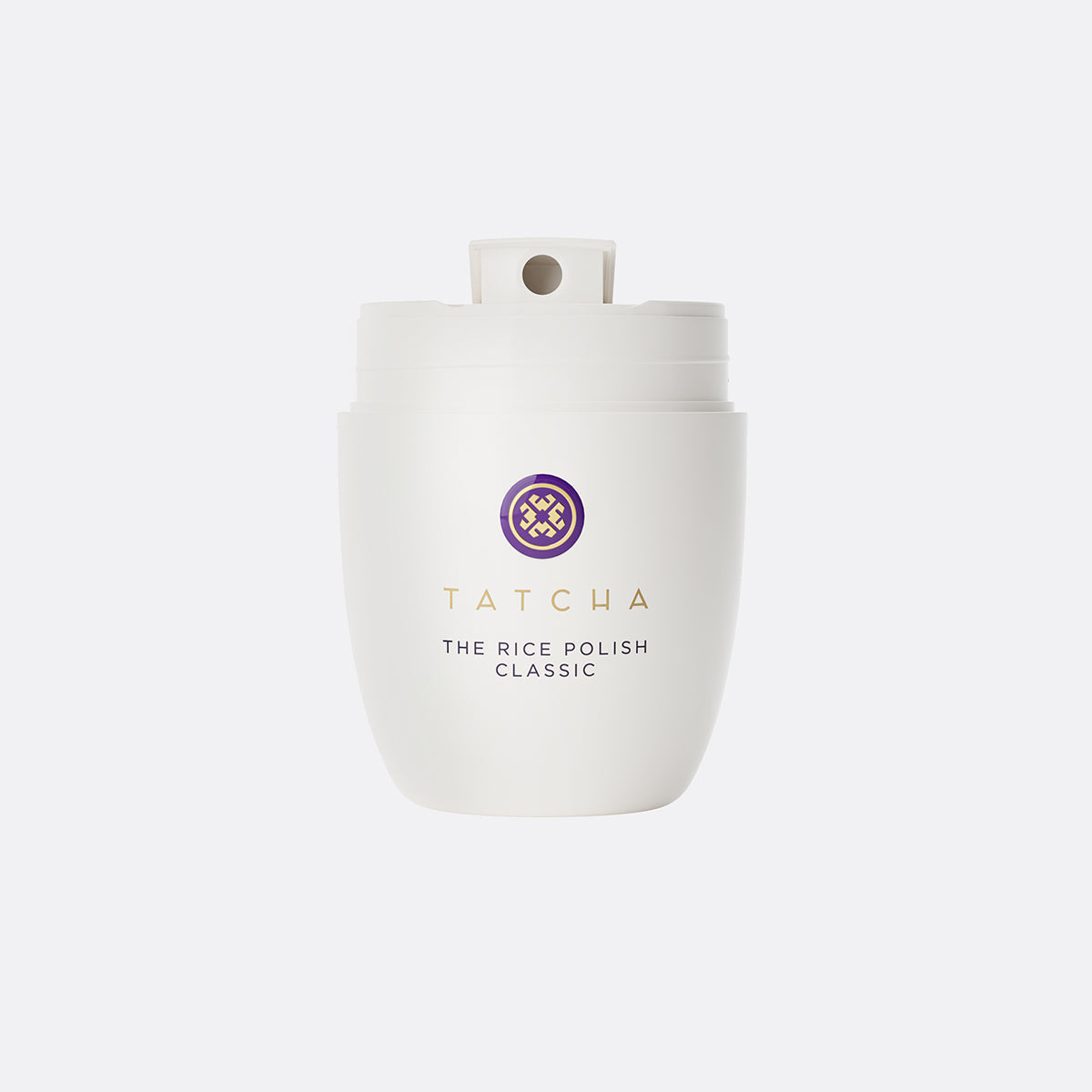
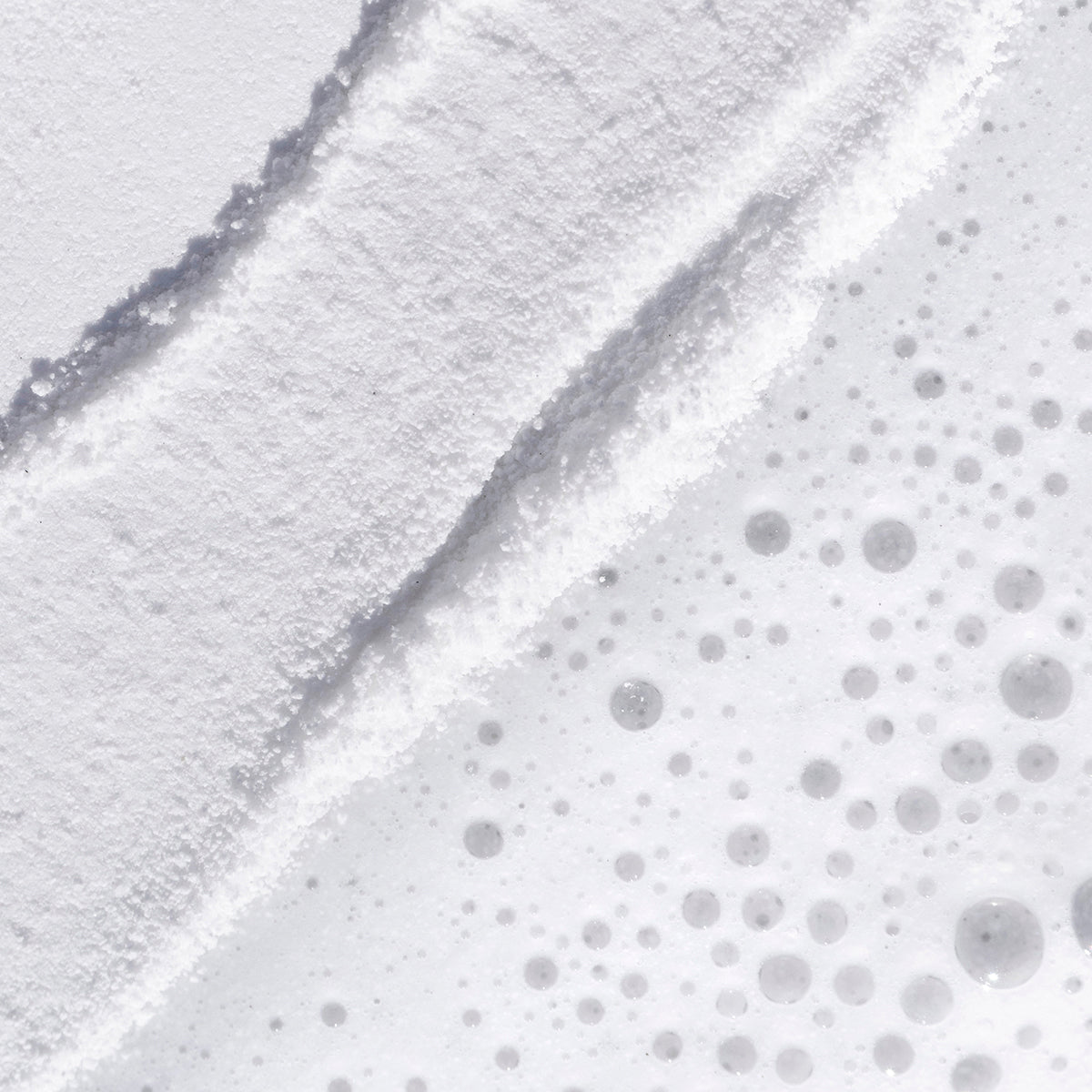
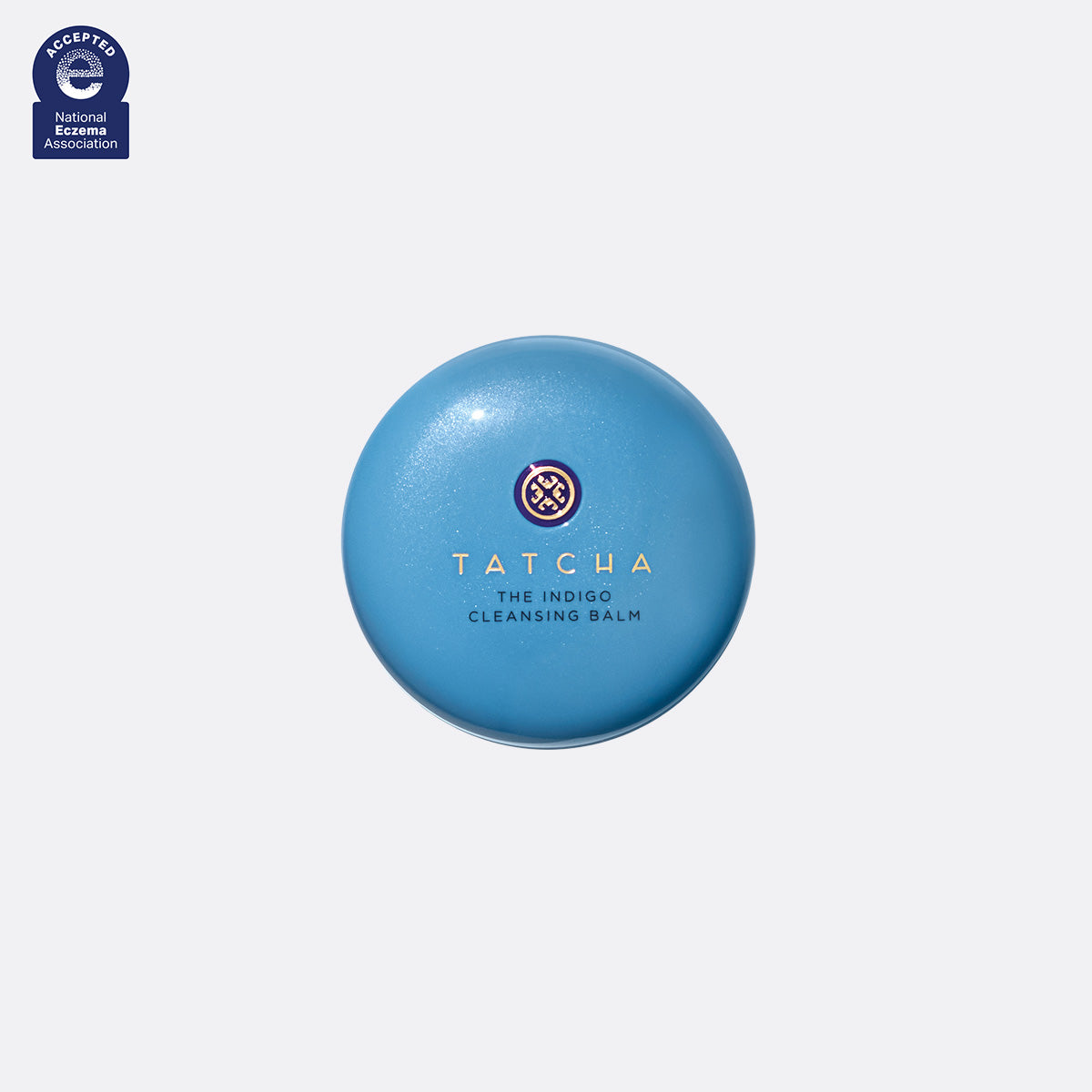
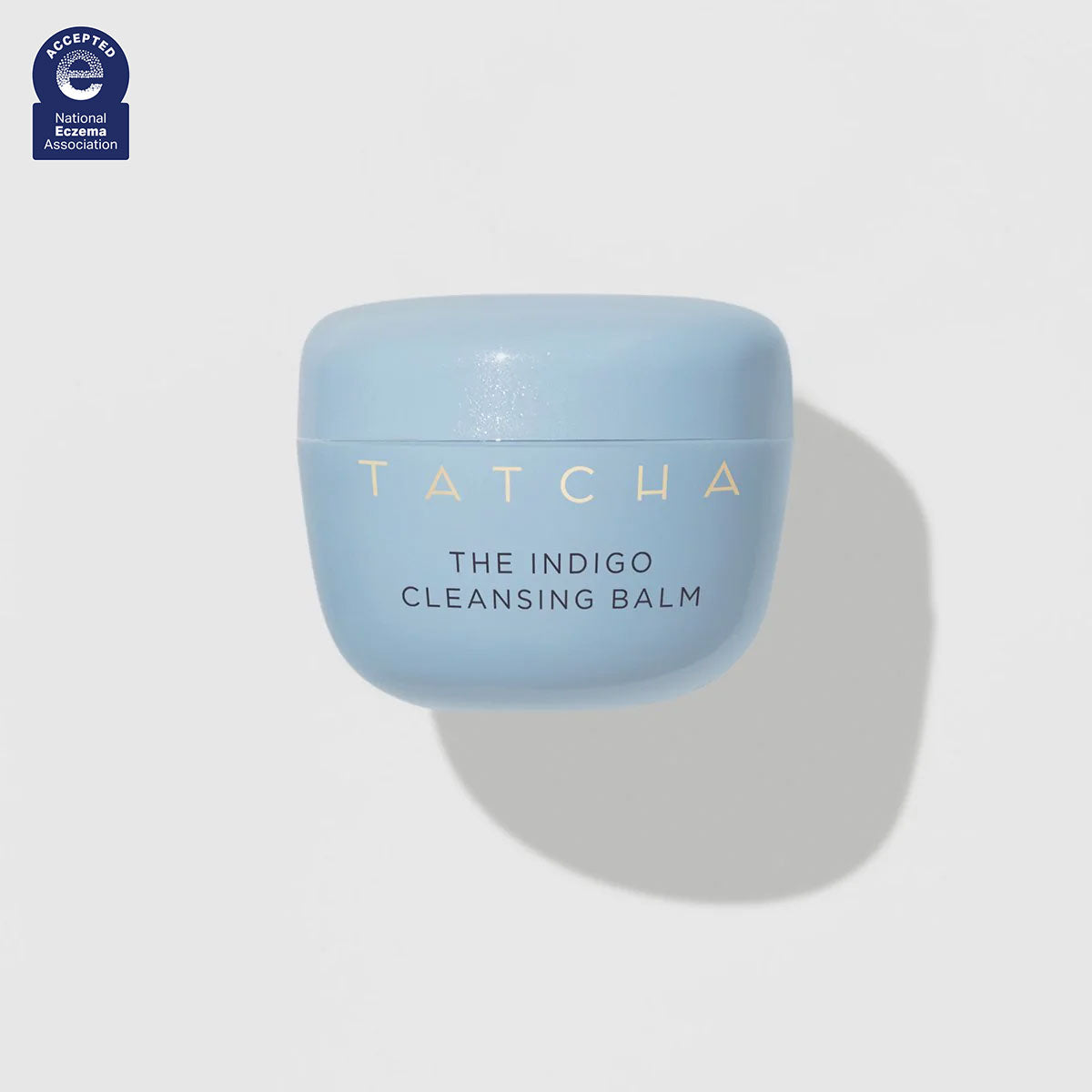
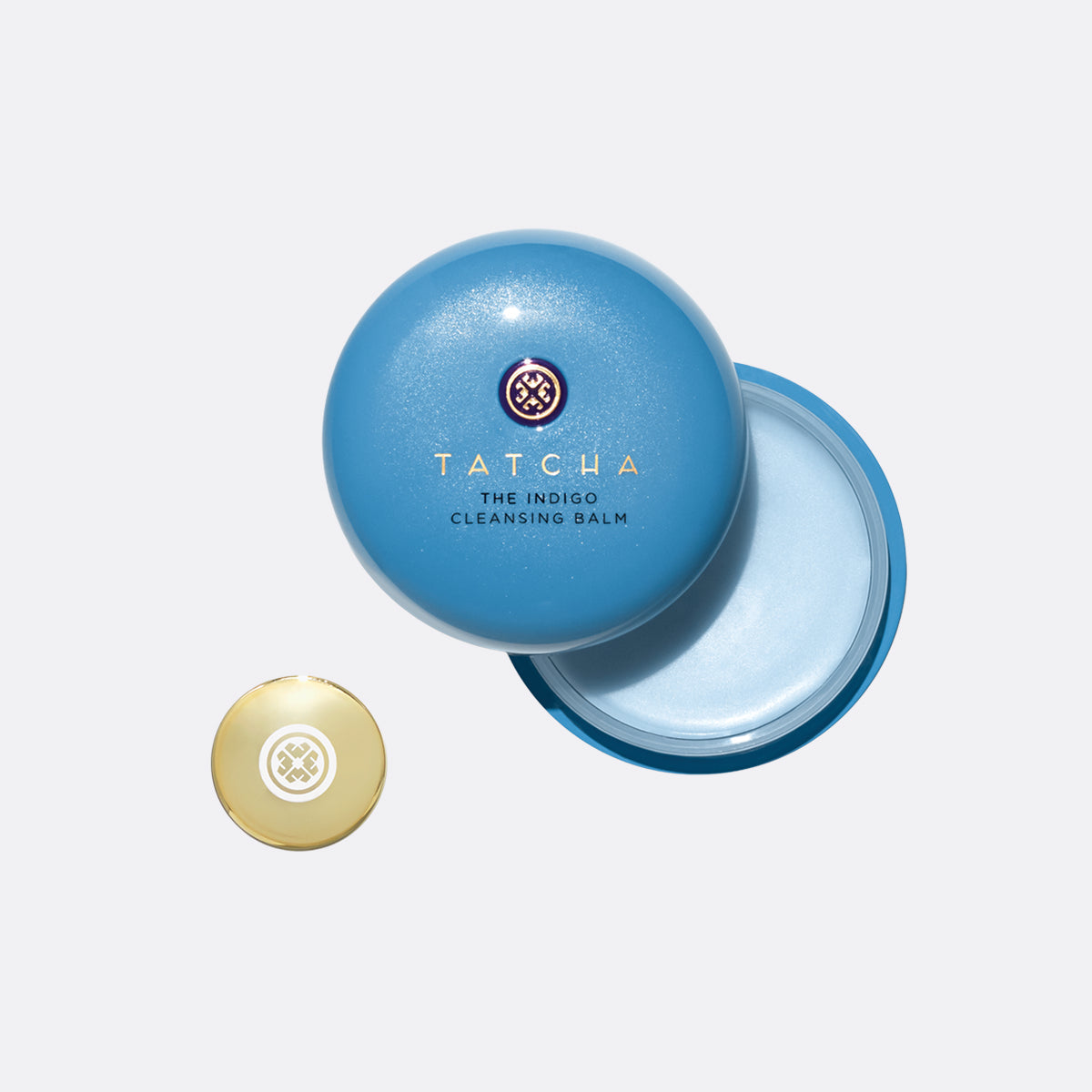
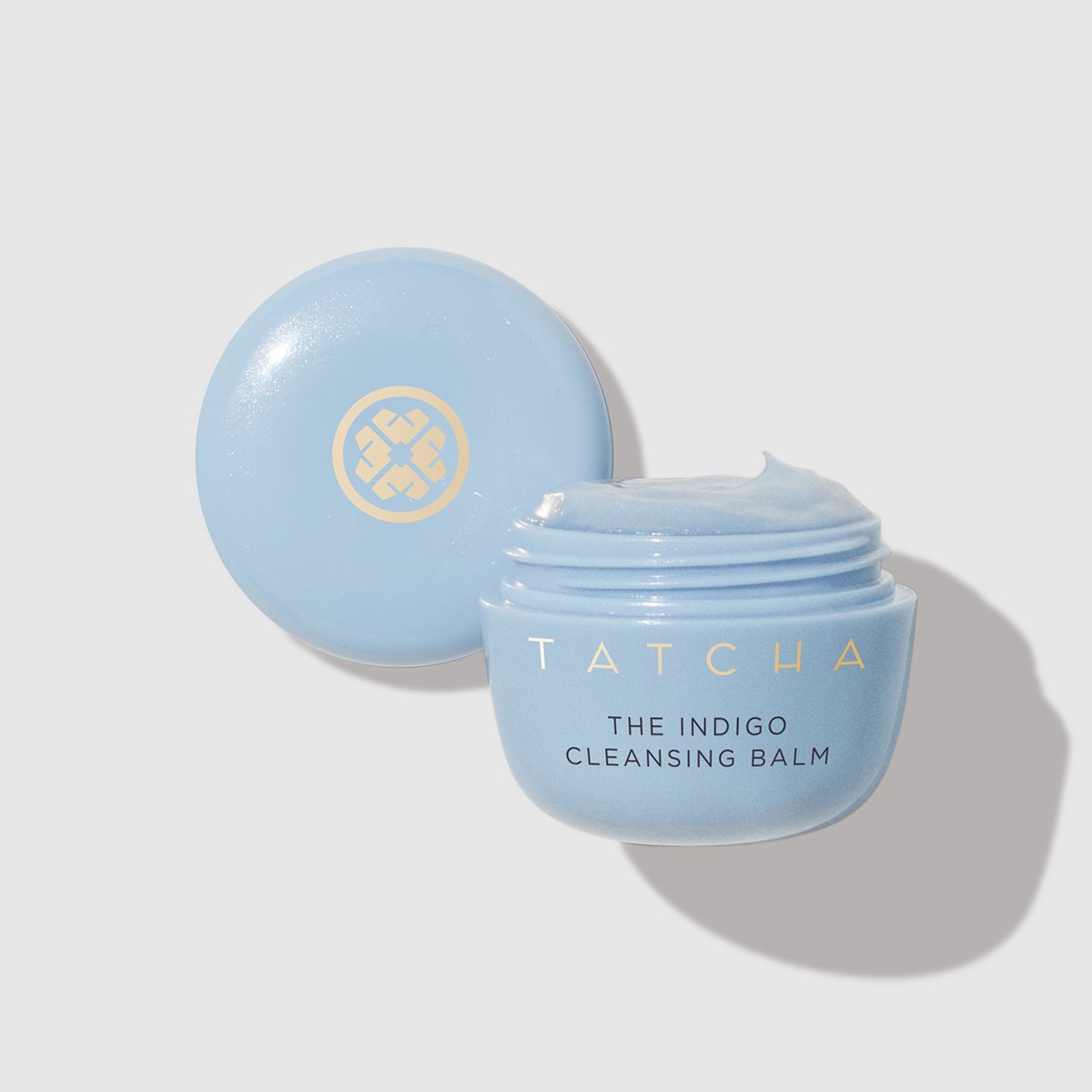
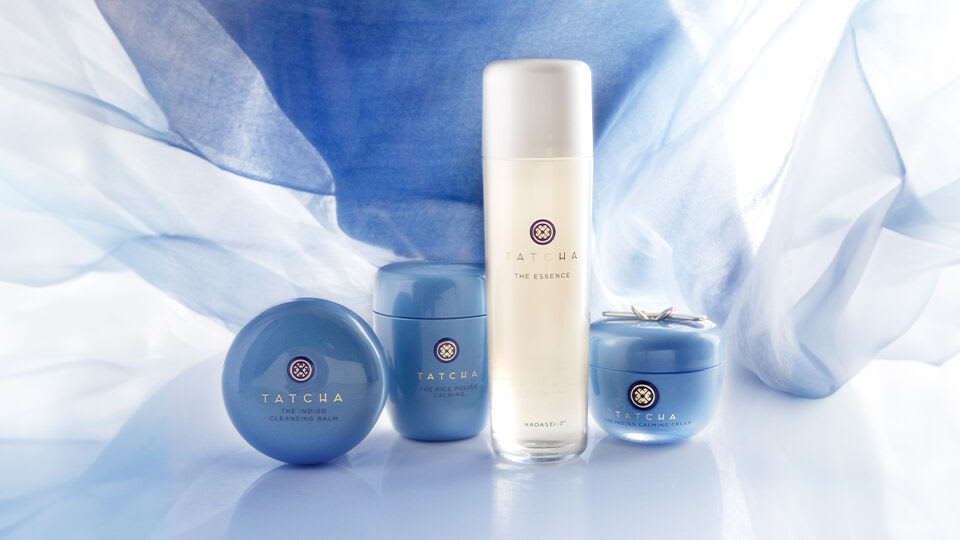
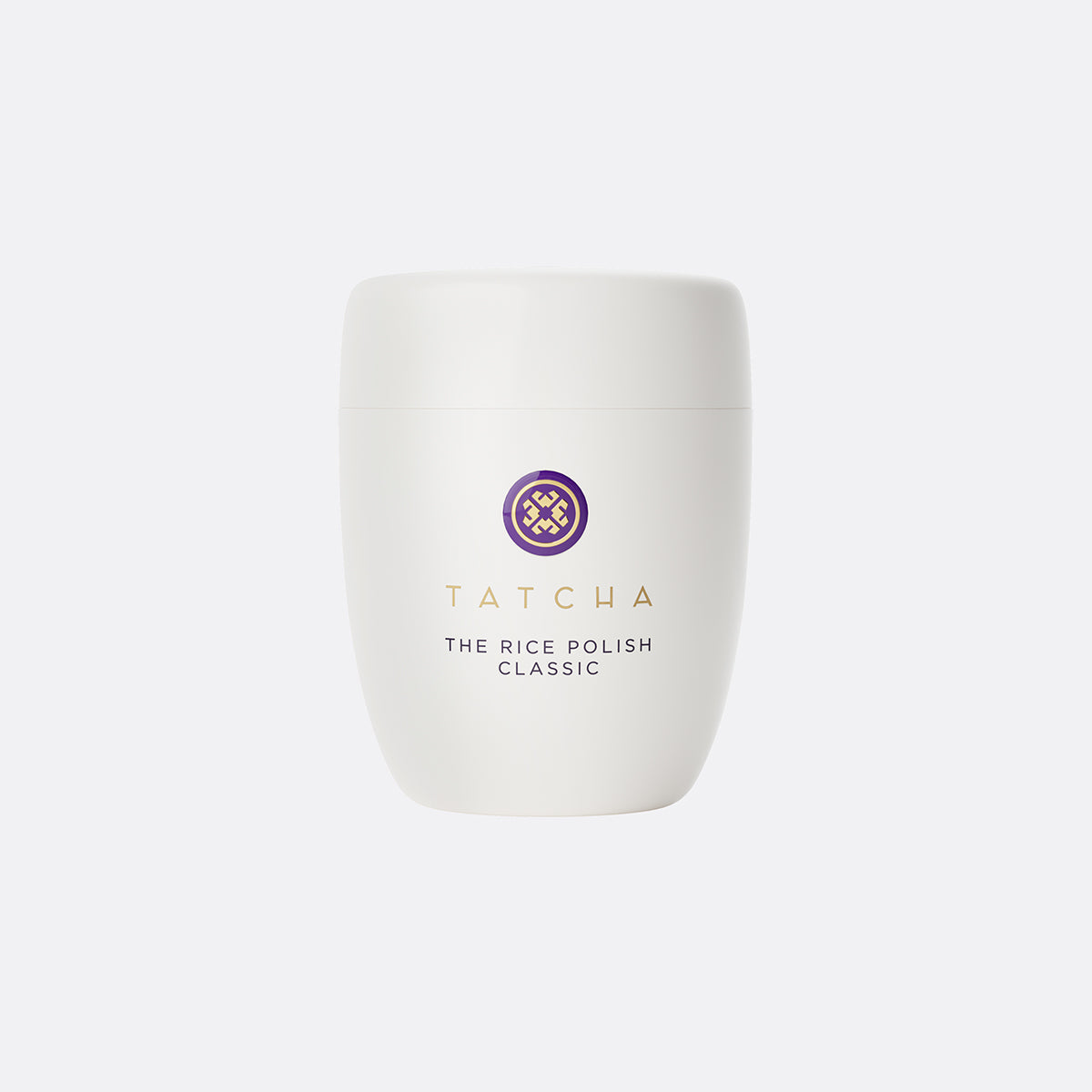
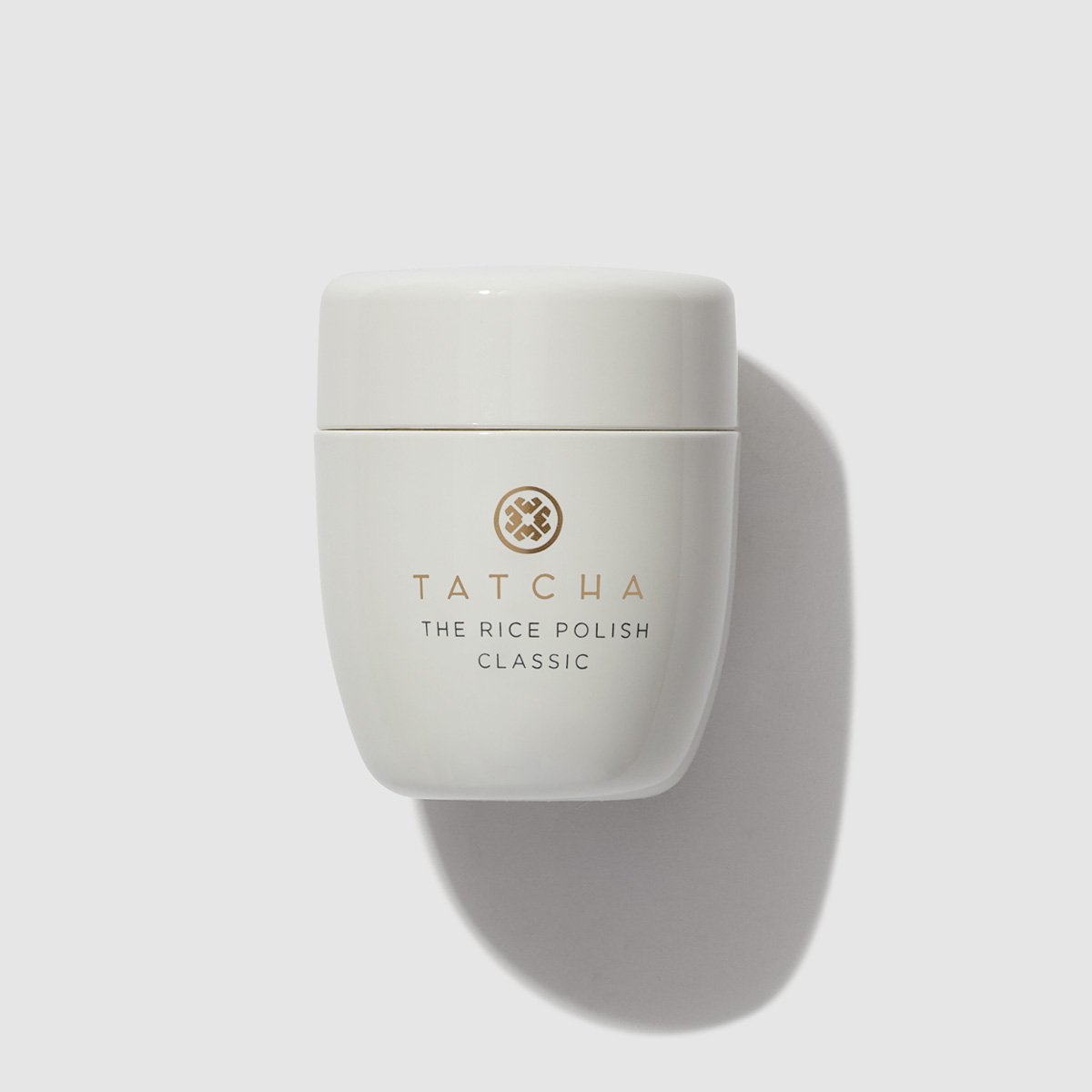
A wonder wash. What could be better than a two-in-one cleanser and exfoliator that is made from superplants and is supremely gentle on skin? One that does all of that, with no added fragrance. Such is Tatcha’s The Rice Polish, a best-seller with a cult following. It resurfaces skin with rice bran and papaya enzymes while also shoring up the skin’s natural barrier with moisture and radiance. If skin tends toward dryness or sensitivity, a balm like the Indigo Cleansing Balm can melt away makeup and cleanse the skin beneath in a single step.

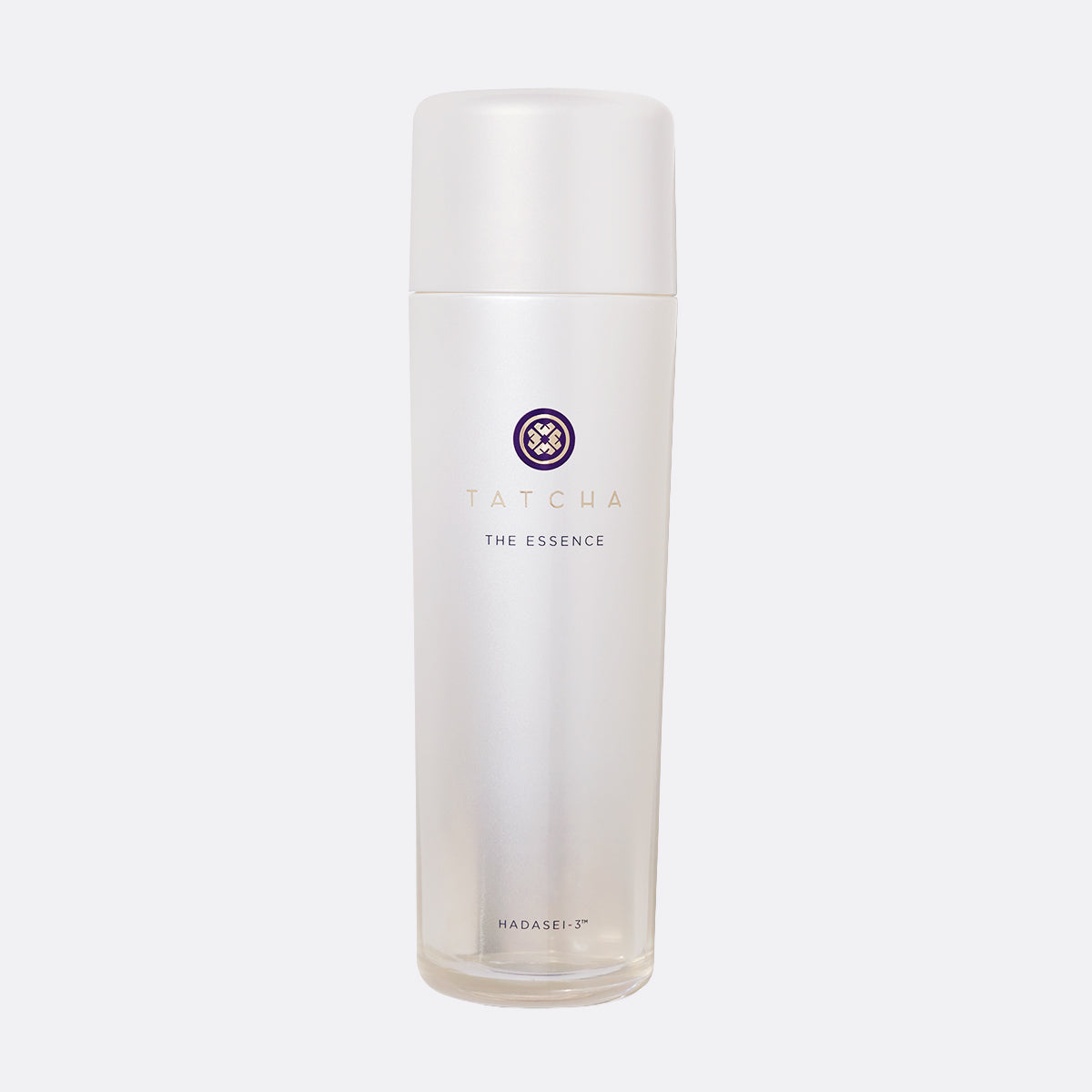
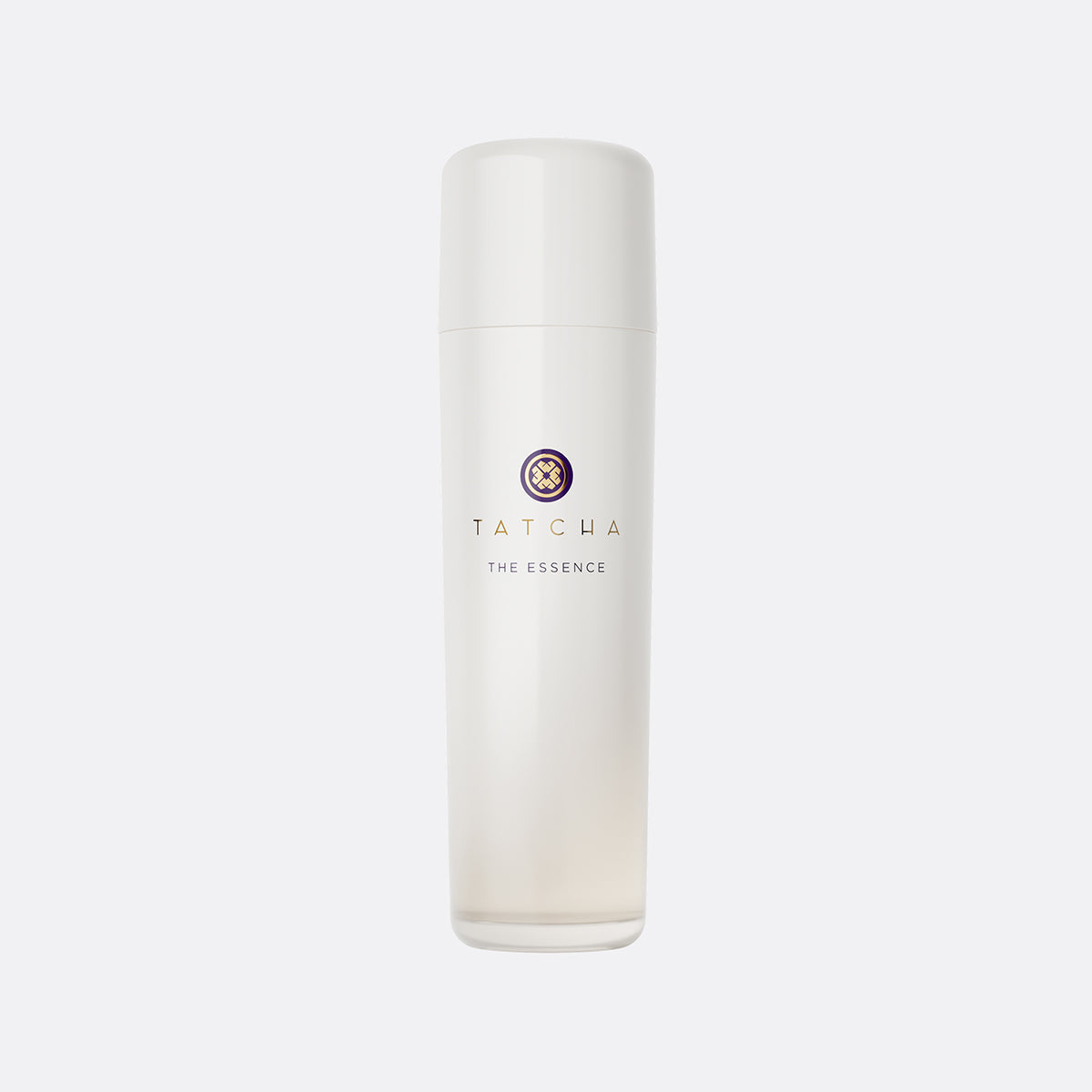
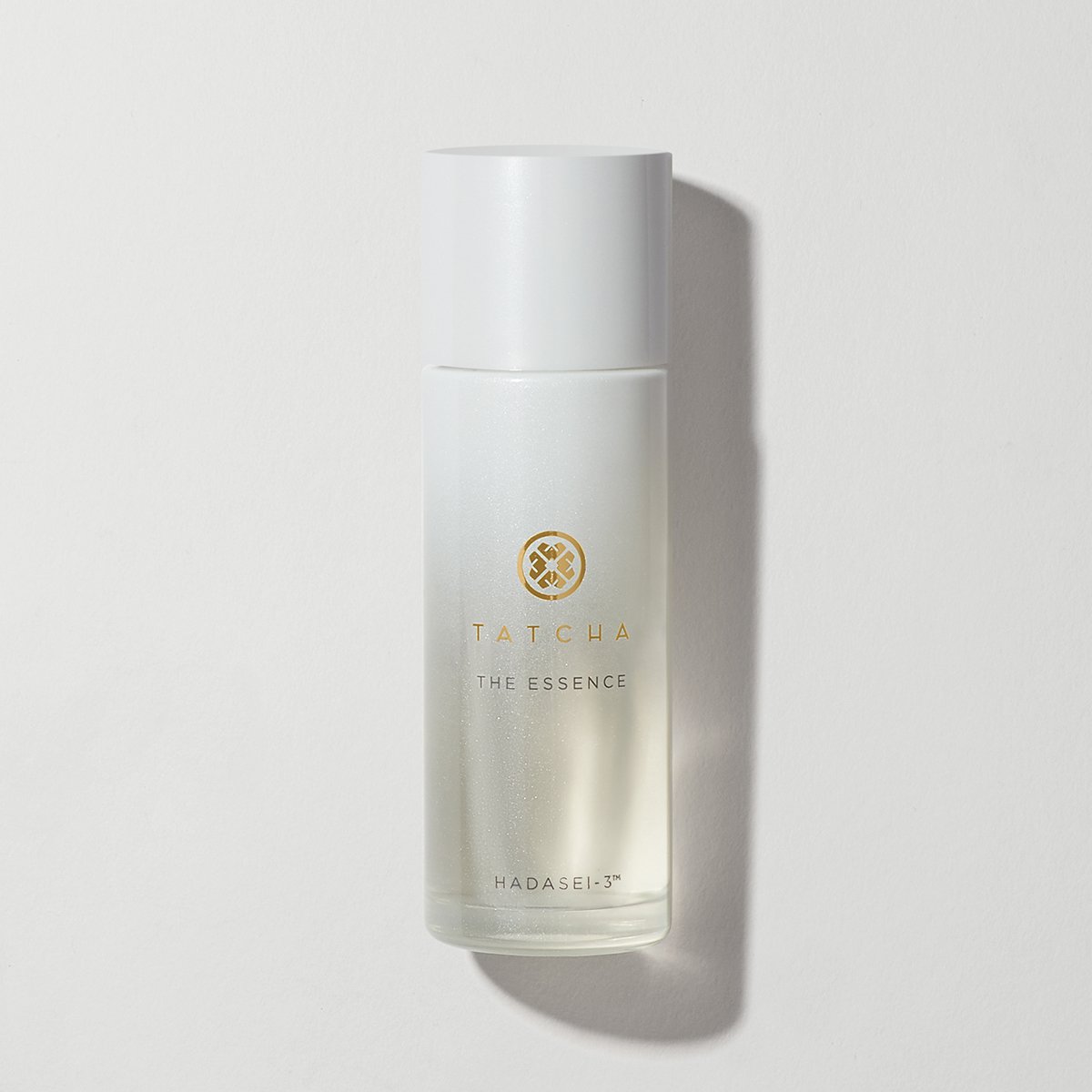
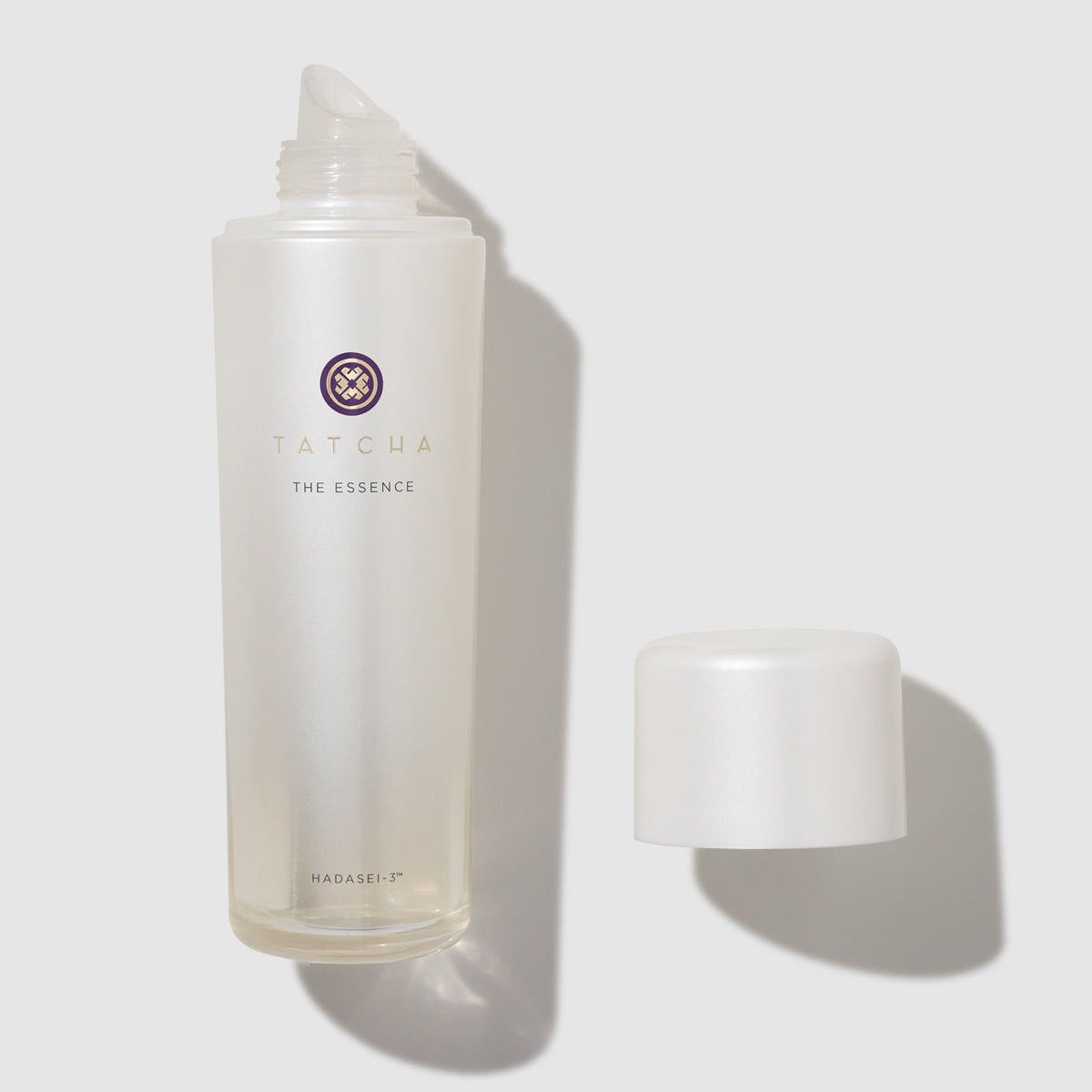
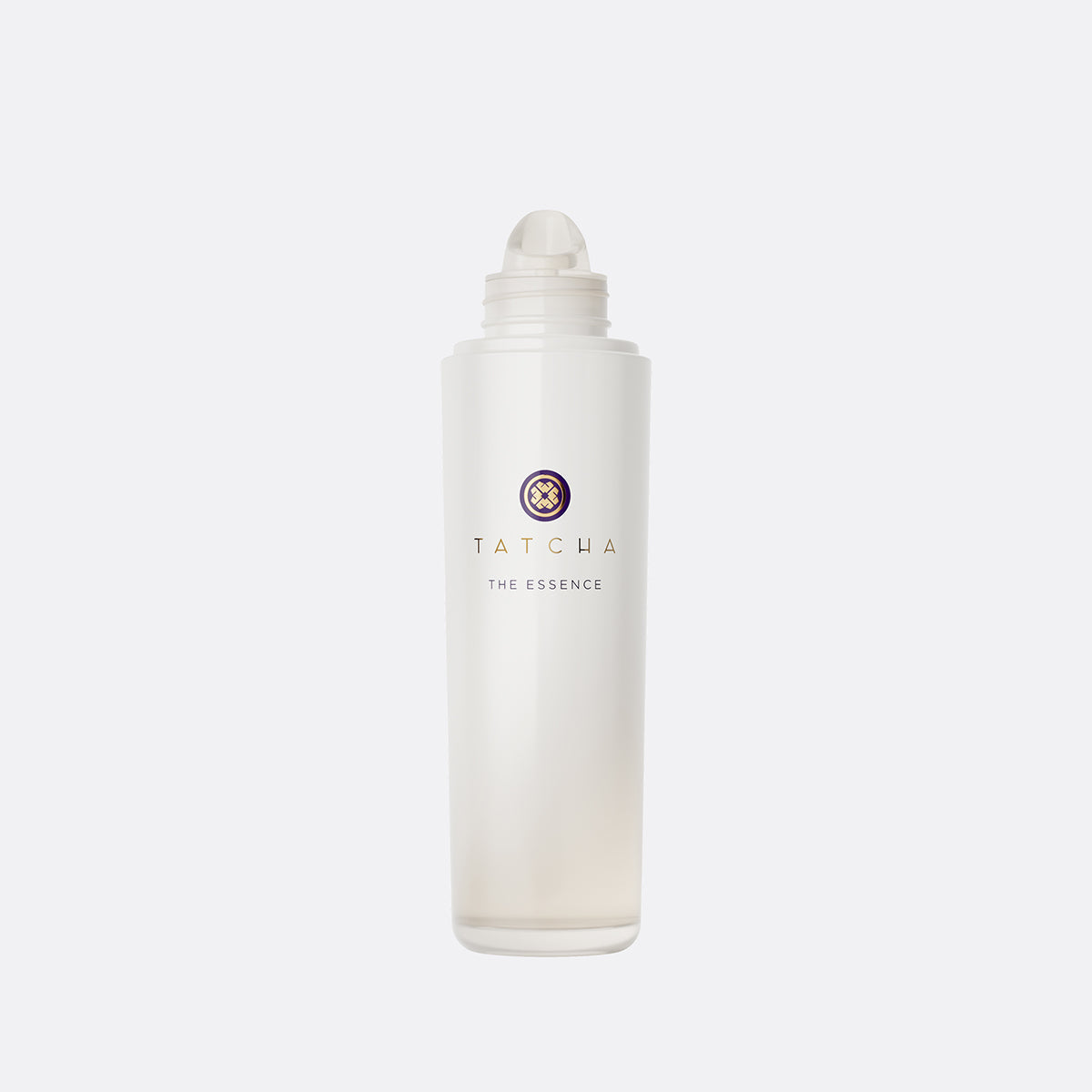
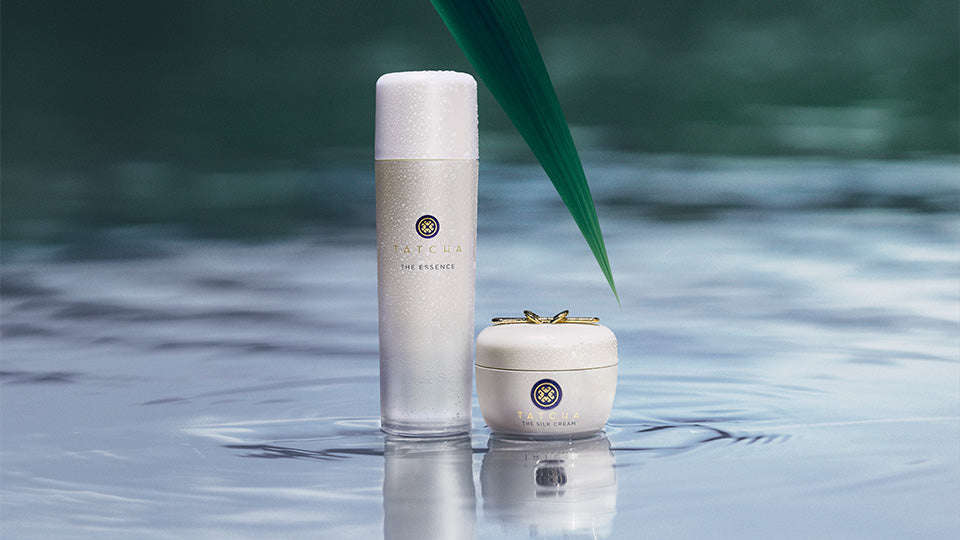
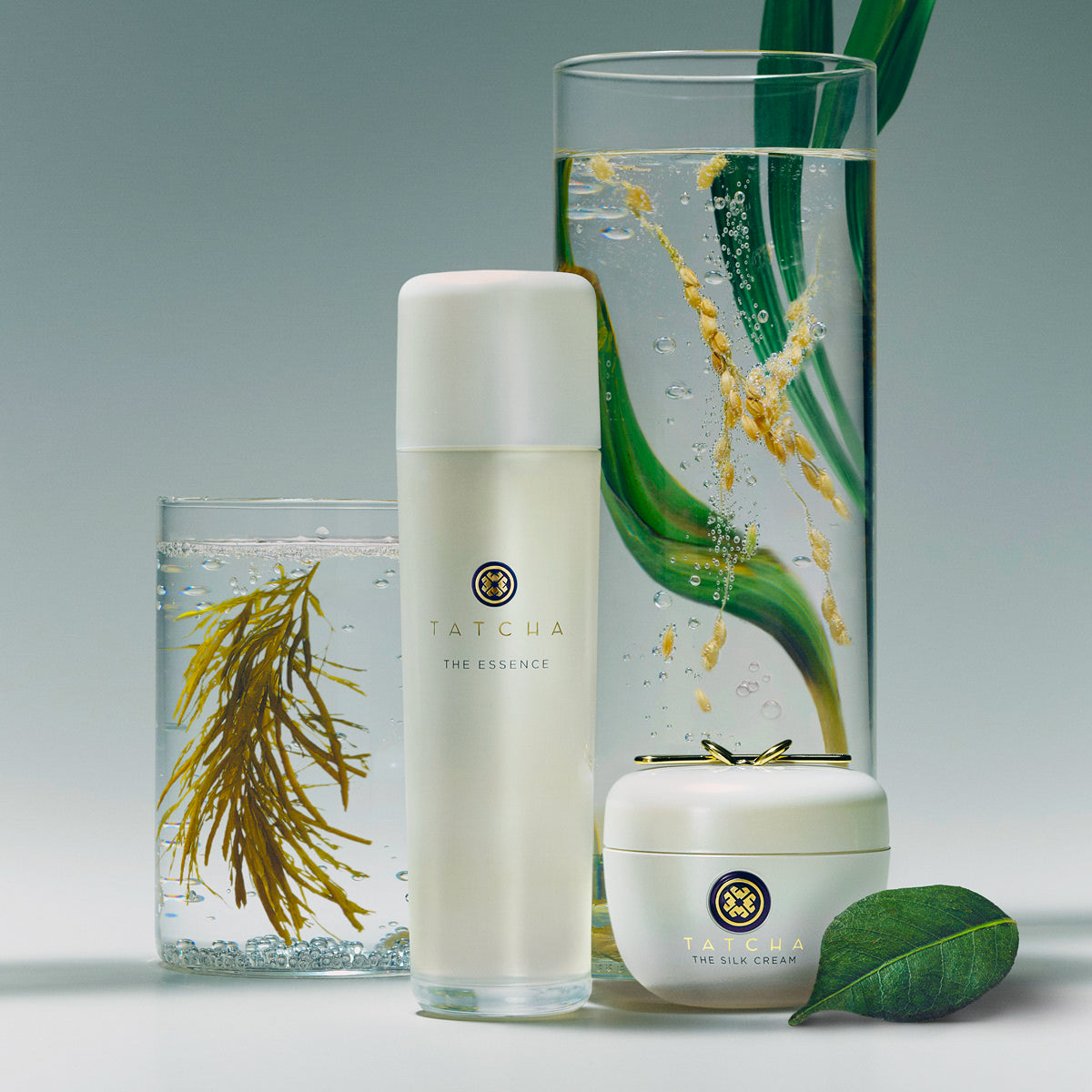
An excellent essence. Essences can be hugely beneficial for skin. They’re applied after cleansing, but before moisturizing, with the aim of hydrating skin. Tatcha’s Essence is made without fragrance, sulfate detergents, and other common irritants; instead, it features Hadasei-3, Tatcha’s proprietary blend of Japanese botanicals that work in tandem to moisturize skin against water loss. Skin is primed, plumped, petal-soft, and ready for the next step in your routine.

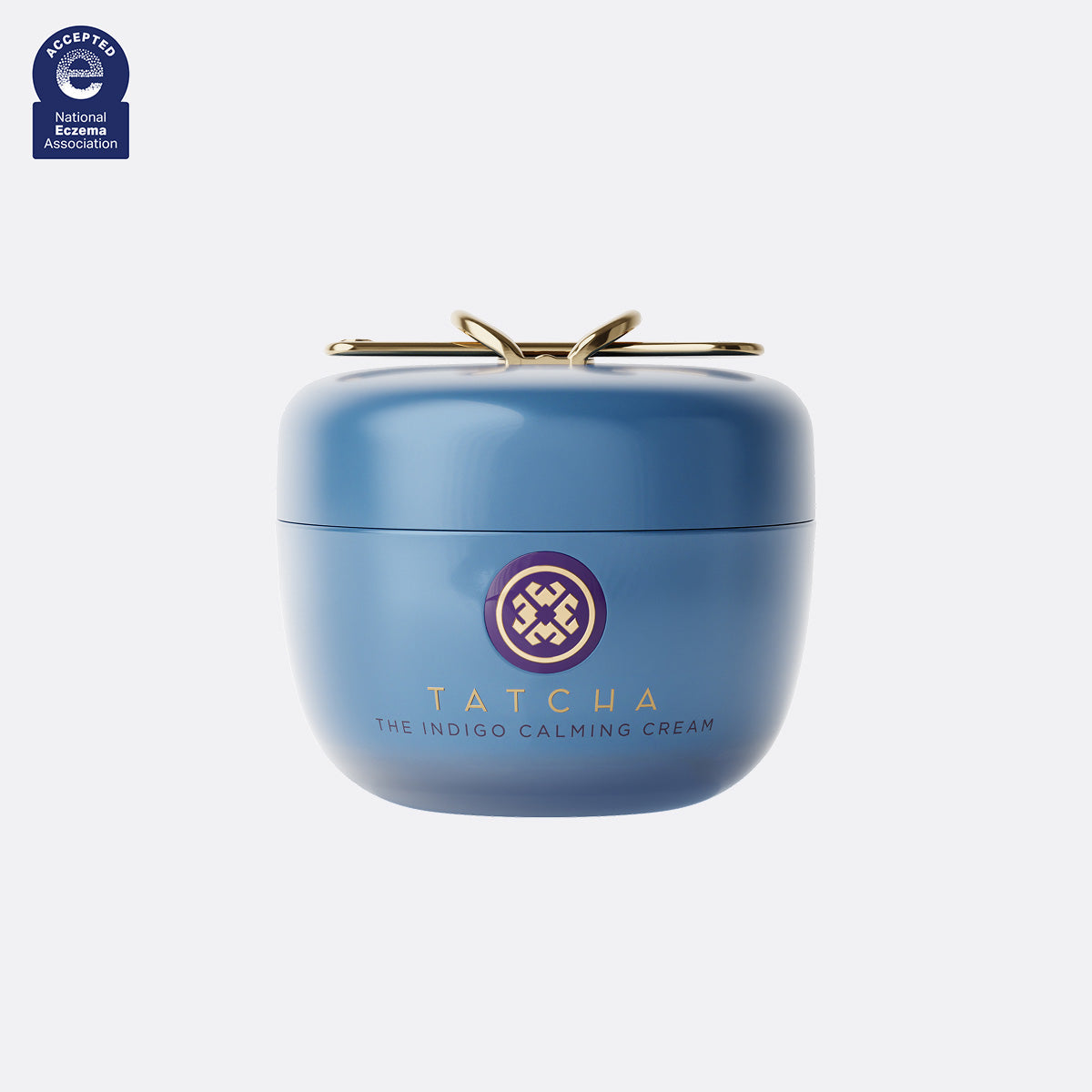
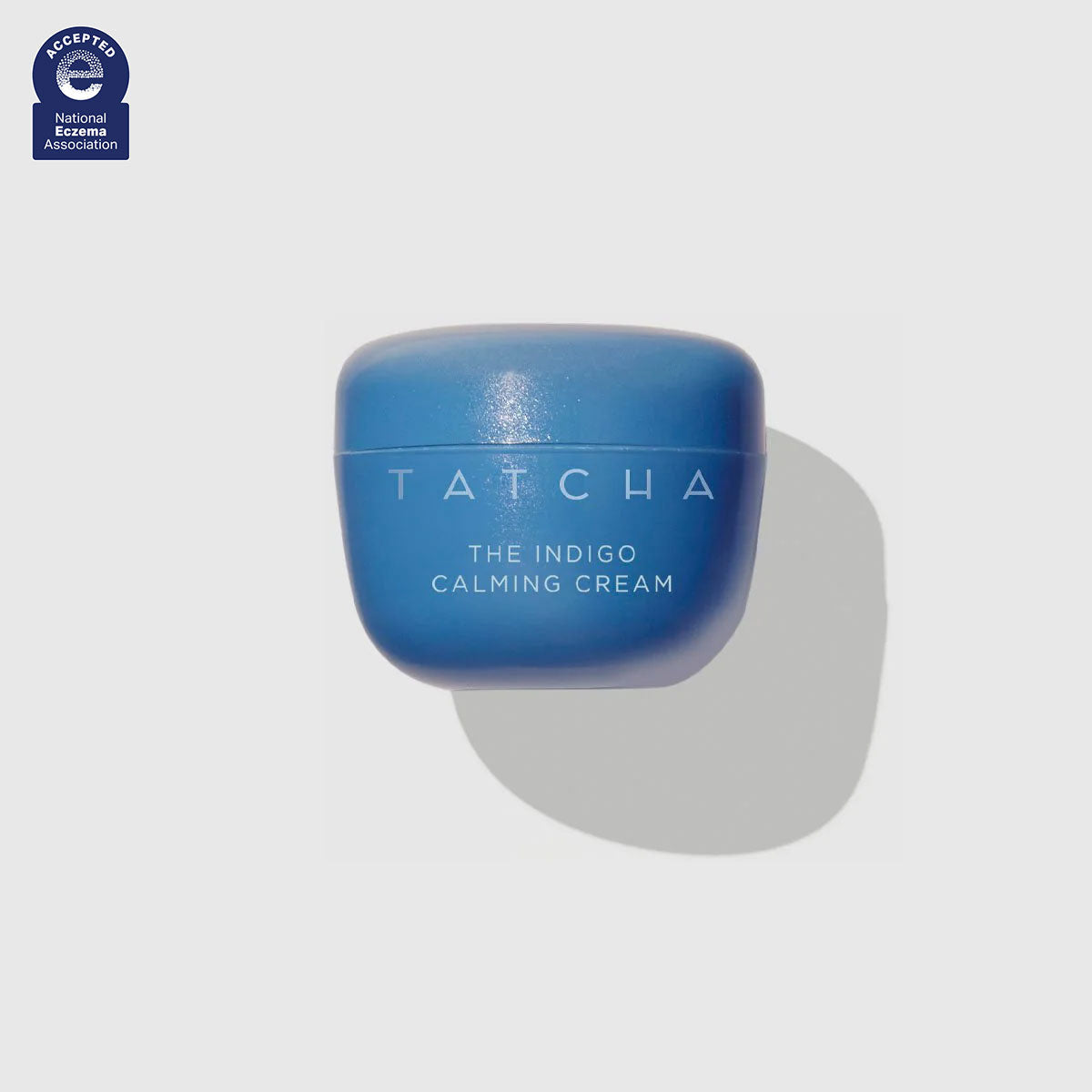
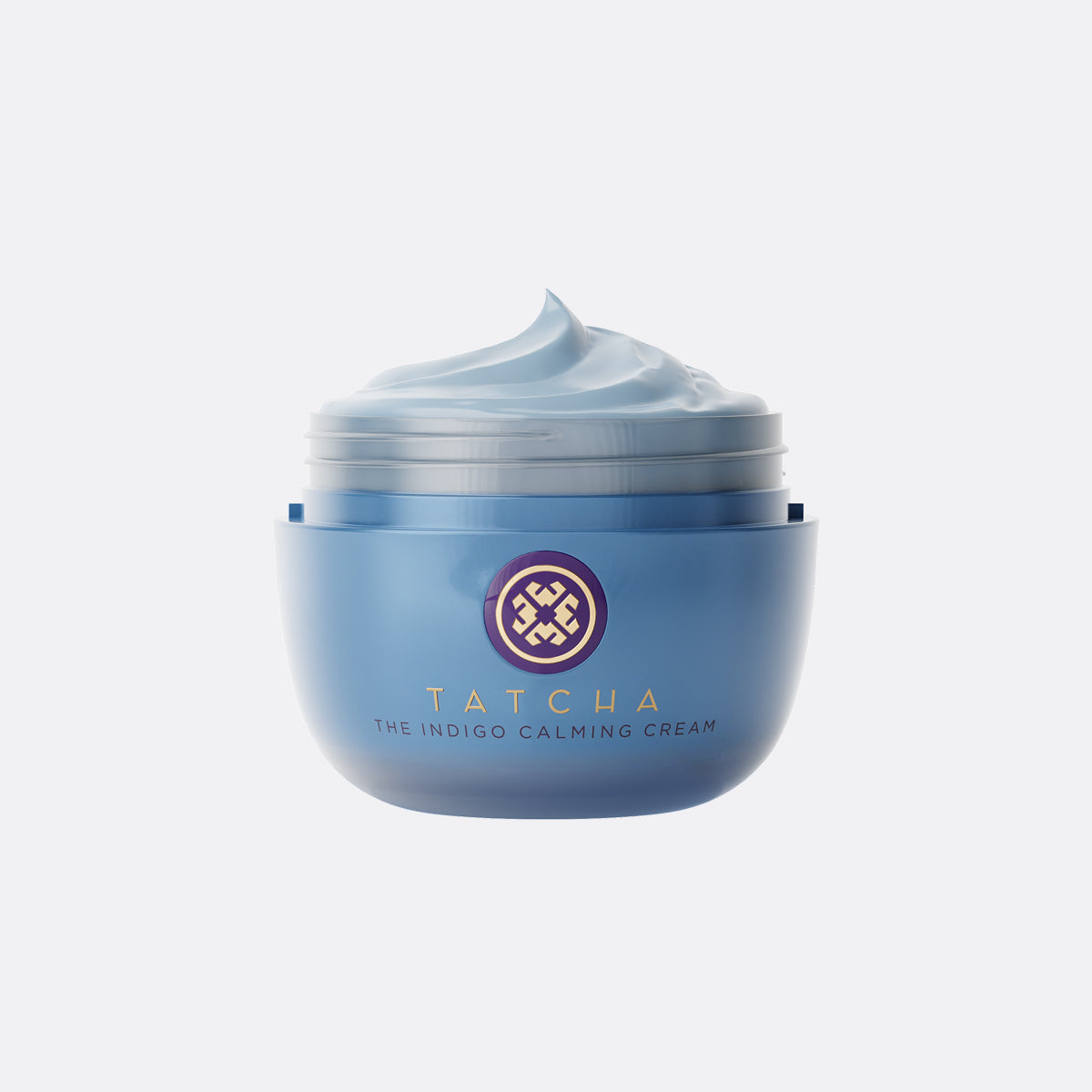
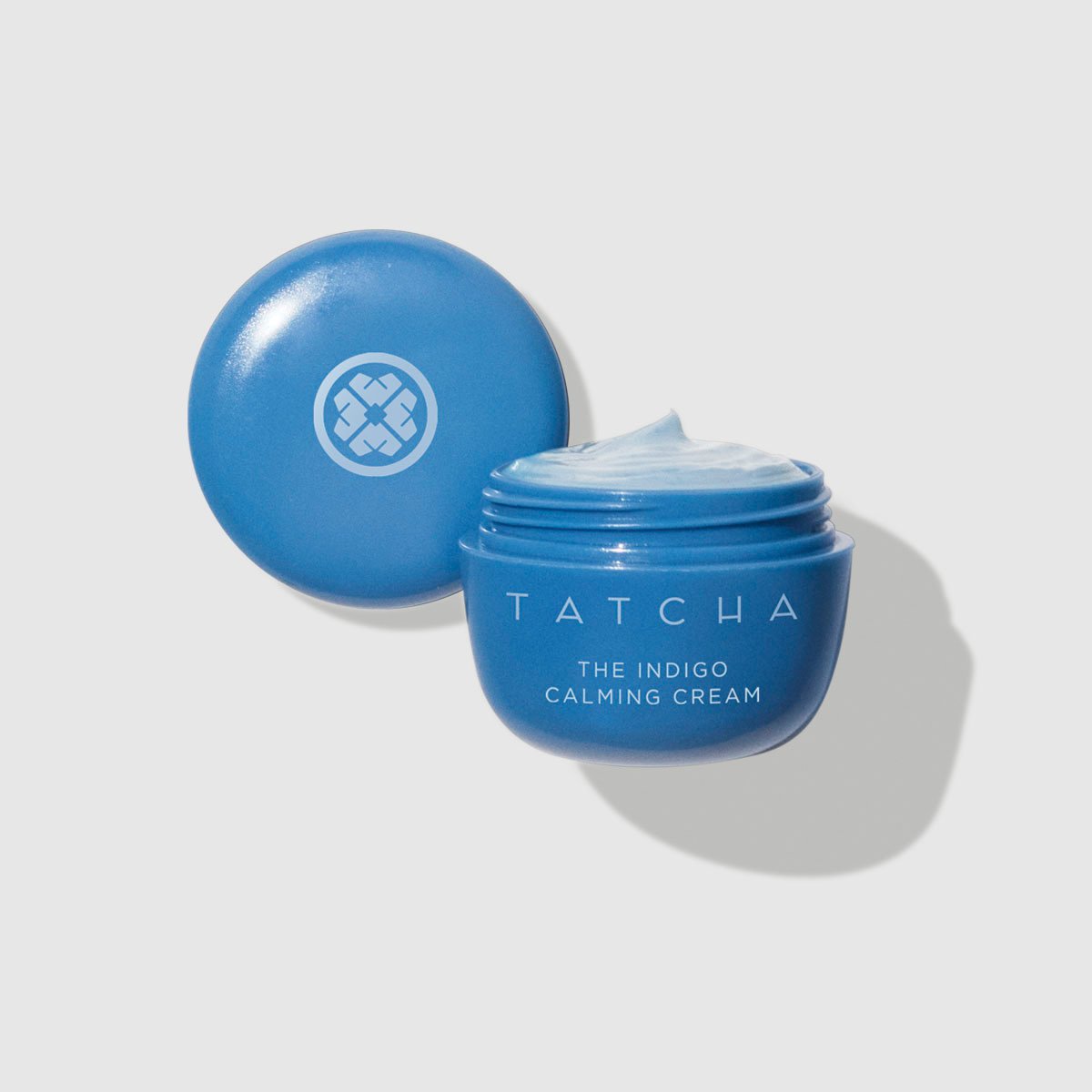
A dream cream. Even the most sensitive skinned among us will love the Indigo Calming Cream, a richly textured cream shown to soothe skin. It’s made with anti-inflammatory colloidal oatmeal as well as Japanese indigo extract with tryptanthrin and indirubin, plant compounds proven to demonstrate skin-calming properties. And, of course: It’s totally fragrance-free.

A super sunscreen. The Silk Sunscreen is beloved for many reasons—it’s a powerful SPF 50 that feels weightless on skin, and it also primes skin beautifully for makeup—but chief among them might be its total lack of fragrance, which makes it a great alternative to other Japanese sunscreens, many of which contain a hint of scent. It’s not always easy to sleuth out which products contain fragrance and which don’t, especially when “unscented” formulas are thrown into the mix. But if you do your homework, it’ll pay off, with reliably healthy-looking skin.
Related Products

Full size Rice Polish Classic

Foaming Enzyme Exfoliant Powder

Sale price $69
The Indigo Cleansing Balm

Gentle Moisturizing Cleanser

Sale price $39
Bestseller The Essence

Healthy Aging Firming Treatment

Sale price $110
The Indigo Calming Cream

Soothing Therapeutic Moisturizer

Sale price $92

Recent Posts

View all
Is Matcha Good for Acne?
Caring for SkinJun 11, 2026
Is Matcha Good for Acne?

Matcha is a special type of finely powdered green tea prized for its bright green hue, distinct cultivation practices, ceremonial preparation, and transformative health benefits. The tea is linked with many health benefits, from improving mental alertness, fighting free radicals thanks to the potent antioxidants, and boosting numerous cognitive functions.  Additionally, matcha is also proven to be wonderfully beneficial for reducing blemishes when applied topically, an impressive fact proven by numerous clinical studies.

The Best Foaming Facial Cleanser
Caring for SkinJun 11, 2026
The Best Foaming Facial Cleanser

Foaming cleansers can be effective for all, but the secret to using them correctly is discovering a formula that is ideal for your skin type. A creamy foaming cleanser, which imparts a soft hydration onto the skin as cleansing, is more ideal for dry skin, while a refreshing foaming cleanser that includes oil-balancing ingredients is more ideal for combination and oily skin tones. Some formulas work by allowing the dense bubbles to grasp onto debris, sebum, and makeup, washing away in a single step. While other formulas might need an oil cleanser first to break down these trickier long-lasting ingredients. 

The Best Blemish Begone Skincare Products
Caring for SkinJun 10, 2026
The Best Blemish Begone Skincare Products

Blemishes can be caused by a variety of things, and are a fact of life. But choosing the right skincare products can help you keep breakouts at arm’s length. Blemishes happen to all of us. But to some of us, they happen more often than not. We call ourselves blemish-prone. And in addition to our usual skincare routines for morning and night, we make active choices about the products we use to make sure blemishes stay away. The word blemish, from the French blessmiss—to make angry—might be the most polite way to refer to many types of skin blemishes like acne, pimples, zits, and all of the other names we ascribe to those skin reactions that cause small unusual bumps. A bit ironique, considering that the word we now associate with acne connotes an imperfection or something else wrong. And while acne can be caused by imbalances in the skin, it’s common enough for all of us not to make it such a big deal. These are not mountains. They’re even much smaller than molehills. Still, those who deal with blemish- or acne-prone skin know that not all skincare products are created for the same skin type. All of us need to choose the right cleanser and moisturizer for our skin, but how we do so is up to us—and, usually, to the specifics of our skin’s behavior. A dermatologist should be your first stop on your skincare journey, but the following guide can help shed a little light on the acne-prone skin type, and some of the common skincare choices (and the optimal acne skincare routine!) made by those who have it. What is blemish-prone skin? Blemish-prone skin is another term for oily skin, which is one of the major skin types. Oily skin is usually categorized by skin that produces more sebum than so-called “normal” skin, but there are a few ways to glean more information about how your skin behaves at baseline. “Oil” is a poetic name for sebum, the waxy substance made of lipids like cholesterol, squalane, and glycerides that is secreted from sebaceous glands that sit within pores and hair follicles. Sebaceous glands are an important mechanism that our skin uses to moisturize and protect itself. Many of our sebaceous glands can be found on our faces and scalps, though there are a few places we don’t have sebaceous glands—like on our lips, or the bottoms of our feet. Sebum is a protective substance that helps to seal moisture by shoring up our skin barrier. In other words, it’s a good thing to have. But those with oily skin can have too much of it, and too much can lead to a higher incidence of breakouts. While oily skin can be a genetic trait, it can also be influenced by the environment around us—the climate, for instance—and our own behaviors—like how we take care of our skin. How do blemishes occur? You’re unlikely to find the term “blemish” in dermatology coursework. Generally, when we’re talking about a blemish, we’re talking about a form of acne, which is described most concisely as a blocked hair follicle. The pores that dot our skin are small channels that house sebaceous glands and hair follicles; they help traffic sebum up and out of skin. When sebum and dead skin clogs a pore, it may become what is called “common acne”, though there are a few types. Blackheads and whiteheads are caused by sebum buildup, and are distinguished by whether or not they’re open (and black) or closed (and white). When an infectious bacteria is introduced, it can cause a more robust infection, resulting in other forms of acne like papules and pustules that are painful to the touch. If you need help identifying what kind of blemish has popped up on you, head to your nearest dermatologist’s office to find out. What are the most important blemish skincare steps? Perhaps the most important thing to do in the face of acne is: Not panic! Breakouts happen to all of us, and usually fix themselves on their own. But if you identify with the oily skin type, and find yourself devoting more time to quelling breakouts than you’d like, you might want to consider some of the skincare products for oily skin, which are popular among those with acne-prone skin. A few common switches include: Cleansing with a gel. Dermatologists at the University of Florida Health once proclaimed that “the most important thing you can do for oily skin is to keep your skin clean.” Those with oily skin may want a cleansing formula with more reach than surface-level face washes—something that can cleanse pores deeply, ensuring they remain clear of acne-causing buildup. Gel cleansers are usually the ones for the job. Water-based gel cleansers are slippery, clear, and tend to foam up. Tatcha’s brand new Matcha Cleanse is a soapless gel that deeply decongests pores— thanks to a unique gel-to-foam texture—to reduce oil, and visibly calm skin without stripping. The Matcha Foam Cleanser takes on oiliness with a gentle touch: balancing the microbiome, soothing, and calming. Exfoliating with acids. There’s a reason that the inventors of alpha hydroxy acids have been honored all over the world. Their contribution to skincare includes one of the most popular exfoliating acids of all time—and it’s a boon for those with oily skin. AHAs, as they’re known, help to “peel” the skin by breaking down the bonds between old and new skin cells. Exfoliation is essential for all skin types, but the ease of AHAs and their efficacy in removing dead skin makes them great for oily skin. They’re commonly recommended to those with oily and acne-prone skin, especially in the form of a daily treatment. A product like the Texture Tonic, which takes the form of a lightweight daily toner, allows you to fit gentle exfoliation into your regular skincare routine—right between cleansing and moisturizing. Its AHAs come from a cornucopia of fruit sources proven to resurface uneven and dull skin—leaving it smooth and radiant. Moisturizing with water Sure, the idea of moisturizing with nothing but water may sound counterintuitive, or downright impossible. And yet it's the animating idea behind the Water Cream, Tatcha’s best-selling moisturizer for oily skin. This lightweight, oil-free cream has a bursting effect when applied, flooding the skin with vital and necessary hydration. It’s also beloved for its powerful superplant ingredients that address traits commonly found in oily skin, like antioxidant-rich wild rose (which has the benefit of smoothing the appearance of large pores) and anti-inflammatory heartleaf extract (a natural azelaic acid alternative). Masking with clay When it comes to natural ingredients that help oily skin, you can’t beat clay. Clay helps absorb excess oil, and is said to also draw impurities out of the skin. Anyone who has used a clay mask can attest to its drying powers, which is why it’s not usually a daily ingredient. Instead, it's suited for more irregular use, like in a face mask. The Clarifying Clay Mask, formulated as a treatment for oily skin, uses marine mineral-rich kucha clay sourced from the islands of Okinawa. For centuries prior, Okinawan women have cherished kucha clay for its superb oil-absorbing properties, using it as a hair powder or face mask. When mixed with volcanic ash and exfoliating Japanese konjac, it makes for smoother, clearer skin in no more than three minutes. 180 seconds per week may not alone calm oily or blemish-prone skin, but good holistic skincare habits will.

View all

Subscribe to our newsletter

By signing up, you agree with our privacy policy.