
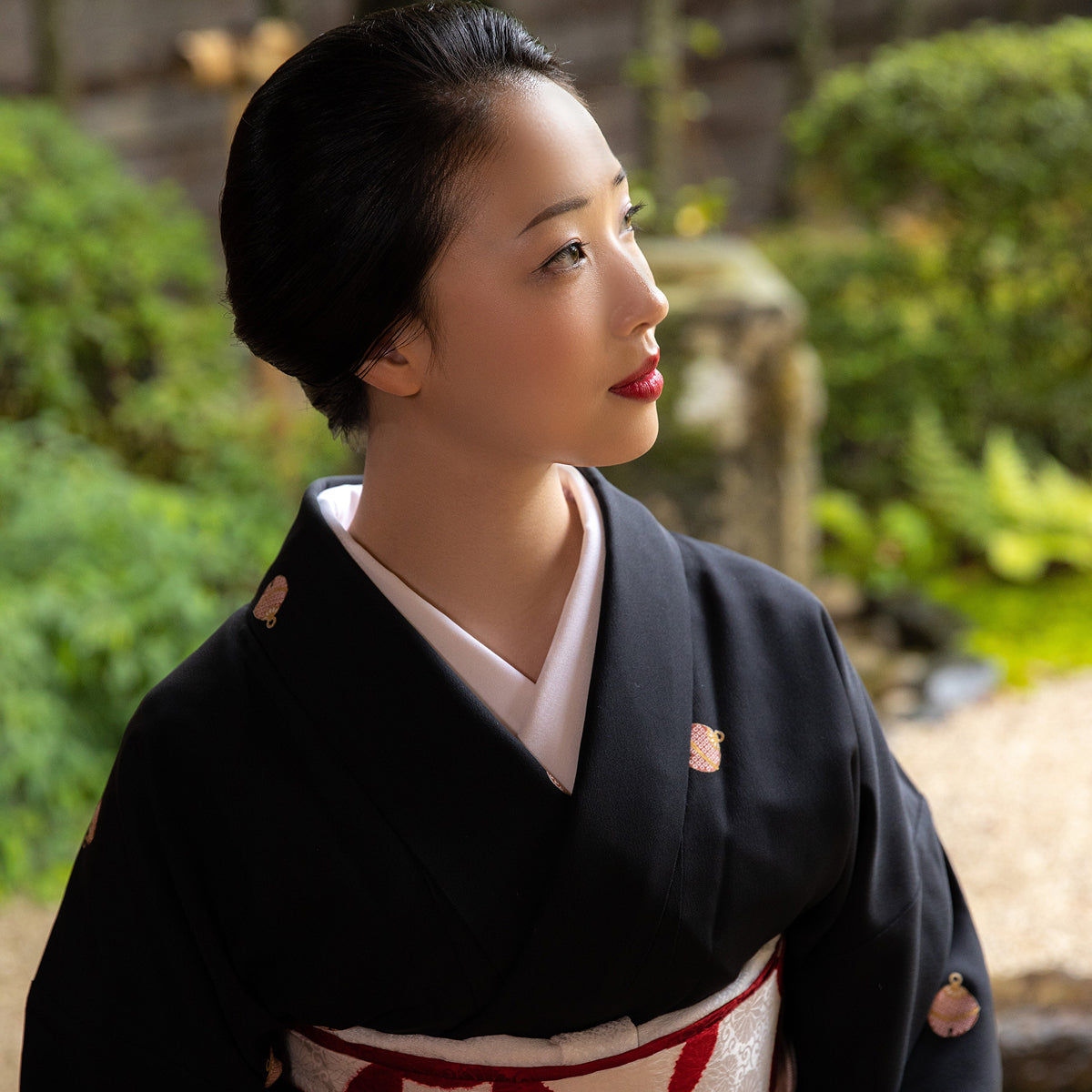


By square mileage, the archipelago of Japan occupies far less than a tenth of a percent of the Earth’s surface. And yet almost everywhere else on the globe, the cultural influence of the relatively small nation can be seen—in electronics and fashion—or heard—in contemporary pop and karaoke—or tasted—in sushi and ramen—or otherwise felt. One of Japan’s many contributions is its highest-quality skincare ingredients and formulations, which can be found all over the world. Some of them have long histories, and all of them have particular relevance to Japanese culture.
The Best Japanese Skincare
The importance of taking care of one’s appearance as a matter of health has been long ingrained in the Japanese cultural imagination—and been a source of inspiration around the world—at least as far back as 1813, when a nameless scribe recorded the Japanese skincare and beauty fashions of the time in a three-volume tome known as Miyakofuzoku Kewaiden, or Capital Beauty and Style Handbook. Some of the book’s recommendations are dated, like using lead in face makeup; others are timeless, and include advice on contouring and cat eyes.
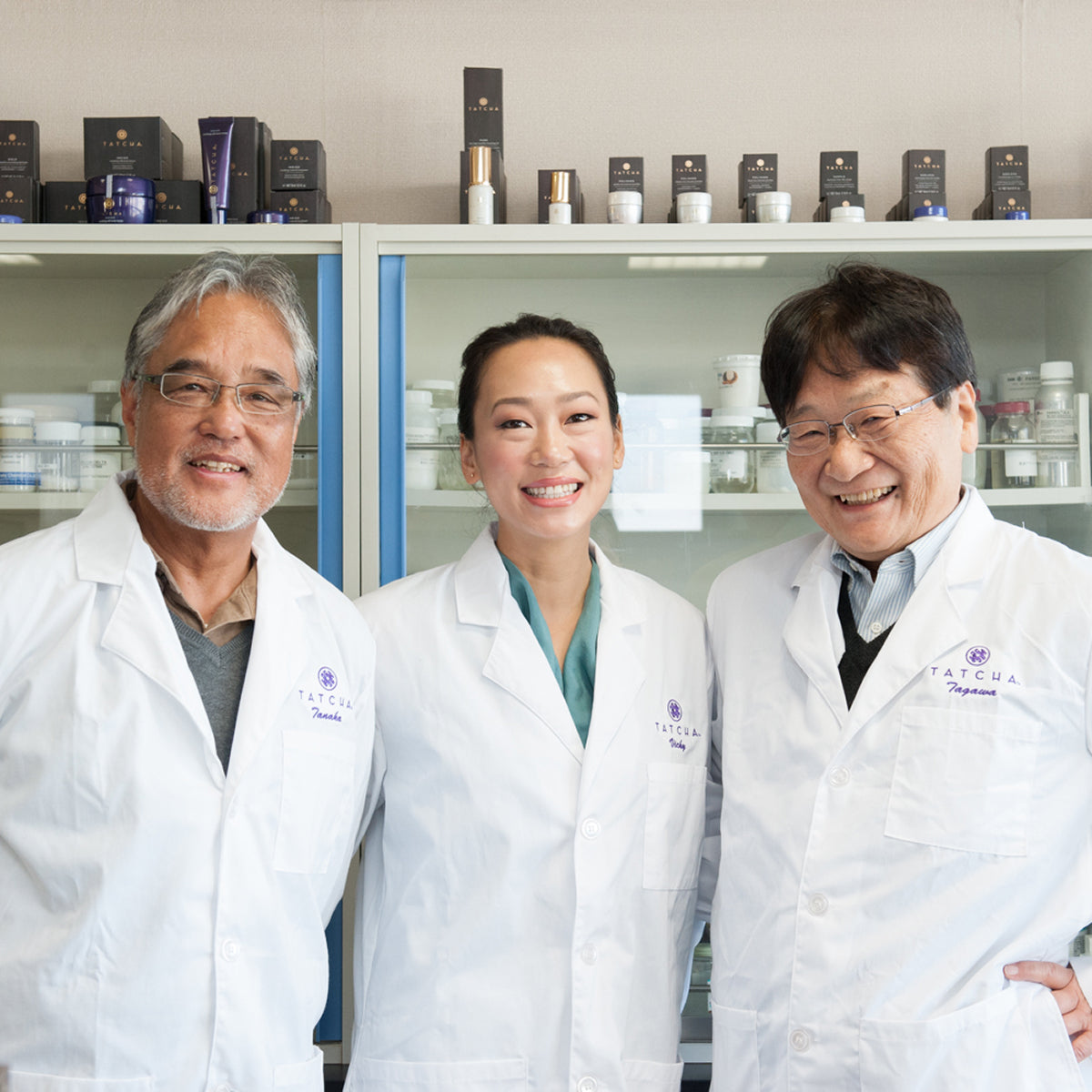
Vicky Tsai, who founded the Japanese skincare brand Tatcha, glimpsed the storied tome on a research trip to Japan, and has consulted the translation countless times when seeking inspiration for her own skincare formulations. Some of the ingredients mentioned therein, like camellia oil and rice bran, are still used today, and have even found their way into some of Tatcha’s skincare formulations. Not only do these tried and true botanicals have powerful therapeutic applications, but they also have deep cultural significance to the land and people of Japan. It’s a beauty that goes deeper than skin.
The Best Japanese Skincare for Acne
One of the most important steps of any skincare routine is a proper cleanse. This is true of all types of skin, but particularly for those who are acne-prone. Acne begins in pores, and occurs when the pore’s opening becomes blocked, allowing oil, dirt, and dead skin to fester below. Some acne is caused by bacterial infections that occur in the pores. The best Japanese skincare routine helps to ensure skin remains clean, hydrated, and healthy, so acne is less likely to occur. But it’s in the cleansing step that the real work happens, as pores are cleared out of anything that would later become acne.
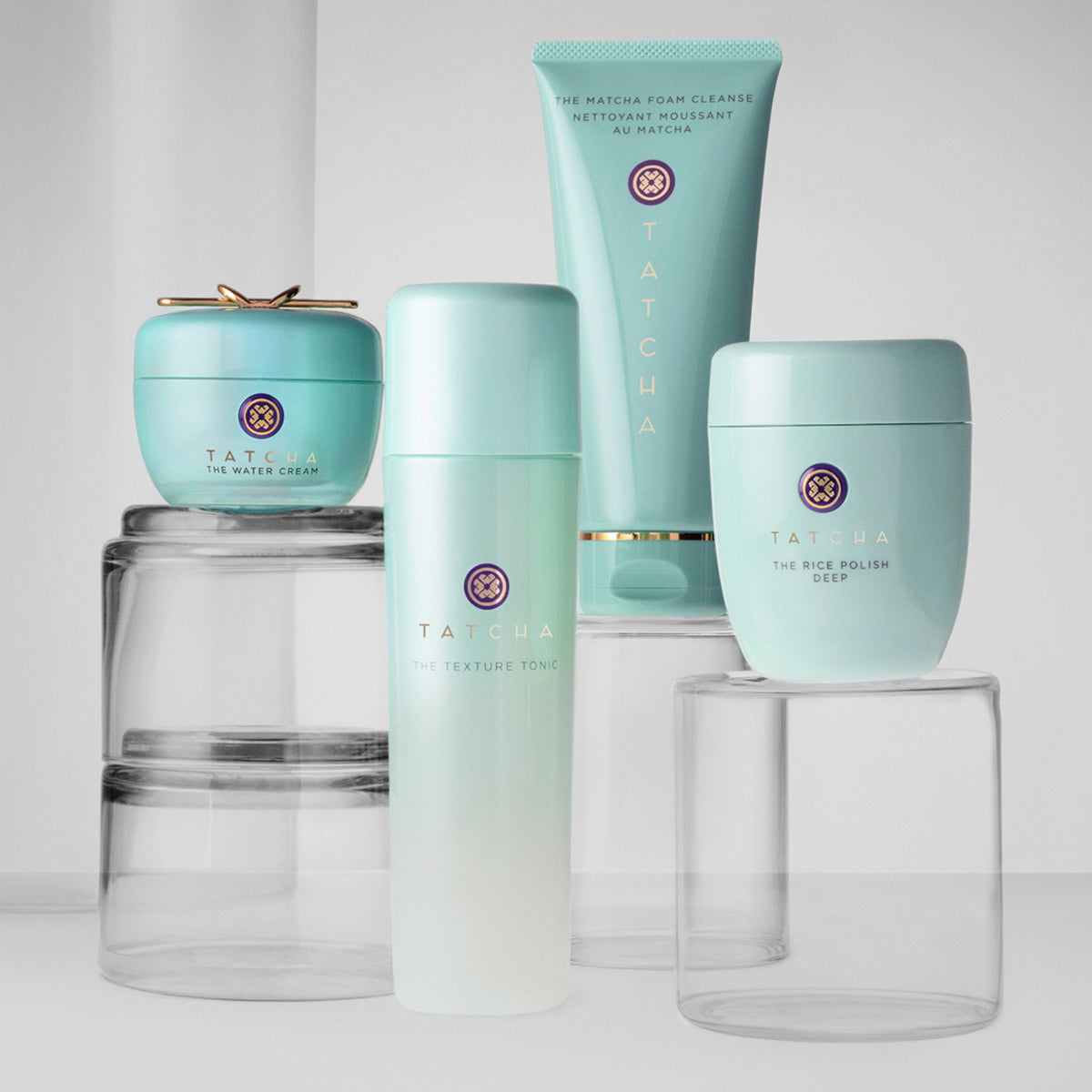
Acne is a skin concern for people all over the world, including in Japan, where convenience marts and department stores alike carry a range of solutions. Some ingredients of particular significance to Japanese culture have proven incredible for acne-prone skin. Tatcha recently unveiled their Matcha Cleanse, a plush gel cleanser powered by antioxidant-rich green tea. Other botanicals, like coix seed and willow bark, help to decongest pores, acting similarly to beta hydroxy acids (BHAs); Japanese mugwort, a leafy herb, also lends ceramides that strengthen and even repair the skin barrier even during a deep cleanse.
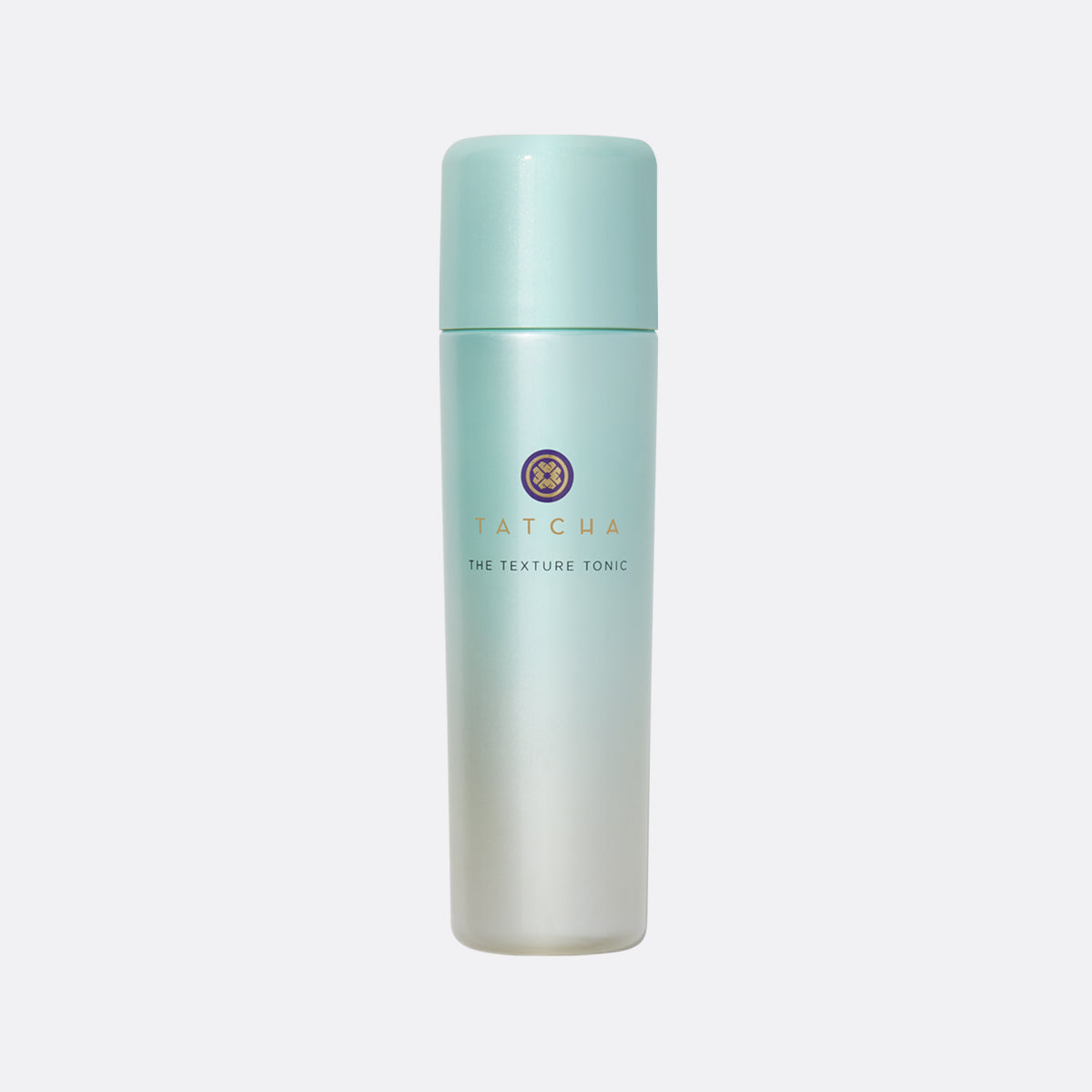
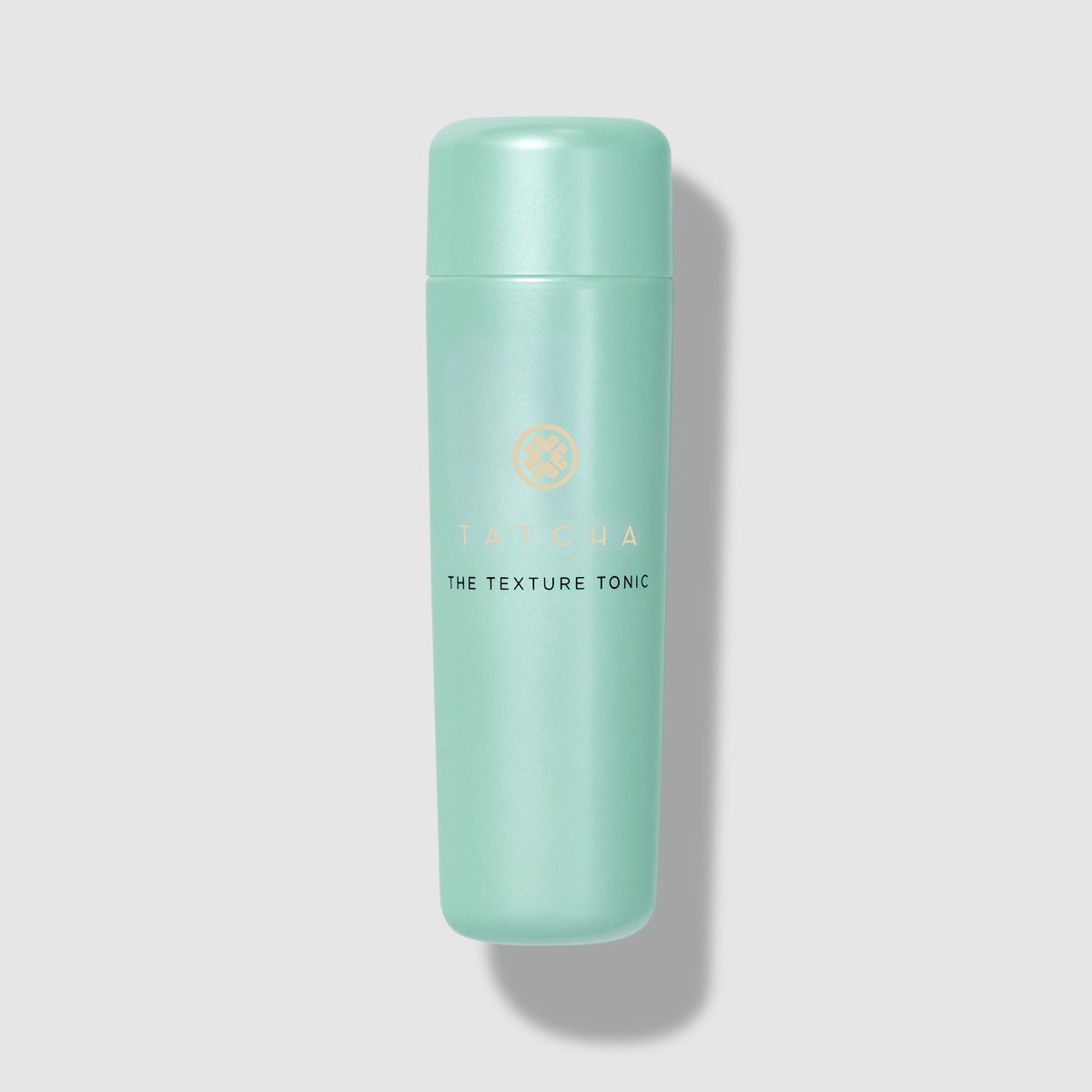
A cleanser is just the first step, but for deeper pore purification, you can use an exfoliating toner like the Texture Tonic. This water weight solution aims to resurface and clarify the skin, reaching into pores with the help of fruit-derived alpha hydroxy acids. (Japanese mugwort is also invited to this party.) If you already have a cleanser and moisturizer you love, but notice that congestion is still an issue, this unique kind of product can help you keep acne away.
The Best Japanese Skincare for Sensitive Skin
Some Japanese skincare ingredients have been prized for centuries, and have found similar applications back then as well as in this day and age. One prominent example is indigo, that thick, smelly dye we associate with denim, but has use-cases from art to medicine. During the Edo Period in Japan, samurai warriors wore a layer of indigo-dyed cloth purported to heal injuries quicker; babies were also wrapped in indigo-dyed blankets, symbolic of protection. On a deeper level, indigo dye is rich in anti-inflammatory and antibacterial ingredients, which gives indigo’s healing power a scientific basis.
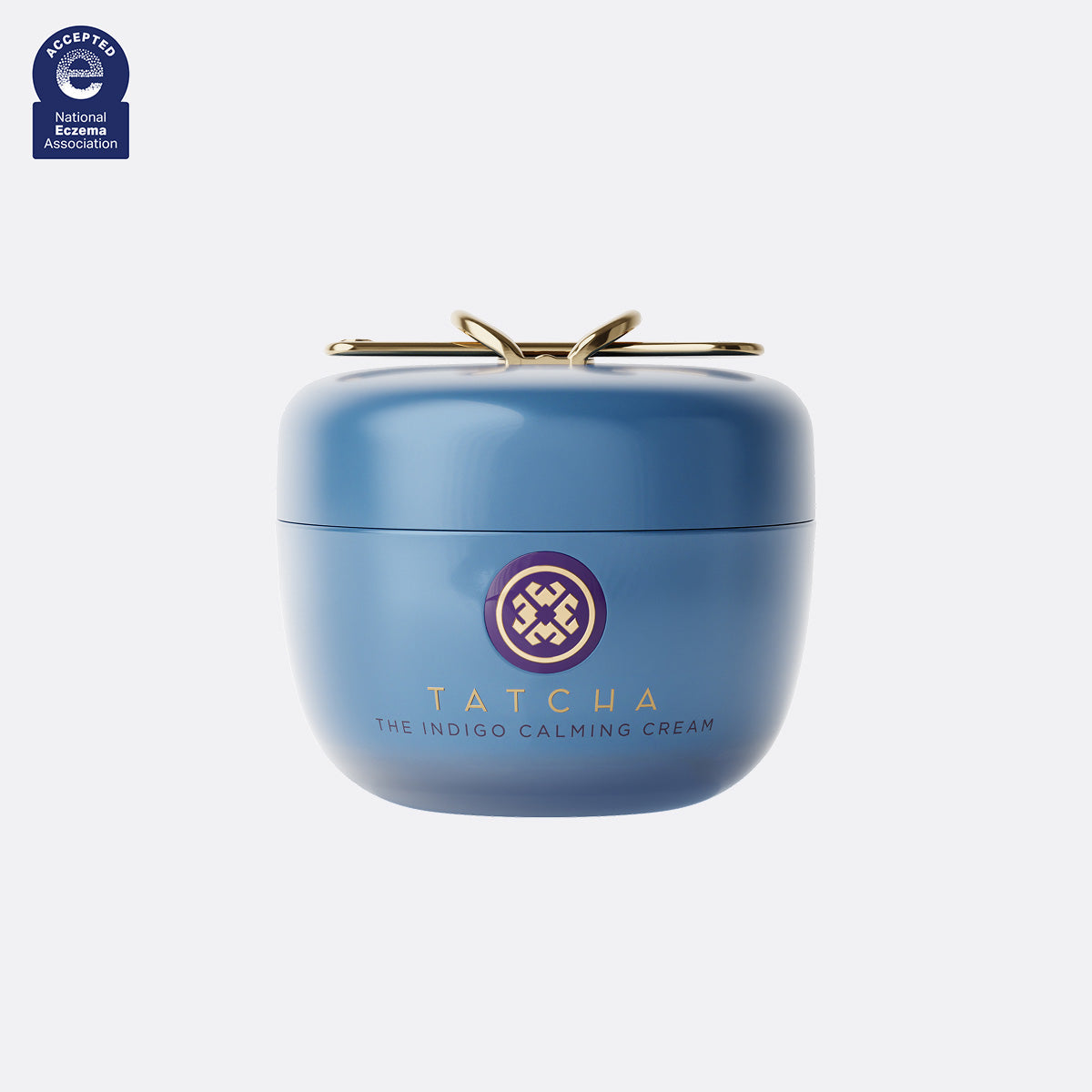
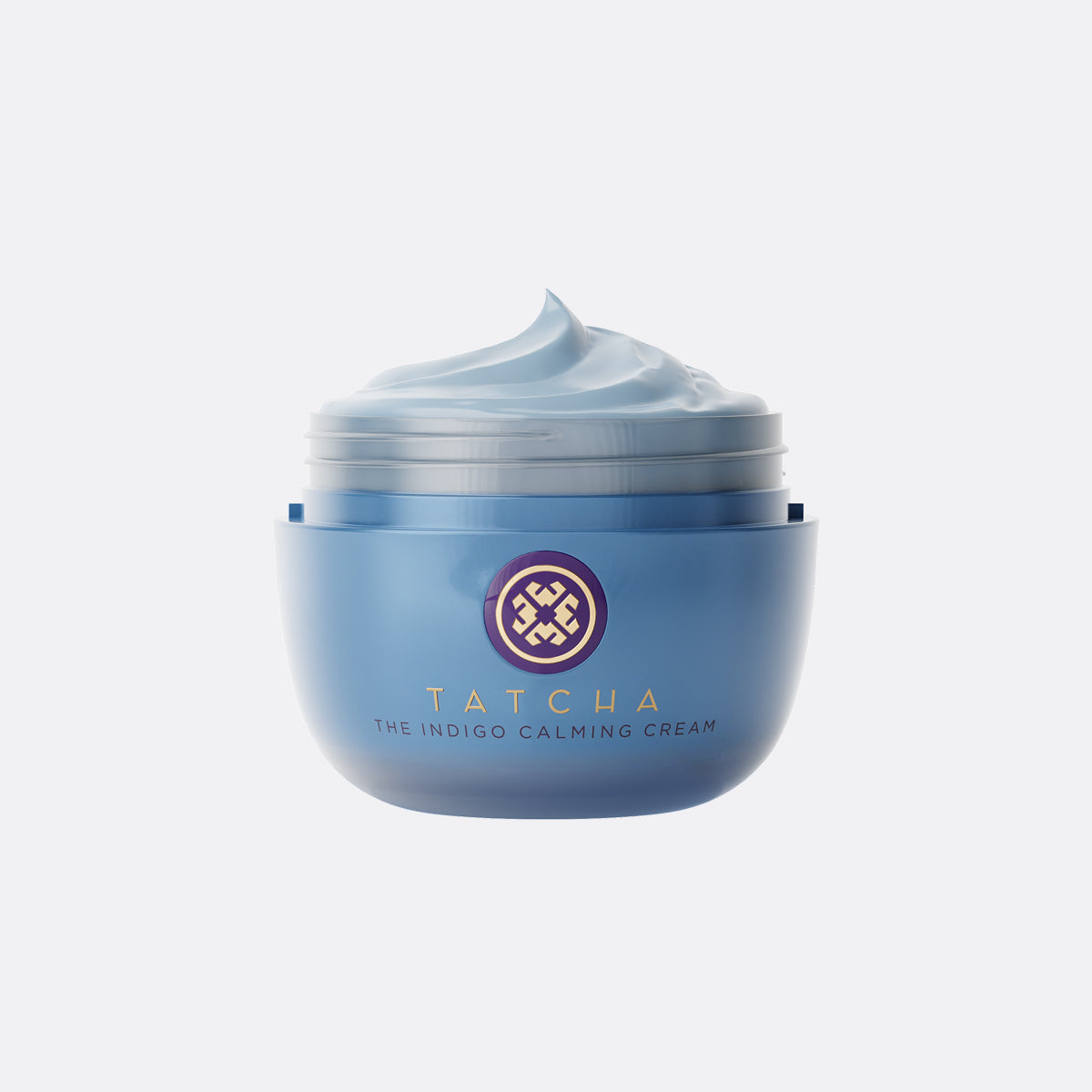
It’s this exact power that inspired some of Tatcha’s most beloved skincare formulas for sensitive skin. The Indigo Calming Cream, for one, is a moisturizer designed to relieve irritation while it forms a layer of sealing moisture. When Tatcha brand tested the cream among 30 panelists in a clinical and bio-instrumentation study, they found the vast majority—up to 100%—noticed an improvement in visible redness, softness, and overall skin quality. A richer cream, the Indigo Overnight Repair, puts indigo in a dense serum-to-cream formulation designed to be worn while you sleep. A ceramide blend helps fortify the skin barrier, while indigo does its soothing work, so you wake up with calm, clear, soft skin.
The Best Japanese Skincare for Mature, Aging Skin
Different cultures around the world consider aging differently. In Japan, the ability to get older is cherished as a gift, rather than dreaded as something to fear. It’s not about looking young, but having healthy skin at any—and every—age. Some of the most salient Japanese beauty advice has nothing to do with creams and lotions: refraining from smoking, minimizing stress, eating a nourishing whole-foods diet.
But this doesn’t change the fact that mature skin has its own unique needs, and different Japanese skincare formulations can help those needs get met. For one example, water retention tends to decrease as we get older, and we begin to see the changes in our skin, from dry patches to fine lines. The Tatcha Ageless Enriching Renewal Cream is blended with extracts shown to help counteract some of aging’s effects on skin, including gardenia fruit (to address elasticity) and peony (to minimize fine lines). The latter includes an active ingredient, known as paeoniflorin, that has been shown to not only have an effect on wrinkles but also calms the skin and protects it from UV-related damage.
Other Japanese-inspired formulas in Tatcha’s Ageless collection help bring these targeted benefits to other areas where they’re needed. The Ageless Revitalizing Eye Cream and Neck Cream both incorporate peony, and other superpowered Japanese plants, alongside Tatcha’s proprietary anti-aging complex, Hadasei-3. Applied together, these ingredients help to nourish and firm, facilitating your best skin at any age.
The Best Japanese Skincare for Dry Skin
The simple act of moisturization is a skincare staple everywhere, but especially in Japan, whose most popular skincare category is that of lotion. Be they actual lotions, or rich creams, or watery gels, these formulas are designed to apply a seal over your skin barrier that keeps essential moisture from escaping. All the better if said seal also contains ingredients that benefit the skin in areas like calming, brightening, or hydrating. Japanese skincare technology varies enough to offer every face a moisturizer that feels tailor-made for their skin type.
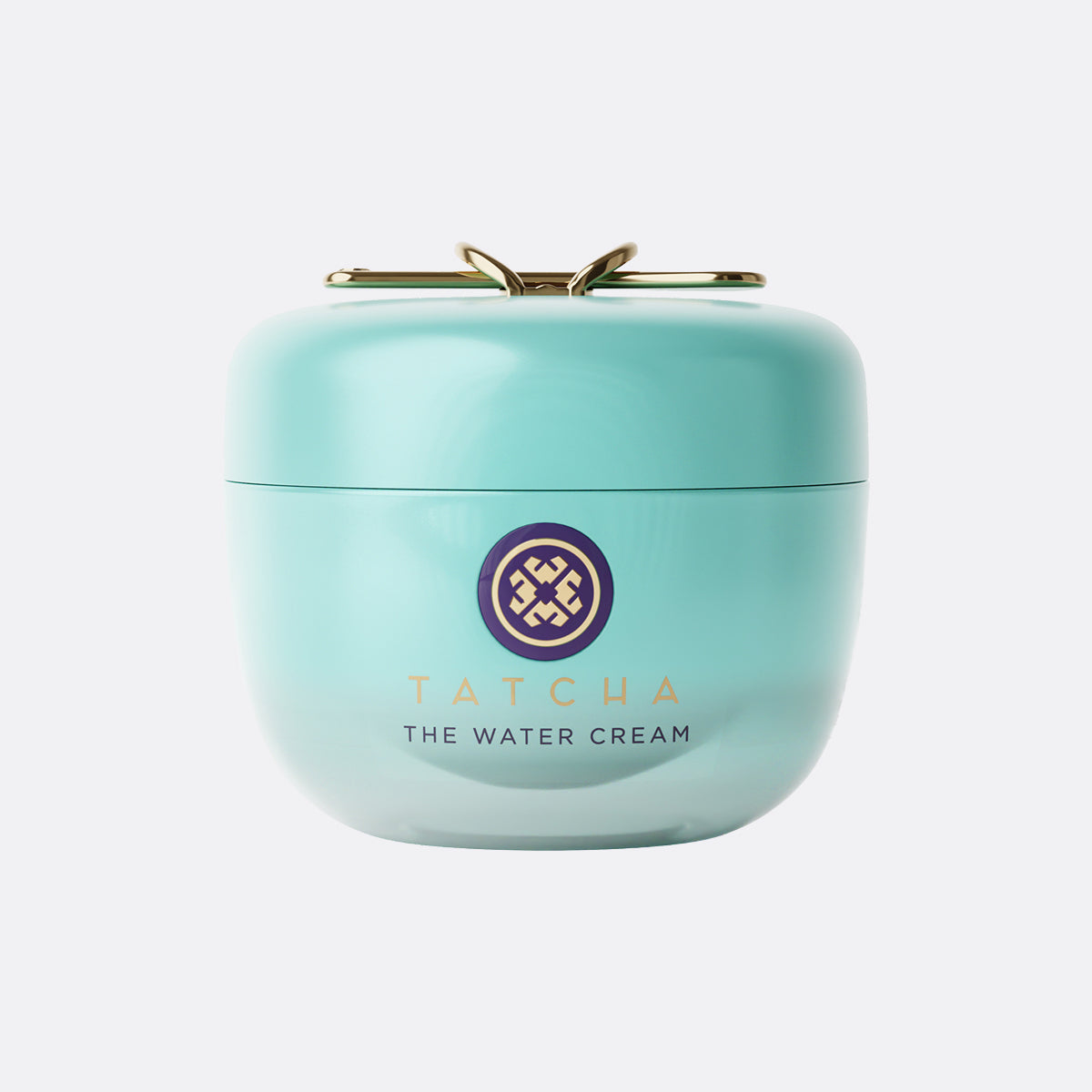
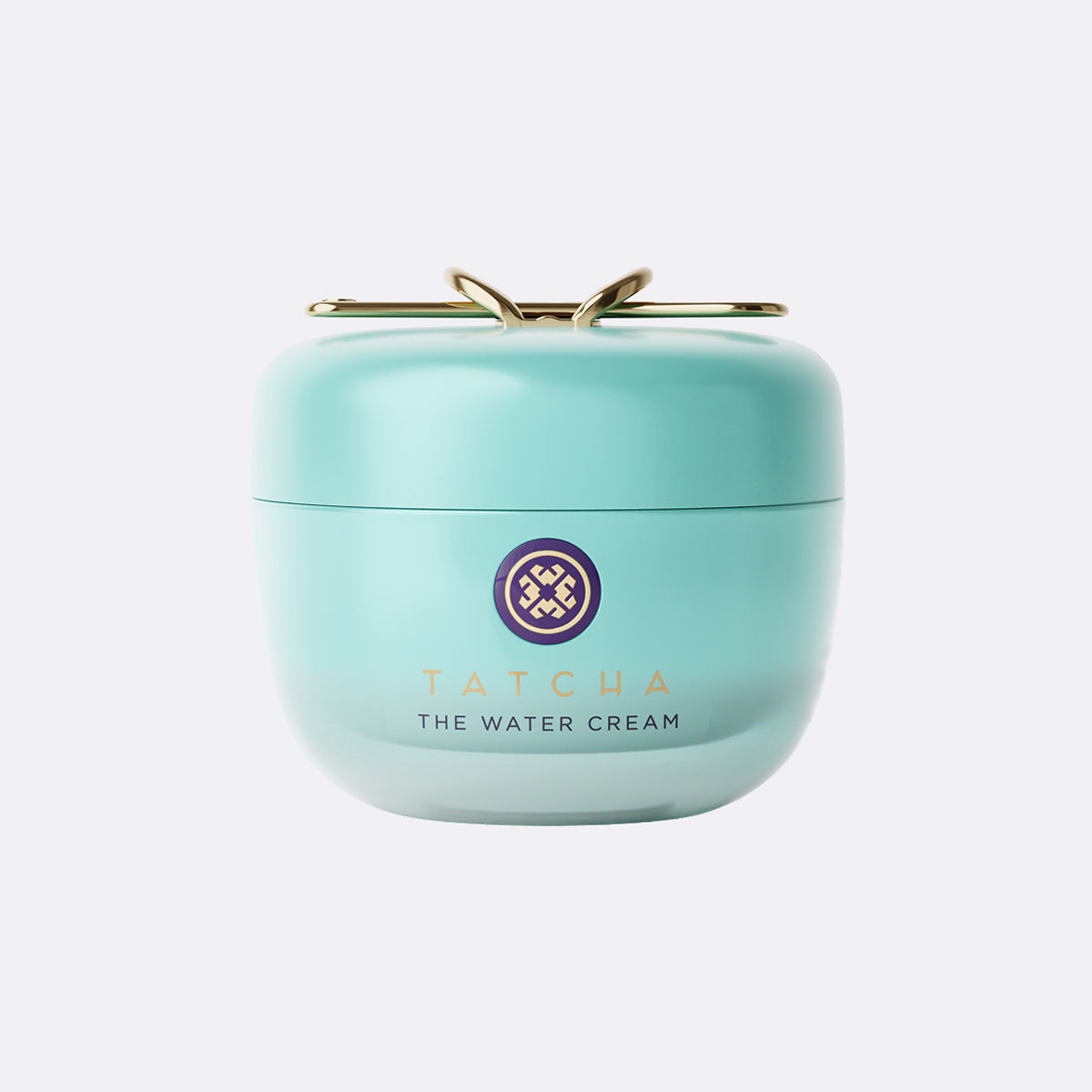
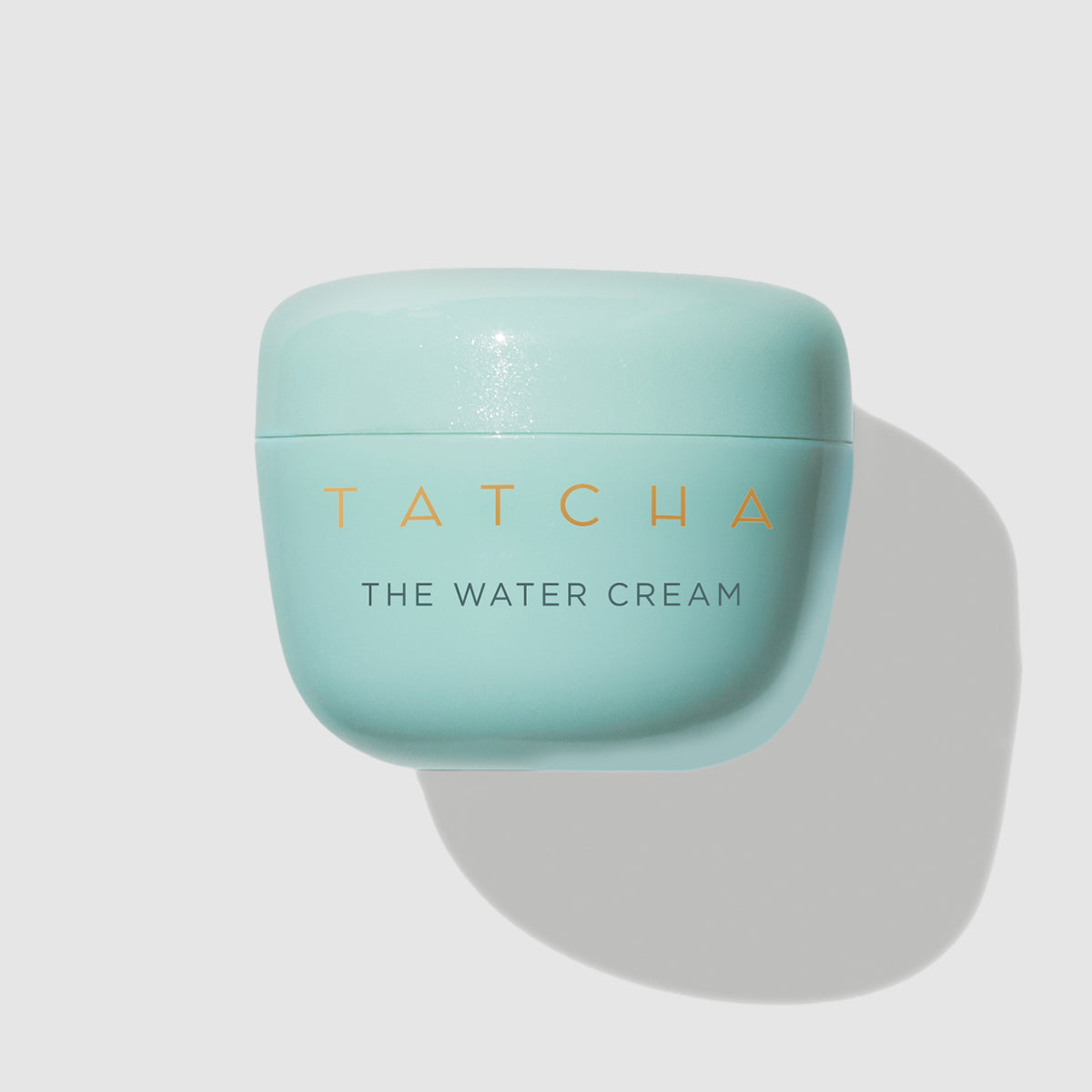
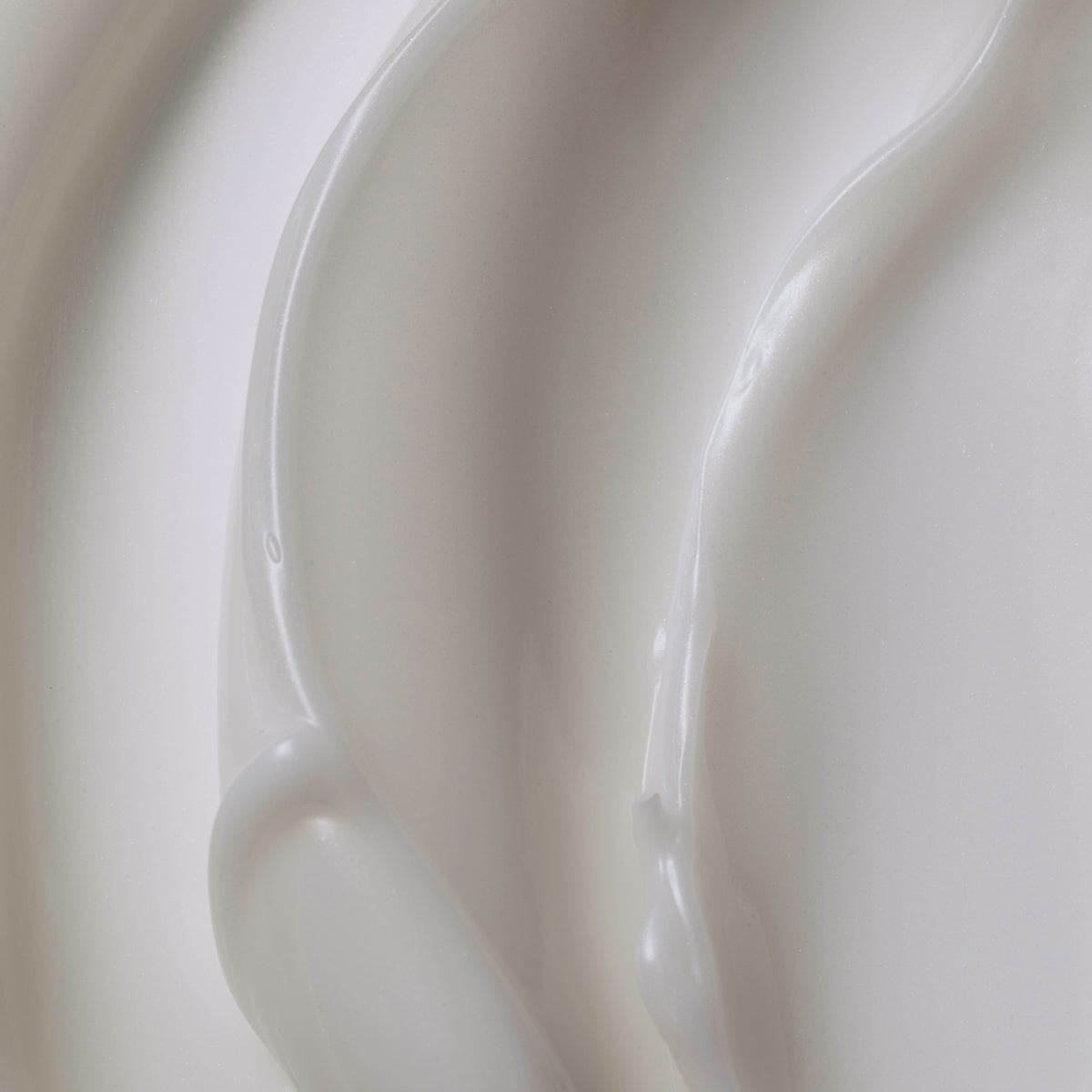
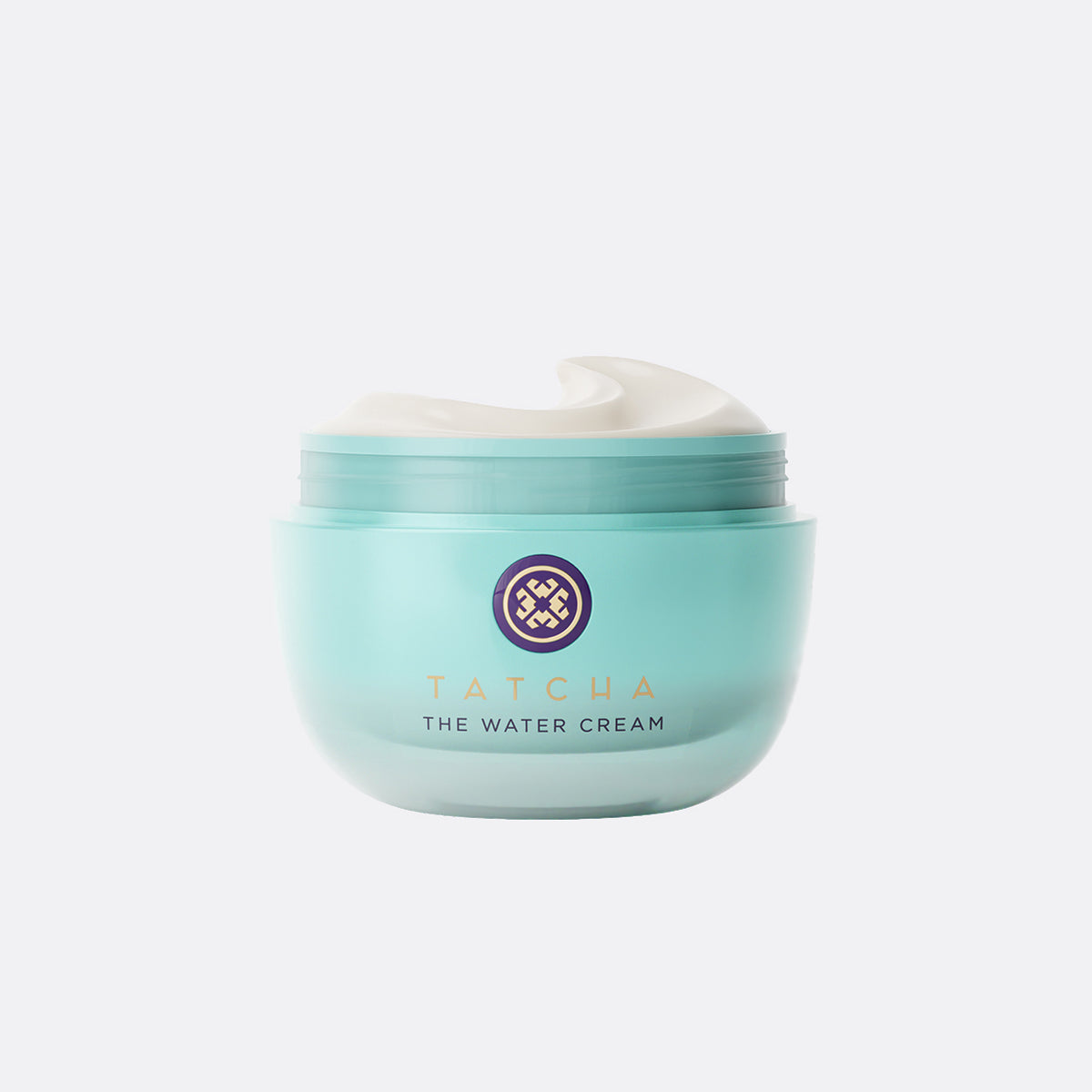
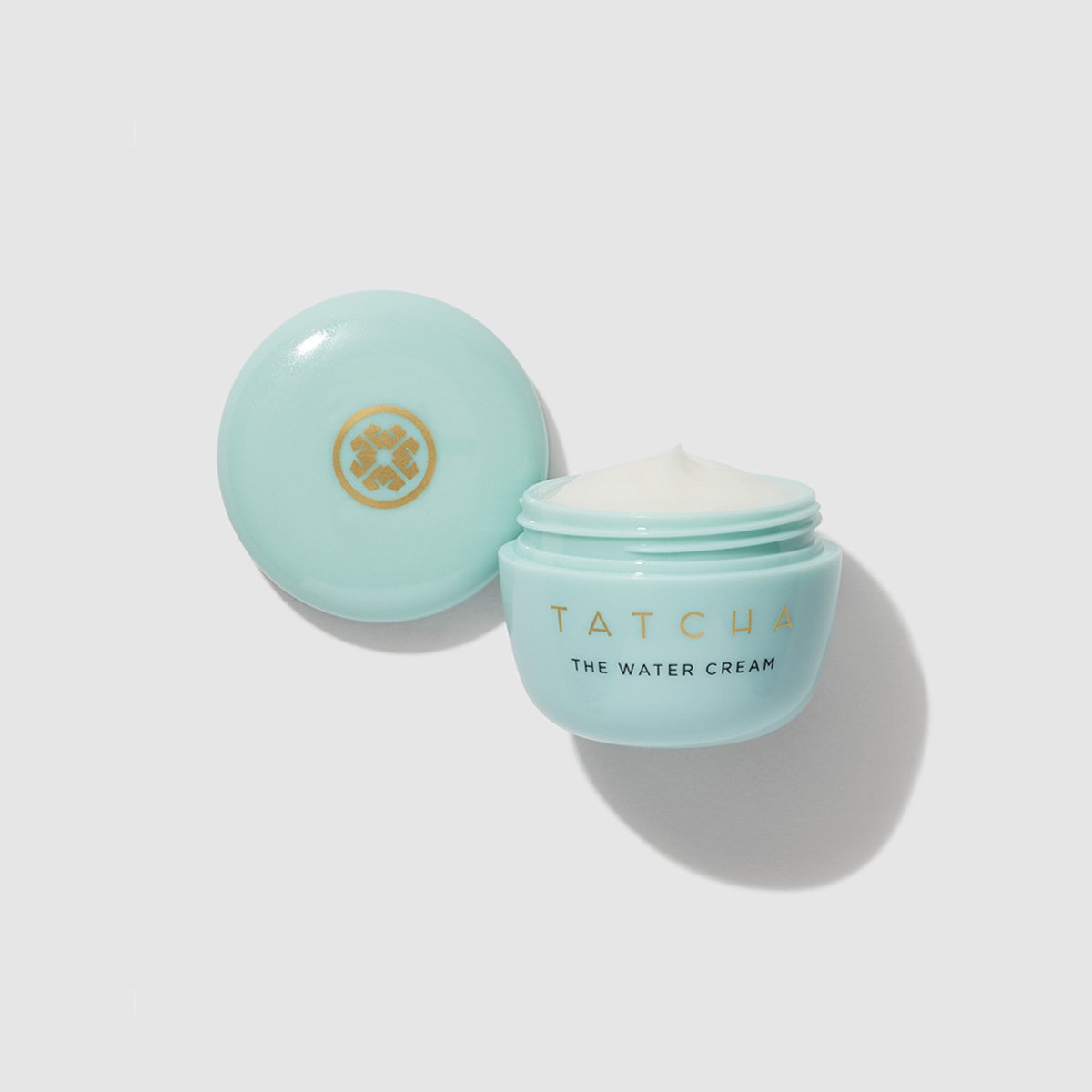
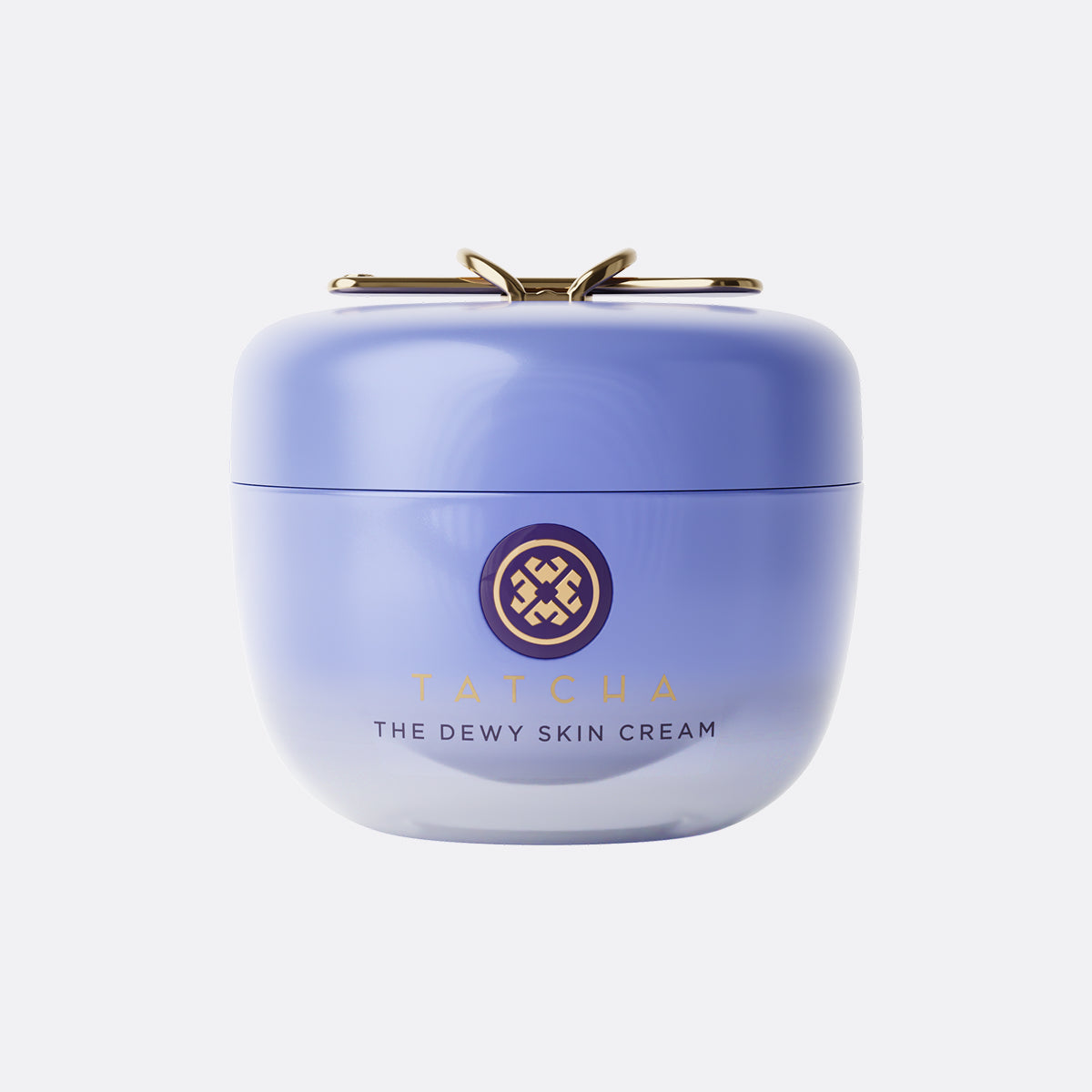
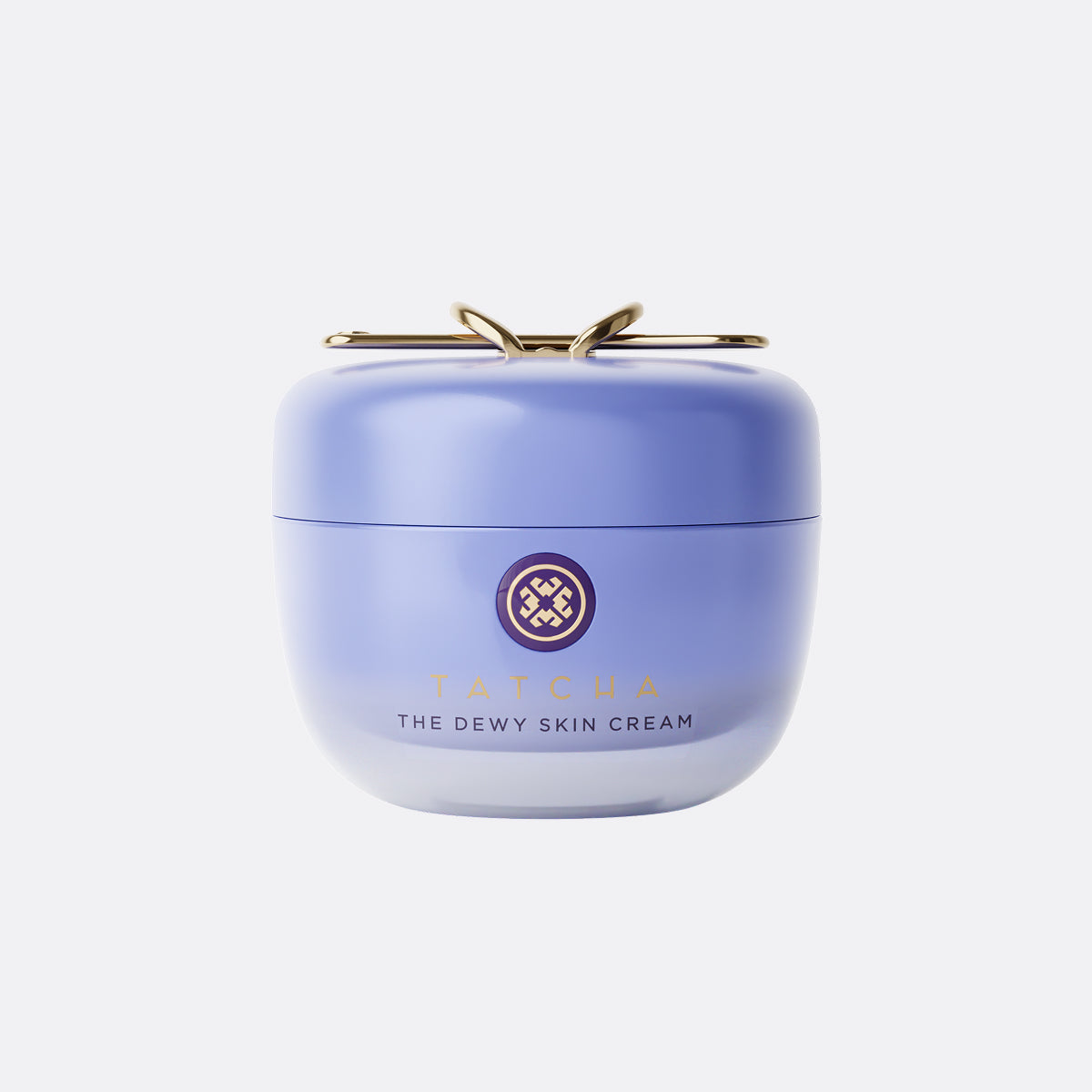
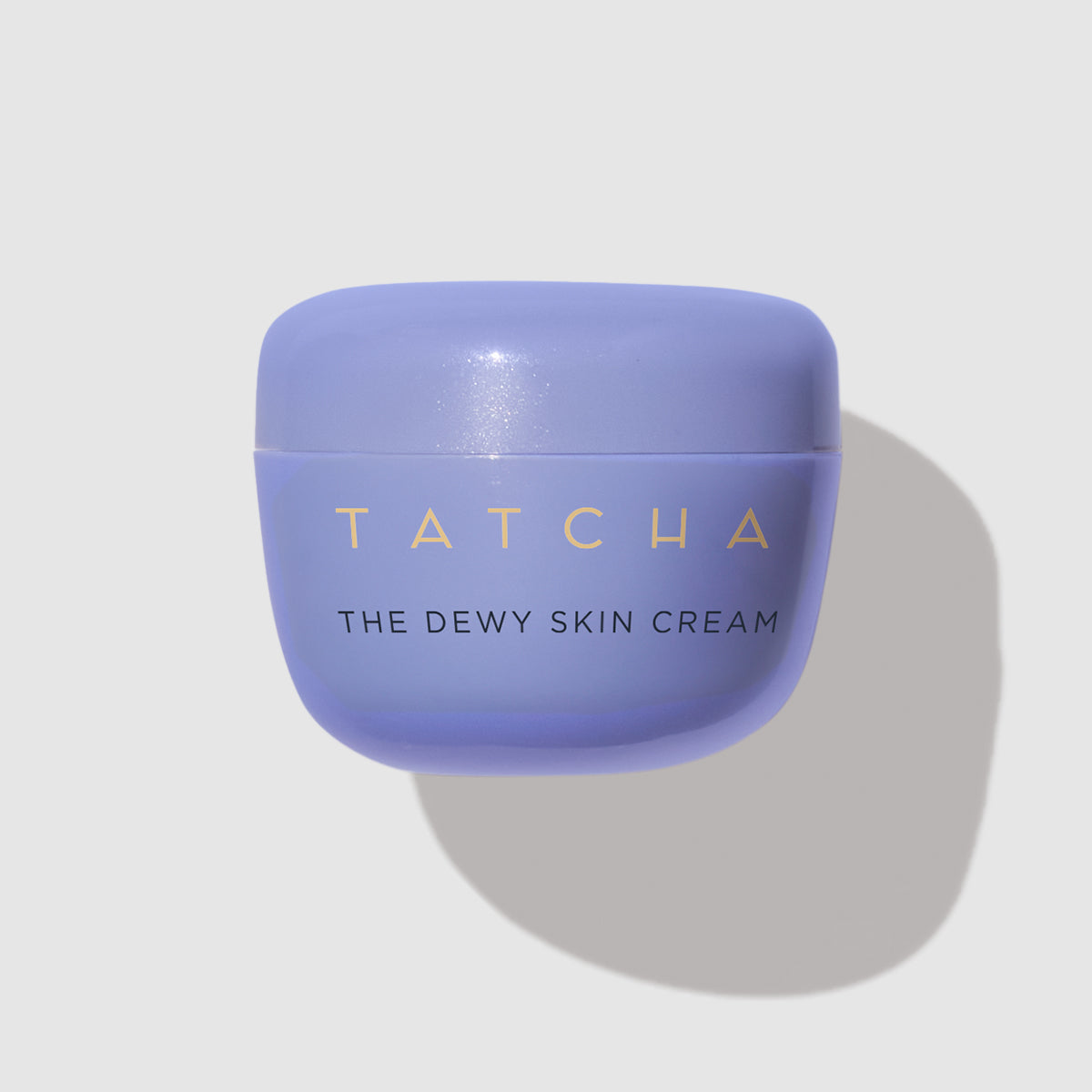
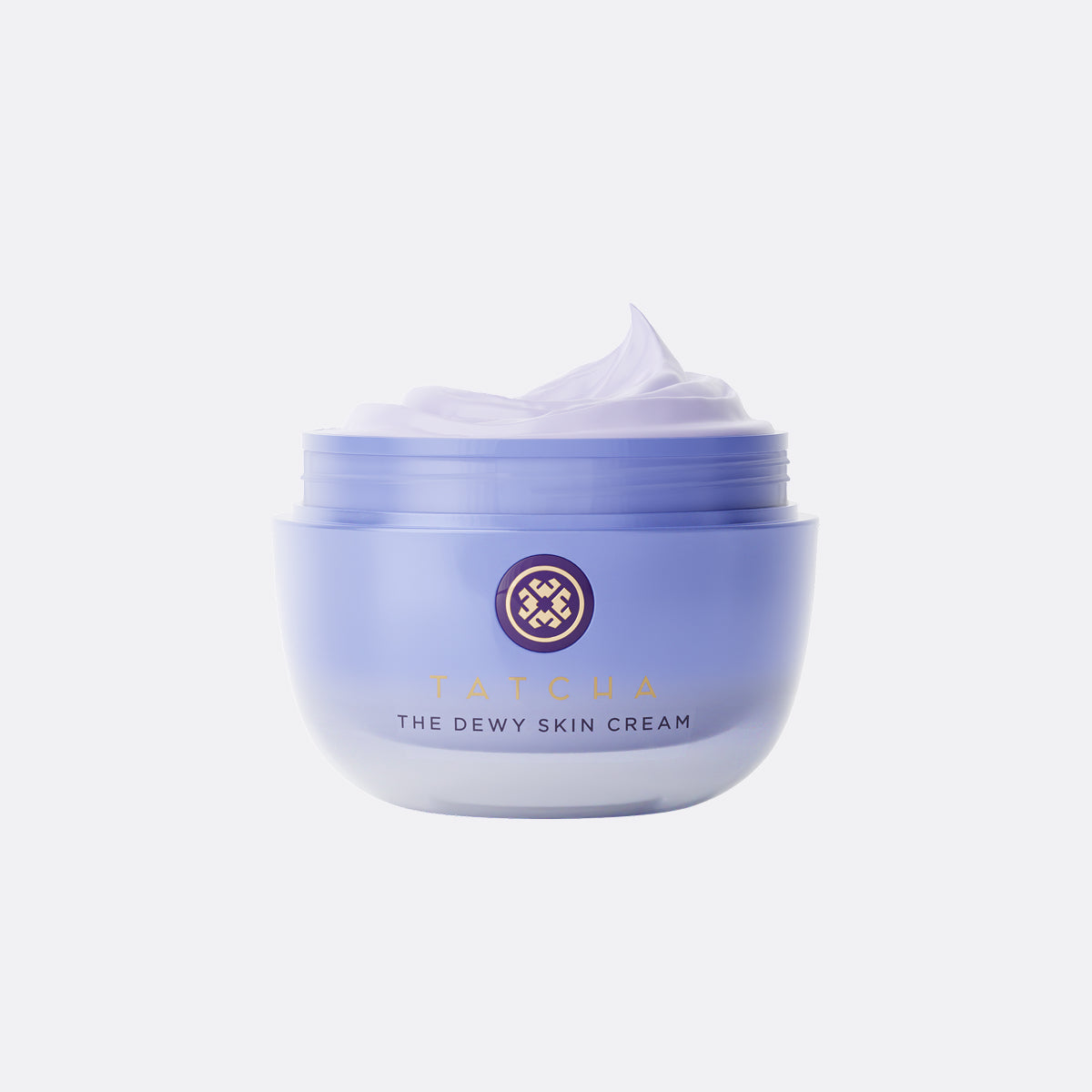
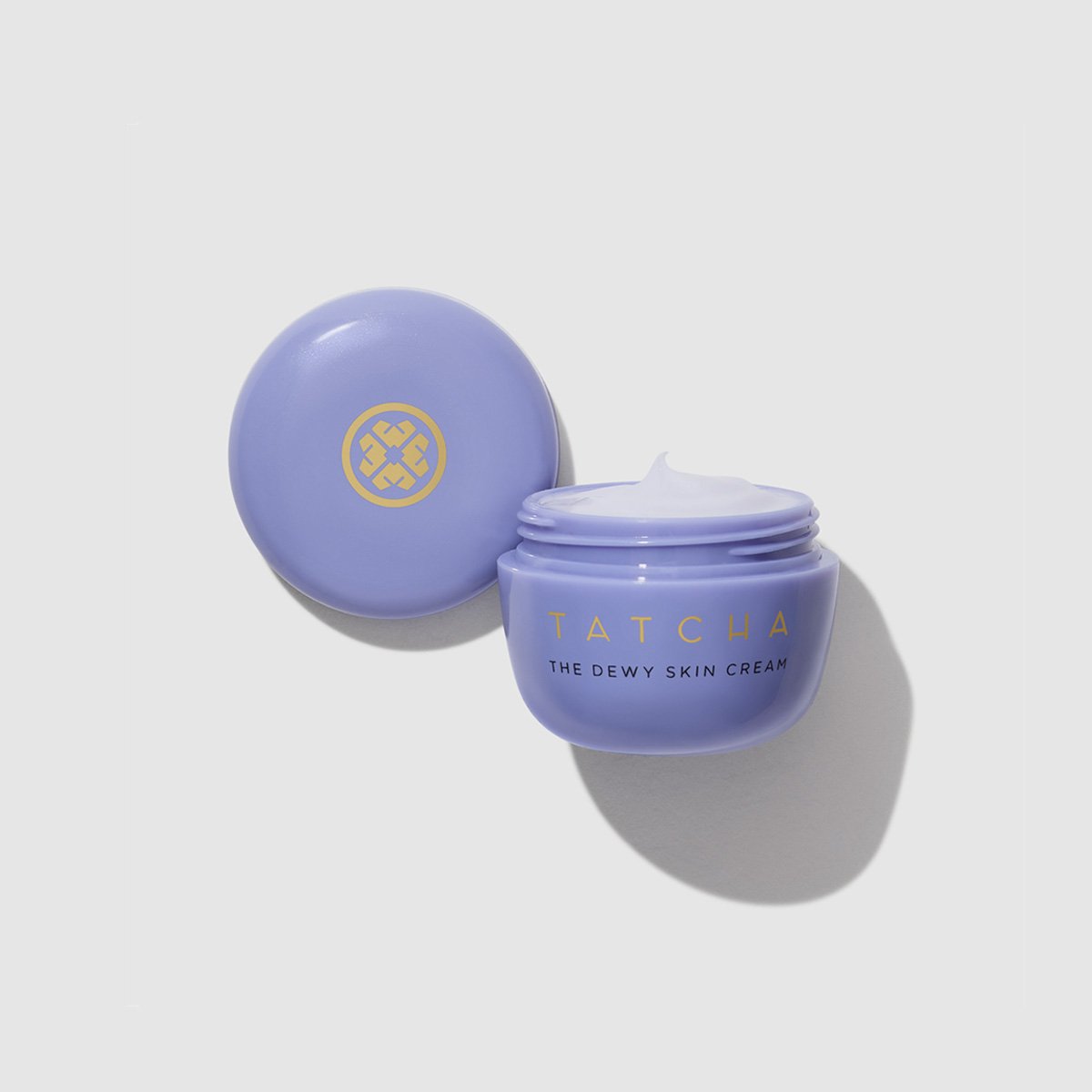
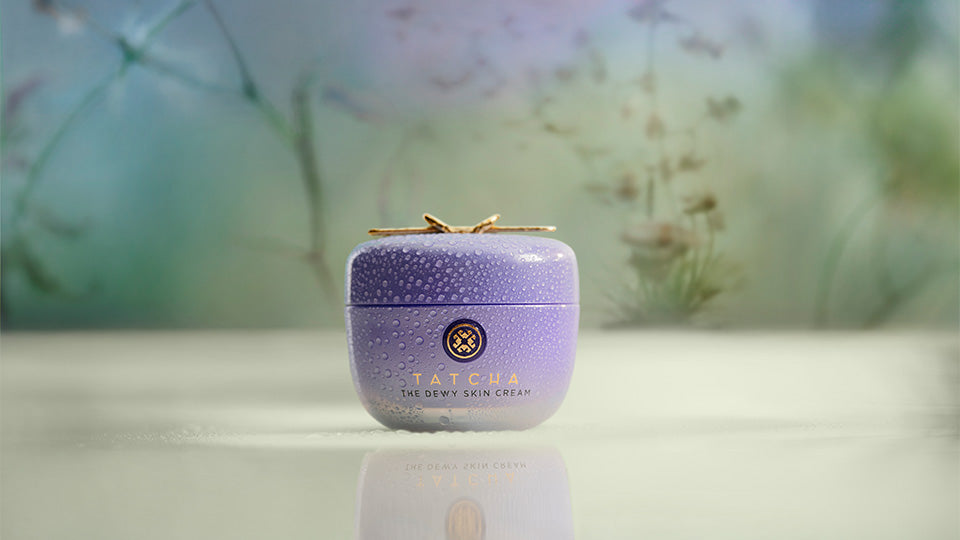
So what’ll it be? Those who worry about oil on their cheeks and in their T-zone might enjoy a texture like that of the Water Cream; a lightweight layer of pore-refining hydration. Or you can amp up the hydration with the Dewy Cream, which is richer in consistency and boosted by Japanese purple rice. This variety of the superfood is rich in anthocyanin, an antioxidant that helps restore skin and protect against stress and pollution.
But there are other ways to care for dry skin, too. Moisturizing is one thing, but if you suffer from dry skin, you may want to ensure all of the steps of your dry skincare routine are as hydrating and moisturizing as they can be. This is important to remember when choosing a cleanser. Some formulas cleanse extremely well, rinsing to leave behind squeaky-clean skin, but these don’t generally come recommended for dry skin. In fact, by drying out skin further, they can make things worse.
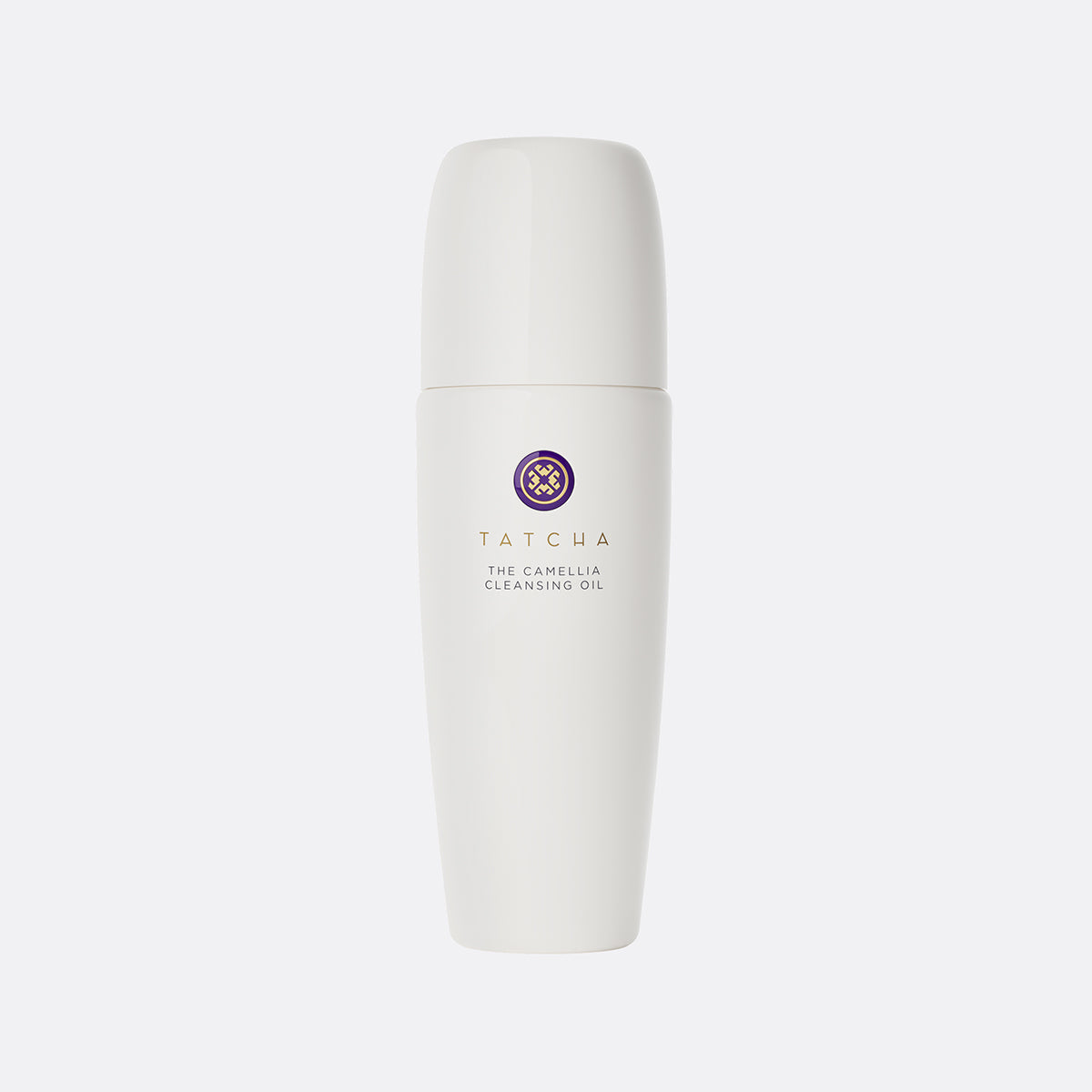
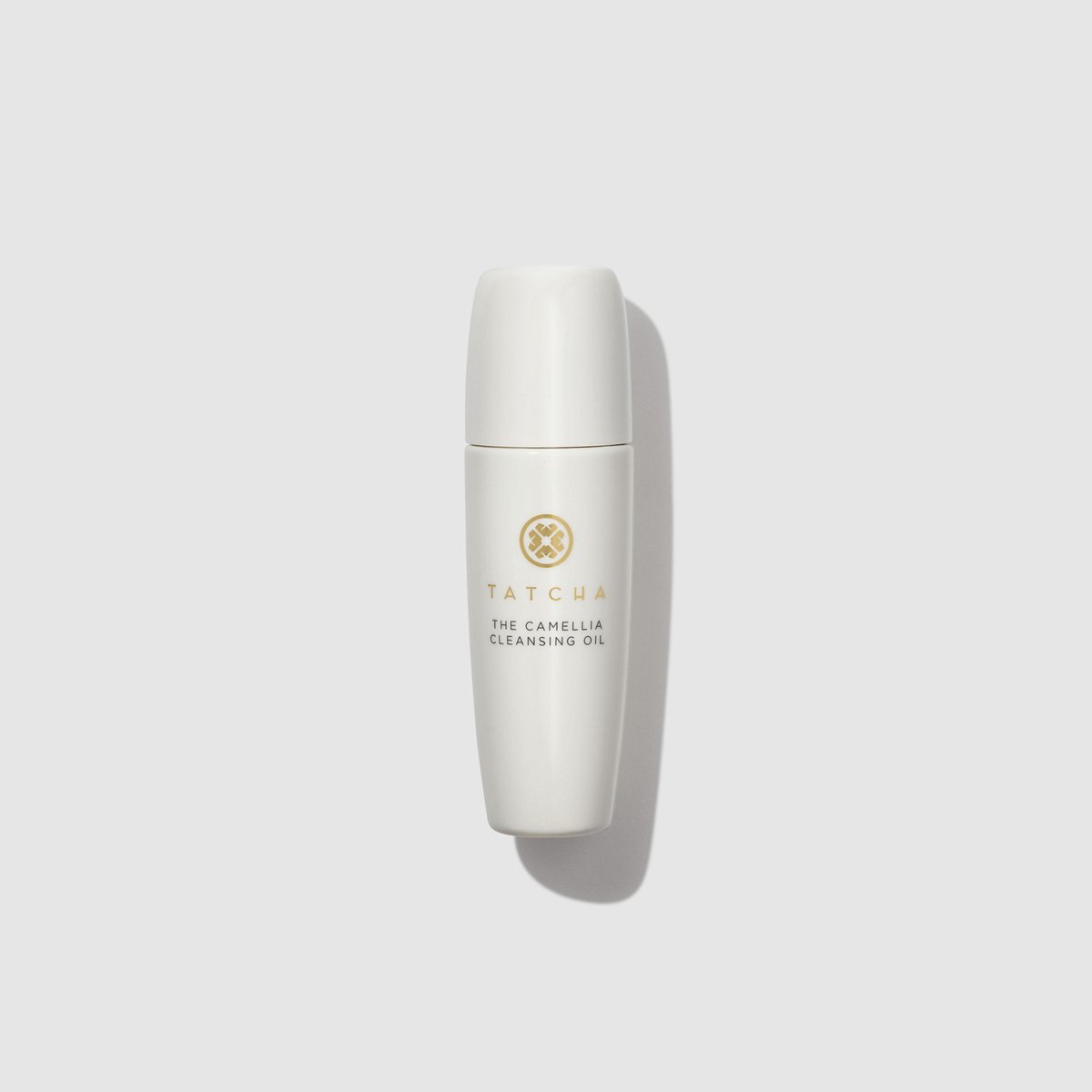
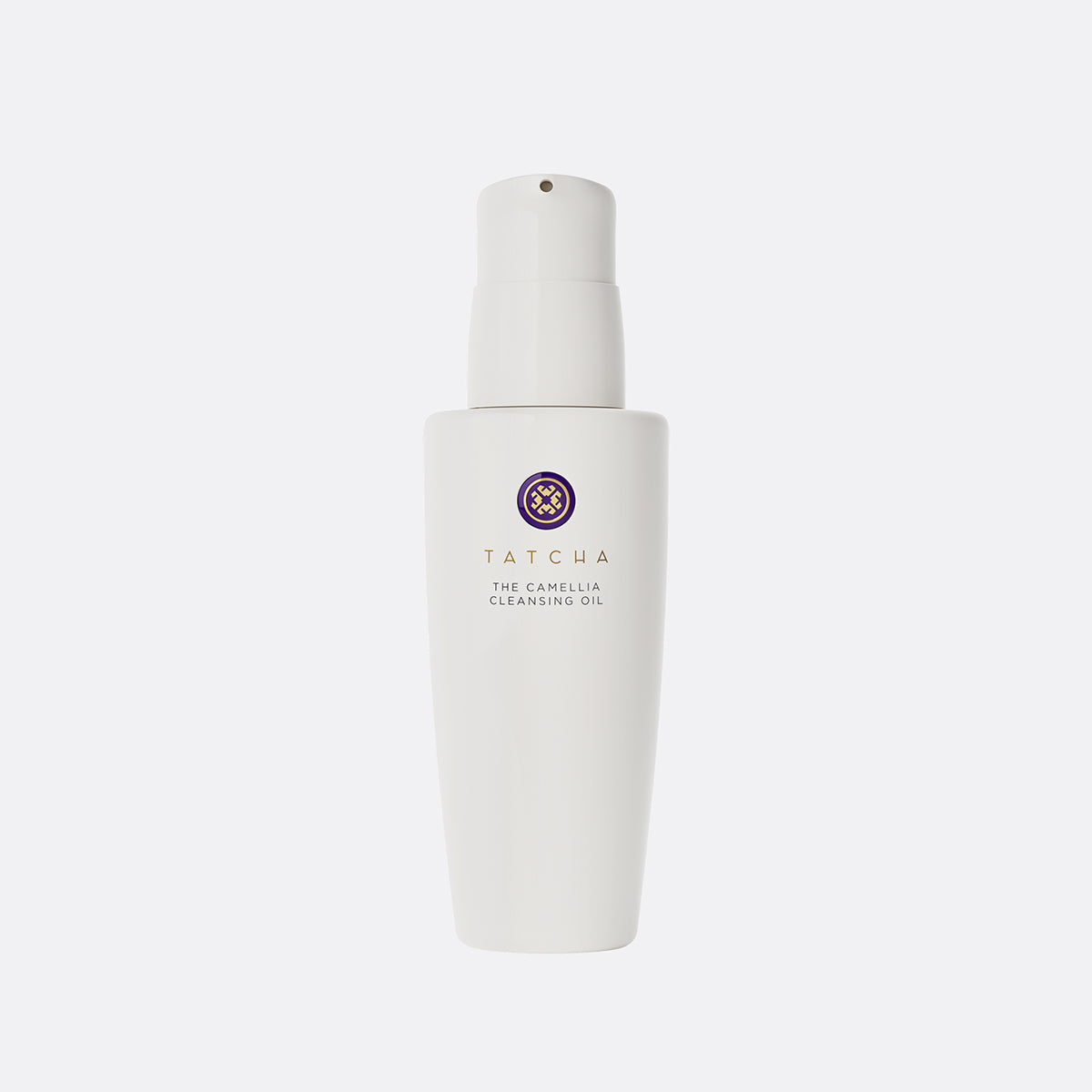
Oil-based cleansers make great options for dry skin, because they’re regarded to be effective at rinsing everything from makeup to skin-grime off without leaving dryness or tightness behind. The Camellia Cleansing Oil, based in featherweight tsubaki, was even inspired by the centuries-old rituals geisha performers used to wash their faces. (Some of their routines were detailed in the Capital Style and Beauty Handbook.) For those who prefer a different but equally moisturizing sensation, the Rice Wash is a cream cleanser made with Japanese rice powder (another geisha beauty secret).
The Best Japanese Skincare for Oily Skin
Contrary to its terminology, skin doesn't produce oil. It does produce sebum, which is secreted by sebaceous glands stashed deep within hair follicles and pores. If our outermost layer of skin is made of a brick-like matrix of dead skin cells, sebum is the caulk that keeps them together. But too much of a good thing can be a bad thing, and those who experience oiler-than-normal skin might also be more prone to acne and breakouts.
Chances are, your skincare routine for oily skin has been built with the goal of keeping your oil levels balanced. Some products help, like gel cleansers that not only reach deep into pores but are made with ingredients that can cut oil. The Matcha Cleanse is rich in antioxidants, thanks to a particularly nourishing form of green tea grown in Japan, but also incorporates pore-purifying Japanese botanicals, coix seed and willow bark, which exfoliate like beta hydroxy acids.
Choosing a Japanese moisturizer that’s designed for oily skin is also crucial. Something too heavy may contribute to that slick, uncomfortable feeling, while something too light simply won’t get the job done. The platonic ideal is a lightweight formula with ingredients that are shown to regulate skin’s oil content. In other words, it’s The Water Cream, a gel-cream formulated with oil-controlling floral extracts from wild rose and leopard lily.
The Best Japanese Skincare Essence
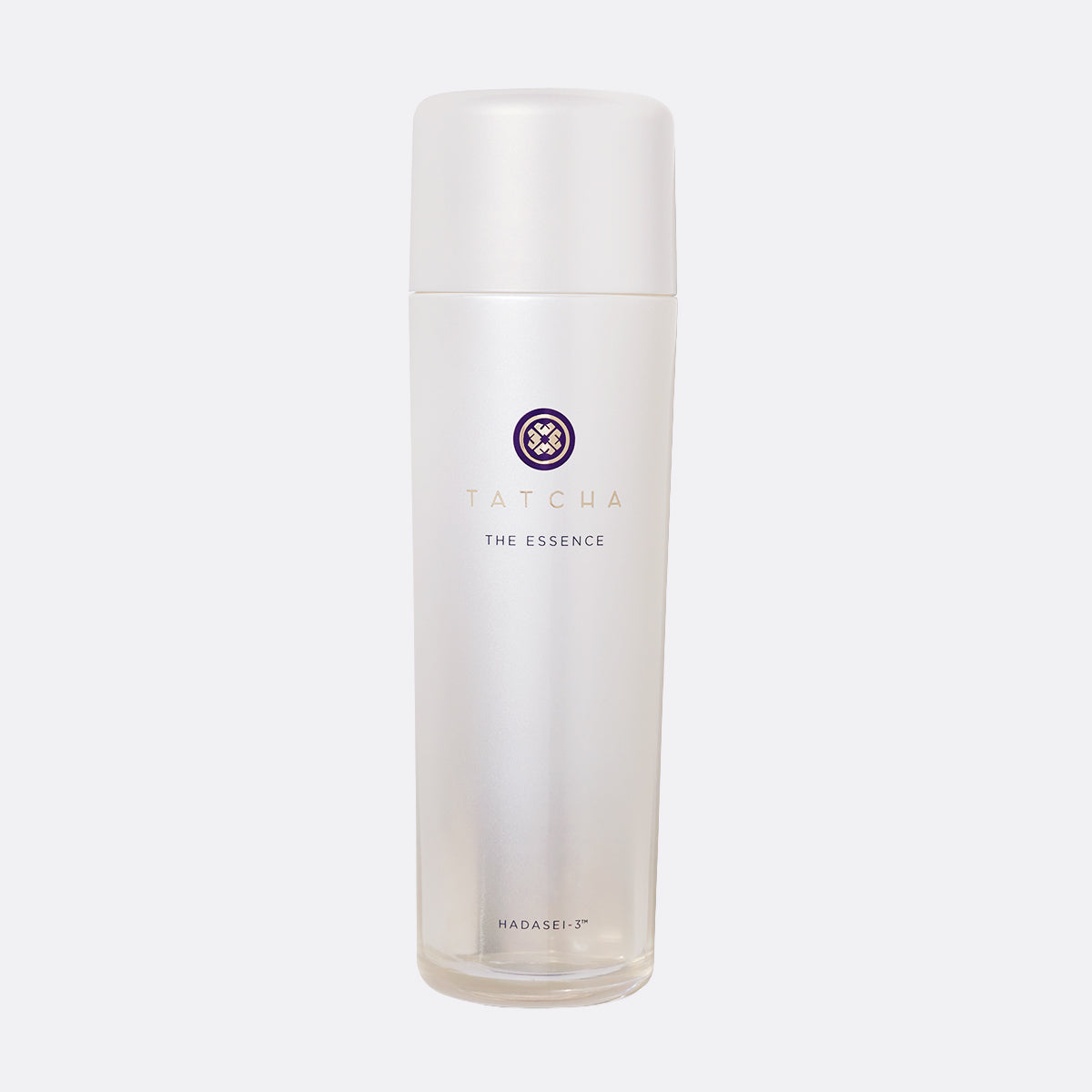
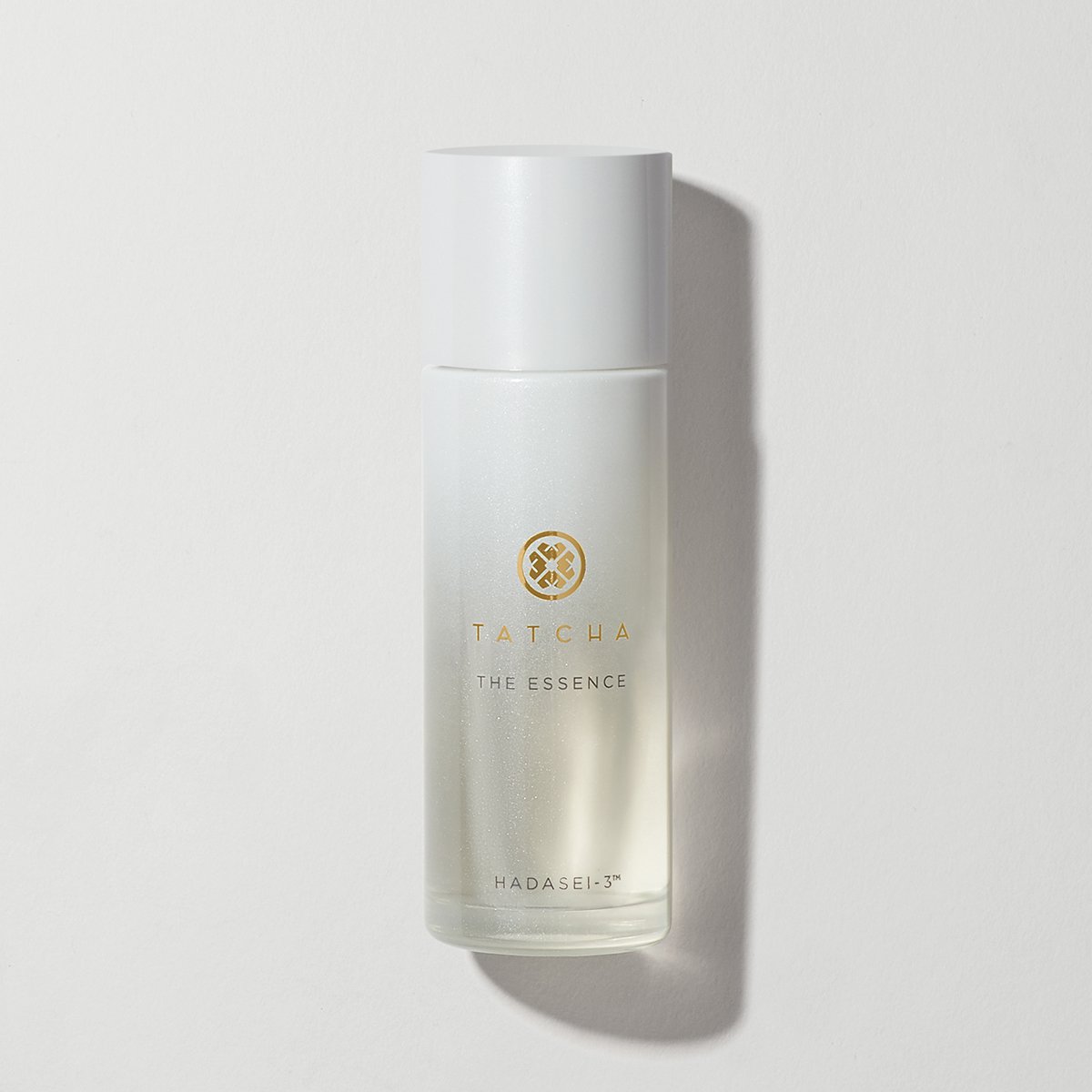
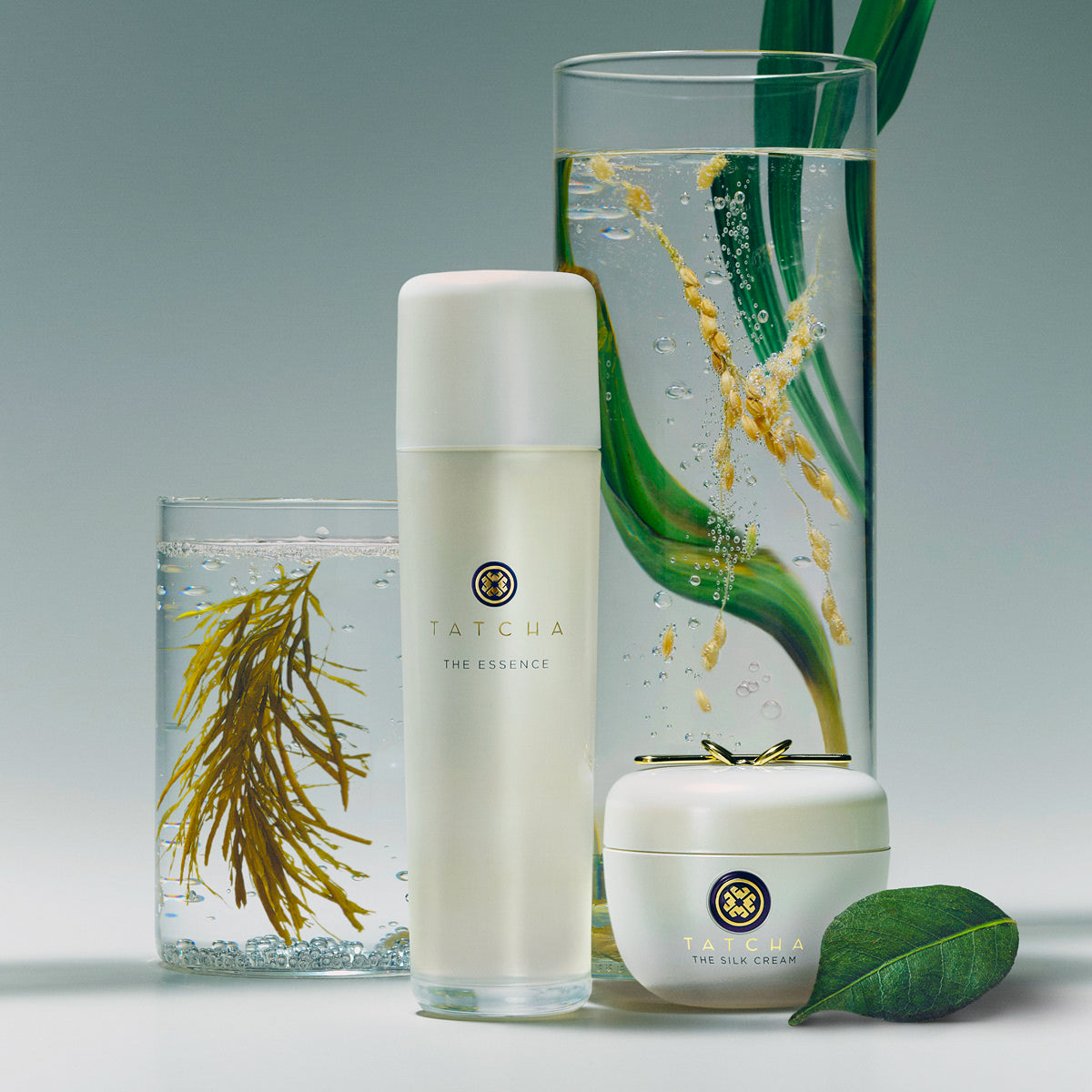
Japanese women are acutely aware of the fact that their skin is a reflection of their health, which is why they know to avoid certain foods and embrace others for their skin. (They know better than many of us that what is healthy for their body is also healthy for their skin.) The basis of the Japanese diet—rice, seaweed, and green tea—are beloved ingredients in some modern skin care formulas. Indeed, they make up Tatcha’s proprietary skin complex, Hadasei-3, reinforcing the skin barrier with proteins and antioxidants.
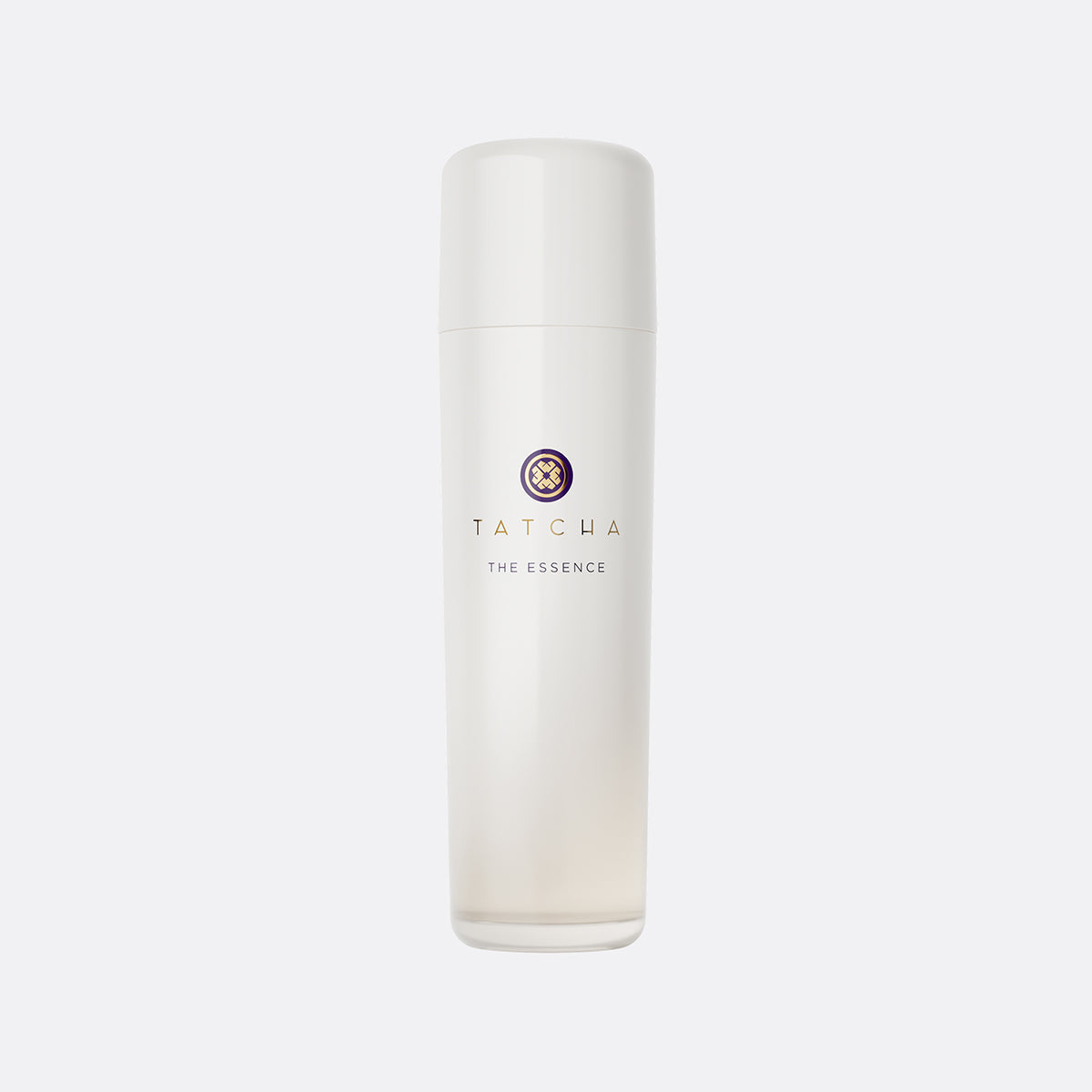
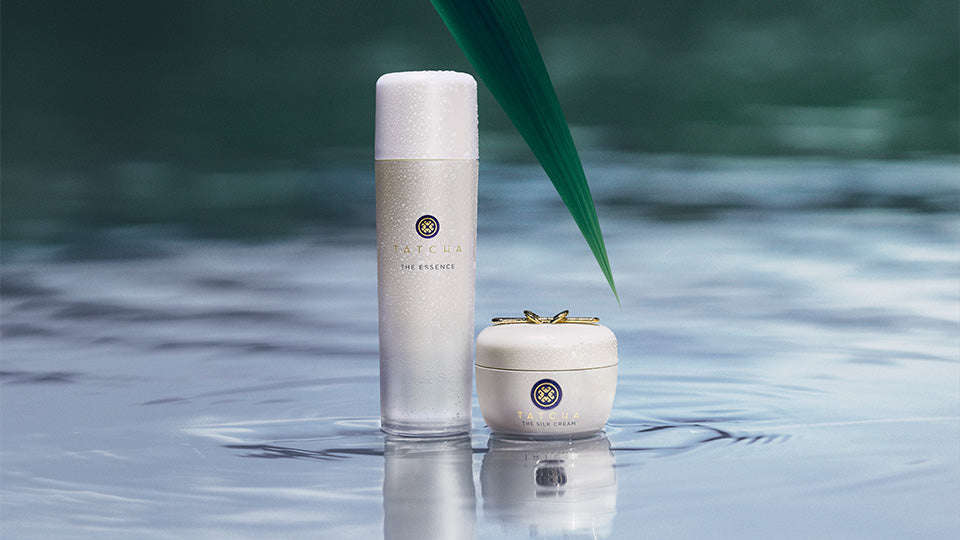
Hadasei-3, in turn, makes up The Essence. An essence is a Japanese skincare formula with the weight of water, splashed on and pat into skin. Now popular all over the world, some of the first essences were made in Japan. Tatcha’s Essence resurfaces, softens, and plumps skin after cleansing, but it also preps and primes the skin so you can get more out of your moisturizer. It’s a super easy step that can add serious benefits to your skincare routine while maximizing the benefits of your other Japanese skincare products.
The Best Japanese Skincare Mask
In general, the Japanese skincare ritual isn’t about overnight transformations or aggressive treatments, but rather about attending to your skin—and to yourself—every day. The mind-body connection is powerful, and few cultures know this better than the Japanese, who often refer to kokoro—that kanji character meaning heart, but which translates closer to single mind, body, soul.
One way to reflect this sensibility in your own life is to use your skincare routine as a means of meditation. Face masks offer a perfect opportunity. They’re best applied regularly, and each application requires a short time period while you let the mask work. If nothing else, use a mask as an excuse for three 20-minute relaxation breaks throughout the week. But you’d also be wise to pick one that will help your skin.
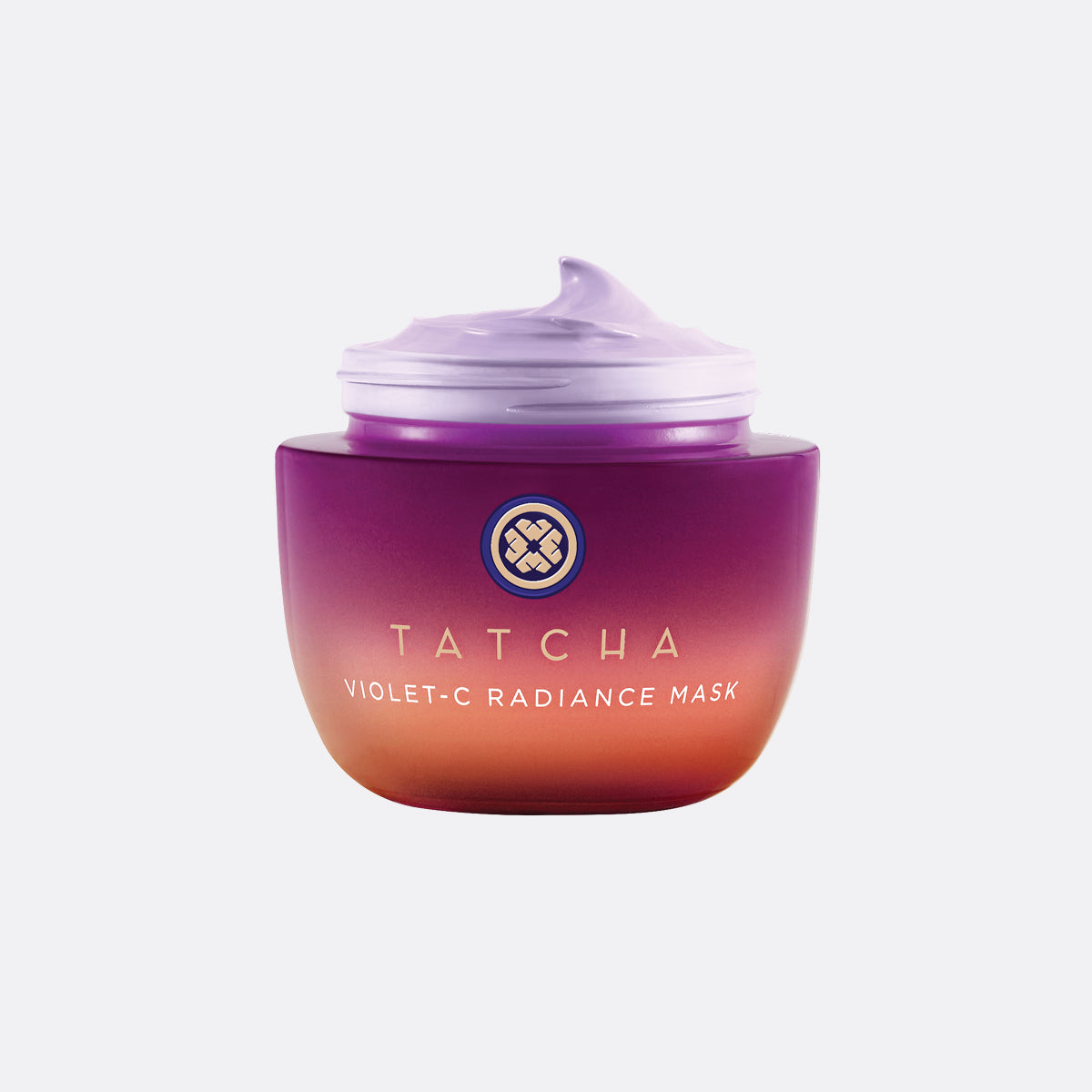
There’s an amazing Japanese skincare mask for you, whatever you’re looking for. Tatcha’s offerings span every skin type. For sensitive and reactive skin there’s the Indigo Overnight Repair dosed with Japanese indigo; for oily skin, the pore-perfecting Clarifying Clay Mask for dullness, and the Violet-C Radiance Mask with glow-inducing antioxidants and alpha hydroxy acids (AHAs). But whatever mask you choose, make sure to choose one. You owe yourself the downtime.
The Best Japanese Lip Care Products
Many Japanese customs emphasize a rigorous attention to detail. Why would Japanese skincare products and beauty regimens be an exception? Good skincare is about not only the skin on our face but also the delicate skin found under our eyes and lips that require a targeted approach.
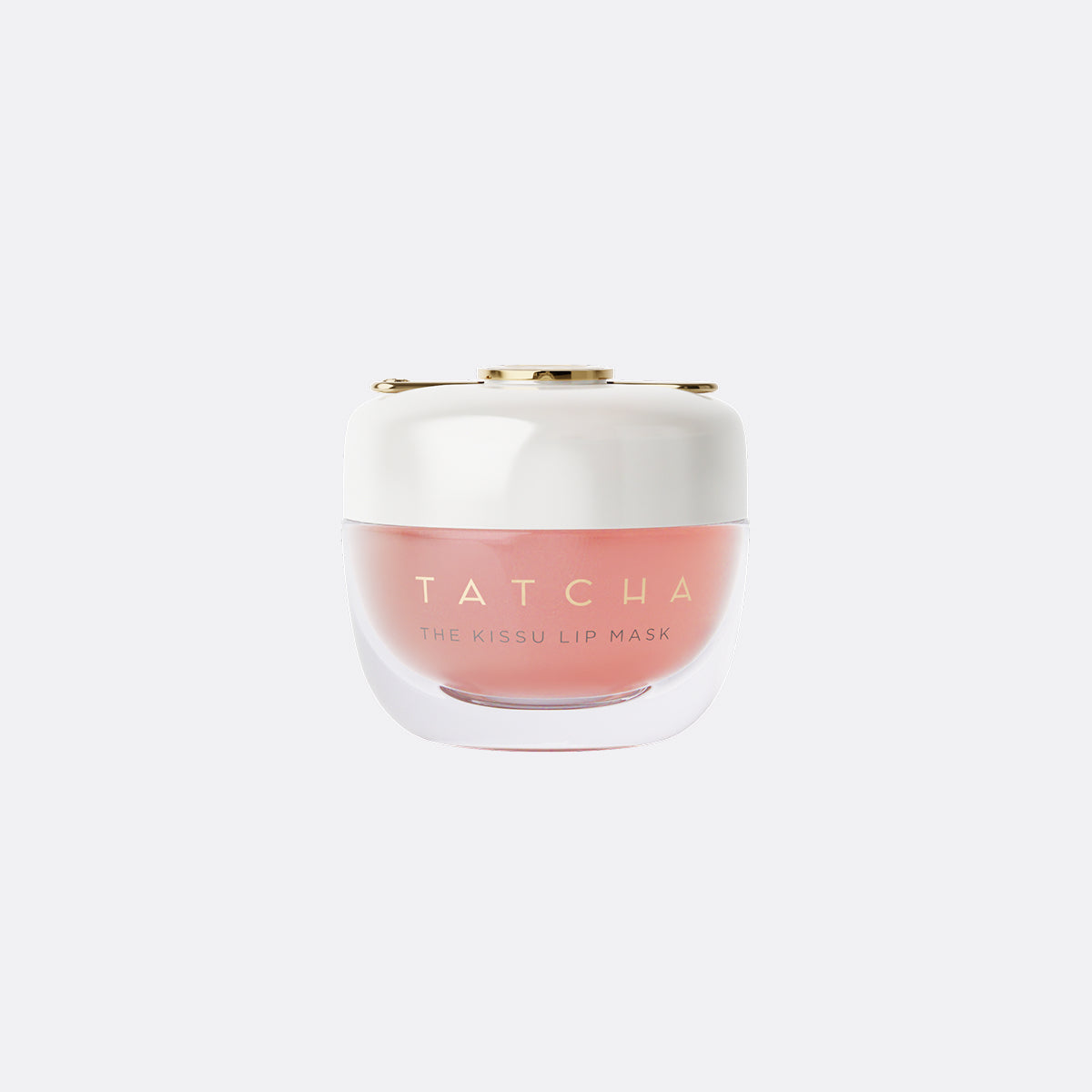
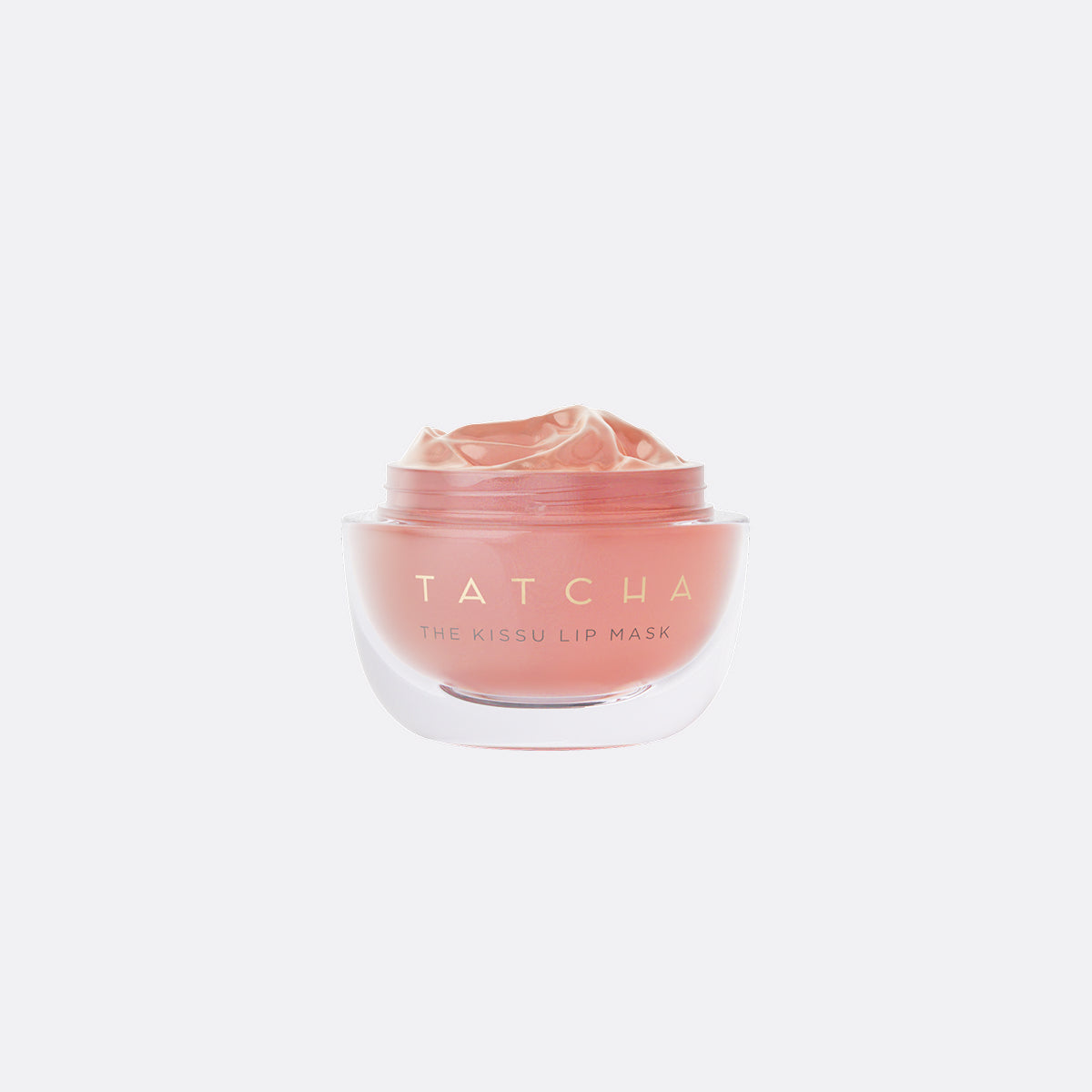
Tatcha’s collection of Japanese-inspired lip products is renowned, and built off the success of one tiny but mighty jar: The Kissu Lip Mask. As cosmetic legend has it, women in ancient Japan used an extract of peach kernel to keep their lips soft; in a contemporary update, the Kissu Mask gets its moisturizing power from a juicy peach extract, plus bonafide hydrators like squalane and camellia oil. The love for Kissu has expanded the range to include a plumping serum, as well as a day-wear version in three shades. Enter the Kissu Lip Tint, which is also blessed with sun protection—and the cushiony finish of silk protein and lanolin.
The Best Japanese Sunscreen
Sunscreens are particularly exciting Japanese skincare products. Protection from the sun is important for every human, every day, regardless of where they live.Yet in Japan, it’s taken especially seriously. It’s not unusual to see a woman wearing long gloves on a sunny summer day, or a child using a parasol during a rainless walk to school—and in both cases, they’re probably wearing an invisible layer of sunscreen, too. Japan’s emphasis on sun protection is perhaps why the nation’s sunscreens are highly coveted for their elegant textures, advanced protection, and comfortable wearability, especially when applied correctly within your overall skincare and beauty routine.
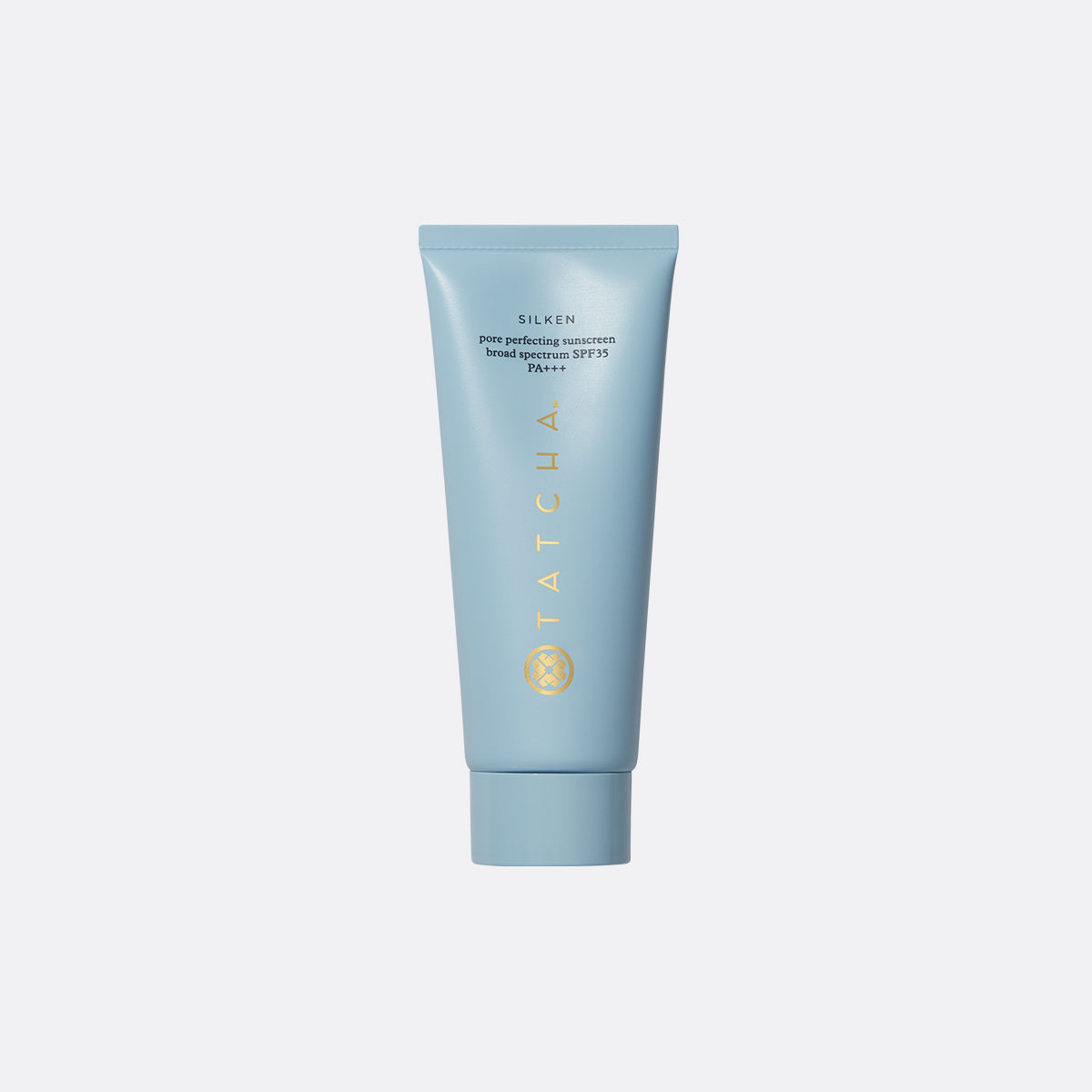
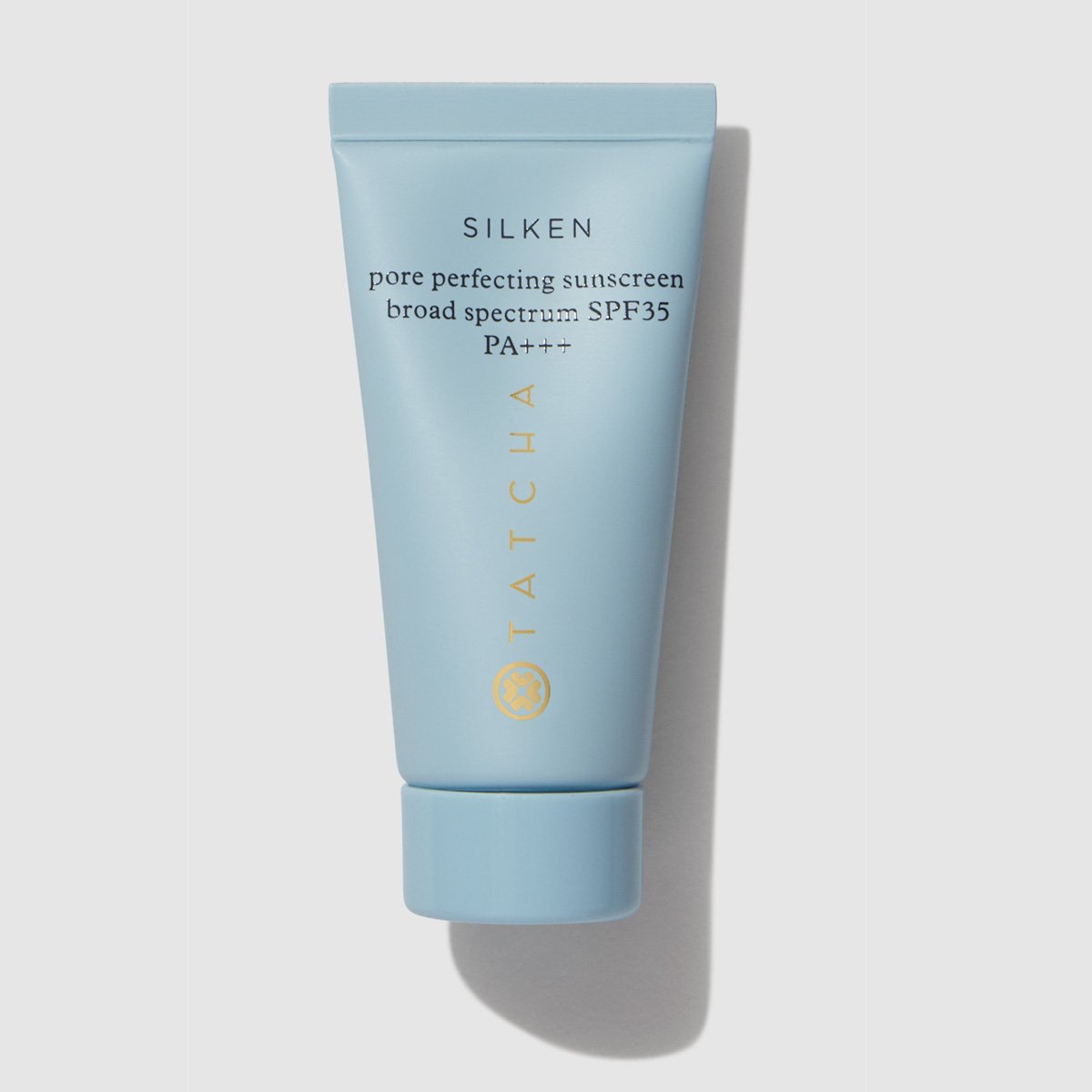
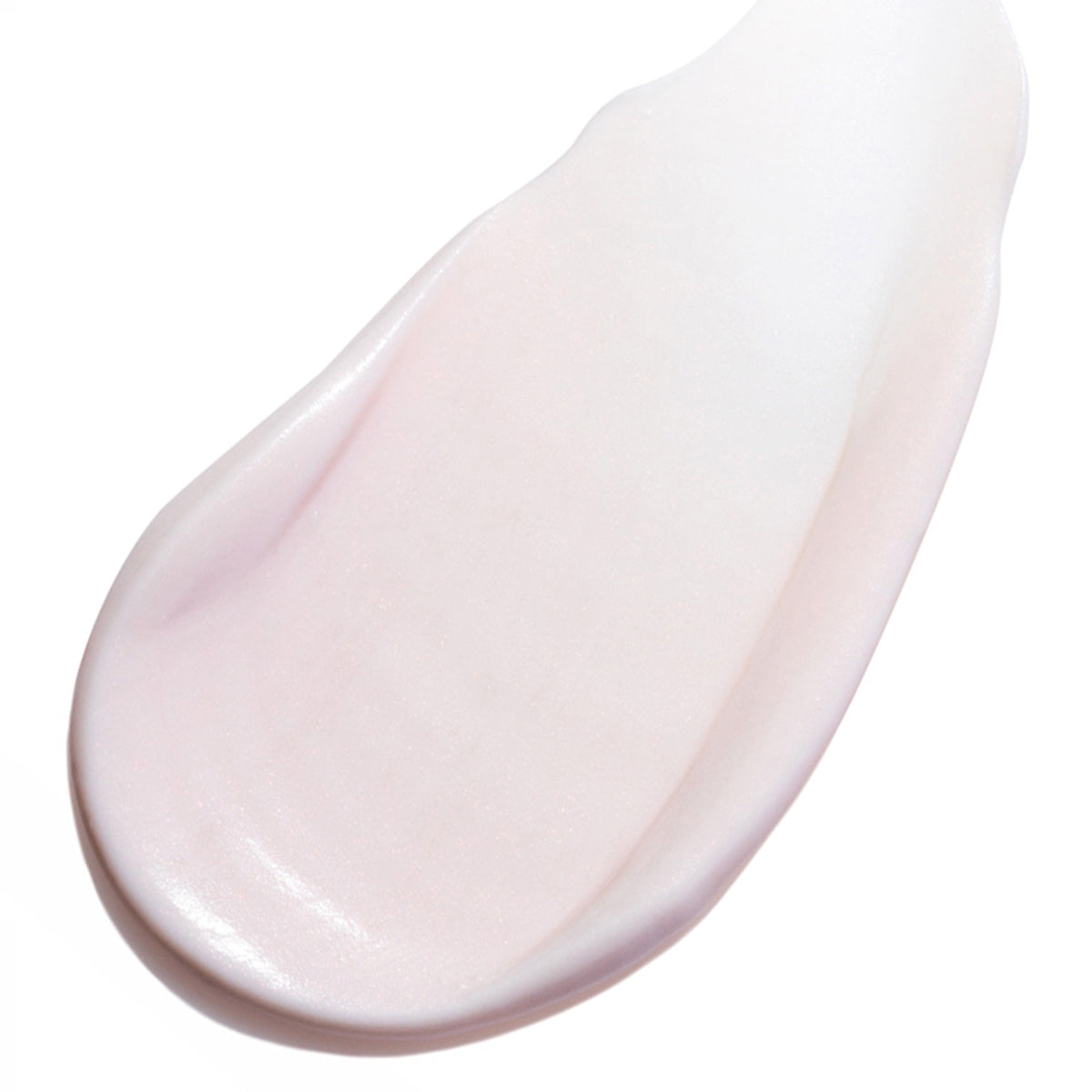
There are Japanese sunscreens for whatever you’re looking for. Want something that will smooth over pores and prime the skin for flawless makeup? The Silken Pore Perfecting Sunscreen SPF 35 does just that, and adds antioxidants that can help protect and repair skin from environmental damage, including from the sun. For a little more protection, check out the SPF 50 Silk Sunscreen, which is actually formulated with silk extract for a finish that is virtually weightless. (Tatcha likes to say that it feels like nothing except peace of mind.) Whichever you choose, make sure to wear your sunscreen, and don’t leave home without it.